
Preparado por Ral Portuondo Duany Introduccin Niez y



- Slides: 62
Preparado por: Raúl Portuondo Duany
Introducción
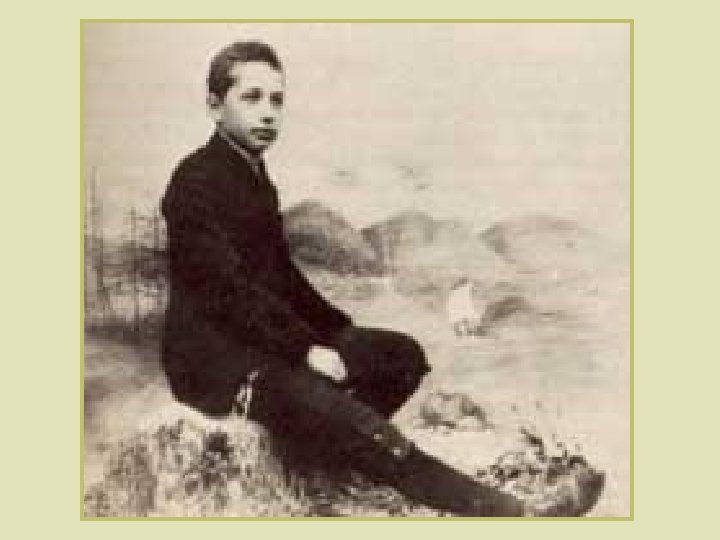
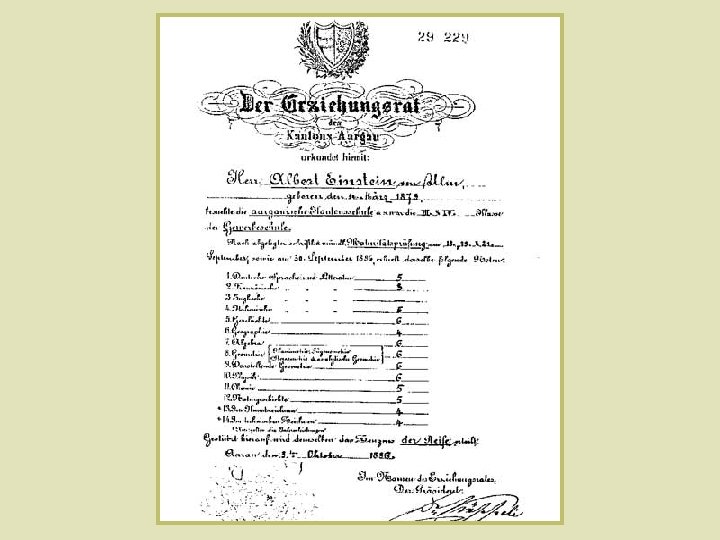
Niñez y Juventud
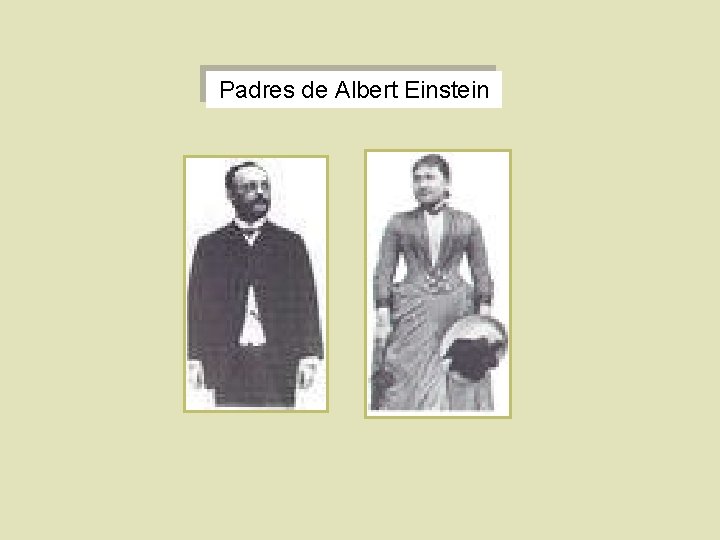
Padres de Albert Einstein
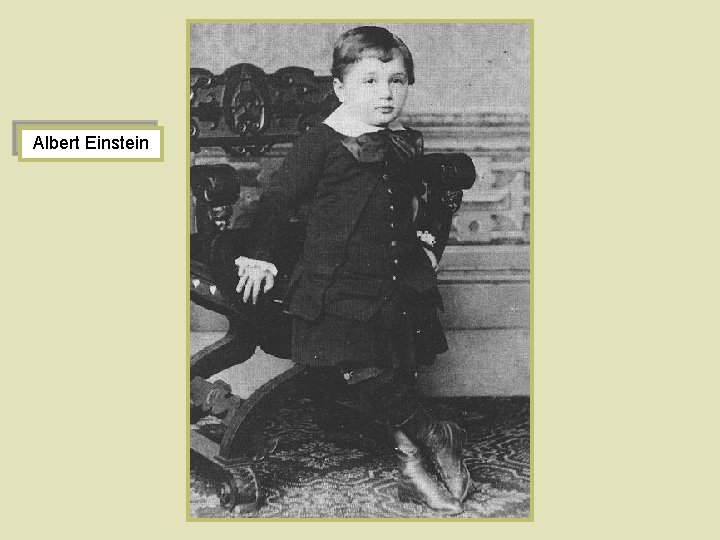
Albert Einstein
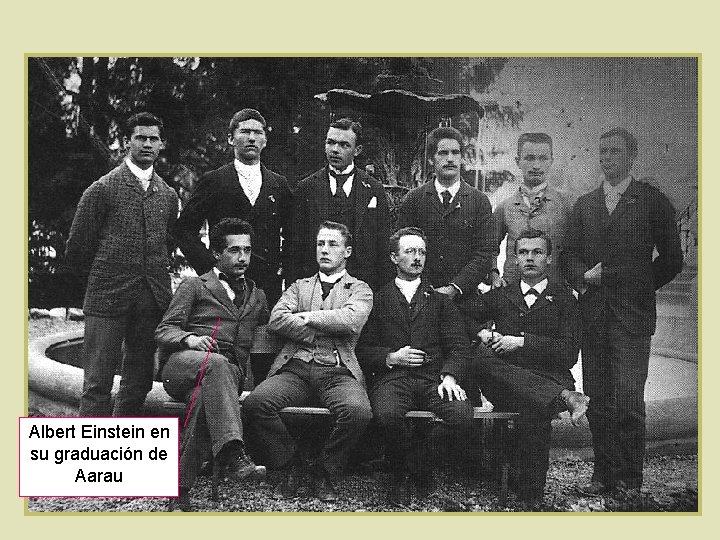
Albert Einstein en su graduación de Aarau
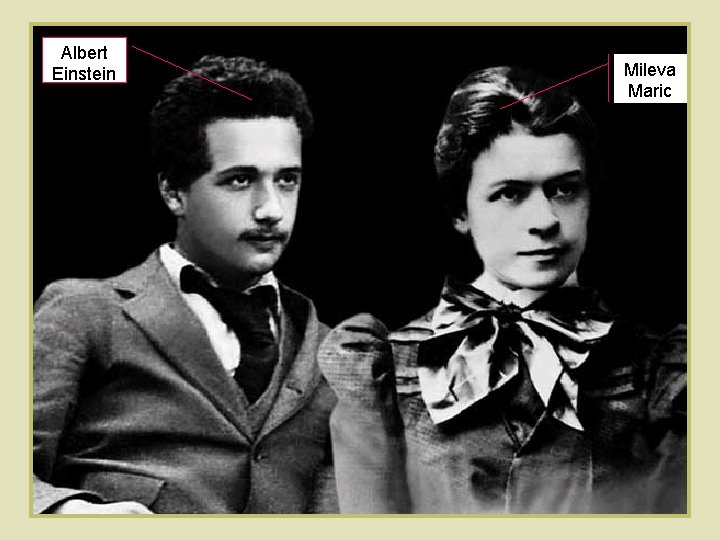
Albert Einstein Mileva Maric
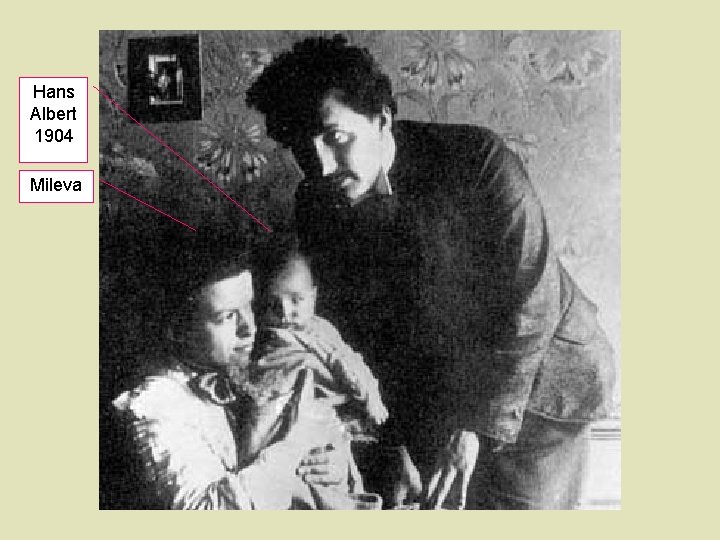
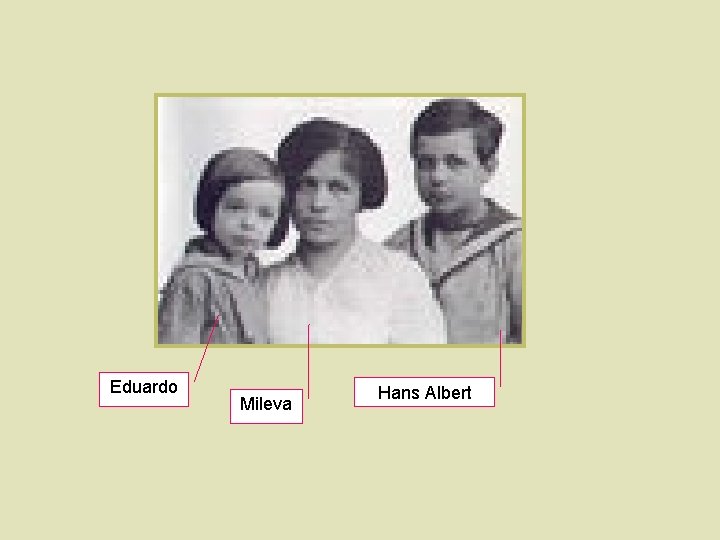
Hans Albert 1904 Mileva
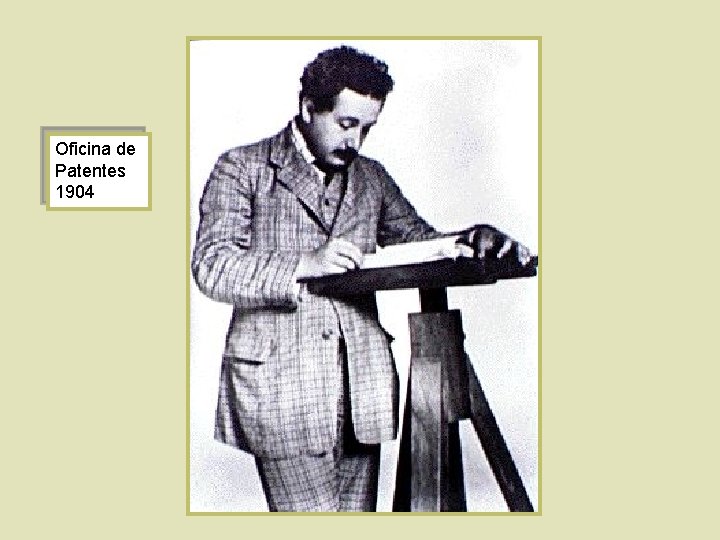
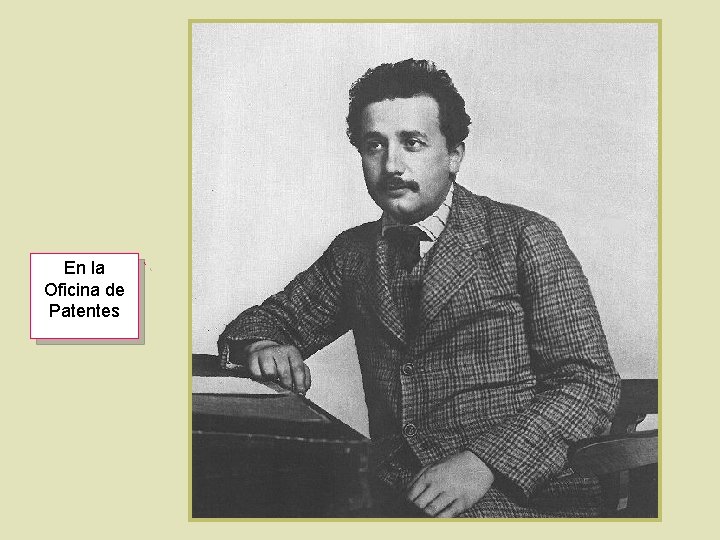
Oficina de Patentes 1904
Problemas de la Física en los 1900
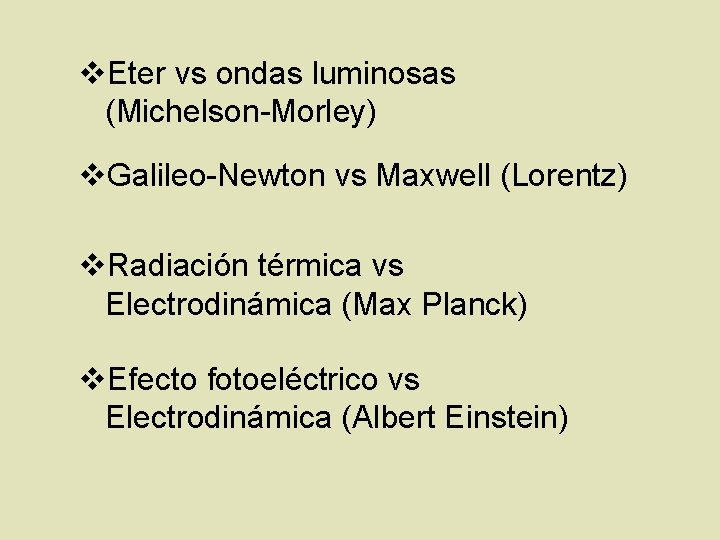
v. Eter vs ondas luminosas (Michelson-Morley) v. Galileo-Newton vs Maxwell (Lorentz) v. Radiación térmica vs Electrodinámica (Max Planck) v. Efecto fotoeléctrico vs Electrodinámica (Albert Einstein)
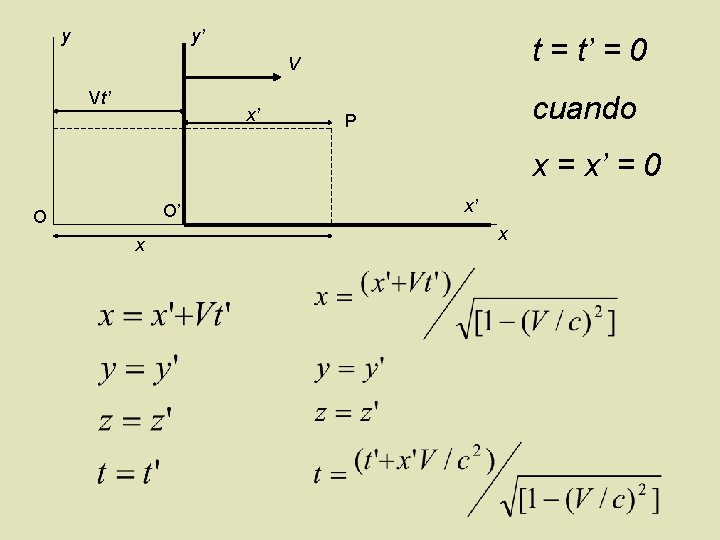
y y’ t = t’ = 0 V Vt’ x’ cuando P x = x’ = 0 O’ O x x’ x
1 -Las leyes de la Física son las mismas en todos los sistemas inerciales de referencia. 2 -La velocidad de la luz en el vacío tiene un mismo valor en todos los sistemas inerciales de referencia, independientemente de las velocidades de la fuente de luz y del observador.
En la Oficina de Patentes
Eduardo Mileva Hans Albert
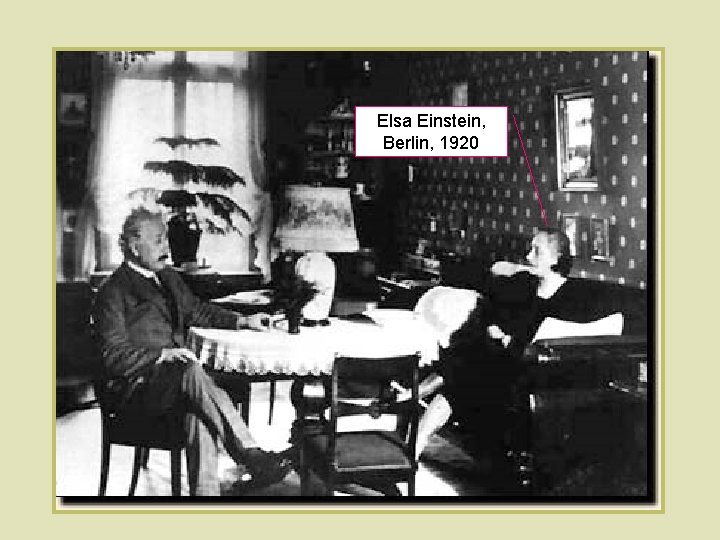
Elsa Einstein, Berlin, 1920
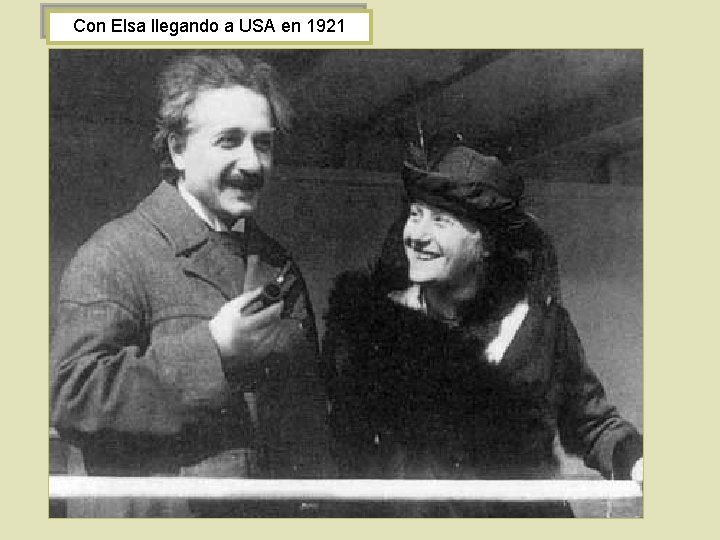
Con Elsa llegando a USA en 1921
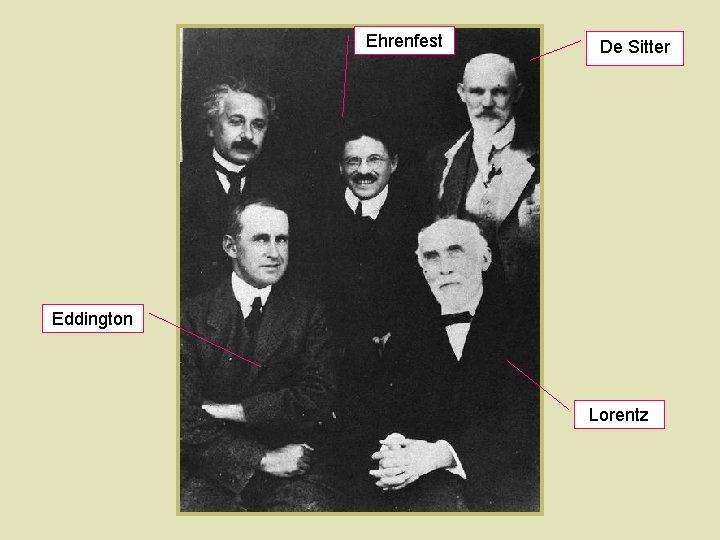
Ehrenfest De Sitter Eddington Lorentz
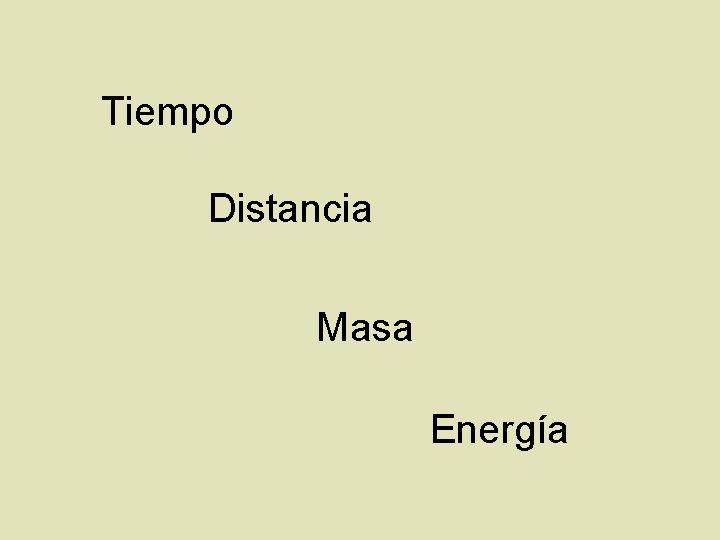
Tiempo Distancia Masa Energía
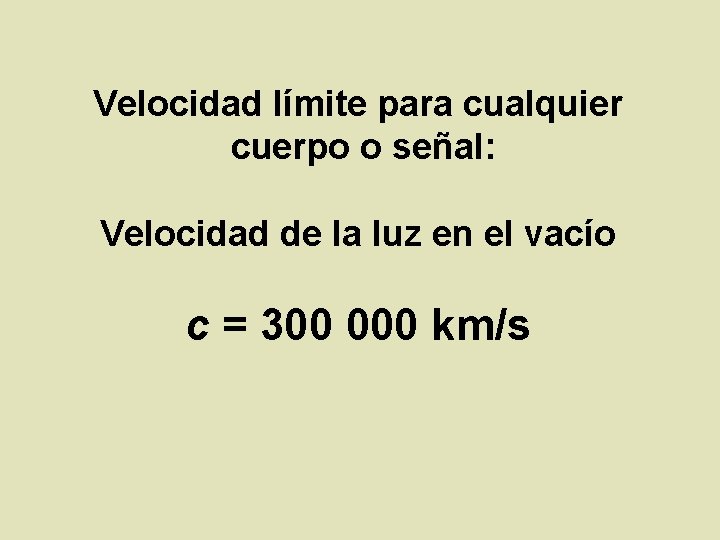
Velocidad límite para cualquier cuerpo o señal: Velocidad de la luz en el vacío c = 300 000 km/s
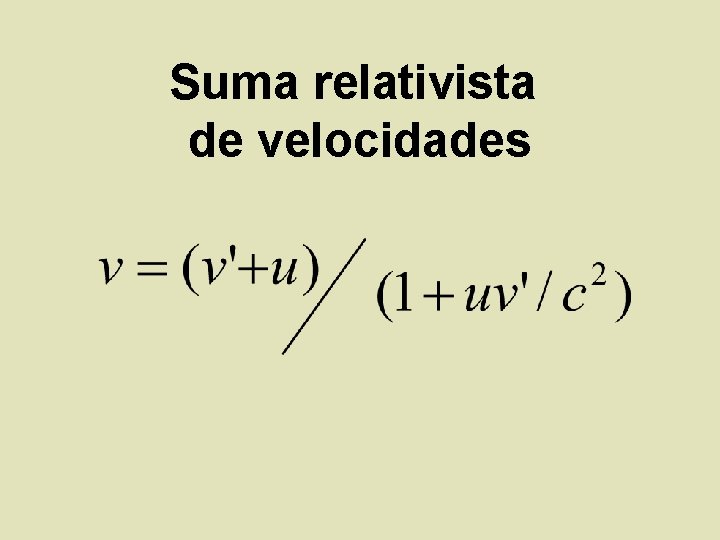
Suma relativista de velocidades
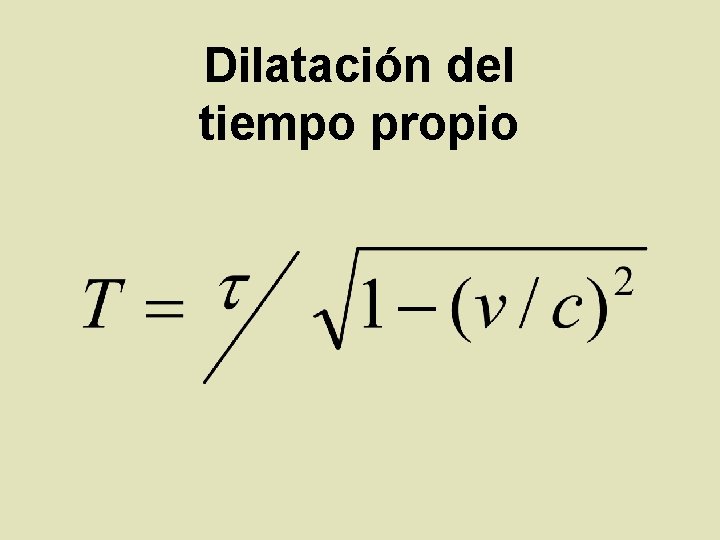
Dilatación del tiempo propio
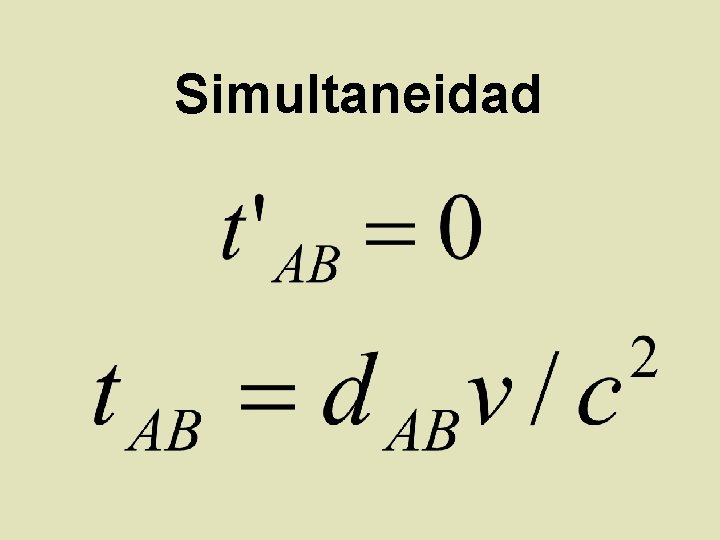
Simultaneidad
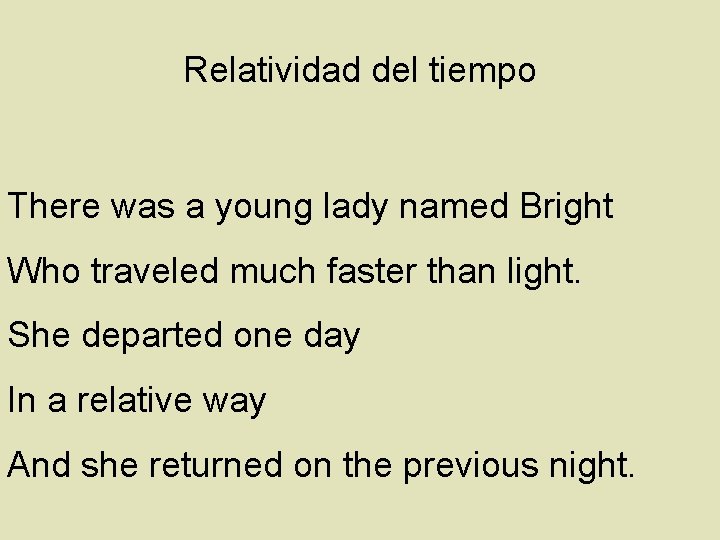
Relatividad del tiempo There was a young lady named Bright Who traveled much faster than light. She departed one day In a relative way And she returned on the previous night.
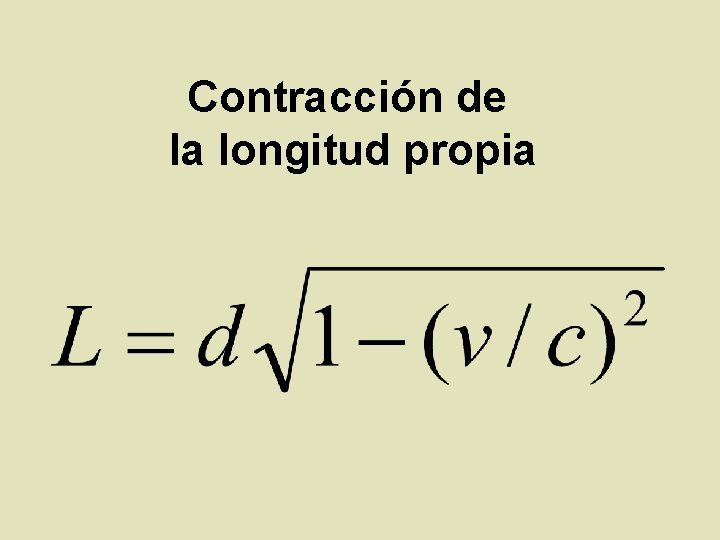
Contracción de la longitud propia
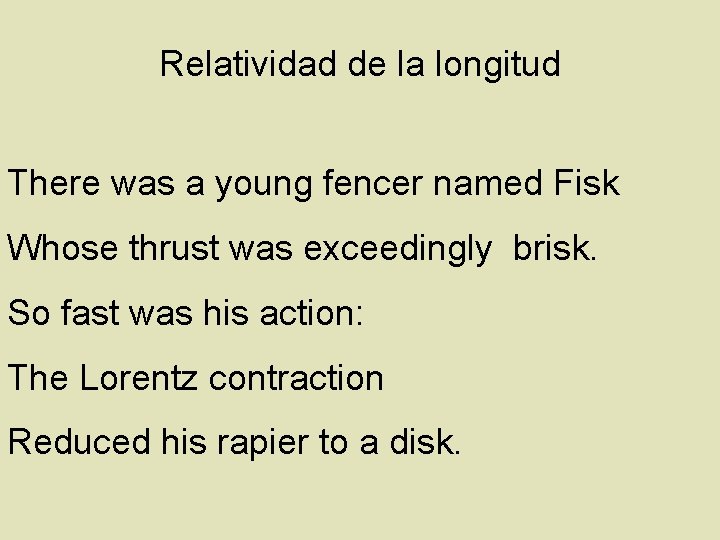
Relatividad de la longitud There was a young fencer named Fisk Whose thrust was exceedingly brisk. So fast was his action: The Lorentz contraction Reduced his rapier to a disk.
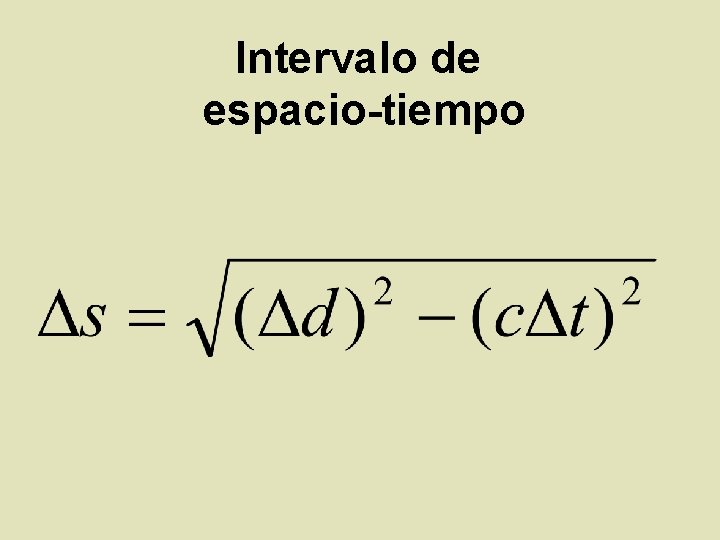
Intervalo de espacio-tiempo
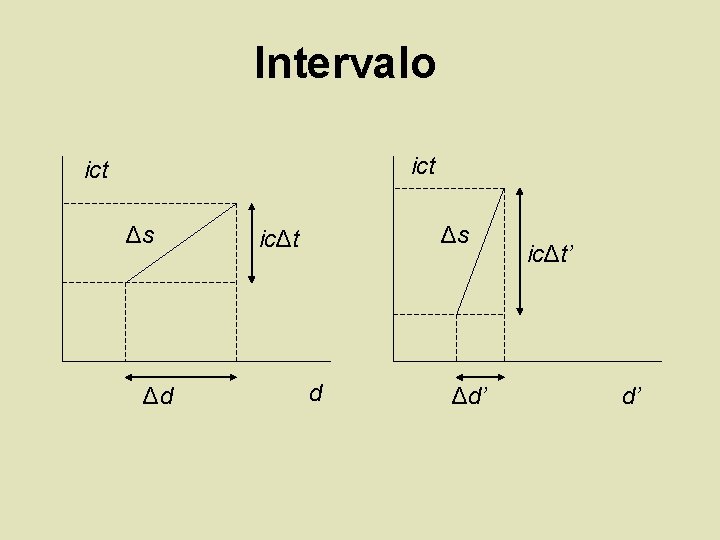
Intervalo ict Δs Δd Δs icΔt d Δd’ icΔt’ d’
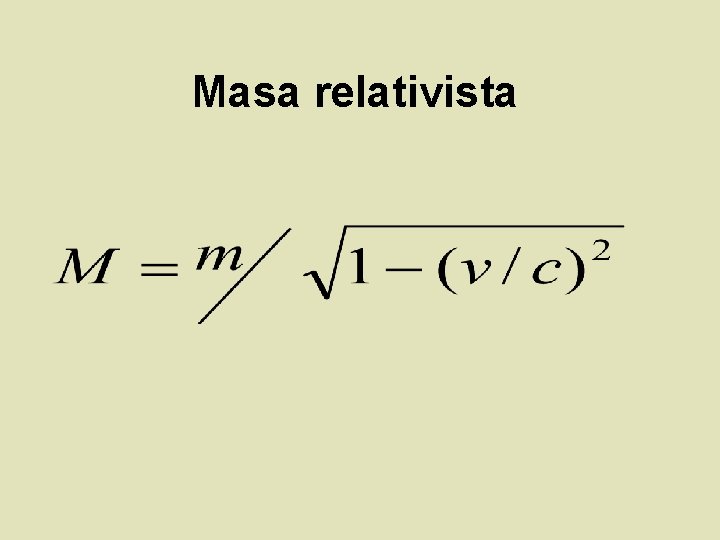
Masa relativista
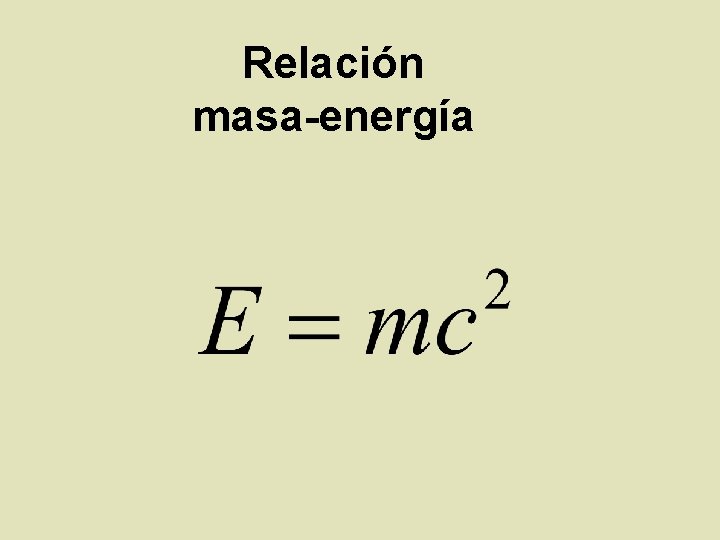
Relación masa-energía
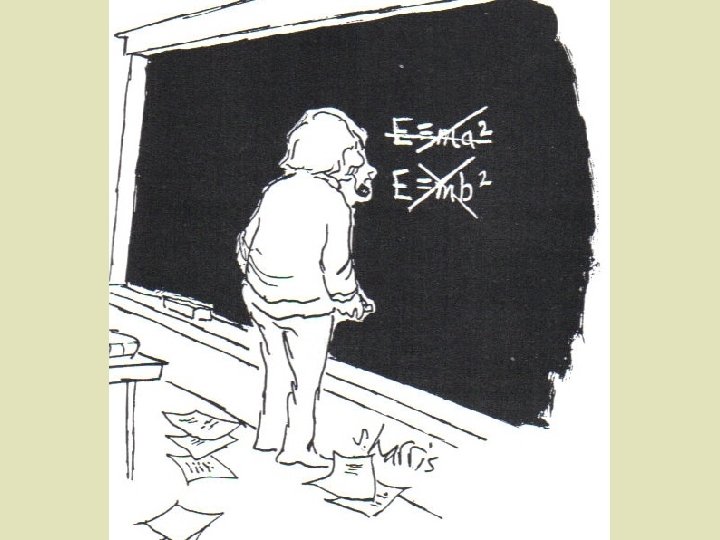
“Deducción” de la Relación “Masa-Energía”
Teoría de la Relatividad General Principio de equivalencia No hay experimento que pueda distinguir entre la masa inercial y la masa gravitatoria
Conclusiones
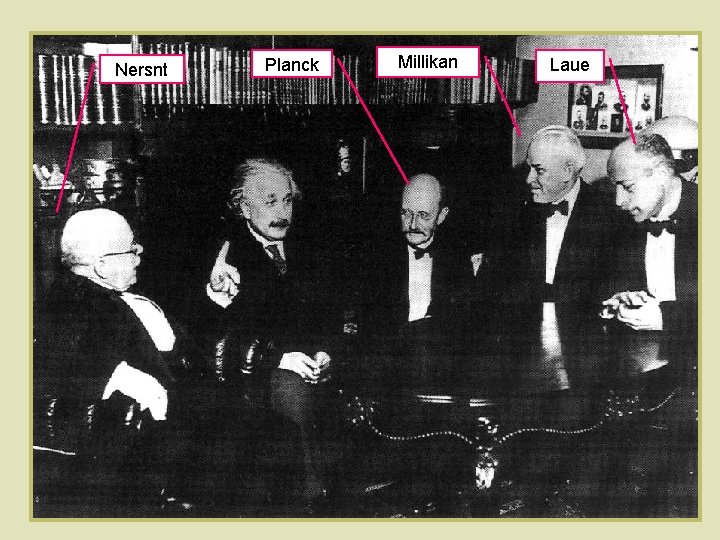
Nersnt Planck Millikan Laue
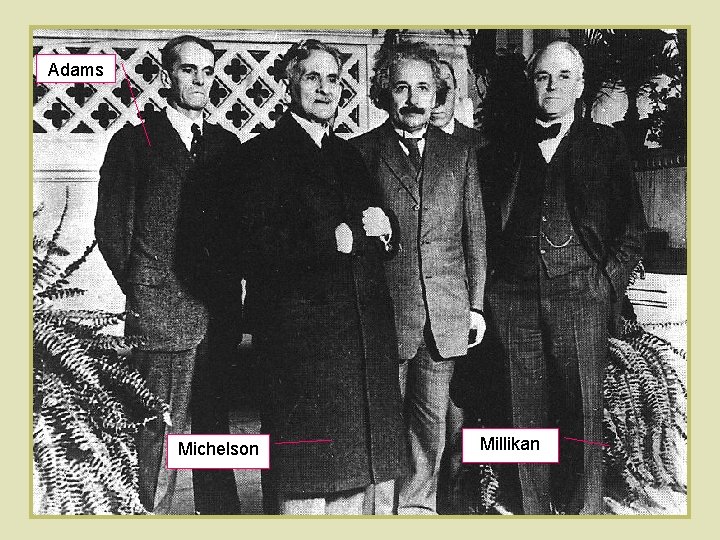
Adams Michelson Millikan
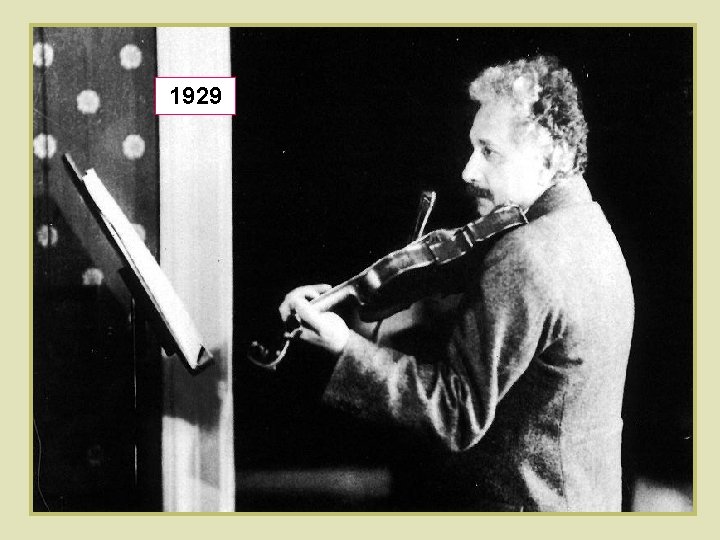
1929
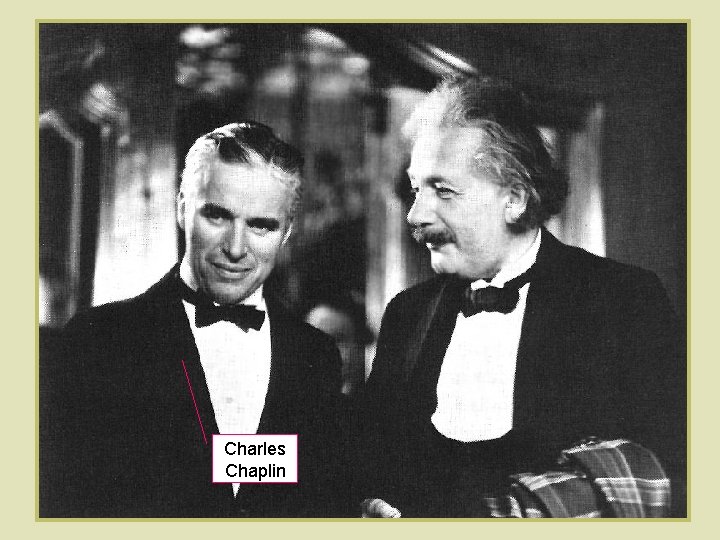
Charles Chaplin
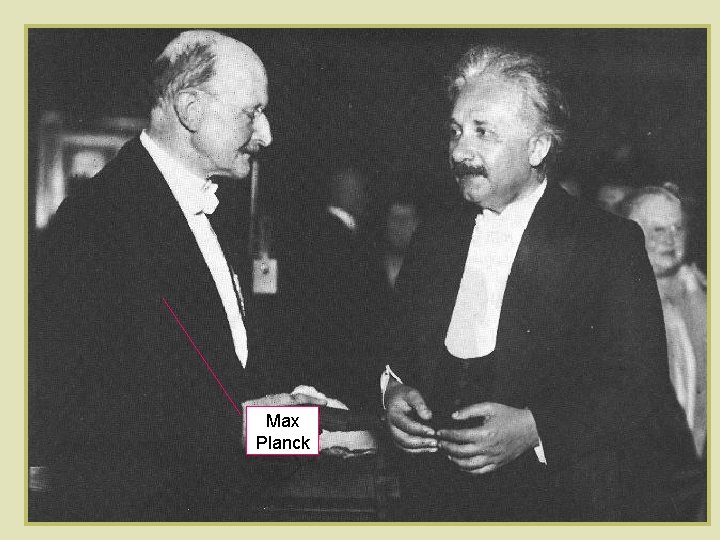
Max Planck
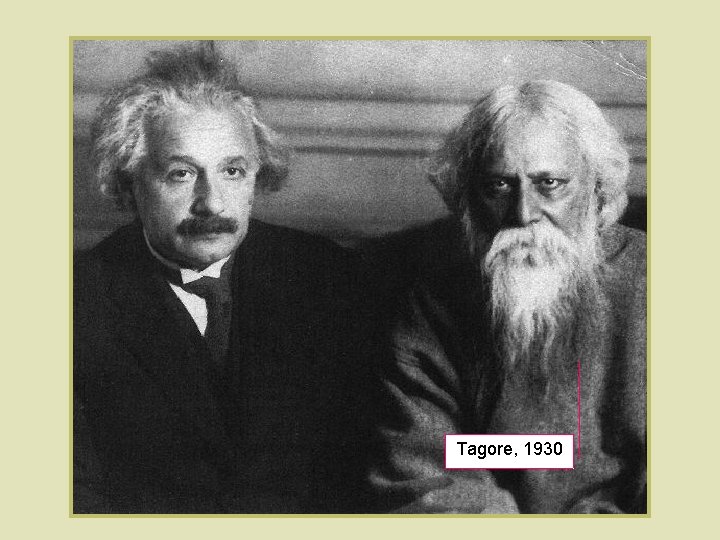
Tagore, 1930
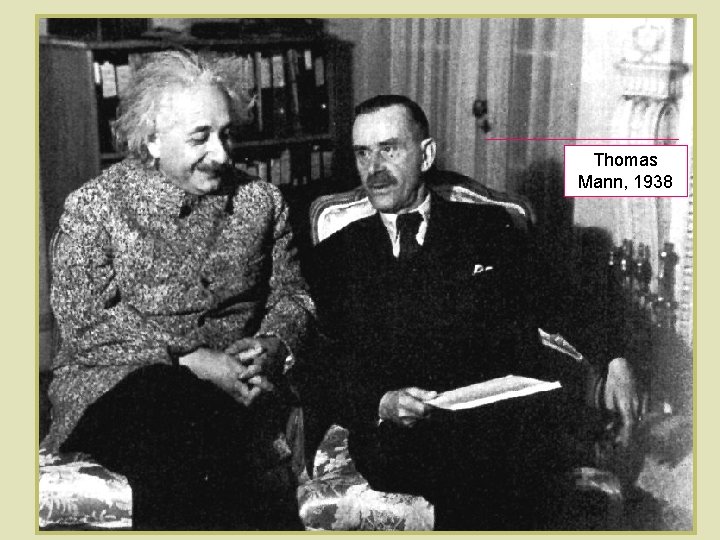
Thomas Mann, 1938
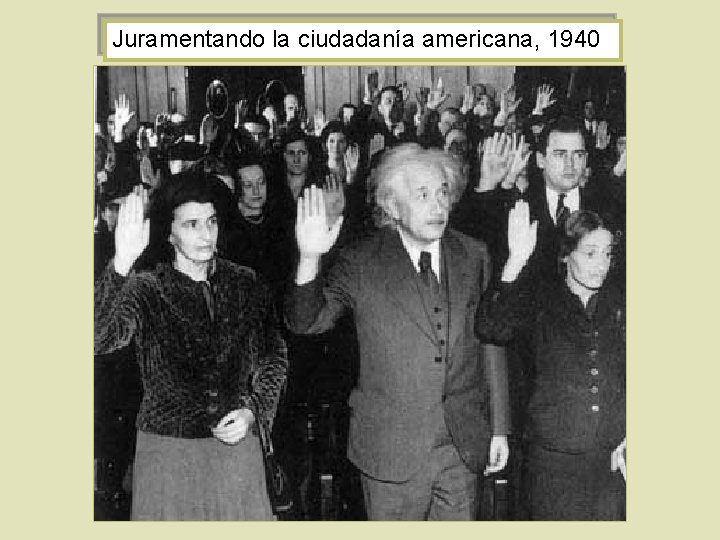
Juramentando la ciudadanía americana, 1940
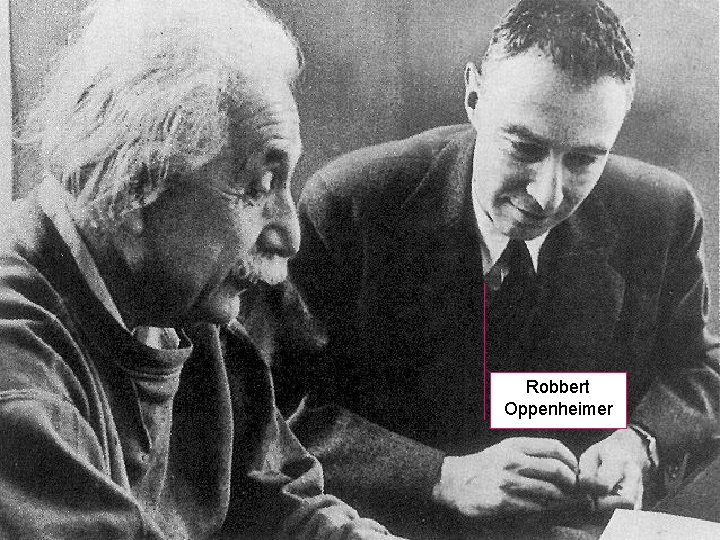
Robbert Oppenheimer
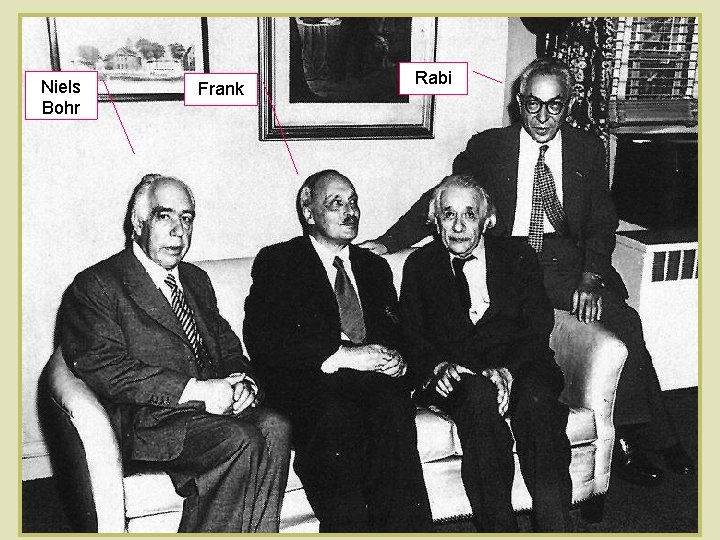
Niels Bohr Frank Rabi
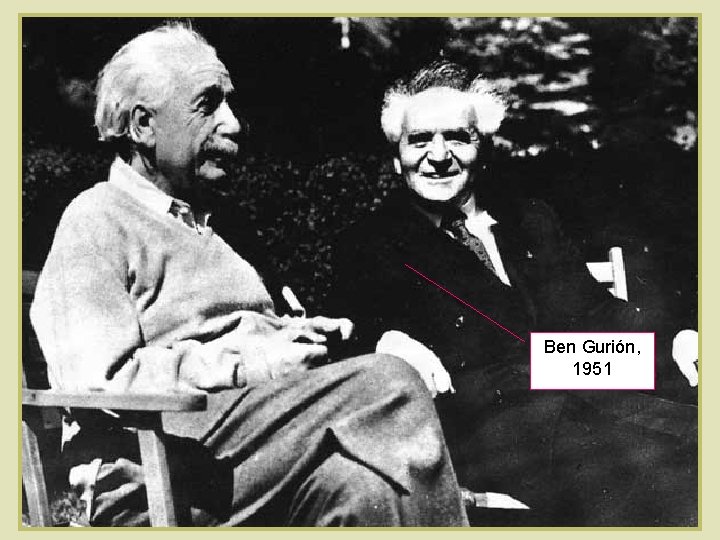
Ben Gurión, 1951
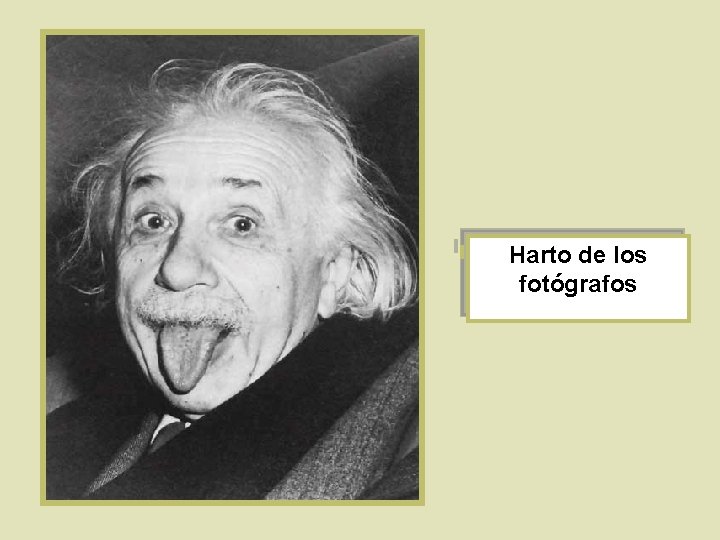
Harto de los fotógrafos
It followed from the special theory of relativity that mass and energy are both but different manifestations of the same thing –a somewhat unfamiliar conception for the average mind. Furthermore, the equation E is equal to mc 2, in which energy is put equal to mass, multiplied with the square of the velocity of light, showed that very small amounts of mass may be converted into a very large amount of energy and vice versa.
The mass and energy were in fact equivalent, according to the formula mentioned before. This was demonstrated by Cockcroft and Walton in 1932, experimentally.