
Introduction to Metals and Alloys in Dentistry Prepared

- Slides: 39
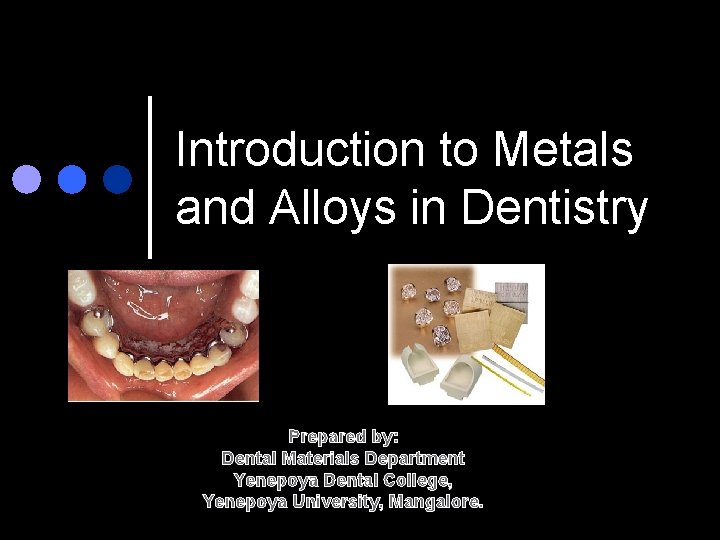
Introduction to Metals and Alloys in Dentistry Prepared by: Dental Materials Department Yenepoya Dental College, Yenepoya University, Mangalore.
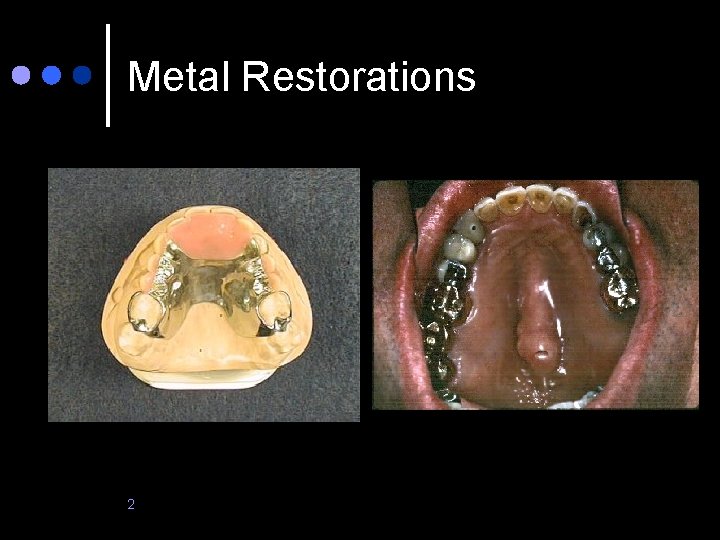
Metal Restorations 2
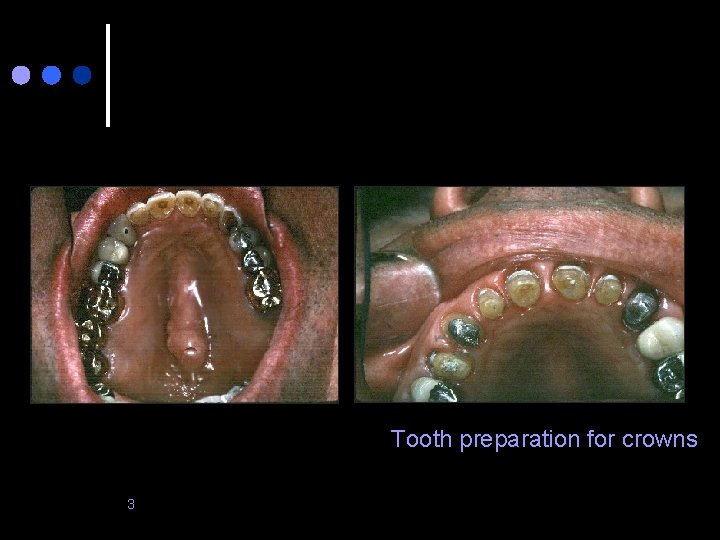
Tooth preparation for crowns 3
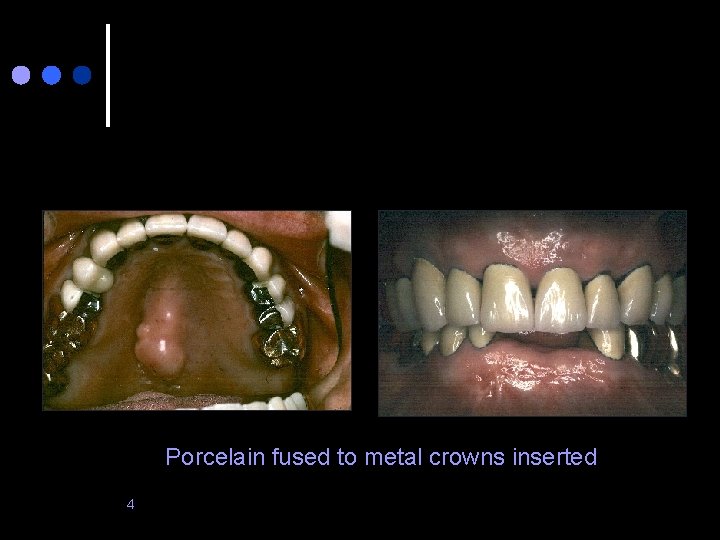
Porcelain fused to metal crowns inserted 4
Fabrication of Metal ¢ Forming Operation l Hot working, Cold working • External force > Yield strength Plastic deformation • Ex. Forging, rolling, extrusion, and drawing ¢ Casting l Sand casting, Die casting, Investment casting (lostwax technique) • Molten metal mold casting piece ¢ Others l l l 5 Powdered metallurgy (followed by “sintering”) Electro forming Welding
What will be covered? Casting Procedure (overview) ¢ Investments ¢ Tarnish and Corrosion ¢ Nature of Metals and Alloys ¢ Dental Casting Alloys, Dental wire and Soldering Materials ¢ Dental Amalgam ¢ 6
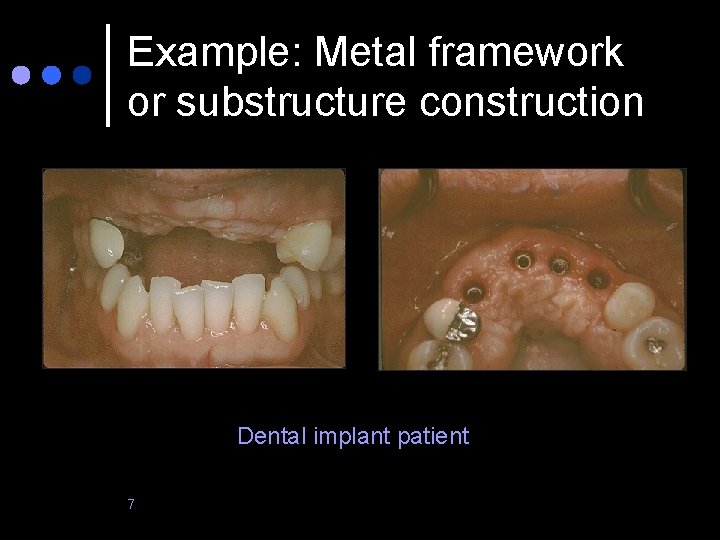
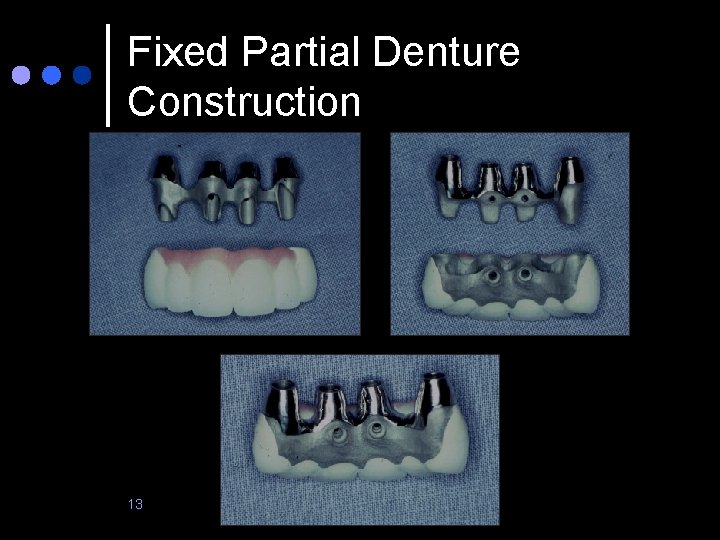
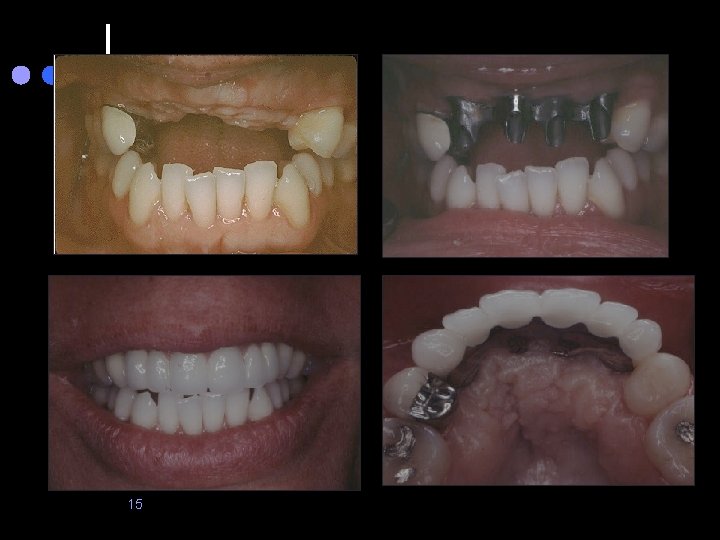
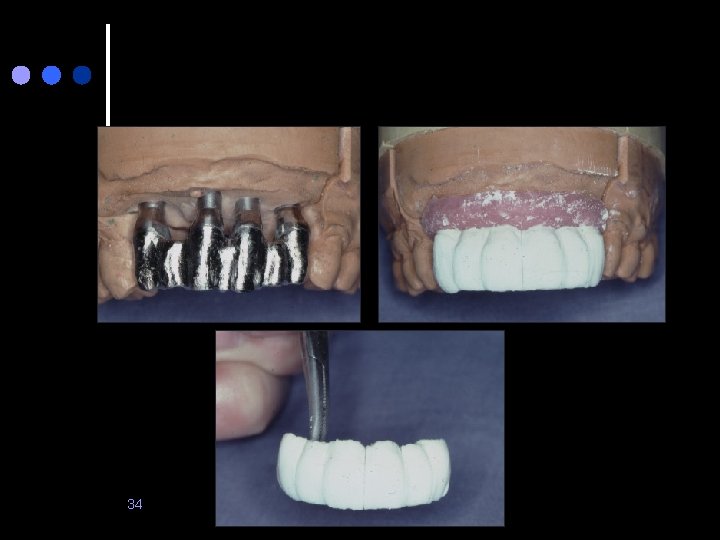
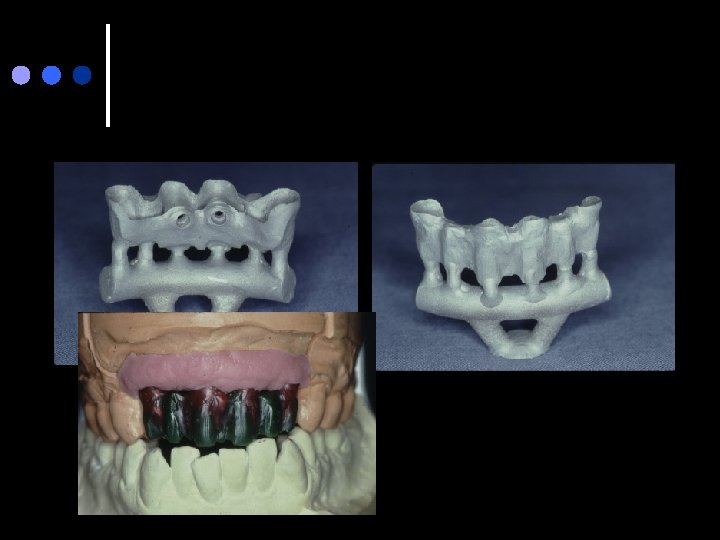
Example: Metal framework or substructure construction Dental implant patient 7
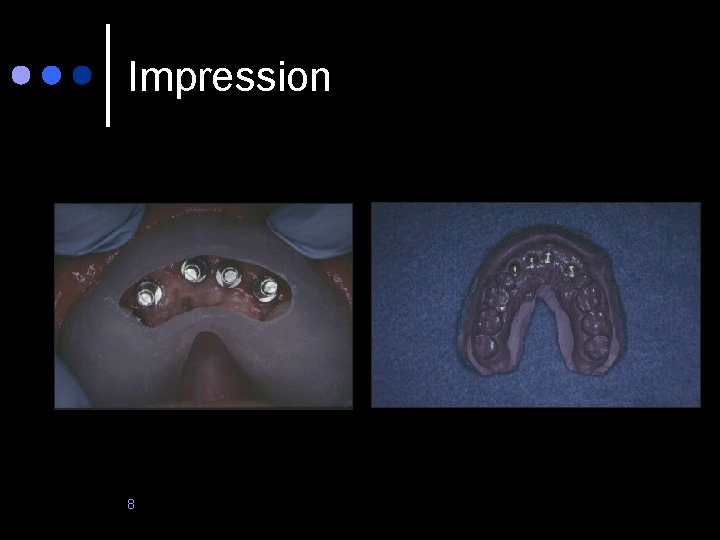
Impression 8
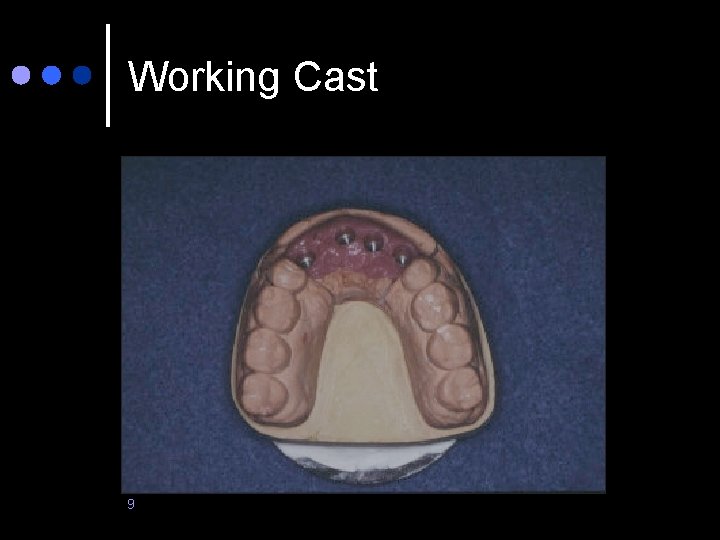
Working Cast 9
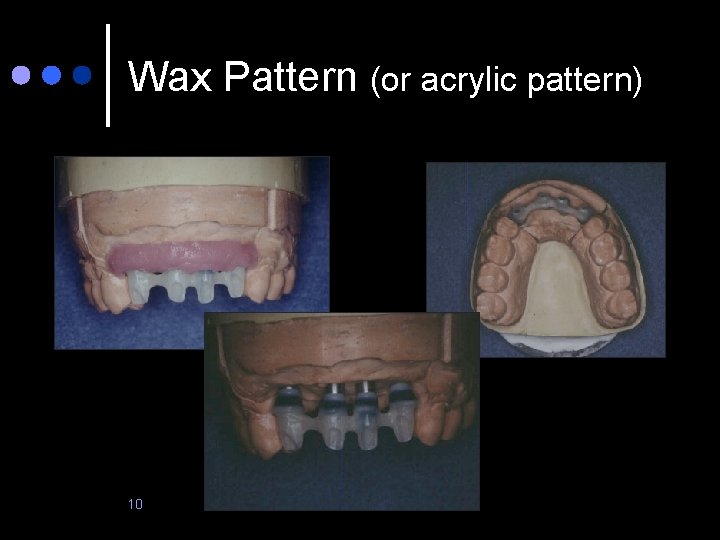
Wax Pattern (or acrylic pattern) 10
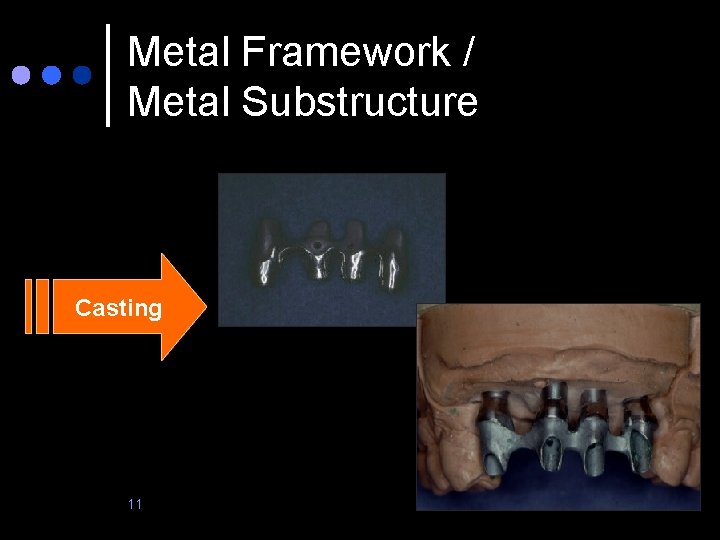
Metal Framework / Metal Substructure Casting 11
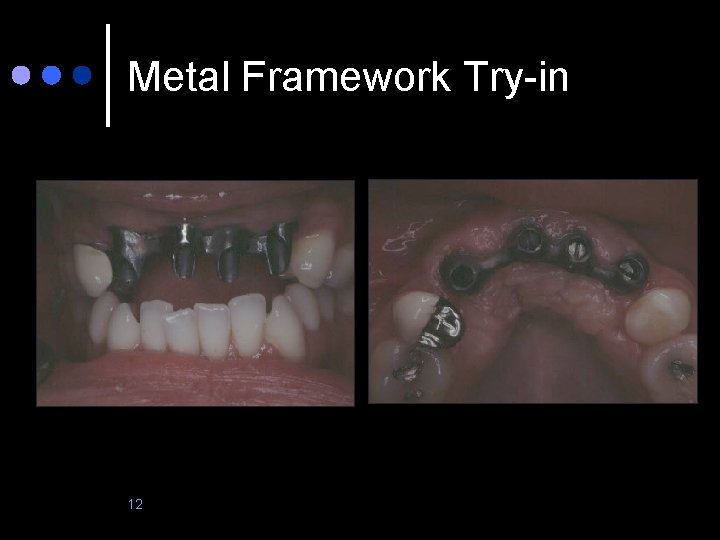
Metal Framework Try-in 12
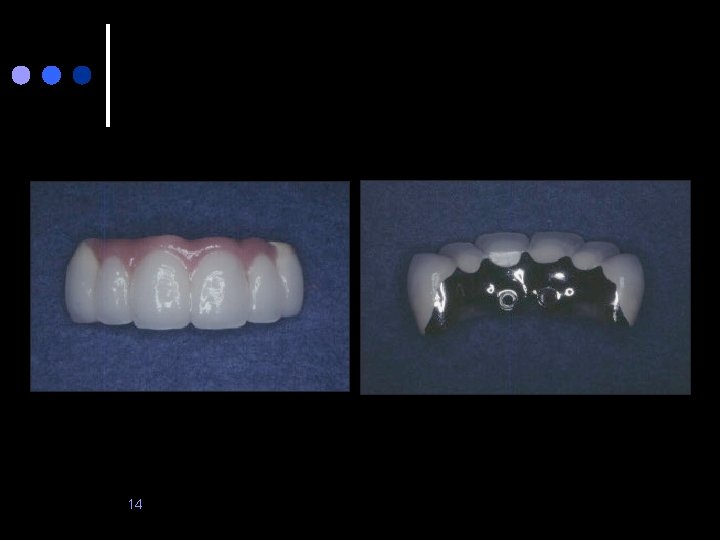
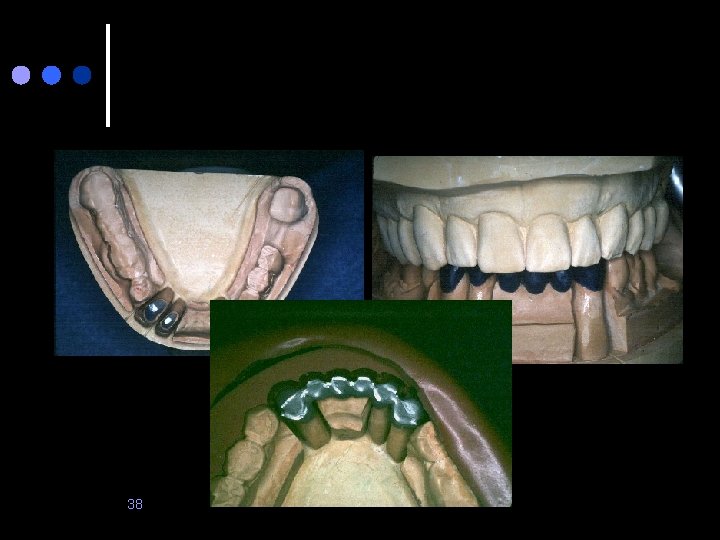
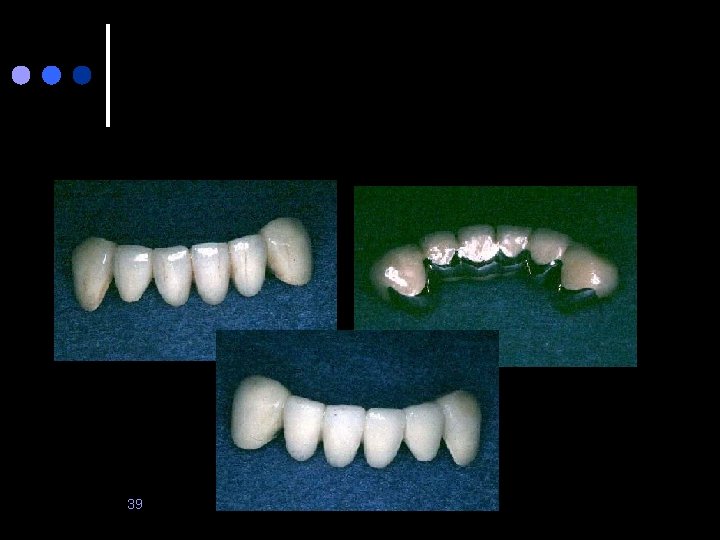
Fixed Partial Denture Construction 13
14
15
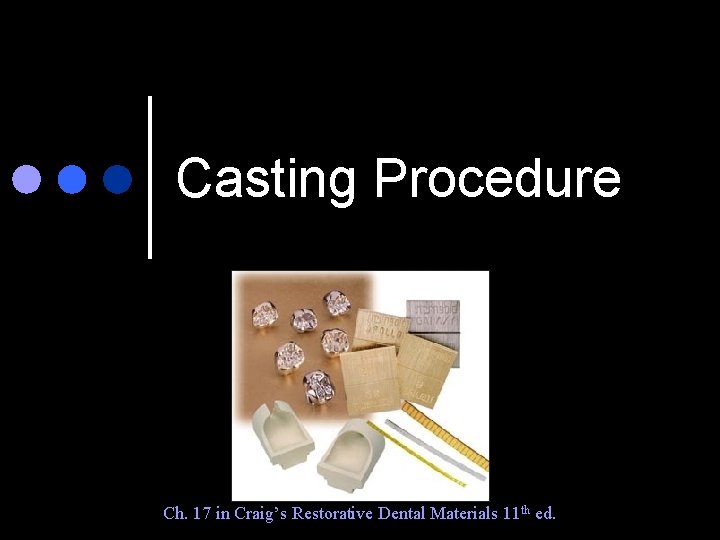
Casting Procedure Ch. 17 in Craig’s Restorative Dental Materials 11 th ed.
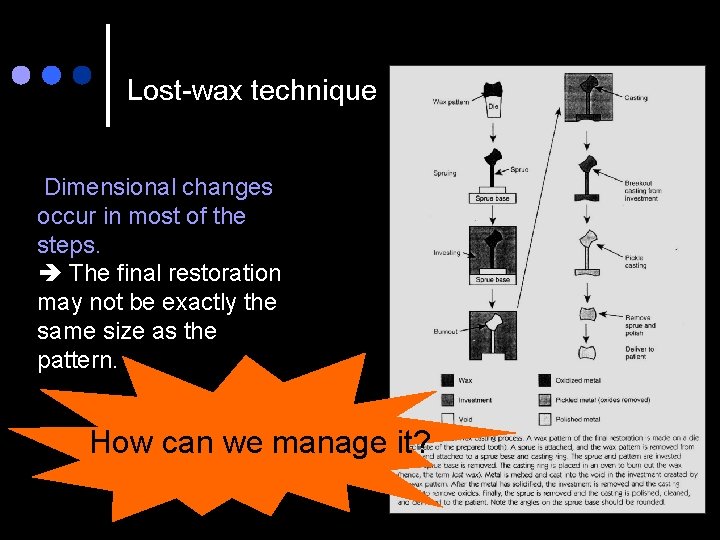
Lost-wax technique Dimensional changes occur in most of the steps. The final restoration may not be exactly the same size as the pattern. How can we manage it? 17
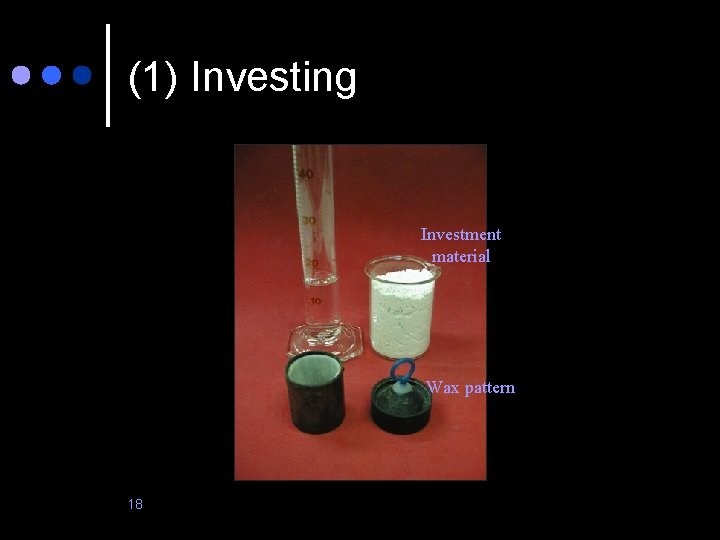
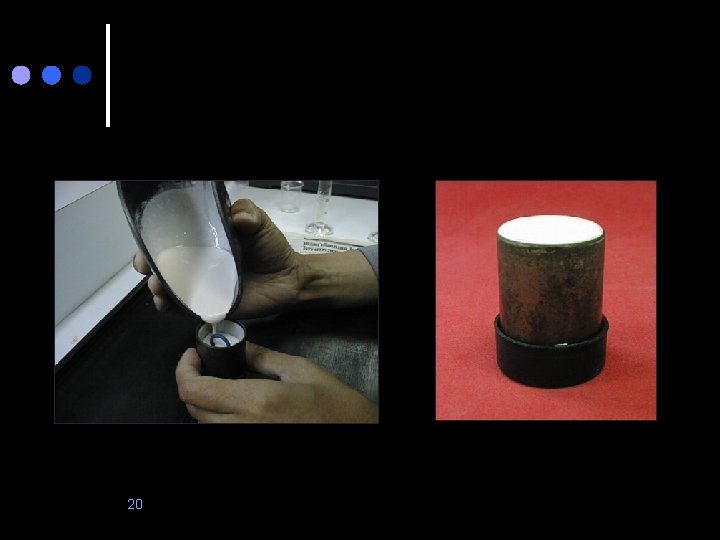
(1) Investing Investment material Wax pattern 18
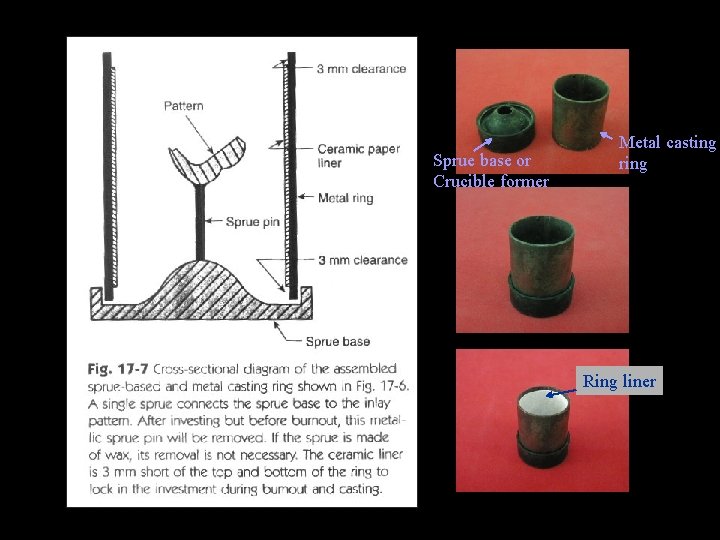
Sprue base or Crucible former Metal casting ring Ring liner
20
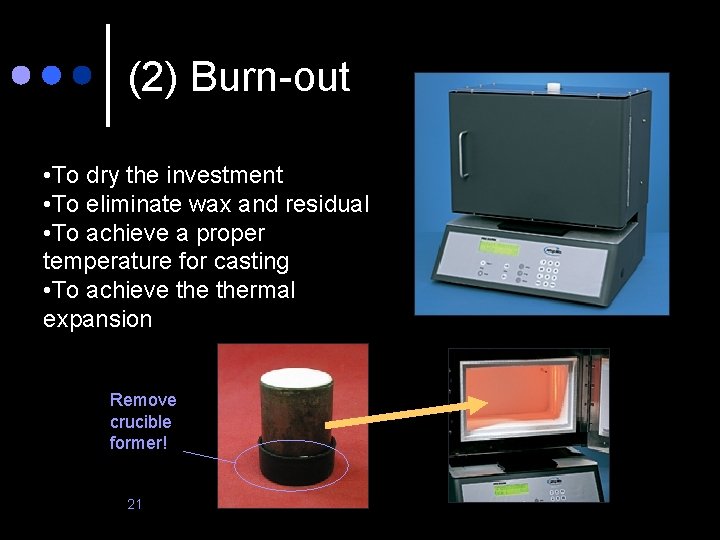
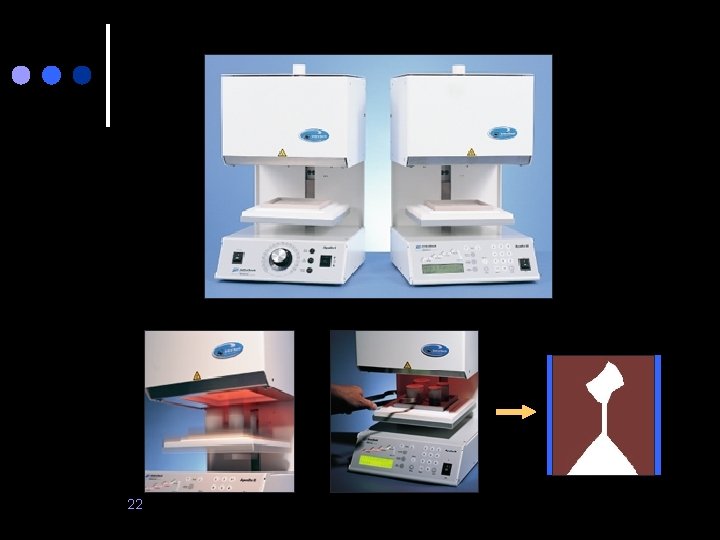
(2) Burn-out • To dry the investment • To eliminate wax and residual • To achieve a proper temperature for casting • To achieve thermal expansion Remove crucible former! 21
22
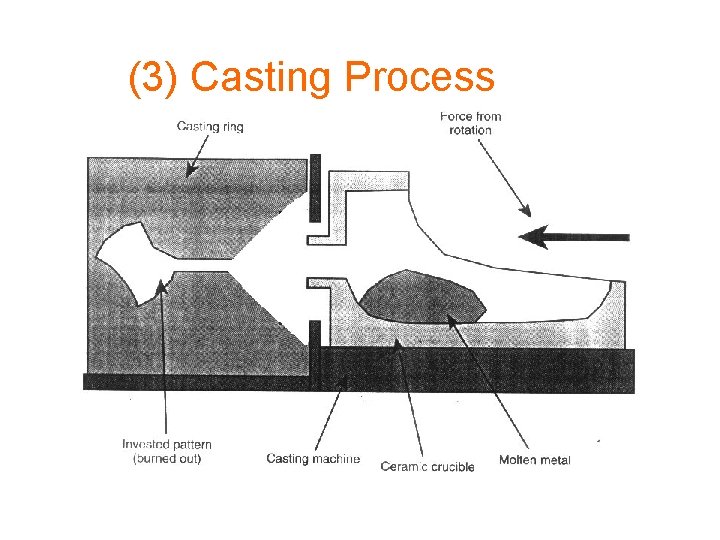
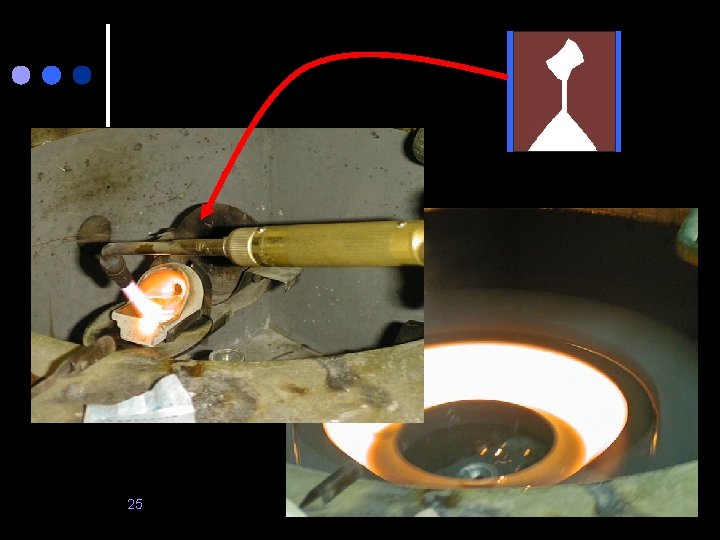
(3) Casting Process
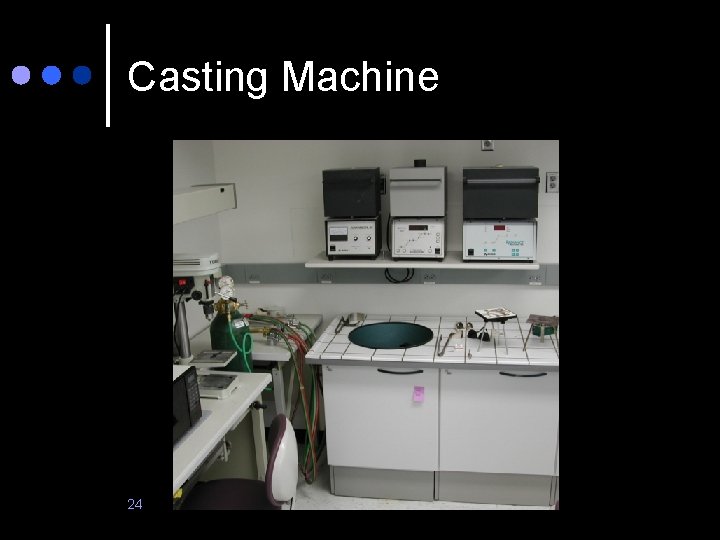
Casting Machine 24
25
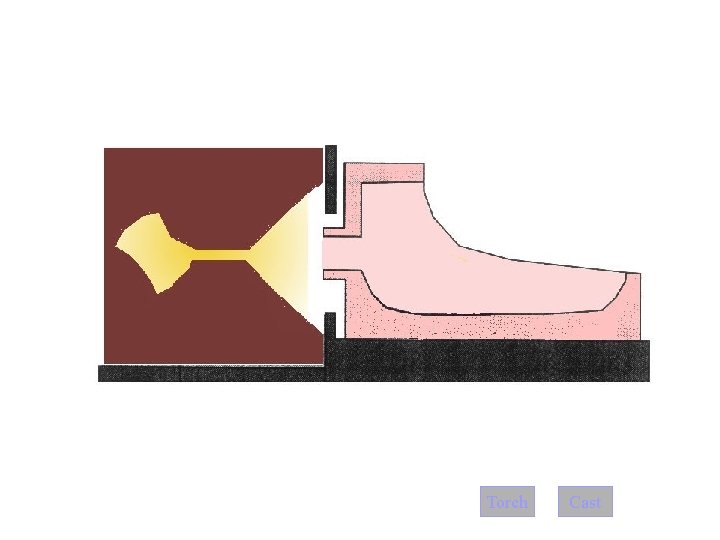
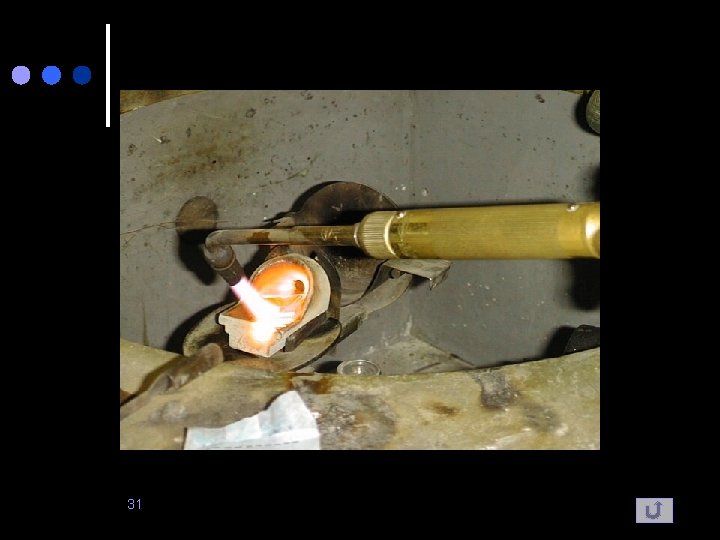
FLAME Torch Cast
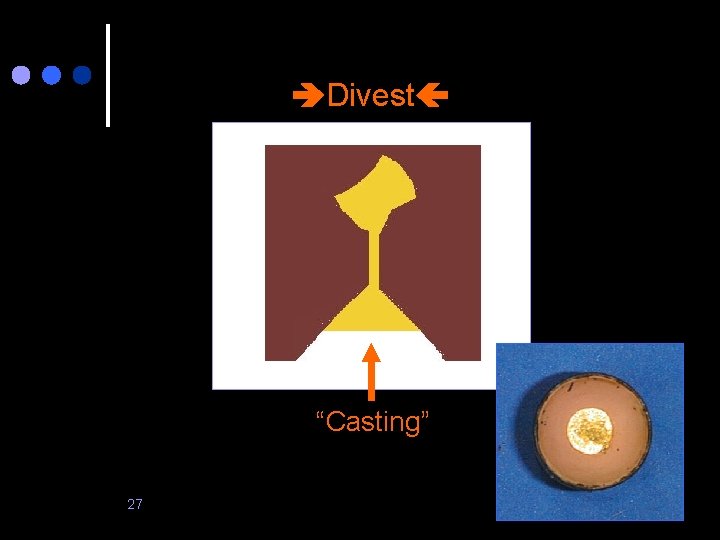
Divest “Casting” 27
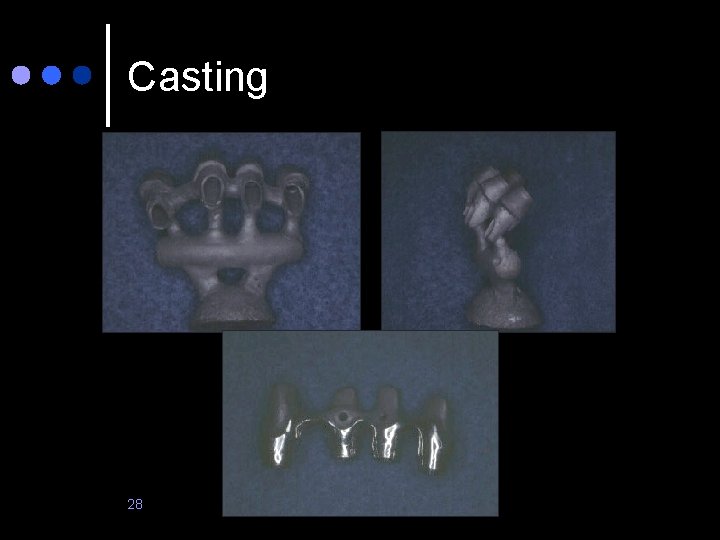
Casting 28
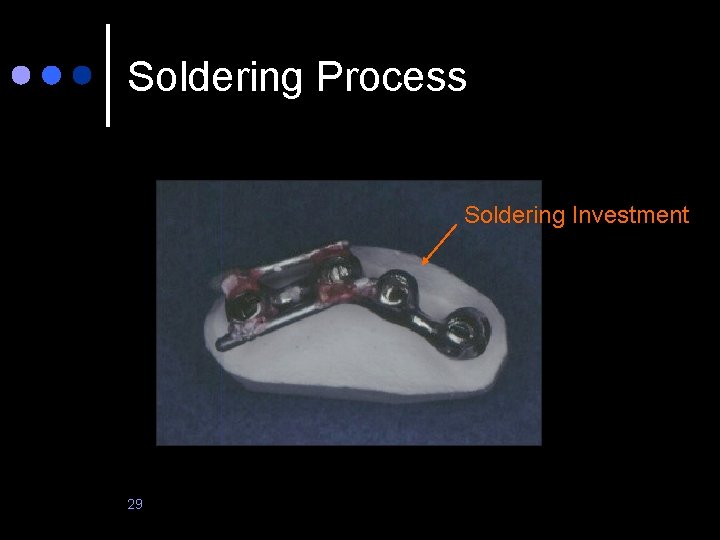
Soldering Process Soldering Investment 29
End of Casting Procedure
31
32
33
34
35
Investments: Objectives Students can select the type of investments that is compatible with the type of alloys used. ¢ Students know why something has gone wrong when they work with the investment. ¢ 36
Tarnish and Corrosion Understand the tarnish and corrosion processes and can apply the knowledge in dentistry ¢ Know how to prevent the corrosion process in dentistry ¢ 37
38
39