CURRICULUM Infusing the Gospel Values STRATEGIES FOR MAKING





- Slides: 46
CURRICULUM Infusing the Gospel Values STRATEGIES FOR MAKING IT WORK more effectively for Catholic Schools Presentation by Karla Cross
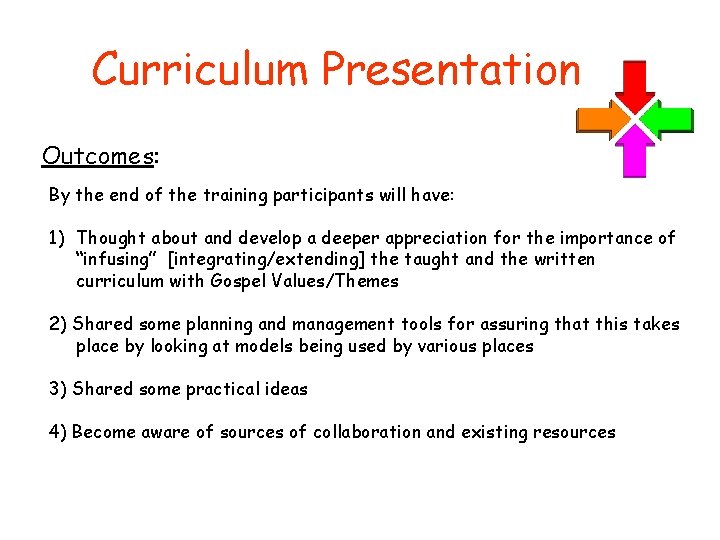
Curriculum Presentation Outcomes: By the end of the training participants will have: 1) Thought about and develop a deeper appreciation for the importance of “infusing” [integrating/extending] the taught and the written curriculum with Gospel Values/Themes 2) Shared some planning and management tools for assuring that this takes place by looking at models being used by various places 3) Shared some practical ideas 4) Become aware of sources of collaboration and existing resources
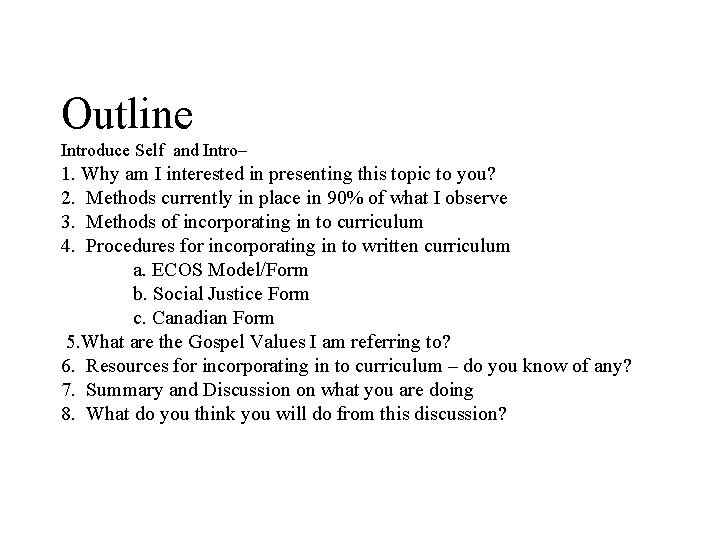
Outline Introduce Self and Intro– 1. Why am I interested in presenting this topic to you? 2. Methods currently in place in 90% of what I observe 3. Methods of incorporating in to curriculum 4. Procedures for incorporating in to written curriculum a. ECOS Model/Form b. Social Justice Form c. Canadian Form 5. What are the Gospel Values I am referring to? 6. Resources for incorporating in to curriculum – do you know of any? 7. Summary and Discussion on what you are doing 8. What do you think you will do from this discussion?
Philosophy of Curriculum In Regards to What Areas Should Address the Gospel Values and Themes In this sense, curricula is understood in its broadest sense, most fundamentally all learning within classrooms, but including all school activities such as liturgies, assemblies, community and service projects, and school and system strategic planning. For today’s presentations we will be targeting learning within the classrooms.
Prayer When the Catholic Themes inform our prayer, they can help us to appreciate the richness of our Catholic faith and spirituality. But this is not enough. . .
Catholic schools are committed to giving witness to the transformative power of the Good News of Jesus Christ as it applies to ALL areas of our lives. If we are intentional about linking our faith to all aspects of the curriculum, we are sending the certain message that there is no real separation between ourselves, our world and God’s vision for us.
The core values, integrated throughout the Catholic curricula, formulate the basic distinctiveness for Catholic education.
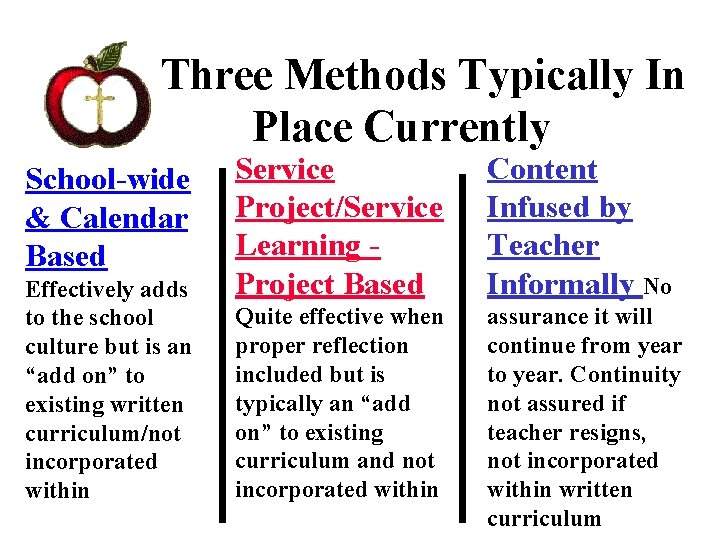
Three Methods Typically In Place Currently School-wide & Calendar Based Effectively adds to the school culture but is an “add on” to existing written curriculum/not incorporated within Service Project/Service Learning Project Based Content Infused by Teacher Informally No Quite effective when proper reflection included but is typically an “add on” to existing curriculum and not incorporated within assurance it will continue from year to year. Continuity not assured if teacher resigns, not incorporated within written curriculum
Intentionally a Part of the Written Curriculum In secular subjects - Time has a way of forgetting some of the best ways of infusing the Gospel Values – We need to keep continuity of as many authentic and intentional lessons as possible
Catholic educators have a challenge… The Secular Curriculum Resources do not incorporate expectations related to Gospel values …
and education informed by Gospel values is what Catholic schools are all about.
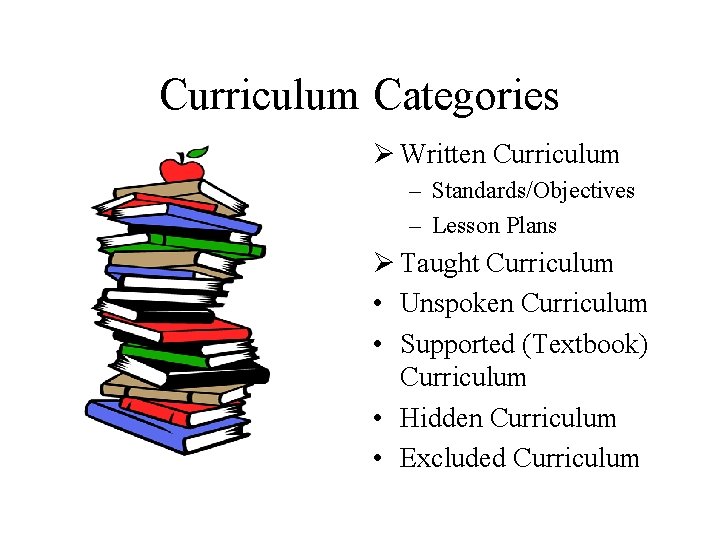
Curriculum Categories Ø Written Curriculum – Standards/Objectives – Lesson Plans Ø Taught Curriculum • Unspoken Curriculum • Supported (Textbook) Curriculum • Hidden Curriculum • Excluded Curriculum
Written Curriculum that Drives Instruction
Across the Curriculum Giving students the opportunity to learn in greater depth and breadth. Infusion of Key Learning Across the Curriculum: (1) Writing Across the Curriculum (2) Reading Across the Curriculum (3) Catholic Values Across the Curriculum
Much of the infusion will be at the lesson plan level. How can we make this a part of the culture and ongoing life of the school? Incorporate into Curriculum Maps – Must have a method of documentation
Is the Idea of Infusing the Curriculum with Gospel Values a new concept? No, But. . . Perhaps, A Perennial Idea!!! • Vision and Values in the Catholic School (NCEA 1981)** • A Beginning: Resource Book for Incorporating Values and Church Teachings in the Catholic School (NCEA 1990) • Emergence of Character Education in Public Schools • From the Ground Up – Social Teachings in the Elementary School (NCEA 2004) • Educating for Transformation (NCEA 2007)
Curriculum Infusion Review It’s About Time--Finding time for reviewing how the teaching faculty will intentionally assure for the continuity of infusion of Gospel Values & Social Teachings
Enhancing the Religious Dimension of Catholic Education How can these Catholic Themes best be incorporated into curriculum and school life?
Vison and Values Model NCEA • In-servicing Stakeholders on Vision • In-servicing Stakeholders on Values and Faith • Infusing Process
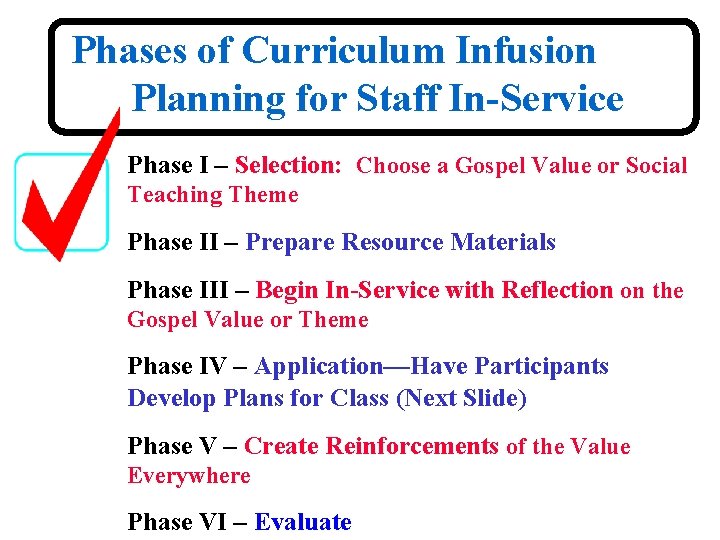
Phases of Curriculum Infusion Planning for Staff In-Service Phase I – Selection: Choose a Gospel Value or Social Teaching Theme Phase II – Prepare Resource Materials Phase III – Begin In-Service with Reflection on the Gospel Value or Theme Phase IV – Application—Have Participants Develop Plans for Class (Next Slide) Phase V – Create Reinforcements of the Value Everywhere Phase VI – Evaluate
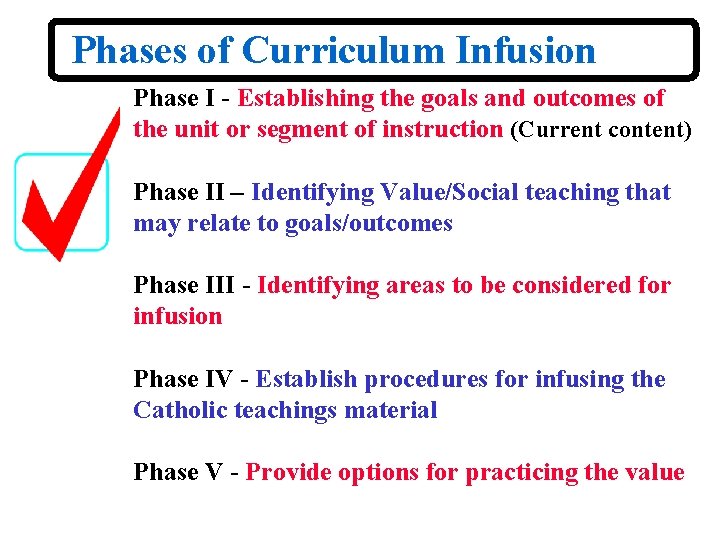
Phases of Curriculum Infusion Phase I - Establishing the goals and outcomes of the unit or segment of instruction (Current content) Phase II – Identifying Value/Social teaching that may relate to goals/outcomes Phase III - Identifying areas to be considered for infusion Phase IV - Establish procedures for infusing the Catholic teachings material Phase V - Provide options for practicing the value
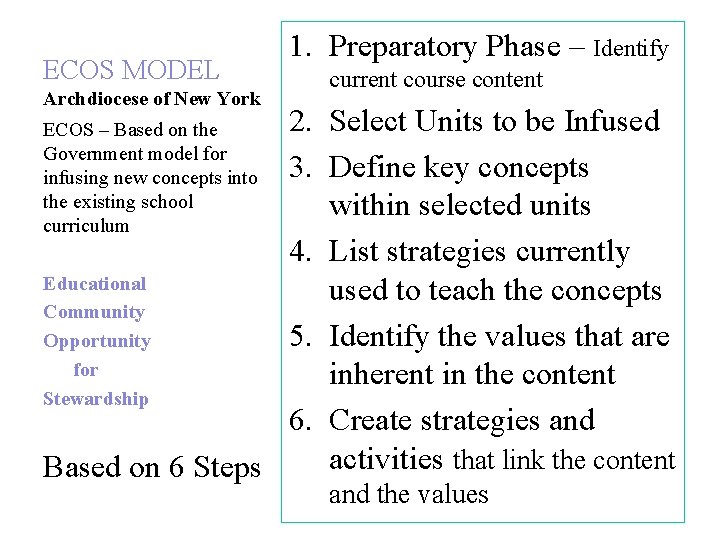
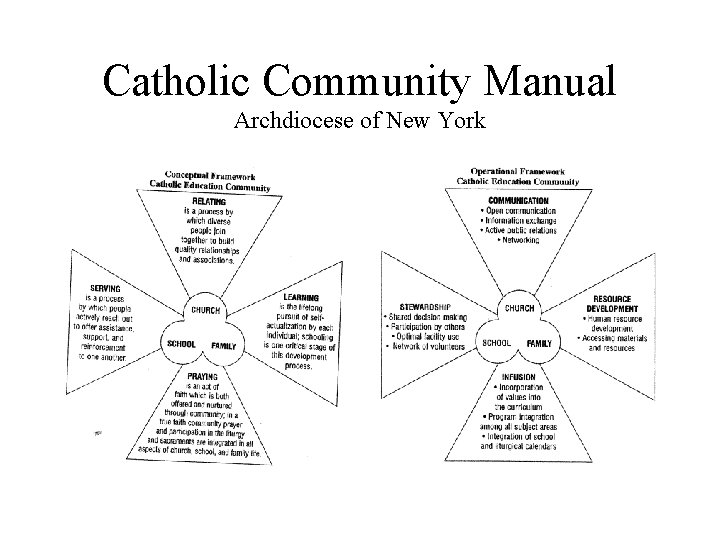
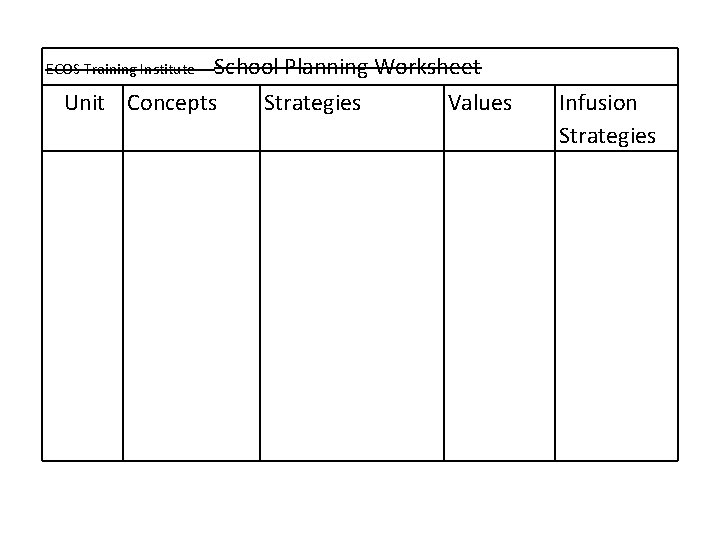
ECOS MODEL Archdiocese of New York 1. Preparatory Phase – Identify current course content 2. Select Units to be Infused 3. Define key concepts within selected units 4. List strategies currently Educational used to teach the concepts Community 5. Identify the values that are Opportunity for inherent in the content Stewardship 6. Create strategies and activities that link the content Based on 6 Steps ECOS – Based on the Government model for infusing new concepts into the existing school curriculum and the values
Catholic Community Manual Archdiocese of New York
ECOS Training Institute - School Planning Worksheet Unit Concepts Strategies Values Infusion Strategies
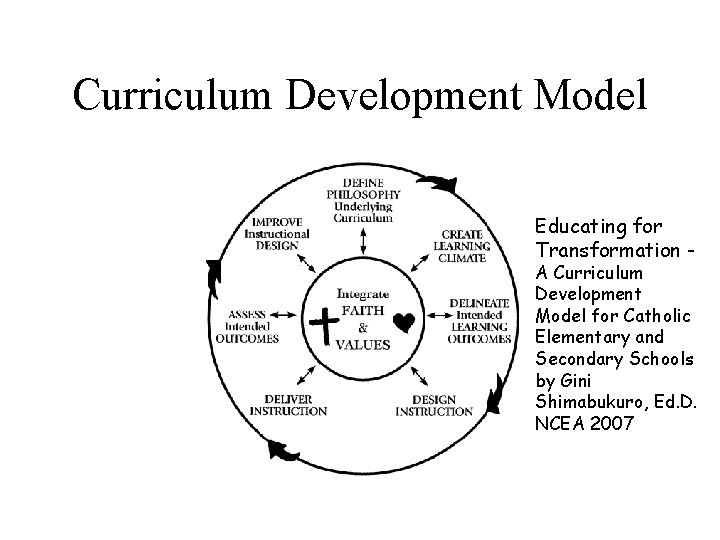
Curriculum Development Model Educating for Transformation - A Curriculum Development Model for Catholic Elementary and Secondary Schools by Gini Shimabukuro, Ed. D. NCEA 2007
Educating for Transformation Quotation by Shimabukuro Regarding the Religious Dimension of Curriculum Design “This does not imply that every subject area become doctrinal. However, it does mean that the teacher be alert, in the instructional planning, to opportunities that connect the religious and spiritual with the secular. ” p 27
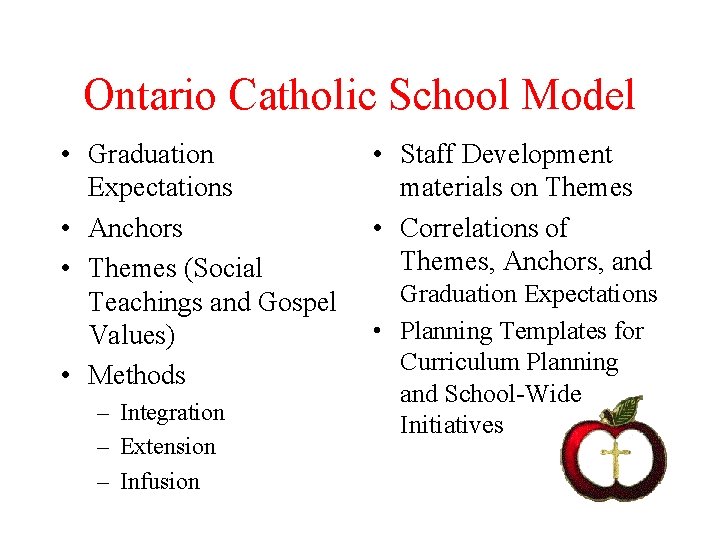
Ontario Catholic School Model • Graduation Expectations • Anchors • Themes (Social Teachings and Gospel Values) • Methods – Integration – Extension – Infusion • Staff Development materials on Themes • Correlations of Themes, Anchors, and Graduation Expectations • Planning Templates for Curriculum Planning and School-Wide Initiatives
Ontario Model Implementation Team Asked: How can these Themes enter into student learning? • Depending on the nature of the subject and topic, three approaches are defined by the Ontario Model…
üINTEGRATION Examine Values and Social Teachings to see if there are opportunities for a natural or already existing integration.
üEXTENSION Use teaching strategies to extend or develop the learning further to incorporate Catholic Themes.
üINFUSION Where integration and extension cannot be easily completed and a natural fit, Catholic Themes are infused into teaching strategies.
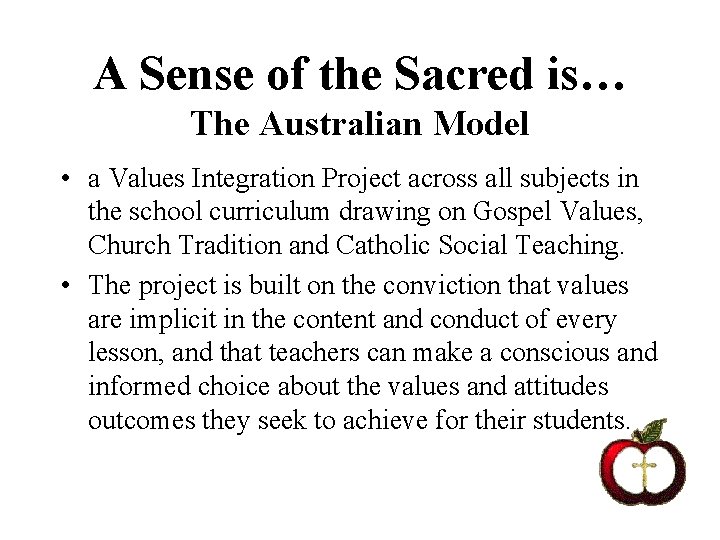
A Sense of the Sacred is… The Australian Model • a Values Integration Project across all subjects in the school curriculum drawing on Gospel Values, Church Tradition and Catholic Social Teaching. • The project is built on the conviction that values are implicit in the content and conduct of every lesson, and that teachers can make a conscious and informed choice about the values and attitudes outcomes they seek to achieve for their students.
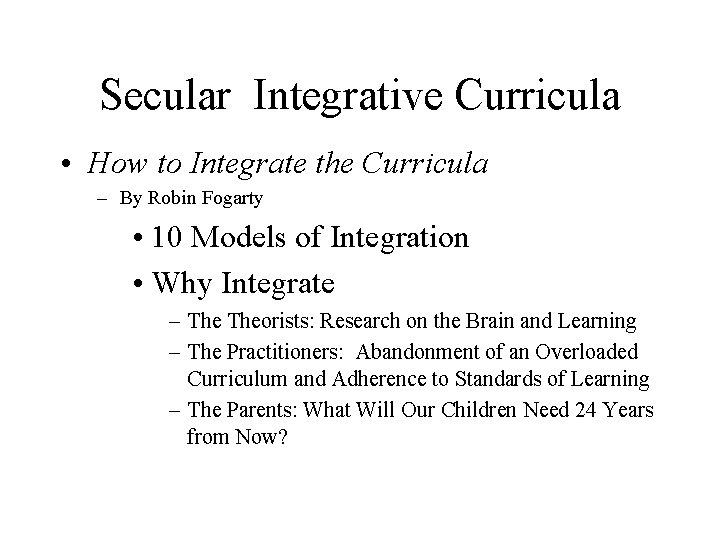
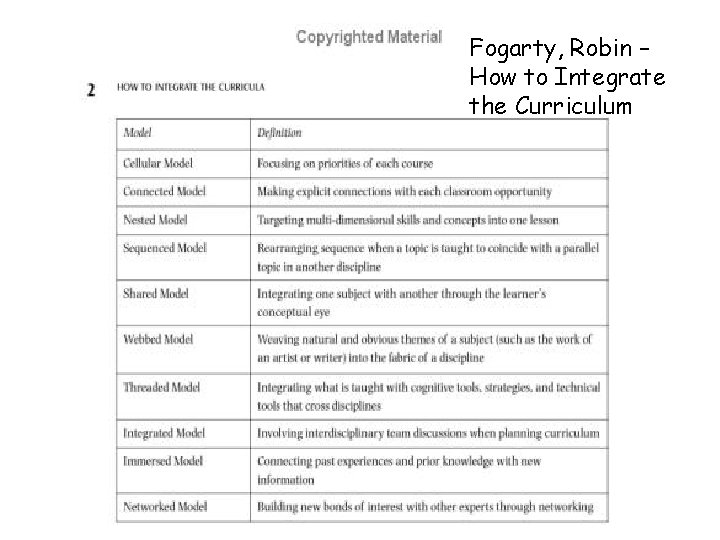
Secular Integrative Curricula • How to Integrate the Curricula – By Robin Fogarty • 10 Models of Integration • Why Integrate – Theorists: Research on the Brain and Learning – The Practitioners: Abandonment of an Overloaded Curriculum and Adherence to Standards of Learning – The Parents: What Will Our Children Need 24 Years from Now?
Fogarty, Robin – How to Integrate the Curriculum
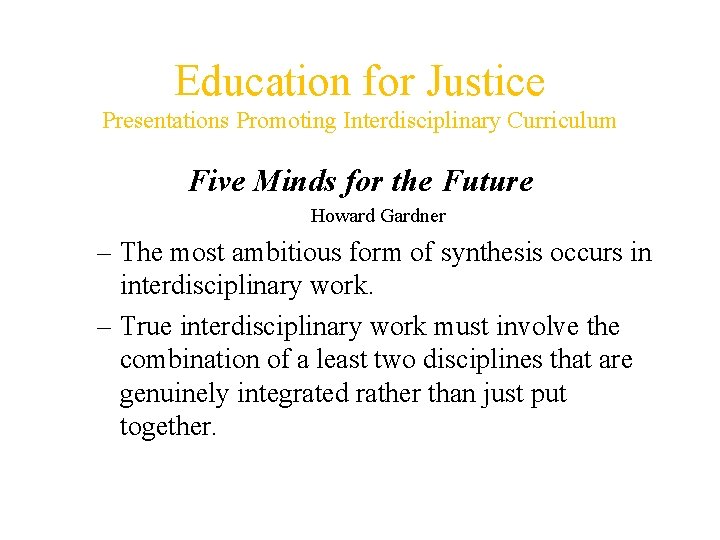
Education for Justice Presentations Promoting Interdisciplinary Curriculum Five Minds for the Future Howard Gardner – The most ambitious form of synthesis occurs in interdisciplinary work. – True interdisciplinary work must involve the combination of a least two disciplines that are genuinely integrated rather than just put together.
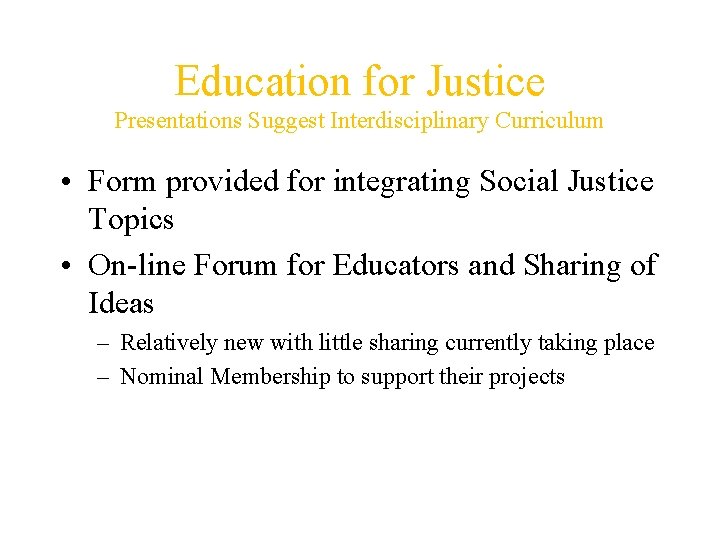
Education for Justice Presentations Suggest Interdisciplinary Curriculum • Form provided for integrating Social Justice Topics • On-line Forum for Educators and Sharing of Ideas – Relatively new with little sharing currently taking place – Nominal Membership to support their projects
A strategy that assists with reviewing the taught curriculum The goal is to modify or “streamline” curriculum writing in correlation with infusion of values.
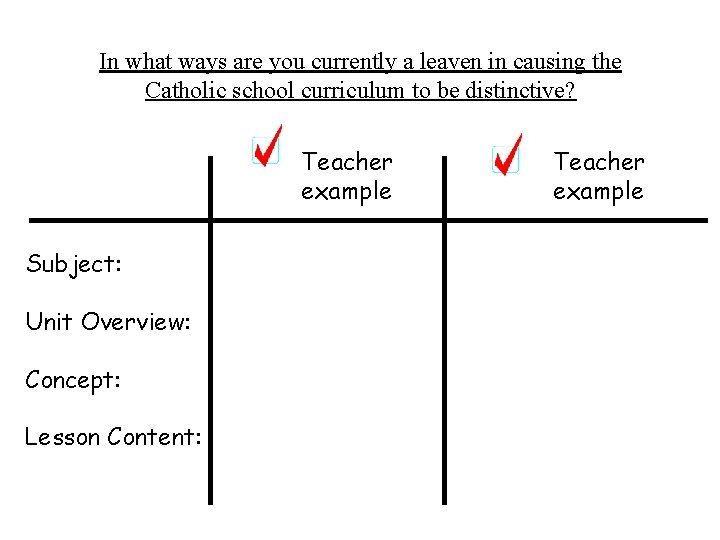
In what ways are you currently a leaven in causing the Catholic school curriculum to be distinctive? Teacher example Subject: Unit Overview: Concept: Lesson Content: Teacher example
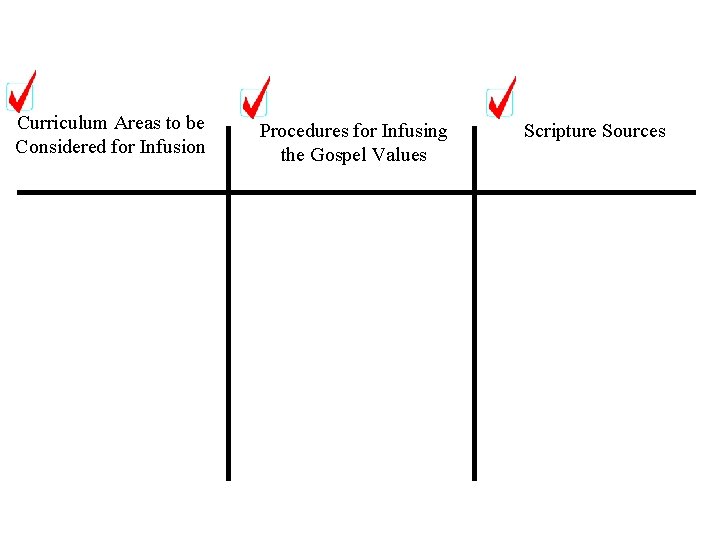
Curriculum Areas to be Considered for Infusion Procedures for Infusing the Gospel Values Scripture Sources
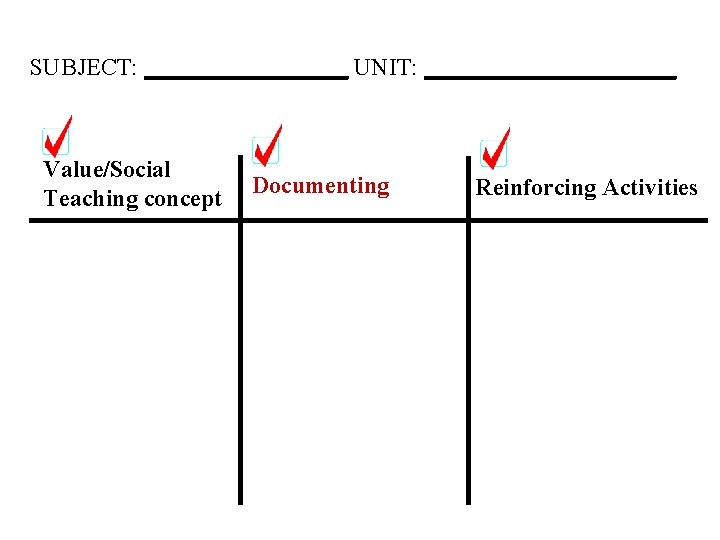
SUBJECT: _________ UNIT: ___________ Value/Social Teaching concept Documenting Reinforcing Activities
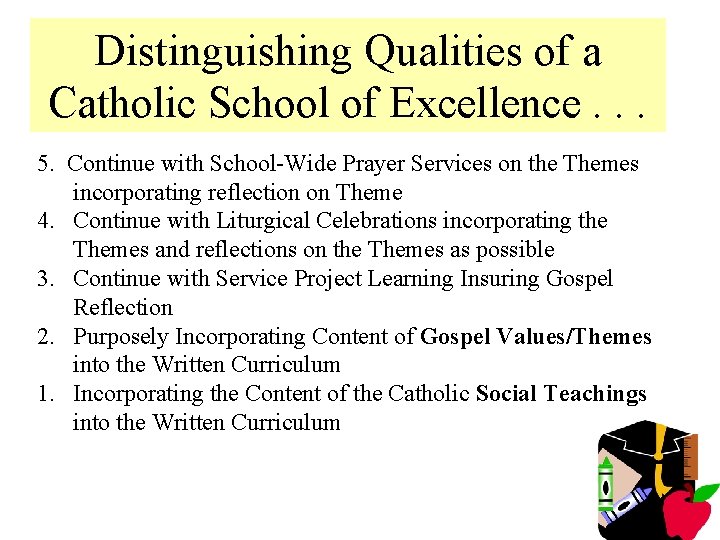
Distinguishing Qualities of a Catholic School of Excellence. . . 5. Continue with School-Wide Prayer Services on the Themes incorporating reflection on Theme 4. Continue with Liturgical Celebrations incorporating the Themes and reflections on the Themes as possible 3. Continue with Service Project Learning Insuring Gospel Reflection 2. Purposely Incorporating Content of Gospel Values/Themes into the Written Curriculum 1. Incorporating the Content of the Catholic Social Teachings into the Written Curriculum
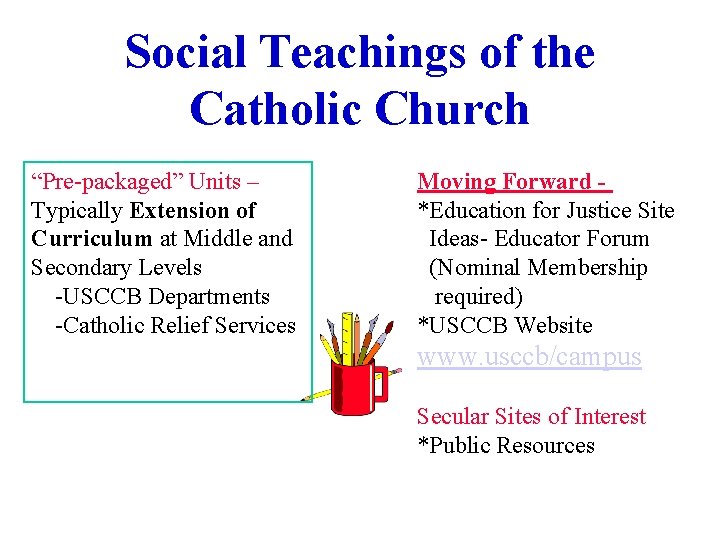
Social Teachings of the Catholic Church “Pre-packaged” Units – Typically Extension of Curriculum at Middle and Secondary Levels -USCCB Departments -Catholic Relief Services Moving Forward *Education for Justice Site Ideas- Educator Forum (Nominal Membership required) *USCCB Website www. usccb/campus Secular Sites of Interest *Public Resources
In what ways can you be a leaven to others in causing the Catholic school curriculum to be distinctive?
Resources Incorporated into this Presentation Page One of Two Catholic Curriculum Cooperatives of Ontario, CA http: //www. eocc. org/cfcs http: //www. catholiccurriculumcorp. org/ http: //www. ourlanguageourstory. org Catholic Education: A Journal of Inquiry and Practice Vol. 3 -#3, March 2000 The Courage to Teach, Palmer (Parker) Jossey. Bass, 1998 NCEA Publications Beginnings Creating a Curriculum That Works, Ozar 1994 From the Ground Up Link Momentum April/May 1997
Resources Incorporated into this Presentation Page Two of Two NCEA Publications (Continued) NCEA Keynote Series Numbers 9 and 11 Vision and Values Social Studies for Social Justice: Teaching Strategies for the Elementary Classroom, Wade (Rahima) Teachers College Press, 2007 USCCB Publications Sharing Catholic Social Teaching: Challenges and Directions, 1998 Additional Websites Education for Justice http: //www. educationforjustice. org Public Achievement http: //www. augsburg. edu/cdc/publicachievement /
Thank you for taking the time to learn more about this topic and for your ongoing commitment to Catholic education in whatever role you may have!