
Controlled Rectifiers Line Commutated AC to DC converters


































































- Slides: 172
Controlled Rectifiers (Line Commutated AC to DC converters) 1
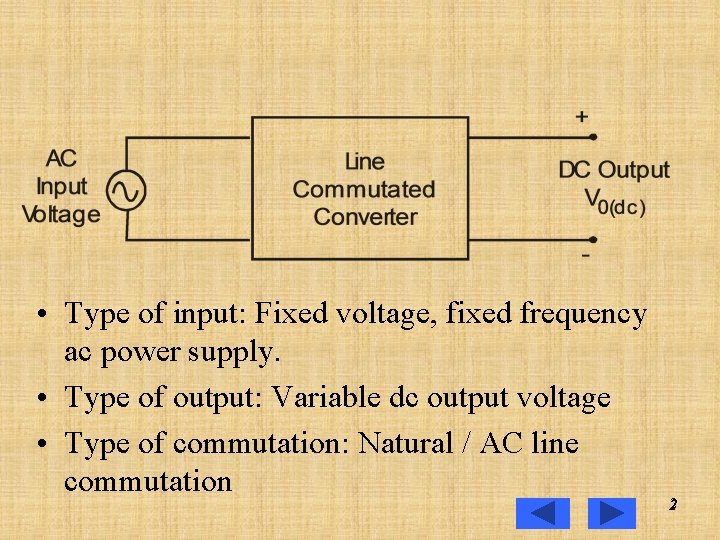
• Type of input: Fixed voltage, fixed frequency ac power supply. • Type of output: Variable dc output voltage • Type of commutation: Natural / AC line commutation 2
Different types of Line Commutated Converters • AC to DC Converters (Phase controlled rectifiers) • AC to AC converters (AC voltage controllers) • AC to AC converters (Cyclo converters) at low output frequency. 3
Differences Between Diode Rectifiers & Phase Controlled Rectifiers 4
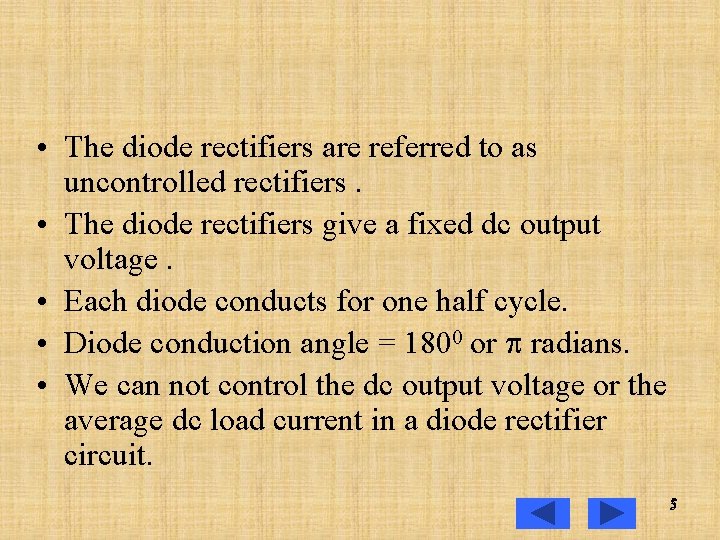
• The diode rectifiers are referred to as uncontrolled rectifiers. • The diode rectifiers give a fixed dc output voltage. • Each diode conducts for one half cycle. • Diode conduction angle = 1800 or radians. • We can not control the dc output voltage or the average dc load current in a diode rectifier circuit. 5
6
Applications of Phase Controlled Rectifiers • DC motor control in steel mills, paper and textile mills employing dc motor drives. • AC fed traction system using dc traction motor. • Electro-chemical and electro-metallurgical processes. • Magnet power supplies. • Portable hand tool drives. 7
Classification of Phase Controlled Rectifiers • Single Phase Controlled Rectifiers. • Three Phase Controlled Rectifiers. 8
Different types of Single Phase Controlled Rectifiers. • Half wave controlled rectifiers. • Full wave controlled rectifiers. § Using a center tapped transformer. § Full wave bridge circuit. § Semi converter. § Full converter. 9
Different Types of Three Phase Controlled Rectifiers • Half wave controlled rectifiers. • Full wave controlled rectifiers. • Semi converter (half controlled bridge converter). • Full converter (fully controlled bridge converter). 10 10
Principle of Phase Controlled Rectifier Operation 11 11
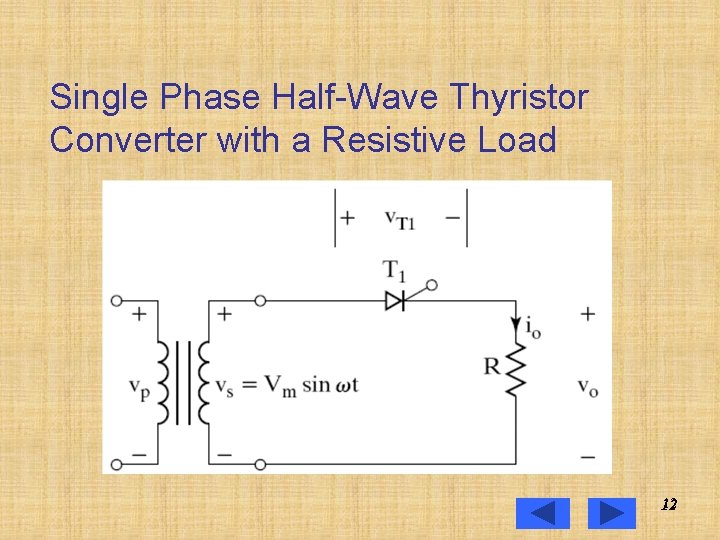
Single Phase Half-Wave Thyristor Converter with a Resistive Load 12 12
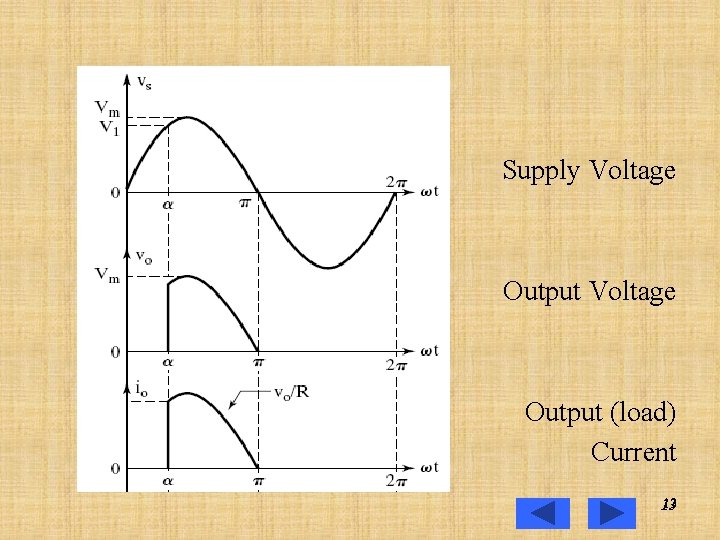
Supply Voltage Output (load) Current 13 13
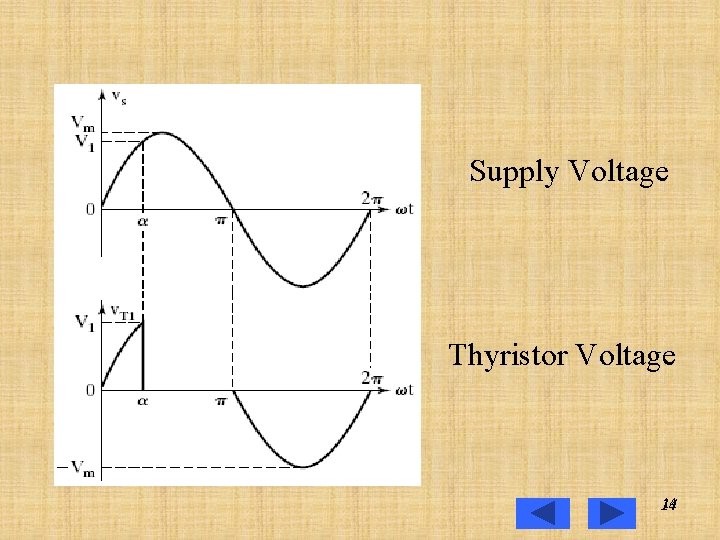
Supply Voltage Thyristor Voltage 14 14
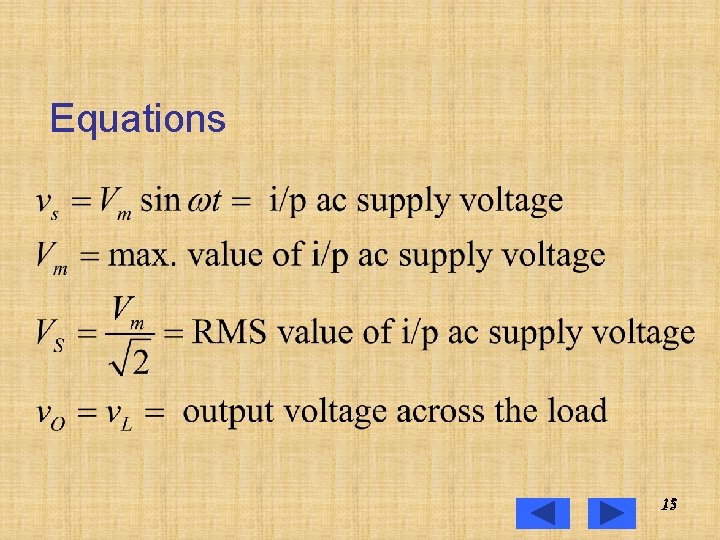
Equations 15 15
16 16
To Derive an Expression for the Average (DC) Output Voltage Across The Load 17 17
18 18
19 19
20 20
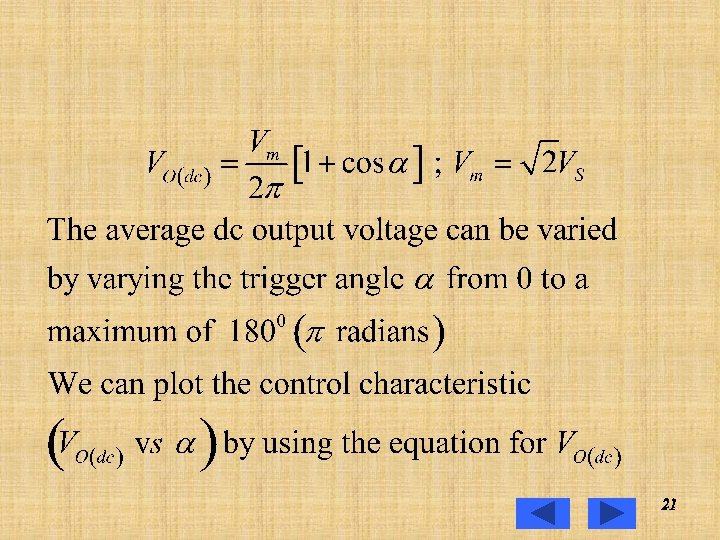
21 21
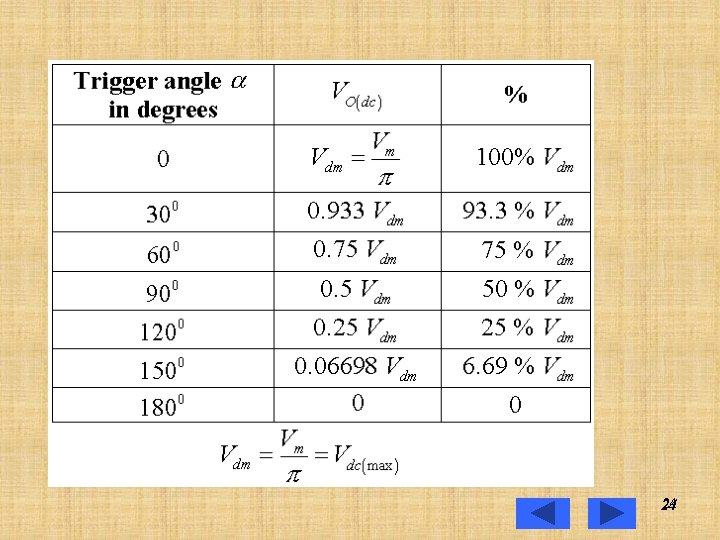
Control Characteristic of Single Phase Half Wave Phase Controlled Rectifier with Resistive Load 22 22
23 23
24 24
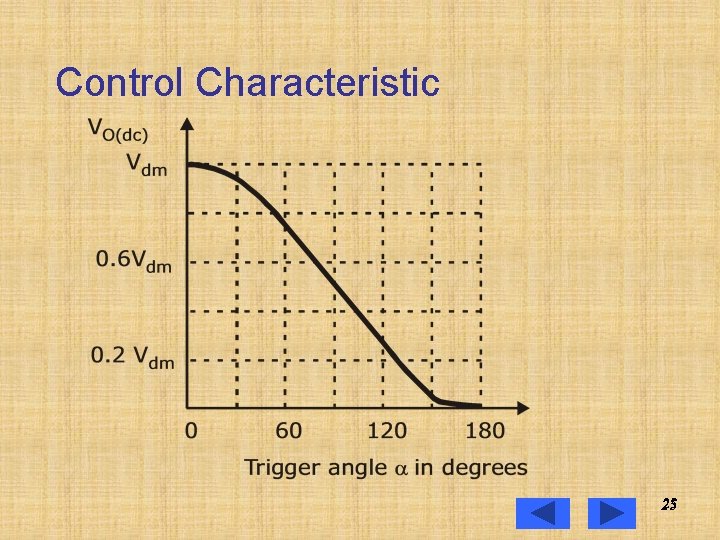
Control Characteristic 25 25
26 26
To Derive An Expression for the RMS Value of Output Voltage of a Single Phase Half Wave Controlled Rectifier With Resistive Load 27 27
28 28
29 29
30 30
Performance Parameters Of Phase Controlled Rectifiers 31 31
32 32
33 33
34 34
35 35
36 36
37 37
38 38
39 39
40 40
41 41
42 42
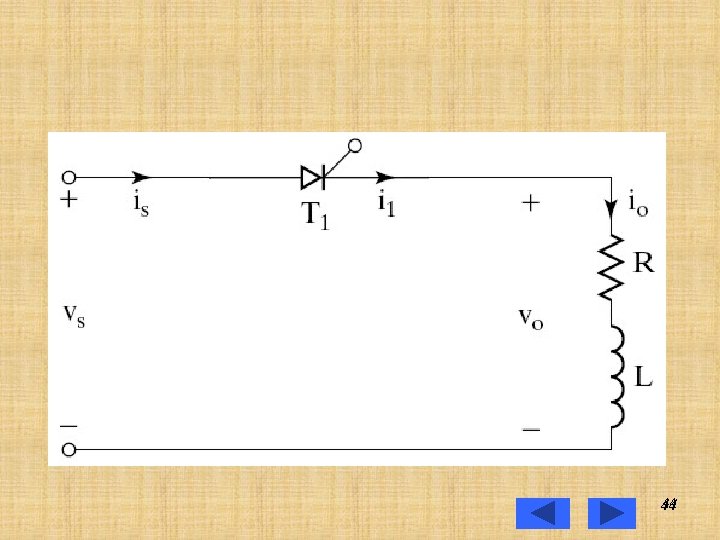
Single Phase Half Wave Controlled Rectifier With An RL Load 43 43
44 44
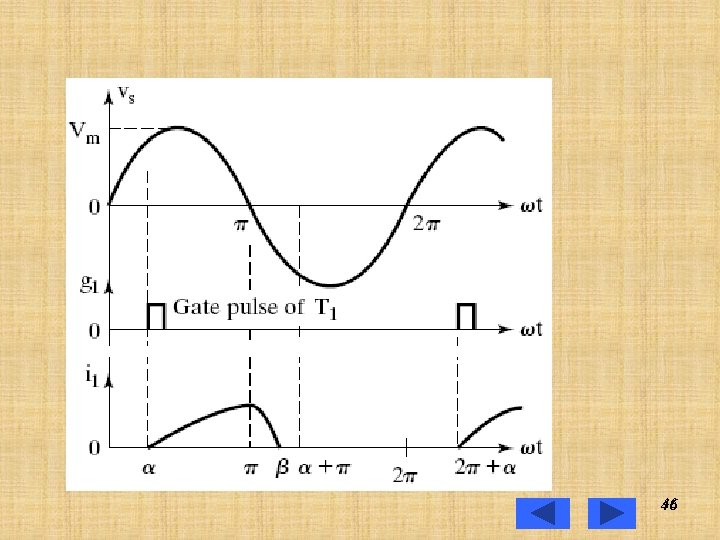
Input Supply Voltage (Vs) & Thyristor (Output) Current Waveforms 45 45
46 46
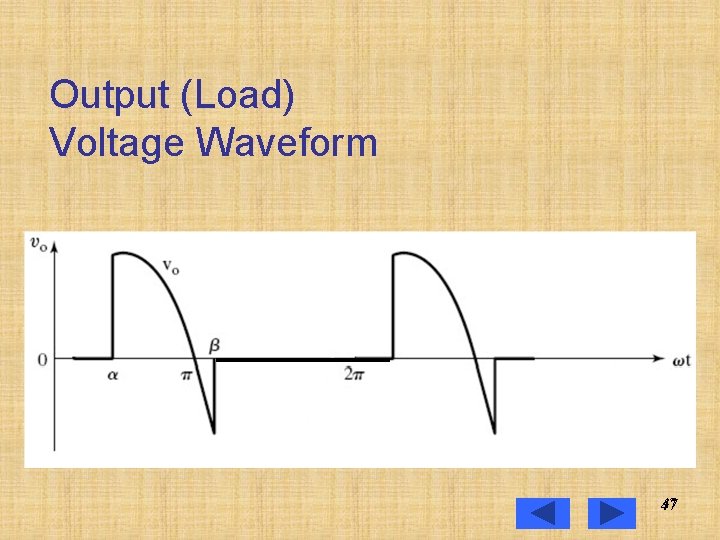
Output (Load) Voltage Waveform 47 47
48 48
49 49
50 50
51 51
52 52
53 53
To Derive An Expression For Average (DC) Load Voltage of a Single Half Wave Controlled Rectifier with RL Load 54 54
55 55
56 56
Effect of Load Inductance on the Output 57 57
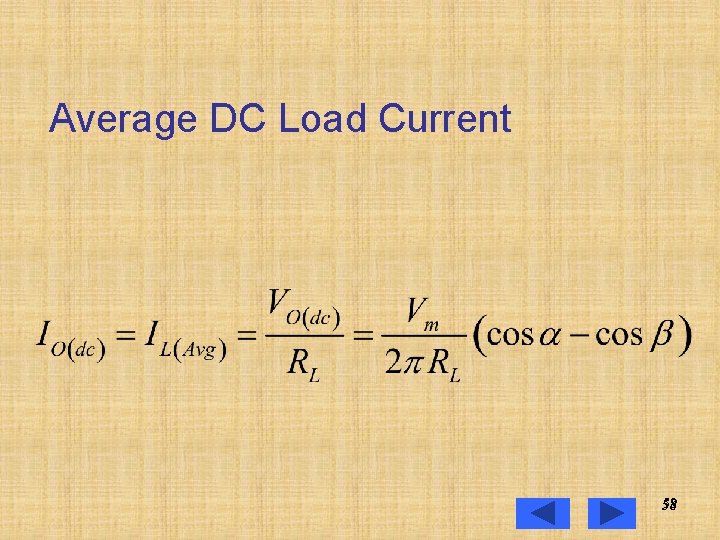
Average DC Load Current 58 58
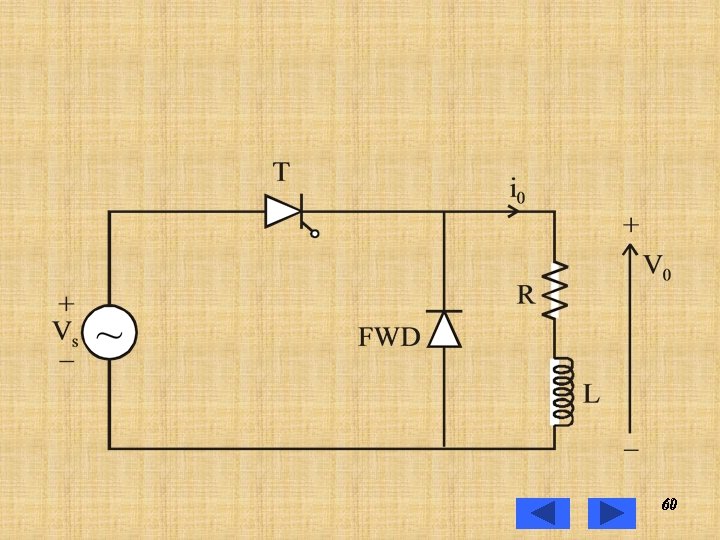
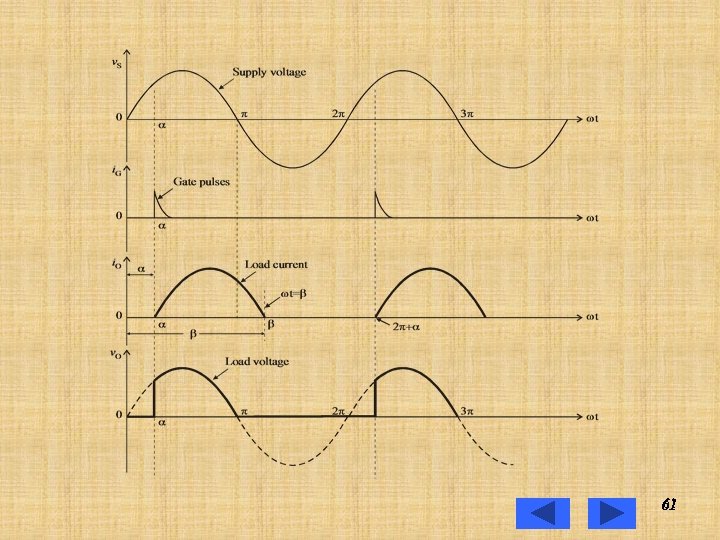
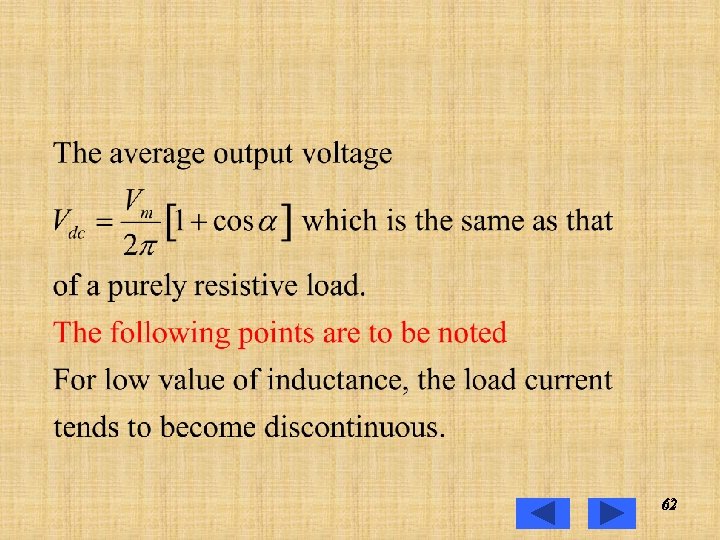
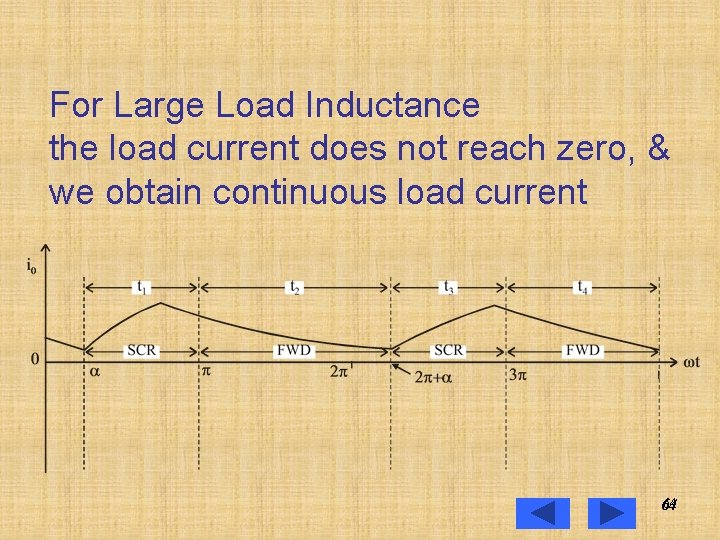
Single Phase Half Wave Controlled Rectifier With RL Load & Free Wheeling Diode 59 59
60 60
61 61
62 62
63 63
For Large Load Inductance the load current does not reach zero, & we obtain continuous load current 64 64
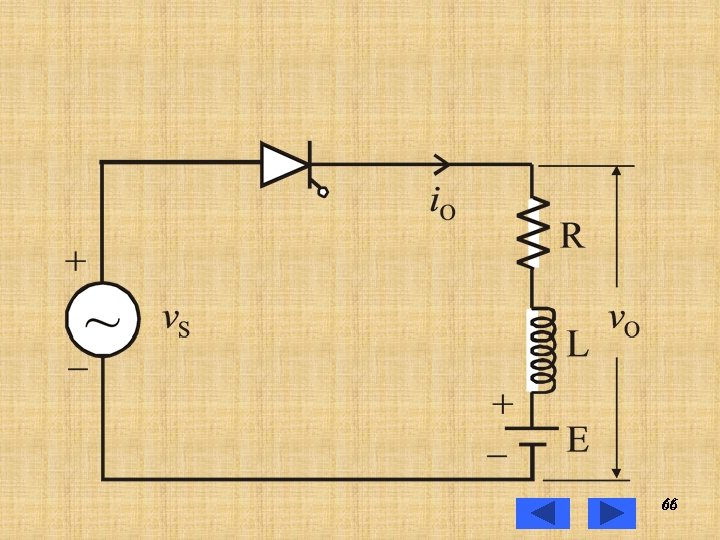
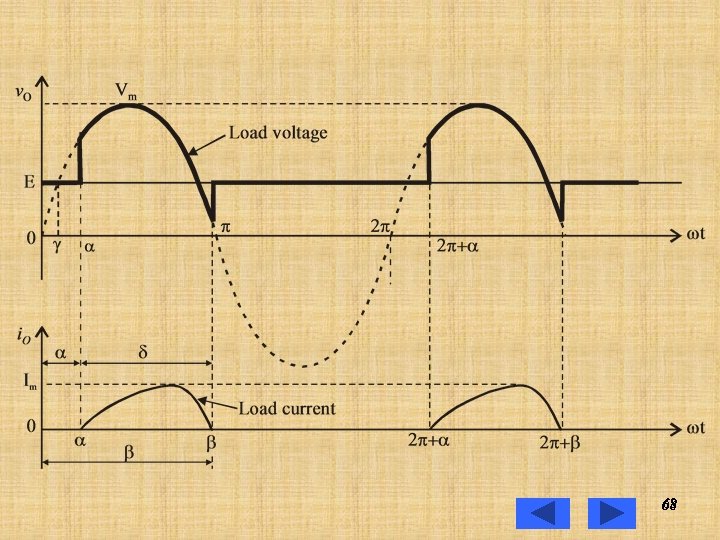
Single Phase Half Wave Controlled Rectifier With A General Load 65 65
66 66
67 67
68 68
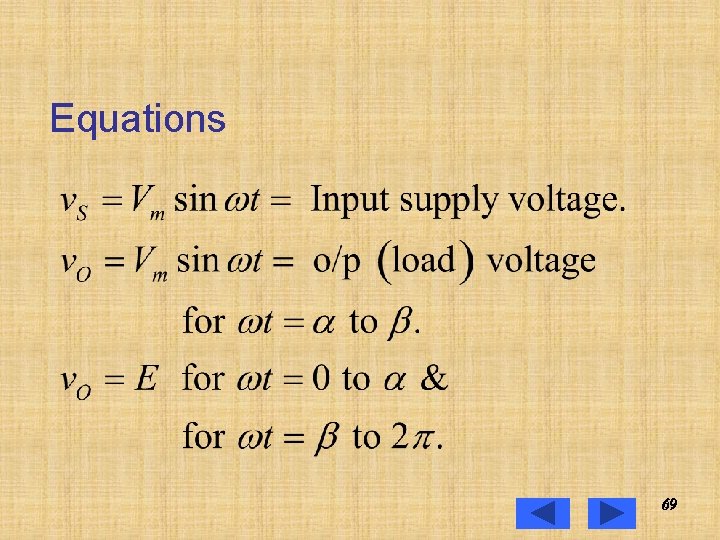
Equations 69 69
Expression for the Load Current 70 70
71 71
72 72
73 73
To Derive An Expression For The Average Or DC Load Voltage 74 74
75 75
76 76
77 77
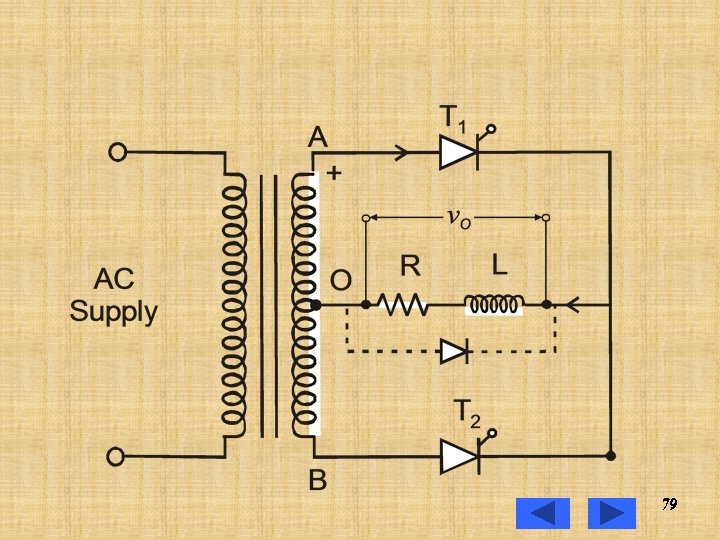
Single Phase Full Wave Controlled Rectifier Using A Center Tapped Transformer 78 78
79 79
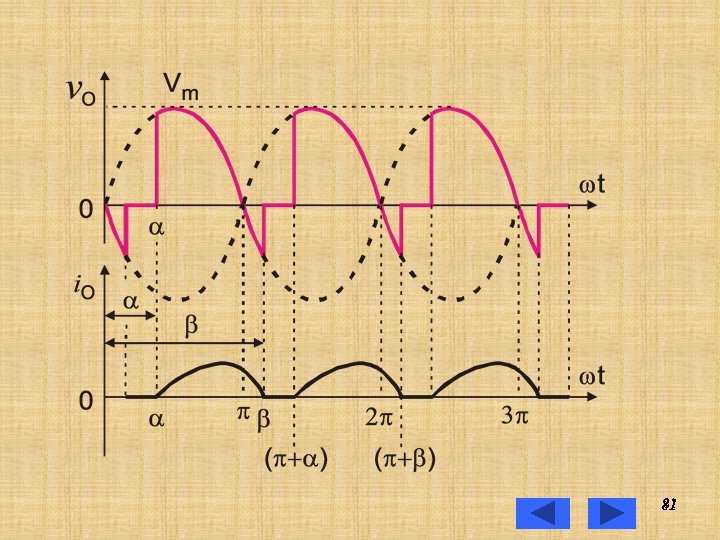
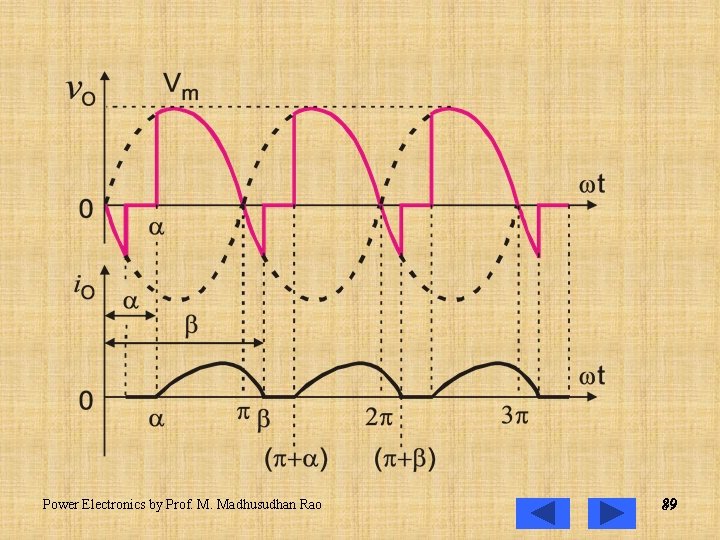
Discontinuous Load Current Operation without FWD for 80 80
81 81
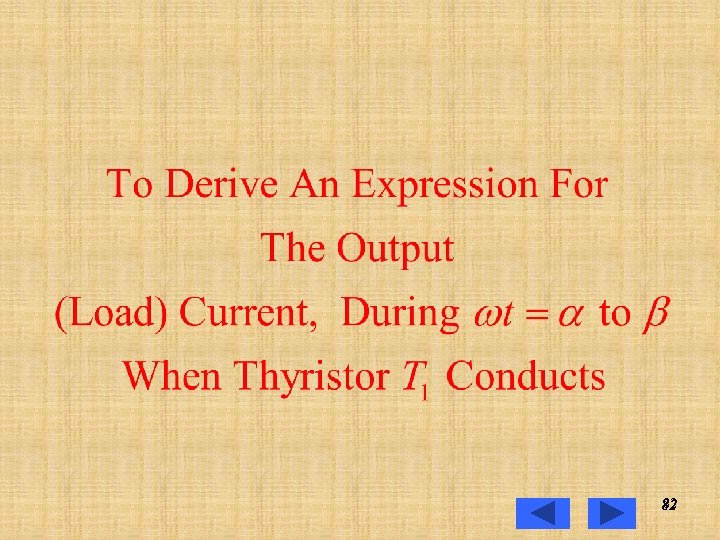
82 82
83 83
84 84
Power Electronics by Prof. M. Madhusudhan Rao 85 85
Power Electronics by Prof. M. Madhusudhan Rao 86 86
Power Electronics by Prof. M. Madhusudhan Rao 87 87
To Derive An Expression For The DC Output Voltage Of A Single Phase Full Wave Controlled Rectifier With RL Load (Without FWD) Power Electronics by Prof. M. Madhusudhan Rao 88 88
Power Electronics by Prof. M. Madhusudhan Rao 89 89
Power Electronics by Prof. M. Madhusudhan Rao 90 90
Power Electronics by Prof. M. Madhusudhan Rao 91 91
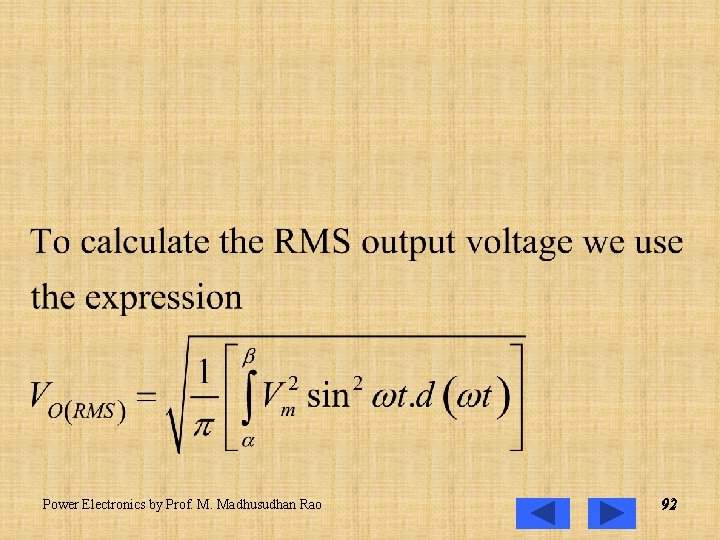
Power Electronics by Prof. M. Madhusudhan Rao 92 92
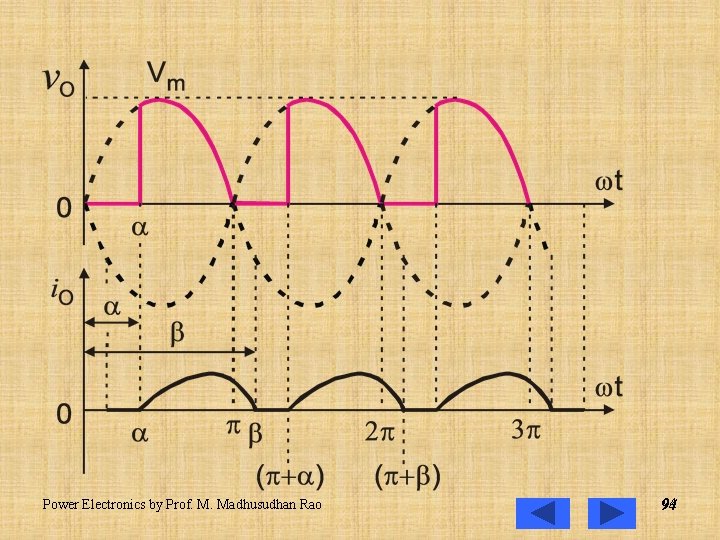
Discontinuous Load Current Operation with FWD Power Electronics by Prof. M. Madhusudhan Rao 93 93
Power Electronics by Prof. M. Madhusudhan Rao 94 94
Power Electronics by Prof. M. Madhusudhan Rao 95 95
To Derive an Expression For The DC Output Voltage For A Single Phase Full Wave Controlled Rectifier With RL Load & FWD Power Electronics by Prof. M. Madhusudhan Rao 96 96
Power Electronics by Prof. M. Madhusudhan Rao 97 97
• The load current is discontinuous for low values of load inductance and for large values of trigger angles. • For large values of load inductance the load current flows continuously without falling to zero. • Generally the load current is continuous for large load inductance and for low trigger angles. Power Electronics by Prof. M. Madhusudhan Rao 98 98
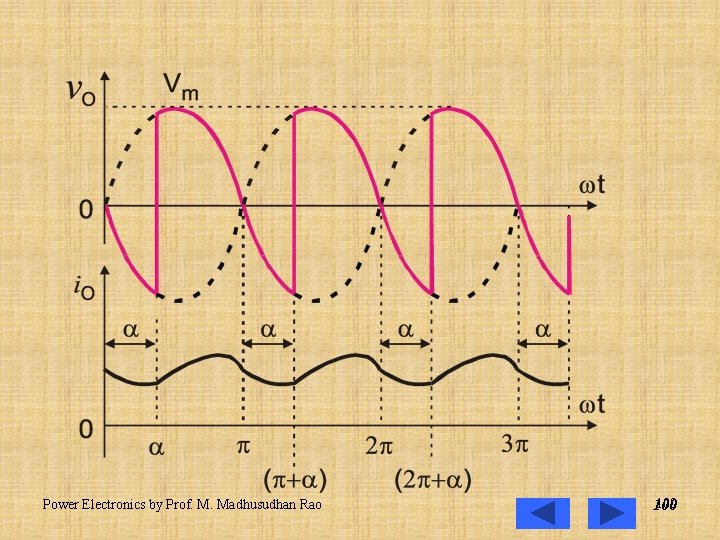
Continuous Load Current Operation (Without FWD) Power Electronics by Prof. M. Madhusudhan Rao 99 99
Power Electronics by Prof. M. Madhusudhan Rao 100
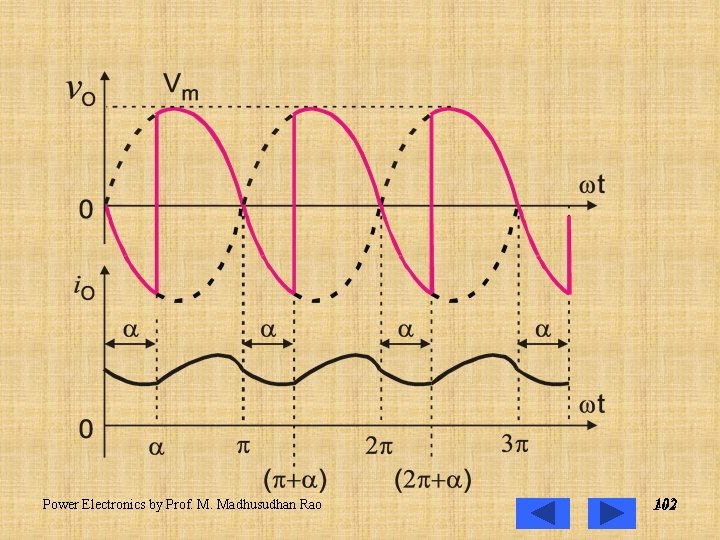
To Derive An Expression For Average / DC Output Voltage Of Single Phase Full Wave Controlled Rectifier For Continuous Current Operation without FWD Power Electronics by Prof. M. Madhusudhan Rao 101
Power Electronics by Prof. M. Madhusudhan Rao 102
Power Electronics by Prof. M. Madhusudhan Rao 103
Power Electronics by Prof. M. Madhusudhan Rao 104
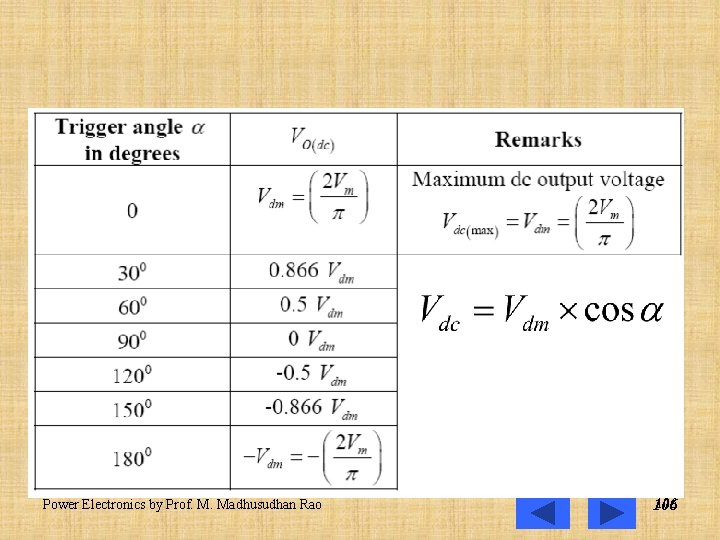
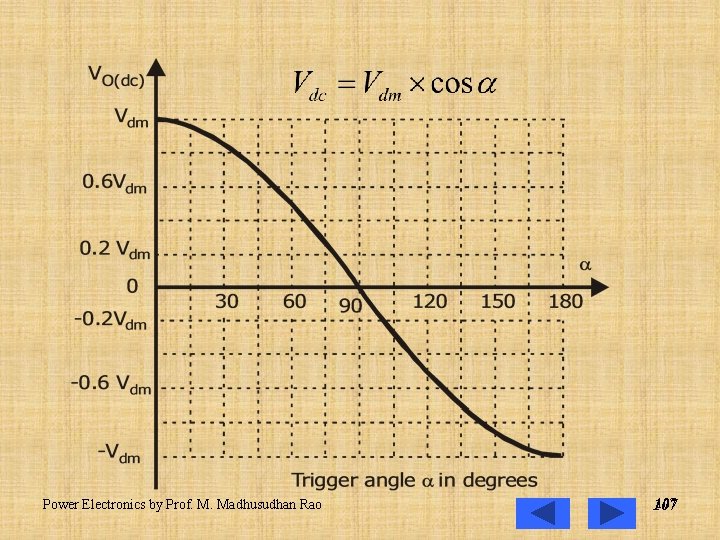
• By plotting VO(dc) versus , we obtain the control characteristic of a single phase full wave controlled rectifier with RL load for continuous load current operation without FWD Power Electronics by Prof. M. Madhusudhan Rao 105
Power Electronics by Prof. M. Madhusudhan Rao 106
Power Electronics by Prof. M. Madhusudhan Rao 107
Power Electronics by Prof. M. Madhusudhan Rao 108
Power Electronics by Prof. M. Madhusudhan Rao 109
Drawbacks Of Full Wave Controlled Rectifier With Centre Tapped Transformer • We require a centre tapped transformer which is quite heavier and bulky. • Cost of the transformer is higher for the required dc output voltage & output power. • Hence full wave bridge converters are preferred. Power Electronics by Prof. M. Madhusudhan Rao 110
Single Phase Full Wave Bridge Controlled Rectifier 2 types of FW Bridge Controlled Rectifiers are § Half Controlled Bridge Converter (Semi-Converter) § Fully Controlled Bridge Converter (Full Converter) The bridge full wave controlled rectifier does not require a centre tapped transformer Power Electronics by Prof. M. Madhusudhan Rao 111
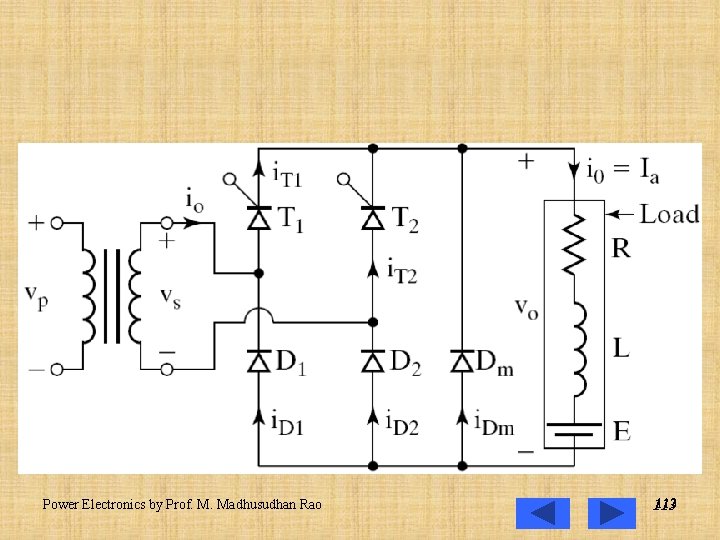
Single Phase Full Wave Half Controlled Bridge Converter (Single Phase Semi Converter) Power Electronics by Prof. M. Madhusudhan Rao 112
Power Electronics by Prof. M. Madhusudhan Rao 113
Trigger Pattern of Thyristors Power Electronics by Prof. M. Madhusudhan Rao 114
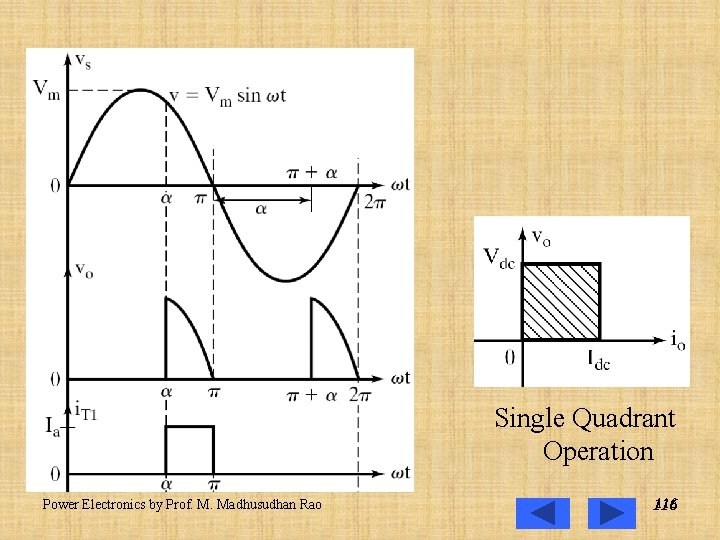
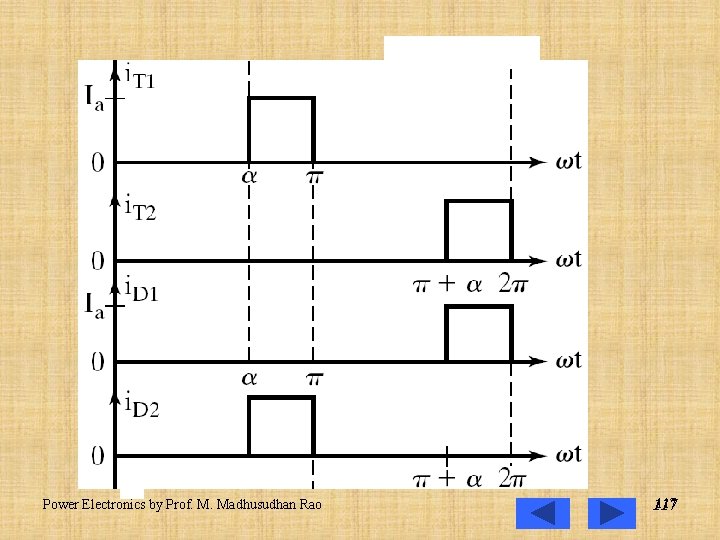
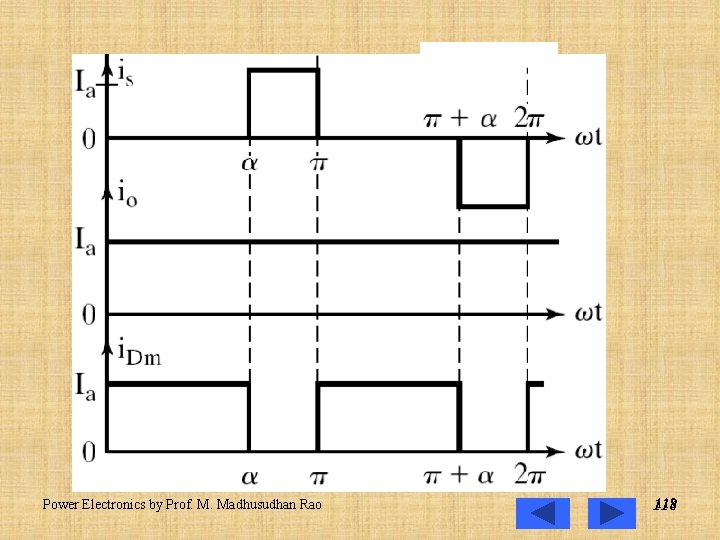
Waveforms of single phase semi-converter with general load & FWD for > 900 Power Electronics by Prof. M. Madhusudhan Rao 115
Single Quadrant Operation Power Electronics by Prof. M. Madhusudhan Rao 116
Power Electronics by Prof. M. Madhusudhan Rao 117
Power Electronics by Prof. M. Madhusudhan Rao 118
Power Electronics by Prof. M. Madhusudhan Rao 119
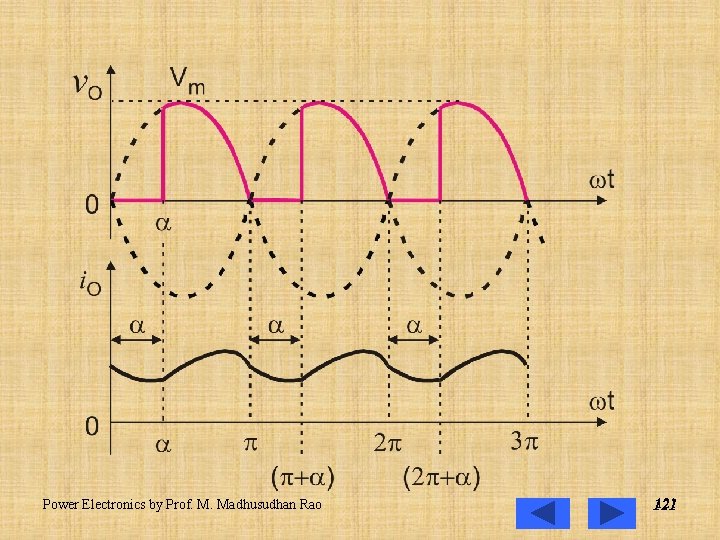
Load Voltage & Load Current Waveform of Single Phase Semi Converter for < 900 & Continuous load current operation Power Electronics by Prof. M. Madhusudhan Rao 120
Power Electronics by Prof. M. Madhusudhan Rao 121
To Derive an Expression For The DC Output Voltage of A Single Phase Semi-Converter With R, L, & E Load & FWD For Continuous, Ripple Free Load Current Operation Power Electronics by Prof. M. Madhusudhan Rao 122
Power Electronics by Prof. M. Madhusudhan Rao 123
Power Electronics by Prof. M. Madhusudhan Rao 124
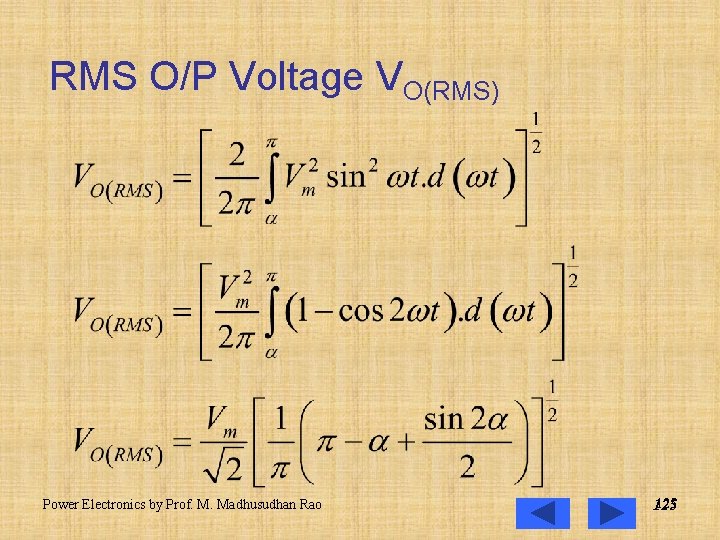
RMS O/P Voltage VO(RMS) Power Electronics by Prof. M. Madhusudhan Rao 125
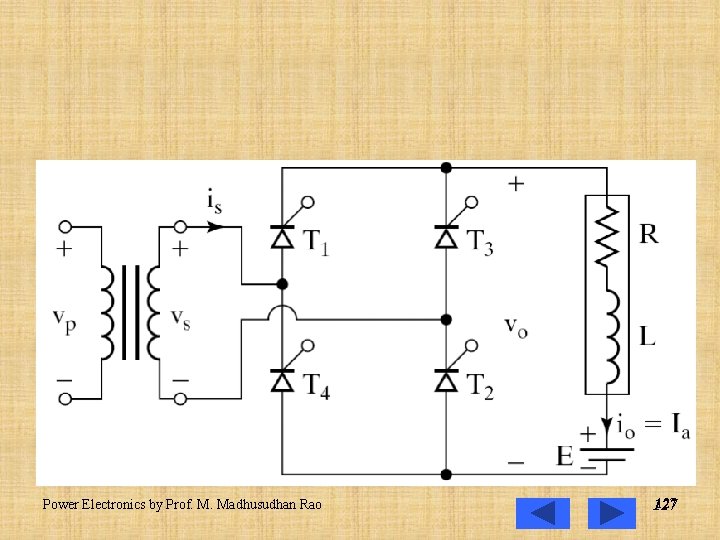
Single Phase Full Wave Full Converter (Fully Controlled Bridge Converter) With R, L, & E Load Power Electronics by Prof. M. Madhusudhan Rao 126
Power Electronics by Prof. M. Madhusudhan Rao 127
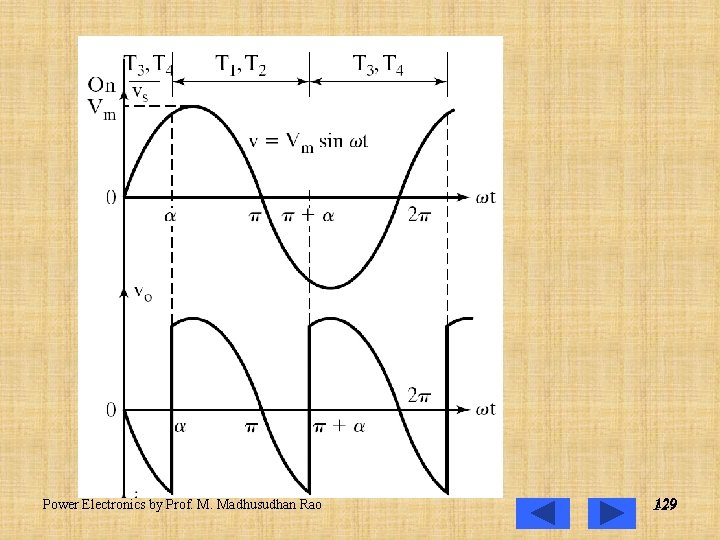
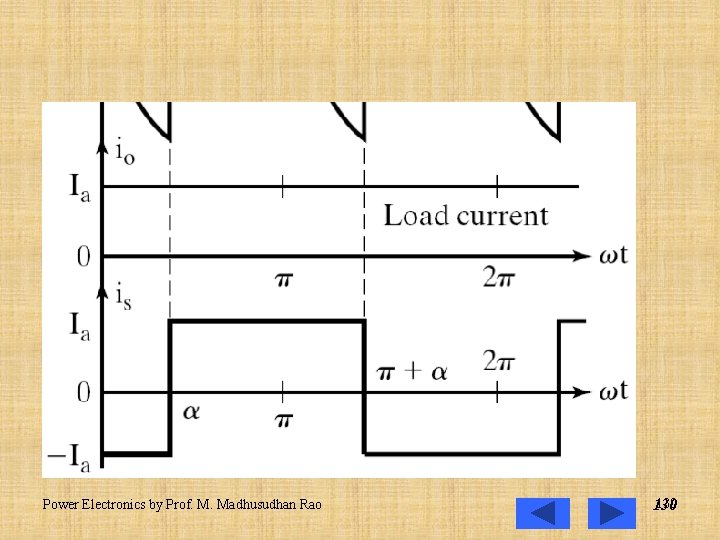
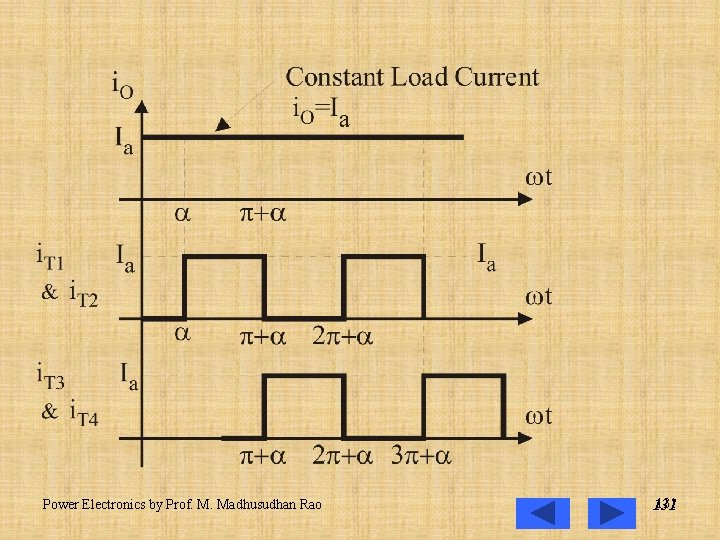
Waveforms of Single Phase Full Converter Assuming Continuous (Constant Load Current) & Ripple Free Load Current Power Electronics by Prof. M. Madhusudhan Rao 128
Power Electronics by Prof. M. Madhusudhan Rao 129
Power Electronics by Prof. M. Madhusudhan Rao 130
Power Electronics by Prof. M. Madhusudhan Rao 131
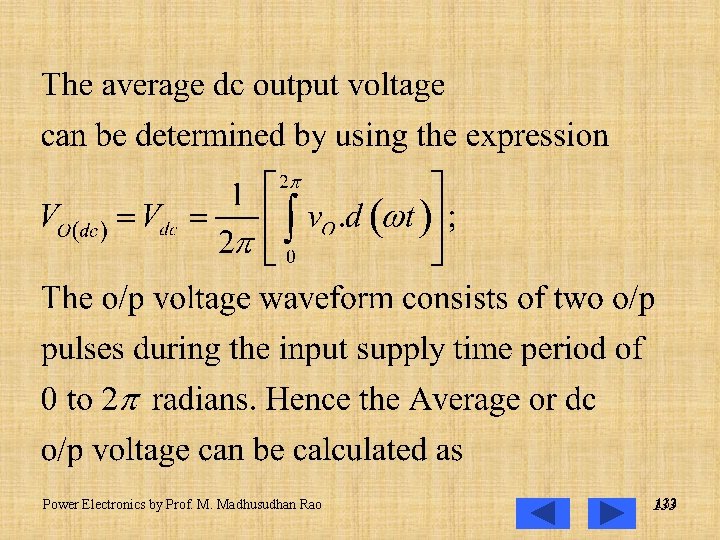
To Derive An Expression For The Average DC Output Voltage of a Single Phase Full Converter assuming Continuous & Constant Load Current Power Electronics by Prof. M. Madhusudhan Rao 132
Power Electronics by Prof. M. Madhusudhan Rao 133
Power Electronics by Prof. M. Madhusudhan Rao 134
Power Electronics by Prof. M. Madhusudhan Rao 135
Power Electronics by Prof. M. Madhusudhan Rao 136
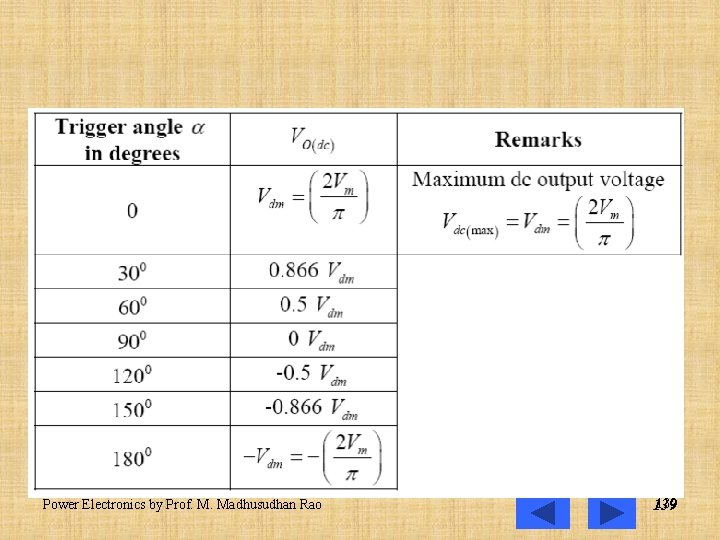
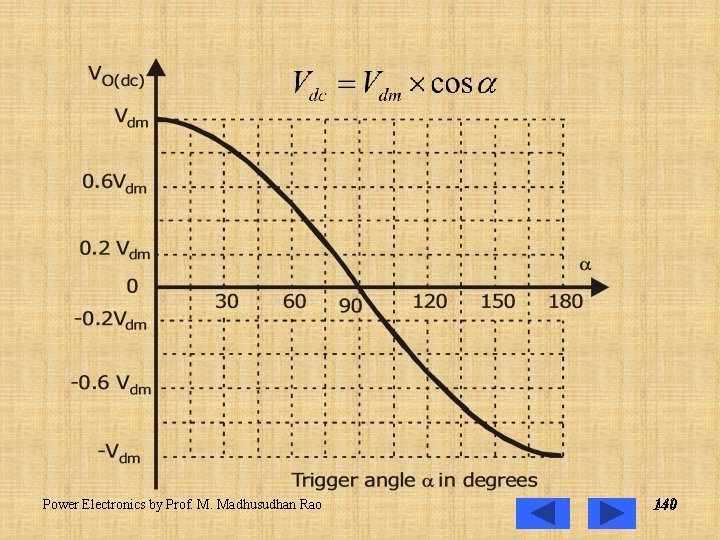
By plotting VO(dc) versus , we obtain the control characteristic of a single phase full wave fully controlled bridge converter (single phase full converter) for constant & continuous load current operation. Power Electronics by Prof. M. Madhusudhan Rao 137
Power Electronics by Prof. M. Madhusudhan Rao 138
Power Electronics by Prof. M. Madhusudhan Rao 139
Power Electronics by Prof. M. Madhusudhan Rao 140
• During the period from t = to the input voltage v. S and the input current i. S are both positive and the power flows from the supply to the load. • The converter is said to be operated in the rectification mode Controlled Rectifier Operation for 0 < < 900 Power Electronics by Prof. M. Madhusudhan Rao 141
• During the period from t = to ( + ), the input voltage v. S is negative and the input current i. S is positive and the output power becomes negative and there will be reverse power flow from the load circuit to the supply. • The converter is said to be operated in the inversion mode. Line Commutated Inverter Operation for 900 < < 1800 Power Electronics by Prof. M. Madhusudhan Rao 142
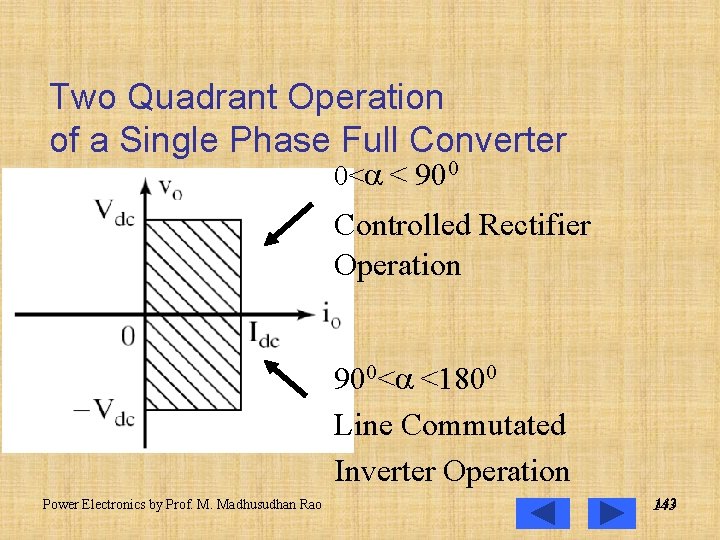
Two Quadrant Operation of a Single Phase Full Converter 0< < 900 Controlled Rectifier Operation 900< <1800 Line Commutated Inverter Operation Power Electronics by Prof. M. Madhusudhan Rao 143
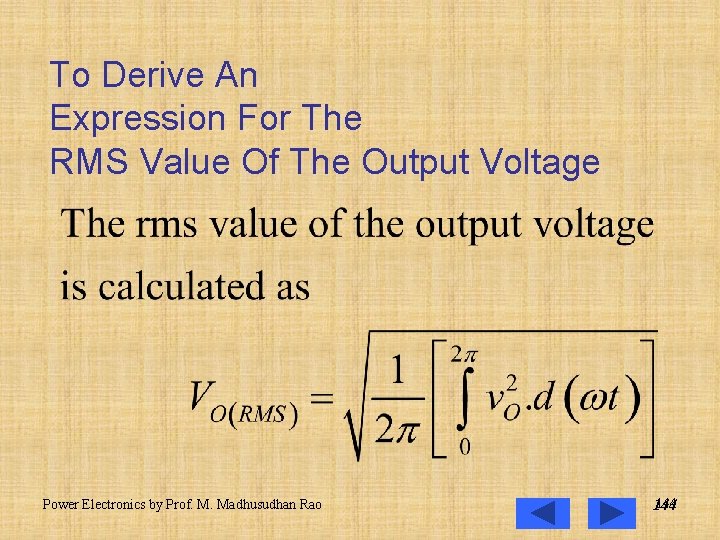
To Derive An Expression For The RMS Value Of The Output Voltage Power Electronics by Prof. M. Madhusudhan Rao 144
Power Electronics by Prof. M. Madhusudhan Rao 145
Power Electronics by Prof. M. Madhusudhan Rao 146
Power Electronics by Prof. M. Madhusudhan Rao 147
Power Electronics by Prof. M. Madhusudhan Rao 148
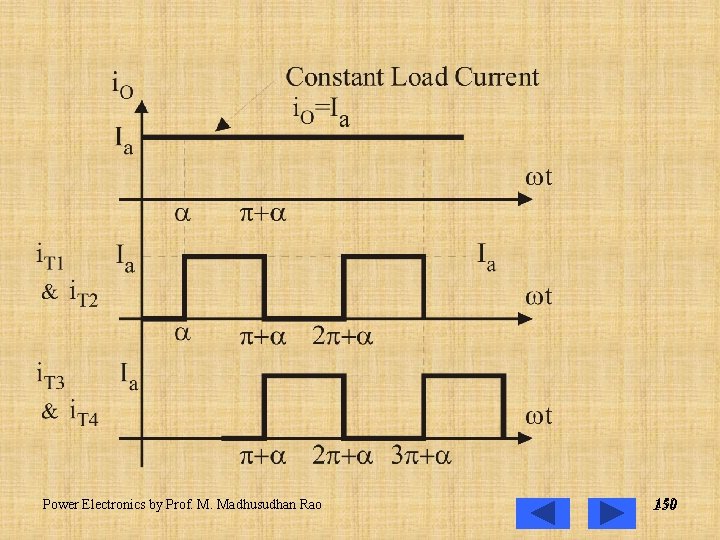
Thyristor Current Waveforms Power Electronics by Prof. M. Madhusudhan Rao 149
Power Electronics by Prof. M. Madhusudhan Rao 150
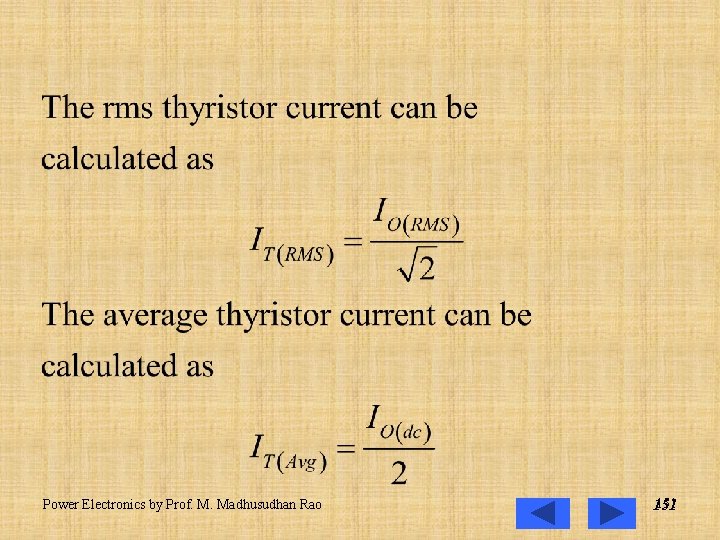
Power Electronics by Prof. M. Madhusudhan Rao 151
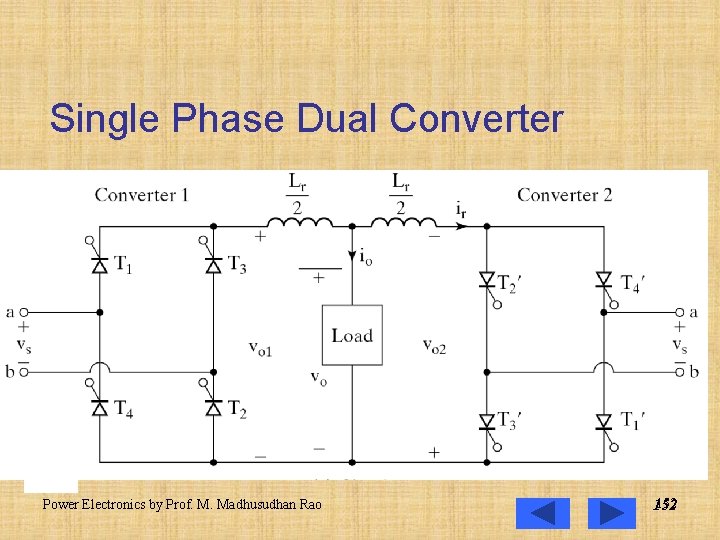
Single Phase Dual Converter Power Electronics by Prof. M. Madhusudhan Rao 152
Power Electronics by Prof. M. Madhusudhan Rao 153
Power Electronics by Prof. M. Madhusudhan Rao 154
Power Electronics by Prof. M. Madhusudhan Rao 155
Power Electronics by Prof. M. Madhusudhan Rao 156
Power Electronics by Prof. M. Madhusudhan Rao 157
Power Electronics by Prof. M. Madhusudhan Rao 158
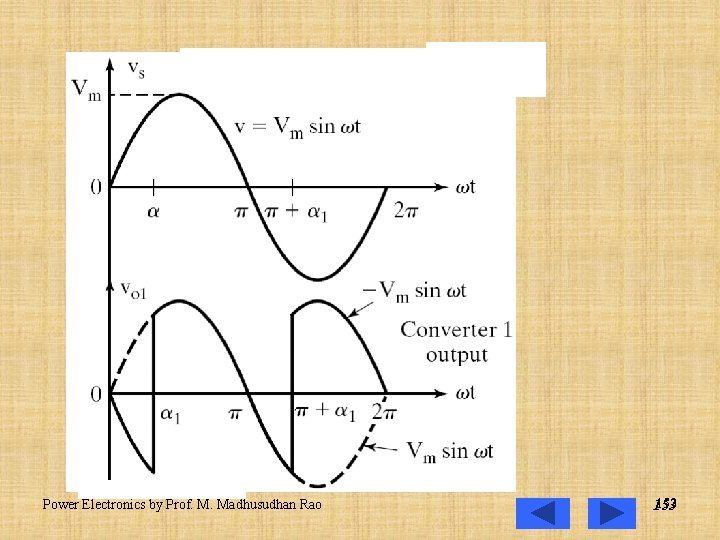
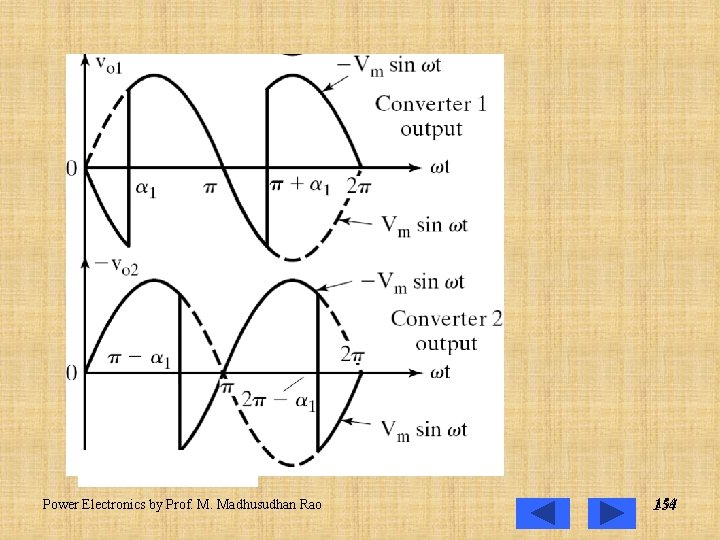
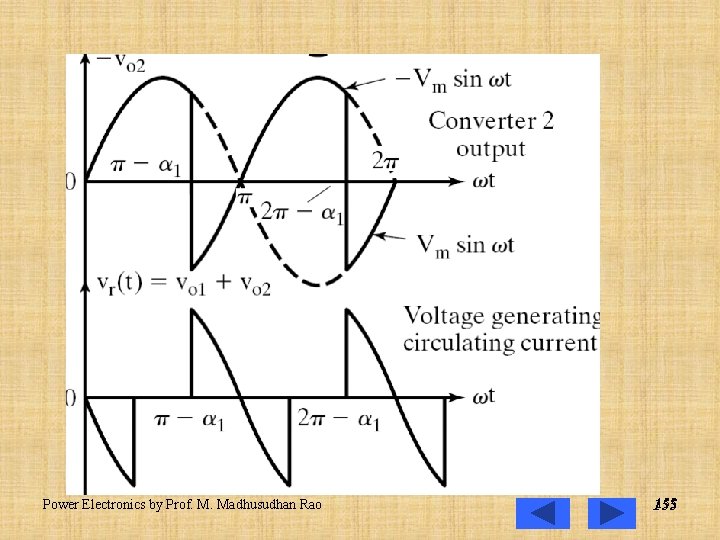
To Obtain an Expression for the Instantaneous Circulating Current Power Electronics by Prof. M. Madhusudhan Rao 159
• v. O 1 = Instantaneous o/p voltage of converter 1. • v. O 2 = Instantaneous o/p voltage of converter 2. • The circulating current ir can be determined by integrating the instantaneous voltage difference (which is the voltage drop across the circulating current reactor Lr), starting from t = (2 - 1). • As the two average output voltages during the interval t = ( + 1) to (2 - 1) are equal and opposite their contribution to the instantaneous circulating current ir is zero. Power Electronics by Prof. M. Madhusudhan Rao 160
Power Electronics by Prof. M. Madhusudhan Rao 161
Power Electronics by Prof. M. Madhusudhan Rao 162
Power Electronics by Prof. M. Madhusudhan Rao 163
Power Electronics by Prof. M. Madhusudhan Rao 164
The Dual Converter Can Be Operated In Two Different Modes Of Operation • Non-circulating current (circulating current free) mode of operation. • Circulating current mode of operation. Power Electronics by Prof. M. Madhusudhan Rao 165
Non-Circulating Current Mode of Operation • In this mode only one converter is operated at a time. • When converter 1 is ON, 0 < 1 < 900 • Vdc is positive and Idc is positive. • When converter 2 is ON, 0 < 2 < 900 • Vdc is negative and Idc is negative. Power Electronics by Prof. M. Madhusudhan Rao 166
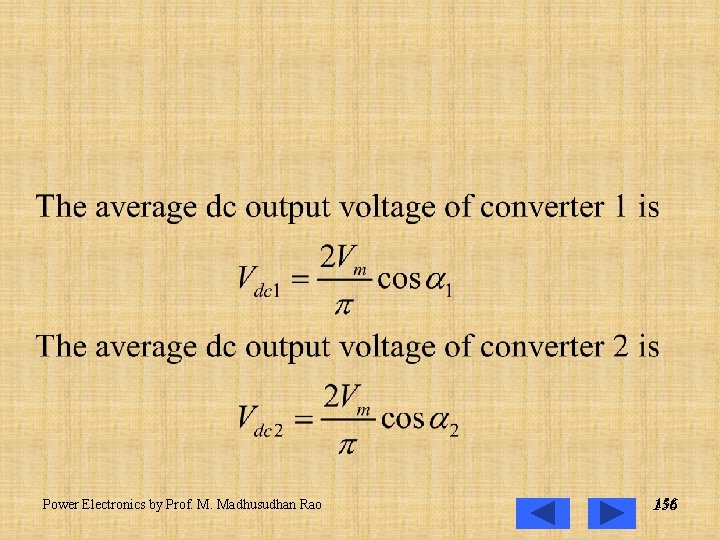
Circulating Current Mode Of Operation • In this mode, both the converters are switched ON and operated at the same time. • The trigger angles 1 and 2 are adjusted such that ( 1 + 2) = 1800 ; 2 = (1800 - 1). Power Electronics by Prof. M. Madhusudhan Rao 167
• When 0 < 1 <900, converter 1 operates as a controlled rectifier and converter 2 operates as an inverter with 900 < 2<1800. • In this case Vdc and Idc, both are positive. • When 900 < 1 <1800, converter 1 operates as an Inverter and converter 2 operated as a controlled rectifier by adjusting its trigger angle 2 such that 0 < 2<900. • In this case Vdc and Idc, both are negative. Power Electronics by Prof. M. Madhusudhan Rao 168
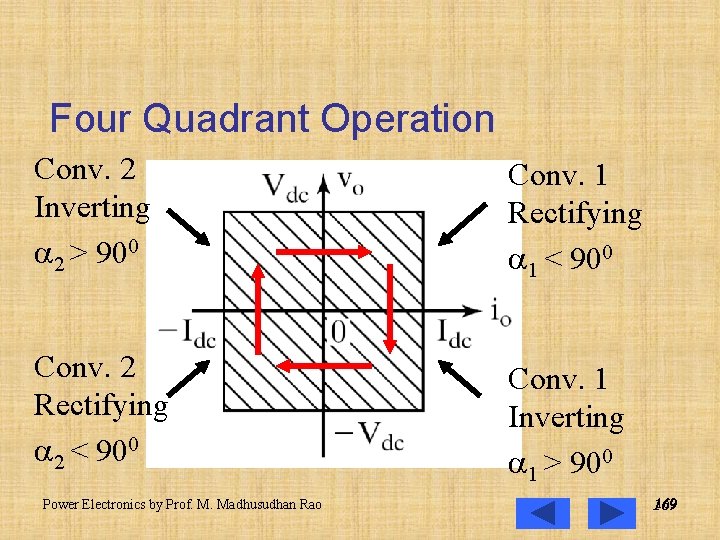
Four Quadrant Operation Conv. 2 Inverting 2 > 900 Conv. 1 Rectifying 1 < 900 Conv. 2 Rectifying 2 < 900 Conv. 1 Inverting 1 > 900 Power Electronics by Prof. M. Madhusudhan Rao 169
Advantages of Circulating Current Mode Of Operation • The circulating current maintains continuous conduction of both the converters over the complete control range, independent of the load. • One converter always operates as a rectifier and the other converter operates as an inverter, the power flow in either direction at any time is possible. Power Electronics by Prof. M. Madhusudhan Rao 170
• As both the converters are in continuous conduction we obtain faster dynamic response. i. e. , the time response for changing from one quadrant operation to another is faster. Power Electronics by Prof. M. Madhusudhan Rao 171
Disadvantages of Circulating Current Mode Of Operation • There is always a circulating current flowing between the converters. • When the load current falls to zero, there will be a circulating current flowing between the converters so we need to connect circulating current reactors in order to limit the peak circulating current to safe level. • The converter thyristors should be rated to carry a peak current much greater than the peak load current. Power Electronics by Prof. M. Madhusudhan Rao 172