CONGENITAL INFECTIONS Dr Mohammad A Khan MD Ph


- Slides: 53
CONGENITAL INFECTIONS Dr. Mohammad A. Khan, MD Ph. D Consultant Microbiologist Prince Mohammad Bin Abdul Aziz Hospital Riyadh April 24, 2017
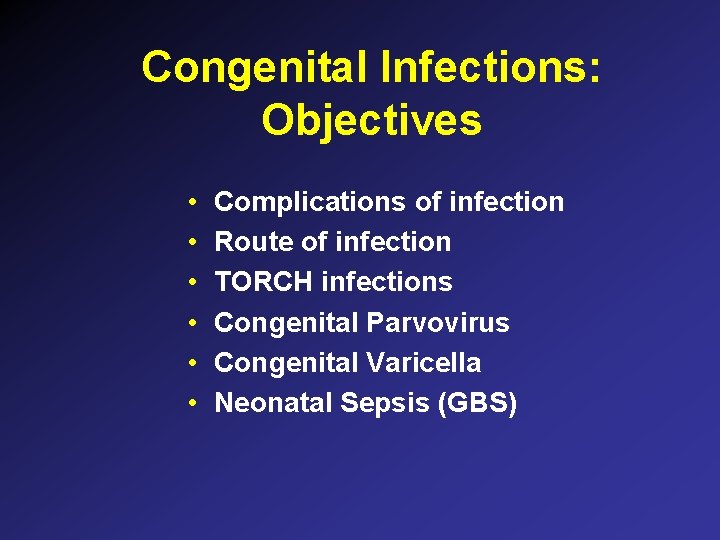
Congenital Infections: Objectives • • • Complications of infection Route of infection TORCH infections Congenital Parvovirus Congenital Varicella Neonatal Sepsis (GBS)
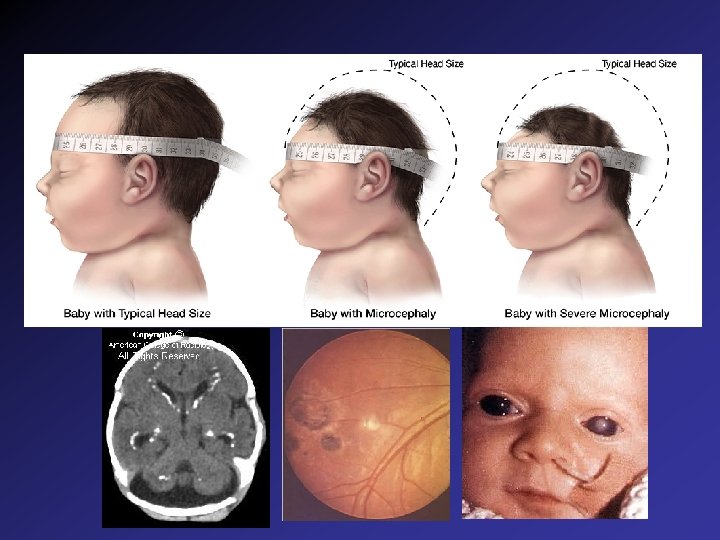
Complications of Congenital Infections • • Intrauterine growth retardation Microcephaly and hydrocephalus Intracranial calcifications Blueberry muffin skin rash • Jaundice • Cataracts • Chorioretinitis • Deafness LONG-TERM COMPLICATIONS WITH INCREASED PERINATAL MORTALITY AND PUBLIC HEALTH BURDEN
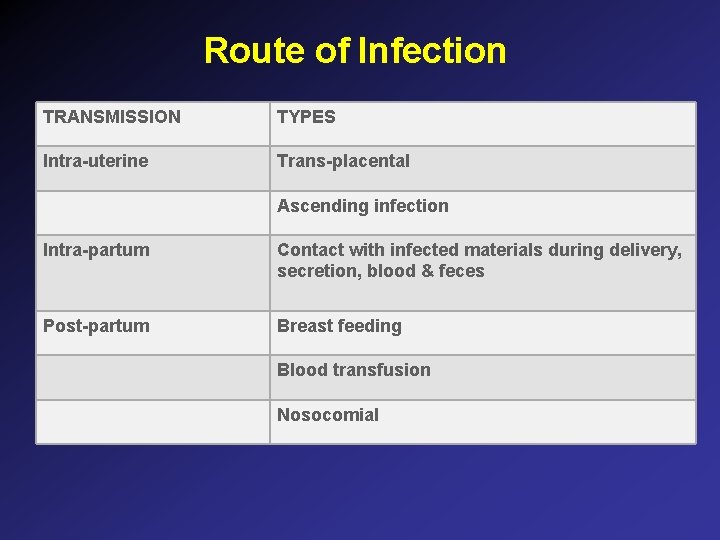
Route of Infection TRANSMISSION TYPES Intra-uterine Trans-placental Ascending infection Intra-partum Contact with infected materials during delivery, secretion, blood & feces Post-partum Breast feeding Blood transfusion Nosocomial
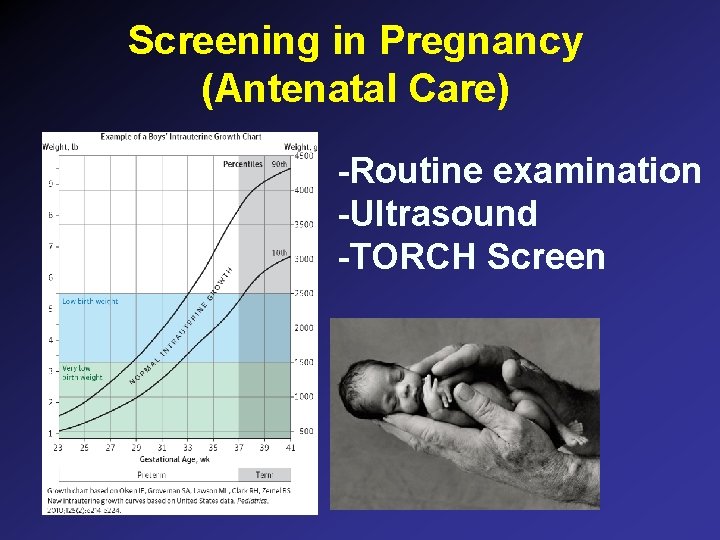
Screening in Pregnancy (Antenatal Care) -Routine examination -Ultrasound -TORCH Screen
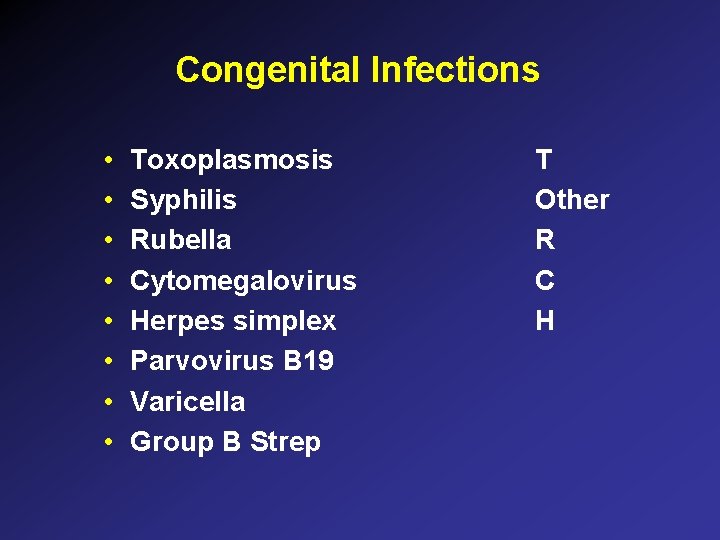
Congenital Infections • • Toxoplasmosis Syphilis Rubella Cytomegalovirus Herpes simplex Parvovirus B 19 Varicella Group B Strep T Other R C H
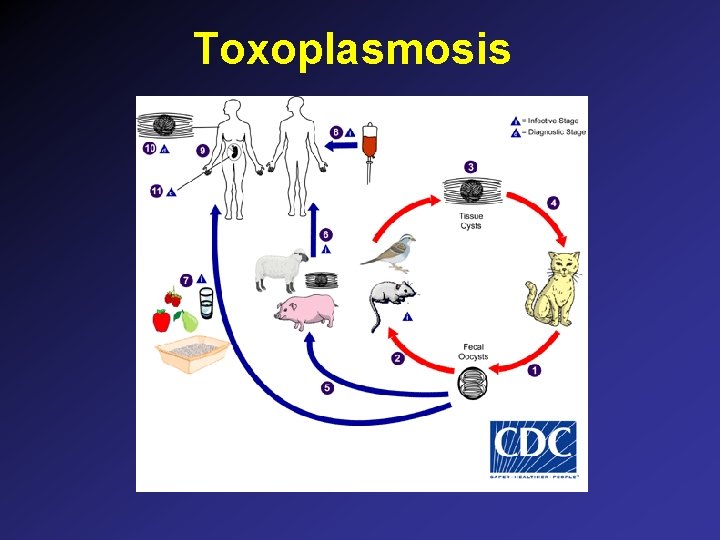
Toxoplasmosis (Toxo) • Toxoplasma gondii causes zoonotic parasitic infection • Definitive host is the domestic cat • Contact with oocysts in feces • Ingestion of cysts (meats, garden products) • Transmitted from the mother to the baby
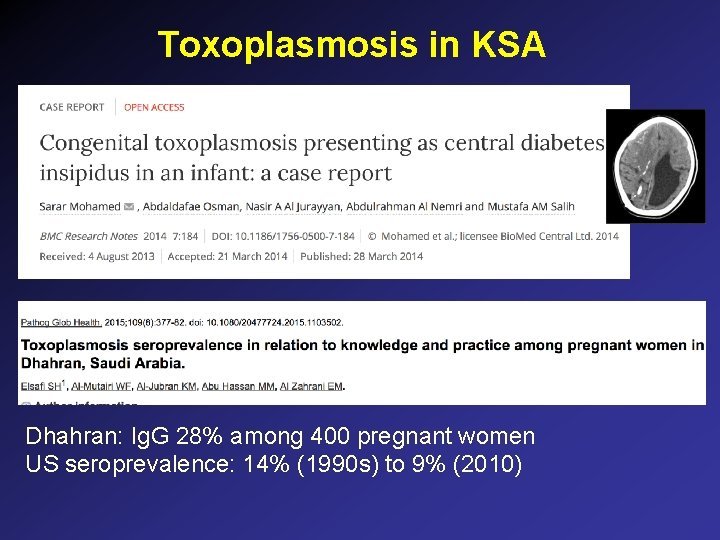
Toxoplasmosis in KSA Dhahran: Ig. G 28% among 400 pregnant women US seroprevalence: 14% (1990 s) to 9% (2010)
Toxoplasmosis
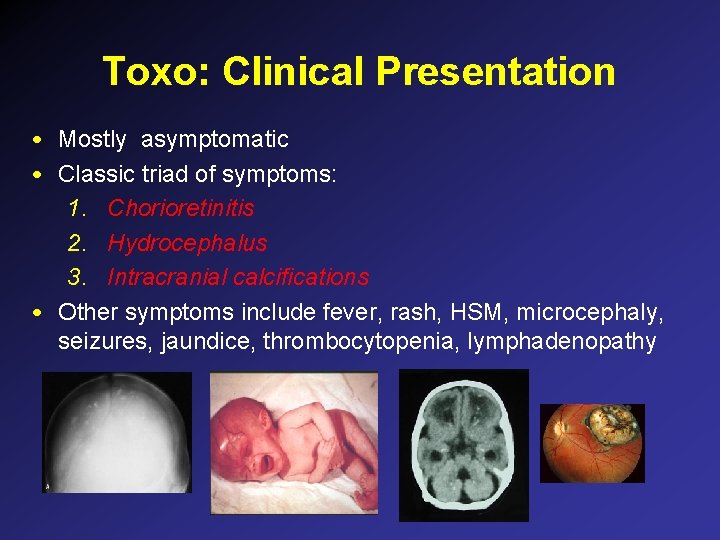
Toxo: Clinical Presentation • Mostly asymptomatic • Classic triad of symptoms: 1. Chorioretinitis 2. Hydrocephalus 3. Intracranial calcifications • Other symptoms include fever, rash, HSM, microcephaly, seizures, jaundice, thrombocytopenia, lymphadenopathy
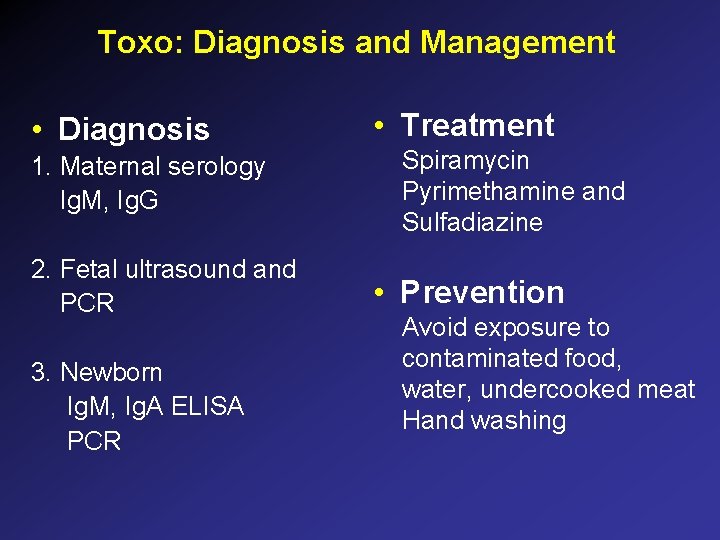
Toxo: Diagnosis and Management • Diagnosis • Treatment 1. Maternal serology Ig. M, Ig. G Spiramycin Pyrimethamine and Sulfadiazine 2. Fetal ultrasound and PCR • Prevention 3. Newborn Ig. M, Ig. A ELISA PCR Avoid exposure to contaminated food, water, undercooked meat Hand washing
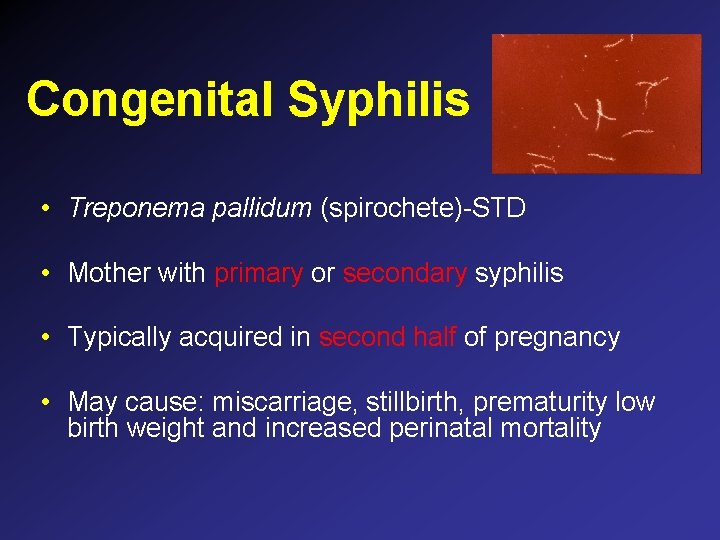
Congenital Syphilis • Treponema pallidum (spirochete)-STD • Mother with primary or secondary syphilis • Typically acquired in second half of pregnancy • May cause: miscarriage, stillbirth, prematurity low birth weight and increased perinatal mortality
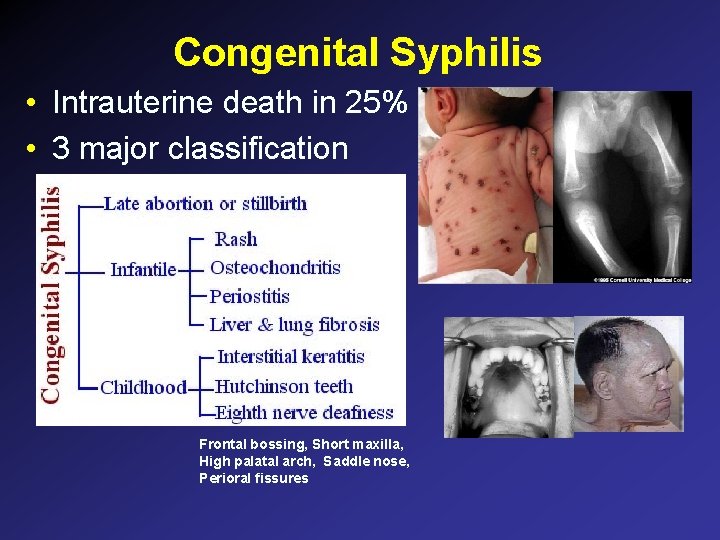
Congenital Syphilis • Intrauterine death in 25% • 3 major classification Frontal bossing, Short maxilla, High palatal arch, Saddle nose, Perioral fissures
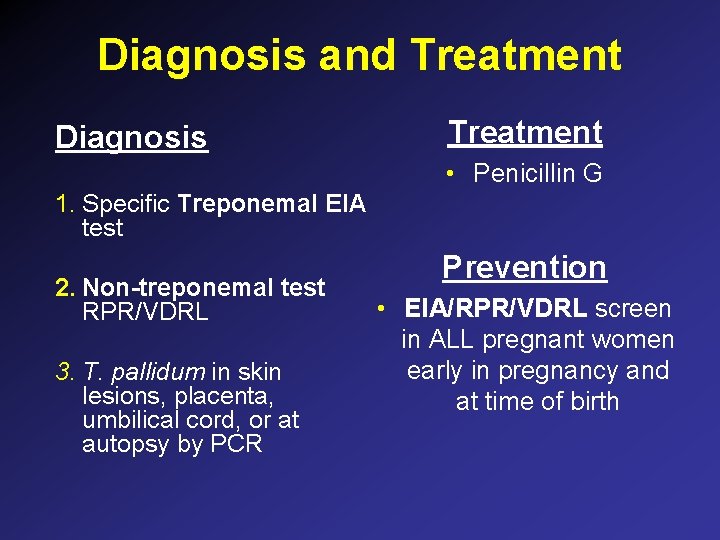
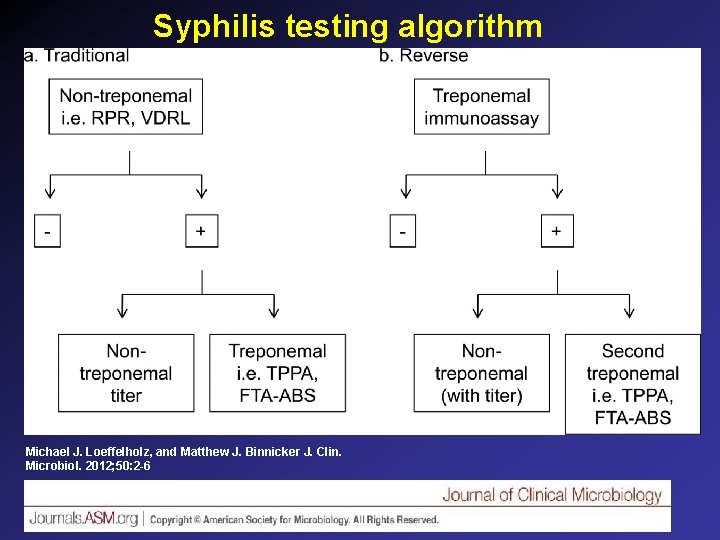
Diagnosis and Treatment Diagnosis Treatment • Penicillin G 1. Specific Treponemal EIA test 2. Non-treponemal test RPR/VDRL 3. T. pallidum in skin lesions, placenta, umbilical cord, or at autopsy by PCR Prevention • EIA/RPR/VDRL screen in ALL pregnant women early in pregnancy and at time of birth
Syphilis testing algorithm Michael J. Loeffelholz, and Matthew J. Binnicker J. Clin. Microbiol. 2012; 50: 2 -6
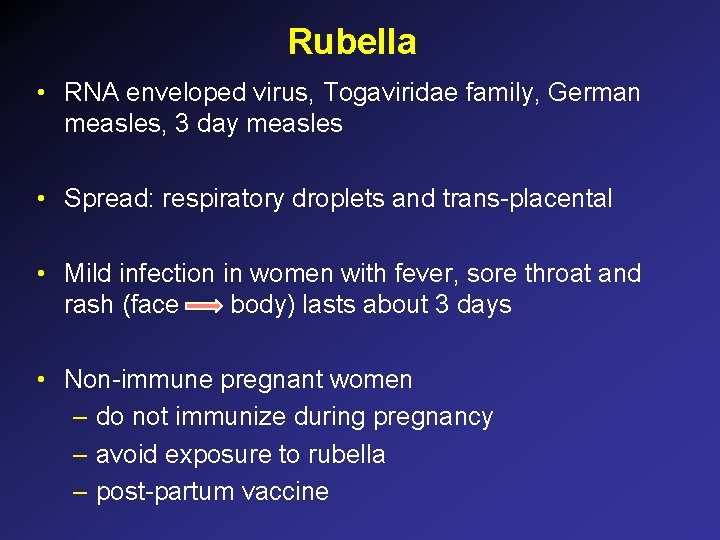
Rubella • RNA enveloped virus, Togaviridae family, German measles, 3 day measles • Spread: respiratory droplets and trans-placental • Mild infection in women with fever, sore throat and rash (face body) lasts about 3 days • Non-immune pregnant women – do not immunize during pregnancy – avoid exposure to rubella – post-partum vaccine
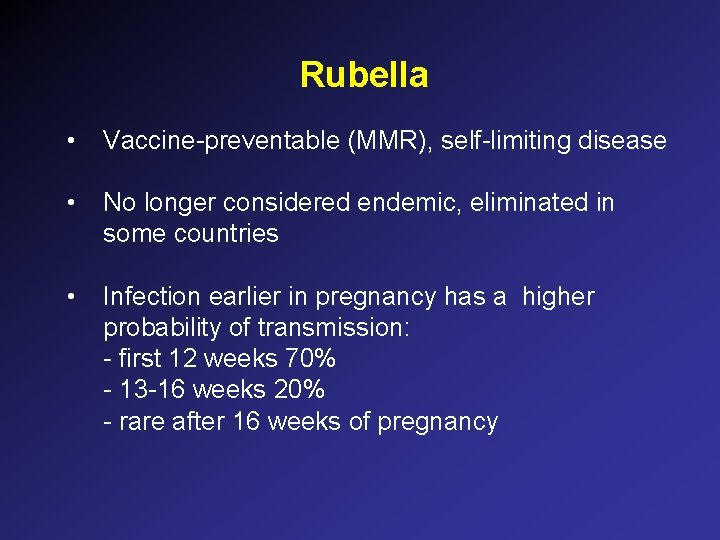
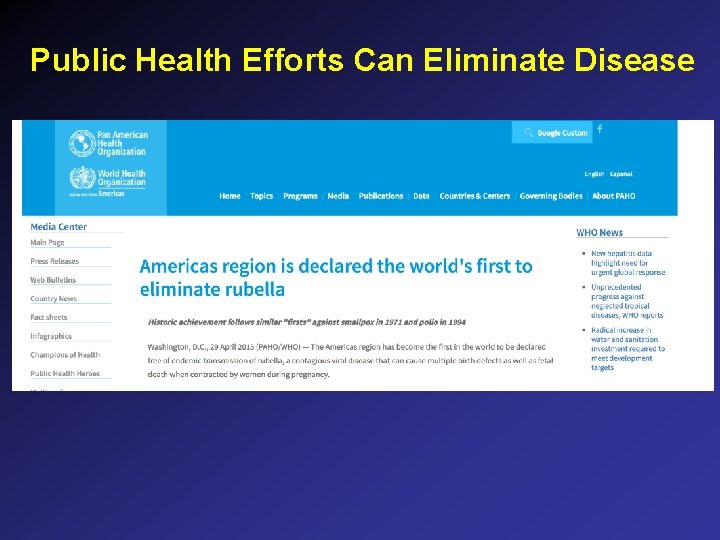
Rubella • Vaccine-preventable (MMR), self-limiting disease • No longer considered endemic, eliminated in some countries • Infection earlier in pregnancy has a higher probability of transmission: - first 12 weeks 70% - 13 -16 weeks 20% - rare after 16 weeks of pregnancy
Public Health Efforts Can Eliminate Disease
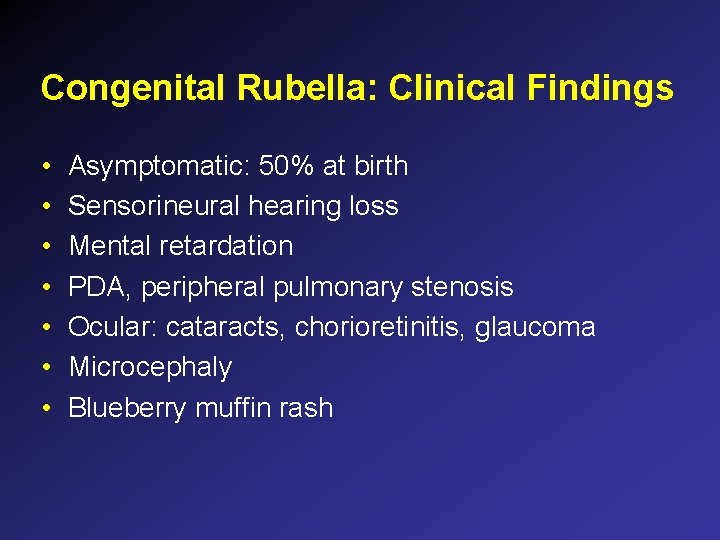
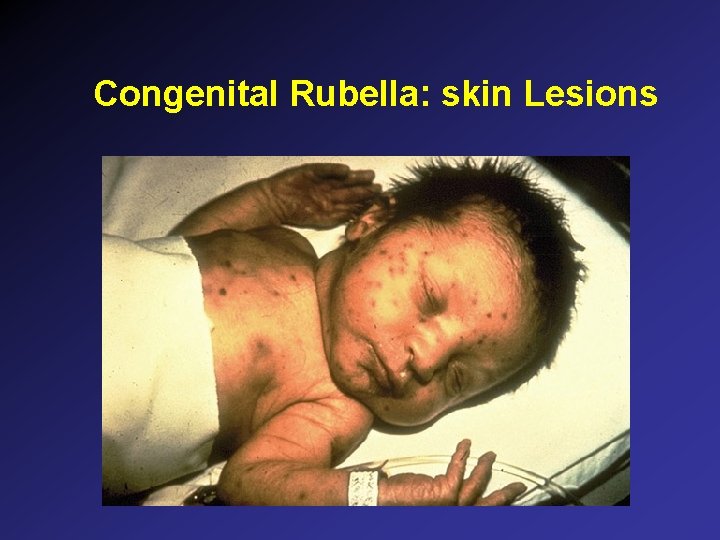
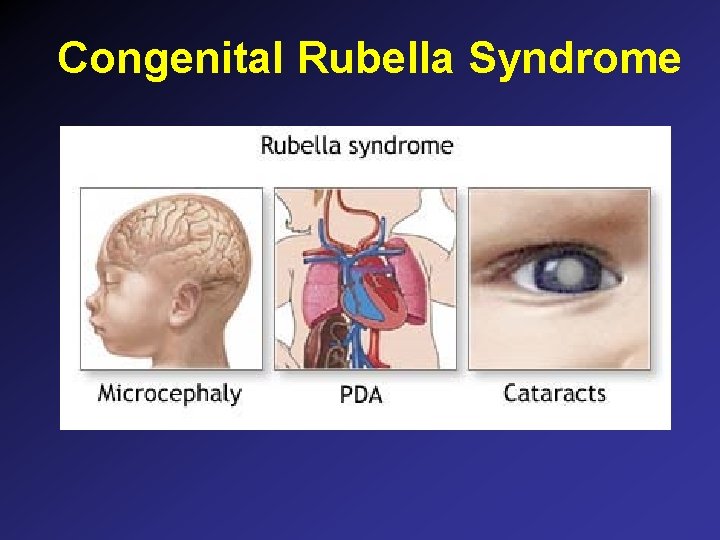
Congenital Rubella: Clinical Findings • • Asymptomatic: 50% at birth Sensorineural hearing loss Mental retardation PDA, peripheral pulmonary stenosis Ocular: cataracts, chorioretinitis, glaucoma Microcephaly Blueberry muffin rash
Congenital Rubella: skin Lesions
Congenital Rubella Syndrome
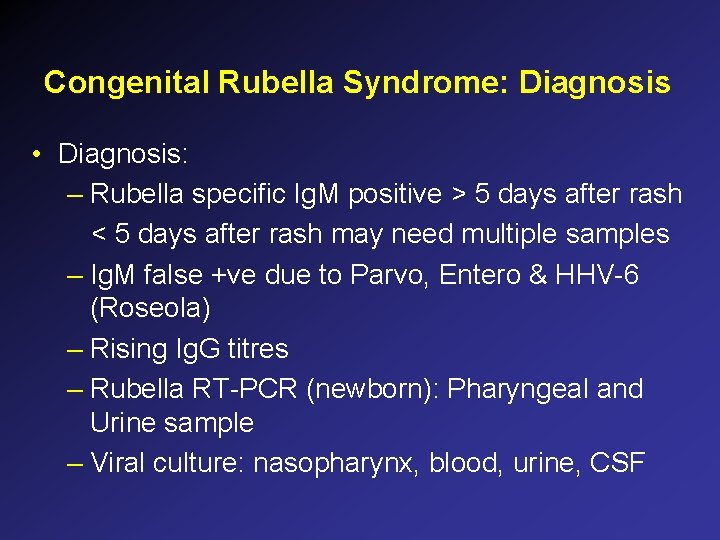
Congenital Rubella Syndrome: Diagnosis • Diagnosis: – Rubella specific Ig. M positive > 5 days after rash < 5 days after rash may need multiple samples – Ig. M false +ve due to Parvo, Entero & HHV-6 (Roseola) – Rising Ig. G titres – Rubella RT-PCR (newborn): Pharyngeal and Urine sample – Viral culture: nasopharynx, blood, urine, CSF
Rubella: Treatment & Prevention • Supportive care with parent education • Prevention by immunization-Rubella MMR Vaccine • Maternal screening in pregnancy • Vaccinate if not immune (avoid pregnancy for three months)
Cytomegalovirus • Cytomegalovirus: DNA virus, Herpesviridae, latency and reactivation (transplants, neutropenic) • Most common congenital viral infection~0. 5 -2. 5% of all live births per year • Primary infection in women: Inf. mononucleosis (Mono) and hepatitis • Rule out EBV and Hep A, B & C
Cytomegalovirus: Transmission • Vertical transmission – Transplacental – perinatal acquisition: contact, birth canal, breastfeeding – maternal primary and reactivated CMV • Incidence: – 2. 5% – most are asymptomatic - 95%
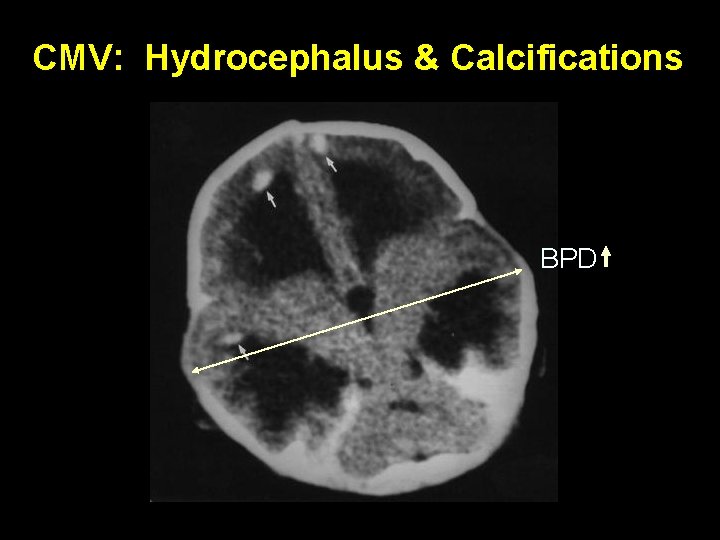
Congenital Cytomegalovirus Infection • • • Intracranial calcifications, hydrocephalus Thrombocytopenia, petechiae, purpura Hepatitis Pneumonia Hearing loss-most common complication Mental retardation Neurologic impairment, cerebral palsy Chorioretinitis Intestinal obstruction
CMV: Hydrocephalus & Calcifications BPD
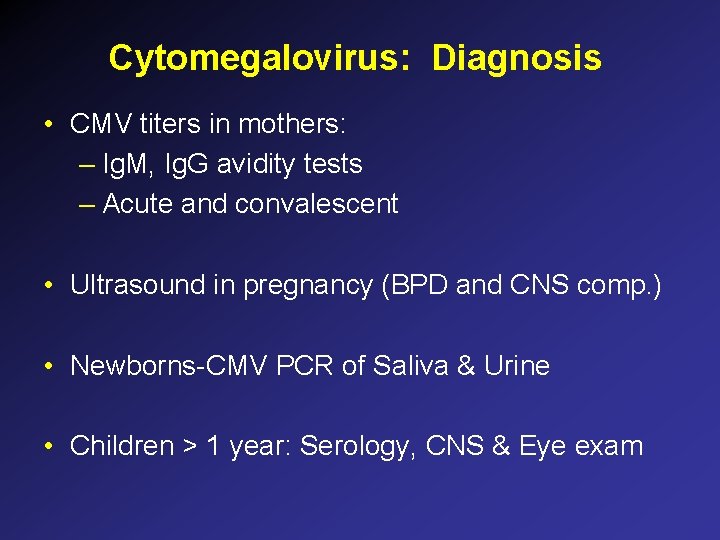
Cytomegalovirus: Diagnosis • CMV titers in mothers: – Ig. M, Ig. G avidity tests – Acute and convalescent • Ultrasound in pregnancy (BPD and CNS comp. ) • Newborns-CMV PCR of Saliva & Urine • Children > 1 year: Serology, CNS & Eye exam
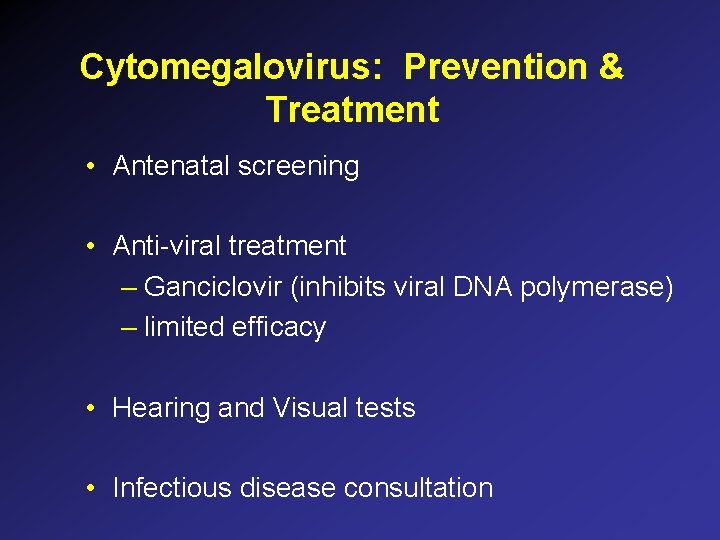
Cytomegalovirus: Prevention & Treatment • Antenatal screening • Anti-viral treatment – Ganciclovir (inhibits viral DNA polymerase) – limited efficacy • Hearing and Visual tests • Infectious disease consultation
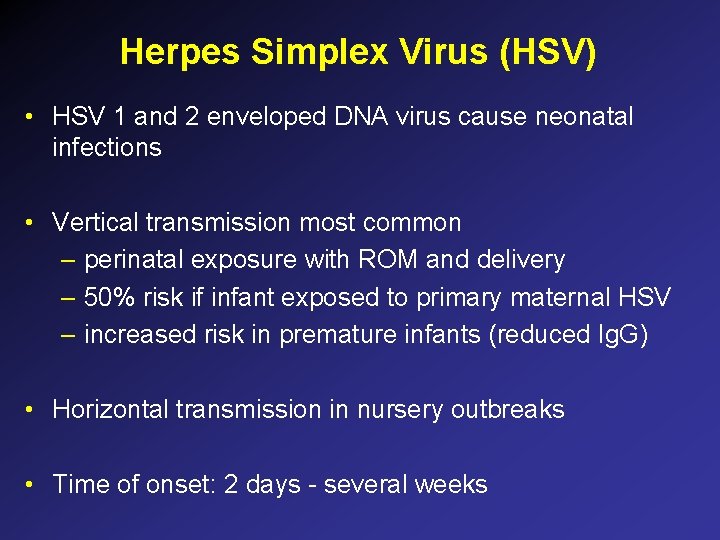
Herpes Simplex Virus (HSV) • HSV 1 and 2 enveloped DNA virus cause neonatal infections • Vertical transmission most common – perinatal exposure with ROM and delivery – 50% risk if infant exposed to primary maternal HSV – increased risk in premature infants (reduced Ig. G) • Horizontal transmission in nursery outbreaks • Time of onset: 2 days - several weeks
Herpes Simplex: Clinical Presentation • • • Fever skin vesicles encephalitis seizures respiratory distress, pneumonia hepatitis
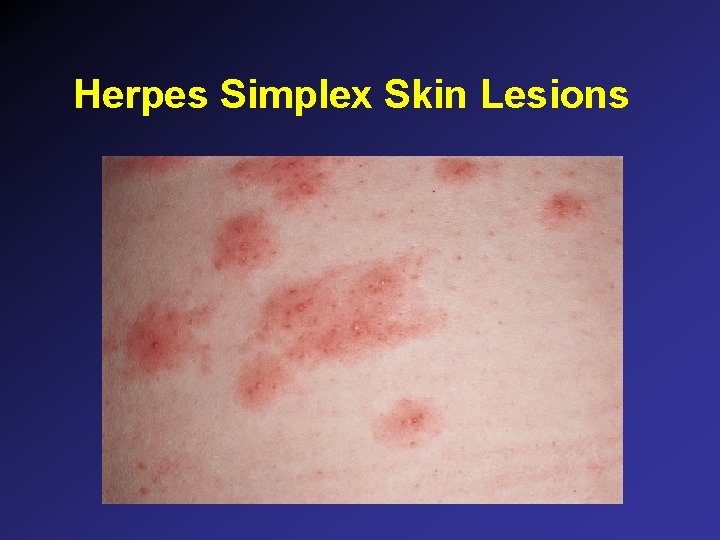
Herpes Simplex Skin Lesions
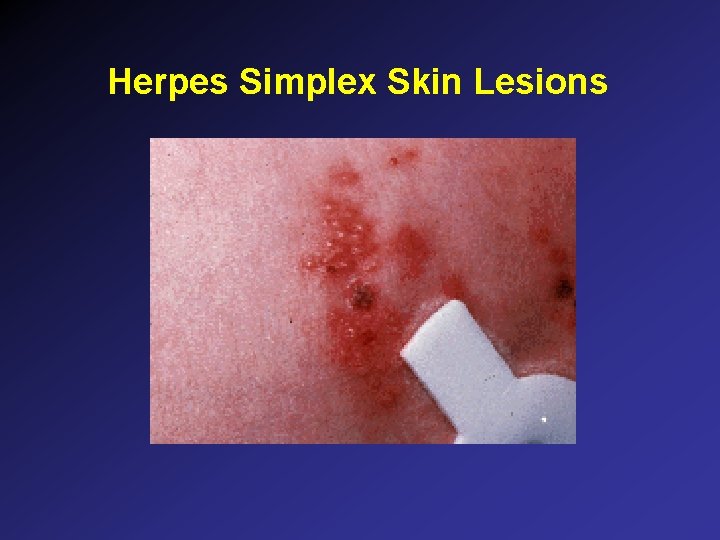
Herpes Simplex Skin Lesions
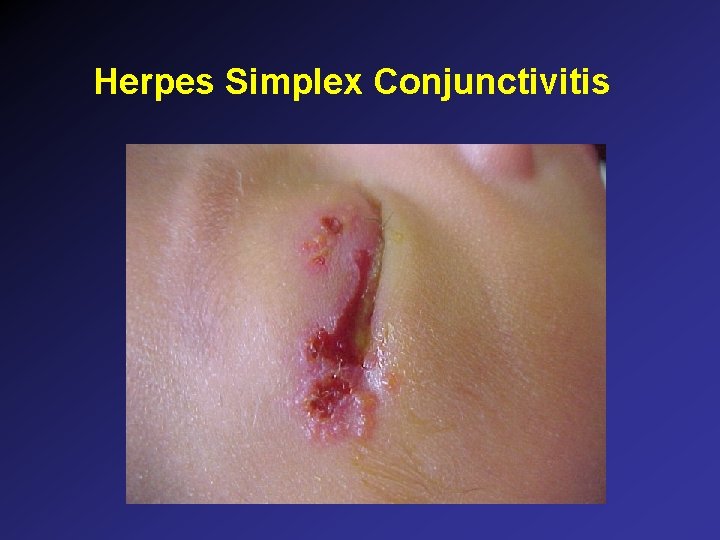
Herpes Simplex Conjunctivitis
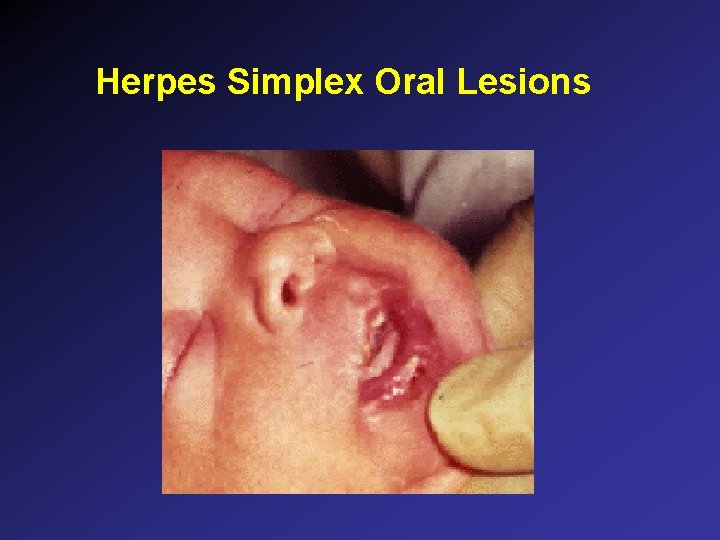
Herpes Simplex Oral Lesions
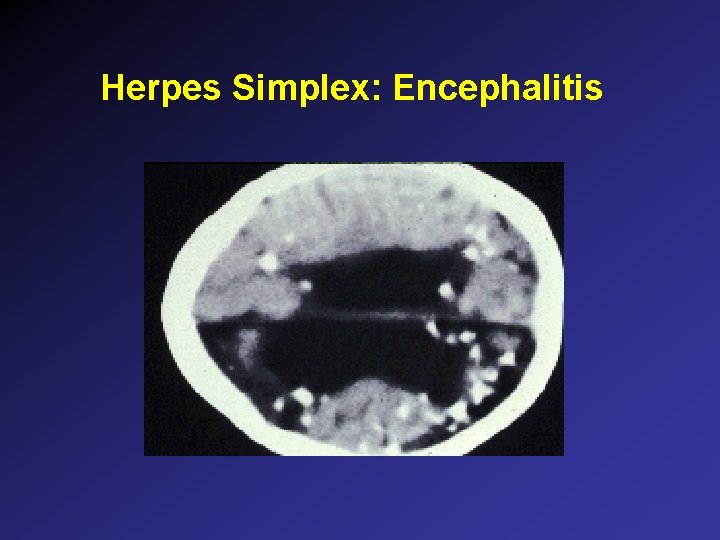
Herpes Simplex: Encephalitis
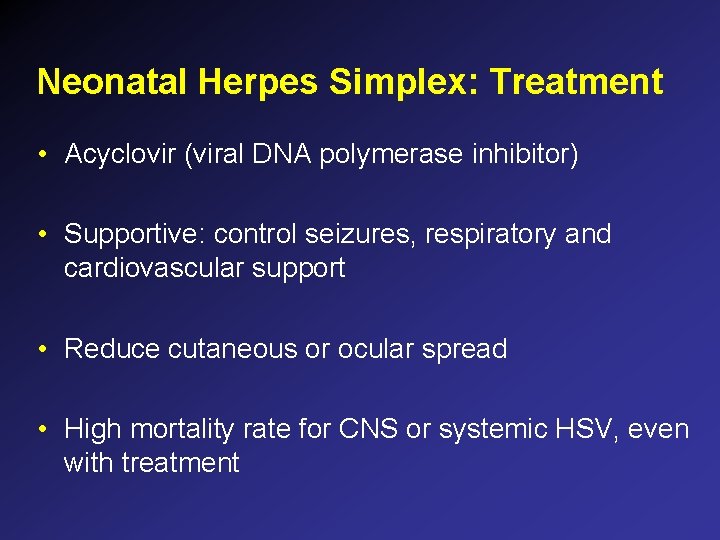
Neonatal Herpes Simplex: Treatment • Acyclovir (viral DNA polymerase inhibitor) • Supportive: control seizures, respiratory and cardiovascular support • Reduce cutaneous or ocular spread • High mortality rate for CNS or systemic HSV, even with treatment
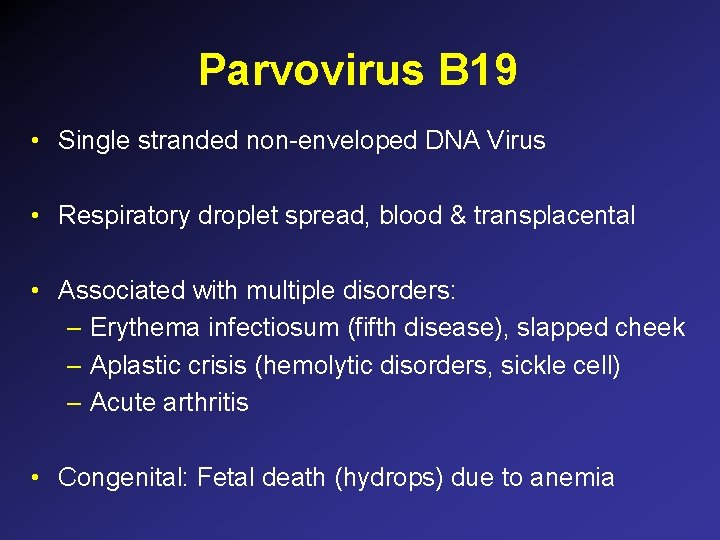
Parvovirus B 19 • Single stranded non-enveloped DNA Virus • Respiratory droplet spread, blood & transplacental • Associated with multiple disorders: – Erythema infectiosum (fifth disease), slapped cheek – Aplastic crisis (hemolytic disorders, sickle cell) – Acute arthritis • Congenital: Fetal death (hydrops) due to anemia
Parvovirus B 19
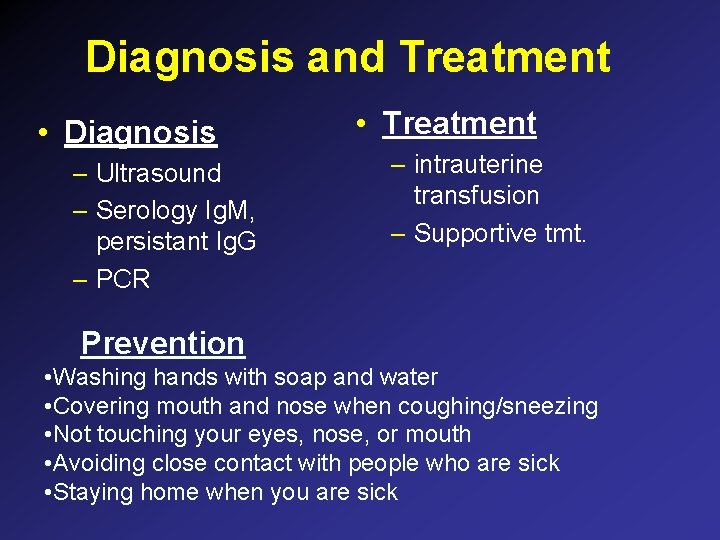
Diagnosis and Treatment • Diagnosis – Ultrasound – Serology Ig. M, persistant Ig. G – PCR • Treatment – intrauterine transfusion – Supportive tmt. Prevention • Washing hands with soap and water • Covering mouth and nose when coughing/sneezing • Not touching your eyes, nose, or mouth • Avoiding close contact with people who are sick • Staying home when you are sick
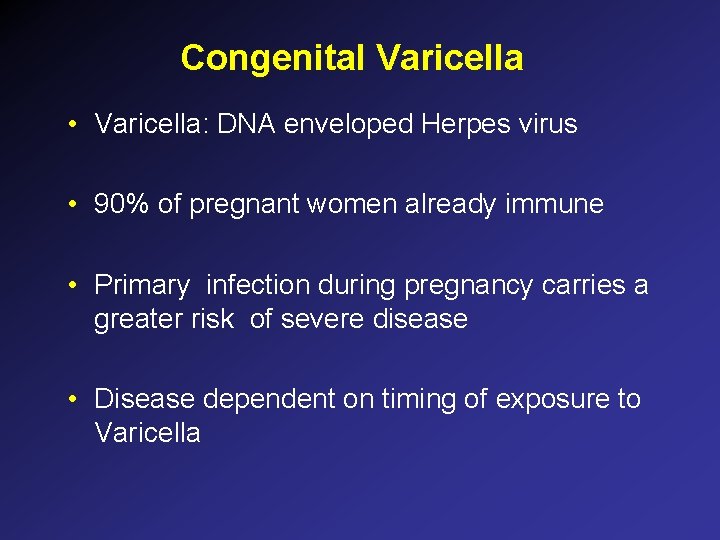
Congenital Varicella • Varicella: DNA enveloped Herpes virus • 90% of pregnant women already immune • Primary infection during pregnancy carries a greater risk of severe disease • Disease dependent on timing of exposure to Varicella
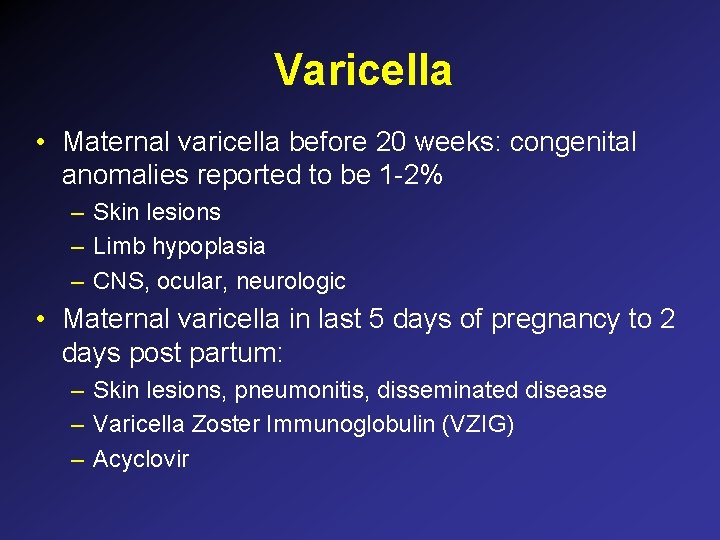
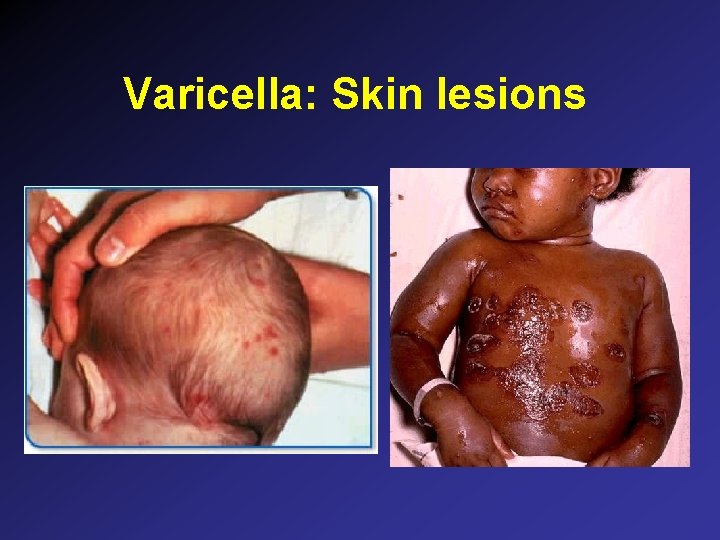
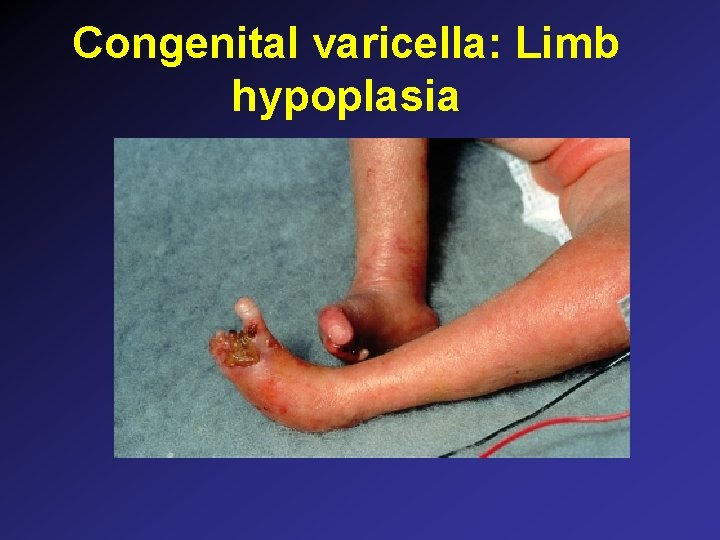
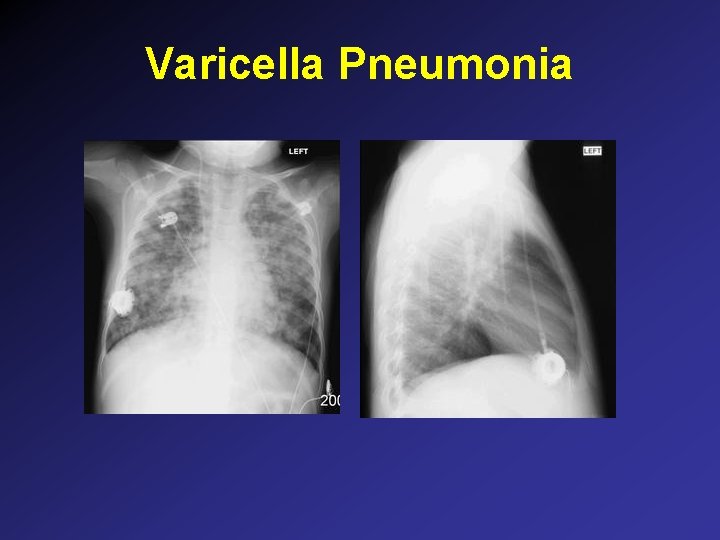
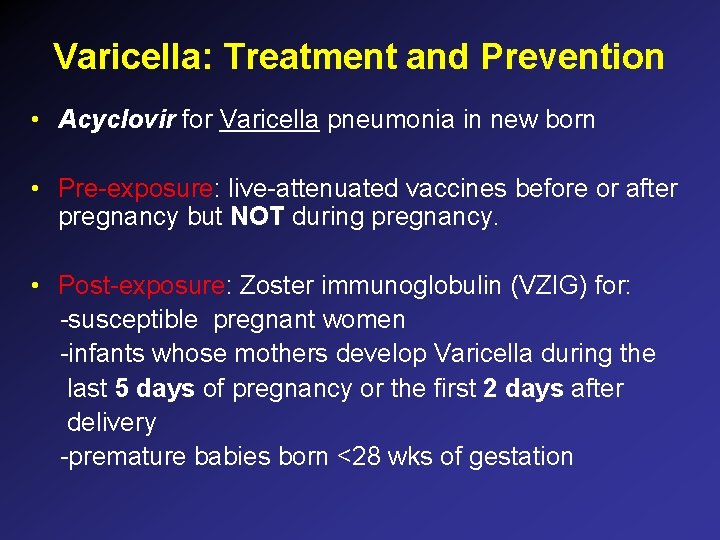
Varicella • Maternal varicella before 20 weeks: congenital anomalies reported to be 1 -2% – Skin lesions – Limb hypoplasia – CNS, ocular, neurologic • Maternal varicella in last 5 days of pregnancy to 2 days post partum: – Skin lesions, pneumonitis, disseminated disease – Varicella Zoster Immunoglobulin (VZIG) – Acyclovir
Varicella: Skin lesions
Congenital varicella: Limb hypoplasia
Varicella Pneumonia
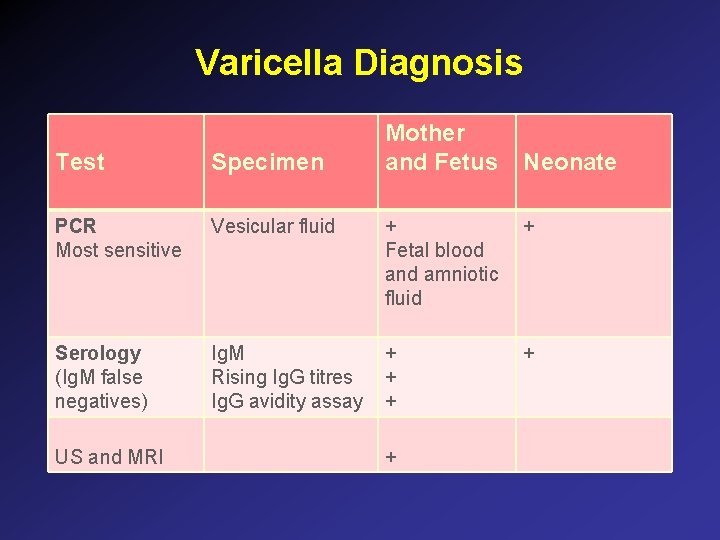
Varicella Diagnosis Mother and Fetus Test Specimen PCR Most sensitive Vesicular fluid + + Fetal blood and amniotic fluid Serology (Ig. M false negatives) Ig. M Rising Ig. G titres Ig. G avidity assay + + + US and MRI + Neonate +
Varicella: Treatment and Prevention • Acyclovir for Varicella pneumonia in new born • Pre-exposure: live-attenuated vaccines before or after pregnancy but NOT during pregnancy. • Post-exposure: Zoster immunoglobulin (VZIG) for: -susceptible pregnant women -infants whose mothers develop Varicella during the last 5 days of pregnancy or the first 2 days after delivery -premature babies born <28 wks of gestation
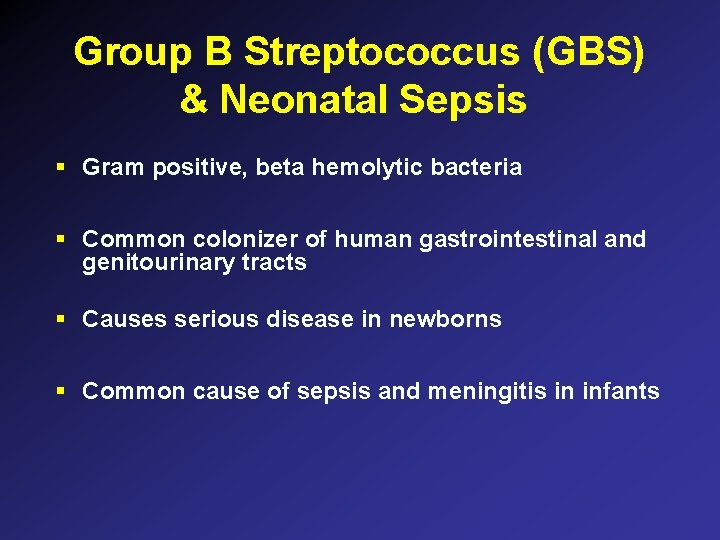
Group B Streptococcus (GBS) & Neonatal Sepsis § Gram positive, beta hemolytic bacteria § Common colonizer of human gastrointestinal and genitourinary tracts § Causes serious disease in newborns § Common cause of sepsis and meningitis in infants
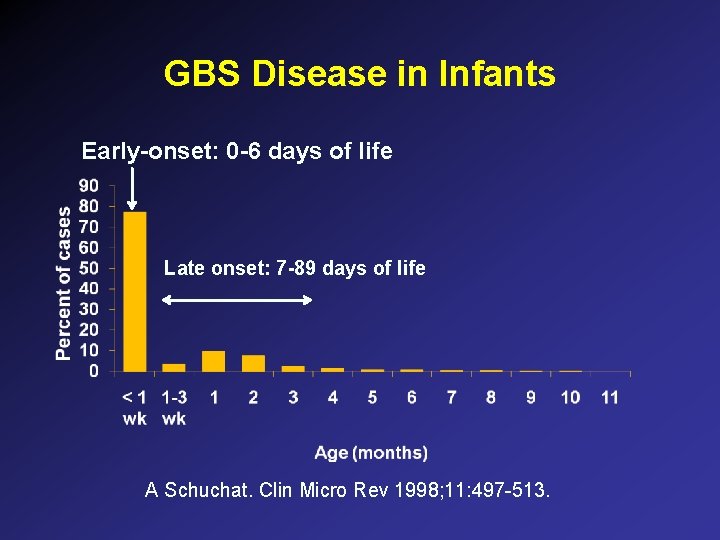
GBS Disease in Infants Early-onset: 0 -6 days of life Late onset: 7 -89 days of life A Schuchat. Clin Micro Rev 1998; 11: 497 -513.
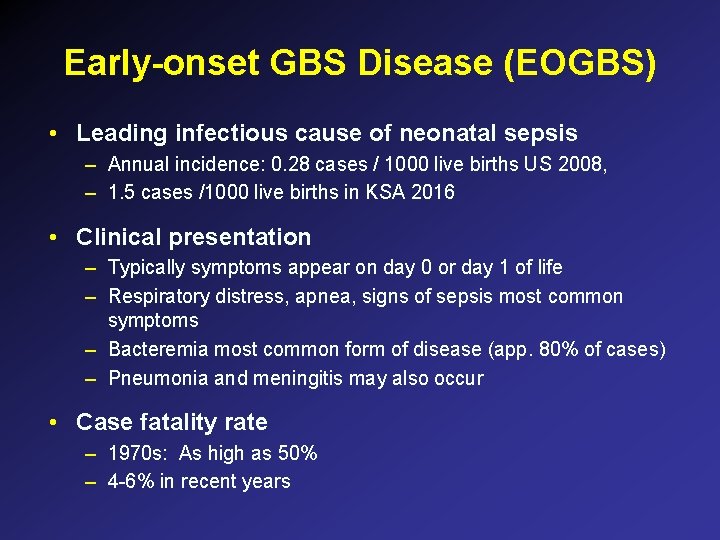
Early-onset GBS Disease (EOGBS) • Leading infectious cause of neonatal sepsis – Annual incidence: 0. 28 cases / 1000 live births US 2008, – 1. 5 cases /1000 live births in KSA 2016 • Clinical presentation – Typically symptoms appear on day 0 or day 1 of life – Respiratory distress, apnea, signs of sepsis most common symptoms – Bacteremia most common form of disease (app. 80% of cases) – Pneumonia and meningitis may also occur • Case fatality rate – 1970 s: As high as 50% – 4 -6% in recent years
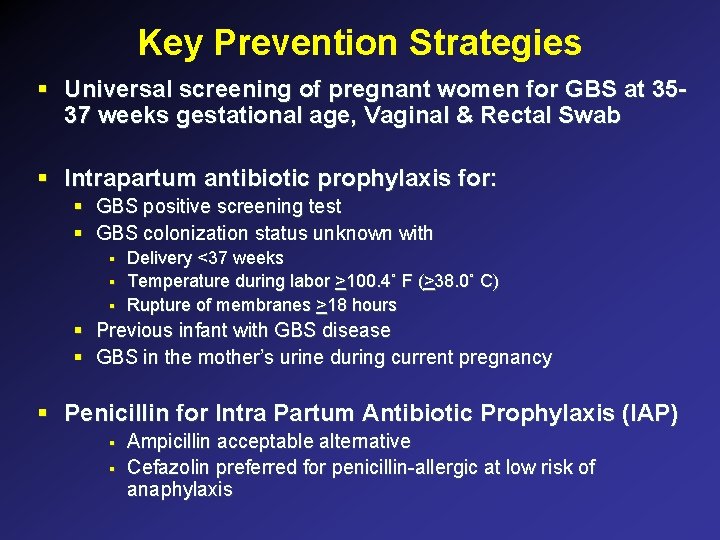
Key Prevention Strategies § Universal screening of pregnant women for GBS at 3537 weeks gestational age, Vaginal & Rectal Swab § Intrapartum antibiotic prophylaxis for: § GBS positive screening test § GBS colonization status unknown with § § § Delivery <37 weeks Temperature during labor >100. 4˚ F (>38. 0˚ C) Rupture of membranes >18 hours § Previous infant with GBS disease § GBS in the mother’s urine during current pregnancy § Penicillin for Intra Partum Antibiotic Prophylaxis (IAP) § § Ampicillin acceptable alternative Cefazolin preferred for penicillin-allergic at low risk of anaphylaxis
CONCLUSIONS & Take Home Message • Congenital infections cause lifelong debilitating disease • Comprehensive antenatal screening can identify diseases early • Treatment with Antimicrobial agents, Vaccines and Immunoglubulins can be beneficial • Follow up, education and supportive care can improve clinical outcomes for families THANK YOU