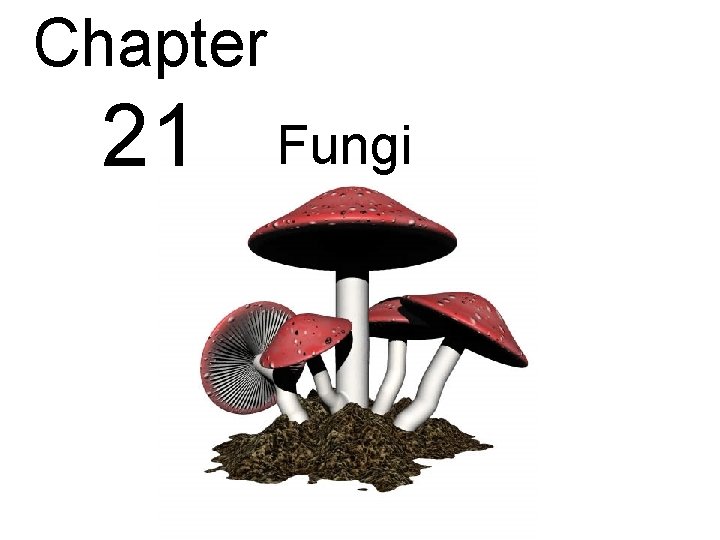
Chapter 21 Fungi What are Fungi The way


- Slides: 34
Chapter 21 Fungi
What are Fungi? • The way in which Fungi grow from the ground once led scientists to classify them as nonphotosynthetic plants • However, they are not plants at all, fungi are very different • Fungi are eukaryotic heterotrophs that have cell walls
Chitin • A complex carbohydrate that makes up the cell walls of fungi
Fungi Nutrition • Remember that heterotrophs depend on other organisms for food • Unlike animals, fungi do not ingest their food • Instead they digest food outside their bodies and then absorb it • Many feed by absorbing nutrients from decaying matter in the soil (decomposers) • Others live as parasites, absorbing nutrients from their hosts
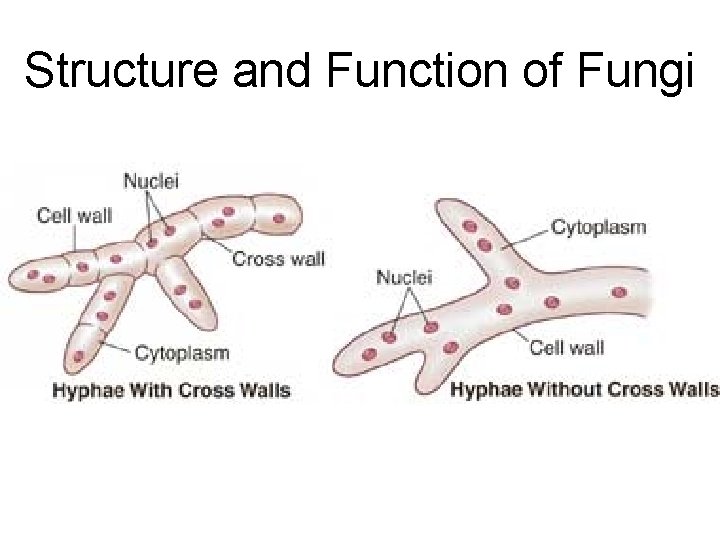
Structure and Function of Fungi • All fungi are multicellular with the exception of yeast • Multicellular fungi are composed of thin filaments called hyphae
Structure and Function of Fungi
Fungus Structure • The bodies of multicellular fungi are composed of many hyphae tangled together into a thick mass called a mycelium
Fungus Structure
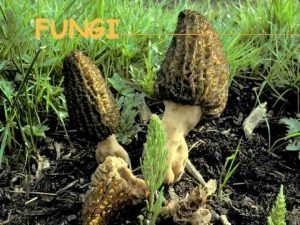
Fruiting body • The reproductive structure growing from the mycelium in the soil that you recognize as a mushroom
Fungi reproduction • Most fungi reproduce both asexually and sexually
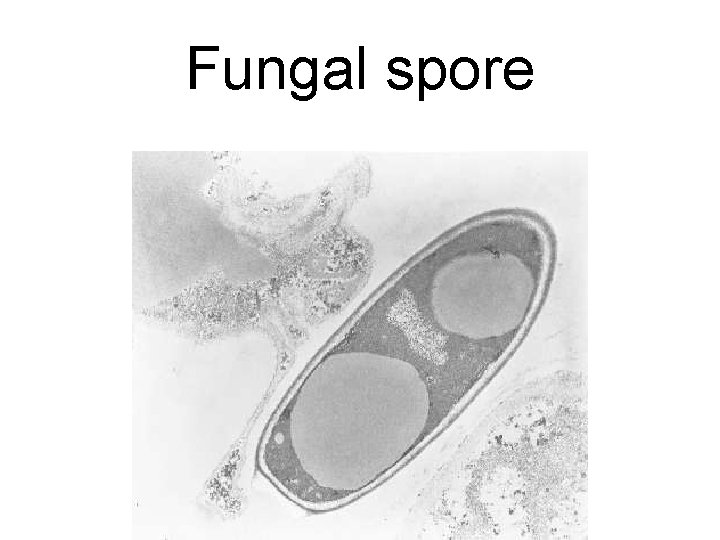
Spore • A reproductive cell that is capable of growing into a new organism by mitosis alone • This is how fungi spread
Fungal spore
Fungi reproduction • Sexual reproduction involves two different mating types (+ and -) • When two hyphae of opposite mating types meet, their nuclei fuse together
Types of fungi
zygomycetes
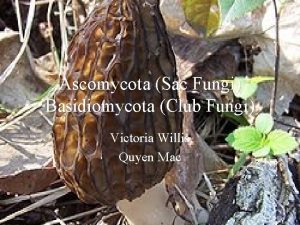
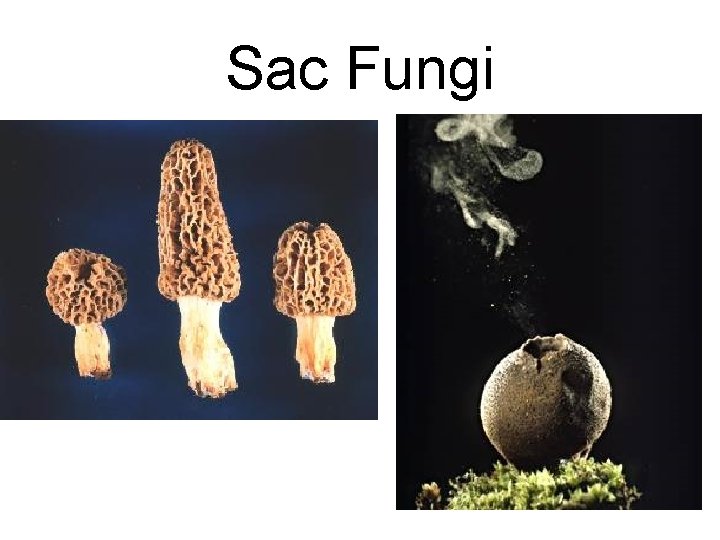
Sac Fungi
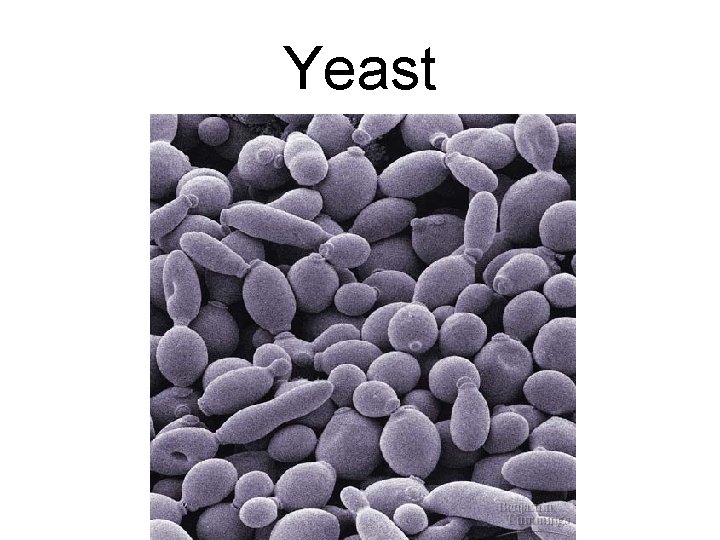
Yeast
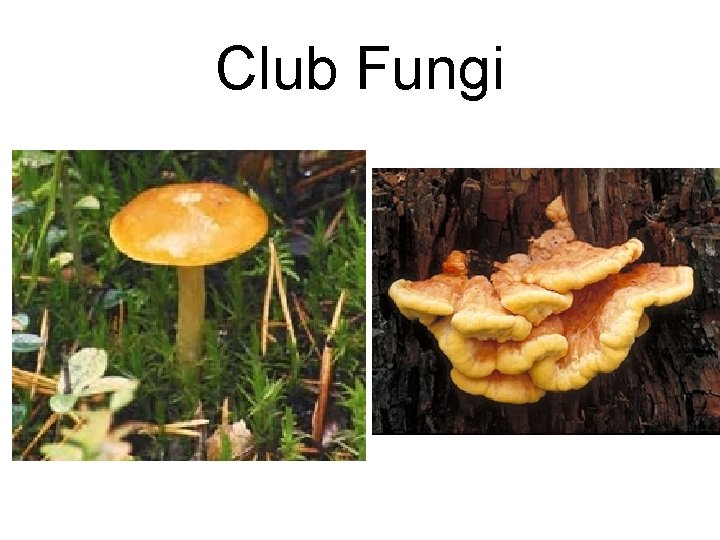
Club Fungi
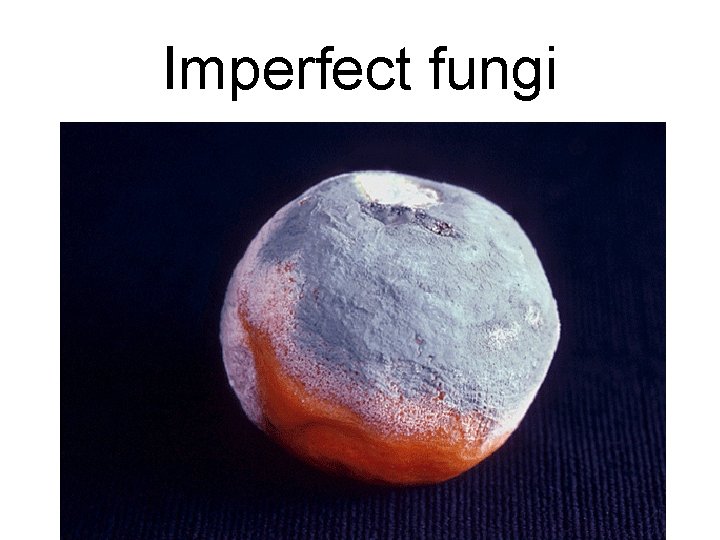
Imperfect fungi
Ecology of Fungi • Fungi have been around since life first moved onto land • Paleontologists think that fungi helped early plants to obtain nutrients from the ground • Their early appearance suggests that fungi may have been essential to plants successful colonization of the land • Overtime, fungi have become an important part of virtually all ecosystems
Edible and Inedible Mushrooms • Many types of mushrooms are considered delicious • Although wild mushrooms are edible, many are poisonous • You should never pick or eat mushrooms in the wild • Leave mushroom gathering to the experts
All Fungi Are Heterotrophs • Many are saprobes • Others are parasites • Others are symbionts that live in close and mutually beneficial association with other species
Saprobes • Organisms that obtain food from decaying organic matter
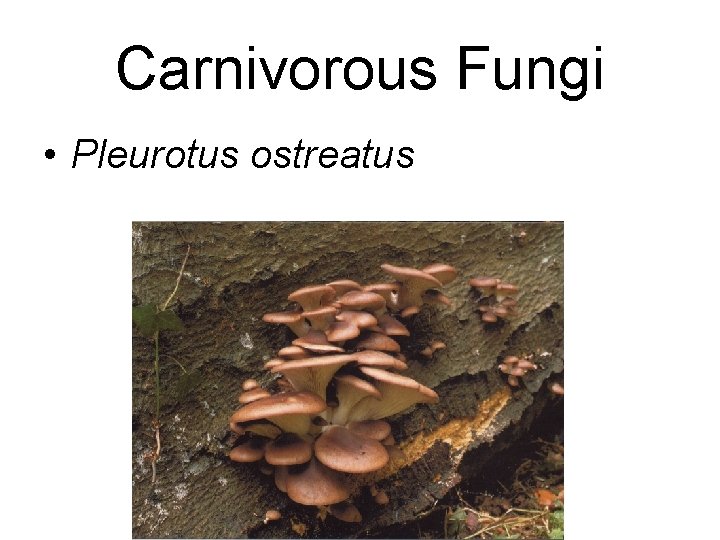
Carnivorous Fungi • Pleurotus ostreatus
Fungi as Decomposers • Fungi play an essential role in maintaining equilibrium in nearly every ecosystem • They recycle nutrients by breaking down the bodies and wastes of other organisms by releasing digestive enzymes
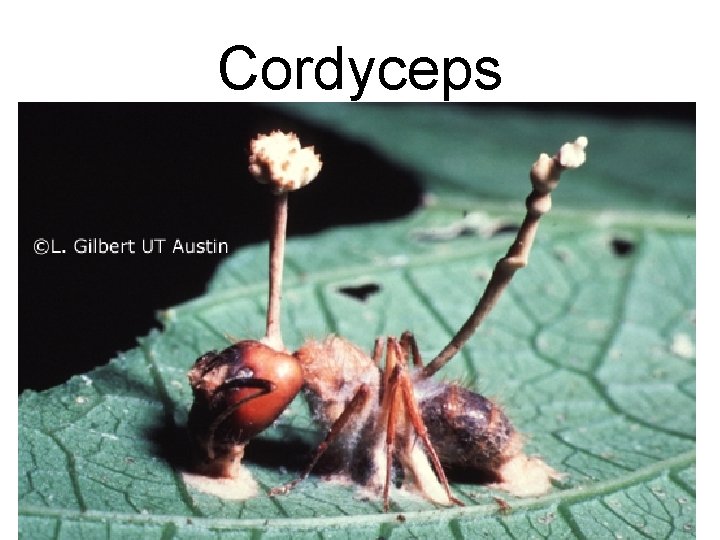
Fungi as Parasites • As useful as many fungi are others can infect both animals and plants and cause diseases • Ex. ) Wheat rust, athelets foot, Candida, Cordyceps
Cordyceps
Symbiotic Relationships • Some fungi form symbiotic relationships in which both partners benefit
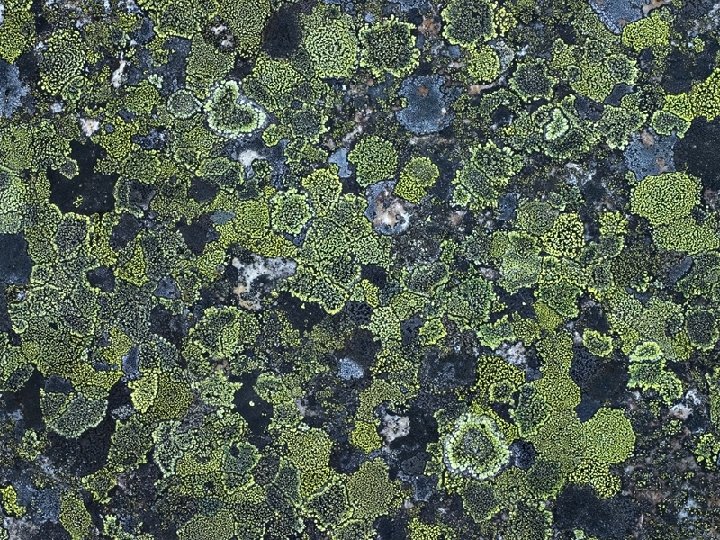
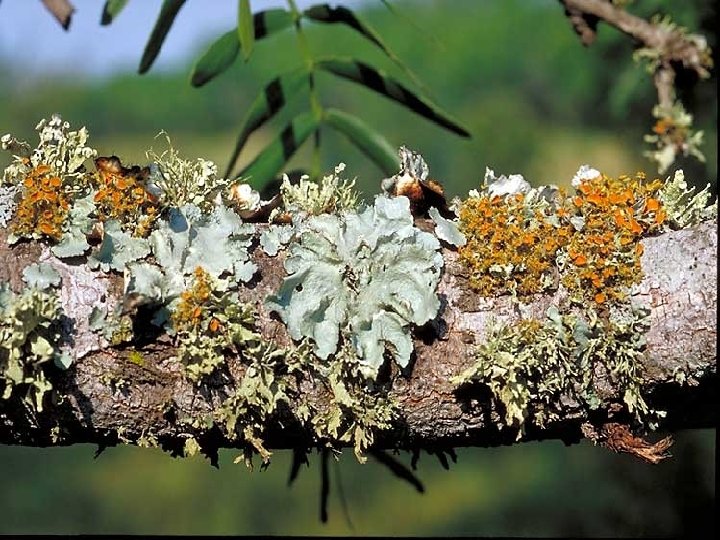
Lichens • Symbiotic association between a fungus and a photosynthetic organism
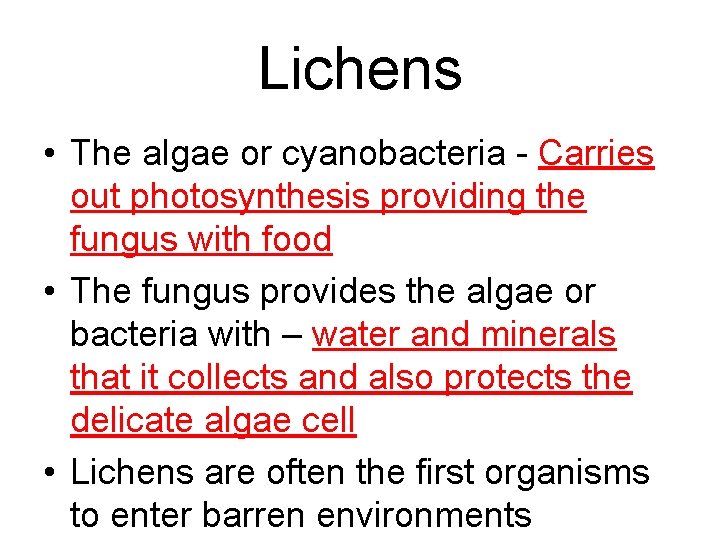
Lichens • The algae or cyanobacteria - Carries out photosynthesis providing the fungus with food • The fungus provides the algae or bacteria with – water and minerals that it collects and also protects the delicate algae cell • Lichens are often the first organisms to enter barren environments
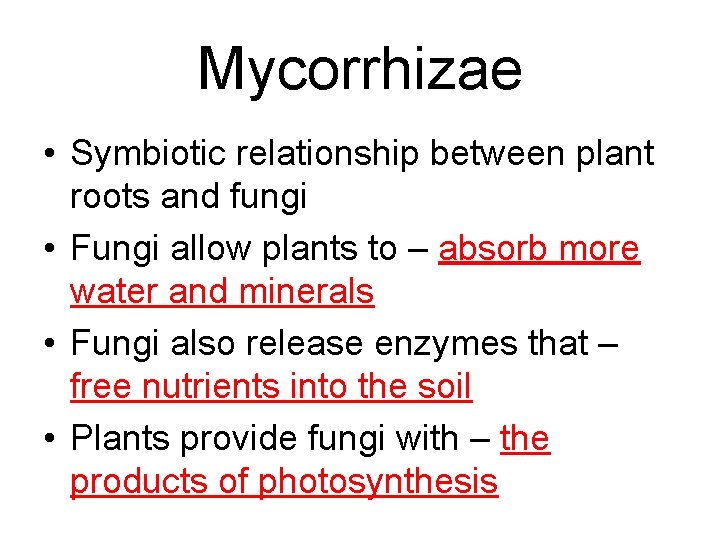
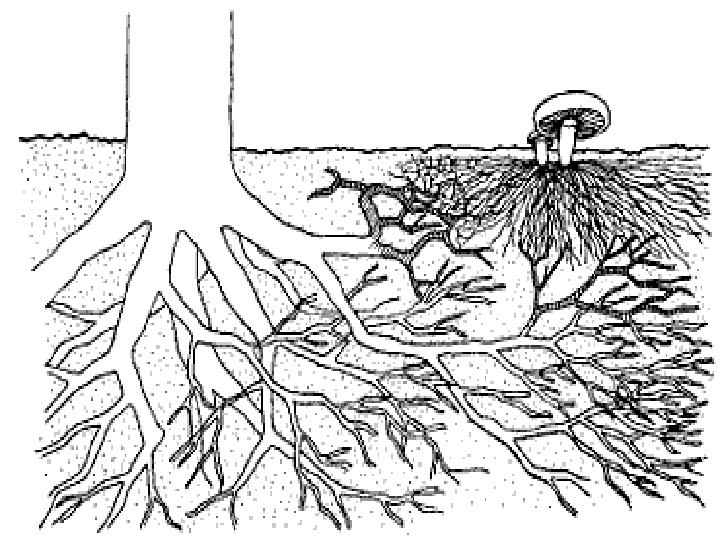
Mycorrhizae • Symbiotic relationship between plant roots and fungi • Fungi allow plants to – absorb more water and minerals • Fungi also release enzymes that – free nutrients into the soil • Plants provide fungi with – the products of photosynthesis