2006 Protocol Update Central Shenandoah EMS Council 1

- Slides: 70
2006 Protocol Update Central Shenandoah EMS Council 1
Background • Release of the American Heart Association 2005 Guidelines for CPR and ECC • CSEMS Council Medical Control Review Committee • Protocol Sub-committee • Peer Review 2
Summary of Major AHA Changes 2006 Protocol Update 3
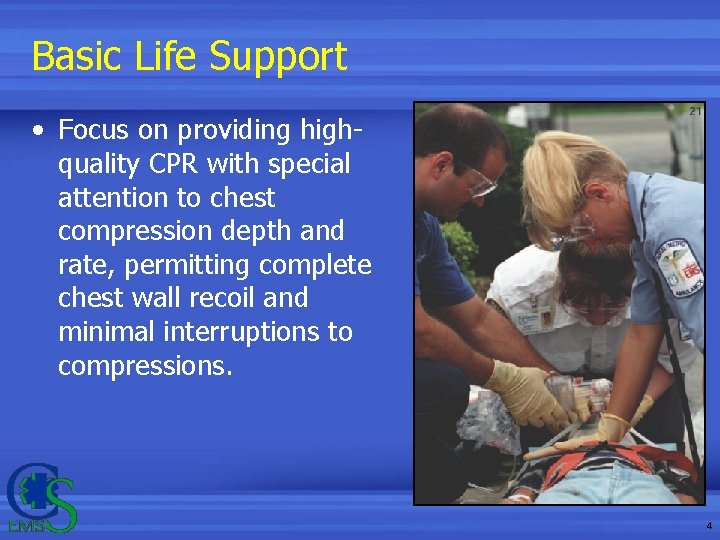
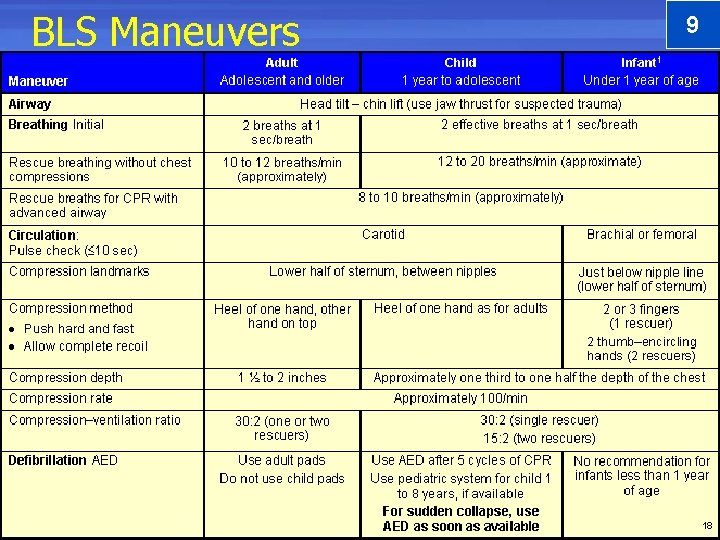
Basic Life Support • Focus on providing highquality CPR with special attention to chest compression depth and rate, permitting complete chest wall recoil and minimal interruptions to compressions. 4
Basic Life Support • All rescuers acting alone should use a 30: 2 ratio of compressions-to-ventilations for all victims except newborns. • Health-care providers performing two-rescuer CPR for adults should use a 30: 2 compression-toventilation ratio when there is no advanced airway in place. • Health-care providers performing two-rescuer CPR for infants and children should use a 15: 2 compression-to-ventilation ratio when there is no advanced airway in place. 5
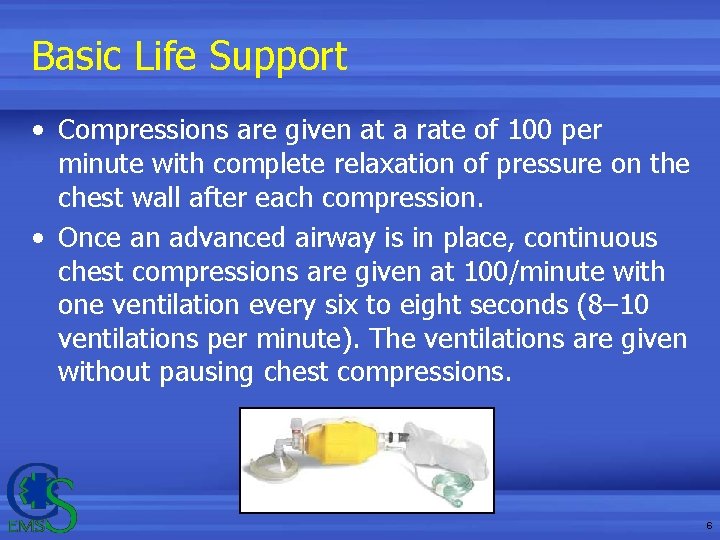
Basic Life Support • Compressions are given at a rate of 100 per minute with complete relaxation of pressure on the chest wall after each compression. • Once an advanced airway is in place, continuous chest compressions are given at 100/minute with one ventilation every six to eight seconds (8– 10 ventilations per minute). The ventilations are given without pausing chest compressions. 6
Basic Life Support • Each rescue breath should be given over one second. • If a jaw thrust without head extension does not open the airway for an unresponsive trauma victim with suspected cervical spine injury, use the head tilt–chin lift maneuver. • Avoid over-ventilation: too many breaths per minute or breaths that are too large or too forceful. 7
Basic Life Support • Use a child dose-reduction system with AEDs (e. g. pediatric pads/cable), when available, for children from one to eight years old. • When two or more health-care providers are present during CPR, rescuers should rotate the compressor role every two minutes. 8
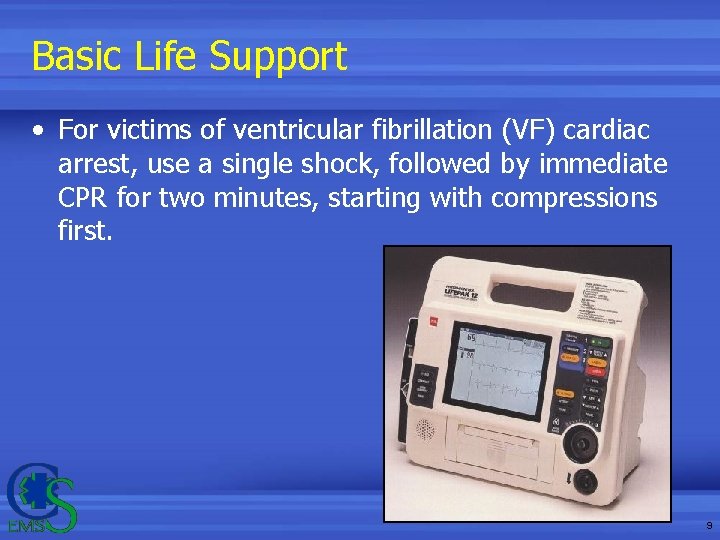
Basic Life Support • For victims of ventricular fibrillation (VF) cardiac arrest, use a single shock, followed by immediate CPR for two minutes, starting with compressions first. 9
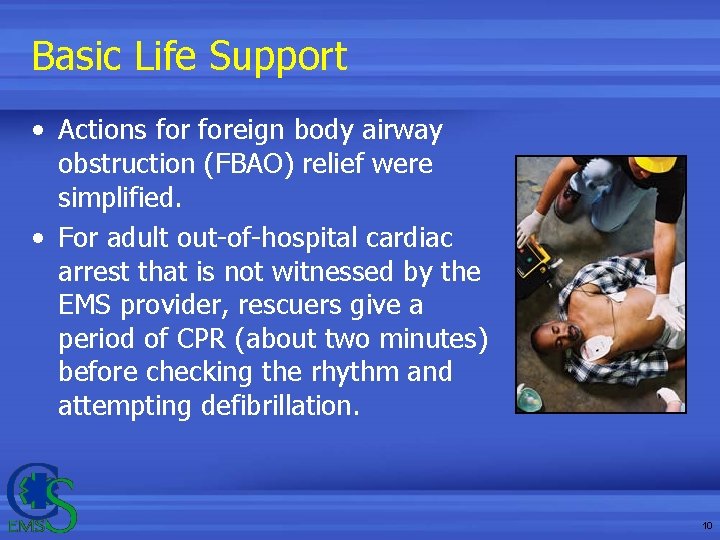
Basic Life Support • Actions foreign body airway obstruction (FBAO) relief were simplified. • For adult out-of-hospital cardiac arrest that is not witnessed by the EMS provider, rescuers give a period of CPR (about two minutes) before checking the rhythm and attempting defibrillation. 10
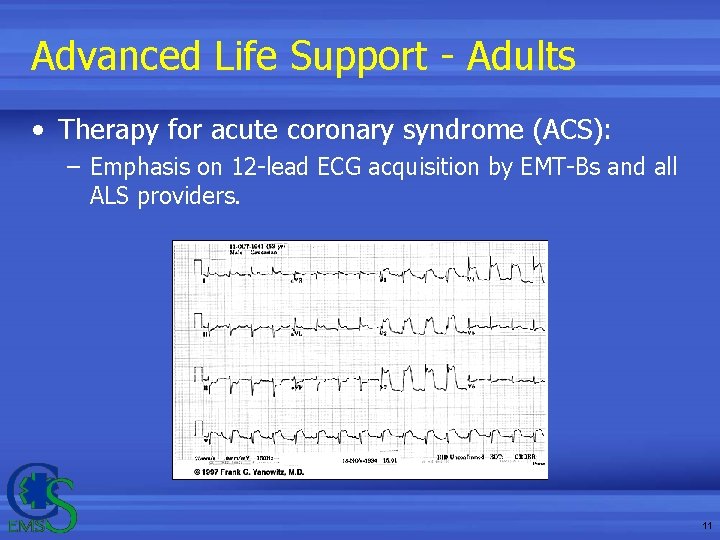
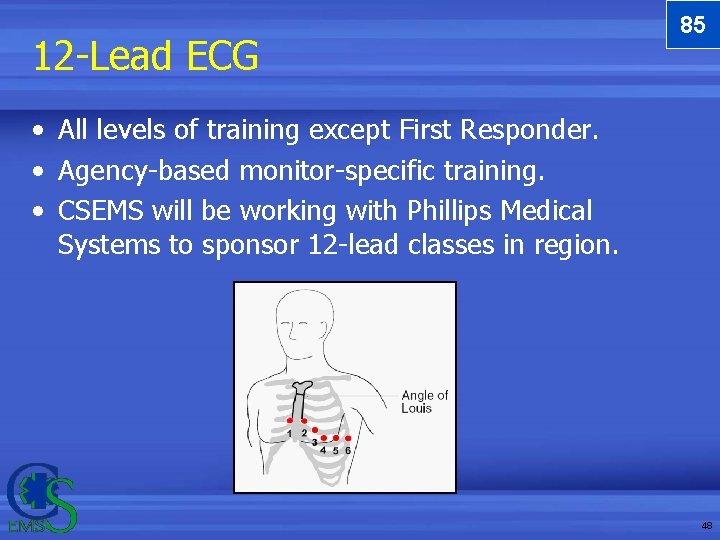
Advanced Life Support - Adults • Therapy for acute coronary syndrome (ACS): – Emphasis on 12 -lead ECG acquisition by EMT-Bs and all ALS providers. 11
Learn More… • www. americanheart. org • Click on… – CPR & ECC AHA Guidelines for CPR & ECC 12
2006 BLS Protocol Review CSEMS Council 13
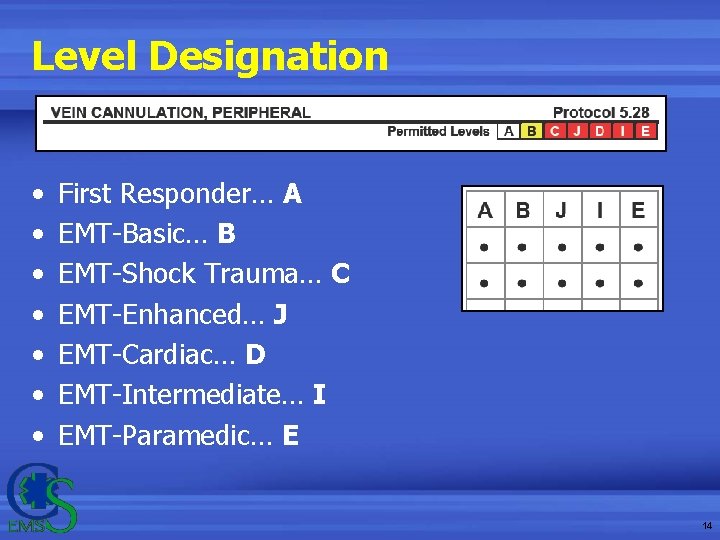
Level Designation • • First Responder… A EMT-Basic… B EMT-Shock Trauma… C EMT-Enhanced… J EMT-Cardiac… D EMT-Intermediate… I EMT-Paramedic… E 14
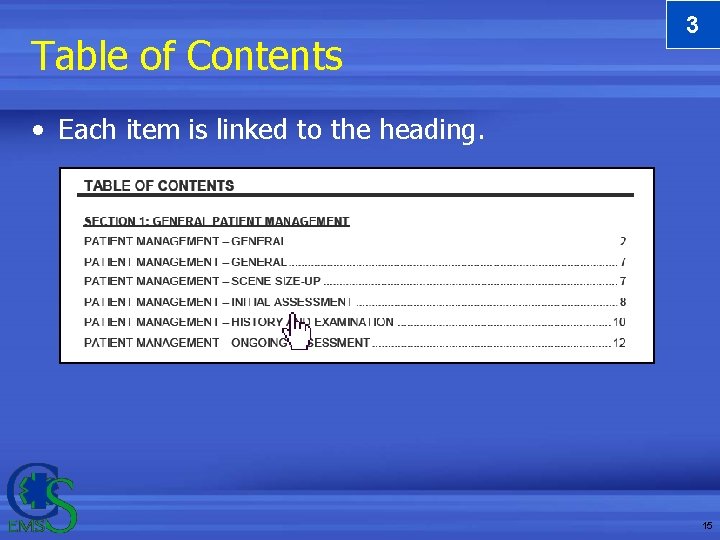
Table of Contents 3 • Each item is linked to the heading. 15
General Patient Management 7 • Scene size-up 16
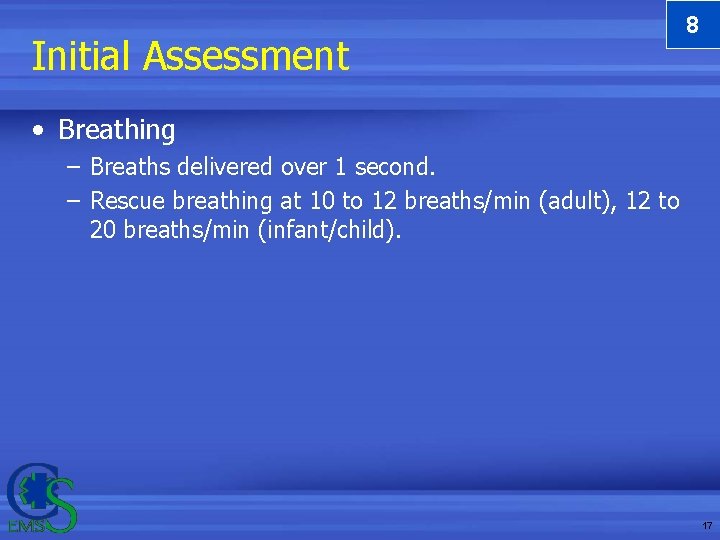
Initial Assessment 8 • Breathing – Breaths delivered over 1 second. – Rescue breathing at 10 to 12 breaths/min (adult), 12 to 20 breaths/min (infant/child). 17
BLS Maneuvers 9 18
General Patient Management 10 -12 • History and Examination – OPQRST-ASPN • Associated symptoms • Pertinent negatives • On-going Assessment 19
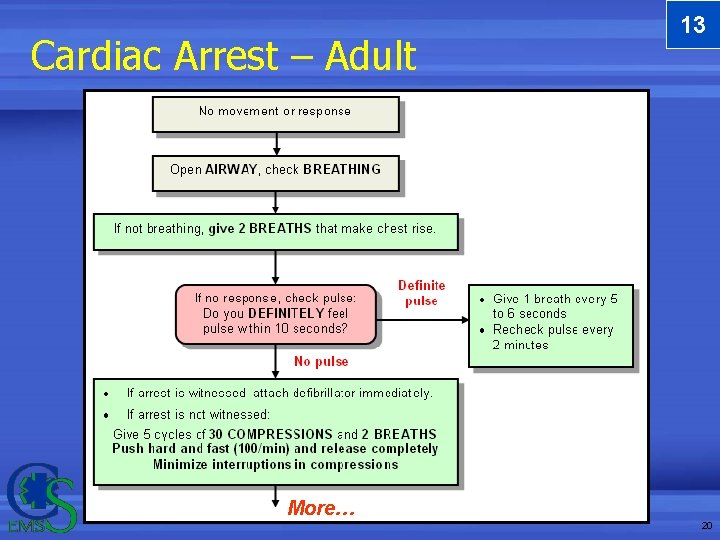
Cardiac Arrest – Adult 13 More… 20
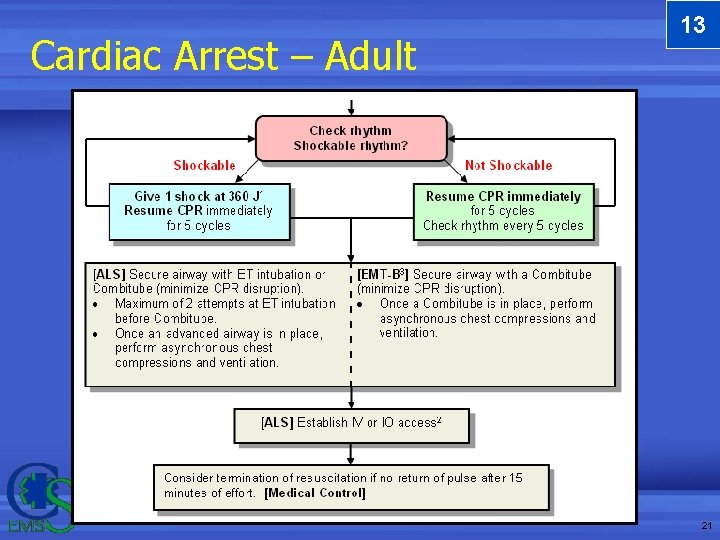
Cardiac Arrest – Adult 13 21
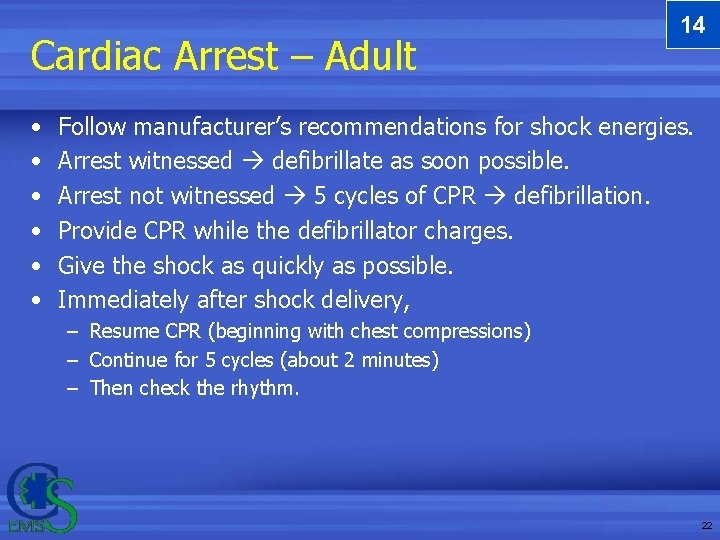
Cardiac Arrest – Adult • • • 14 Follow manufacturer’s recommendations for shock energies. Arrest witnessed defibrillate as soon possible. Arrest not witnessed 5 cycles of CPR defibrillation. Provide CPR while the defibrillator charges. Give the shock as quickly as possible. Immediately after shock delivery, – Resume CPR (beginning with chest compressions) – Continue for 5 cycles (about 2 minutes) – Then check the rhythm. 22
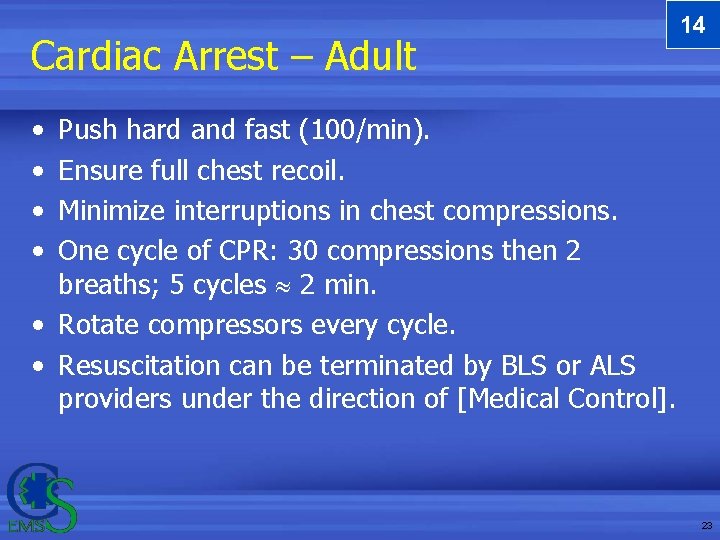
Cardiac Arrest – Adult 14 • • Push hard and fast (100/min). Ensure full chest recoil. Minimize interruptions in chest compressions. One cycle of CPR: 30 compressions then 2 breaths; 5 cycles 2 min. • Rotate compressors every cycle. • Resuscitation can be terminated by BLS or ALS providers under the direction of [Medical Control]. 23
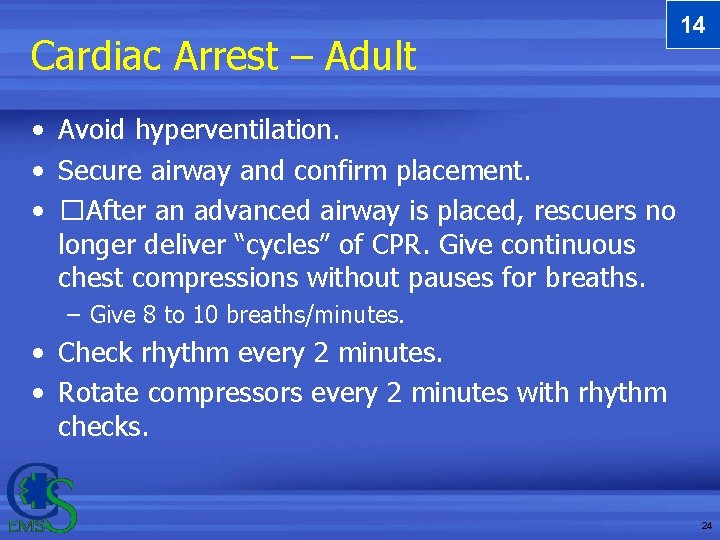
Cardiac Arrest – Adult 14 • Avoid hyperventilation. • Secure airway and confirm placement. • �After an advanced airway is placed, rescuers no longer deliver “cycles” of CPR. Give continuous chest compressions without pauses for breaths. – Give 8 to 10 breaths/minutes. • Check rhythm every 2 minutes. • Rotate compressors every 2 minutes with rhythm checks. 24
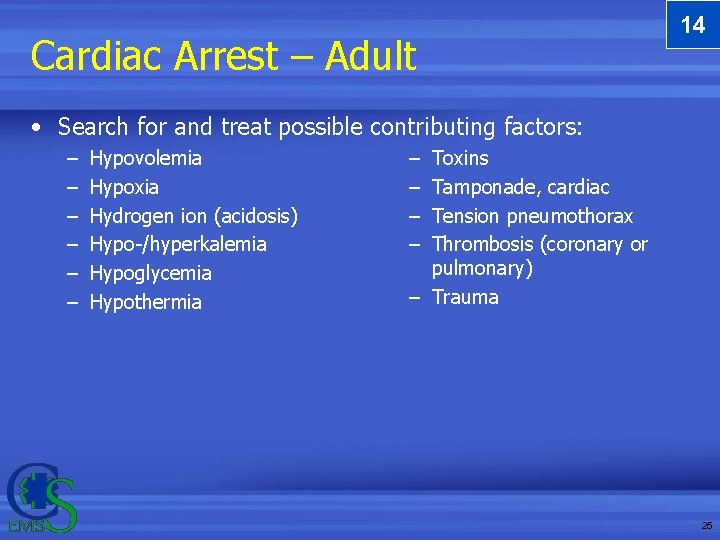
Cardiac Arrest – Adult 14 • Search for and treat possible contributing factors: – – – Hypovolemia Hypoxia Hydrogen ion (acidosis) Hypo-/hyperkalemia Hypoglycemia Hypothermia – – Toxins Tamponade, cardiac Tension pneumothorax Thrombosis (coronary or pulmonary) – Trauma 25
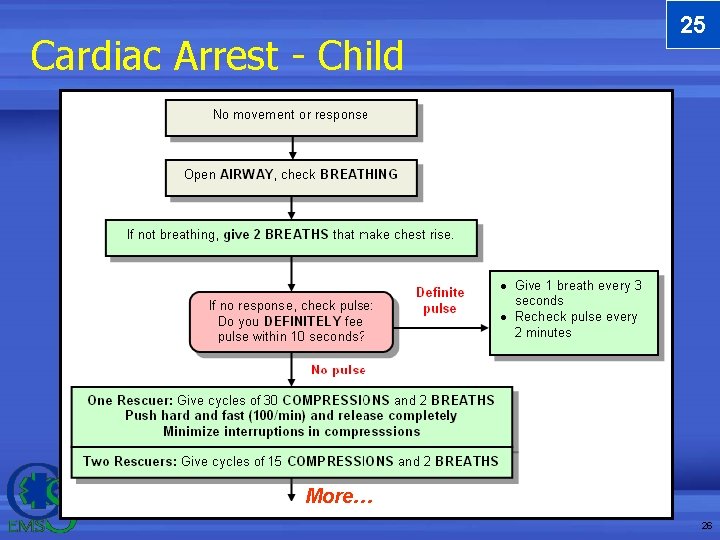
Cardiac Arrest - Child 25 More… 26
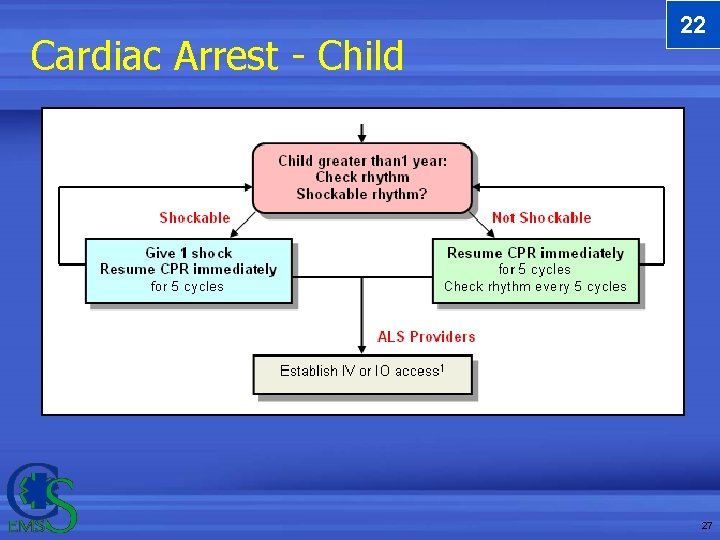
Cardiac Arrest - Child 22 27
Medical & Trauma Protocols 2006 Protocol Update 28
Altered Mental Status 37 • Most protocols contain introductory section with a background on the condition. • AMS protocol directs provider to new sections. – Hypoglycemia – Hyperglycemia • AEIOUTIPS 29
Burns 39 • Essentially unchanged. • Classification of burn severity table. • ABA burn unit referral criteria table. 30
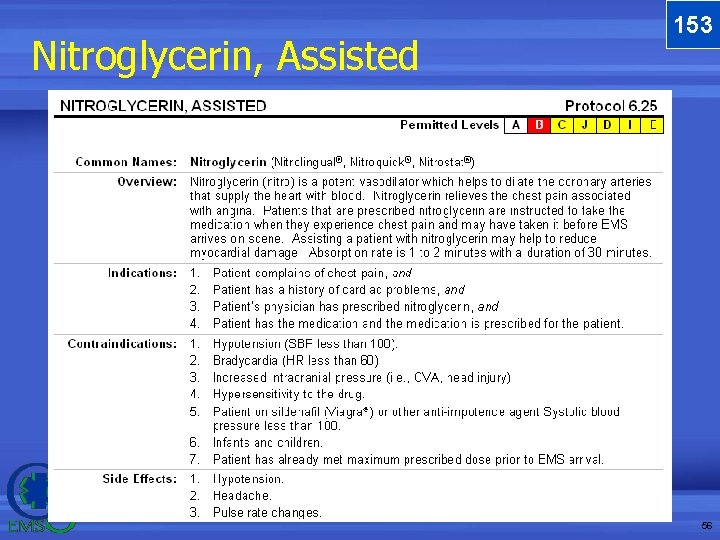
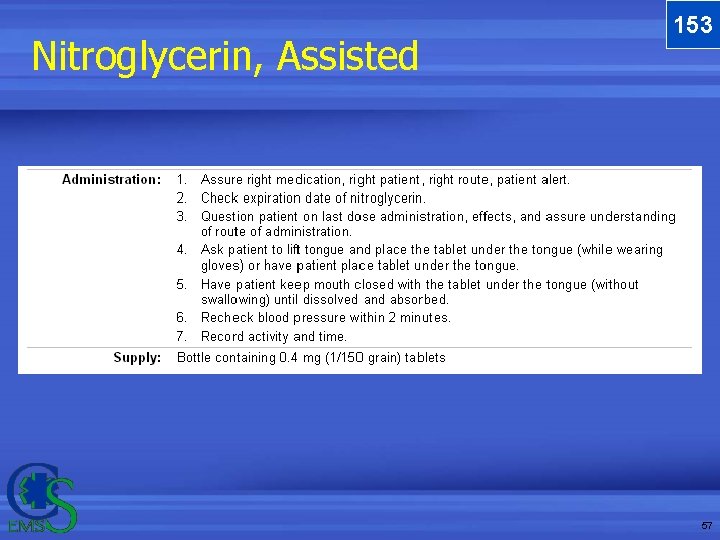
Chest Pain (Non-traumatic) 43 • Nitroglycerin to a total of 3 doses. • Emphasis on 12 -lead acquisition. – Notification of hospital. – Patient disposition. 31
Environmental (Snake Bite) 49 • No constricting bands. • Every 15 minutes, use a pen to mark the border of the advancing edema and document the time. 32
Obstetrics – Normal Delivery 53 • Expanded, more detailed guidelines. 33
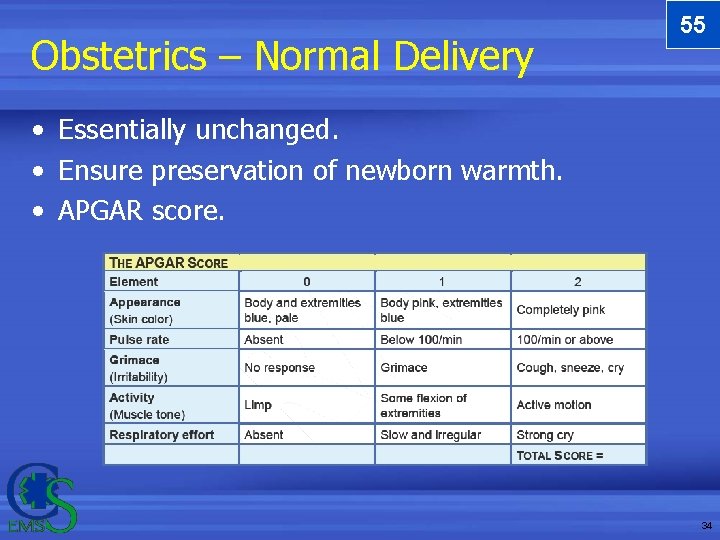
Obstetrics – Normal Delivery 55 • Essentially unchanged. • Ensure preservation of newborn warmth. • APGAR score. 34
Obstetrics – Newborn Resuscitation 56 • Respirations adequate, HR >100, centrally cyanotic: – Blow-by oxygen. – No response in 30 seconds BVM 40 to 60 breaths per minute. • Respirations inadequate or HR <100: – Ventilation with a BVM. – Continue until HR >100. • HR <60 after 30 seconds of BVM: – Chest compressions at a rate of 120/min. – Compression to ventilation ratio of 3: 1. – Continue until HR >60. 35
Respiratory – Airway Obstruction 60 • 1 year of age – “Are you choking? ” • Less than 1 year of age – Deliver 5 back blows (slaps) followed by 5 chest thrusts 36
Respiratory – Airway Obstruction 61 • Start CPR in all ages. – No longer perform abdominal thrusts in age 1 year. – Higher sustained airway pressures can be generated using the chest thrust rather than the abdominal thrust. • Each time the airway is opened during CPR, look for an object and remove if found with a finger sweep. 37
Respiratory – Pulmonary Edema 67 • Assist the patient with prescribed nitroglycerin, if available. 38
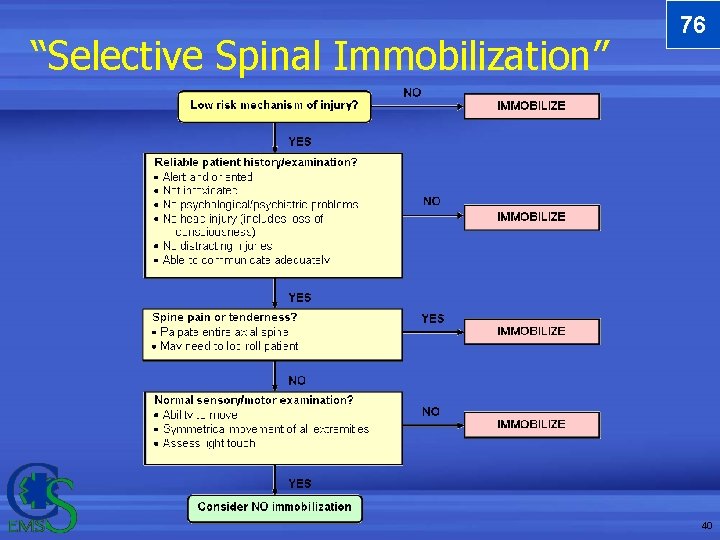
Spinal Immobilization 75 • New protocol. • “o” indicates First Responders trained to perform spinal immobilization. • Applies to patient 14 years of age or older. 39
“Selective Spinal Immobilization” 76 40
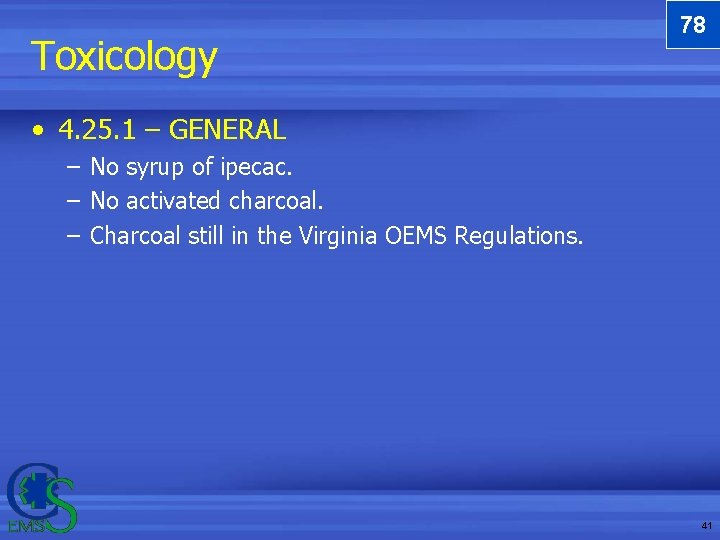
Toxicology 78 • 4. 25. 1 – GENERAL – No syrup of ipecac. – No activated charcoal. – Charcoal still in the Virginia OEMS Regulations. 41
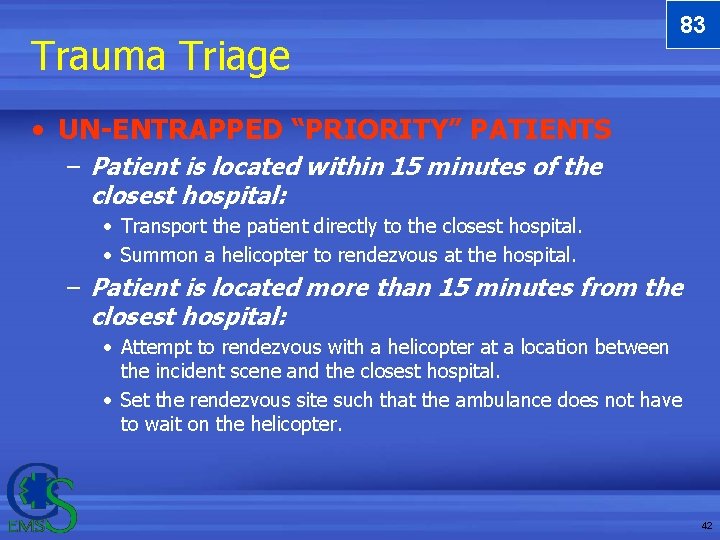
Trauma Triage 83 • UN-ENTRAPPED “PRIORITY” PATIENTS – Patient is located within 15 minutes of the closest hospital: • Transport the patient directly to the closest hospital. • Summon a helicopter to rendezvous at the hospital. – Patient is located more than 15 minutes from the closest hospital: • Attempt to rendezvous with a helicopter at a location between the incident scene and the closest hospital. • Set the rendezvous site such that the ambulance does not have to wait on the helicopter. 42
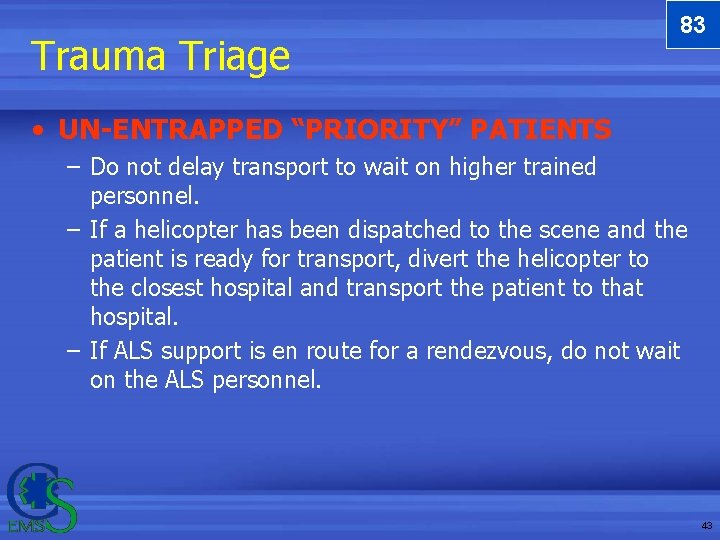
Trauma Triage 83 • UN-ENTRAPPED “PRIORITY” PATIENTS – Do not delay transport to wait on higher trained personnel. – If a helicopter has been dispatched to the scene and the patient is ready for transport, divert the helicopter to the closest hospital and transport the patient to that hospital. – If ALS support is en route for a rendezvous, do not wait on the ALS personnel. 43
Trauma Triage 83 • ENTRAPPED “PRIORITY” PATIENTS – – – Provide care to the extent the entrapment permits. Request ALS personnel to the incident scene. Summon helicopter support to the scene. Notify [Medical Control] of the incident. As soon as the entrapped person is freed, • Follow the protocol on for un-entrapped patients. • Do not wait on ALS personnel or a helicopter • Initiate transport and rendezvous if possible. 44
Trauma Triage 84 • CARDIAC ARREST IN TRAUMA PATIENTS: – Adult and pediatric patients found dead at the scene of a trauma are not to be resuscitated unless they are: • Hypothermic • recently drowned • Electrocuted – BLS airway and ventilation procedures. – Patients who lose vital signs while care is being administered. are to be resuscitated. Prompt consultation with [Medical Control] is mandatory. – Blunt vs. penetrating trauma. 45
Trauma Triage 84 • LANDING ZONES – Pre-designated landing zones are preferred. – Landing zone should be selected in such a way that the helicopter would be expected to arrive before the ambulance that is transporting the patient. 46
Procedures 2006 Protocol Update 47
12 -Lead ECG 85 • All levels of training except First Responder. • Agency-based monitor-specific training. • CSEMS will be working with Phillips Medical Systems to sponsor 12 -lead classes in region. 48
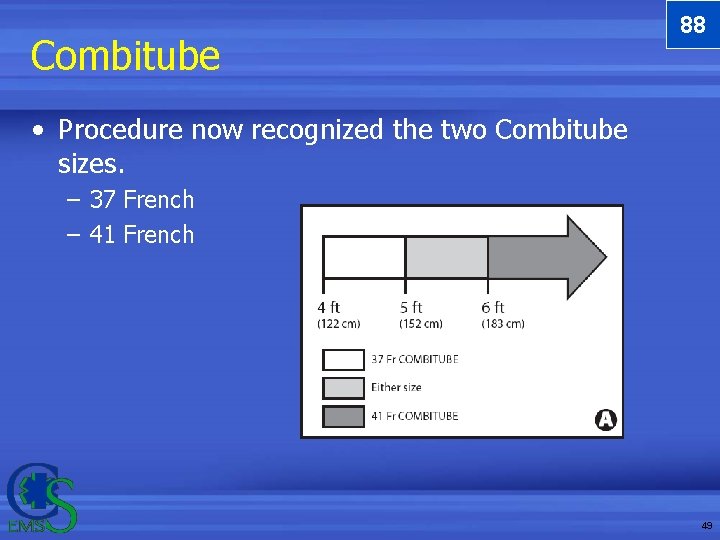
Combitube 88 • Procedure now recognized the two Combitube sizes. – 37 French – 41 French 49
PASG X 50
Suctioning, Adult/Pediatric 117 • Expanded procedure description. 51
Pharmacology 2006 Protocol Update 52
Aspirin 131 • Blood-thinning drugs, such as Coumadin, are no longer contraindications. 53
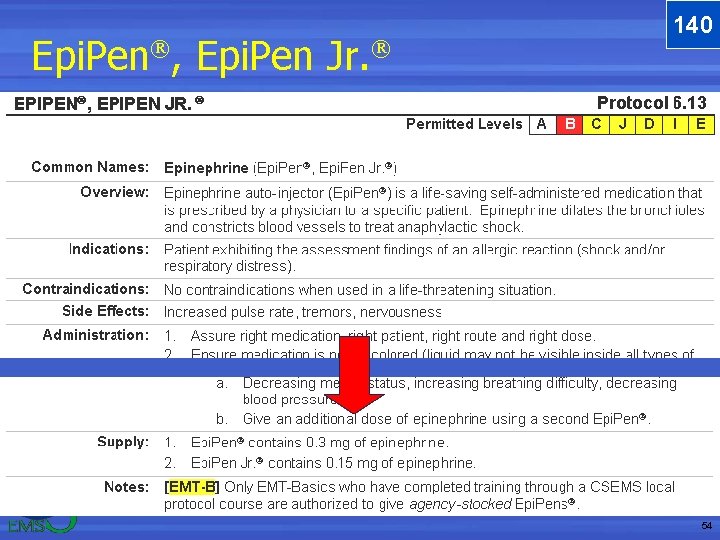
Epi. Pen , Epi. Pen Jr. 140 54
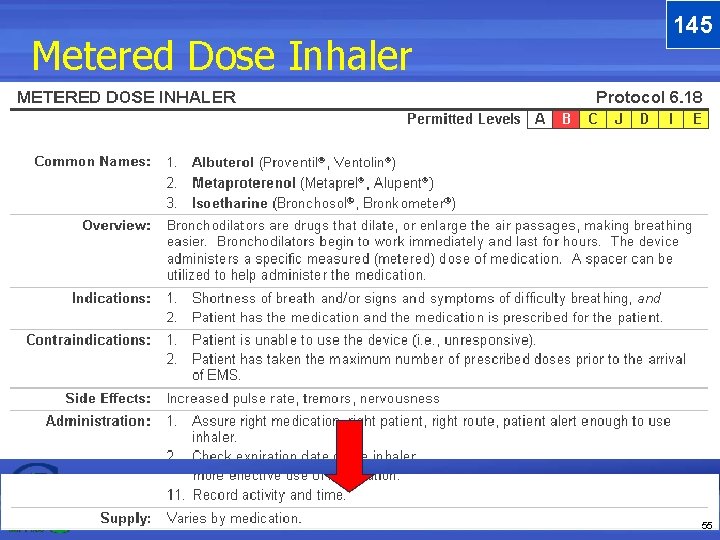
Metered Dose Inhaler 145 55
Nitroglycerin, Assisted 153 56
Nitroglycerin, Assisted 153 57
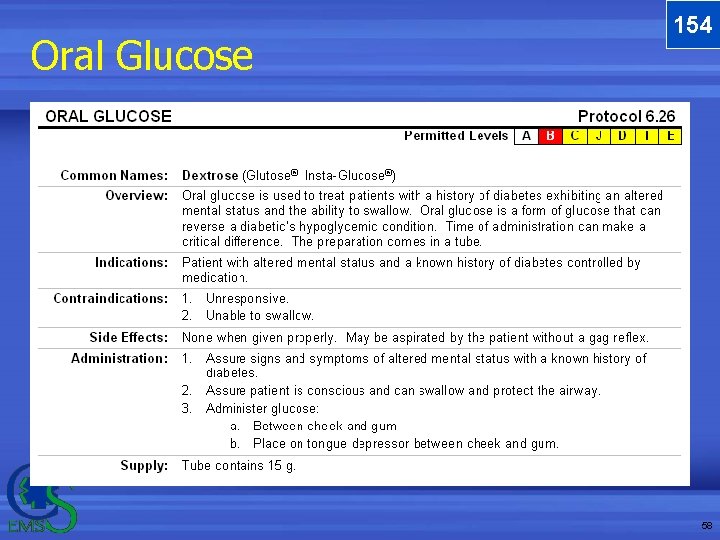
Oral Glucose 154 58
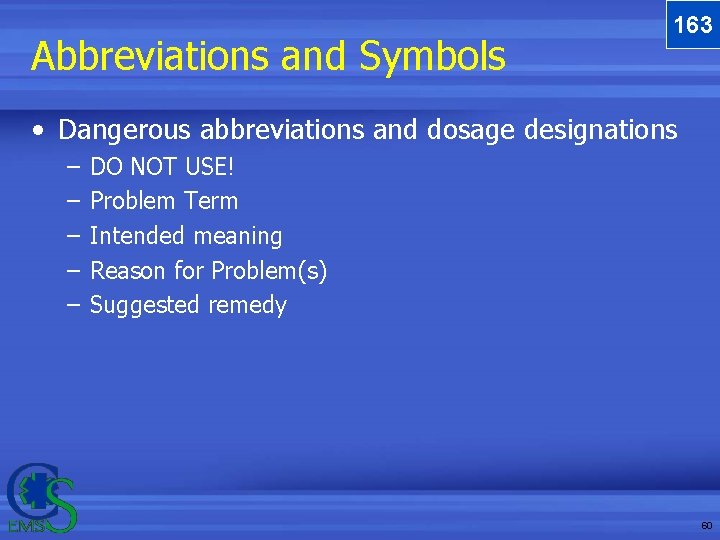
Abbreviations and Symbols 158 • Approved medical abbreviations. • Limit use of abbreviations to those that appear on this list. 59
Abbreviations and Symbols 163 • Dangerous abbreviations and dosage designations – – – DO NOT USE! Problem Term Intended meaning Reason for Problem(s) Suggested remedy 60
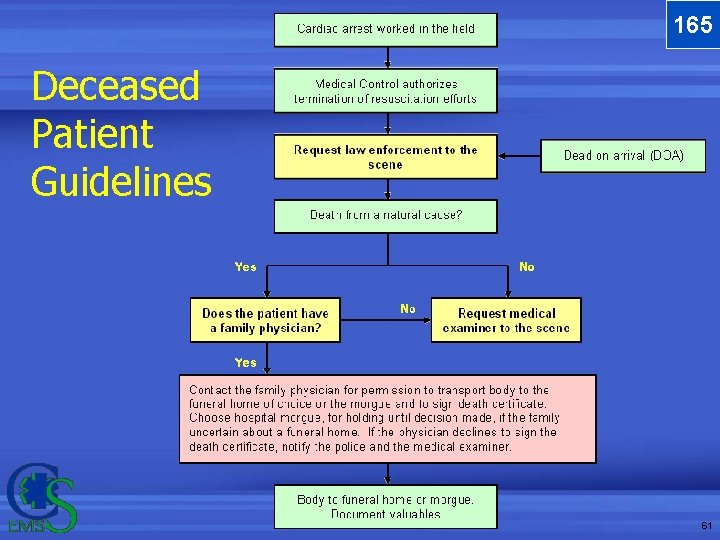
165 Deceased Patient Guidelines 61
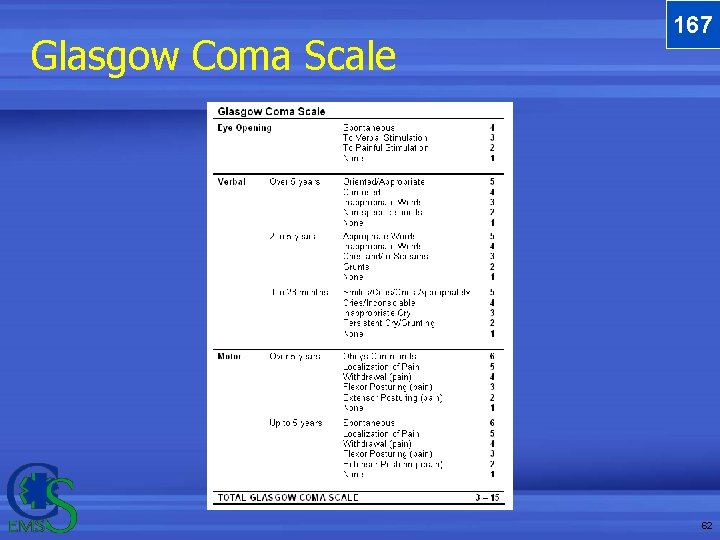
Glasgow Coma Scale 167 62
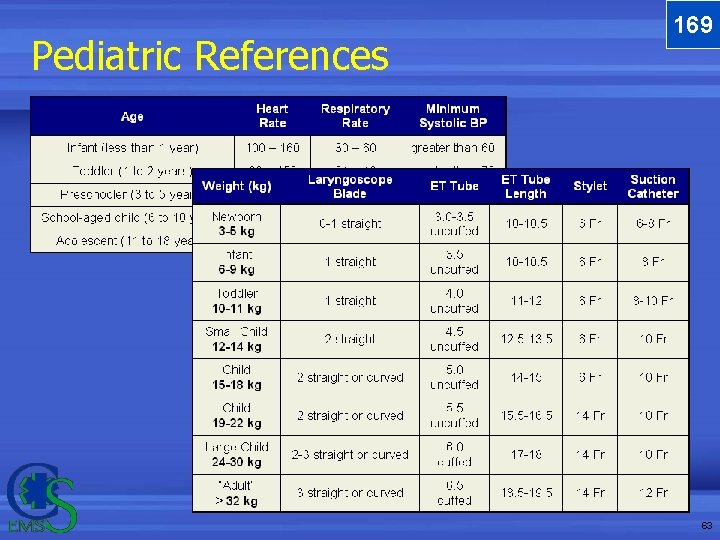
Pediatric References 169 63
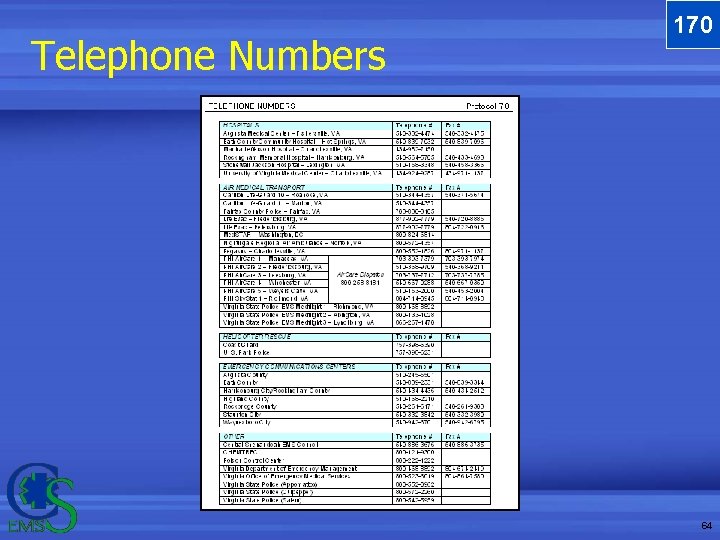
Telephone Numbers 170 64
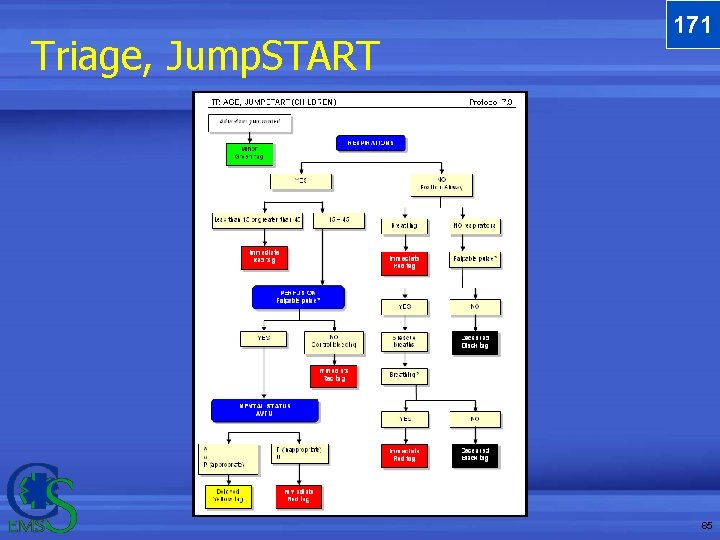
Triage, Jump. START 171 65
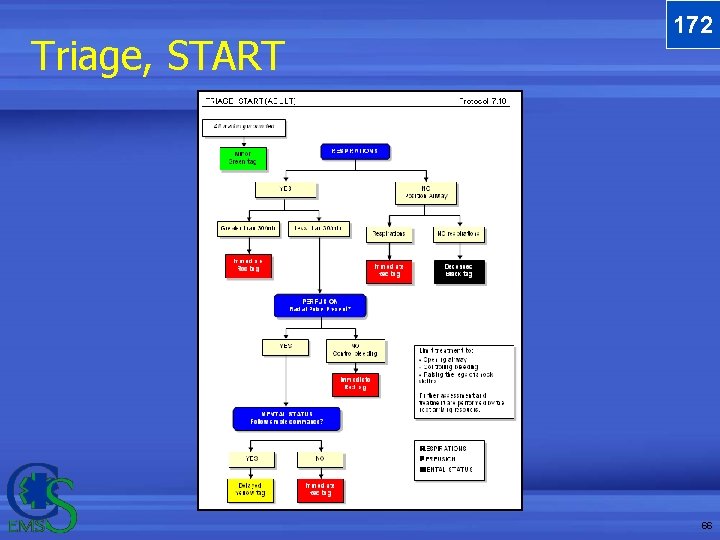
Triage, START 172 66
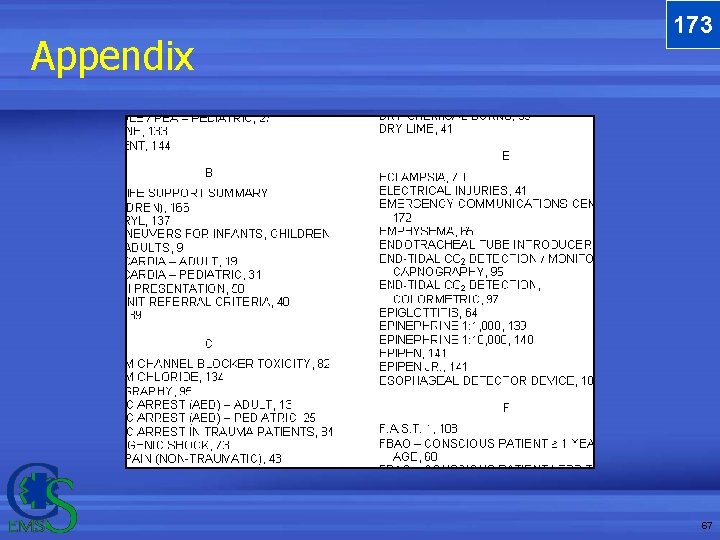
Appendix 173 67
References 176 68
Conclusion • Protocols in two formats – Field guide. • Reference only. – Text-like document available electronically. • Complete protocol document. • Field guides are being printed. • Distribution of field guides. – First part of August. • Effective date will be announced when printing of the field guides is completed. 69
Questions 70