
Lesson 4 The physics of lowdimensional semiconductors A
- Slides: 33
Lesson 4: The physics of low-dimensional semiconductors
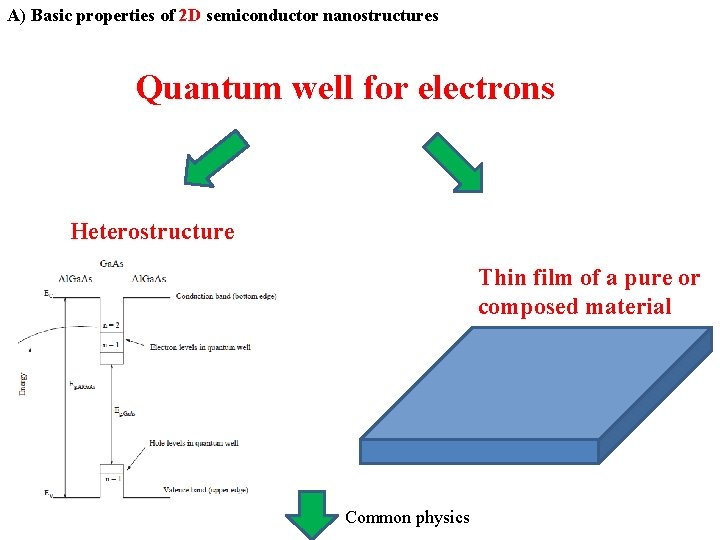
A) Basic properties of 2 D semiconductor nanostructures Quantum well for electrons Heterostructure Thin film of a pure or composed material Common physics
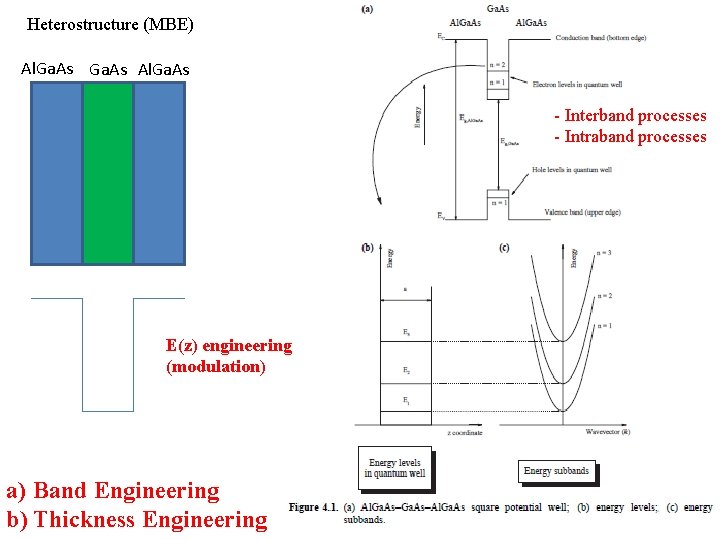
Heterostructure (MBE) Al. Ga. As - Interband processes - Intraband processes E(z) engineering (modulation) a) Band Engineering b) Thickness Engineering
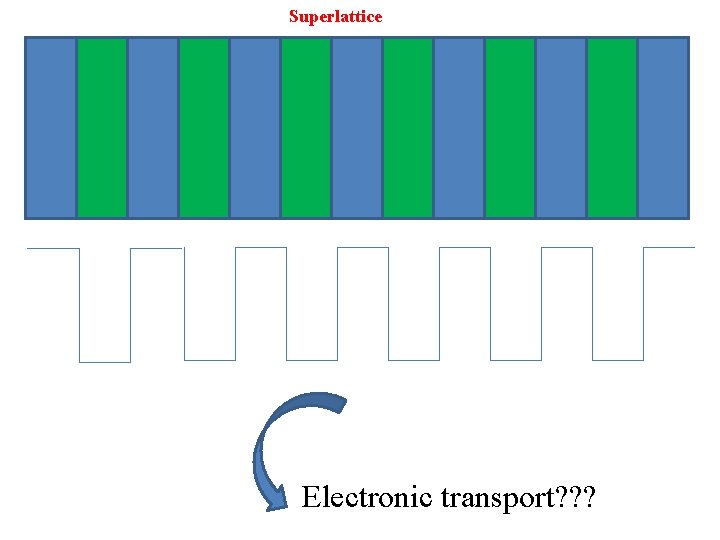
Superlattice Electronic transport? ? ?
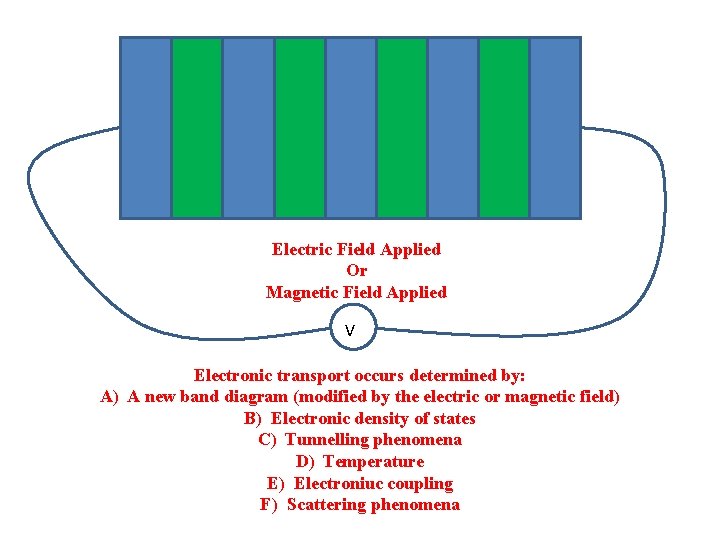
Electric Field Applied Or Magnetic Field Applied V Electronic transport occurs determined by: A) A new band diagram (modified by the electric or magnetic field) B) Electronic density of states C) Tunnelling phenomena D) Temperature E) Electroniuc coupling F) Scattering phenomena
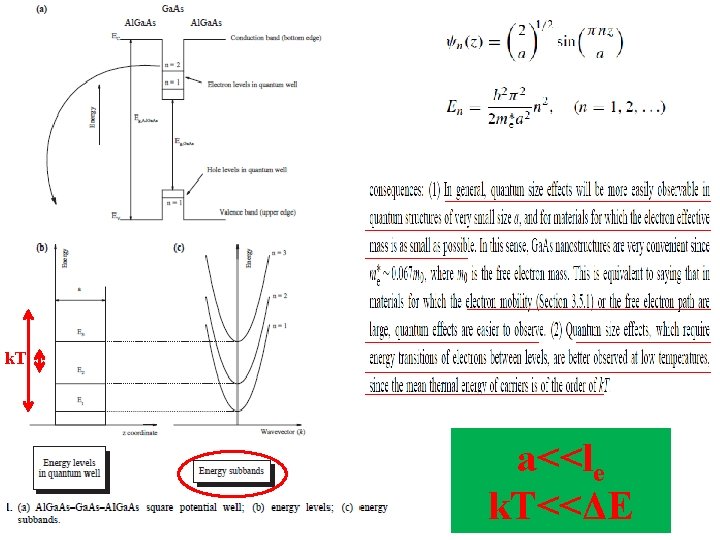
k. T a<<le k. T<<ΔE
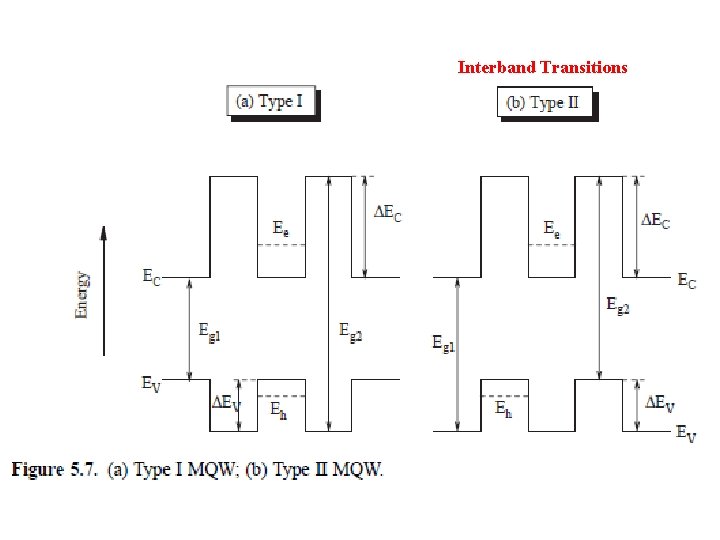
Interband Transitions
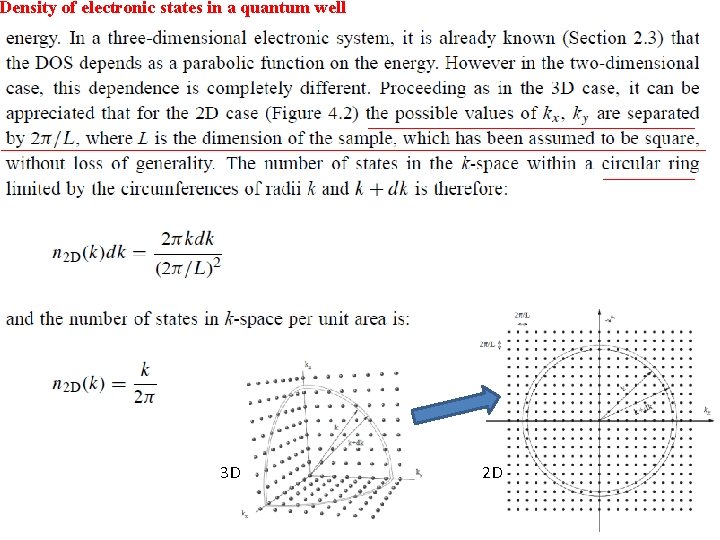
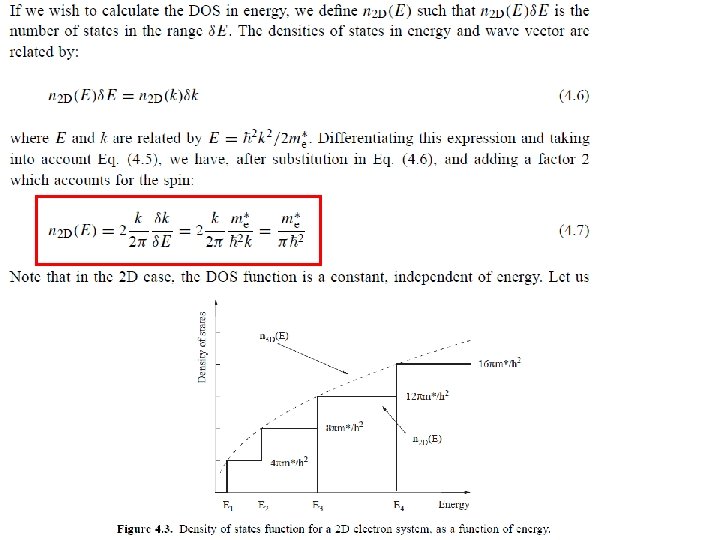
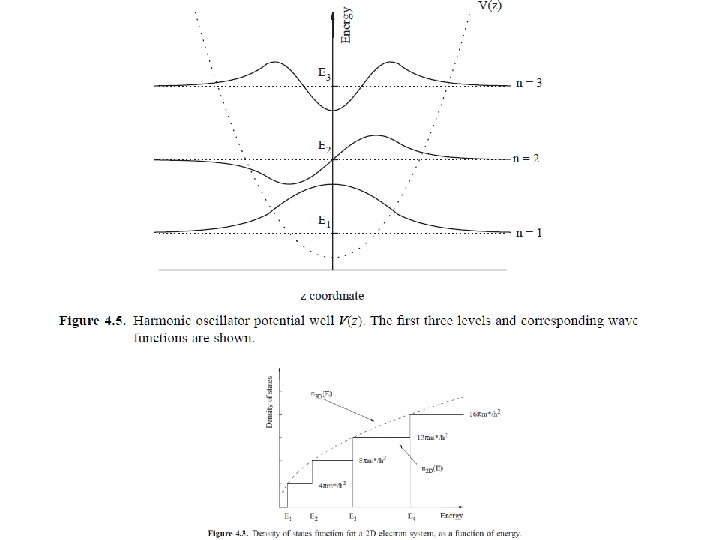
Density of electronic states in a quantum well 3 D 2 D
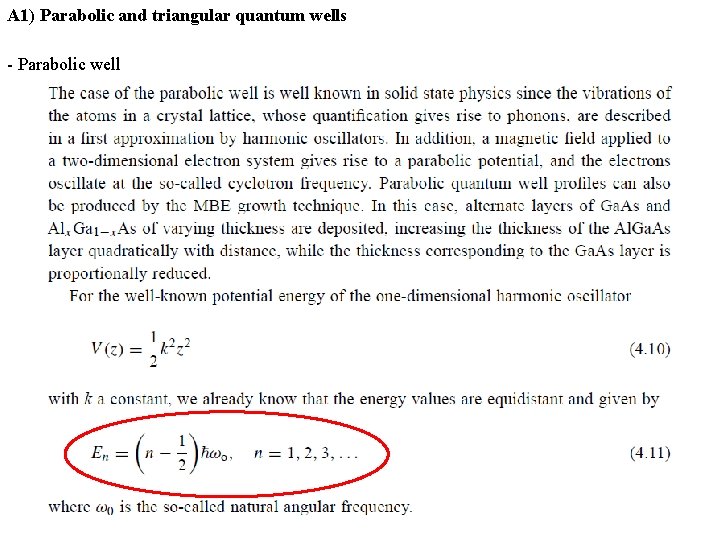
A 1) Parabolic and triangular quantum wells - Parabolic well
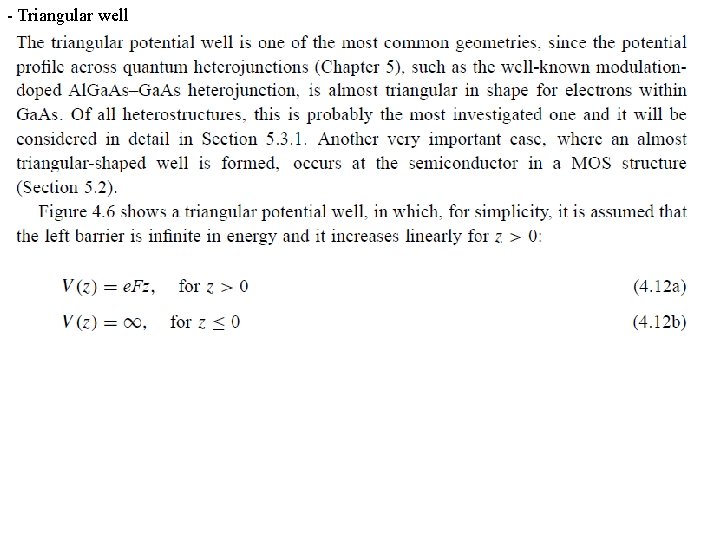
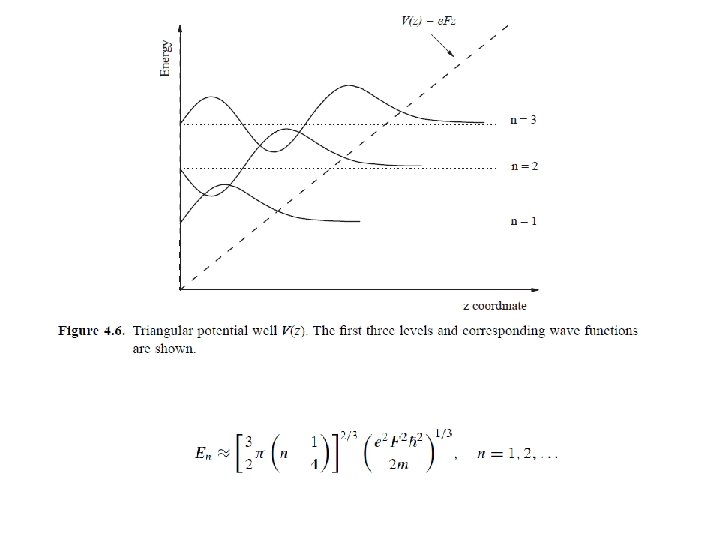
- Triangular well
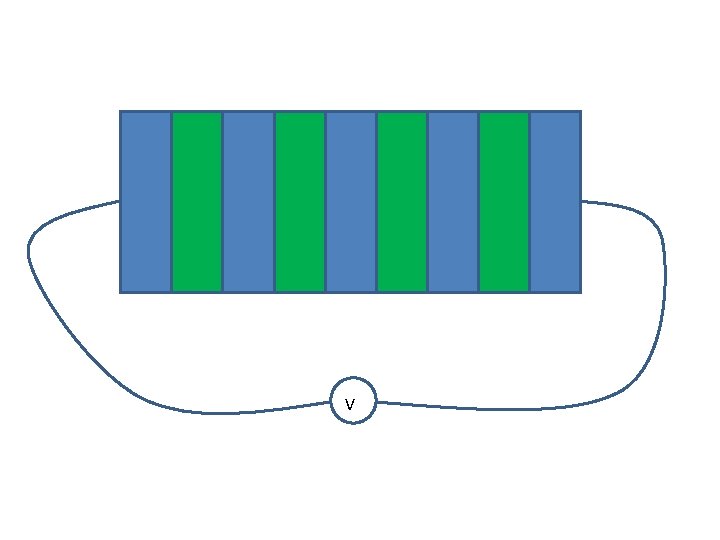
V
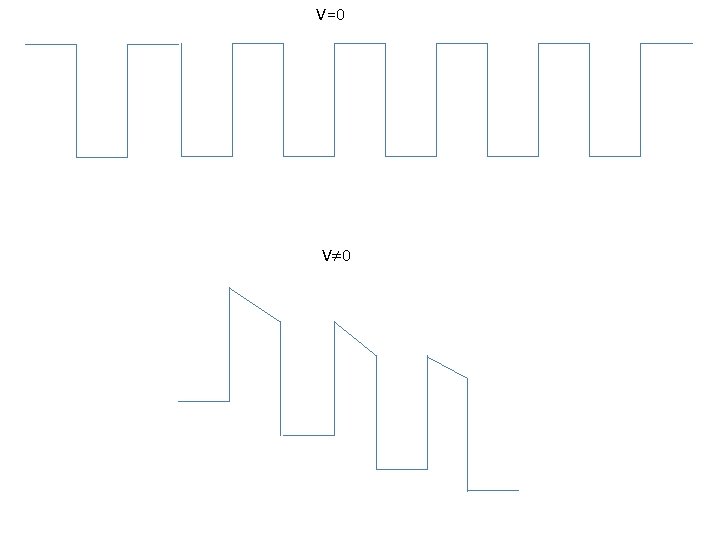
V=0 V 0
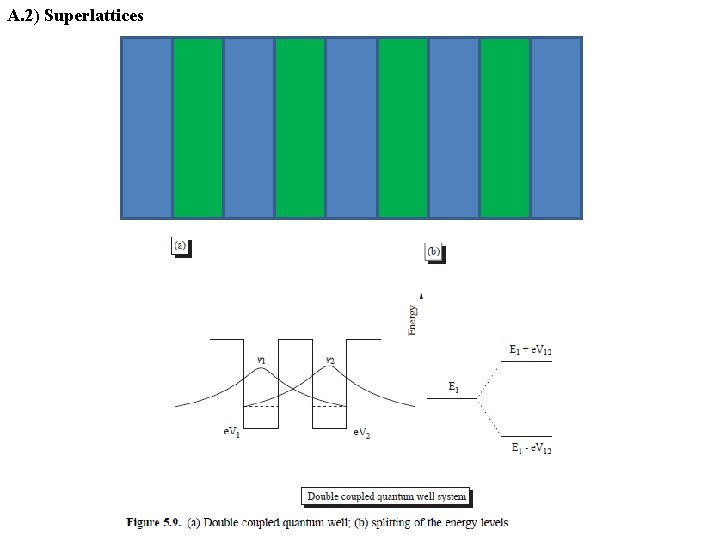
A. 2) Superlattices
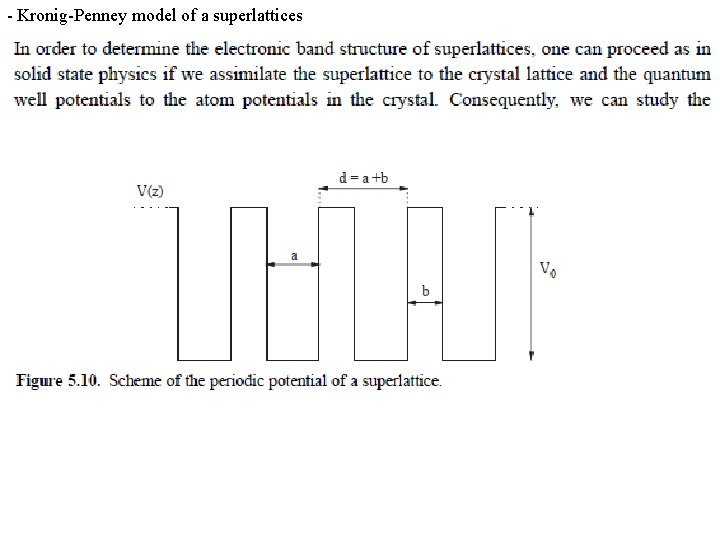
- Kronig-Penney model of a superlattices
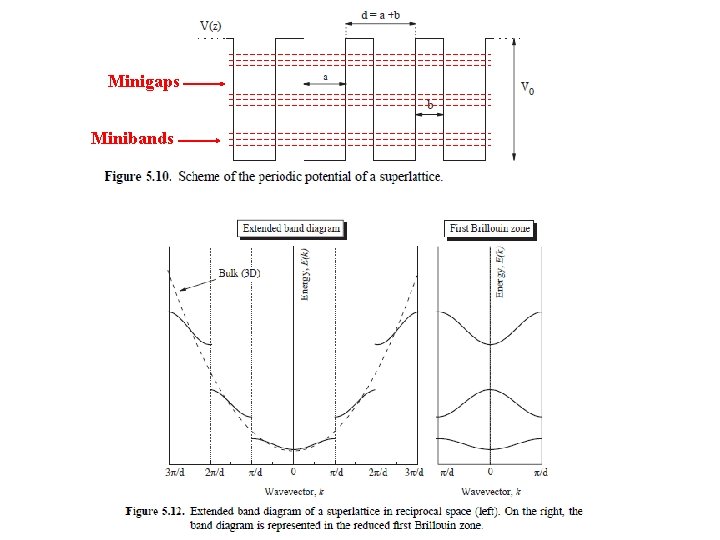
Minigaps Minibands
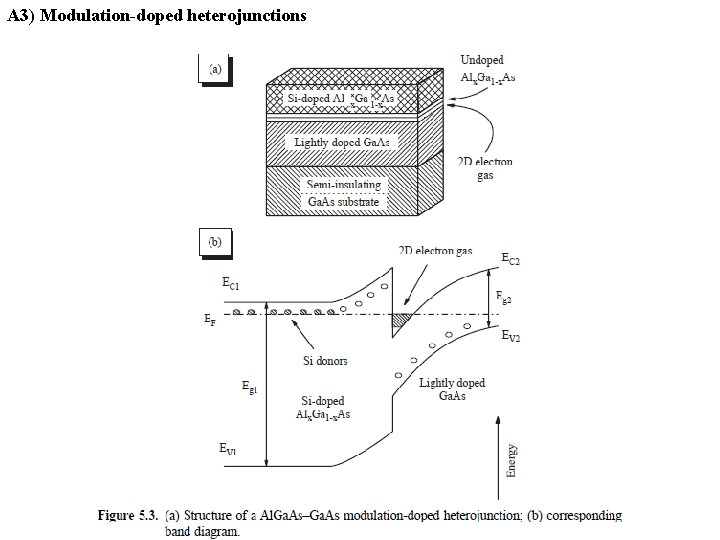
A 3) Modulation-doped heterojunctions
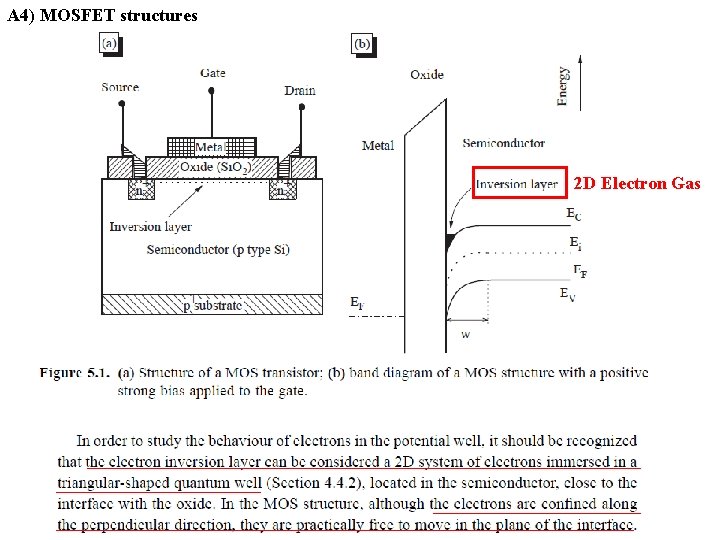
A 4) MOSFET structures 2 D Electron Gas
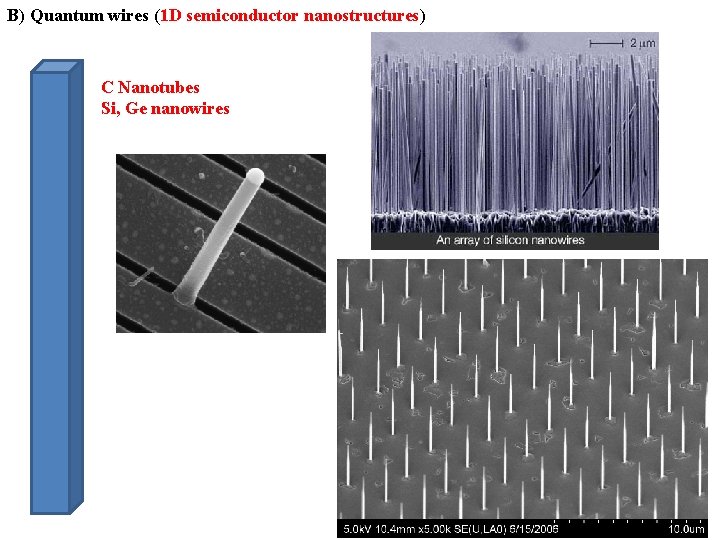
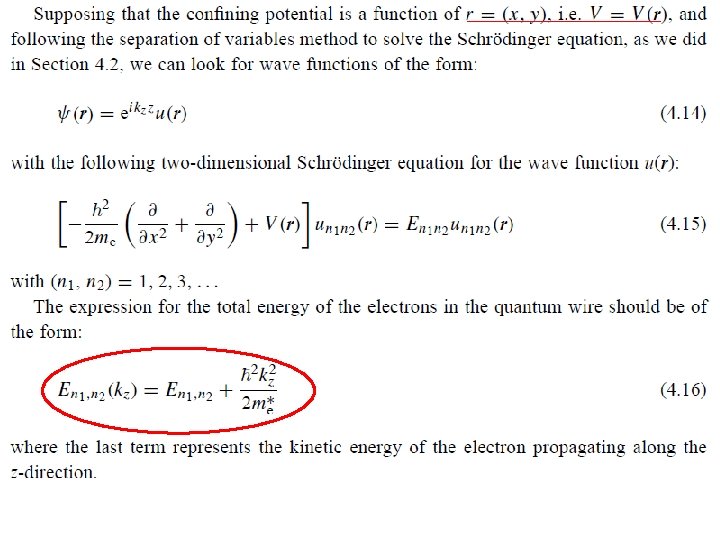
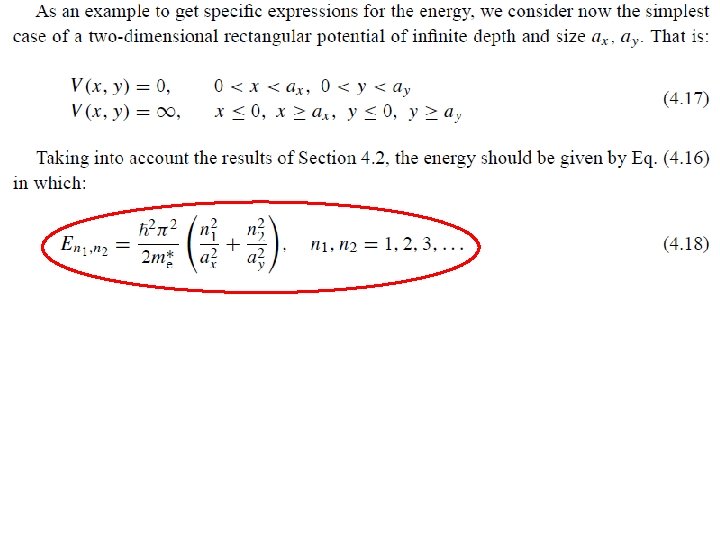
B) Quantum wires (1 D semiconductor nanostructures) C Nanotubes Si, Ge nanowires
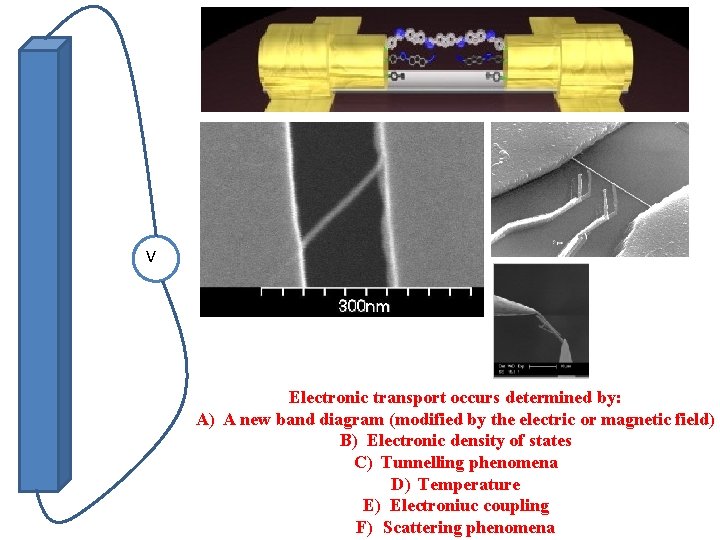
V Electronic transport occurs determined by: A) A new band diagram (modified by the electric or magnetic field) B) Electronic density of states C) Tunnelling phenomena D) Temperature E) Electroniuc coupling F) Scattering phenomena
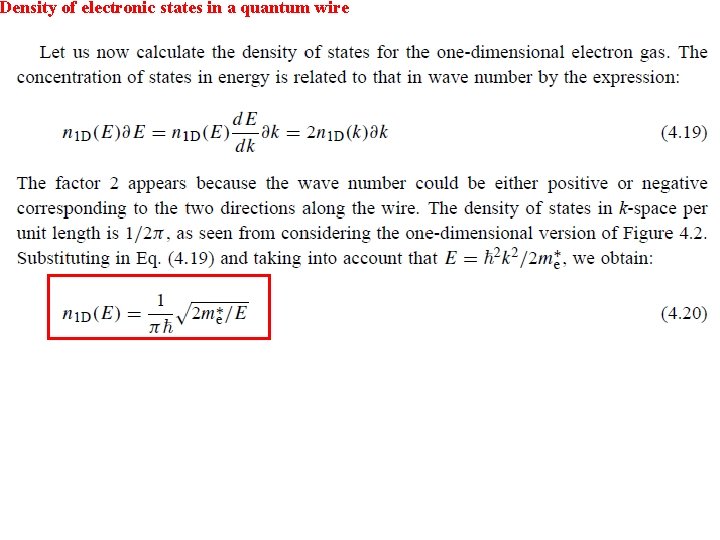
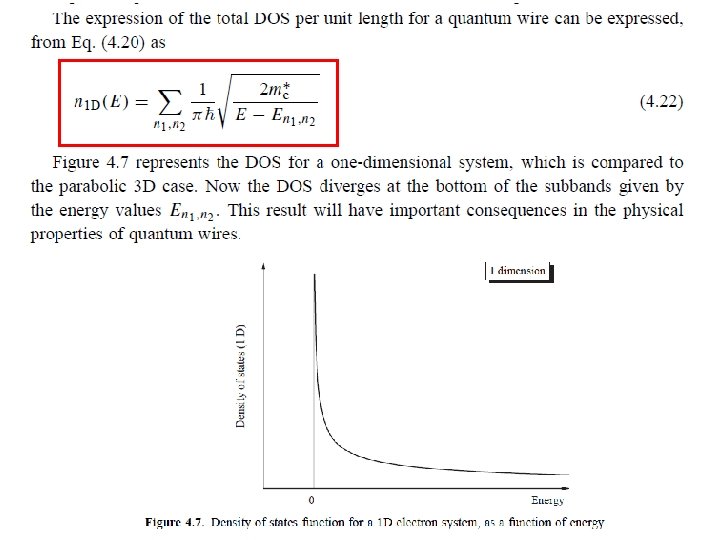
Density of electronic states in a quantum wire
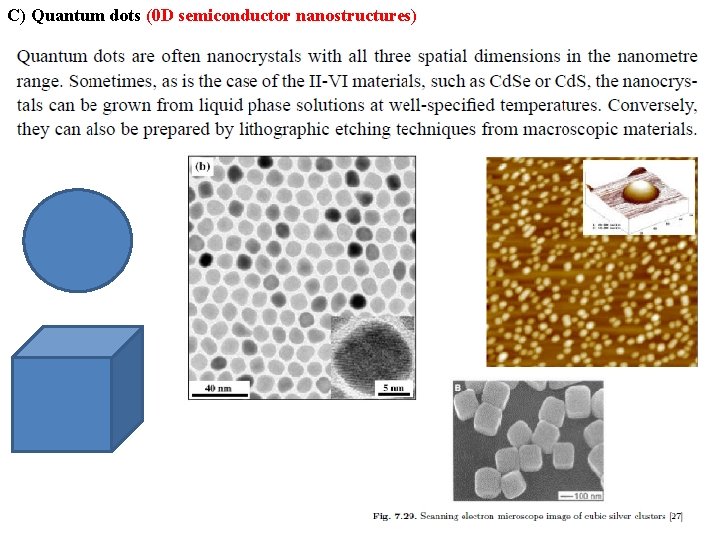
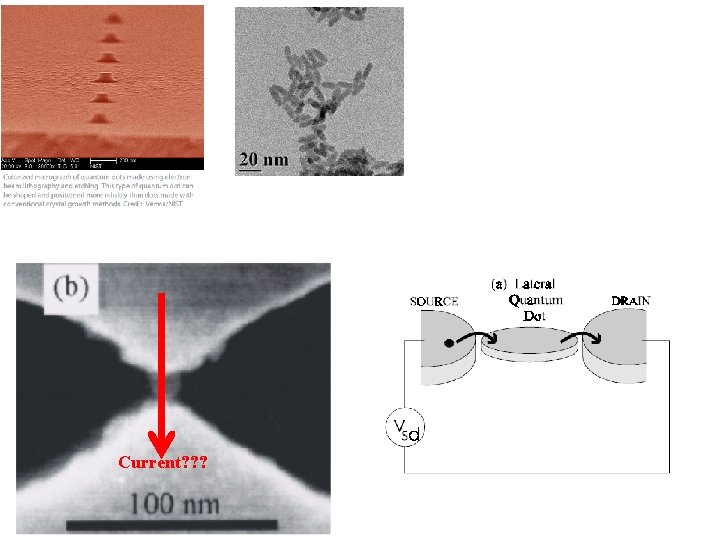
C) Quantum dots (0 D semiconductor nanostructures)
Current? ? ?
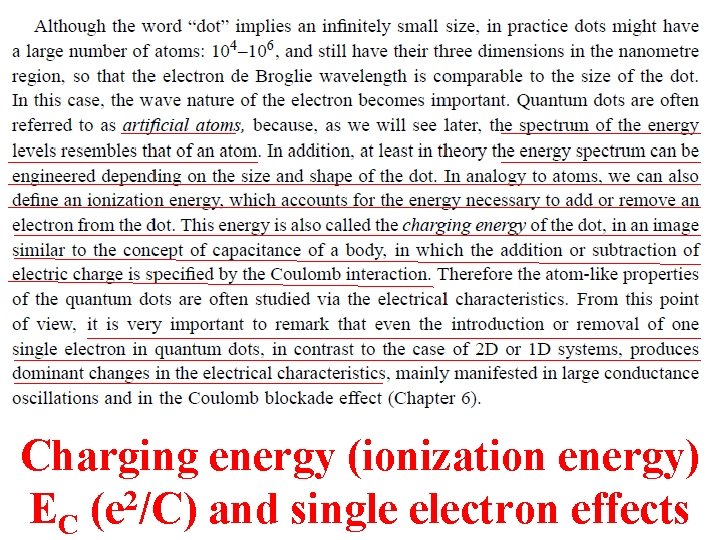
Charging energy (ionization energy) EC (e 2/C) and single electron effects
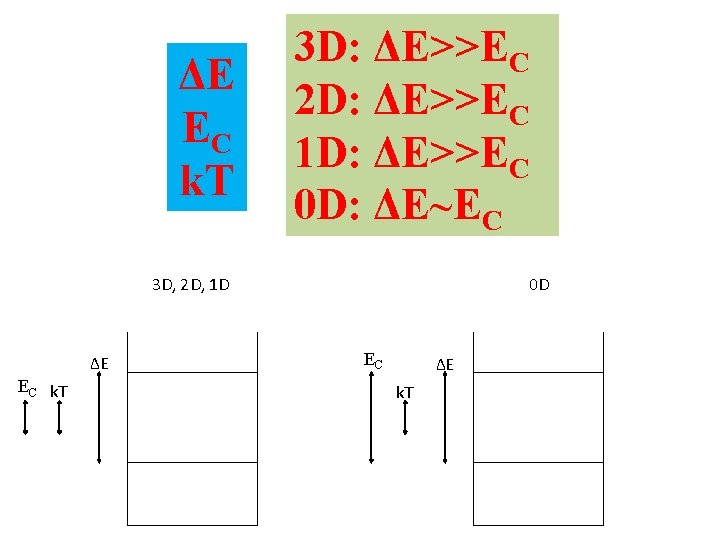
ΔE EC k. T 3 D: ΔE>>EC 2 D: ΔE>>EC 1 D: ΔE>>EC 0 D: ΔE~EC 3 D, 2 D, 1 D ΔE EC k. T 0 D EC ΔE k. T
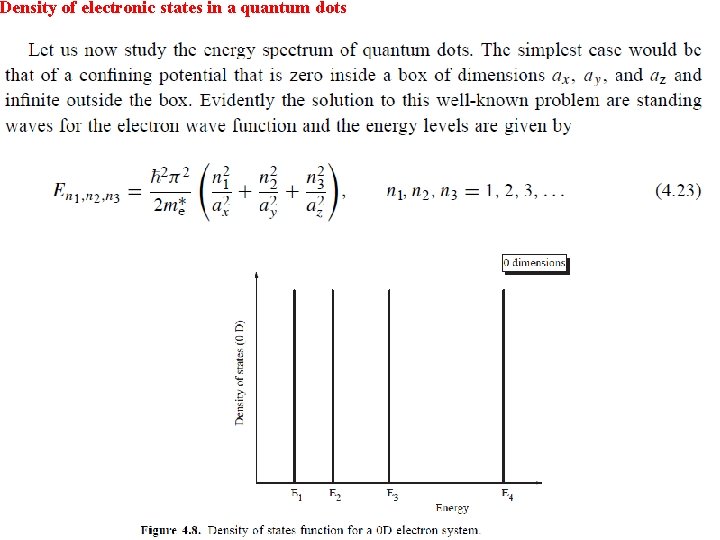
Density of electronic states in a quantum dots