The Sun Properties M 2 X 1030 kg



- Slides: 31
The Sun
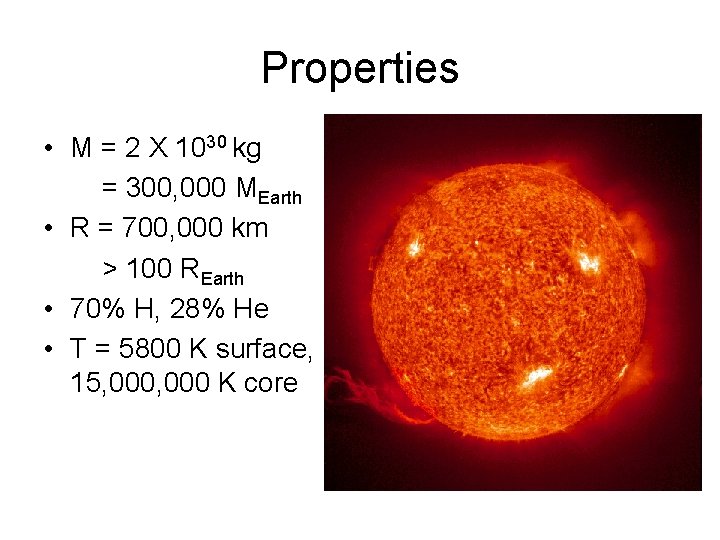
Properties • M = 2 X 1030 kg = 300, 000 MEarth • R = 700, 000 km > 100 REarth • 70% H, 28% He • T = 5800 K surface, 15, 000 K core
Structure
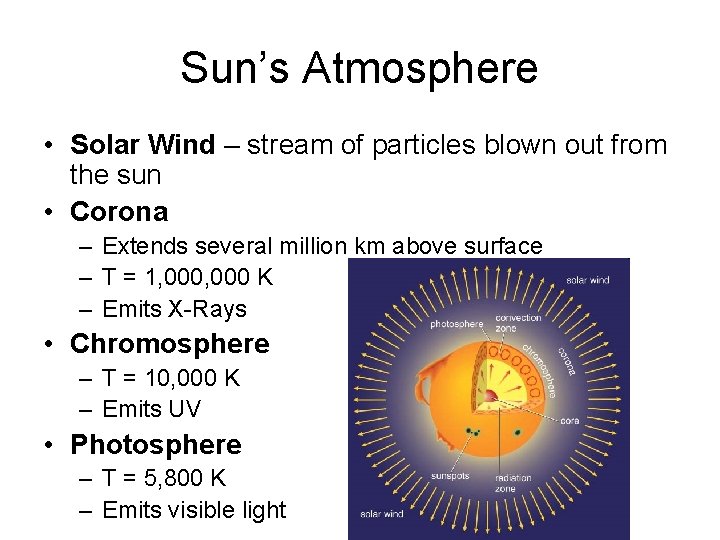
Sun’s Atmosphere
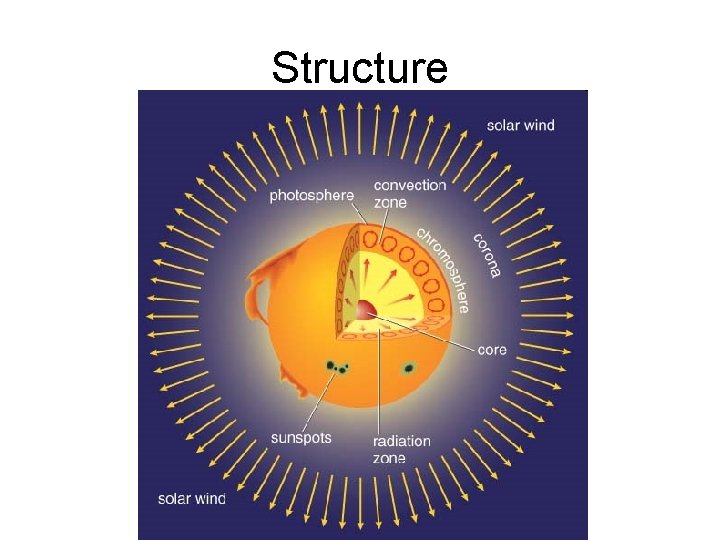
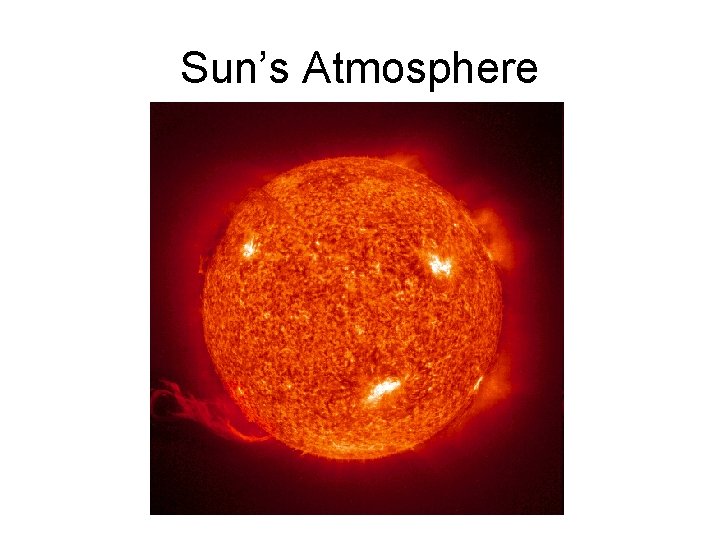
Sun’s Atmosphere • Solar Wind – stream of particles blown out from the sun • Corona – Extends several million km above surface – T = 1, 000 K – Emits X-Rays • Chromosphere – T = 10, 000 K – Emits UV • Photosphere – T = 5, 800 K – Emits visible light
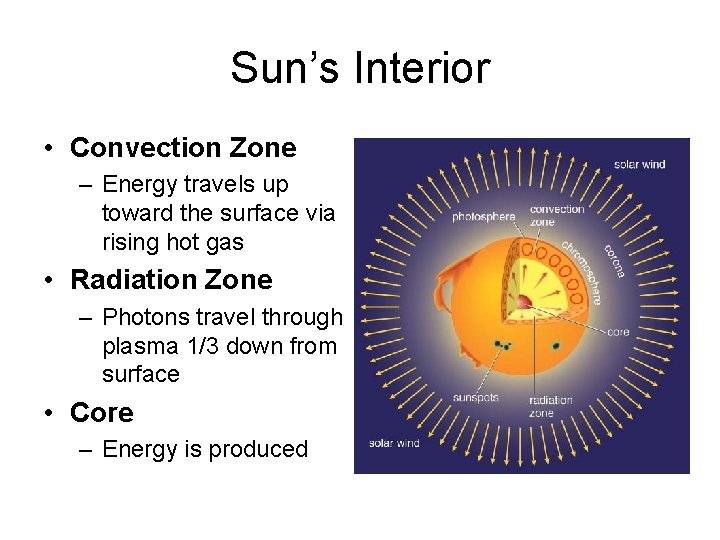
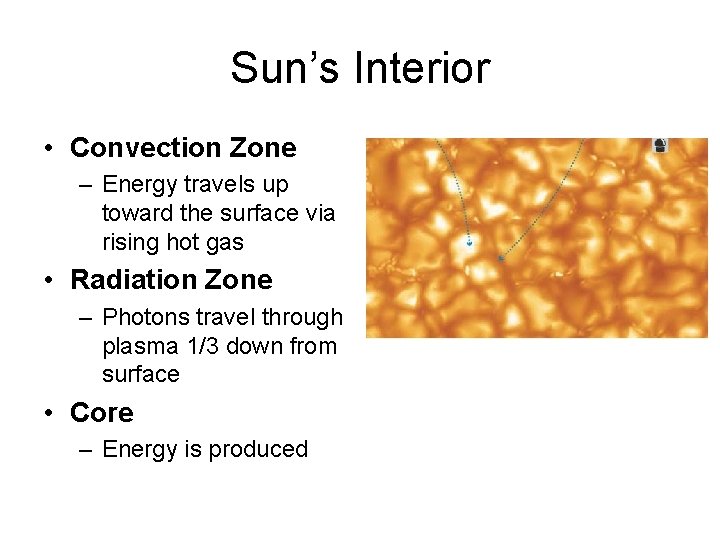
Sun’s Interior • Convection Zone – Energy travels up toward the surface via rising hot gas • Radiation Zone – Photons travel through plasma 1/3 down from surface • Core – Energy is produced
Sun’s Interior • Convection Zone – Energy travels up toward the surface via rising hot gas • Radiation Zone – Photons travel through plasma 1/3 down from surface • Core – Energy is produced
Energy • • Measured in joules or calories Power is the rate energy is used 1 Watt = 1 joule/s We call the power output of a star it Luminosity • LSun = 3. 8 X 1026 watts
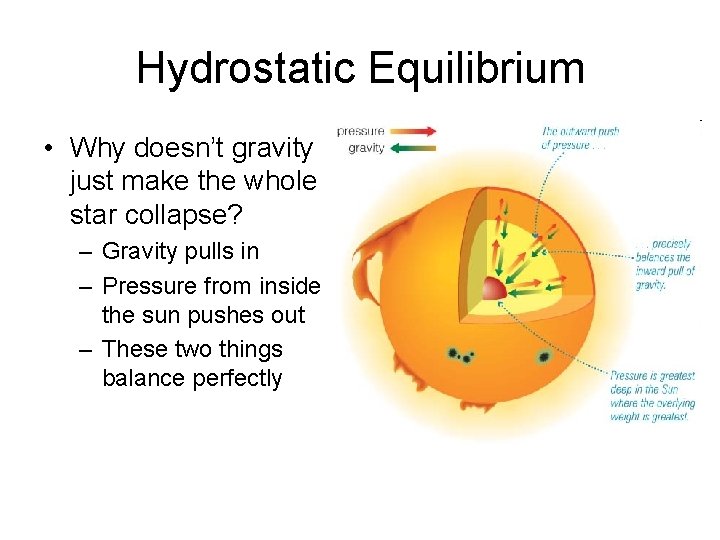
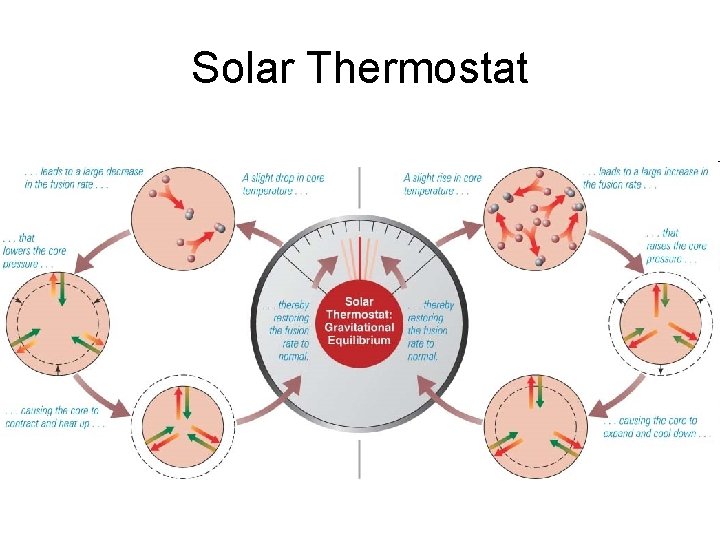
Hydrostatic Equilibrium • Why doesn’t gravity just make the whole star collapse? – Gravity pulls in – Pressure from inside the sun pushes out – These two things balance perfectly
How does the Sun shine?
Historical Views • Burning ball of coal or wood • Energy release due to gravitational contraction – Kelvin-Helmholtz contraction
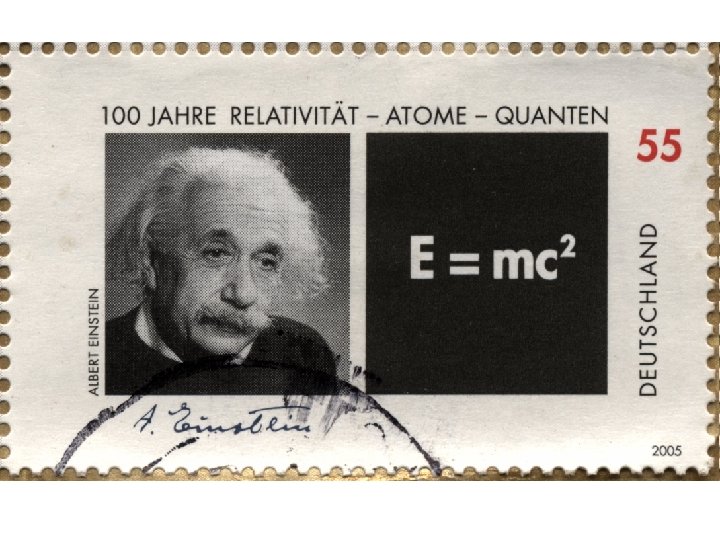
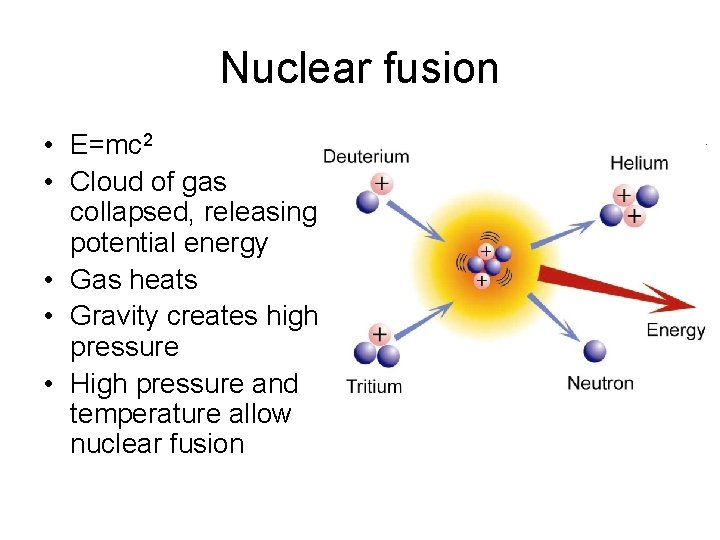
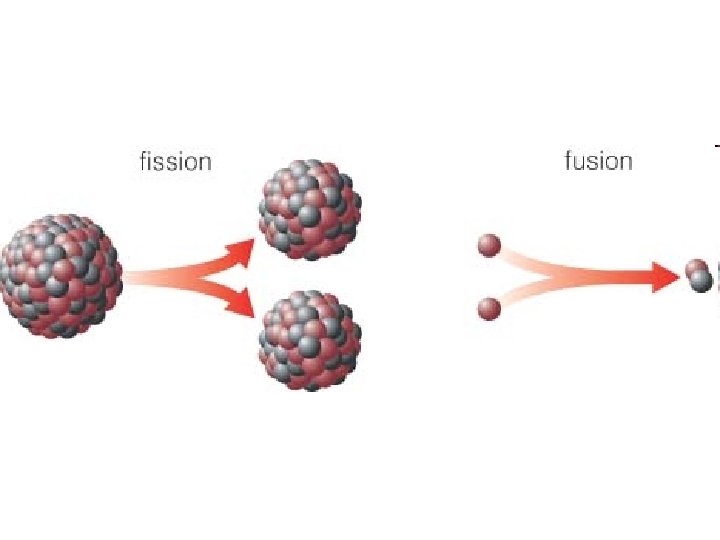
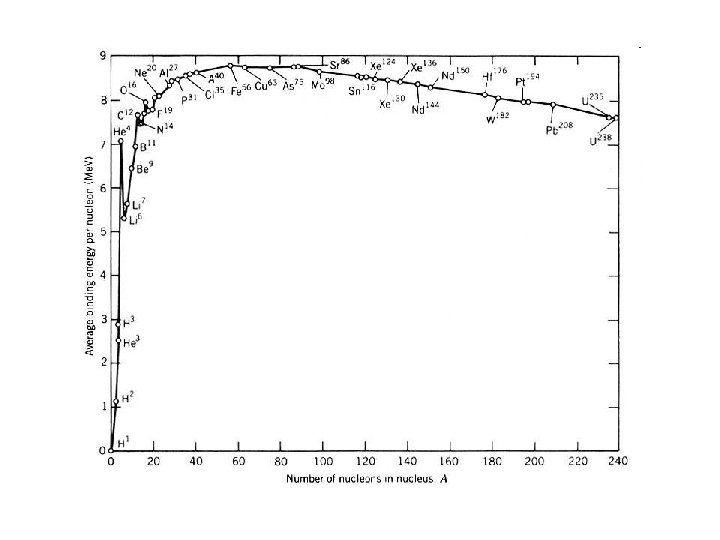
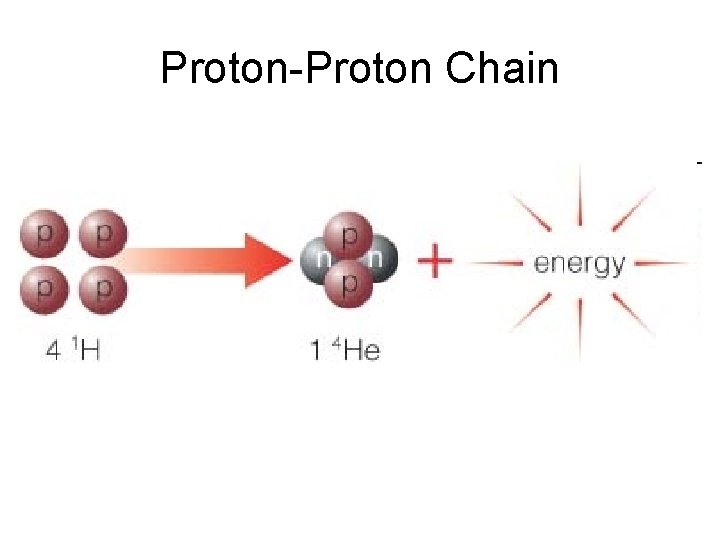
Nuclear fusion • E=mc 2 • Cloud of gas collapsed, releasing potential energy • Gas heats • Gravity creates high pressure • High pressure and temperature allow nuclear fusion
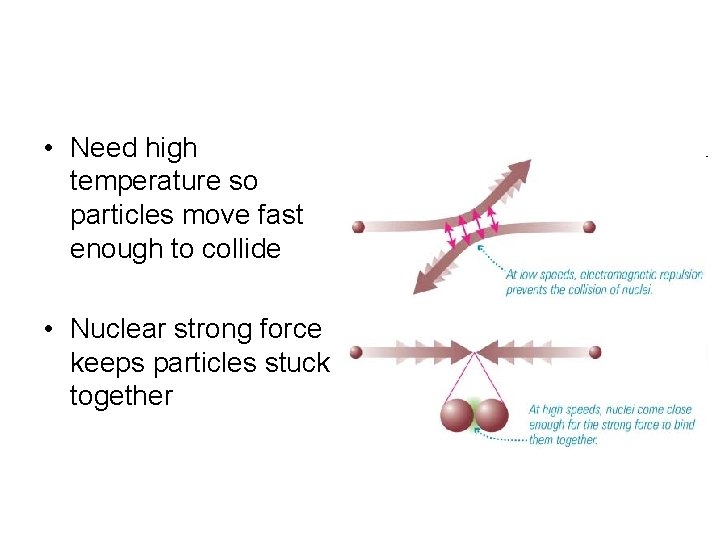
• Need high temperature so particles move fast enough to collide • Nuclear strong force keeps particles stuck together
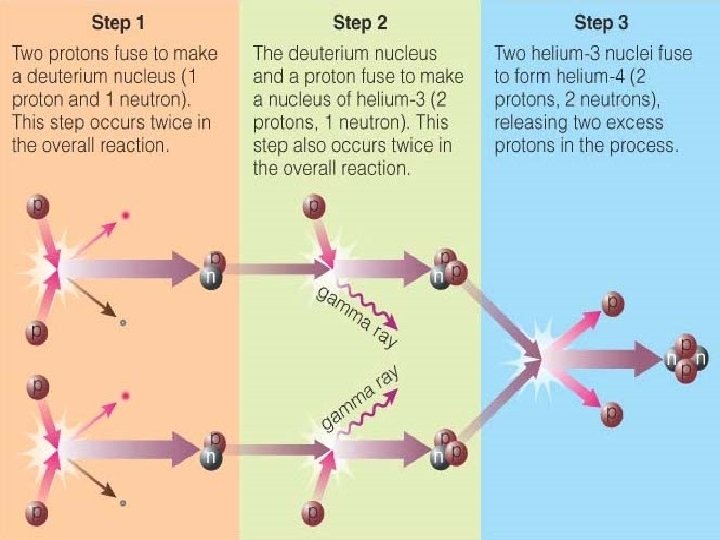
Proton-Proton Chain
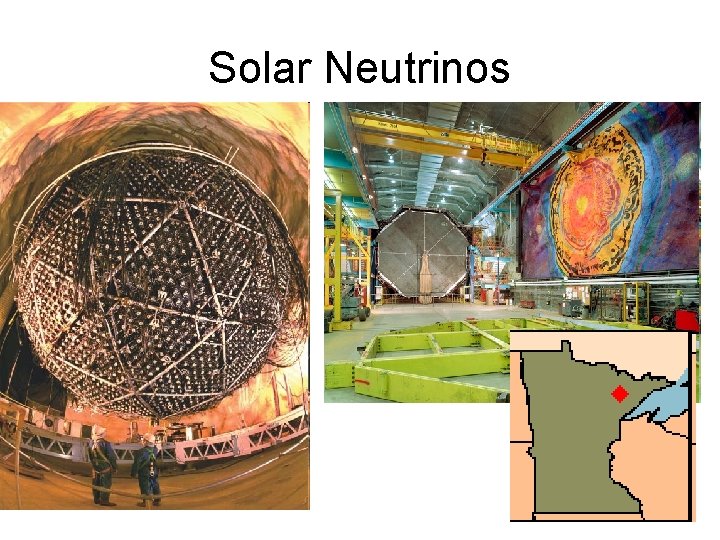
Solar Neutrinos
Solar Thermostat
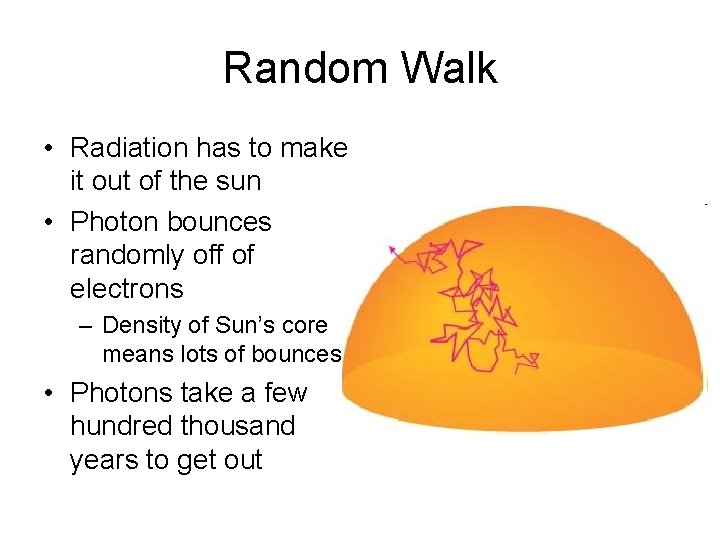
Random Walk • Radiation has to make it out of the sun • Photon bounces randomly off of electrons – Density of Sun’s core means lots of bounces • Photons take a few hundred thousand years to get out
Solar Activity
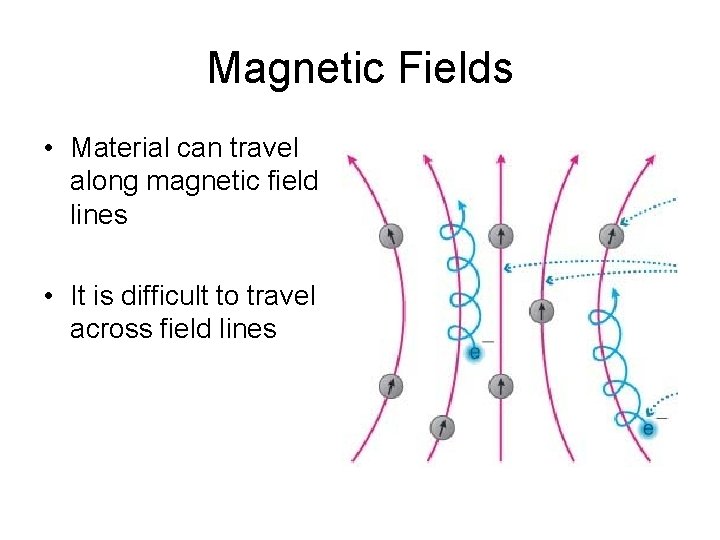
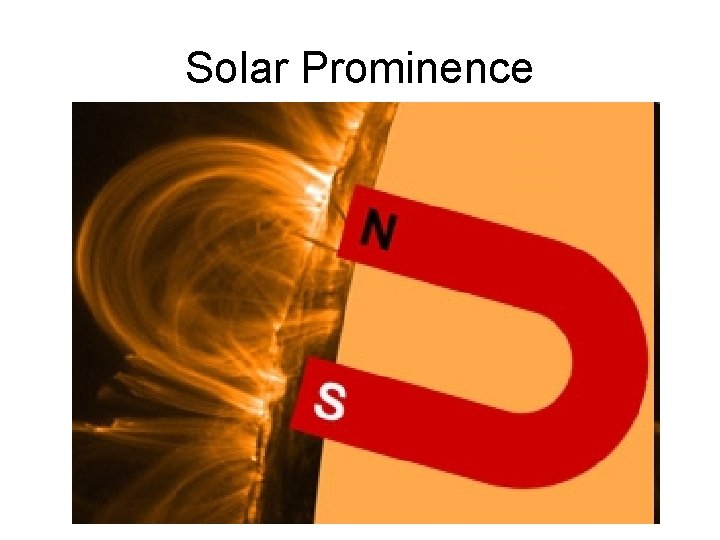
Magnetic Fields • Material can travel along magnetic field lines • It is difficult to travel across field lines
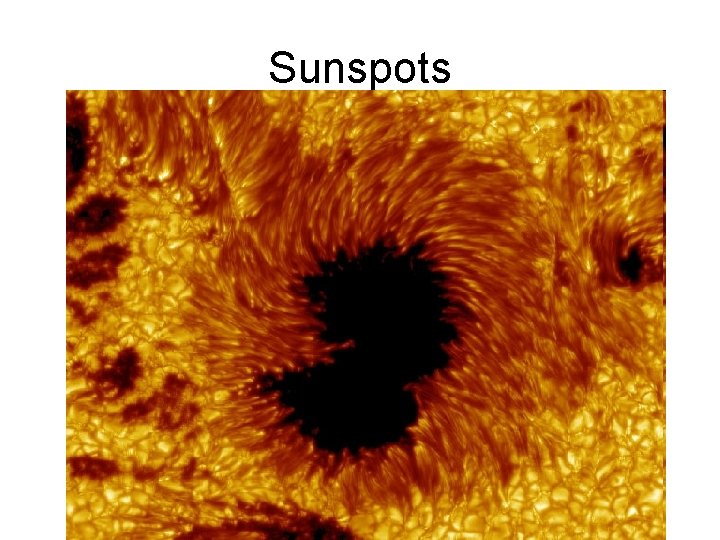
Sunspots
Solar Prominence
Solar Prominence Video
Solar Flare • Sometimes magnetic fields get too stretched and can’t handle the stress anymore • They break, releasing trapped material • Video
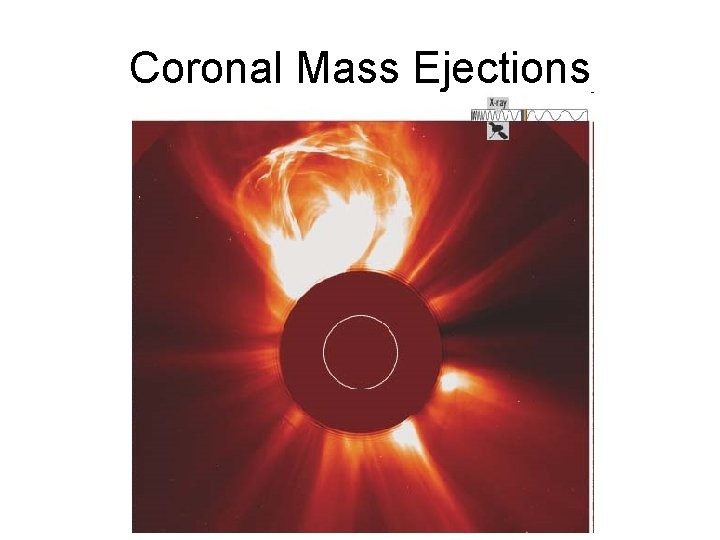
Coronal Mass Ejections
CME Video
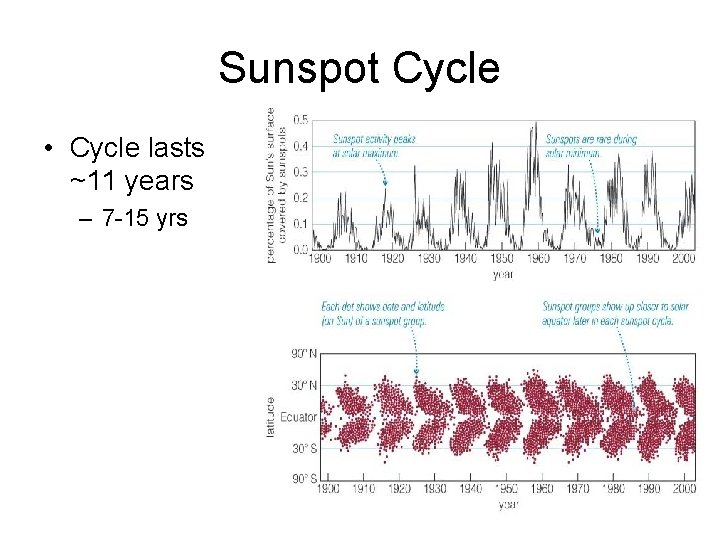
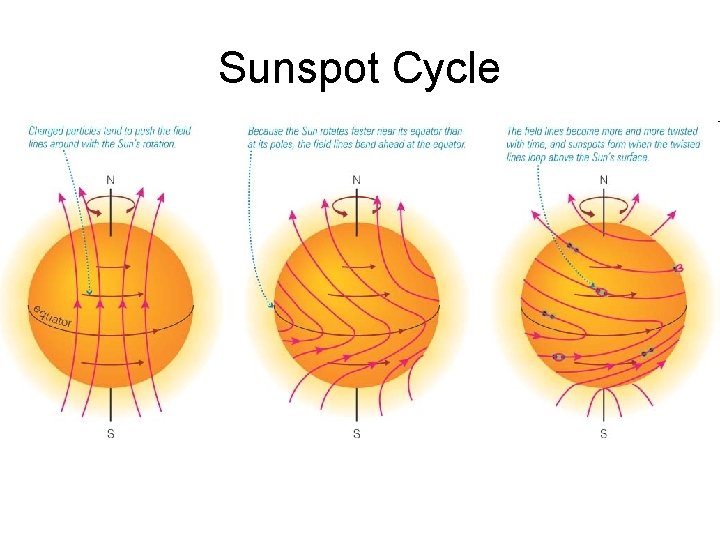
Sunspot Cycle • Cycle lasts ~11 years – 7 -15 yrs
Sunspot Cycle