The origin of genetic variation I Motivation Evolution
- Slides: 39
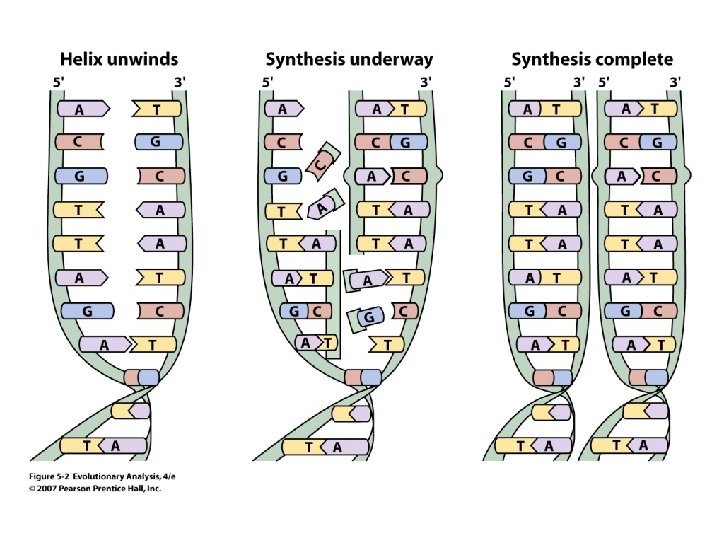
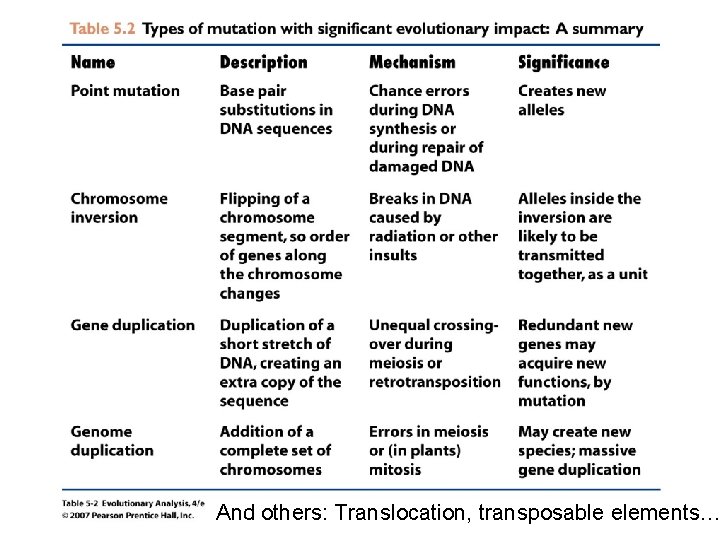
The origin of genetic variation I. Motivation Evolution is a change in the genotype of the population over time. Phenotypic differences between species reflects genetic differences between species = genetic variation across species What is the origin of genetic variation? ? Ultimate Source: MUTATION!!!!!!!!!!!!!!
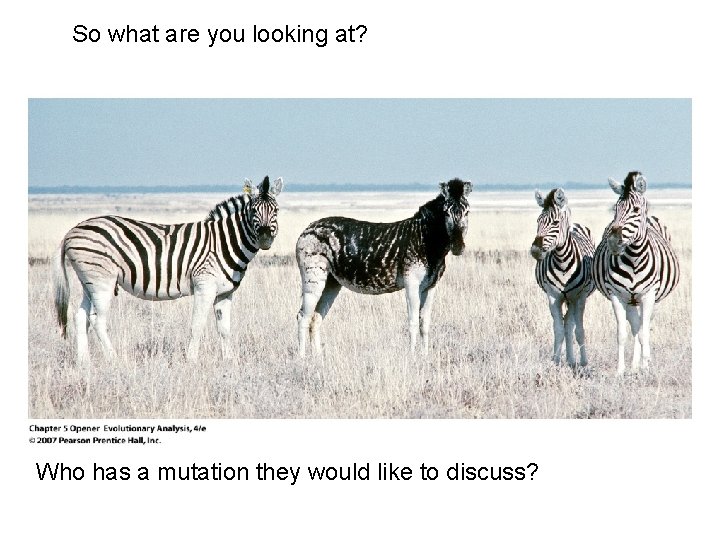
So what are you looking at? Who has a mutation they would like to discuss?
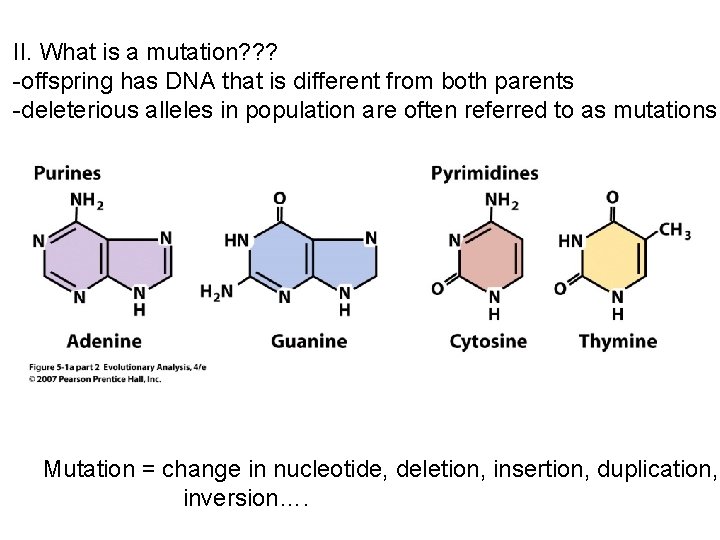
II. What is a mutation? ? ? -offspring has DNA that is different from both parents -deleterious alleles in population are often referred to as mutations Mutation = change in nucleotide, deletion, insertion, duplication, inversion….
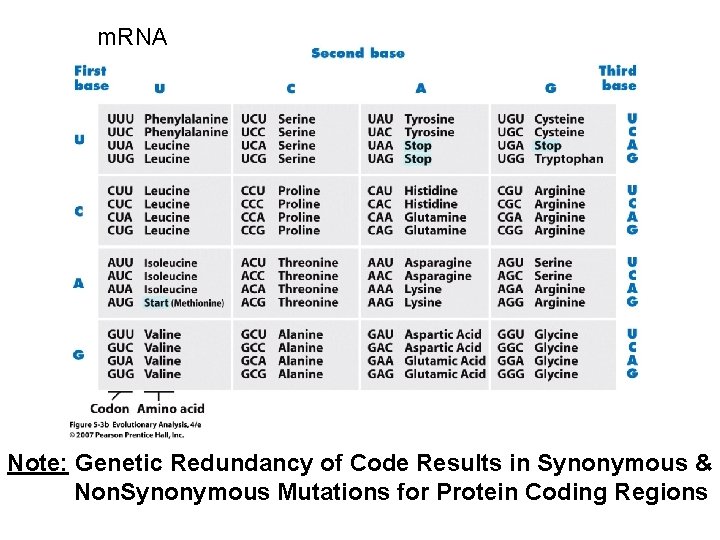
m. RNA Note: Genetic Redundancy of Code Results in Synonymous & Non. Synonymous Mutations for Protein Coding Regions
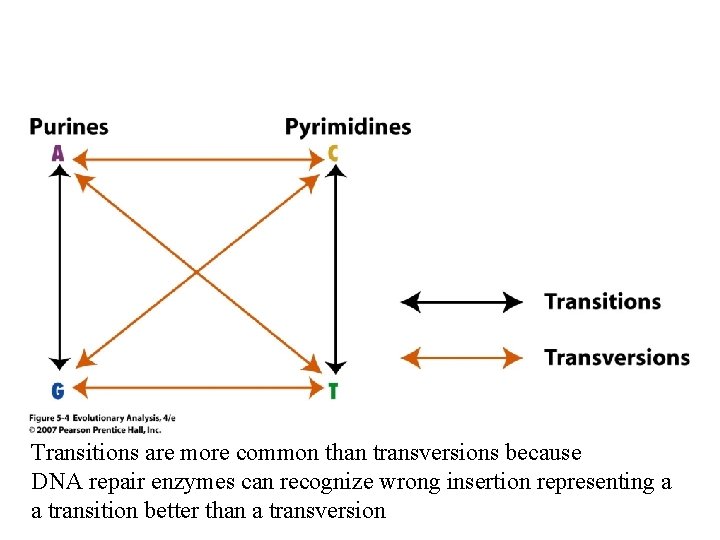
Transitions are more common than transversions because DNA repair enzymes can recognize wrong insertion representing a a transition better than a transversion
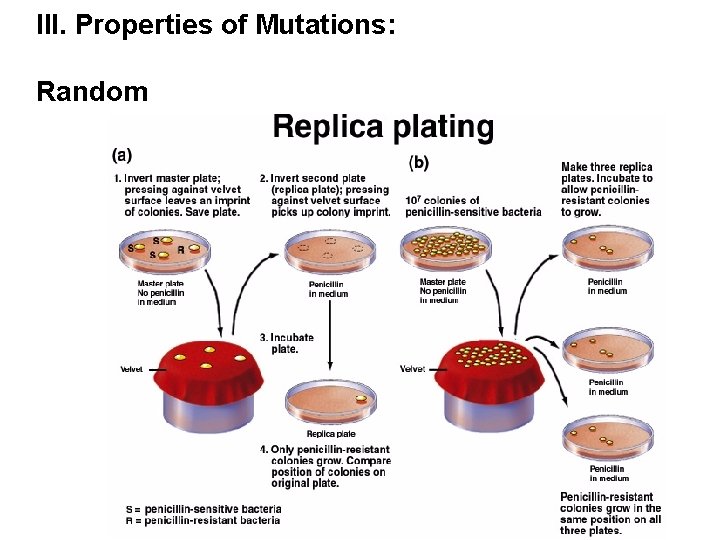
III. Properties of Mutations: Random
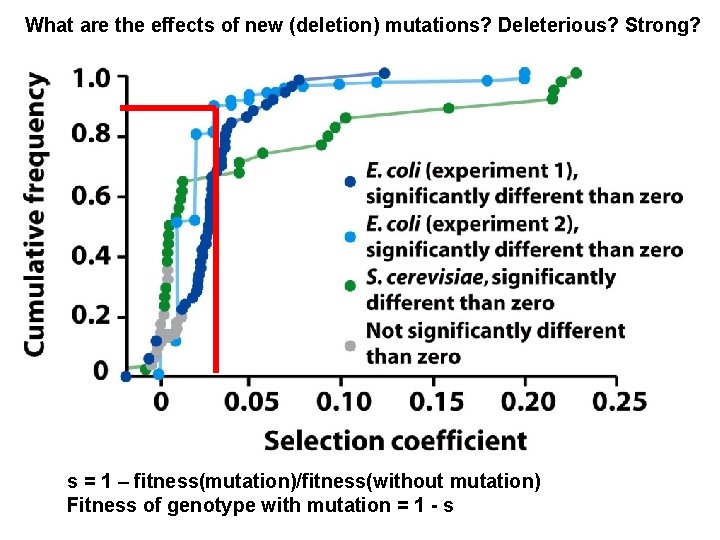
What are the effects of new (deletion) mutations? Deleterious? Strong? s = 1 – fitness(mutation)/fitness(without mutation) Fitness of genotype with mutation = 1 - s
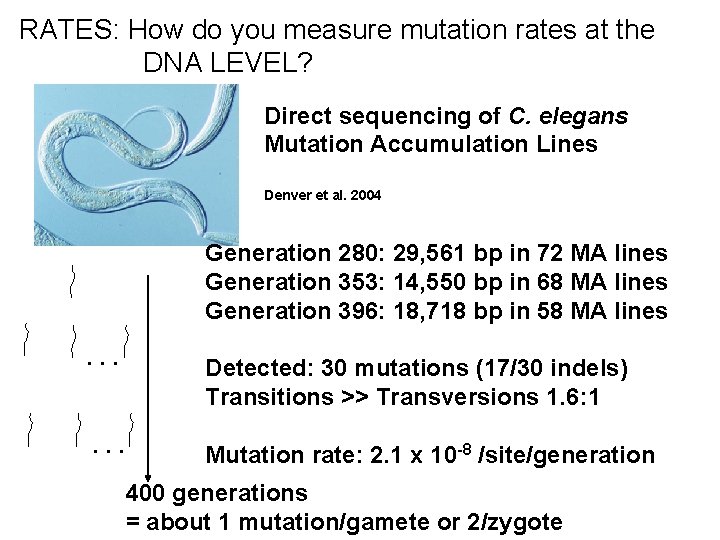
RATES: How do you measure mutation rates at the DNA LEVEL? Direct sequencing of C. elegans Mutation Accumulation Lines Denver et al. 2004 Generation 280: 29, 561 bp in 72 MA lines Generation 353: 14, 550 bp in 68 MA lines Generation 396: 18, 718 bp in 58 MA lines. . . Detected: 30 mutations (17/30 indels) Transitions >> Transversions 1. 6: 1 . . . Mutation rate: 2. 1 x 10 -8 /site/generation 400 generations = about 1 mutation/gamete or 2/zygote
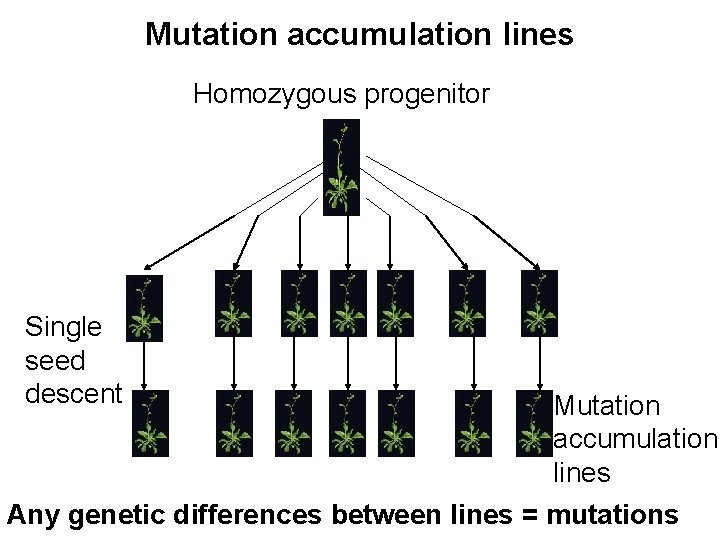
Mutation accumulation lines Homozygous progenitor Single seed descent Mutation accumulation lines Any genetic differences between lines = mutations
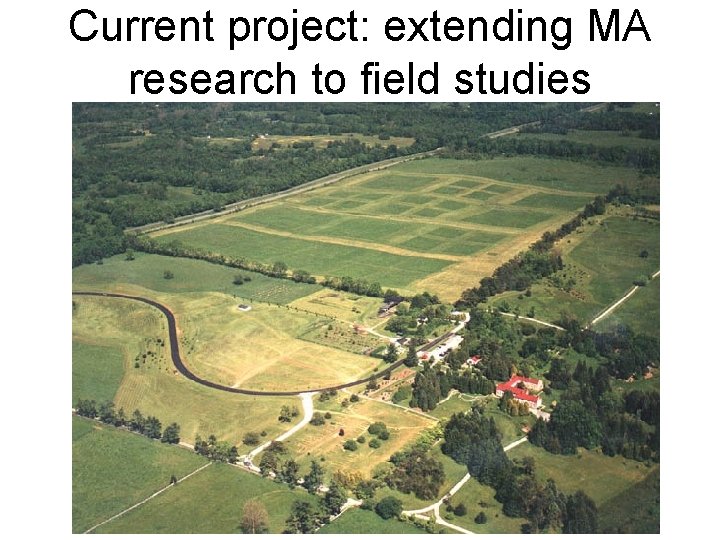
Current project: extending MA research to field studies
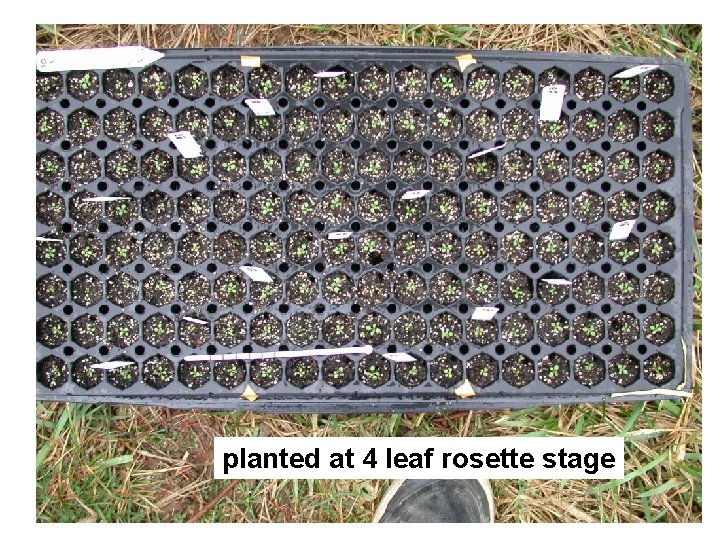
planted at 4 leaf rosette stage
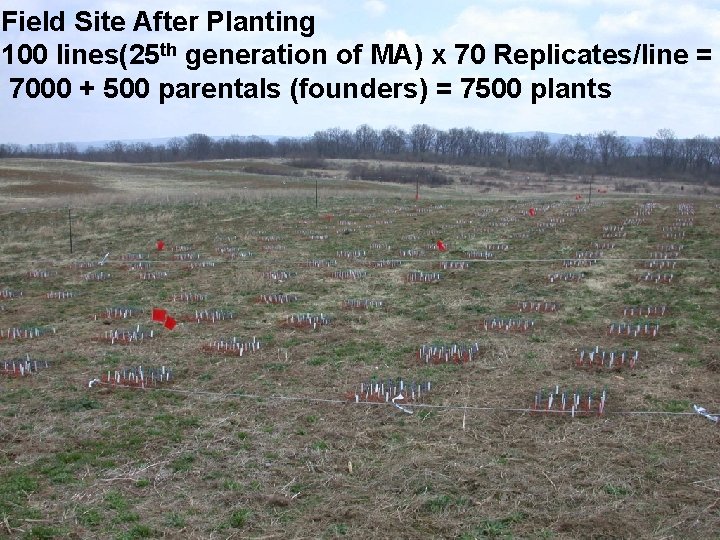
Field Site After Planting 100 lines(25 th generation of MA) x 70 Replicates/line = 7000 + 500 parentals (founders) = 7500 plants
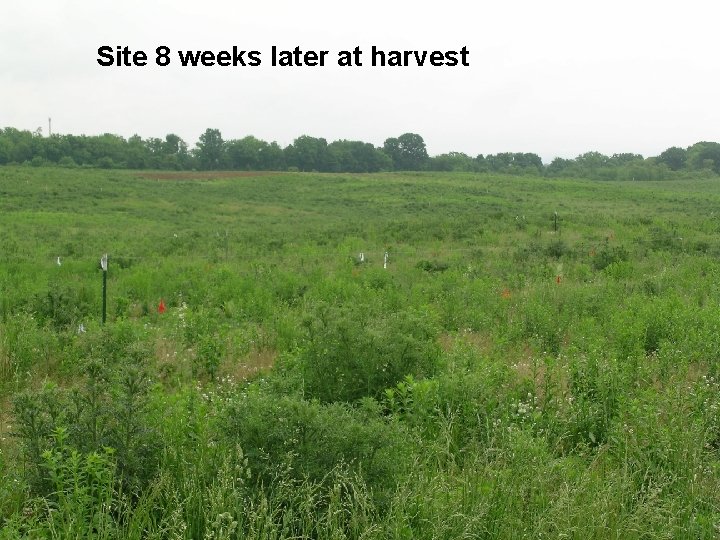
Site 8 weeks later at harvest
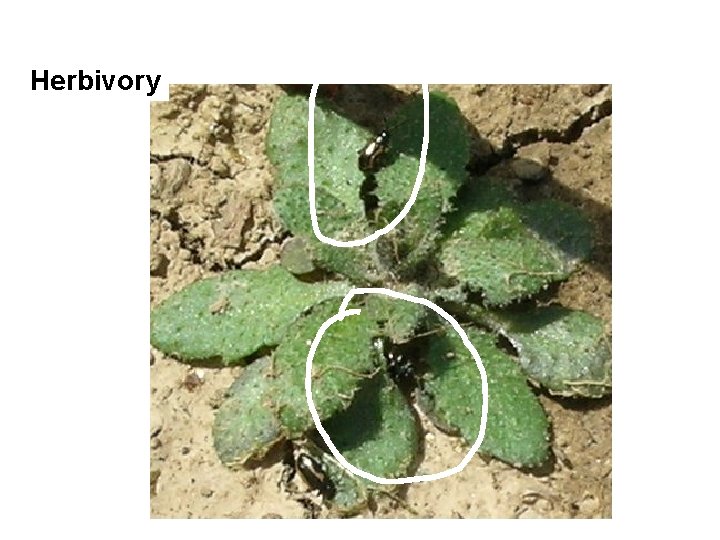
Herbivory
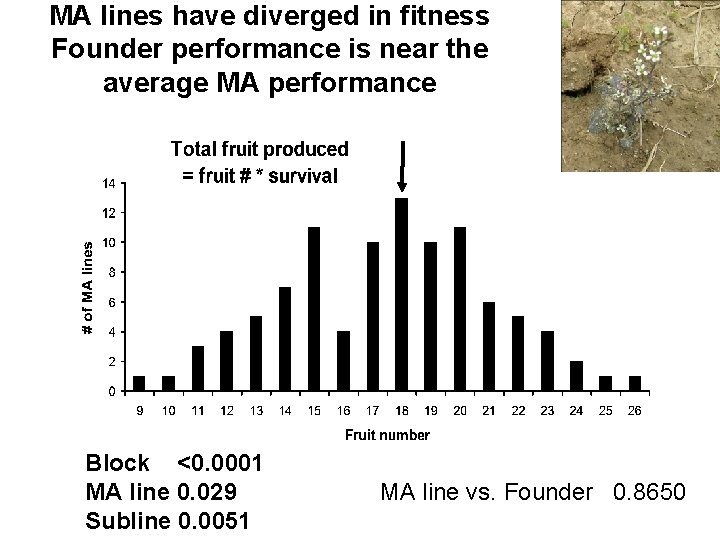
MA lines have diverged in fitness Founder performance is near the average MA performance Block <0. 0001 MA line 0. 029 Subline 0. 0051 MA line vs. Founder 0. 8650
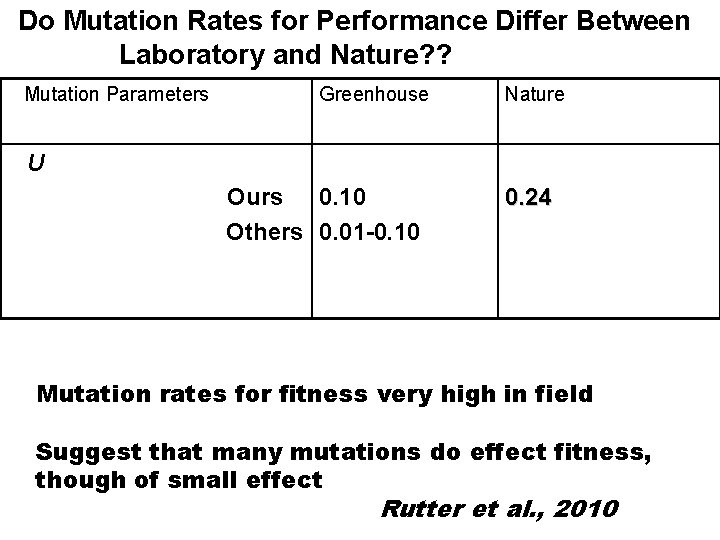
Do Mutation Rates for Performance Differ Between Laboratory and Nature? ? Mutation Parameters Greenhouse Nature U Ours 0. 10 Others 0. 01 -0. 10 0. 24 Mutation rates for fitness very high in field Suggest that many mutations do effect fitness, though of small effect Rutter et al. , 2010
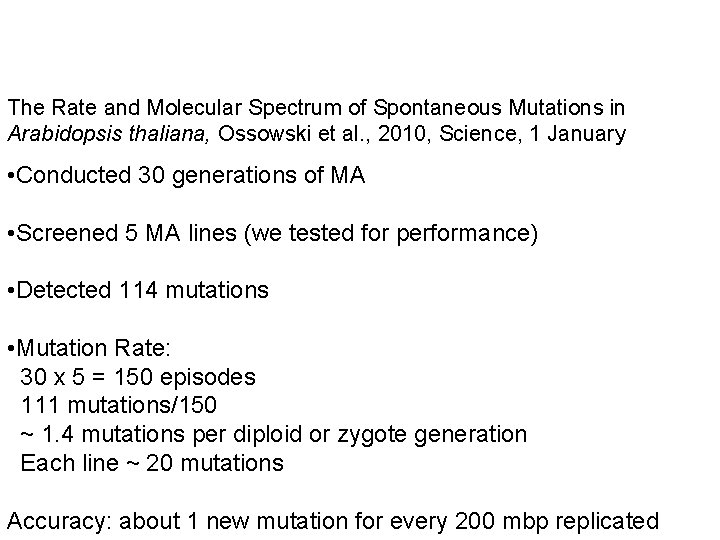
The Rate and Molecular Spectrum of Spontaneous Mutations in Arabidopsis thaliana, Ossowski et al. , 2010, Science, 1 January • Conducted 30 generations of MA • Screened 5 MA lines (we tested for performance) • Detected 114 mutations • Mutation Rate: 30 x 5 = 150 episodes 111 mutations/150 ~ 1. 4 mutations per diploid or zygote generation Each line ~ 20 mutations Accuracy: about 1 new mutation for every 200 mbp replicated
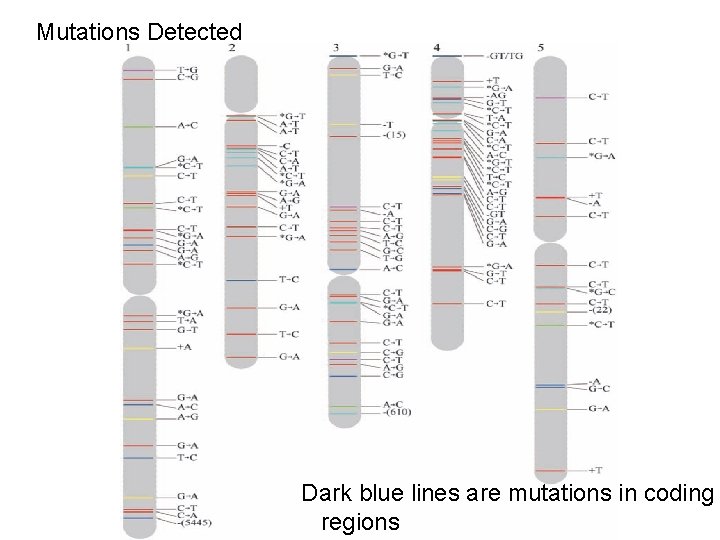
Mutations Detected Dark blue lines are mutations in coding regions
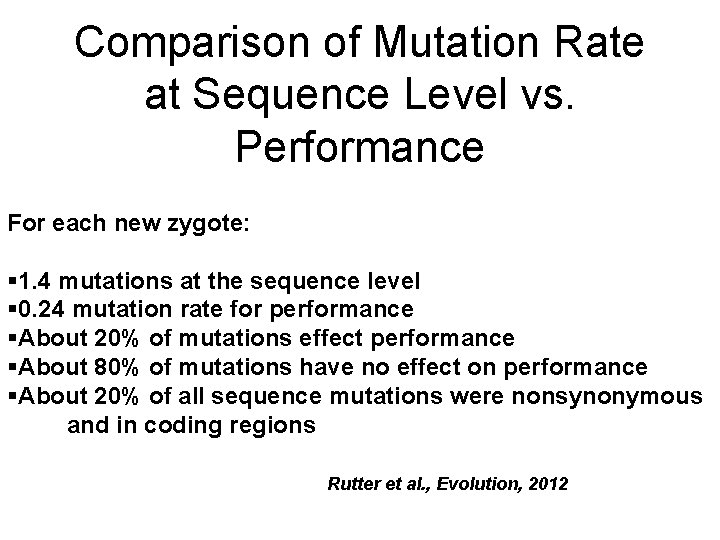
Comparison of Mutation Rate at Sequence Level vs. Performance For each new zygote: § 1. 4 mutations at the sequence level § 0. 24 mutation rate for performance §About 20% of mutations effect performance §About 80% of mutations have no effect on performance §About 20% of all sequence mutations were nonsynonymous and in coding regions Rutter et al. , Evolution, 2012
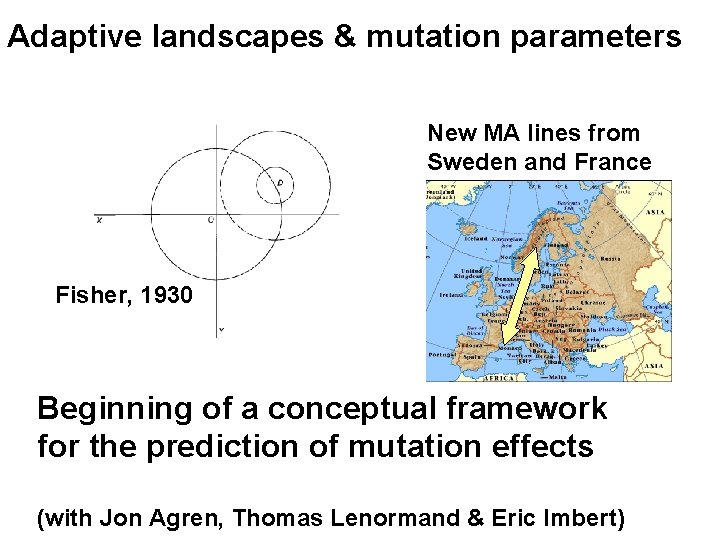
Adaptive landscapes & mutation parameters New MA lines from Sweden and France Fisher, 1930 Beginning of a conceptual framework for the prediction of mutation effects (with Jon Agren, Thomas Lenormand & Eric Imbert)
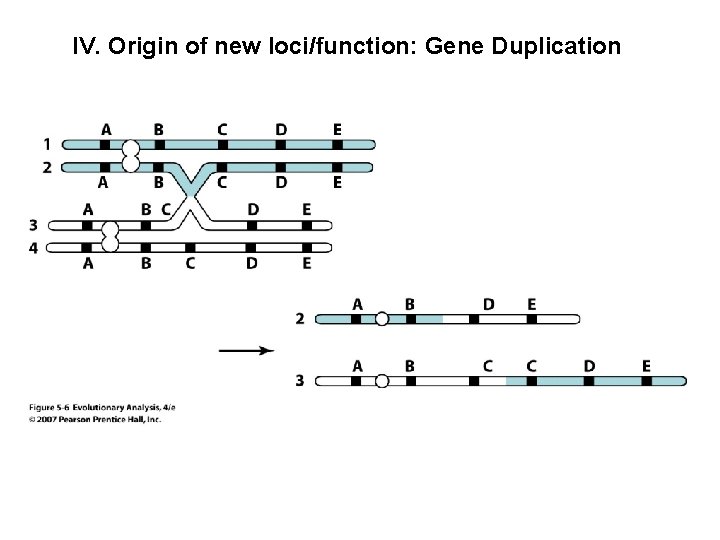
IV. Origin of new loci/function: Gene Duplication
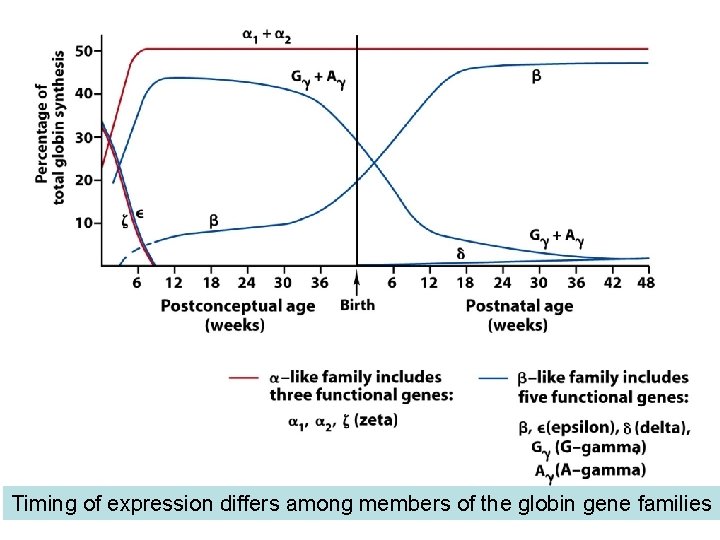
Timing of expression differs among members of the globin gene families
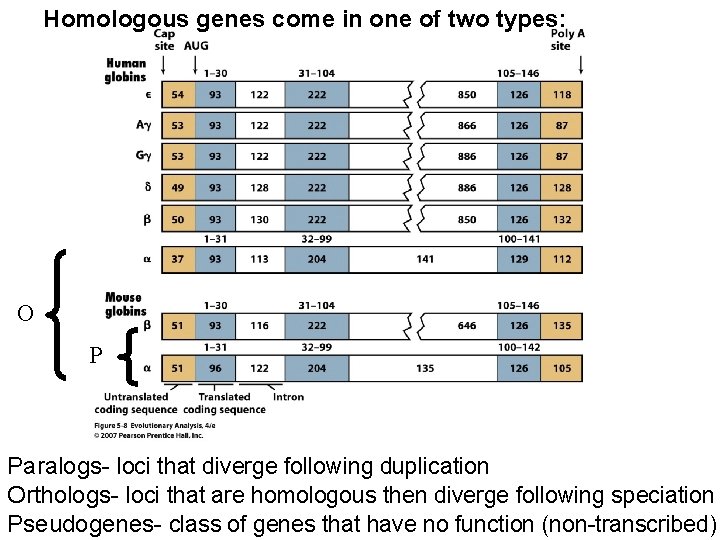
Homologous genes come in one of two types: O P Paralogs- loci that diverge following duplication Orthologs- loci that are homologous then diverge following speciation Pseudogenes- class of genes that have no function (non-transcribed)
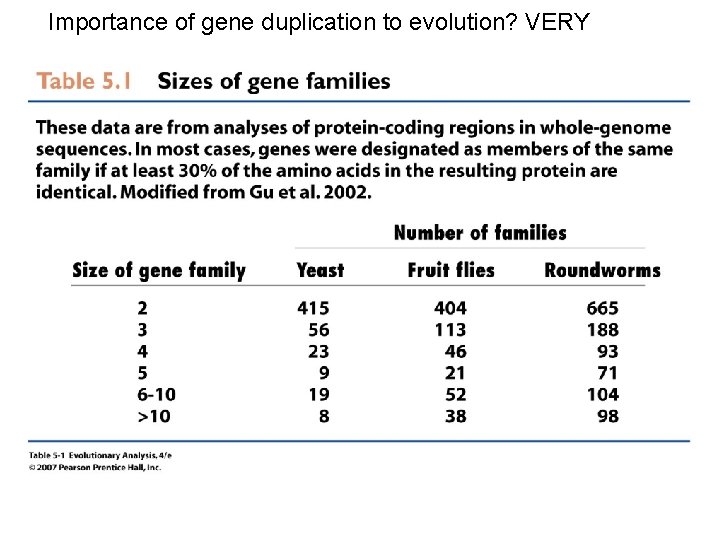
Importance of gene duplication to evolution? VERY
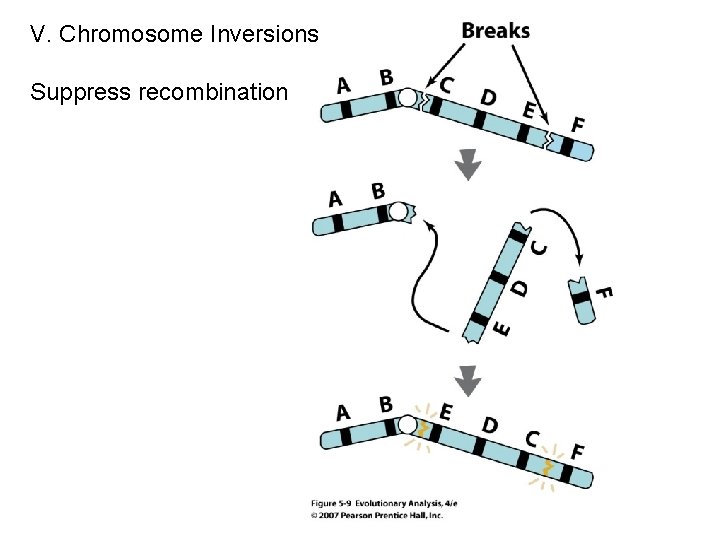
V. Chromosome Inversions Suppress recombination
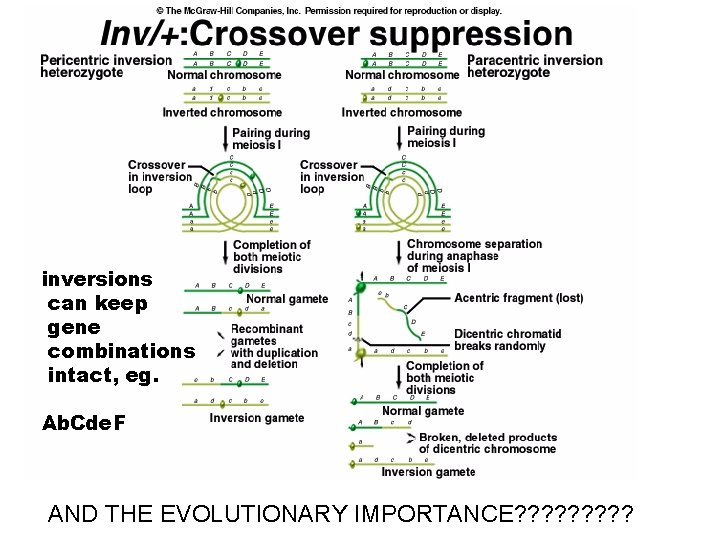
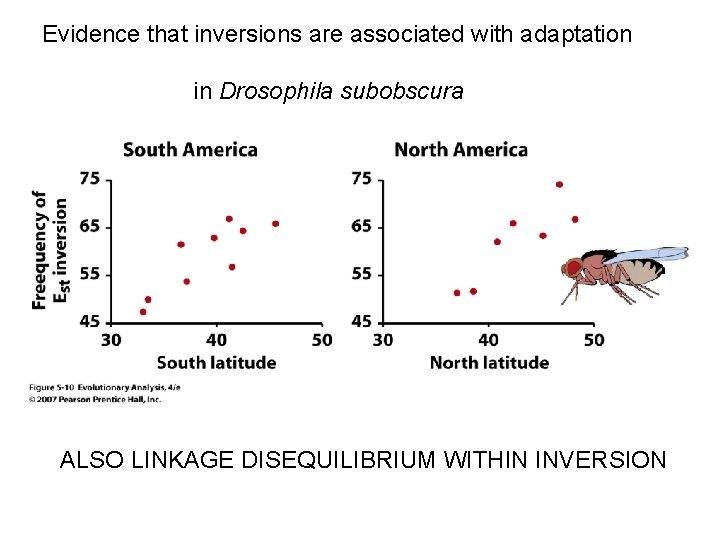
inversions can keep gene combinations intact, eg. Ab. Cde. F AND THE EVOLUTIONARY IMPORTANCE? ? ? ? ?
Evidence that inversions are associated with adaptation in Drosophila subobscura ALSO LINKAGE DISEQUILIBRIUM WITHIN INVERSION
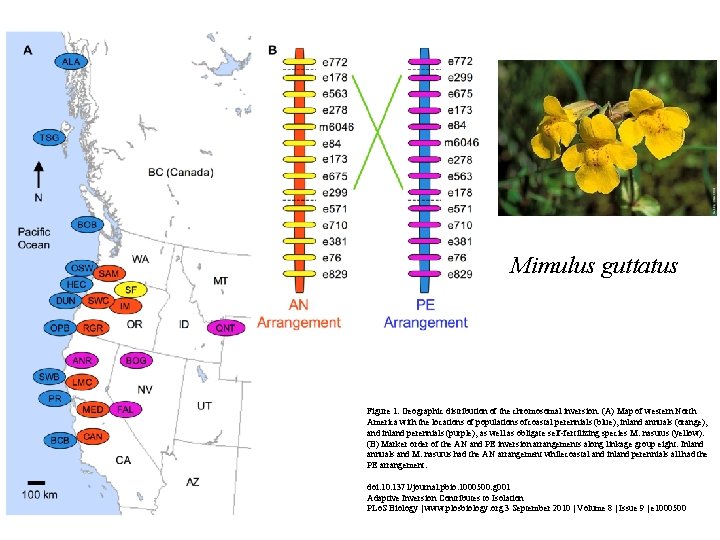
Mimulus guttatus Figure 1. Geographic distribution of the chromosomal inversion. (A) Map of western North America with the locations of populations ofcoastal perennials (blue), inland annuals (orange), and inland perennials (purple), as well as obligate self-fertilizing species M. nasutus (yellow). (B) Marker order of the AN and PE inversion arrangements along linkage group eight. Inland annuals and M. nasutus had the AN arrangement whilecoastal and inland perennials all had the PE arrangement. doi: 10. 1371/journal. pbio. 1000500. g 001 Adaptive Inversion Contributes to Isolation PLo. S Biology | www. plosbiology. org 3 September 2010 | Volume 8 | Issue 9 | e 1000500
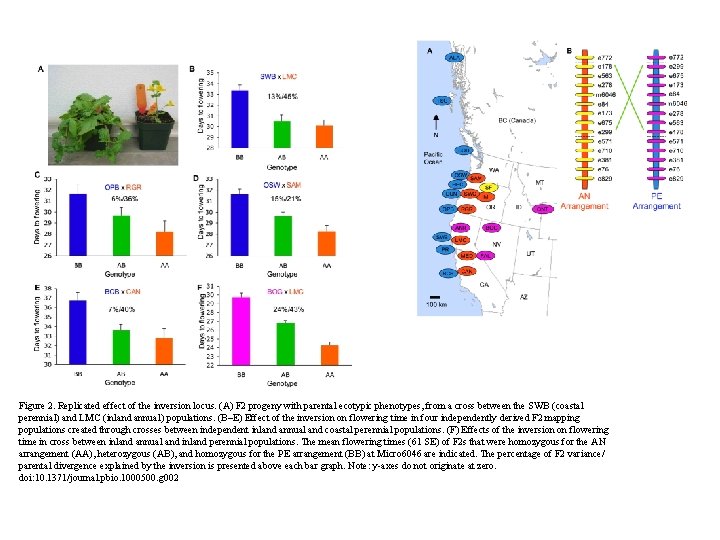
Figure 2. Replicated effect of the inversion locus. (A) F 2 progeny with parental ecotypic phenotypes, from a cross between the SWB (coastal perennial) and LMC (inland annual) populations. (B–E) Effect of the inversion on flowering time in four independently derived F 2 mapping populations created through crosses between independent inland annual and coastal perennial populations. (F) Effects of the inversion on flowering time in cross between inland annual and inland perennial populations. The mean flowering times (61 SE) of F 2 s that were homozygous for the AN arrangement (AA), heterozygous (AB), and homozygous for the PE arrangement (BB) at Micro 6046 are indicated. The percentage of F 2 variance/ parental divergence explained by the inversion is presented above each bar graph. Note: y-axes do not originate at zero. doi: 10. 1371/journal. pbio. 1000500. g 002
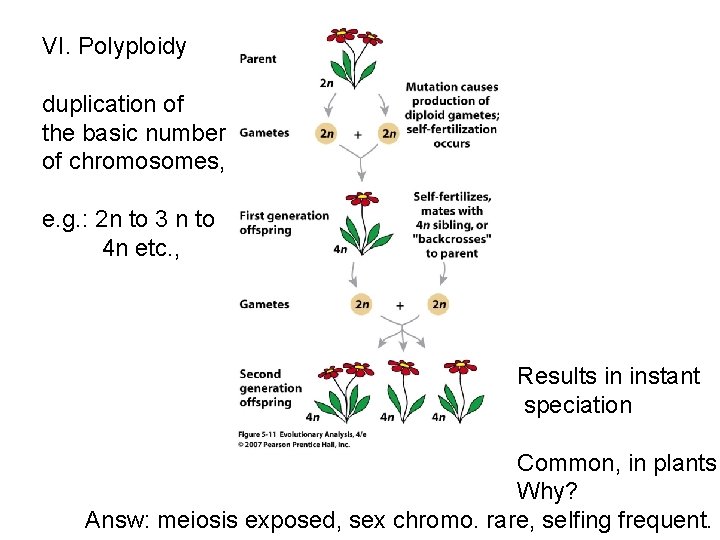
VI. Polyploidy duplication of the basic number of chromosomes, e. g. : 2 n to 3 n to 4 n etc. , Results in instant speciation Common, in plants Why? Answ: meiosis exposed, sex chromo. rare, selfing frequent.
And others: Translocation, transposable elements…
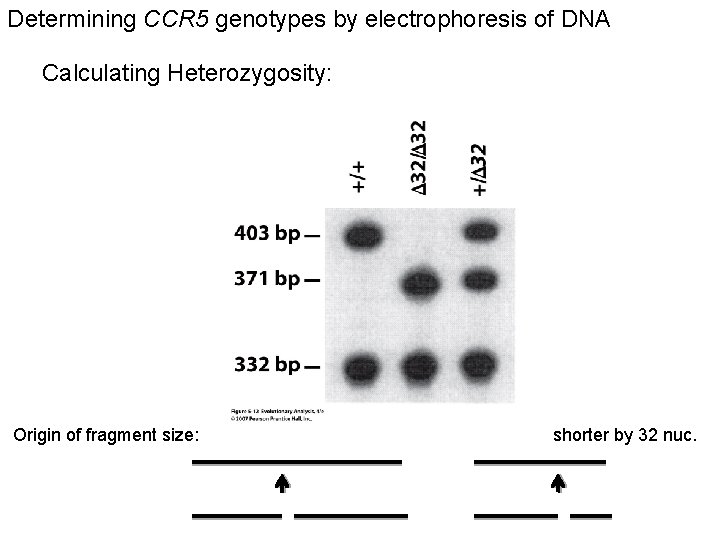
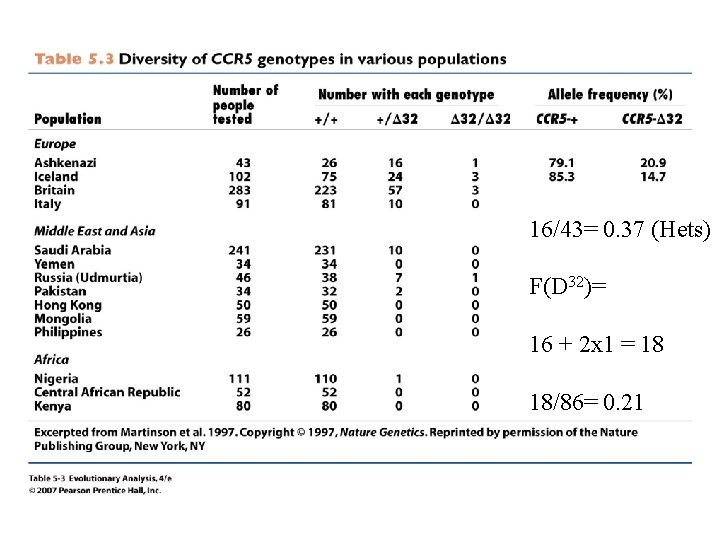
VII. Much variation in populations • Heterozygosity: average frequency of heterozygotes across loci • Proportion of loci polymorphic
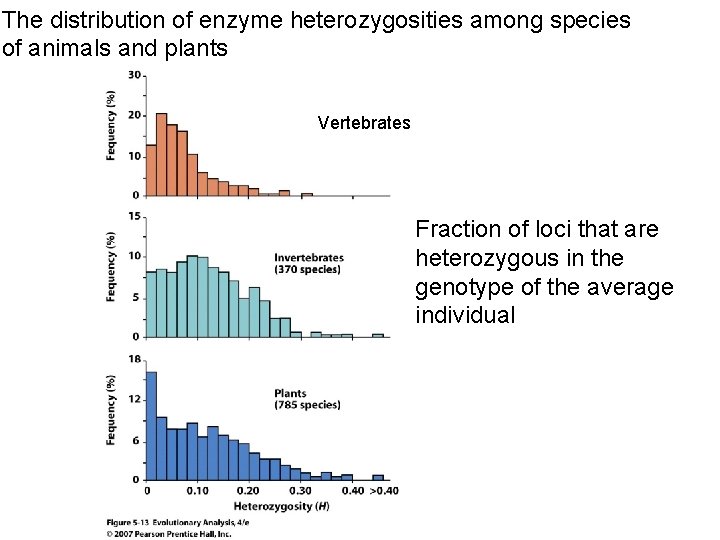
The distribution of enzyme heterozygosities among species of animals and plants Vertebrates Fraction of loci that are heterozygous in the genotype of the average individual
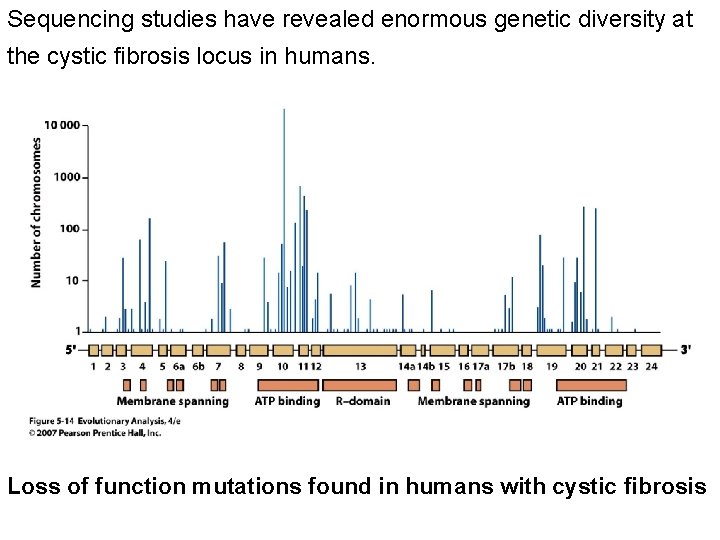
Sequencing studies have revealed enormous genetic diversity at the cystic fibrosis locus in humans. Loss of function mutations found in humans with cystic fibrosis
Determining CCR 5 genotypes by electrophoresis of DNA Calculating Heterozygosity: Origin of fragment size: shorter by 32 nuc.
16/43= 0. 37 (Hets) F(D 32)= 16 + 2 x 1 = 18 18/86= 0. 21
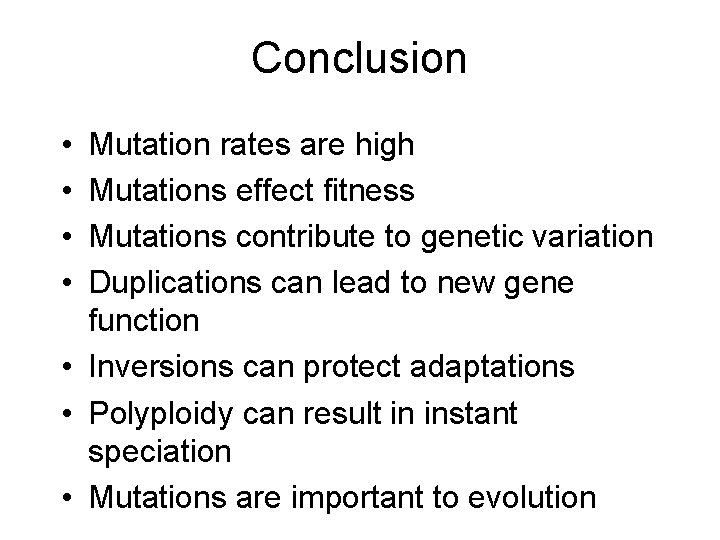
Conclusion • • Mutation rates are high Mutations effect fitness Mutations contribute to genetic variation Duplications can lead to new gene function • Inversions can protect adaptations • Polyploidy can result in instant speciation • Mutations are important to evolution