Primary hyperaldosteronism from screening to outcome Agenda Screening


- Slides: 91
Primary hyperaldosteronism from screening to outcome
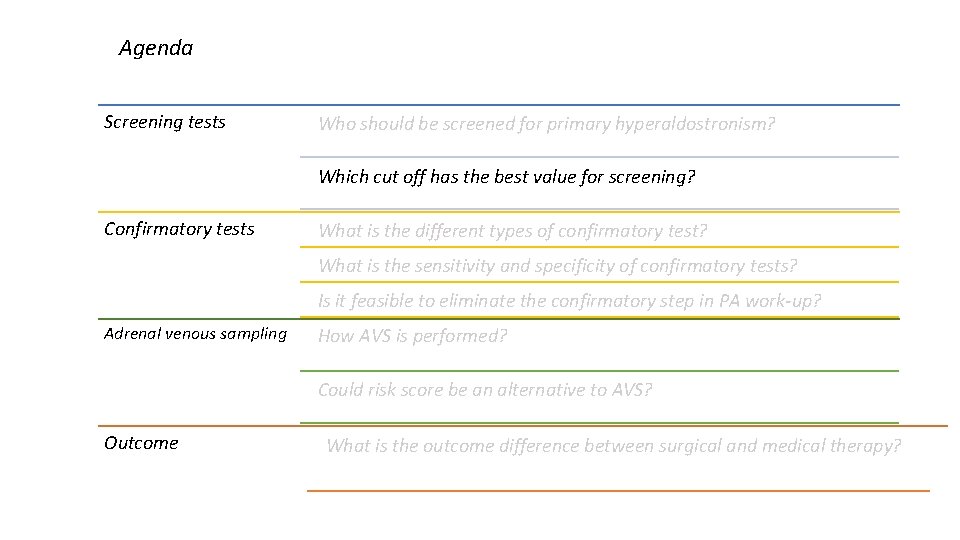
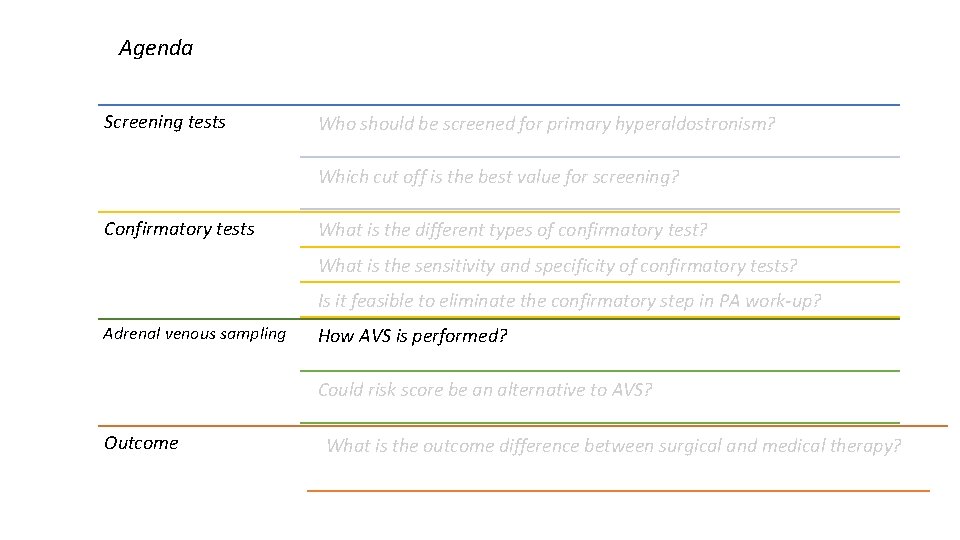
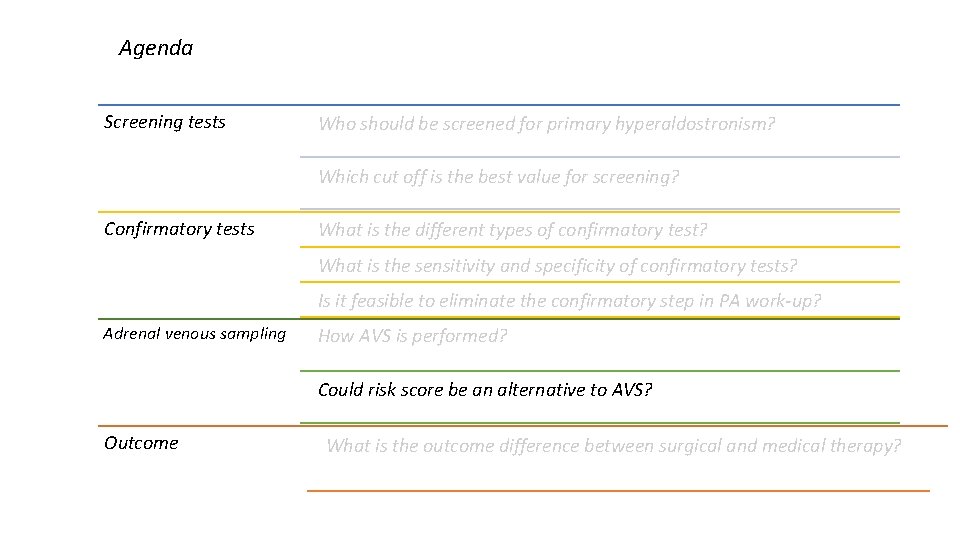
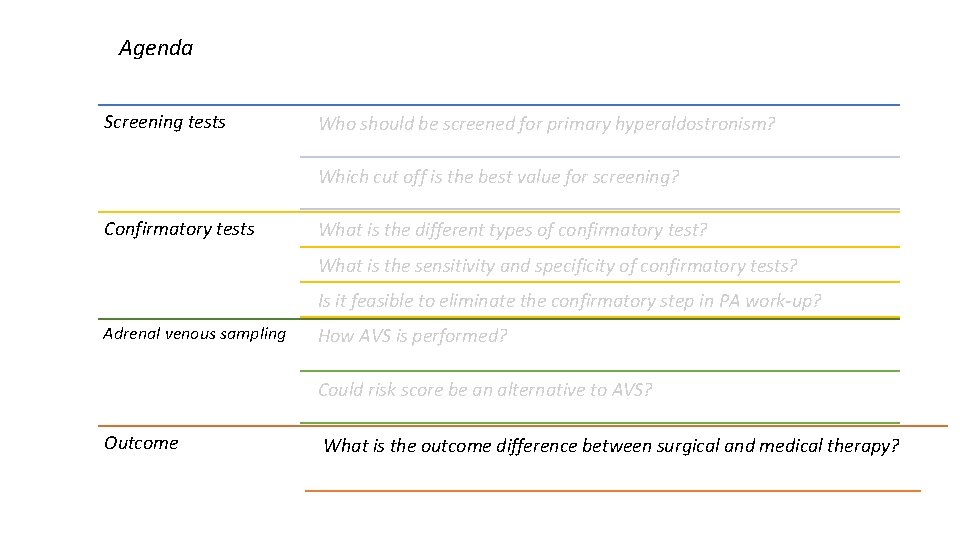
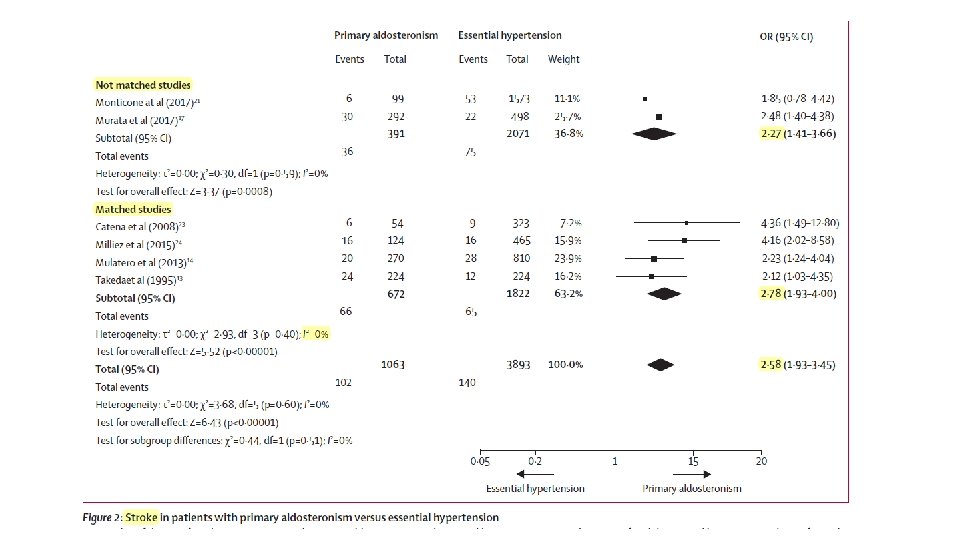
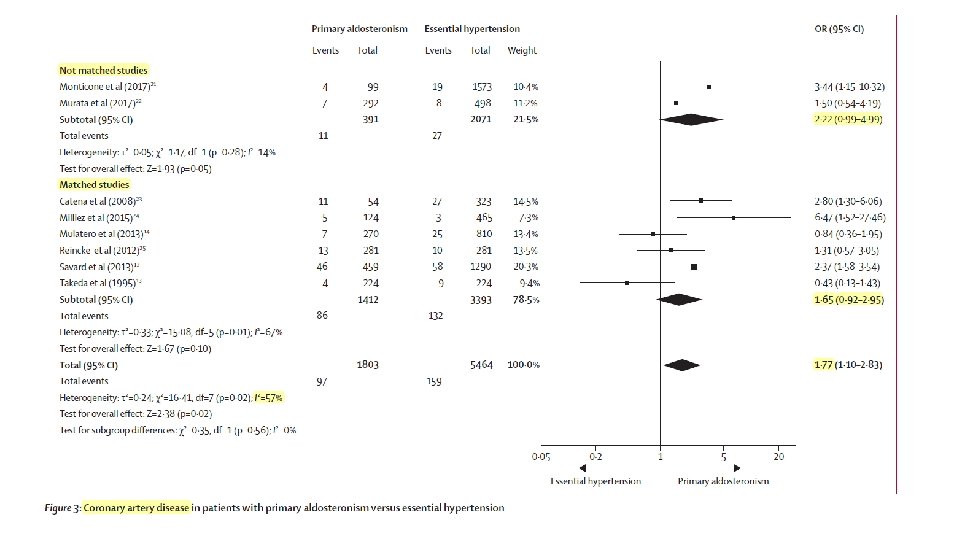
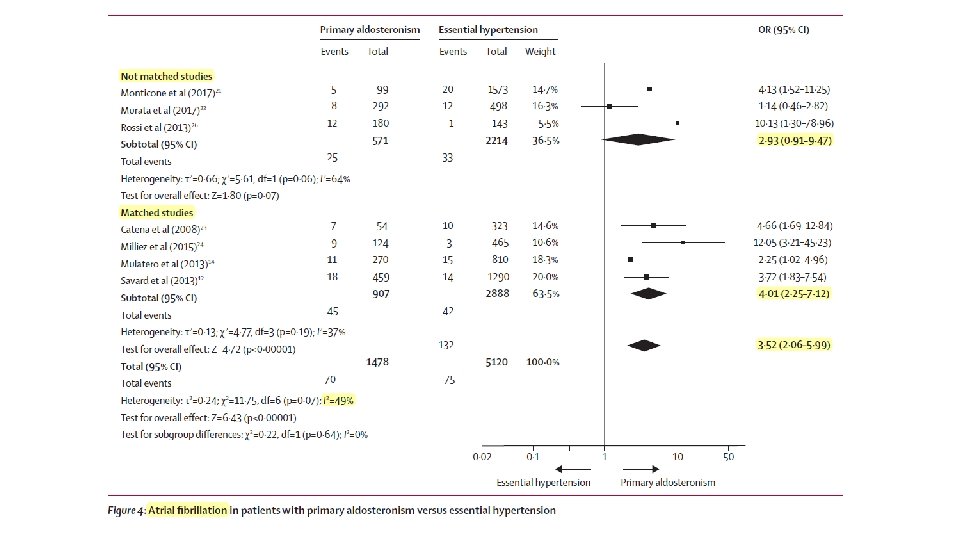
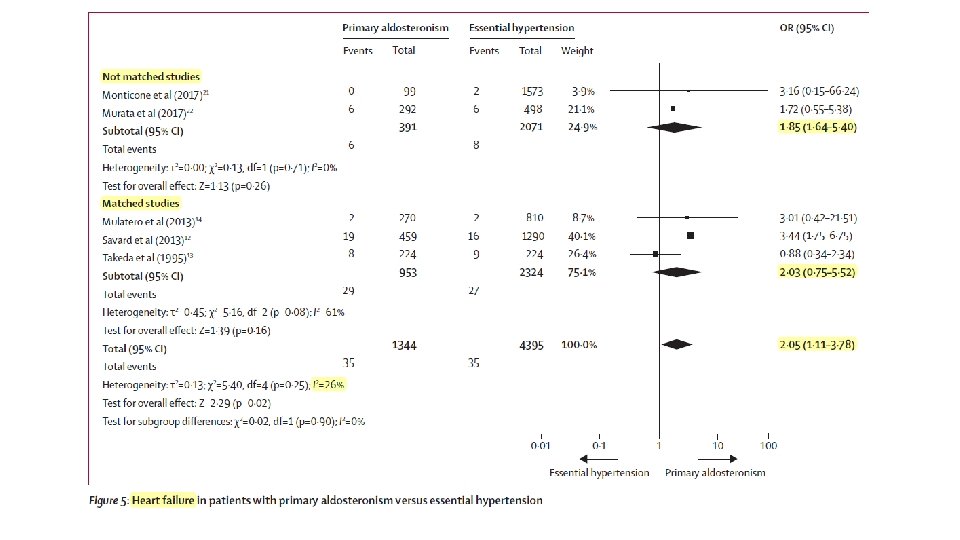
Agenda Screening tests Who should be screened for primary hyperaldosteronism? Which cut off has the best value for screening? Confirmatory tests What is the different types of confirmatory test? What is the sensitivity and specificity of confirmatory tests? Is it feasible to eliminate the confirmatory step in PA work-up? Adrenal venous sampling How AVS is performed? Could risk score be an alternative to AVS? Outcome What is the outcome difference between surgical and medical therapy?
Agenda Screening tests Who should be screened for primary hyperaldostronism? Which cut off has the best value for screening? Confirmatory tests What is the different types of confirmatory test? What is the sensitivity and specificity of confirmatory tests? Is it feasible to eliminate the confirmatory step in PA work-up? Adrenal venous sampling How AVS is performed? Could risk score be an alternative to AVS? Outcome What is the outcome difference between surgical and medical therapy?
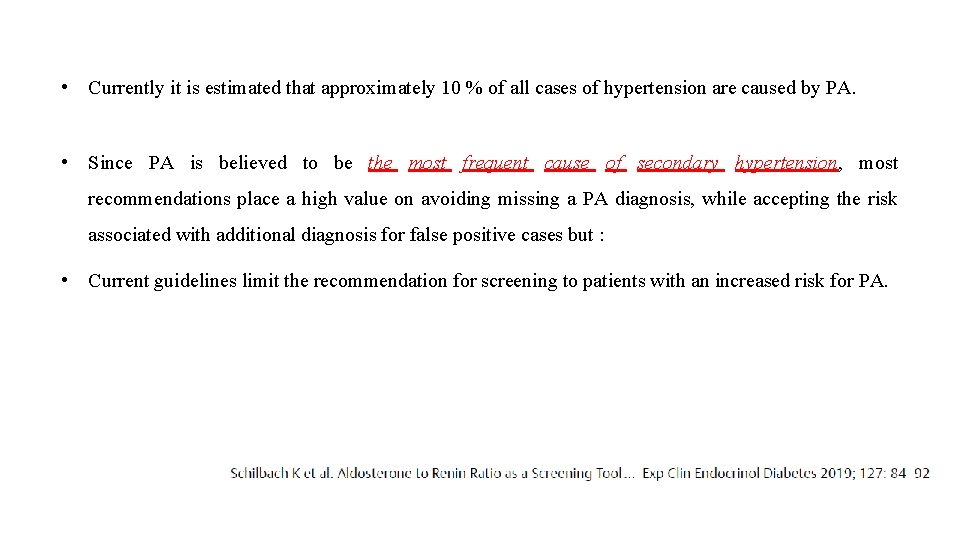
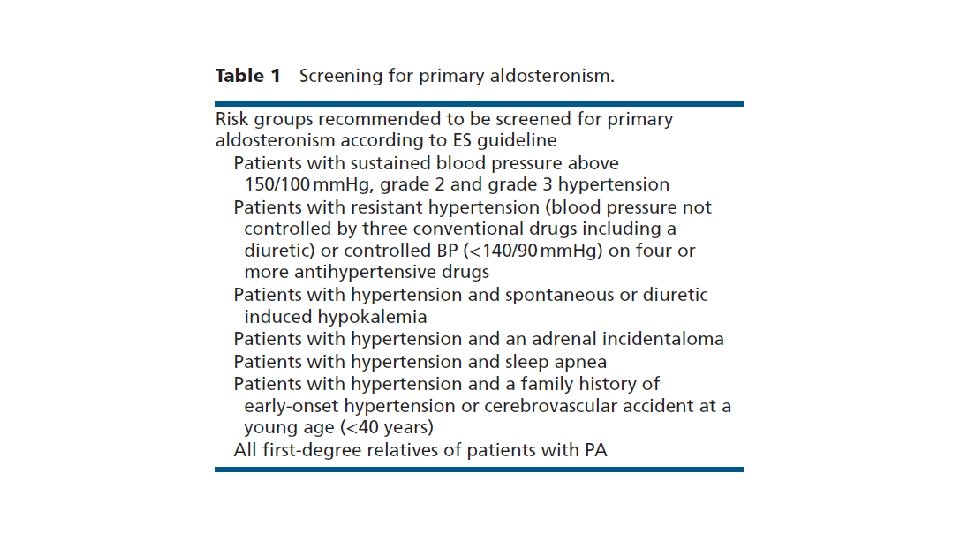
• Currently it is estimated that approximately 10 % of all cases of hypertension are caused by PA. • Since PA is believed to be the most frequent cause of secondary hypertension, most recommendations place a high value on avoiding missing a PA diagnosis, while accepting the risk associated with additional diagnosis for false positive cases but : • Current guidelines limit the recommendation for screening to patients with an increased risk for PA.
Agenda Screening tests Who should be screened for primary hyperaldostronism? Which cut off has the best value for screening? Confirmatory tests What is the different types of confirmatory test? What is the sensitivity and specificity of confirmatory tests? Is it feasible to eliminate the confirmatory step in PA work-up? Adrenal venous sampling How AVS is performed? Could risk score be an alternative to AVS? Outcome What is the outcome difference between surgical and medical therapy?
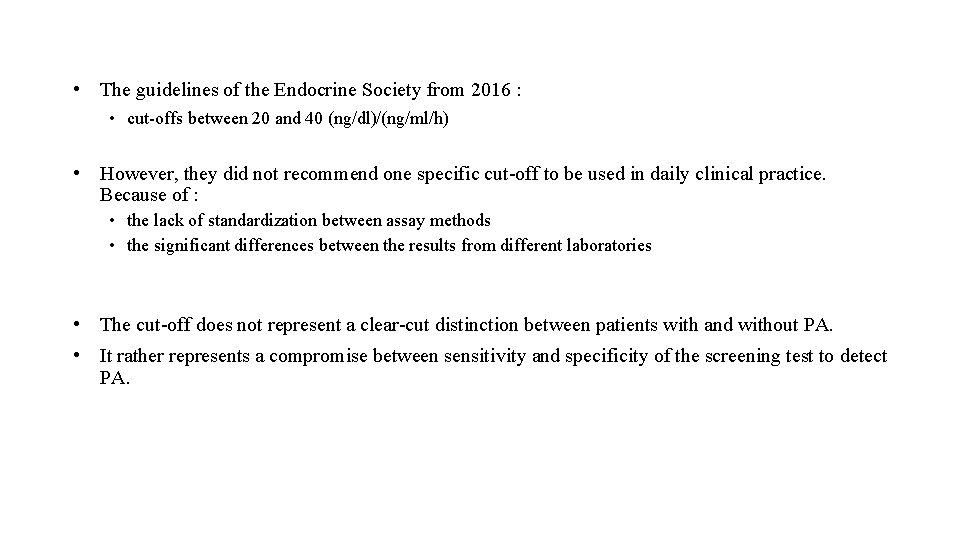
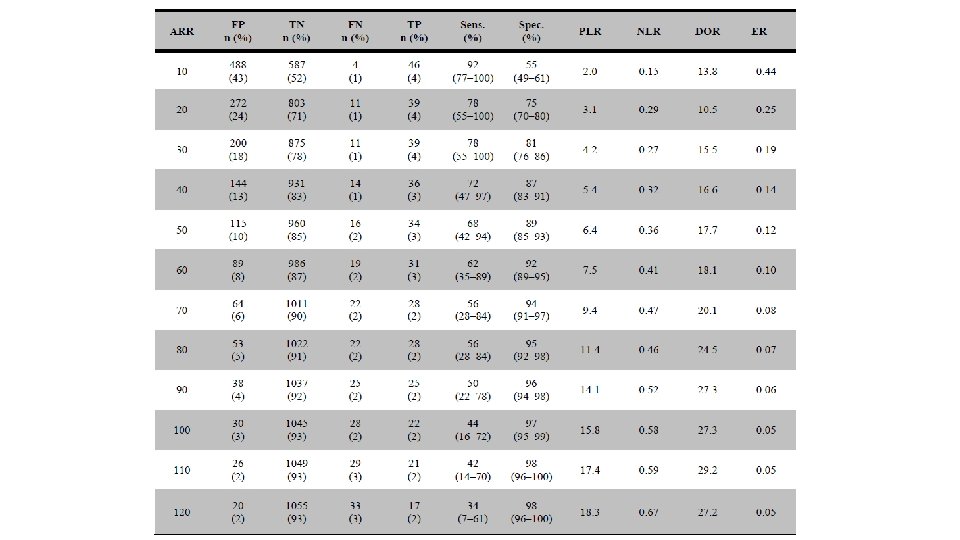
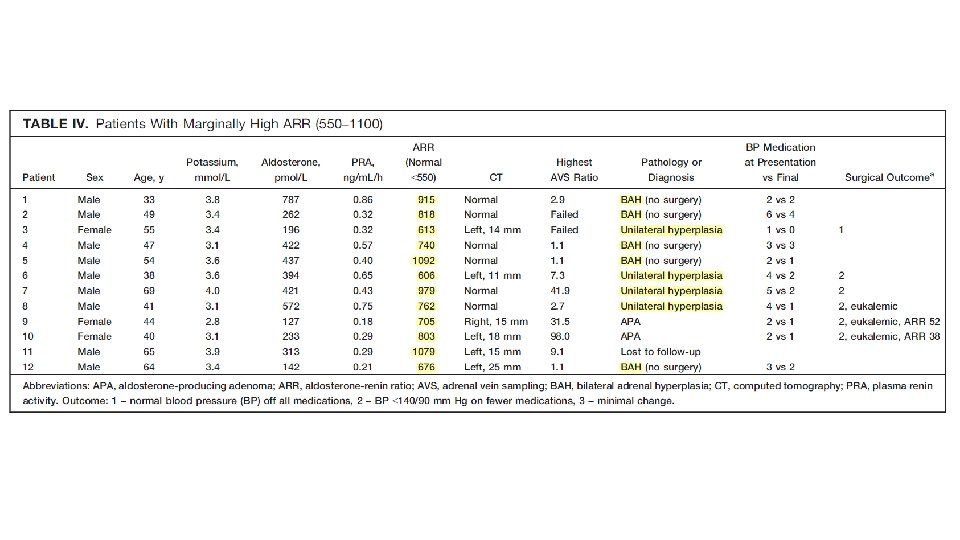
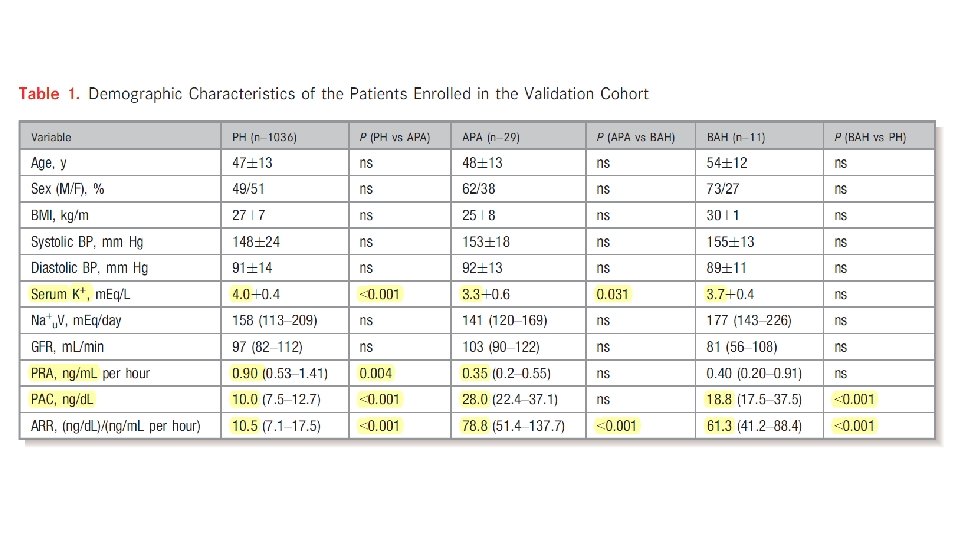
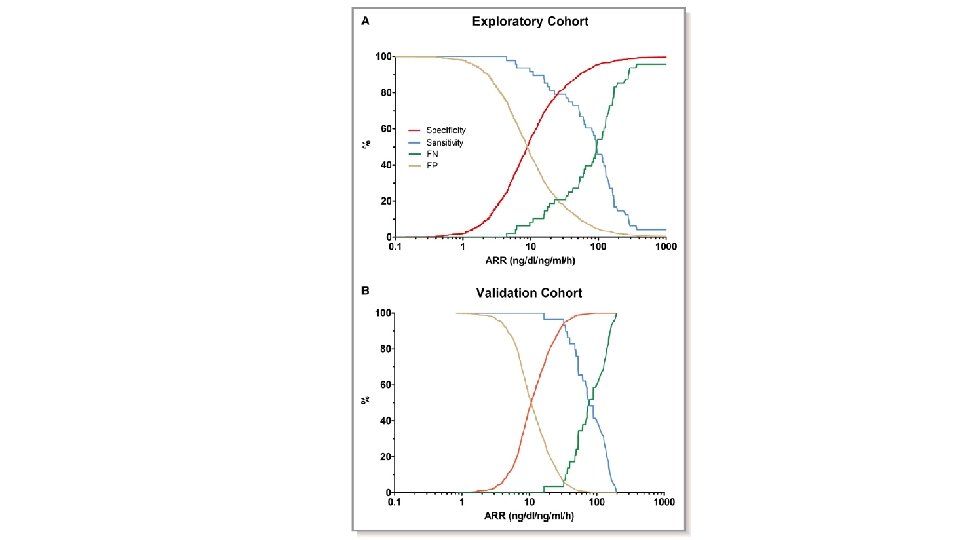
• The guidelines of the Endocrine Society from 2016 : • cut-offs between 20 and 40 (ng/dl)/(ng/ml/h) • However, they did not recommend one specific cut-off to be used in daily clinical practice. Because of : • the lack of standardization between assay methods • the significant differences between the results from different laboratories • The cut-off does not represent a clear-cut distinction between patients with and without PA. • It rather represents a compromise between sensitivity and specificity of the screening test to detect PA.
Agenda Screening tests Who should be screened for primary hyperaldostronism? Which cut off is the best value for screening? Confirmatory tests What is the different types of confirmatory test? What is the sensitivity and specificity of confirmatory tests? Is it feasible to eliminate the confirmatory step in PA work-up? Adrenal venous sampling How AVS is performed? Could risk score be an alternative to AVS? Outcome What is the outcome difference between surgical and medical therapy?
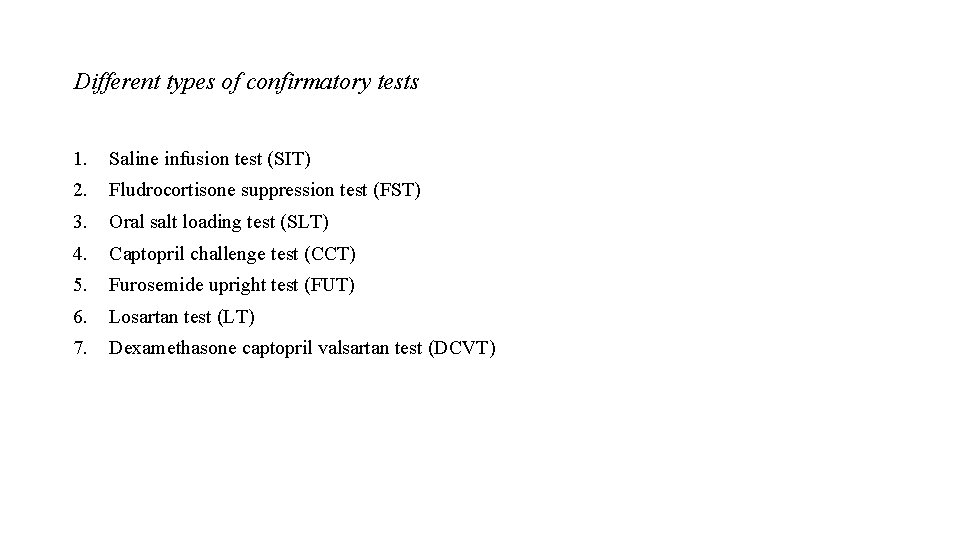
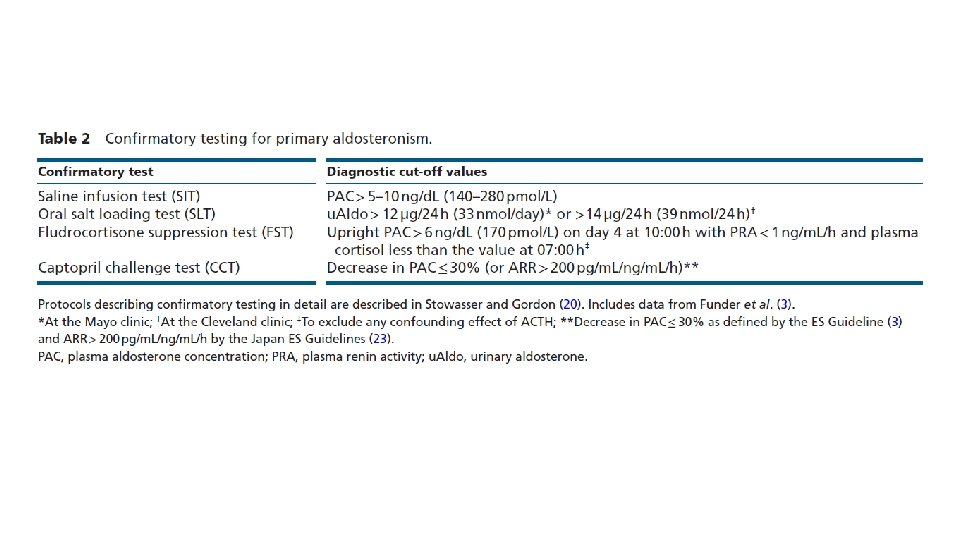
Different types of confirmatory tests 1. Saline infusion test (SIT) 2. Fludrocortisone suppression test (FST) 3. Oral salt loading test (SLT) 4. Captopril challenge test (CCT) 5. Furosemide upright test (FUT) 6. Losartan test (LT) 7. Dexamethasone captopril valsartan test (DCVT)
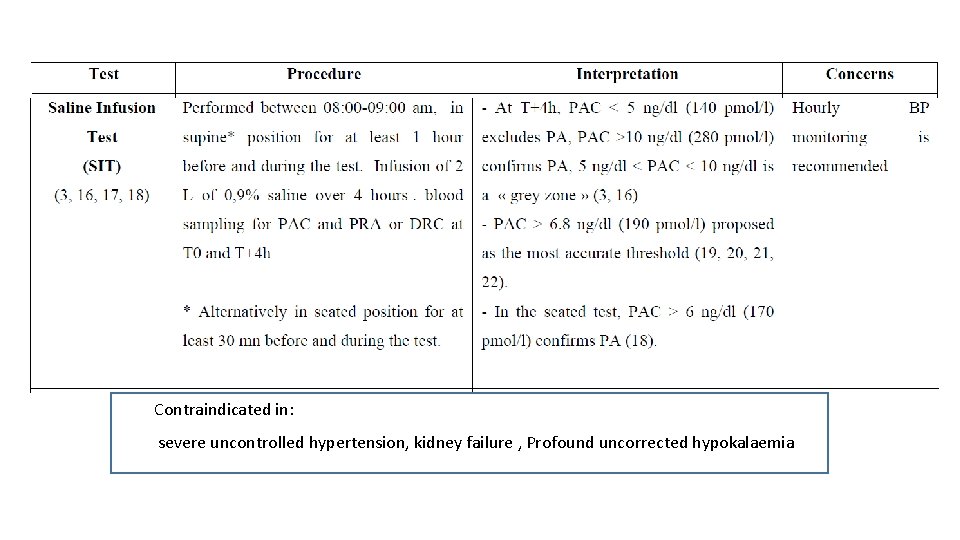
Contraindicated in: severe uncontrolled hypertension, kidney failure , Profound uncorrected hypokalaemia
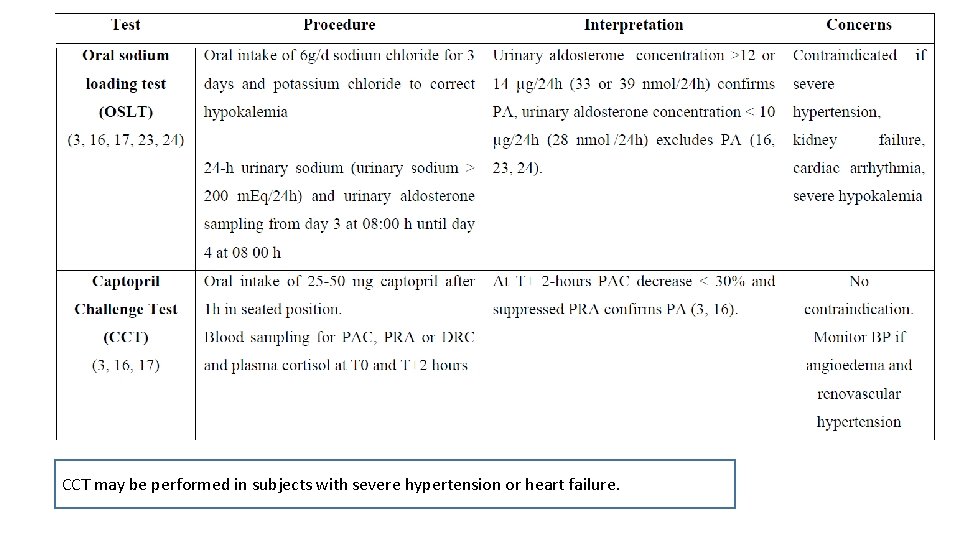
CCT may be performed in subjects with severe hypertension or heart failure.
• Agenda • Screening tests • Who should be screened for primary aldostronism? • What is the prevalence of primary aldostronism in primary care practice? • Which cut off is the best for screening? • Confirmatory tests • What is the different types of confirmatory test? • What is the sensitivity and specificity of confirmatory tests? • Is it feasible to eliminate the confirmatory step in PA work-up? • Adrenal venous sampling • Who is AVS perform? • Could risk score be an alternative to AVS? • What is the outcome difference between surgical and medical therapy?
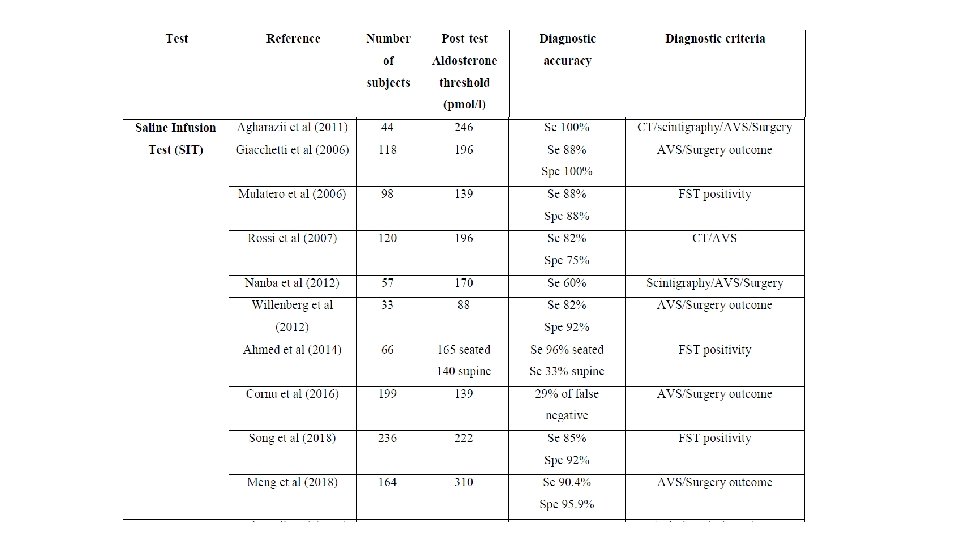
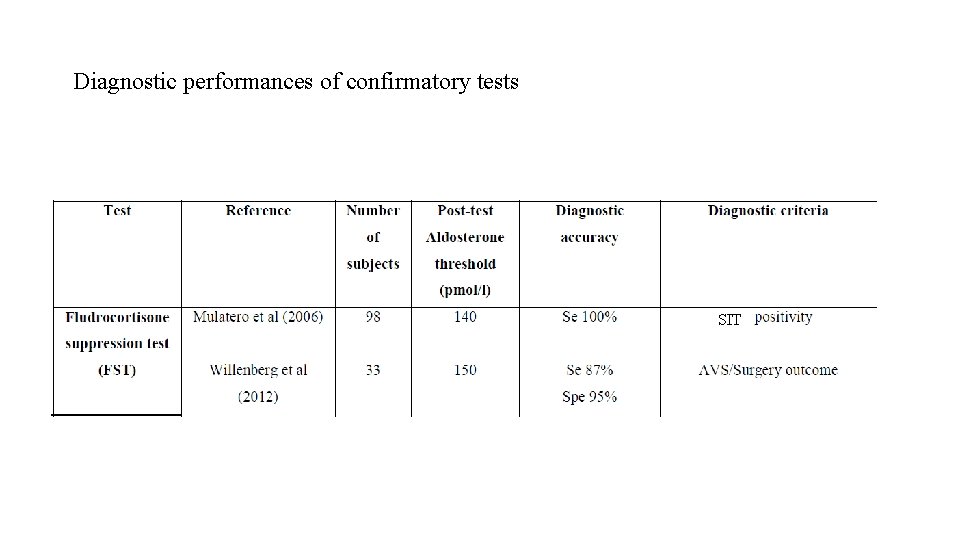
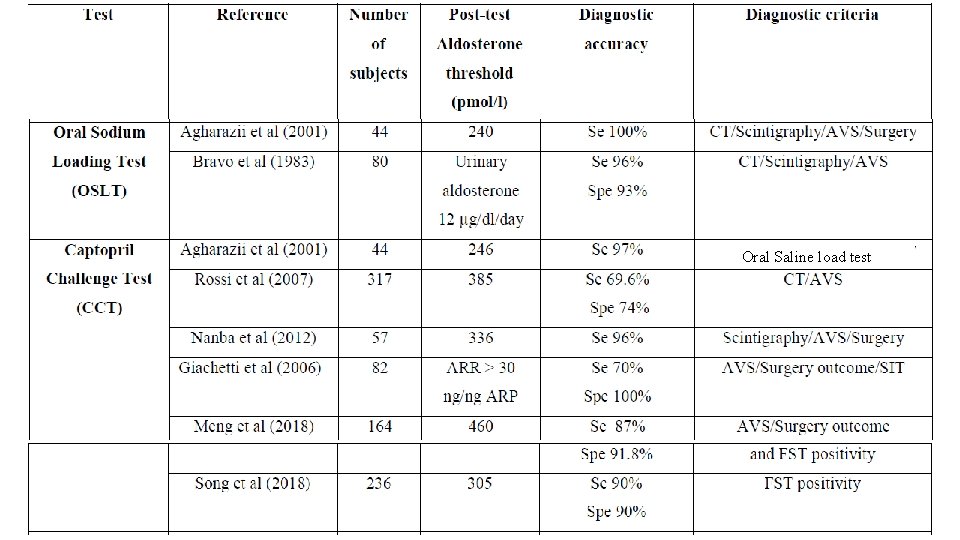
Diagnostic performances of confirmatory tests SIT
Oral Saline load test
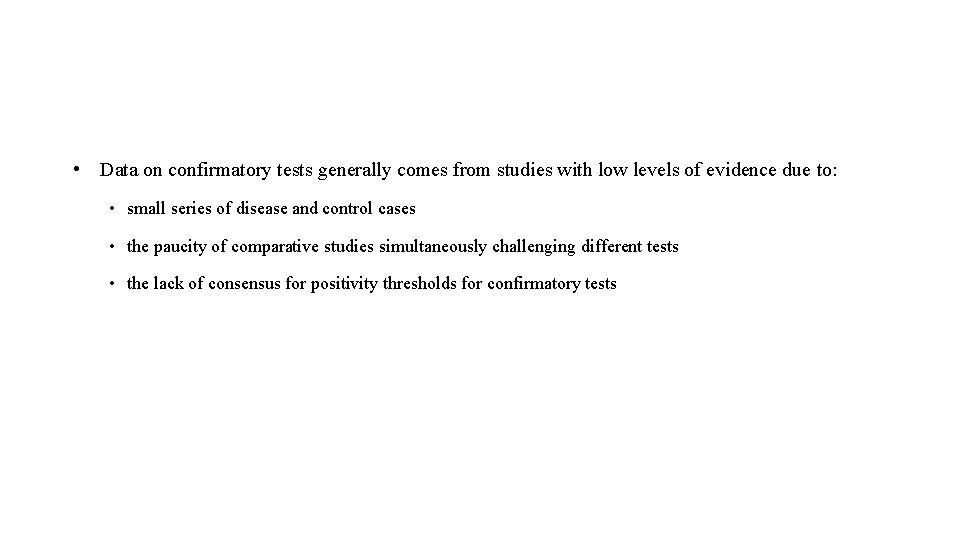
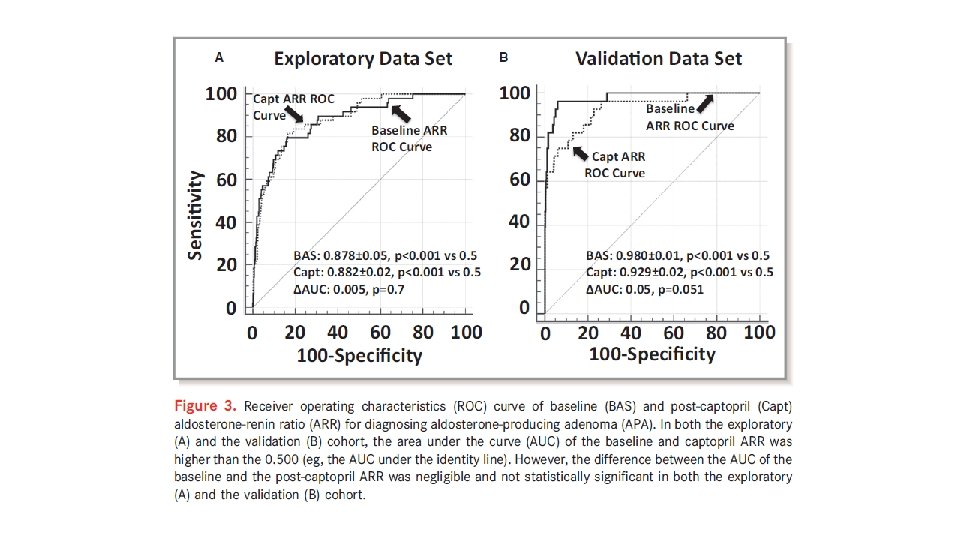
• Data on confirmatory tests generally comes from studies with low levels of evidence due to: • small series of disease and control cases • the paucity of comparative studies simultaneously challenging different tests • the lack of consensus for positivity thresholds for confirmatory tests
Agenda Screening tests Who should be screened for primary hyperaldostronism? Which cut off is the best value for screening? Confirmatory tests What is the different types of confirmatory test? What is the sensitivity and specificity of confirmatory tests? Is it feasible to eliminate the confirmatory step in PA work-up? Adrenal venous sampling How AVS is performed? Could risk score be an alternative to AVS? Outcome What is the outcome difference between surgical and medical therapy?
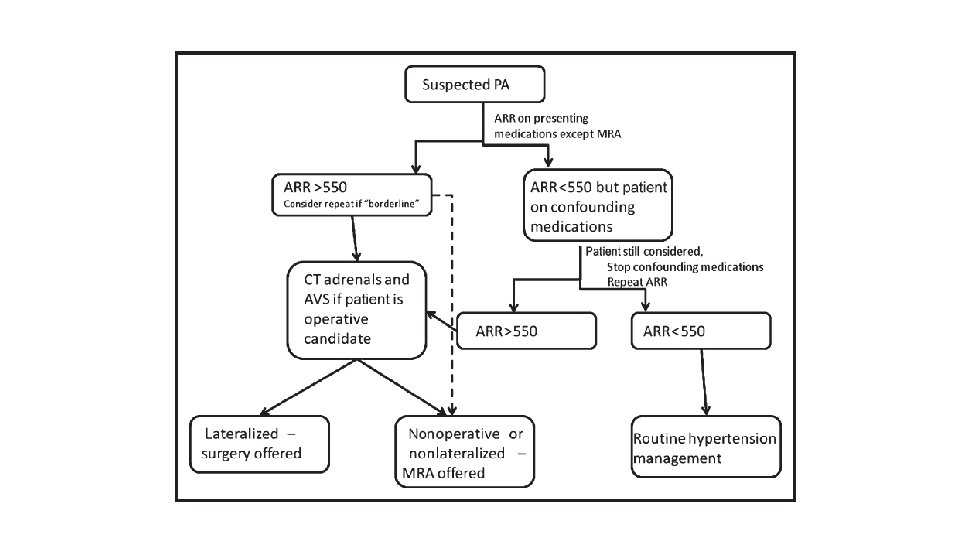
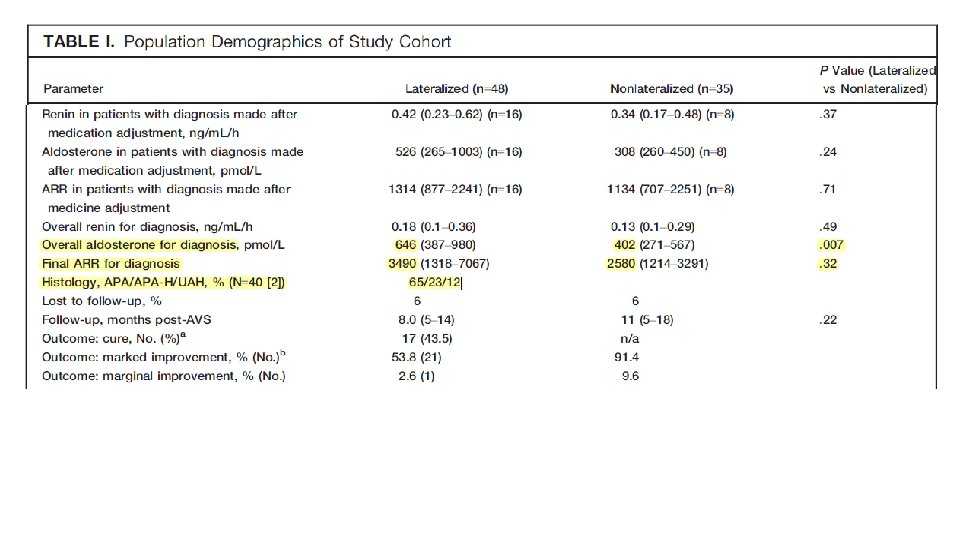
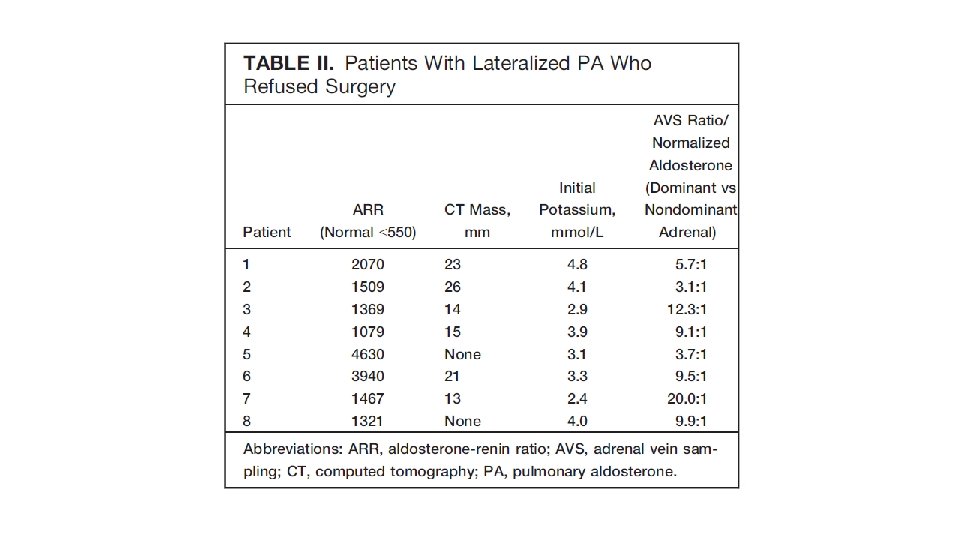
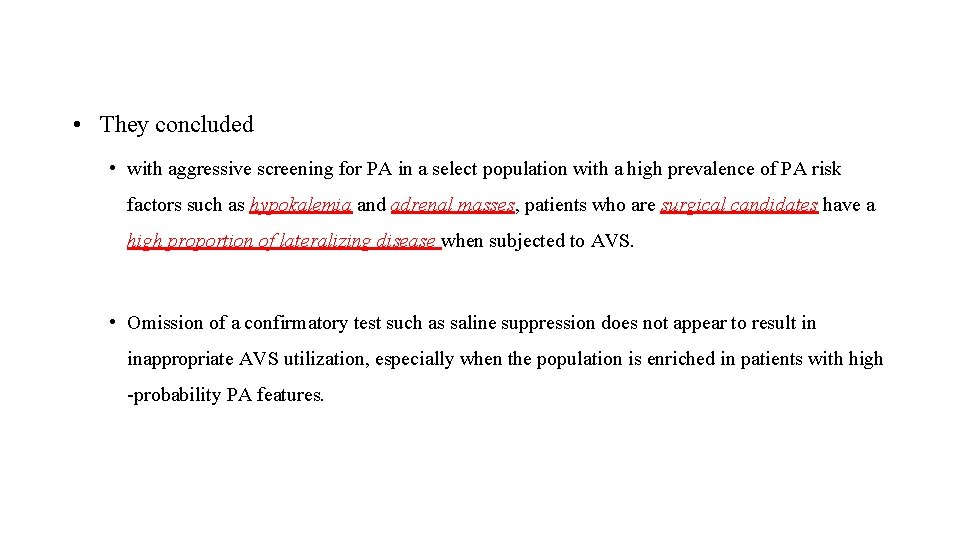
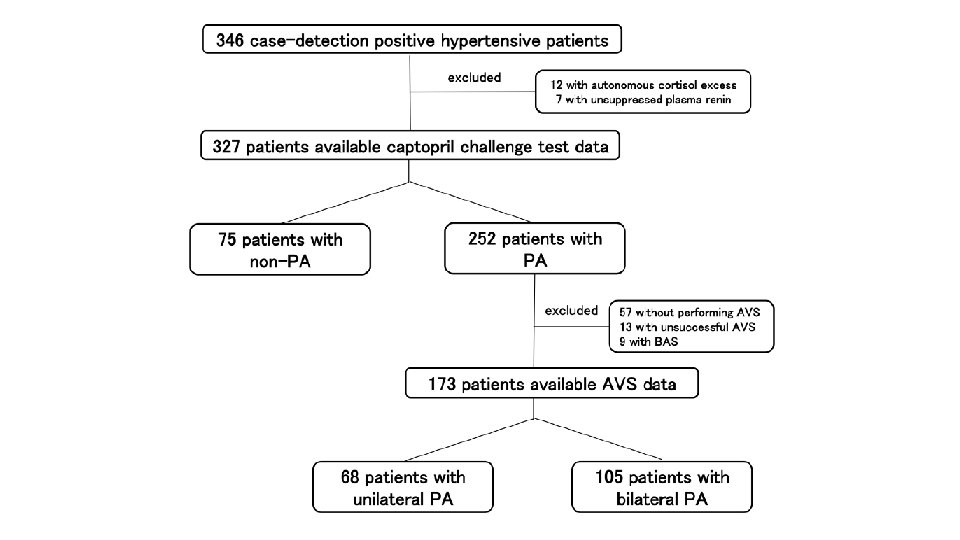
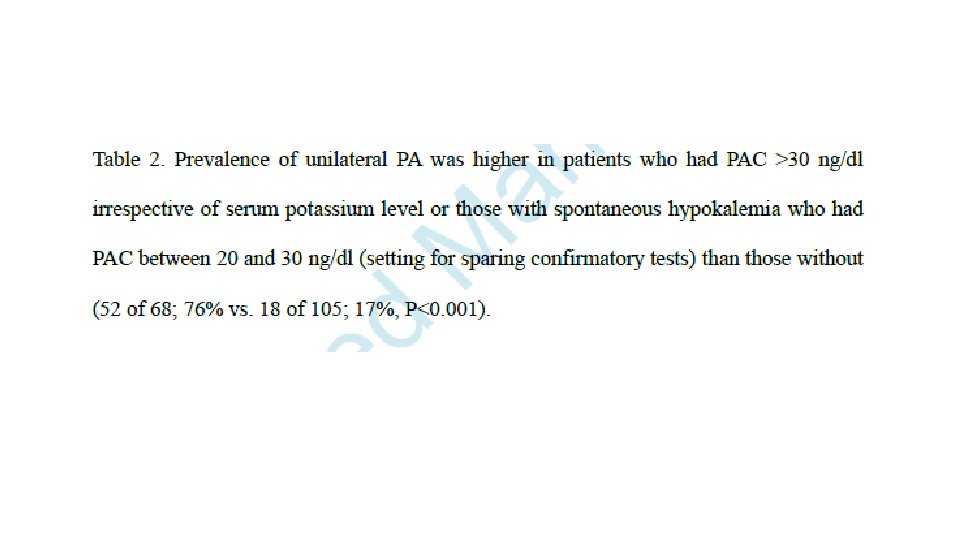
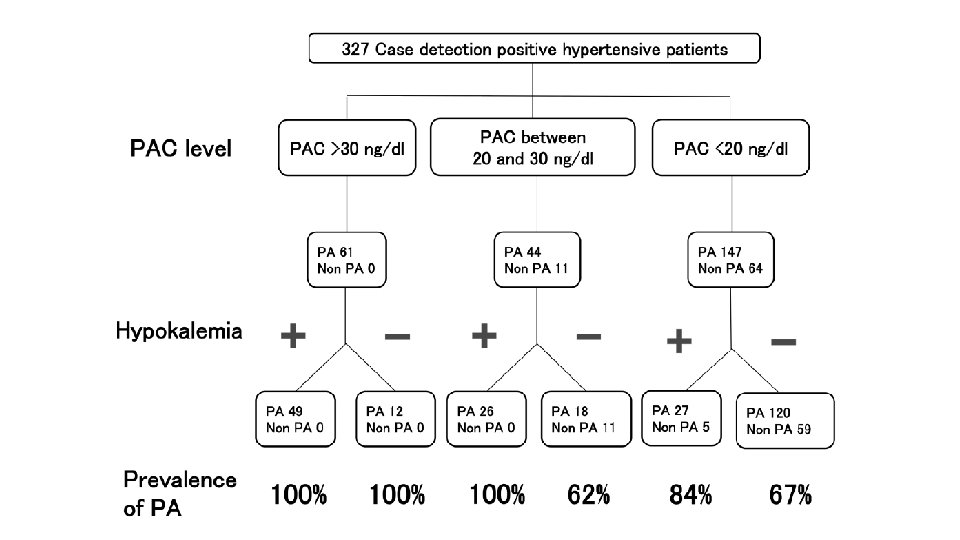
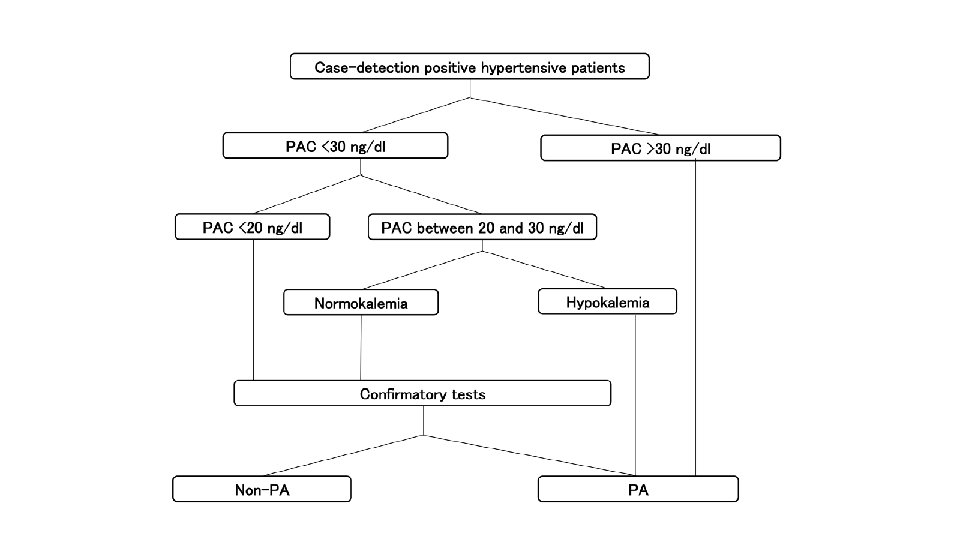
• They concluded • with aggressive screening for PA in a select population with a high prevalence of PA risk factors such as hypokalemia and adrenal masses, patients who are surgical candidates have a high proportion of lateralizing disease when subjected to AVS. • Omission of a confirmatory test such as saline suppression does not appear to result in inappropriate AVS utilization, especially when the population is enriched in patients with high -probability PA features.
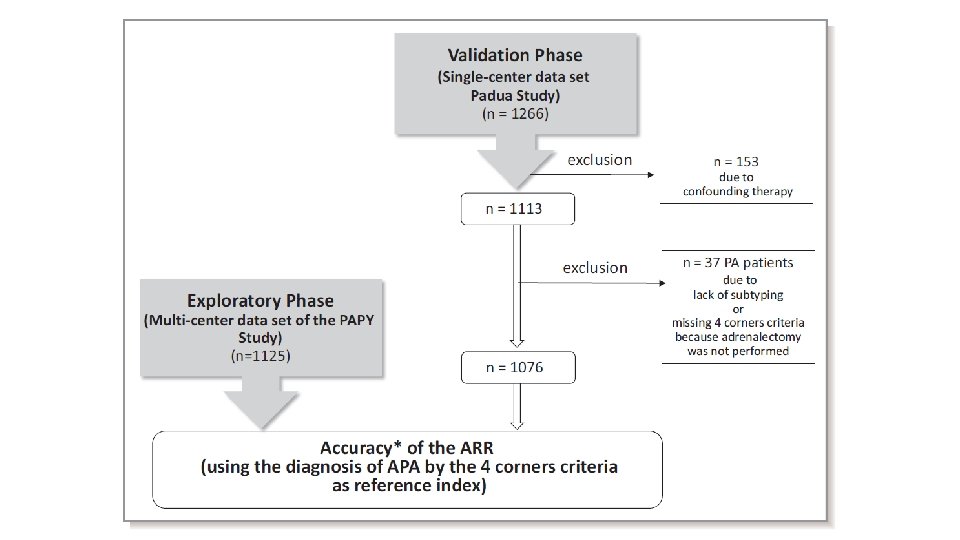
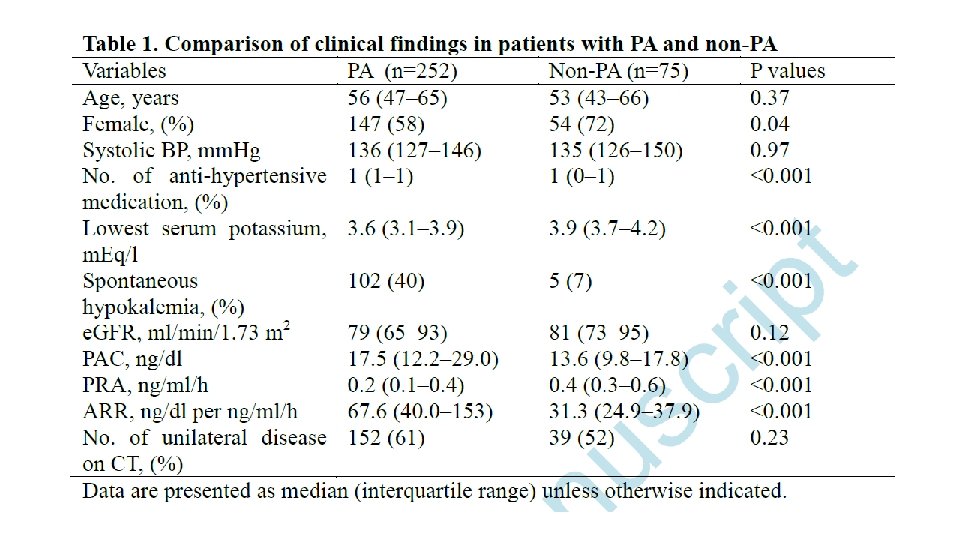
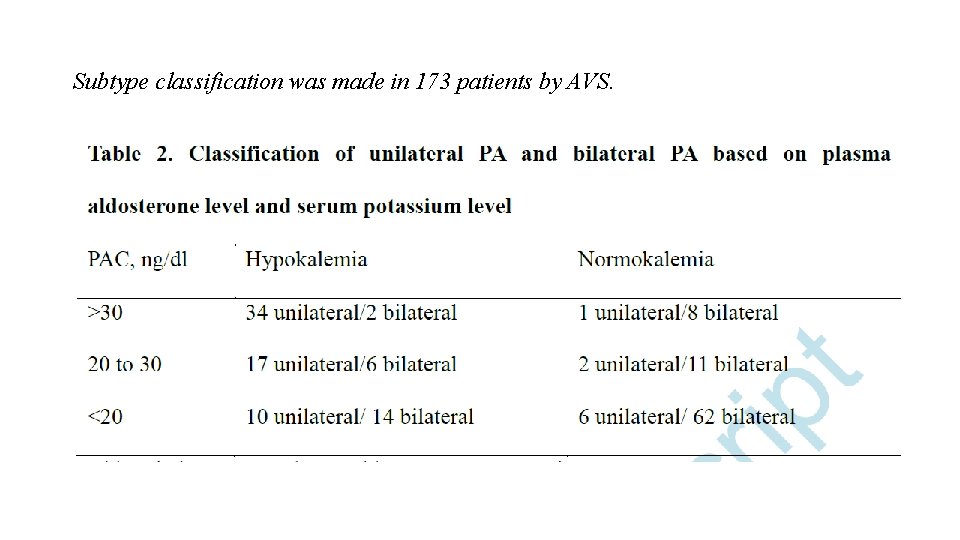
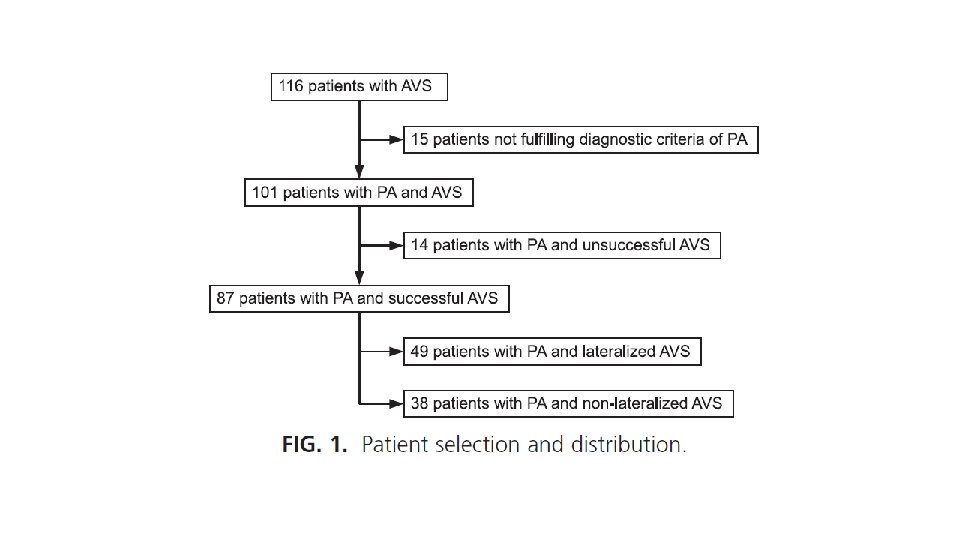
Subtype classification was made in 173 patients by AVS.
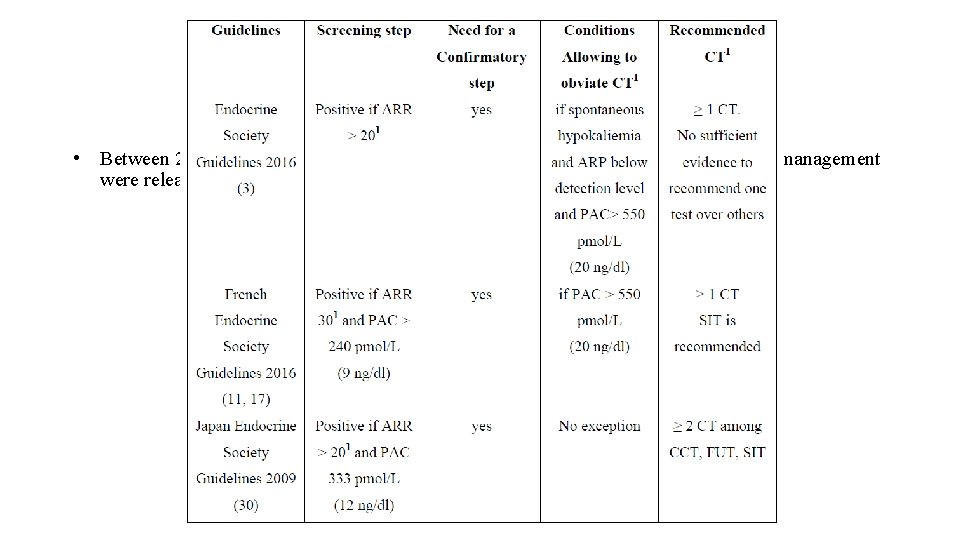
• Between 2011 and 2016, three international guidelines and recommendations on PA management were released by US, French and Japanese expert teams
Agenda Screening tests Who should be screened for primary hyperaldostronism? Which cut off is the best value for screening? Confirmatory tests What is the different types of confirmatory test? What is the sensitivity and specificity of confirmatory tests? Is it feasible to eliminate the confirmatory step in PA work-up? Adrenal venous sampling How AVS is performed? Could risk score be an alternative to AVS? Outcome What is the outcome difference between surgical and medical therapy?
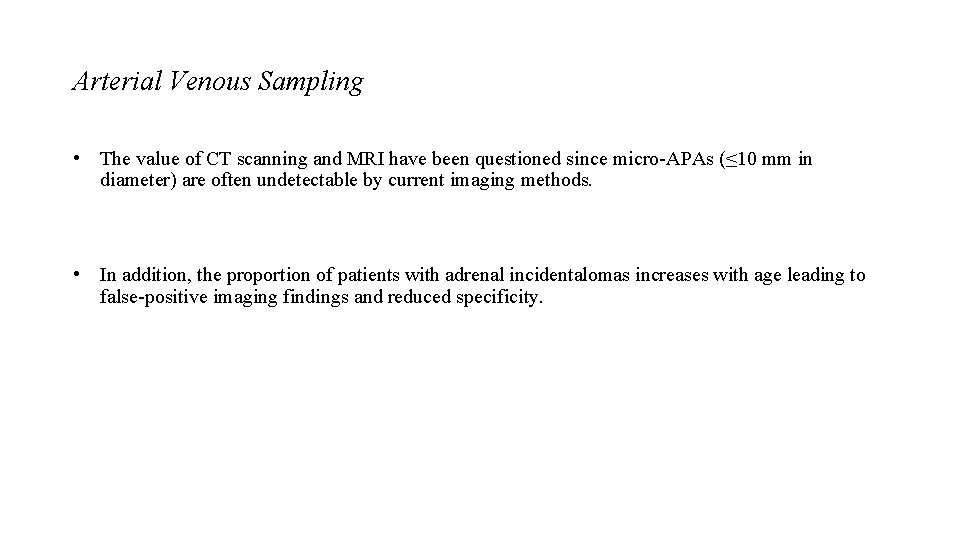
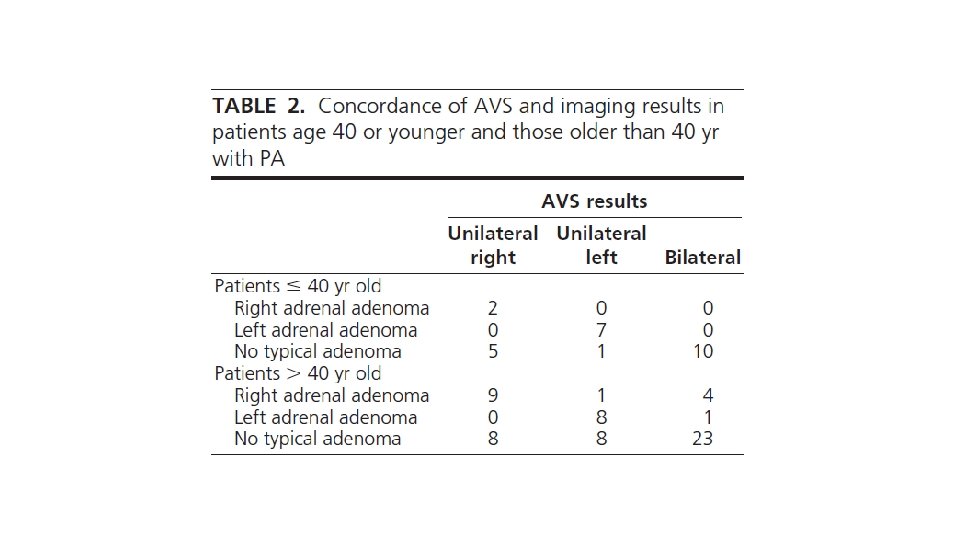
Arterial Venous Sampling • The value of CT scanning and MRI have been questioned since micro-APAs (≤ 10 mm in diameter) are often undetectable by current imaging methods. • In addition, the proportion of patients with adrenal incidentalomas increases with age leading to false-positive imaging findings and reduced specificity.
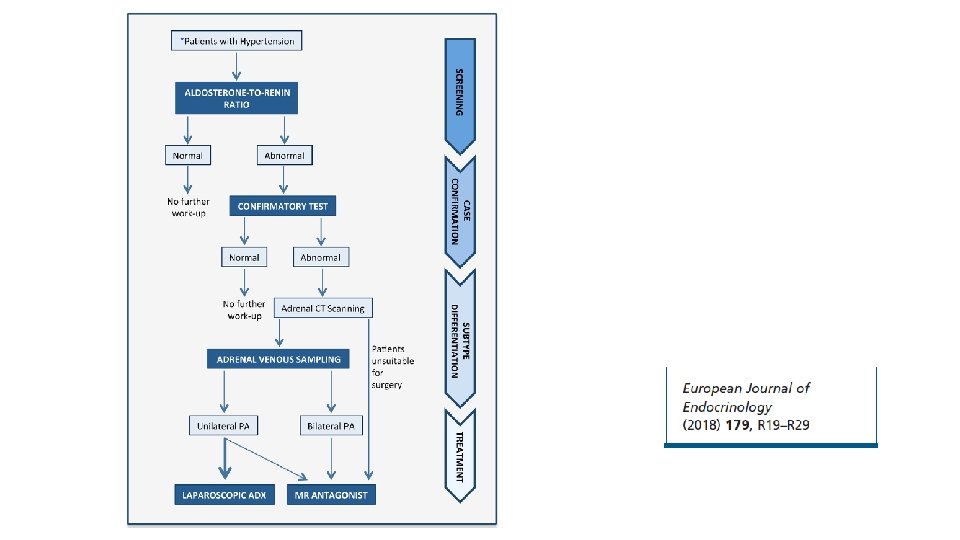
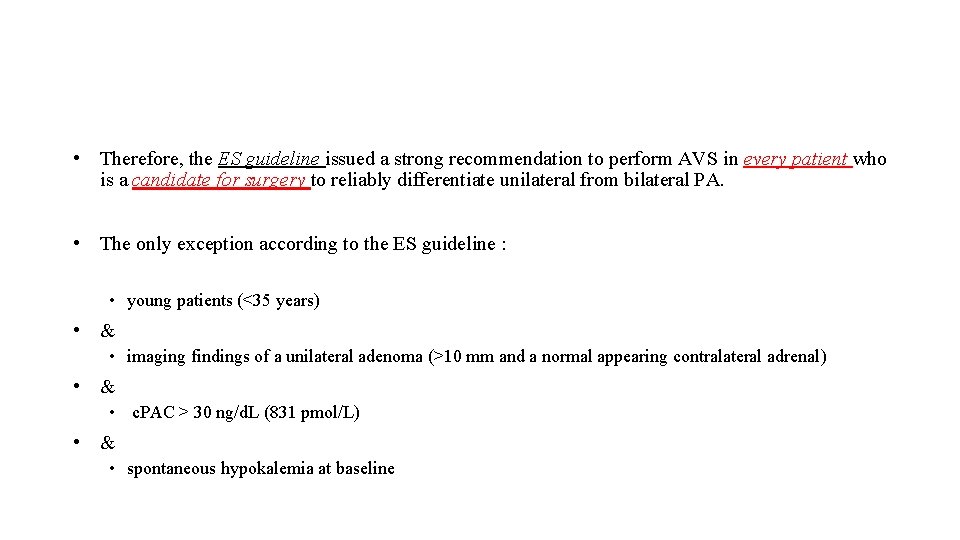
• Therefore, the ES guideline issued a strong recommendation to perform AVS in every patient who is a candidate for surgery to reliably differentiate unilateral from bilateral PA. • The only exception according to the ES guideline : • young patients (<35 years) • & • imaging findings of a unilateral adenoma (>10 mm and a normal appearing contralateral adrenal) • & • c. PAC > 30 ng/d. L (831 pmol/L) • & • spontaneous hypokalemia at baseline
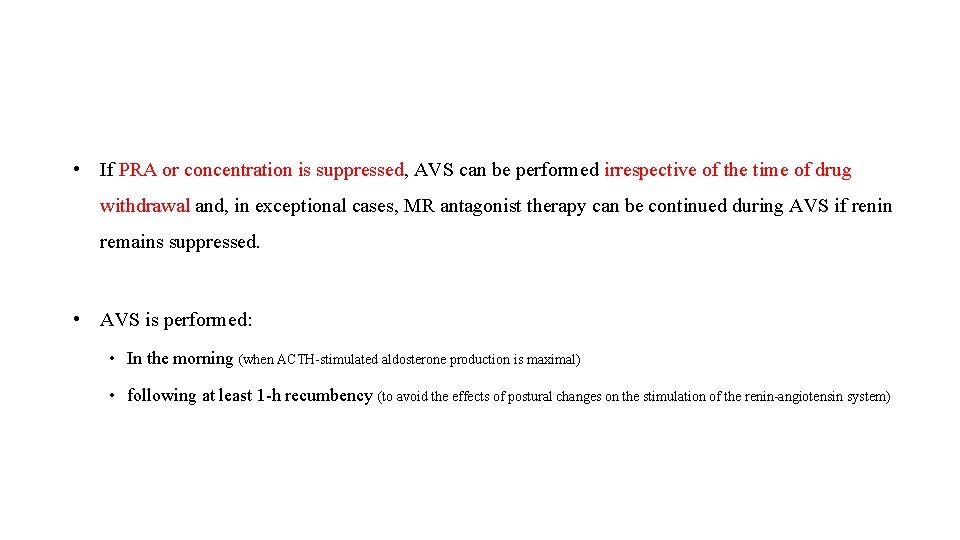
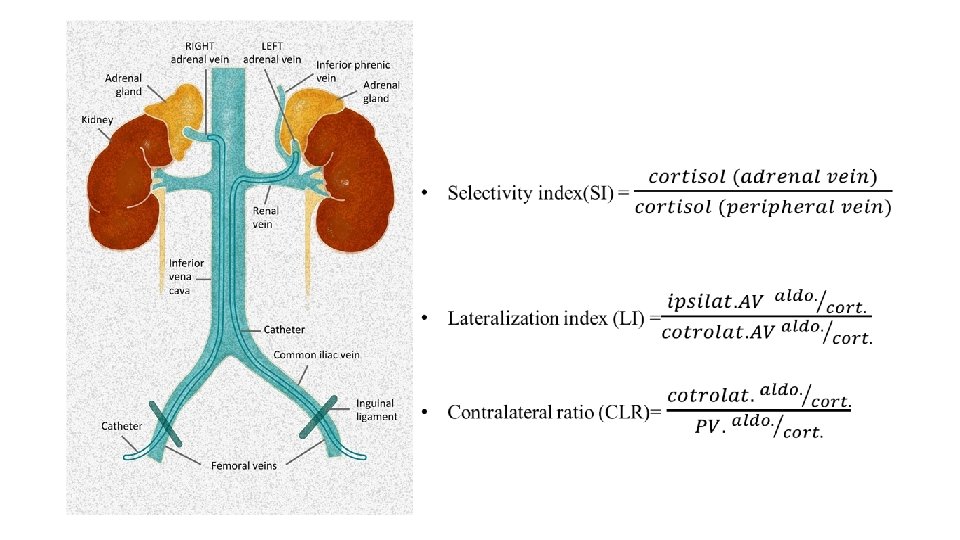
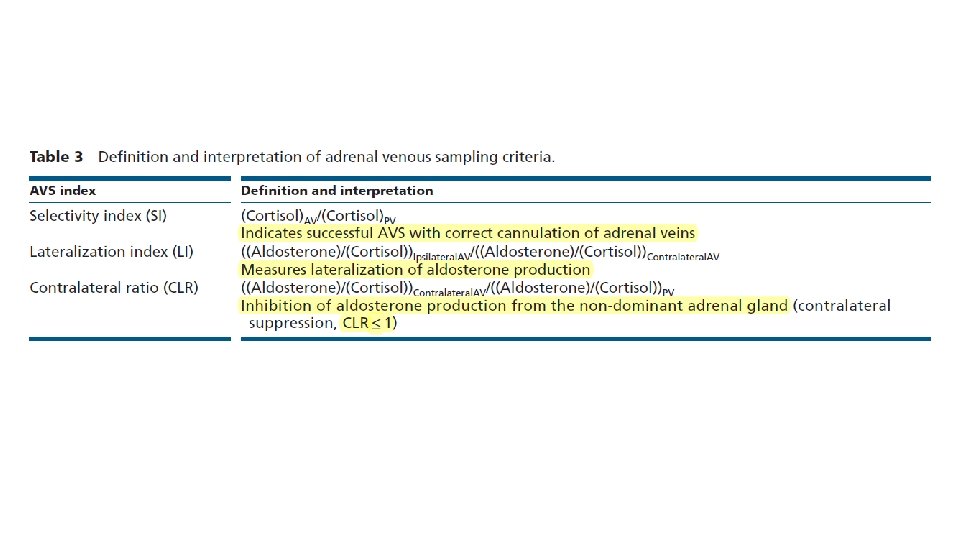
• If PRA or concentration is suppressed, AVS can be performed irrespective of the time of drug withdrawal and, in exceptional cases, MR antagonist therapy can be continued during AVS if renin remains suppressed. • AVS is performed: • In the morning (when ACTH-stimulated aldosterone production is maximal) • following at least 1 -h recumbency (to avoid the effects of postural changes on the stimulation of the renin-angiotensin system)
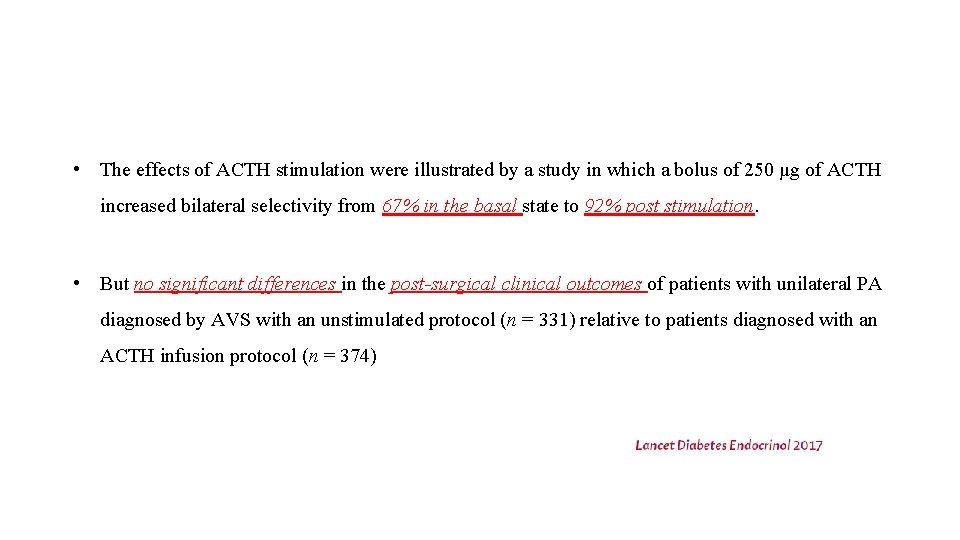
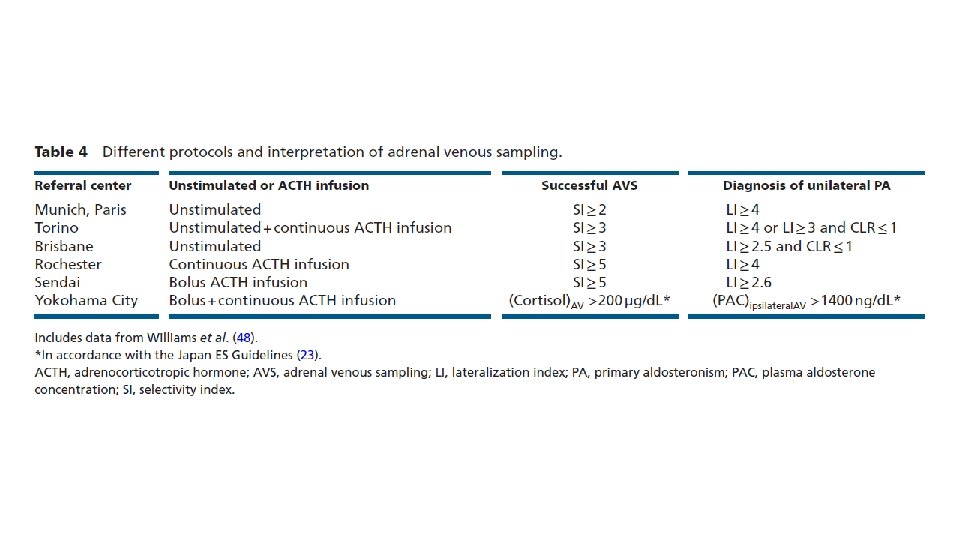
• The effects of ACTH stimulation were illustrated by a study in which a bolus of 250 μg of ACTH increased bilateral selectivity from 67% in the basal state to 92% post stimulation. • But no significant differences in the post-surgical clinical outcomes of patients with unilateral PA diagnosed by AVS with an unstimulated protocol (n = 331) relative to patients diagnosed with an ACTH infusion protocol (n = 374)
Agenda Screening tests Who should be screened for primary hyperaldostronism? Which cut off is the best value for screening? Confirmatory tests What is the different types of confirmatory test? What is the sensitivity and specificity of confirmatory tests? Is it feasible to eliminate the confirmatory step in PA work-up? Adrenal venous sampling How AVS is performed? Could risk score be an alternative to AVS? Outcome What is the outcome difference between surgical and medical therapy?
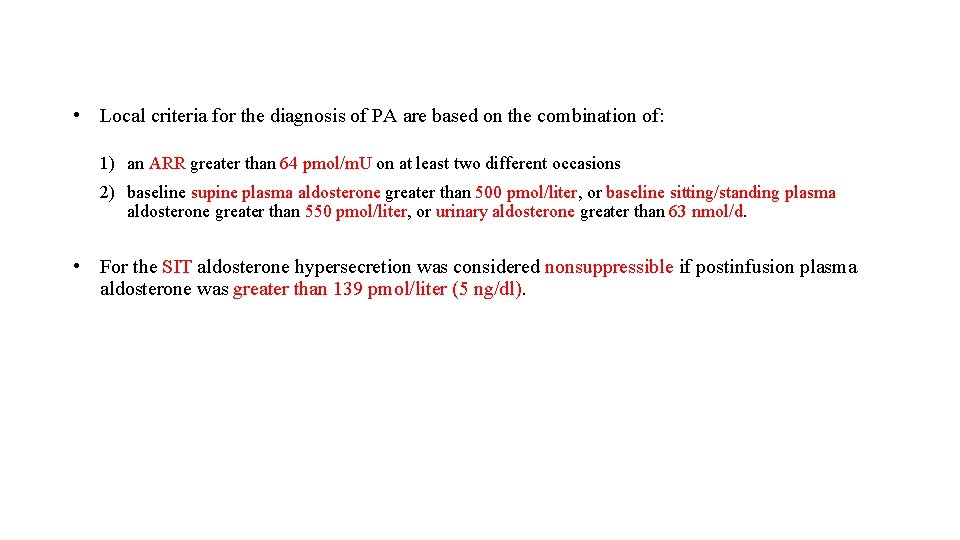
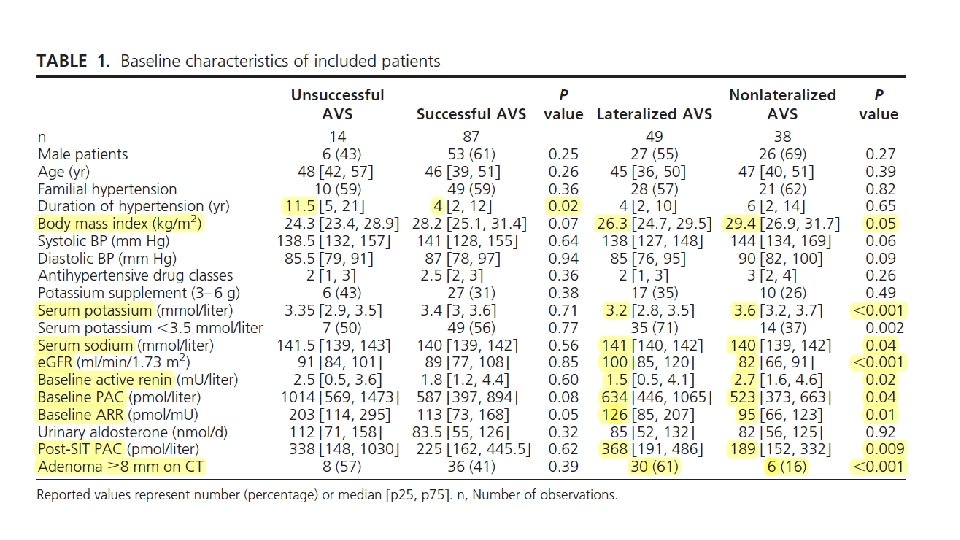
• Local criteria for the diagnosis of PA are based on the combination of: 1) an ARR greater than 64 pmol/m. U on at least two different occasions 2) baseline supine plasma aldosterone greater than 500 pmol/liter, or baseline sitting/standing plasma aldosterone greater than 550 pmol/liter, or urinary aldosterone greater than 63 nmol/d. • For the SIT aldosterone hypersecretion was considered nonsuppressible if postinfusion plasma aldosterone was greater than 139 pmol/liter (5 ng/dl).
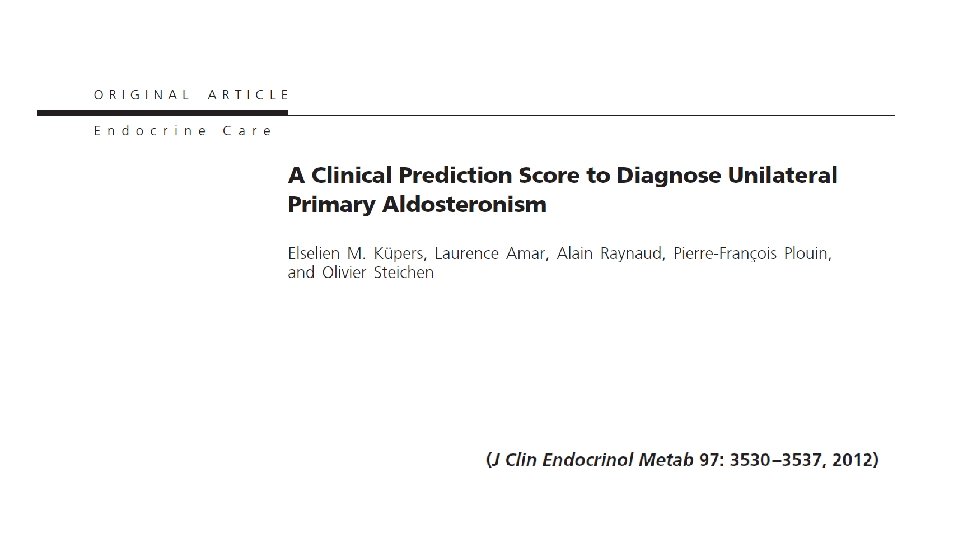
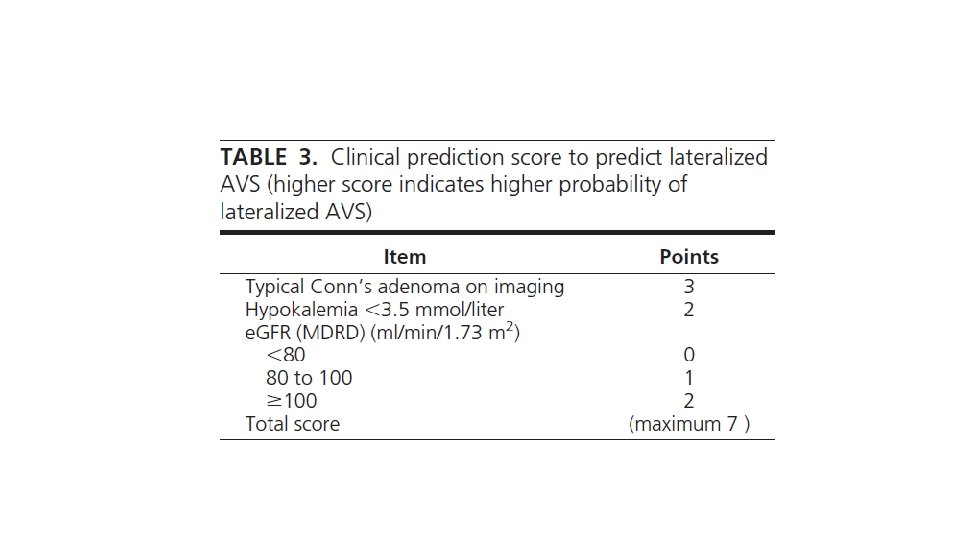
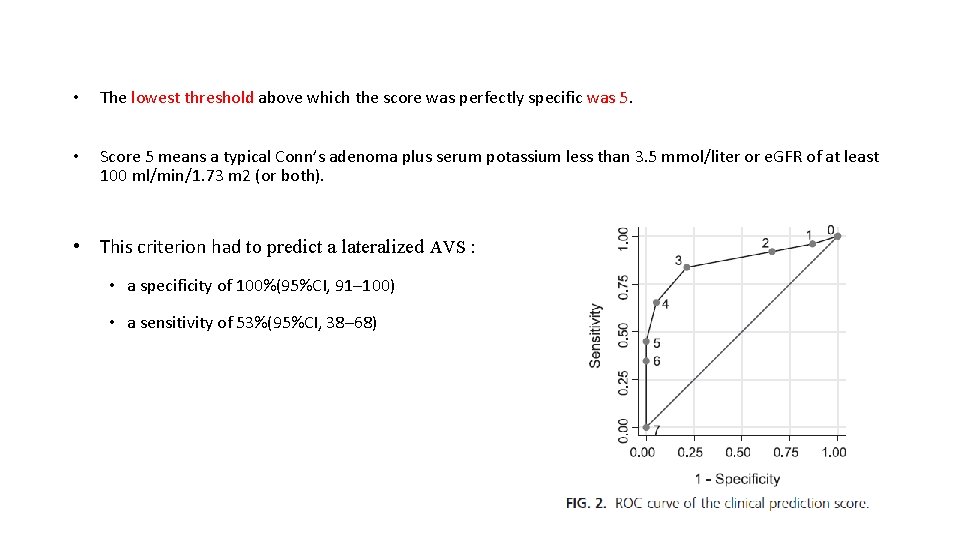
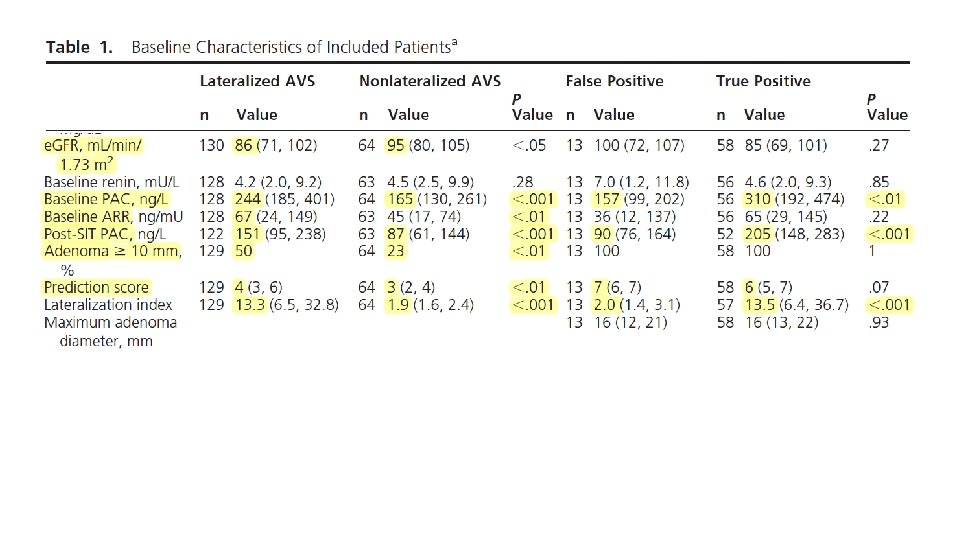
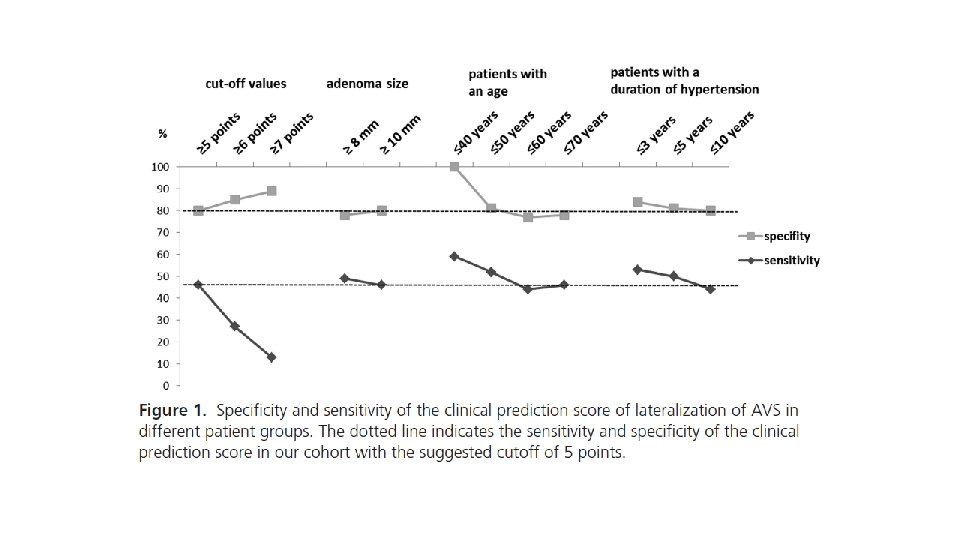
The area under the ROC curve of the prediction score was 0. 86 (95% CI, 0. 78– 0. 94) • The lowest threshold above which the score was perfectly specific was 5. • Score 5 means a typical Conn’s adenoma plus serum potassium less than 3. 5 mmol/liter or e. GFR of at least 100 ml/min/1. 73 m 2 (or both). • This criterion had to predict a lateralized AVS : • a specificity of 100%(95%CI, 91– 100) • a sensitivity of 53%(95%CI, 38– 68)
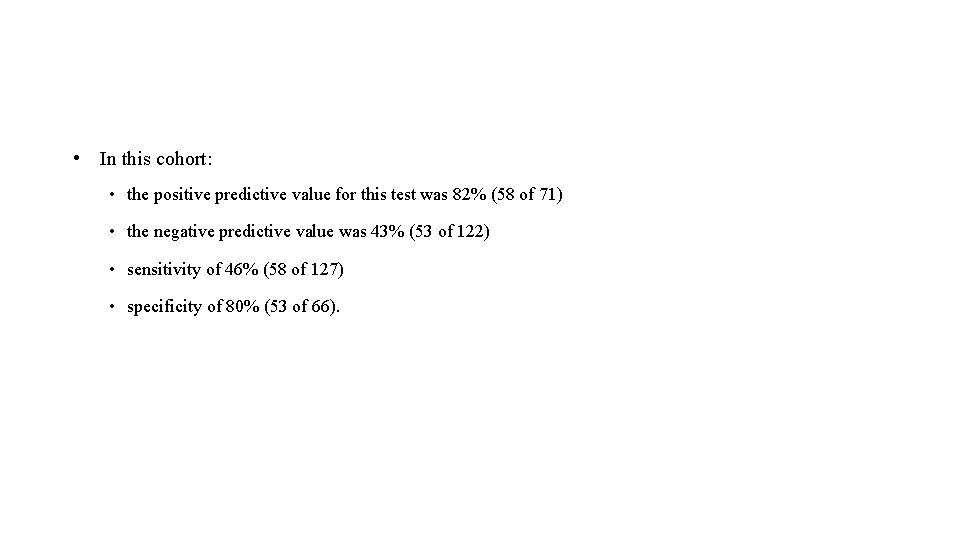
• In this cohort: • the positive predictive value for this test was 82% (58 of 71) • the negative predictive value was 43% (53 of 122) • sensitivity of 46% (58 of 127) • specificity of 80% (53 of 66).
Agenda Screening tests Who should be screened for primary hyperaldostronism? Which cut off is the best value for screening? Confirmatory tests What is the different types of confirmatory test? What is the sensitivity and specificity of confirmatory tests? Is it feasible to eliminate the confirmatory step in PA work-up? Adrenal venous sampling How AVS is performed? Could risk score be an alternative to AVS? Outcome What is the outcome difference between surgical and medical therapy?
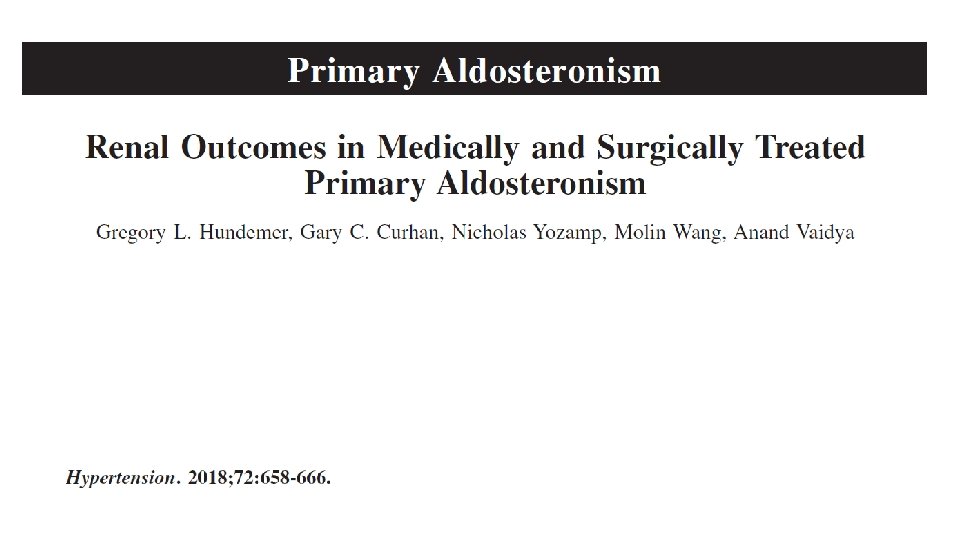
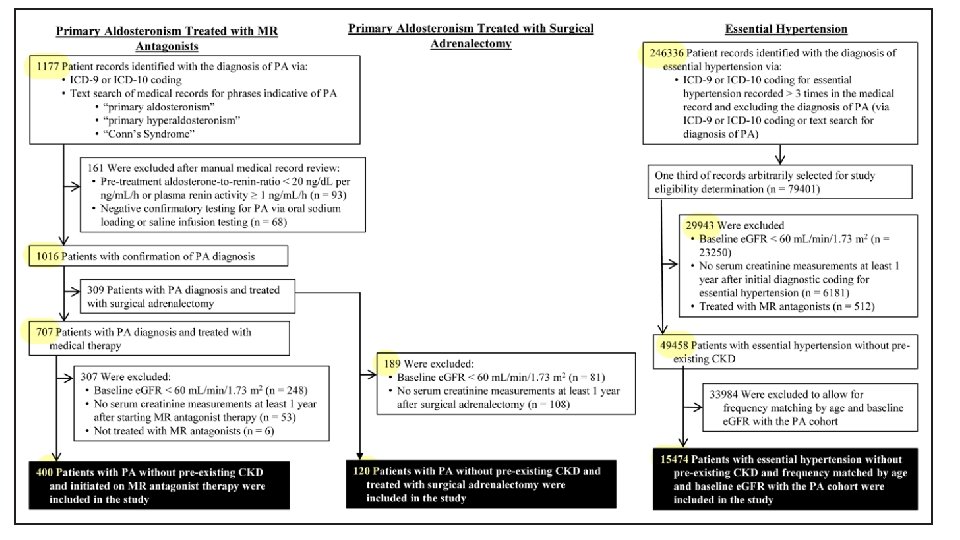
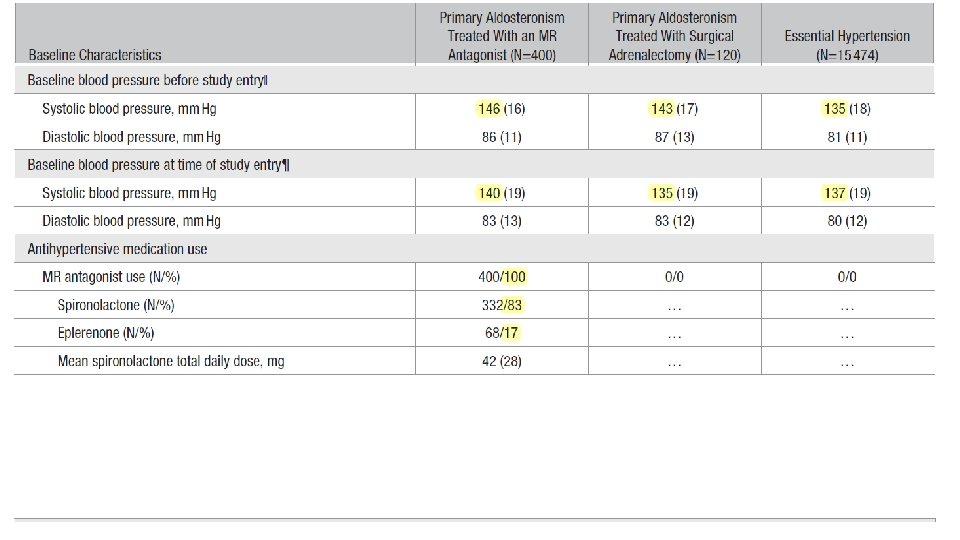
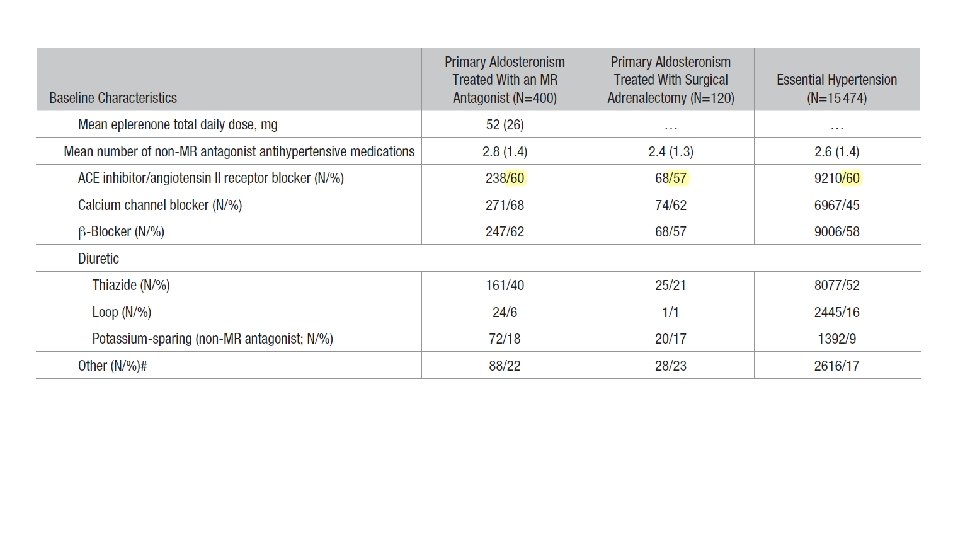
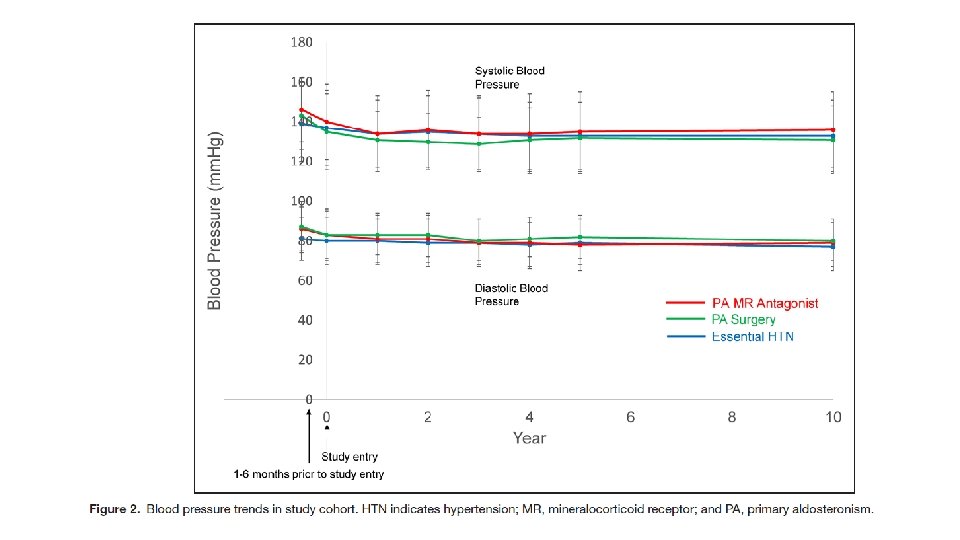
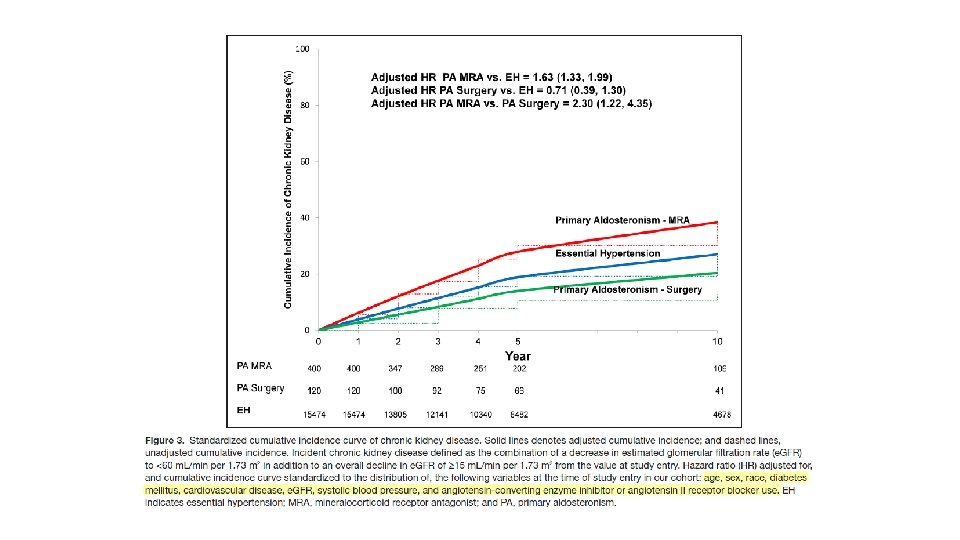
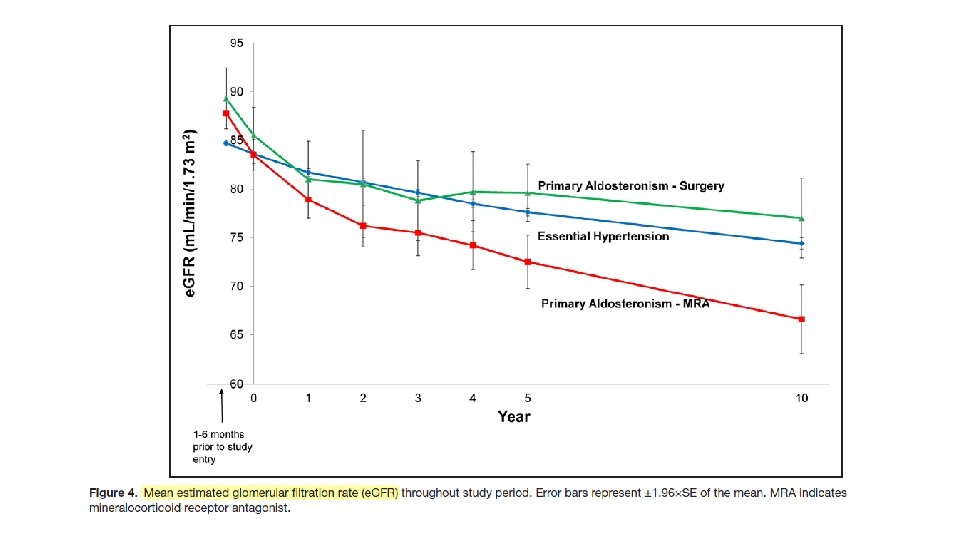
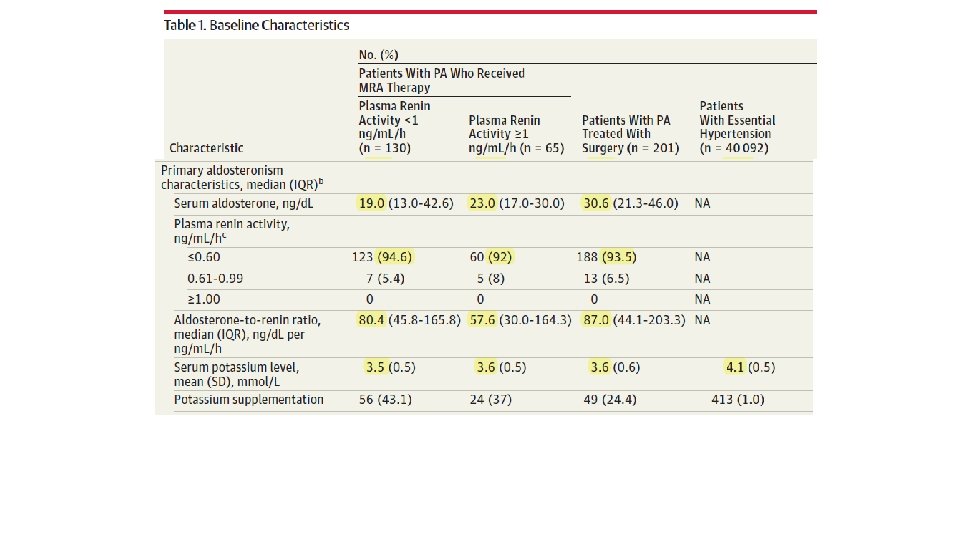
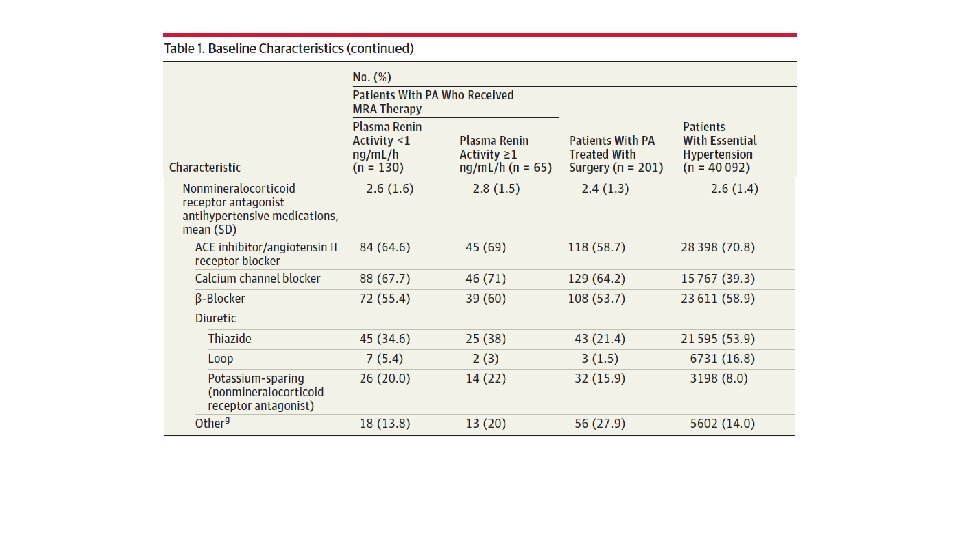
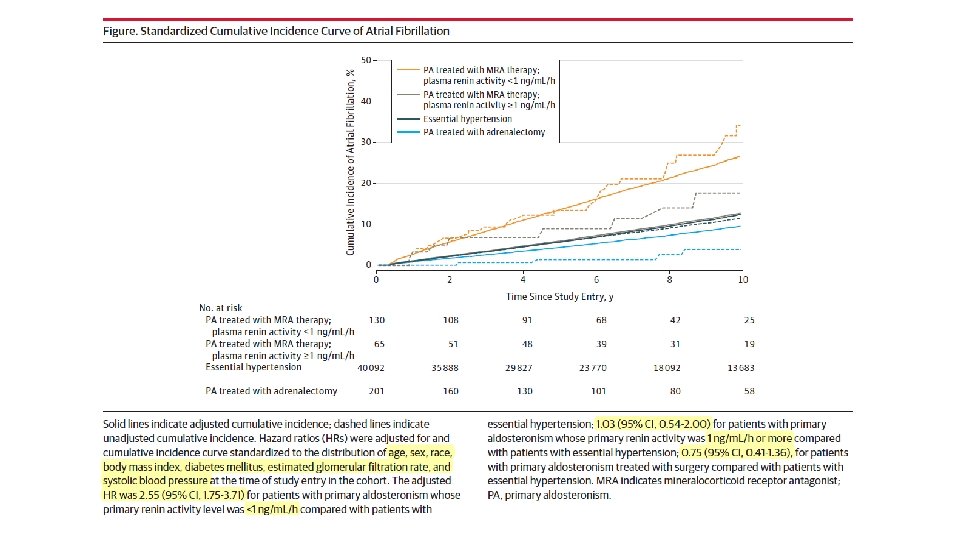
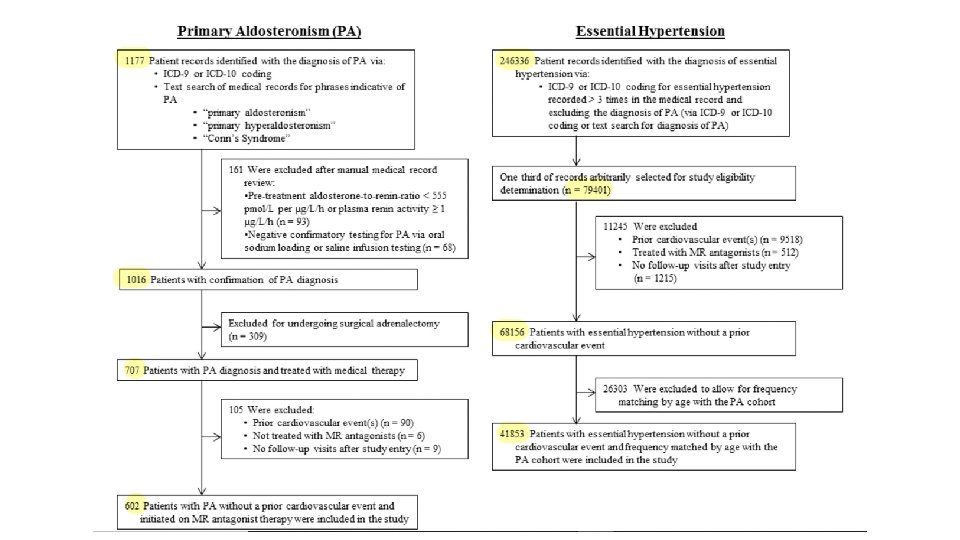
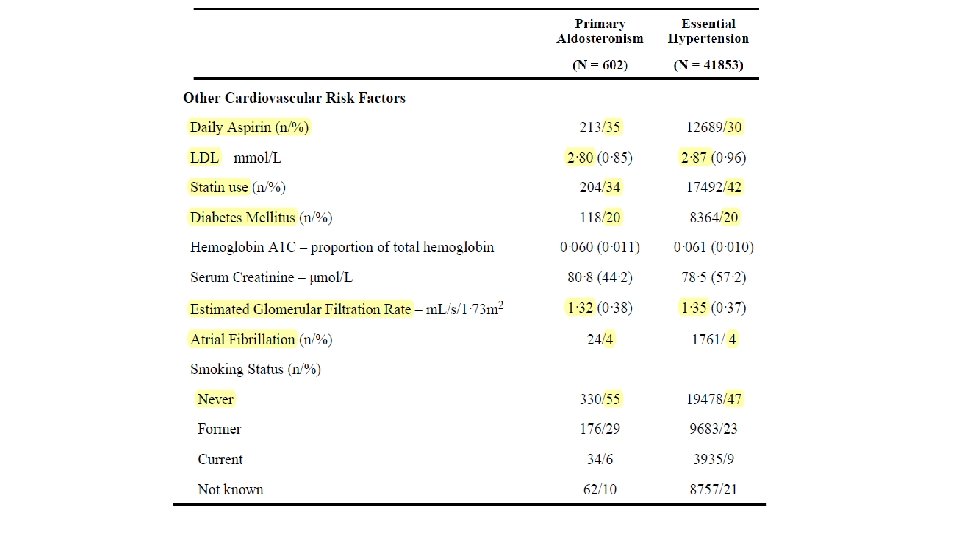
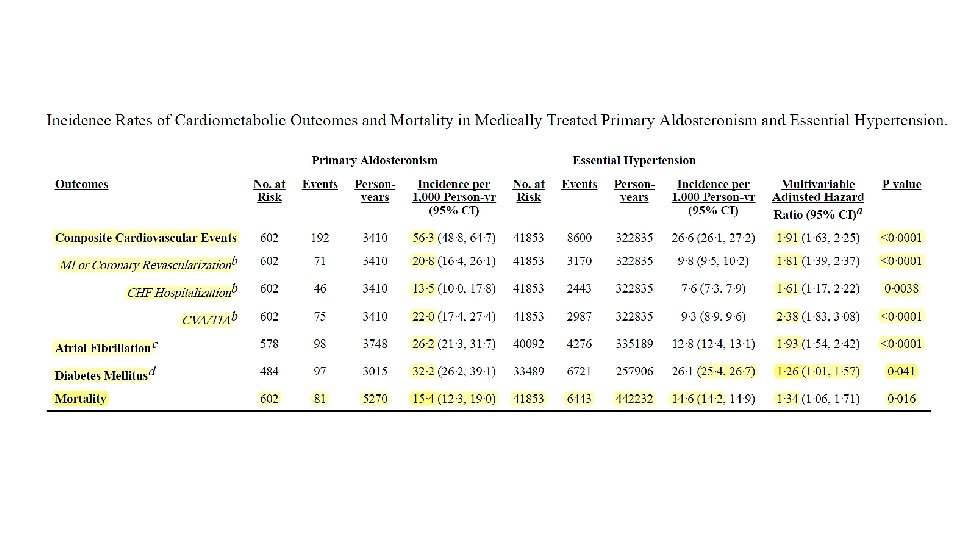
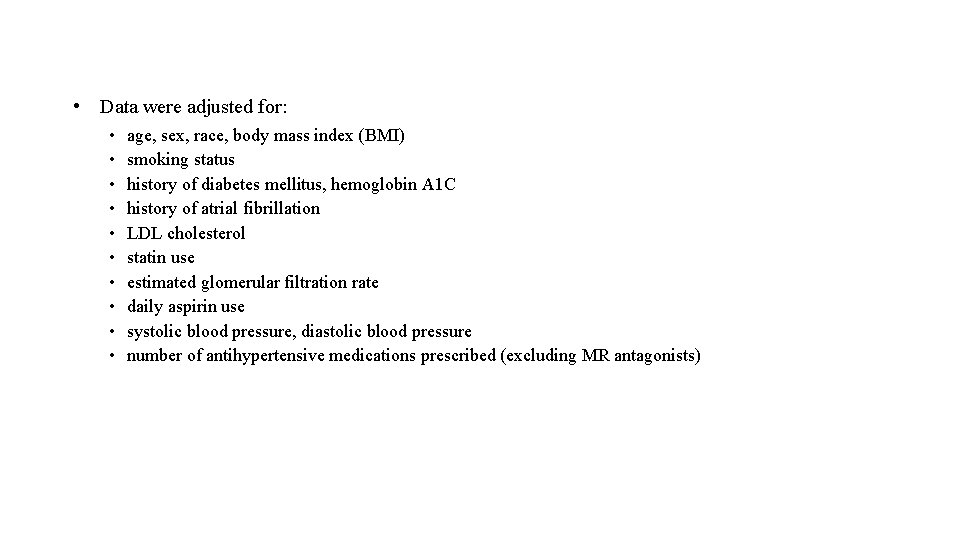
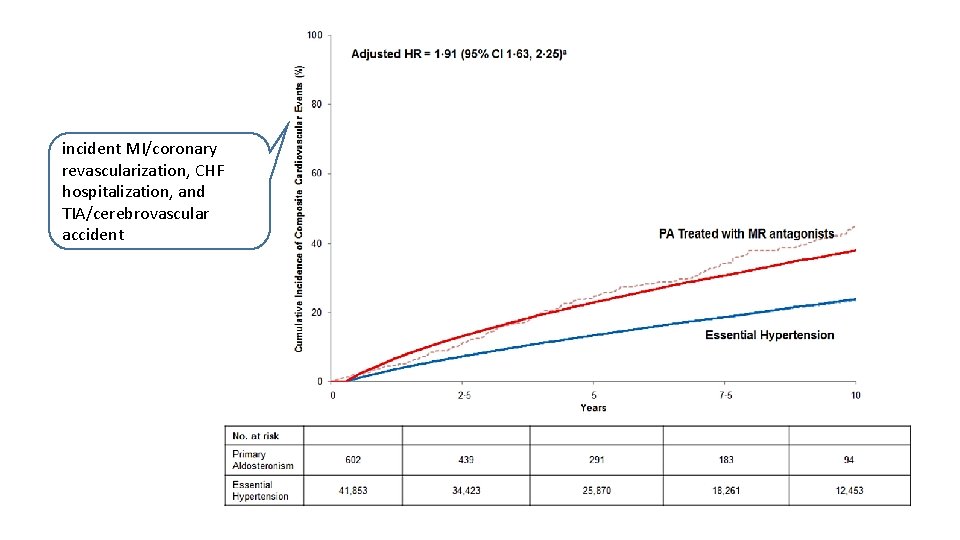
• Data were adjusted for: • • • age, sex, race, body mass index (BMI) smoking status history of diabetes mellitus, hemoglobin A 1 C history of atrial fibrillation LDL cholesterol statin use estimated glomerular filtration rate daily aspirin use systolic blood pressure, diastolic blood pressure number of antihypertensive medications prescribed (excluding MR antagonists)
incident MI/coronary revascularization, CHF hospitalization, and TIA/cerebrovascular accident