Natural Sciences 360 Legacy of Life Lecture 17

- Slides: 106
Natural Sciences 360 Legacy of Life Lecture 17 Dr. Stuart S. Sumida Mammals (You are what you eat)
Synapsida: Including Modern Mammals (You are what you eat)
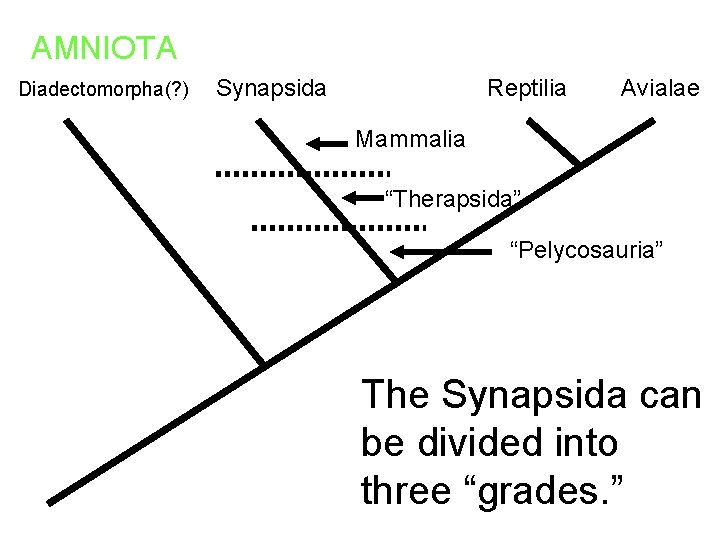
AMNIOTA Diadectomorpha(? ) Synapsida Reptilia Avialae Mammalia “Therapsida” “Pelycosauria” The Synapsida can be divided into three “grades. ”
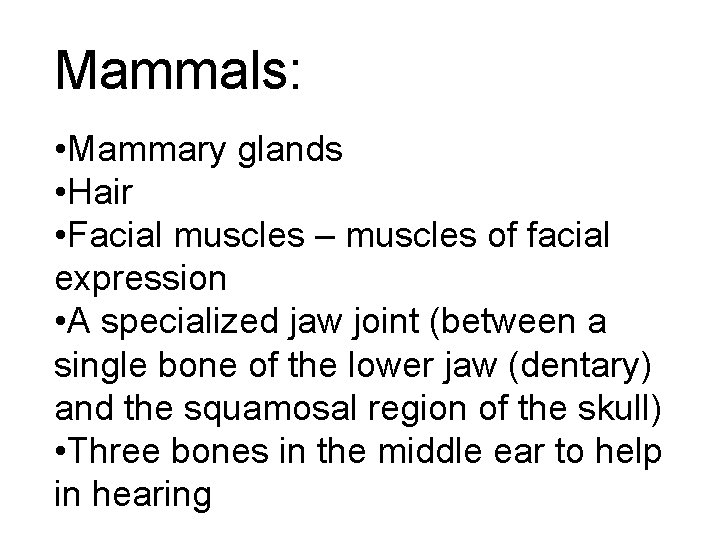
Mammals: • Mammary glands • Hair • Facial muscles – muscles of facial expression • A specialized jaw joint (between a single bone of the lower jaw (dentary) and the squamosal region of the skull) • Three bones in the middle ear to help in hearing
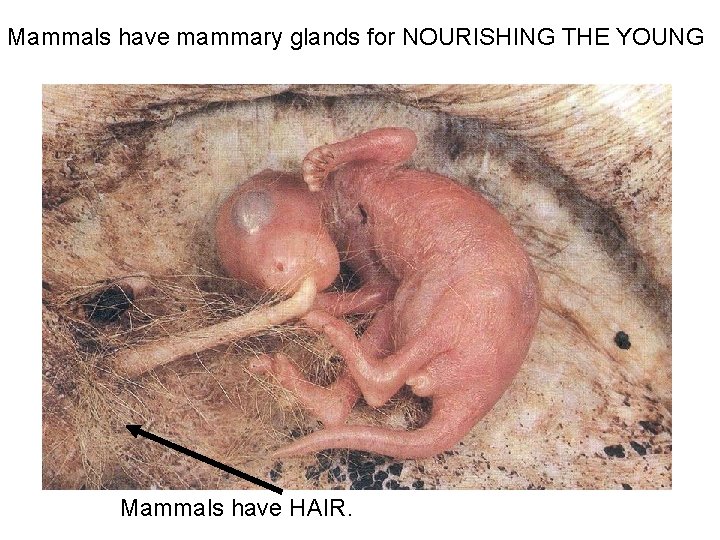
Mammals have mammary glands for NOURISHING THE YOUNG Mammals have HAIR.
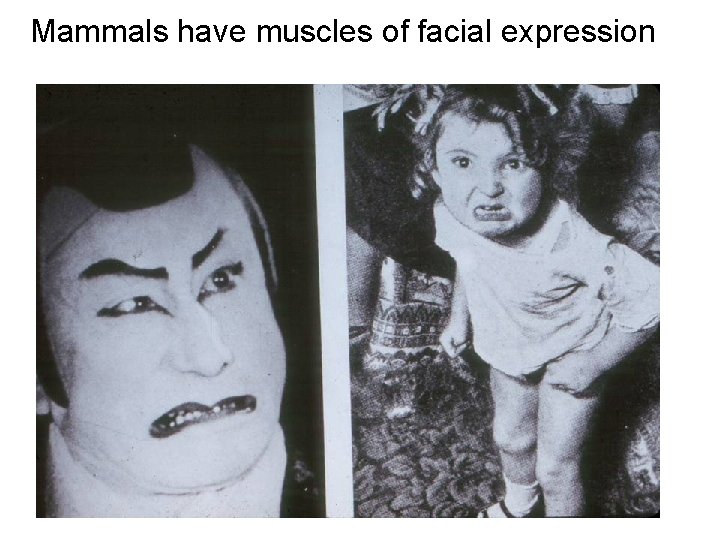
Mammals have muscles of facial expression
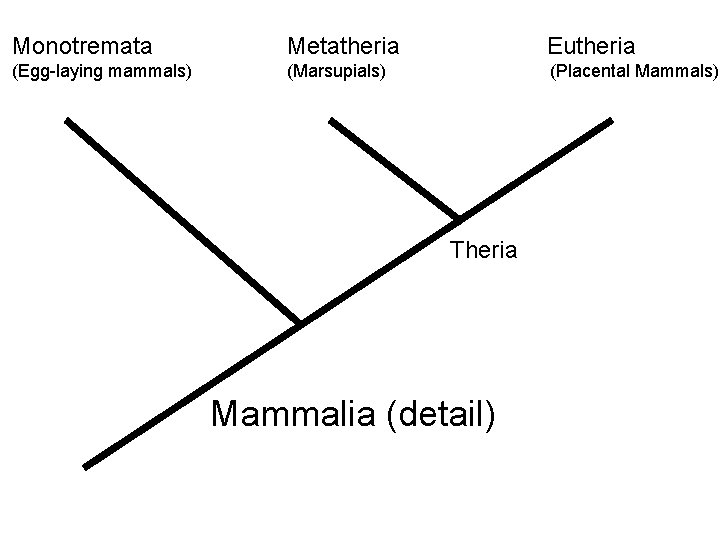
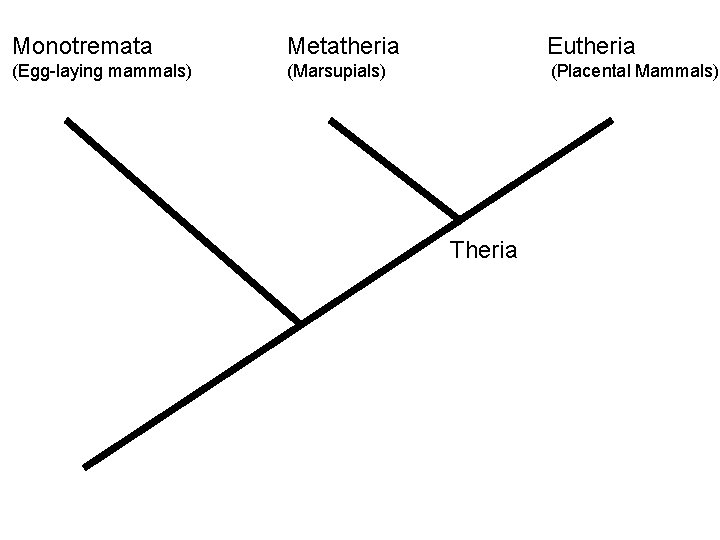
Monotremata Metatheria Eutheria (Egg-laying mammals) (Marsupials) (Placental Mammals) Theria Mammalia (detail)
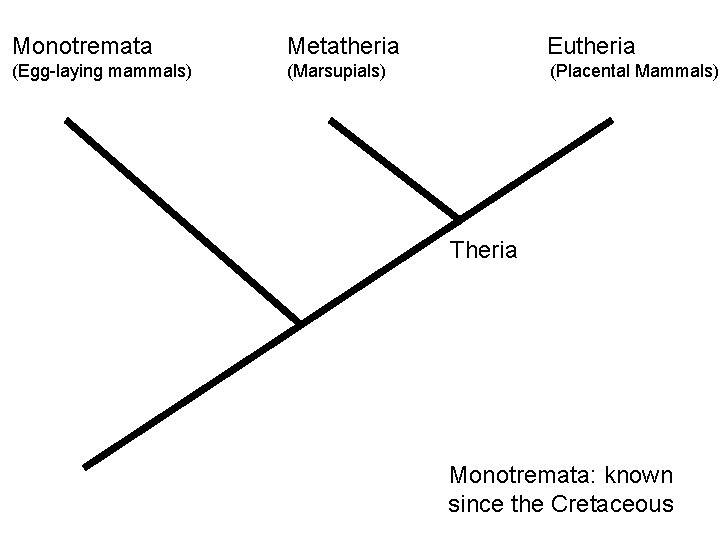
Monotremata Metatheria Eutheria (Egg-laying mammals) (Marsupials) (Placental Mammals) Theria Mammalia Monotremata: known since the Cretaceous
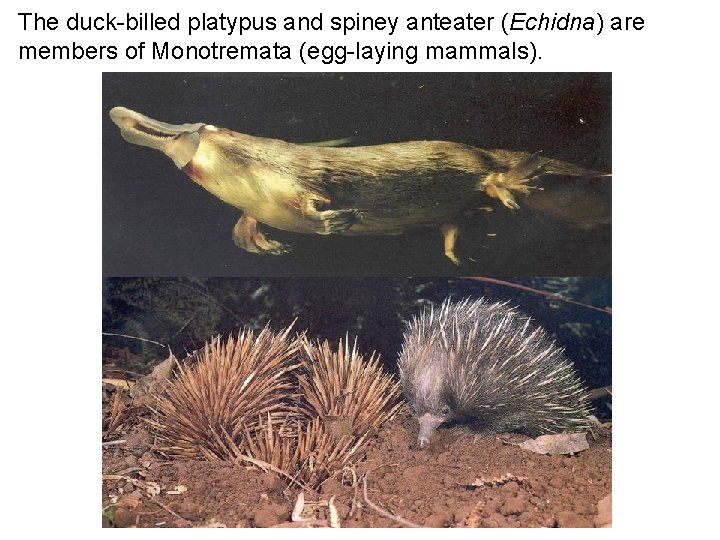
The duck-billed platypus and spiney anteater (Echidna) are members of Monotremata (egg-laying mammals).
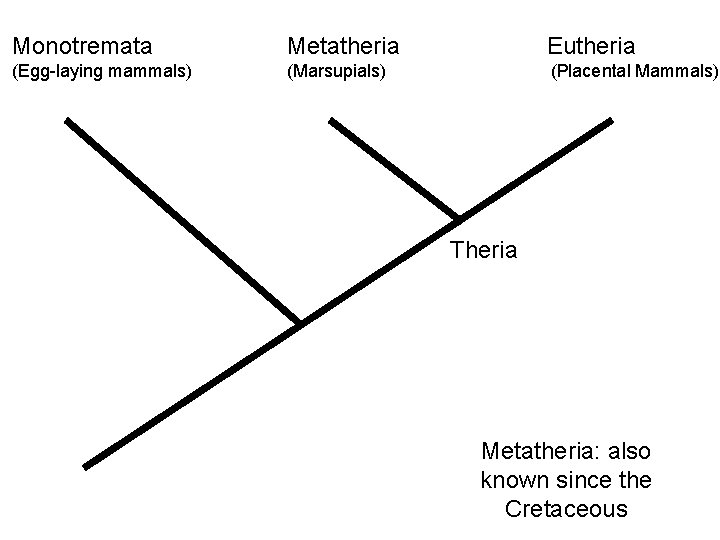
Monotremata Metatheria Eutheria (Egg-laying mammals) (Marsupials) (Placental Mammals) Theria Mammalia Metatheria: also known since the Cretaceous
Monotremata Metatheria Eutheria (Egg-laying mammals) (Marsupials) (Placental Mammals) Theria Mammalia
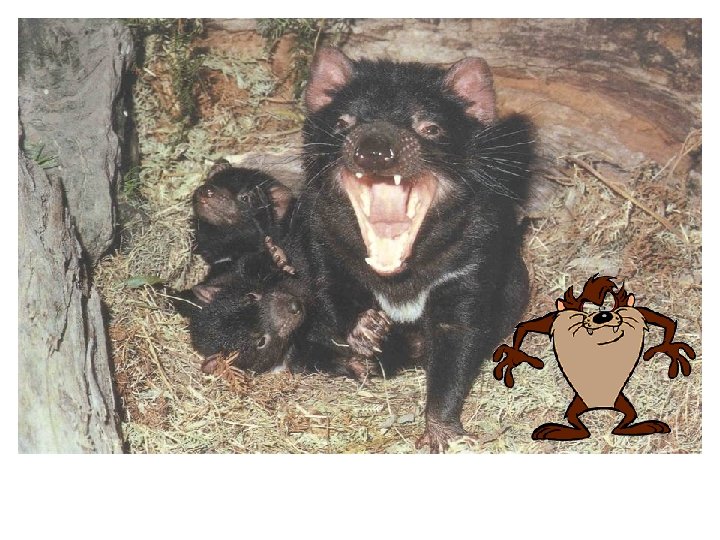
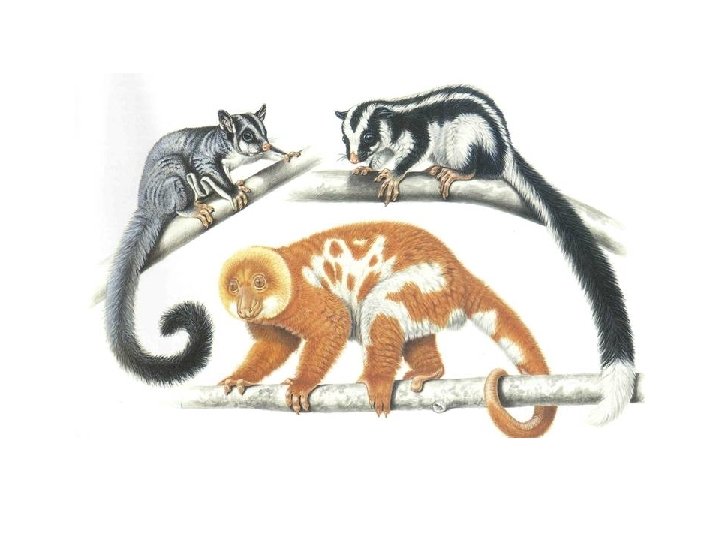
The METATHERIA, also known as MARSUPIALS are often called the “pouch mammals” because although initial development is internal, much takes place in the mother’s pouch – which is technically outside the body.
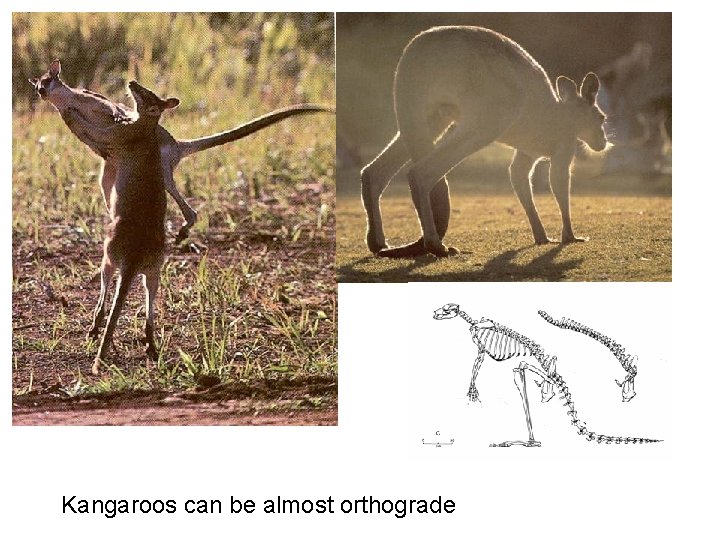
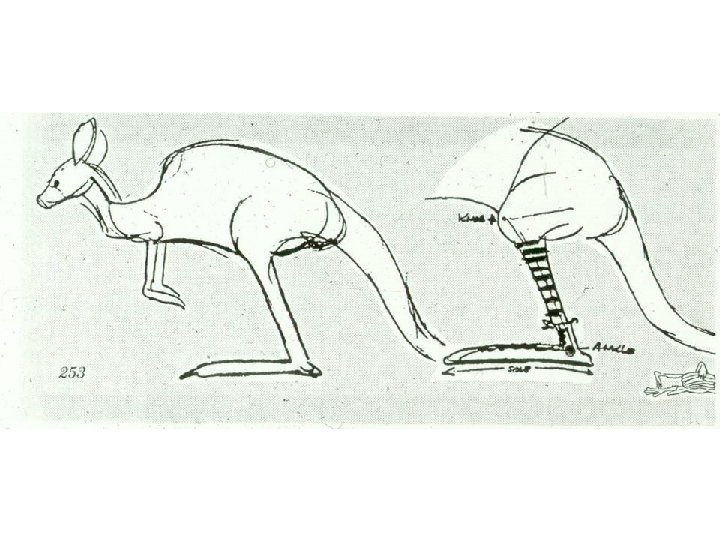
Kangaroos can be almost orthograde
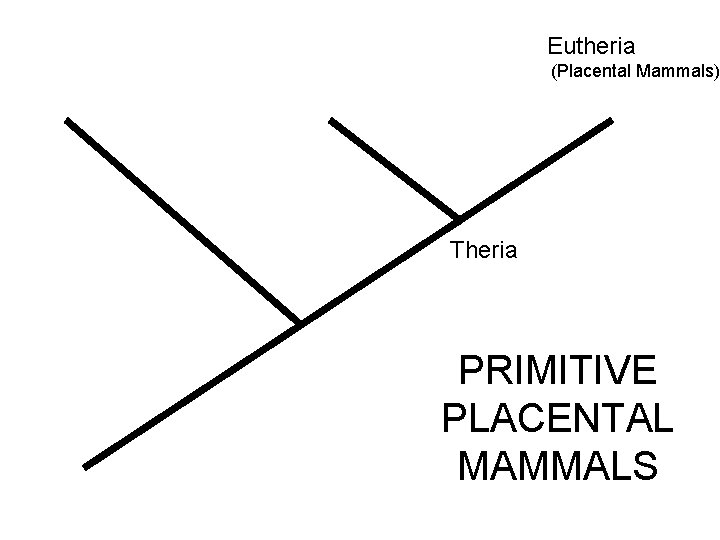
Monotremata Metatheria Eutheria (Egg-laying mammals) (Marsupials) (Placental Mammals) Theria Mammalia PRIMITIVE PLACENTAL MAMMALS
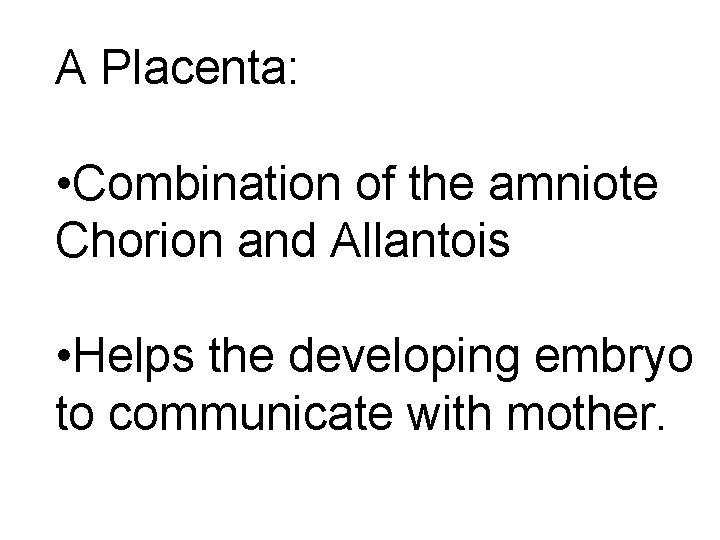
A Placenta: • Combination of the amniote Chorion and Allantois • Helps the developing embryo to communicate with mother.
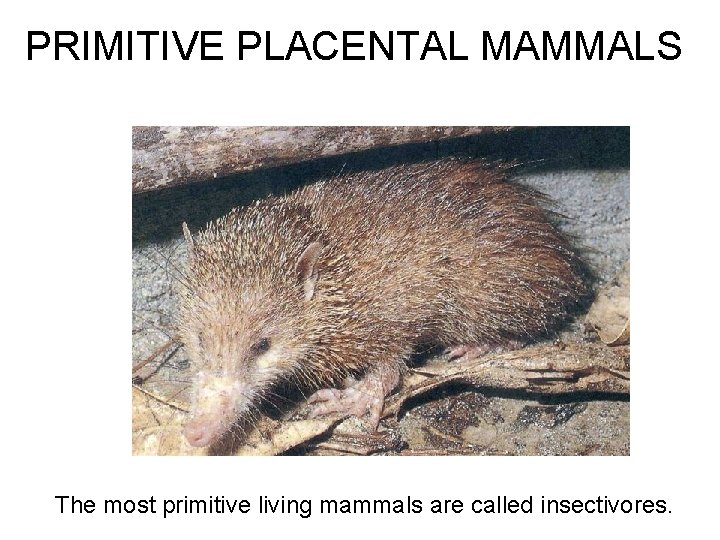
PRIMITIVE PLACENTAL MAMMALS were very small. The most primitive living mammals are called insectivores.
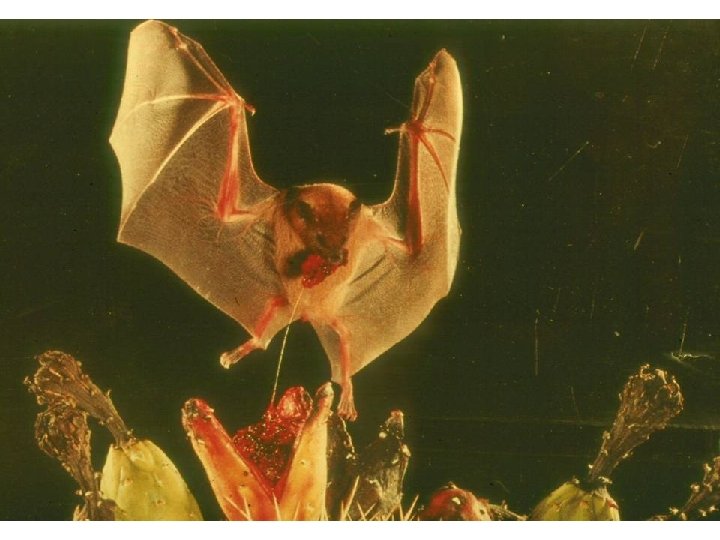
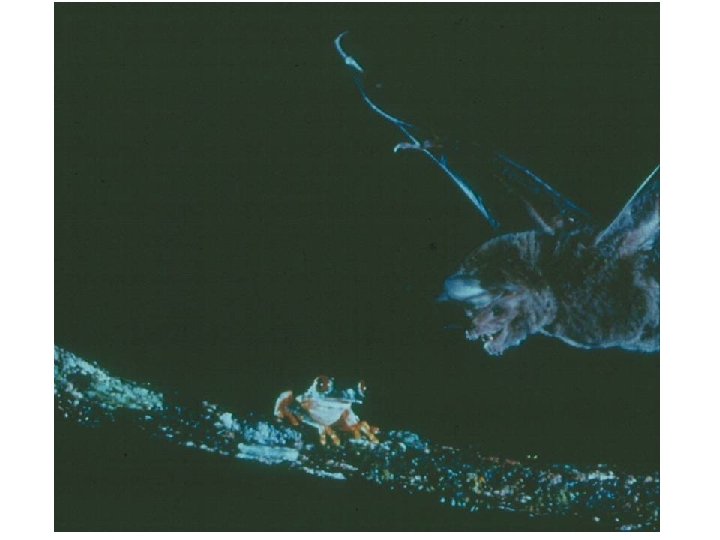
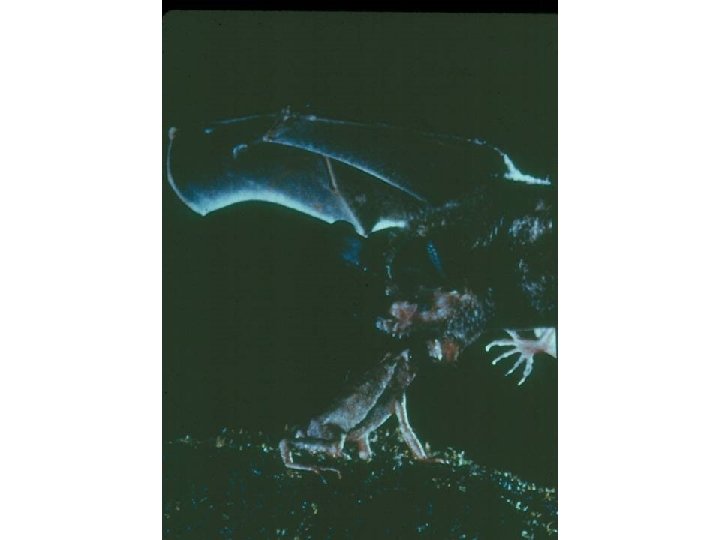
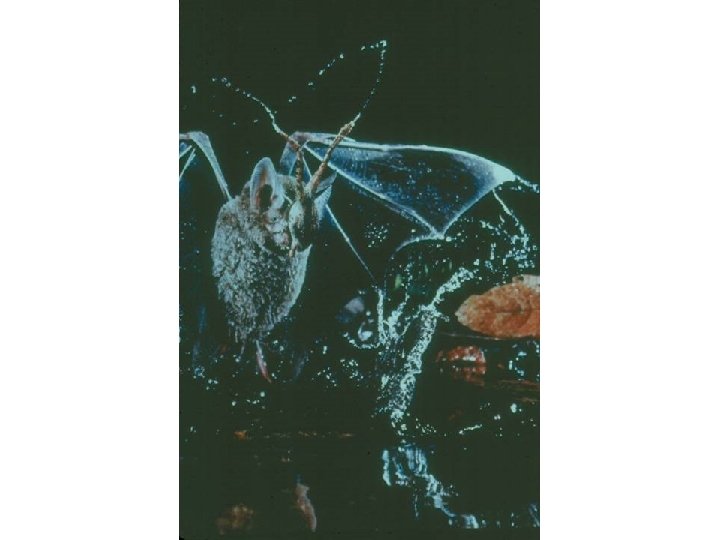
Amongst the most primitive lineages of mammals: • Insectivores • Bats • Primates (We’ll talk about them later. )
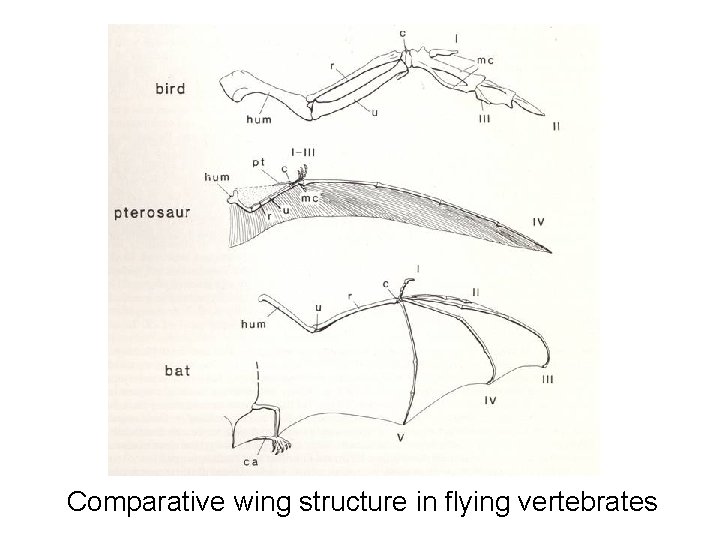
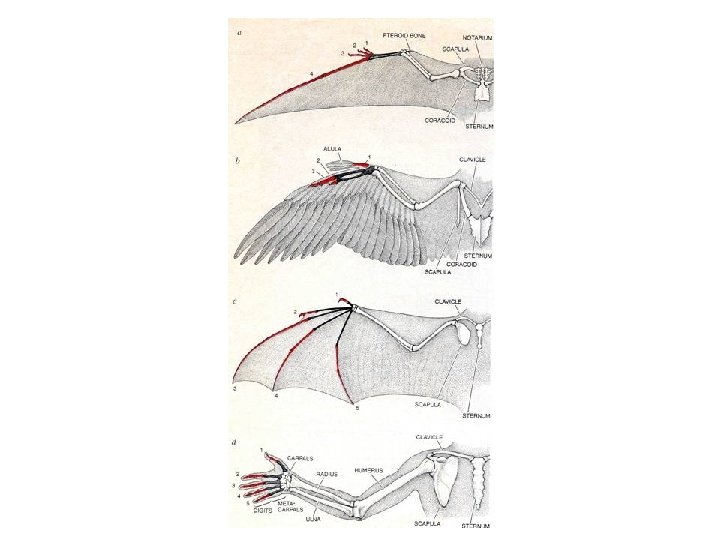
Comparative wing structure in flying vertebrates
More derived placental mammals: • Many groups. • Body shape and function is very much determined by diet.
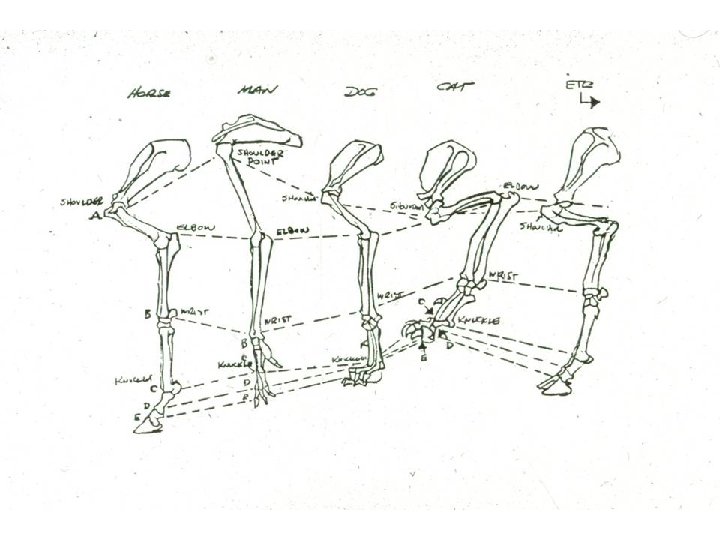
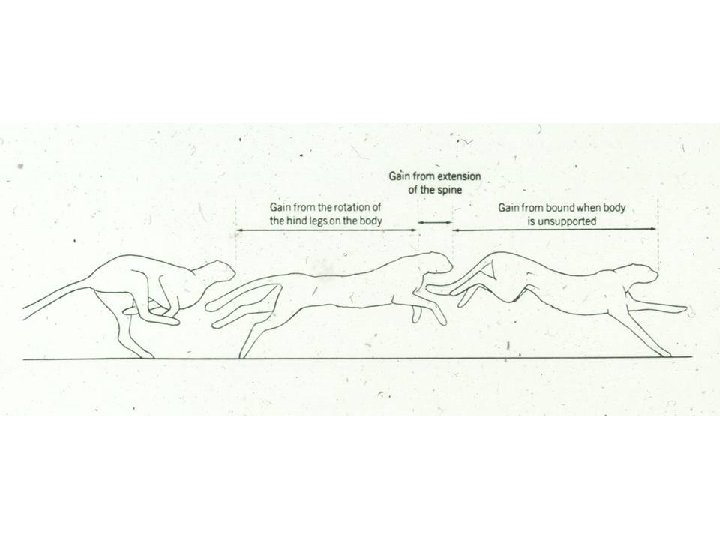
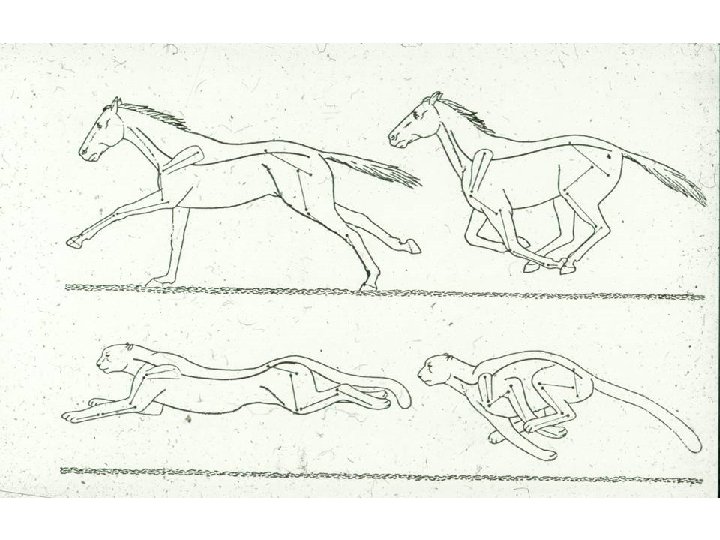
Animation, Mammals, and Science 1. Physical Laws 2. Structure 3. Function 4. Ontogenetic Stage and Sex 5. Cutting and Pasting
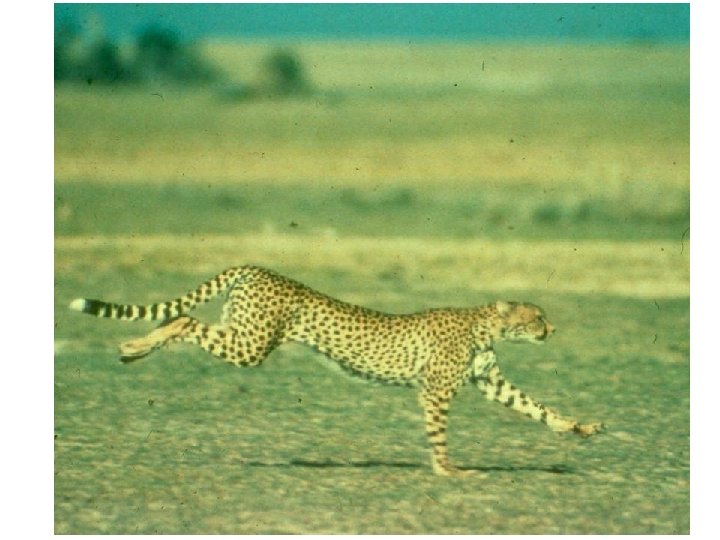
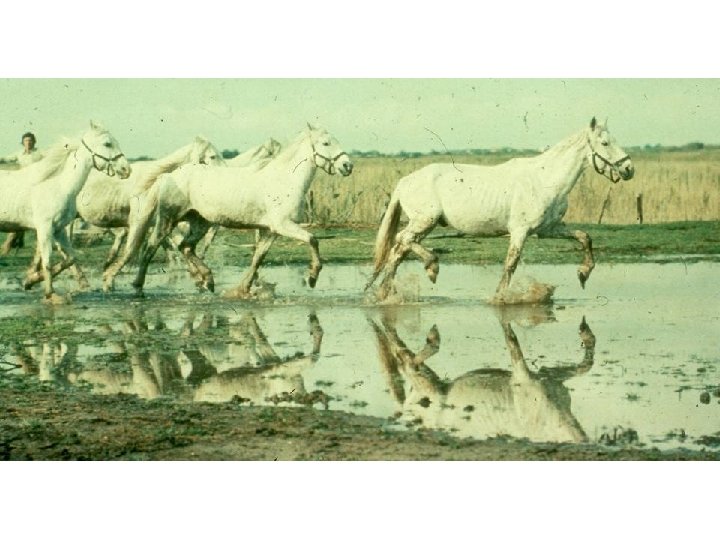
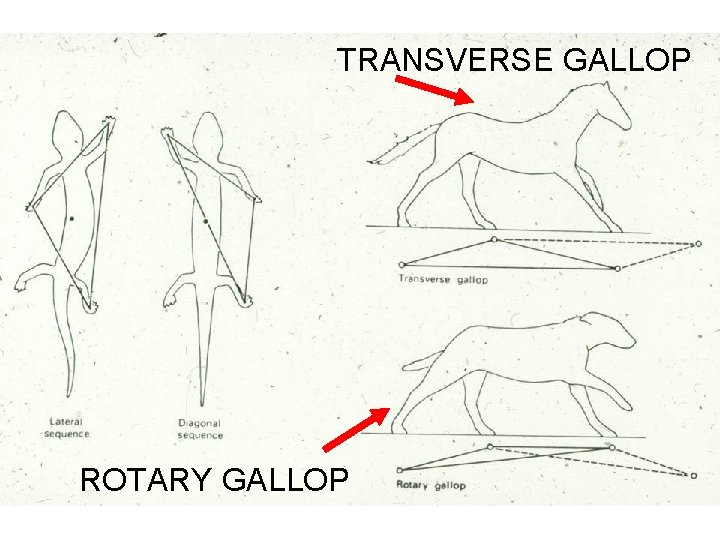
TRANSVERSE GALLOP ROTARY GALLOP
Primates
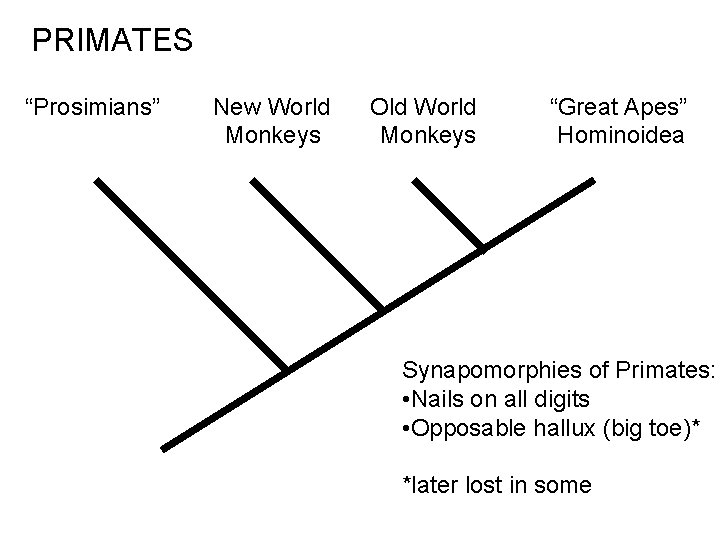
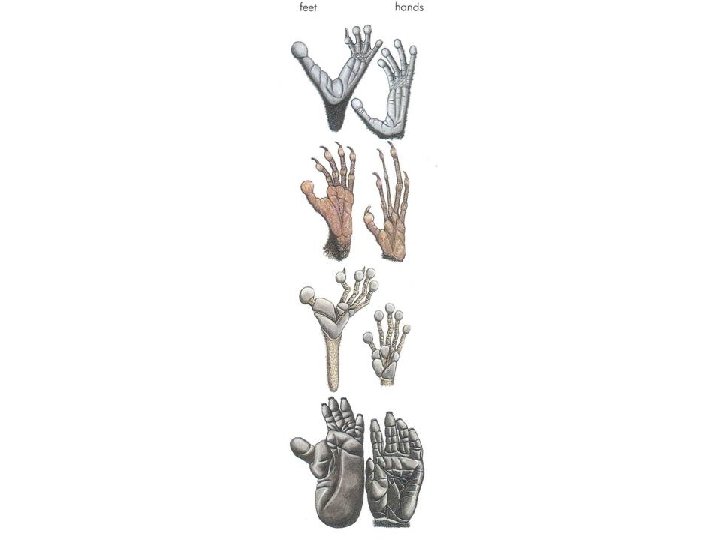
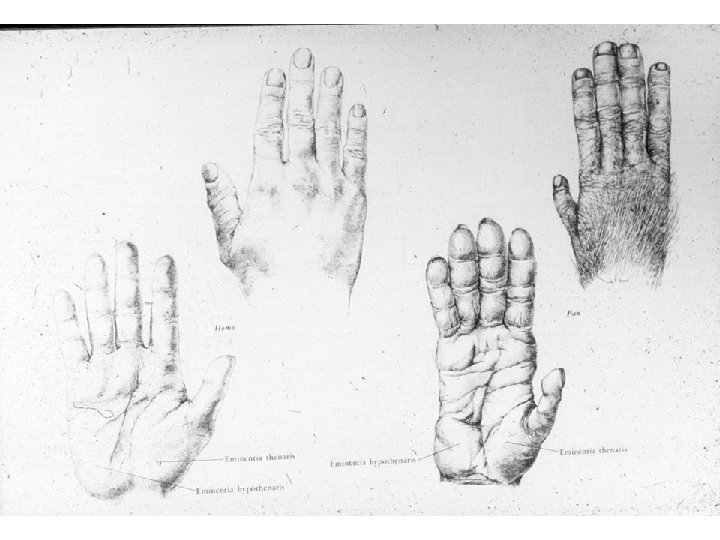
PRIMATES “Prosimians” New World Monkeys Old World Monkeys “Great Apes” Hominoidea Synapomorphies of Primates: • Nails on all digits • Opposable hallux (big toe)* *later lost in some
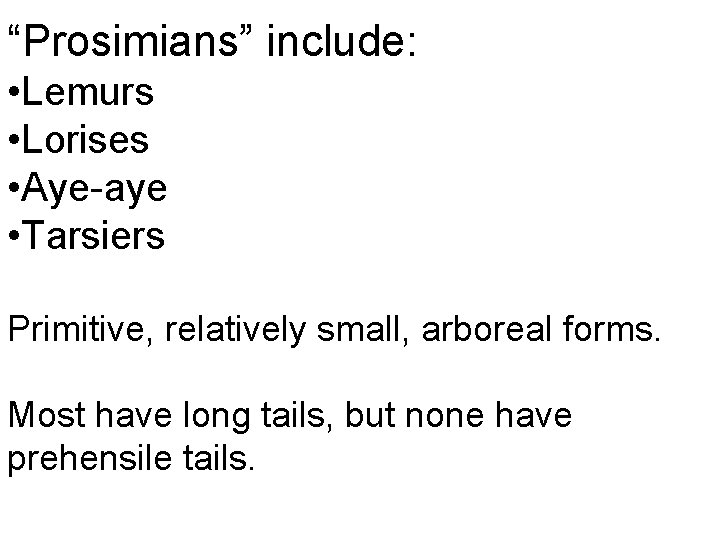
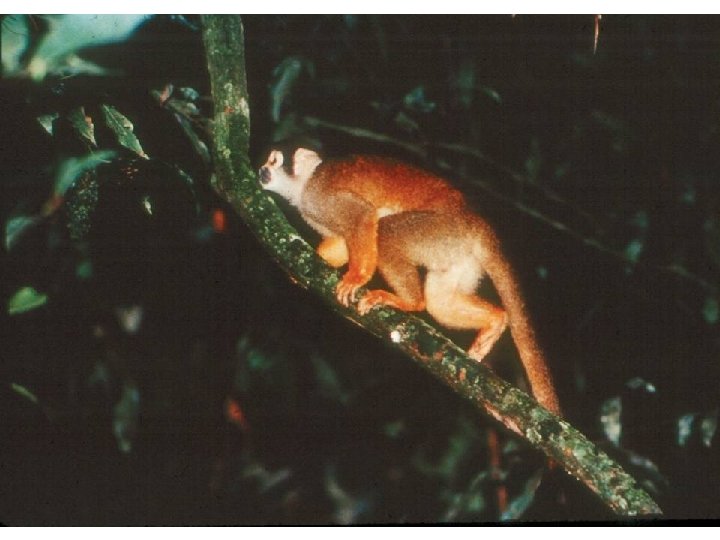
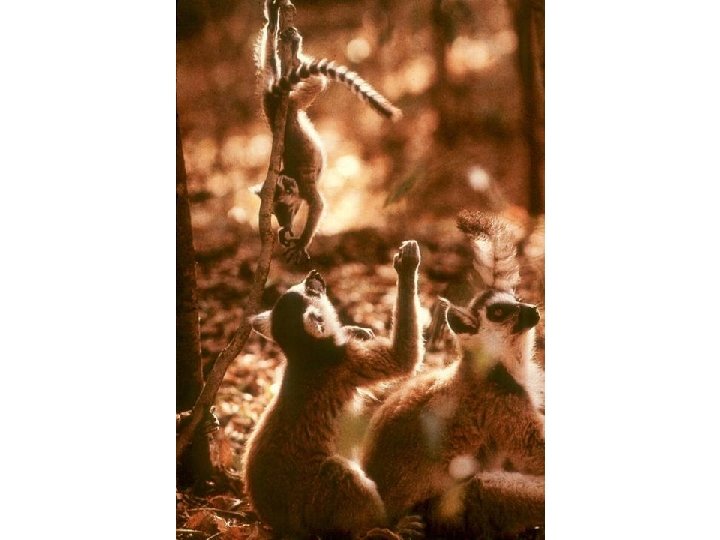
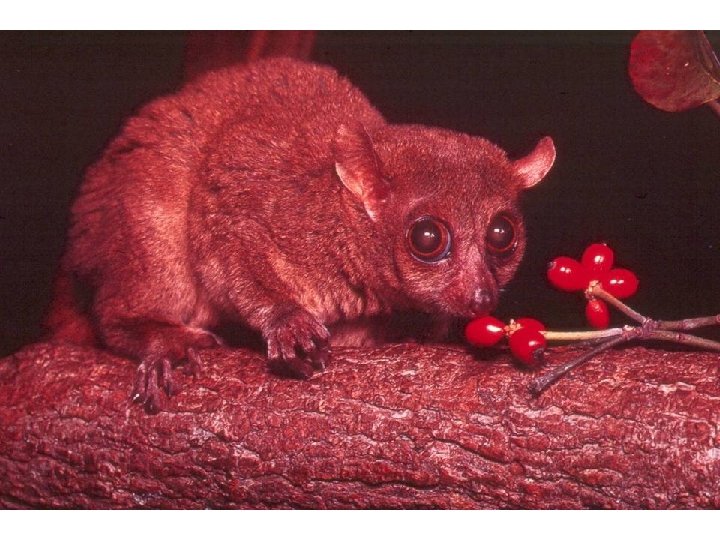
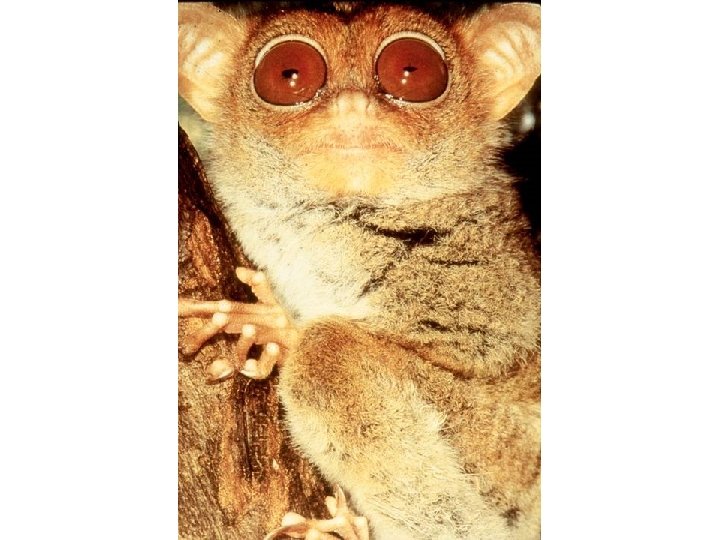
“Prosimians” include: • Lemurs • Lorises • Aye-aye • Tarsiers Primitive, relatively small, arboreal forms. Most have long tails, but none have prehensile tails.
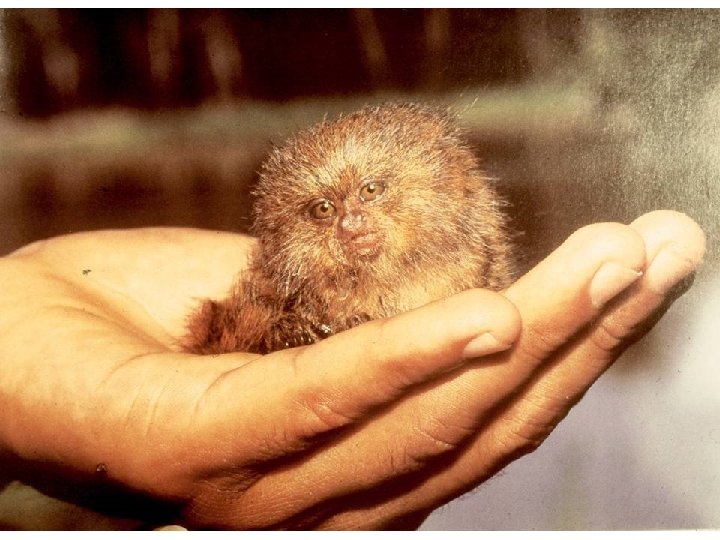
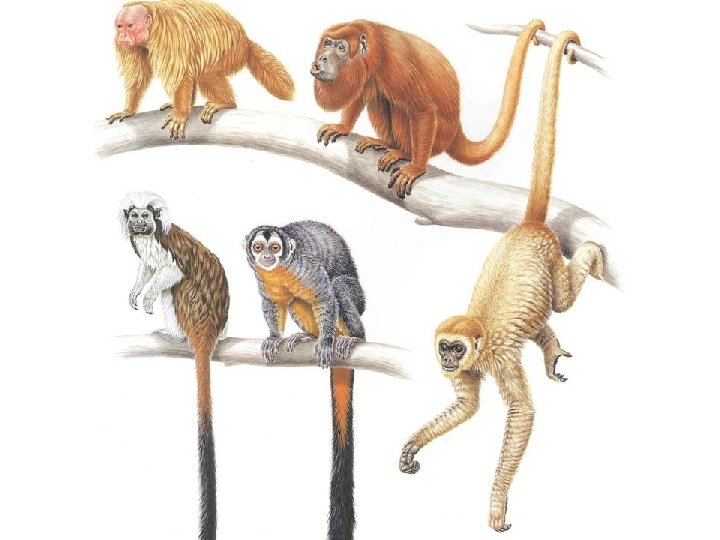
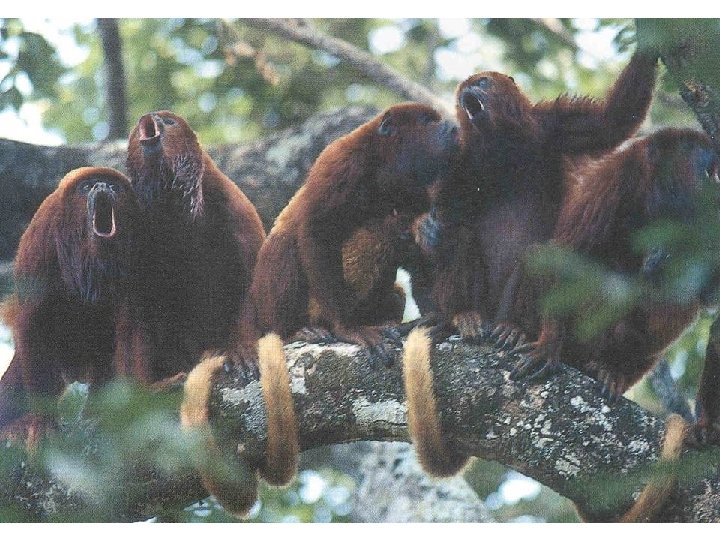
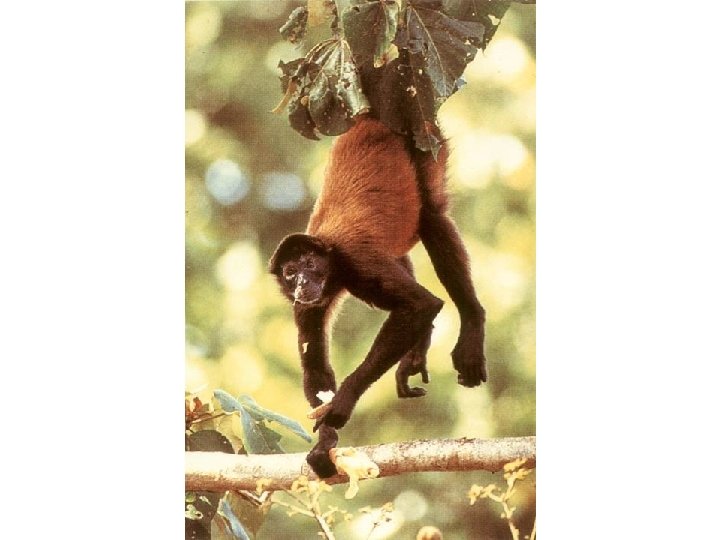
NEW WORLD MONKEYS • Noses are “flat” – nostrils face sideways. • Tail is often prehesile (acts like a fifth grasping structure) • Arboreal • Quadrupedal locomotion on top of limbs • Brachiation (limb swinging)
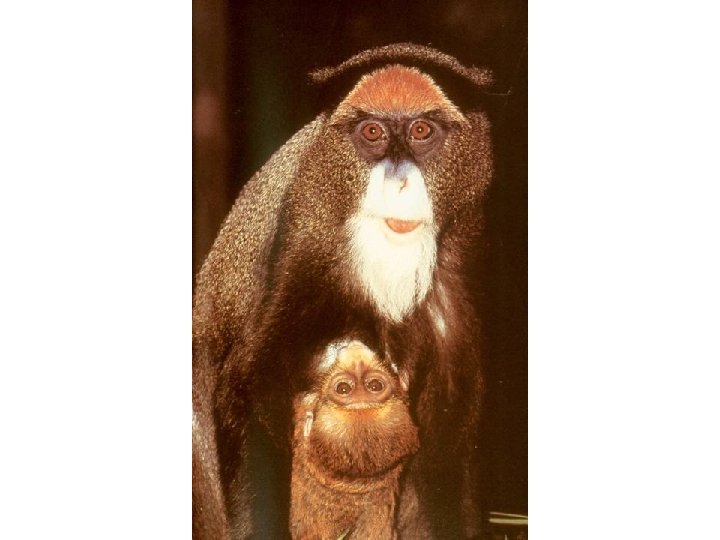
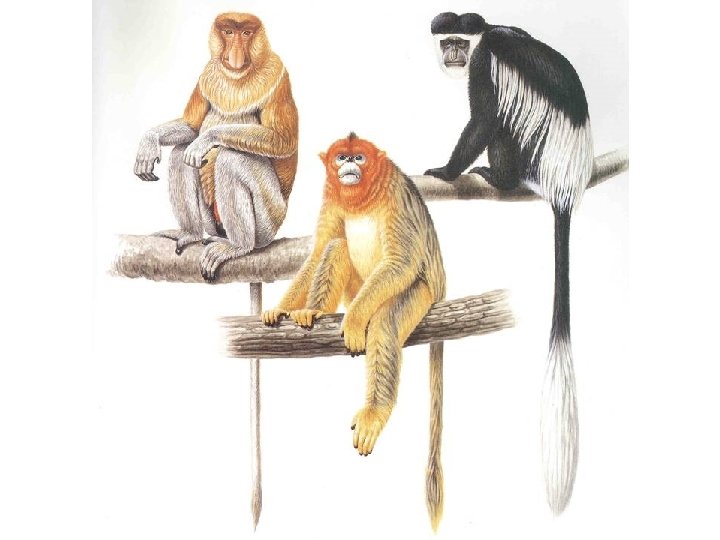
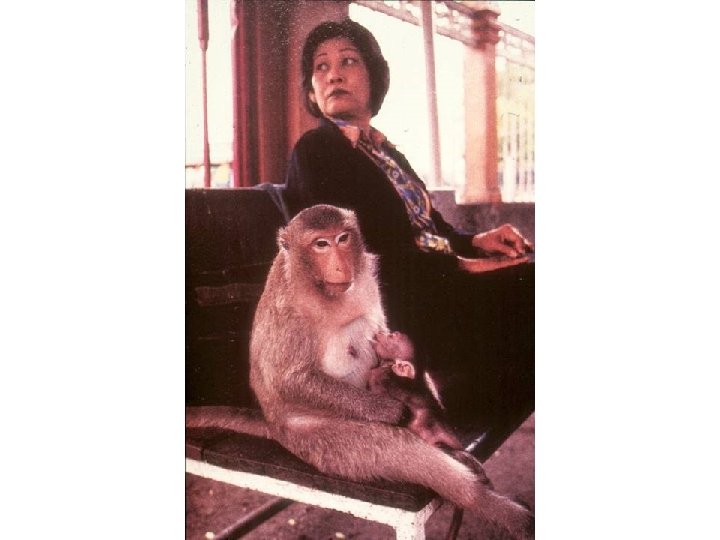
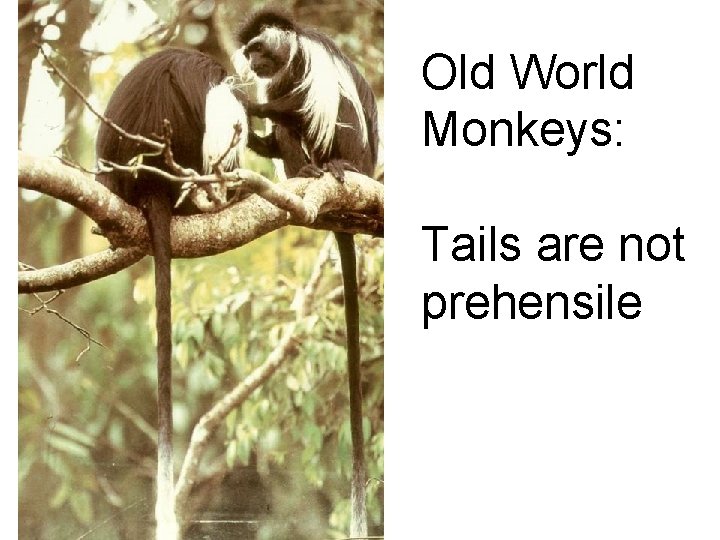
OLD WORLD MONKEYS • Noses are not “flat” – nostrils face forward • Tail is not prehesile • Arboreal forms • Quadrupedal locomotion on top of limbs • Brachiation (limb swinging) • Terrestrial forms as well
Old World Monkeys: Tails are not prehensile
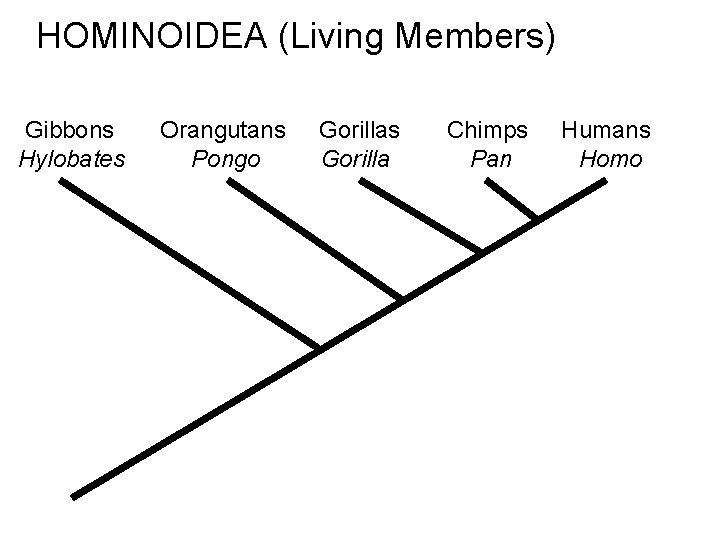
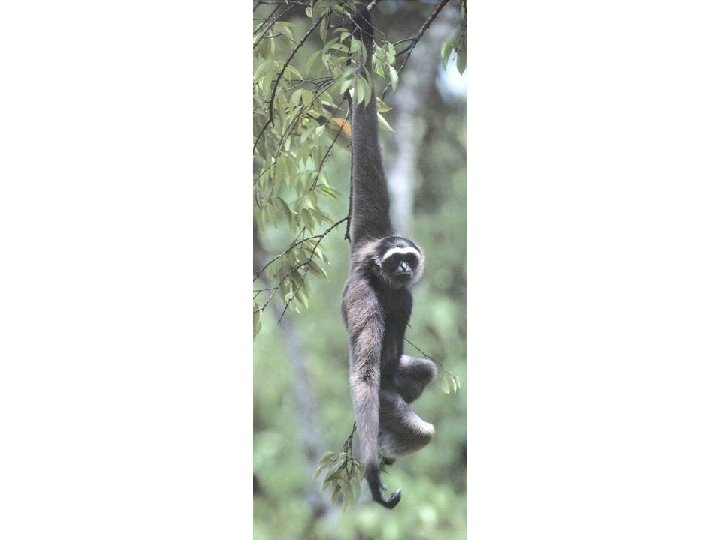
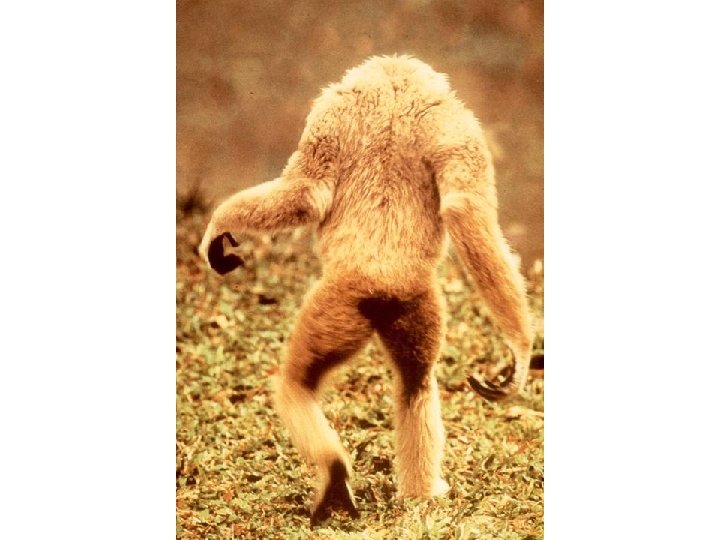
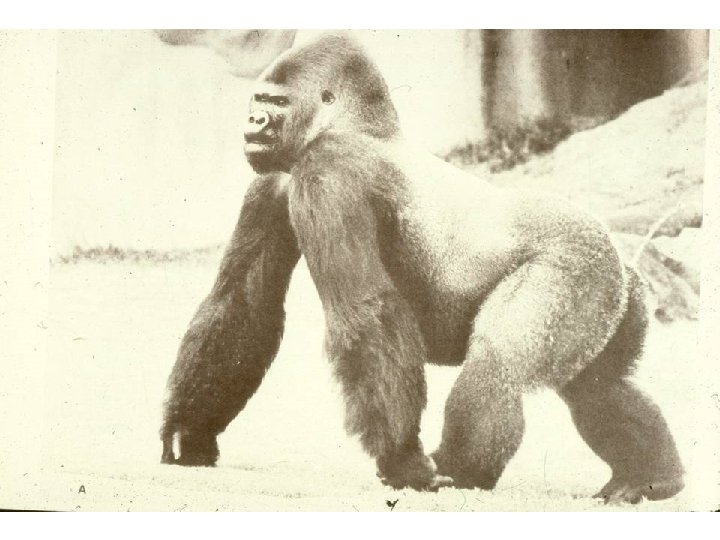
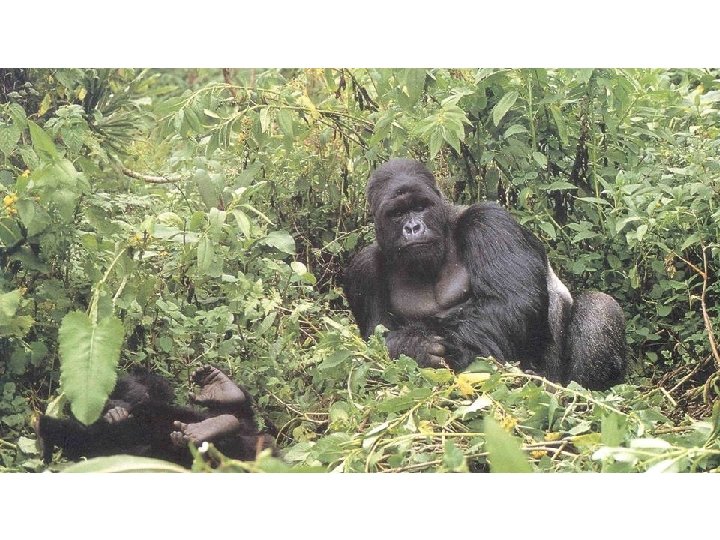
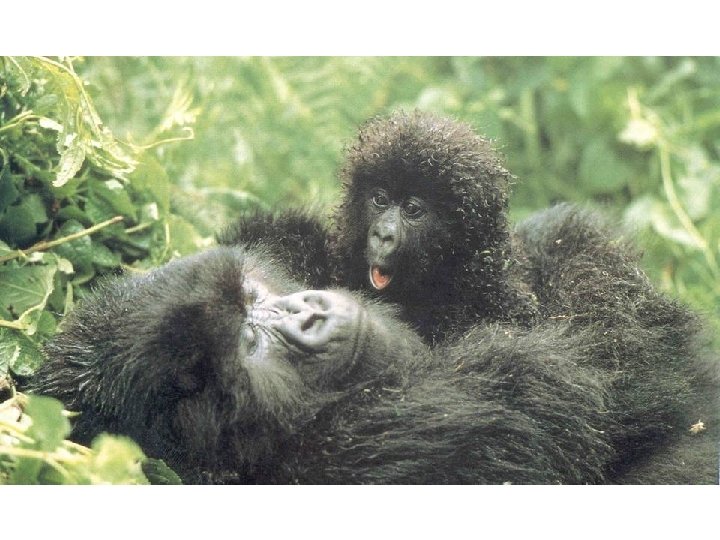
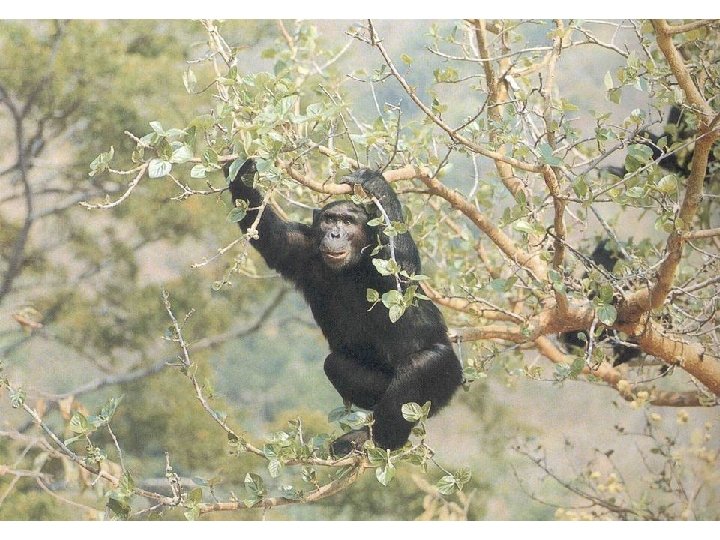
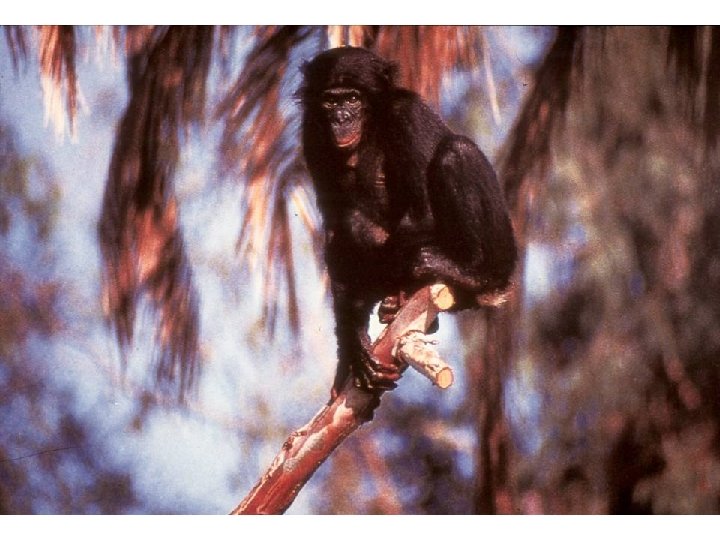
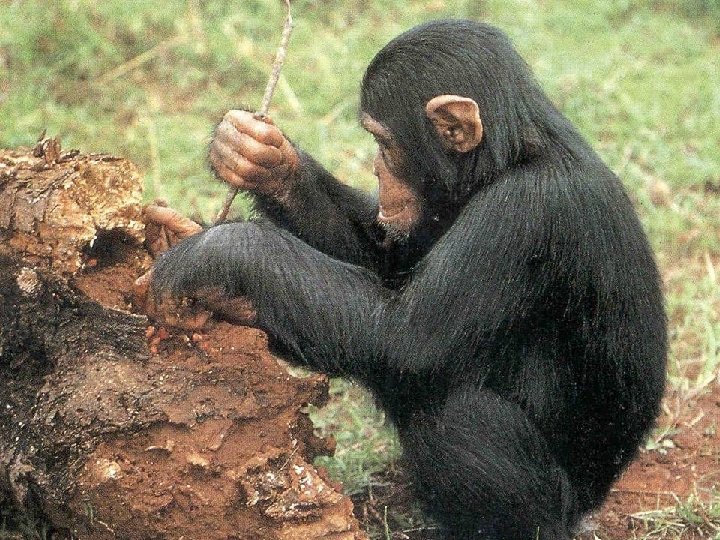
HOMINOIDEA (The Great Apes) Living Members: • Gibbons • Orangutans • Gorillas • Chimpanzees and Bonobos • Humans Tail significantly reduced. Group was originally arboreal. Many members now terrestrial.
HOMINOIDEA (Living Members) Gibbons Hylobates Orangutans Pongo Gorillas Gorilla Chimps Pan Humans Homo
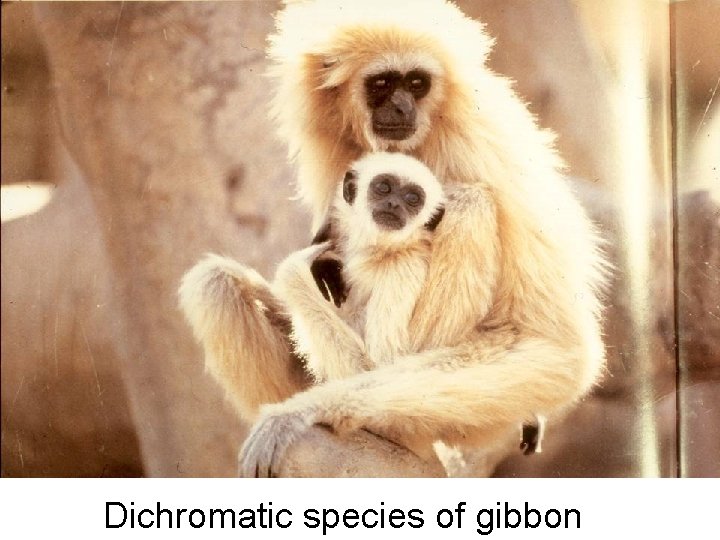
Dichromatic species of gibbon
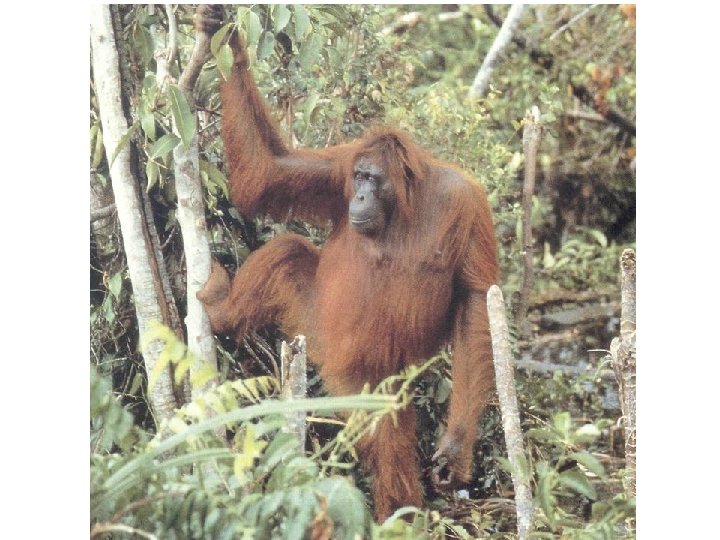
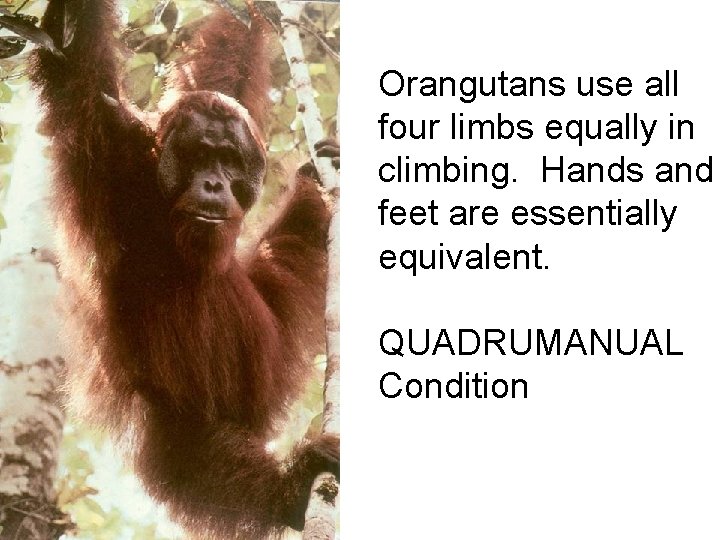
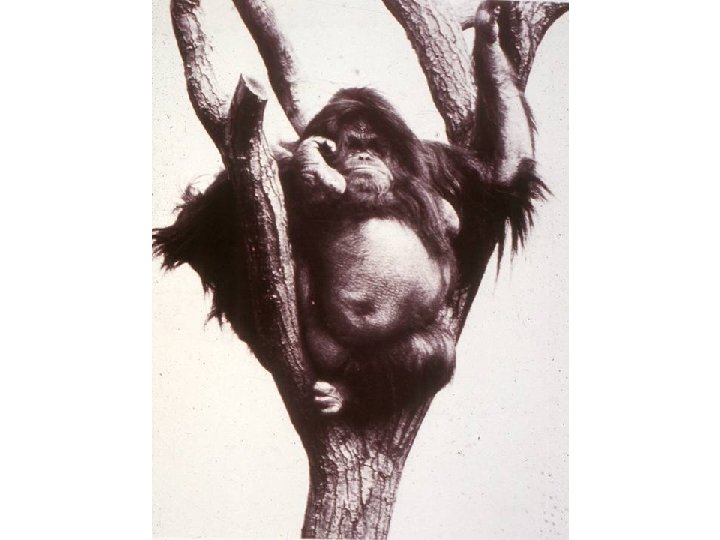
Orangutans use all four limbs equally in climbing. Hands and feet are essentially equivalent. QUADRUMANUAL Condition
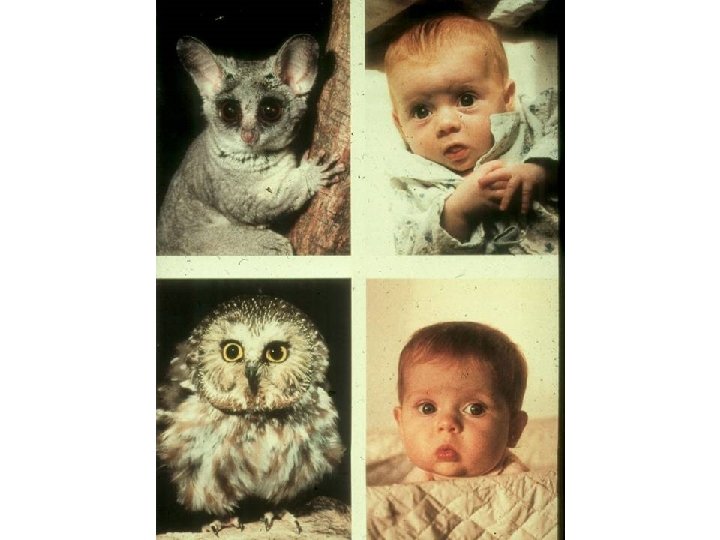
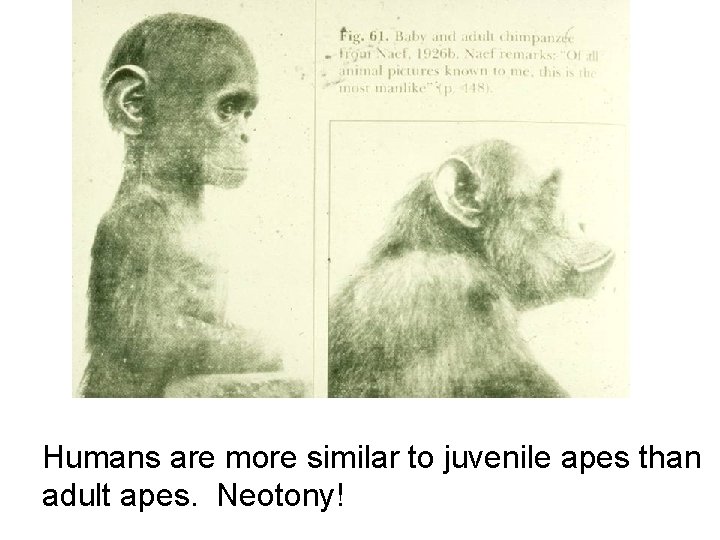
Humans are more similar to juvenile apes than adult apes. Neotony!
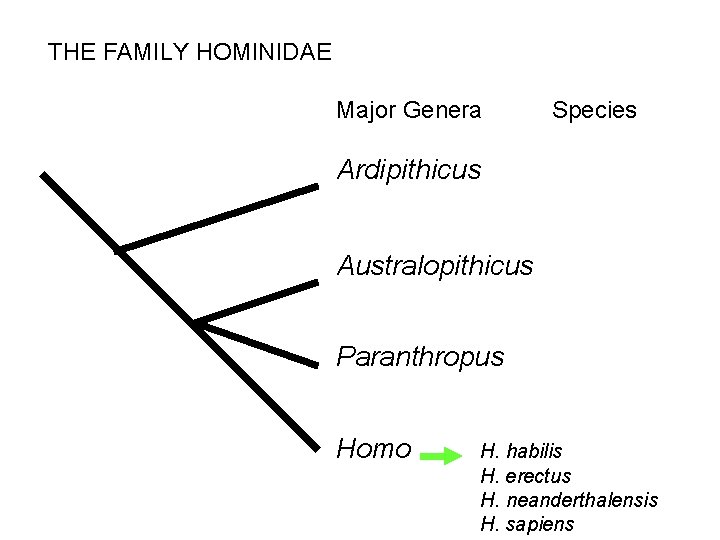
THE FAMILY HOMINIDAE Major Genera Species Ardipithicus Australopithicus Paranthropus Homo H. habilis H. erectus H. neanderthalensis H. sapiens
Austraulopithicus afarensis is amongst the most important of early hominid fossils. It is amongst the most complete of early fossils to demonstrate the orthograde, bipedal nature of early hominids… 3. 8 to 4 million years old.
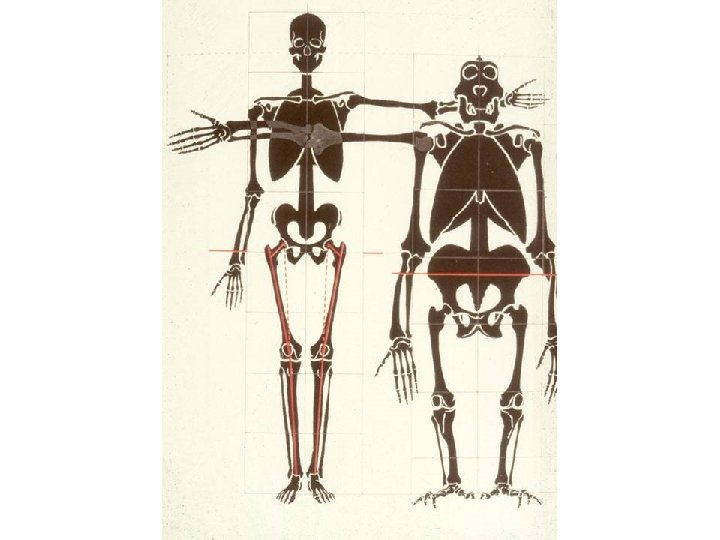
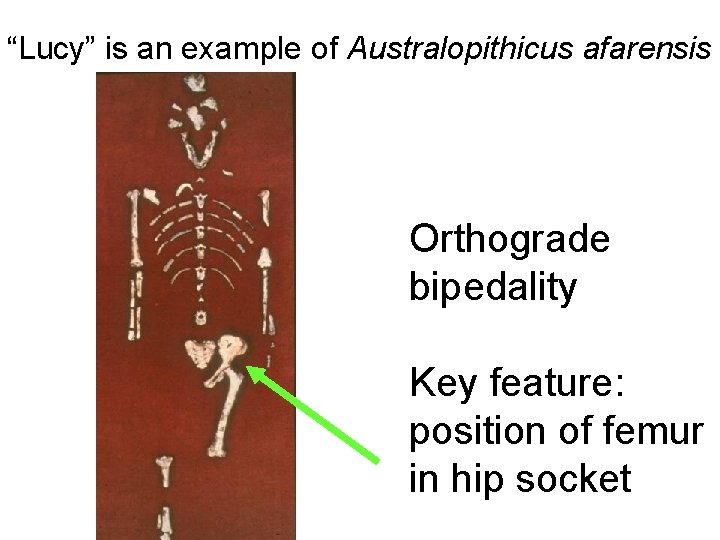
“Lucy” is an example of Australopithicus afarensis Orthograde bipedality Key feature: position of femur in hip socket
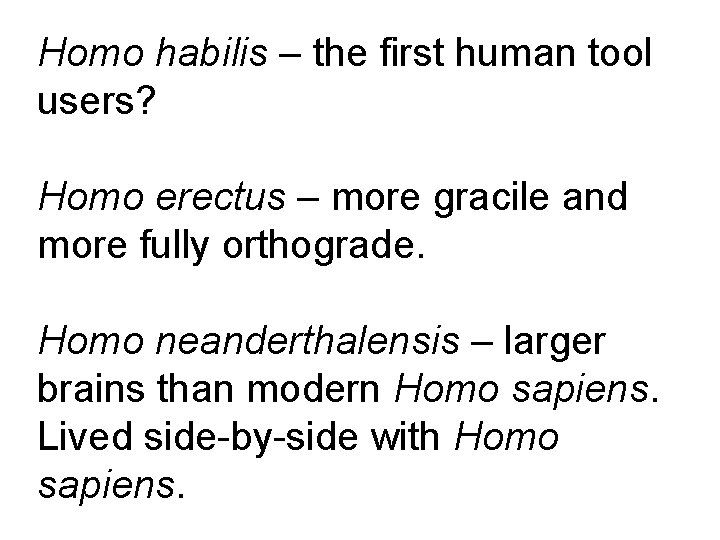
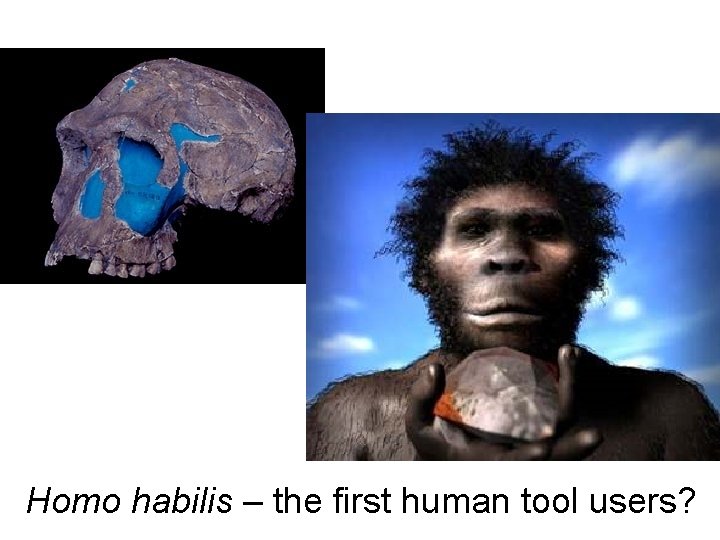
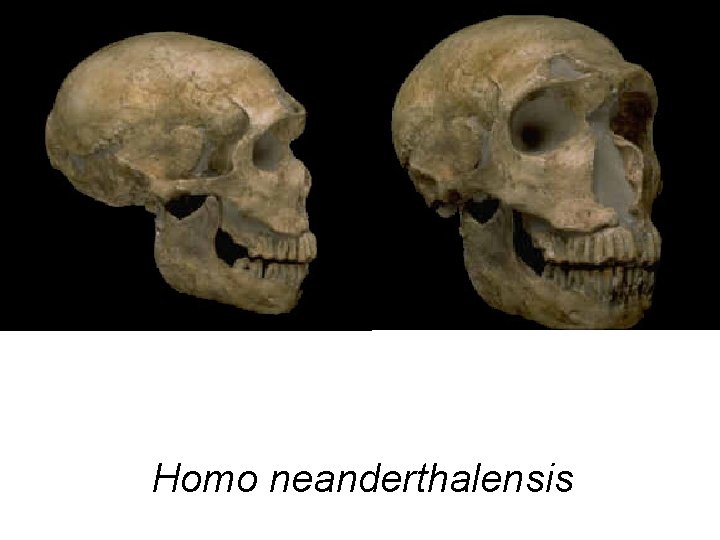
Homo habilis – the first human tool users? Homo erectus – more gracile and more fully orthograde. Homo neanderthalensis – larger brains than modern Homo sapiens. Lived side-by-side with Homo sapiens.
Homo habilis – the first human tool users?
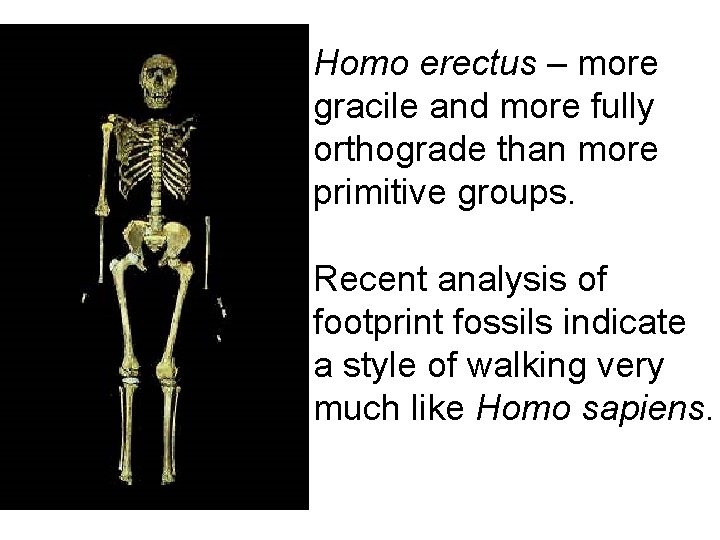
Homo erectus – more gracile and more fully orthograde than more primitive groups. Recent analysis of footprint fossils indicate a style of walking very much like Homo sapiens.
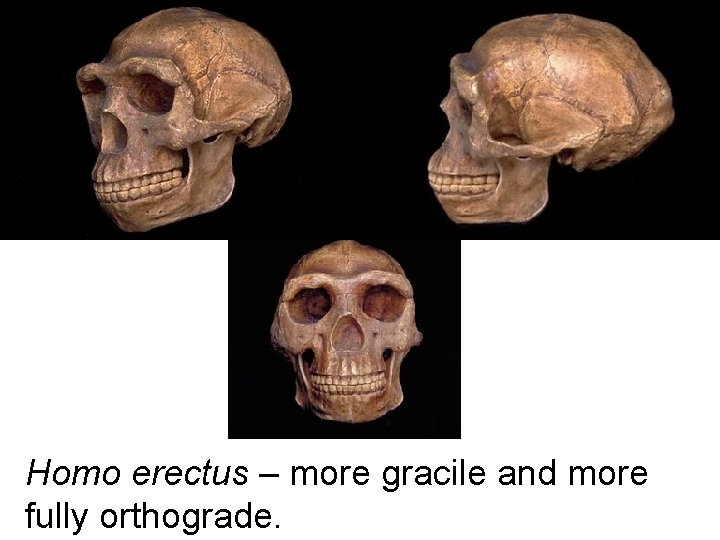
Homo erectus – more gracile and more fully orthograde.
Homo neanderthalensis
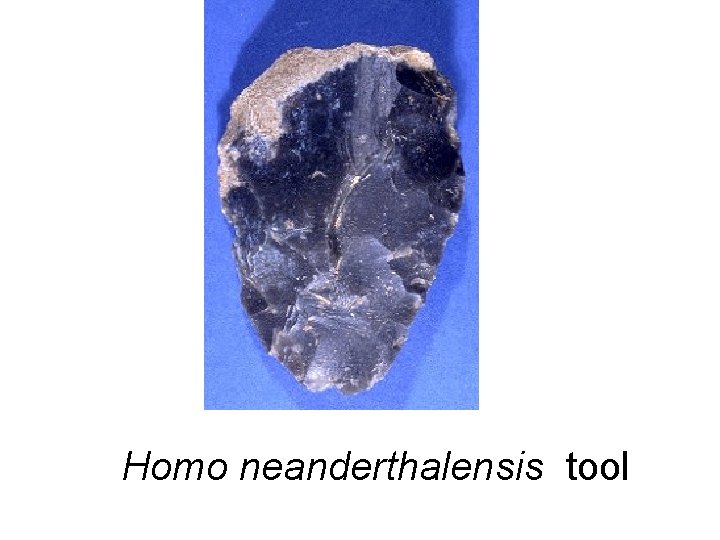
Homo neanderthalensis tool
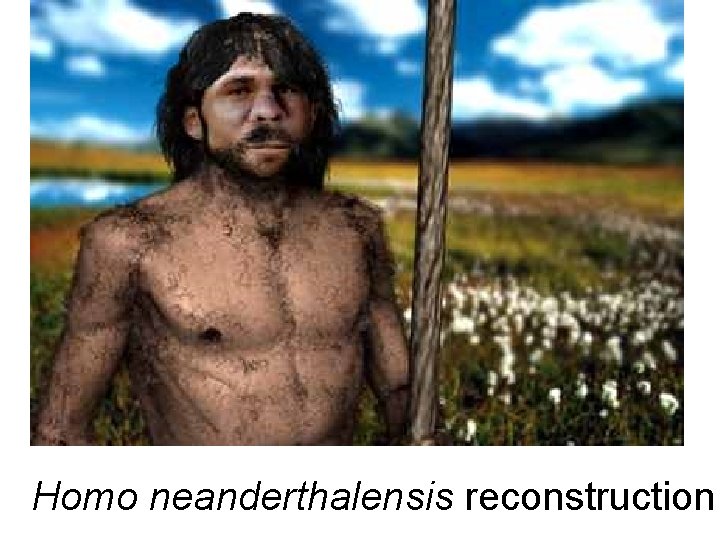
Homo neanderthalensis reconstruction
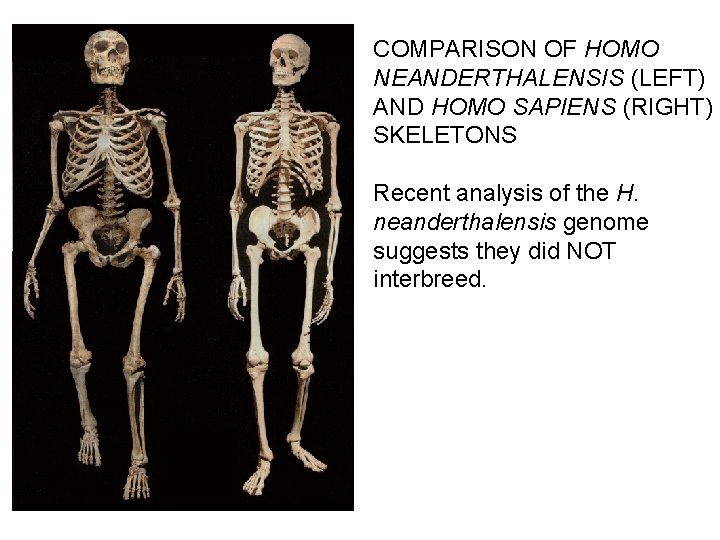
COMPARISON OF HOMO NEANDERTHALENSIS (LEFT) AND HOMO SAPIENS (RIGHT) SKELETONS Recent analysis of the H. neanderthalensis genome suggests they did NOT interbreed.
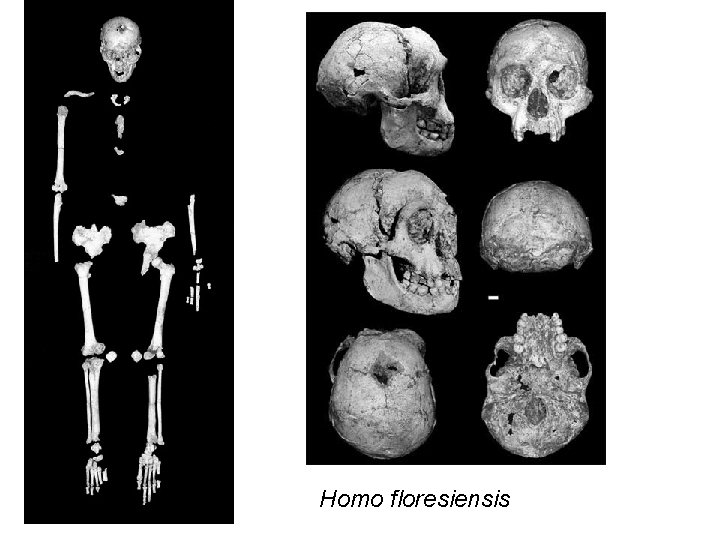
Homo floresiensis
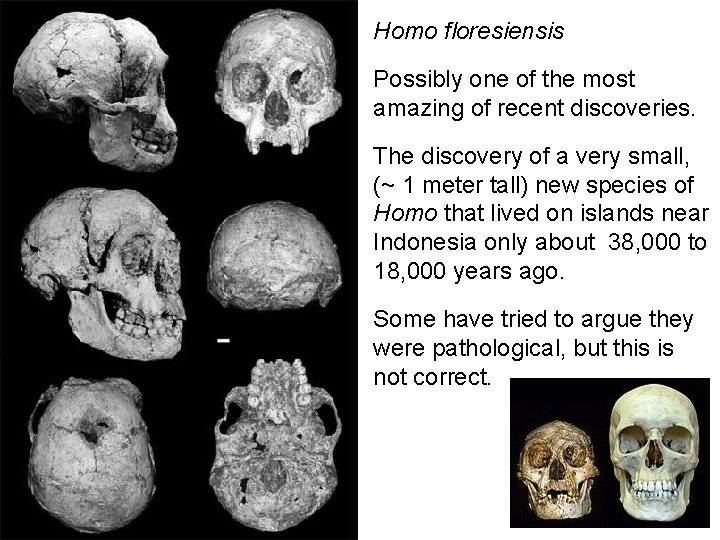
Homo floresiensis Possibly one of the most amazing of recent discoveries. The discovery of a very small, (~ 1 meter tall) new species of Homo that lived on islands near Indonesia only about 38, 000 to 18, 000 years ago. Some have tried to argue they were pathological, but this is not correct.
HUMAN SEXUAL DIMORPHISM
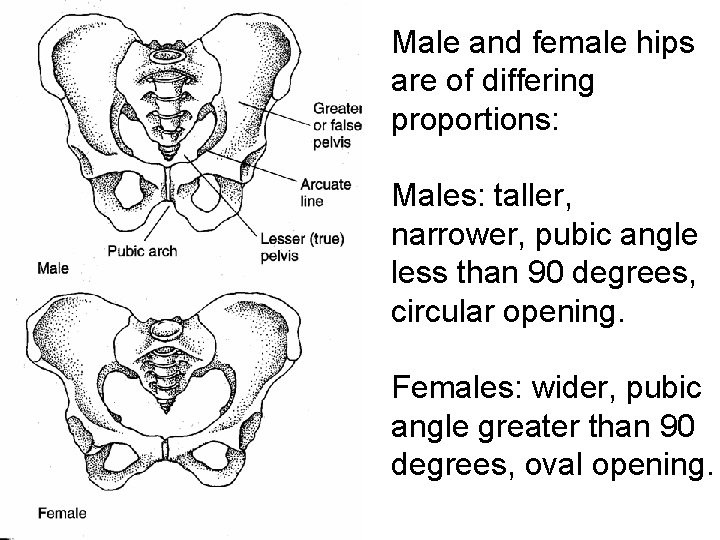
Male and female hips are of differing proportions: Males: taller, narrower, pubic angle less than 90 degrees, circular opening. Females: wider, pubic angle greater than 90 degrees, oval opening.
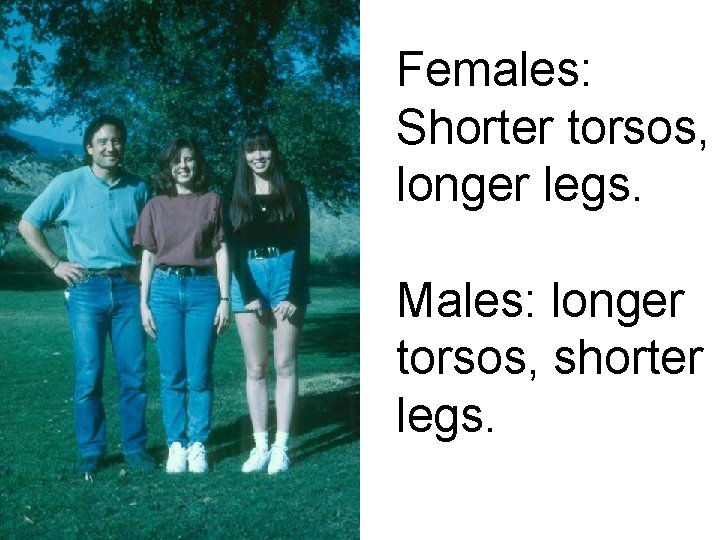
Females: Shorter torsos, longer legs. Males: longer torsos, shorter legs.