Liver GI Transplanation JMH 2232010 Emmanouil Palaios MD
- Slides: 66
Liver & GI Transplanation JMH 2/23/2010 Emmanouil Palaios MD Critical Care Fellow
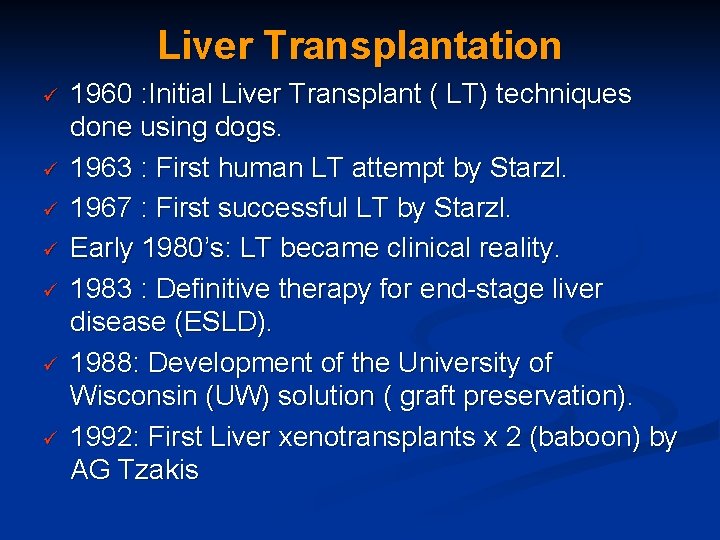
Liver Transplantation ü ü ü ü 1960 : Initial Liver Transplant ( LT) techniques done using dogs. 1963 : First human LT attempt by Starzl. 1967 : First successful LT by Starzl. Early 1980’s: LT became clinical reality. 1983 : Definitive therapy for end-stage liver disease (ESLD). 1988: Development of the University of Wisconsin (UW) solution ( graft preservation). 1992: First Liver xenotransplants x 2 (baboon) by AG Tzakis
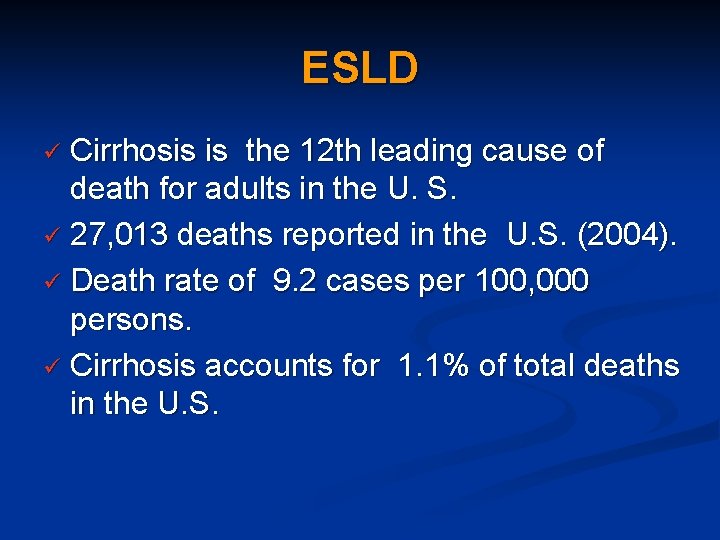
ESLD Cirrhosis is the 12 th leading cause of death for adults in the U. S. ü 27, 013 deaths reported in the U. S. (2004). ü Death rate of 9. 2 cases per 100, 000 persons. ü Cirrhosis accounts for 1. 1% of total deaths in the U. S. ü
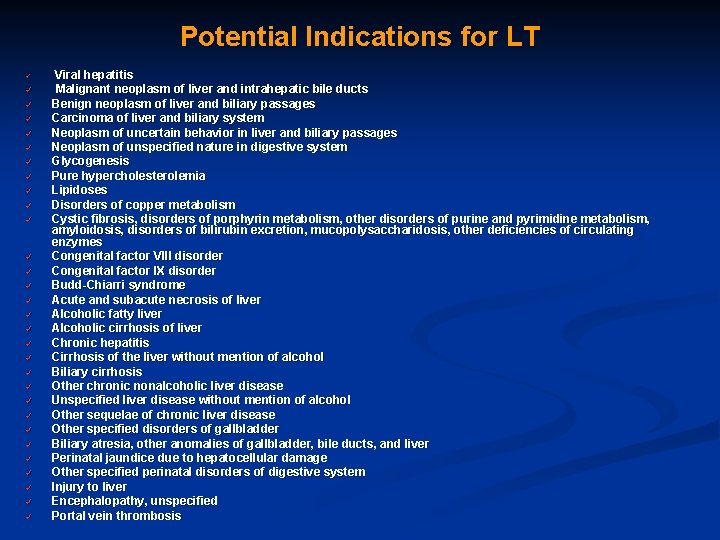
Potential Indications for LT ü ü ü ü ü ü ü ü Viral hepatitis Malignant neoplasm of liver and intrahepatic bile ducts Benign neoplasm of liver and biliary passages Carcinoma of liver and biliary system Neoplasm of uncertain behavior in liver and biliary passages Neoplasm of unspecified nature in digestive system Glycogenesis Pure hypercholesterolemia Lipidoses Disorders of copper metabolism Cystic fibrosis, disorders of porphyrin metabolism, other disorders of purine and pyrimidine metabolism, amyloidosis, disorders of bilirubin excretion, mucopolysaccharidosis, other deficiencies of circulating enzymes Congenital factor VIII disorder Congenital factor IX disorder Budd-Chiarri syndrome Acute and subacute necrosis of liver Alcoholic fatty liver Alcoholic cirrhosis of liver Chronic hepatitis Cirrhosis of the liver without mention of alcohol Biliary cirrhosis Other chronic nonalcoholic liver disease Unspecified liver disease without mention of alcohol Other sequelae of chronic liver disease Other specified disorders of gallbladder Biliary atresia, other anomalies of gallbladder, bile ducts, and liver Perinatal jaundice due to hepatocellular damage Other specified perinatal disorders of digestive system Injury to liver Encephalopathy, unspecified Portal vein thrombosis
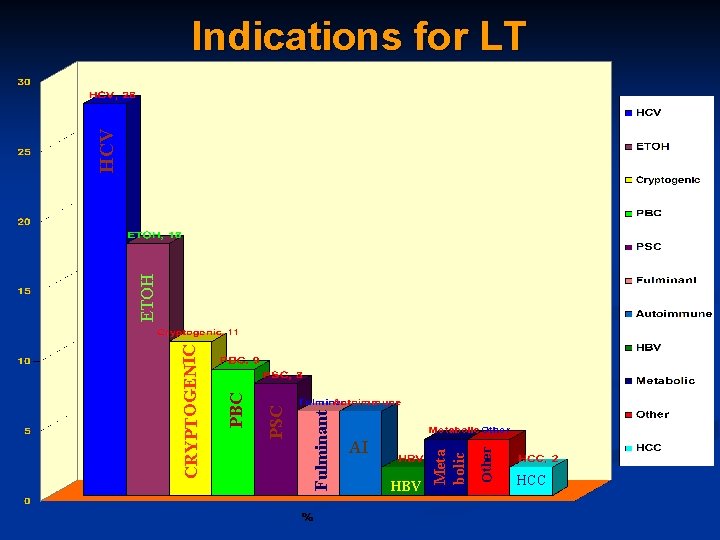
Fulminant PSC PBC CRYPTOGENIC AI HBV Other Meta bolic ETOH HCV Indications for LT HCC
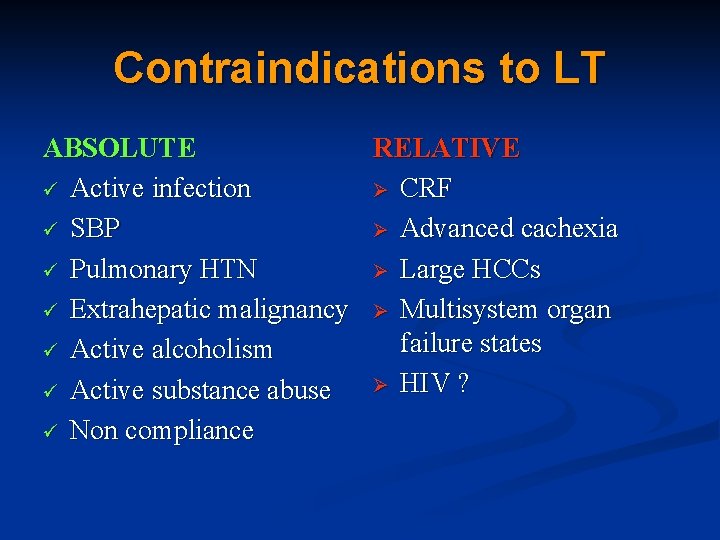
Contraindications to LT ABSOLUTE RELATIVE ü Active infection Ø CRF ü SBP Ø Advanced cachexia ü Pulmonary HTN Ø Large HCCs ü Extrahepatic malignancy Ø Multisystem organ failure states ü Active alcoholism Ø HIV ? ü Active substance abuse ü Non compliance
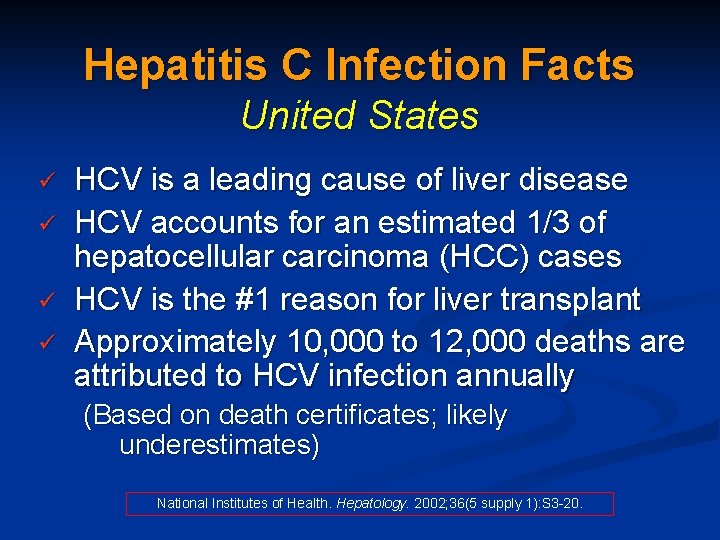
Hepatitis C Infection Facts United States ü ü HCV is a leading cause of liver disease HCV accounts for an estimated 1/3 of hepatocellular carcinoma (HCC) cases HCV is the #1 reason for liver transplant Approximately 10, 000 to 12, 000 deaths are attributed to HCV infection annually (Based on death certificates; likely underestimates) National Institutes of Health. Hepatology. 2002; 36(5 supply 1): S 3 -20.
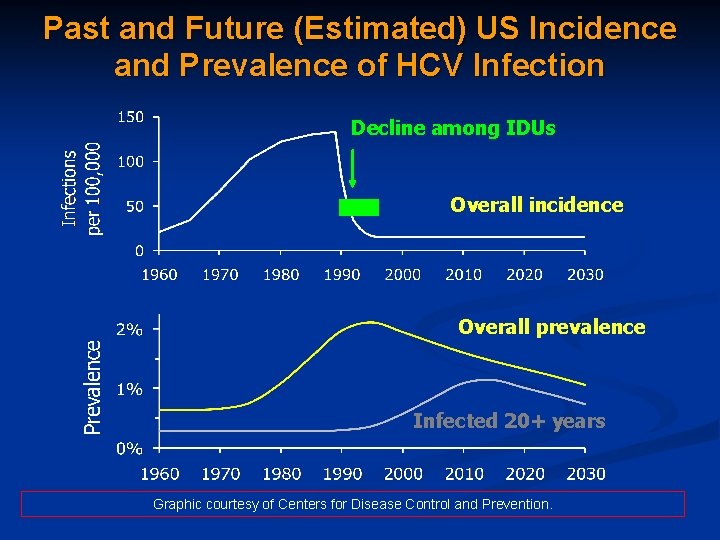
Past and Future (Estimated) US Incidence and Prevalence of HCV Infection Decline among IDUs Overall incidence Overall prevalence Infected 20+ years Graphic courtesy of Centers for Disease Control and Prevention.
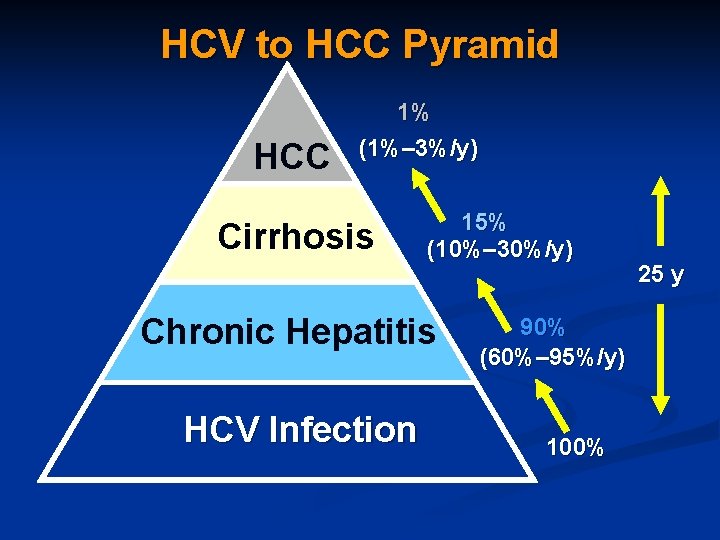
HCV to HCC Pyramid HCC 1% (1%– 3%/y) Cirrhosis 15% (10%– 30%/y) Chronic Hepatitis HCV Infection 90% (60%– 95%/y) 100% 25 y
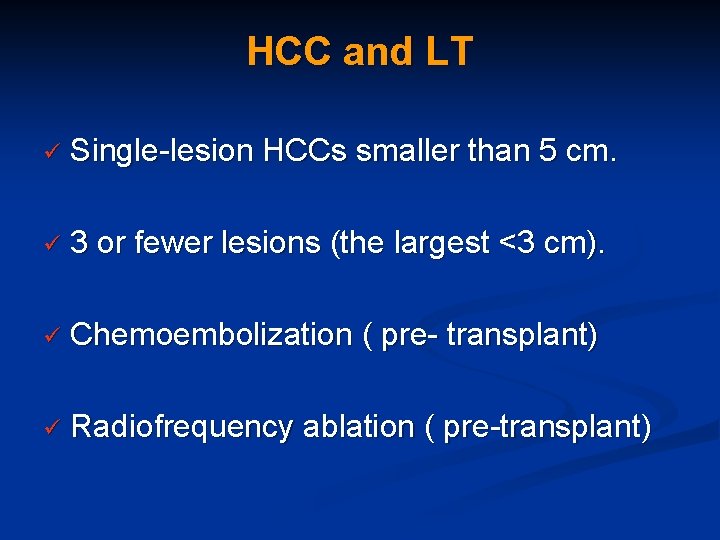
HCC and LT ü Single-lesion HCCs smaller than 5 cm. ü 3 or fewer lesions (the largest <3 cm). ü Chemoembolization ( pre- transplant) ü Radiofrequency ablation ( pre-transplant)
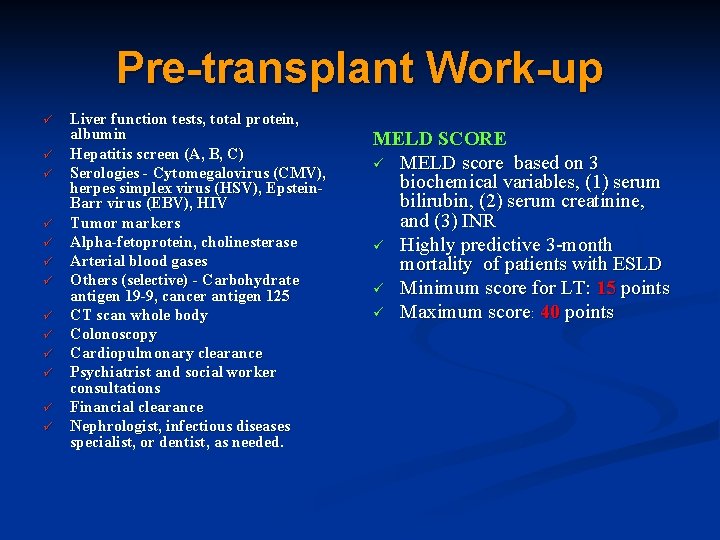
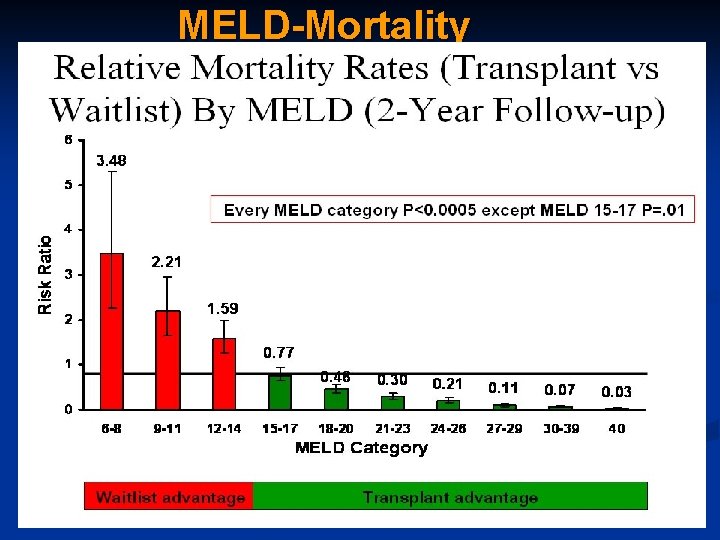
Pre-transplant Work-up ü ü ü ü Liver function tests, total protein, albumin Hepatitis screen (A, B, C) Serologies - Cytomegalovirus (CMV), herpes simplex virus (HSV), Epstein. Barr virus (EBV), HIV Tumor markers Alpha-fetoprotein, cholinesterase Arterial blood gases Others (selective) - Carbohydrate antigen 19 -9, cancer antigen 125 CT scan whole body Colonoscopy Cardiopulmonary clearance Psychiatrist and social worker consultations Financial clearance Nephrologist, infectious diseases specialist, or dentist, as needed. MELD SCORE ü MELD score based on 3 biochemical variables, (1) serum bilirubin, (2) serum creatinine, and (3) INR ü Highly predictive 3 -month mortality of patients with ESLD ü Minimum score for LT: 15 points ü Maximum score: 40 points
MELD-Mortality
The donor operation-Harvesting ü ü ü ü Portal cannula: portal flush to splenic vein or SMV Aortic cannula to infrarenal aorta Heparin (20000 to 30000 U) “Cross clump” Venting of SVC Rapid flush with UW solution Cooling (ice) Removal of organs
Back-table allograft preparation ü Removal of superfluous tissues that accompany organs. ü Vascular graft reconstruction ü Testing of blood vessels ü Preparation of donor iliac arteries and veins
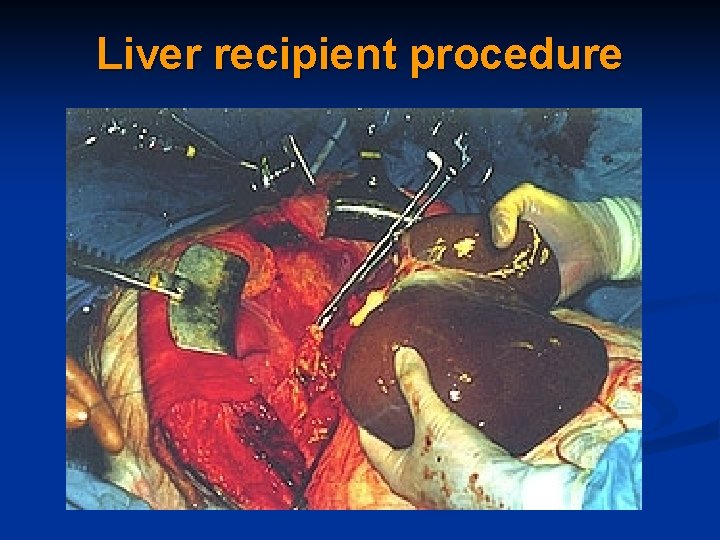
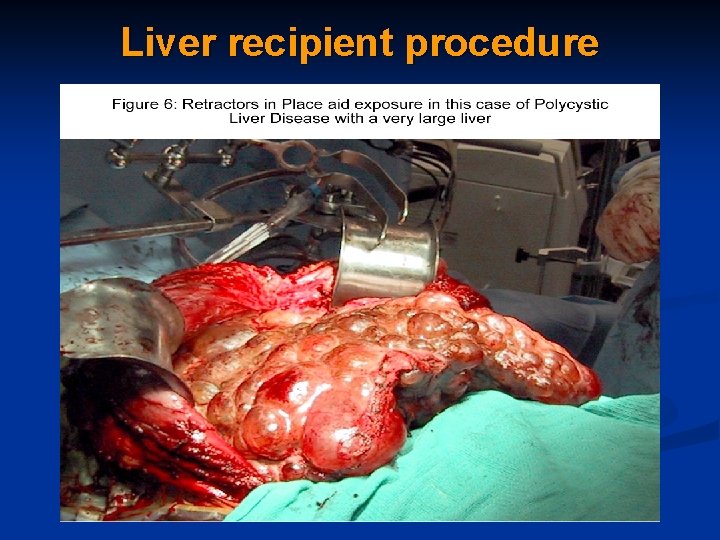
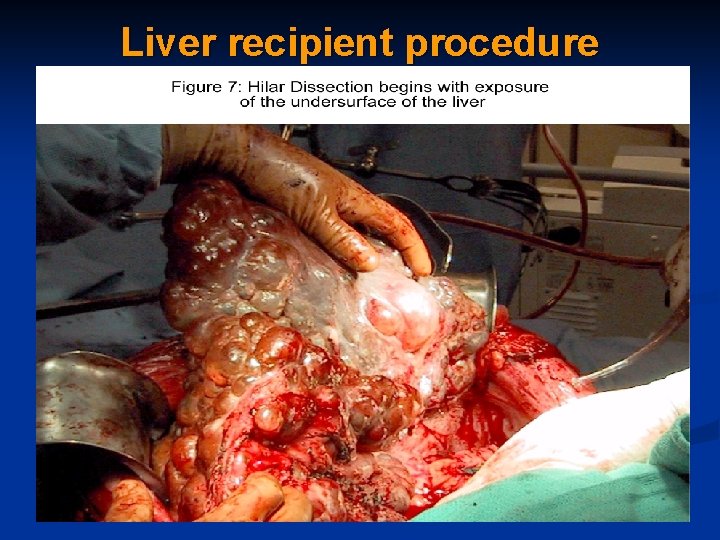
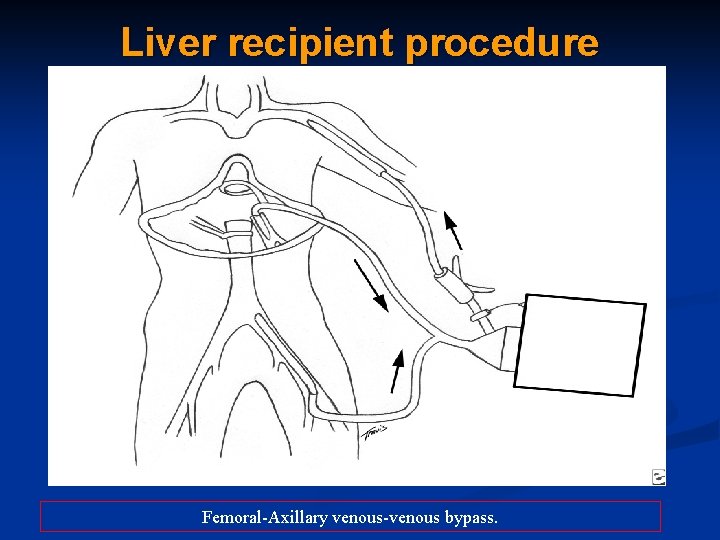
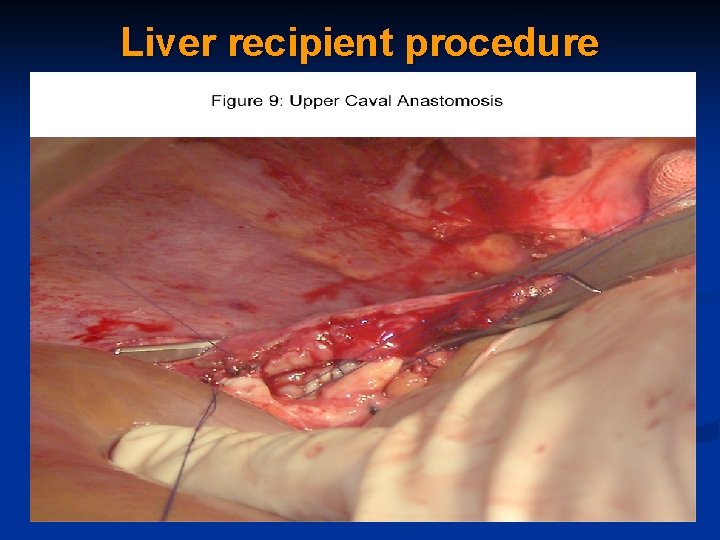
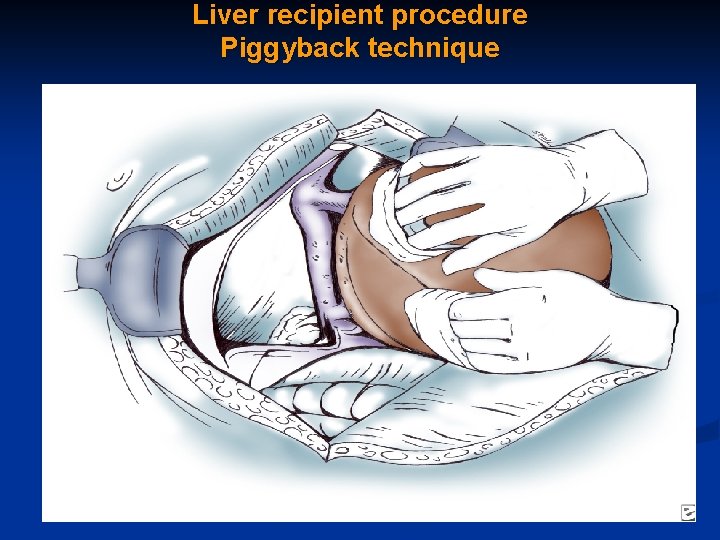
Liver recipient procedure Orthotopic LT Total Hepatectomy (venous bypass? ) ü Caval anastomosis (conventional, Piggyback technique). ü Reperfusion ü Portal vein anastomosis ü Hepatic Artery anastomosis (end to end, infrarenal aortic jump graft) ü Biliary reconstruction ( duct – to duct, Roux -en-Y hepatico-jejunostomy). ü
Liver recipient procedure
Liver recipient procedure
Liver recipient procedure
Liver recipient procedure Femoral-Axillary venous-venous bypass.
Liver recipient procedure
Liver recipient procedure Piggyback technique
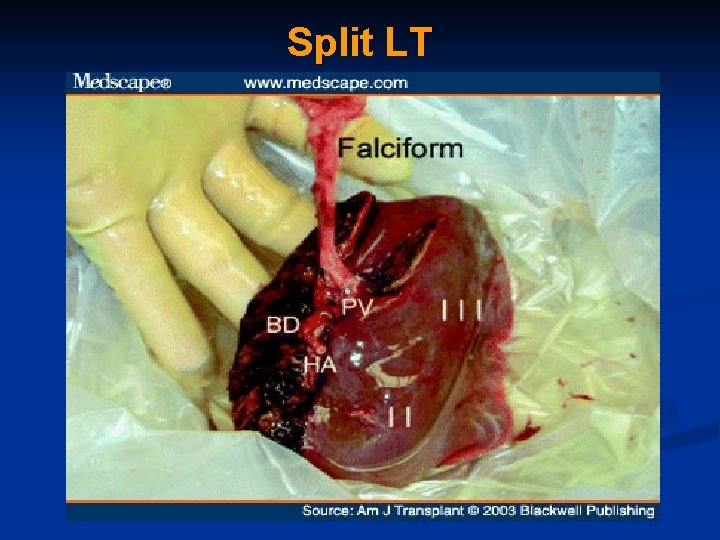
Living Donor/Split LT ü Living-donor LT: part of the liver from a living donor is resected and transplanted into a recipient. ü Split LT: a whole adult liver is transected into 2 pieces to provide grafts for 2 recipients
Split LT
Postoperative Care Liver function tests monitoring ü Fibrinogen level is the most important indicator of graft function in first 24 hours (> 100). ü Gradual normalization of ALT, AST, T. Bili, PT. ü Early elevation of liver enzymes (LEs) followed by quick normalization is reflective of preservation injury (cold preservation). ü Primary non functional liver: marked ü
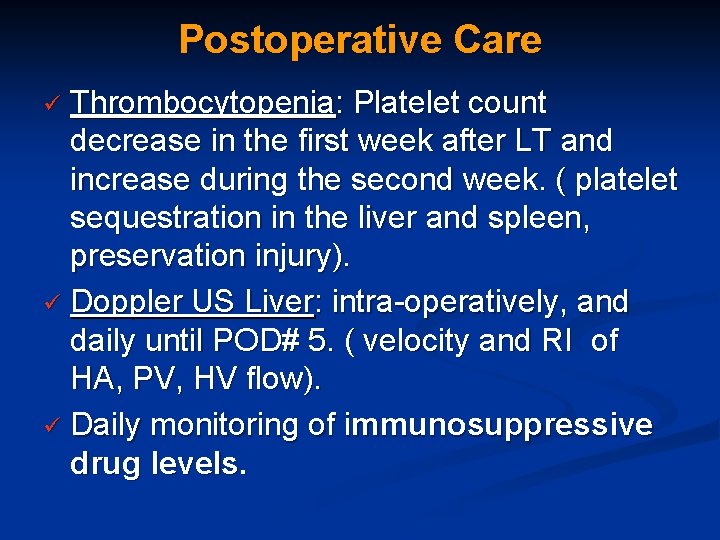
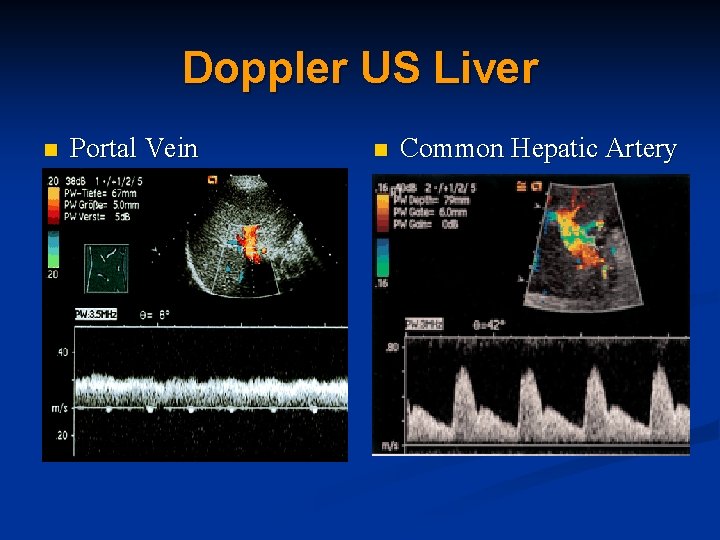
Postoperative Care Thrombocytopenia: Platelet count decrease in the first week after LT and increase during the second week. ( platelet sequestration in the liver and spleen, preservation injury). ü Doppler US Liver: intra-operatively, and daily until POD# 5. ( velocity and RI of HA, PV, HV flow). ü Daily monitoring of immunosuppressive drug levels. ü
Doppler US Liver n Portal Vein n Common Hepatic Artery
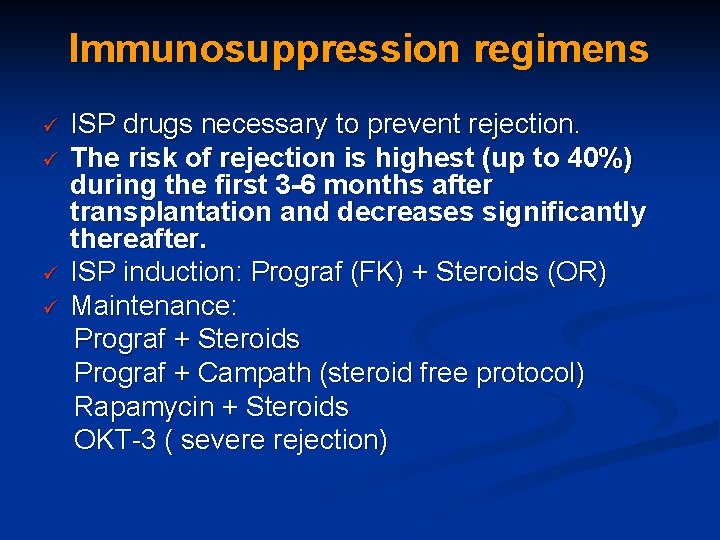
Immunosuppression regimens ISP drugs necessary to prevent rejection. ü The risk of rejection is highest (up to 40%) during the first 3 -6 months after transplantation and decreases significantly thereafter. ü ISP induction: Prograf (FK) + Steroids (OR) ü Maintenance: Prograf + Steroids Prograf + Campath (steroid free protocol) Rapamycin + Steroids OKT-3 ( severe rejection) ü
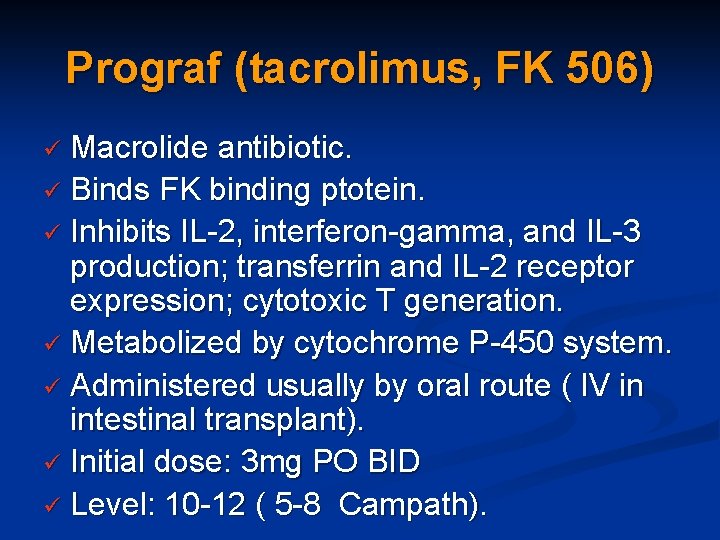
Prograf (tacrolimus, FK 506) Macrolide antibiotic. ü Binds FK binding ptotein. ü Inhibits IL-2, interferon-gamma, and IL-3 production; transferrin and IL-2 receptor expression; cytotoxic T generation. ü Metabolized by cytochrome P-450 system. ü Administered usually by oral route ( IV in intestinal transplant). ü Initial dose: 3 mg PO BID ü Level: 10 -12 ( 5 -8 Campath). ü
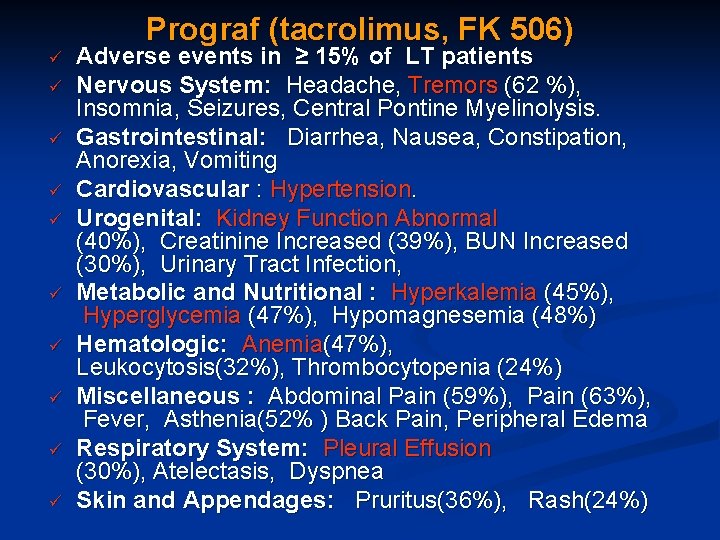
Prograf (tacrolimus, FK 506) ü ü ü ü ü Adverse events in ≥ 15% of LT patients Nervous System: Headache, Tremors (62 %), Insomnia, Seizures, Central Pontine Myelinolysis. Gastrointestinal: Diarrhea, Nausea, Constipation, Anorexia, Vomiting Cardiovascular : Hypertension. Urogenital: Kidney Function Abnormal (40%), Creatinine Increased (39%), BUN Increased (30%), Urinary Tract Infection, Metabolic and Nutritional : Hyperkalemia (45%), Hyperglycemia (47%), Hypomagnesemia (48%) Hematologic: Anemia(47%), Leukocytosis(32%), Thrombocytopenia (24%) Miscellaneous : Abdominal Pain (59%), Pain (63%), Fever, Asthenia(52% ) Back Pain, Peripheral Edema Respiratory System: Pleural Effusion (30%), Atelectasis, Dyspnea Skin and Appendages: Pruritus(36%), Rash(24%)
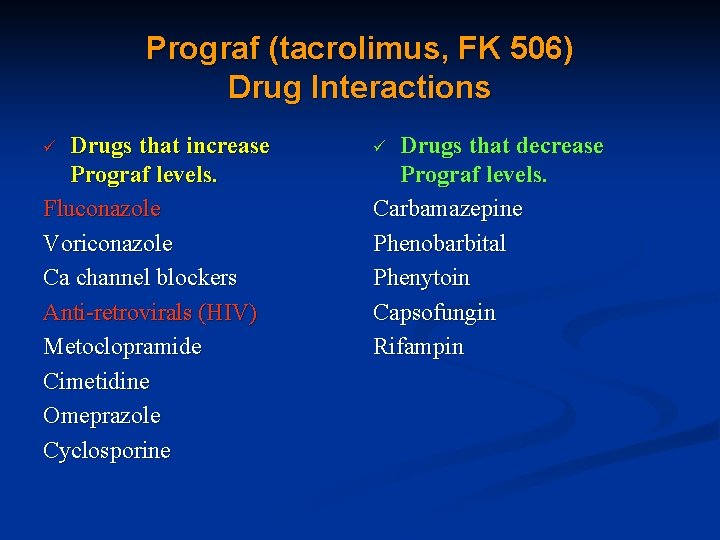
Prograf (tacrolimus, FK 506) Drug Interactions Drugs that increase Prograf levels. Fluconazole Voriconazole Ca channel blockers Anti-retrovirals (HIV) Metoclopramide Cimetidine Omeprazole Cyclosporine ü Drugs that decrease Prograf levels. Carbamazepine Phenobarbital Phenytoin Capsofungin Rifampin ü
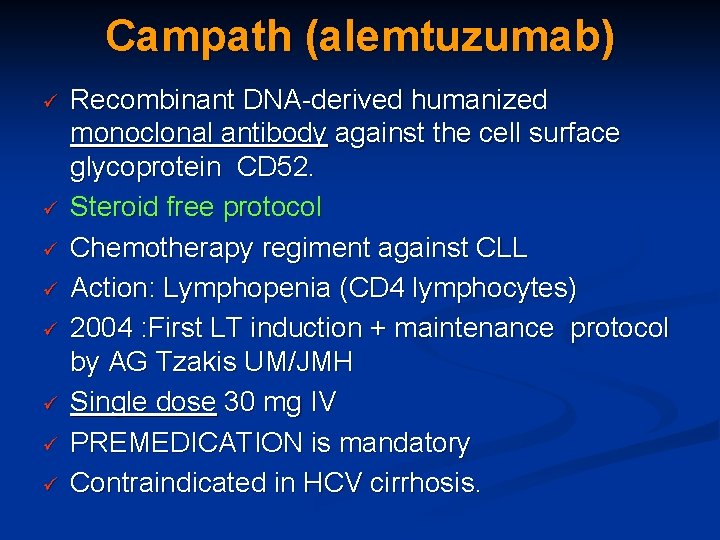
Campath (alemtuzumab) ü ü ü ü Recombinant DNA-derived humanized monoclonal antibody against the cell surface glycoprotein CD 52. Steroid free protocol Chemotherapy regiment against CLL Action: Lymphopenia (CD 4 lymphocytes) 2004 : First LT induction + maintenance protocol by AG Tzakis UM/JMH Single dose 30 mg IV PREMEDICATION is mandatory Contraindicated in HCV cirrhosis.
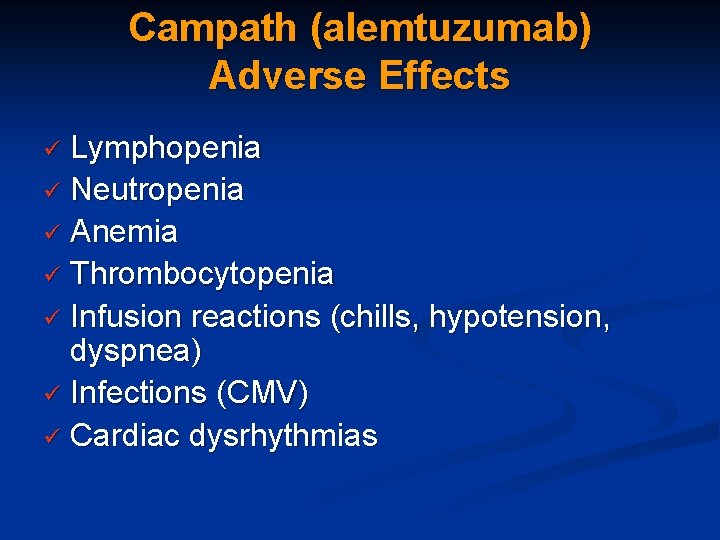
Campath (alemtuzumab) Adverse Effects Lymphopenia ü Neutropenia ü Anemia ü Thrombocytopenia ü Infusion reactions (chills, hypotension, dyspnea) ü Infections (CMV) ü Cardiac dysrhythmias ü
Muromonab CD-3 (OKT 3) ü ü ü ü The most potent anti-rejection drug. Murine monoclonal Ig. G 2 a antibody that specifically reacts with the T cell receptor-CD 3 complex on the surface of circulating human T cells. Action: transient activation of T cells, release of cytokines, and blocking of T-cell proliferation and differentiation. Nearly all functional T cells are transiently eliminated from the peripheral circulation. Treatment of severe rejection only PRE and POST MEDICATION is mandatory. Full antibiotic and antifungal coverage mandatory for duration of treatment.
Muromonab CD-3 (OKT 3) Adverse Effects ü ü ü ü Cytokine release syndrome: fever, decreased cardiac contractility, hypotension, chest pain, pulmonary edema, bronchospasm (ICU monitoring) Diarrhea, vomiting, nausea. Tremors. Generalized weakness, and generalized aches and pains (arthralgia, myalgia, headache) Infections (CMV, HSV) Sepsis Severe psycho- neurological effects
Sirolimus (Rapamune) Inhibits lymphocyte proliferation by interfering with signal transduction pathways. Binds to immunophilin FKBP to block action of m. TOR. ü Inhibits response to IL-2 (# FK). ü PO medication. ü Adverse effects: Hyperlipidemia, wound infection, hepatic artery thrombosis (with FK), bronchial anastomotic dehiscence (lung transplantation) ü
Complications Acute rejection (up to 40 % in first 3 months) ü Chronic rejection: ductopenia, fibrosis ü Primary graft failure ( up to 7 %) ü Biliary complications (strictures) ü Hepatic Artery Thrombosis ü Infections (viral and fungal) ü Post transplantation lymphoproliferative disorder (PTLD): EBV ü
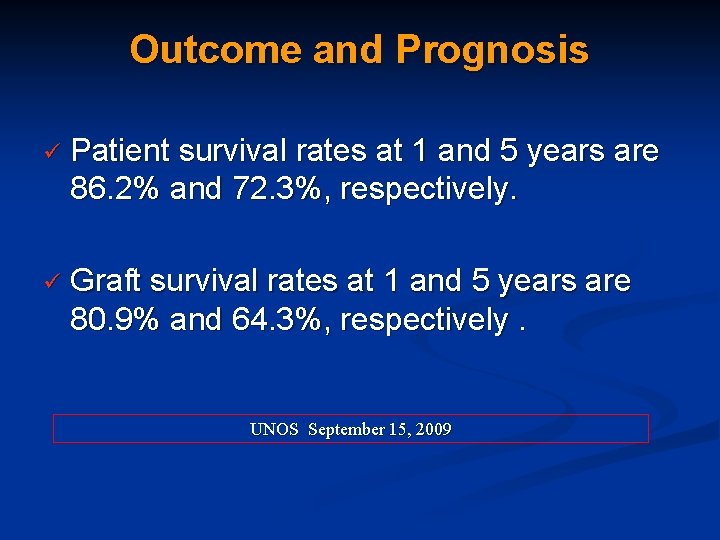
Outcome and Prognosis ü Patient survival rates at 1 and 5 years are 86. 2% and 72. 3%, respectively. ü Graft survival rates at 1 and 5 years are 80. 9% and 64. 3%, respectively. UNOS September 15, 2009
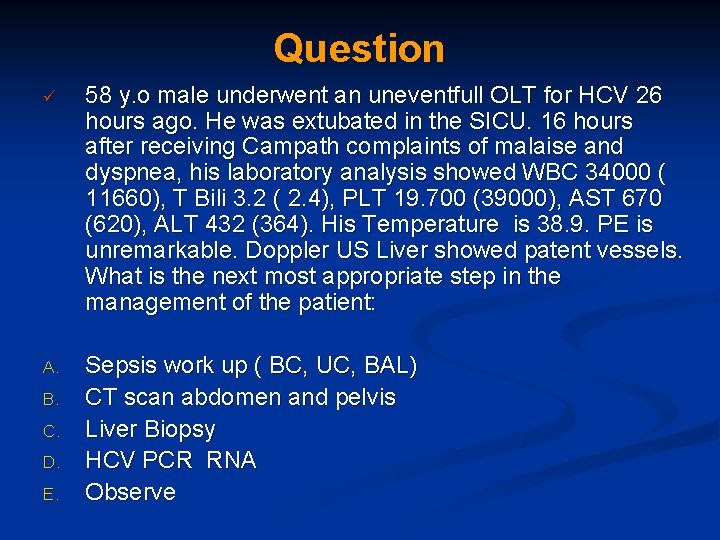
Question ü 58 y. o male underwent an uneventfull OLT for HCV 26 hours ago. He was extubated in the SICU. 16 hours after receiving Campath complaints of malaise and dyspnea, his laboratory analysis showed WBC 34000 ( 11660), T Bili 3. 2 ( 2. 4), PLT 19. 700 (39000), AST 670 (620), ALT 432 (364). His Temperature is 38. 9. PE is unremarkable. Doppler US Liver showed patent vessels. What is the next most appropriate step in the management of the patient: A. Sepsis work up ( BC, UC, BAL) CT scan abdomen and pelvis Liver Biopsy HCV PCR RNA Observe B. C. D. E.
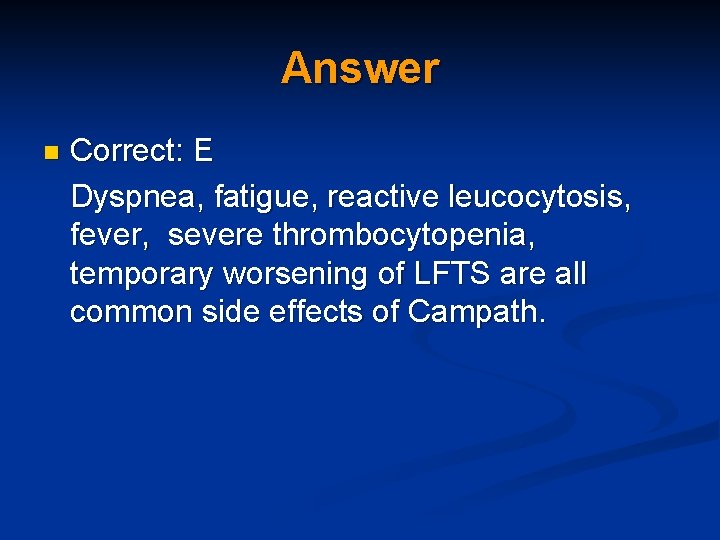
Answer Correct: E Dyspnea, fatigue, reactive leucocytosis, fever, severe thrombocytopenia, temporary worsening of LFTS are all common side effects of Campath. n
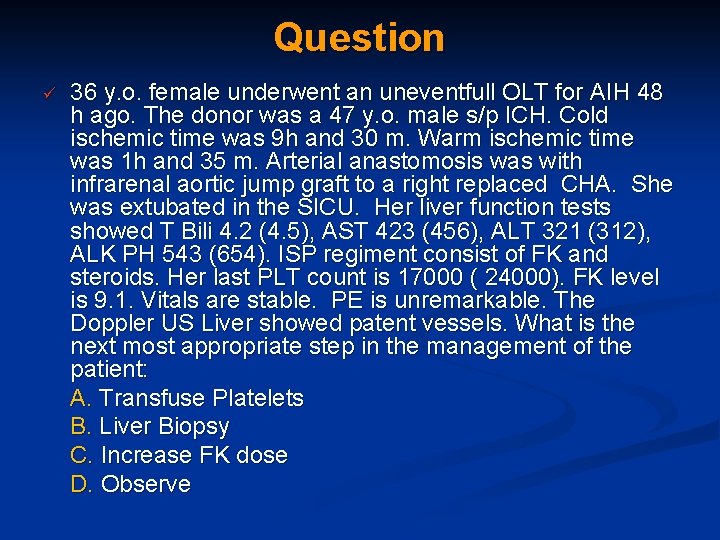
Question 36 y. o. female underwent an uneventfull OLT for AIH 48 h ago. The donor was a 47 y. o. male s/p ICH. Cold ischemic time was 9 h and 30 m. Warm ischemic time was 1 h and 35 m. Arterial anastomosis was with infrarenal aortic jump graft to a right replaced CHA. She was extubated in the SICU. Her liver function tests showed T Bili 4. 2 (4. 5), AST 423 (456), ALT 321 (312), ALK PH 543 (654). ISP regiment consist of FK and steroids. Her last PLT count is 17000 ( 24000). FK level is 9. 1. Vitals are stable. PE is unremarkable. The Doppler US Liver showed patent vessels. What is the next most appropriate step in the management of the patient: A. Transfuse Platelets B. Liver Biopsy C. Increase FK dose D. Observe ü
Answer n D. Thrombocytopenia s/p , OLT is common for the first 5 -7 days. There is no need for transfusion if the patient is asymptomatic. The abnormal liver function is most probably related to preservation injury and donor age.
Intestinal and Multivisceral Transplantation “The puzzle people” Thomas Starzl MD
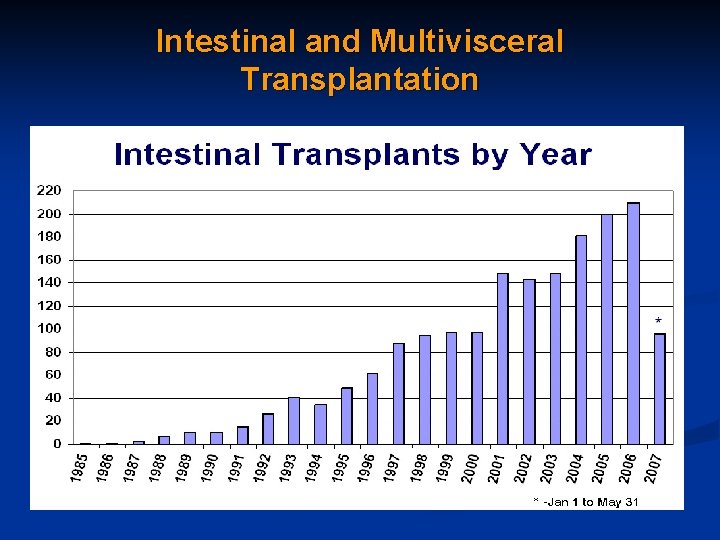
Intestinal and Multivisceral Transplantation ü ü ü First successful intestinal transplantations in late 1980 s. Grant reported successful intestinal transplantation in pigs with cyclosporine use in 1988. Starzl reported the first clinical successful multivisceral transplantation in 1987. First successful isolated intestine transplantation by Goulet and Deltz in 1988. Grant reported the first combined liver and intestine transplantation under cyclosporinebased immunosuppression in 1990. Starzl, Todo, and Tzakis pioneered intestinal transplantation with tacrolimus in the early 1990 s.
Intestinal and Multivisceral Transplantation
Intestinal and Multivisceral Transplantation
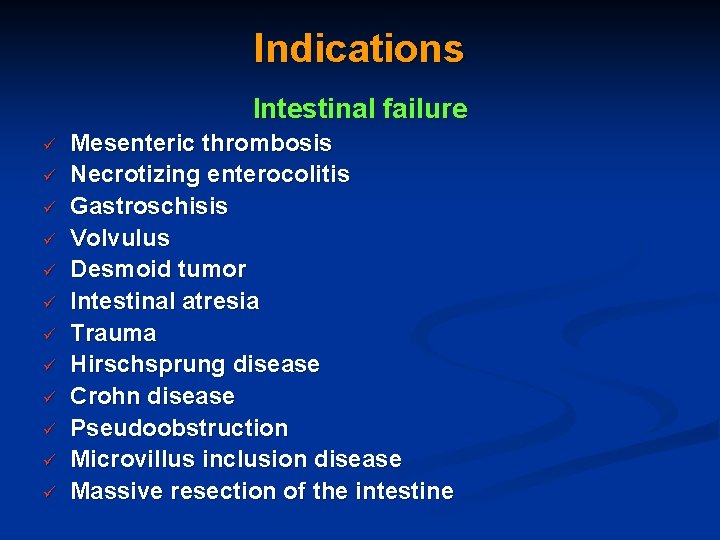
Indications Intestinal failure ü ü ü Mesenteric thrombosis Necrotizing enterocolitis Gastroschisis Volvulus Desmoid tumor Intestinal atresia Trauma Hirschsprung disease Crohn disease Pseudoobstruction Microvillus inclusion disease Massive resection of the intestine
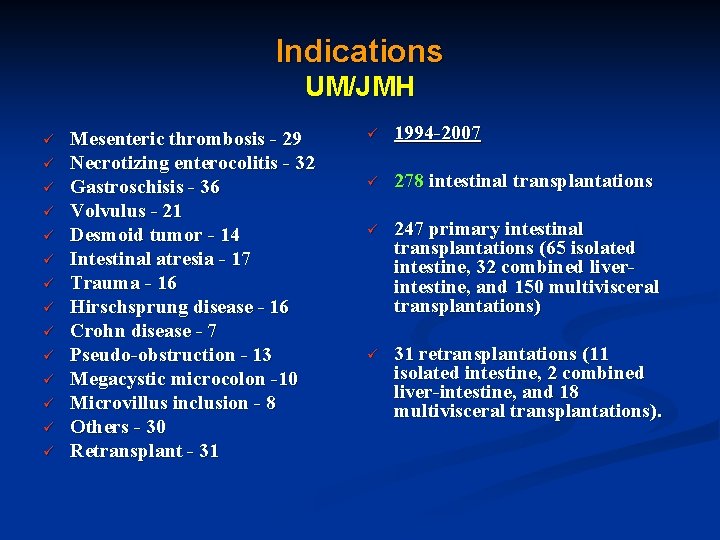
Indications UM/JMH ü ü ü ü Mesenteric thrombosis - 29 Necrotizing enterocolitis - 32 Gastroschisis - 36 Volvulus - 21 Desmoid tumor - 14 Intestinal atresia - 17 Trauma - 16 Hirschsprung disease - 16 Crohn disease - 7 Pseudo-obstruction - 13 Megacystic microcolon -10 Microvillus inclusion - 8 Others - 30 Retransplant - 31 ü 1994 -2007 ü 278 intestinal transplantations ü 247 primary intestinal transplantations (65 isolated intestine, 32 combined liverintestine, and 150 multivisceral transplantations) ü 31 retransplantations (11 isolated intestine, 2 combined liver-intestine, and 18 multivisceral transplantations).
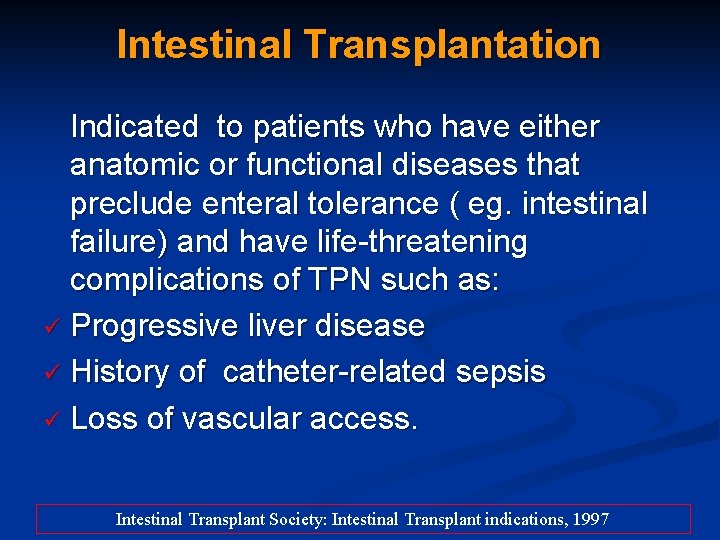
Intestinal Transplantation Indicated to patients who have either anatomic or functional diseases that preclude enteral tolerance ( eg. intestinal failure) and have life-threatening complications of TPN such as: ü Progressive liver disease ü History of catheter-related sepsis ü Loss of vascular access. Intestinal Transplant Society: Intestinal Transplant indications, 1997
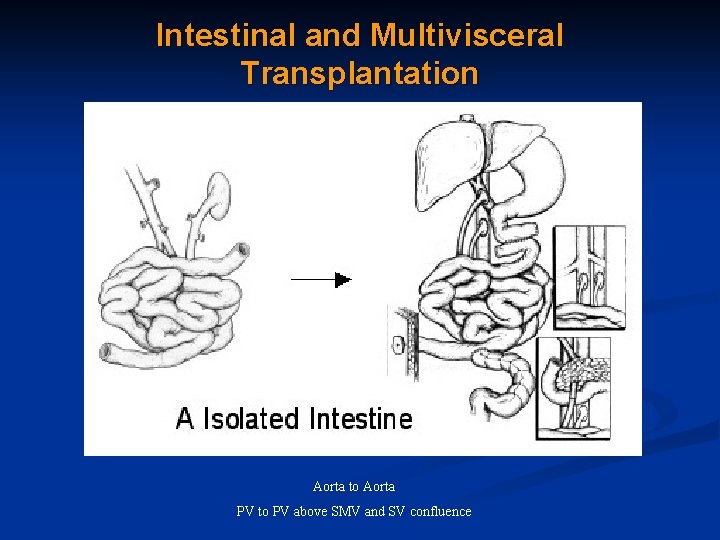
Intestinal and Multivisceral Transplantation Aorta to Aorta PV to PV above SMV and SV confluence
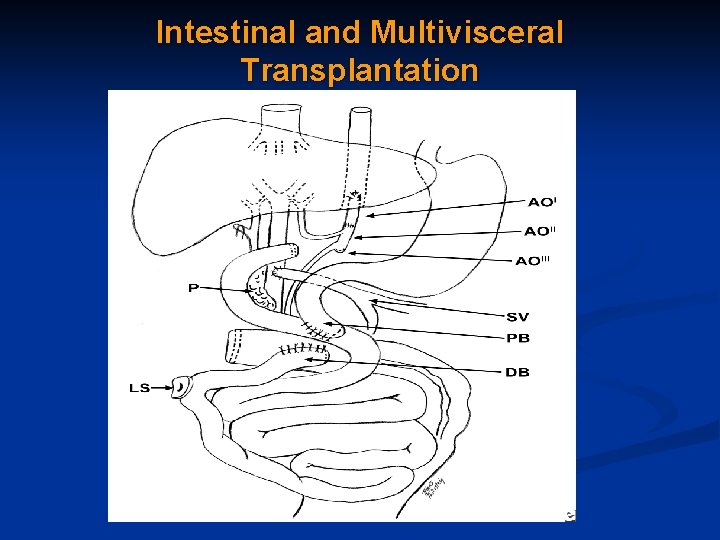
Intestinal and Multivisceral Transplantation
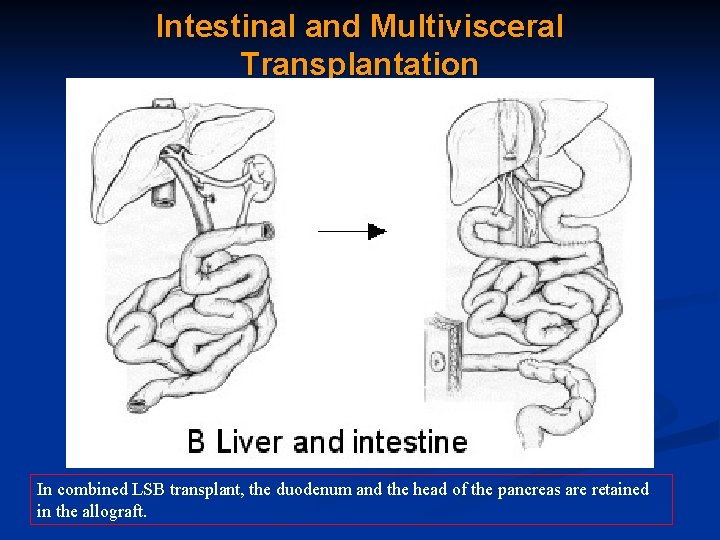
Intestinal and Multivisceral Transplantation In combined LSB transplant, the duodenum and the head of the pancreas are retained in the allograft.
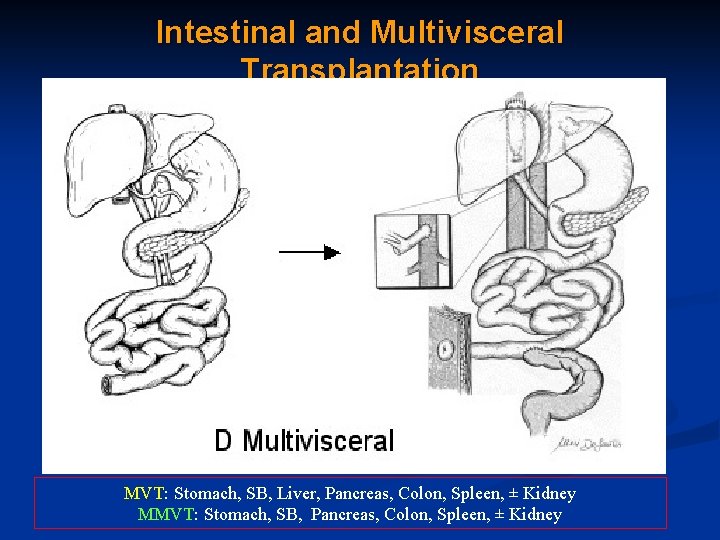
Intestinal and Multivisceral Transplantation MVT: Stomach, SB, Liver, Pancreas, Colon, Spleen, ± Kidney MMVT: Stomach, SB, Pancreas, Colon, Spleen, ± Kidney
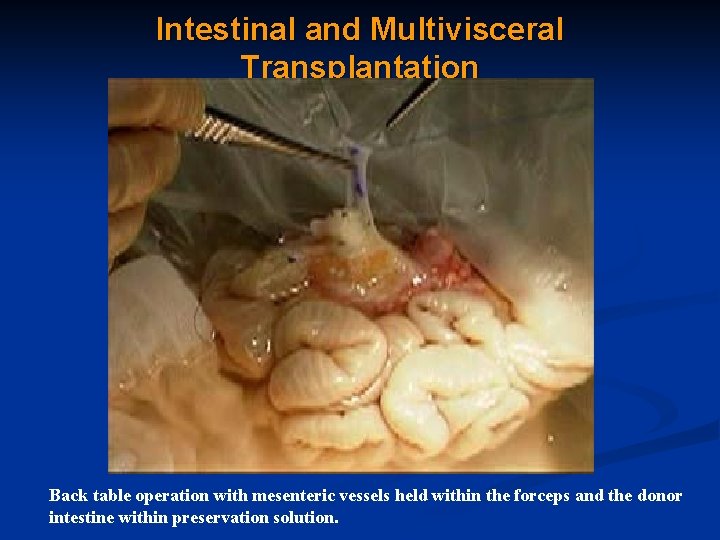
Intestinal and Multivisceral Transplantation Back table operation with mesenteric vessels held within the forceps and the donor intestine within preservation solution.
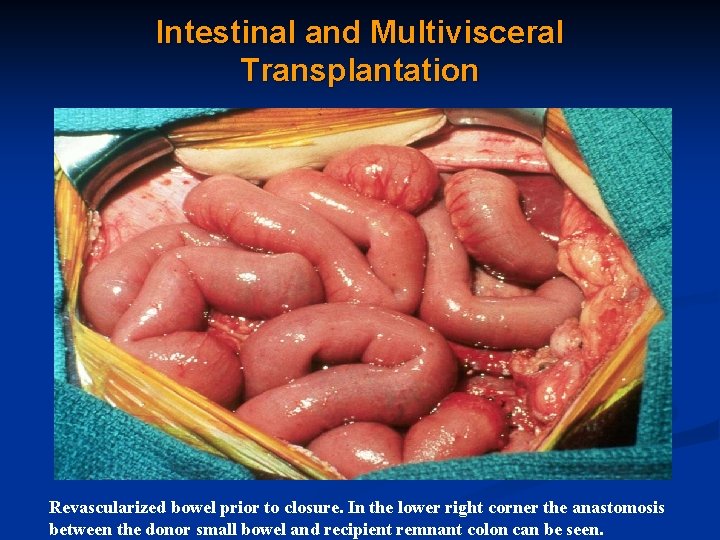
Intestinal and Multivisceral Transplantation Revascularized bowel prior to closure. In the lower right corner the anastomosis between the donor small bowel and recipient remnant colon can be seen.
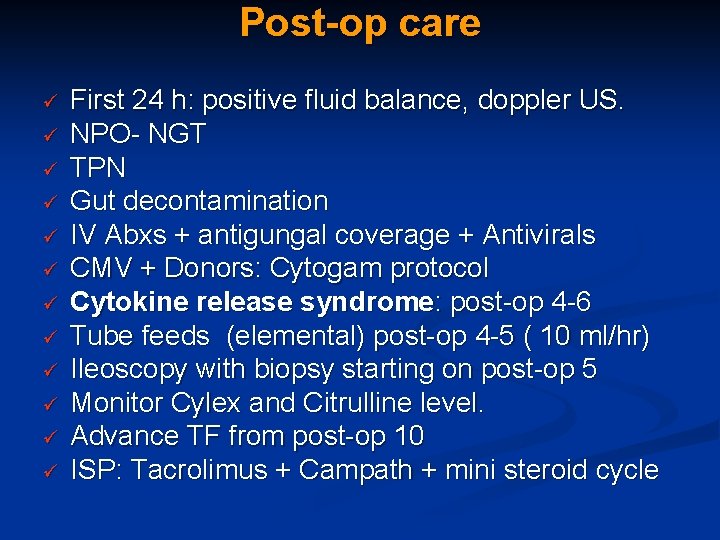
Post-op care ü ü ü First 24 h: positive fluid balance, doppler US. NPO- NGT TPN Gut decontamination IV Abxs + antigungal coverage + Antivirals CMV + Donors: Cytogam protocol Cytokine release syndrome: post-op 4 -6 Tube feeds (elemental) post-op 4 -5 ( 10 ml/hr) Ileoscopy with biopsy starting on post-op 5 Monitor Cylex and Citrulline level. Advance TF from post-op 10 ISP: Tacrolimus + Campath + mini steroid cycle
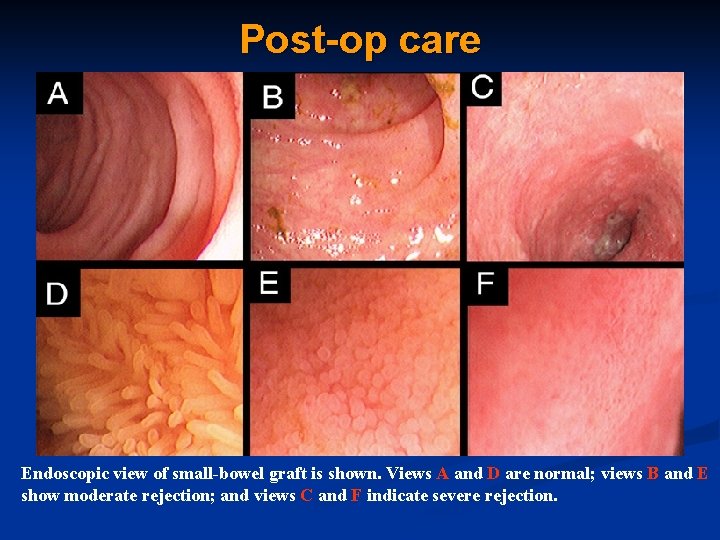
Post-op care Endoscopic view of small-bowel graft is shown. Views A and D are normal; views B and E show moderate rejection; and views C and F indicate severe rejection.
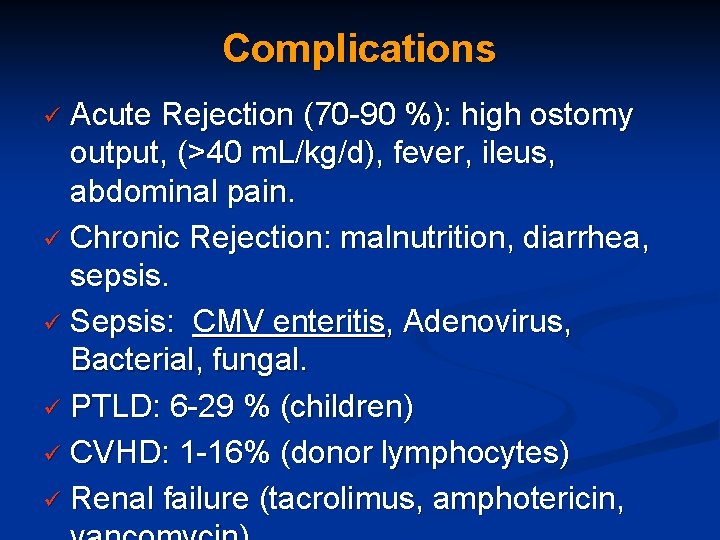
Complications Acute Rejection (70 -90 %): high ostomy output, (>40 m. L/kg/d), fever, ileus, abdominal pain. ü Chronic Rejection: malnutrition, diarrhea, sepsis. ü Sepsis: CMV enteritis, Adenovirus, Bacterial, fungal. ü PTLD: 6 -29 % (children) ü CVHD: 1 -16% (donor lymphocytes) ü Renal failure (tacrolimus, amphotericin, ü
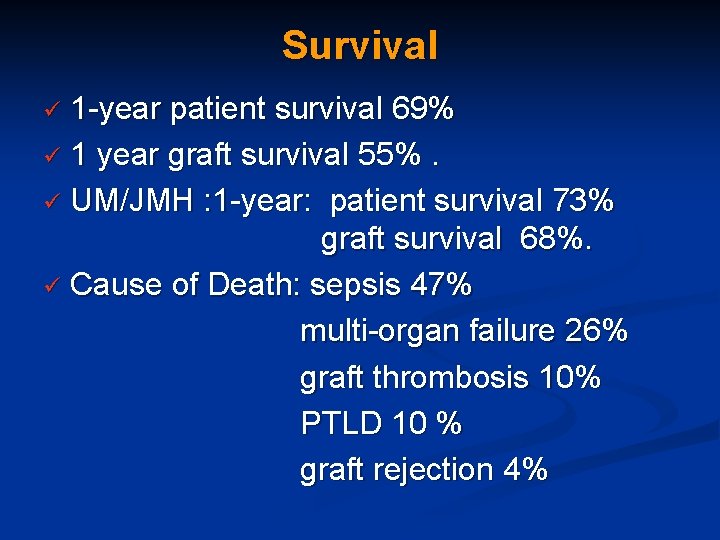
Survival 1 -year patient survival 69% ü 1 year graft survival 55%. ü UM/JMH : 1 -year: patient survival 73% graft survival 68%. ü Cause of Death: sepsis 47% multi-organ failure 26% graft thrombosis 10% PTLD 10 % graft rejection 4% ü
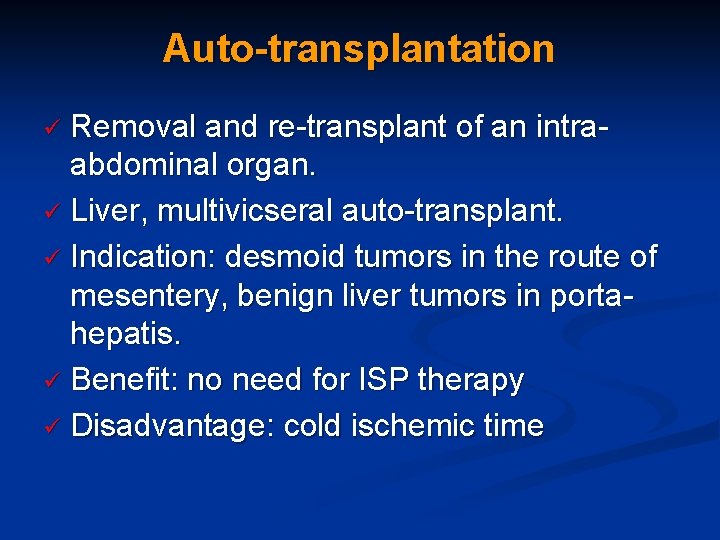
Auto-transplantation Removal and re-transplant of an intraabdominal organ. ü Liver, multivicseral auto-transplant. ü Indication: desmoid tumors in the route of mesentery, benign liver tumors in portahepatis. ü Benefit: no need for ISP therapy ü Disadvantage: cold ischemic time ü
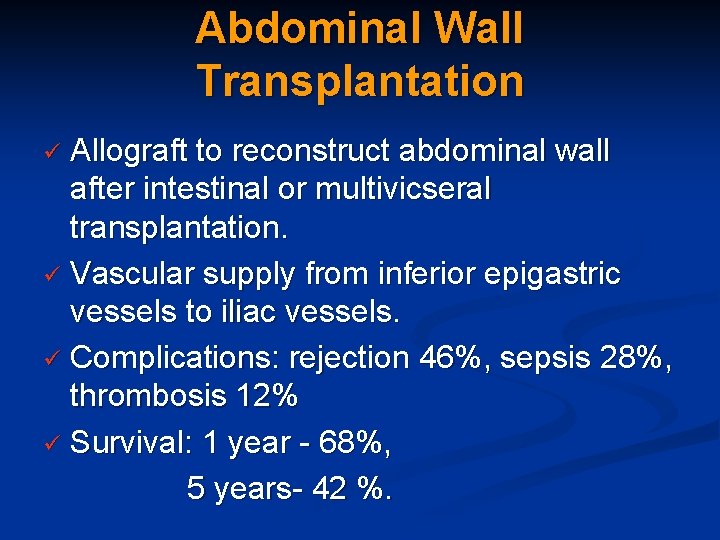
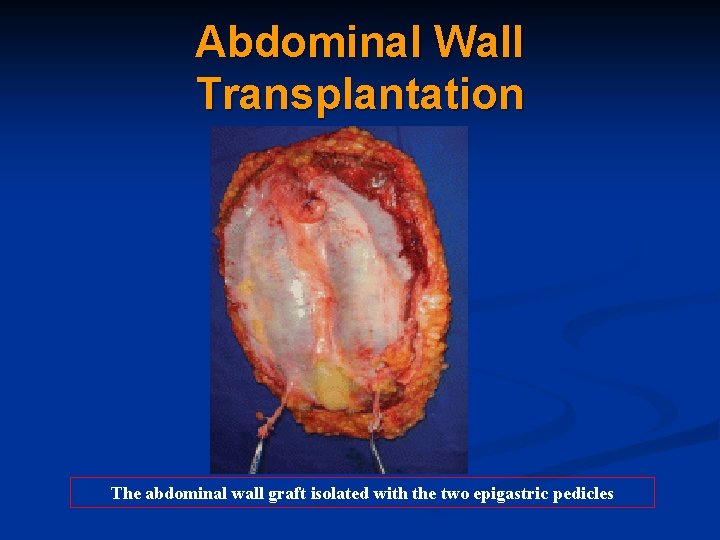
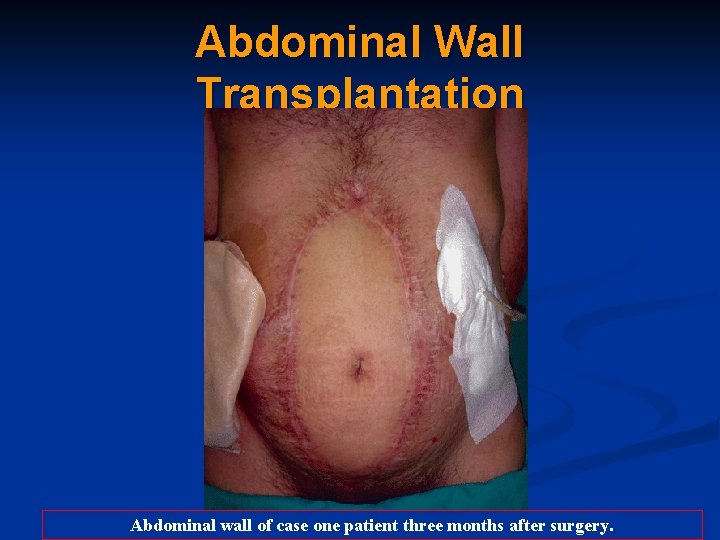
Abdominal Wall Transplantation Allograft to reconstruct abdominal wall after intestinal or multivicseral transplantation. ü Vascular supply from inferior epigastric vessels to iliac vessels. ü Complications: rejection 46%, sepsis 28%, thrombosis 12% ü Survival: 1 year - 68%, 5 years- 42 %. ü
Abdominal Wall Transplantation The abdominal wall graft isolated with the two epigastric pedicles
Abdominal Wall Transplantation Abdominal wall of case one patient three months after surgery.
Future Minimize ISP drugs ü ISP free transplantation? ü Xenotransplantation ü Bioengineering ü Uterine trasnplant ü Tracheal/laryngeal transplant ü Recipient immune system chimerism ü
Do not… ü ü ü ü Replace K+ if above 3. 8 in patients taking Prograf. Order unnecessary CT scan studies with IV contrast. Give Diflucan to patients taking Prograf. Try to correct uremia in patient with high Prograf levels. Correct asymptomatic thrombocytopenia in the first week after LT. Anticoagulate patients in first 2 weeks after LT Hesitate to call the Transplant team for help.
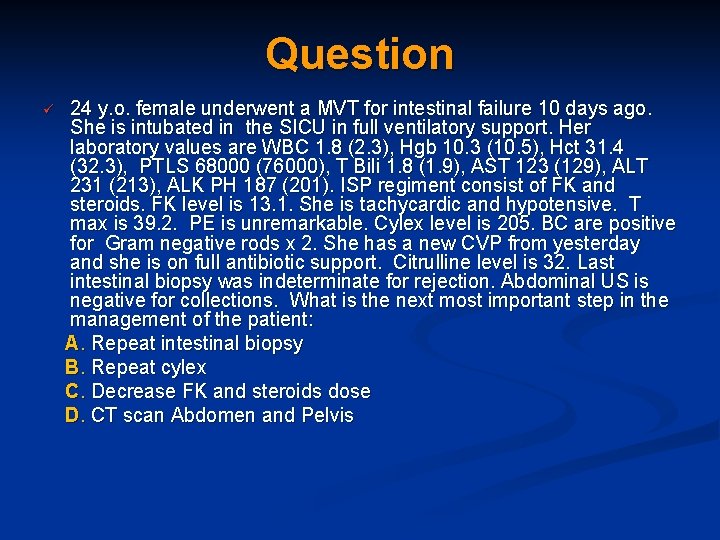
Question 24 y. o. female underwent a MVT for intestinal failure 10 days ago. She is intubated in the SICU in full ventilatory support. Her laboratory values are WBC 1. 8 (2. 3), Hgb 10. 3 (10. 5), Hct 31. 4 (32. 3), PTLS 68000 (76000), T Bili 1. 8 (1. 9), AST 123 (129), ALT 231 (213), ALK PH 187 (201). ISP regiment consist of FK and steroids. FK level is 13. 1. She is tachycardic and hypotensive. T max is 39. 2. PE is unremarkable. Cylex level is 205. BC are positive for Gram negative rods x 2. She has a new CVP from yesterday and she is on full antibiotic support. Citrulline level is 32. Last intestinal biopsy was indeterminate for rejection. Abdominal US is negative for collections. What is the next most important step in the management of the patient: A. Repeat intestinal biopsy B. Repeat cylex C. Decrease FK and steroids dose D. CT scan Abdomen and Pelvis ü
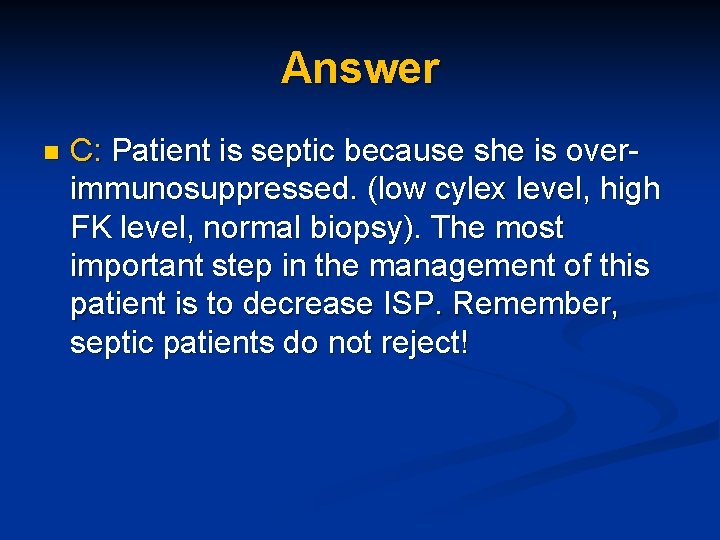
Answer n C: Patient is septic because she is overimmunosuppressed. (low cylex level, high FK level, normal biopsy). The most important step in the management of this patient is to decrease ISP. Remember, septic patients do not reject!