LANGUAGE Language Professor Fanpei Gloria Yang Chapter 10
















- Slides: 100
LANGUAGE Language Professor Fan-pei Gloria Yang 楊梵孛 Chapter 10
Outline • Theories of language • Language disorders • Neurophysiology of Language
Theories of Language The Mental Lexicon
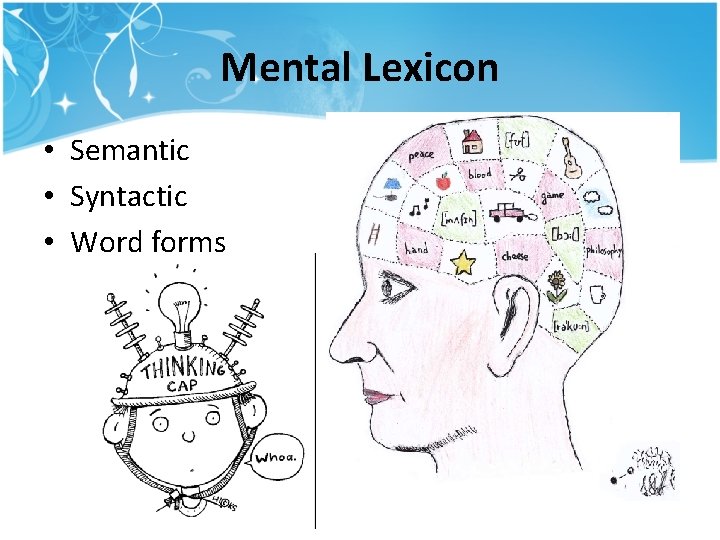
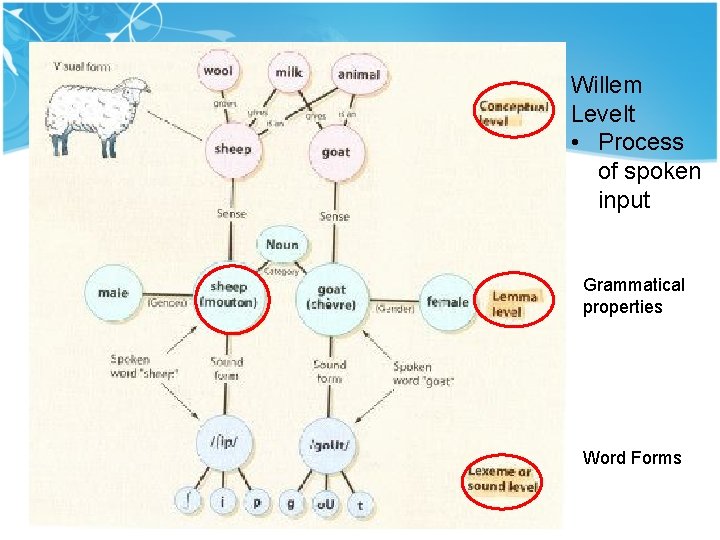
Mental Lexicon • Semantic • Syntactic • Word forms
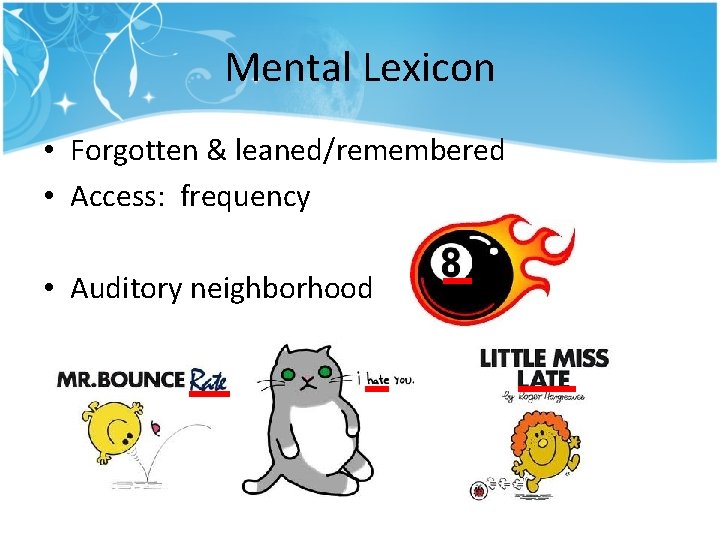
Mental Lexicon • Forgotten & leaned/remembered • Access: frequency • Auditory neighborhood
Willem Levelt • Process of spoken input Grammatical properties Word Forms
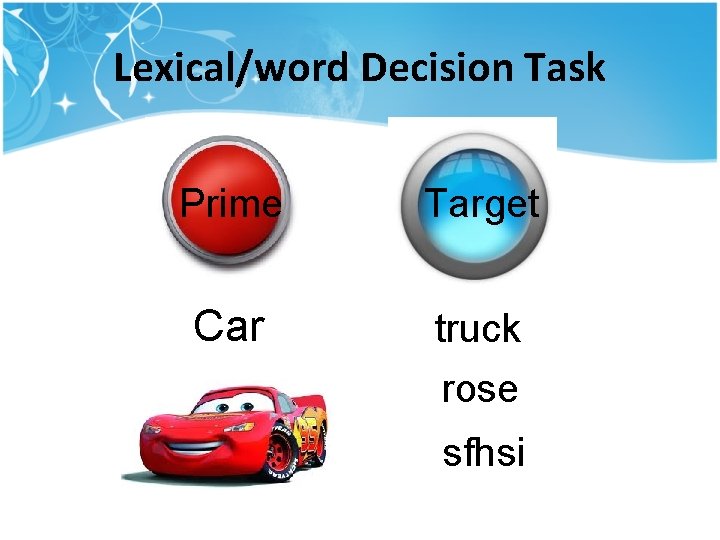
Lexical/word Decision Task Prime Target Car truck rose sfhsi
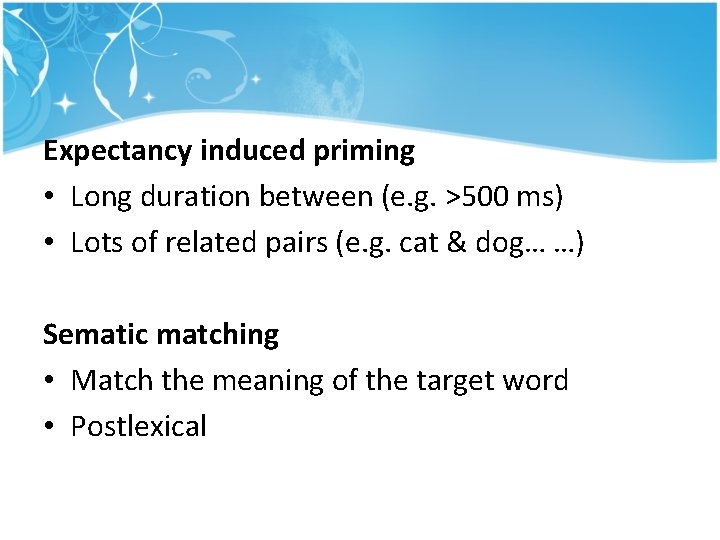
Expectancy induced priming • Long duration between (e. g. >500 ms) • Lots of related pairs (e. g. cat & dog… …) Sematic matching • Match the meaning of the target word • Postlexical
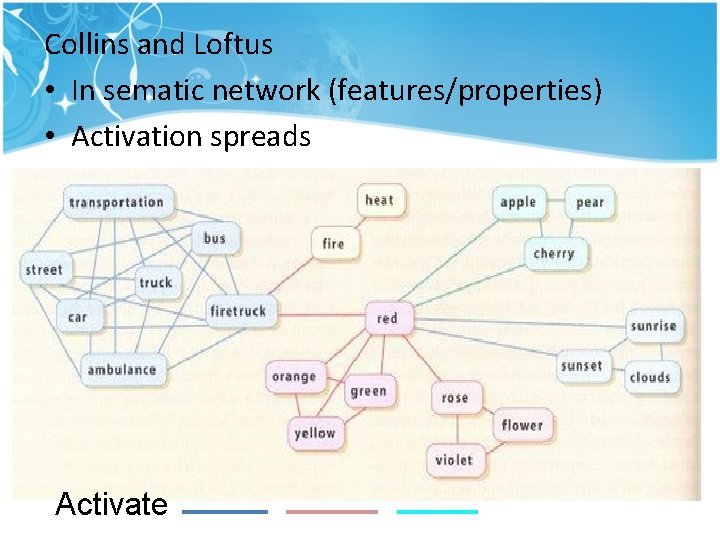
Collins and Loftus • In sematic network (features/properties) • Activation spreads Activate
Neural Substrates of the Mental Lexicon and Conceptual Knowledge Patients problems location
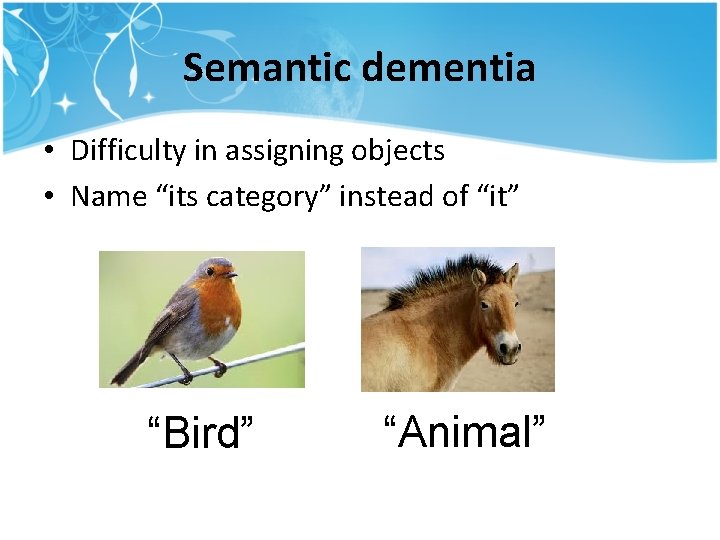
Semantic dementia • Difficulty in assigning objects • Name “its category” instead of “it” “Bird” “Animal”
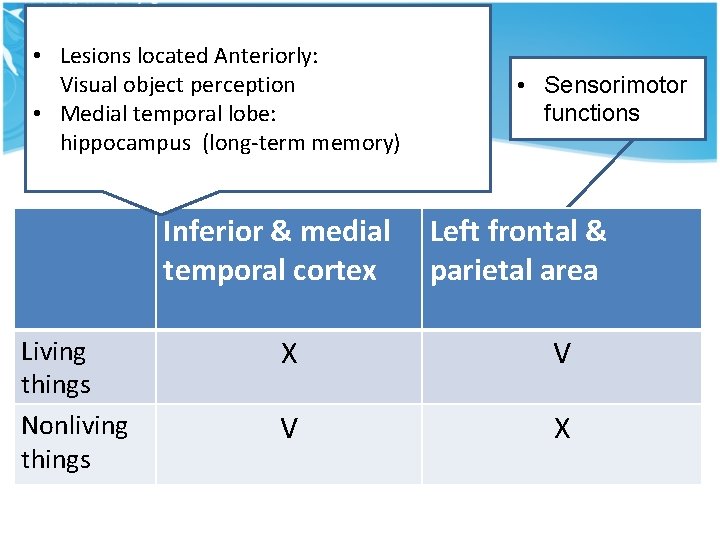
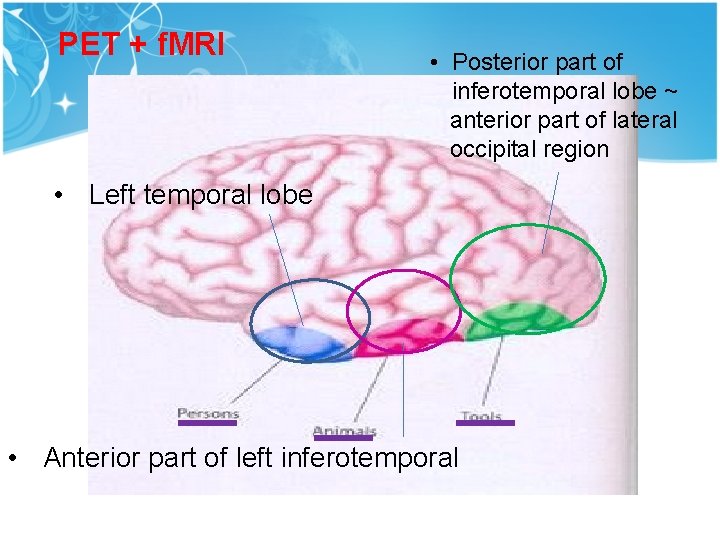
• Lesions located Anteriorly: Visual object perception • Medial temporal lobe: hippocampus (long-term memory) • Sensorimotor functions Inferior & medial Left frontal & temporal cortex parietal area Living things Nonliving things X V V X
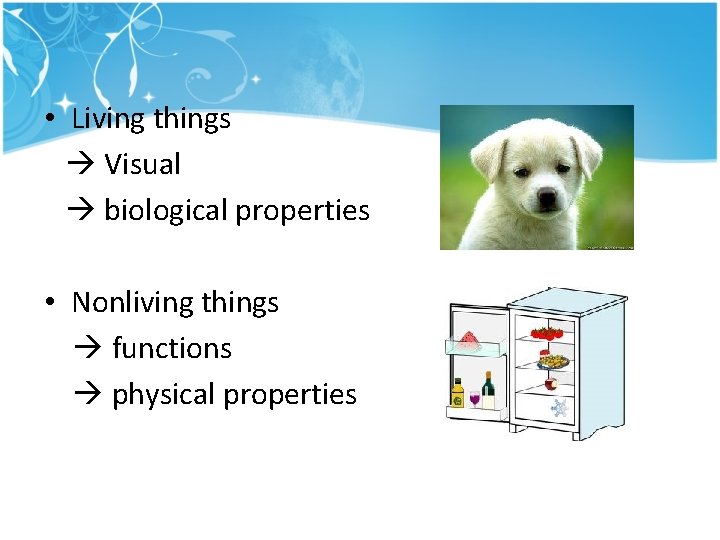
• Living things Visual biological properties • Nonliving things functions physical properties
PET + f. MRI • Posterior part of inferotemporal lobe ~ anterior part of lateral occipital region • Left temporal lobe • Anterior part of left inferotemporal
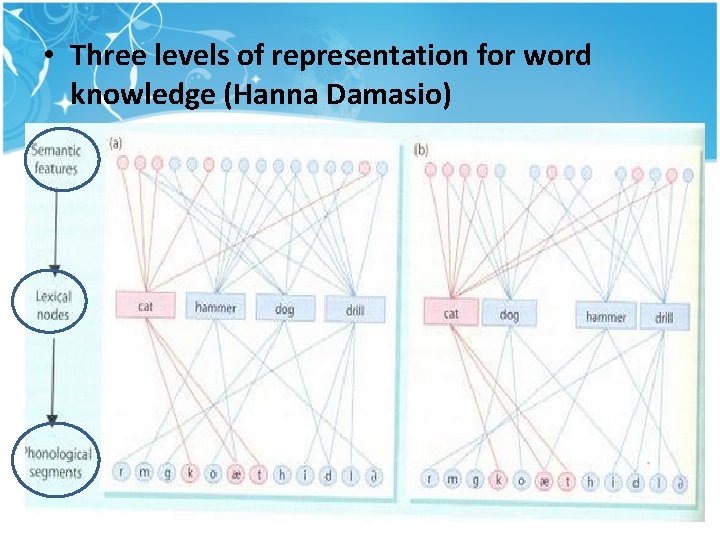
• Three levels of representation for word knowledge (Hanna Damasio)
Perceptual Analyses of the Linguistic Input How words are presented?
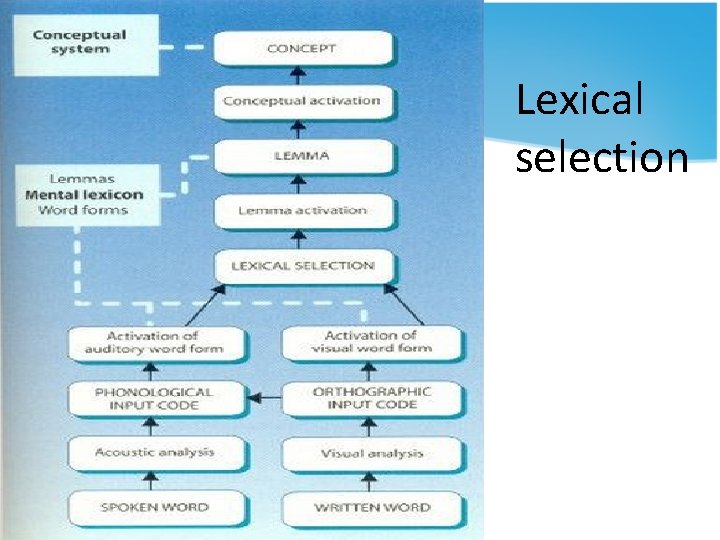
Lexical selection
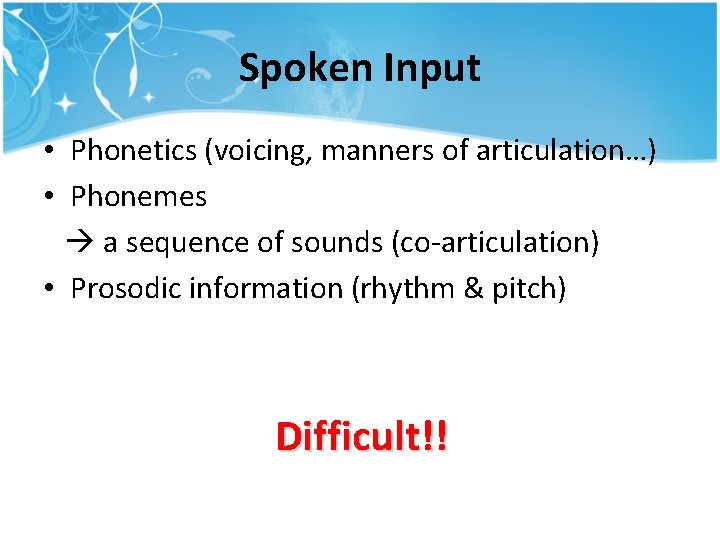
Spoken Input • Phonetics (voicing, manners of articulation…) • Phonemes a sequence of sounds (co-articulation) • Prosodic information (rhythm & pitch) Difficult!!
• Superior temporal cortex sound perception • Lesions here “pure word deafness”: difficulties recognizing sounds
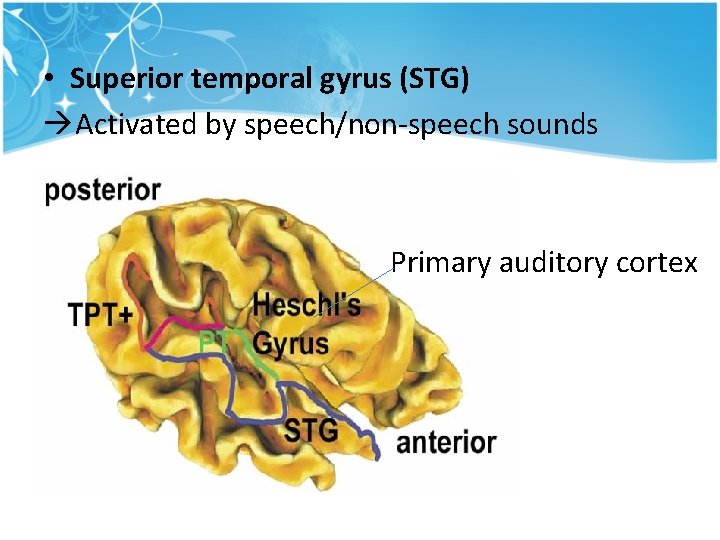
• Superior temporal gyrus (STG) Activated by speech/non-speech sounds Primary auditory cortex
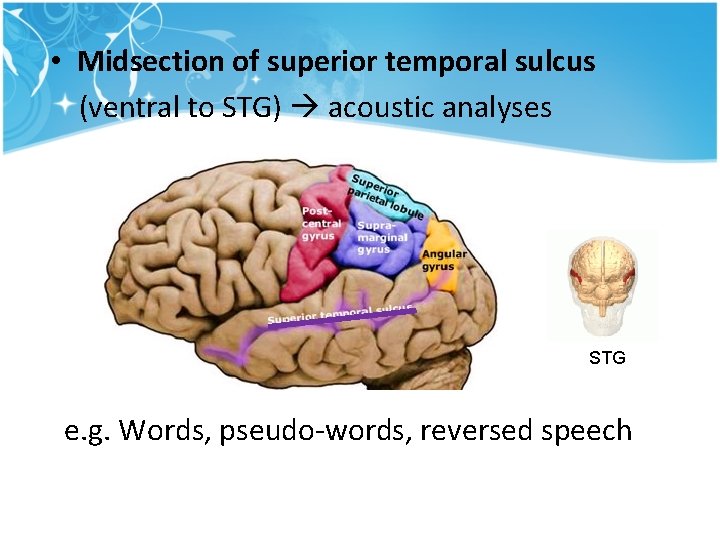
• Midsection of superior temporal sulcus (ventral to STG) acoustic analyses STG e. g. Words, pseudo-words, reversed speech
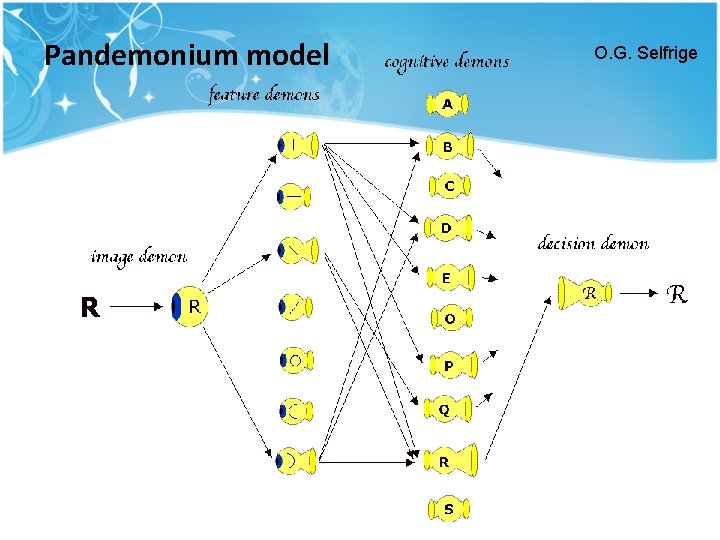
Written Input • Visual patterns (alphabetic, syllabic, …) • Closeness of the correspondence (pattern vs. sound) • Morpheme
Pandemonium model O. G. Selfrige
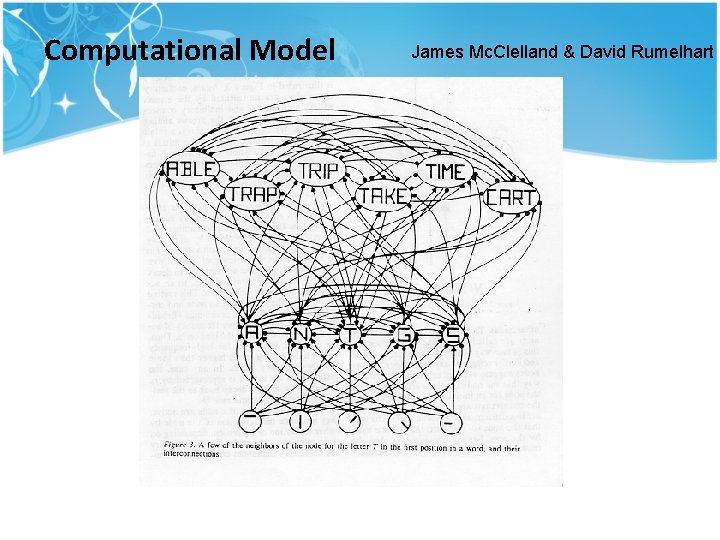
Computational Model James Mc. Clelland & David Rumelhart
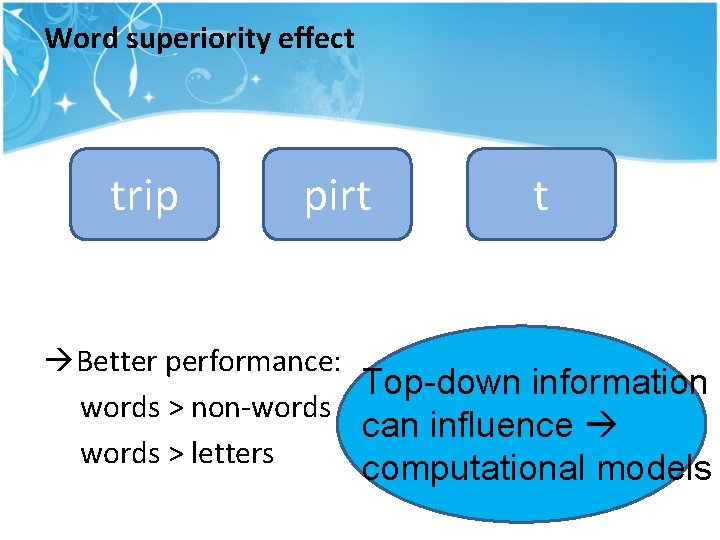
Word superiority effect trip pirt t Better performance: Top-down information words > non-words can influence words > letters computational models
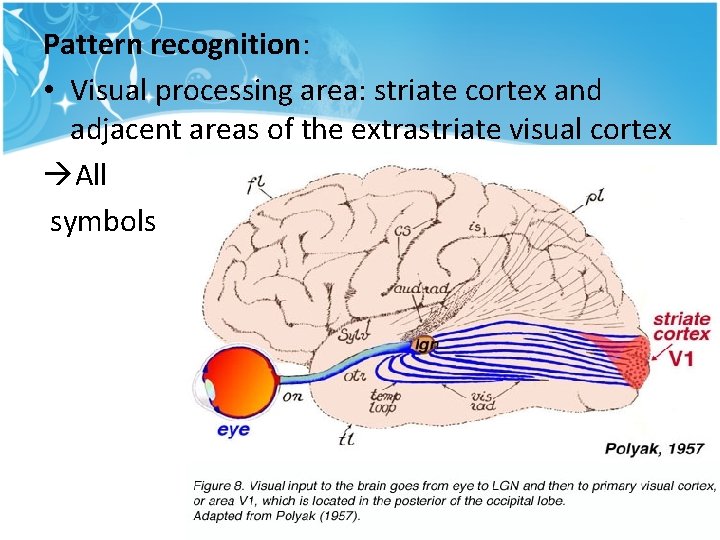
Pattern recognition: • Visual processing area: striate cortex and adjacent areas of the extrastriate visual cortex All symbols
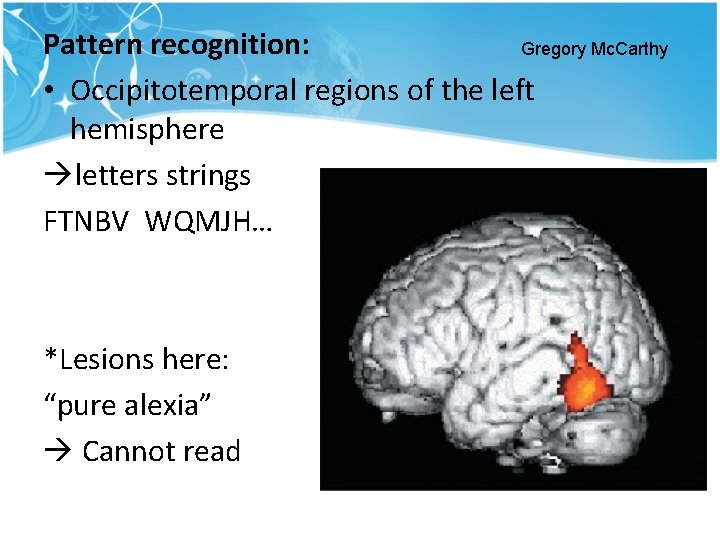
Pattern recognition: Gregory Mc. Carthy • Occipitotemporal regions of the left hemisphere letters strings FTNBV WQMJH… *Lesions here: “pure alexia” Cannot read
Recognition of Words
• Lexical access (sematic & syntactic attributes) • Lexical selection • Lexical integration
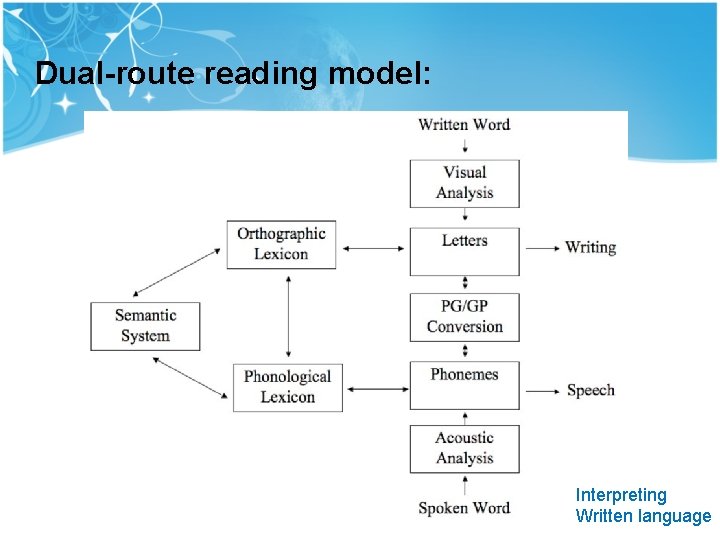
Dual-route reading model: Interpreting Written language
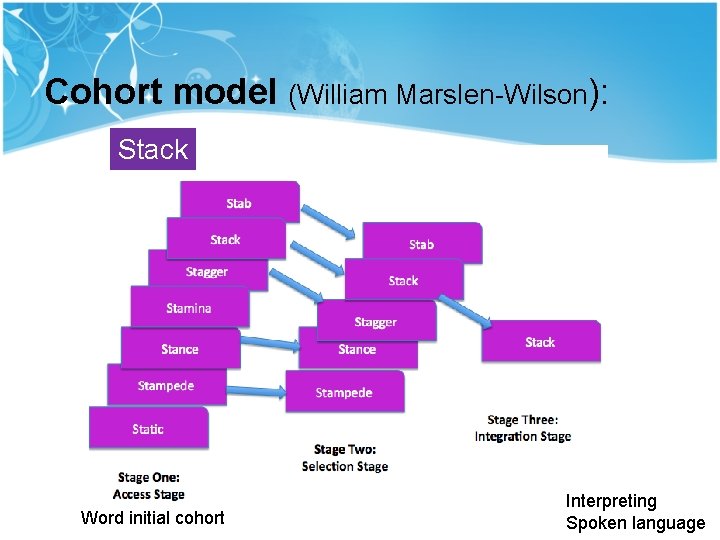
Cohort model (William Marslen-Wilson): Stack Word initial cohort Interpreting Spoken language
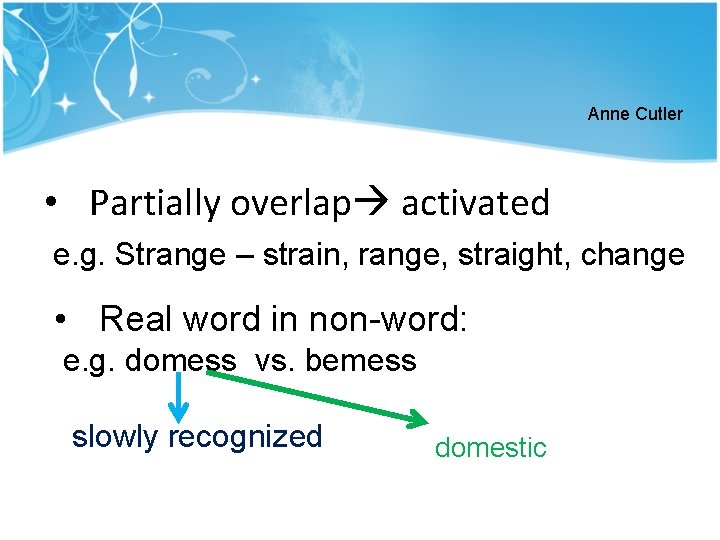
Anne Cutler • Partially overlap activated e. g. Strange – strain, range, straight, change • Real word in non-word: e. g. domess vs. bemess slowly recognized domestic
Brain Systems for Word Recognition
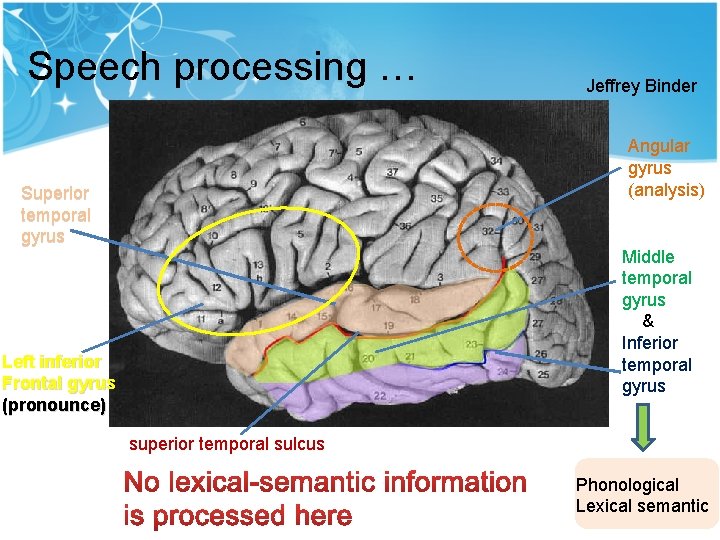
Speech processing … Jeffrey Binder Angular gyrus (analysis) Superior temporal gyrus Middle temporal gyrus & Inferior temporal gyrus Left inferior Frontal gyrus (pronounce) superior temporal sulcus Phonological Lexical semantic
THE ROLE OF CONTEXT IN WORD RECOGNITION
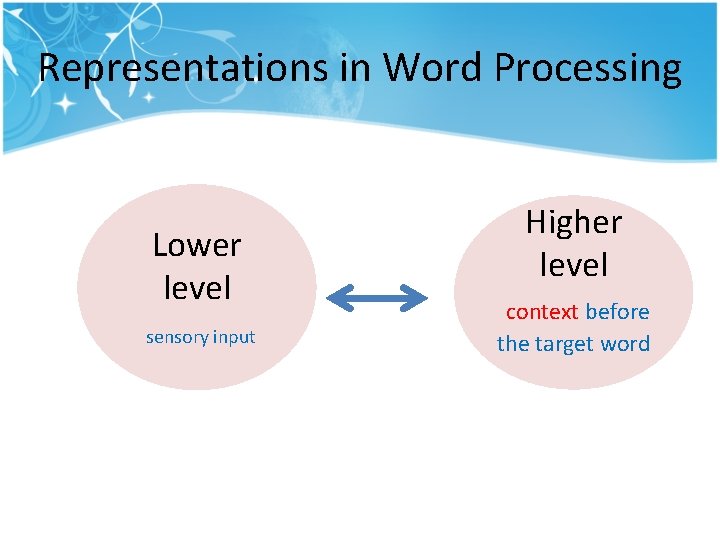
Representations in Word Processing Lower level sensory input Higher level context before the target word
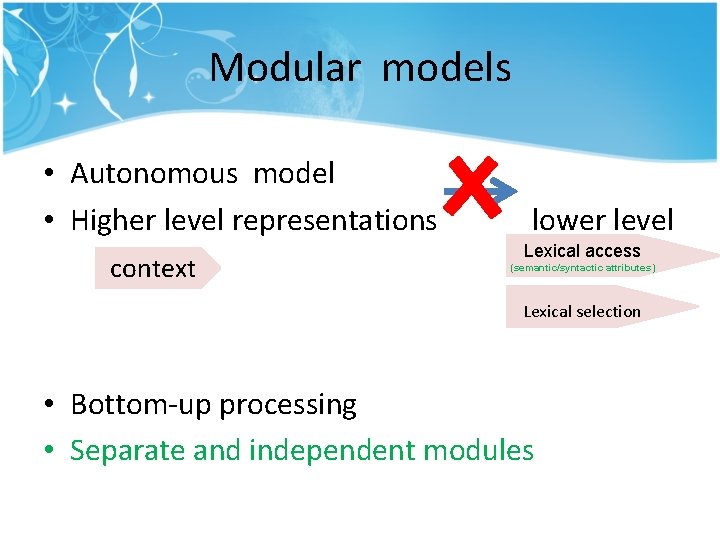
Models in Word Comprehension • Modular models • Interactive models • Hybrid models
Modular models • Autonomous model • Higher level representations lower level context Lexical access (semantic/syntactic attributes) Lexical selection • Bottom-up processing • Separate and independent modules
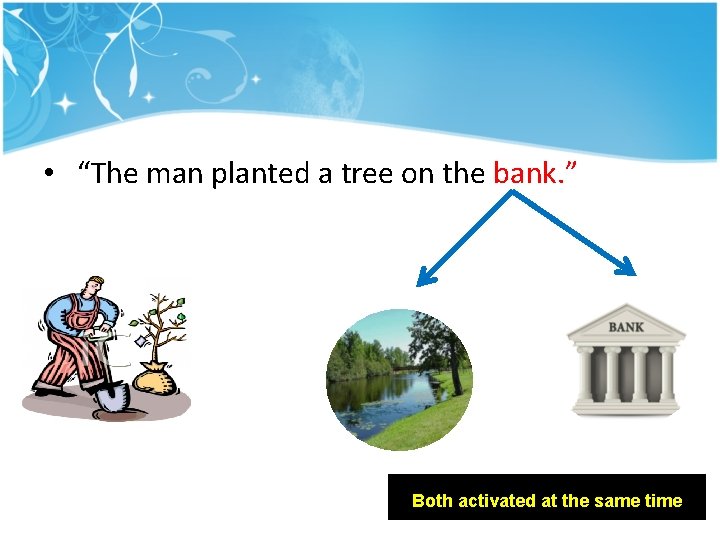
• “The man planted a tree on the bank. ” Both activated at the same time
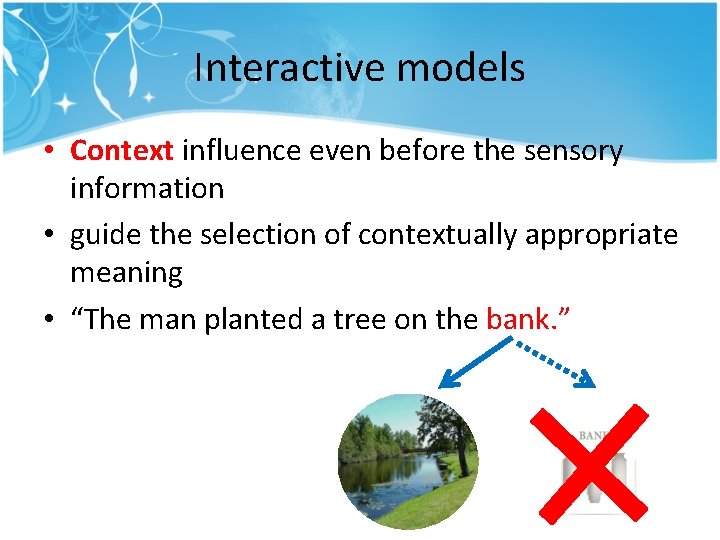
Interactive models • Context influence even before the sensory information • guide the selection of contextually appropriate meaning • “The man planted a tree on the bank. ”
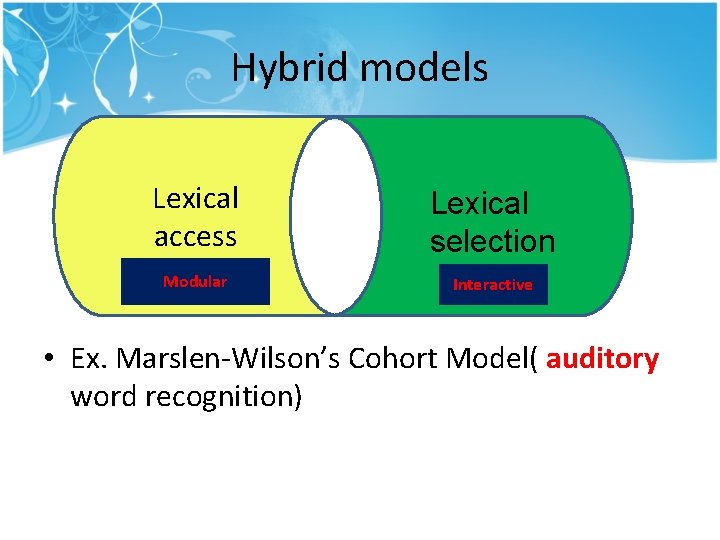
Hybrid models Lexical access Lexical selection Modular Interactive • Ex. Marslen-Wilson’s Cohort Model( auditory word recognition)
Integration of Words in Sentence
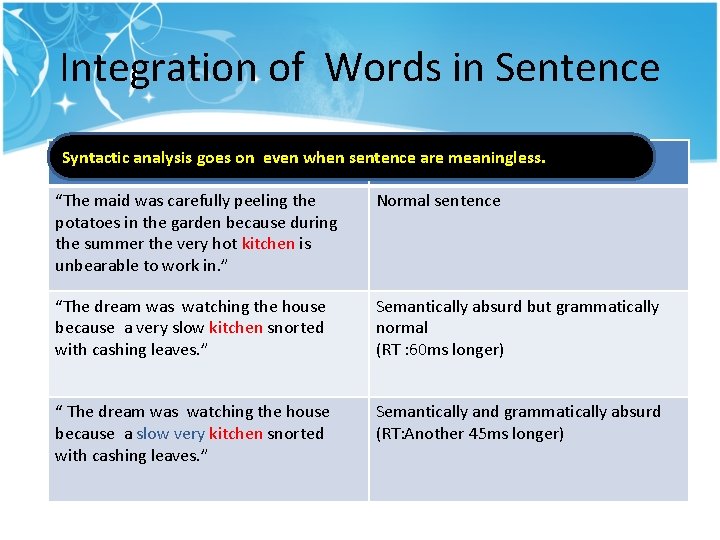
Integration of Words in Sentence Syntactic analysis goes on even when sentence are meaningless. “The maid was carefully peeling the potatoes in the garden because during the summer the very hot kitchen is unbearable to work in. ” Normal sentence “The dream was watching the house because a very slow kitchen snorted with cashing leaves. ” Semantically absurd but grammatically normal (RT : 60 ms longer) “ The dream was watching the house because a slow very kitchen snorted with cashing leaves. ” Semantically and grammatically absurd (RT: Another 45 ms longer)
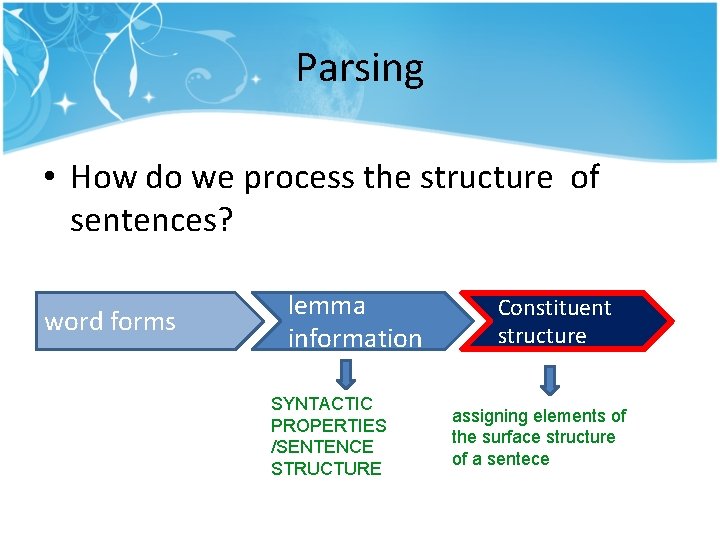
Parsing • How do we process the structure of sentences? word forms lemma information SYNTACTIC PROPERTIES /SENTENCE STRUCTURE Constituent structure assigning elements of the surface structure of a sentece
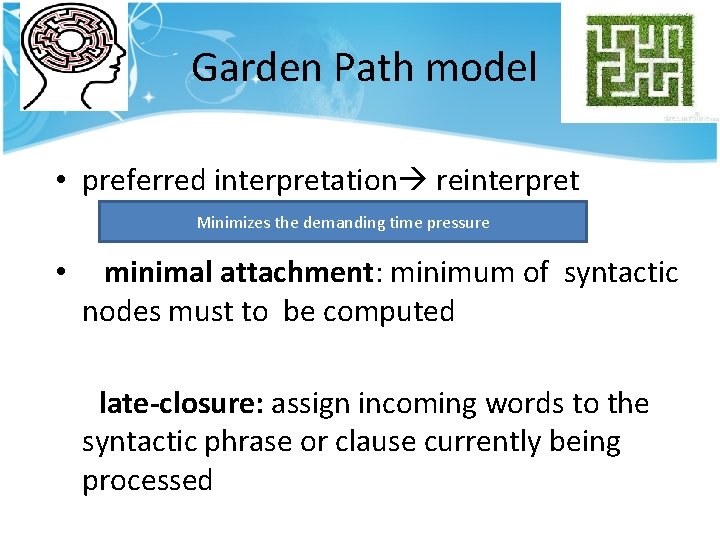
Garden Path model • preferred interpretation reinterpret Minimizes the demanding time pressure • minimal attachment: minimum of syntactic nodes must to be computed late-closure: assign incoming words to the syntactic phrase or clause currently being processed
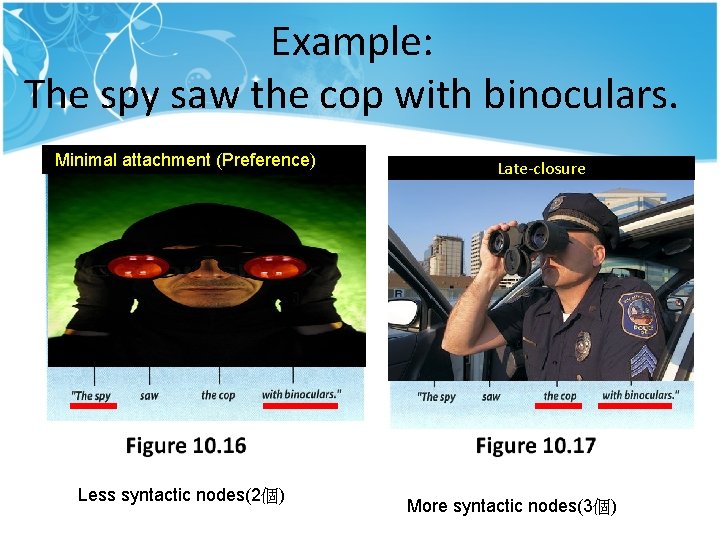
Example: The spy saw the cop with binoculars. Minimal attachment (Preference) Less syntactic nodes(2個) Late-closure More syntactic nodes(3個)
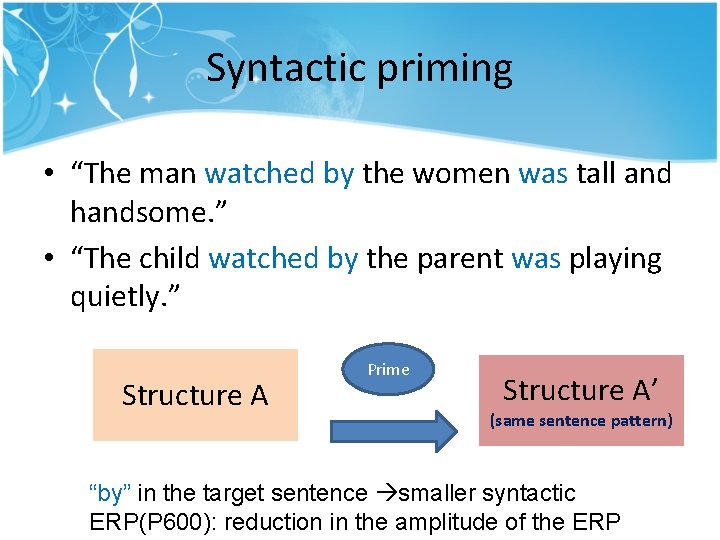
Syntactic priming • “The man watched by the women was tall and handsome. ” • “The child watched by the parent was playing quietly. ” Structure A Prime Structure A’ (same sentence pattern) “by” in the target sentence smaller syntactic ERP(P 600): reduction in the amplitude of the ERP
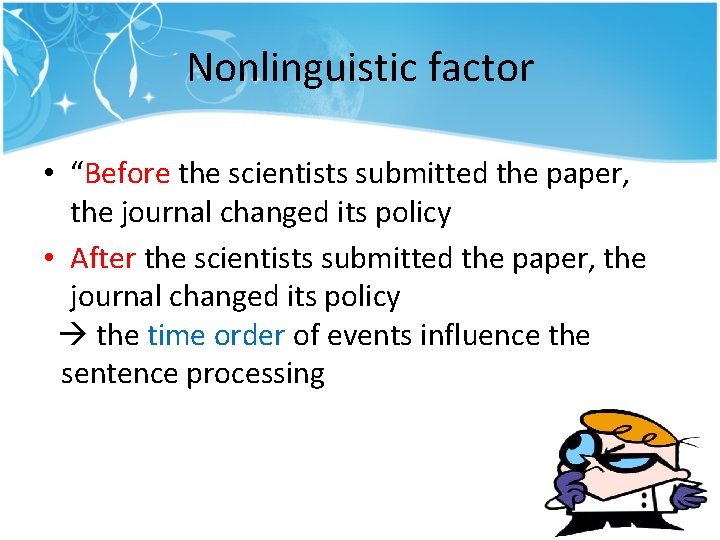
Nonlinguistic factor • “Before the scientists submitted the paper, the journal changed its policy • After the scientists submitted the paper, the journal changed its policy the time order of events influence the sentence processing
When & Where Semantic Pragmatic
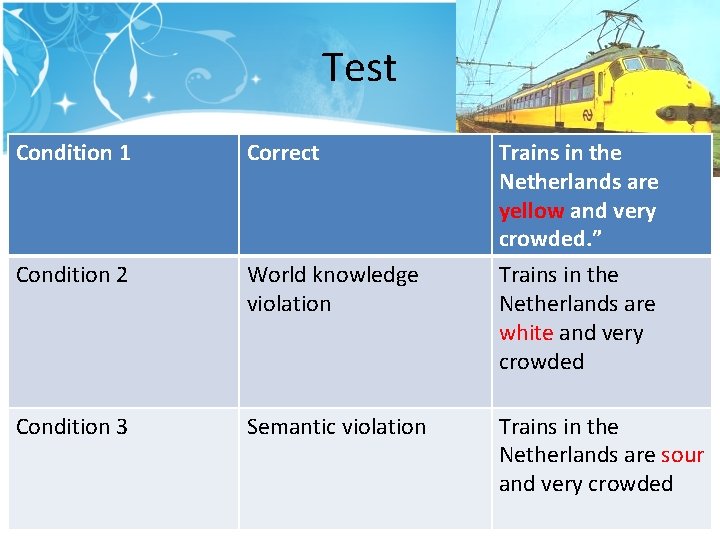
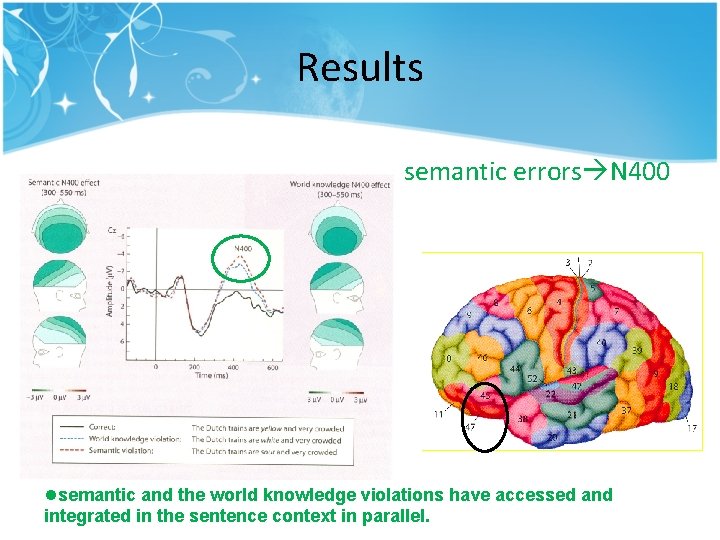
Test Condition 1 Correct Condition 2 World knowledge violation Condition 3 Semantic violation Trains in the Netherlands are yellow and very crowded. ” Trains in the Netherlands are white and very crowded Trains in the Netherlands are sour and very crowded
Results semantic errors N 400 lsemantic and the world knowledge violations have accessed and integrated in the sentence context in parallel.
Lexical Integration in Discourse
Cues in discourse comprehension • Bush's Brain Scan Jokes: George W. Bush went to see the doctor to get the results of his brain scan. The doctor said: "Mr. President, I have some bad news for you. First, we have discovered that your brain has two sides: the left side and the right side. “ Bush interrupted, "Well, that's normal, isn't it? I thought everybody had two sides to their brain? " The doctor replied, "That's true, Mr. President. But your brain is very unusual because on the left side there isn't anything right, while on the right side there isn't anything left. “ • Linguistic cues : Repetition and synonyms Pronoun morphology Discourse prominence • Nonlinguistic cues: Pragmatic knowledges
Comprehension of Words in Discourse
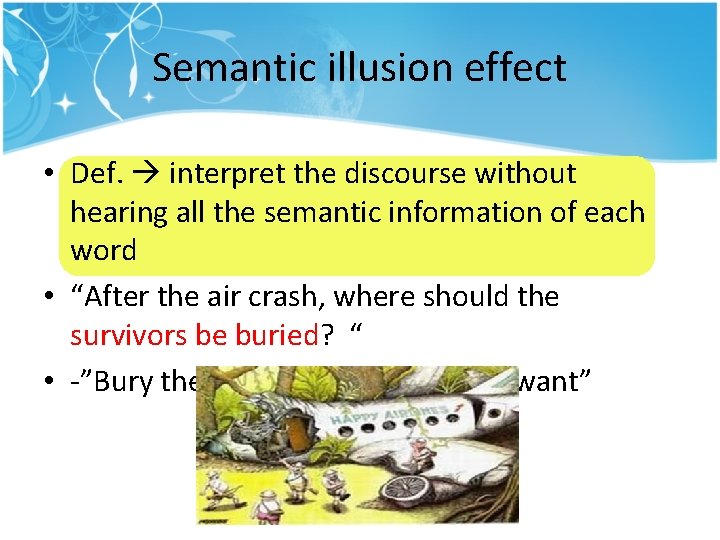
Semantic illusion effect • Def. interpret the discourse without hearing all the semantic information of each word • “After the air crash, where should the survivors be buried? “ • -”Bury them where their relatives want”
Speech Production
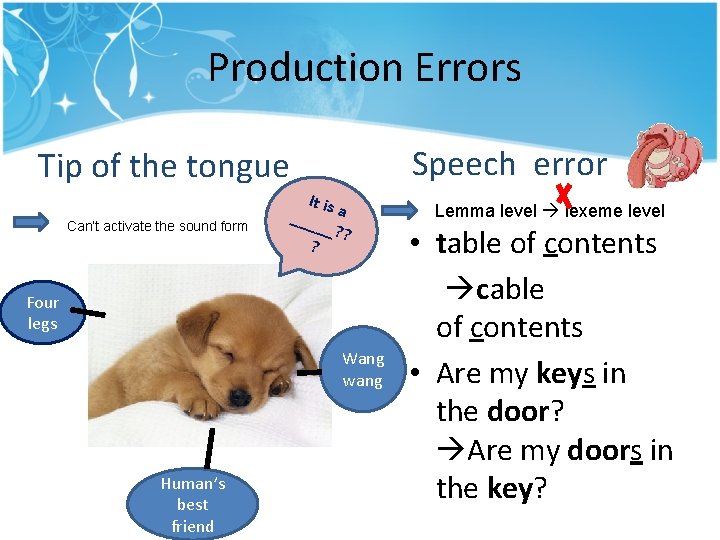
Production Errors Speech error Tip of the tongue Can’t activate the sound form It is ____ a _? ? ? Four legs Wang wang Human’s best friend Lemma level lexeme level • table of contents cable of contents • Are my keys in the door? Are my doors in the key?
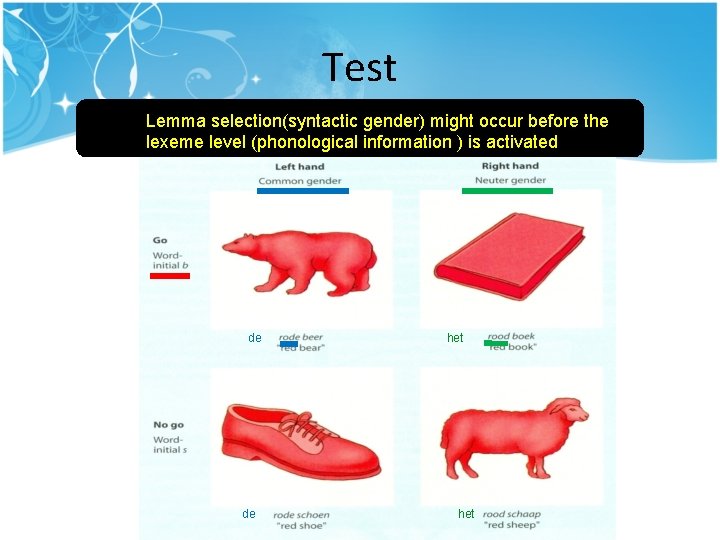
Test Lemma selection(syntactic gender) might occur before the lexeme level (phonological information ) is activated de de het
NEUROLOGY OF LANGUAGE AND LANGUAGE DISORDERS
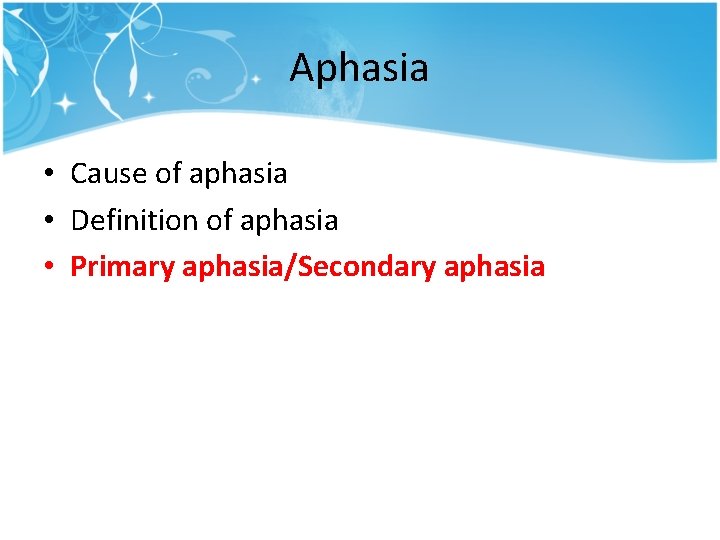
Aphasia • Cause of aphasia • Definition of aphasia • Primary aphasia/Secondary aphasia
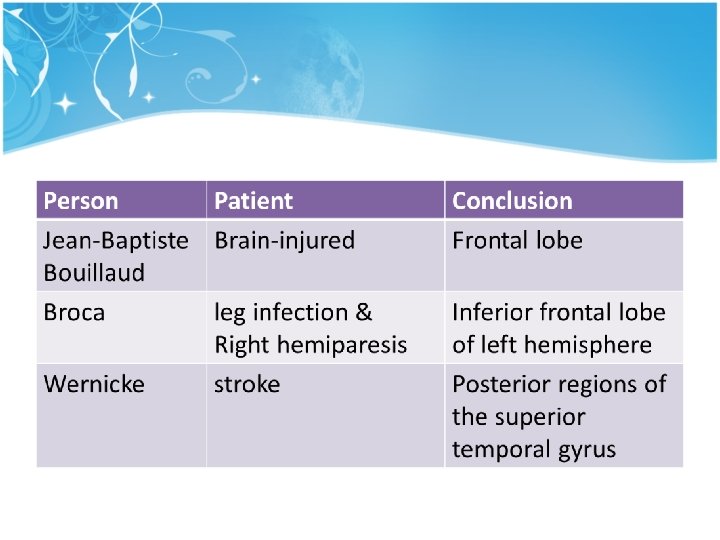
History of aphasia
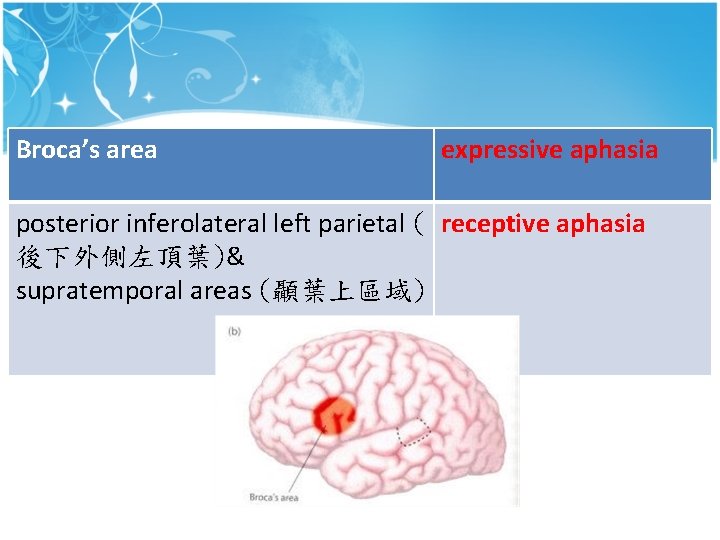
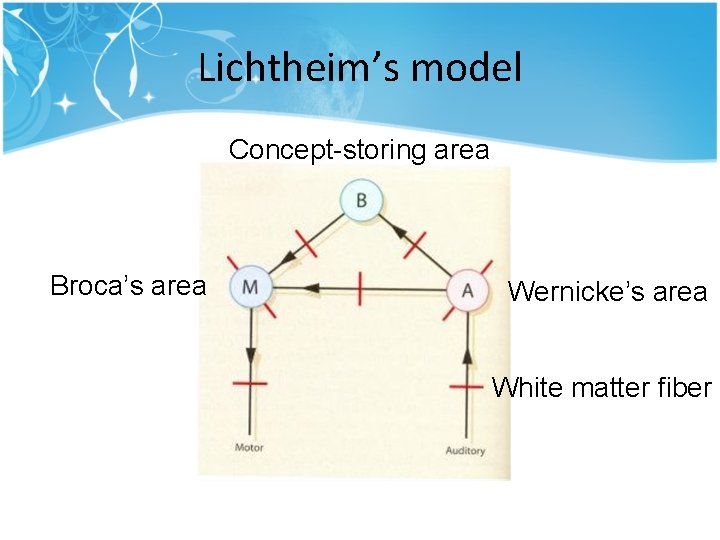
Broca’s area expressive aphasia posterior inferolateral left parietal ( receptive aphasia 後下外側左頂葉)& supratemporal areas (顳葉上區域)
Early model of language organization
Lichtheim’s model Concept-storing area Broca’s area Wernicke’s area White matter fiber
Classification of aphasia
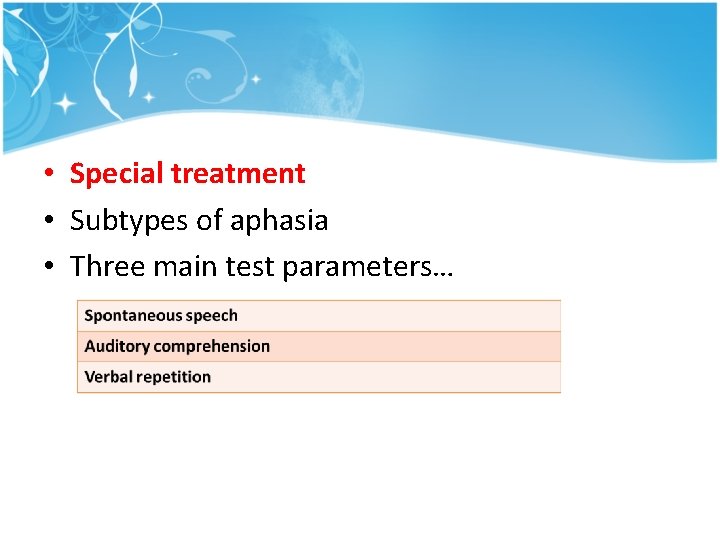
• Special treatment • Subtypes of aphasia • Three main test parameters…
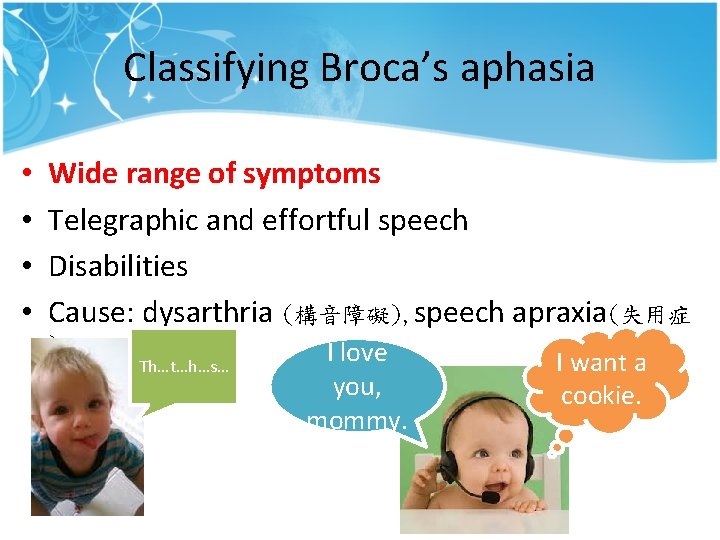
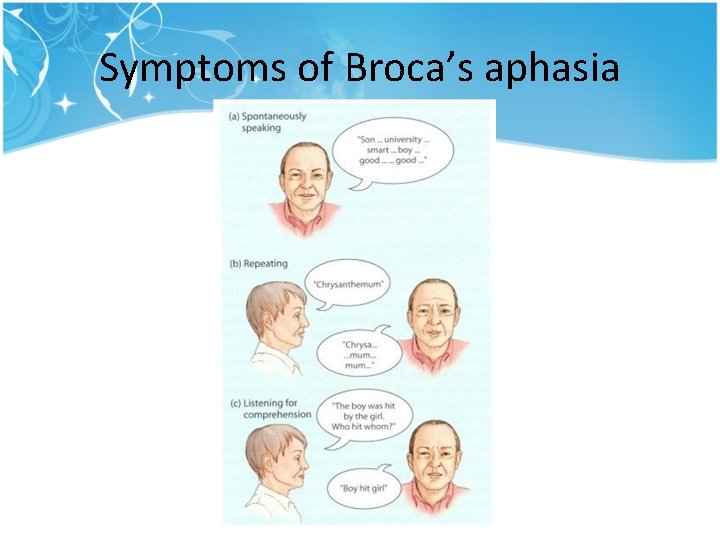
Classifying Broca’s aphasia • • Wide range of symptoms Telegraphic and effortful speech Disabilities Cause: dysarthria (構音障礙), speech apraxia(失用症 ) Th…t…h…s… I love you, mommy. I want a cookie.
Symptoms of Broca’s aphasia
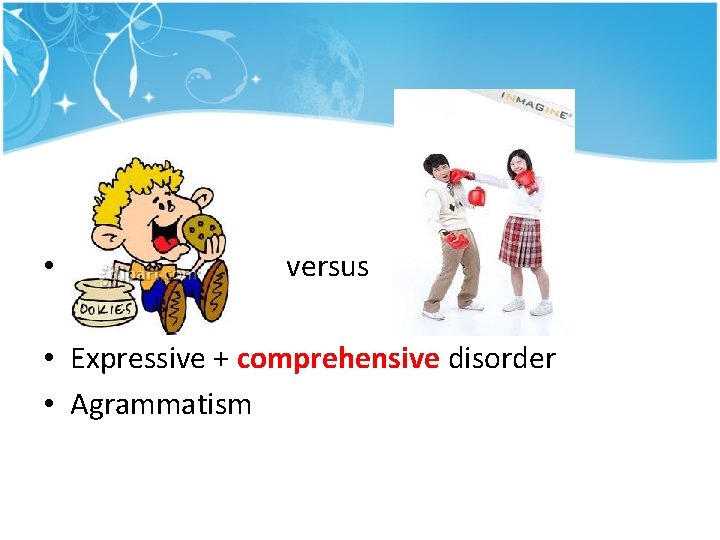
• versus • Expressive + comprehensive disorder • Agrammatism
Broca’s area • Aphemia (left ventrolateral frontal cortex) • Broca’s aphasia versus Broca’s area • Not only limited to gray matter
Classifying Wernicke’s area • Problems understanding language • Meaningless speech
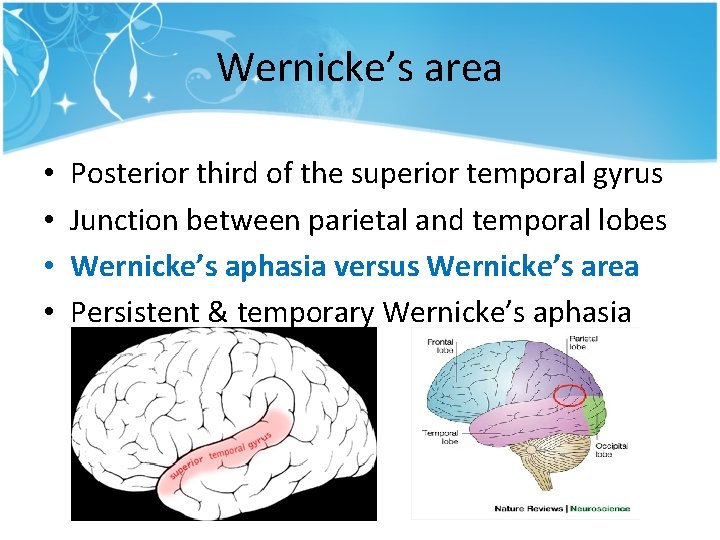
Wernicke’s area • • Posterior third of the superior temporal gyrus Junction between parietal and temporal lobes Wernicke’s aphasia versus Wernicke’s area Persistent & temporary Wernicke’s aphasia
Damage to connections between language areas
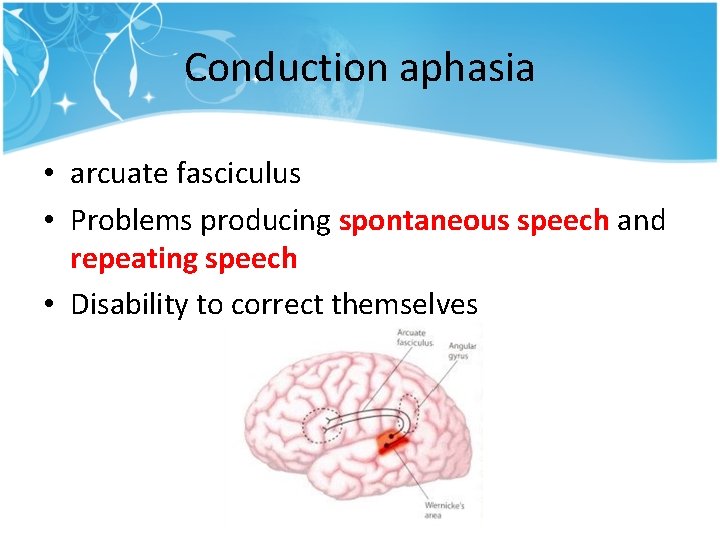
Conduction aphasia • arcuate fasciculus • Problems producing spontaneous speech and repeating speech • Disability to correct themselves
Another kind of aphasia… • Connections between conceptual representation areas and Wernicke’s area • Disability & Ability • Losing access to semantics without losing syntactic or phonological abilities
Mechanisms of aphasic deficits
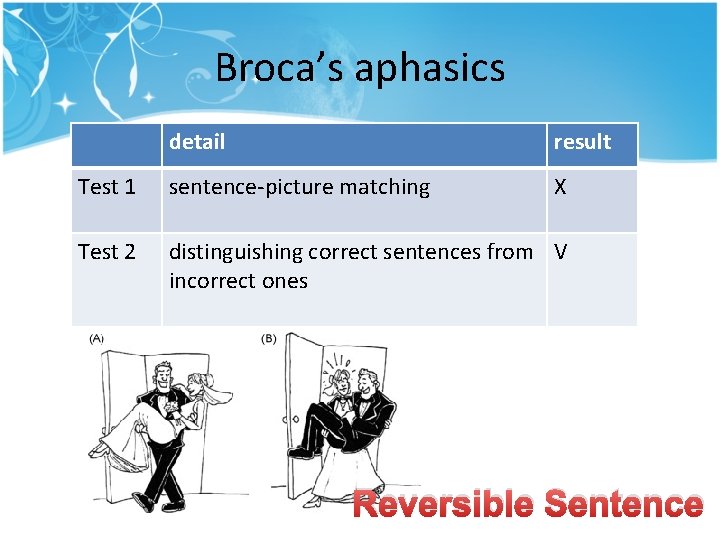
Change in perspective • True losses of knowledge processing impairments • There are two results central to this change…
Broca’s aphasics detail result Test 1 sentence-picture matching X Test 2 distinguishing correct sentences from V incorrect ones Reversible Sentence
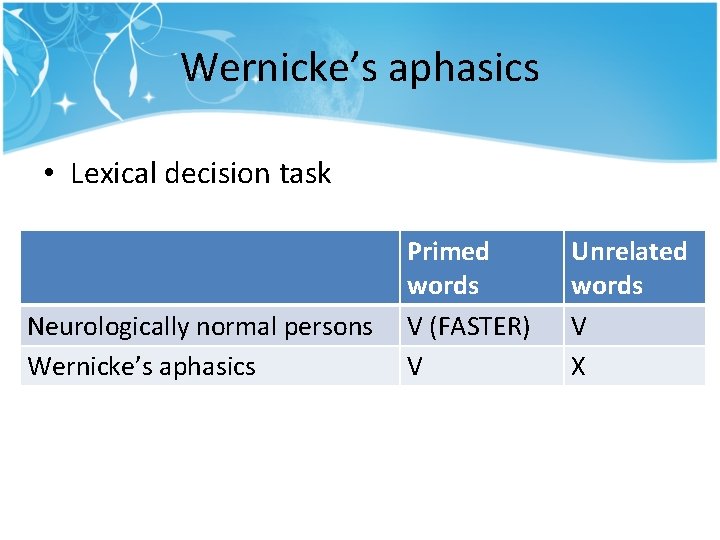
Wernicke’s aphasics • Lexical decision task Neurologically normal persons Wernicke’s aphasics Primed words V (FASTER) V Unrelated words V X
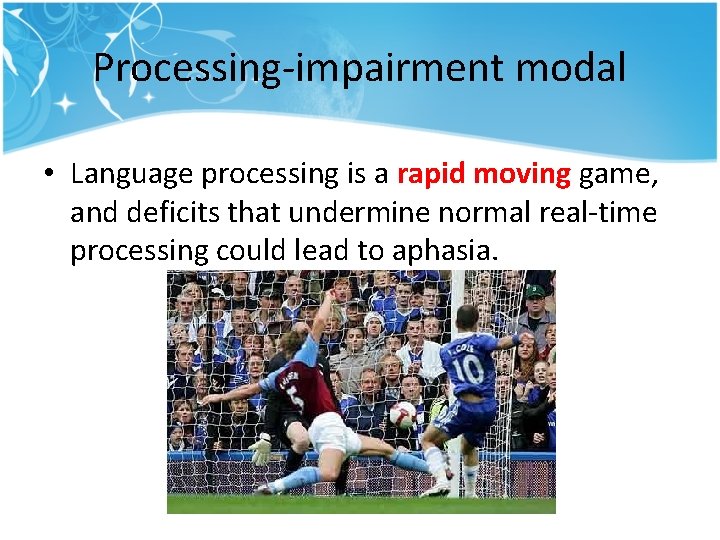
Processing-impairment modal • Language processing is a rapid moving game, and deficits that undermine normal real-time processing could lead to aphasia.
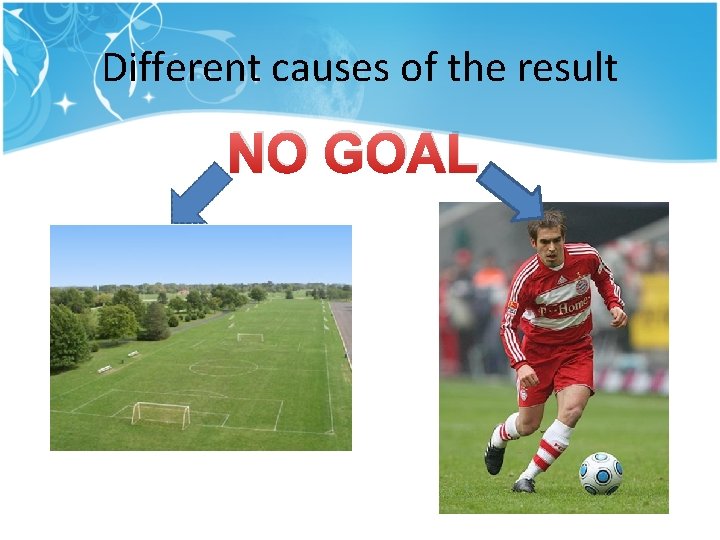
Different causes of the result NO GOAL
When is the impairment manifested? • Dynamics of lexical access are affected in aphasics • Automatic lexical access might be intact but problems arise during lexical integration
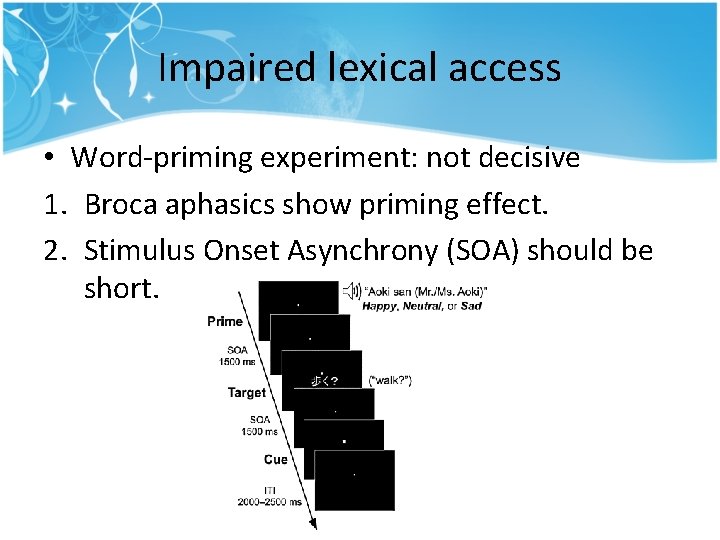
Impaired lexical access • Word-priming experiment: not decisive 1. Broca aphasics show priming effect. 2. Stimulus Onset Asynchrony (SOA) should be short.
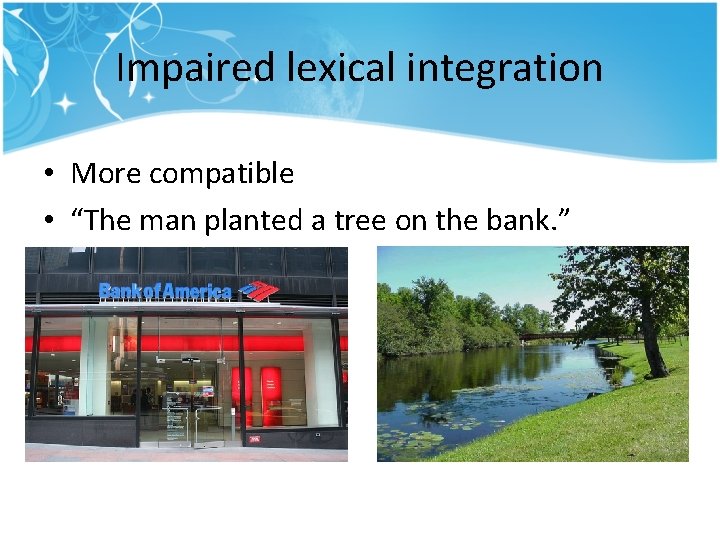
Impaired lexical integration • More compatible • “The man planted a tree on the bank. ”
NEUROPHYSIOLOGY OF LANGUAGE
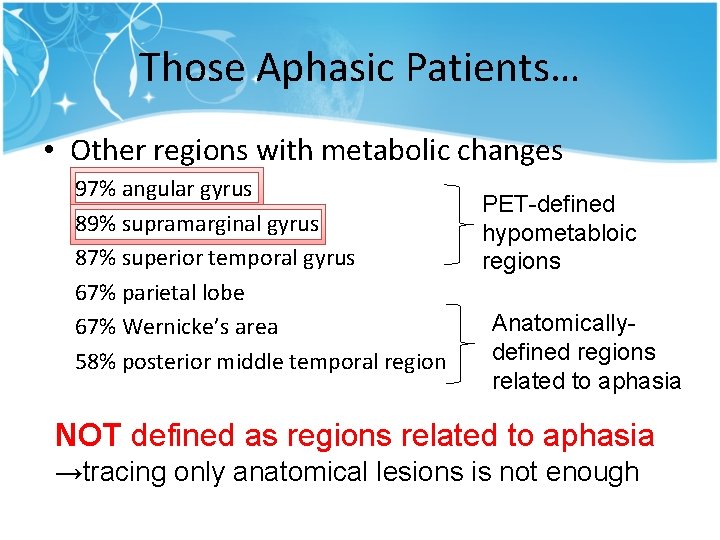
Those Aphasic Patients… • Damaged regions are 100 % hypometabolism in resting state.
Those Aphasic Patients… • Other regions with metabolic changes 97% angular gyrus 89% supramarginal gyrus 87% superior temporal gyrus 67% parietal lobe 67% Wernicke’s area 58% posterior middle temporal region PET-defined hypometabloic regions Anatomicallydefined regions related to aphasia NOT defined as regions related to aphasia →tracing only anatomical lesions is not enough
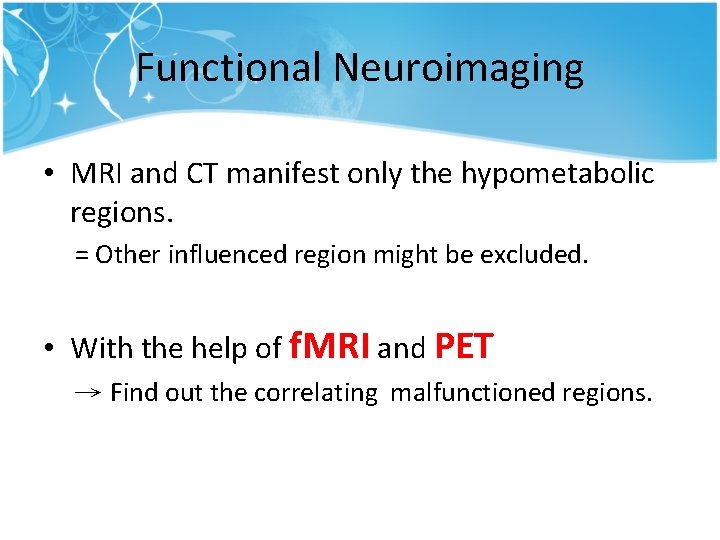
Functional Neuroimaging • MRI and CT manifest only the hypometabolic regions. = Other influenced region might be excluded. • With the help of f. MRI and PET → Find out the correlating malfunctioned regions.
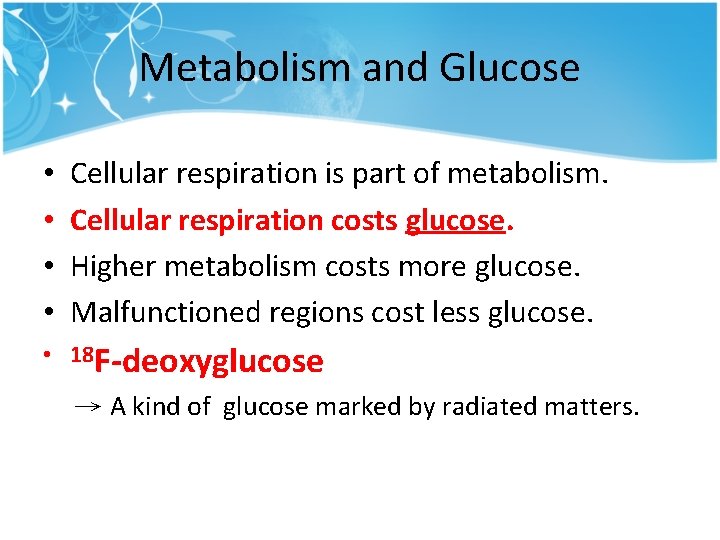
Metabolism and Glucose • • Cellular respiration is part of metabolism. Cellular respiration costs glucose. Higher metabolism costs more glucose. Malfunctioned regions cost less glucose. • 18 F-deoxyglucose → A kind of glucose marked by radiated matters.
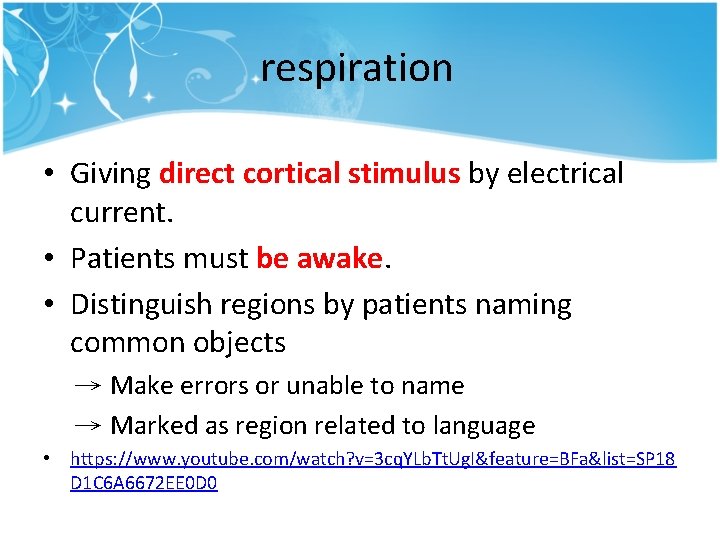
respiration • Giving direct cortical stimulus by electrical current. • Patients must be awake. • Distinguish regions by patients naming common objects → Make errors or unable to name → Marked as region related to language • https: //www. youtube. com/watch? v=3 cq. YLb. Tt. Ug. I&feature=BFa&list=SP 18 D 1 C 6 A 6672 EE 0 D 0
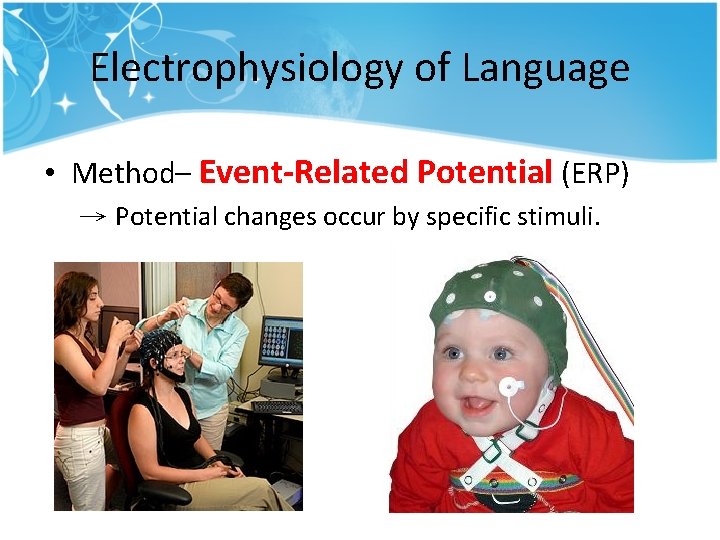
Electrophysiology of Language • Method– Event-Related Potential (ERP) → Potential changes occur by specific stimuli.
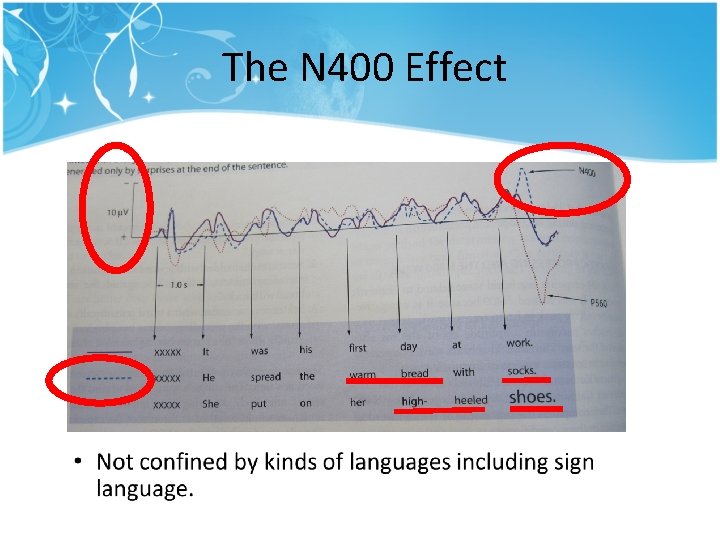
The N 400 Effect • Related to semantic processing • N 400→ N– negative 400– Time span after stimuli
The N 400 Effect
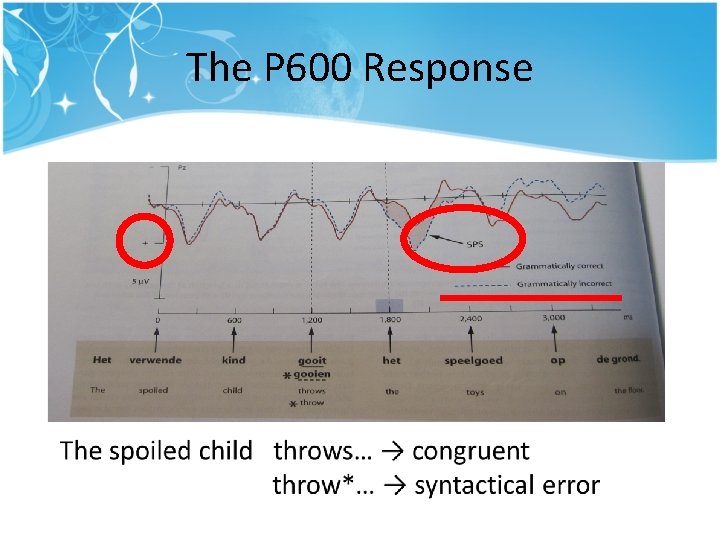
The P 600 Response • Related to syntactic processing • P 600→ P– positive 600– Time span after stimuli • The P 600 response || Syntactic positive shift (SPS) In short, P 600/SPS
The P 600 Response
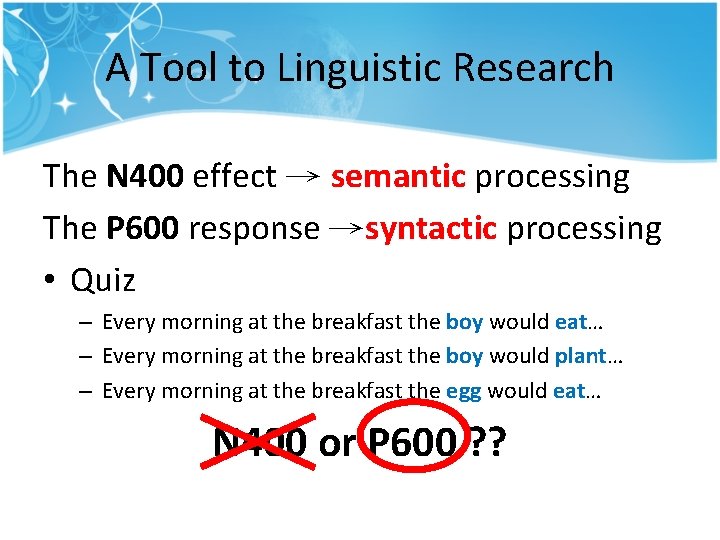
A Tool to Linguistic Research The N 400 effect → semantic processing The P 600 response →syntactic processing • Quiz – Every morning at the breakfast the boy would eat… – Every morning at the breakfast the boy would plant… – Every morning at the breakfast the egg would eat… N 400 or P 600 ? ?
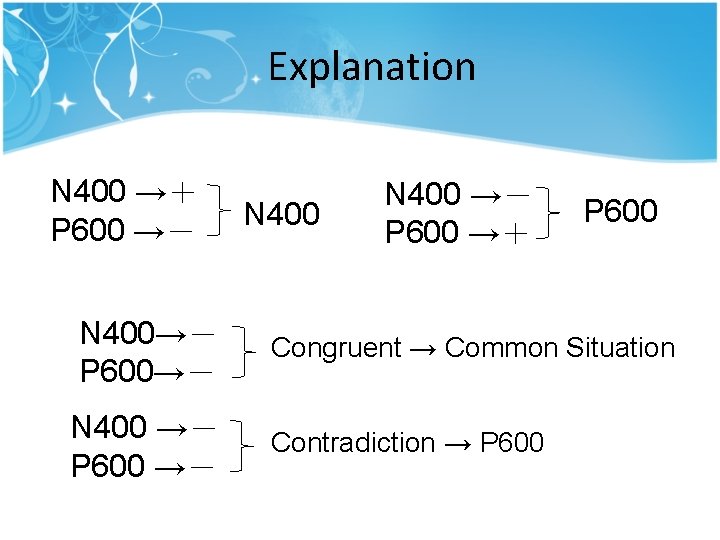
Explanation N 400 →+ P 600 →- N 400→- P 600→- N 400 →- P 600 →+ P 600 Congruent → Common Situation Contradiction → P 600
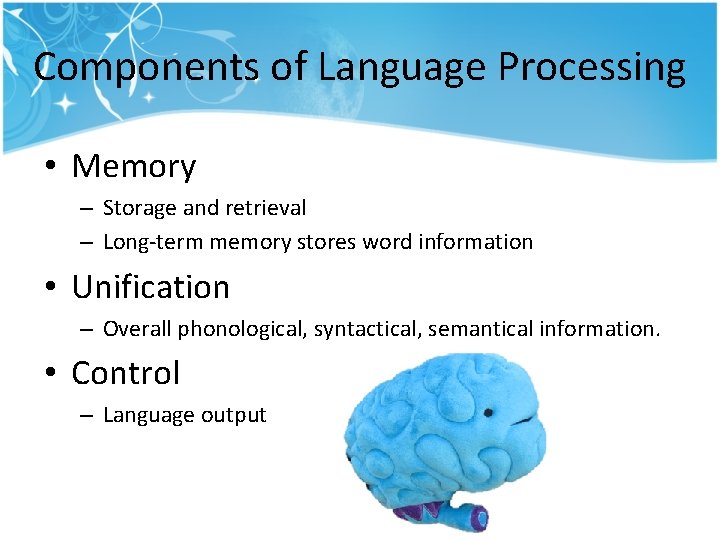
Components of Language Processing • Memory – Storage and retrieval – Long-term memory stores word information • Unification – Overall phonological, syntactical, semantical information. • Control – Language output
Reference • Neural plasticity and treatment-induced recovery of sentence processing in agrammatism (Cynthia K. Thompson et al. , 2010) • http: //www. hindawi. com/journals/pd/2011/157072. fig. 001. jpg • http: //ars. els-cdn. com/content/image/1 -s 2. 0 -S 1053811907009627 gr 1. jpg • http: //i. telegraph. co. uk/multimedia/archive/01004/joecole_1004212 c. jpg • http: //www. gocolumbiamo. com/Parksand. Rec/Images/Parks/cosmo_so ccer_13 -15. jpg • http: //www. igol. pl/images/articles/philipplahm 02. jpg • http: //en. wikipedia. org/wiki/Stimulus_onset_asynchrony