GLY 326 Structural Geology Lecture 7 The anatomy









- Slides: 38
GLY 326 Structural Geology Lecture 7 The anatomy of continents Autumn, 2015
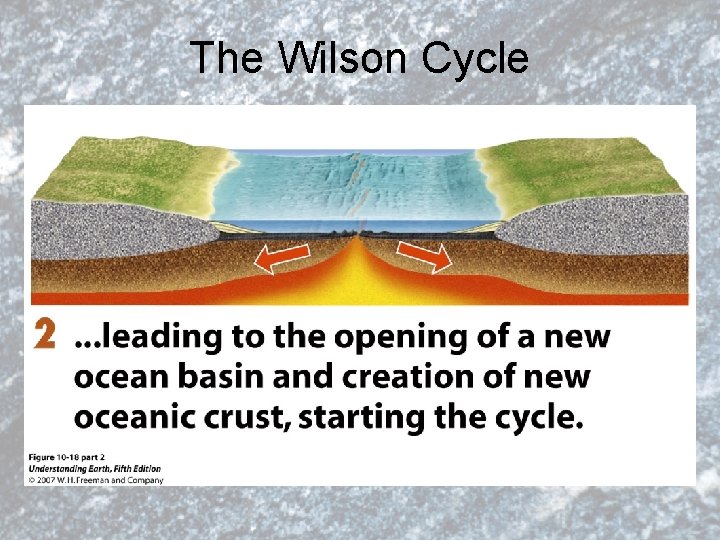
The Wilson Cycle
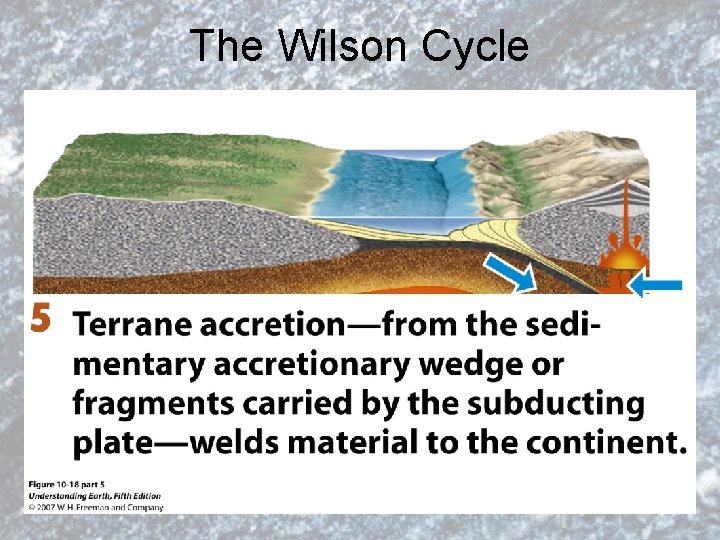
The Wilson Cycle
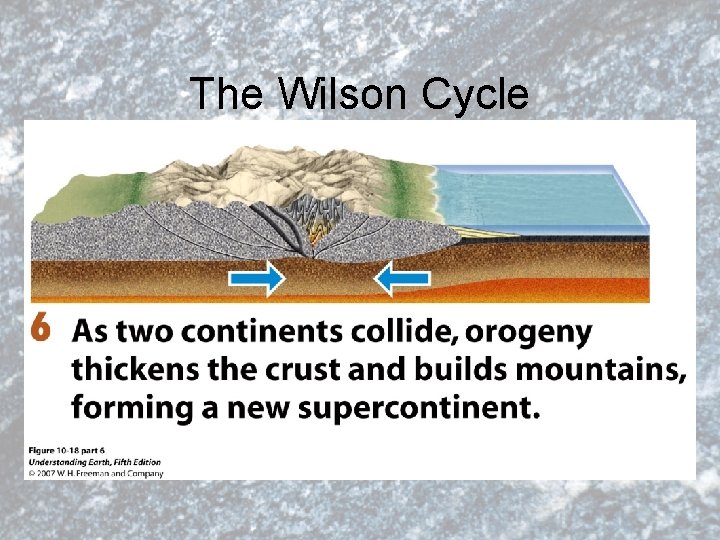
The Wilson Cycle
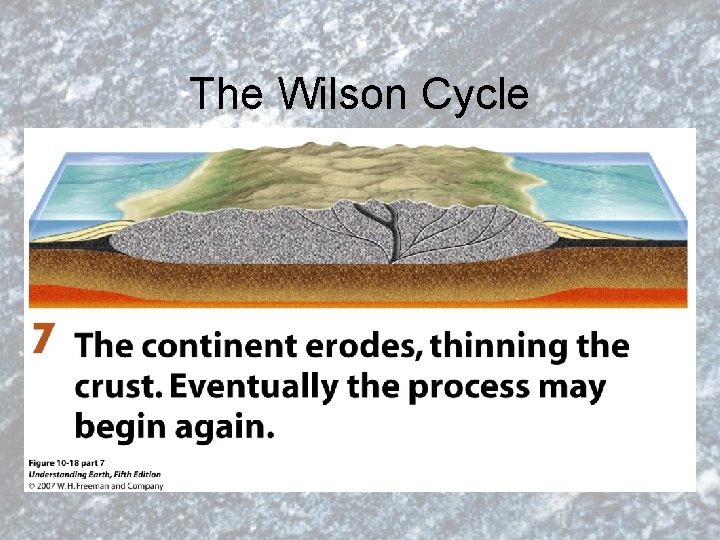
The Wilson Cycle
The Wilson Cycle
The Wilson Cycle
The Wilson Cycle
Structures of Continents • continents are made and deformed by plate motion • continents are (in general) older than ocean rocks
This is because old oceanic crust has been recycled already!
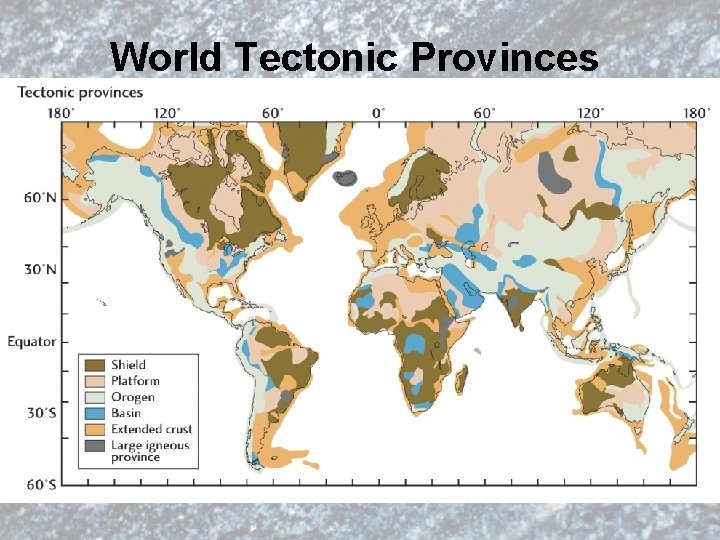
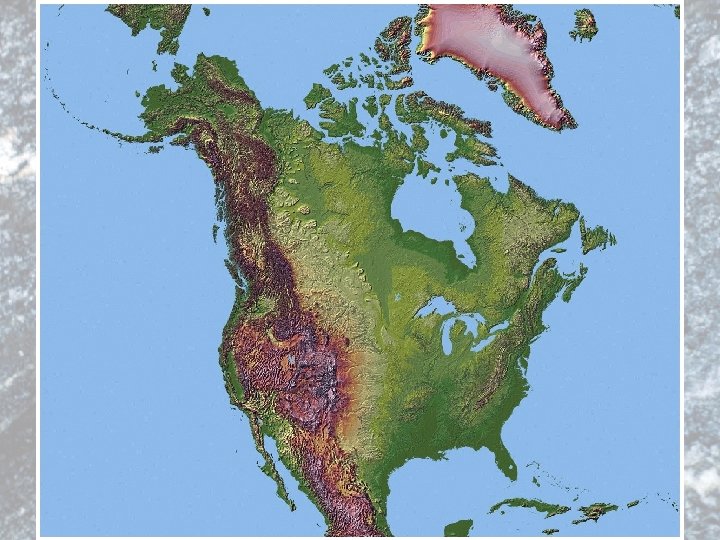
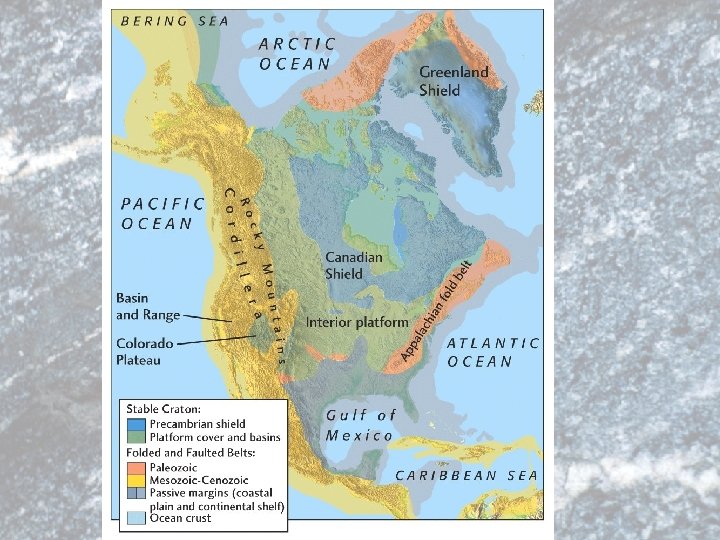
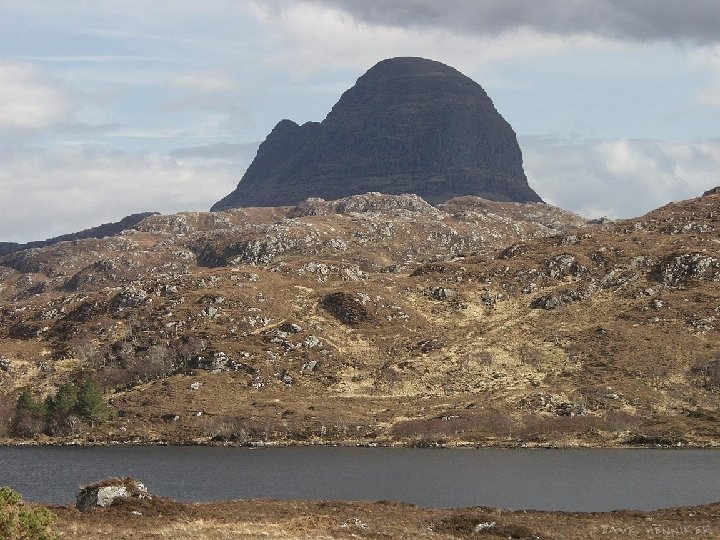
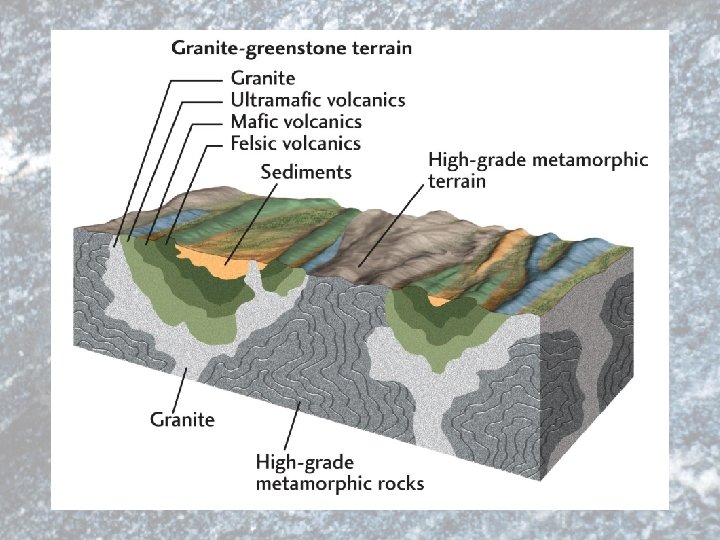
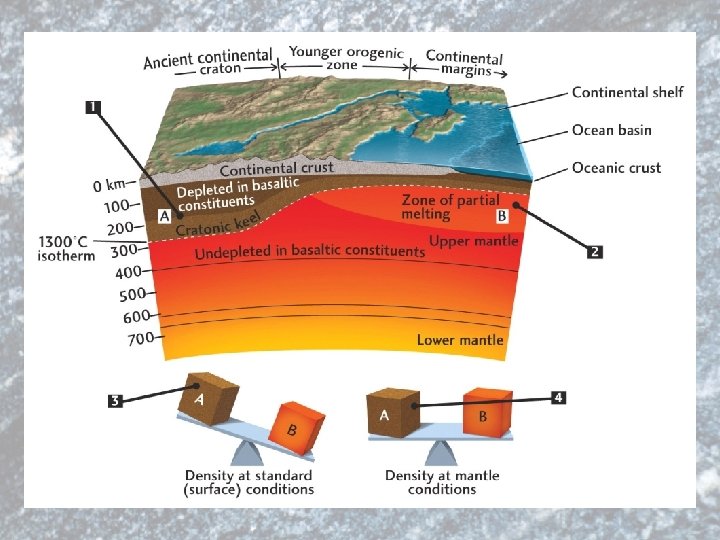
Anatomy of a continent • shields • stable platforms • folded mountain belts
World Tectonic Provinces
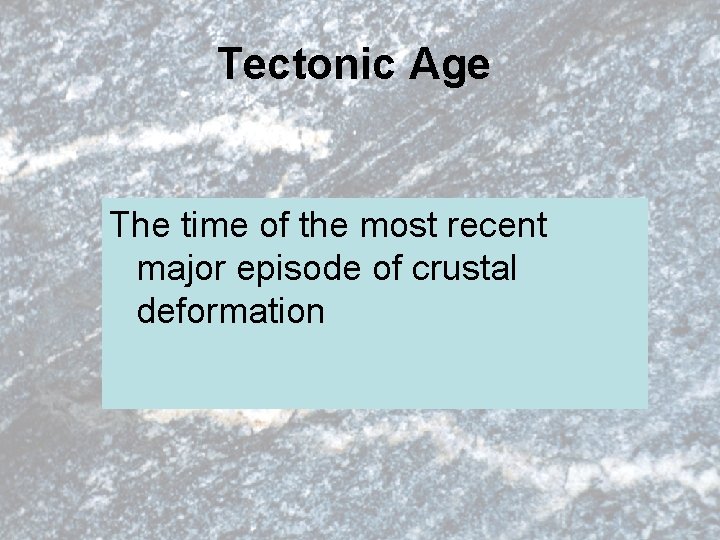
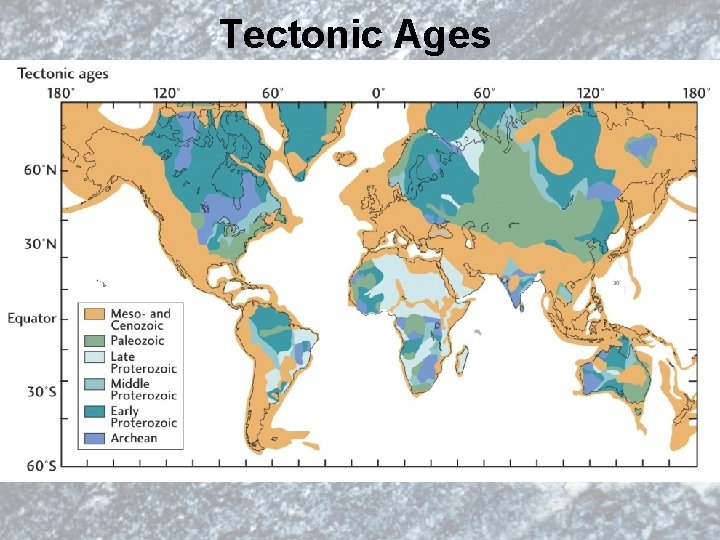
Tectonic Age The time of the most recent major episode of crustal deformation
Tectonic Ages
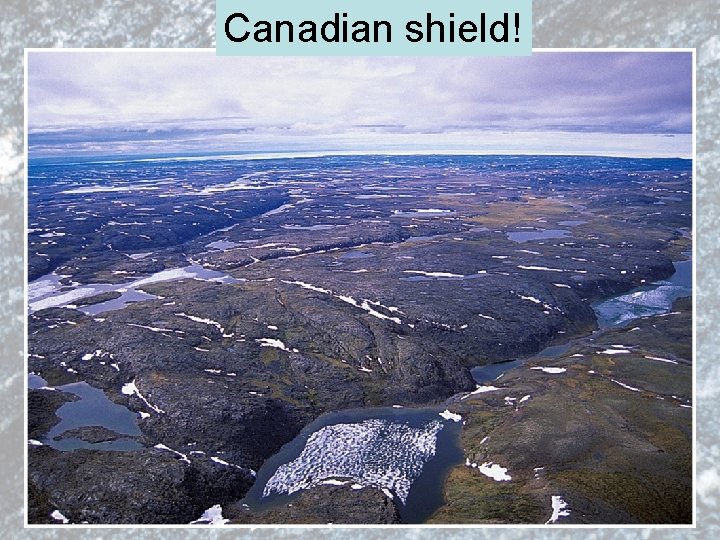
Canadian shield!
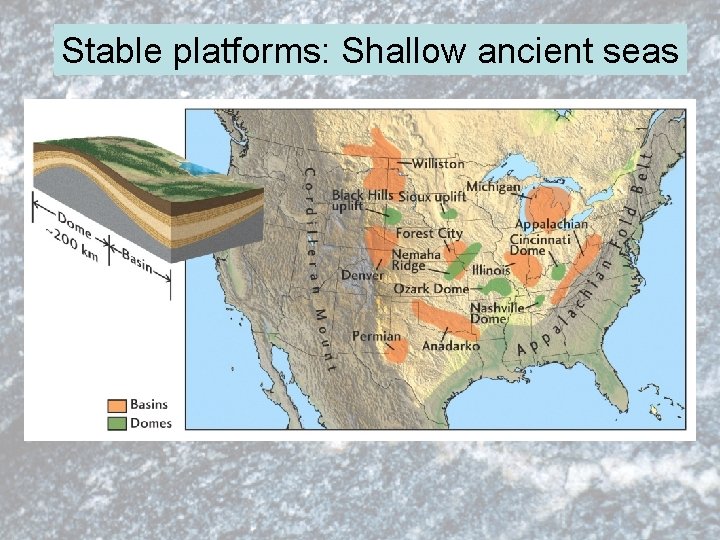
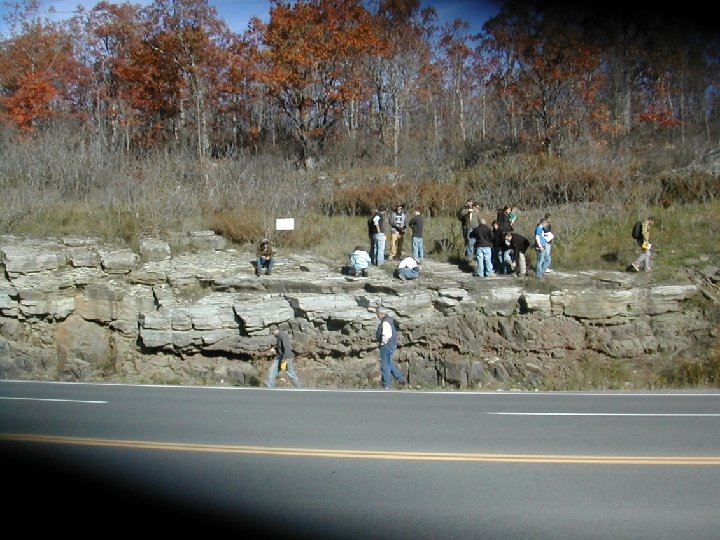
Stable platforms: Shallow ancient seas
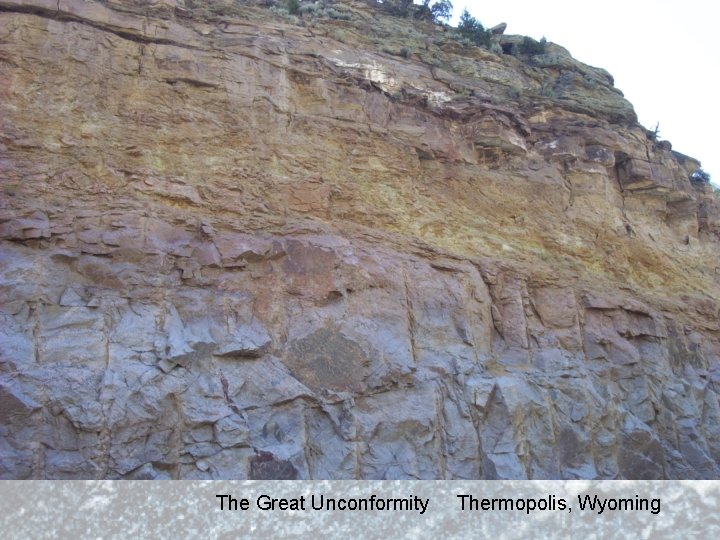
The Great Unconformity Thermopolis, Wyoming
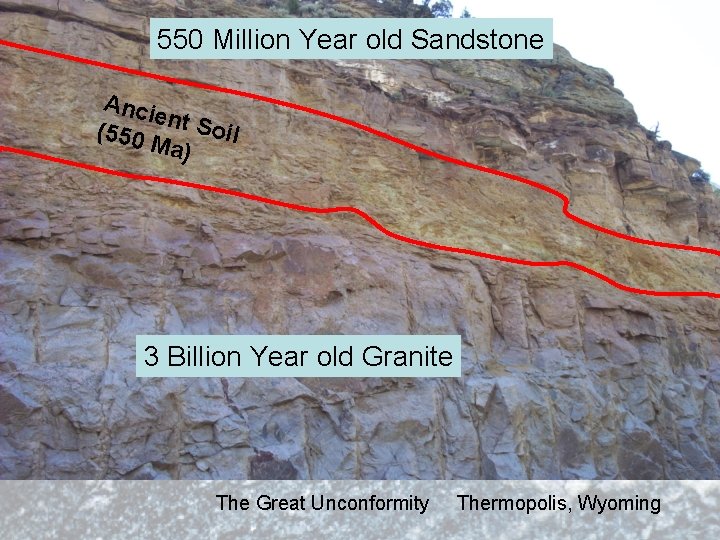
550 Million Year old Sandstone Anci ent S o (550 Ma) il 3 Billion Year old Granite The Great Unconformity Thermopolis, Wyoming
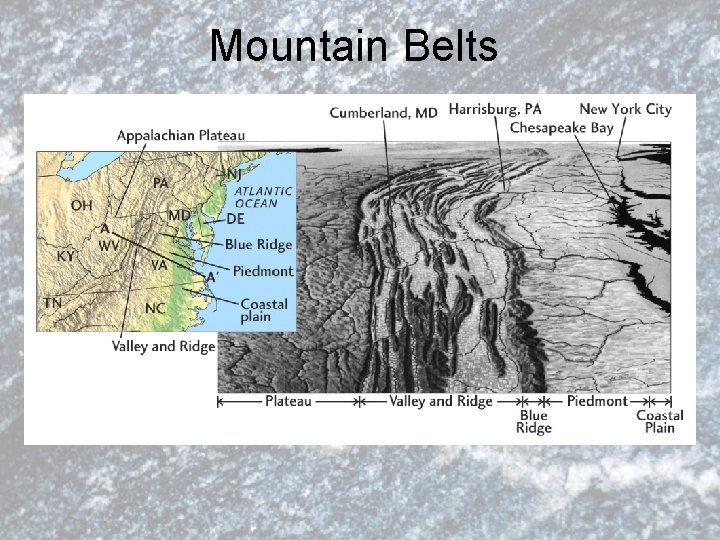
Mountain Belts
Mountain Belts
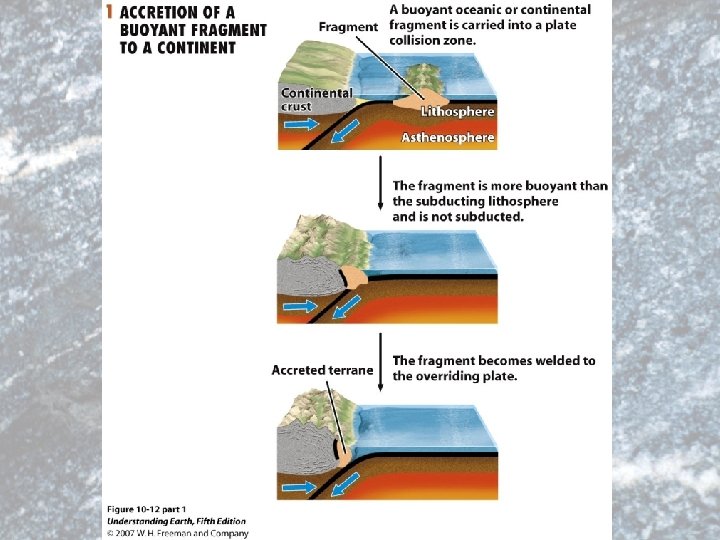
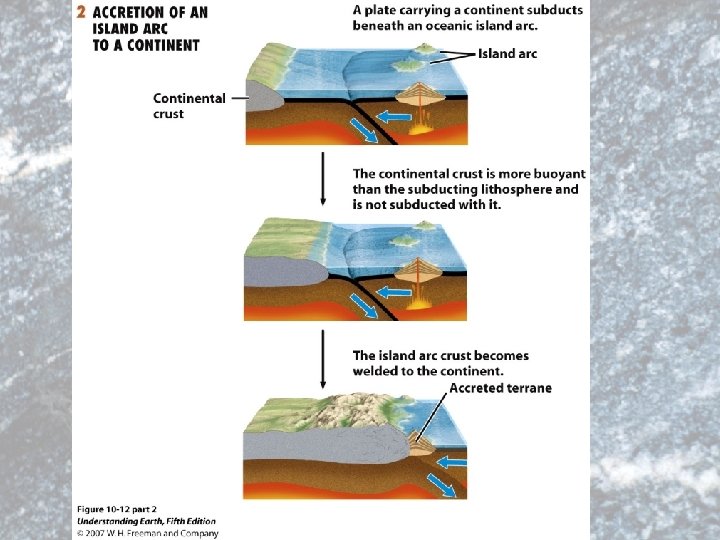
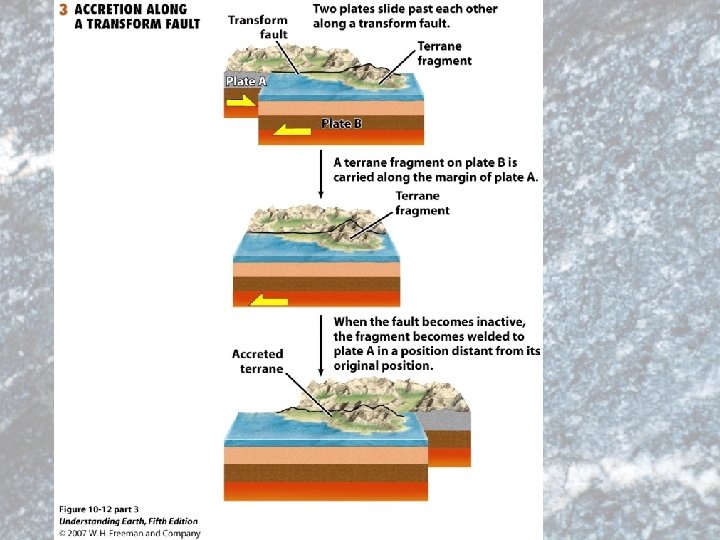
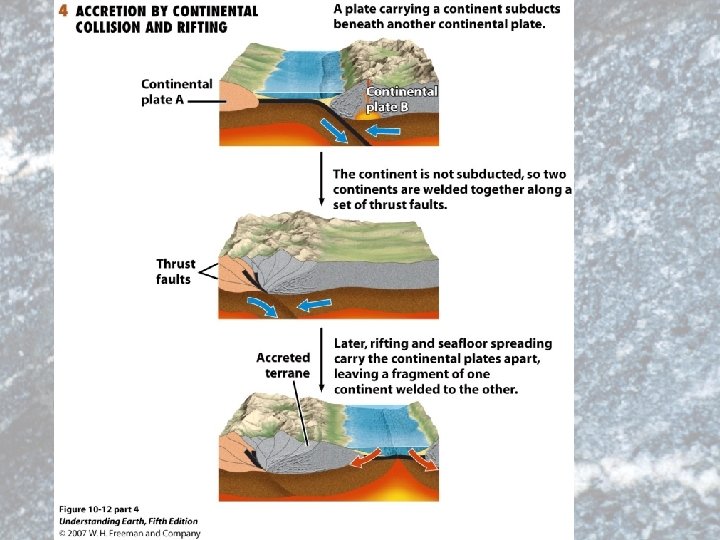
How Continents Grow • Magmatic differentiation: magma transferred to continents at subduction zones • Continental accretion: buoyant fragments of continents attached to continents as the result of plate motions
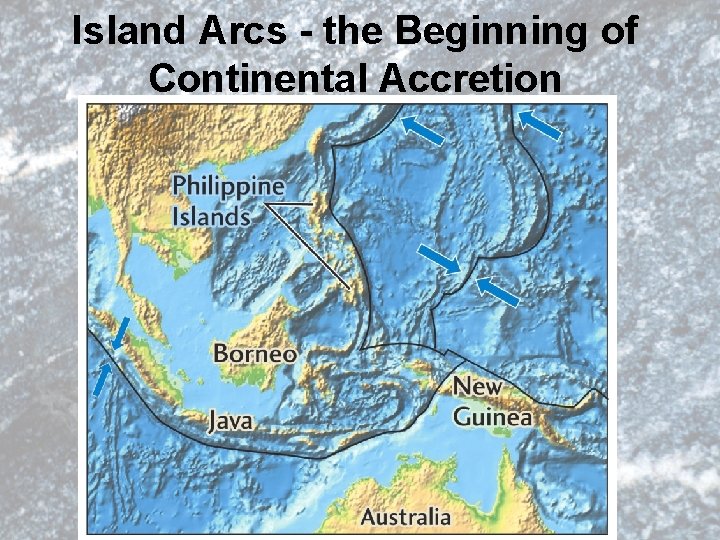
Island Arcs - the Beginning of Continental Accretion
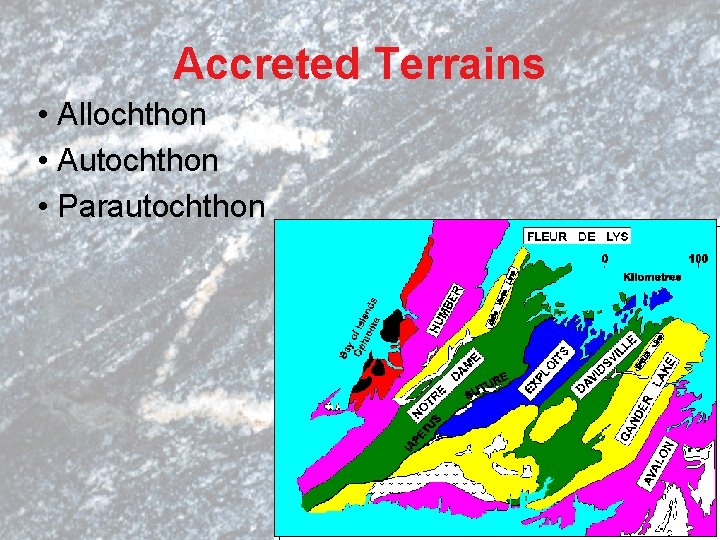
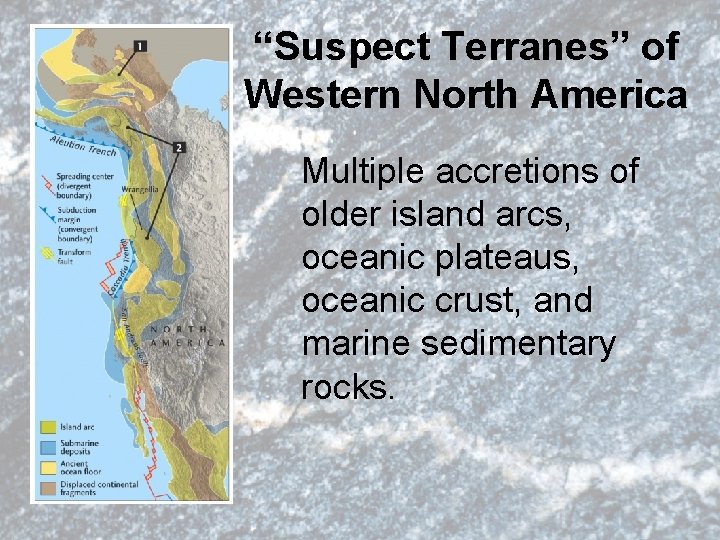
Accreted Terrains • Allochthon • Autochthon • Parautochthon
“Suspect Terranes” of Western North America Multiple accretions of older island arcs, oceanic plateaus, oceanic crust, and marine sedimentary rocks.
How continents are modified • Orogeny: mountain-building process of folding, faulting, magmatism, and metamorphism • Epeirogeny: vertical motions of largely flatlying rocks without faulting or significant folding
Orogeny • mountain building • particularly by folding and thrusting of rock layers • often accompanied by magmatic activity
Orogeny
Orogeny