Energy Roles Each organisms energy role is determined


- Slides: 104
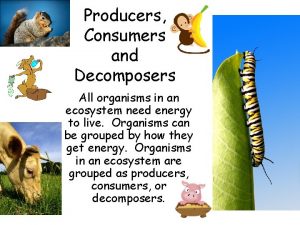
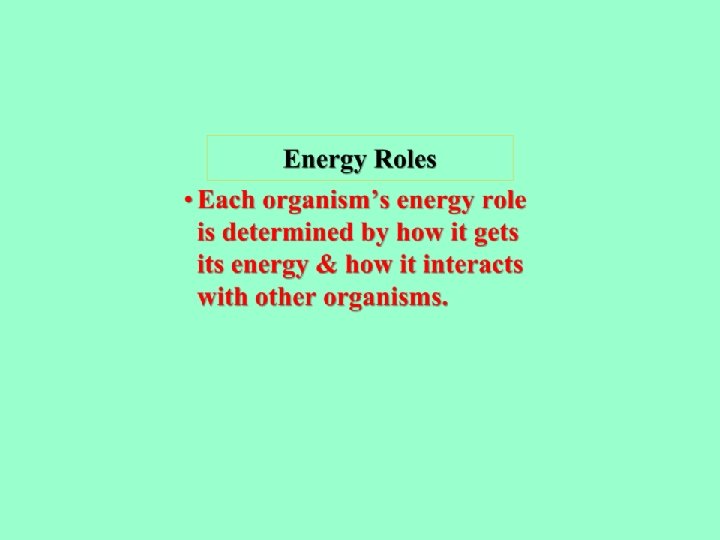
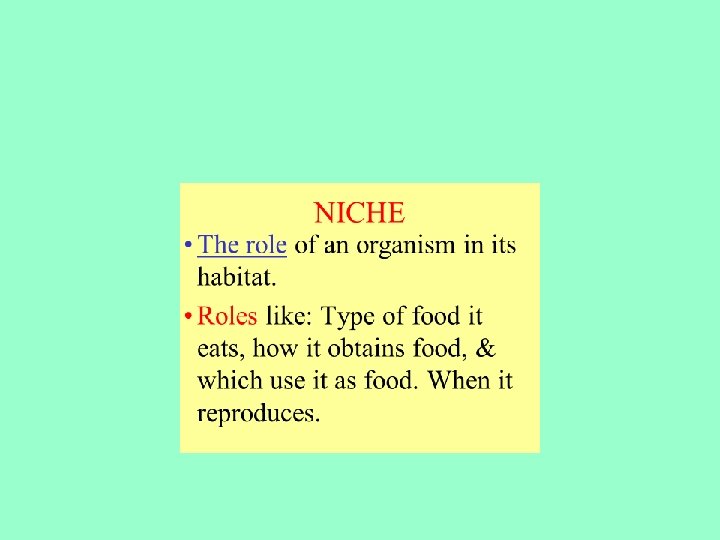
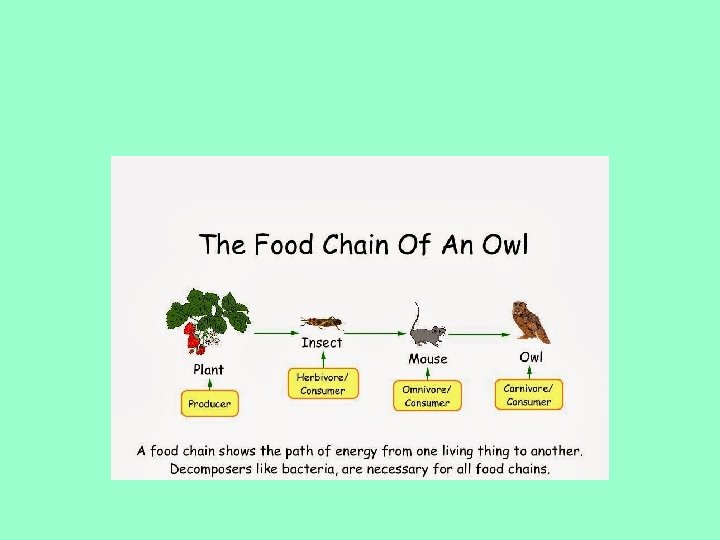
Energy Roles • Each organism’s energy role is determined by how it gets its energy & how it interacts with other organisms.
BIOSPHERE • The parts of Earth & atmosphere where there is life. • Land, continents, islands, oceans, lakes, streams, ice caps, plants, organisms.
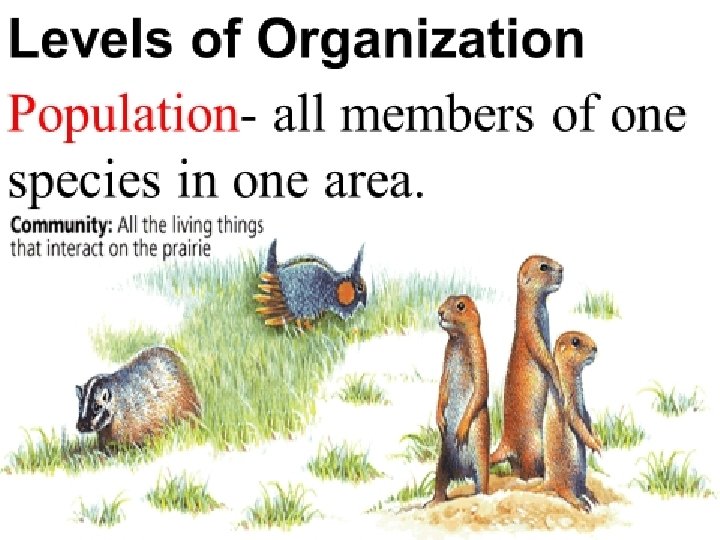
Community • All the different populations of species that live in the same area.
21 -2 Changing Populations
Extinct • Species that has died out & no individuals are left. • Endangered a species that is at risk from becoming extinct • Threatened Species- at risk, but not endangered yet.
Extinct- dinosaurs Endangered • Gorillas • African Penguin • Amur Leopard • Bengal Tiger • Blue Whale Threatened • Sea otters • Fruit Bat • Spider Monkeys
HUMAN POPULATION CHANGES INCREASES • Food- advances in farming have made it easier to produce lots of food. • Resources-needed materials can be made & shipped quickly. • Sanitation-cleaner water. Less disease. • Medical Care-better, keeping people healthier longer, better tech, medicine
Decreases • Diseases- AIDS, Malaria high death rates in some countries • Severe droughts = lack of food • Natural Disasters- earthquakes, hurricanes, floods…. lead to many deaths
21 -3 Communities
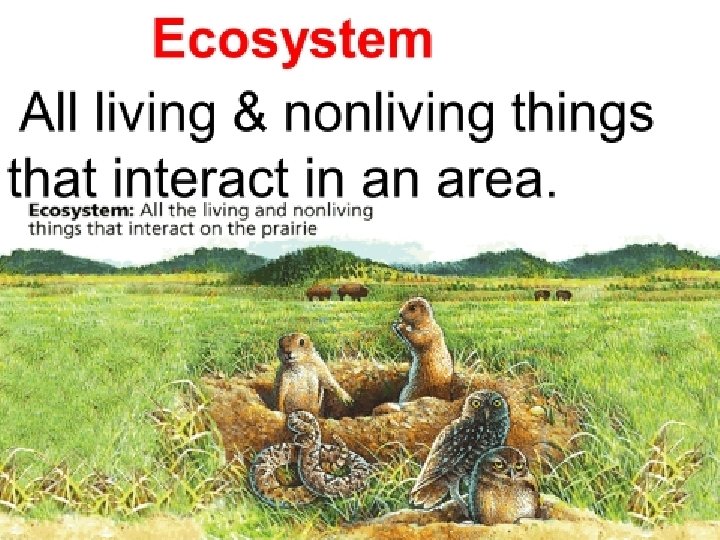
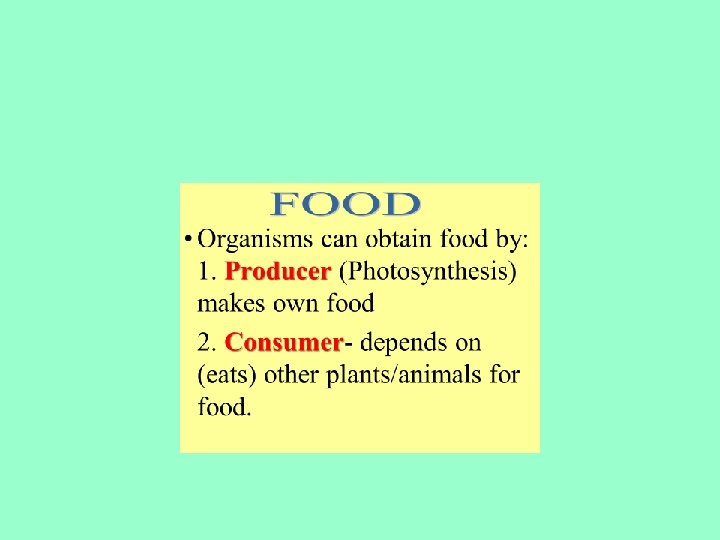
• Each organism in an ecosystem fills the energy role of producer, consumer, or decomposer.
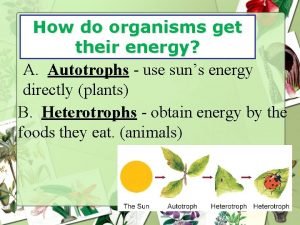
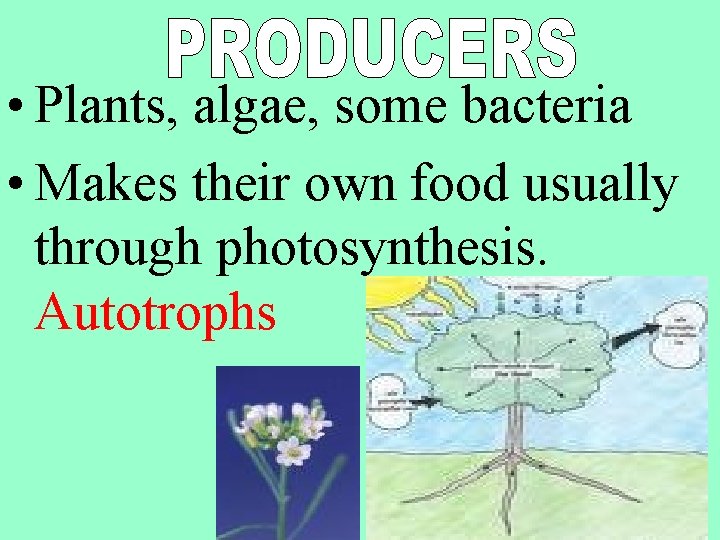
• Plants, algae, some bacteria • Makes their own food usually through photosynthesis. Autotrophs
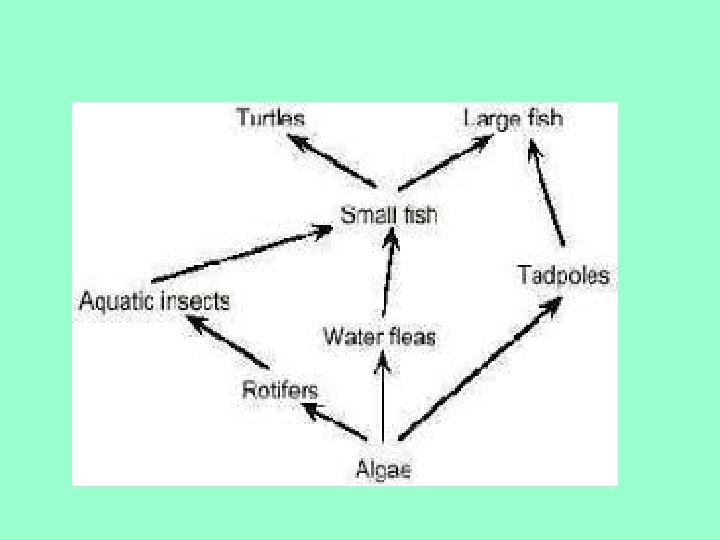
• Can’t make their own food. • Organism that obtains energy by feeding on other organisms. • Classified by what they eat Herbivores (plants) • Carnivores (animals) Omnivores (both)
• Organisms that break down wastes & dead matter & return the raw materials back to the ecosystem. • Nature’s recyclers • Mushrooms, bacteria
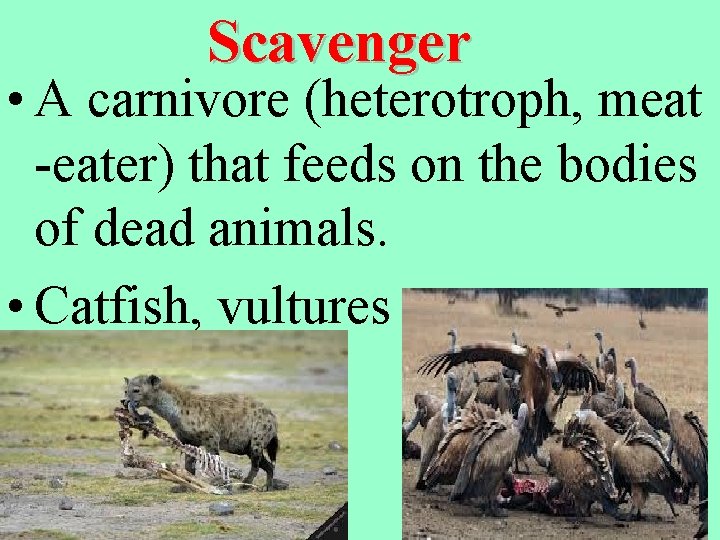
Scavenger • A carnivore (heterotroph, meat -eater) that feeds on the bodies of dead animals. • Catfish, vultures
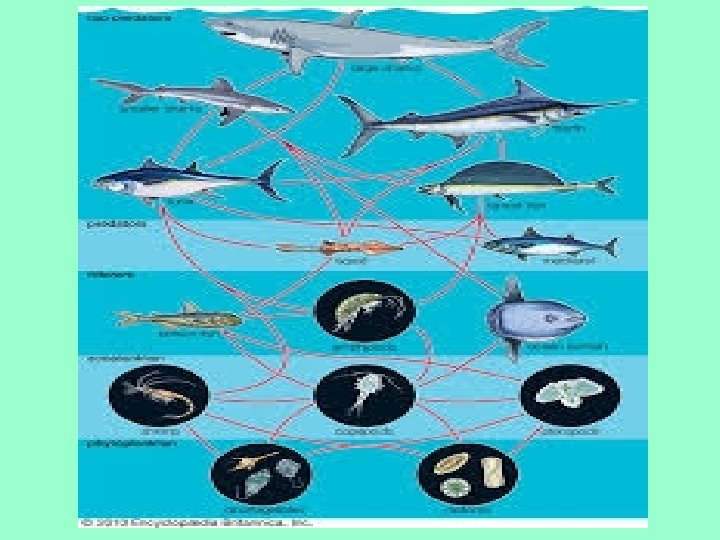
Key term Review 1 The ______ shows the amount of energy that moves from one feeding layer to another. 2 A _____ consists of many interconnected food chains. 3 A plant is a ____ because it can make its own food from the sun, water, & carbon dioxide. 4 A series of events in which one organism eats another organism in order to obtain energy is called a _____. 5 A bear cannot make its own food so it must go out and hunt for food so we would call a bear a ____.
6 These organism eat dead matter like leaves and then return this matter back into the soil. These organism are called ______. 7 A rabbit only eats grass so it would be called a _____. 8 Lions and spiders only eat other animals so they are said to be ______. 9 Humans, bears, and crows eat a combo of meat and plants so they are called _____. 10 A _____ is an animal that feeds off of the body of another dead animal.
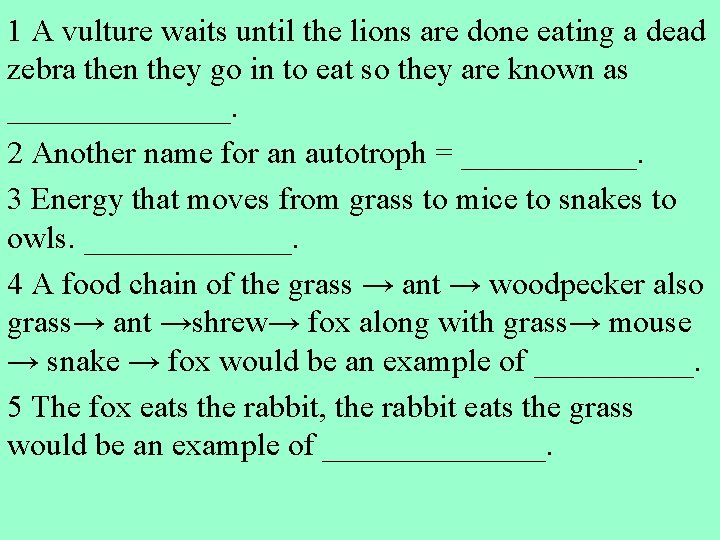
1 A vulture waits until the lions are done eating a dead zebra then they go in to eat so they are known as _______. 2 Another name for an autotroph = ______. 3 Energy that moves from grass to mice to snakes to owls. _______. 4 A food chain of the grass → ant → woodpecker also grass→ ant →shrew→ fox along with grass→ mouse → snake → fox would be an example of _____. 5 The fox eats the rabbit, the rabbit eats the grass would be an example of _______.
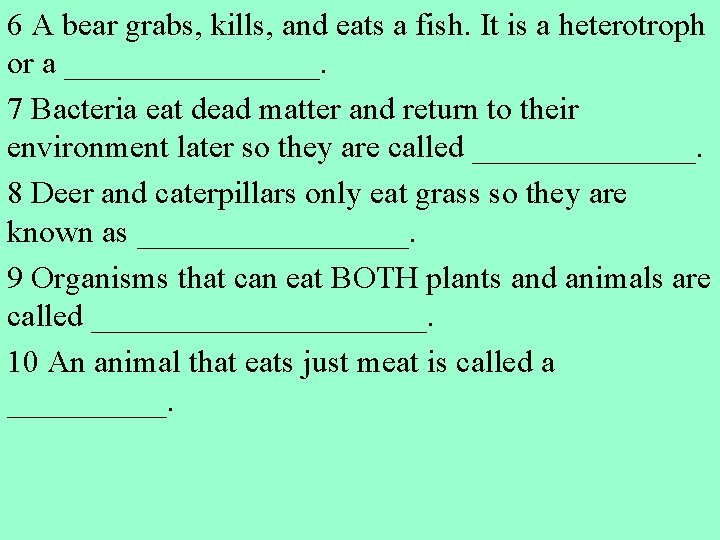
6 A bear grabs, kills, and eats a fish. It is a heterotroph or a ________. 7 Bacteria eat dead matter and return to their environment later so they are called _______. 8 Deer and caterpillars only eat grass so they are known as _________. 9 Organisms that can eat BOTH plants and animals are called ___________. 10 An animal that eats just meat is called a _____.
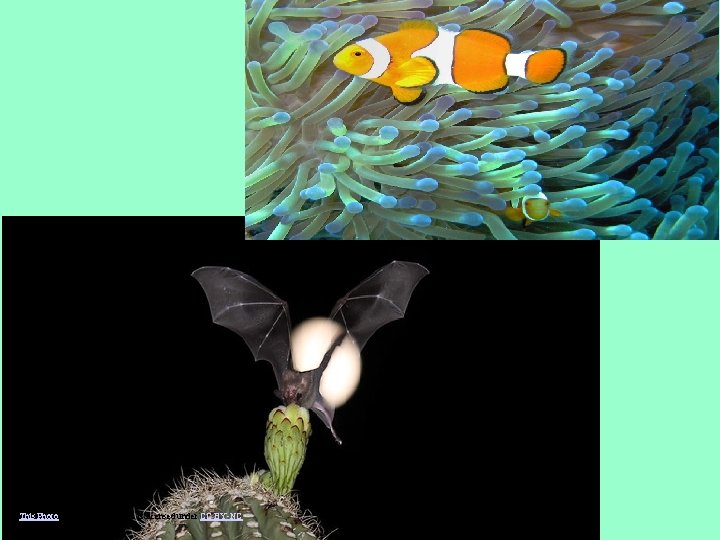
This Photo by Unknown Author is licensed under CC BY-NC-ND
This Photo by Unknown Author is licensed under CC BY-NC
• The study of where organisms live. • They describe where living things are found on earth.
1. Continental Drift 2. Wind or Water 3. Living things (humans)
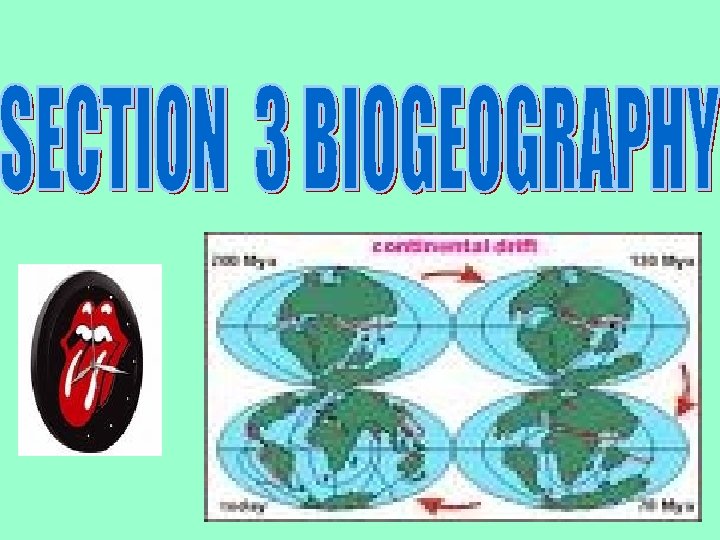
• Motion of the earth’s continents by earth’s plates. • 225 million years ago, all of continents were part of one large land mass (Pangaea). • Slowly moved away.
• AUSTRALIA- as it moved away organisms from other parts couldn’t reach this isolated island so kangaroos, koalas, & others flourished here.
• The movement of organisms from one place to another. • Caused by: wind, water, & living things.
• Physical Barriers- water, mountains, deserts. • Competition- compete for resources • Climate-weather conditions of different areas
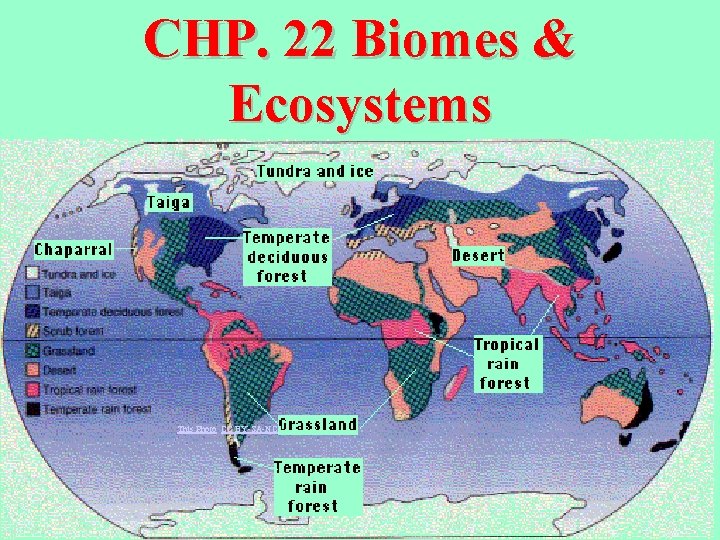
CHP. 22 Biomes & Ecosystems This Photo CC BY-SA-NC
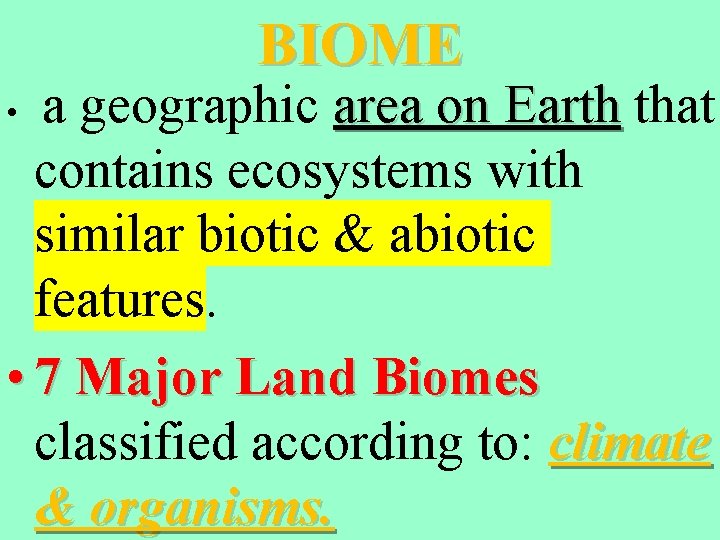
BIOME a geographic area on Earth that contains ecosystems with similar biotic & abiotic features. • 7 Major Land Biomes classified according to: climate & organisms. •
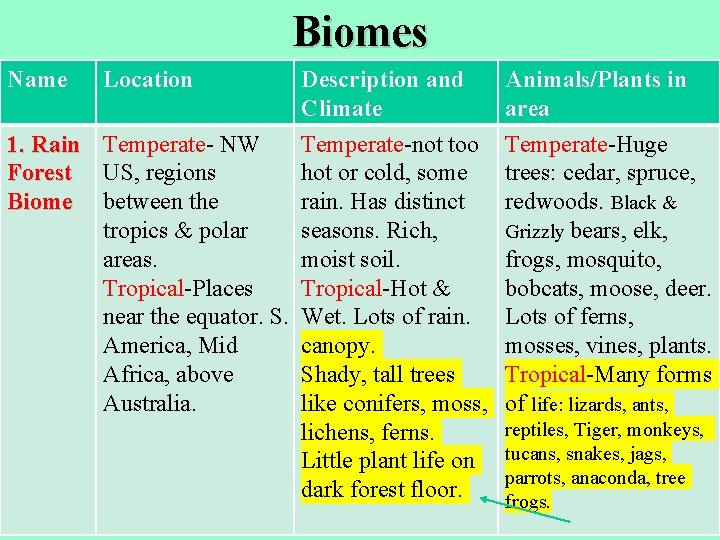
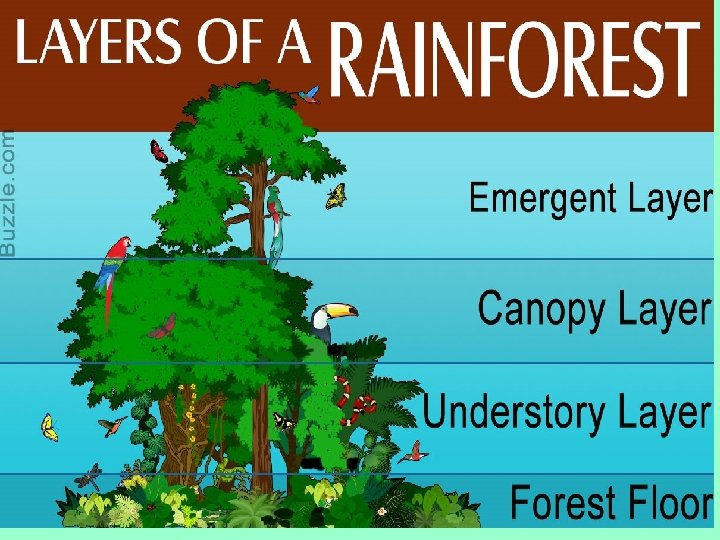
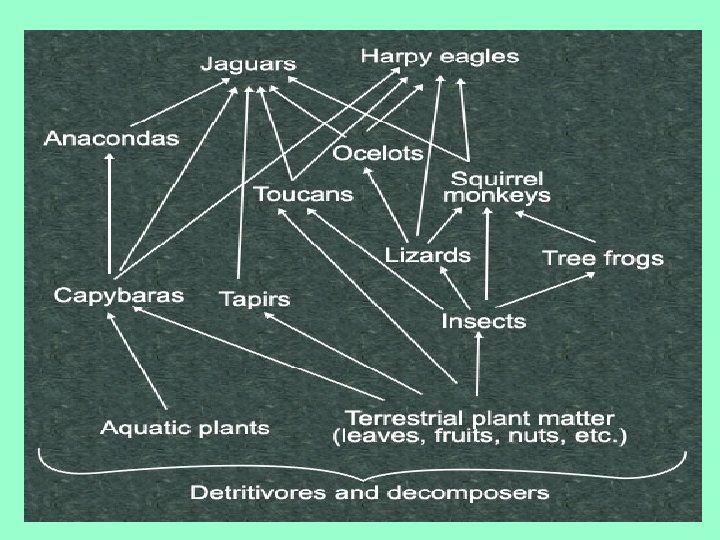
Biomes Name Location 1. Rain Temperate- NW Forest US, regions Biome between the tropics & polar areas. Tropical-Places near the equator. S. America, Mid Africa, above Australia. Description and Climate Animals/Plants in area Temperate-not too hot or cold, some rain. Has distinct seasons. Rich, moist soil. Tropical-Hot & Wet. Lots of rain. canopy. Shady, tall trees like conifers, moss, lichens, ferns. Little plant life on dark forest floor. Temperate-Huge trees: cedar, spruce, redwoods. Black & Grizzly bears, elk, frogs, mosquito, bobcats, moose, deer. Lots of ferns, mosses, vines, plants. Tropical-Many forms of life: lizards, ants, reptiles, Tiger, monkeys, tucans, snakes, jags, parrots, anaconda, tree frogs.
Human Impact • Tropical humans have cleared over half of rainforests for lumber, farms, & ranches. Poor wet soil does NOT support rapid growth. • Temperate great source of lumber, rich soil enables forests to grow back. Tree farms grow trees but don’t destroy habitats.
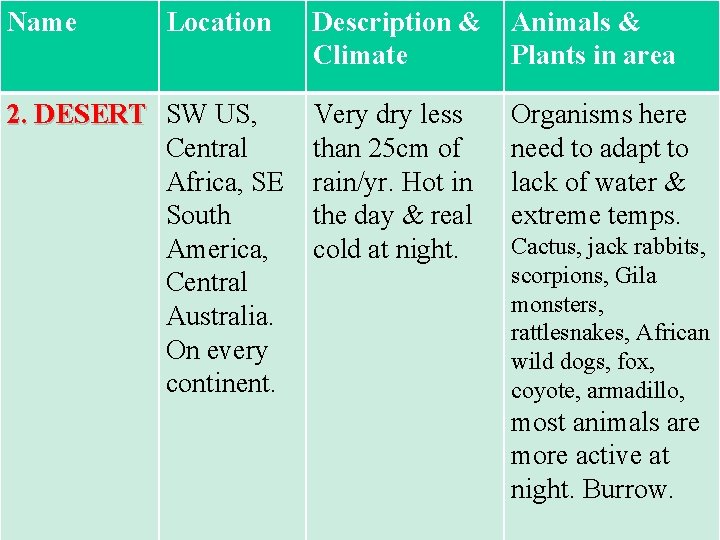
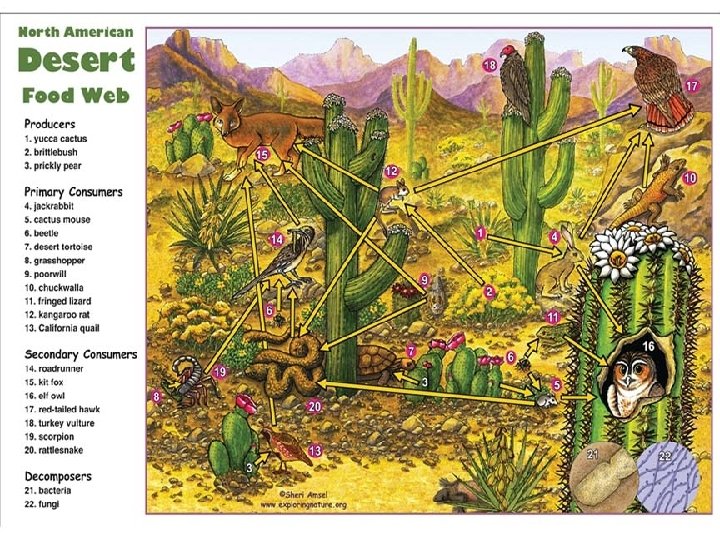
Name Location 2. DESERT SW US, Central Africa, SE South America, Central Australia. On every continent. Description & Climate Animals & Plants in area Very dry less than 25 cm of rain/yr. Hot in the day & real cold at night. Organisms here need to adapt to lack of water & extreme temps. Cactus, jack rabbits, scorpions, Gila monsters, rattlesnakes, African wild dogs, fox, coyote, armadillo, most animals are more active at night. Burrow.
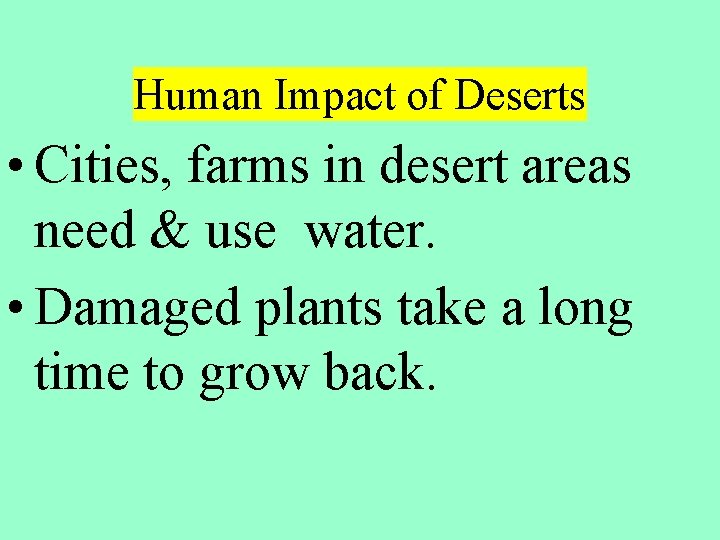
Human Impact of Deserts • Cities, farms in desert areas need & use water. • Damaged plants take a long time to grow back.
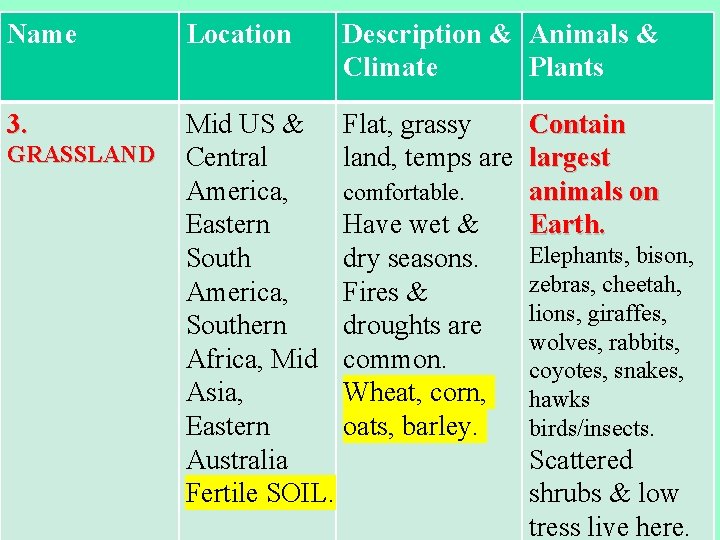
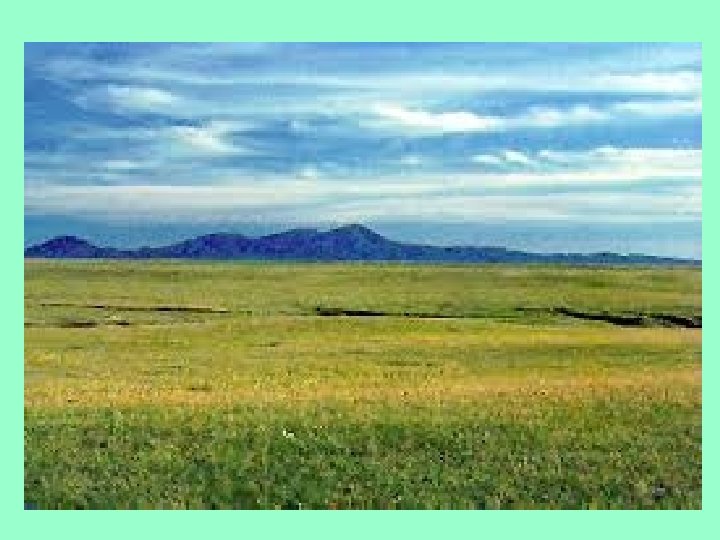
Name Location 3. Mid US & Flat, grassy Central land, temps are America, comfortable. Eastern Have wet & South dry seasons. America, Fires & Southern droughts are Africa, Mid common. Asia, Wheat, corn, Eastern oats, barley. Australia Fertile SOIL. GRASSLAND Description & Animals & Climate Plants Contain largest animals on Earth. Elephants, bison, zebras, cheetah, lions, giraffes, wolves, rabbits, coyotes, snakes, hawks birds/insects. Scattered shrubs & low tress live here.
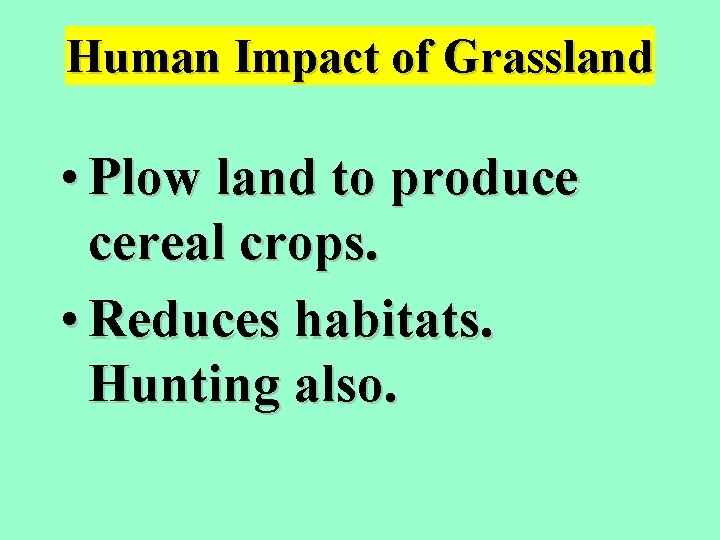
Human Impact of Grassland • Plow land to produce cereal crops. • Reduces habitats. Hunting also.
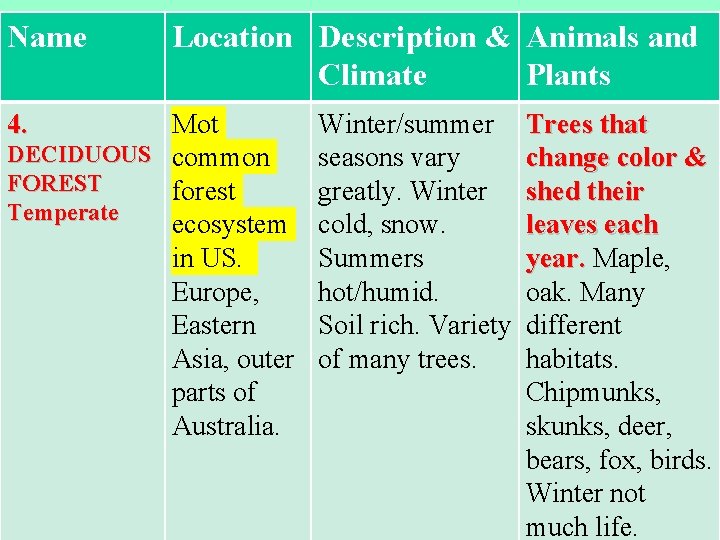
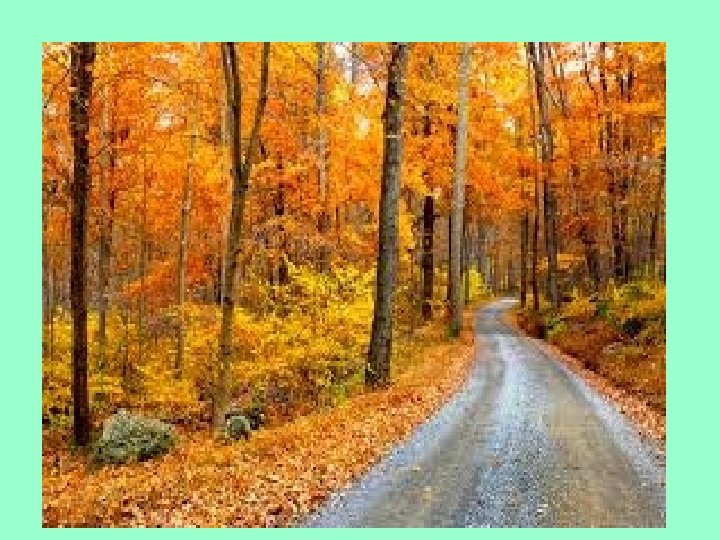
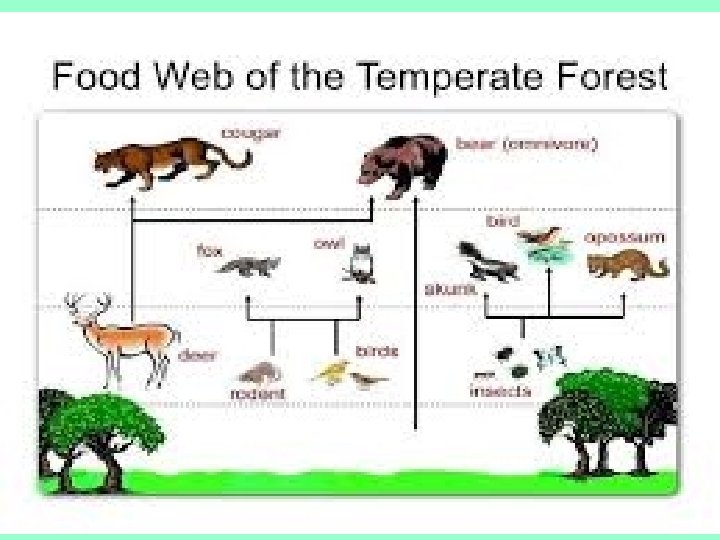
Name 4. Location Description & Animals and Climate Plants Mot DECIDUOUS common FOREST forest Temperate ecosystem in US. Europe, Eastern Asia, outer parts of Australia. Winter/summer seasons vary greatly. Winter cold, snow. Summers hot/humid. Soil rich. Variety of many trees. Trees that change color & shed their leaves each year. Maple, oak. Many different habitats. Chipmunks, skunks, deer, bears, fox, birds. Winter not much life.
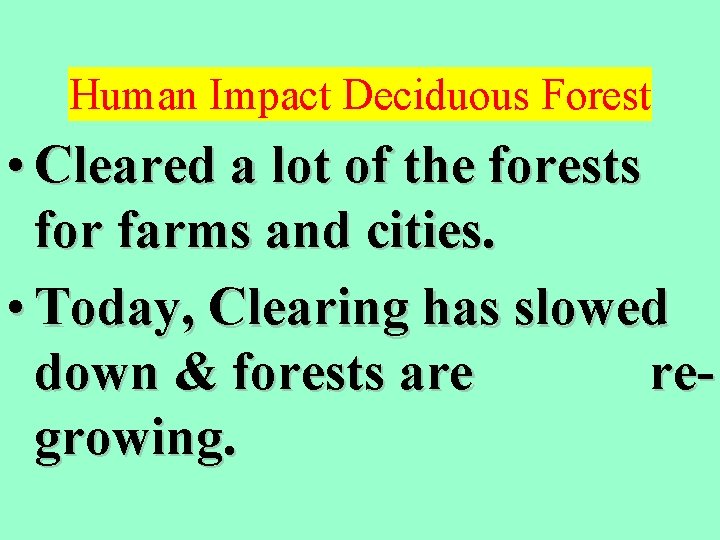
Human Impact Deciduous Forest • Cleared a lot of the forests for farms and cities. • Today, Clearing has slowed down & forests are regrowing.
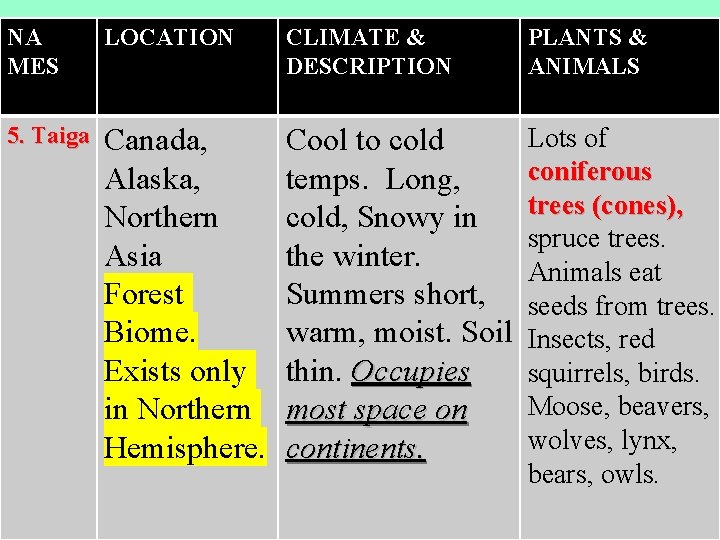
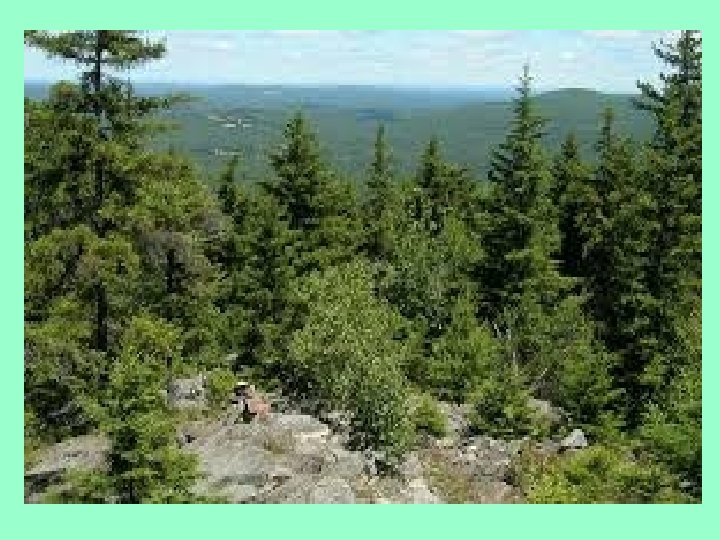
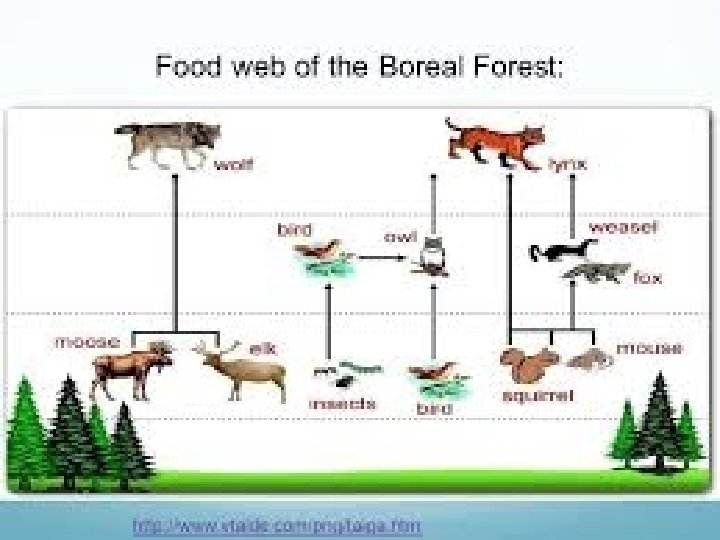
NA MES LOCATION CLIMATE & DESCRIPTION PLANTS & ANIMALS 5. Taiga Canada, Alaska, Northern Asia Forest Biome. Exists only in Northern Hemisphere. Cool to cold temps. Long, cold, Snowy in the winter. Summers short, warm, moist. Soil thin. Occupies most space on continents. Lots of coniferous trees (cones), spruce trees. Animals eat seeds from trees. Insects, red squirrels, birds. Moose, beavers, wolves, lynx, bears, owls.
Human Impact of Taiga • Tree cutting (lumber) reduces Taiga habitat.
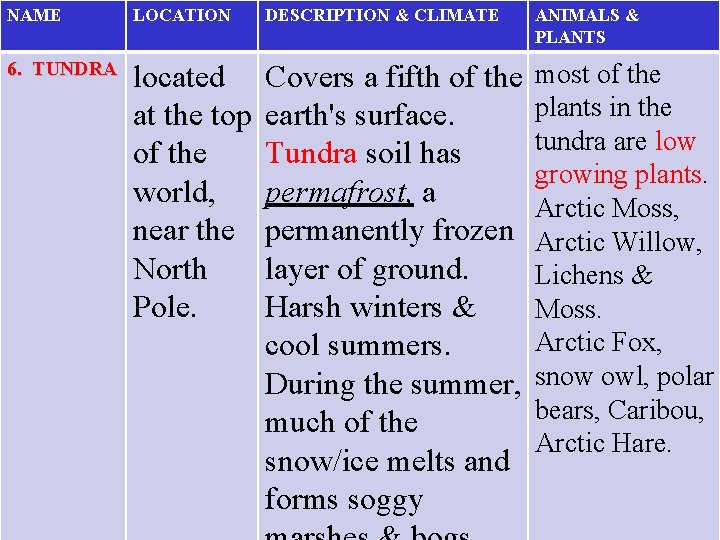
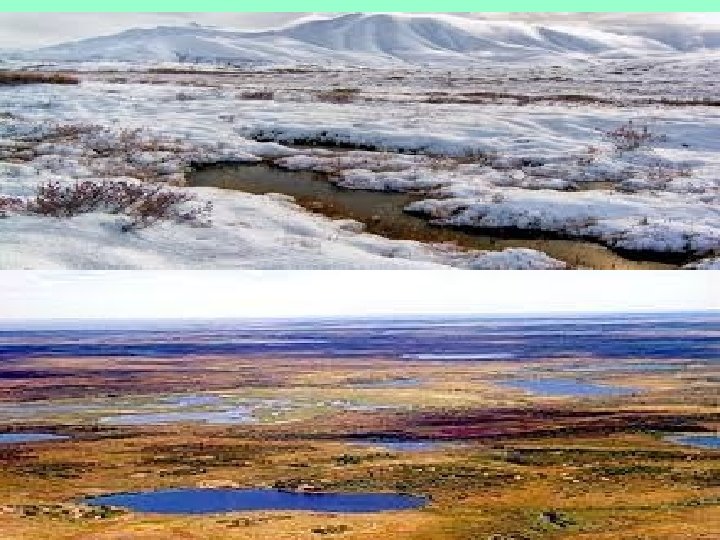
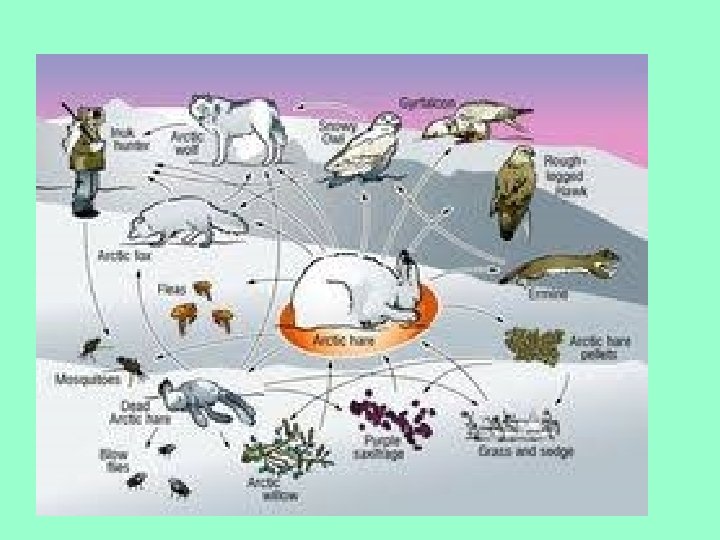
NAME LOCATION DESCRIPTION & CLIMATE ANIMALS & PLANTS 6. TUNDRA located at the top of the world, near the North Pole. Covers a fifth of the earth's surface. Tundra soil has permafrost, a permanently frozen layer of ground. Harsh winters & cool summers. During the summer, much of the snow/ice melts and forms soggy most of the plants in the tundra are low growing plants. Arctic Moss, Arctic Willow, Lichens & Moss. Arctic Fox, snow owl, polar bears, Caribou, Arctic Hare.
Human Impact of Tundra • Drilling for oil and gas interrupt migration (moving) patterns.
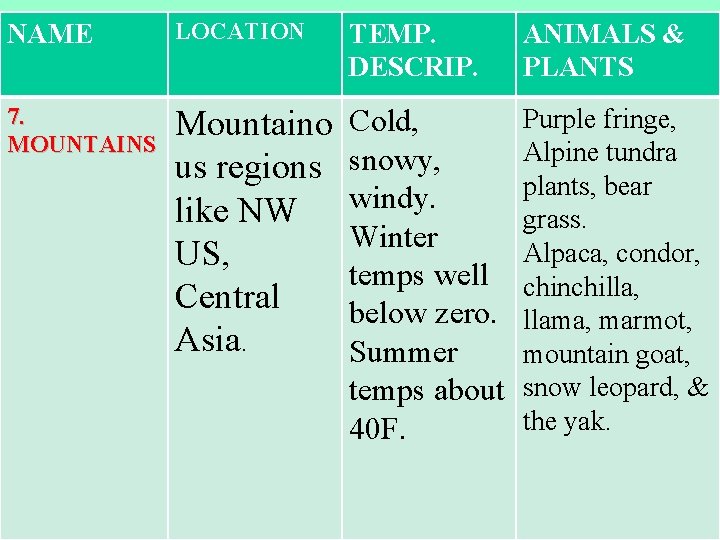
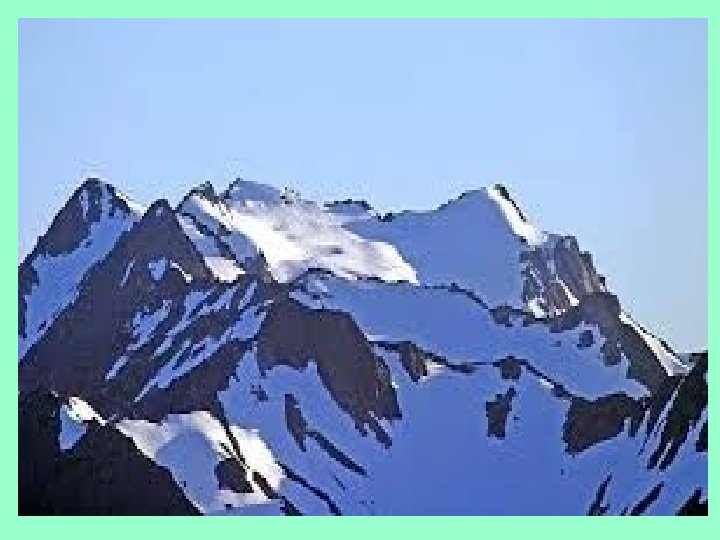
NAME LOCATION TEMP. DESCRIP. ANIMALS & PLANTS 7. MOUNTAINS Mountaino us regions like NW US, Central Asia. Cold, snowy, windy. Winter temps well below zero. Summer temps about 40 F. Purple fringe, Alpine tundra plants, bear grass. Alpaca, condor, chinchilla, llama, marmot, mountain goat, snow leopard, & the yak.
20 -2 Aquatic (Water) Ecosystems This Photo Y-SA This Photo by Unknown Author is licensed under CC BY-SA
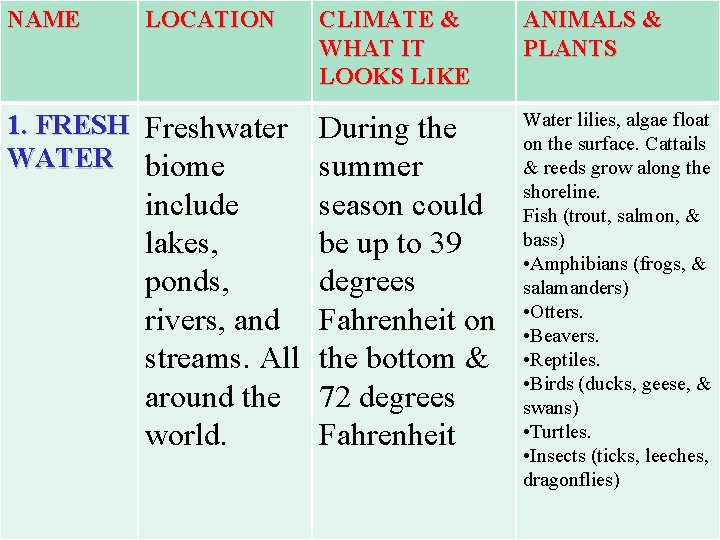
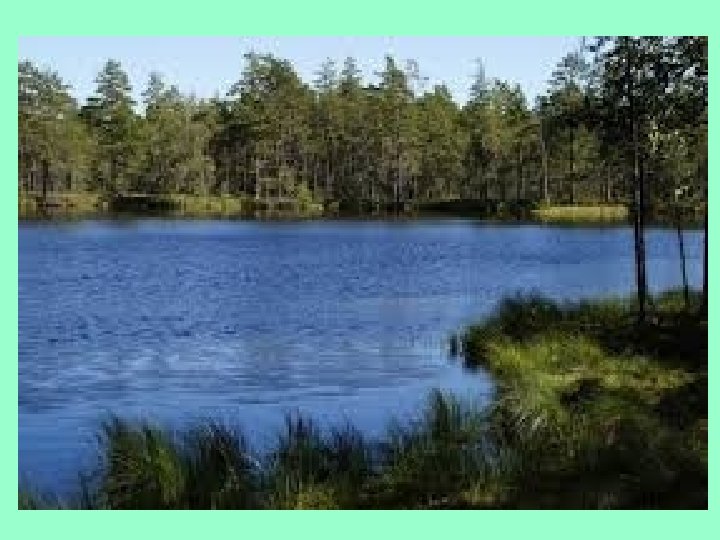
NAME LOCATION 1. FRESH Freshwater WATER biome CLIMATE & WHAT IT LOOKS LIKE During the summer include season could lakes, be up to 39 ponds, degrees rivers, and Fahrenheit on streams. All the bottom & around the 72 degrees world. Fahrenheit ANIMALS & PLANTS Water lilies, algae float on the surface. Cattails & reeds grow along the shoreline. Fish (trout, salmon, & bass) • Amphibians (frogs, & salamanders) • Otters. • Beavers. • Reptiles. • Birds (ducks, geese, & swans) • Turtles. • Insects (ticks, leeches, dragonflies)
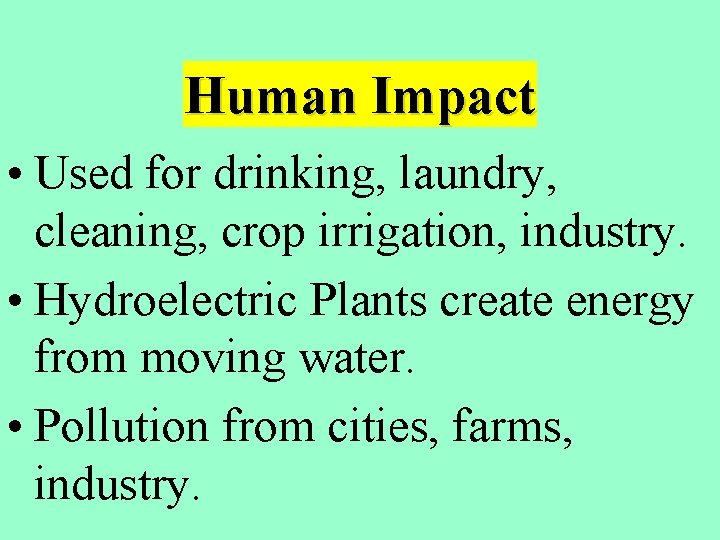
Human Impact • Used for drinking, laundry, cleaning, crop irrigation, industry. • Hydroelectric Plants create energy from moving water. • Pollution from cities, farms, industry.
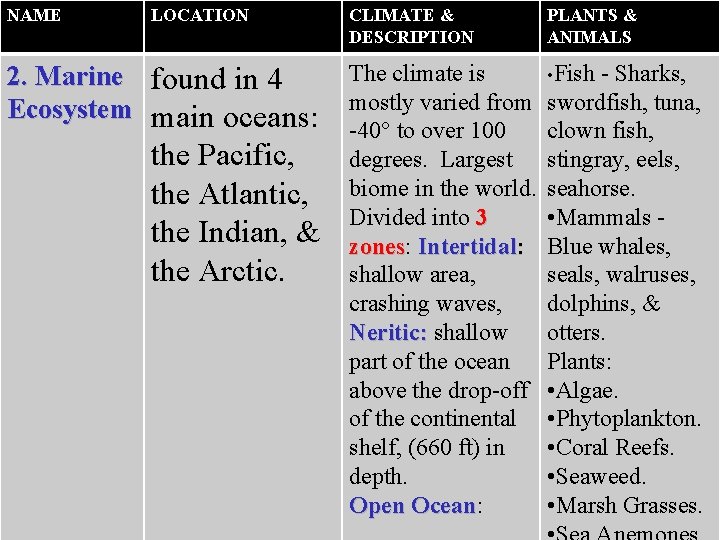
NAME LOCATION 2. Marine found in 4 Ecosystem main oceans: the Pacific, the Atlantic, the Indian, & the Arctic. CLIMATE & DESCRIPTION PLANTS & ANIMALS The climate is mostly varied from -40° to over 100 degrees. Largest biome in the world. Divided into 3 zones: zones Intertidal: shallow area, crashing waves, Neritic: shallow part of the ocean above the drop-off of the continental shelf, (660 ft) in depth. Open Ocean: Ocean • Fish - Sharks, swordfish, tuna, clown fish, stingray, eels, seahorse. • Mammals Blue whales, seals, walruses, dolphins, & otters. Plants: • Algae. • Phytoplankton. • Coral Reefs. • Seaweed. • Marsh Grasses.
Human Impact Oceans • Overfishing threatens many ocean fish. • Pollution hurts/kills animals.
Wetlands • Aquatic ecosystems that have a thin layer of water covering soil that is wet most of the year. • Can contain fresh, saltwater, or both. • Found along edges of lakes/ponds & along ocean coasts. • Trap sediments & purify water. • Absorbs excess water for home building, crops.
Biome Qz 1. Why is climate important to a biome? 2. Why is the tropical rain forest able to support so many species? 3. In which biome would you find the largest herbivores such as elephants and zebras? 4. How are the temperate rain forest & the tropical rain forest similar? Different? 5. Which biome is the coldest? 6. Where are deciduous forests located? 7. What is a common feature of all deserts?
8. How do desert animals adapt to their environment in order to live successfully there? 9 In which biome would you find most likely find many animals with white fur? A)Deciduous Forest B) Rain Forest C) Tundra D) Grassland 10 Which biome is made up of trees that do not lose their leaves in the winter? A) Grassland B) Boreal forest C) Deciduous Forest D) Rain Forest 11 This biome has 4 seasons. A) Rain Forest B) Grassland C) Desert D) Deciduous Forest 12 Which biome has a rainy season and a dry season? A) Grassland B) Rain Forest C) Desert
13 Which of the following biomes receives the most precipitation? A) Desert B) Rain Forest C) Tundra D) Grassland 14 In which biome would you expect to rake leaves? A) Temperate Forest B) Grassland C) Boreal Forest 15 In what biome would you find trees - but they would be very far apart. A) Rain Forest B) Grassland C) Boreal Forest D) Tundra 16 When an organism is eaten by other organisms (but does not eat other organisms), it is called this. A) Decomposer B) Producer C) Consumer
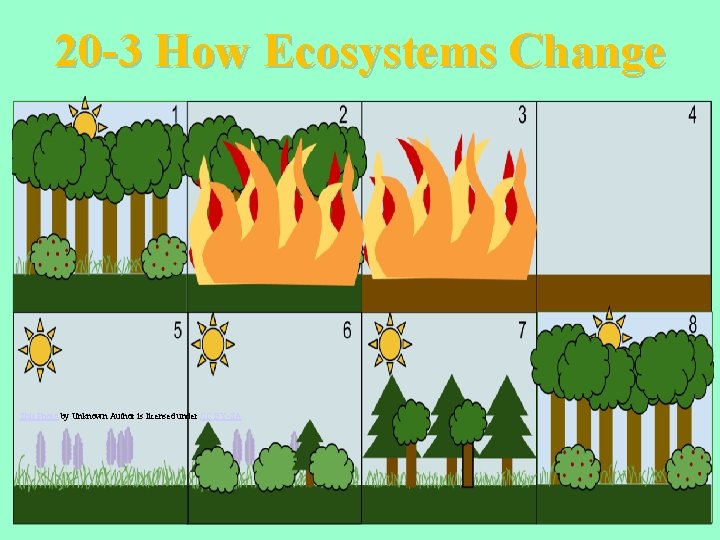
20 -3 How Ecosystems Change This Photo by Unknown Author is licensed under CC BY-SA
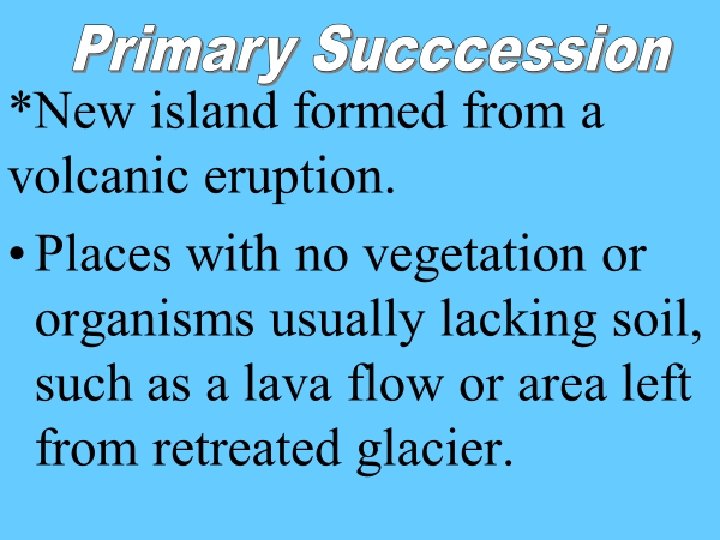
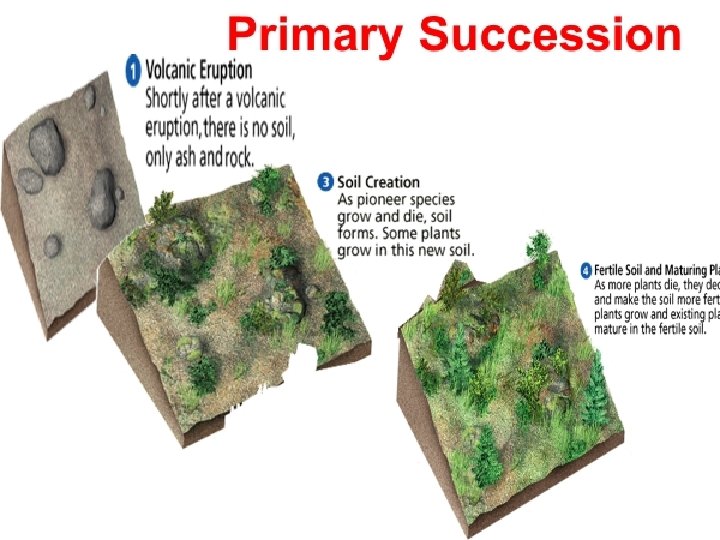
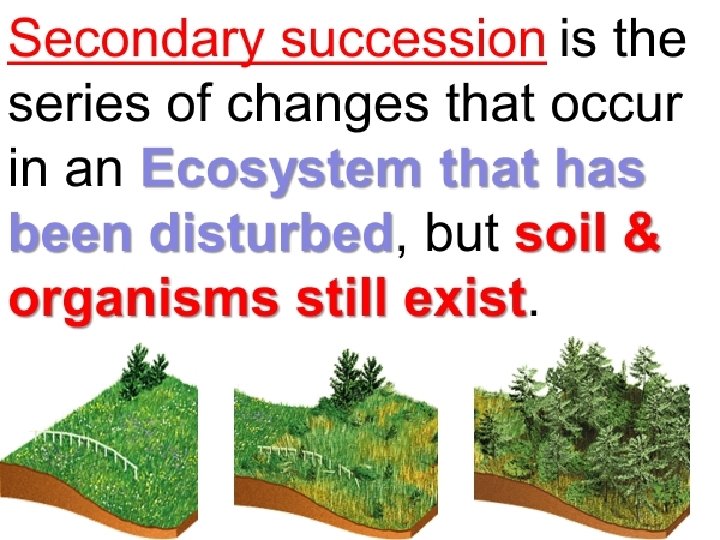
Ecological Succession • The process of one ecological community gradually changing into another. • Series of steps.