Allergic Rhinitis Gregory Castelli Pharm D Natasha Harrison

- Slides: 58
Allergic Rhinitis Gregory Castelli, Pharm. D Natasha Harrison, MD West Virginia University Department of Family Medicine
Objectives 1. Identify allergic rhinitis definition, risk factors, and associated conditions. 2. Develop non-pharmacologic strategies to deal with allergic rhinitis including allergen avoidance. 3. Choose treatment for allergic rhinitis accounting for patient preference, cost, and side effects. 4. Apply treatment and education strategies to a patient case scenario.
Allergic Rhinitis Final Jeopardy Intro/Epi H/P Treatment 1 Treatment 2 10 10 20 20 30 30 40 40 50 50
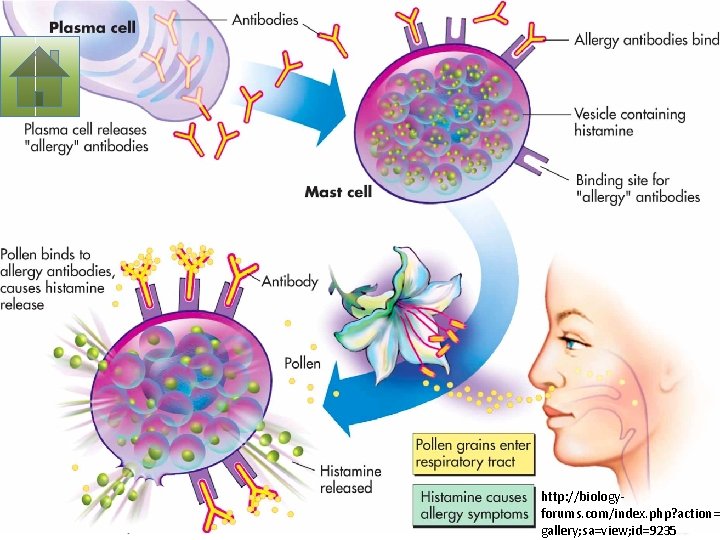
Intro/Epi 10 Point Question What is allergic rhinitis? “An immunoglobulin E (Ig. E)-mediated inflammatory response of the nasal mucous membranes after exposure to inhaled allergens” (Wallace et al. , 2008)
http: //biologyforums. com/index. php? action= gallery; sa=view; id=9235
Intro/Epi 20 Point Question How is allergic rhinitis classified? Seasonal, perennial, or episodic - Or Intermittent, persistent, or episodic
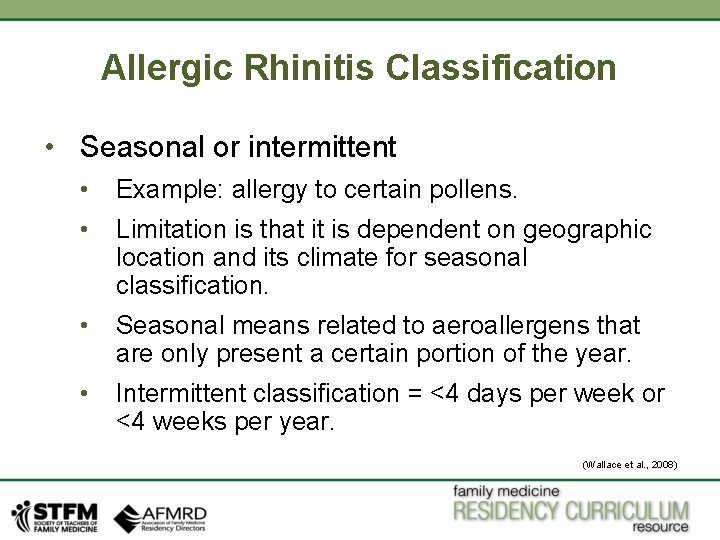
Allergic Rhinitis Classification • Seasonal or intermittent • Example: allergy to certain pollens. • Limitation is that it is dependent on geographic location and its climate for seasonal classification. • Seasonal means related to aeroallergens that are only present a certain portion of the year. • Intermittent classification = <4 days per week or <4 weeks per year. (Wallace et al. , 2008)
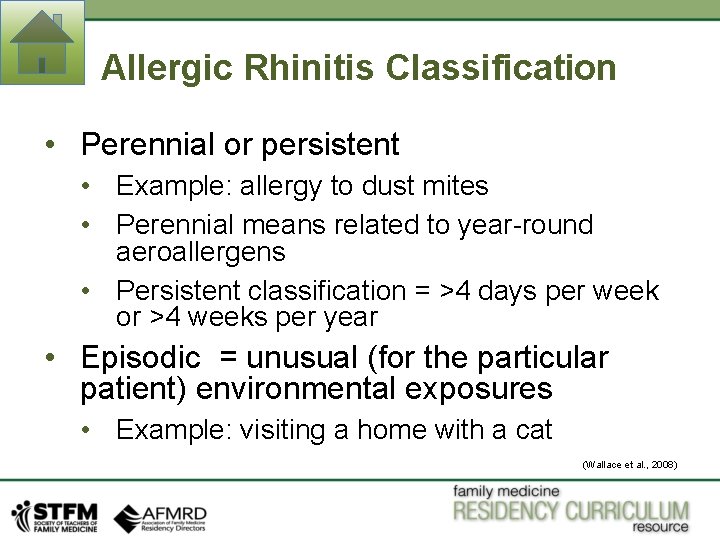
Allergic Rhinitis Classification • Perennial or persistent • Example: allergy to dust mites • Perennial means related to year-round aeroallergens • Persistent classification = >4 days per week or >4 weeks per year • Episodic = unusual (for the particular patient) environmental exposures • Example: visiting a home with a cat (Wallace et al. , 2008)
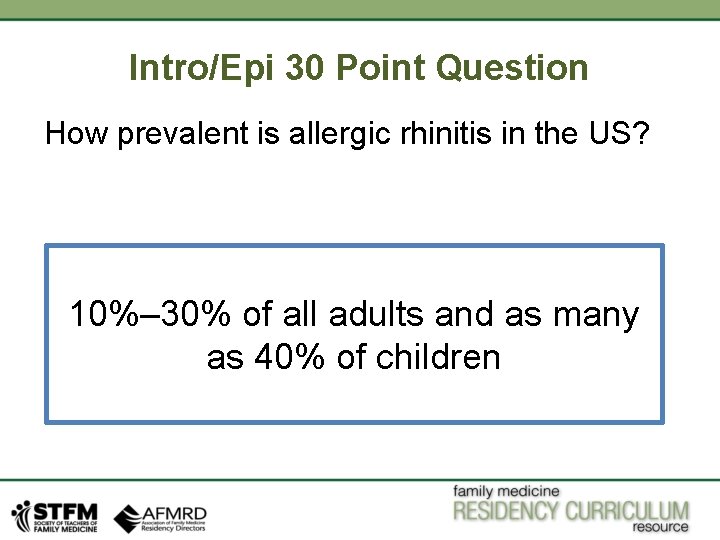
Intro/Epi 30 Point Question How prevalent is allergic rhinitis in the US? 10%– 30% of all adults and as many as 40% of children
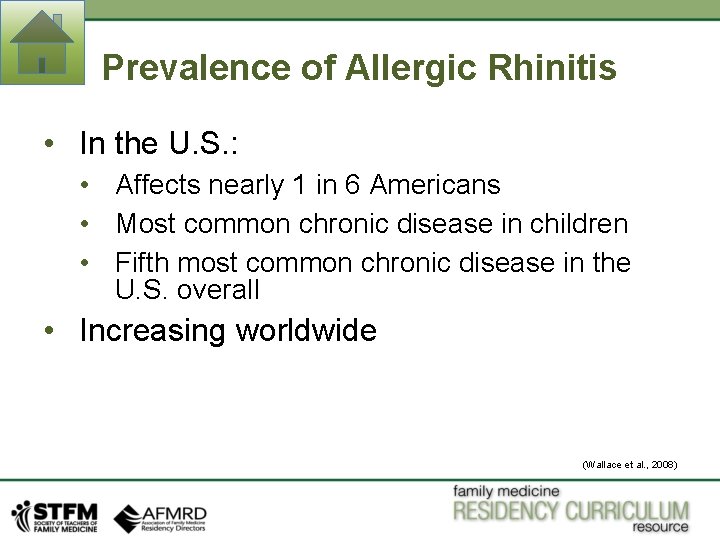
Prevalence of Allergic Rhinitis • In the U. S. : • Affects nearly 1 in 6 Americans • Most common chronic disease in children • Fifth most common chronic disease in the U. S. overall • Increasing worldwide (Wallace et al. , 2008)
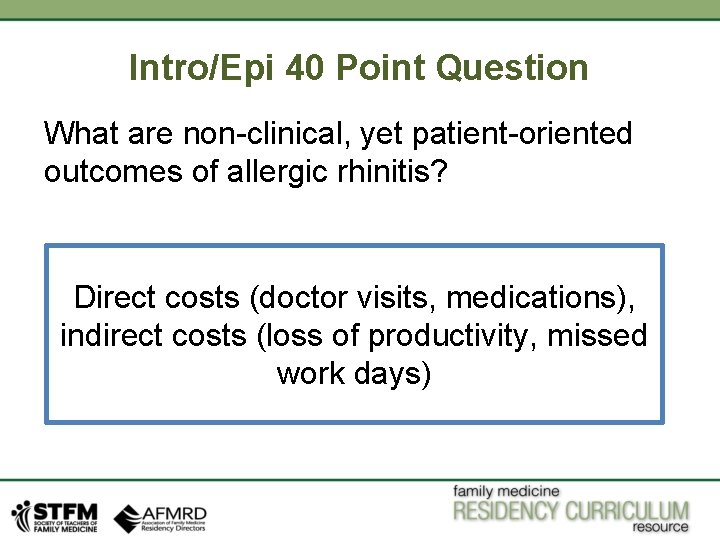
Intro/Epi 40 Point Question What are non-clinical, yet patient-oriented outcomes of allergic rhinitis? Direct costs (doctor visits, medications), indirect costs (loss of productivity, missed work days)
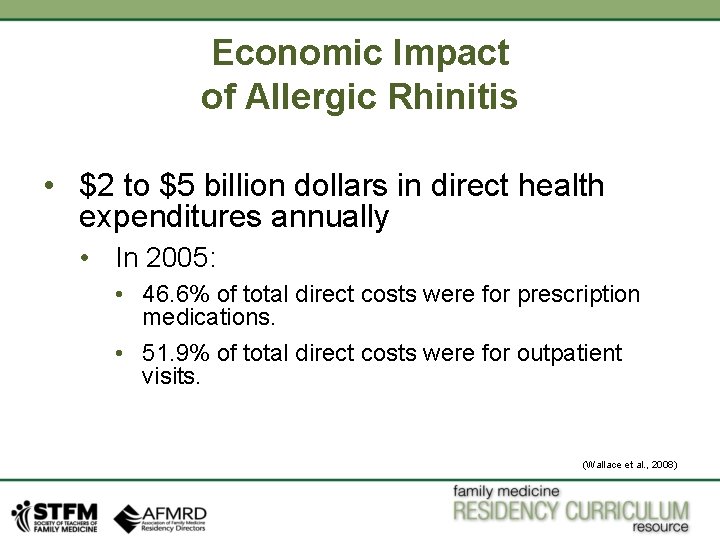
Economic Impact of Allergic Rhinitis • $2 to $5 billion dollars in direct health expenditures annually • In 2005: • 46. 6% of total direct costs were for prescription medications. • 51. 9% of total direct costs were for outpatient visits. (Wallace et al. , 2008)
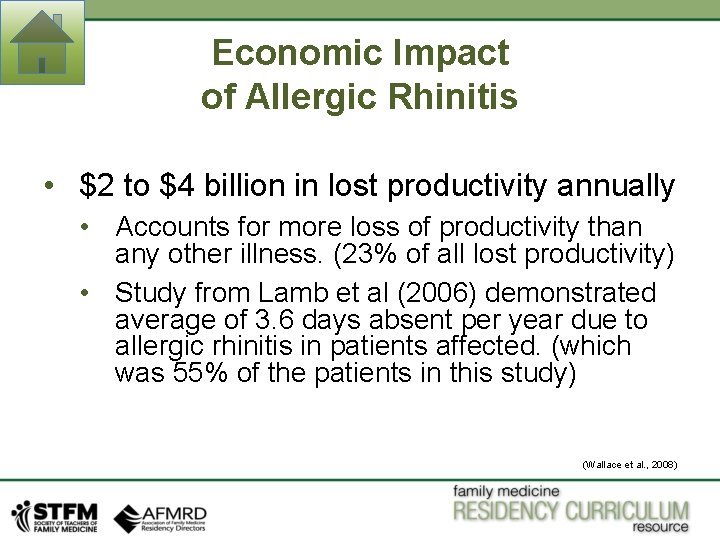
Economic Impact of Allergic Rhinitis • $2 to $4 billion in lost productivity annually • Accounts for more loss of productivity than any other illness. (23% of all lost productivity) • Study from Lamb et al (2006) demonstrated average of 3. 6 days absent per year due to allergic rhinitis in patients affected. (which was 55% of the patients in this study) (Wallace et al. , 2008)
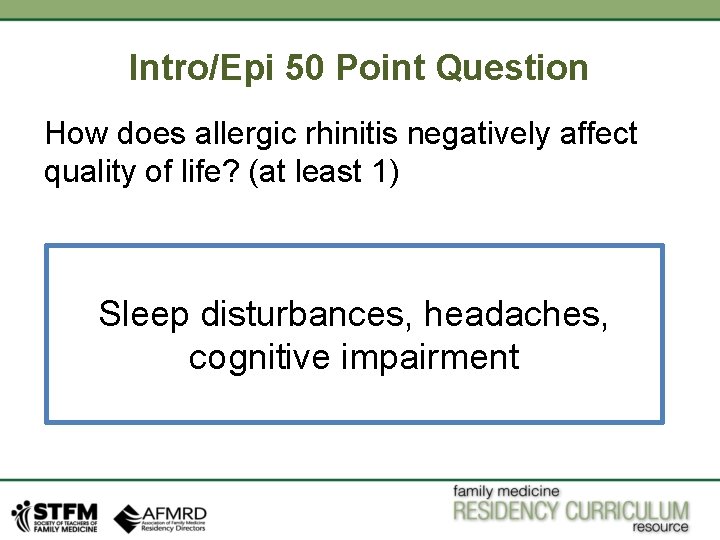
Intro/Epi 50 Point Question How does allergic rhinitis negatively affect quality of life? (at least 1) Sleep disturbances, headaches, cognitive impairment
Allergic Rhinitis Impact on Quality of Life • Sleep disturbance can lead to many of the impacts on quality of life. • Allergic rhinitis found to decrease quality of life overall but specifically contributes to: • Fatigue • Headache • Decreased performance/cognitive impairment (Wallace et al. , 2008)
H/P 10 Point Question What are two risk factors for allergic rhinitis? Family history, high Ig. E level, higher socioeconomic class, positive allergy (skin prick) testing
Risk Factors for Allergic Rhinitis • Family history = allergic rhinitis, urticaria, or asthma • 20 -year birth cohort study (Garbenhenrich et al) demonstrated following predictive factors – • • Parental history as per above Early allergic sensitization or eczema before age 3 Birthday in summer or autumn Male sex (Wallace et al. , 2008)
H/P 20 Point Question What are at least three symptoms suggestive of allergic rhinitis? Exposure-associated or episodic rhinitis symptoms
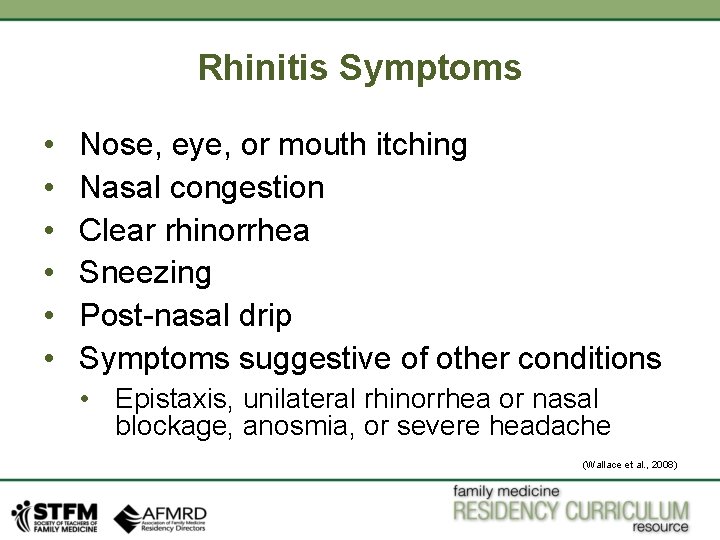
Rhinitis Symptoms • • • Nose, eye, or mouth itching Nasal congestion Clear rhinorrhea Sneezing Post-nasal drip Symptoms suggestive of other conditions • Epistaxis, unilateral rhinorrhea or nasal blockage, anosmia, or severe headache (Wallace et al. , 2008)
Allergic Rhinitis History • Timing of symptoms important. • Duration longer than expected with URI. • Occur during certain time of year or in certain location. • Occur when around certain animals or plants. • Perennial allergic rhinitis can be harder to pick up initially given related to an aeroallergen that is always present. • Can inquire if symptoms less after changing air filter or with using air purifier. (Wallace et al. , 2008)
H/P 30 Point Question What other aspects of history are important beyond symptoms and timing? (name 2) Family history, medications, co-existing conditions, occupational exposure, environmental history
Allergic Rhinitis Expanded History • Family history as already mentioned is important due to increased risk if parent with allergic rhinitis, urticaria, or asthma. • Medications can impact patient’s symptoms (side effects that mimic rhinitis, effect that reduces allergic symptoms, etc. ) • Co-existing conditions, including • Asthma (and age of onset) • Eczema (and age of onset) (Wallace et al. , 2008)
Allergic Rhinitis Expanded History • Occupational exposure • • • Chemicals Dust Animals • Environmental history • • When moved to current location Where lived prior Pets (now and prior) Locations that regularly visit (and animals/plants there) (Wallace et al. , 2008)
H/P 40 Point Question What are four physical exam findings associated with allergic rhinitis? List on following slides.
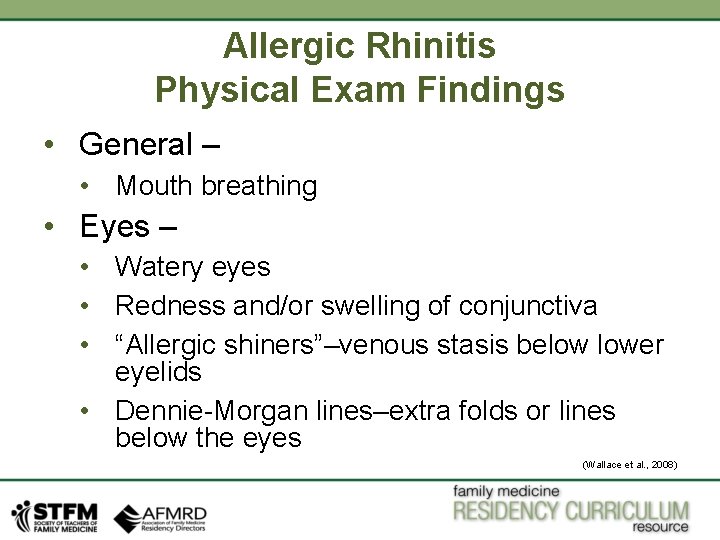
Allergic Rhinitis Physical Exam Findings • General – • Mouth breathing • Eyes – • Watery eyes • Redness and/or swelling of conjunctiva • “Allergic shiners”–venous stasis below lower eyelids • Dennie-Morgan lines–extra folds or lines below the eyes (Wallace et al. , 2008)
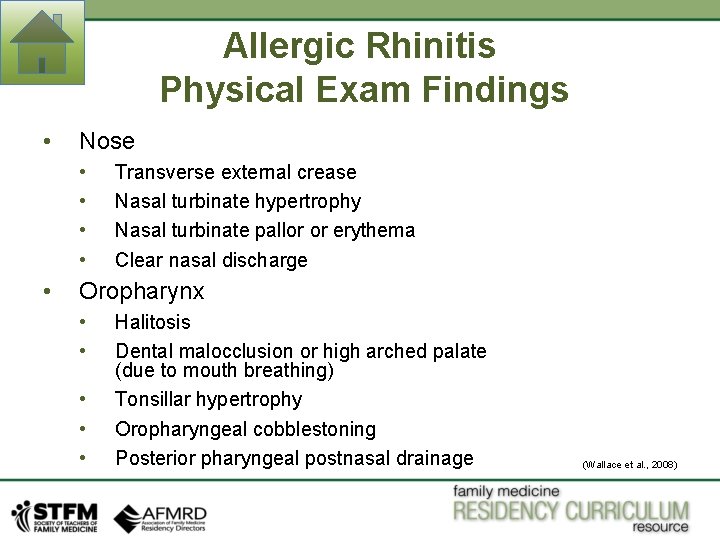
Allergic Rhinitis Physical Exam Findings • Nose • • • Transverse external crease Nasal turbinate hypertrophy Nasal turbinate pallor or erythema Clear nasal discharge Oropharynx • • • Halitosis Dental malocclusion or high arched palate (due to mouth breathing) Tonsillar hypertrophy Oropharyngeal cobblestoning Posterior pharyngeal postnasal drainage (Wallace et al. , 2008)
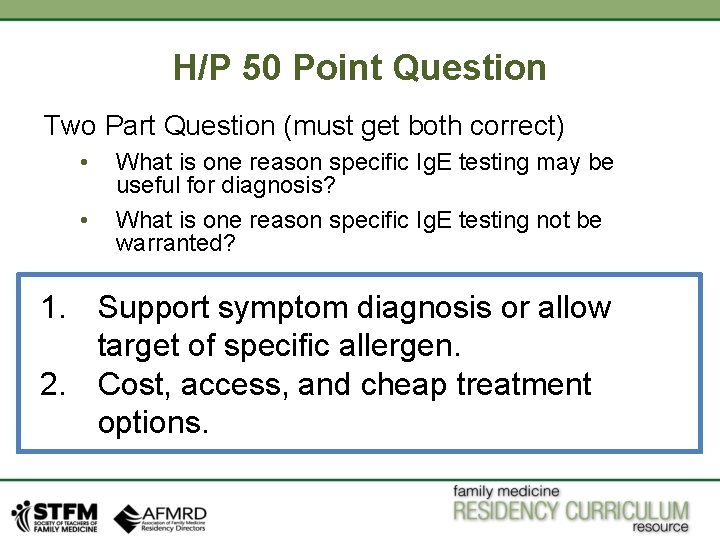
H/P 50 Point Question Two Part Question (must get both correct) • • What is one reason specific Ig. E testing may be useful for diagnosis? What is one reason specific Ig. E testing not be warranted? 1. Support symptom diagnosis or allow target of specific allergen. 2. Cost, access, and cheap treatment options.
Allergic Rhinitis Ig. E Testing • Helpful because: • Can support that rhinitis symptoms are allergy-based versus other types of rhinitis (as affects treatment). • Can confirm suspected causes of patient’s symptoms. • Can help determine specific sensitivities to allow allergen avoidance or guide allergen immunotherapy (allergy shots). (Wallace et al. , 2008)
Allergic Rhinitis Ig. E Testing • Not helpful because: • Empiric treatment should be attempted first. • Best done by skin prick testing, which is not usually accessible in primary care offices. • Needs to be guided by thorough history and knowledge of environment to guide which allergens are tested. (Wallace et al. , 2008)
Treatment 1 10 Point Question What is the most effective class of medications for treating allergic rhinitis? Intranasal Corticosteroids
Intranasal Corticosteroids • Relieve sneezing, rhinorrhea, pruritus, and nasal congestion. • Reduce inflammation, suppress neutrophils, cause mild vasoconstriction. • Available in generic formulations and over -the-counter options. (Wallace et al. , 2008)
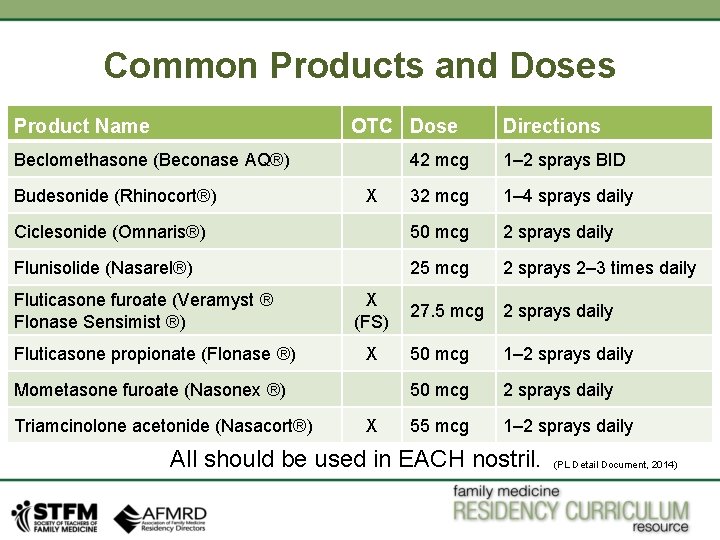
Common Products and Doses Product Name OTC Dose Beclomethasone (Beconase AQ®) Directions 42 mcg 1– 2 sprays BID 32 mcg 1– 4 sprays daily Ciclesonide (Omnaris®) 50 mcg 2 sprays daily Flunisolide (Nasarel®) 25 mcg 2 sprays 2– 3 times daily 27. 5 mcg 2 sprays daily 50 mcg 1– 2 sprays daily 50 mcg 2 sprays daily 55 mcg 1– 2 sprays daily Budesonide (Rhinocort®) Fluticasone furoate (Veramyst ® Flonase Sensimist ®) Fluticasone propionate (Flonase ®) X X (FS) X Mometasone furoate (Nasonex ®) Triamcinolone acetonide (Nasacort®) X All should be used in EACH nostril. (PL Detail Document, 2014)
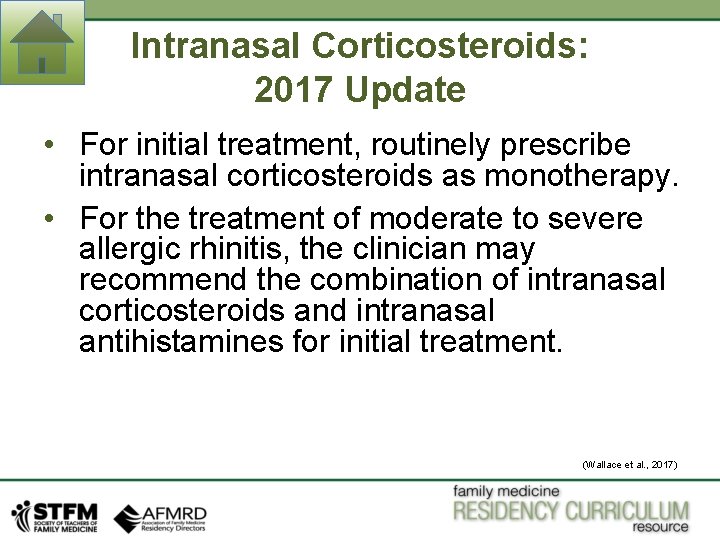
Intranasal Corticosteroids: 2017 Update • For initial treatment, routinely prescribe intranasal corticosteroids as monotherapy. • For the treatment of moderate to severe allergic rhinitis, the clinician may recommend the combination of intranasal corticosteroids and intranasal antihistamines for initial treatment. (Wallace et al. , 2017)
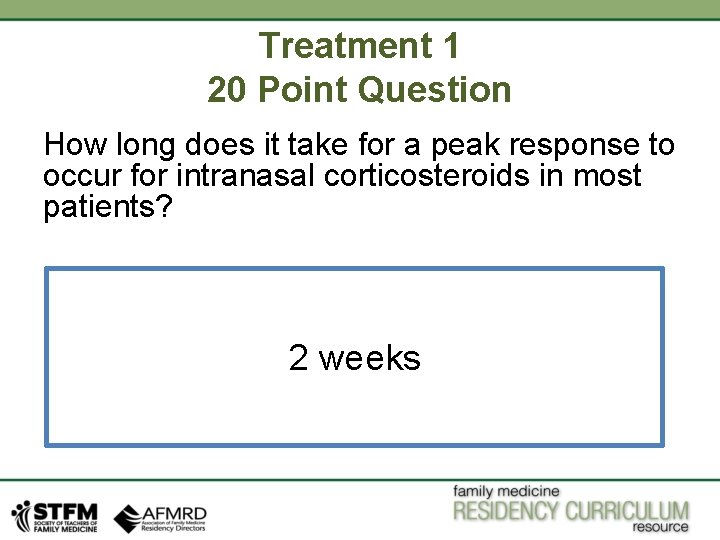
Treatment 1 20 Point Question How long does it take for a peak response to occur for intranasal corticosteroids in most patients? 2 weeks
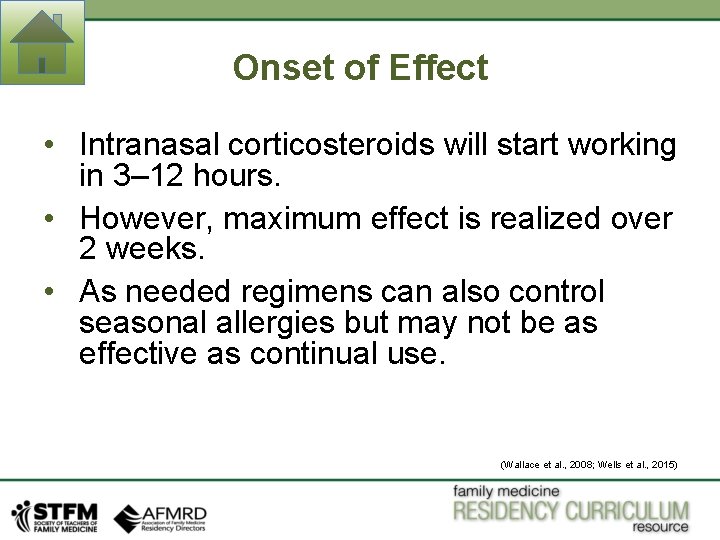
Onset of Effect • Intranasal corticosteroids will start working in 3– 12 hours. • However, maximum effect is realized over 2 weeks. • As needed regimens can also control seasonal allergies but may not be as effective as continual use. (Wallace et al. , 2008; Wells et al. , 2015)
Treatment 1 30 Point Question What are three common side effects of intranasal corticosteroids? Sneezing, stinging, headache, epistaxis, rare infections with Candida albicans
Intranasal Corticosteroid Side Effects • When recommended doses are used, the below systemic effects have not been seen: • • Childhood growth suppression Cataracts Glaucoma Hypothalamic-pituitary-adrenal (HPA) axis (Wallace et al. , 2008; Wells et al. , 2015)
Treatment 1 40 Point Question What are two educational points to give to patients about how to use an intranasal corticosteroid device? Shake bottle, prime device, blow nose prior to use, close one nostril, aim 45° angle
Proper Technique Video
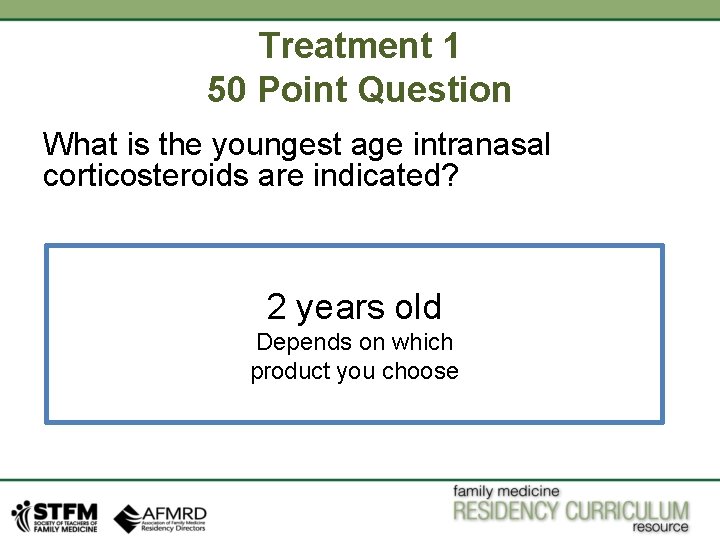
Treatment 1 50 Point Question What is the youngest age intranasal corticosteroids are indicated? 2 years old Depends on which product you choose
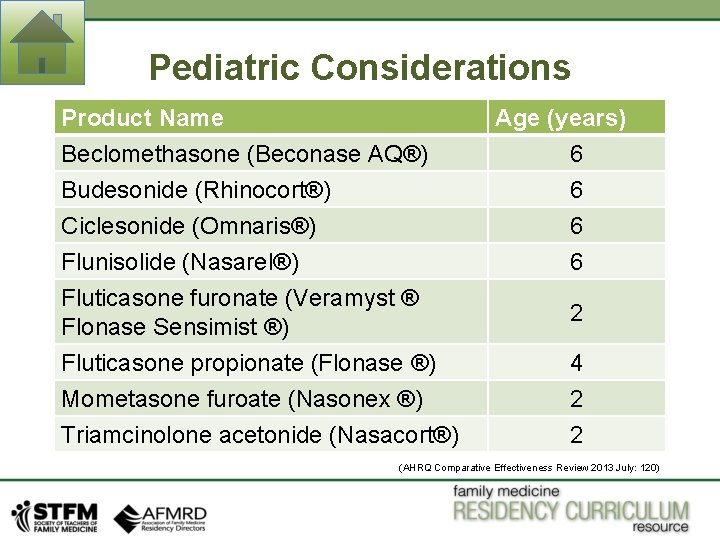
Pediatric Considerations Product Name Beclomethasone (Beconase AQ®) Budesonide (Rhinocort®) Ciclesonide (Omnaris®) Flunisolide (Nasarel®) Fluticasone furonate (Veramyst ® Flonase Sensimist ®) Fluticasone propionate (Flonase ®) Mometasone furoate (Nasonex ®) Triamcinolone acetonide (Nasacort®) Age (years) 6 6 2 4 2 2 (AHRQ Comparative Effectiveness Review 2013 July: 120)
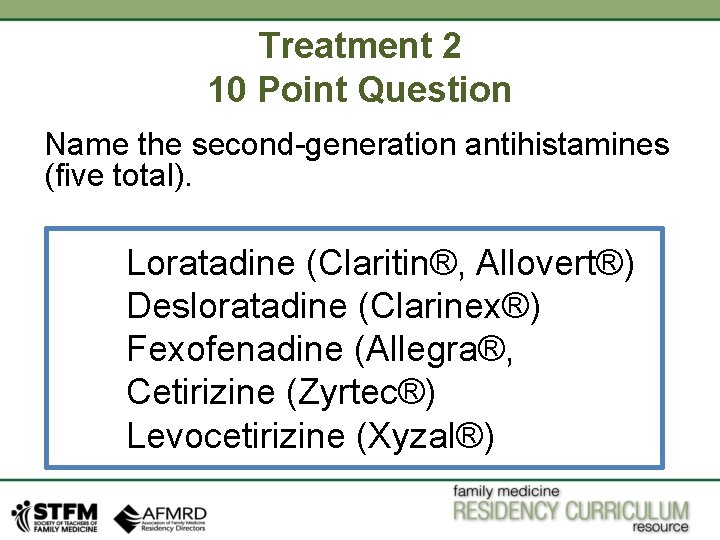
Treatment 2 10 Point Question Name the second-generation antihistamines (five total). Loratadine (Claritin®, Allovert®) Desloratadine (Clarinex®) Fexofenadine (Allegra®, Cetirizine (Zyrtec®) Levocetirizine (Xyzal®)
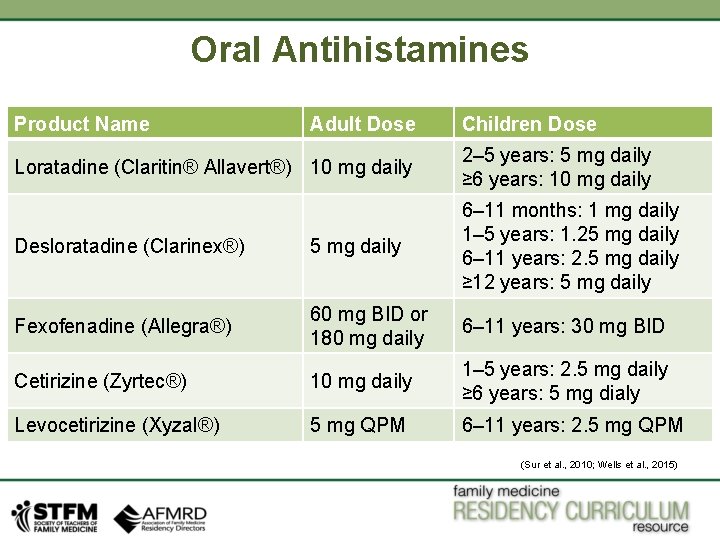
Oral Antihistamines Product Name Adult Dose Children Dose Loratadine (Claritin® Allavert®) 10 mg daily 2– 5 years: 5 mg daily ≥ 6 years: 10 mg daily Desloratadine (Clarinex®) 5 mg daily 6– 11 months: 1 mg daily 1– 5 years: 1. 25 mg daily 6– 11 years: 2. 5 mg daily ≥ 12 years: 5 mg daily Fexofenadine (Allegra®) 60 mg BID or 180 mg daily 6– 11 years: 30 mg BID Cetirizine (Zyrtec®) 10 mg daily 1– 5 years: 2. 5 mg daily ≥ 6 years: 5 mg dialy Levocetirizine (Xyzal®) 5 mg QPM 6– 11 years: 2. 5 mg QPM (Sur et al. , 2010; Wells et al. , 2015)
Oral Antihistamines • Histamine receptor antagonists. • Anticholinergic effect may also aid in mechanism of action. • Caution in select patients. • Second generation are peripherally selective. • Can still be sedating. (Sur et al. , 2010; Wells et al. , 2015)
Treatment 2 20 Point Question How do medications like montelukast (Singulair®) work? Selective leukotriene receptor antagonist
Selective Leukotriene Receptor Antagonist • Montelukast only LTRA indicated for allergies • Can be used as young as 6 months for rhinitis • Considered third line option • Behind intranasal steroids and antihistamines (Merck, 2012)
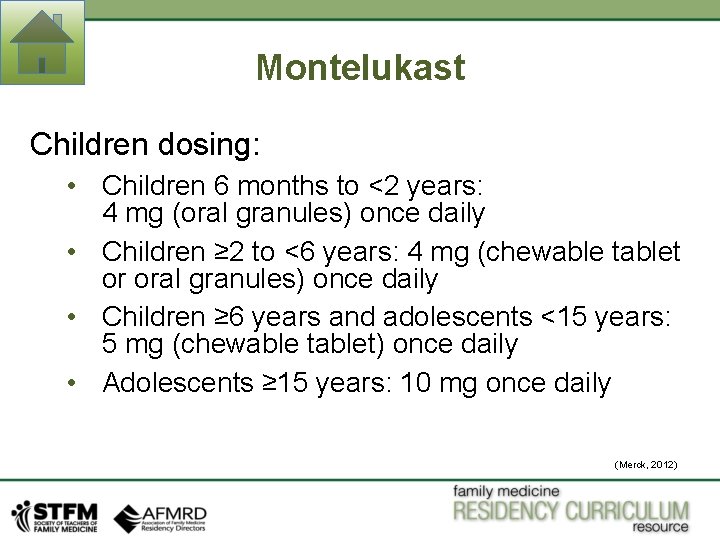
Montelukast Children dosing: • Children 6 months to <2 years: 4 mg (oral granules) once daily • Children ≥ 2 to <6 years: 4 mg (chewable tablet or oral granules) once daily • Children ≥ 6 years and adolescents <15 years: 5 mg (chewable tablet) once daily • Adolescents ≥ 15 years: 10 mg once daily (Merck, 2012)
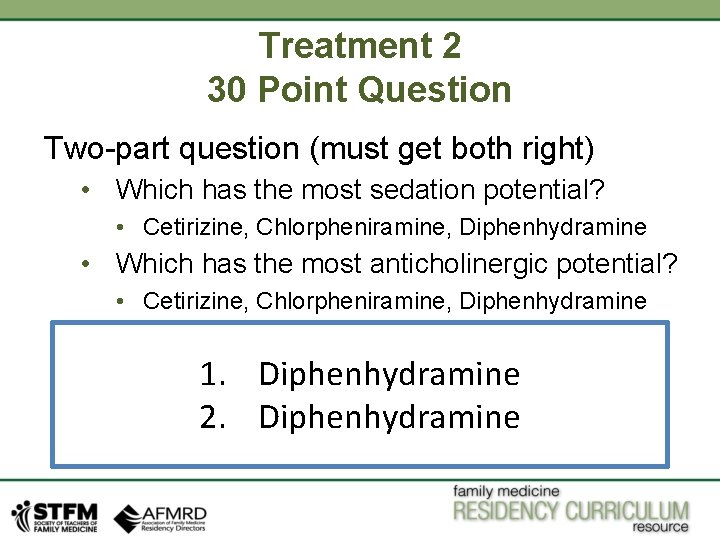
Treatment 2 30 Point Question Two-part question (must get both right) • Which has the most sedation potential? • Cetirizine, Chlorpheniramine, Diphenhydramine • Which has the most anticholinergic potential? • Cetirizine, Chlorpheniramine, Diphenhydramine 1. Diphenhydramine 2. Diphenhydramine
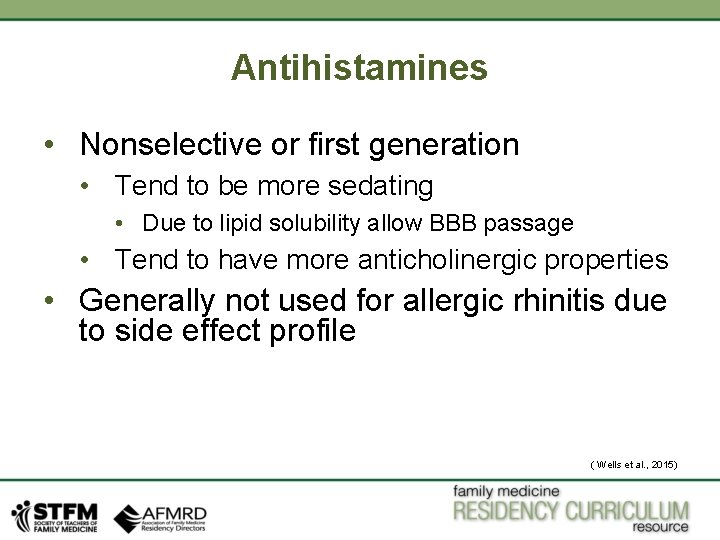
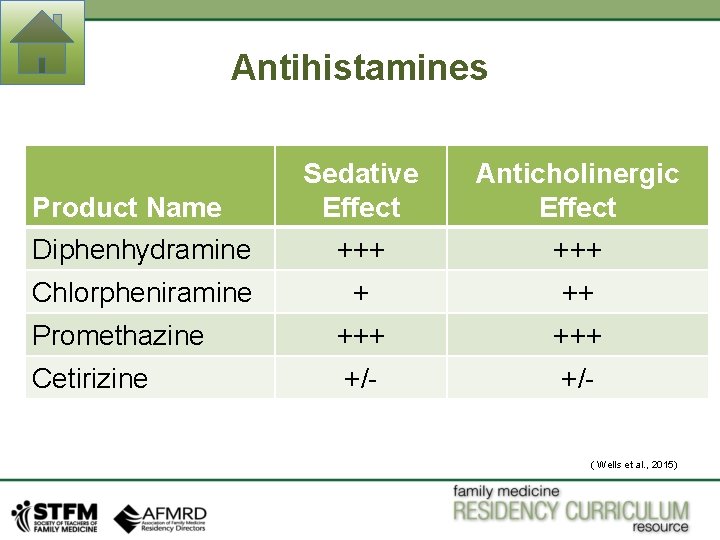
Antihistamines • Nonselective or first generation • Tend to be more sedating • Due to lipid solubility allow BBB passage • Tend to have more anticholinergic properties • Generally not used for allergic rhinitis due to side effect profile ( Wells et al. , 2015)
Antihistamines Sedative Effect Anticholinergic Effect Diphenhydramine +++ Chlorpheniramine + ++ Promethazine +++ Cetirizine +/- Product Name ( Wells et al. , 2015)
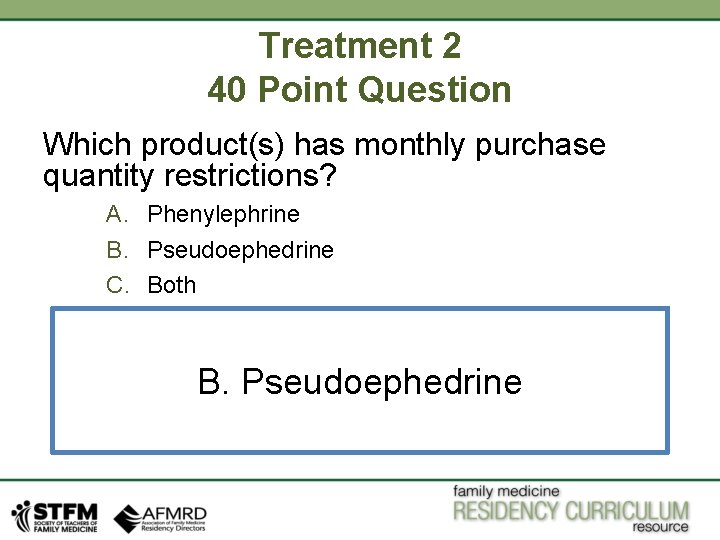
Treatment 2 40 Point Question Which product(s) has monthly purchase quantity restrictions? A. Phenylephrine B. Pseudoephedrine C. Both B. Pseudoephedrine
Oral Decongestants • Slower onset of action than topical • Doses up to 180 mg should not effect blood pressure and heart rate • Avoid in patients with hypertension • Can cause CNS stimulation • Many combination products with antihistamines • Provides dual mechanisms (Sur et al. , 2010; Wells et al. , 2015)
Treatment 2 50 Point Question What is the maximum duration (days) a patient can use topical decongestants? 3 days
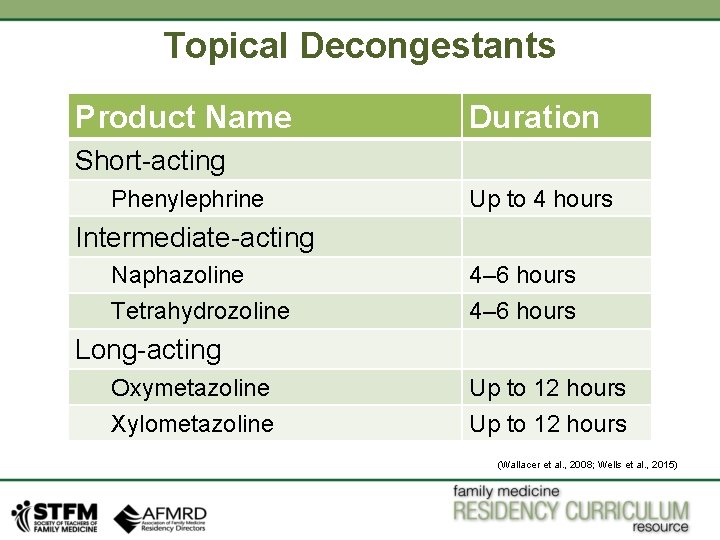
Topical Decongestants Product Name Duration Short-acting Phenylephrine Up to 4 hours Intermediate-acting Naphazoline Tetrahydrozoline 4– 6 hours Long-acting Oxymetazoline Xylometazoline Up to 12 hours (Wallacer et al. , 2008; Wells et al. , 2015)
Topical Decongestants • Stimulates adrenergic receptors in nasal mucosa to produce vasoconstriction. • Should not be used longer than 3 days. • Rhinitis medicamentosa • Not seen with oral agents • Caution also in: • Cardiovascular disease • Hyperthyroidism (Sur et al. , 2010; Wells et al. , 2015)
Final Jeopardy: Patient Case Write down how much you would like to wager.
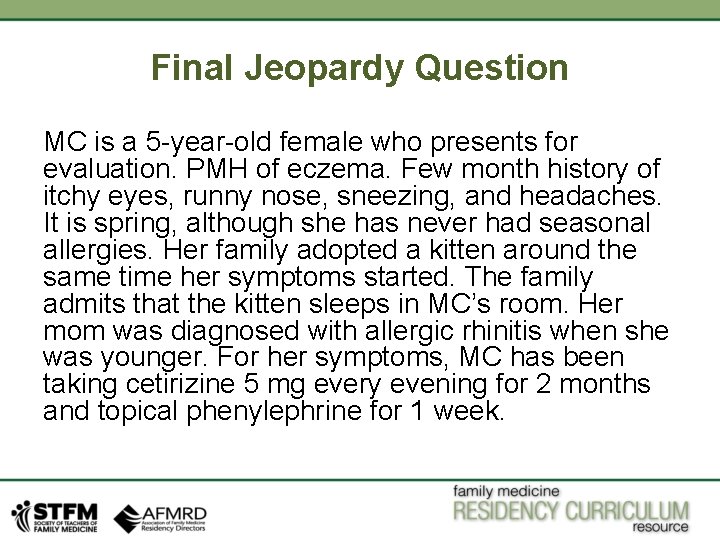
Final Jeopardy Question MC is a 5 -year-old female who presents for evaluation. PMH of eczema. Few month history of itchy eyes, runny nose, sneezing, and headaches. It is spring, although she has never had seasonal allergies. Her family adopted a kitten around the same time her symptoms started. The family admits that the kitten sleeps in MC’s room. Her mom was diagnosed with allergic rhinitis when she was younger. For her symptoms, MC has been taking cetirizine 5 mg every evening for 2 months and topical phenylephrine for 1 week.
Questions ?