Unit 2 History of the Atomic Model 2




- Slides: 25
Unit 2 History of the Atomic Model 2. 1
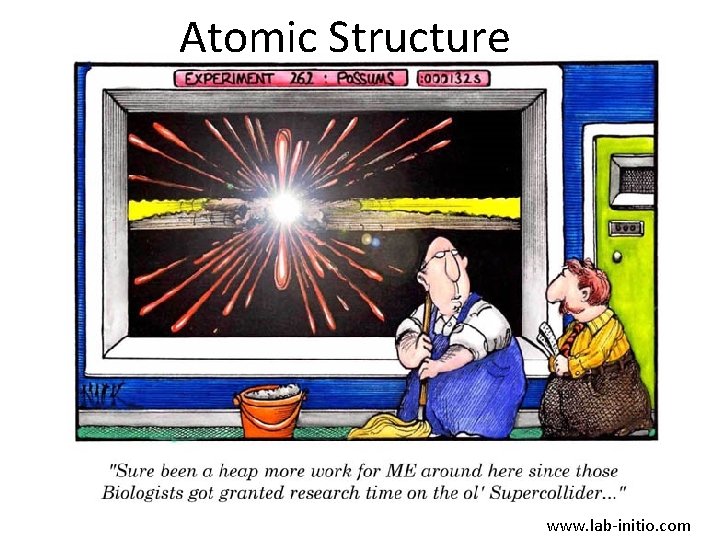
Atomic Structure www. lab-initio. com
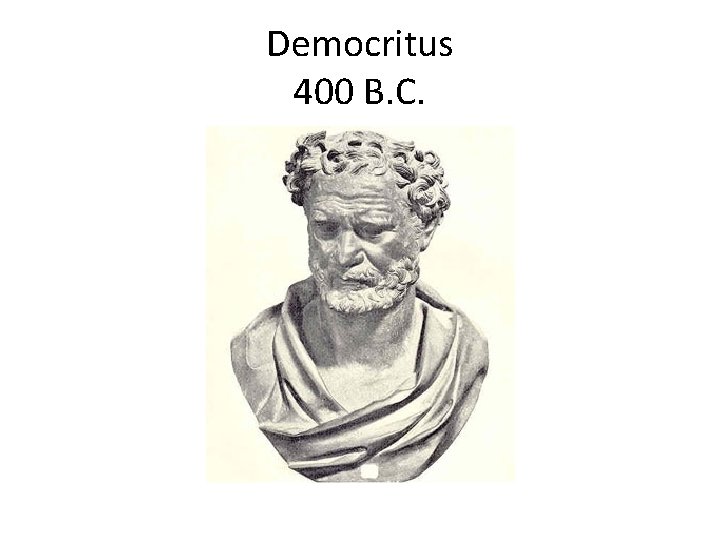
Democritus 400 B. C.
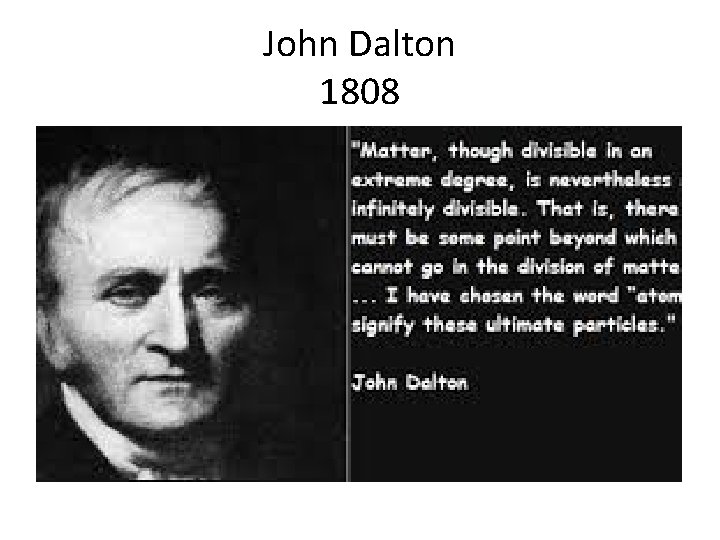
John Dalton 1808
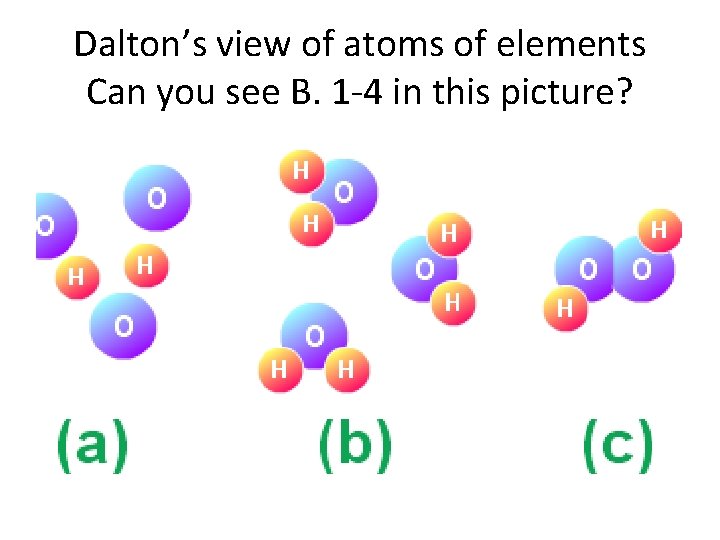
Dalton’s view of atoms of elements Can you see B. 1 -4 in this picture?
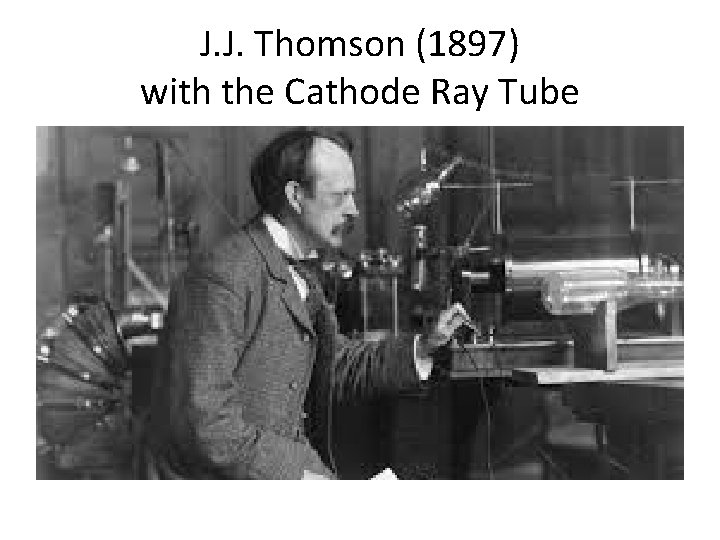
J. J. Thomson (1897) with the Cathode Ray Tube
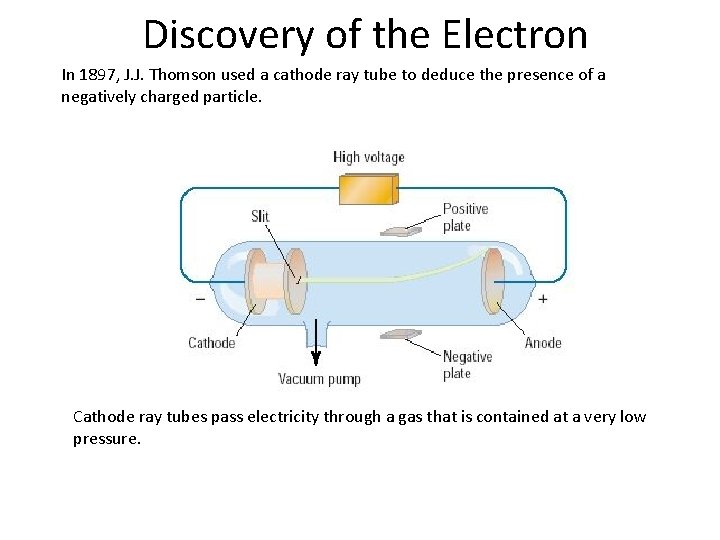
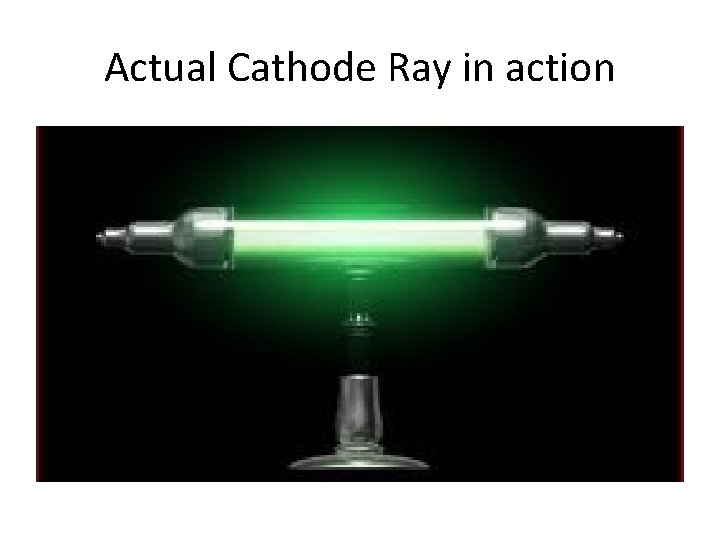
Discovery of the Electron In 1897, J. J. Thomson used a cathode ray tube to deduce the presence of a negatively charged particle. Cathode ray tubes pass electricity through a gas that is contained at a very low pressure.
Actual Cathode Ray in action
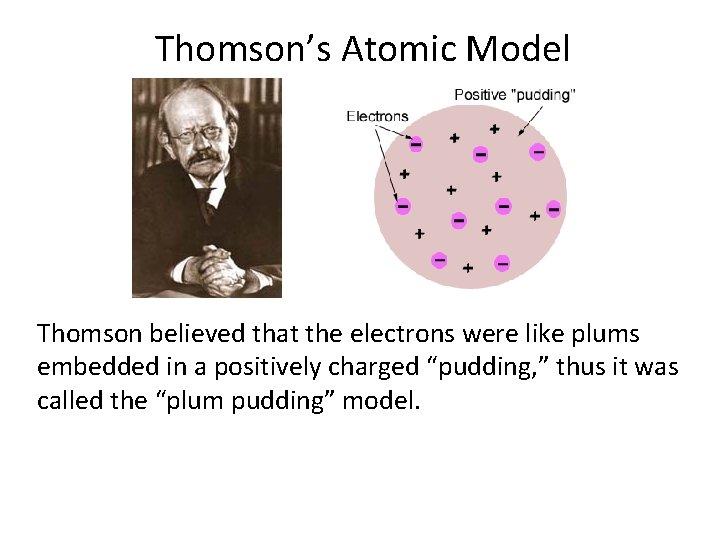
Thomson’s Atomic Model Thomson believed that the electrons were like plums embedded in a positively charged “pudding, ” thus it was called the “plum pudding” model.
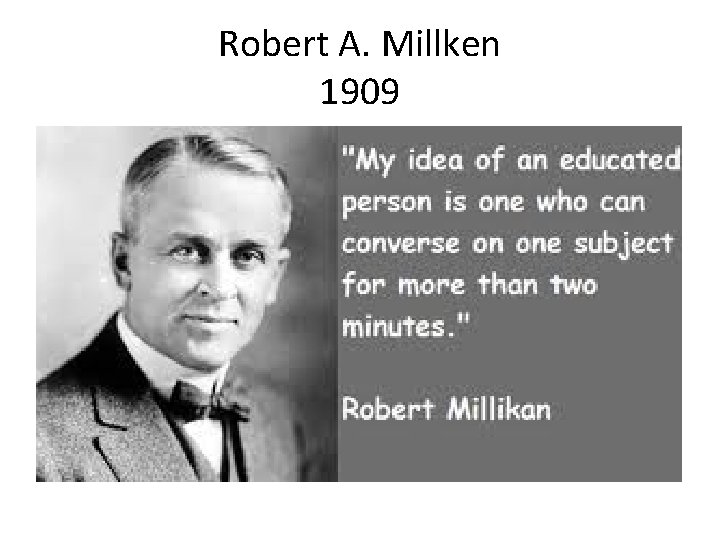
Robert A. Millken 1909
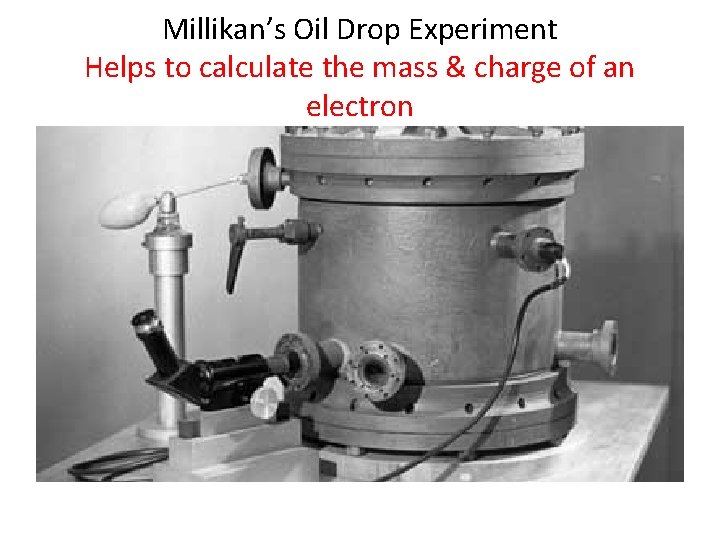
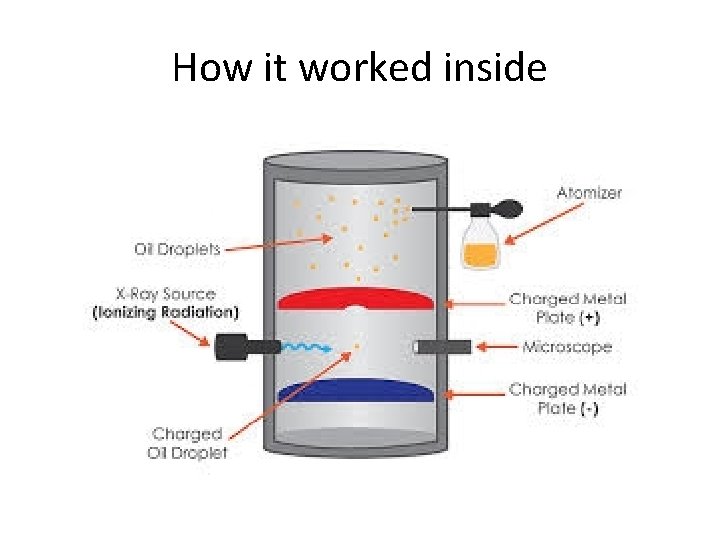
Millikan’s Oil Drop Experiment Helps to calculate the mass & charge of an electron
How it worked inside
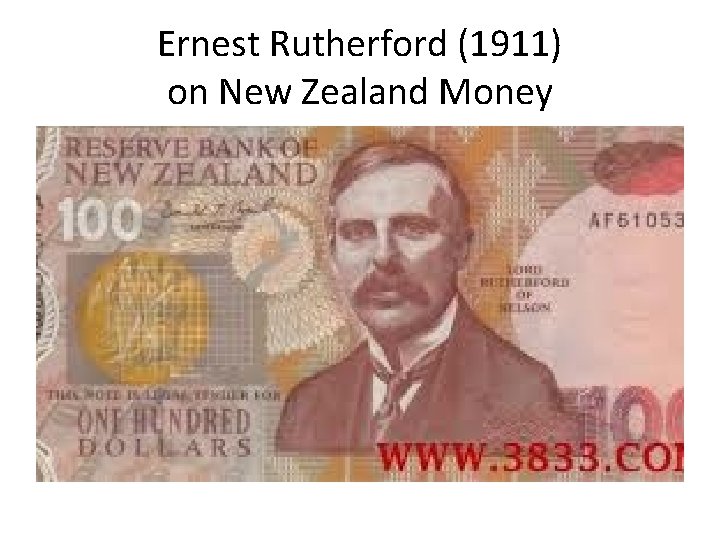
Ernest Rutherford (1911) on New Zealand Money
Hans Geiger (1911)
Ernest Marsden (1911)
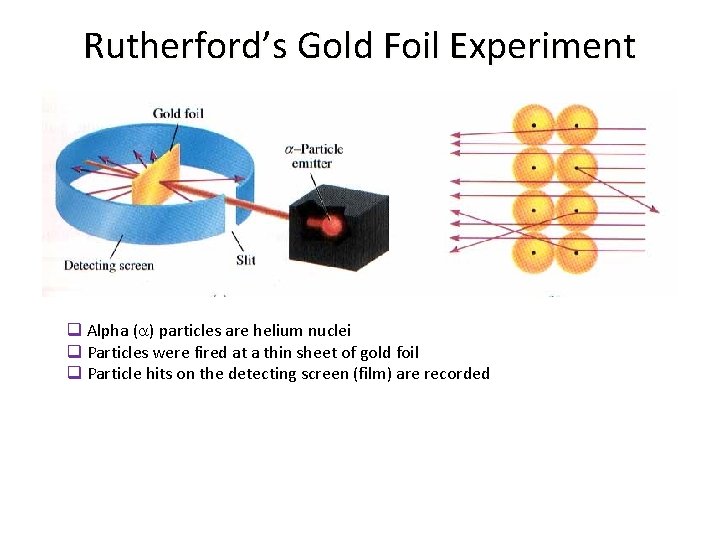
Rutherford’s Gold Foil Experiment q Alpha ( ) particles are helium nuclei q Particles were fired at a thin sheet of gold foil q Particle hits on the detecting screen (film) are recorded
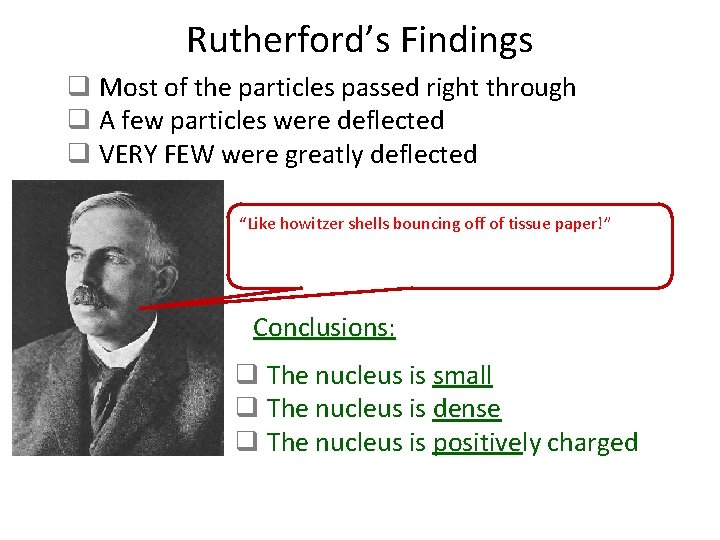
Rutherford’s Findings q Most of the particles passed right through q A few particles were deflected q VERY FEW were greatly deflected “Like howitzer shells bouncing off of tissue paper!” Conclusions: q The nucleus is small q The nucleus is dense q The nucleus is positively charged
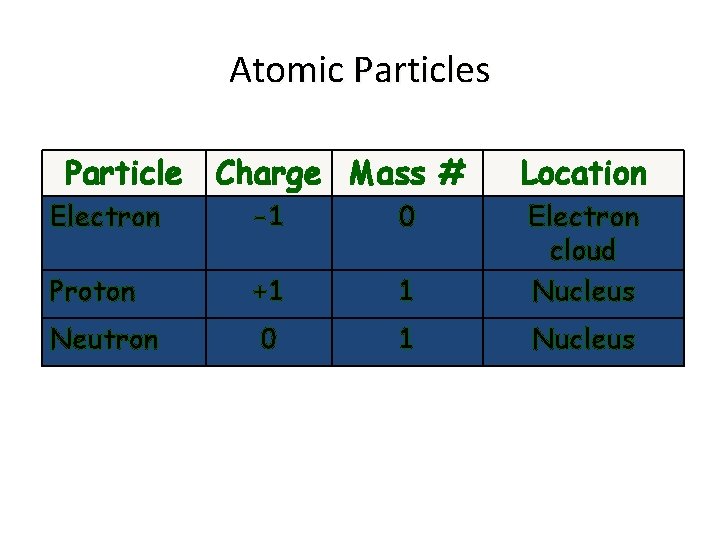
Atomic Particles Particle Charge Mass # Location Electron -1 0 Proton +1 1 Electron cloud Nucleus 0 1 Nucleus Neutron
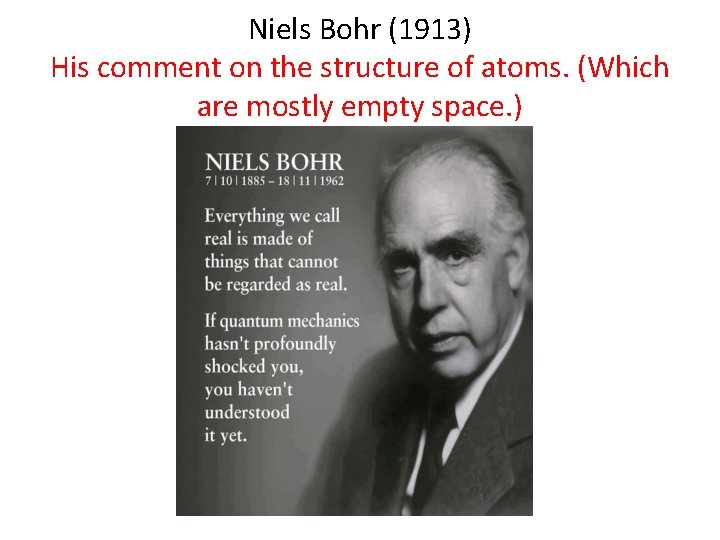
Niels Bohr (1913) His comment on the structure of atoms. (Which are mostly empty space. )
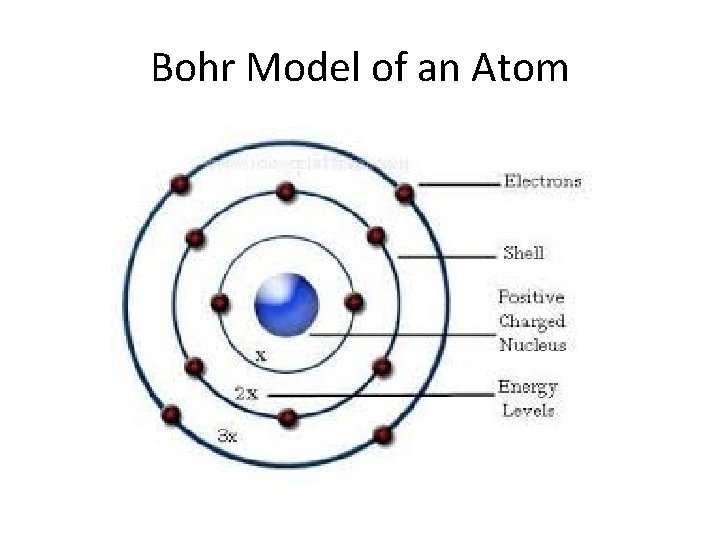
Bohr Model of an Atom
Dmitri Ivanenko (1930)
Victor Ambartsumian (1930)
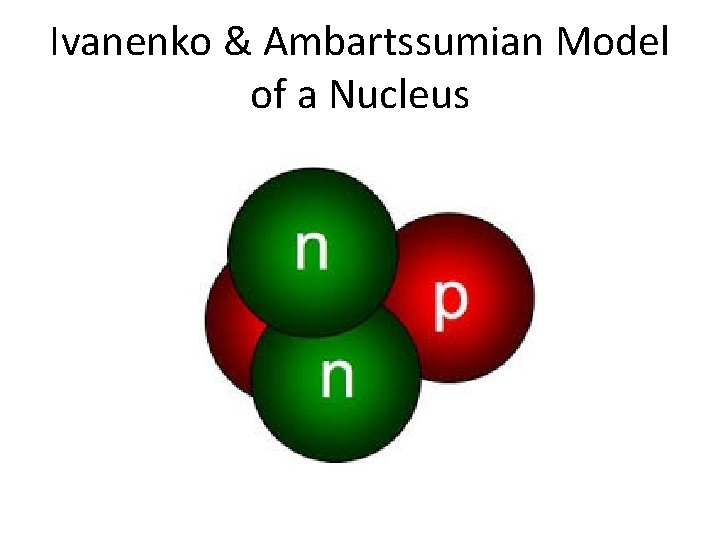
Ivanenko & Ambartssumian Model of a Nucleus
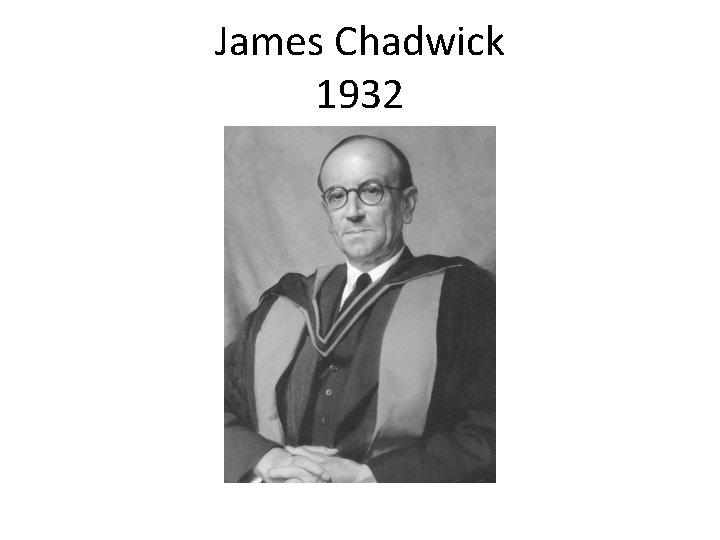
James Chadwick 1932
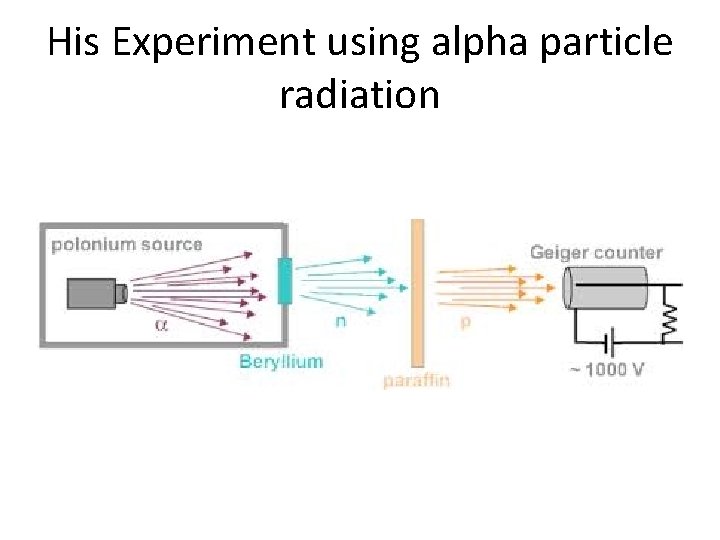
His Experiment using alpha particle radiation