PROTEIN ENERGY MALNUTRITION Severe childhood undernutrition SCU Soad


- Slides: 44
PROTEIN ENERGY MALNUTRITION Severe childhood undernutrition SCU Soad Jaber 2009
objectives • Use the medical history and physical examination to evaluate nutritional status. • Present an approach to recognizing and treating some common nutritional problem of childhood. • Identify etiologic categories of malnutrition, 1 ry, 2 ry, • marasmus and kwashiorkor. • Display an understanding of the principles for managing severe childhood under nutrition ﺯ
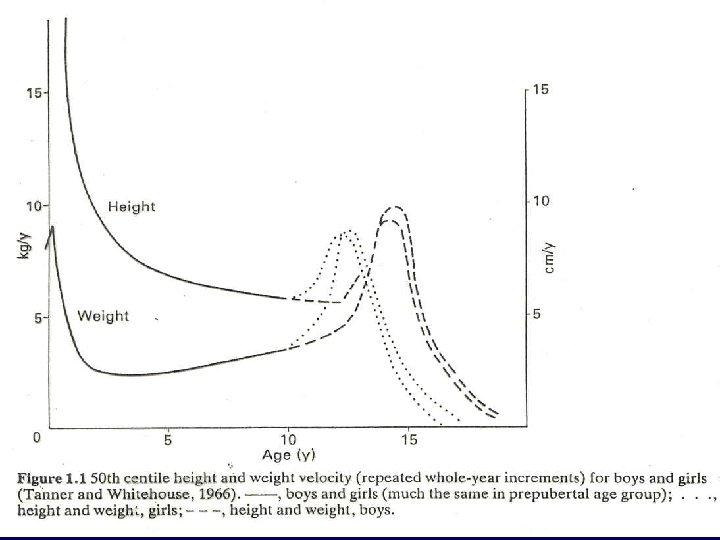
Why more common in children? • High nutrient requirement/unit weight. • Dependence on adults for food Water Fat Growth - Higher body water> older children - Rapid increase in the 1 st 6 months - Rapid from birth till six months Growth rate increase at puberty. More for boys than girls.
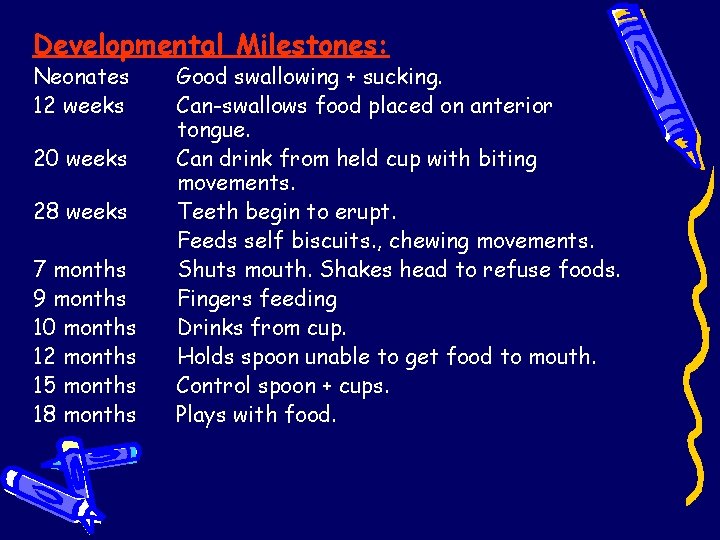
Developmental Milestones: Neonates 12 weeks 20 weeks 28 weeks 7 months 9 months 10 months 12 months 15 months 18 months Good swallowing + sucking. Can-swallows food placed on anterior tongue. Can drink from held cup with biting movements. Teeth begin to erupt. Feeds self biscuits. , chewing movements. Shuts mouth. Shakes head to refuse foods. Fingers feeding Drinks from cup. Holds spoon unable to get food to mouth. Control spoon + cups. Plays with food.
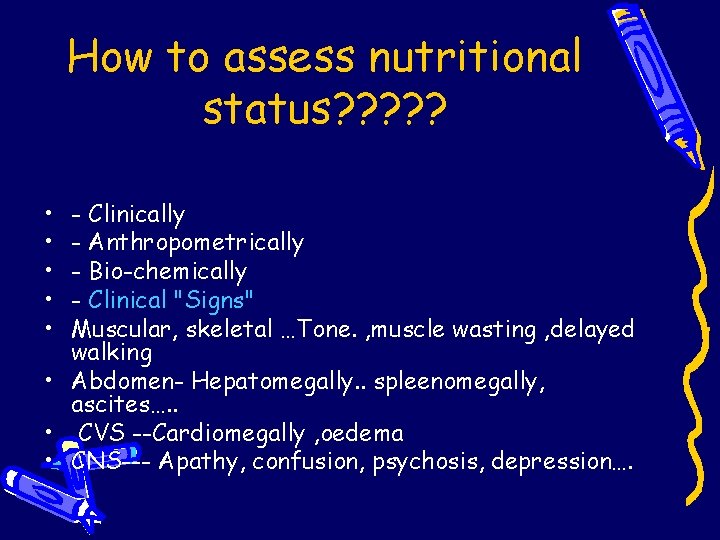
How to assess nutritional status? ? ? • • • - Clinically - Anthropometrically - Bio-chemically - Clinical "Signs" Muscular, skeletal …Tone. , muscle wasting , delayed walking • Abdomen- Hepatomegally. . spleenomegally, ascites…. . • CVS --Cardiomegally , oedema • CNS--- Apathy, confusion, psychosis, depression….
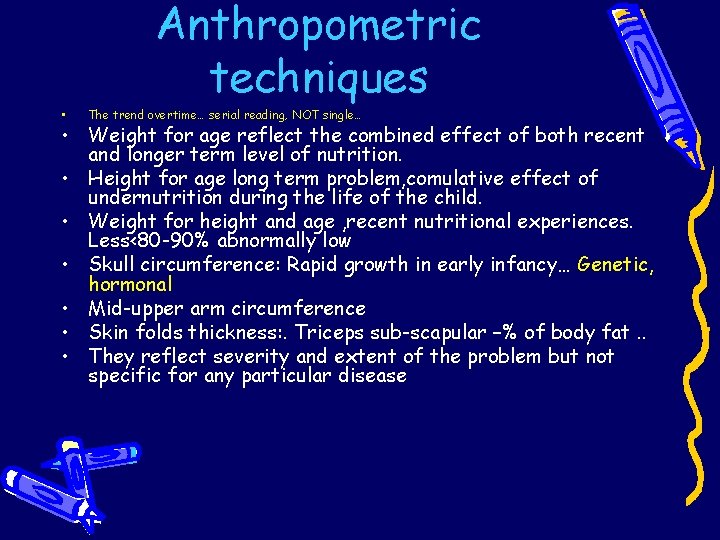
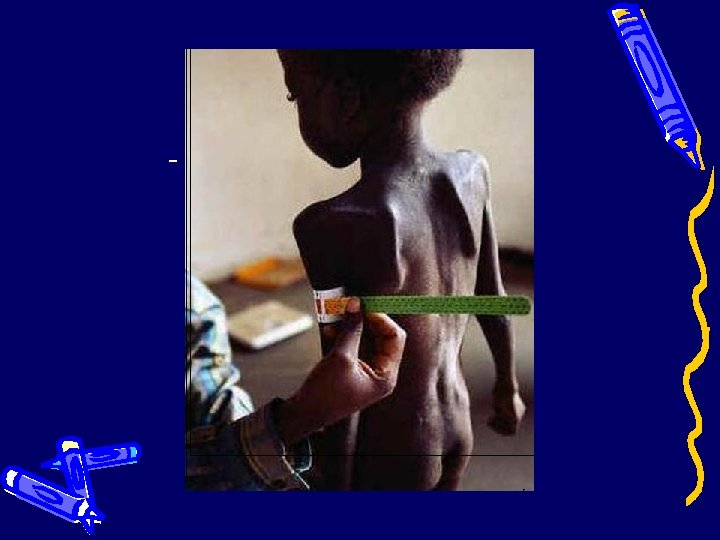
Anthropometric techniques • The trend overtime… serial reading, NOT single… • Weight for age reflect the combined effect of both recent and longer term level of nutrition. • Height for age long term problem, comulative effect of undernutrition during the life of the child. • Weight for height and age , recent nutritional experiences. Less<80 -90% abnormally low • Skull circumference: Rapid growth in early infancy… Genetic, hormonal • Mid-upper arm circumference • Skin folds thickness: . Triceps sub-scapular –% of body fat. . • They reflect severity and extent of the problem but not specific for any particular disease
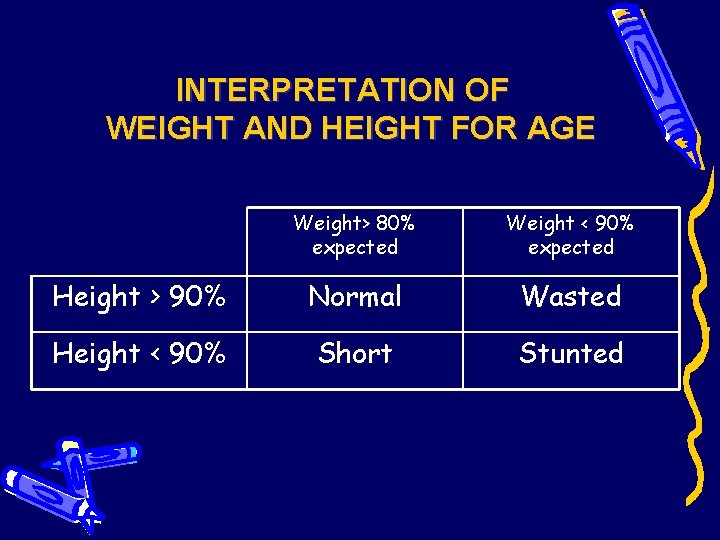
INTERPRETATION OF WEIGHT AND HEIGHT FOR AGE Weight> 80% expected Weight < 90% expected Height > 90% Normal Wasted Height < 90% Short Stunted
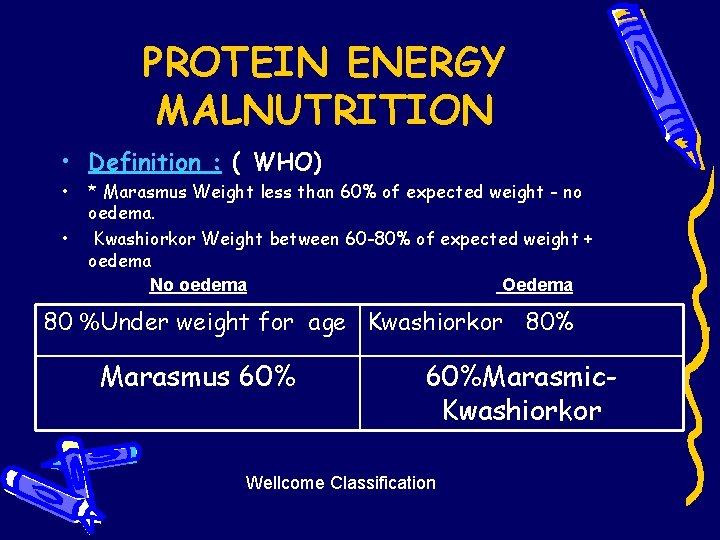
PROTEIN ENERGY MALNUTRITION • Definition : ( WHO) • • * Marasmus Weight less than 60% of expected weight - no oedema. Kwashiorkor Weight between 60 -80% of expected weight + oedema No oedema Oedema 80 %Under weight for age Kwashiorkor 80% Marasmus 60%Marasmic. Kwashiorkor Wellcome Classification
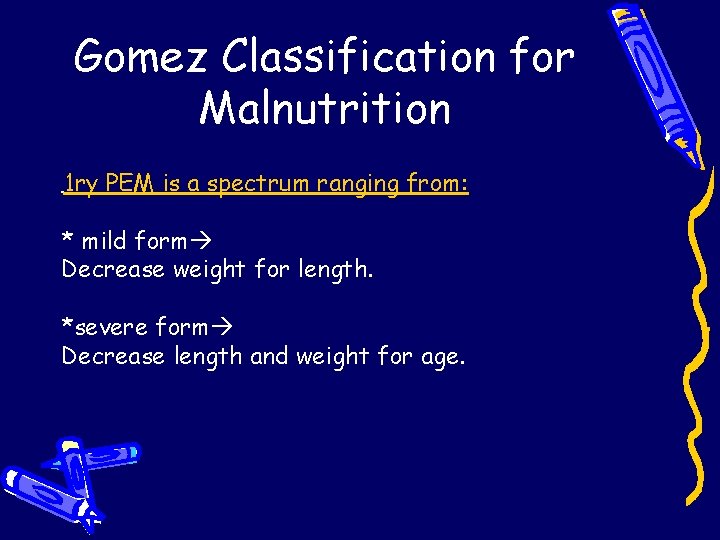
Gomez Classification for Malnutrition 1 ry PEM is a spectrum ranging from: * mild form Decrease weight for length. *severe form Decrease length and weight for age.
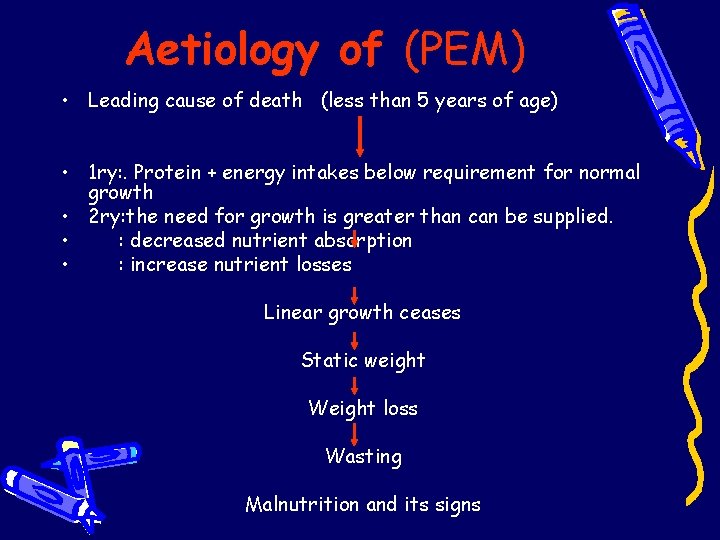
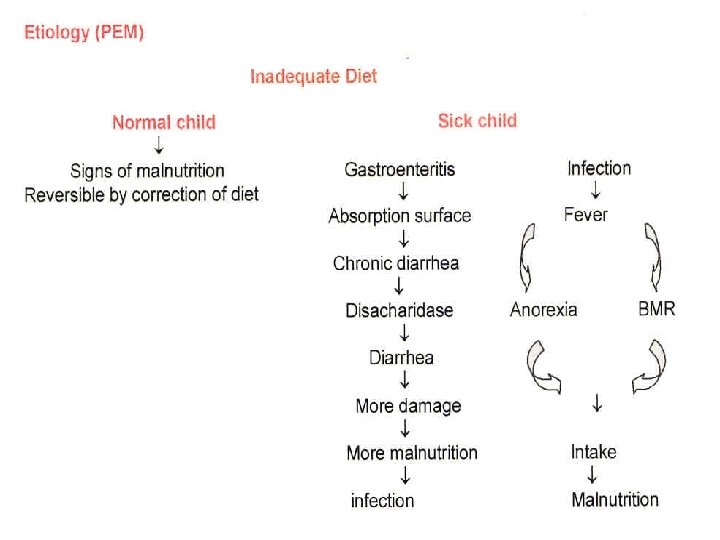
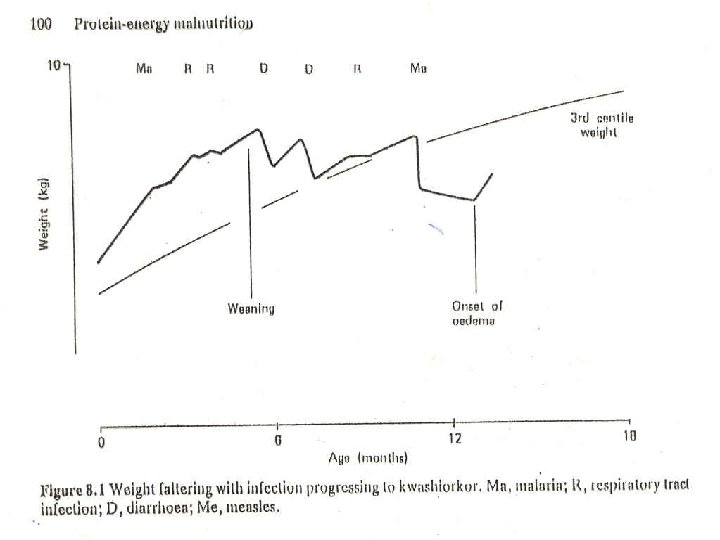
Aetiology of (PEM) • Leading cause of death (less than 5 years of age) • 1 ry: . Protein + energy intakes below requirement for normal growth • 2 ry: the need for growth is greater than can be supplied. • : decreased nutrient absorption • : increase nutrient losses Linear growth ceases Static weight Weight loss Wasting Malnutrition and its signs
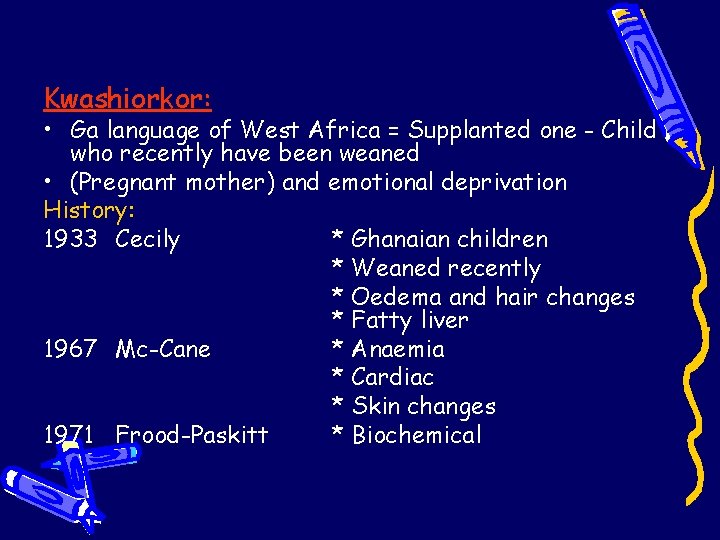
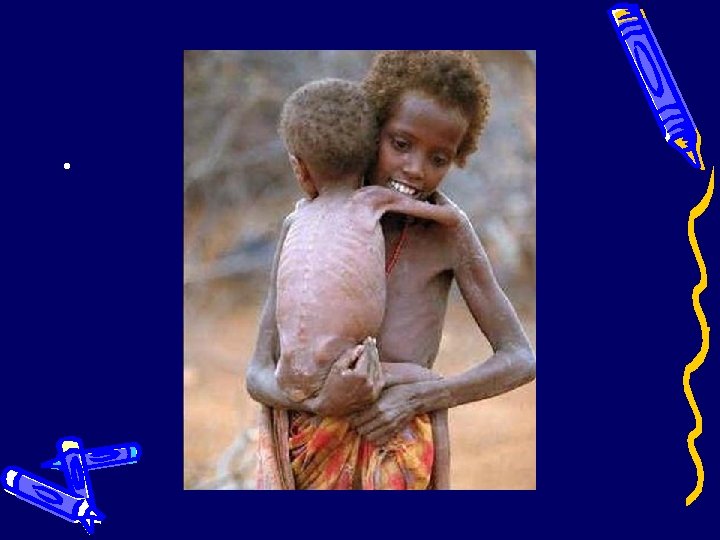
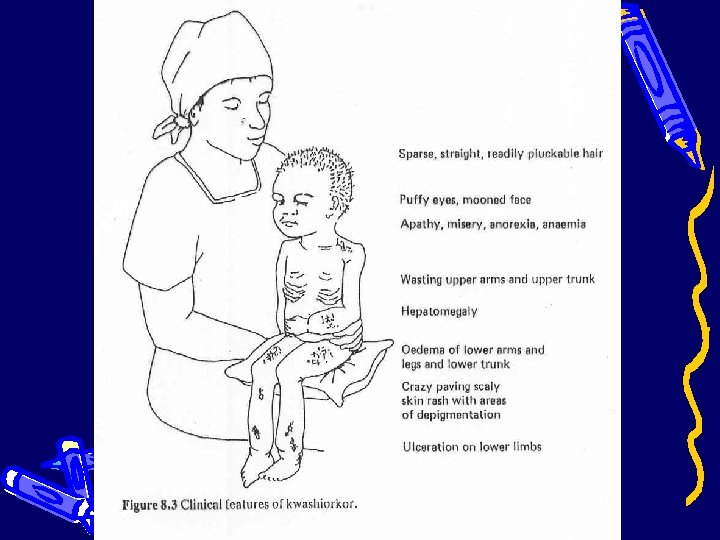
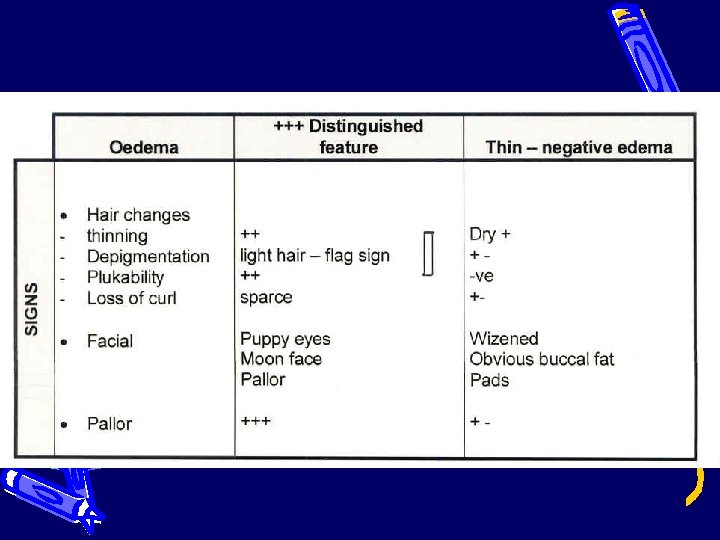
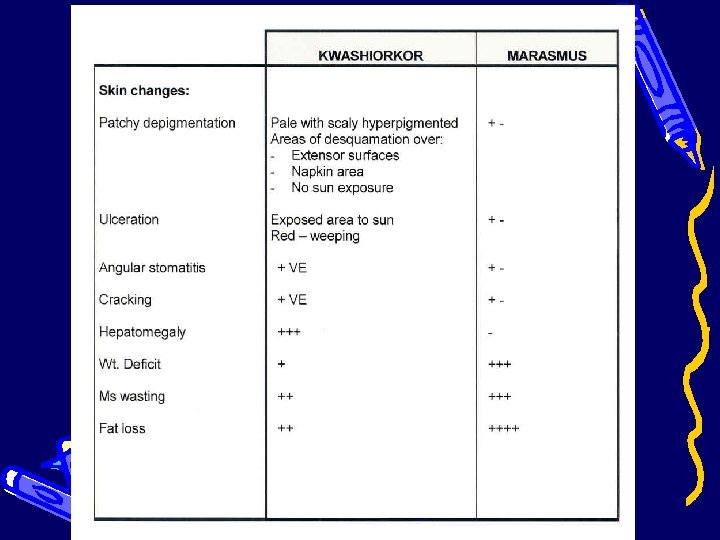
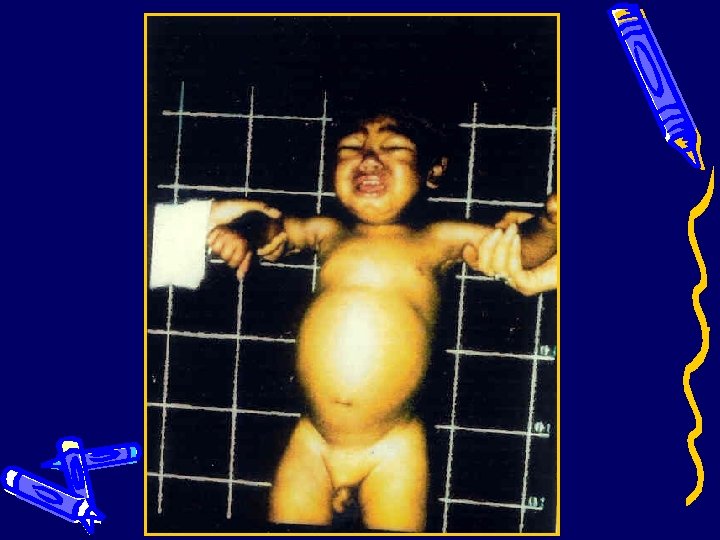
Kwashiorkor: • Ga language of West Africa = Supplanted one - Child who recently have been weaned • (Pregnant mother) and emotional deprivation History: 1933 Cecily * Ghanaian children * Weaned recently * Oedema and hair changes * Fatty liver 1967 Mc-Cane * Anaemia * Cardiac * Skin changes 1971 Frood-Paskitt * Biochemical
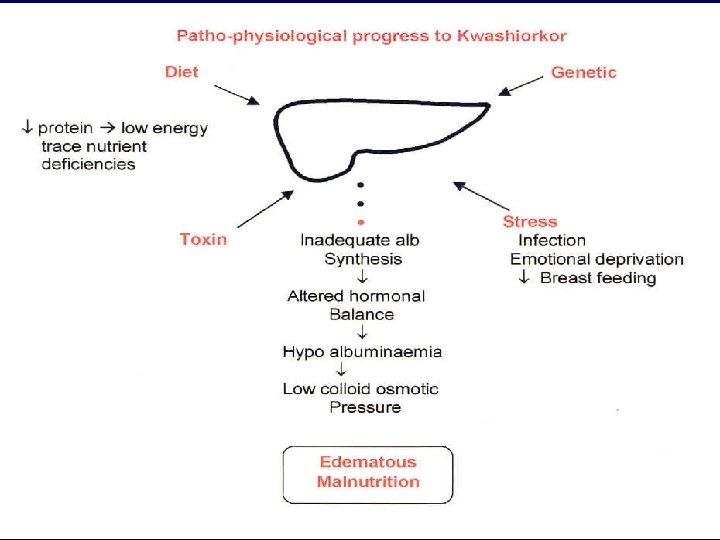
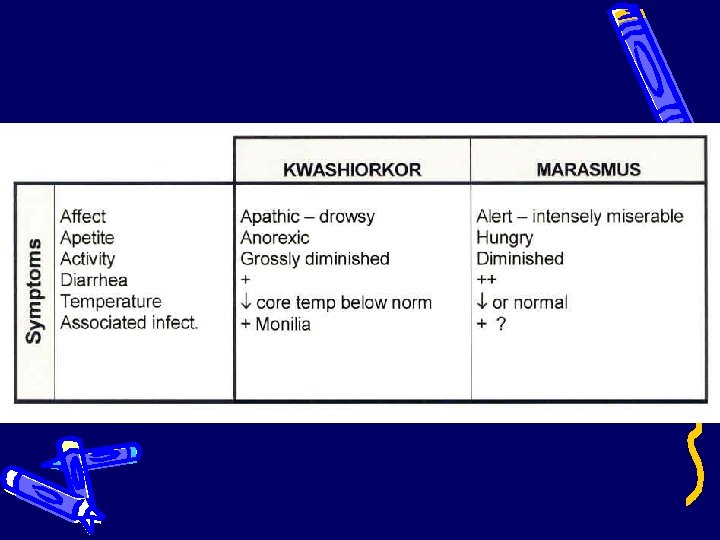
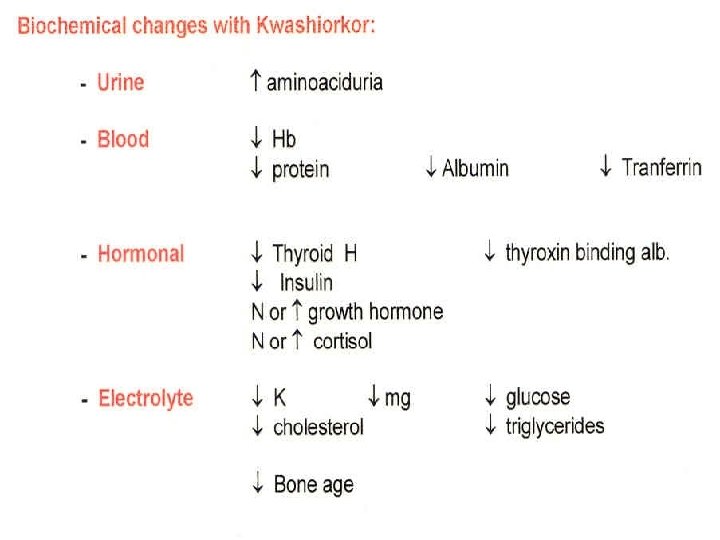
Pathogenesis: Kwashiorkor: • Normal energy intake, Lack of protein • Edema: 1970. decrease oncotic pressure, – Recent> Increase Renin activity, N a and fluid retention. • Amino aciduria due to proximal tubular dysfunction • Failure of adaptation • . Hepatomegaly due to fatty infiltration from lipogenesis of excess CHO • - Biochemical and haematological changes
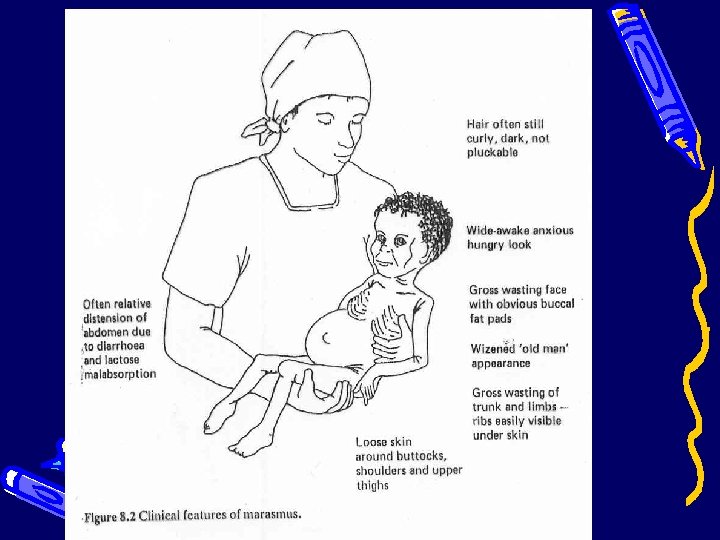
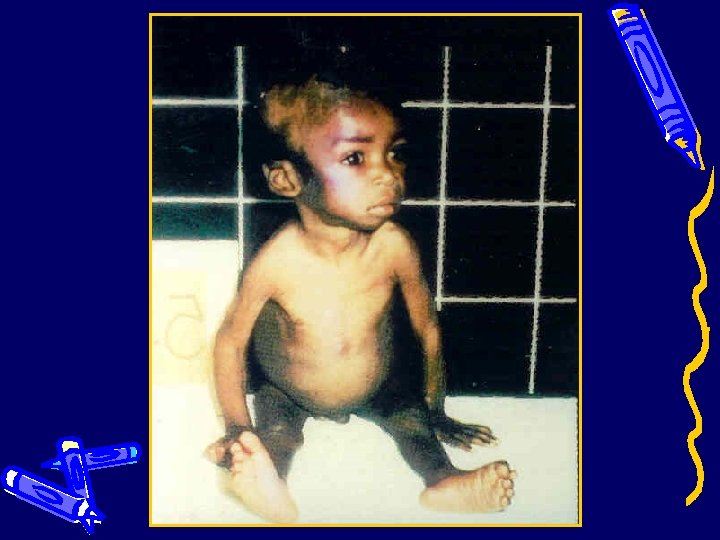
Pathogenesis: Marasmus: • - Lack of all nutrients stimulate cortisone secretion which result in muscle wasting, the released a. a will synthesize albumin to prevent edema. • - Growth and energy expenditure limited, in response to dietary stress • - Adaptation to reduce protein + energy • - Biochemical and haematological tests within normal • -Abdomin, flat due to ms wasting, OR distended due to 2 ry lactose intolerance.
Causes: Social. ecomomic. poverity. ignorance. maternal malnutrtion. enviromental. Kwashiorkor: • Insufficient intake of protein of good biological value. • Impaired absorption of protein e. g. chronic diarrhoea. • Abnormal losses of protein e. g. severe nephrosis. Severe or prolonged infection • Failure of protein synthesis e. g. chronic liver diseases.
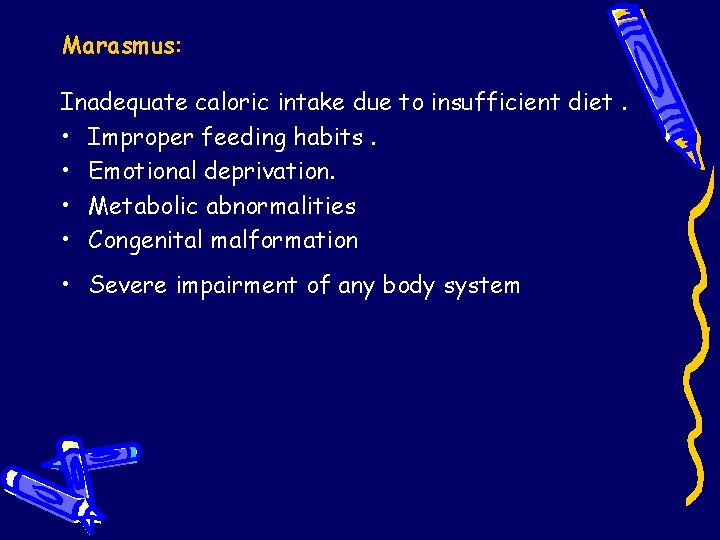
Marasmus: Inadequate caloric intake due to insufficient diet. • Improper feeding habits. • Emotional deprivation. • Metabolic abnormalities • Congenital malformation • Severe impairment of any body system
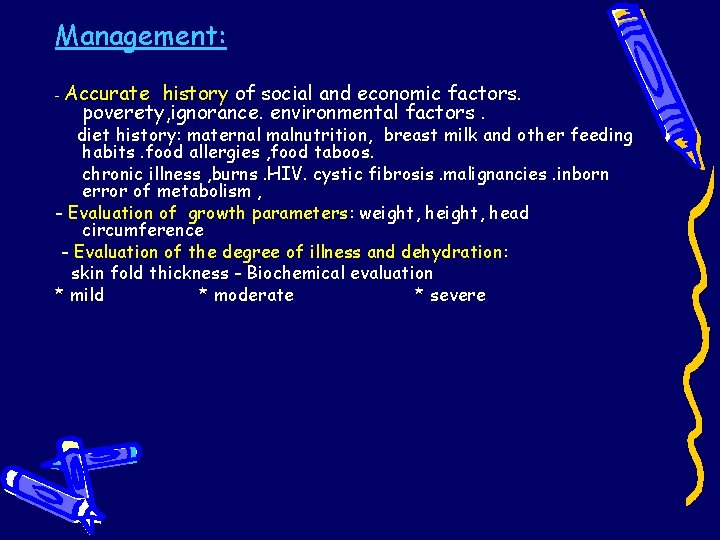
Management: - Accurate history of social and economic factors. poverety, ignorance. environmental factors. diet history: maternal malnutrition, breast milk and other feeding habits. food allergies , food taboos. chronic illness , burns. HIV. cystic fibrosis. malignancies. inborn error of metabolism , - Evaluation of growth parameters: weight, head circumference - Evaluation of the degree of illness and dehydration: skin fold thickness - Biochemical evaluation * mild * moderate * severe
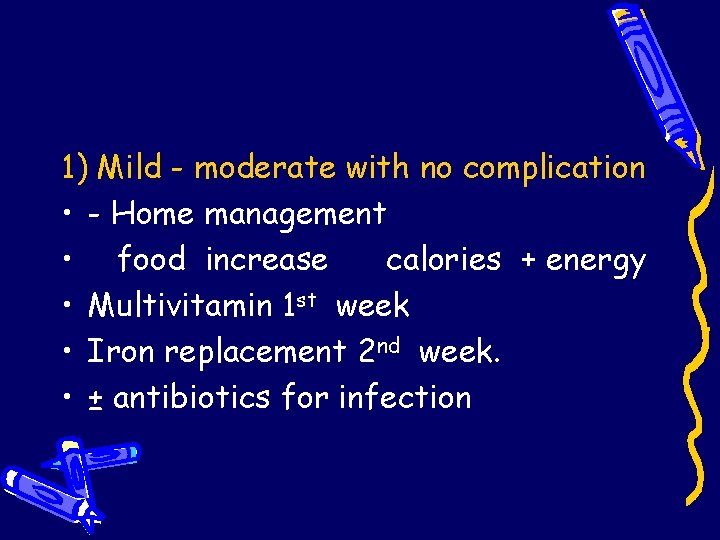
1) Mild - moderate with no complication • - Home management • food increase calories + energy • Multivitamin 1 st week • Iron replacement 2 nd week. • ± antibiotics for infection
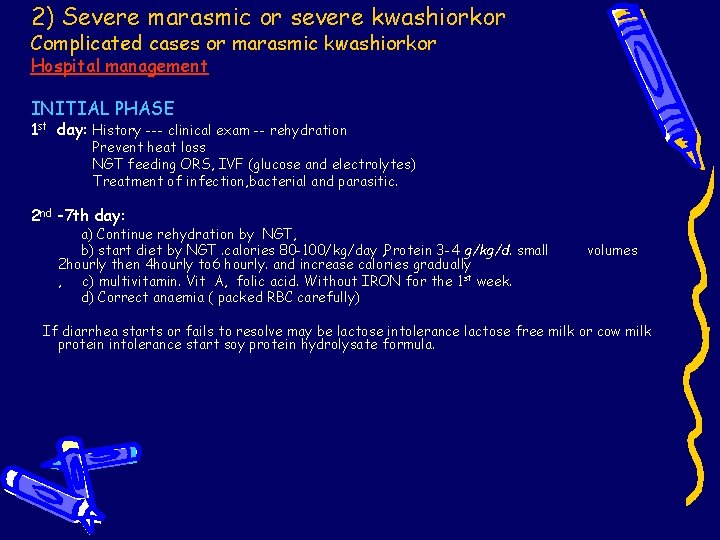
2) Severe marasmic or severe kwashiorkor Complicated cases or marasmic kwashiorkor Hospital management INITIAL PHASE 1 st day: History --- clinical exam -- rehydration Prevent heat loss NGT feeding ORS, IVF (glucose and electrolytes) Treatment of infection, bacterial and parasitic. 2 nd -7 th day: a) Continue rehydration by NGT, b) start diet by NGT. calories 80 -100/kg/day , Protein 3 -4 g/kg/d. small 2 hourly then 4 hourly to 6 hourly. and increase calories gradually , c) multivitamin. Vit A, folic acid. Without IRON for the 1 st week. d) Correct anaemia ( packed RBC carefully) volumes If diarrhea starts or fails to resolve may be lactose intolerance lactose free milk or cow milk protein intolerance start soy protein hydrolysate formula.
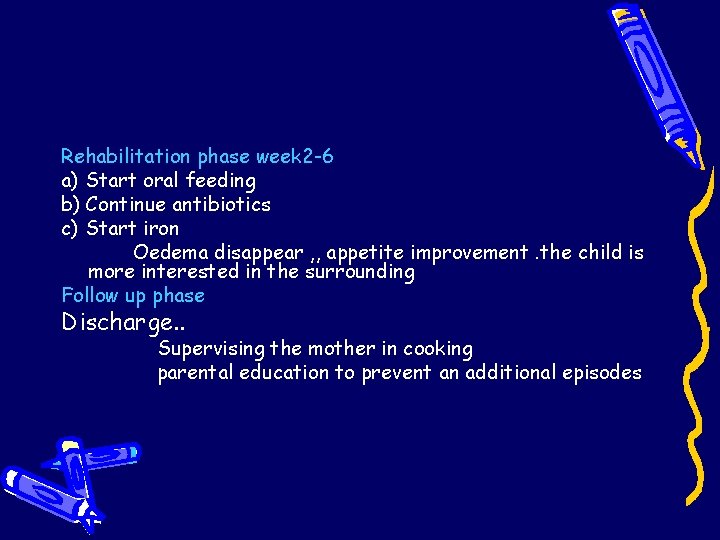
Rehabilitation phase week 2 -6 a) Start oral feeding b) Continue antibiotics c) Start iron Oedema disappear , , appetite improvement. the child is more interested in the surrounding Follow up phase Discharge. . Supervising the mother in cooking parental education to prevent an additional episodes
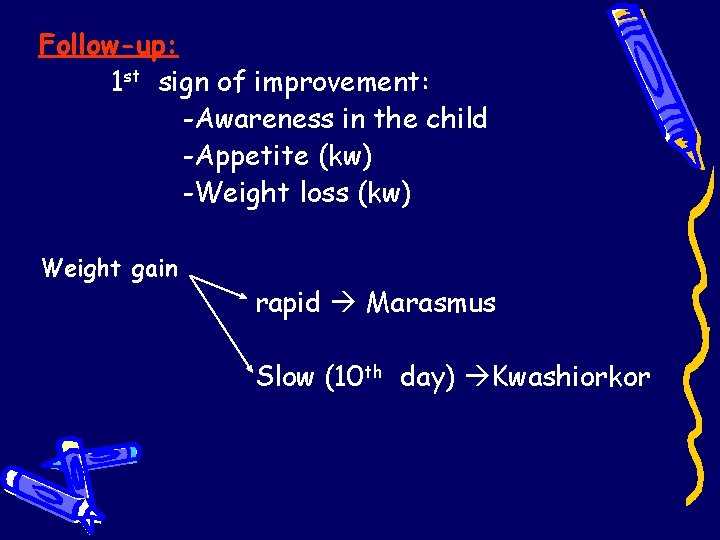
Follow-up: 1 st sign of improvement: -Awareness in the child -Appetite (kw) -Weight loss (kw) Weight gain rapid Marasmus Slow (10 th day) Kwashiorkor
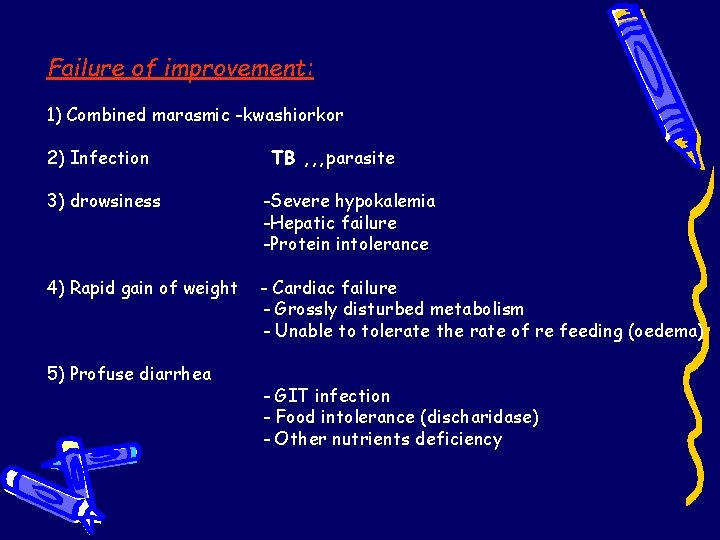
Failure of improvement: 1) Combined marasmic -kwashiorkor 2) Infection TB , , , parasite 3) drowsiness -Severe hypokalemia -Hepatic failure -Protein intolerance 4) Rapid gain of weight - Cardiac failure - Grossly disturbed metabolism - Unable to tolerate the rate of re feeding (oedema) 5) Profuse diarrhea - GIT infection - Food intolerance (discharidase) - Other nutrients deficiency
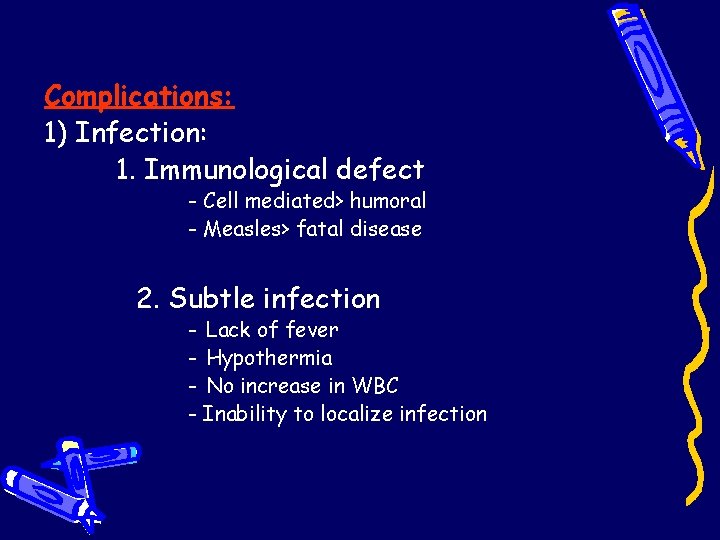
Complications: 1) Infection: 1. Immunological defect - Cell mediated> humoral - Measles> fatal disease 2. Subtle infection - Lack of fever - Hypothermia - No increase in WBC - Inability to localize infection
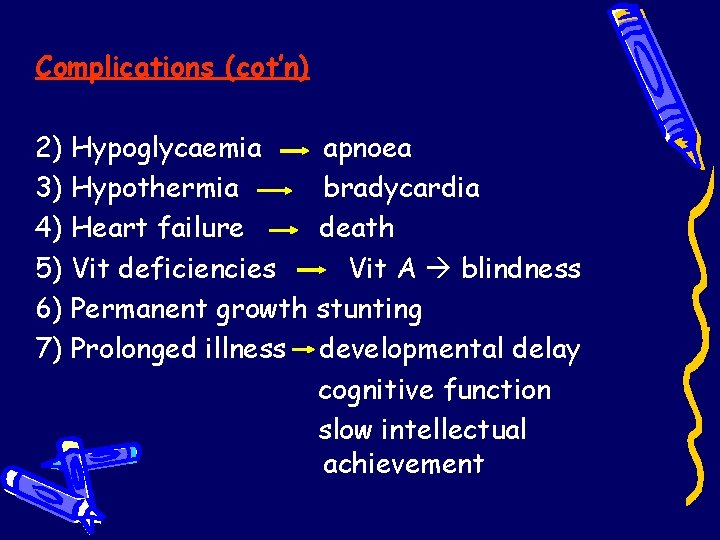
Complications (cot’n) 2) Hypoglycaemia apnoea 3) Hypothermia bradycardia 4) Heart failure death 5) Vit deficiencies Vit A blindness 6) Permanent growth stunting 7) Prolonged illness developmental delay cognitive function slow intellectual achievement
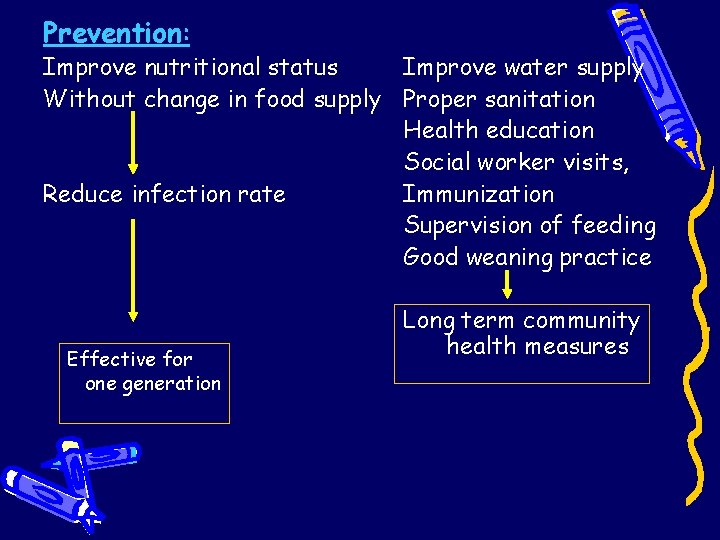
Prevention: Improve nutritional status Improve water supply Without change in food supply Proper sanitation Health education Social worker visits, Reduce infection rate Immunization Supervision of feeding Good weaning practice Effective for one generation Long term community health measures
Prognosis: Marasmus due to under feeding good Kwashiorkor MR 10 -25% Marasmus I Kwashiorkor worse progress End point of nutritional stress failure of adaptation