PNEUMOTRIESTE 2016 Trieste 11 13 Aprile 2016 La

- Slides: 58
PNEUMOTRIESTE 2016 Trieste, 11 -13 Aprile 2016 La funzione respiratoria nel soggetto anziano Claudio Tantucci Università degli studi di Brescia
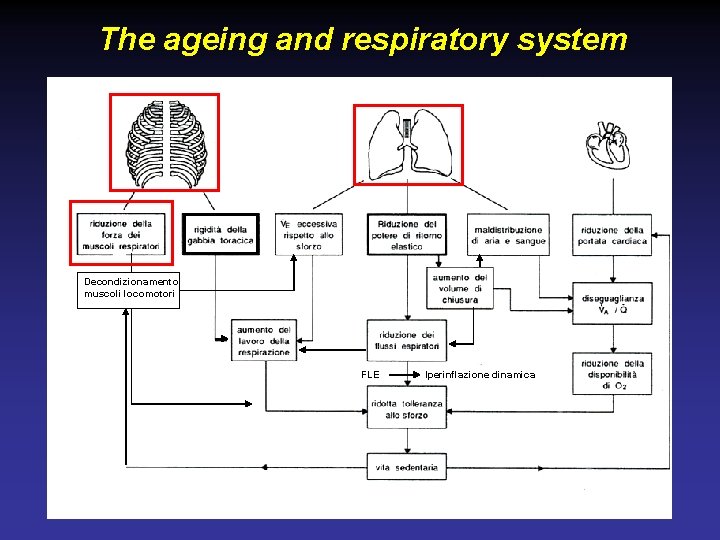
The ageing and respiratory system Decondizionamento muscoli locomotori FLE Iperinflazione dinamica
The aging pump
Ageing and Control of breathing • Reduced ventilatory (DVE) and neuro-muscular response (DP 0. 1) to chemical stimuli (50% - 60%) (more in women than in men ? ) Kronenberg RS, Drage CW. Attenuation of the ventilatory and heart rate response to hypoxia and hypercapnia with aging in normal men. J Clin Invest 1973; 53: 1812 -1819. Peterson DD, Pack AI, Silage DA, Fishman AP. Effects of aging on the ventilatory and occlusion pressure responses to hypoxia and hypercapnia. Am Rev Respir Dis 1981; 124: 387 -391. Brischetto M, Millman D, Peterson D et al. . Effects of aging on ventilatory response to exercise and CO 2. JAP 1984; 56: 1143 -1150.
Ageing and Control of breathing • Reduced ventilatory (DVE) and neuro-muscular response (DP 0. 1) to chemical stimuli (50% - 60%) (more in women than in men ? ) Kronenberg RS, Drage CW. Attenuation of the ventilatory and heart rate response to hypoxia and hypercapnia with aging in normal men. J Clin Invest 1973; 53: 1812 -1819. Peterson DD, Pack AI, Silage DA, Fishman AP. Effects of aging on the ventilatory and occlusion pressure responses to hypoxia and hypercapnia. Am Rev Respir Dis 1981; 124: 387 -391. Brischetto M, Millman D, Peterson D et al. . Effects of aging on ventilatory response to exercise and CO 2. JAP 1984; 56: 1143 -1150. • Unchanged ventilatory (DVE) and neuro-muscular response (DP 0. 1) to chemical stimuli Smith WD, Cunningham DA, Poulin MJ et al. . Ventilatory response to isocapnic hypoxia in the eighth decade. Adv Exp Med Biol 1995; 393: 267 -270. Pokorski M, Marczak M. Ventilatory response to hypoxia in elderly women. Ann Hum Biol 2003; 30: 53 -64. Rubin S, Tack M, Cherniack N. Effects of aging on respiratory response to CO 2 and inspiratory resistive loads. J Gerontol 1982; 37: 306 -312.
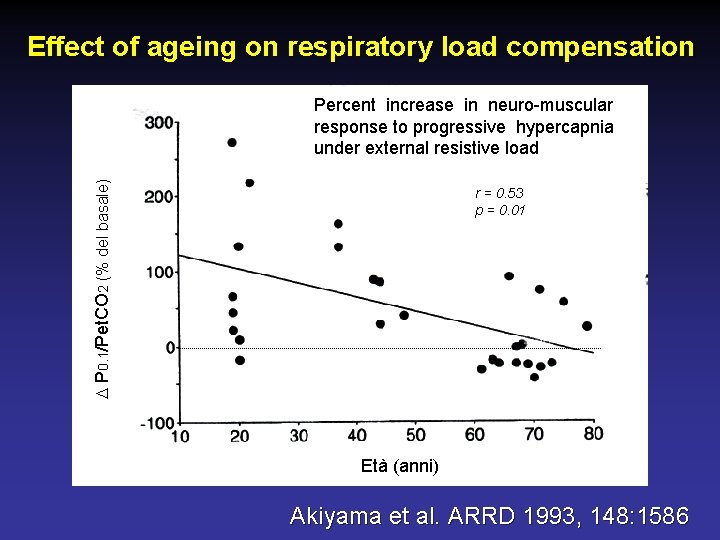
Ageing and Control of breathing • Decreased ventilatory load compensation Trak M, Altose M, Cerniack N. Effects of ageing on respiratory sensation produced by elastic loads. JAP 1981; 50: 844 -850. Trak M, Altose M, Cerniack N. Effects of aging on the perception of resistive ventilatory loads. ARRD 1982; 126: 463 -467. Akiyama Y, Nishimura M, Kobayaski S, et al. . Effects of aging on respiratory load compensation and dyspnea sensation. Am Rev Respir Dis 1993; 148: 1586 -1591.
Effect of ageing on respiratory load compensation D P 0. 1/Pet. CO 2 (% del basale) Percent increase in neuro-muscular response to progressive hypercapnia under external resistive load r = 0. 53 p = 0. 01 Età (anni) Akiyama et al. ARRD 1993, 148: 1586
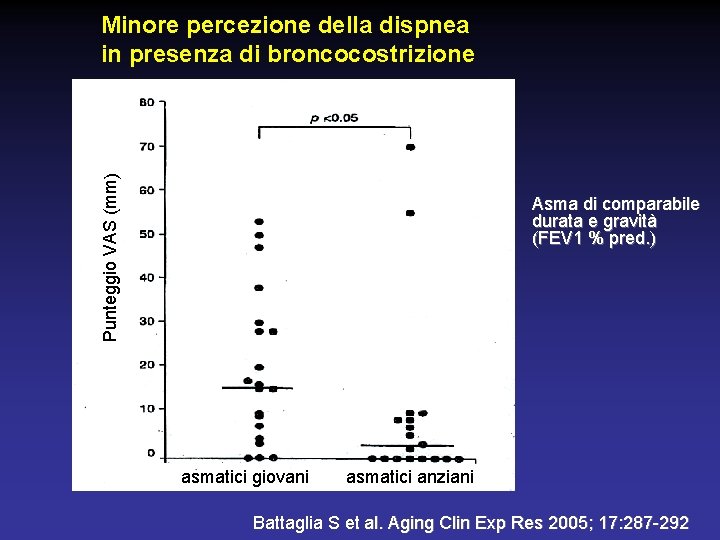
Punteggio VAS (mm) Minore percezione della dispnea in presenza di broncocostrizione Asma di comparabile durata e gravità (FEV 1 % pred. ) asmatici giovani asmatici anziani Battaglia S et al. Aging Clin Exp Res 2005; 17: 287 -292
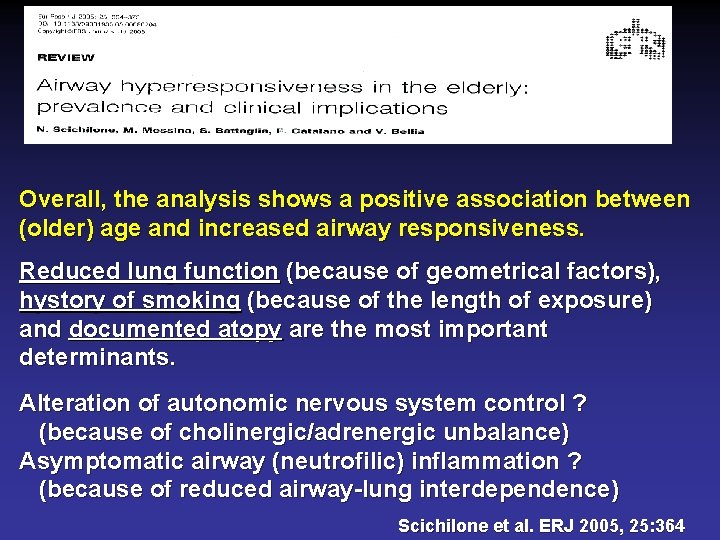
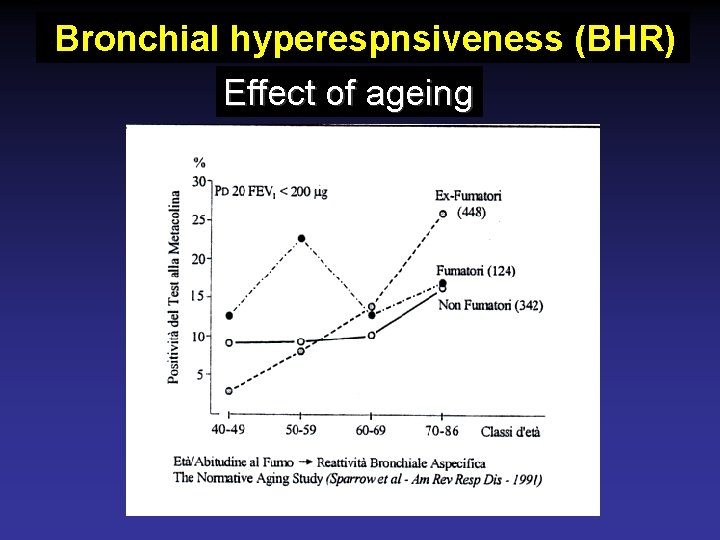
Overall, the analysis shows a positive association between (older) age and increased airway responsiveness. Reduced lung function (because of geometrical factors), hystory of smoking (because of the length of exposure) and documented atopy are the most important determinants. Alteration of autonomic nervous system control ? (because of cholinergic/adrenergic unbalance) Asymptomatic airway (neutrofilic) inflammation ? (because of reduced airway-lung interdependence) Scichilone et al. ERJ 2005, 25: 364
Bronchial hyperespnsiveness (BHR) Effect of ageing
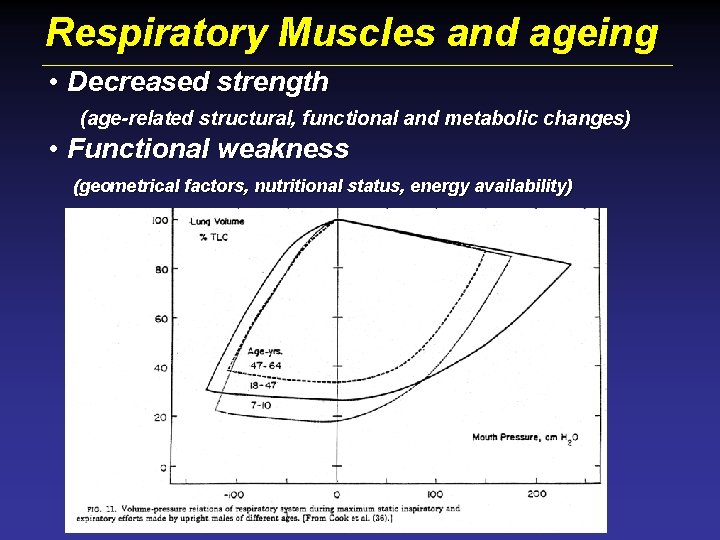
Respiratory Muscles and ageing • Decreased strength (age-related structural, functional and metabolic changes) • Functional weakness (geometrical factors, nutritional status, energy availability)
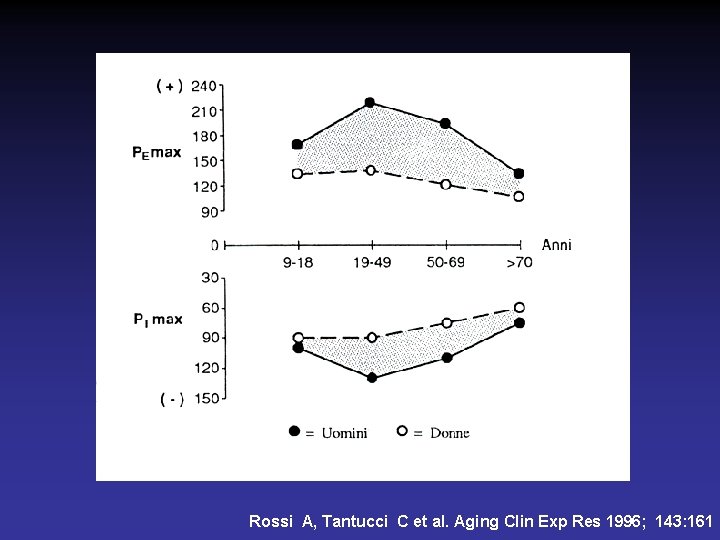
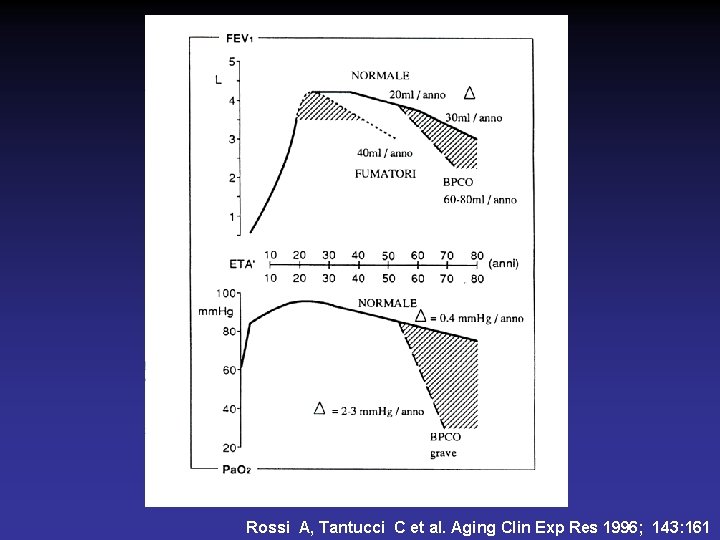
Rossi A, Tantucci C et al. Aging Clin Exp Res 1996; 143: 161
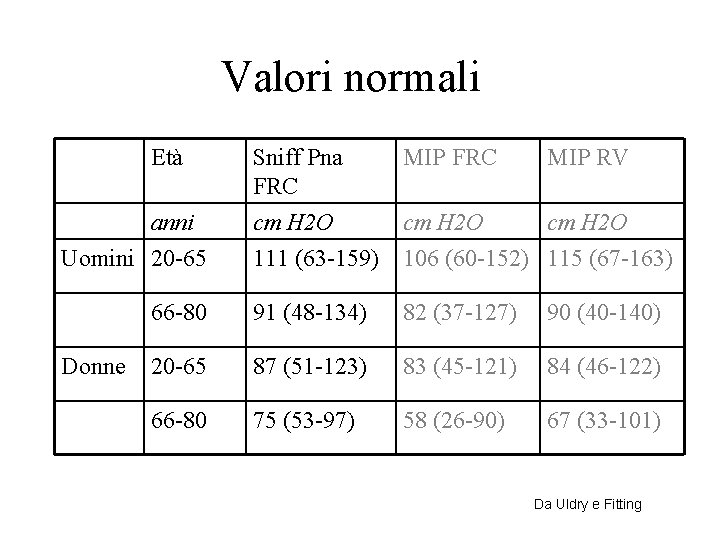
Valori normali Età anni Uomini 20 -65 Donne Sniff Pna FRC MIP RV cm H 2 O 111 (63 -159) 106 (60 -152) 115 (67 -163) 66 -80 91 (48 -134) 82 (37 -127) 90 (40 -140) 20 -65 87 (51 -123) 83 (45 -121) 84 (46 -122) 66 -80 75 (53 -97) 58 (26 -90) 67 (33 -101) Da Uldry e Fitting
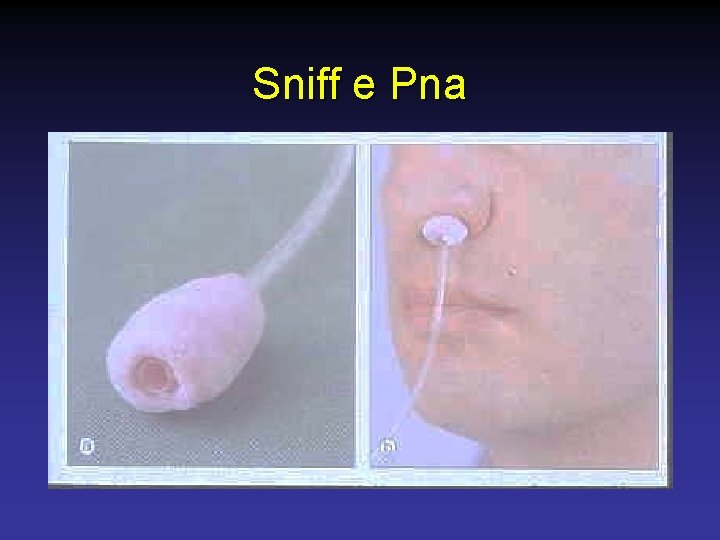
Sniff e Pna
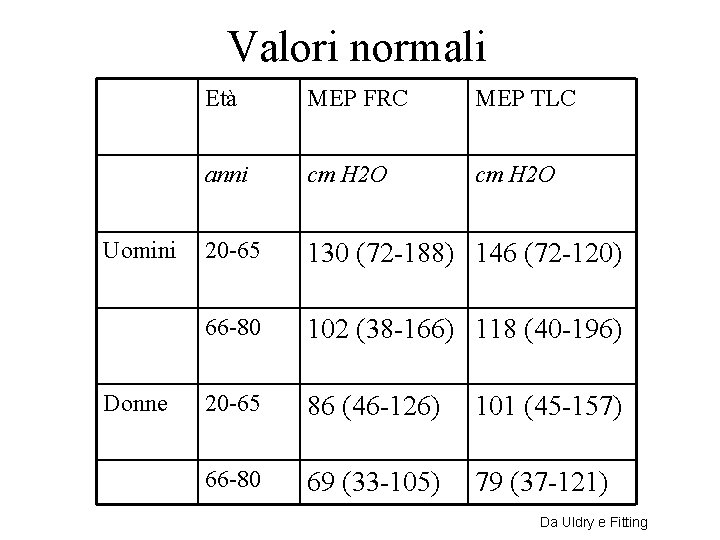
Valori normali Uomini Donne Età MEP FRC MEP TLC anni cm H 2 O 20 -65 130 (72 -188) 146 (72 -120) 66 -80 102 (38 -166) 118 (40 -196) 20 -65 86 (46 -126) 101 (45 -157) 66 -80 69 (33 -105) 79 (37 -121) Da Uldry e Fitting
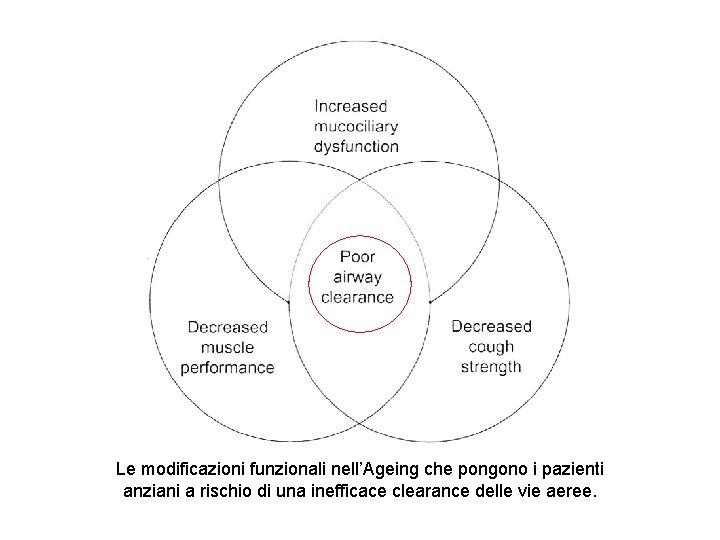
Le modificazioni funzionali nell’Ageing che pongono i pazienti anziani a rischio di una inefficace clearance delle vie aeree.
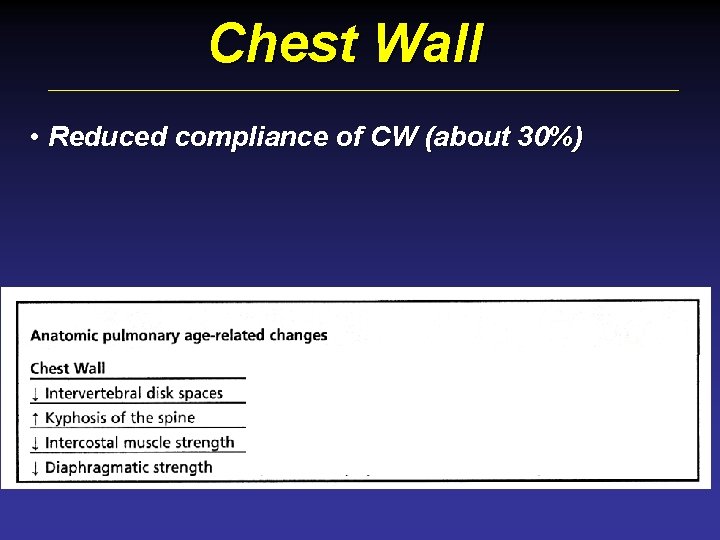
Chest Wall • Reduced compliance of CW (about 30%)
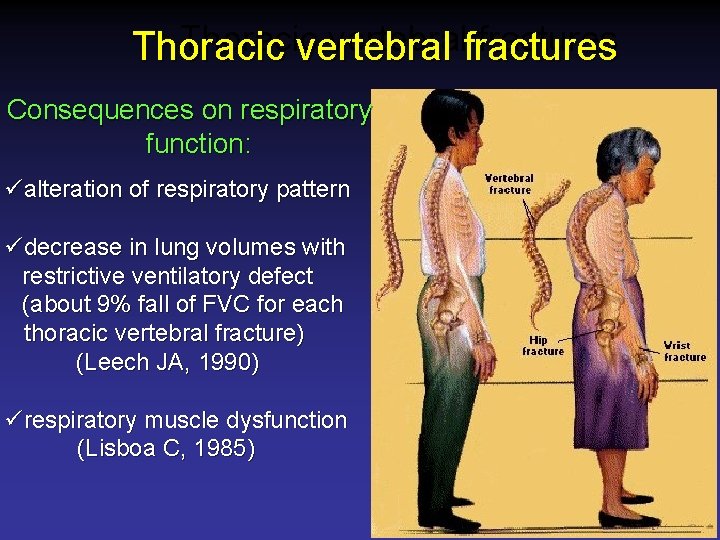
Thoracic vertebralfractures Thoracic vertebral Consequences on respiratory function: üalteration of respiratory pattern üdecrease in lung volumes with restrictive ventilatory defect (about 9% fall of FVC for each thoracic vertebral fracture) (Leech JA, 1990) ürespiratory muscle dysfunction (Lisboa C, 1985)
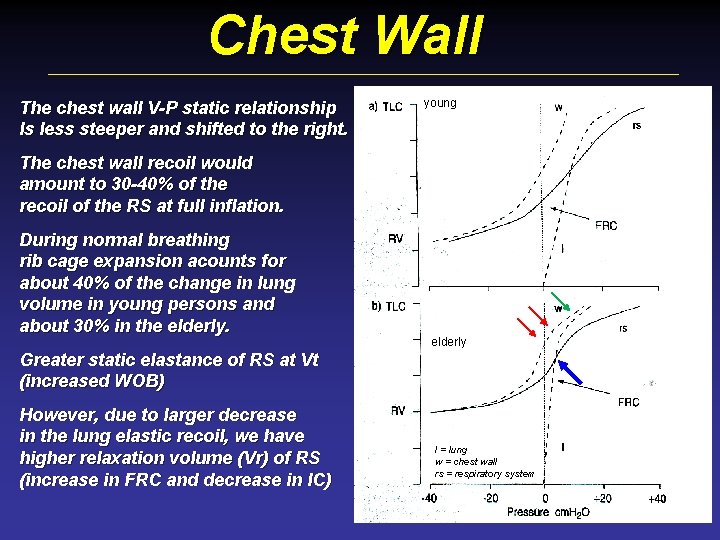
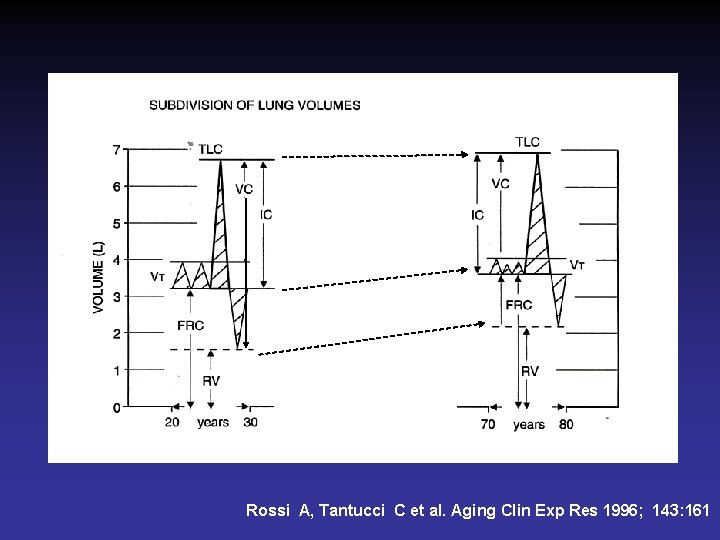
Chest Wall The chest wall V-P static relationship Is less steeper and shifted to the right. young The chest wall recoil would amount to 30 -40% of the recoil of the RS at full inflation. During normal breathing rib cage expansion acounts for about 40% of the change in lung volume in young persons and about 30% in the elderly Greater static elastance of RS at Vt (increased WOB) However, due to larger decrease in the lung elastic recoil, we have higher relaxation volume (Vr) of RS (increase in FRC and decrease in IC) l = lung w = chest wall rs = respiratory system
The aging lung
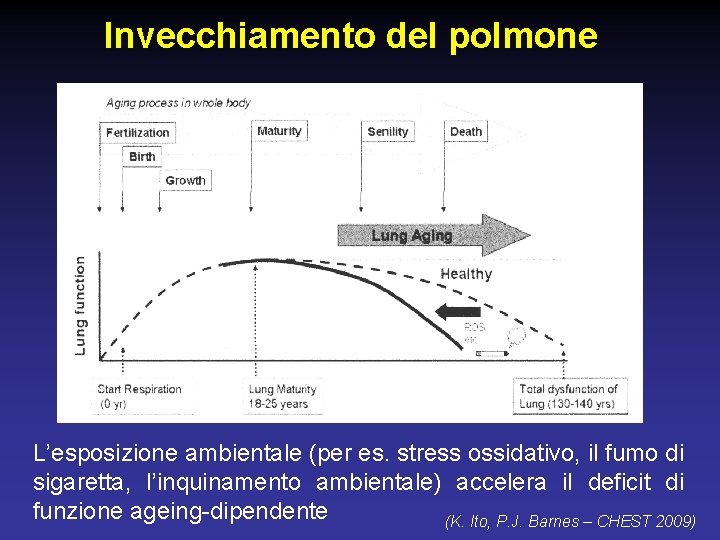
Invecchiamento del polmone L’esposizione ambientale (per es. stress ossidativo, il fumo di sigaretta, l’inquinamento ambientale) accelera il deficit di funzione ageing-dipendente (K. Ito, P. J. Barnes – CHEST 2009)
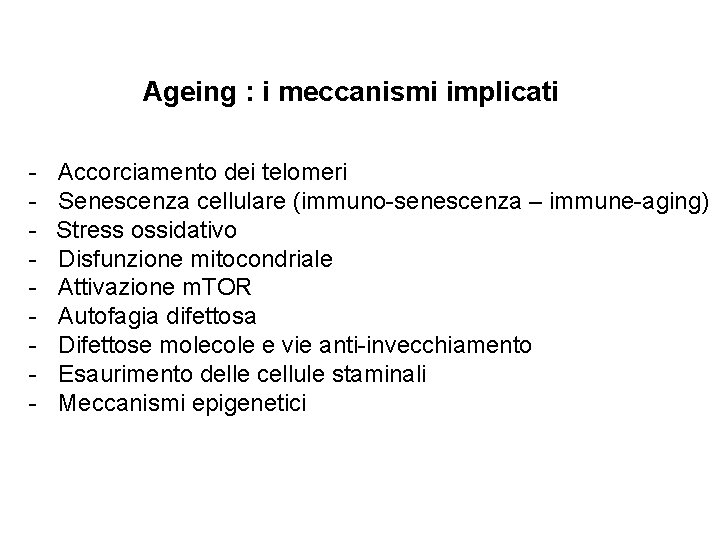
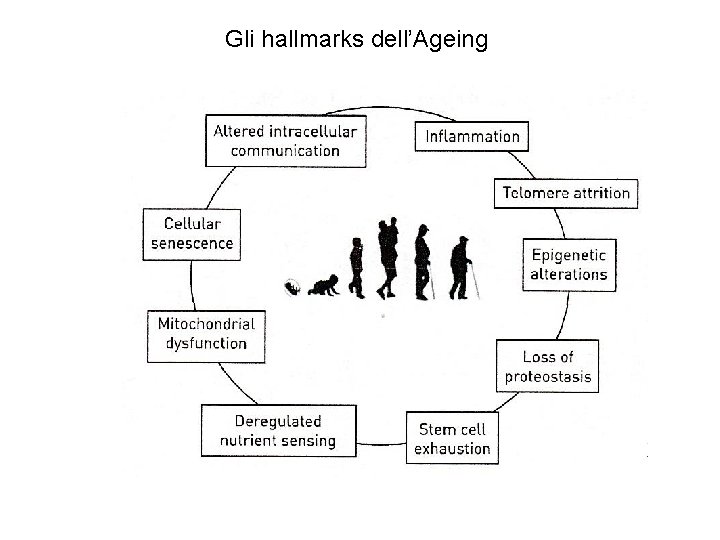
Ageing : i meccanismi implicati - Accorciamento dei telomeri Senescenza cellulare (immuno-senescenza – immune-aging) Stress ossidativo Disfunzione mitocondriale Attivazione m. TOR Autofagia difettosa Difettose molecole e vie anti-invecchiamento Esaurimento delle cellule staminali Meccanismi epigenetici
Gli hallmarks dell’Ageing
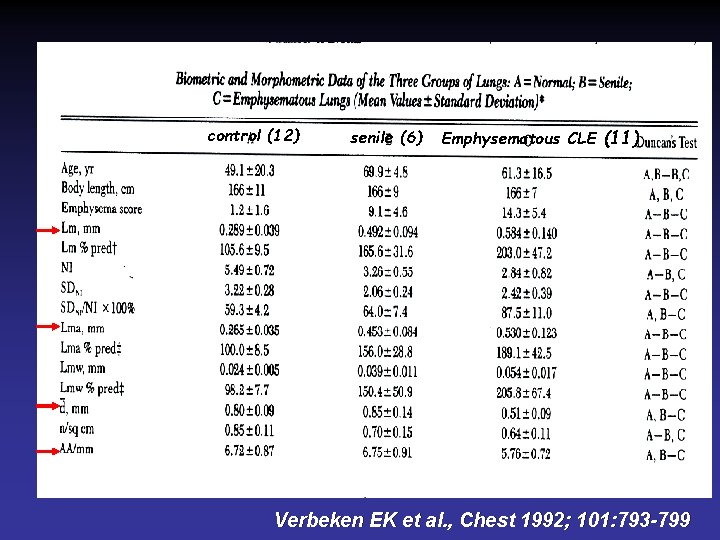
control (12) senile (6) Emphysematous CLE (11) Verbeken EK et al. , Chest 1992; 101: 793 -799
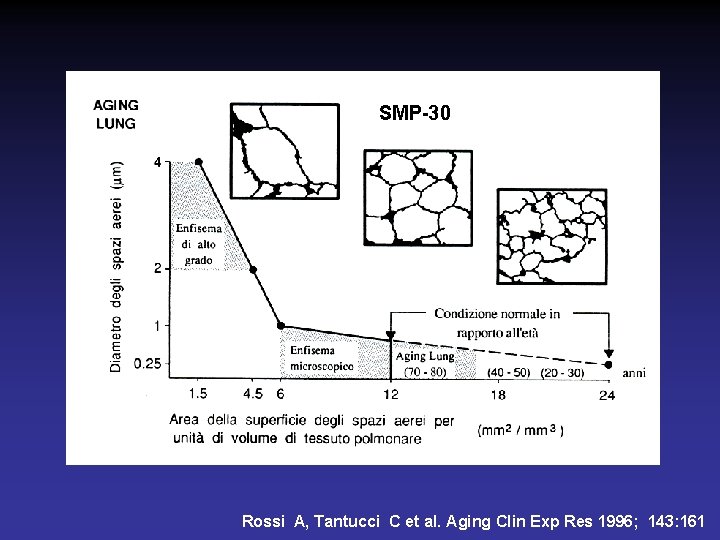
SMP-30 Rossi A, Tantucci C et al. Aging Clin Exp Res 1996; 143: 161
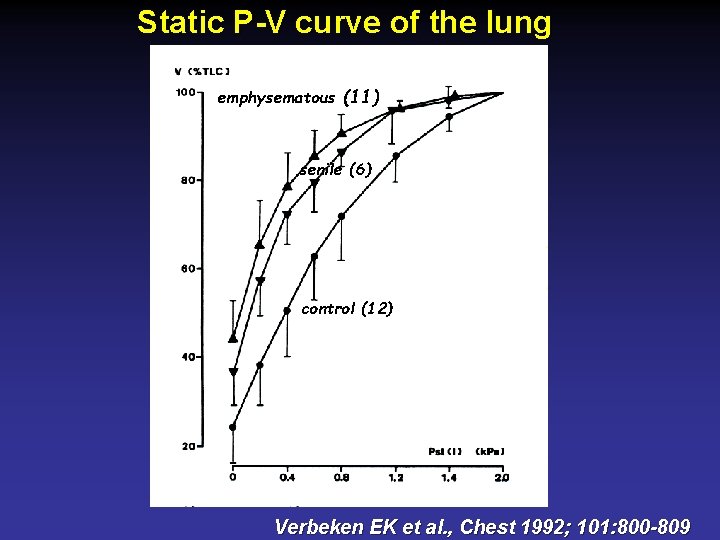
Static P-V curve of the lung emphysematous (11) senile (6) control (12) Verbeken EK et al. , Chest 1992; 101: 800 -809
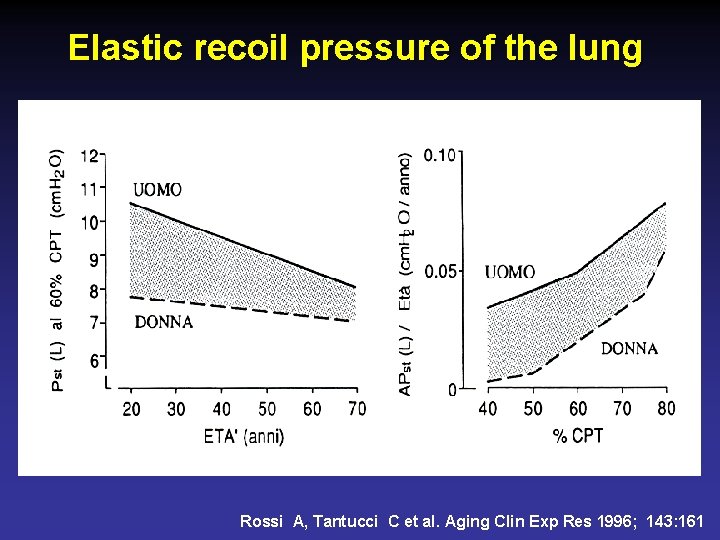
Elastic recoil pressure of the lung Rossi A, Tantucci C et al. Aging Clin Exp Res 1996; 143: 161
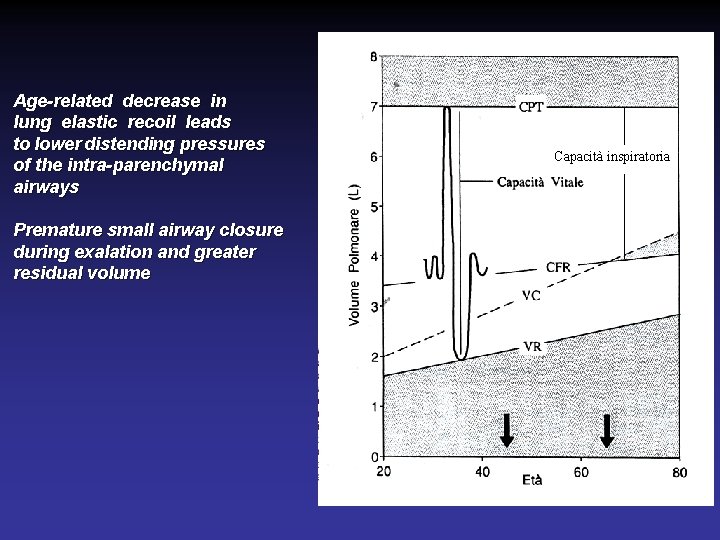
Age-related decrease in lung elastic recoil leads to lower distending pressures of the intra-parenchymal airways Premature small airway closure during exalation and greater residual volume Capacità inspiratoria
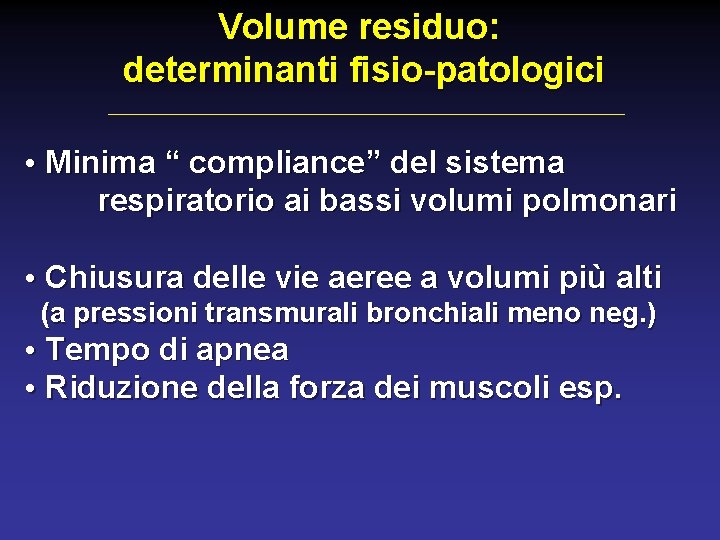
Volume residuo: determinanti fisio-patologici • Minima “ compliance” del sistema respiratorio ai bassi volumi polmonari • Chiusura delle vie aeree a volumi più alti (a pressioni transmurali bronchiali meno neg. ) • Tempo di apnea • Riduzione della forza dei muscoli esp.
Rossi A, Tantucci C et al. Aging Clin Exp Res 1996; 143: 161
Rossi A, Tantucci C et al. Aging Clin Exp Res 1996; 143: 161
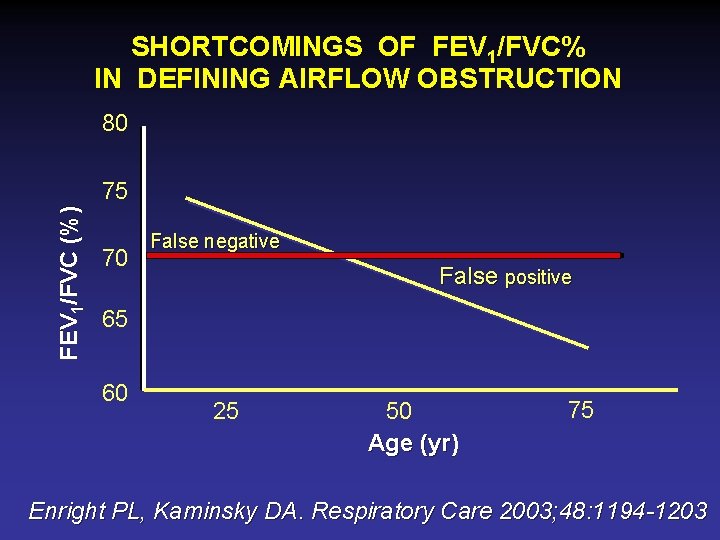
SHORTCOMINGS OF FEV 1/FVC% IN DEFINING AIRFLOW OBSTRUCTION 80 FEV 1/FVC (%) 75 70 False negative False positive 65 60 25 50 Age (yr) 75 Enright PL, Kaminsky DA. Respiratory Care 2003; 48: 1194 -1203
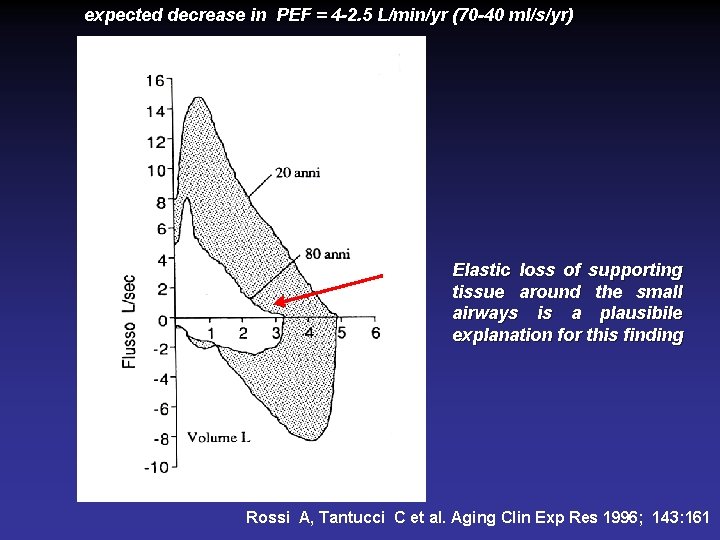
expected decrease in PEF = 4 -2. 5 L/min/yr (70 -40 ml/s/yr) Elastic loss of supporting tissue around the small airways is a plausibile explanation for this finding Rossi A, Tantucci C et al. Aging Clin Exp Res 1996; 143: 161
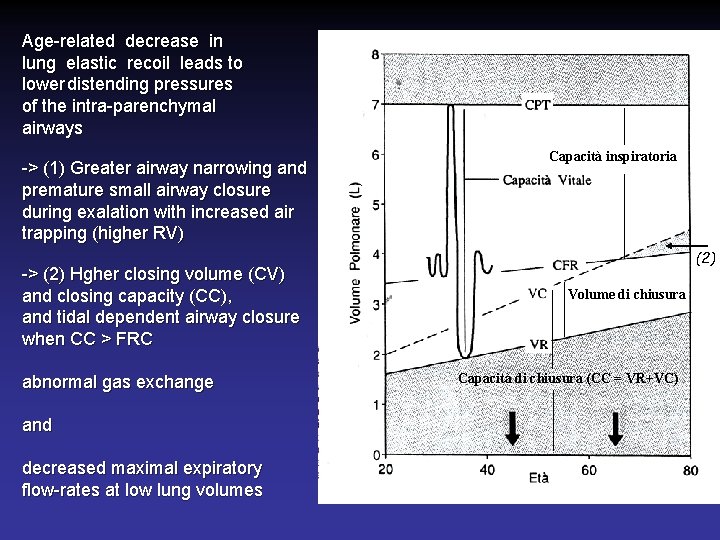
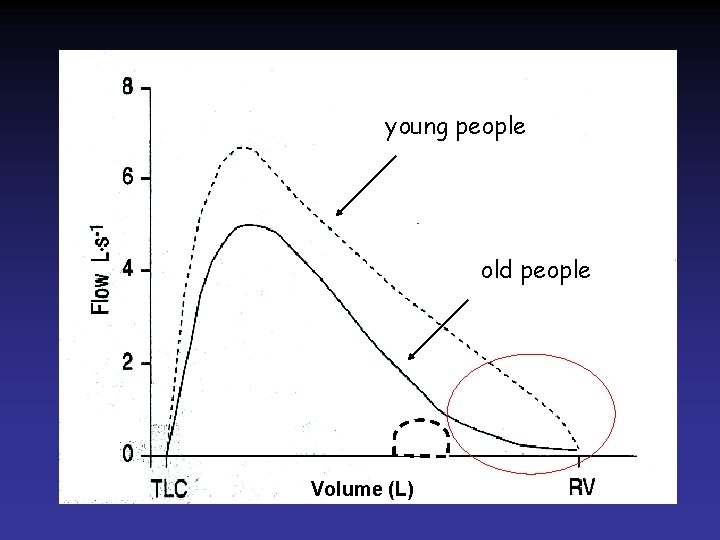
Age-related decrease in lung elastic recoil leads to lower distending pressures of the intra-parenchymal airways -> (1) Greater airway narrowing and premature small airway closure during exalation with increased air trapping (higher RV) -> (2) Hgher closing volume (CV) and closing capacity (CC), and tidal dependent airway closure when CC > FRC abnormal gas exchange and decreased maximal expiratory flow-rates at low lung volumes Capacità inspiratoria (2) Volume di chiusura Capacità di chiusura (CC = VR+VC)
young people old people Volume (L)
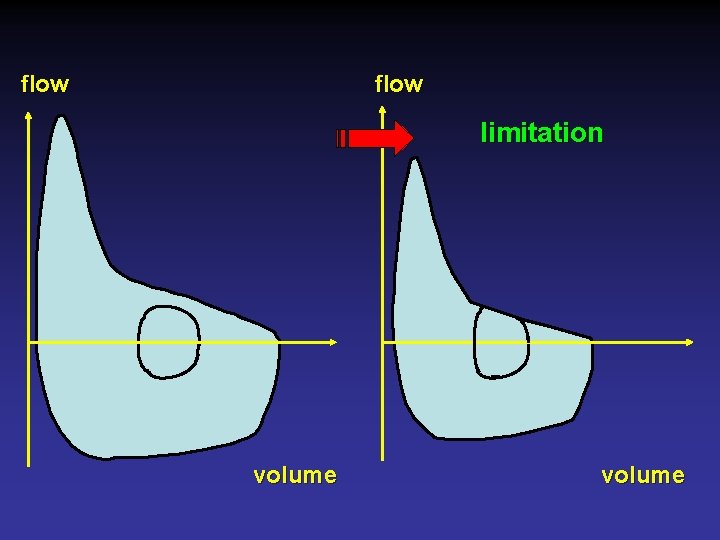
flow limitation volume
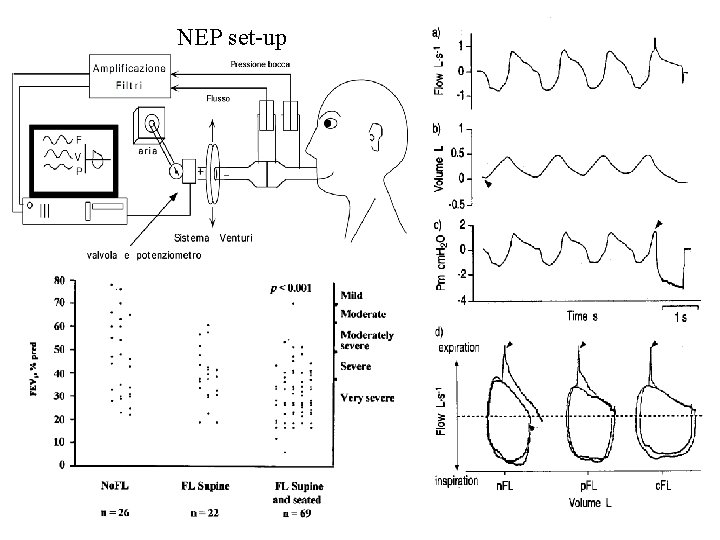
NEP set-up
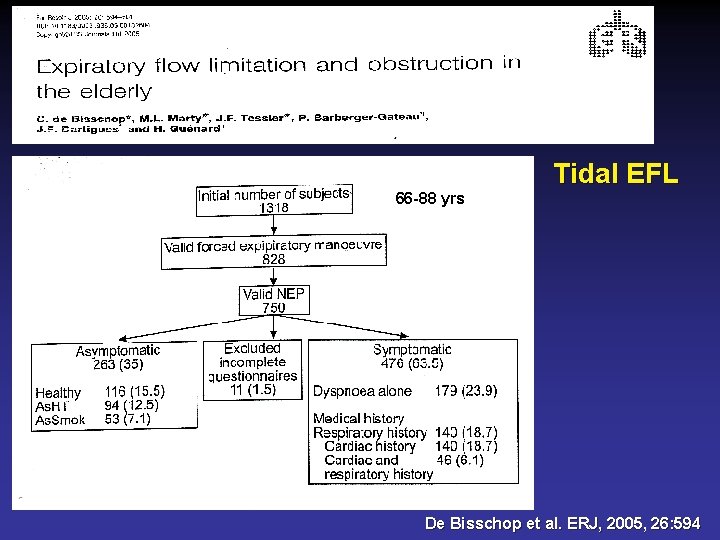
Tidal EFL 66 -88 yrs De Bisschop et al. ERJ, 2005, 26: 594
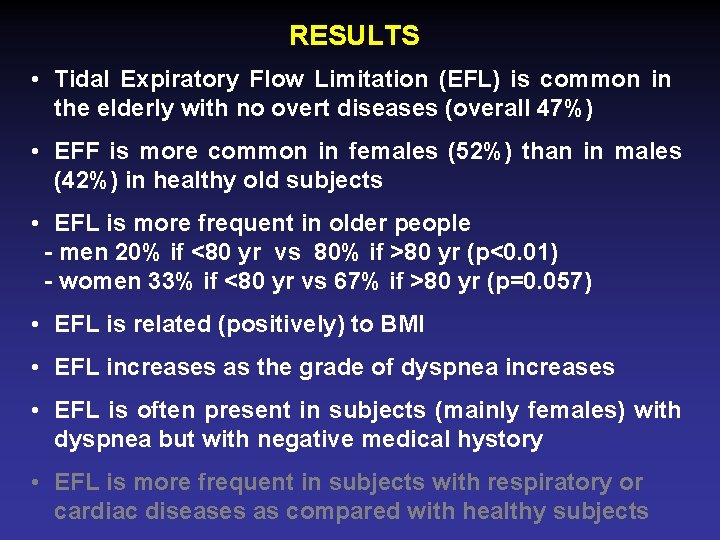
RESULTS • Tidal Expiratory Flow Limitation (EFL) is common in the elderly with no overt diseases (overall 47%) • EFF is more common in females (52%) than in males (42%) in healthy old subjects • EFL is more frequent in older people - men 20% if <80 yr vs 80% if >80 yr (p<0. 01) - women 33% if <80 yr vs 67% if >80 yr (p=0. 057) • EFL is related (positively) to BMI • EFL increases as the grade of dyspnea increases • EFL is often present in subjects (mainly females) with dyspnea but with negative medical hystory • EFL is more frequent in subjects with respiratory or cardiac diseases as compared with healthy subjects
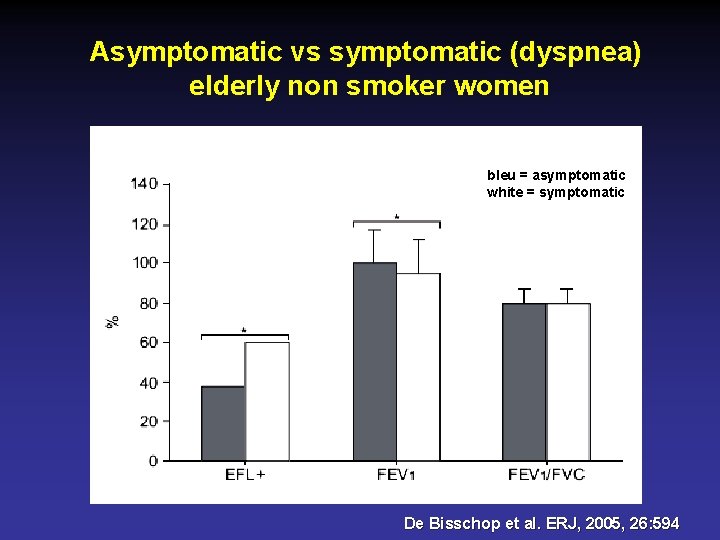
Asymptomatic vs symptomatic (dyspnea) elderly non smoker women bleu = asymptomatic white = symptomatic De Bisschop et al. ERJ, 2005, 26: 594
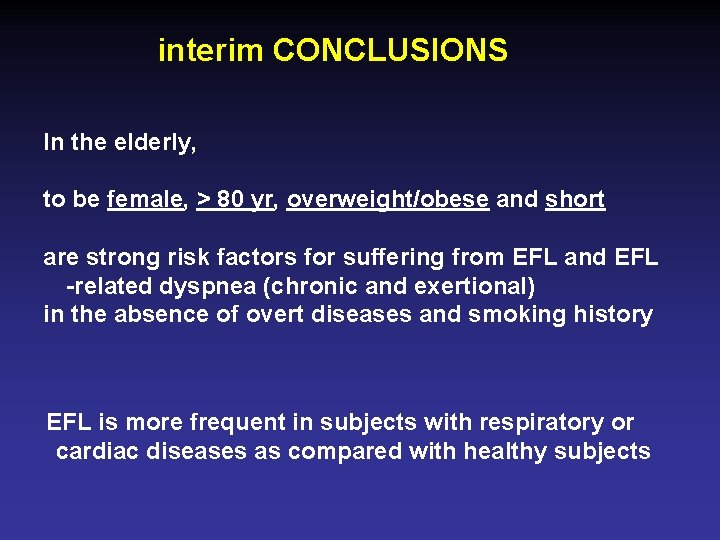
interim CONCLUSIONS In the elderly, to be female, > 80 yr, overweight/obese and short are strong risk factors for suffering from EFL and EFL -related dyspnea (chronic and exertional) in the absence of overt diseases and smoking history EFL is more frequent in subjects with respiratory or cardiac diseases as compared with healthy subjects
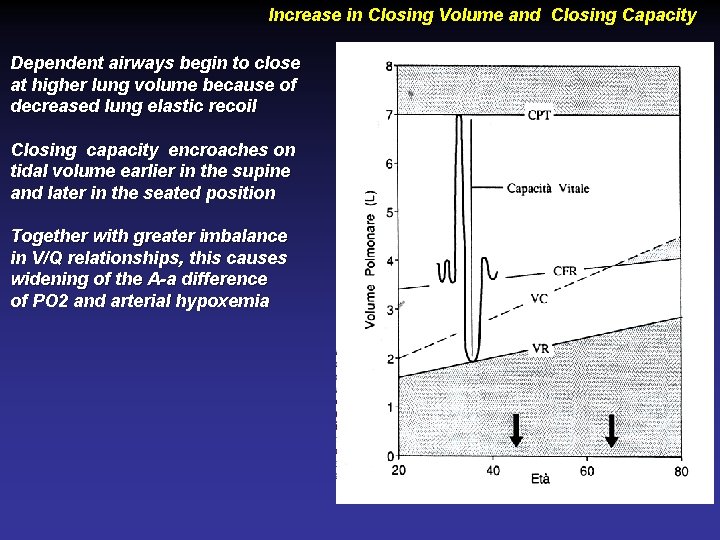
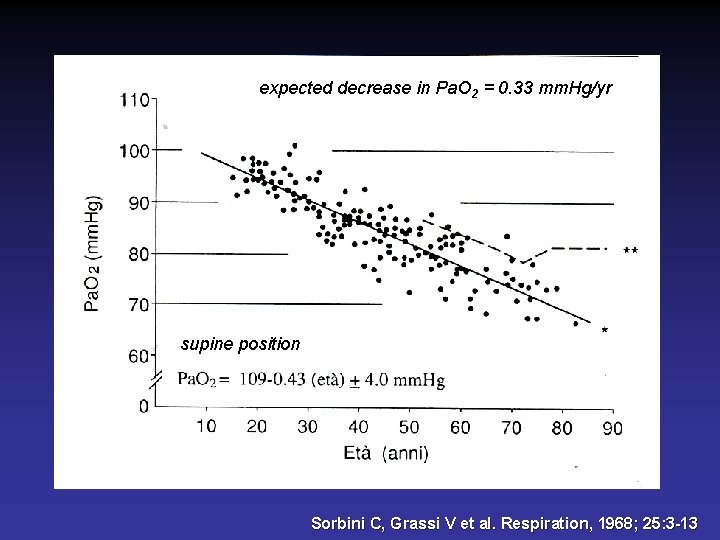
Increase in Closing Volume and Closing Capacity Dependent airways begin to close at higher lung volume because of decreased lung elastic recoil Closing capacity encroaches on tidal volume earlier in the supine and later in the seated position Together with greater imbalance in V/Q relationships, this causes widening of the A-a difference of PO 2 and arterial hypoxemia
expected decrease in Pa. O 2 = 0. 33 mm. Hg/yr supine position Sorbini C, Grassi V et al. Respiration, 1968; 25: 3 -13
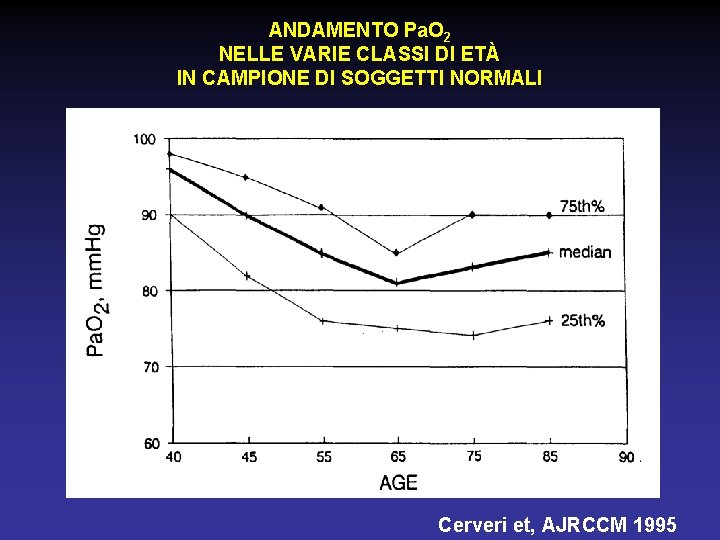
ANDAMENTO Pa. O 2 NELLE VARIE CLASSI DI ETÀ IN CAMPIONE DI SOGGETTI NORMALI Cerveri et, AJRCCM 1995
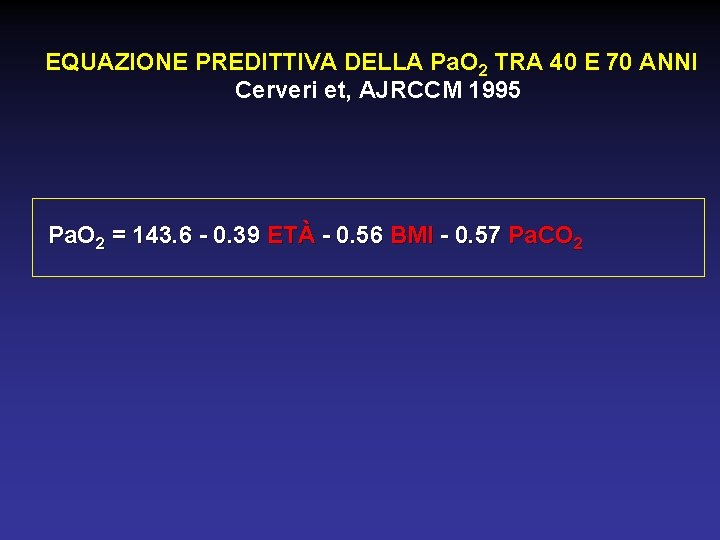
EQUAZIONE PREDITTIVA DELLA Pa. O 2 TRA 40 E 70 ANNI Cerveri et, AJRCCM 1995 Pa. O 2 = 143. 6 - 0. 39 ETÀ - 0. 56 BMI - 0. 57 Pa. CO 2
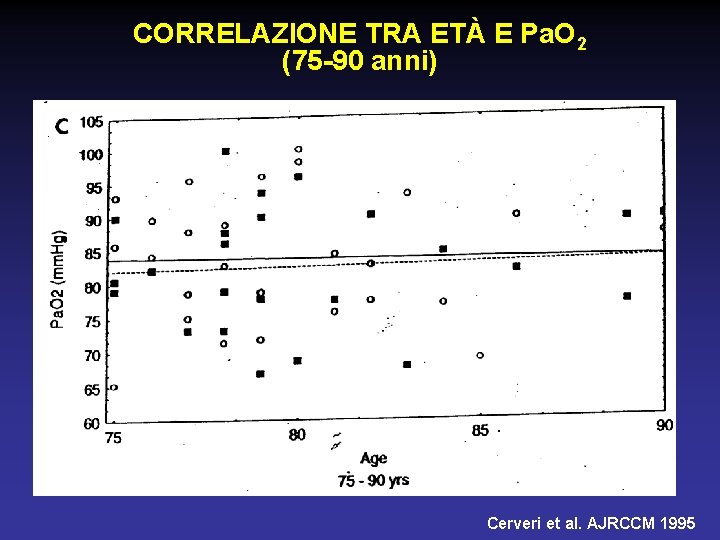
CORRELAZIONE TRA ETÀ E Pa. O 2 (75 -90 anni) Cerveri et al. AJRCCM 1995
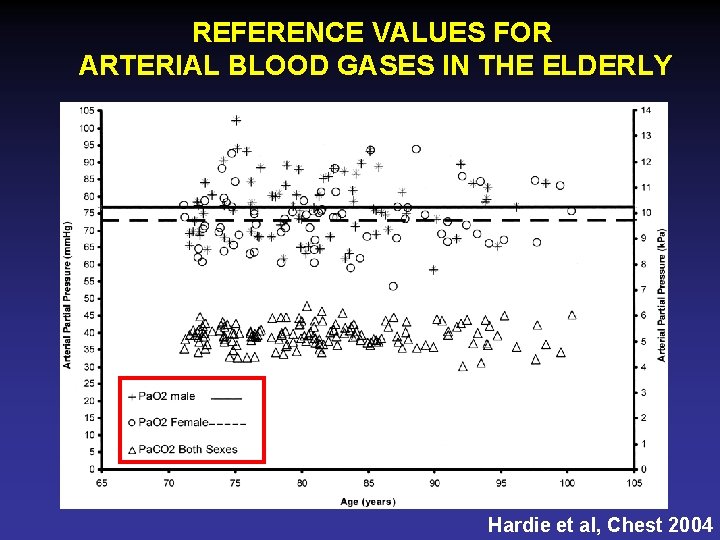
REFERENCE VALUES FOR ARTERIAL BLOOD GASES IN THE ELDERLY Hardie et al, Chest 2004
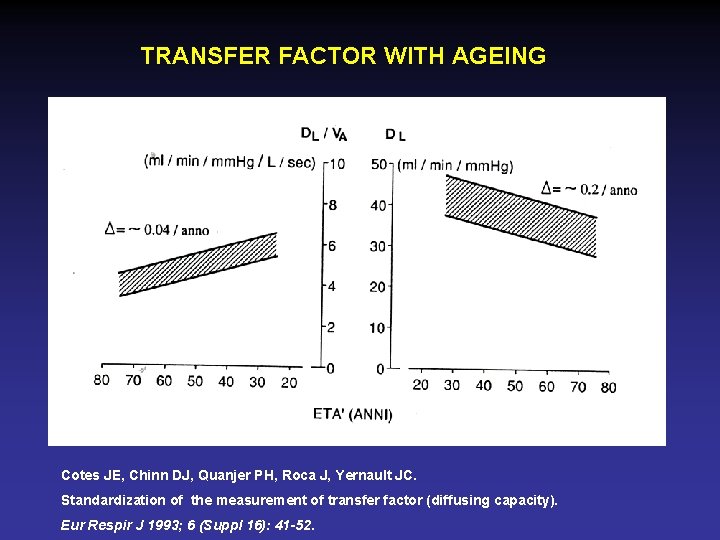
TRANSFER FACTOR WITH AGEING Cotes JE, Chinn DJ, Quanjer PH, Roca J, Yernault JC. Standardization of the measurement of transfer factor (diffusing capacity). Eur Respir J 1993; 6 (Suppl 16): 41 -52.
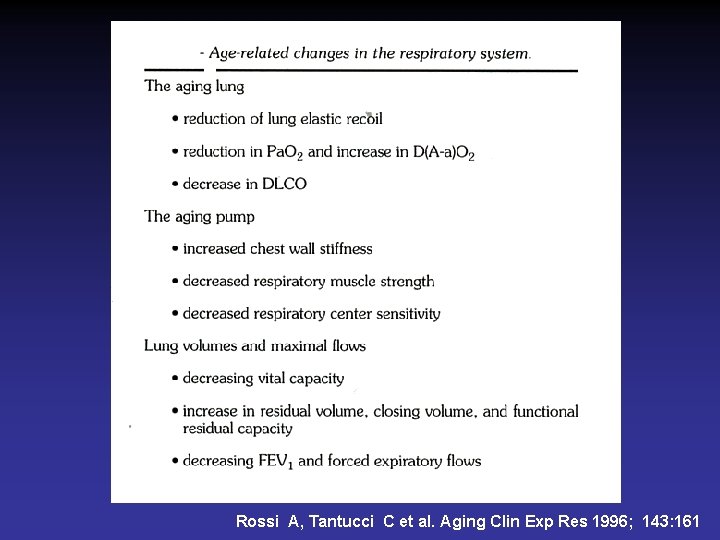
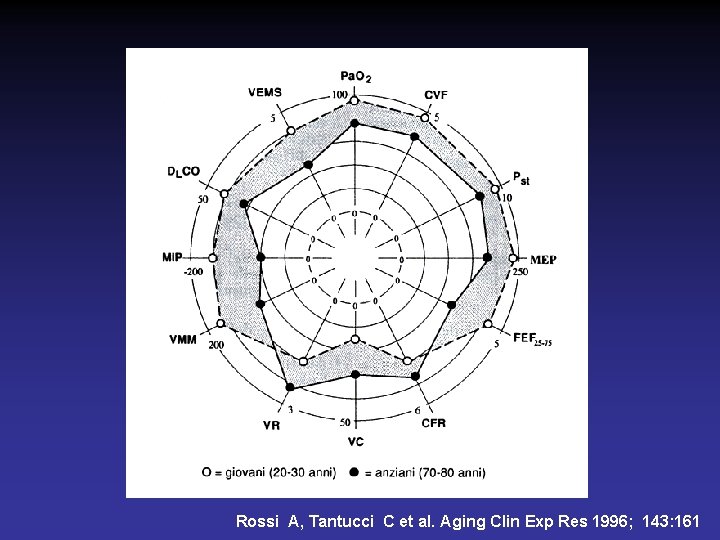
Rossi A, Tantucci C et al. Aging Clin Exp Res 1996; 143: 161
Rossi A, Tantucci C et al. Aging Clin Exp Res 1996; 143: 161
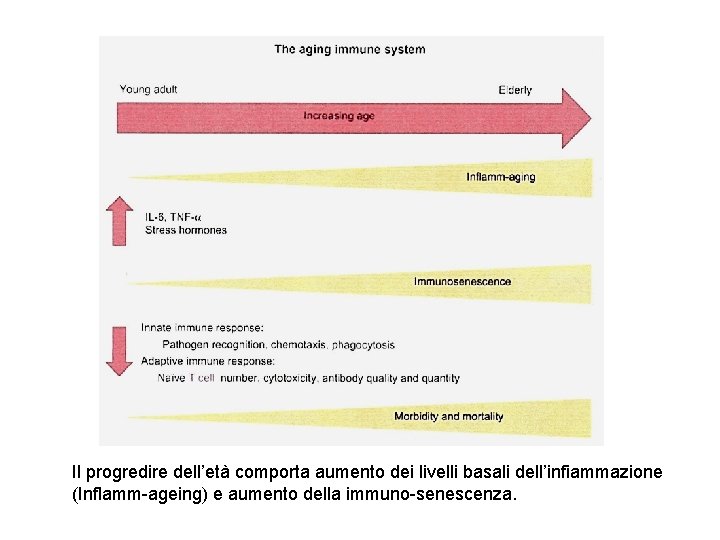
Il progredire dell’età comporta aumento dei livelli basali dell’infiammazione (Inflamm-ageing) e aumento della immuno-senescenza.
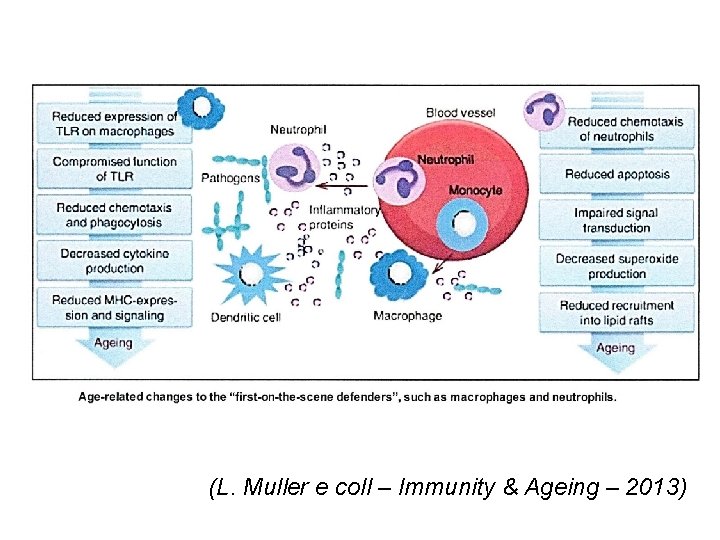
(L. Muller e coll – Immunity & Ageing – 2013)
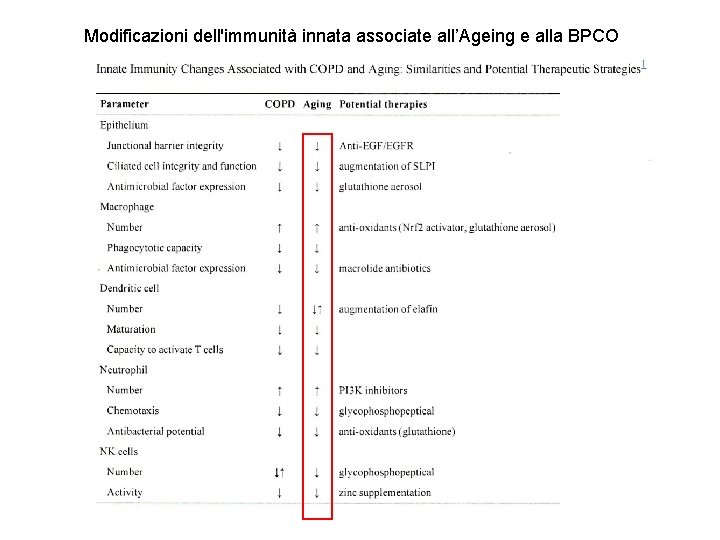
Modificazioni dell'immunità innata associate all’Ageing e alla BPCO
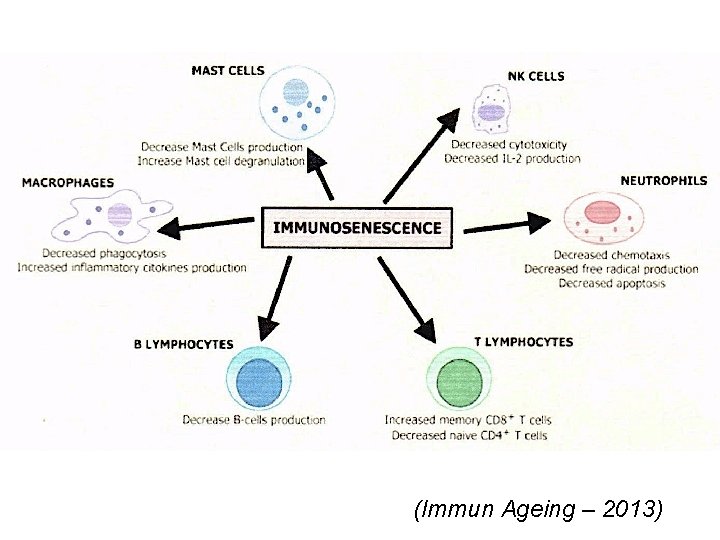
(Immun Ageing – 2013)
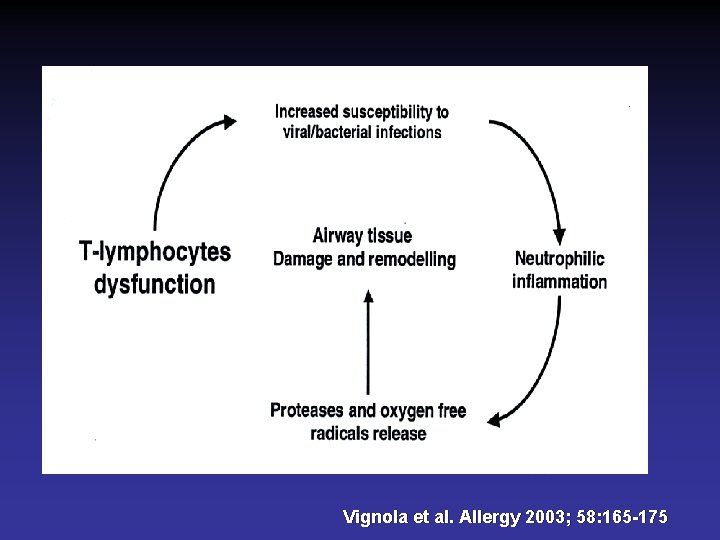
Vignola et al. Allergy 2003; 58: 165 -175
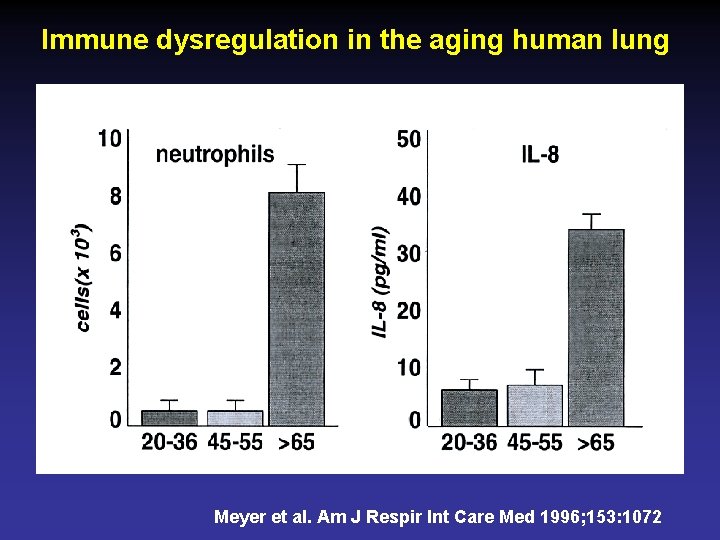
Immune dysregulation in the aging human lung Meyer et al. Am J Respir Int Care Med 1996; 153: 1072
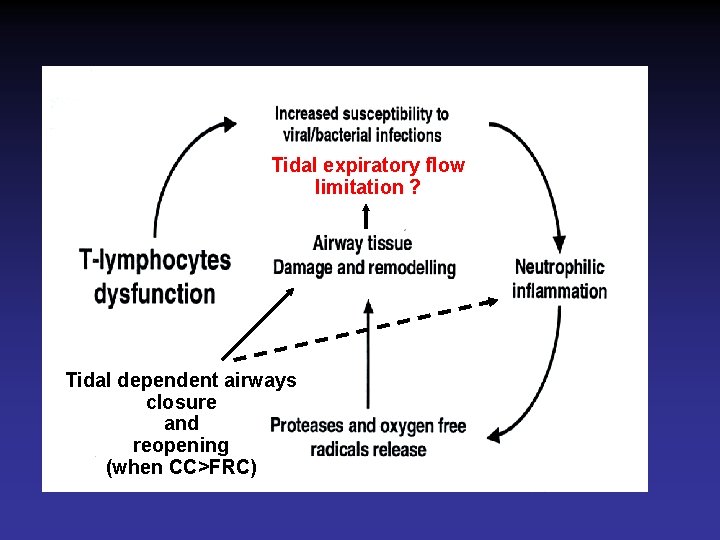
Tidal expiratory flow limitation ? Tidal dependent airways closure and reopening (when CC>FRC)