PNEUMOTRIESTE 2017 Uso del decapneizzatore in UTIR Andrea


- Slides: 50
PNEUMOTRIESTE 2017 Uso del decapneizzatore in UTIR Andrea Vianello Fisiopatologia e Terapia Intensiva Respiratoria Ospedale-Università di Padova
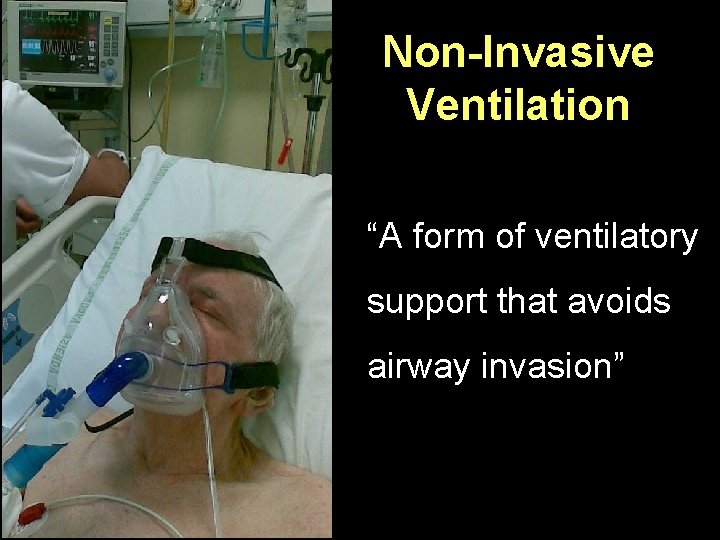
Non-Invasive Ventilation “A form of ventilatory support that avoids airway invasion”
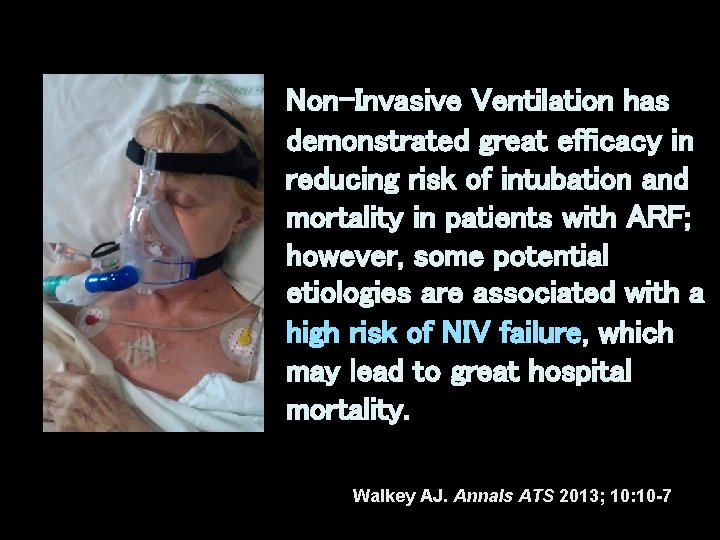
Non-Invasive Ventilation has demonstrated great efficacy in reducing risk of intubation and mortality in patients with ARF; however, some potential etiologies are associated with a high risk of NIV failure, which may lead to great hospital mortality. Walkey AJ. Annals ATS 2013; 10: 10 -7
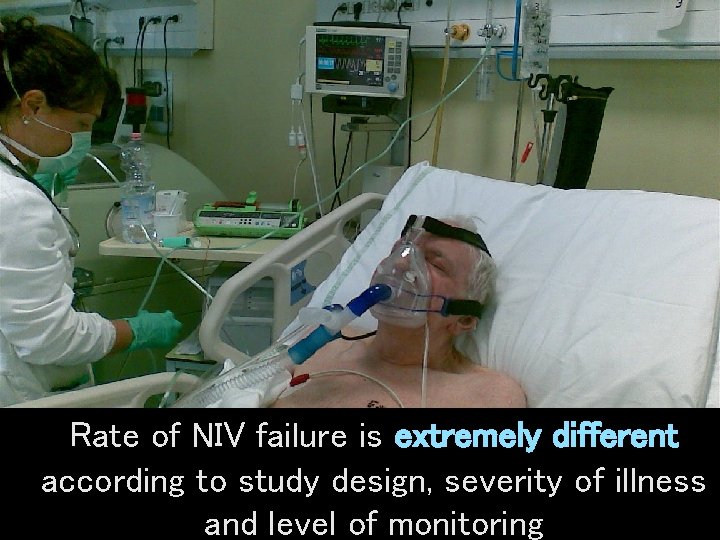
Rate of NIV failure is extremely different according to study design, severity of illness and level of monitoring
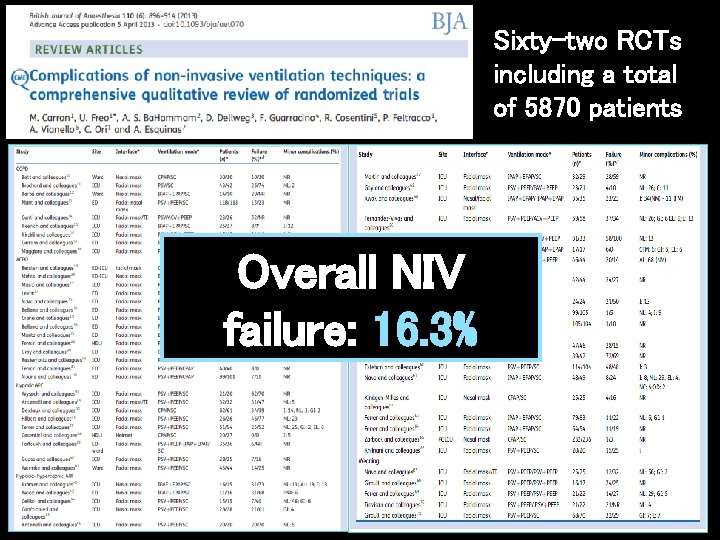
Sixty-two RCTs including a total of 5870 patients Overall NIV failure: 16. 3%
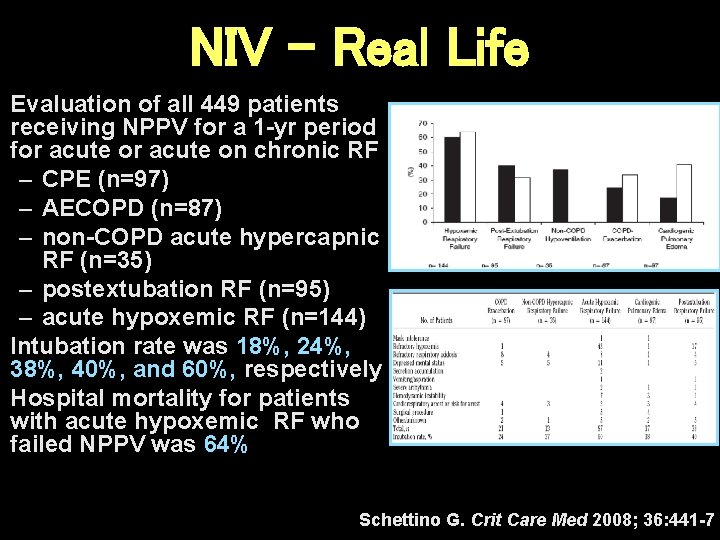
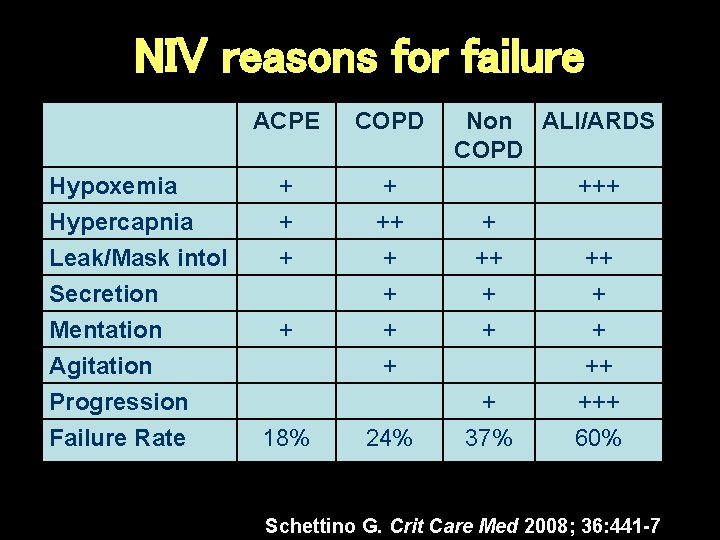
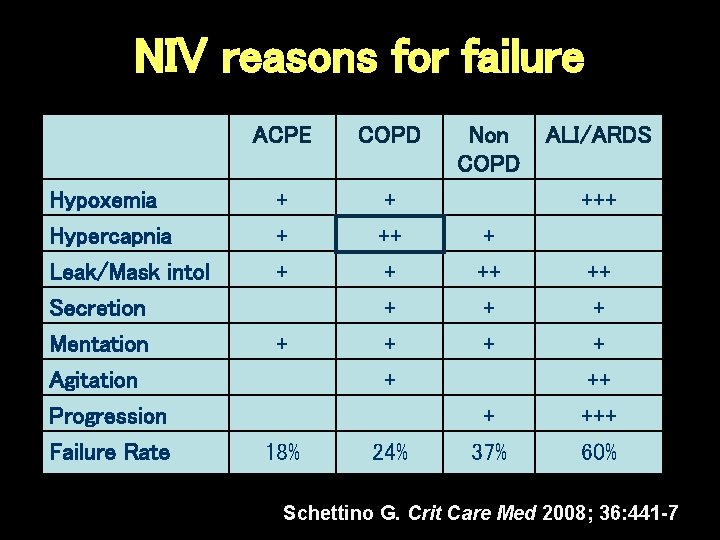
NIV – Real Life Evaluation of all 449 patients receiving NPPV for a 1 -yr period for acute on chronic RF – CPE (n=97) – AECOPD (n=87) – non-COPD acute hypercapnic RF (n=35) – postextubation RF (n=95) – acute hypoxemic RF (n=144) Intubation rate was 18%, 24%, 38%, 40%, and 60%, respectively Hospital mortality for patients with acute hypoxemic RF who failed NPPV was 64% Schettino G. Crit Care Med 2008; 36: 441 -7
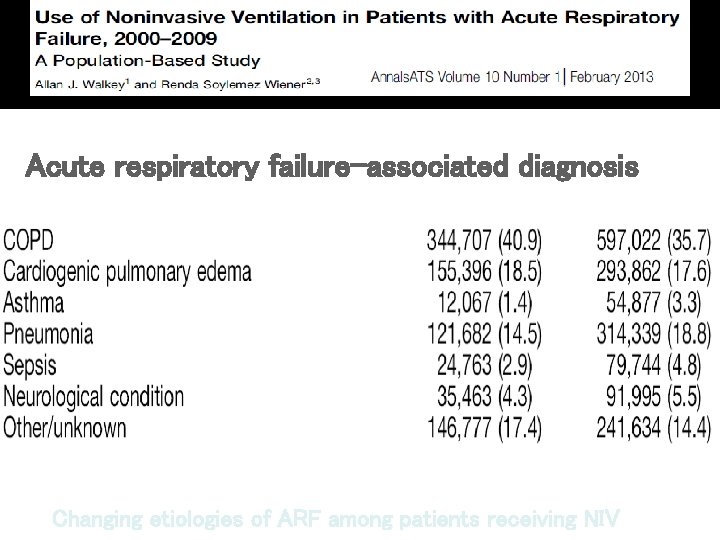
Epidemiology • Rationale: evidence supporting use of NIV varies widely for different causes of ARF. • Population: 11, 659, 668 cases of ARF from the Nationwide Inpatient Sample during years 2000 to 2009; • Objectives: To compare utilization trends and outcomes associated with NIV in patients with and without COPD.
Acute respiratory failure-associated diagnosis Changing etiologies of ARF among patients receiving NIV
• 20% of patients without a COPD diagnosis who received NIV IMV; • 13. 4% of patients with COPD who received NIV IMV; • Patients experiencing NIV failure before transition to IMV had greater hospital mortality than those initially on IMV.
• Rationale: The patterns and outcomes of NIV use in patients hospitalized for AECOPD nationwide are unknown. • Population: 7, 511, 267 admissions for acute AE occurred from 1998 to 2008; • Objectives: To determine the prevalence and trends of NIV in AECOPD.
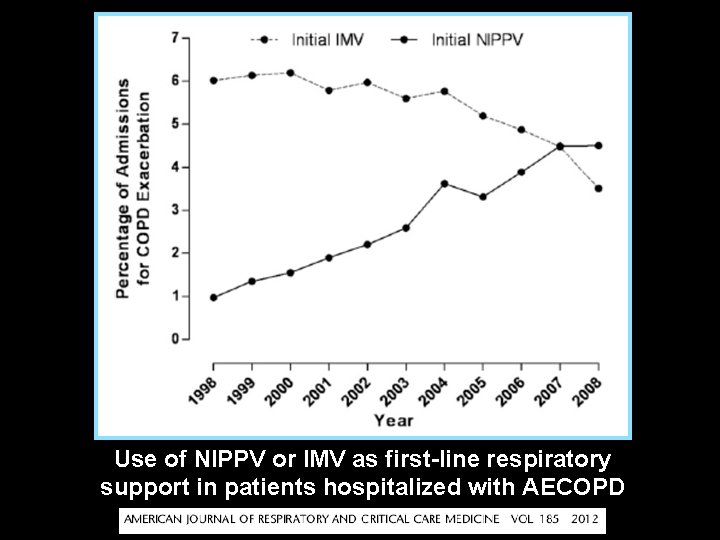
Use of NIPPV or IMV as first-line respiratory support in patients hospitalized with AECOPD
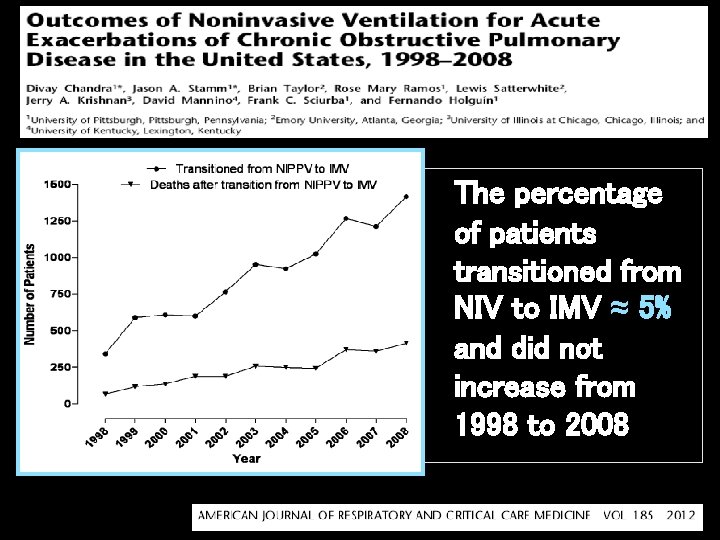
The percentage of patients transitioned from NIV to IMV ≈ 5% and did not increase from 1998 to 2008
Reasons for low rate of IMV use after NPPV, compared to clinical trial: • End of life decision to not accept IMV • Patients died before IMV could be started • Good selection of appropriate patients
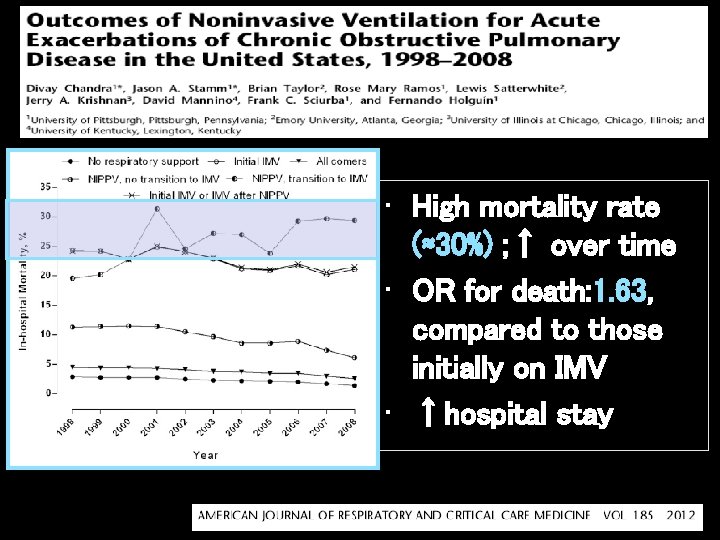
• High mortality rate (≈30%) ; ↑ over time • OR for death: 1. 63, compared to those initially on IMV • ↑hospital stay
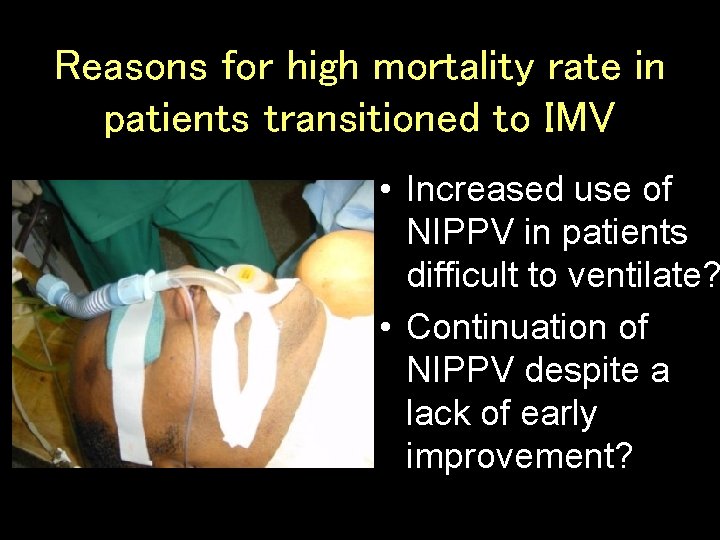
Reasons for high mortality rate in patients transitioned to IMV • Increased use of NIPPV in patients difficult to ventilate? • Continuation of NIPPV despite a lack of early improvement?
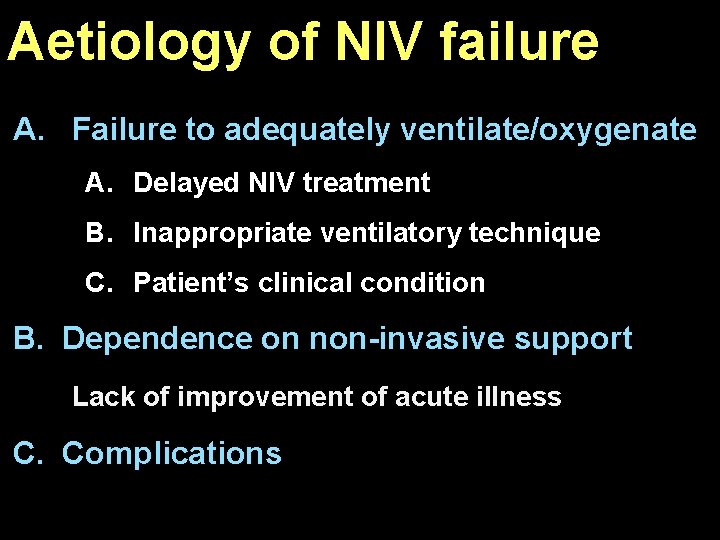
Aetiology of NIV failure A. Failure to adequately ventilate/oxygenate A. Delayed NIV treatment B. Inappropriate ventilatory technique C. Patient’s clinical condition B. Dependence on non-invasive support Lack of improvement of acute illness C. Complications
NIV reasons for failure ACPE COPD Hypoxemia Hypercapnia + ++ Leak/Mask intol Secretion Mentation Agitation Progression Failure Rate + + + 18% 24% Non ALI/ARDS COPD +++ + + + 37% ++ + + ++ +++ 60% Schettino G. Crit Care Med 2008; 36: 441 -7
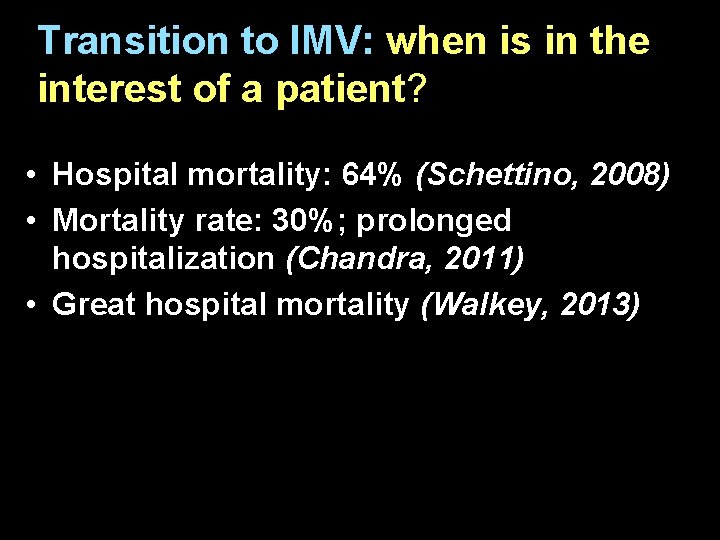
Transition to IMV: when is in the interest of a patient? • Hospital mortality: 64% (Schettino, 2008) • Mortality rate: 30%; prolonged hospitalization (Chandra, 2011) • Great hospital mortality (Walkey, 2013)
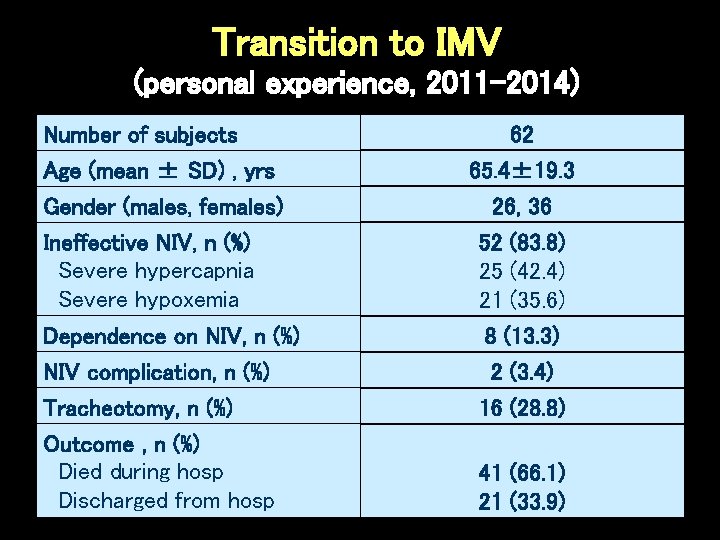
Transition to IMV (personal experience, 2011 -2014) Number of subjects Age (mean ± SD) , yrs Gender (males, females) Ineffective NIV, n (%) Severe hypercapnia Severe hypoxemia 62 65. 4± 19. 3 26, 36 52 (83. 8) 25 (42. 4) 21 (35. 6) Dependence on NIV, n (%) NIV complication, n (%) 8 (13. 3) 2 (3. 4) Tracheotomy, n (%) Outcome , n (%) Died during hosp Discharged from hosp 16 (28. 8) 41 (66. 1) 21 (33. 9)
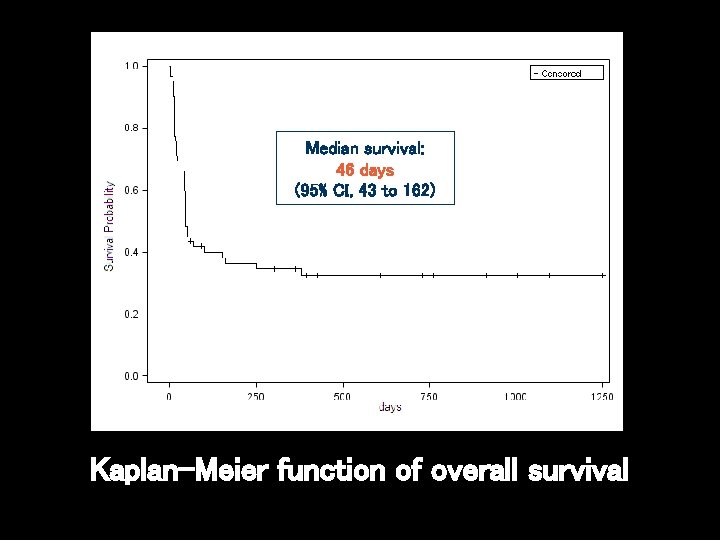
Median survival: 46 days (95% CI, 43 to 162) Kaplan-Meier function of overall survival
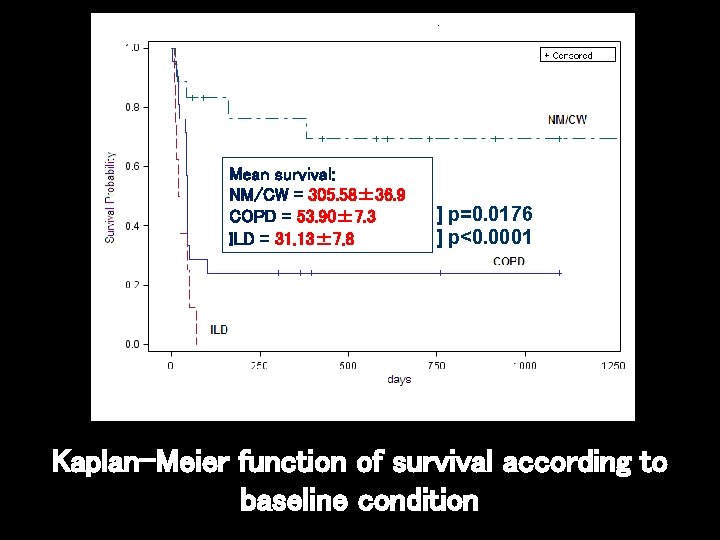
Mean survival: NM/CW = 305. 58± 36. 9 COPD = 53. 90± 7. 3 ILD = 31. 13± 7. 8 ] p=0. 0176 ] p<0. 0001 Kaplan-Meier function of survival according to baseline condition
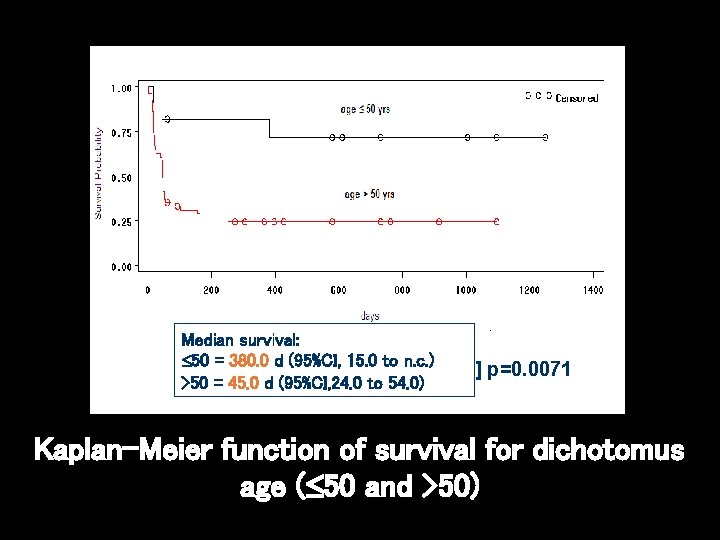
Median survival: 50 = 380. 0 d (95%CI, 15. 0 to n. c. ) >50 = 45. 0 d (95%CI, 24. 0 to 54. 0) ] p=0. 0071 Kaplan-Meier function of survival for dichotomus age ( 50 and >50)
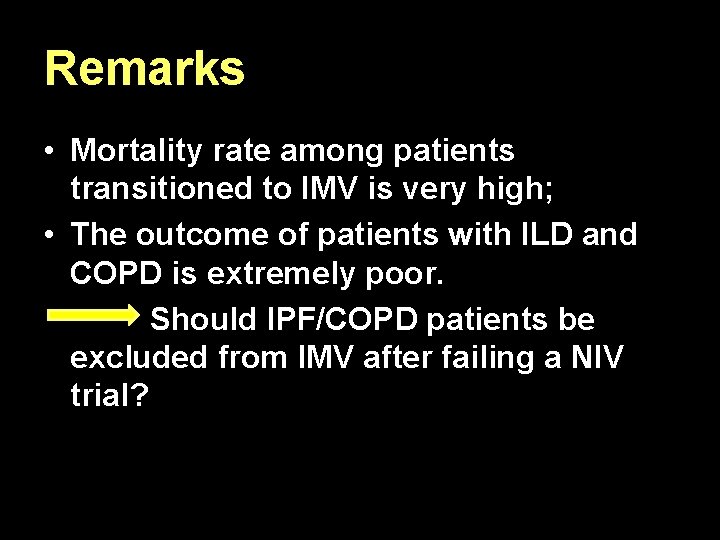
Remarks • Mortality rate among patients transitioned to IMV is very high; • The outcome of patients with ILD and COPD is extremely poor. Should IPF/COPD patients be excluded from IMV after failing a NIV trial?
NIV reasons for failure ACPE COPD Hypoxemia Hypercapnia + ++ Leak/Mask intol Secretion Mentation Agitation Progression Failure Rate + + + 18% 24% Non COPD ALI/ARDS +++ + + + 37% ++ + + ++ +++ 60% Schettino G. Crit Care Med 2008; 36: 441 -7
A requirement to effectively counteract hypercapnia!
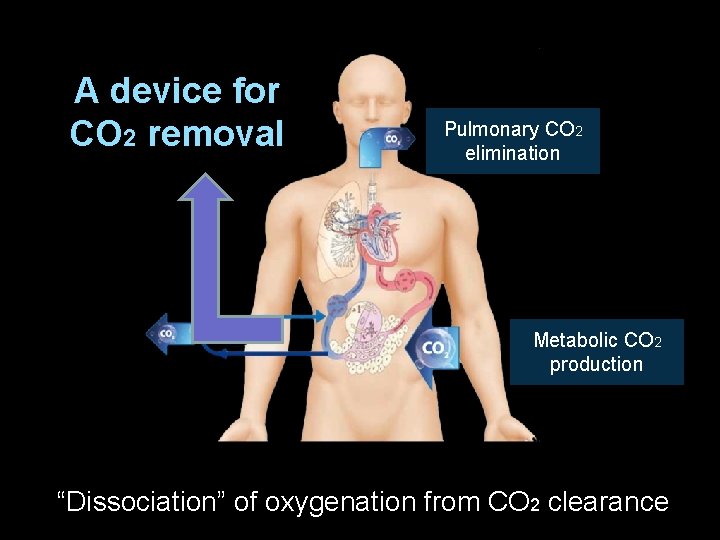
A device for CO 2 removal Pulmonary CO 2 elimination Metabolic CO 2 production “Dissociation” of oxygenation from CO 2 clearance
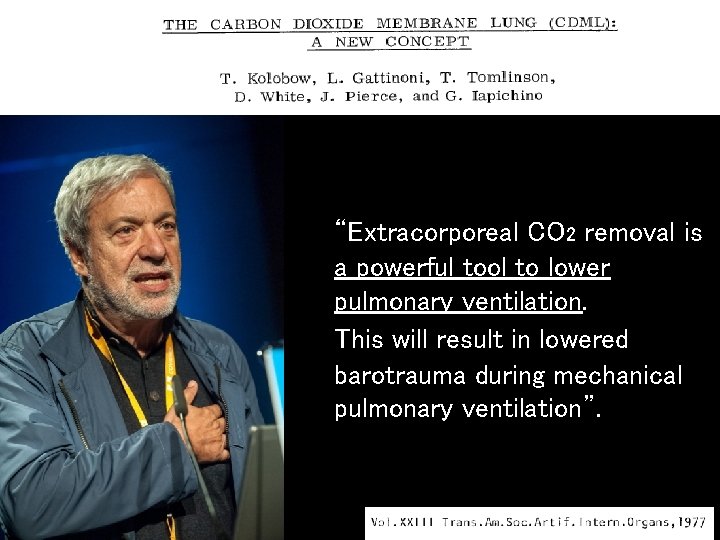
“Extracorporeal CO 2 removal is a powerful tool to lower pulmonary ventilation. This will result in lowered barotrauma during mechanical pulmonary ventilation”.
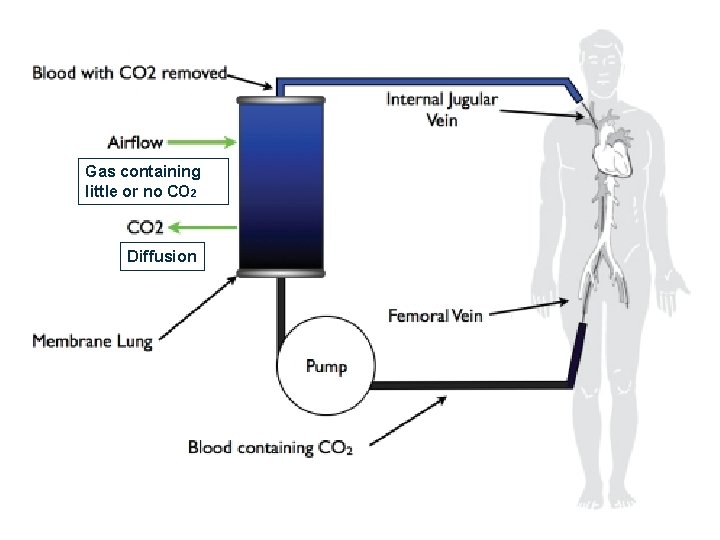
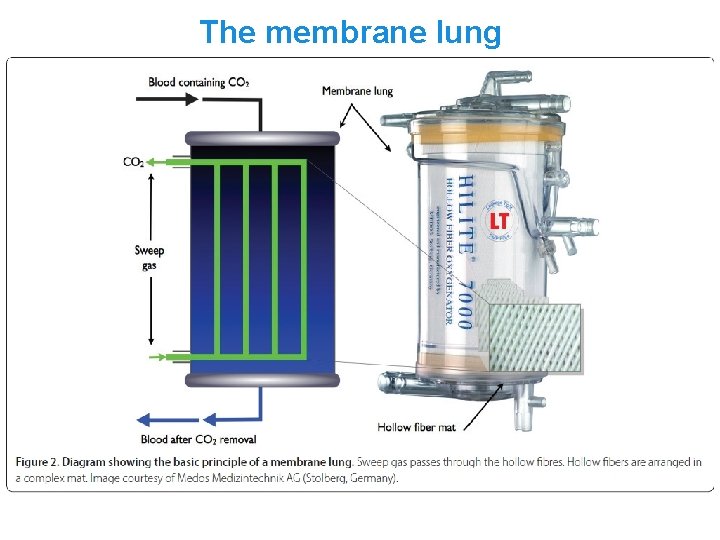
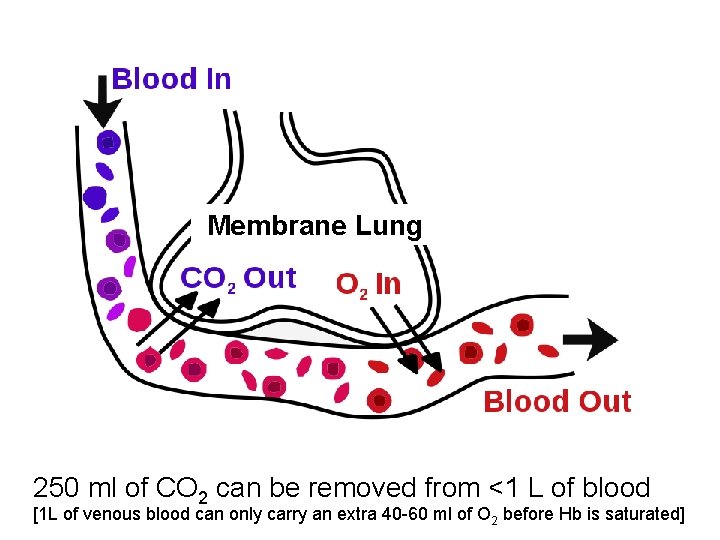
Gas containing little or no CO 2 Diffusion
The membrane lung
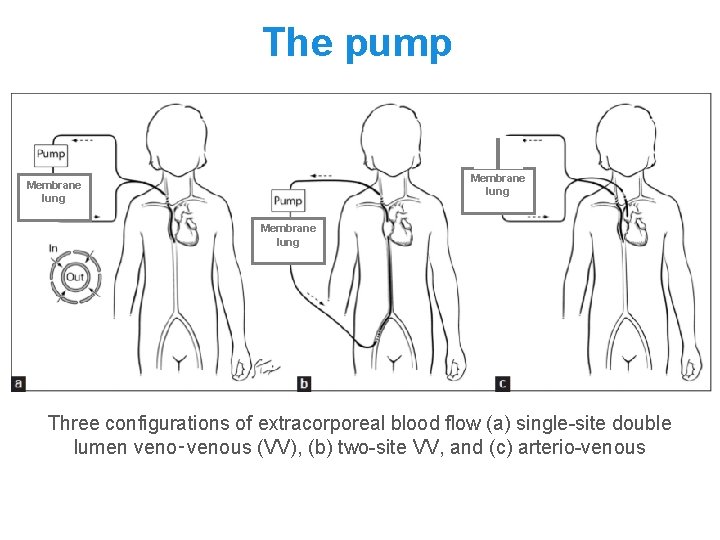
The pump Membrane lung Three configurations of extracorporeal blood flow (a) single-site double lumen veno‑venous (VV), (b) two-site VV, and (c) arterio-venous
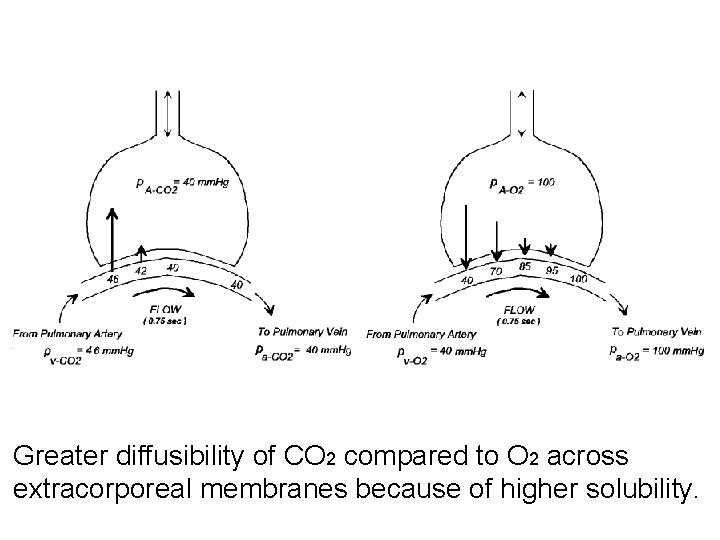
Greater diffusibility of CO 2 compared to O 2 across extracorporeal membranes because of higher solubility.
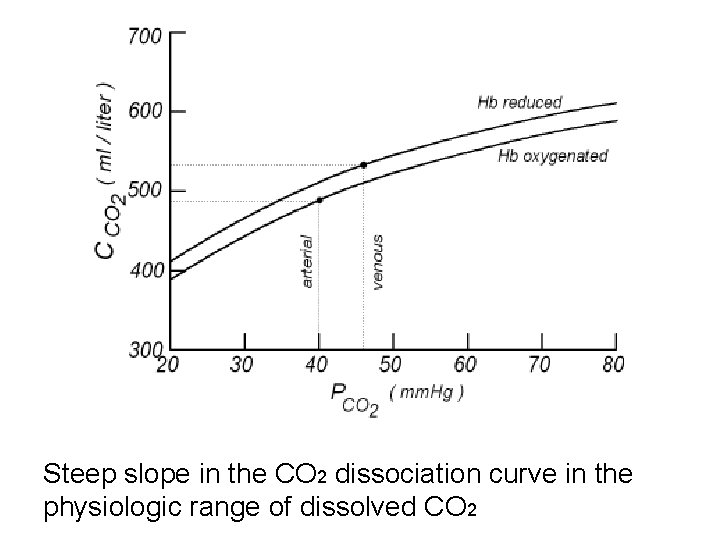
Steep slope in the CO 2 dissociation curve in the physiologic range of dissolved CO 2
Membrane Lung 250 ml of CO 2 can be removed from <1 L of blood [1 L of venous blood can only carry an extra 40 -60 ml of O 2 before Hb is saturated]
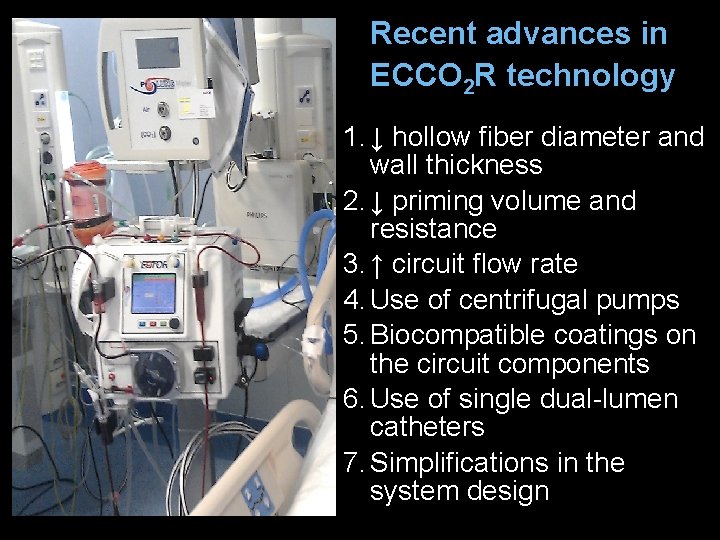
Recent advances in ECCO 2 R technology 1. ↓ hollow fiber diameter and wall thickness 2. ↓ priming volume and resistance 3. ↑ circuit flow rate 4. Use of centrifugal pumps 5. Biocompatible coatings on the circuit components 6. Use of single dual-lumen catheters 7. Simplifications in the system design
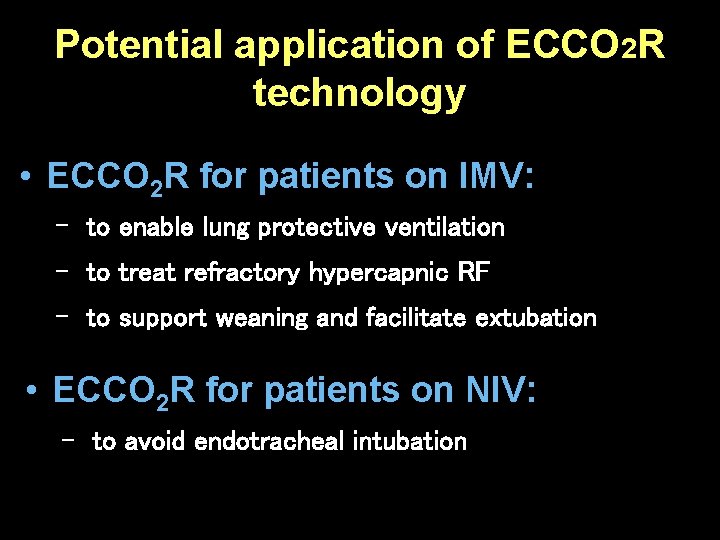
Potential application of ECCO 2 R technology • ECCO 2 R for patients on IMV: – to enable lung protective ventilation – to treat refractory hypercapnic RF – to support weaning and facilitate extubation • ECCO 2 R for patients on NIV: – to avoid endotracheal intubation
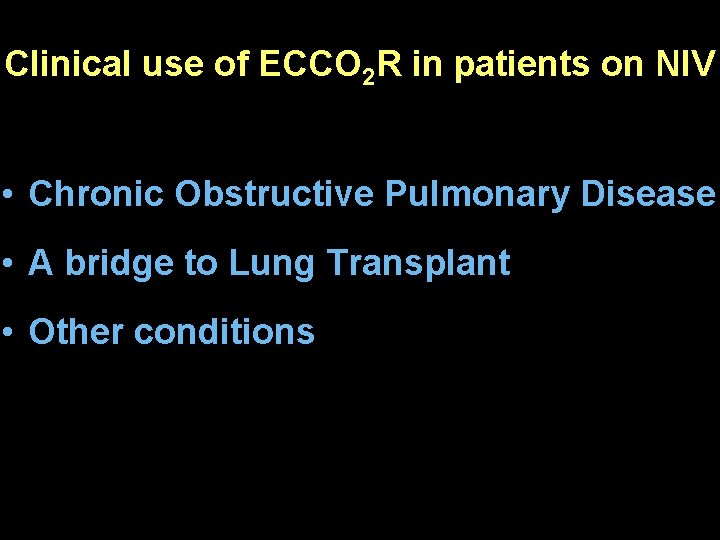
Clinical use of ECCO 2 R in patients on NIV • Chronic Obstructive Pulmonary Disease • A bridge to Lung Transplant • Other conditions
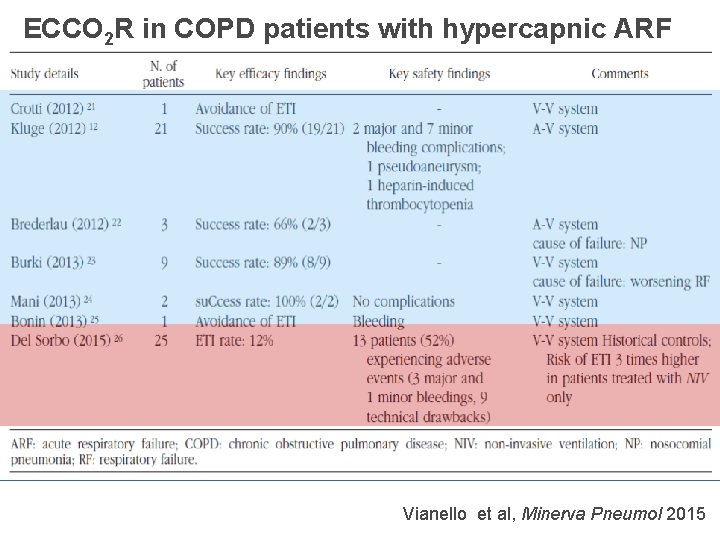
ECCO 2 R in COPD patients with hypercapnic ARF Vianello et al, Minerva Pneumol 2015
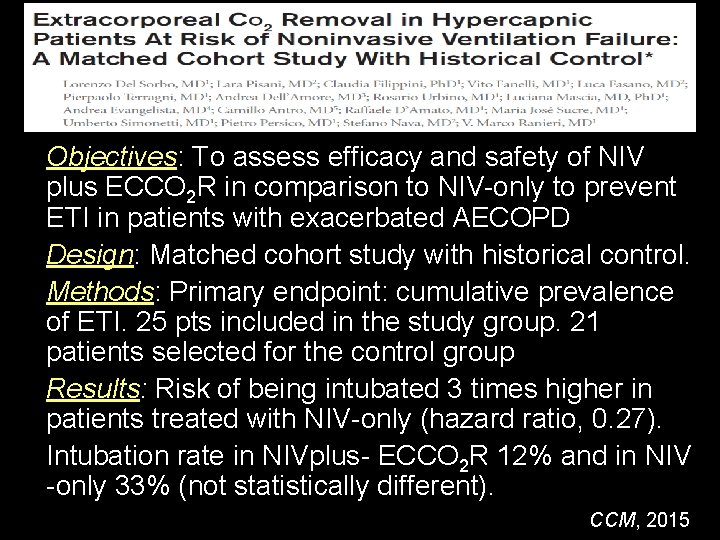
Objectives: To assess efficacy and safety of NIV plus ECCO 2 R in comparison to NIV-only to prevent ETI in patients with exacerbated AECOPD Design: Matched cohort study with historical control. Methods: Primary endpoint: cumulative prevalence of ETI. 25 pts included in the study group. 21 patients selected for the control group Results: Risk of being intubated 3 times higher in patients treated with NIV-only (hazard ratio, 0. 27). Intubation rate in NIVplus- ECCO 2 R 12% and in NIV -only 33% (not statistically different). CCM, 2015
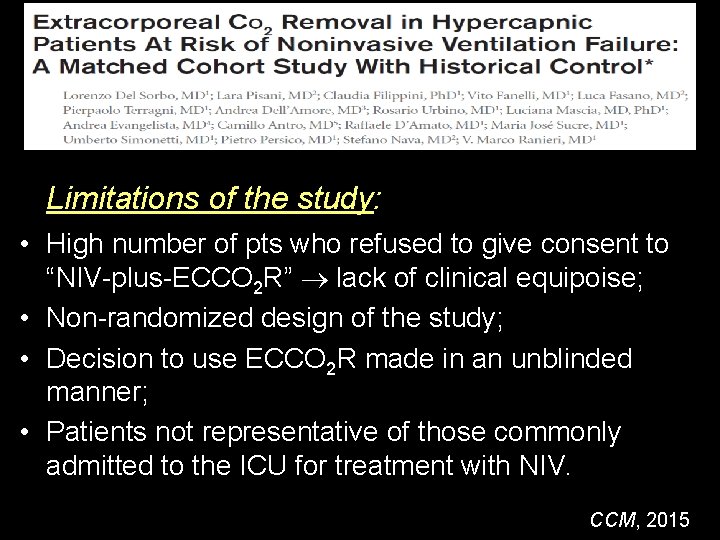
Limitations of the study: • High number of pts who refused to give consent to “NIV-plus-ECCO 2 R” lack of clinical equipoise; • Non-randomized design of the study; • Decision to use ECCO 2 R made in an unblinded manner; • Patients not representative of those commonly admitted to the ICU for treatment with NIV. CCM, 2015
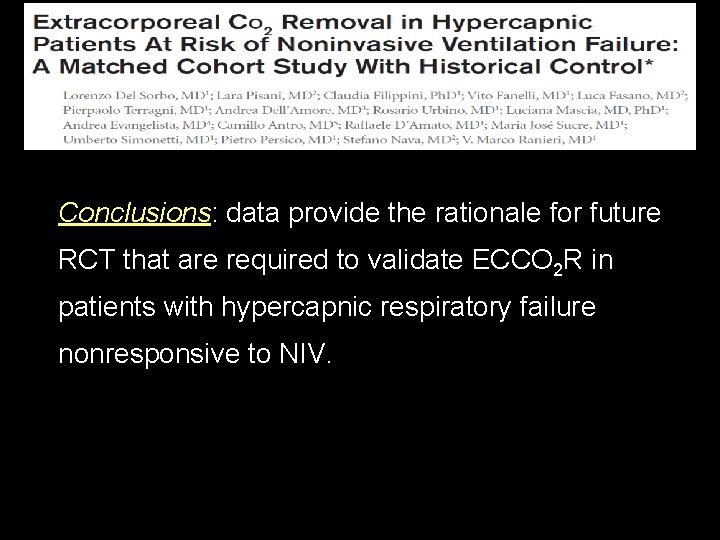
Conclusions: data provide the rationale for future RCT that are required to validate ECCO 2 R in patients with hypercapnic respiratory failure nonresponsive to NIV.
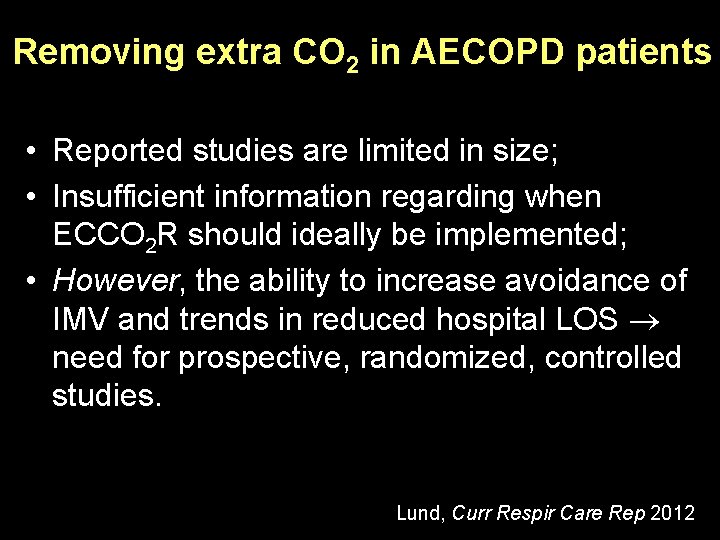
Removing extra CO 2 in AECOPD patients • Reported studies are limited in size; • Insufficient information regarding when ECCO 2 R should ideally be implemented; • However, the ability to increase avoidance of IMV and trends in reduced hospital LOS need for prospective, randomized, controlled studies. Lund, Curr Respir Care Rep 2012
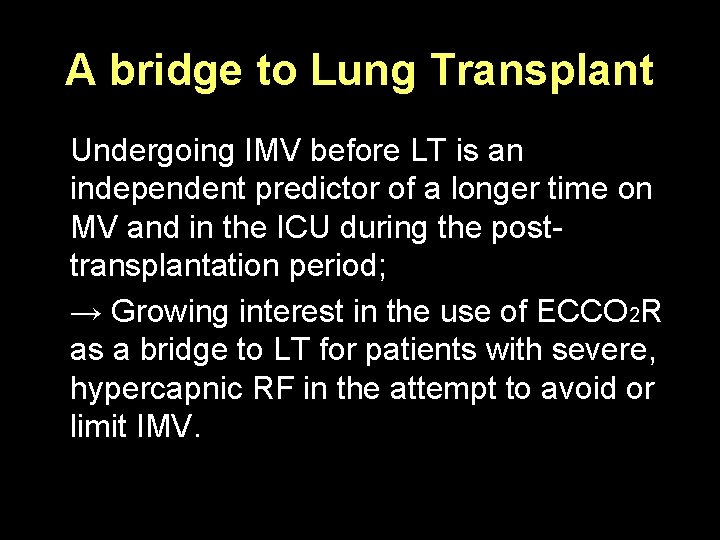
A bridge to Lung Transplant Undergoing IMV before LT is an independent predictor of a longer time on MV and in the ICU during the posttransplantation period; → Growing interest in the use of ECCO 2 R as a bridge to LT for patients with severe, hypercapnic RF in the attempt to avoid or limit IMV.
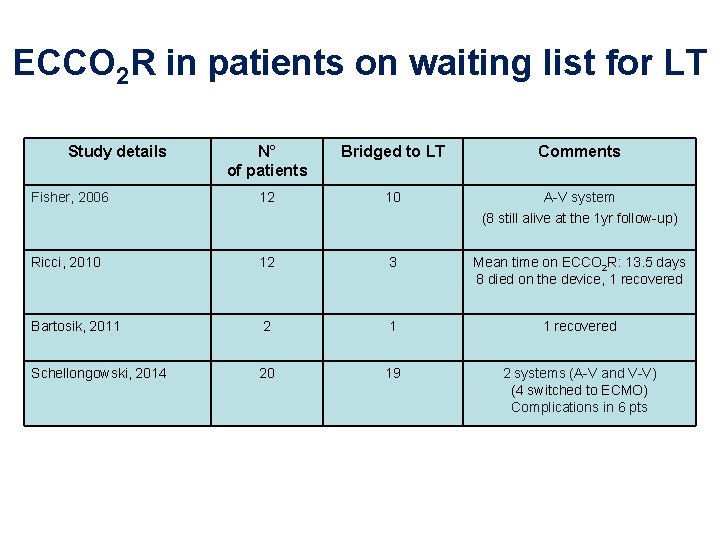
ECCO 2 R in patients on waiting list for LT Study details N° of patients Bridged to LT Comments Fisher, 2006 12 10 A-V system (8 still alive at the 1 yr follow-up) Ricci, 2010 12 3 Mean time on ECCO 2 R: 13. 5 days 8 died on the device, 1 recovered Bartosik, 2011 2 1 1 recovered Schellongowski, 2014 20 19 2 systems (A-V and V-V) (4 switched to ECMO) Complications in 6 pts
Removing extra CO 2 in patients on Waiting List Bridging to LT with ECCO 2 R is feasible and associated with high successful transplantation and survival rates.
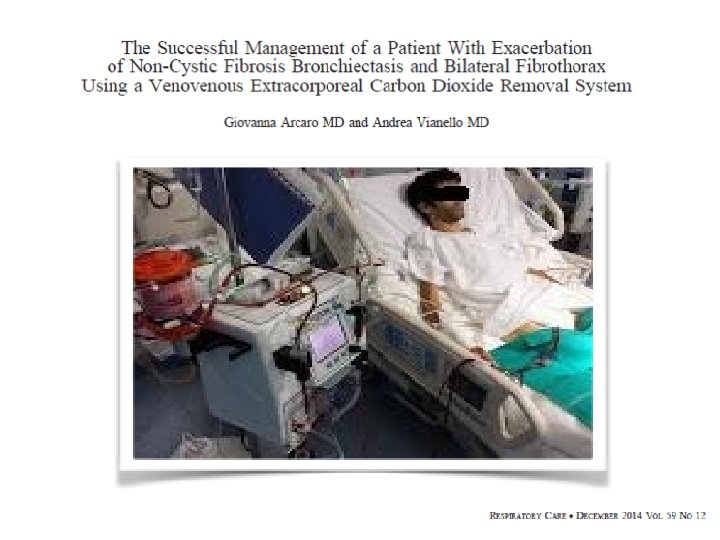
Sporadic case reports on the utilization of ECCO 2 R • Near-fatal pediatric and adult asthma (Conrad 2007, Elliot 2007, Jung 2011) • • • Intracranial bleeding (Mallick 2007) Influenza infection (Twigg 2008) Chest/abdominal/head trauma (Mc. Kinlay 2008) Bronchopleural fistulae (Bombino 2011) Acute exacerbation of IPF (Vianello 2016)
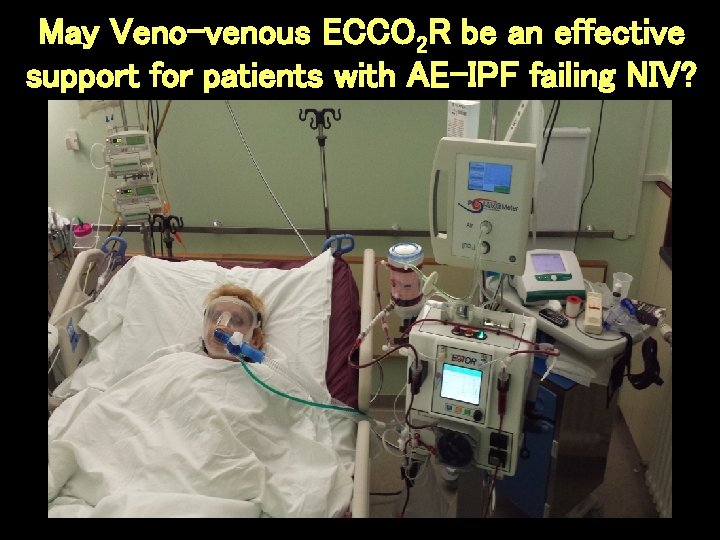
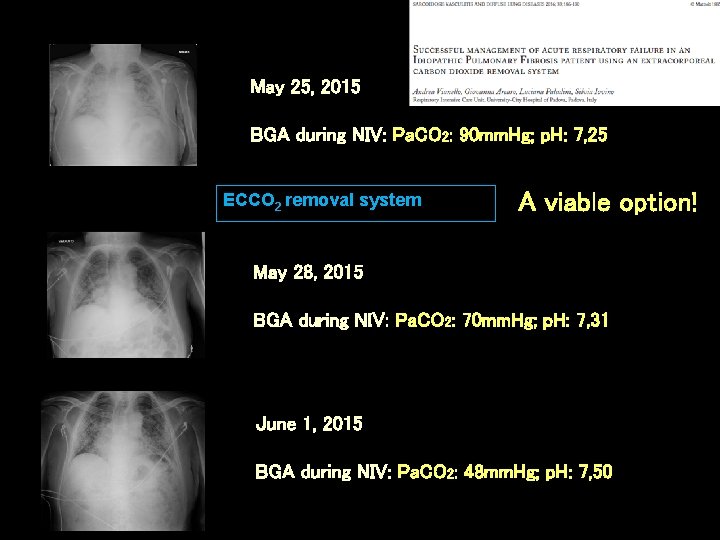
May Veno-venous ECCO 2 R be an effective support for patients with AE-IPF failing NIV?
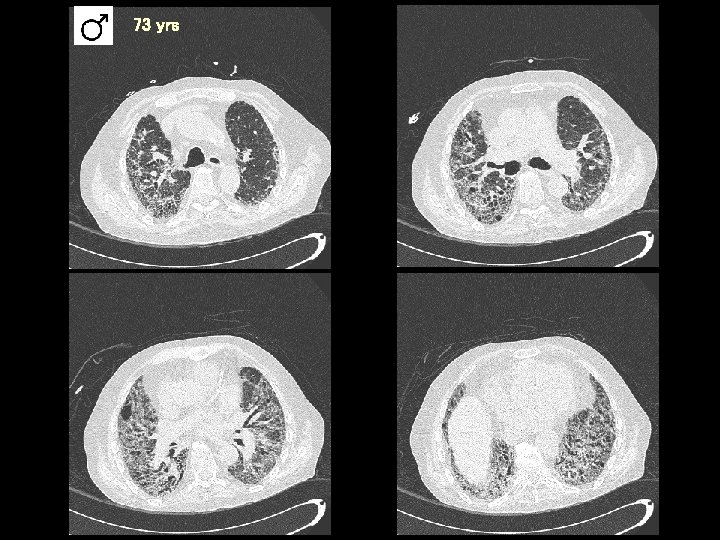
73 yrs
May 25, 2015 BGA during NIV: Pa. CO 2: 90 mm. Hg; p. H: 7, 25 ECCO 2 removal system A viable option! May 28, 2015 BGA during NIV: Pa. CO 2: 70 mm. Hg; p. H: 7, 31 June 1, 2015 BGA during NIV: Pa. CO 2: 48 mm. Hg; p. H: 7, 50
Conclusions • The boundaries for the use of NIV continue to expand; however, the risk of NIV failure is still present; • Transitioning to IMV after NIV failure may not be in the interest of some categories of patients, including those with AECOPD; • The future management of patients with COPD will routinely include “respiratory dyalisis”: only a fascinating hypothesis?