
MAE 152 Computer Graphics for Scientists and Engineers
- Slides: 65
MAE 152 Computer Graphics for Scientists and Engineers Colors In Computer Graphics
How much red was she with anger ? ! • • • gl. Color 3 d (1. 0, 0. 78); May be! It’s YOUR perception. Can color be quantified ? Can a color be uniquely defined ? Is there a “common understanding” about colors ?
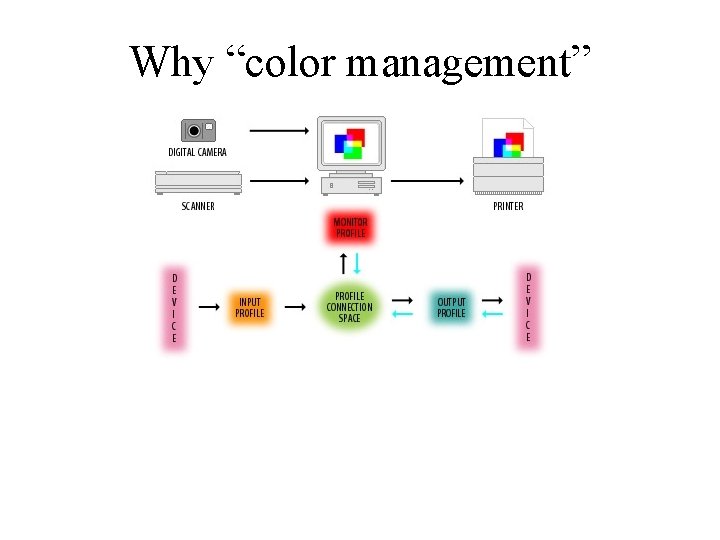
Why “color management”
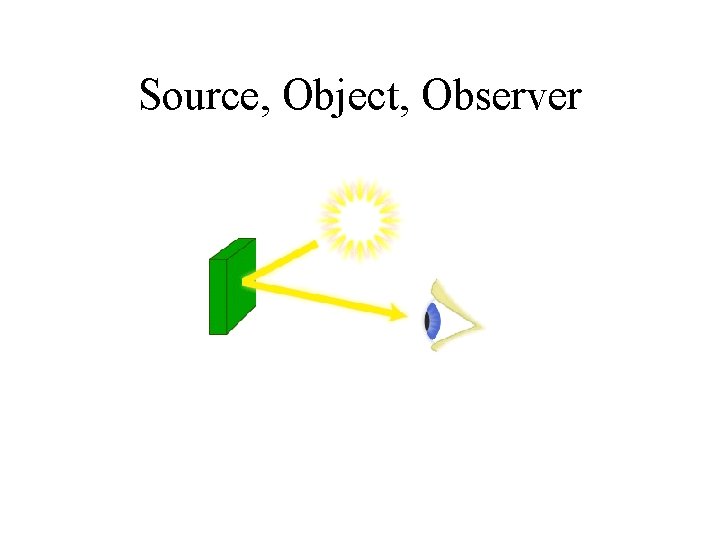
Source, Object, Observer
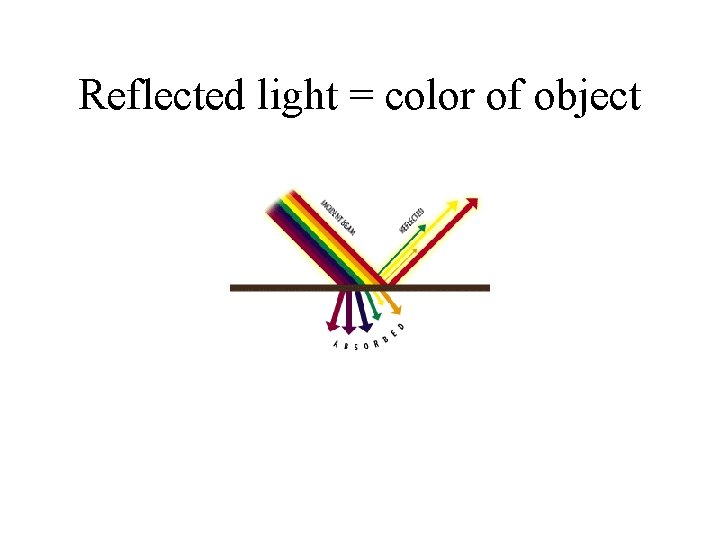
Reflected light = color of object
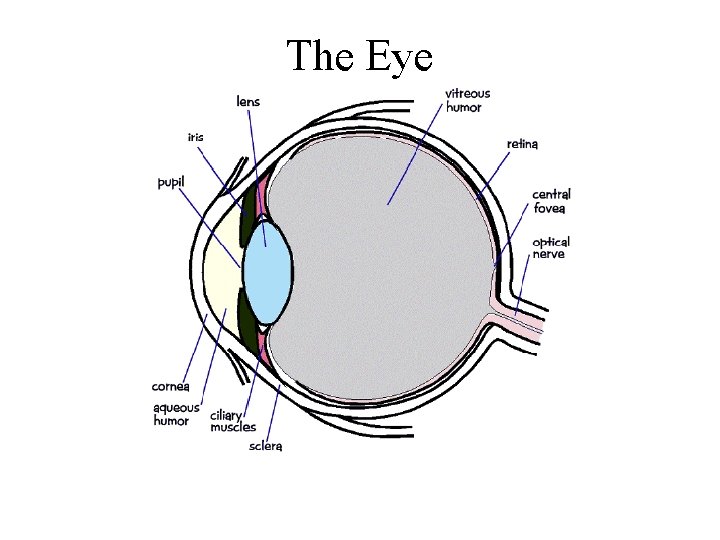
The Eye
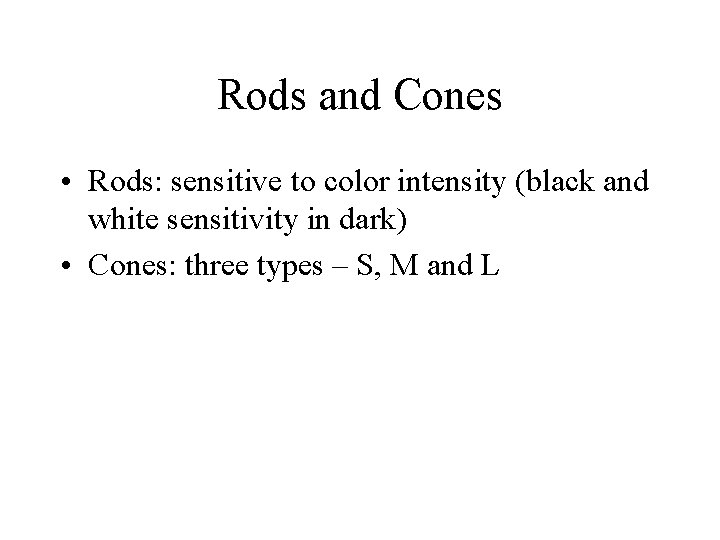
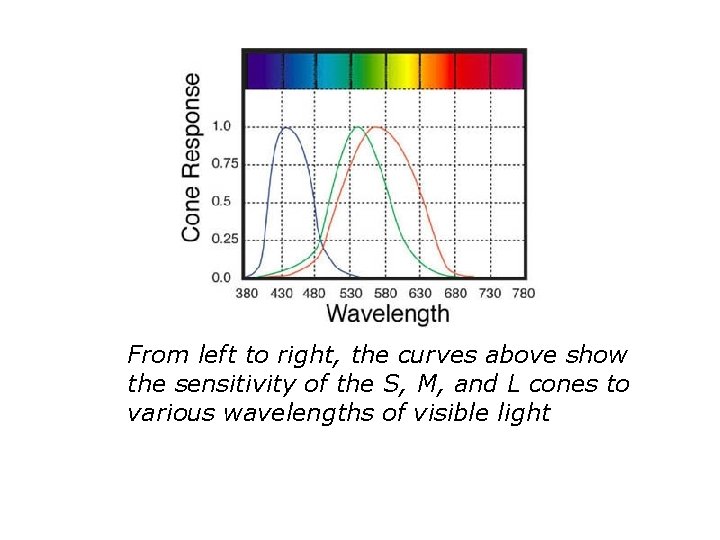
Rods and Cones • Rods: sensitive to color intensity (black and white sensitivity in dark) • Cones: three types – S, M and L
From left to right, the curves above show the sensitivity of the S, M, and L cones to various wavelengths of visible light
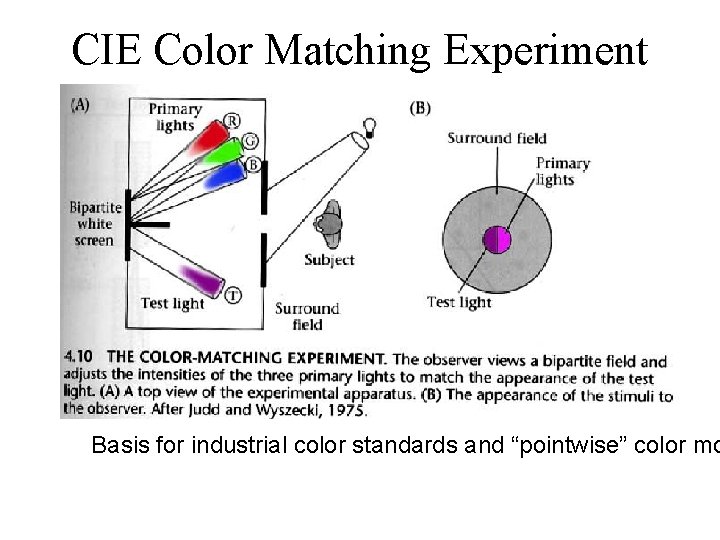
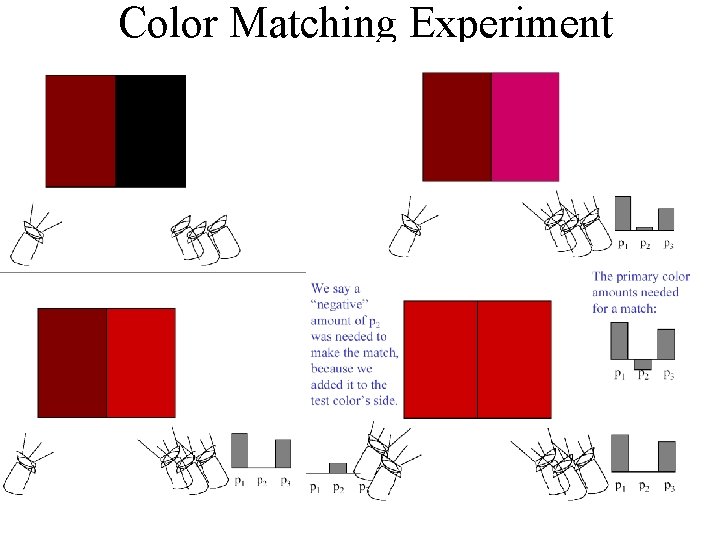
CIE Color Matching Experiment Basis for industrial color standards and “pointwise” color mo
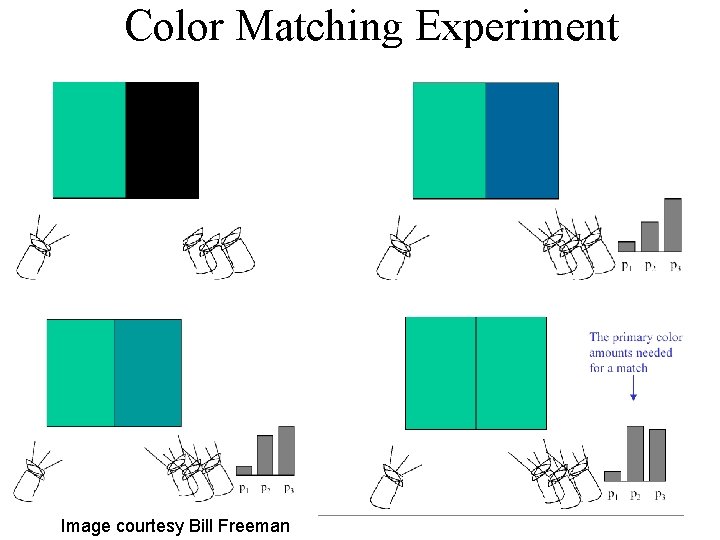
Color Matching Experiment Image courtesy Bill Freeman
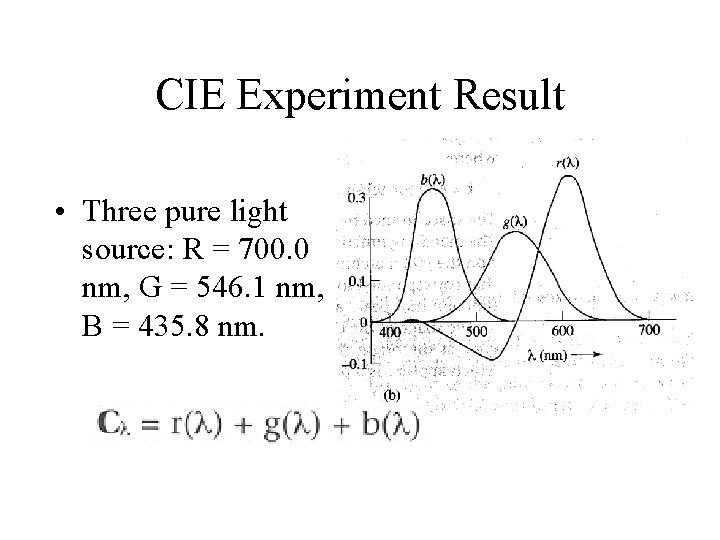
CIE Experiment Result • Three pure light source: R = 700. 0 nm, G = 546. 1 nm, B = 435. 8 nm.
Color Matching Experiment
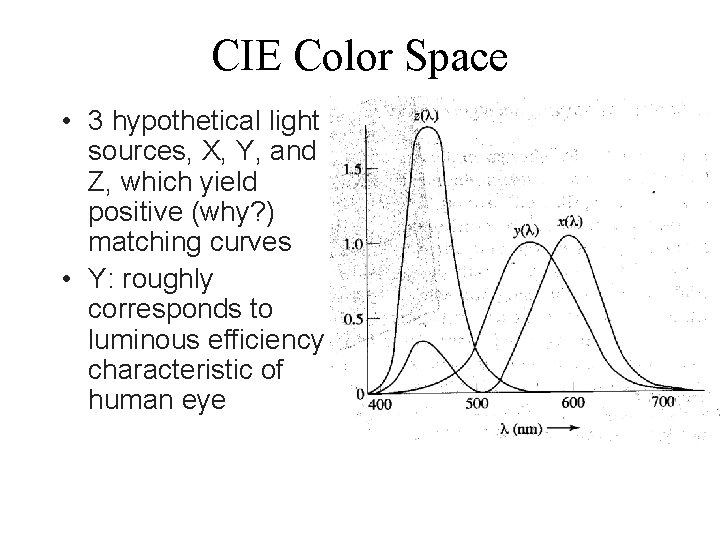
CIE Color Space • 3 hypothetical light sources, X, Y, and Z, which yield positive (why? ) matching curves • Y: roughly corresponds to luminous efficiency characteristic of human eye
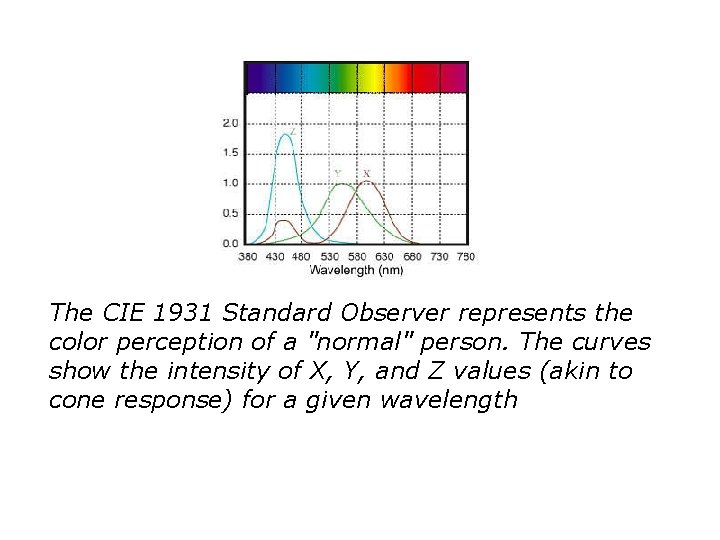
The CIE 1931 Standard Observer represents the color perception of a "normal" person. The curves show the intensity of X, Y, and Z values (akin to cone response) for a given wavelength
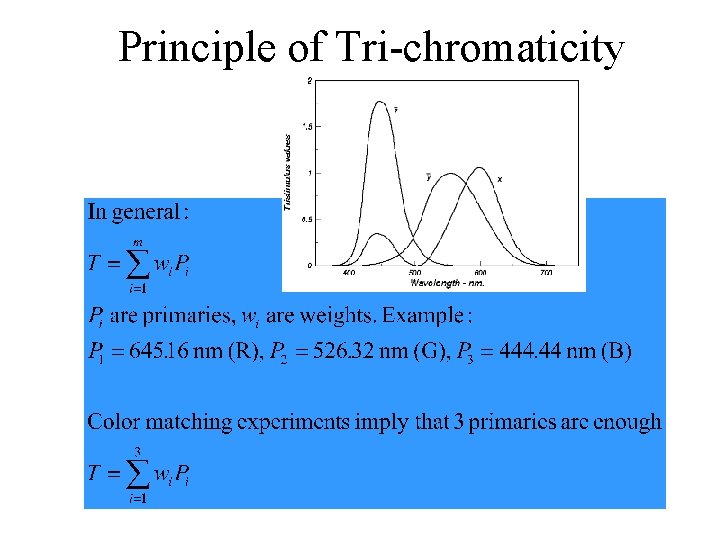
Principle of Tri-chromaticity
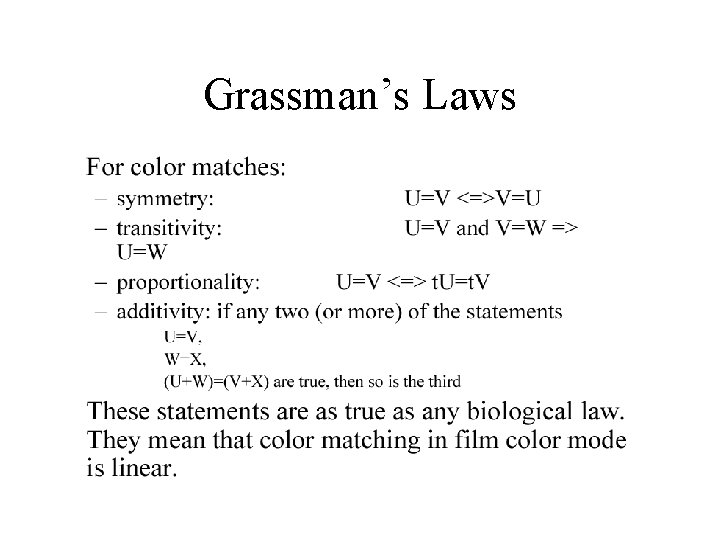
Grassman’s Laws
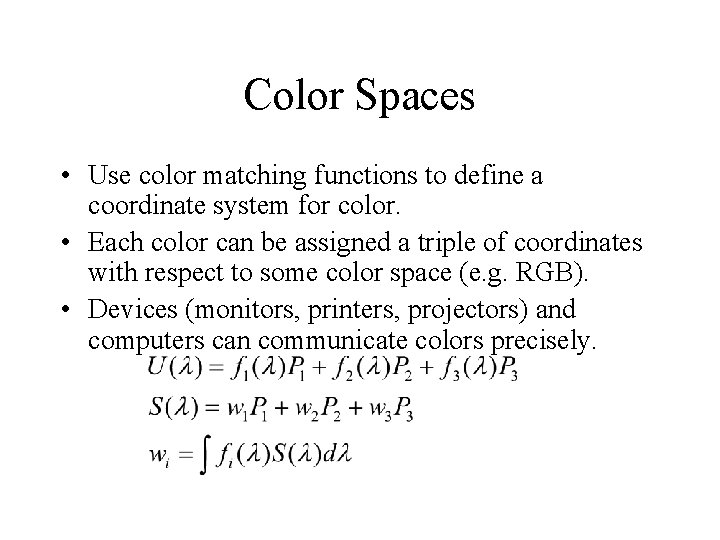
Color Spaces • Use color matching functions to define a coordinate system for color. • Each color can be assigned a triple of coordinates with respect to some color space (e. g. RGB). • Devices (monitors, printers, projectors) and computers can communicate colors precisely.
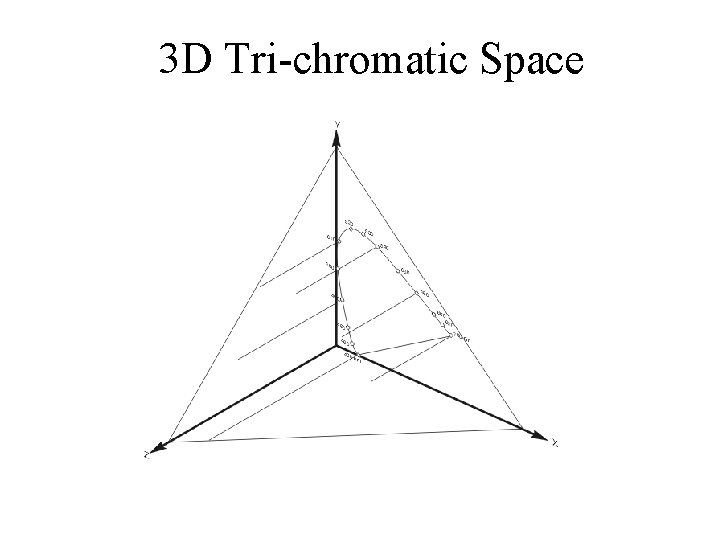
3 D Tri-chromatic Space
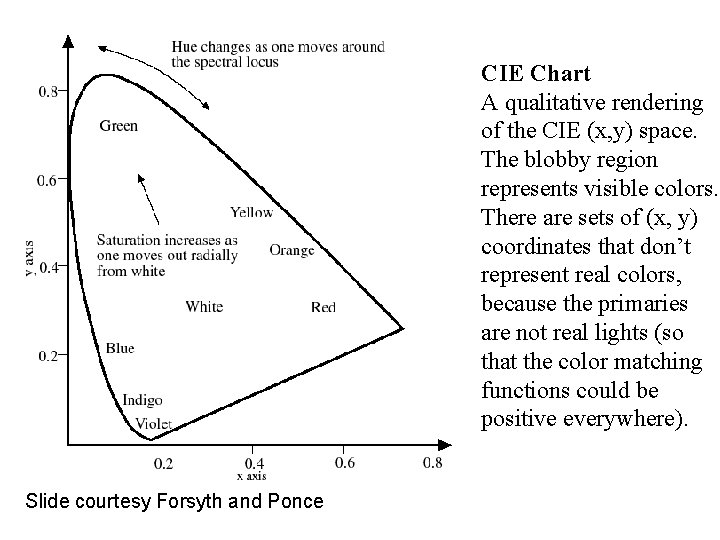
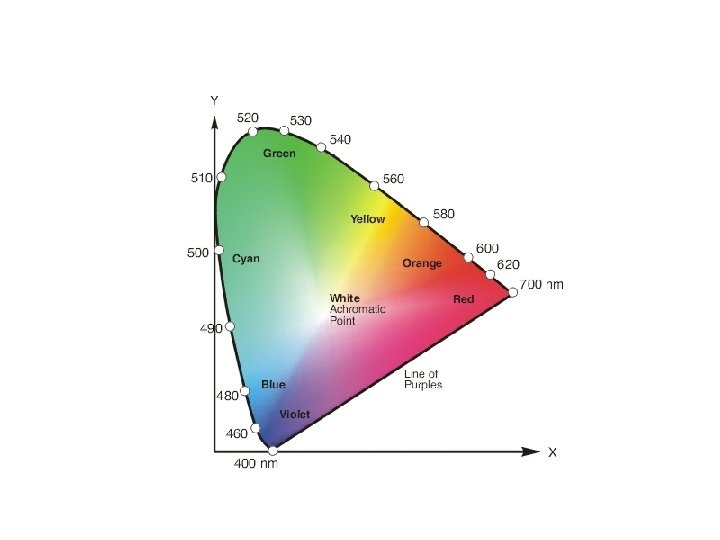
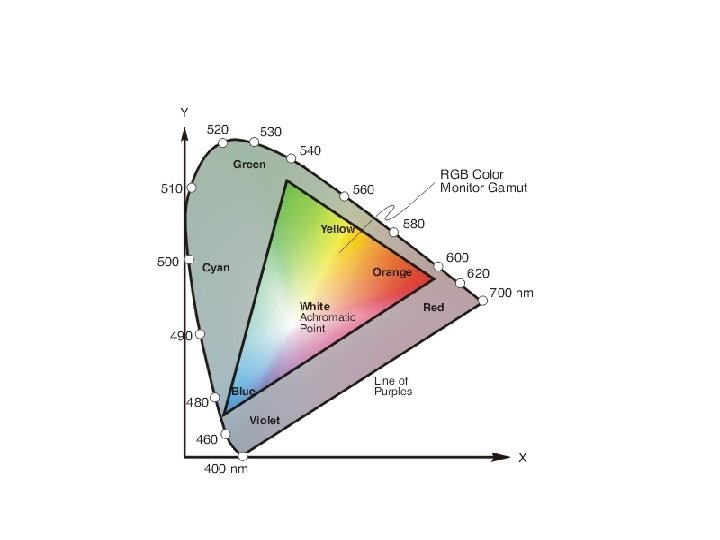
CIE Chart A qualitative rendering of the CIE (x, y) space. The blobby region represents visible colors. There are sets of (x, y) coordinates that don’t represent real colors, because the primaries are not real lights (so that the color matching functions could be positive everywhere). Slide courtesy Forsyth and Ponce
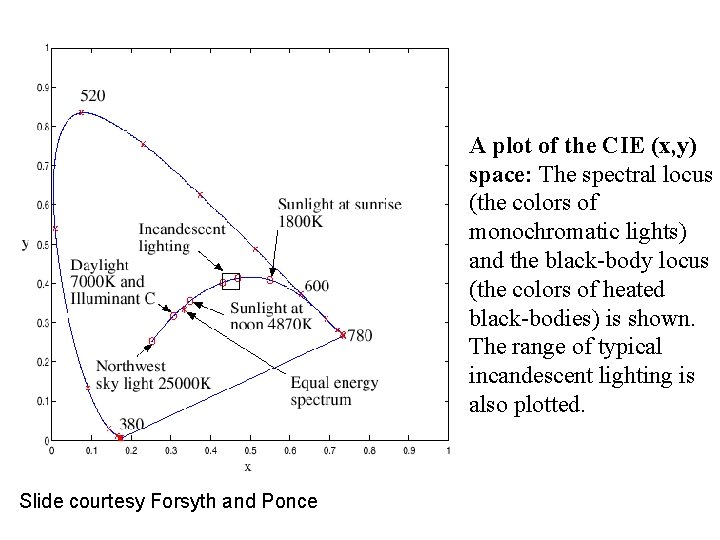
A plot of the CIE (x, y) space: The spectral locus (the colors of monochromatic lights) and the black-body locus (the colors of heated black-bodies) is shown. The range of typical incandescent lighting is also plotted. Slide courtesy Forsyth and Ponce
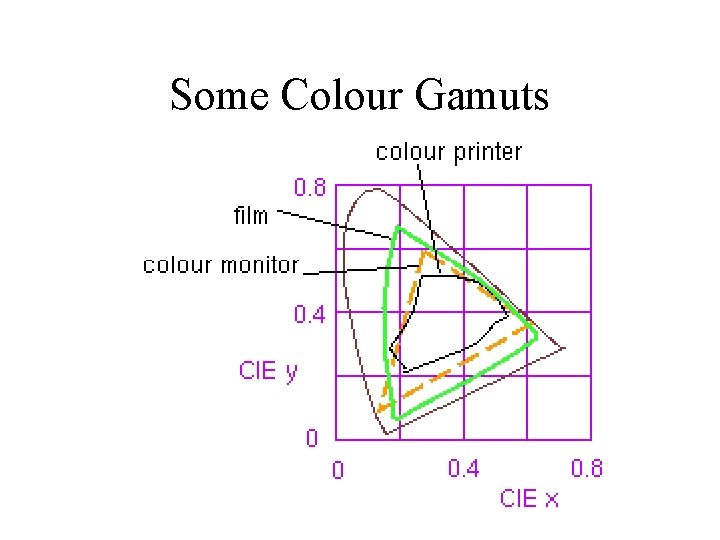
Some Colour Gamuts
Undisplayable Colours • Suppose XYZ colour computed, but not displayable? • Terminology – Dominant wavelength – Saturation
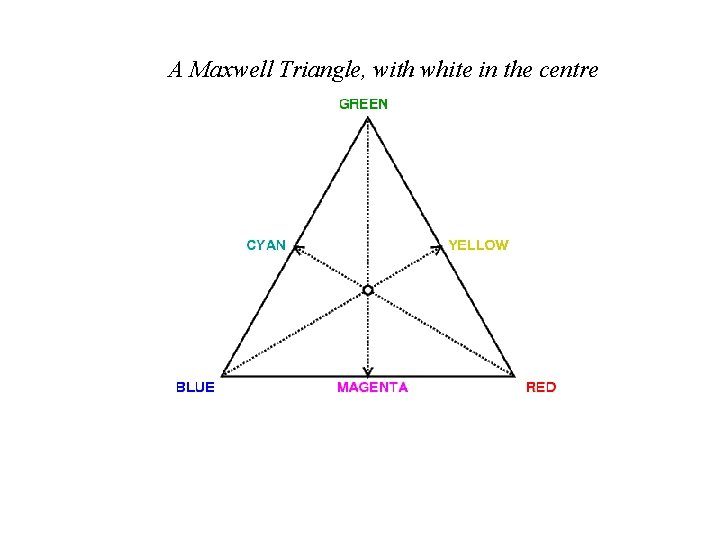
A Maxwell Triangle, with white in the centre
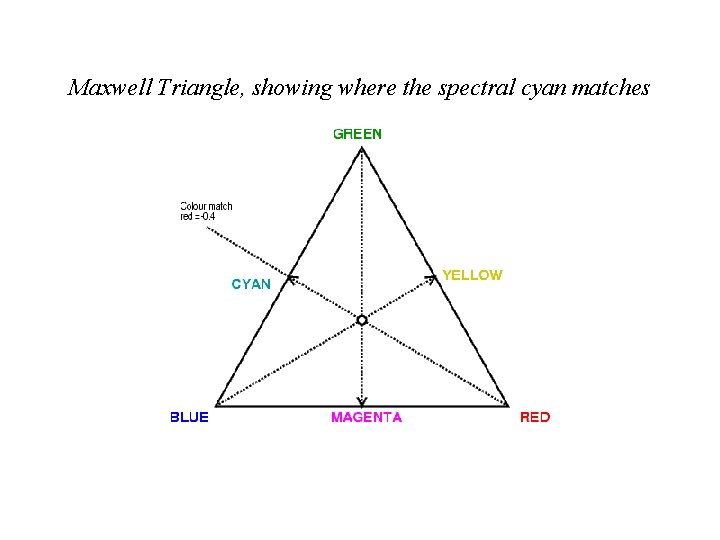
Maxwell Triangle, showing where the spectral cyan matches
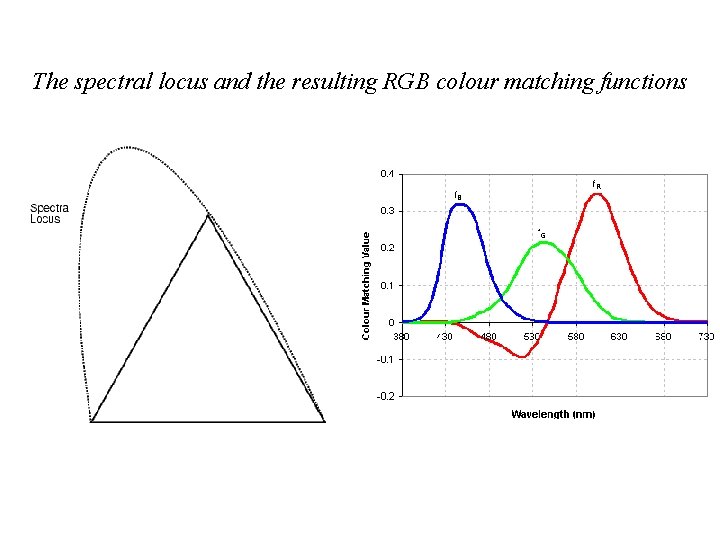
The spectral locus and the resulting RGB colour matching functions
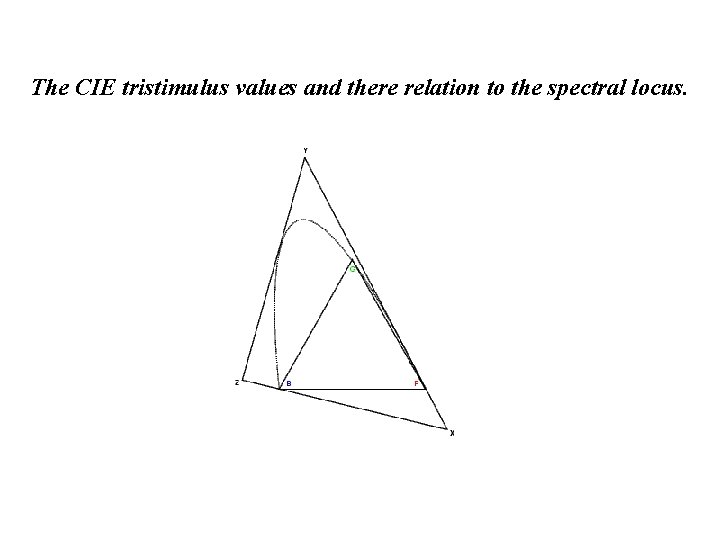
The CIE tristimulus values and there relation to the spectral locus.
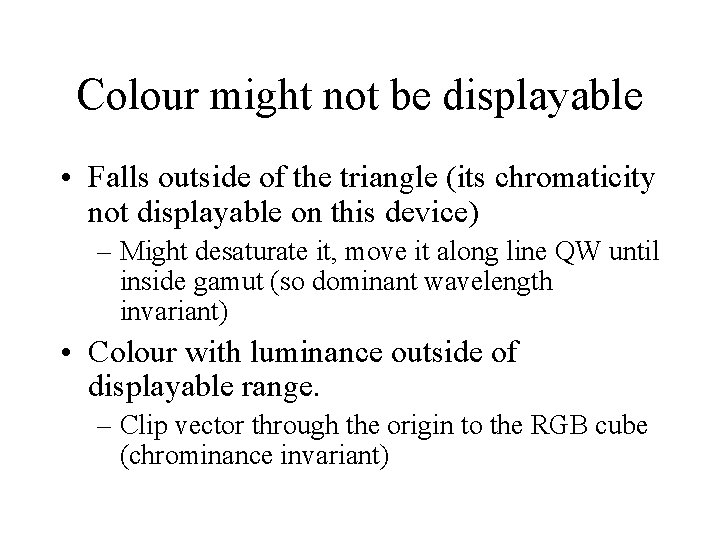
Colour might not be displayable • Falls outside of the triangle (its chromaticity not displayable on this device) – Might desaturate it, move it along line QW until inside gamut (so dominant wavelength invariant) • Colour with luminance outside of displayable range. – Clip vector through the origin to the RGB cube (chrominance invariant)
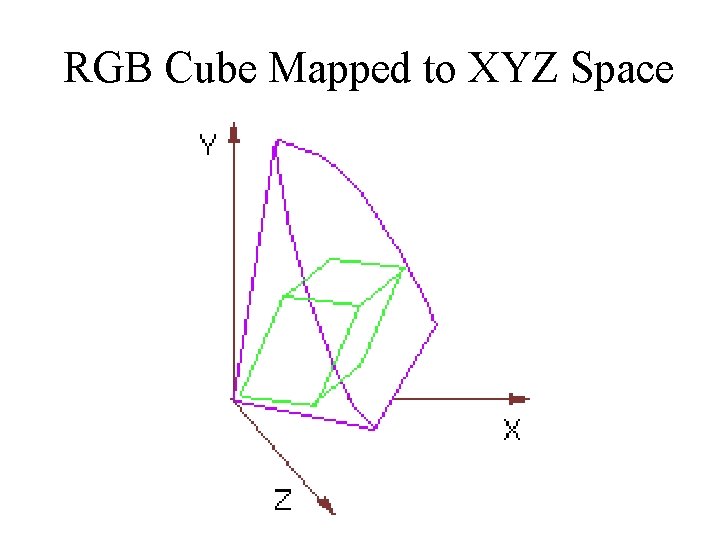
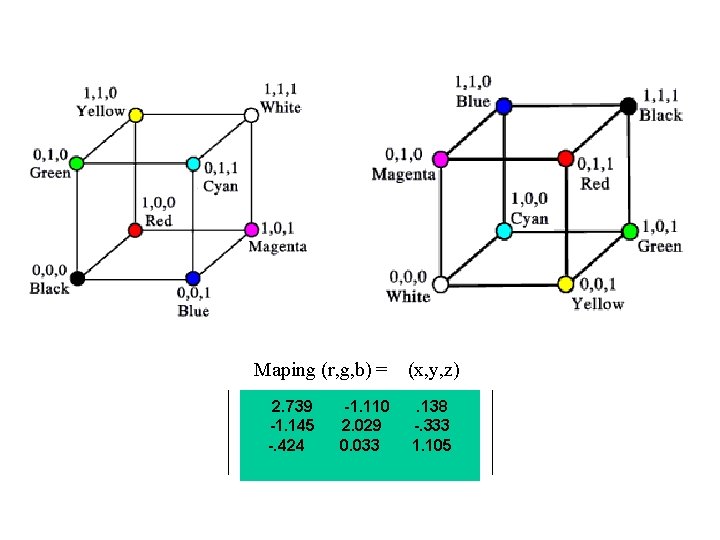
RGB Cube Mapped to XYZ Space
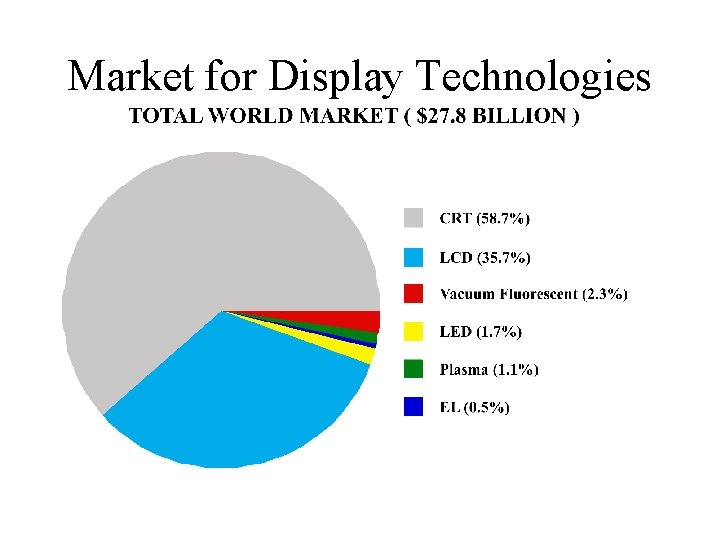
Market for Display Technologies
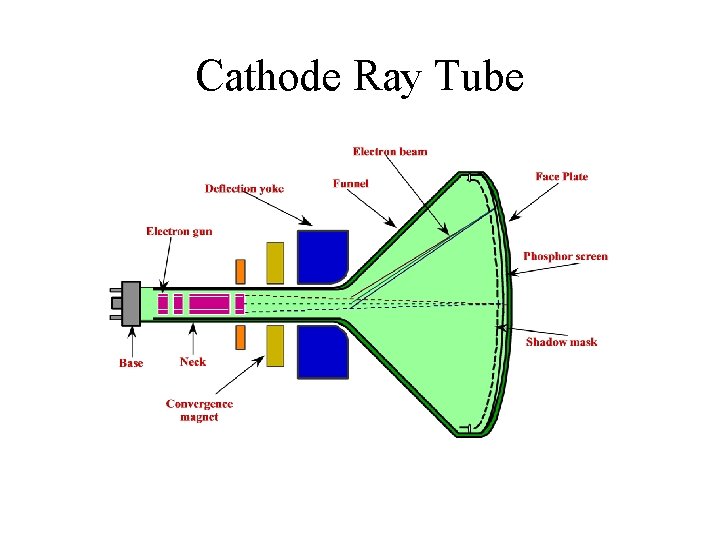
Cathode Ray Tube
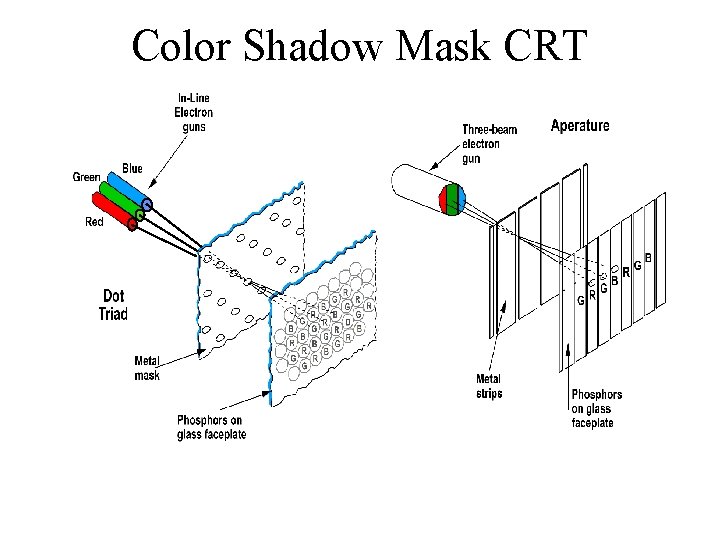
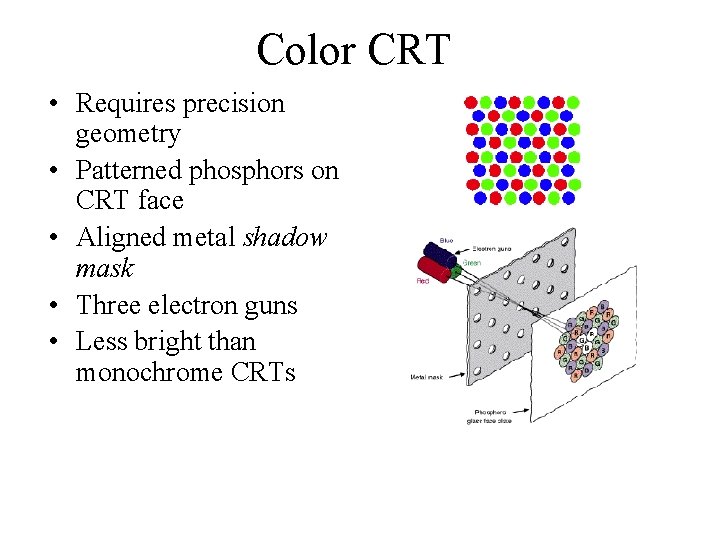
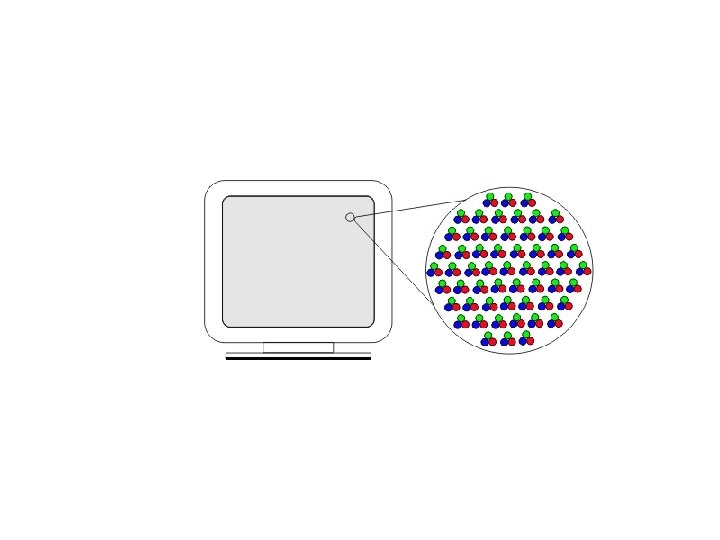
Color Shadow Mask CRT
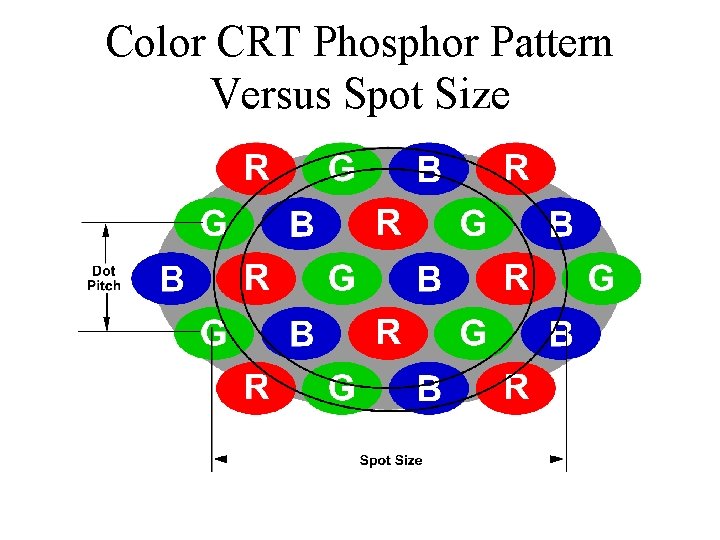
Color CRT Phosphor Pattern Versus Spot Size
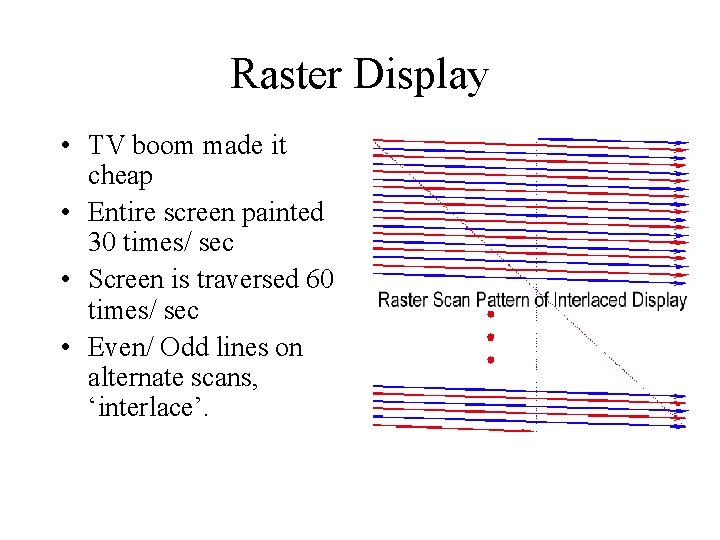
Raster Display • TV boom made it cheap • Entire screen painted 30 times/ sec • Screen is traversed 60 times/ sec • Even/ Odd lines on alternate scans, ‘interlace’.
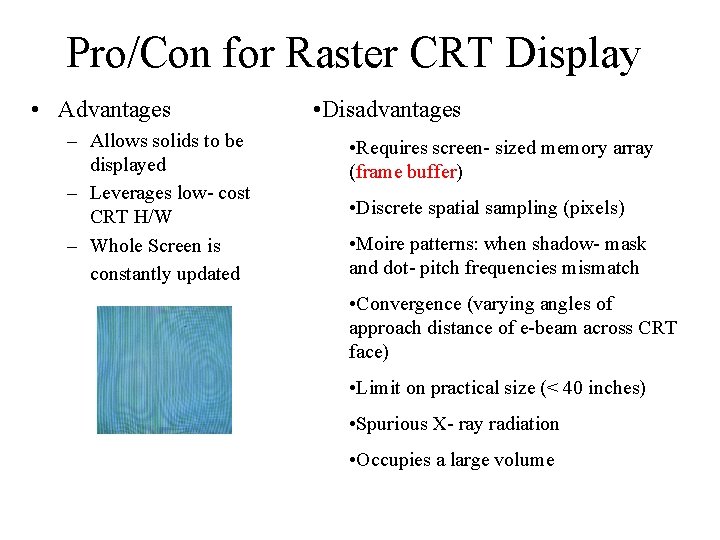
Pro/Con for Raster CRT Display • Advantages – Allows solids to be displayed – Leverages low- cost CRT H/W – Whole Screen is constantly updated • Disadvantages • Requires screen- sized memory array (frame buffer) • Discrete spatial sampling (pixels) • Moire patterns: when shadow- mask and dot- pitch frequencies mismatch • Convergence (varying angles of approach distance of e-beam across CRT face) • Limit on practical size (< 40 inches) • Spurious X- ray radiation • Occupies a large volume
Color CRT • Requires precision geometry • Patterned phosphors on CRT face • Aligned metal shadow mask • Three electron guns • Less bright than monochrome CRTs
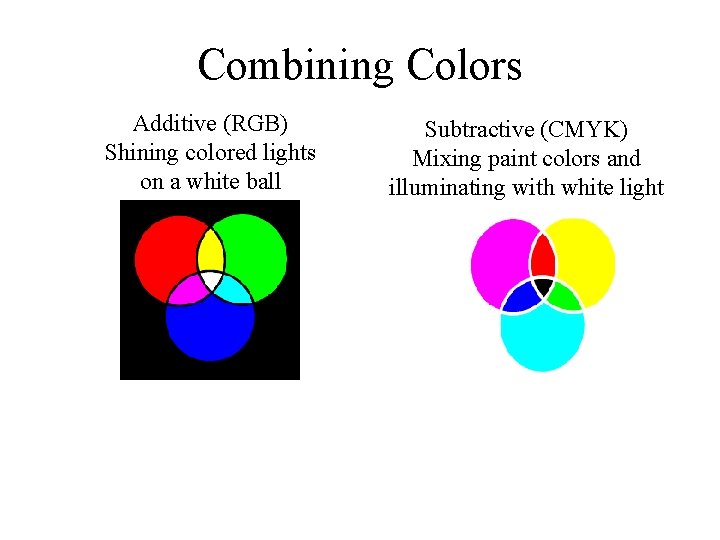
Combining Colors Additive (RGB) Shining colored lights on a white ball Subtractive (CMYK) Mixing paint colors and illuminating with white light
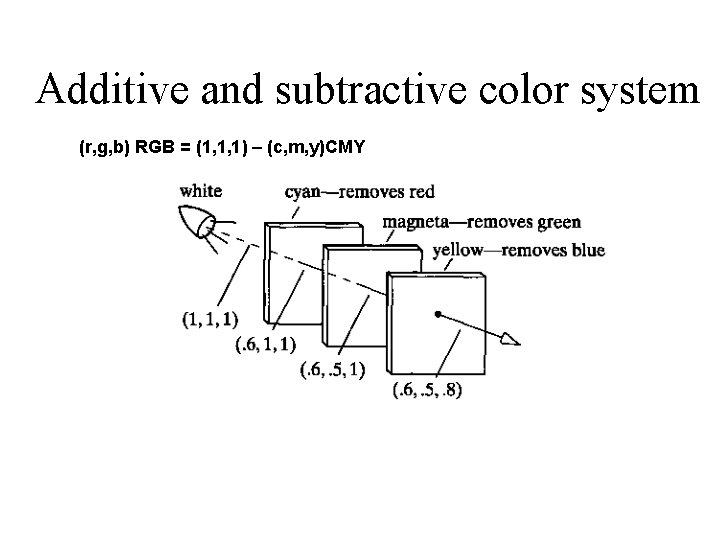
Additive and subtractive color system (r, g, b) RGB = (1, 1, 1) – (c, m, y)CMY
Maping (r, g, b) = 2. 739 -1. 145 -. 424 -1. 110 2. 029 0. 033 (x, y, z). 138 -. 333 1. 105
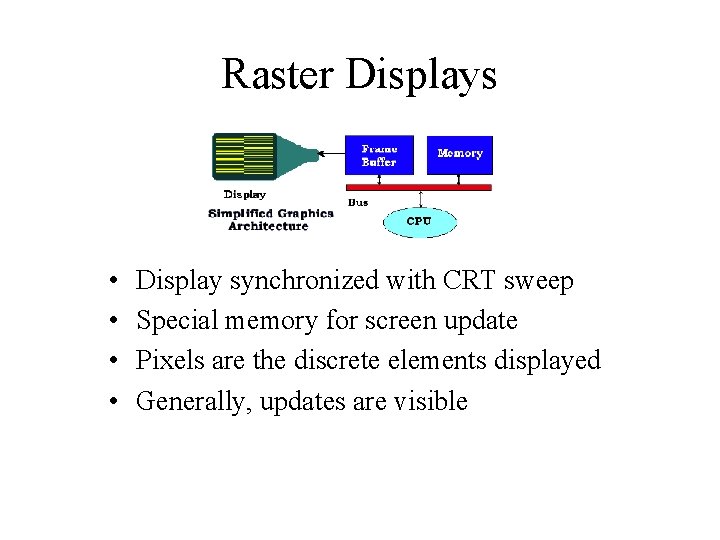
Raster Displays • • Display synchronized with CRT sweep Special memory for screen update Pixels are the discrete elements displayed Generally, updates are visible
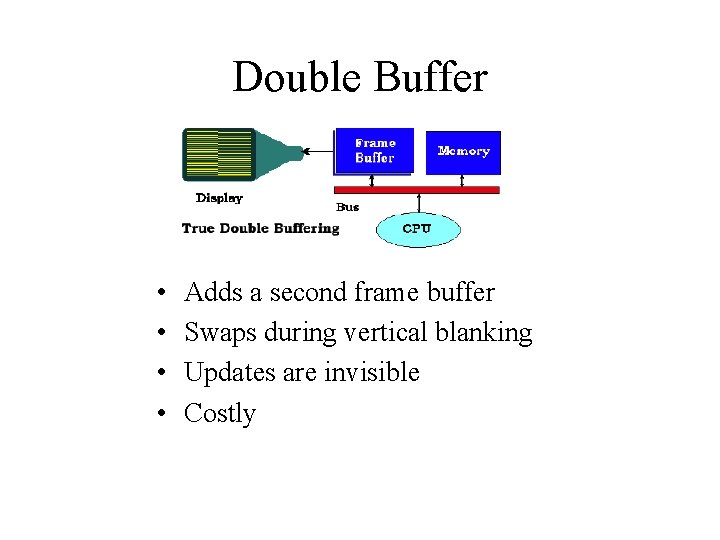
Double Buffer • • Adds a second frame buffer Swaps during vertical blanking Updates are invisible Costly
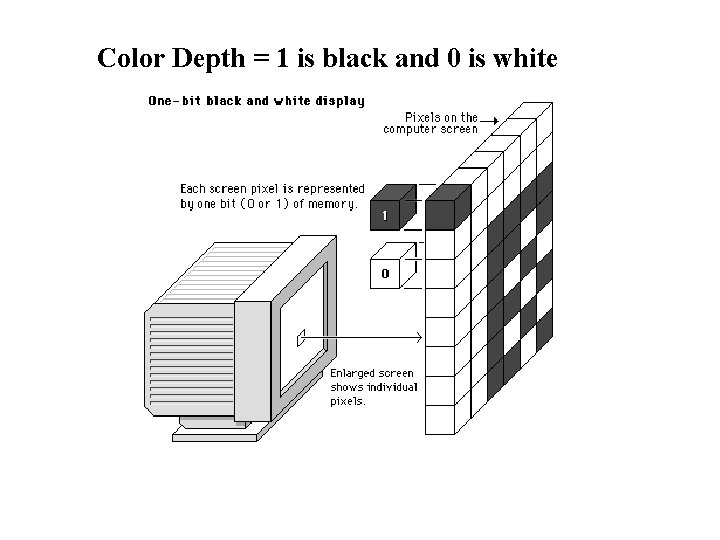
Color Depth = 1 is black and 0 is white
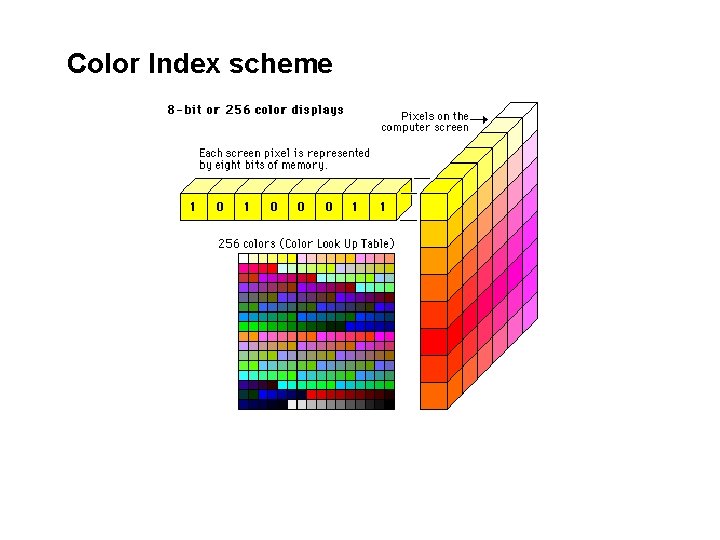
Color Index scheme
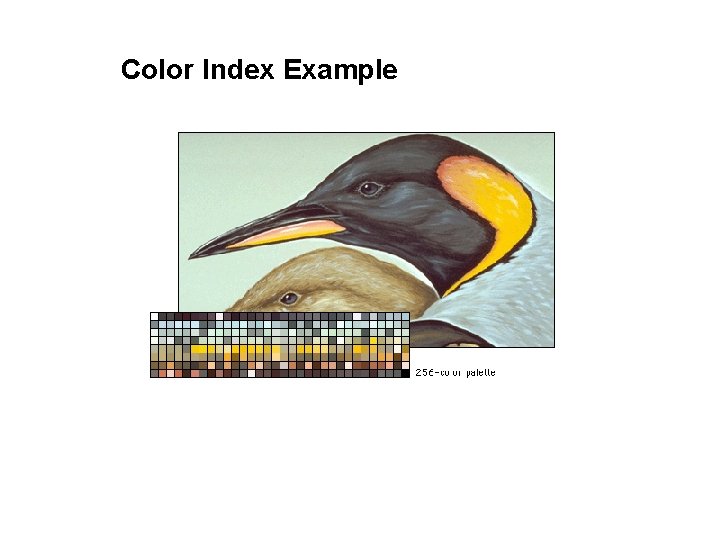
Color Index Example
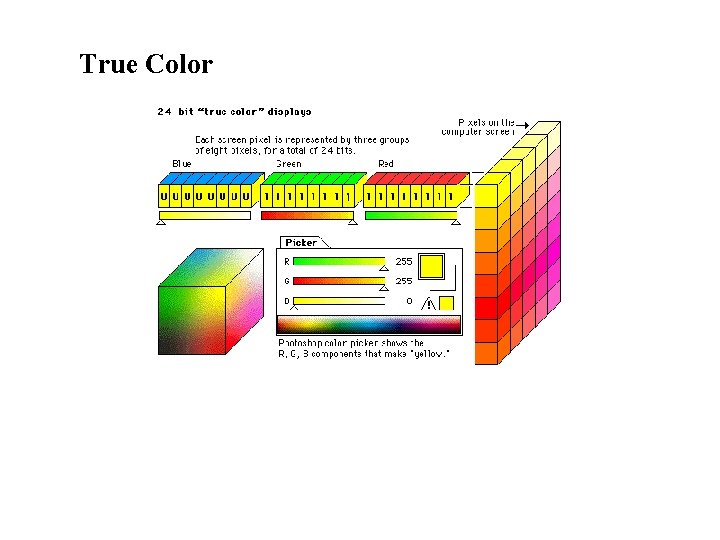
True Color
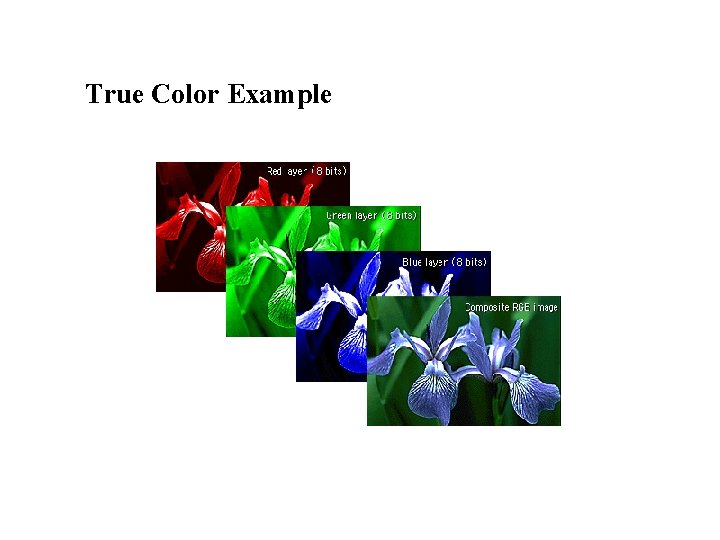
True Color Example
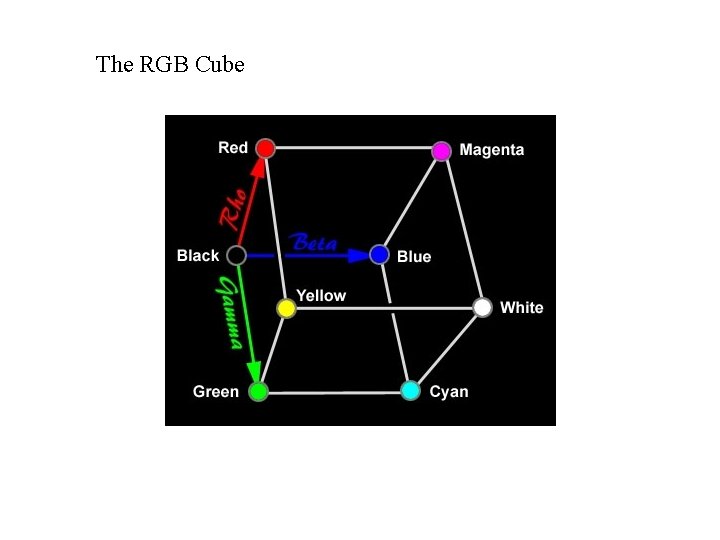
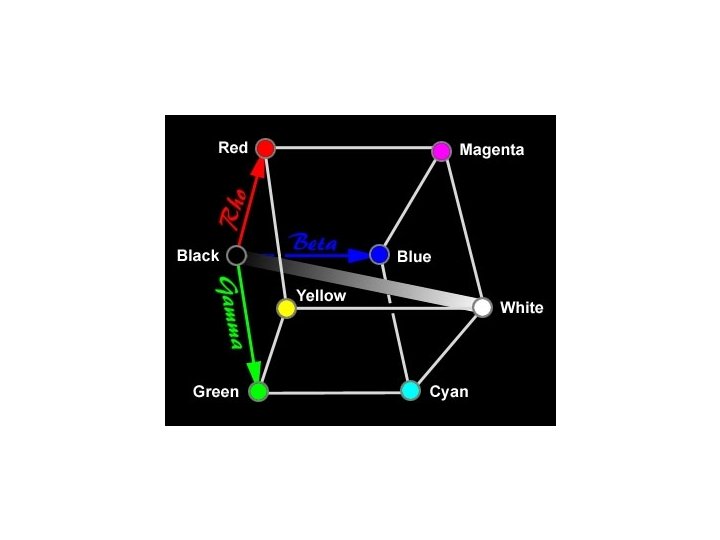
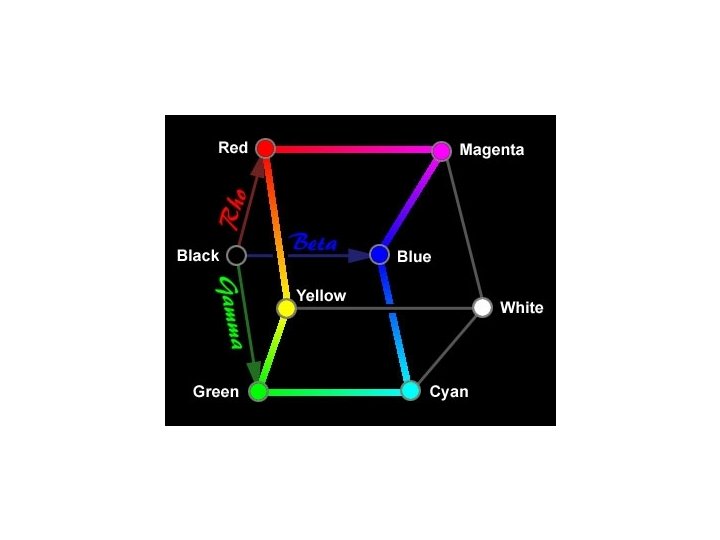
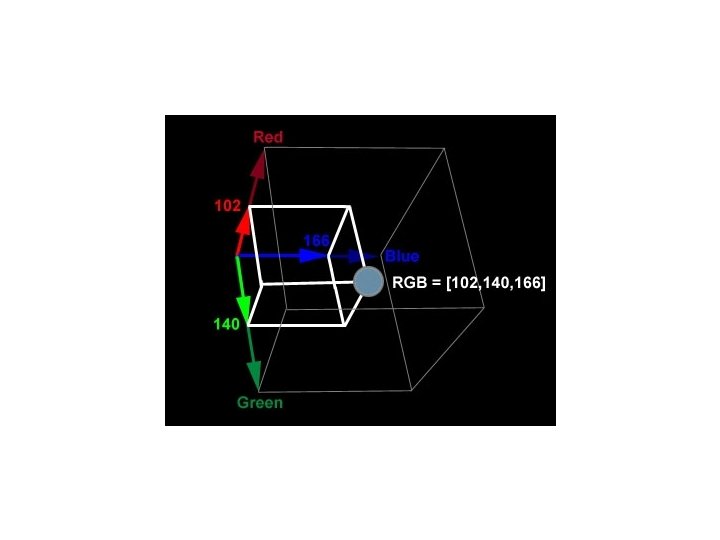
The RGB Cube
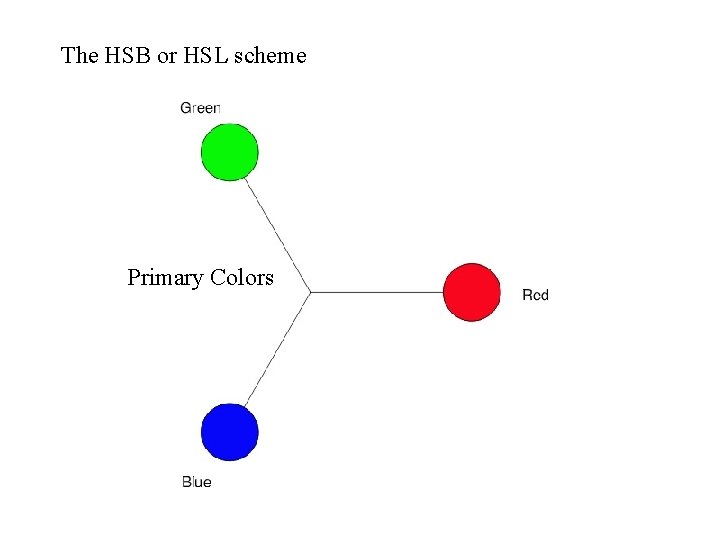
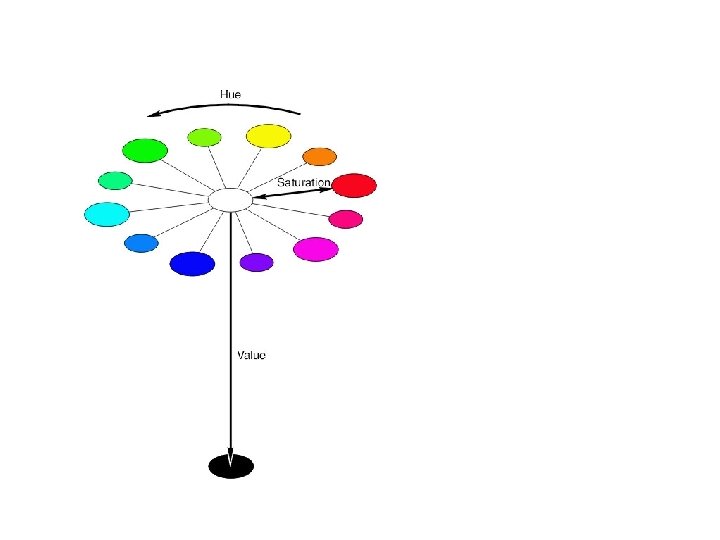
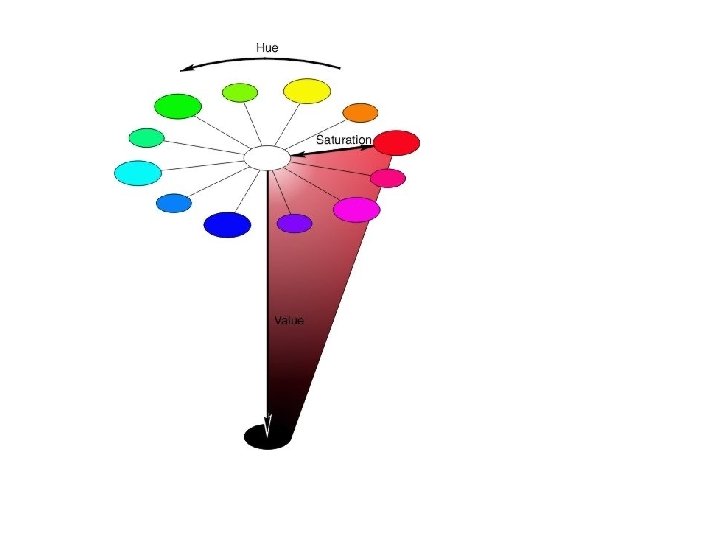
The HSB or HSL scheme Primary Colors
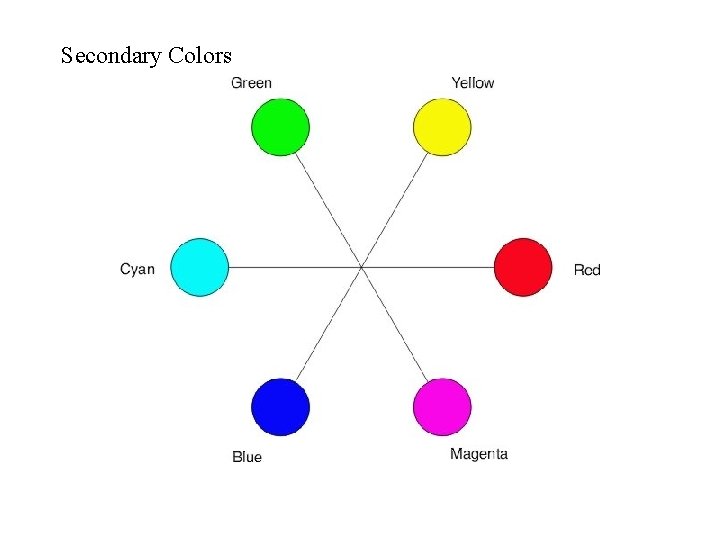
Secondary Colors
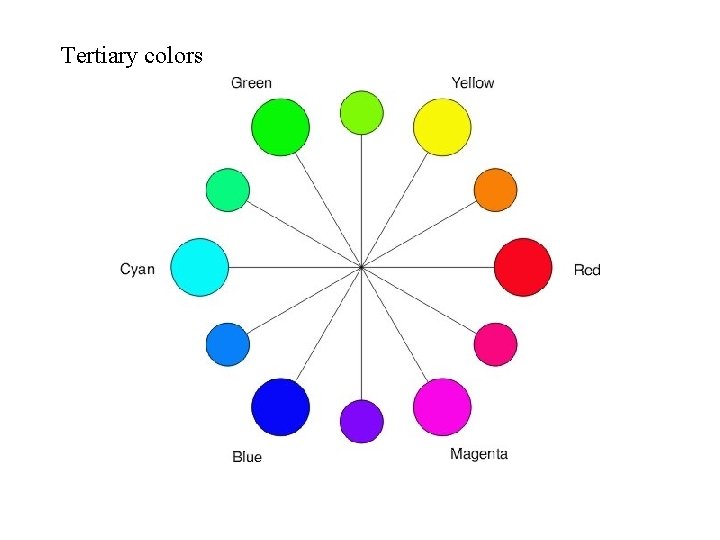
Tertiary colors
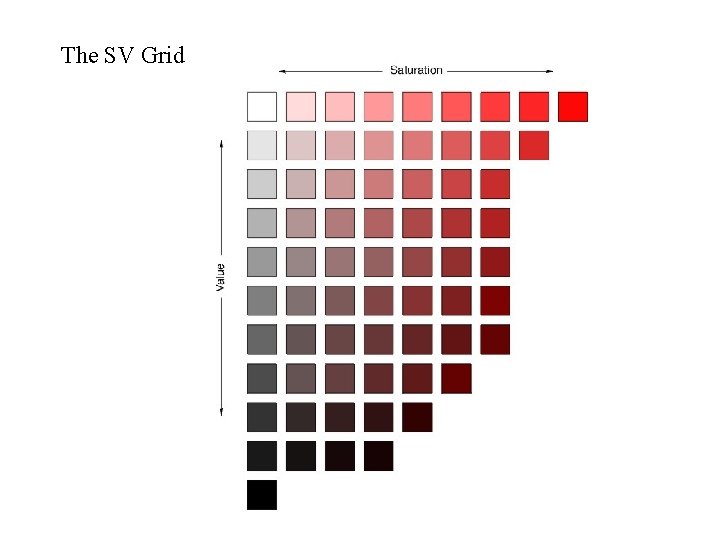
The SV Grid
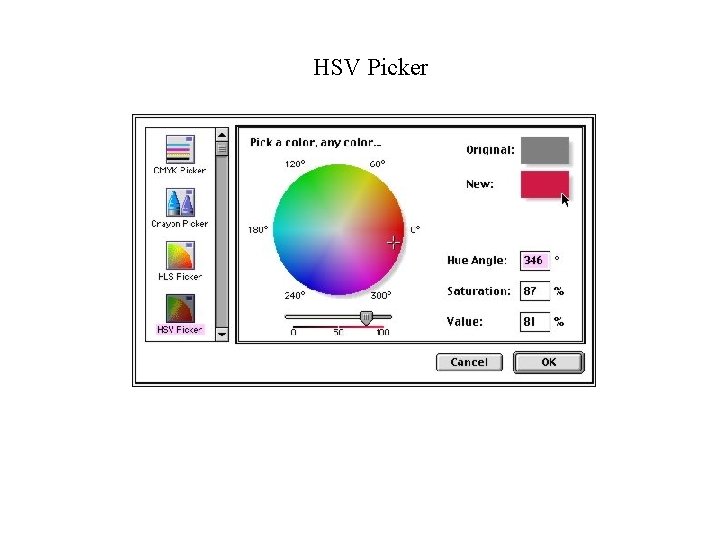
HSV Picker
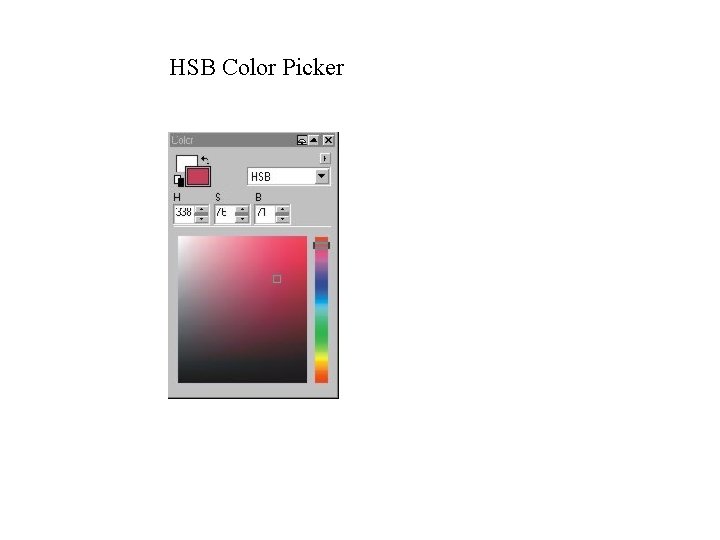
HSB Color Picker
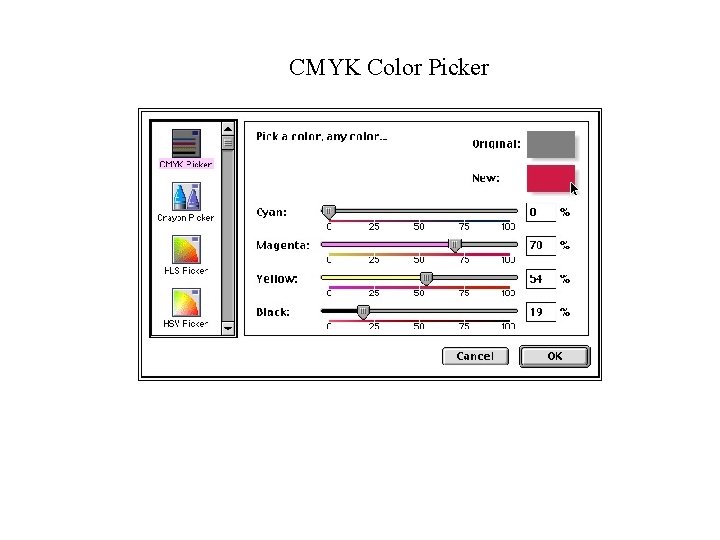
CMYK Color Picker
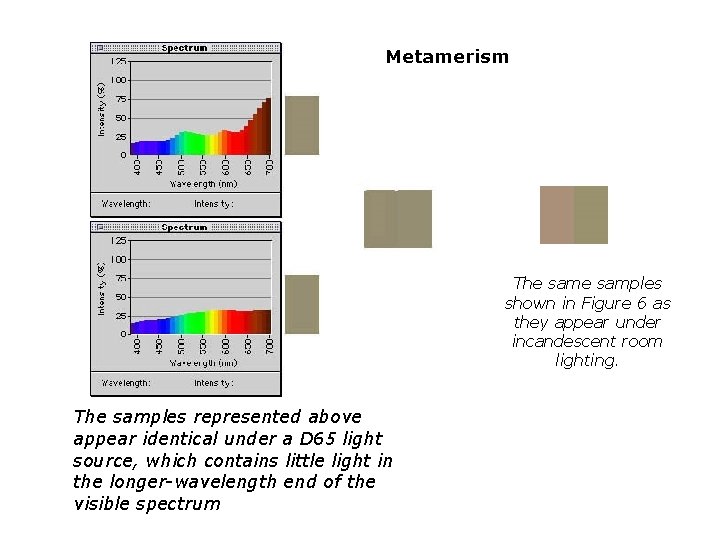
Metamerism The samples shown in Figure 6 as they appear under incandescent room lighting. The samples represented above appear identical under a D 65 light source, which contains little light in the longer-wavelength end of the visible spectrum
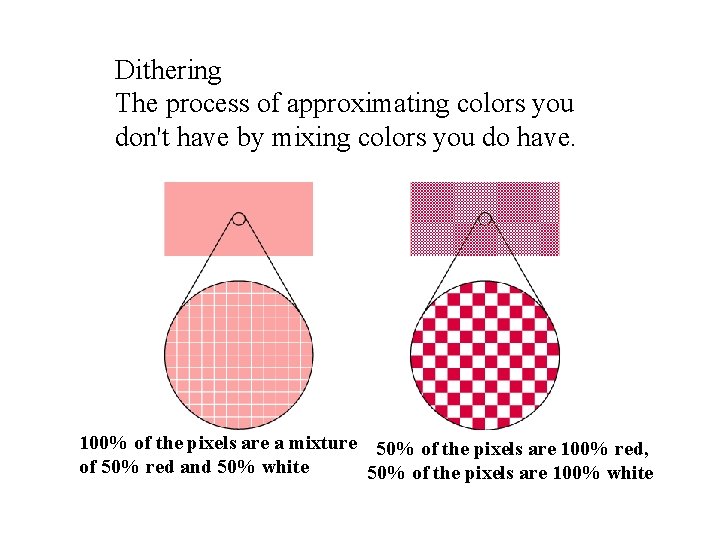
Dithering The process of approximating colors you don't have by mixing colors you do have. 100% of the pixels are a mixture 50% of the pixels are 100% red, of 50% red and 50% white 50% of the pixels are 100% white
Color Model in Open. GL