Insect allergy Joanna Lange Epidemiology 0 4 of

- Slides: 62
Insect allergy Joanna Lange
Epidemiology • • 0, 4 % of the population in the USA; cross - sectional studies: • 1 - 3% prevalence of systemic reaction; • 9 - 32% sensitization to insect venoms; • deaths to Hymenoptera stings – 40/per year in the USA;
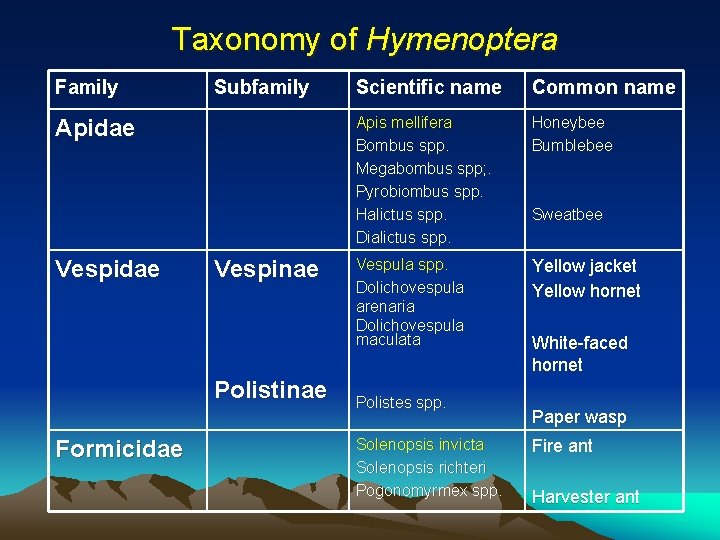
Taxonomy of Hymenoptera Family Subfamily Apidae Vespinae Polistinae Formicidae Scientific name Common name Apis mellifera Bombus spp. Megabombus spp; . Pyrobiombus spp. Halictus spp. Dialictus spp. Honeybee Bumblebee Vespula spp. Dolichovespula arenaria Dolichovespula maculata Yellow jacket Yellow hornet Polistes spp. Solenopsis invicta Solenopsis richteri Pogonomyrmex spp. Sweatbee White-faced hornet Paper wasp Fire ant Harvester ant
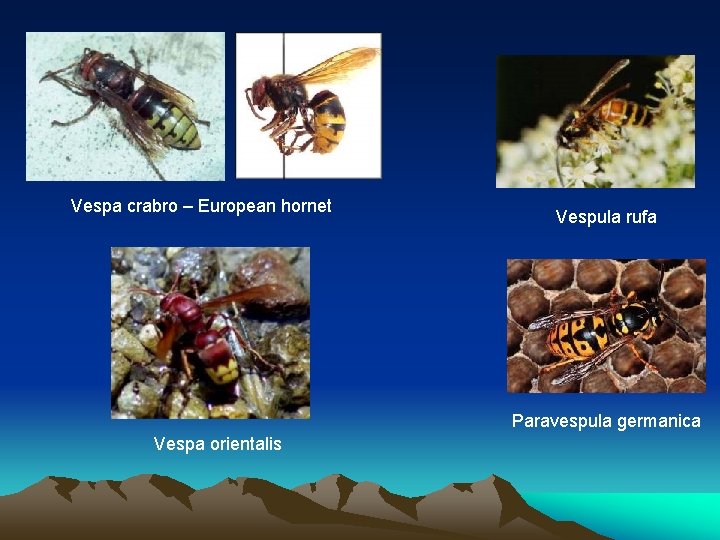
Vespa crabro – European hornet Vespula rufa Paravespula germanica Vespa orientalis
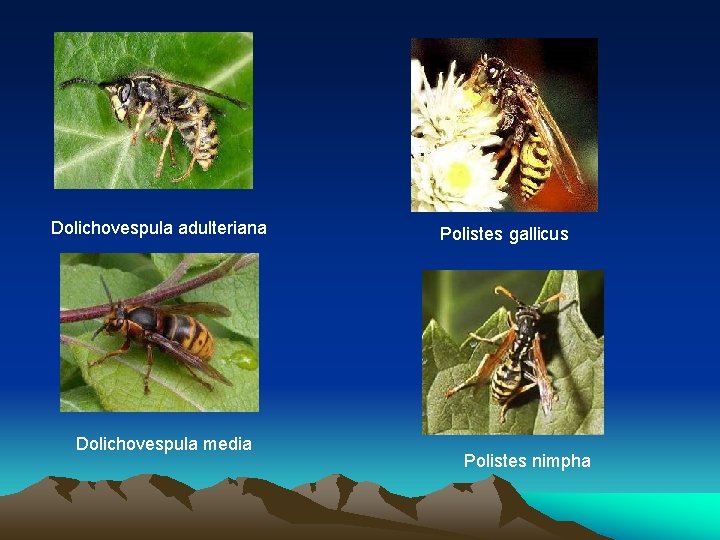
Dolichovespula adulteriana Dolichovespula media Polistes gallicus Polistes nimpha
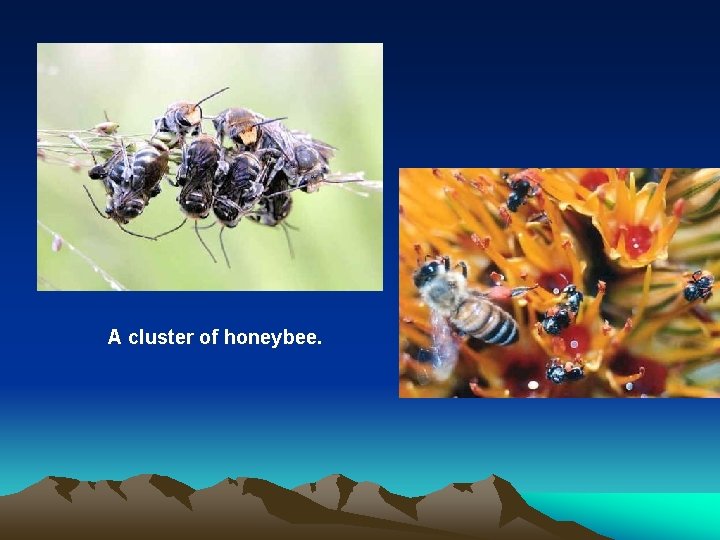
A cluster of honeybee.
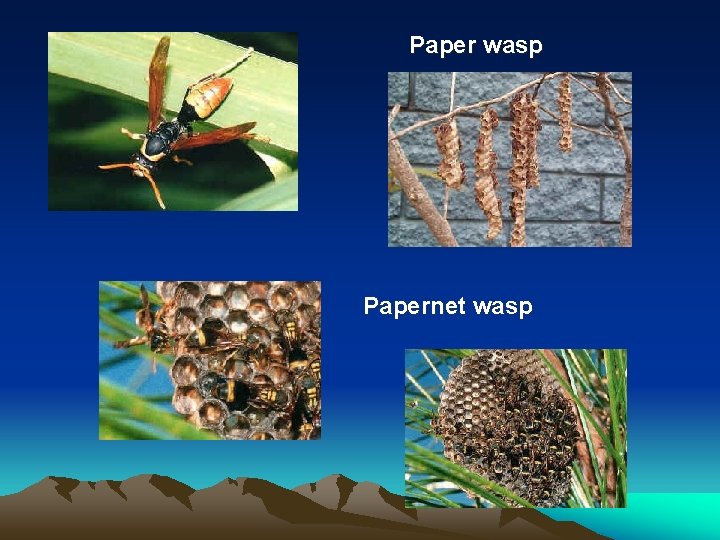
Paper wasp Papernet wasp
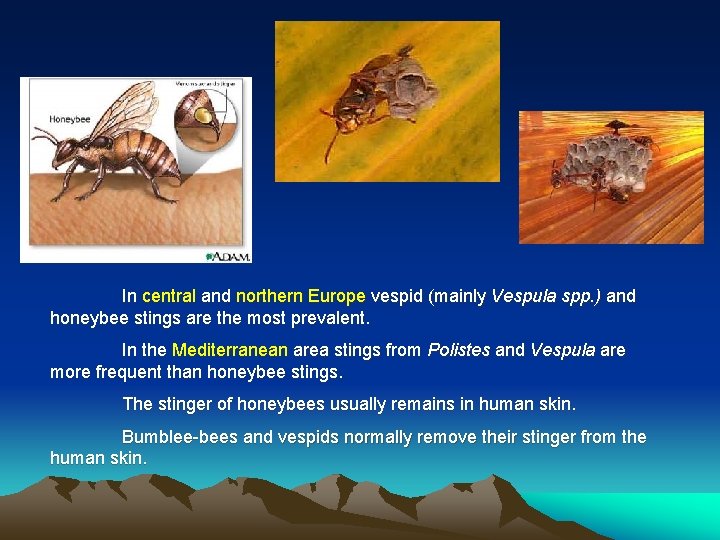
In central and northern Europe vespid (mainly Vespula spp. ) and honeybee stings are the most prevalent. In the Mediterranean area stings from Polistes and Vespula are more frequent than honeybee stings. The stinger of honeybees usually remains in human skin. Bumblee-bees and vespids normally remove their stinger from the human skin.
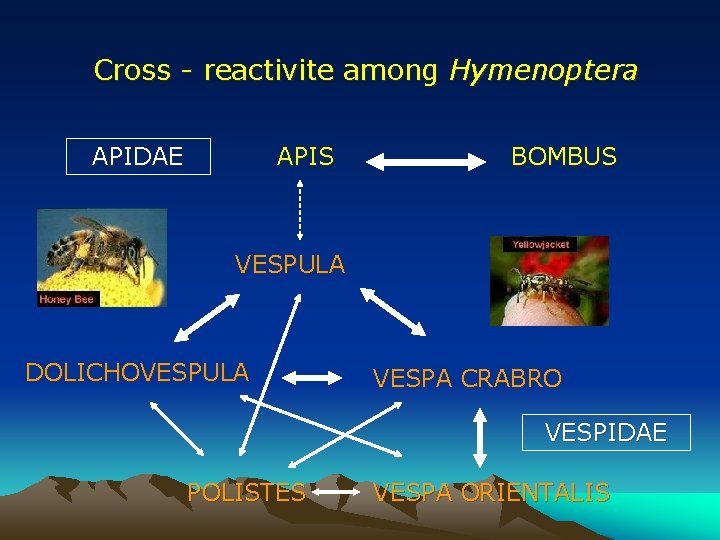
Cross - reactivite among Hymenoptera APIDAE APIS BOMBUS VESPULA DOLICHOVESPULA VESPA CRABRO VESPIDAE POLISTES VESPA ORIENTALIS
Venom biochemistry
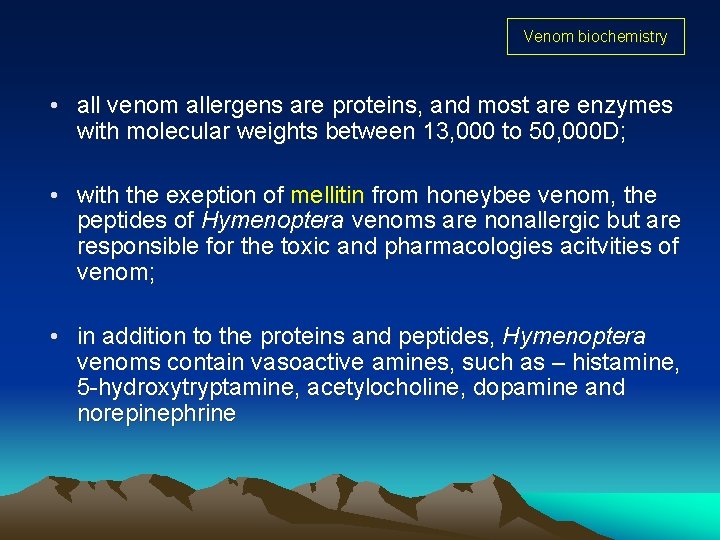
Venom biochemistry • all venom allergens are proteins, and most are enzymes with molecular weights between 13, 000 to 50, 000 D; • with the exeption of mellitin from honeybee venom, the peptides of Hymenoptera venoms are nonallergic but are responsible for the toxic and pharmacologies acitvities of venom; • in addition to the proteins and peptides, Hymenoptera venoms contain vasoactive amines, such as – histamine, 5 -hydroxytryptamine, acetylocholine, dopamine and norepinephrine
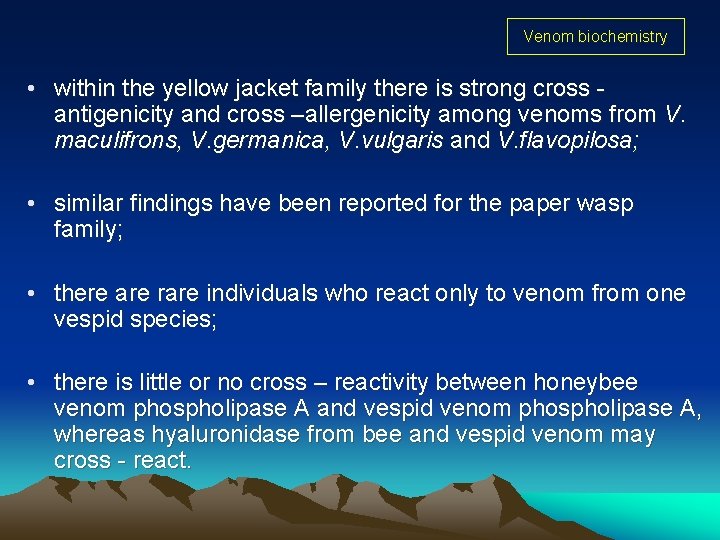
Venom biochemistry • within the yellow jacket family there is strong cross antigenicity and cross –allergenicity among venoms from V. maculifrons, V. germanica, V. vulgaris and V. flavopilosa; • similar findings have been reported for the paper wasp family; • there are rare individuals who react only to venom from one vespid species; • there is little or no cross – reactivity between honeybee venom phospholipase A and vespid venom phospholipase A, whereas hyaluronidase from bee and vespid venom may cross - react.
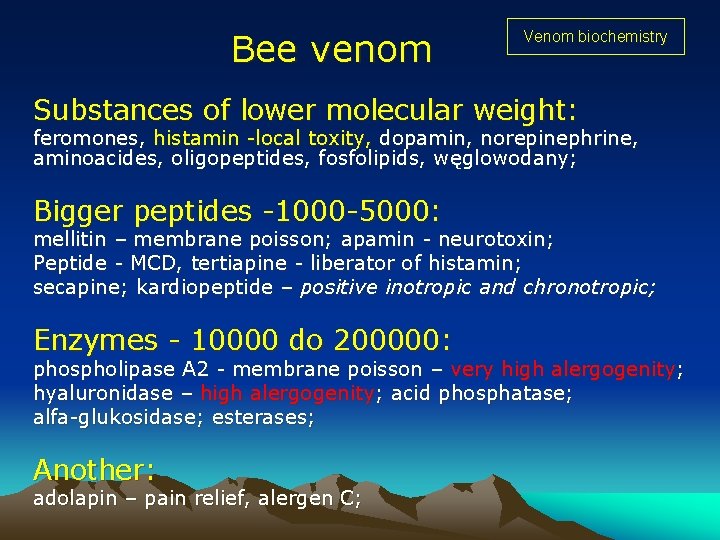
Bee venom Venom biochemistry Substances of lower molecular weight: feromones, histamin -local toxity, dopamin, norepinephrine, aminoacides, oligopeptides, fosfolipids, węglowodany; Bigger peptides -1000 -5000: mellitin – membrane poisson; apamin - neurotoxin; Peptide - MCD, tertiapine - liberator of histamin; secapine; kardiopeptide – positive inotropic and chronotropic; Enzymes - 10000 do 200000: phospholipase A 2 - membrane poisson – very high alergogenity; hyaluronidase – high alergogenity; acid phosphatase; alfa-glukosidase; esterases; Another: adolapin – pain relief, alergen C;
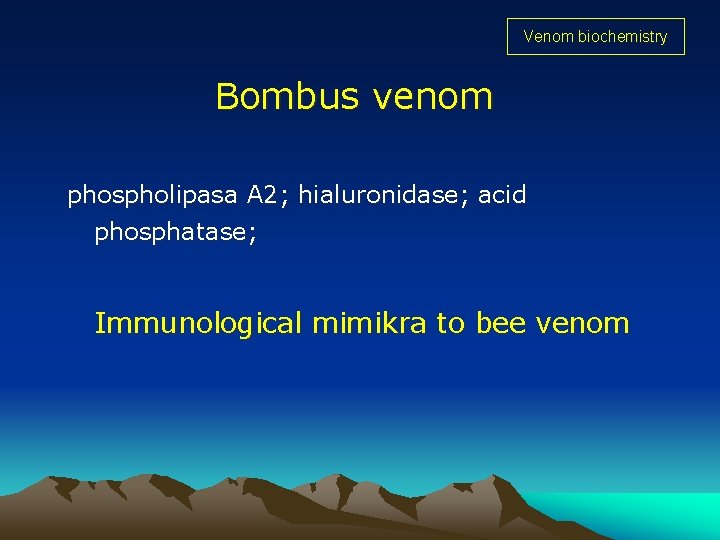
Venom biochemistry Bombus venom phospholipasa A 2; hialuronidase; acid phosphatase; Immunological mimikra to bee venom
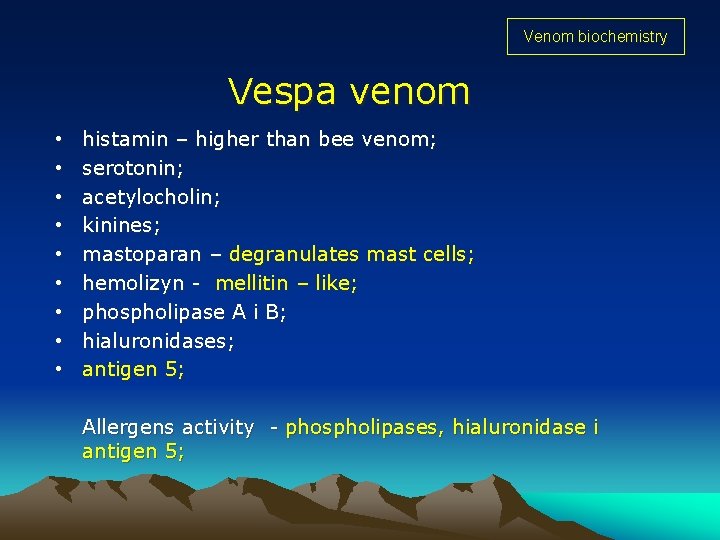
Venom biochemistry Vespa venom • • • histamin – higher than bee venom; serotonin; acetylocholin; kinines; mastoparan – degranulates mast cells; hemolizyn - mellitin – like; phospholipase A i B; hialuronidases; antigen 5; Allergens activity - phospholipases, hialuronidase i antigen 5;
Clinical presentation and pathogenesis of sting reactions
Clinical presentation • venom hypersensitivity may be mediated by immunologic mechanisms (Ig. E or not. Ig. E), but also by non - immunological mechanisms; • classification if the reaction: • • • normal local reaction; large local reaction; systemic toxic reaction; systemic anaphzlactic reaction; unusual reaction.
Clinical presentation Normal local sting reaction • • • local reaction with pain; erythema; slight swelling around the sting side; subside within 24 hours; only a small sting reaction may be remain a visible for a few days.
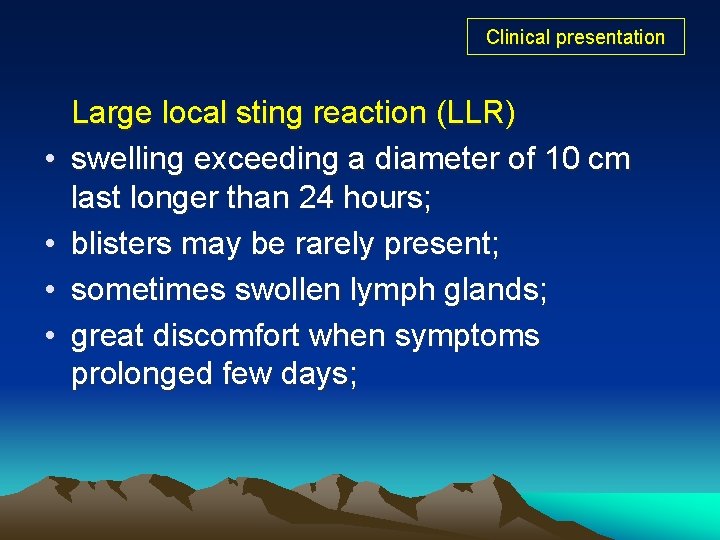
Clinical presentation • • Large local sting reaction (LLR) swelling exceeding a diameter of 10 cm last longer than 24 hours; blisters may be rarely present; sometimes swollen lymph glands; great discomfort when symptoms prolonged few days;
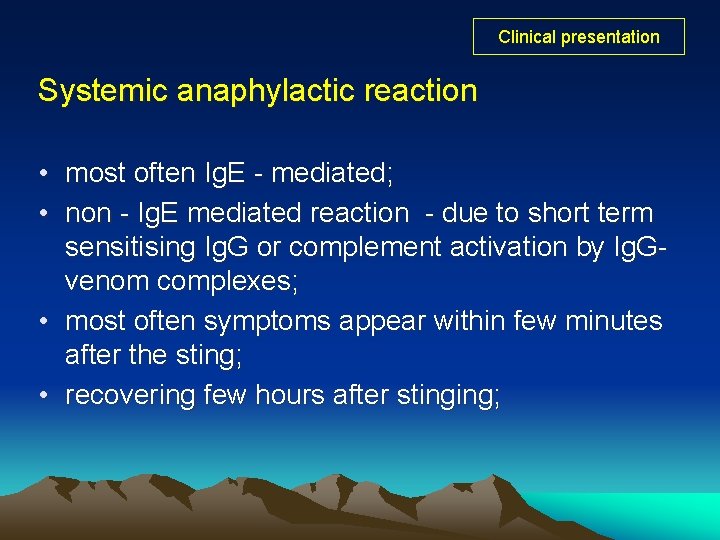
Clinical presentation Systemic anaphylactic reaction • most often Ig. E - mediated; • non - Ig. E mediated reaction - due to short term sensitising Ig. G or complement activation by Ig. Gvenom complexes; • most often symptoms appear within few minutes after the sting; • recovering few hours after stinging;
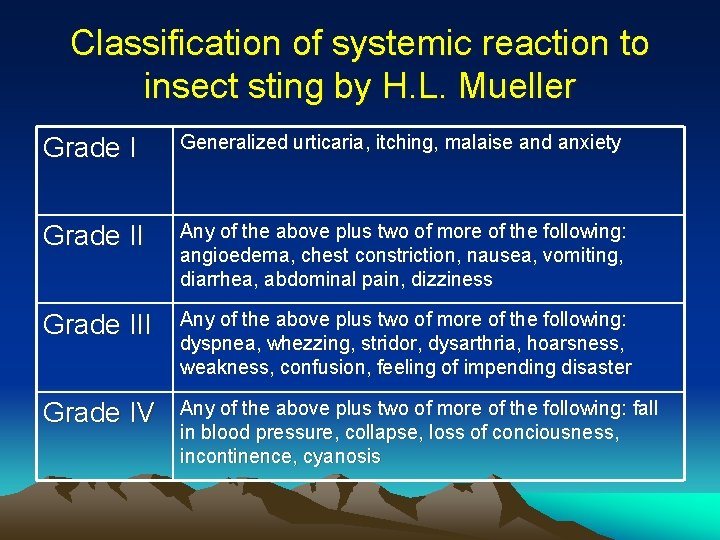
Classification of systemic reaction to insect sting by H. L. Mueller Grade I Generalized urticaria, itching, malaise and anxiety Grade II Any of the above plus two of more of the following: angioedema, chest constriction, nausea, vomiting, diarrhea, abdominal pain, dizziness Grade III Any of the above plus two of more of the following: dyspnea, whezzing, stridor, dysarthria, hoarsness, weakness, confusion, feeling of impending disaster Grade IV Any of the above plus two of more of the following: fall in blood pressure, collapse, loss of conciousness, incontinence, cyanosis
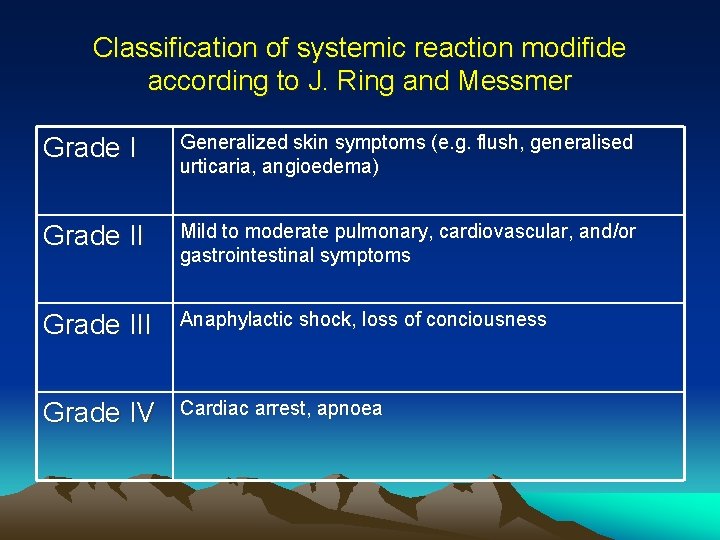
Classification of systemic reaction modifide according to J. Ring and Messmer Grade I Generalized skin symptoms (e. g. flush, generalised urticaria, angioedema) Grade II Mild to moderate pulmonary, cardiovascular, and/or gastrointestinal symptoms Grade III Anaphylactic shock, loss of conciousness Grade IV Cardiac arrest, apnoea
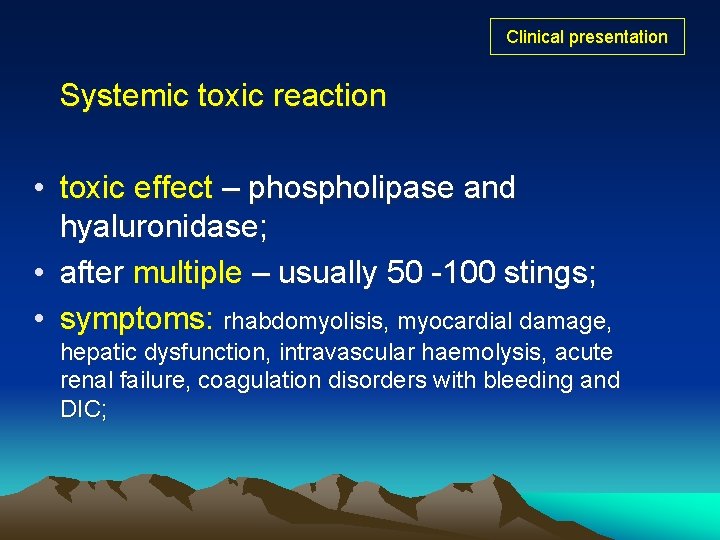
Clinical presentation Systemic toxic reaction • toxic effect – phospholipase and hyaluronidase; • after multiple – usually 50 -100 stings; • symptoms: rhabdomyolisis, myocardial damage, hepatic dysfunction, intravascular haemolysis, acute renal failure, coagulation disorders with bleeding and DIC;
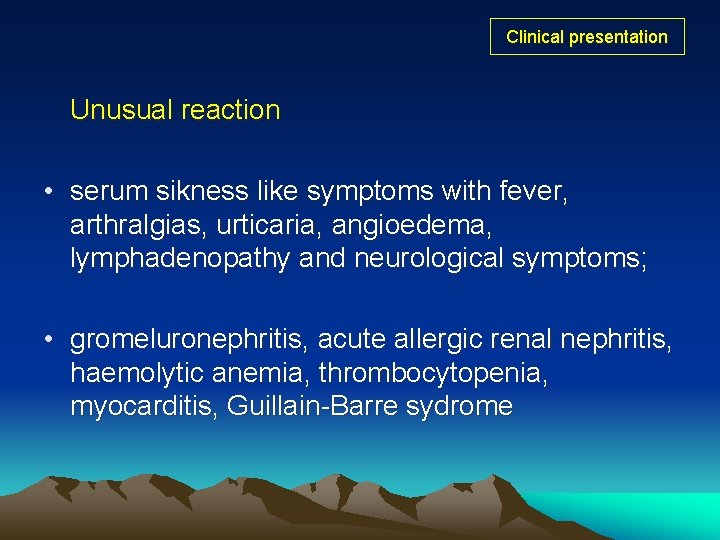
Clinical presentation Unusual reaction • serum sikness like symptoms with fever, arthralgias, urticaria, angioedema, lymphadenopathy and neurological symptoms; • gromeluronephritis, acute allergic renal nephritis, haemolytic anemia, thrombocytopenia, myocarditis, Guillain-Barre sydrome
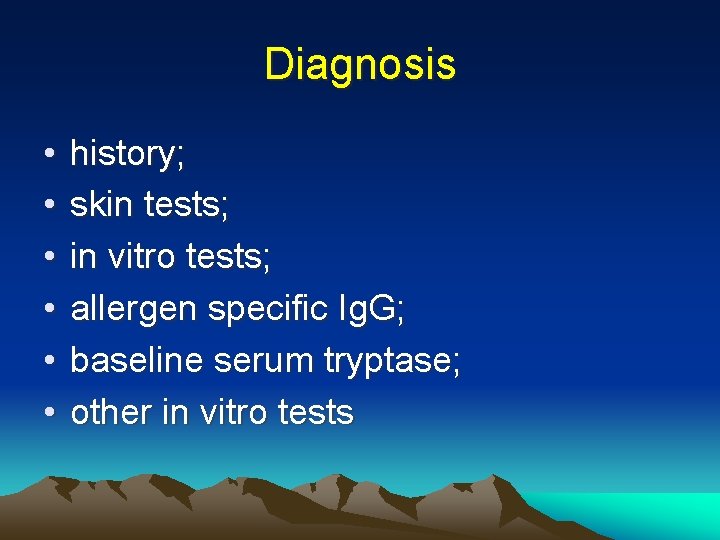
Diagnosis • • • history; skin tests; in vitro tests; allergen specific Ig. G; baseline serum tryptase; other in vitro tests
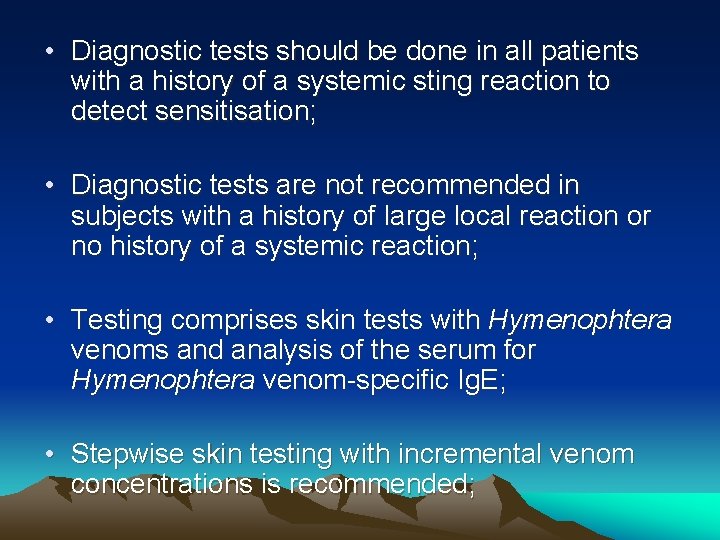
• Diagnostic tests should be done in all patients with a history of a systemic sting reaction to detect sensitisation; • Diagnostic tests are not recommended in subjects with a history of large local reaction or no history of a systemic reaction; • Testing comprises skin tests with Hymenophtera venoms and analysis of the serum for Hymenophtera venom-specific Ig. E; • Stepwise skin testing with incremental venom concentrations is recommended;
• If skin prick tests are negative subsequently intradermal tests should be done; • If diagnostic tests are negative they should be repeated several weeks later; • If both skin tests and specific Ige stay negative additional in-vitro tests should be carried out; • Serum tryptase should be analysed in patients with a history of a severe sting reaction
Prevention
Preventing insect stings and bites • Avoid provoking insects whenever possible. • Avoid rapid, jerky movements around insect hives or nests. • Avoid perfumes and floral-patterned or dark clothing. • Use appropriate insect repellants and/or protective clothing. • Use caution when eating outdoors, especially with sweetened beverages or in areas around garbage cans which often attract bees.
Examples of activities implying special risk for stings during warm season • • • outdoor eating and drinking; barefoot walking; gardening (especially cutting hedges, flowers); picking fruit; outdoor sporting (especially with scanty outfit or open mouth); • staying close to beehives when honey is collected; • removing vespid nests from attic or windows;
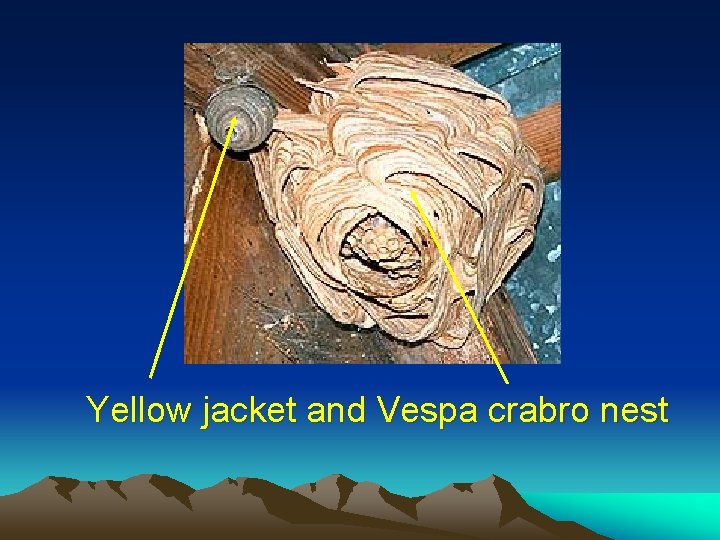
Yellow jacket and Vespa crabro nest
Emergency treatment
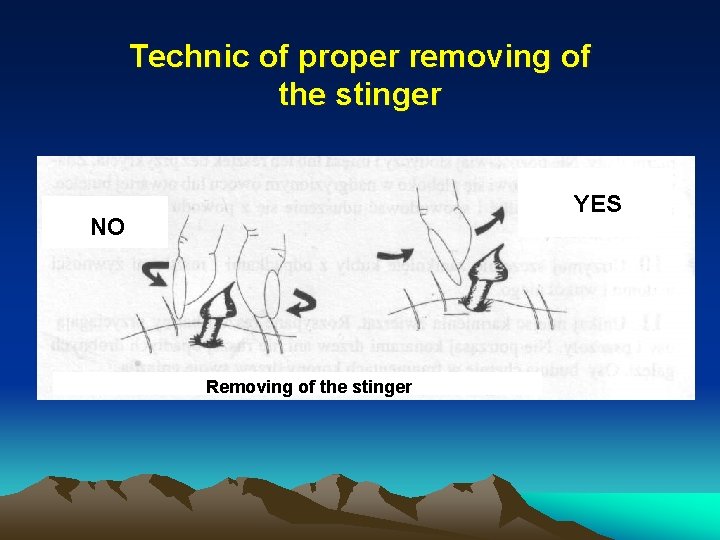
Technic of proper removing of the stinger YES NO Removing of the stinger
First aid for minor reactions • If the sting is from a honey bee, remove the stinger from the skin if it is still present. Carefully scrape the back of a knife or other thin straightedged object across the stinger if the victim can remain still, and it is safe to do so. Otherwise, you can pull out the stinger with tweezers or your fingers, but avoid pinching the venom sac at the end of the stinger which will cause more venom to be released. • Wash the site thoroughly with soap and water. • Cover the site with a clean, cold compress or a clean, moist dressing to reduce swelling and discomfort. • Over the next 24 to 48 hours, observe the site for signs of infection (such as increasing redness, swelling, pain). • Sores from scratching can become infected. Keep bites clean and, to prevent infection, don't scratch.
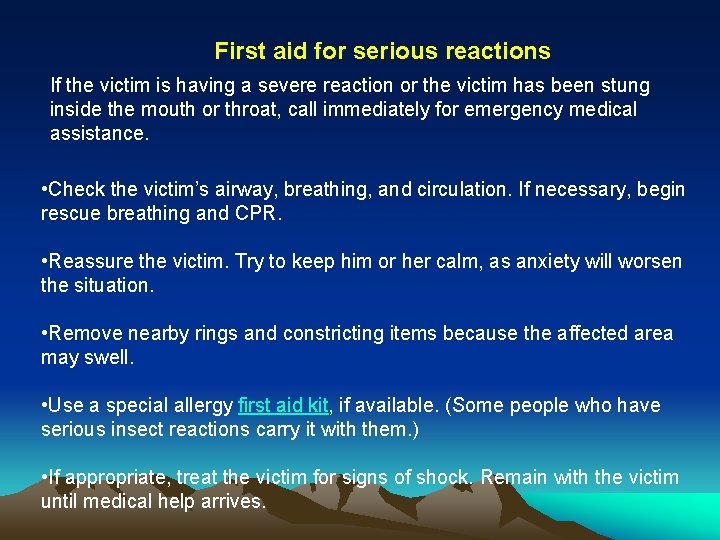
First aid for serious reactions If the victim is having a severe reaction or the victim has been stung inside the mouth or throat, call immediately for emergency medical assistance. • Check the victim’s airway, breathing, and circulation. If necessary, begin rescue breathing and CPR. • Reassure the victim. Try to keep him or her calm, as anxiety will worsen the situation. • Remove nearby rings and constricting items because the affected area may swell. • Use a special allergy first aid kit, if available. (Some people who have serious insect reactions carry it with them. ) • If appropriate, treat the victim for signs of shock. Remain with the victim until medical help arrives.
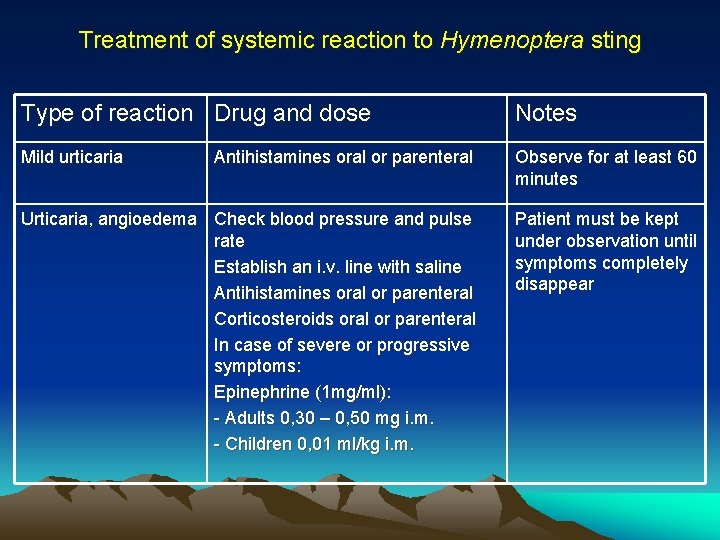
Treatment of systemic reaction to Hymenoptera sting Type of reaction Drug and dose Notes Mild urticaria Antihistamines oral or parenteral Observe for at least 60 minutes Urticaria, angioedema Check blood pressure and pulse rate Establish an i. v. line with saline Antihistamines oral or parenteral Corticosteroids oral or parenteral In case of severe or progressive symptoms: Epinephrine (1 mg/ml): - Adults 0, 30 – 0, 50 mg i. m. - Children 0, 01 ml/kg i. m. Patient must be kept under observation until symptoms completely disappear
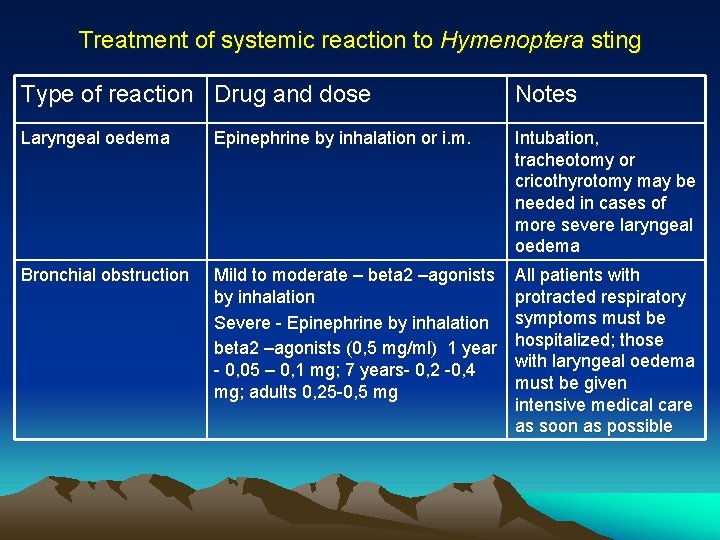
Treatment of systemic reaction to Hymenoptera sting Type of reaction Drug and dose Notes Laryngeal oedema Epinephrine by inhalation or i. m. Intubation, tracheotomy or cricothyrotomy may be needed in cases of more severe laryngeal oedema Bronchial obstruction Mild to moderate – beta 2 –agonists by inhalation Severe - Epinephrine by inhalation beta 2 –agonists (0, 5 mg/ml) 1 year - 0, 05 – 0, 1 mg; 7 years- 0, 2 -0, 4 mg; adults 0, 25 -0, 5 mg All patients with protracted respiratory symptoms must be hospitalized; those with laryngeal oedema must be given intensive medical care as soon as possible
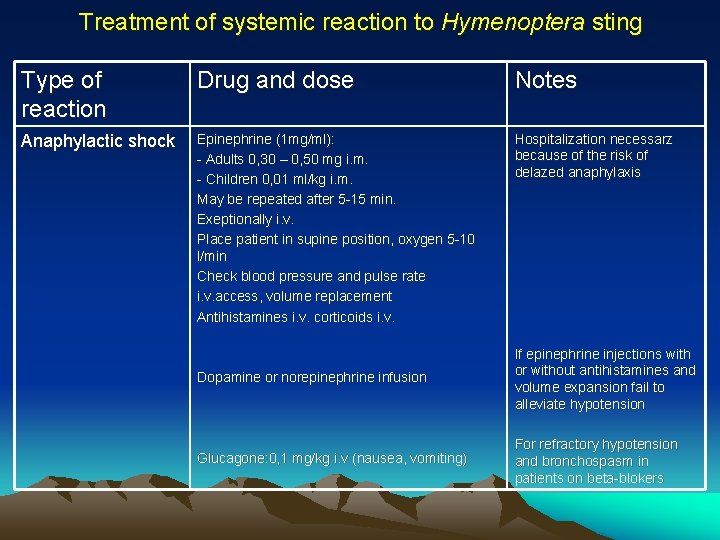
Treatment of systemic reaction to Hymenoptera sting Type of reaction Drug and dose Notes Anaphylactic shock Epinephrine (1 mg/ml): - Adults 0, 30 – 0, 50 mg i. m. - Children 0, 01 ml/kg i. m. May be repeated after 5 -15 min. Exeptionally i. v. Place patient in supine position, oxygen 5 -10 l/min Check blood pressure and pulse rate i. v. access, volume replacement Antihistamines i. v. corticoids i. v. Hospitalization necessarz because of the risk of delazed anaphylaxis Dopamine or norepinephrine infusion If epinephrine injections with or without antihistamines and volume expansion fail to alleviate hypotension Glucagone: 0, 1 mg/kg i. v (nausea, vomiting) For refractory hypotension and bronchospasm in patients on beta-blokers
Epinephrine - indications • all with history of anaphylaxis or „ very sensitized”; • those with hymenophtera allergy; • with food allergy; • in patients with anaphylaxis induced by exercises;
Emergency treatment • after a systemic reation, patients should be referred to an allergy specialist for evaluation of their allergy and if necessary VIT; • i. m. epinephrine is regarded as a treatment fo choice for acute anaphylaxis; • H 1 – antihistamines alone or in combination with corticosteroids may be efective in mild to moderate, reactions confined to the skin and may support the value of treatment with epinephrine in full-blown anaphylaxis; • untreated patients with a history of a systemic reaction are strongly advised to carry emergency kits containing injectable epinephrine for self administration
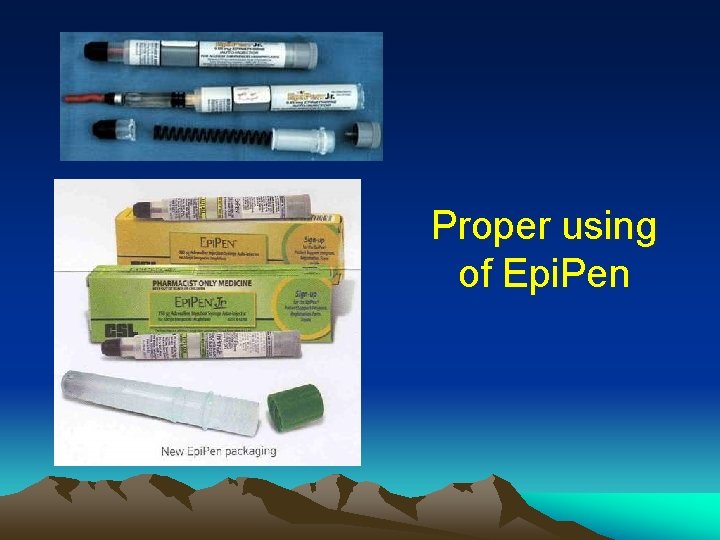
Proper using of Epi. Pen
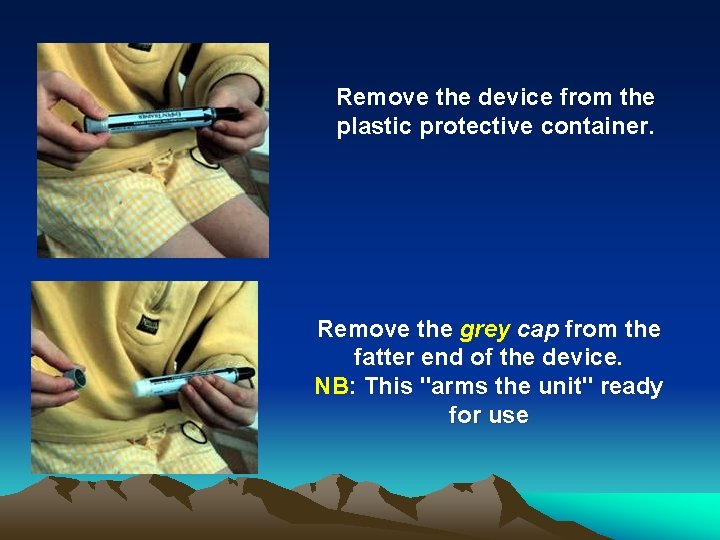
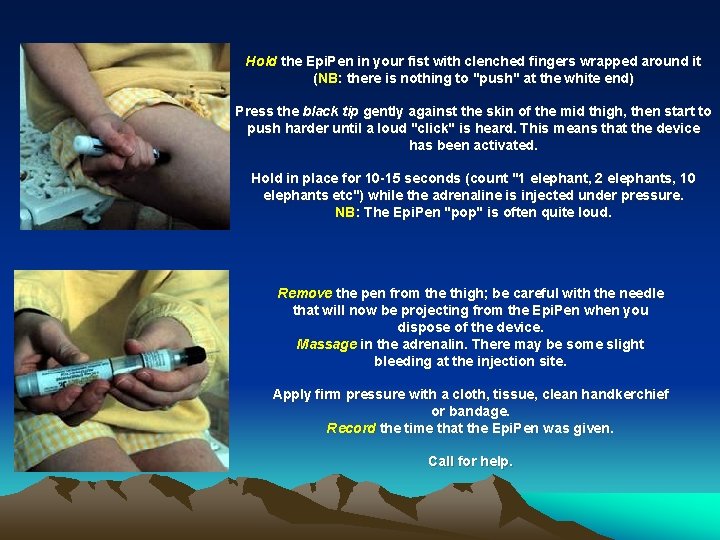
Remove the device from the plastic protective container. Remove the grey cap from the fatter end of the device. NB: This "arms the unit" ready for use
Hold the Epi. Pen in your fist with clenched fingers wrapped around it (NB: there is nothing to "push" at the white end) Press the black tip gently against the skin of the mid thigh, then start to push harder until a loud "click" is heard. This means that the device has been activated. Hold in place for 10 -15 seconds (count "1 elephant, 2 elephants, 10 elephants etc") while the adrenaline is injected under pressure. NB: The Epi. Pen "pop" is often quite loud. Remove the pen from the thigh; be careful with the needle that will now be projecting from the Epi. Pen when you dispose of the device. Massage in the adrenalin. There may be some slight bleeding at the injection site. Apply firm pressure with a cloth, tissue, clean handkerchief or bandage. Record the time that the Epi. Pen was given. Call for help.
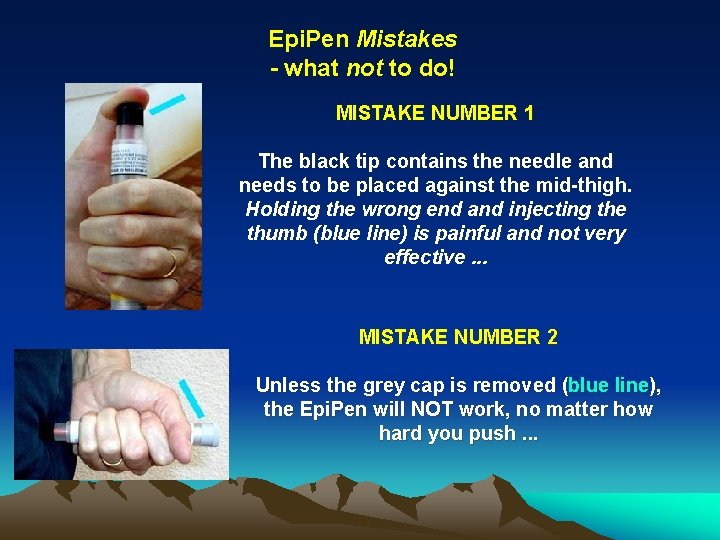
Epi. Pen Mistakes - what not to do! MISTAKE NUMBER 1 The black tip contains the needle and needs to be placed against the mid-thigh. Holding the wrong end and injecting the thumb (blue line) is painful and not very effective. . . MISTAKE NUMBER 2 Unless the grey cap is removed (blue line), the Epi. Pen will NOT work, no matter how hard you push. . .
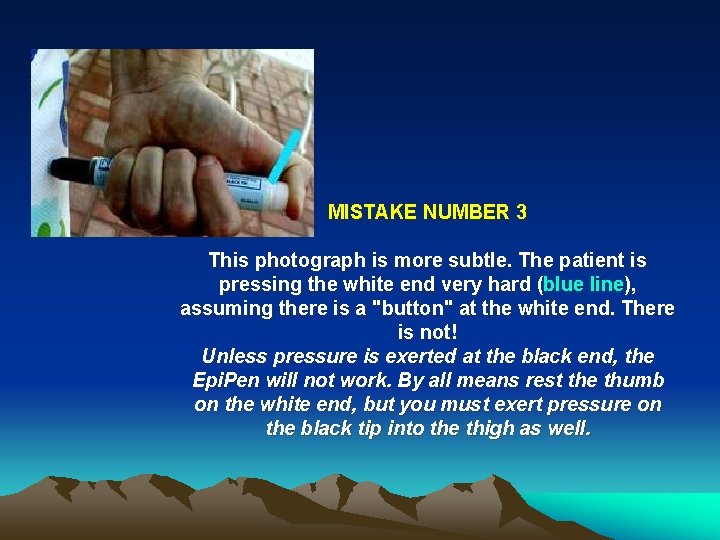
MISTAKE NUMBER 3 This photograph is more subtle. The patient is pressing the white end very hard (blue line), assuming there is a "button" at the white end. There is not! Unless pressure is exerted at the black end, the Epi. Pen will not work. By all means rest the thumb on the white end, but you must exert pressure on the black tip into the thigh as well.
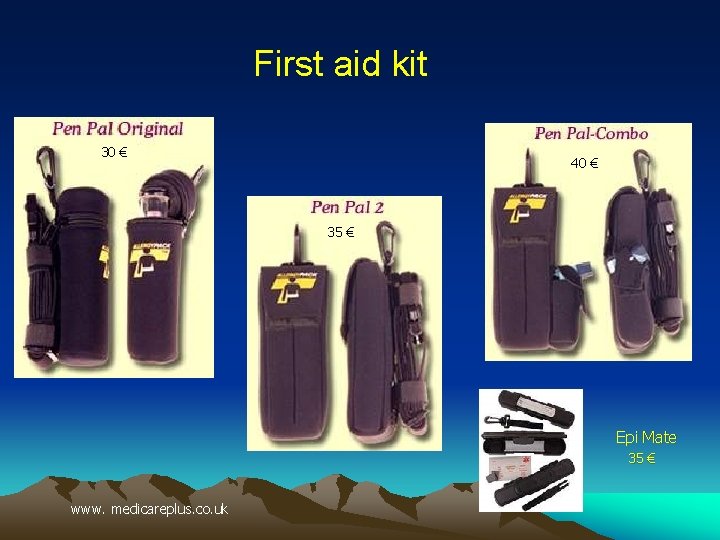
First aid kit 30 € 40 € 35 € Epi Mate 35 € www. medicareplus. co. uk
Venom immunotherapy
Venom immunotherapy Indications: • in persons who have expirience a systemic reaction to an insect sting and who have postive skin test (prick or intradermal) at concentration 1 mcg/ml or less; • medical indications are strongest in adults – untreated individuals – 50 -60% of risk of systemic reaction if stung again; • large local reactions – only a small risk of anaphylaxix after future stings
Venom immunotherapy Contra indications: • • • autoimmunologic diseases; tumors; immunological deficiences; children younger than 5 years; insufficiences of heart, hepatic problems, nephrological problems, epilepsy; • psychiatric problems; • diseases in which adrenalin is conrtaindicated (e. g. pcheochromocytoma, thyreoid tumors);
Indication to the immunotherpy (by Bousquet) in patients above 15 year
Indication to the immunotherpy (by Bousquet) in patients younger than 15 year
Even skin tests are positive or specific Ig. E are positive, no immunotherapy in such situations: • no systemic or large local reactions; • only slight large local reaction; • systemic reactions were late;
Venom immunotherapy Schedules • it is possible to reach the targeted maintance dose (100 mcg/ml) in 2 or 3 days, 6 hours or even 31/2 hourse; • local swelling, erythema or even anaphylactic reactions – those schedules unacceptable for some persons; • if monthly maintance doses of venom have been tolerates fo 6 months, the interval between injections can be lenghted to 6 to 8 weeks or 8 to 12 weeks;
Venom immunotherapy Safety • generally well tolerated; • 12% of persons have allergic reactions during the bulid – up doses of 1 to 50 mcg/ml and some in the maintance dose of 100 mcg; • more apt to occur with honeybee or wasp immunotherapy; • if a patient experiences a systemic reaction during bulid-up phase, the next dose should be reduced by 50%
Bitting insect allergy
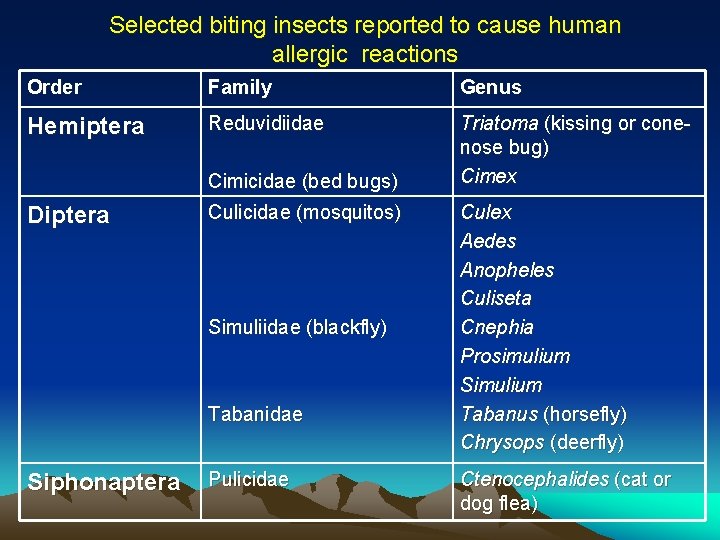
Selected biting insects reported to cause human allergic reactions Order Family Genus Hemiptera Reduvidiidae Triatoma (kissing or conenose bug) Cimex Cimicidae (bed bugs) Diptera Culicidae (mosquitos) Simuliidae (blackfly) Tabanidae Siphonaptera Pulicidae Culex Aedes Anopheles Culiseta Cnephia Prosimulium Simulium Tabanus (horsefly) Chrysops (deerfly) Ctenocephalides (cat or dog flea)
Triatoma (Kissing bug, Cone – nose bug) • feed by sucking the blood of vertebrate animals; • bites are painless; • allergens derived from salivary glands of insect; • immunotherapy with T. protracta salivary gland extract has provided clinical protection from Triatoma bite – induced anaphylaxis in a small number of individuals;
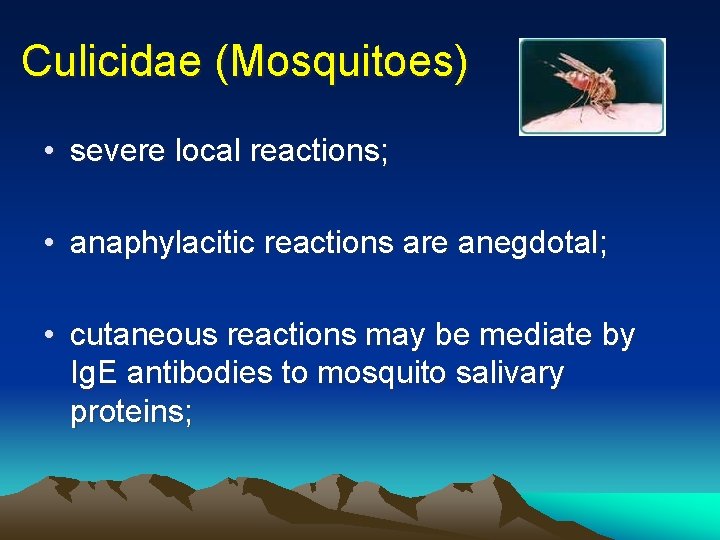
Culicidae (Mosquitoes) • severe local reactions; • anaphylacitic reactions are anegdotal; • cutaneous reactions may be mediate by Ig. E antibodies to mosquito salivary proteins;
Tabanidae (Horsefly, Deerflies) • females suck blood, whereas males feed on plant juices, nectar or other nourishing liquids; • Horseflies are cosmopolitan and are pests of both human and animals; • their bite is painful, and they make a deep wound with a considerable flow of blood; • systemic reactions have been noted after deerfly bites and Ig. E antibodies to deerfly antigens have been demonstrated by leukocyte histamine release assays and passive skin testing;
Other biting insects • only two case reports of allergic reactions after bites from bed bugs (Cimex spp. ); • blackfly bites may cause large local reactions and induce specific Ig. E antibodies; • severe systemic reactions to blackfly bites are rare;
Inhalant insect allergy • rhinitis, conjunctivitis, and asthma can develop as the result of allergic sensitivity to scales, hairs, and emanations of a variety of insects; • symptoms are typical of inhalant allergy caused by other activities to polens and danders; • a number of insects may cause occupational asthma (e. g. coackroaches)