
Harris Quantitative Chemical Analysis Eight Edition CHAPTER 06
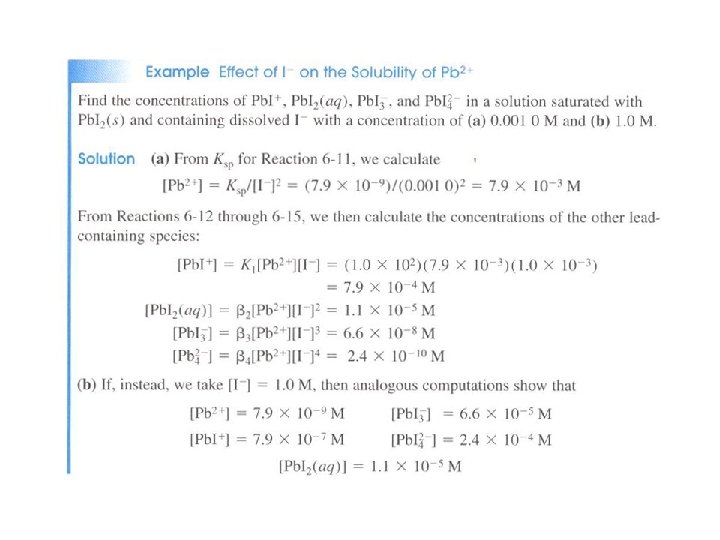
![When [I-] = 1. 0 M, [Pb]total = 3. 2 x 10 -4 M](https://slidetodoc.com/presentation_image_h/2f8691681b8fd680c275c62bee2c09e6/image-15.jpg "When [I-] = 1. 0 M, [Pb]total = 3. 2 x 10 -4 M")

- Slides: 46
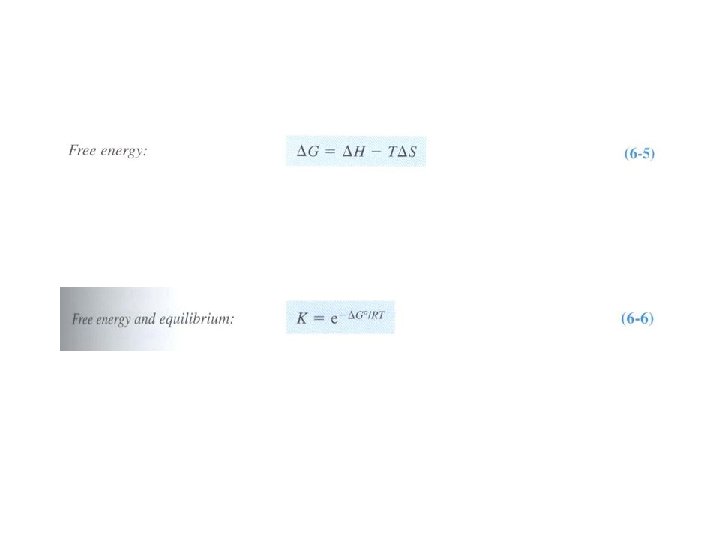
Harris: Quantitative Chemical Analysis, Eight Edition CHAPTER 06: CHEMICAL EQUILIBRIUM
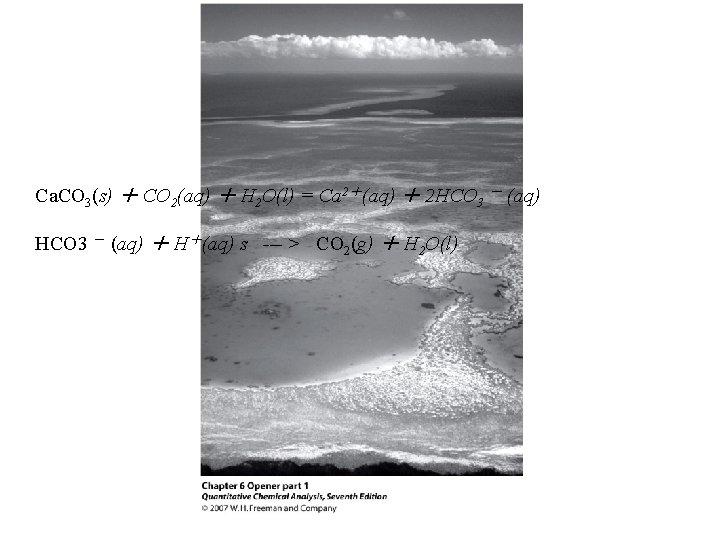
Ca. CO 3(s) + CO 2(aq) + H 2 O(l) = Ca 2+(aq) + 2 HCO 3 - (aq) + H+(aq) s --- > CO 2(g) + H 2 O(l)
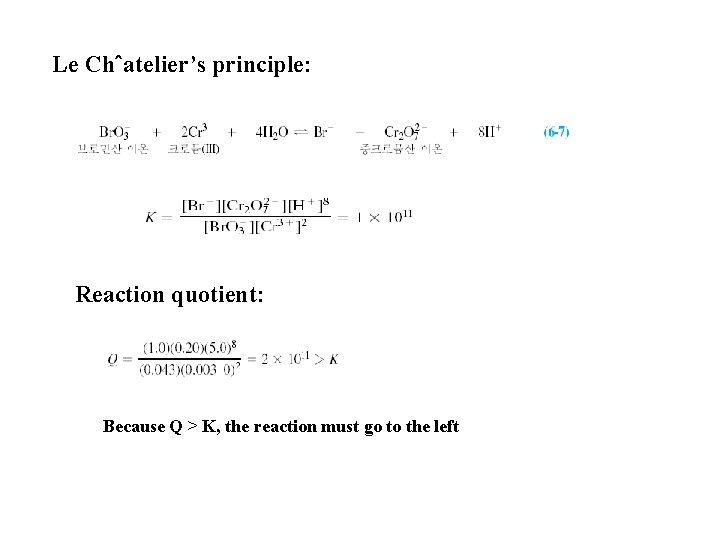
Le Chˆatelier’s principle: Reaction quotient: Because Q > K, the reaction must go to the left
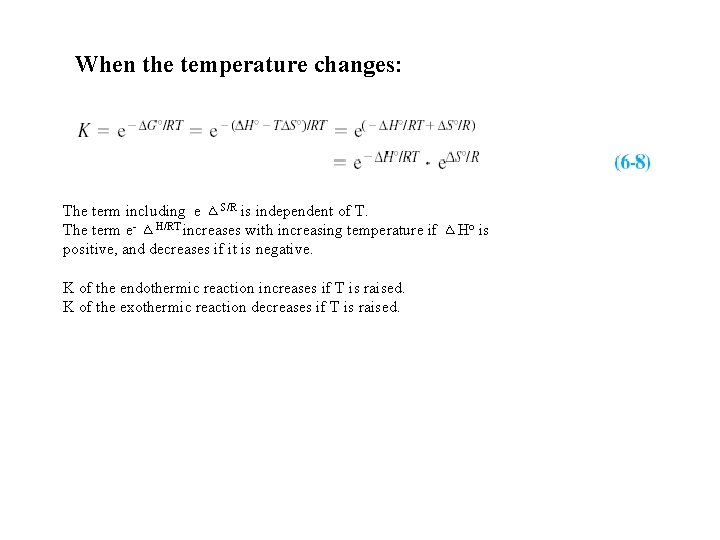
When the temperature changes: The term including e ᅀS/R is independent of T. The term e- ᅀH/RT increases with increasing temperature if ᅀHo is positive, and decreases if it is negative. K of the endothermic reaction increases if T is raised. K of the exothermic reaction decreases if T is raised.
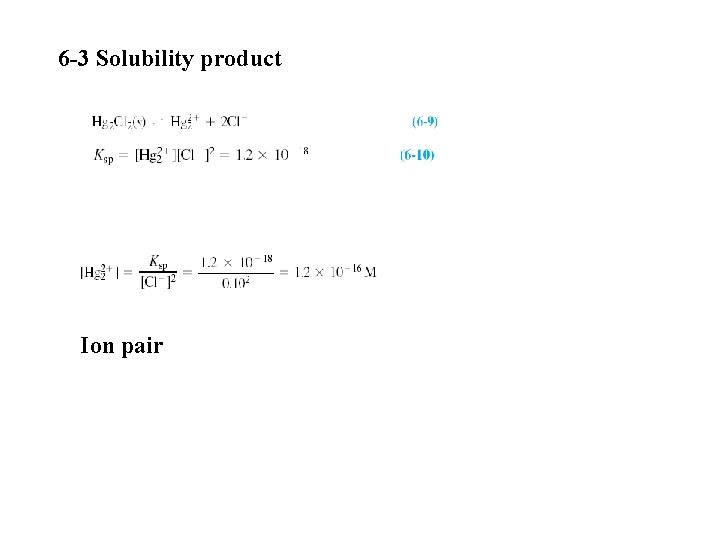
6 -3 Solubility product Ion pair
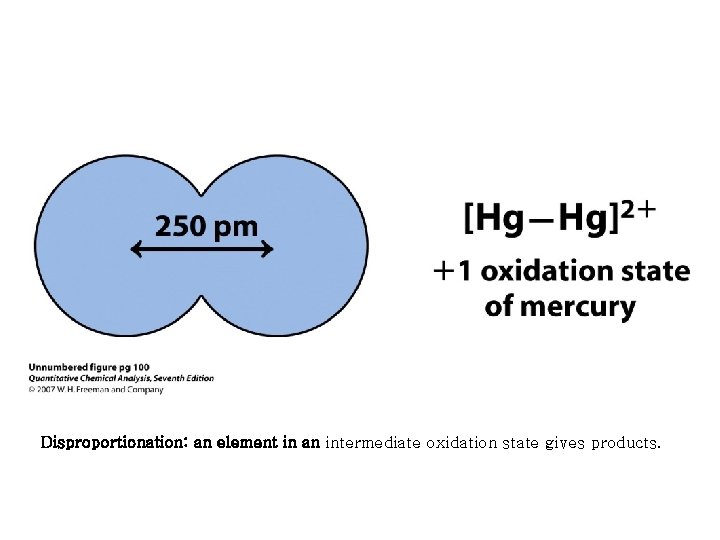
Disproportionation: an element in an intermediate oxidation state gives products.
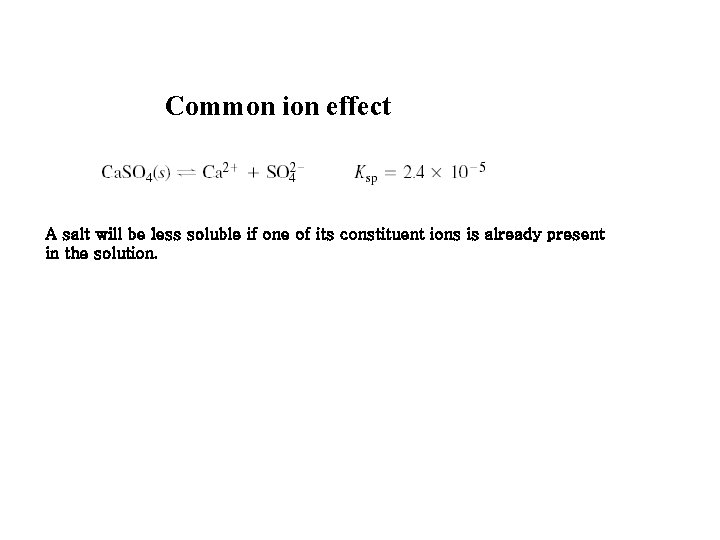
Common ion effect A salt will be less soluble if one of its constituent ions is already present in the solution.
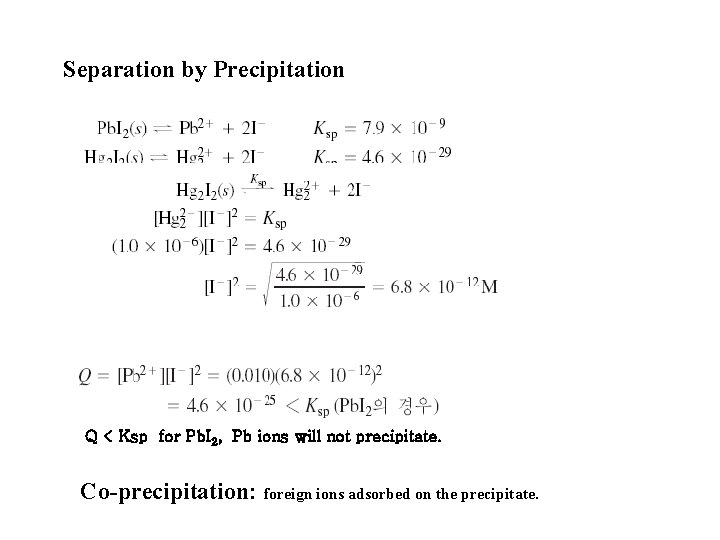
Separation by Precipitation Q < Ksp for Pb. I 2, Pb ions will not precipitate. Co-precipitation: foreign ions adsorbed on the precipitate.
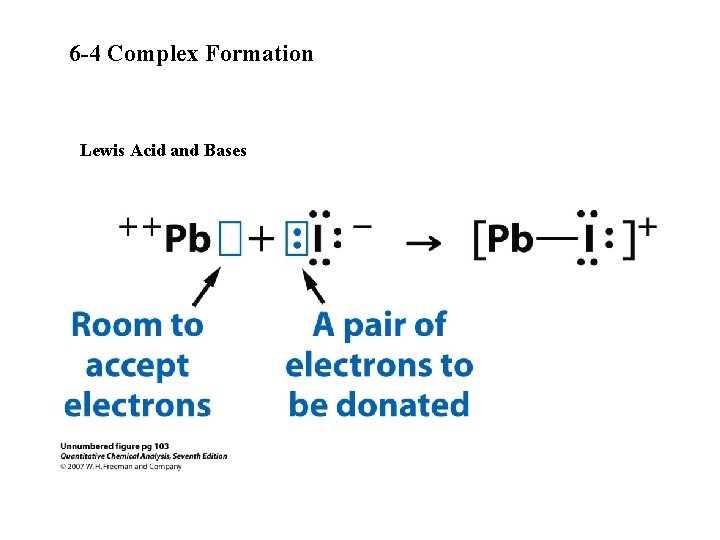
6 -4 Complex Formation Lewis Acid and Bases
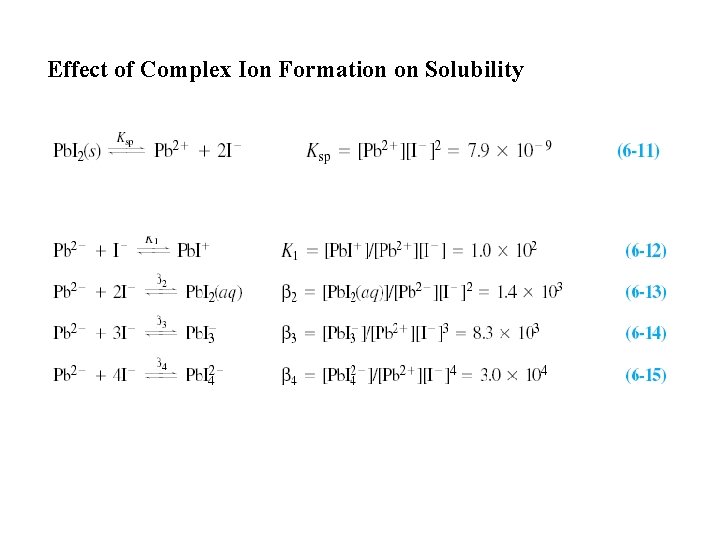
Effect of Complex Ion Formation on Solubility
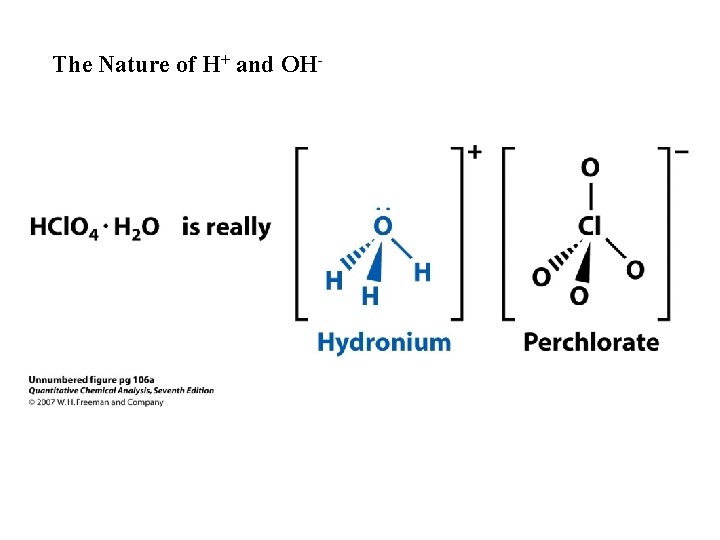
When [I-] = 1. 0 M, [Pb]total = 3. 2 x 10 -4 M 6 -5 Protic Acids and Bases - Hydronium ion: H 3 O+ Brønsted-Lowry Acids and Bases: Acid: proton donor, Base: proton acceptor Salt: Any ionic solid
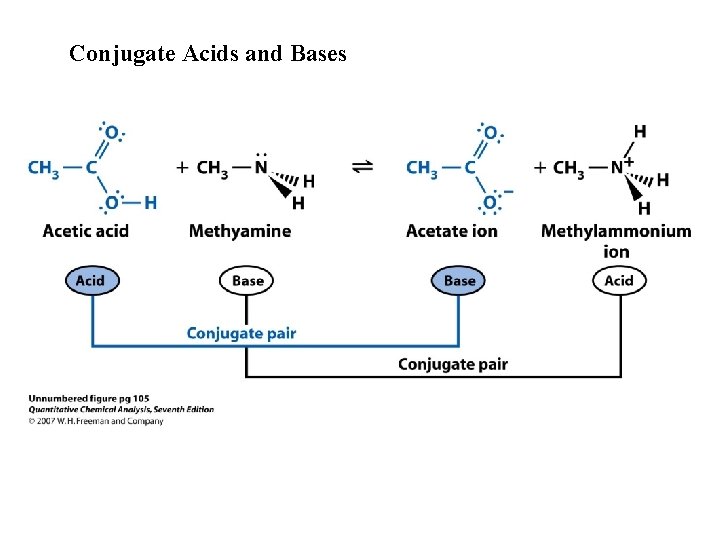
Conjugate Acids and Bases
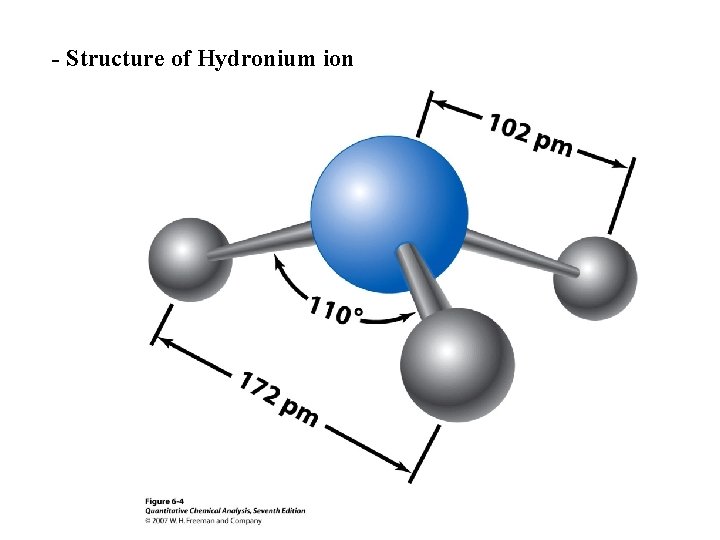
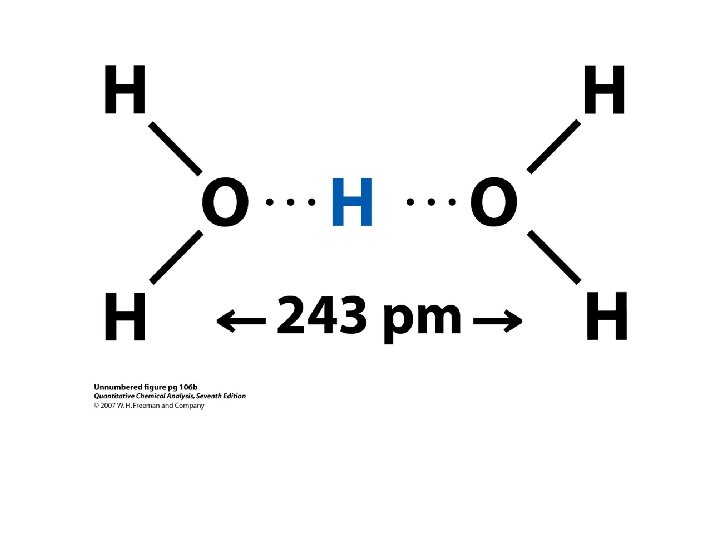
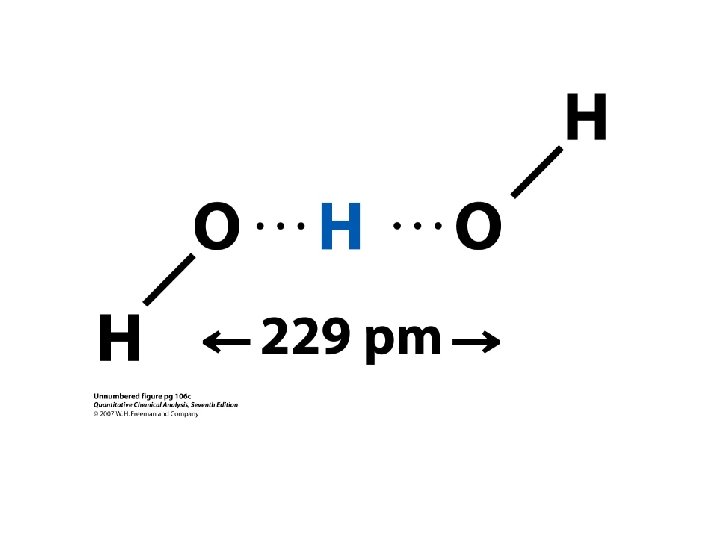
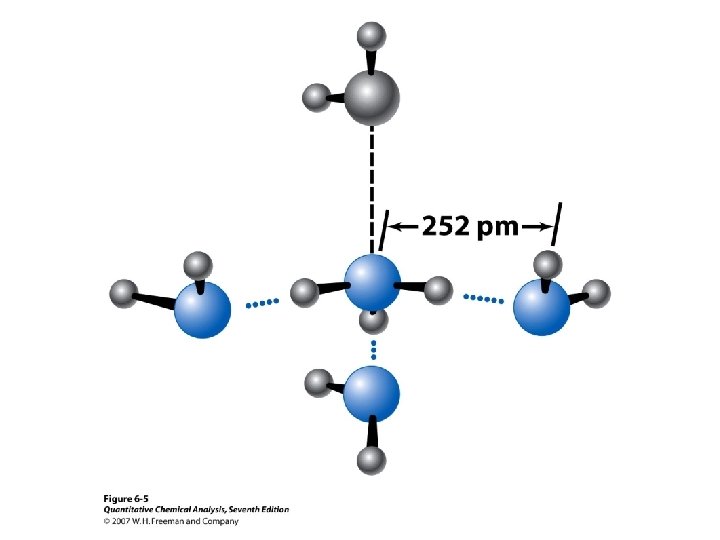
- Structure of Hydronium ion
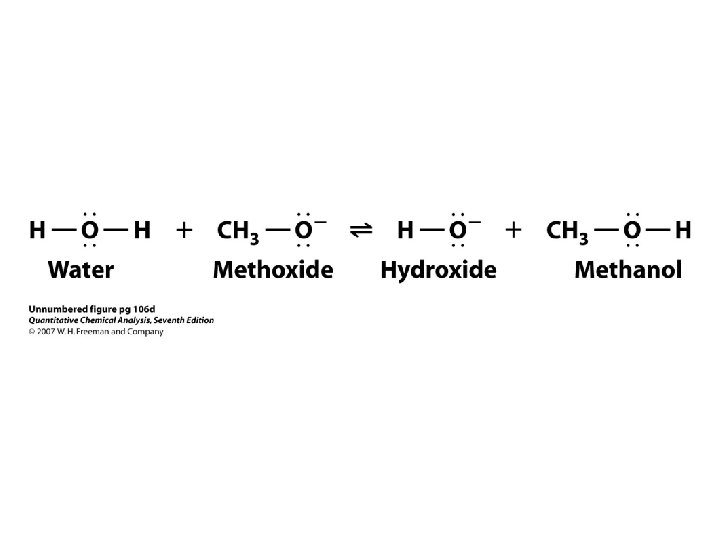
The Nature of H+ and OH-
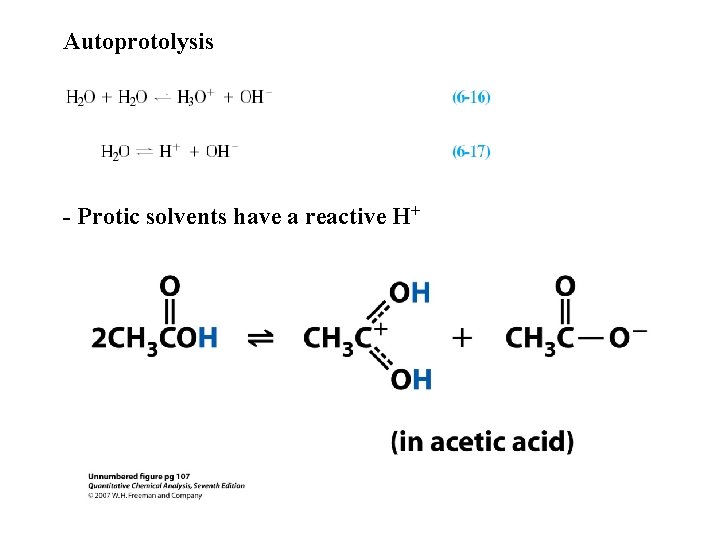
Autoprotolysis - Protic solvents have a reactive H+
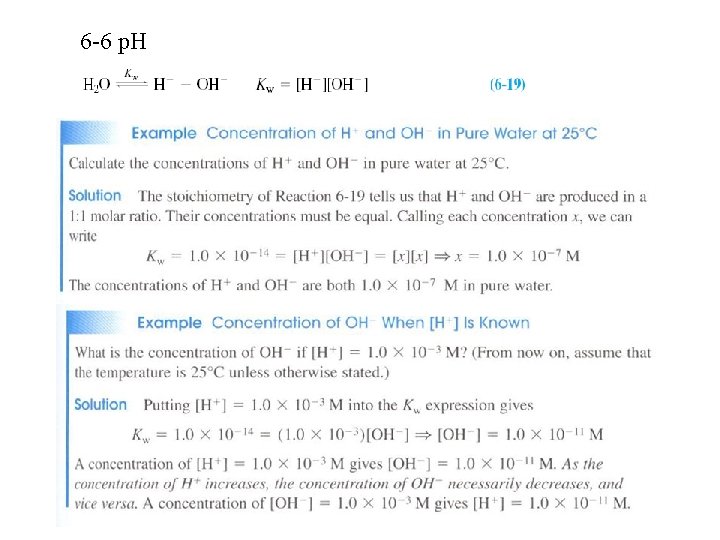
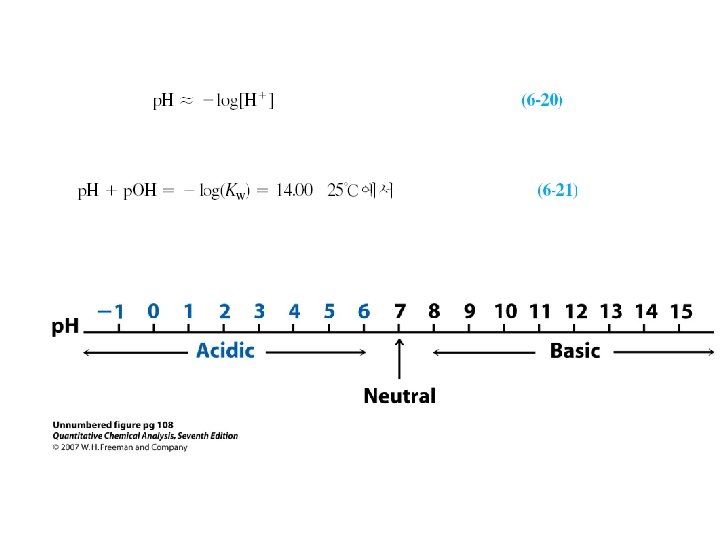
6 -6 p. H
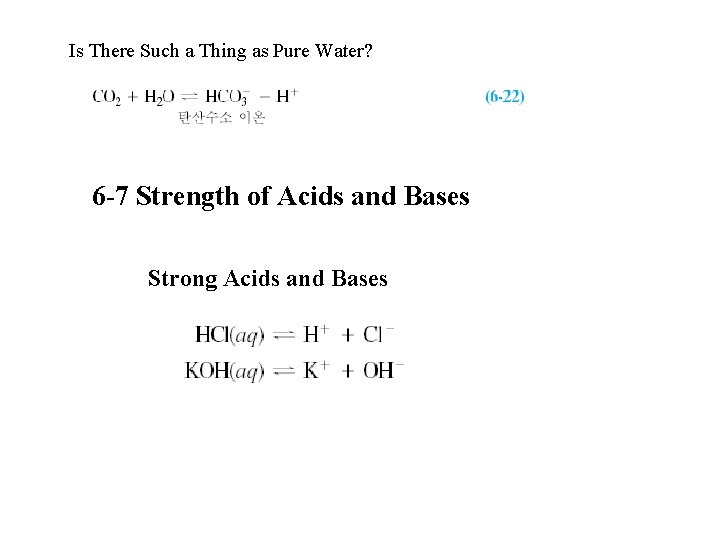
Is There Such a Thing as Pure Water? 6 -7 Strength of Acids and Bases Strong Acids and Bases
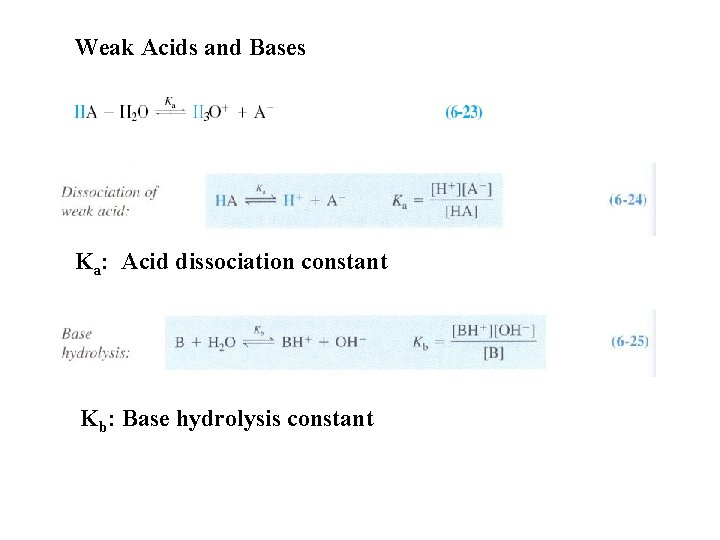
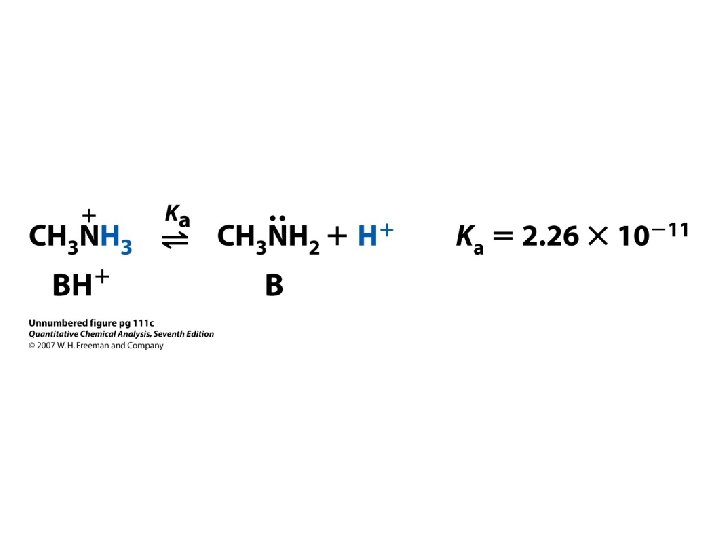
Weak Acids and Bases Ka: Acid dissociation constant Kb: Base hydrolysis constant
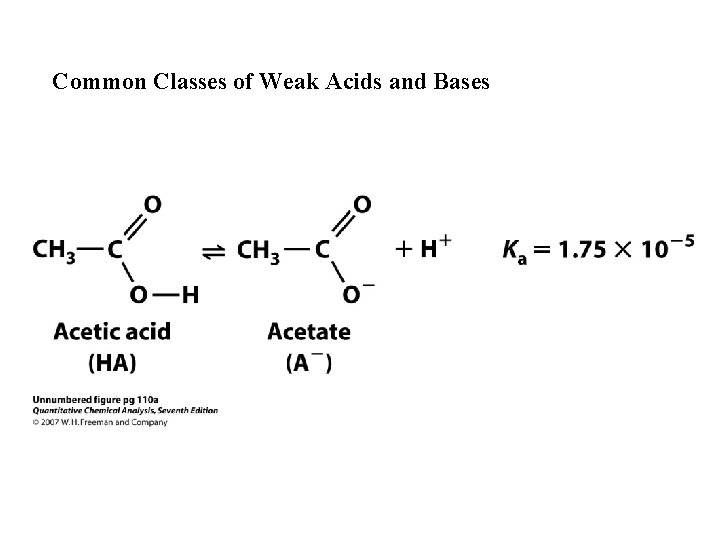
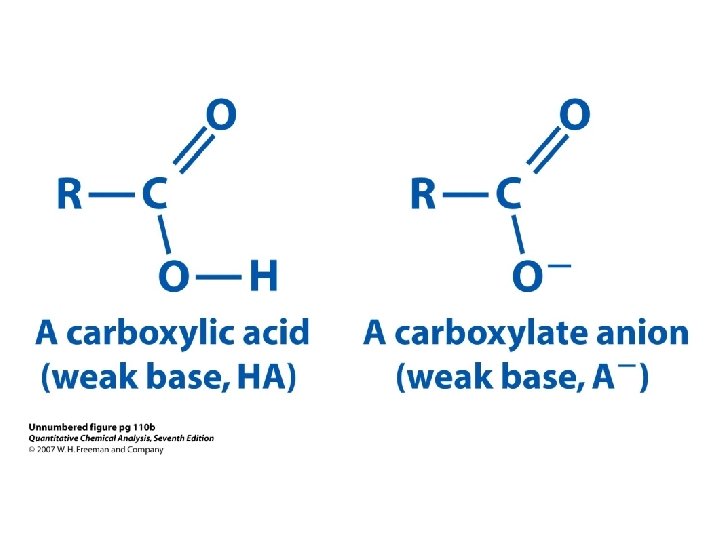
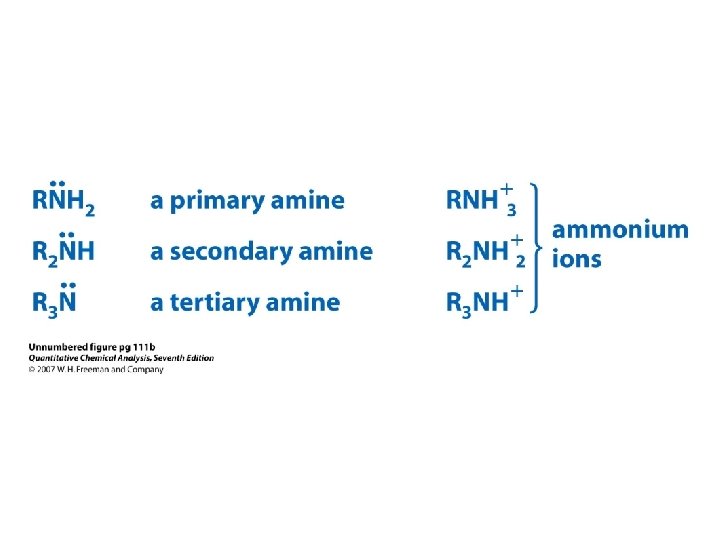
Common Classes of Weak Acids and Bases
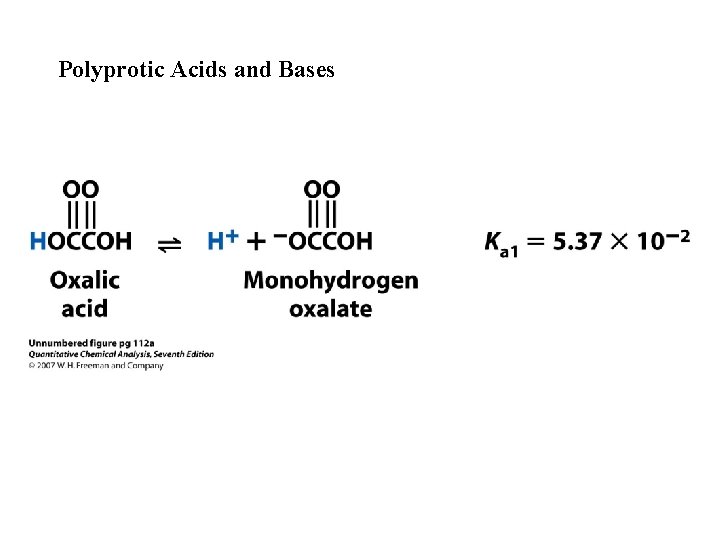
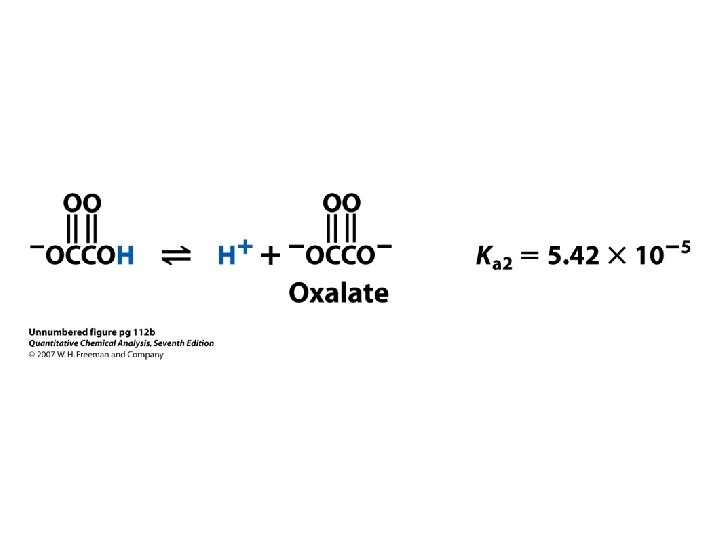
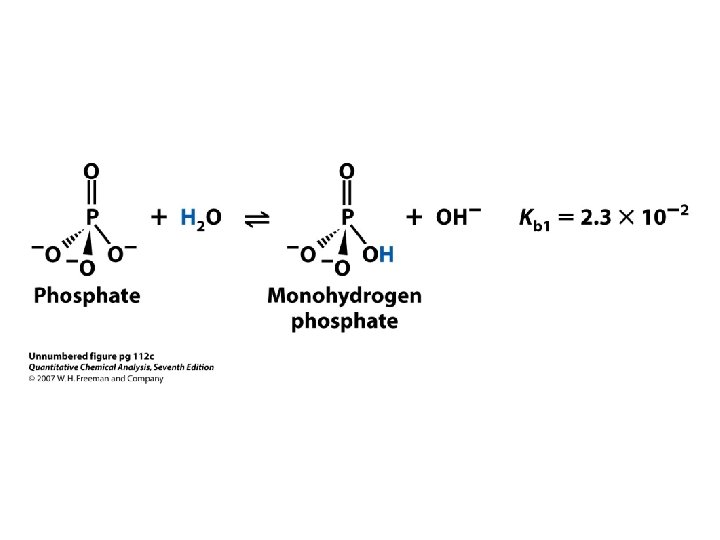
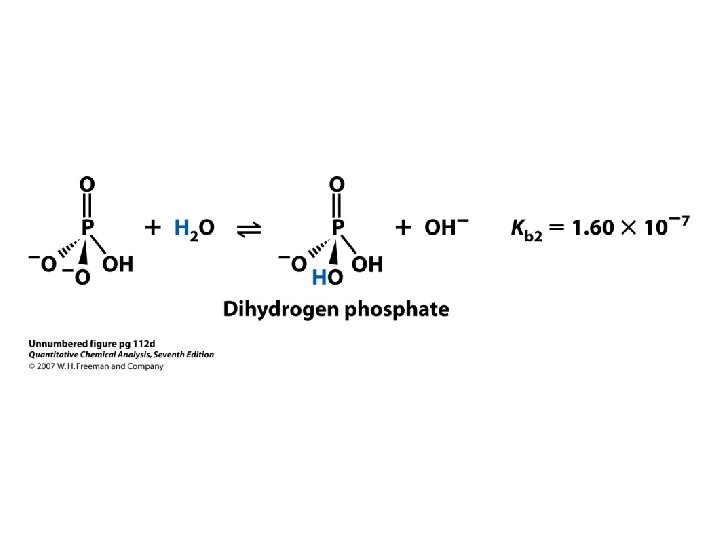
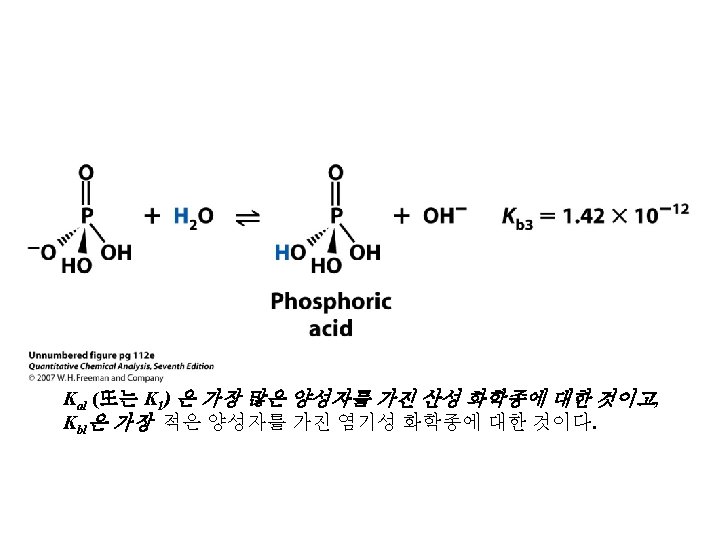
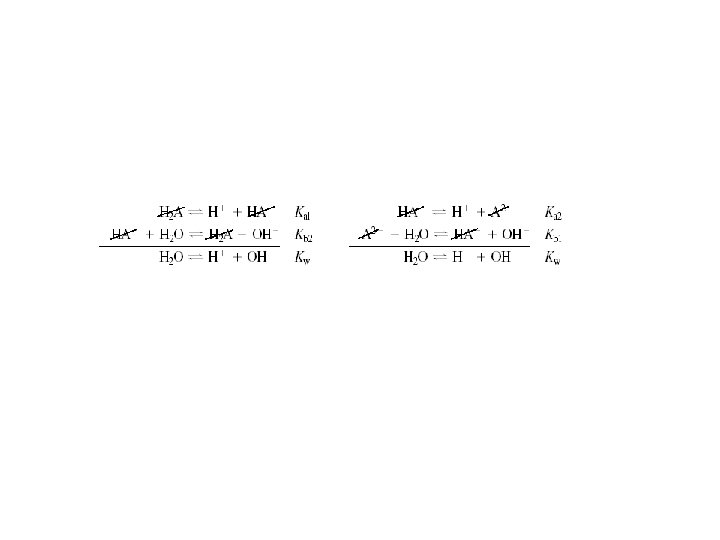
Polyprotic Acids and Bases
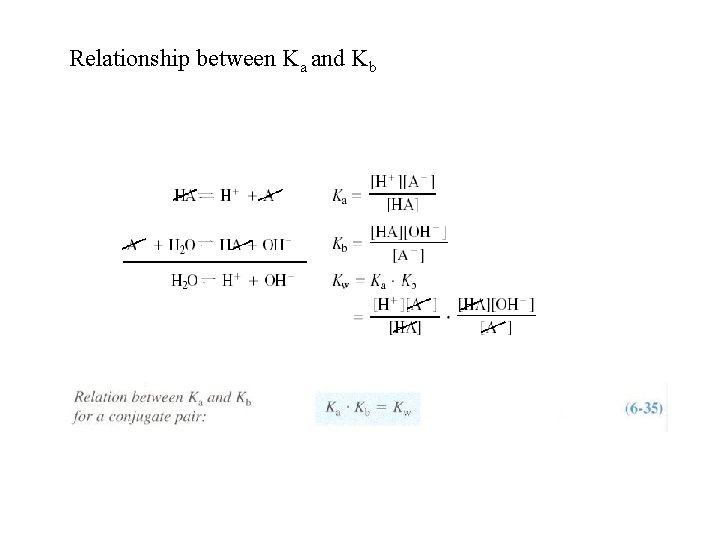
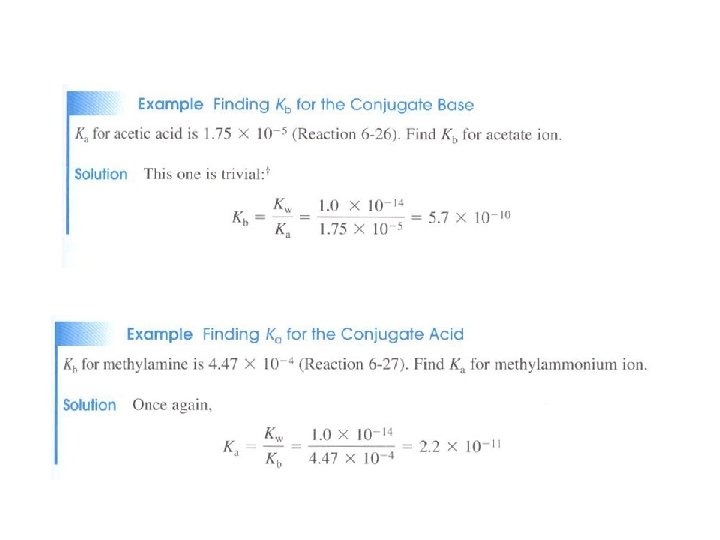
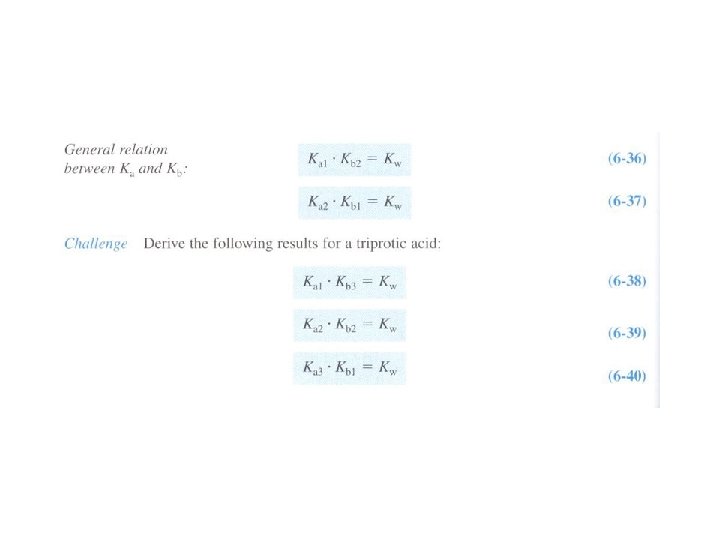
Relationship between Ka and Kb
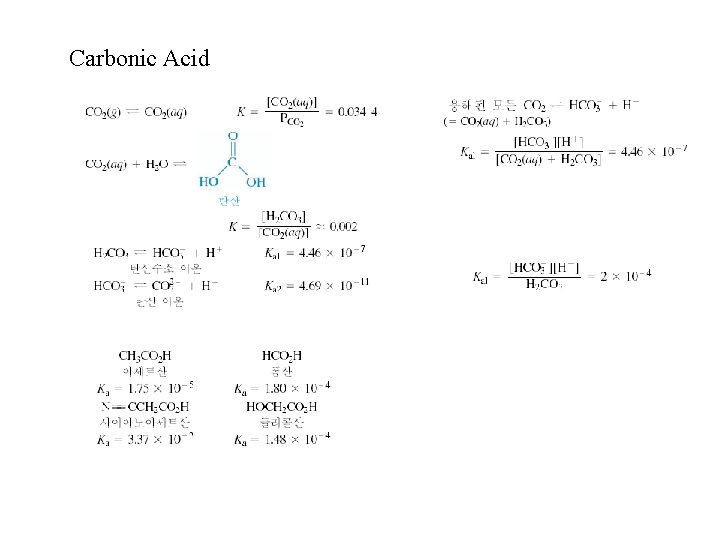
Carbonic Acid
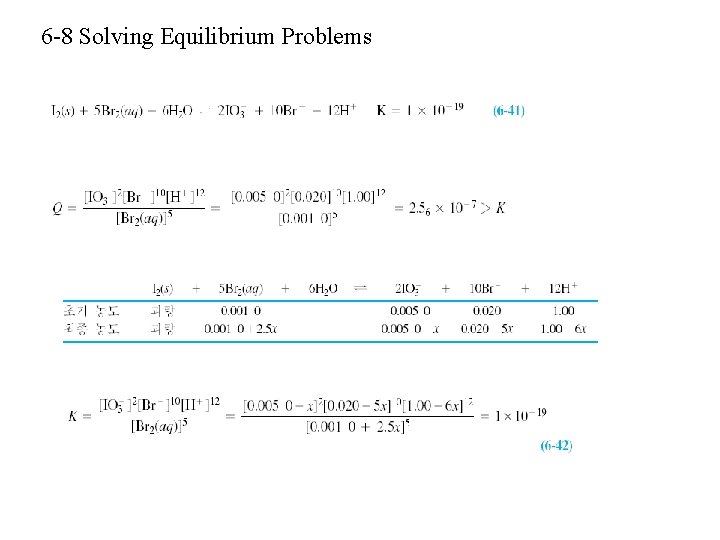
6 -8 Solving Equilibrium Problems