
Leaders of Fashion Unit 3 Fashion designers produce



- Slides: 42
Leaders of Fashion Unit 3
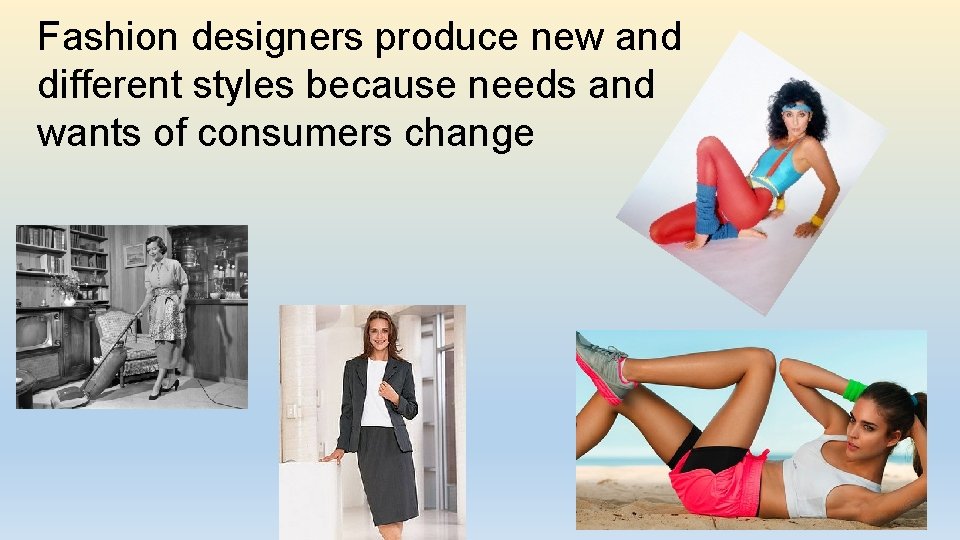
Fashion designers produce new and different styles because needs and wants of consumers change
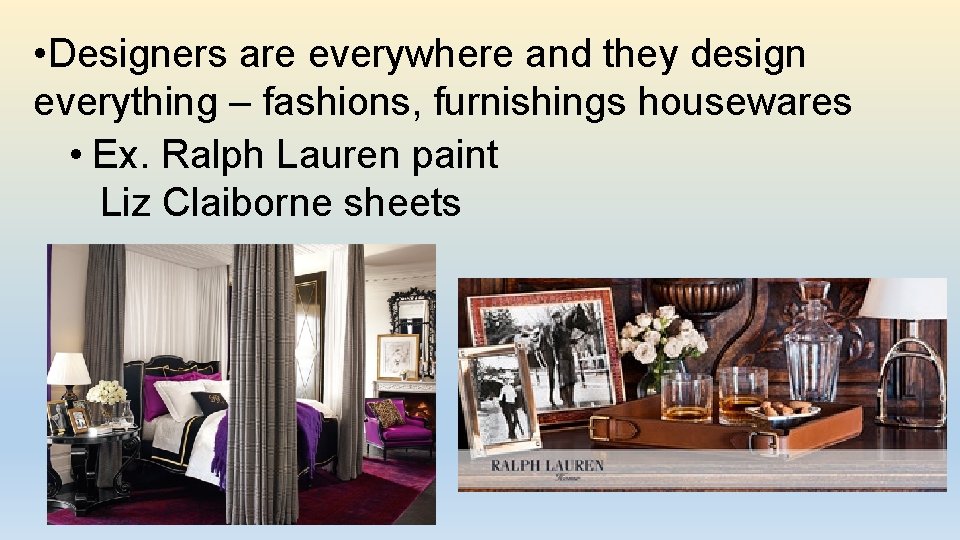
• Designers are everywhere and they design everything – fashions, furnishings housewares • Ex. Ralph Lauren paint Liz Claiborne sheets
• Designers must be able to produce a design at a profit. 1. Consider the availability and cost of materials. 2. Consider the image of the designer’s firm. 3. Consider production and labor costs.
• TYPES OF DESIGNERS • High Fashion designer • Stylist designer • Freelance Artist designer https: //youtu. be/fql 9 Horoffo
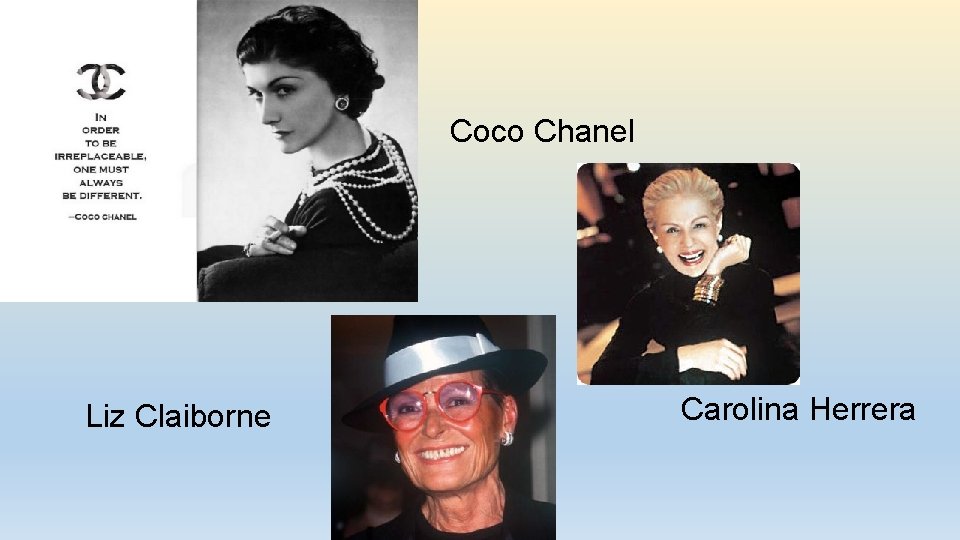
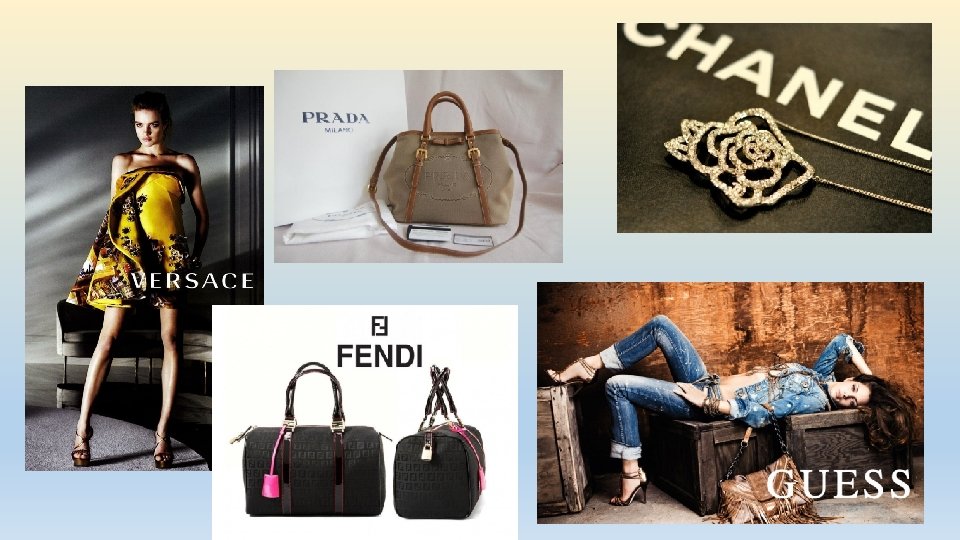
Coco Chanel Liz Claiborne Carolina Herrera
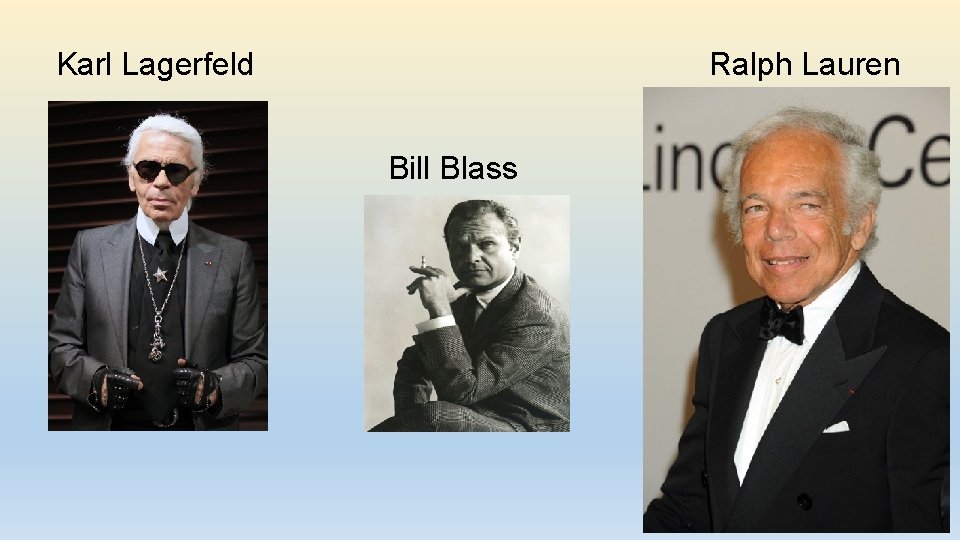
Karl Lagerfeld Ralph Lauren Bill Blass
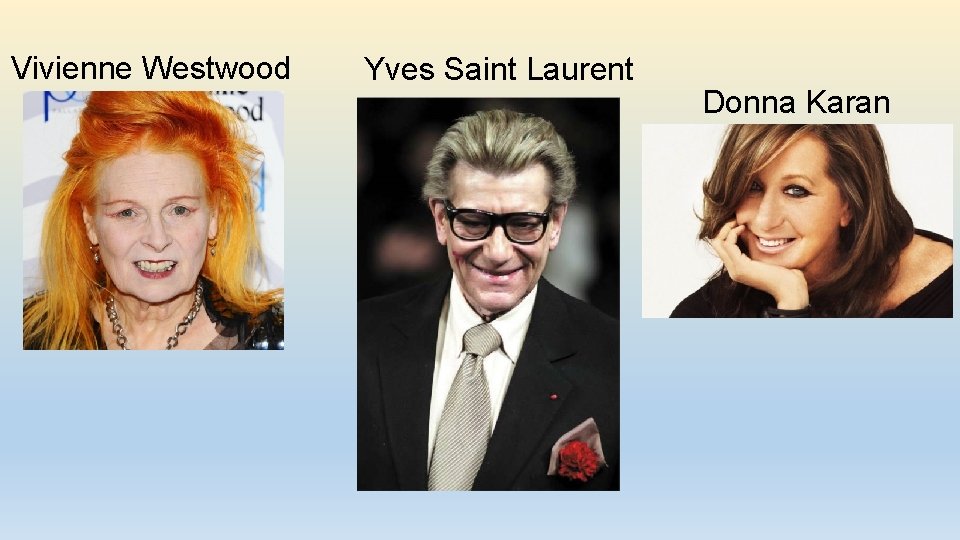
Vivienne Westwood Yves Saint Laurent Donna Karan
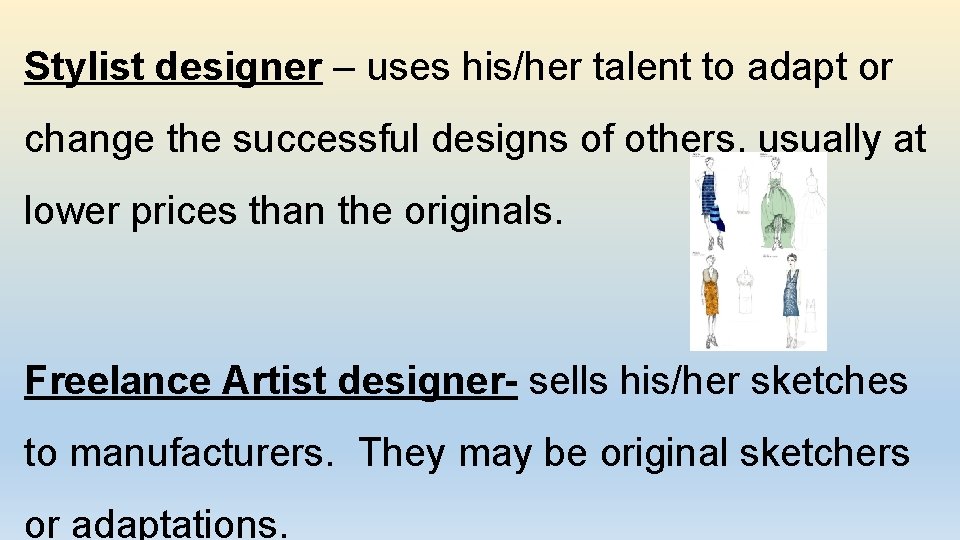
Stylist designer – uses his/her talent to adapt or change the successful designs of others, usually at lower prices than the originals. Freelance Artist designer- sells his/her sketches to manufacturers. They may be original sketchers or adaptations.
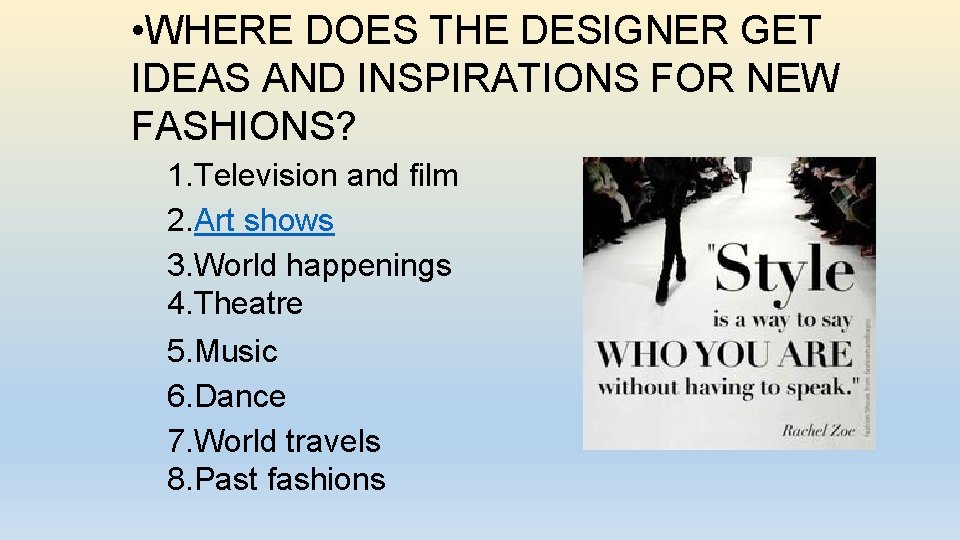
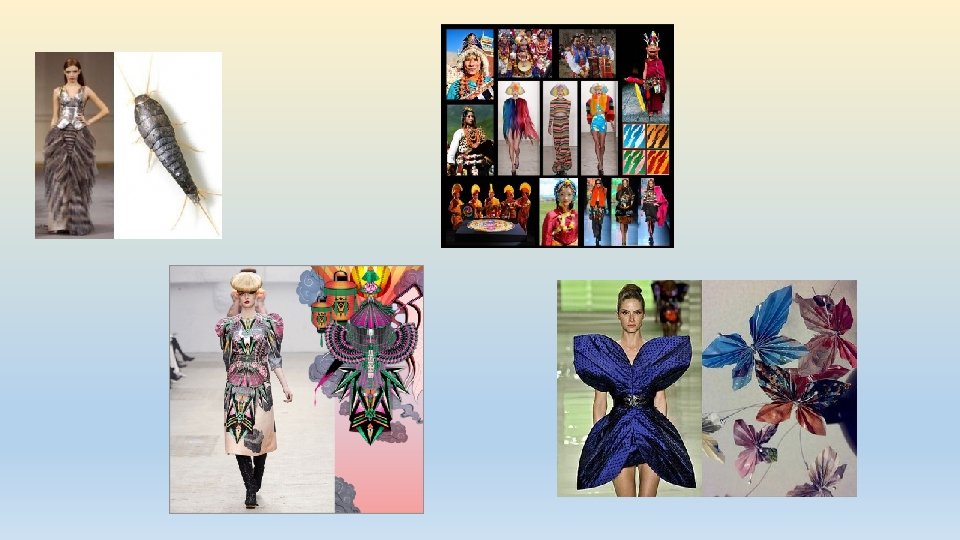
• WHERE DOES THE DESIGNER GET IDEAS AND INSPIRATIONS FOR NEW FASHIONS? 1. Television and film 2. Art shows 3. World happenings 4. Theatre 5. Music 6. Dance 7. World travels 8. Past fashions
TYPES OF MANUFACTURERS 1. Better market 2. Moderate – priced market 3. Budget market
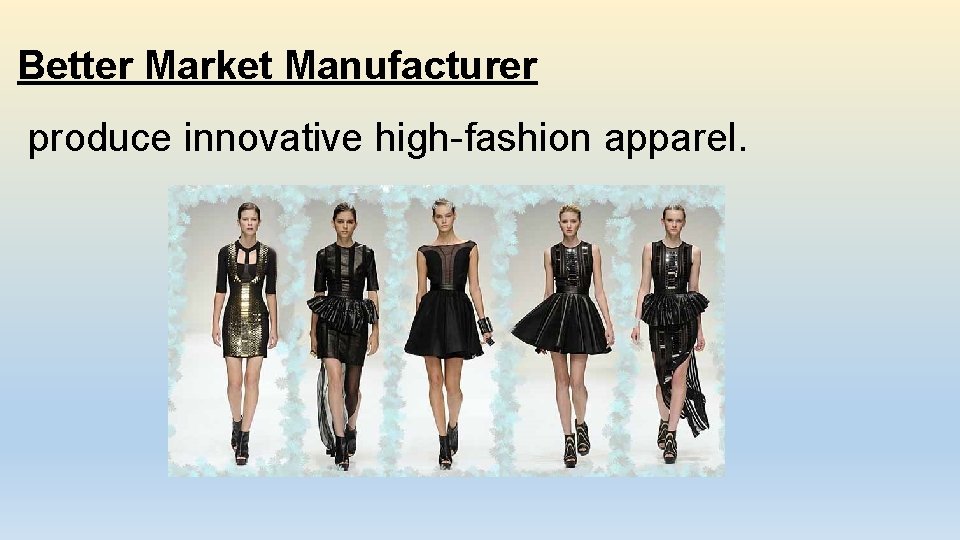
Better Market Manufacturer produce innovative high-fashion apparel.
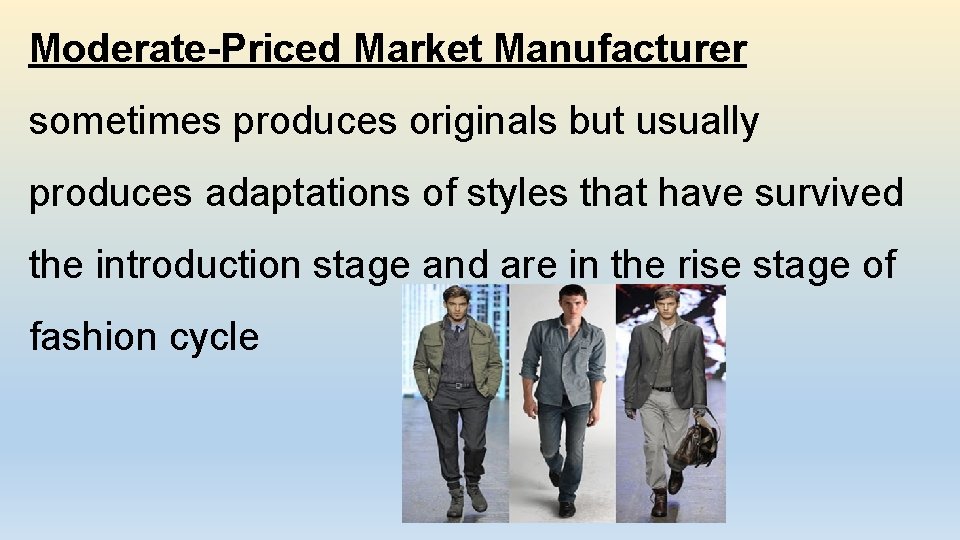
Moderate-Priced Market Manufacturer sometimes produces originals but usually produces adaptations of styles that have survived the introduction stage and are in the rise stage of fashion cycle
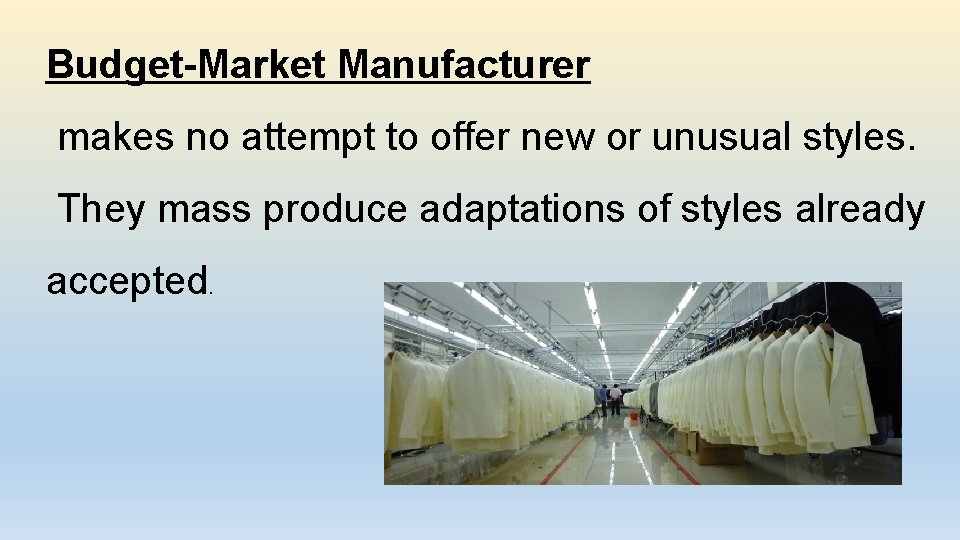
Budget-Market Manufacturer makes no attempt to offer new or unusual styles. They mass produce adaptations of styles already accepted.
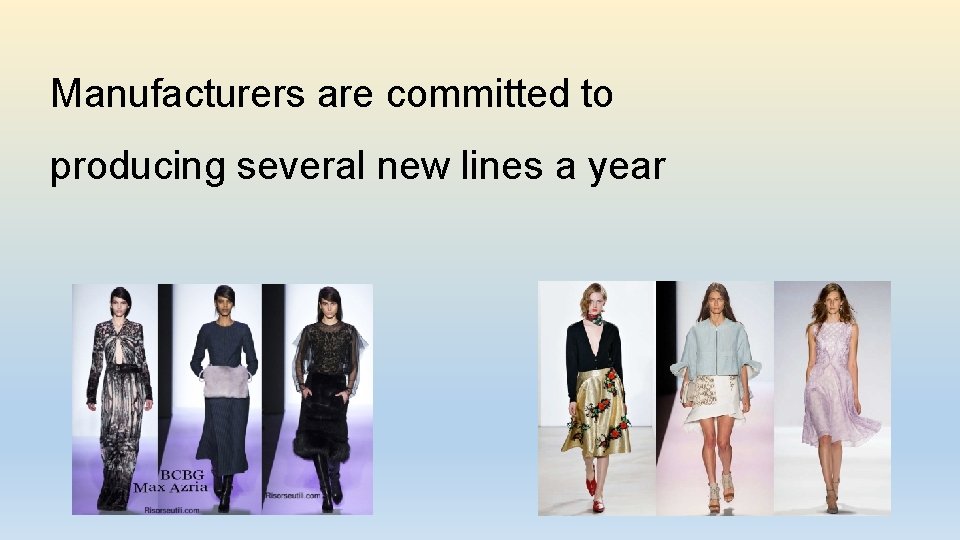
Manufacturers are committed to producing several new lines a year
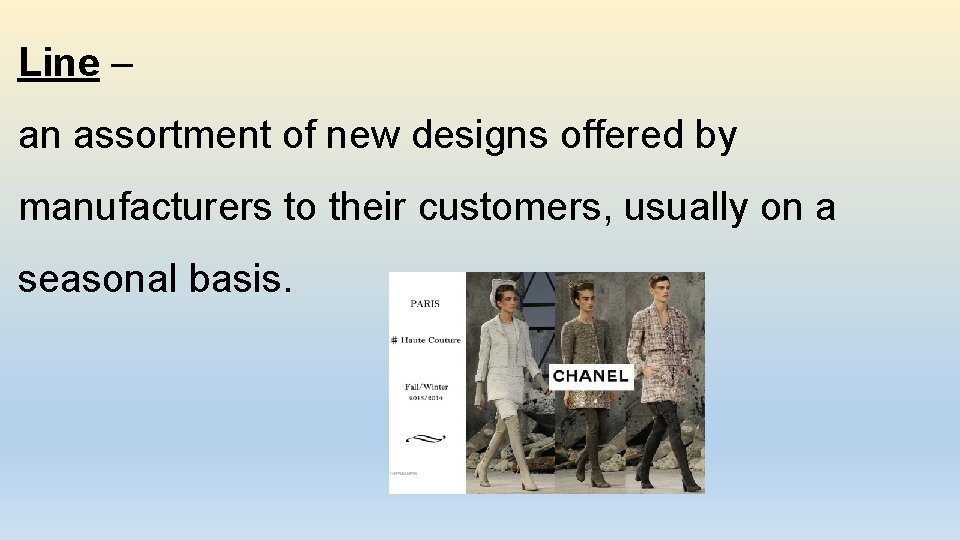
Line – an assortment of new designs offered by manufacturers to their customers, usually on a seasonal basis.
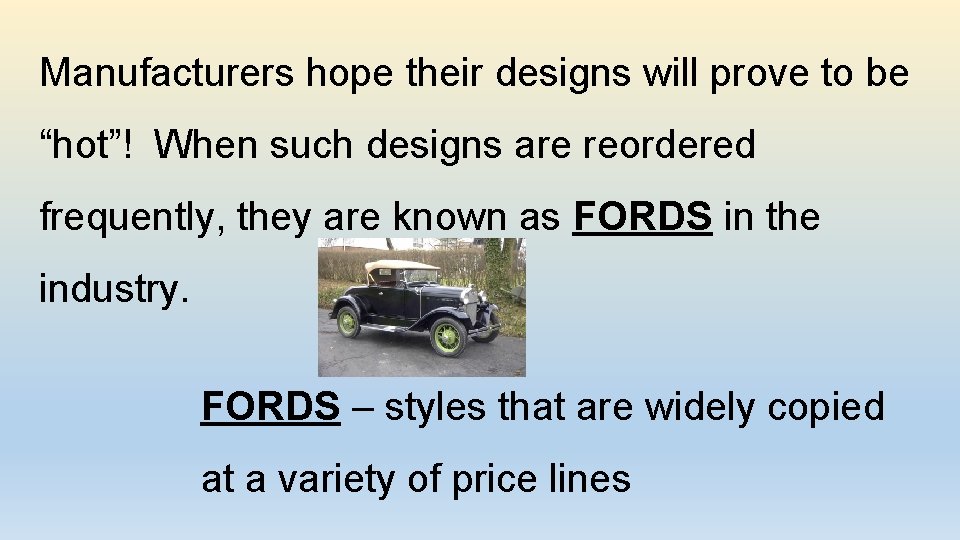
Manufacturers hope their designs will prove to be “hot”! When such designs are reordered frequently, they are known as FORDS in the industry. FORDS – styles that are widely copied at a variety of price lines
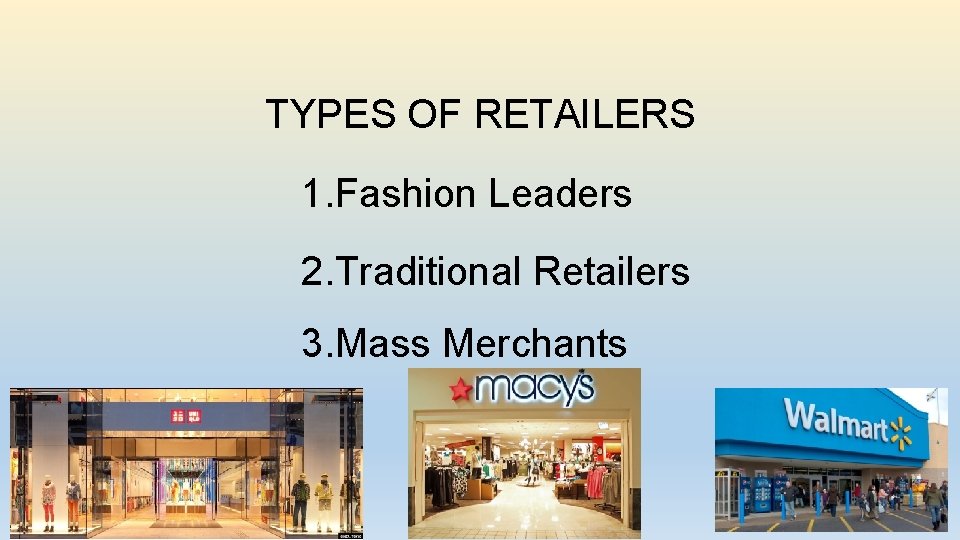
TYPES OF RETAILERS 1. Fashion Leaders 2. Traditional Retailers 3. Mass Merchants
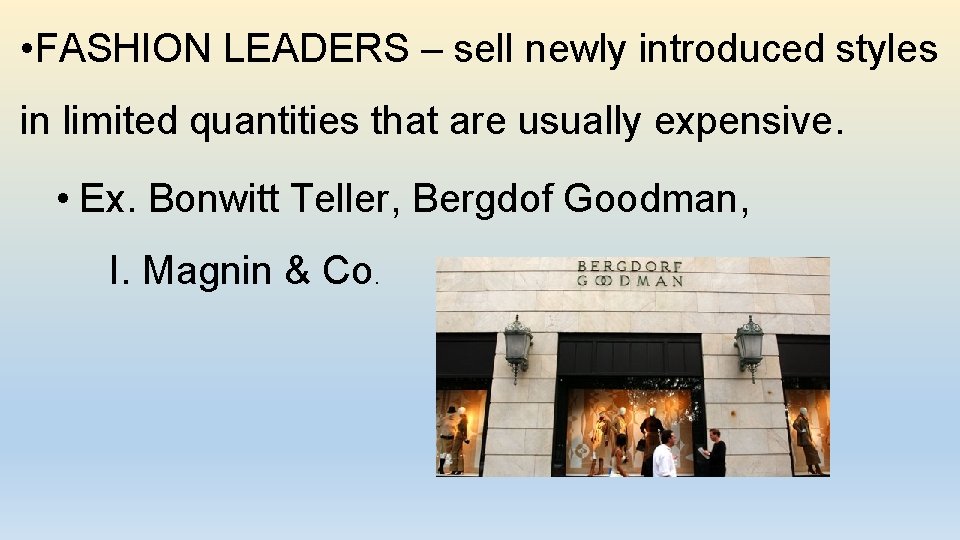
• FASHION LEADERS – sell newly introduced styles in limited quantities that are usually expensive. • Ex. Bonwitt Teller, Bergdof Goodman, I. Magnin & Co.
Traditional Retailers – sell fashions that are in late rise or early culmination stage that are widely produced and offered at moderate prices. • Ex. Macys
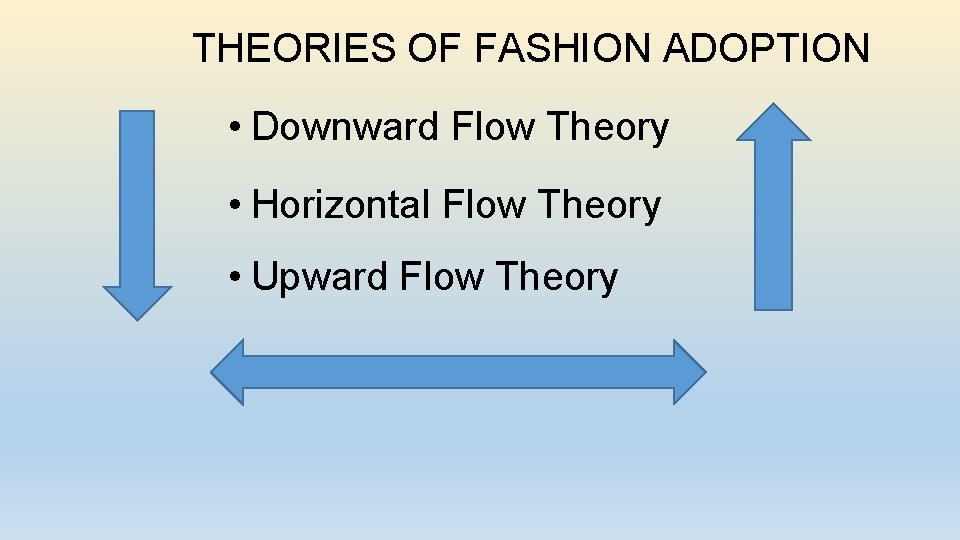
THEORIES OF FASHION ADOPTION • Downward Flow Theory • Horizontal Flow Theory • Upward Flow Theory
1. Downward Flow Theory (trickle-down theory) – maintains that to be identified as a true fashion, a style must first be adopted by the people at the top of society then gradually accepted at lower social levels. • Upper class will reject fashion once it has flowed to a lower social level.
• Horizontal Flow Theory (mass market theory) – maintains that fashions move horizontally between groups on a similar social levels rather than vertically from one level to another. • TV and ads expose new styles to the fashion leaders of all social groups at approximately the same time.
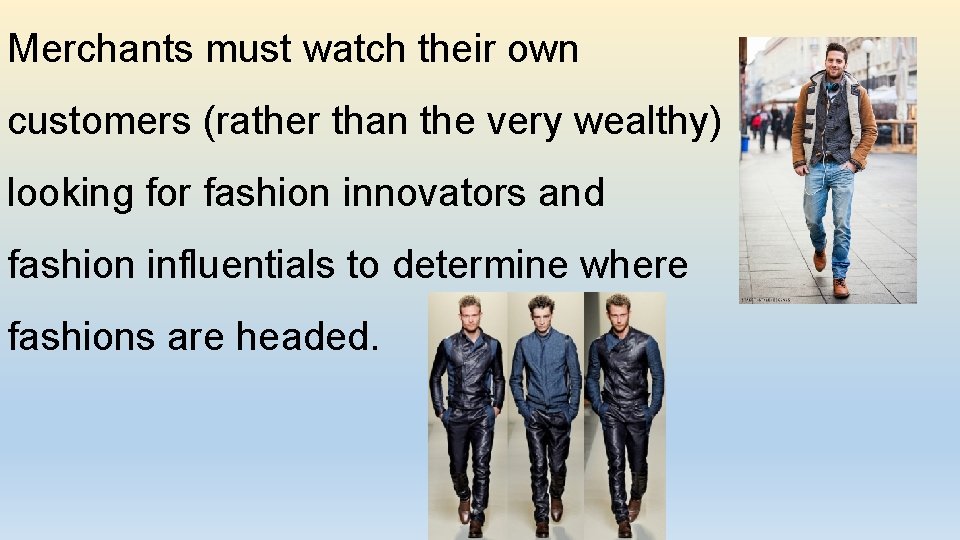
Merchants must watch their own customers (rather than the very wealthy) looking for fashion innovators and fashion influentials to determine where fashions are headed.
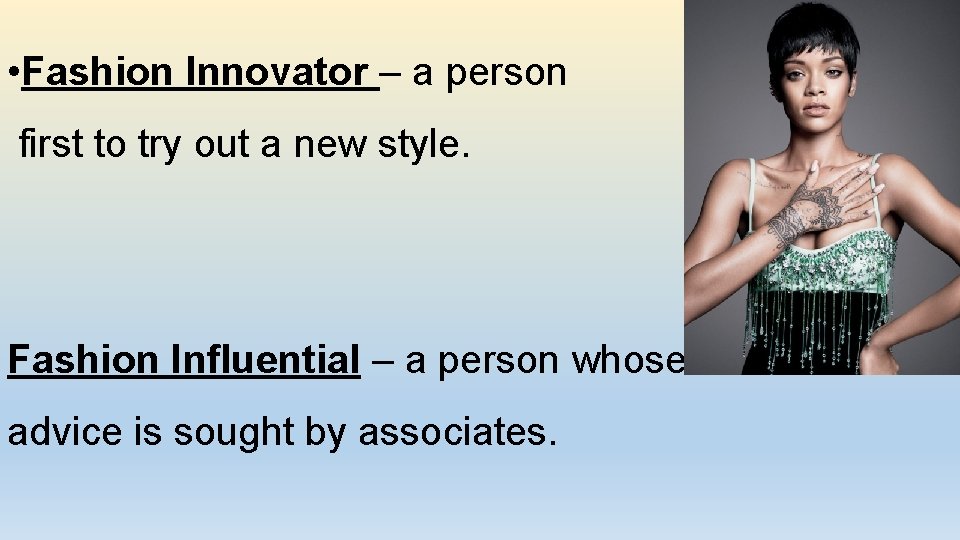
• Fashion Innovator – a person first to try out a new style. Fashion Influential – a person whose advice is sought by associates.
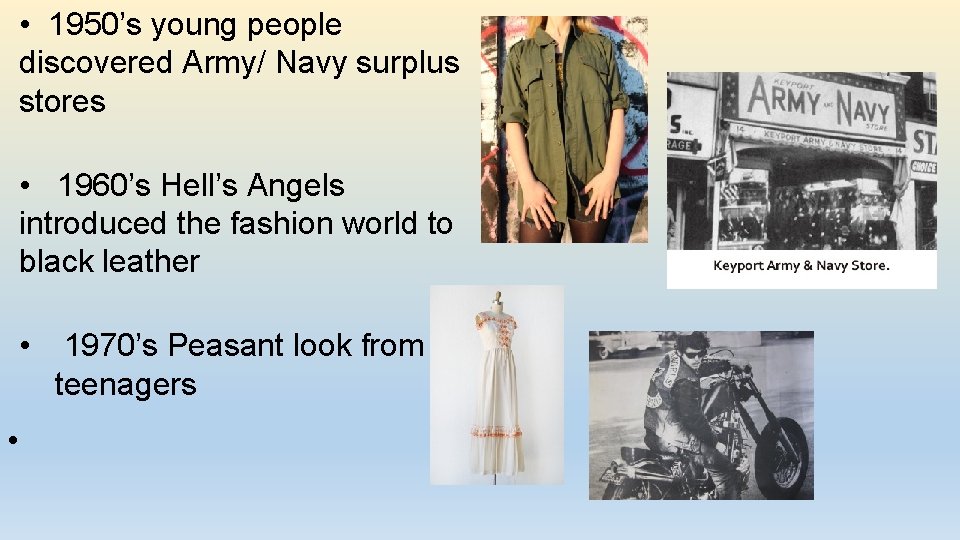
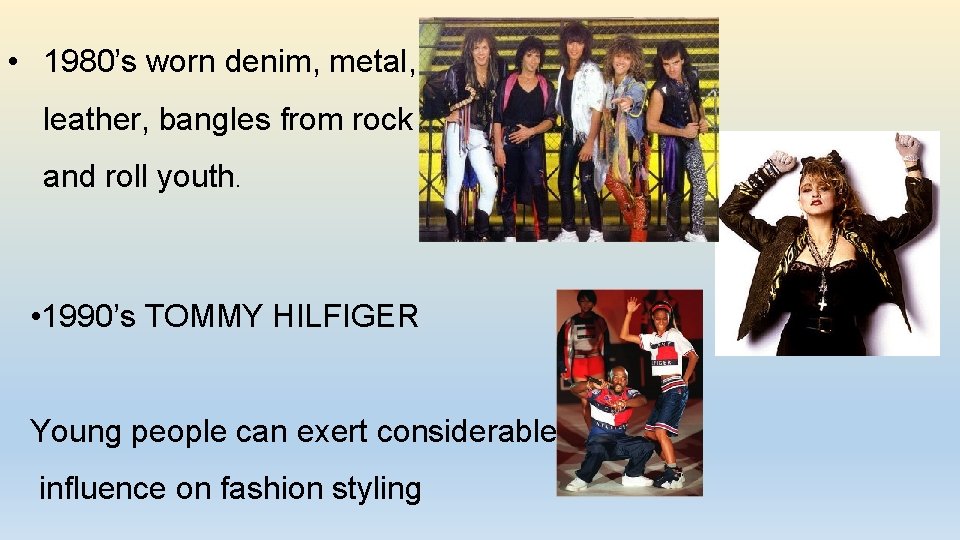
Upward Flow Theory maintains that the young particularly those of low income families are quicker than any other social group to create or adopt new and different fashions; then it moves upward into higherincome groups.
• 1950’s young people discovered Army/ Navy surplus stores • 1960’s Hell’s Angels introduced the fashion world to black leather • • 1970’s Peasant look from teenagers
• 1980’s worn denim, metal, leather, bangles from rock and roll youth. • 1990’s TOMMY HILFIGER Young people can exert considerable influence on fashion styling
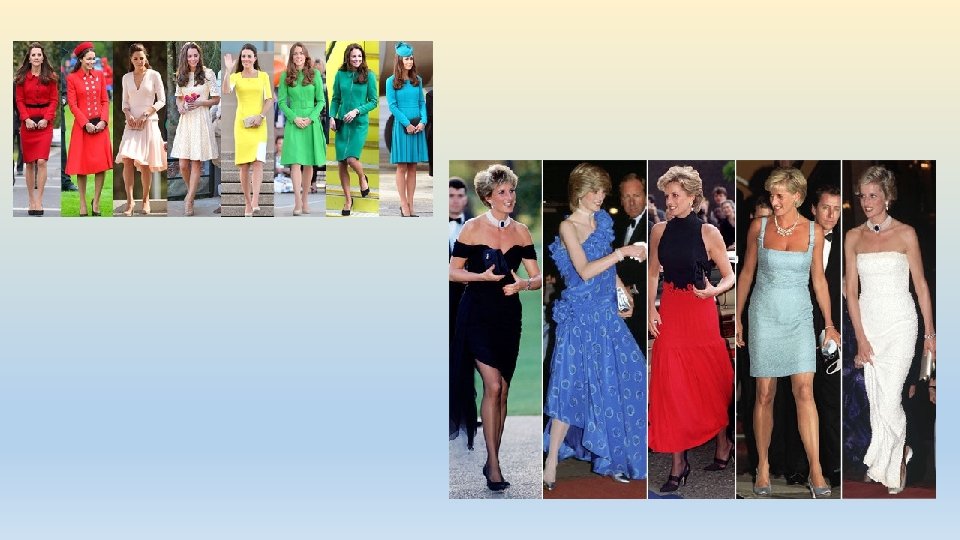
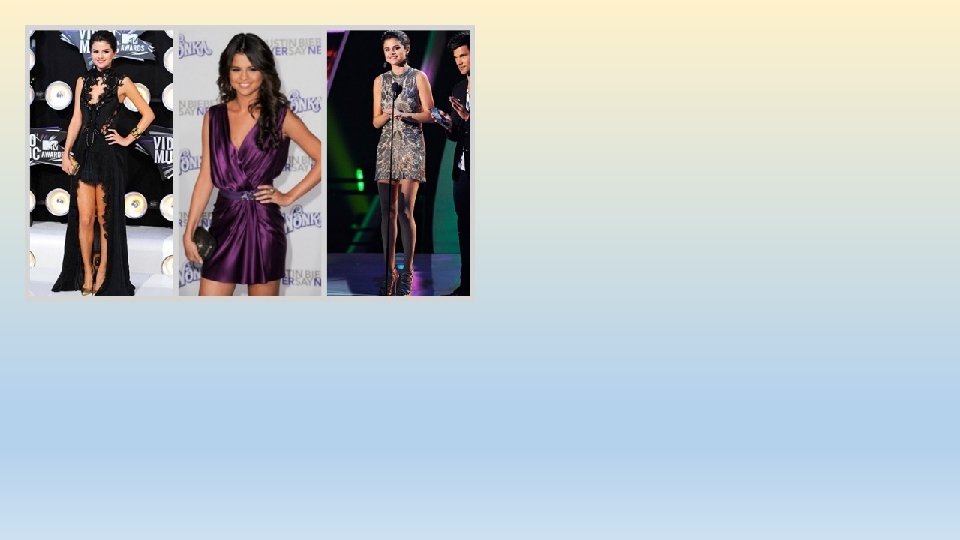
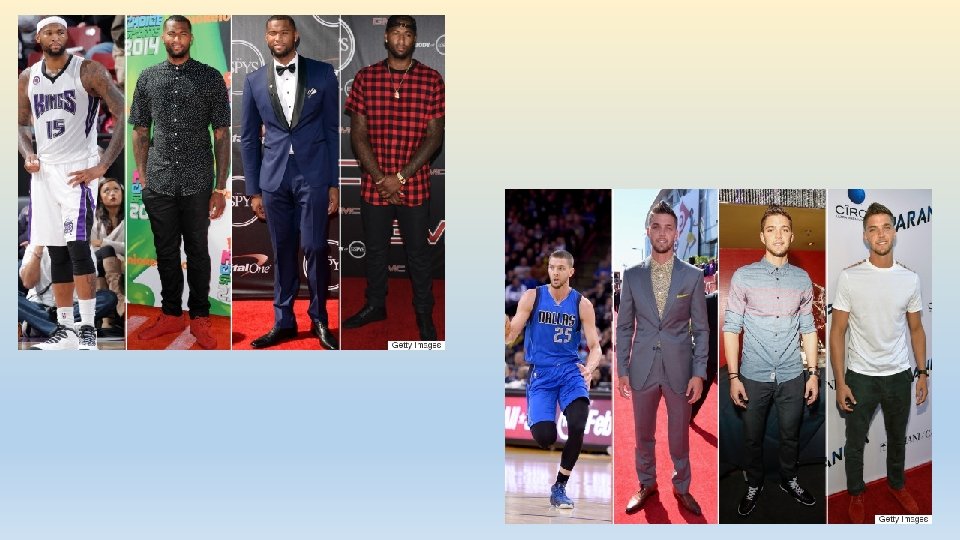
The fashion statements made by fashion leaders are copied by the public. 1. Royalty 2. The Rich 3. The Famous 4. Athletes