Disorders of Leukocytes Header Carl Allen MD Ph








- Slides: 76
Disorders of Leukocytes Header Carl Allen MD, Ph. D ceallen@txch. org Subhead
DISCLOSURES Scientific Steering Committee Consultant Research Support Novimmune 0501 Study Roche/Genentech Bristol/Myers/Squibb No drugs discussed are approved for Pediatric Hematology/Oncology THIS TALK/SLIDEDECK IS ORGANIZED TO “TEACH TO THE TEST” (Updated from Daniel Ambruso 2015 Lecture) RED = PAY ATTENTION
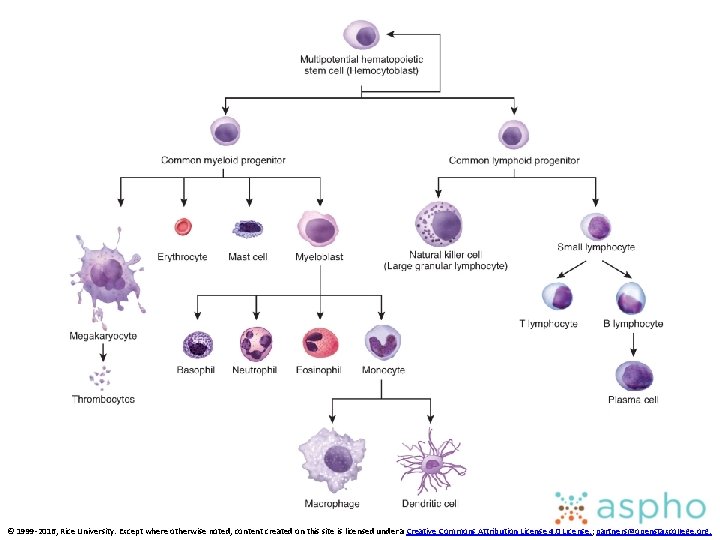
© 1999 -2016, Rice University. Except where otherwise noted, content created on this site is licensed under a Creative Commons Attribution License 4. 0 License. ; partners@openstaxcollege. org.
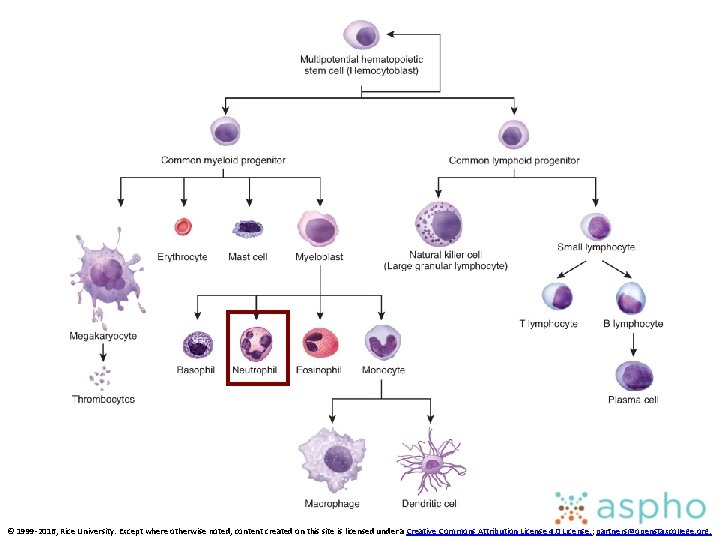
© 1999 -2016, Rice University. Except where otherwise noted, content created on this site is licensed under a Creative Commons Attribution License 4. 0 License. ; partners@openstaxcollege. org.
Part I: Granulocytes (pus bonum et laudable; good and laudable pus)* *The phagocytes: neutrophils and monocytes. Dale et al. , Blood 2008
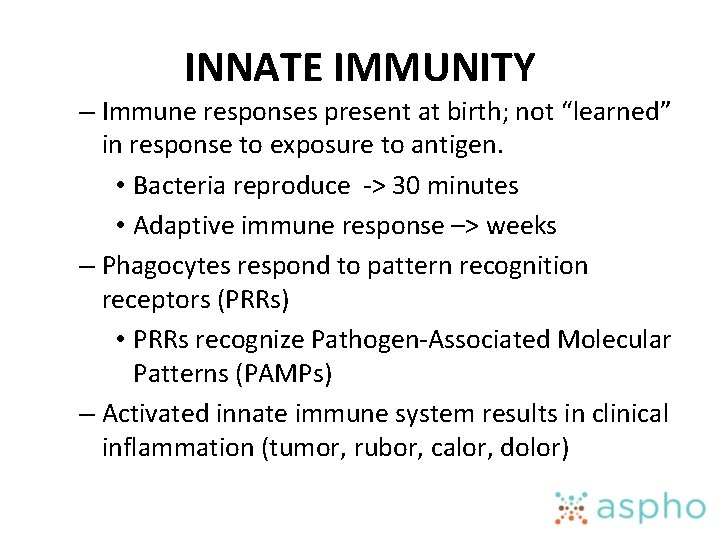
INNATE IMMUNITY – Immune responses present at birth; not “learned” in response to exposure to antigen. • Bacteria reproduce -> 30 minutes • Adaptive immune response –> weeks – Phagocytes respond to pattern recognition receptors (PRRs) • PRRs recognize Pathogen-Associated Molecular Patterns (PAMPs) – Activated innate immune system results in clinical inflammation (tumor, rubor, calor, dolor)
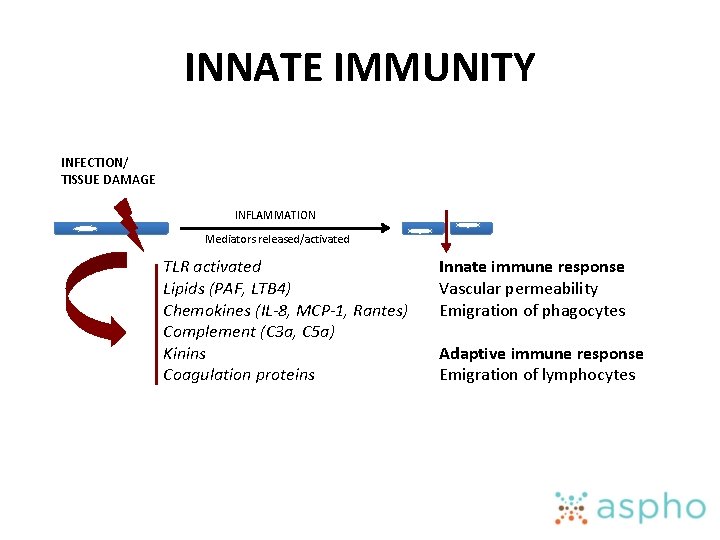
INNATE IMMUNITY INFECTION/ TISSUE DAMAGE INFLAMMATION Mediators released/activated TLR activated Lipids (PAF, LTB 4) Chemokines (IL-8, MCP-1, Rantes) Complement (C 3 a, C 5 a) Kinins Coagulation proteins Innate immune response Vascular permeability Emigration of phagocytes Adaptive immune response Emigration of lymphocytes
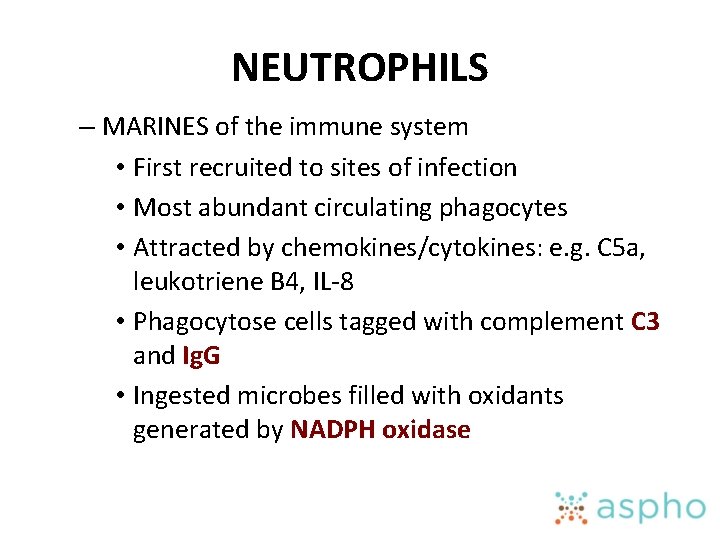
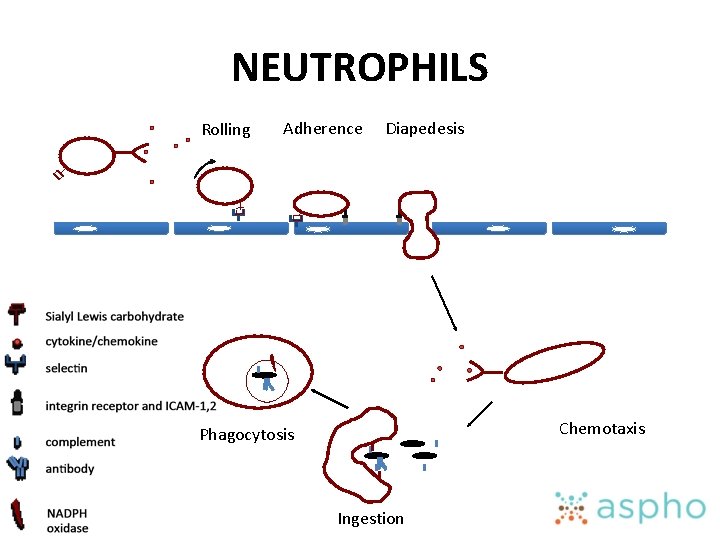
NEUTROPHILS – MARINES of the immune system • First recruited to sites of infection • Most abundant circulating phagocytes • Attracted by chemokines/cytokines: e. g. C 5 a, leukotriene B 4, IL-8 • Phagocytose cells tagged with complement C 3 and Ig. G • Ingested microbes filled with oxidants generated by NADPH oxidase
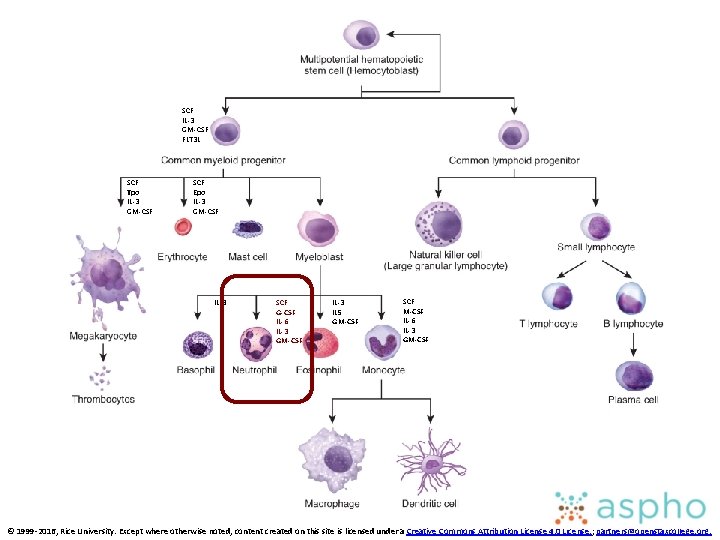
SCF IL-3 GM-CSF FLT 3 L SCF Tpo IL-3 GM-CSF SCF Epo IL-3 GM-CSF IL-3 SCF G-CSF IL-6 IL-3 GM-CSF IL-3 IL 5 GM-CSF SCF M-CSF IL-6 IL-3 GM-CSF © 1999 -2016, Rice University. Except where otherwise noted, content created on this site is licensed under a Creative Commons Attribution License 4. 0 License. ; partners@openstaxcollege. org.
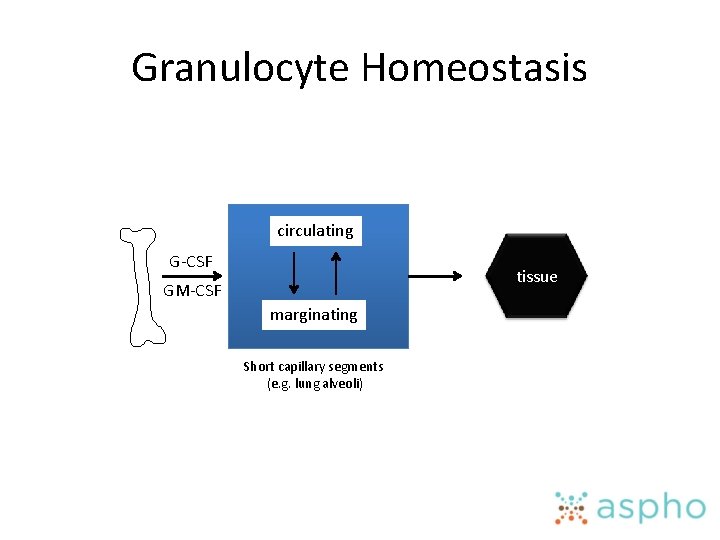
Granulocyte Homeostasis circulating G-CSF tissue GM-CSF marginating Short capillary segments (e. g. lung alveoli)
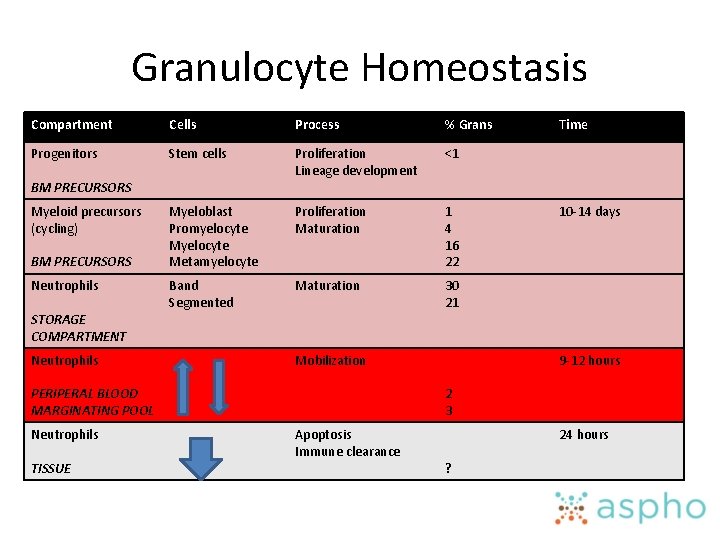
Granulocyte Homeostasis Compartment Cells Process % Grans Progenitors Stem cells Proliferation Lineage development <1 Myeloblast Promyelocyte Metamyelocyte Proliferation Maturation 1 4 16 22 Band Segmented Maturation 30 21 BM PRECURSORS Myeloid precursors (cycling) BM PRECURSORS Neutrophils STORAGE COMPARTMENT Neutrophils Mobilization PERIPERAL BLOOD MARGINATING POOL Neutrophils TISSUE Time 10 -14 days 9 -12 hours 2 3 Apoptosis Immune clearance 24 hours ?
NEUTROPHILS Rolling Adherence Diapedesis Chemotaxis Phagocytosis Ingestion
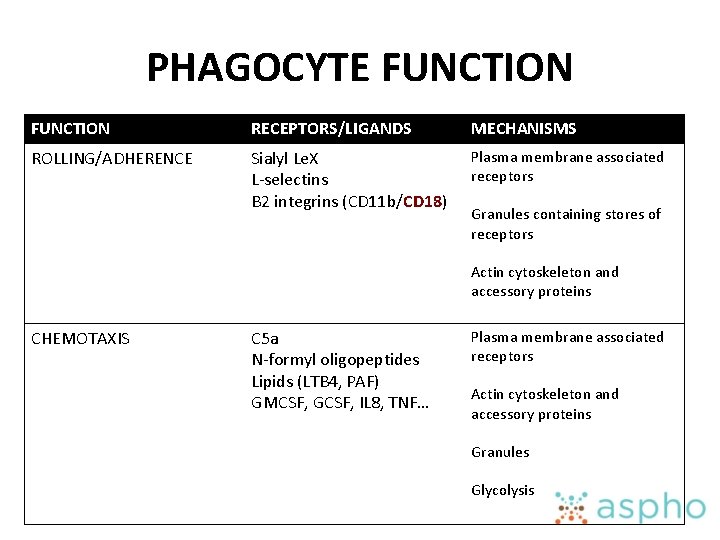
PHAGOCYTE FUNCTION RECEPTORS/LIGANDS MECHANISMS ROLLING/ADHERENCE Sialyl Le. X L-selectins B 2 integrins (CD 11 b/CD 18) Plasma membrane associated receptors Granules containing stores of receptors Actin cytoskeleton and accessory proteins CHEMOTAXIS C 5 a N-formyl oligopeptides Lipids (LTB 4, PAF) GMCSF, GCSF, IL 8, TNF… Plasma membrane associated receptors Actin cytoskeleton and accessory proteins Granules Glycolysis
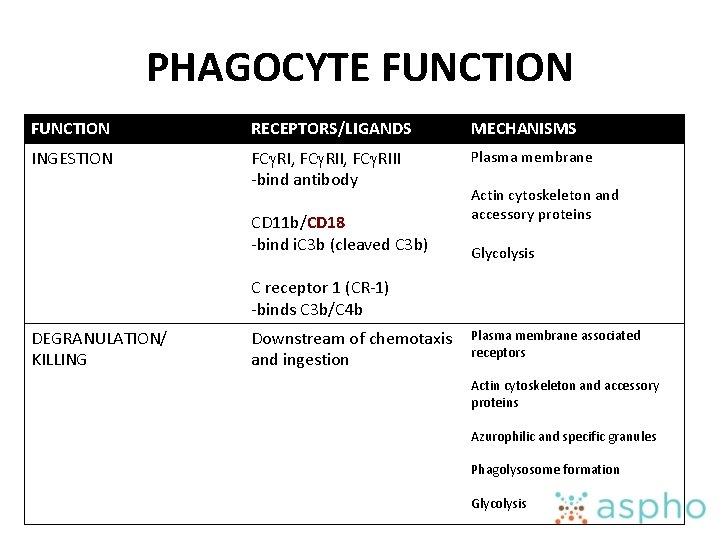
PHAGOCYTE FUNCTION RECEPTORS/LIGANDS MECHANISMS INGESTION FCg. RI, FCg. RIII -bind antibody Plasma membrane CD 11 b/CD 18 -bind i. C 3 b (cleaved C 3 b) Actin cytoskeleton and accessory proteins Glycolysis C receptor 1 (CR-1) -binds C 3 b/C 4 b DEGRANULATION/ KILLING Downstream of chemotaxis and ingestion Plasma membrane associated receptors Actin cytoskeleton and accessory proteins Azurophilic and specific granules Phagolysosome formation Glycolysis
SELECTINS Cell adhesion proteins that bind carbohydrates -sialyated, fucosylated carbohydrates L-selectin E-selectin P-selectin Cells PMN, monocytes, lymphocytes activated endothelium, platelets Function lymphocyte homing, inflammation Inflammation, platelet function
b 2 integrins (CD 18 + CD 11 x) • Transmembrane receptors that facilitate cell-cell and cellextracellular matrix interactions LFA-1 Mac-1 (C 3) P 150, 95 ab 2 Cells All leukocytes PMN, monocytes, macrophages, LGL PMN, monocytes, macrophages, some lymphocytes PMN, monocytes, macrophages, T cells a subunit a 2 (CD 11 a) am (CD 11 b) ax (CD 11 c) ad (CD 11 d) b subunit b 2 (CD 18) Ligands ICAM 1 -3 ICAM-1 i. C 3 b, fibrinogen i. C 3 b ICAM-3
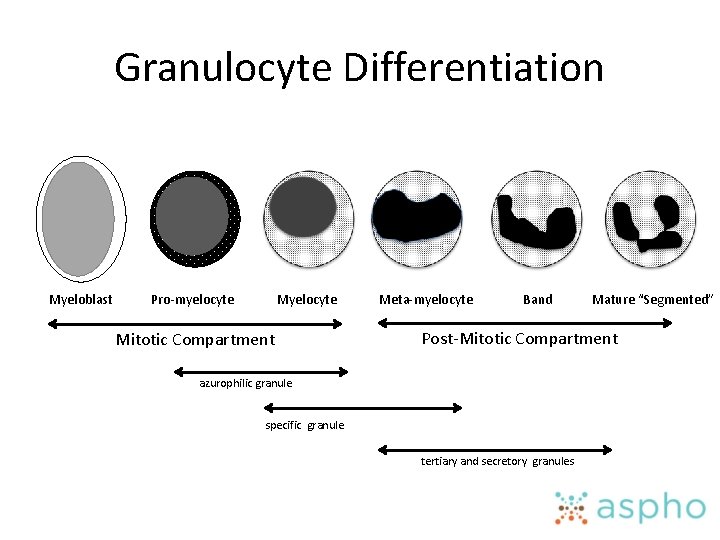
Granulocyte Differentiation Myeloblast Pro-myelocyte Mitotic Compartment Meta-myelocyte Band Mature “Segmented” Post-Mitotic Compartment azurophilic granule specific granule tertiary and secretory granules
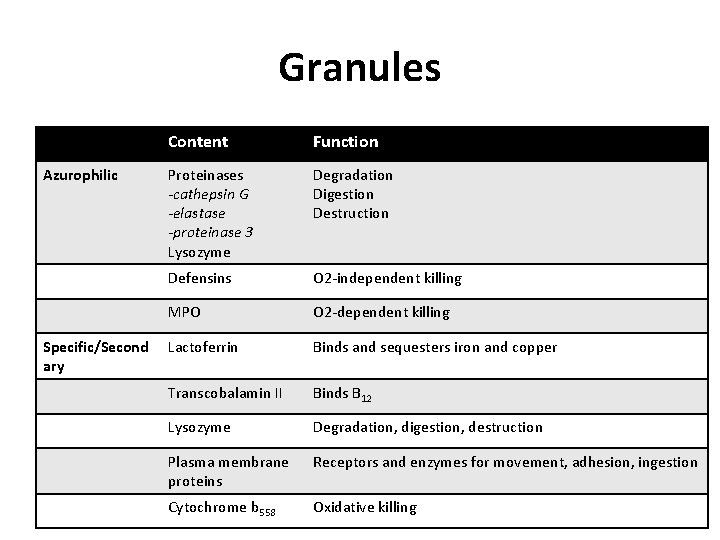
Granules Azurophilic Specific/Second ary Content Function Proteinases -cathepsin G -elastase -proteinase 3 Lysozyme Degradation Digestion Destruction Defensins O 2 -independent killing MPO O 2 -dependent killing Lactoferrin Binds and sequesters iron and copper Transcobalamin II Binds B 12 Lysozyme Degradation, digestion, destruction Plasma membrane proteins Receptors and enzymes for movement, adhesion, ingestion Cytochrome b 558 Oxidative killing
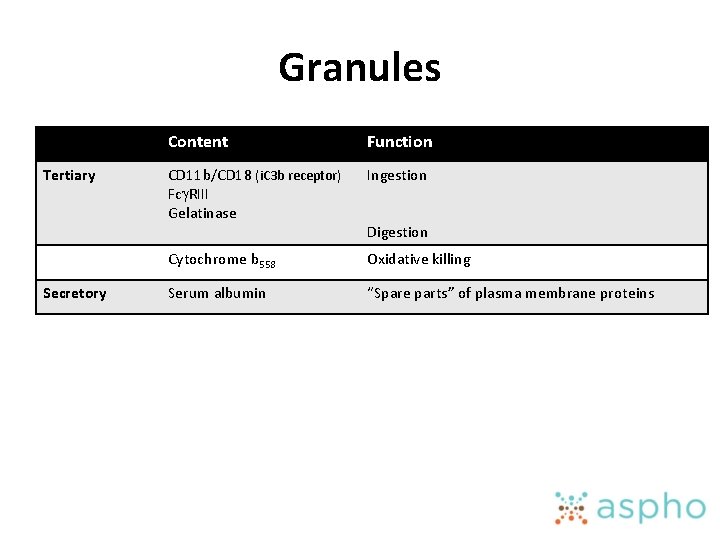
Granules Tertiary Secretory Content Function CD 11 b/CD 18 (i. C 3 b receptor) Fcg. RIII Gelatinase Ingestion Cytochrome b 558 Oxidative killing Serum albumin “Spare parts” of plasma membrane proteins Digestion
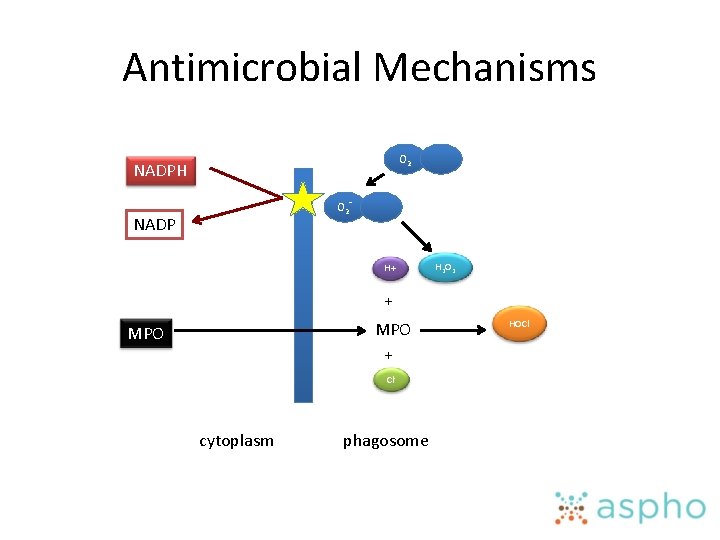
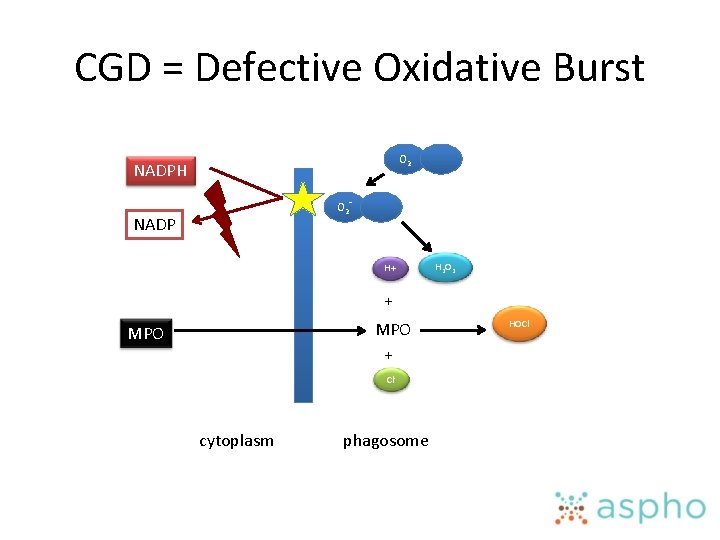
Antimicrobial Mechanisms O 2 NADPH O 2 - NADP H+ H 2 O 2 + MPO + Cl- cytoplasm phagosome HOCl
Part II: Not Enough Neutrophils
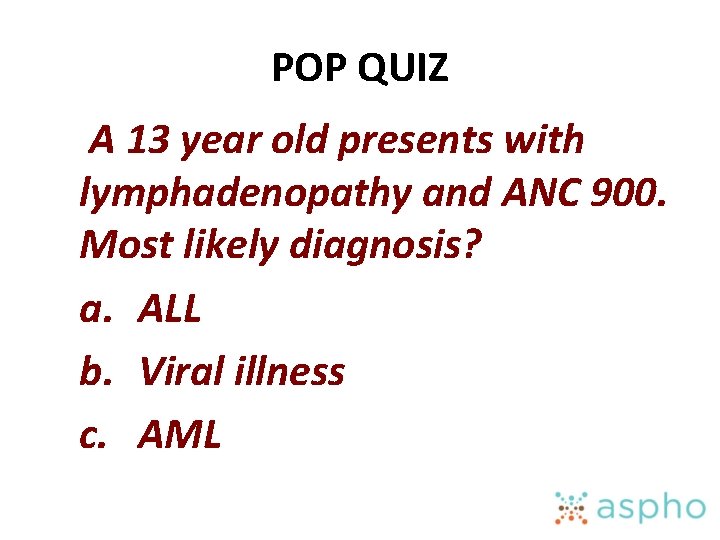
POP QUIZ A 13 year old presents with lymphadenopathy and ANC 900. Most likely diagnosis? a. ALL b. Viral illness c. AML
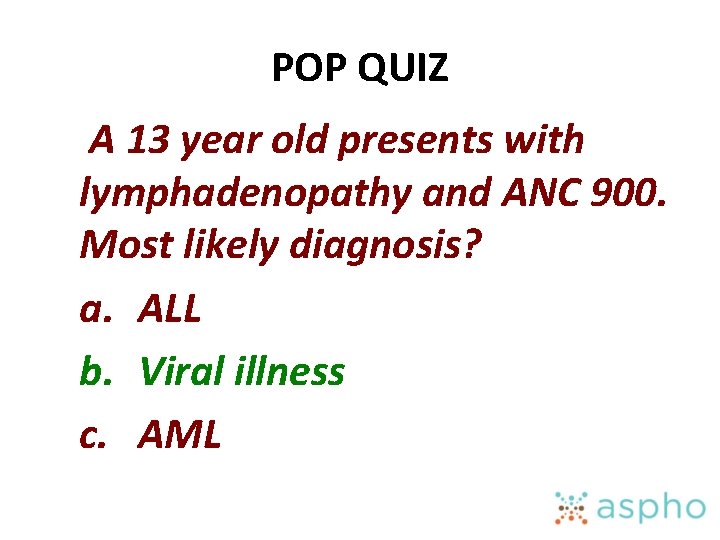
POP QUIZ A 13 year old presents with lymphadenopathy and ANC 900. Most likely diagnosis? a. ALL b. Viral illness c. AML
NEUTROPENIA 1. Lower than normal absolute neutrophil count (ANC=bands + segs) 2. ANC/ml varies with age: • • • 0 -1 week: Infant (1 wk-2 yrs) Child-adult African/AA Altitude <3, 000 <1, 100 <1, 500 <900 Lower ANC above 5 k ft
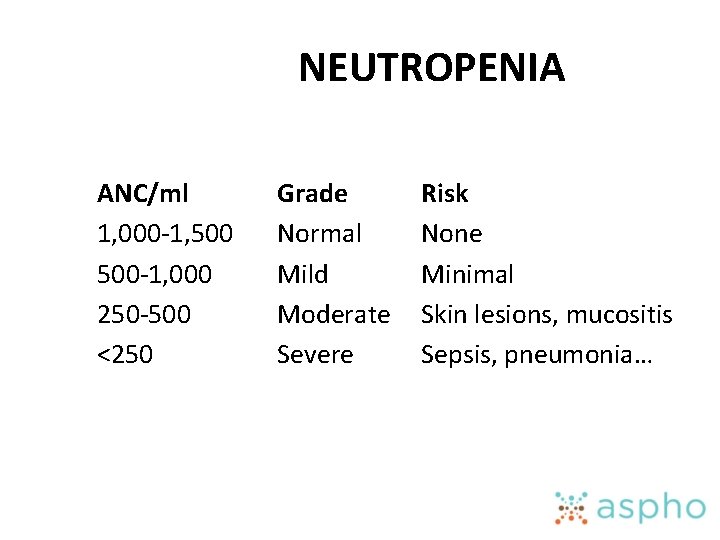
NEUTROPENIA ANC/ml 1, 000 -1, 500 -1, 000 250 -500 <250 Grade Normal Mild Moderate Severe Risk None Minimal Skin lesions, mucositis Sepsis, pneumonia…
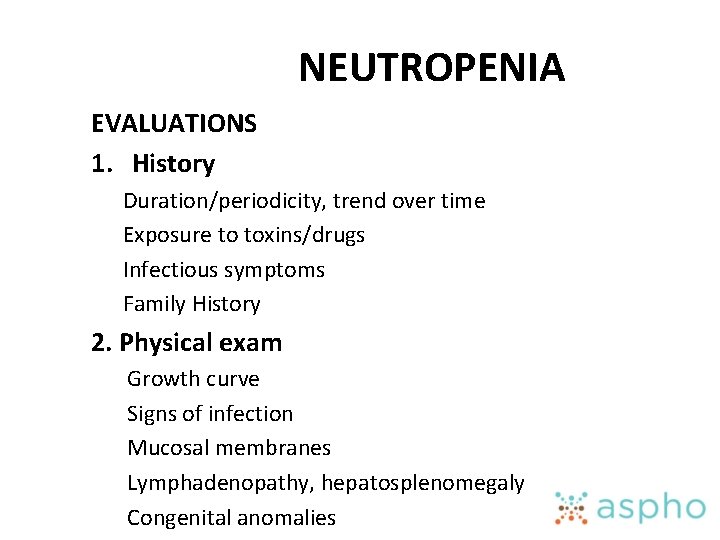
NEUTROPENIA EVALUATIONS 1. History Duration/periodicity, trend over time Exposure to toxins/drugs Infectious symptoms Family History 2. Physical exam Growth curve Signs of infection Mucosal membranes Lymphadenopathy, hepatosplenomegaly Congenital anomalies
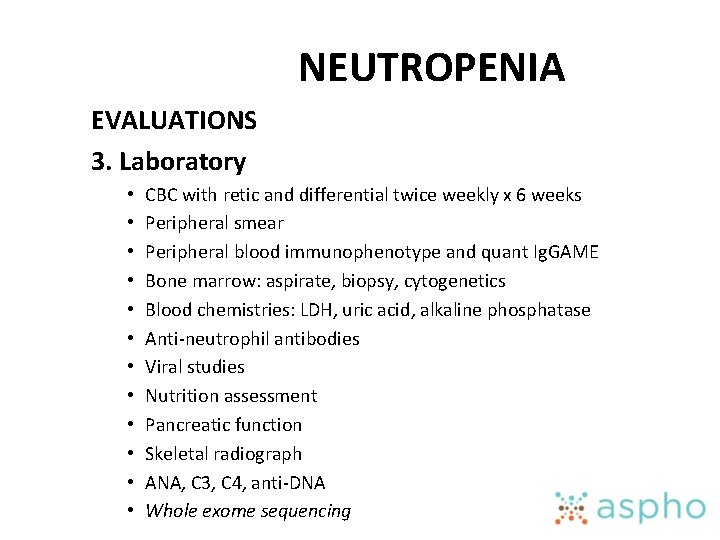
NEUTROPENIA EVALUATIONS 3. Laboratory • • • CBC with retic and differential twice weekly x 6 weeks Peripheral smear Peripheral blood immunophenotype and quant Ig. GAME Bone marrow: aspirate, biopsy, cytogenetics Blood chemistries: LDH, uric acid, alkaline phosphatase Anti-neutrophil antibodies Viral studies Nutrition assessment Pancreatic function Skeletal radiograph ANA, C 3, C 4, anti-DNA Whole exome sequencing
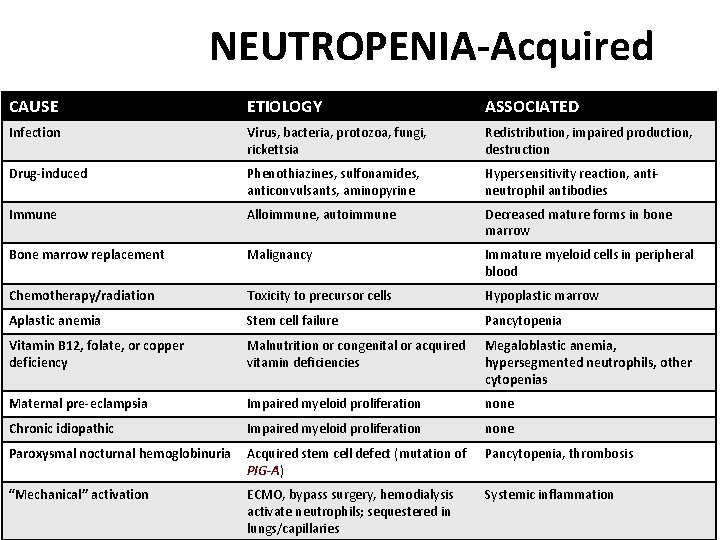
NEUTROPENIA-Acquired CAUSE ETIOLOGY ASSOCIATED Infection Virus, bacteria, protozoa, fungi, rickettsia Redistribution, impaired production, destruction Drug-induced Phenothiazines, sulfonamides, anticonvulsants, aminopyrine Hypersensitivity reaction, antineutrophil antibodies Immune Alloimmune, autoimmune Decreased mature forms in bone marrow Bone marrow replacement Malignancy Immature myeloid cells in peripheral blood Chemotherapy/radiation Toxicity to precursor cells Hypoplastic marrow Aplastic anemia Stem cell failure Pancytopenia Vitamin B 12, folate, or copper deficiency Malnutrition or congenital or acquired vitamin deficiencies Megaloblastic anemia, hypersegmented neutrophils, other cytopenias Maternal pre-eclampsia Impaired myeloid proliferation none Chronic idiopathic Impaired myeloid proliferation none Paroxysmal nocturnal hemoglobinuria Acquired stem cell defect (mutation of PIG-A) Pancytopenia, thrombosis “Mechanical” activation ECMO, bypass surgery, hemodialysis activate neutrophils; sequestered in lungs/capillaries Systemic inflammation
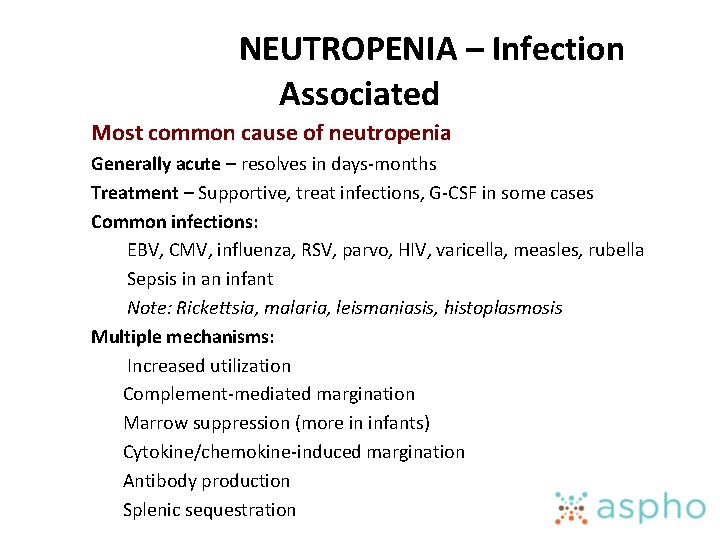
NEUTROPENIA – Infection Associated Most common cause of neutropenia Generally acute – resolves in days-months Treatment – Supportive, treat infections, G-CSF in some cases Common infections: EBV, CMV, influenza, RSV, parvo, HIV, varicella, measles, rubella Sepsis in an infant Note: Rickettsia, malaria, leismaniasis, histoplasmosis Multiple mechanisms: Increased utilization Complement-mediated margination Marrow suppression (more in infants) Cytokine/chemokine-induced margination Antibody production Splenic sequestration
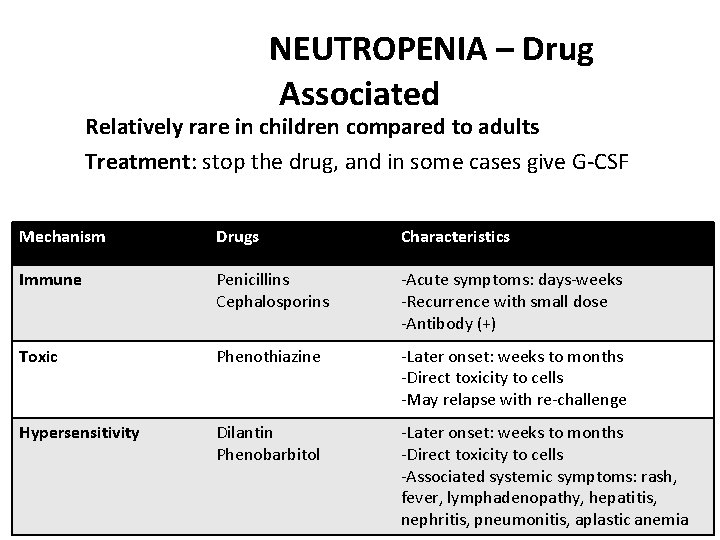
NEUTROPENIA – Drug Associated Relatively rare in children compared to adults Treatment: stop the drug, and in some cases give G-CSF Mechanism Drugs Characteristics Immune Penicillins Cephalosporins -Acute symptoms: days-weeks -Recurrence with small dose -Antibody (+) Toxic Phenothiazine -Later onset: weeks to months -Direct toxicity to cells -May relapse with re-challenge Hypersensitivity Dilantin Phenobarbitol -Later onset: weeks to months -Direct toxicity to cells -Associated systemic symptoms: rash, fever, lymphadenopathy, hepatitis, nephritis, pneumonitis, aplastic anemia
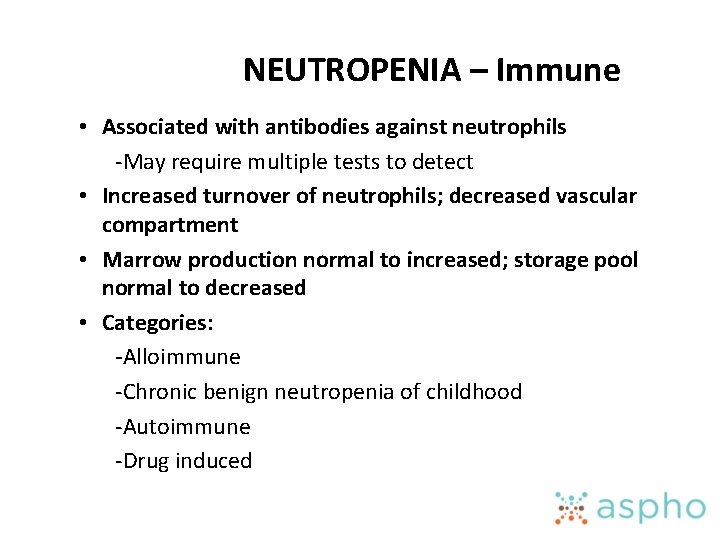
NEUTROPENIA – Immune • Associated with antibodies against neutrophils -May require multiple tests to detect • Increased turnover of neutrophils; decreased vascular compartment • Marrow production normal to increased; storage pool normal to decreased • Categories: -Alloimmune -Chronic benign neutropenia of childhood -Autoimmune -Drug induced
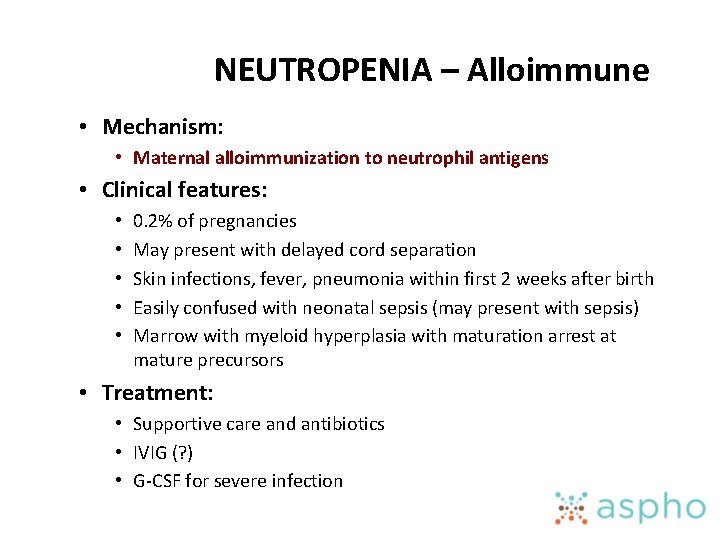
NEUTROPENIA – Alloimmune • Mechanism: • Maternal alloimmunization to neutrophil antigens • Clinical features: • • • 0. 2% of pregnancies May present with delayed cord separation Skin infections, fever, pneumonia within first 2 weeks after birth Easily confused with neonatal sepsis (may present with sepsis) Marrow with myeloid hyperplasia with maturation arrest at mature precursors • Treatment: • Supportive care and antibiotics • IVIG (? ) • G-CSF for severe infection
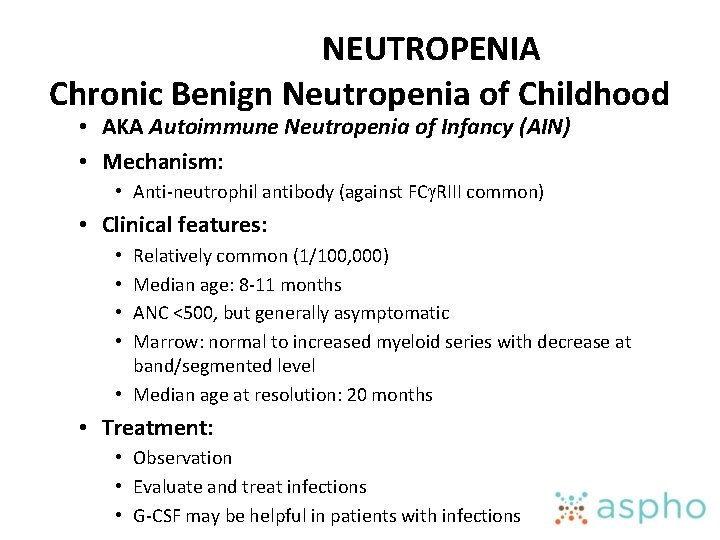
NEUTROPENIA Chronic Benign Neutropenia of Childhood • AKA Autoimmune Neutropenia of Infancy (AIN) • Mechanism: • Anti-neutrophil antibody (against FCg. RIII common) • Clinical features: Relatively common (1/100, 000) Median age: 8 -11 months ANC <500, but generally asymptomatic Marrow: normal to increased myeloid series with decrease at band/segmented level • Median age at resolution: 20 months • • • Treatment: • Observation • Evaluate and treat infections • G-CSF may be helpful in patients with infections
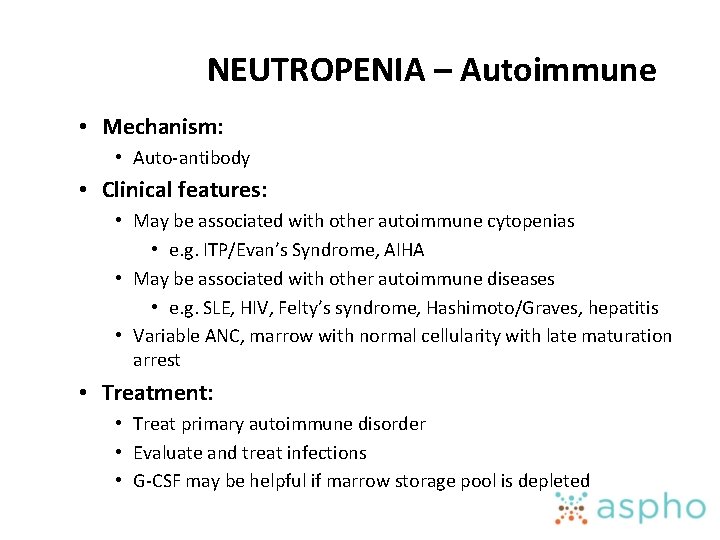
NEUTROPENIA – Autoimmune • Mechanism: • Auto-antibody • Clinical features: • May be associated with other autoimmune cytopenias • e. g. ITP/Evan’s Syndrome, AIHA • May be associated with other autoimmune diseases • e. g. SLE, HIV, Felty’s syndrome, Hashimoto/Graves, hepatitis • Variable ANC, marrow with normal cellularity with late maturation arrest • Treatment: • Treat primary autoimmune disorder • Evaluate and treat infections • G-CSF may be helpful if marrow storage pool is depleted
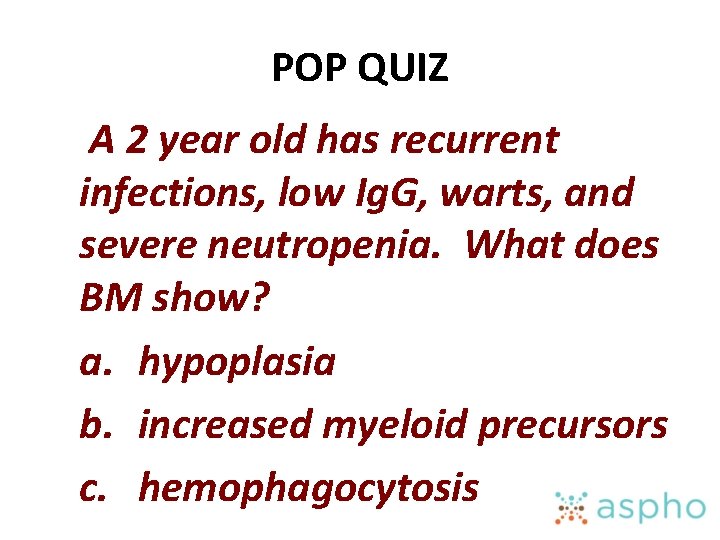
POP QUIZ A 2 year old has recurrent infections, low Ig. G, warts, and severe neutropenia. What does BM show? a. hypoplasia b. increased myeloid precursors c. hemophagocytosis
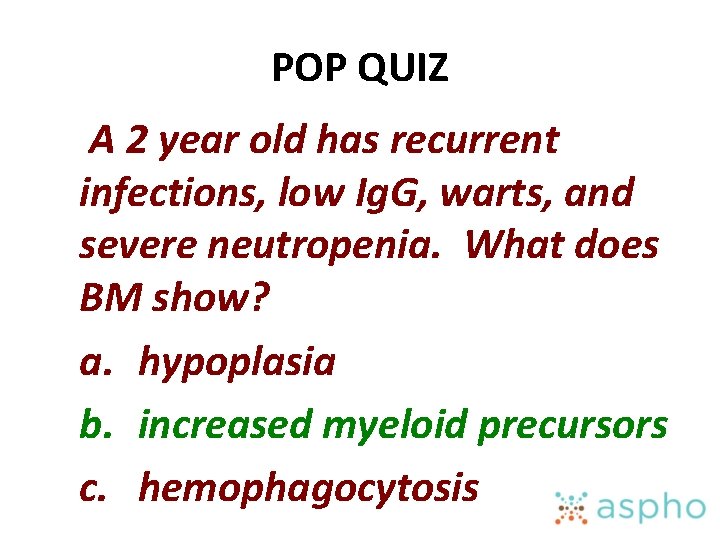
POP QUIZ A 2 year old has recurrent infections, low Ig. G, warts, and severe neutropenia. What does BM show? a. hypoplasia b. increased myeloid precursors c. hemophagocytosis
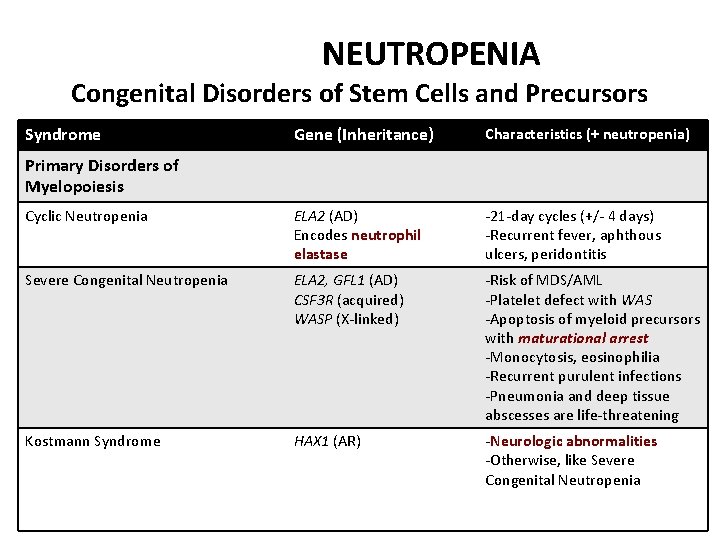
NEUTROPENIA Congenital Disorders of Stem Cells and Precursors Syndrome Gene (Inheritance) Characteristics (+ neutropenia) Cyclic Neutropenia ELA 2 (AD) Encodes neutrophil elastase -21 -day cycles (+/- 4 days) -Recurrent fever, aphthous ulcers, peridontitis Severe Congenital Neutropenia ELA 2, GFL 1 (AD) CSF 3 R (acquired) WASP (X-linked) -Risk of MDS/AML -Platelet defect with WAS -Apoptosis of myeloid precursors with maturational arrest -Monocytosis, eosinophilia -Recurrent purulent infections -Pneumonia and deep tissue abscesses are life-threatening Kostmann Syndrome HAX 1 (AR) -Neurologic abnormalities -Otherwise, like Severe Congenital Neutropenia Primary Disorders of Myelopoiesis
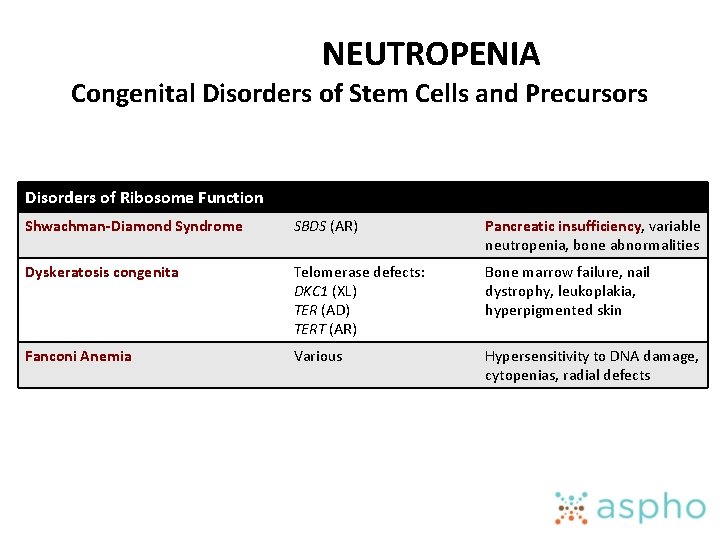
NEUTROPENIA Congenital Disorders of Stem Cells and Precursors Disorders of Ribosome Function Shwachman-Diamond Syndrome SBDS (AR) Pancreatic insufficiency, variable neutropenia, bone abnormalities Dyskeratosis congenita Telomerase defects: DKC 1 (XL) TER (AD) TERT (AR) Bone marrow failure, nail dystrophy, leukoplakia, hyperpigmented skin Fanconi Anemia Various Hypersensitivity to DNA damage, cytopenias, radial defects
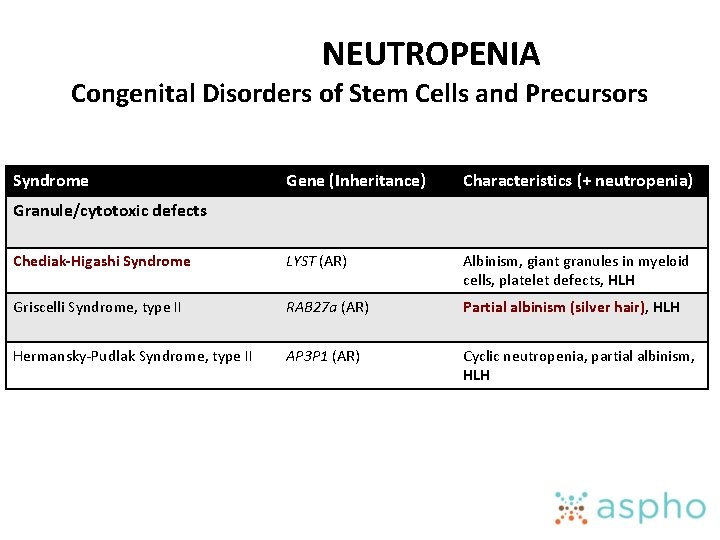
NEUTROPENIA Congenital Disorders of Stem Cells and Precursors Syndrome Gene (Inheritance) Characteristics (+ neutropenia) Chediak-Higashi Syndrome LYST (AR) Albinism, giant granules in myeloid cells, platelet defects, HLH Griscelli Syndrome, type II RAB 27 a (AR) Partial albinism (silver hair), HLH Hermansky-Pudlak Syndrome, type II AP 3 P 1 (AR) Cyclic neutropenia, partial albinism, HLH Granule/cytotoxic defects
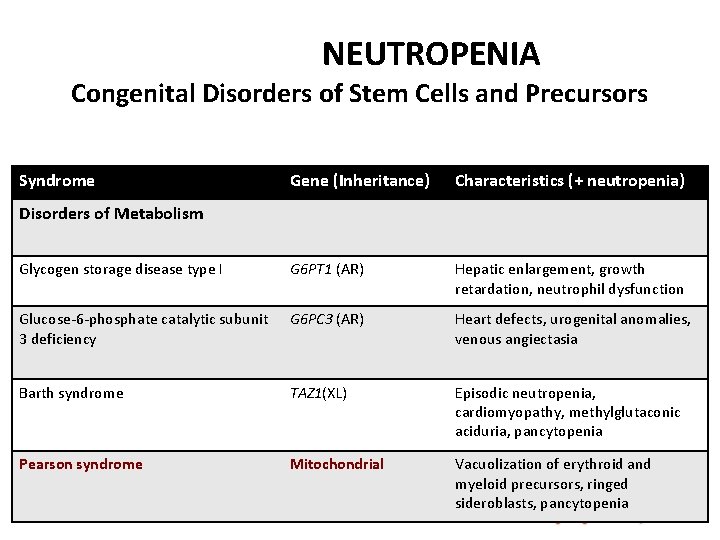
NEUTROPENIA Congenital Disorders of Stem Cells and Precursors Syndrome Gene (Inheritance) Characteristics (+ neutropenia) Glycogen storage disease type I G 6 PT 1 (AR) Hepatic enlargement, growth retardation, neutrophil dysfunction Glucose-6 -phosphate catalytic subunit 3 deficiency G 6 PC 3 (AR) Heart defects, urogenital anomalies, venous angiectasia Barth syndrome TAZ 1(XL) Episodic neutropenia, cardiomyopathy, methylglutaconic aciduria, pancytopenia Pearson syndrome Mitochondrial Vacuolization of erythroid and myeloid precursors, ringed sideroblasts, pancytopenia Disorders of Metabolism
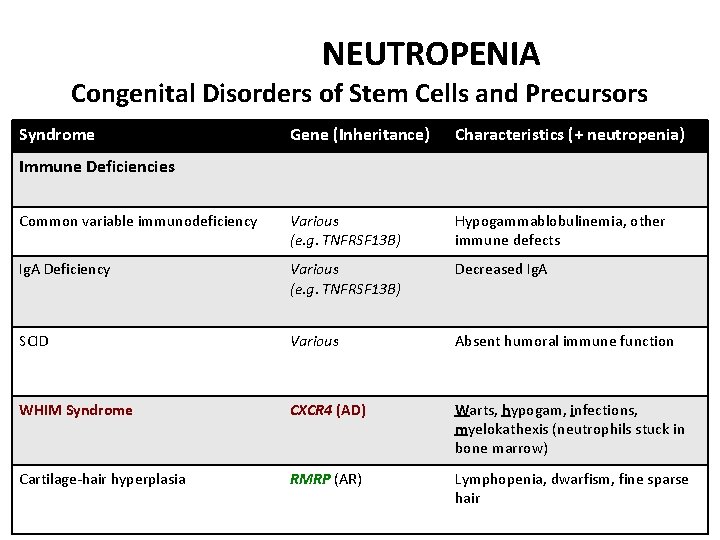
NEUTROPENIA Congenital Disorders of Stem Cells and Precursors Syndrome Gene (Inheritance) Characteristics (+ neutropenia) Common variable immunodeficiency Various (e. g. TNFRSF 13 B) Hypogammablobulinemia, other immune defects Ig. A Deficiency Various (e. g. TNFRSF 13 B) Decreased Ig. A SCID Various Absent humoral immune function WHIM Syndrome CXCR 4 (AD) Warts, hypogam, infections, myelokathexis (neutrophils stuck in bone marrow) Cartilage-hair hyperplasia RMRP (AR) Lymphopenia, dwarfism, fine sparse hair Immune Deficiencies
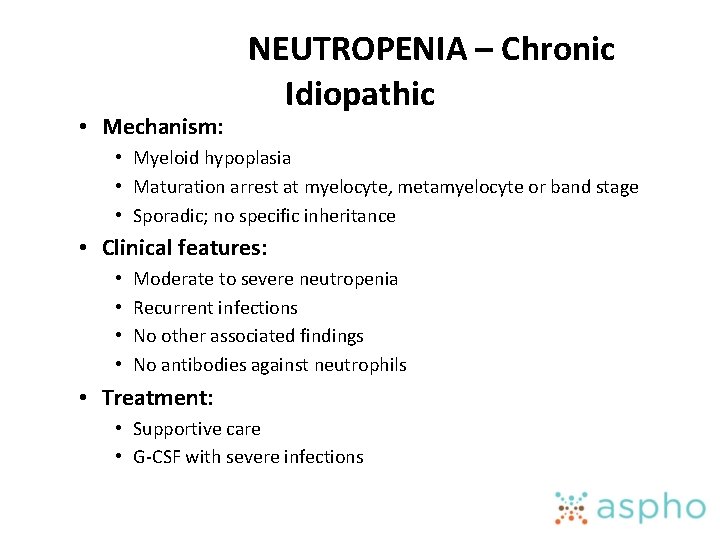
• Mechanism: NEUTROPENIA – Chronic Idiopathic • Myeloid hypoplasia • Maturation arrest at myelocyte, metamyelocyte or band stage • Sporadic; no specific inheritance • Clinical features: • • Moderate to severe neutropenia Recurrent infections No other associated findings No antibodies against neutrophils • Treatment: • Supportive care • G-CSF with severe infections
Part III: Neutrophils Don’t Work
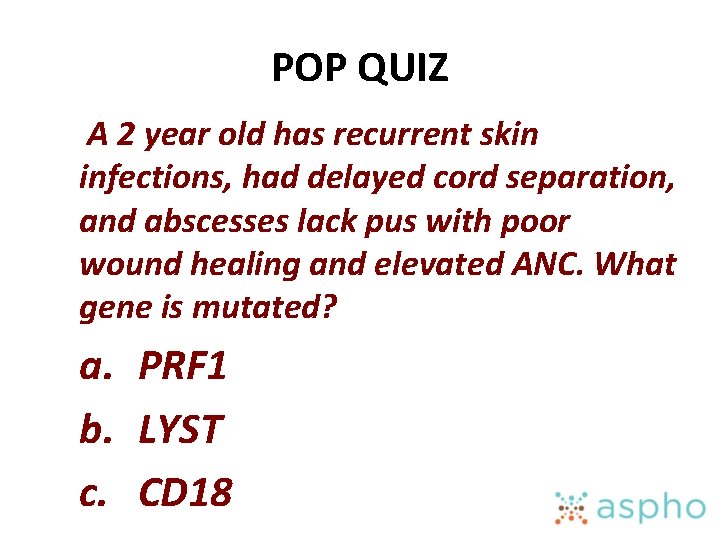
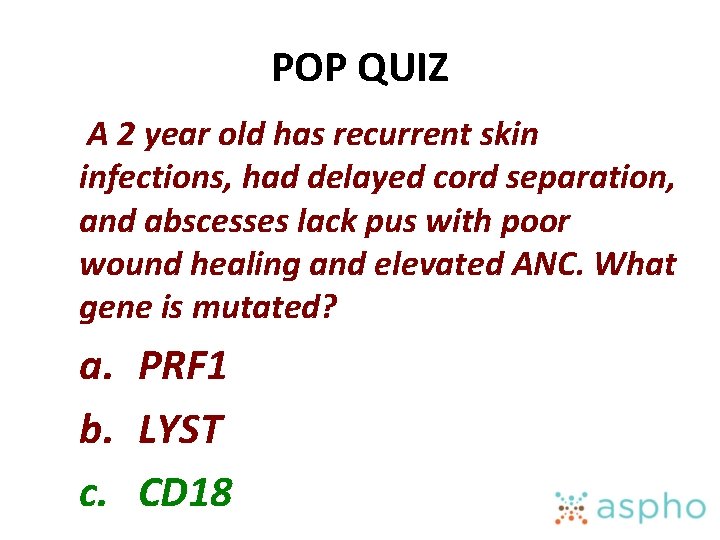
POP QUIZ A 2 year old has recurrent skin infections, had delayed cord separation, and abscesses lack pus with poor wound healing and elevated ANC. What gene is mutated? a. PRF 1 b. LYST c. CD 18
POP QUIZ A 2 year old has recurrent skin infections, had delayed cord separation, and abscesses lack pus with poor wound healing and elevated ANC. What gene is mutated? a. PRF 1 b. LYST c. CD 18
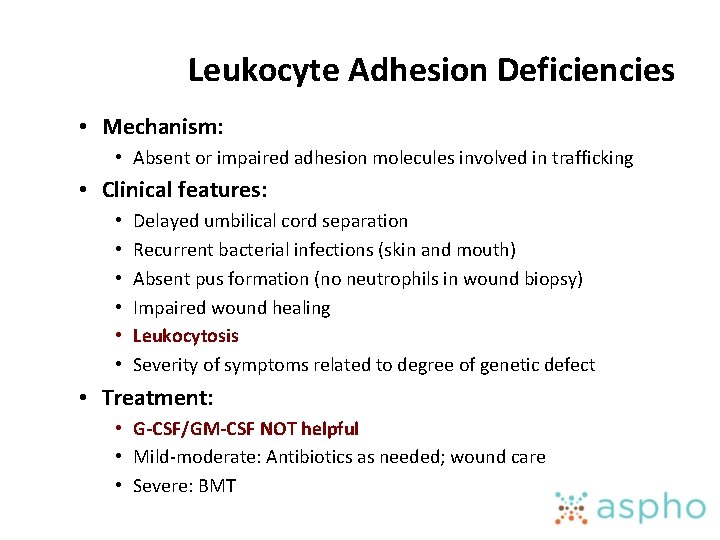
Leukocyte Adhesion Deficiencies • Mechanism: • Absent or impaired adhesion molecules involved in trafficking • Clinical features: • • • Delayed umbilical cord separation Recurrent bacterial infections (skin and mouth) Absent pus formation (no neutrophils in wound biopsy) Impaired wound healing Leukocytosis Severity of symptoms related to degree of genetic defect • Treatment: • G-CSF/GM-CSF NOT helpful • Mild-moderate: Antibiotics as needed; wound care • Severe: BMT
Leukocyte Adhesion Deficiencies Syndrome Gene (Inheritance) Characteristics LAD-I CD 18 (AR) b 2 integrin dysfunction Absent/decreased CD 18 expression See above LAD-II GDP-fructose transporter 1 (SLC 35 C 1); probably others (AR) Defective fucosylation of macromolcules – so no SLe. X on myeloid cells (no CD 15) AB 0 antigens abnormal (Bombay phenotype – no H antigen) Only 10 patients reported Not as severe as “severe” as LAD I Severely mentally retarded, short stature, distinctive facial appearance. LAD-III Cal. DAG-GEF 1, FERMT 3 Defective integrin ACTIVATION (expresses Kindlin-3) Also with impaired NK function and (AR) osteoporosis due to osteoclast defects, and bleeding due to platelet dysfunction
LAD Rolling LAD II Adherence Diapedesis LAD III (activation)
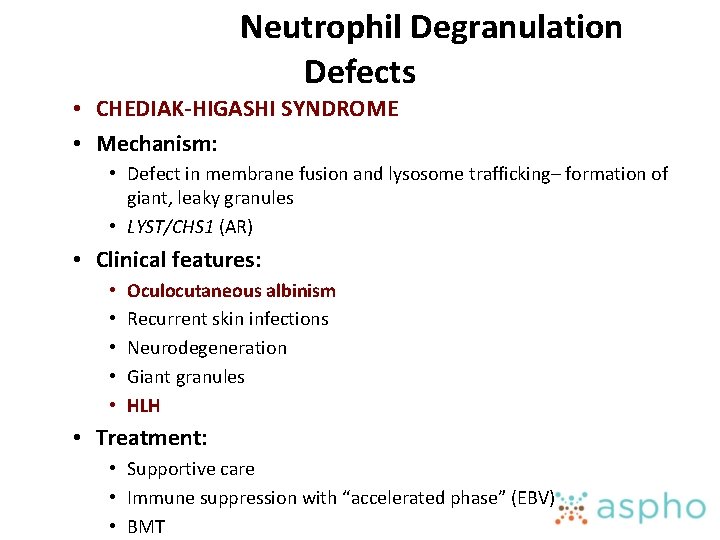
Neutrophil Degranulation Defects • CHEDIAK-HIGASHI SYNDROME • Mechanism: • Defect in membrane fusion and lysosome trafficking– formation of giant, leaky granules • LYST/CHS 1 (AR) • Clinical features: • • • Oculocutaneous albinism Recurrent skin infections Neurodegeneration Giant granules HLH • Treatment: • Supportive care • Immune suppression with “accelerated phase” (EBV) • BMT
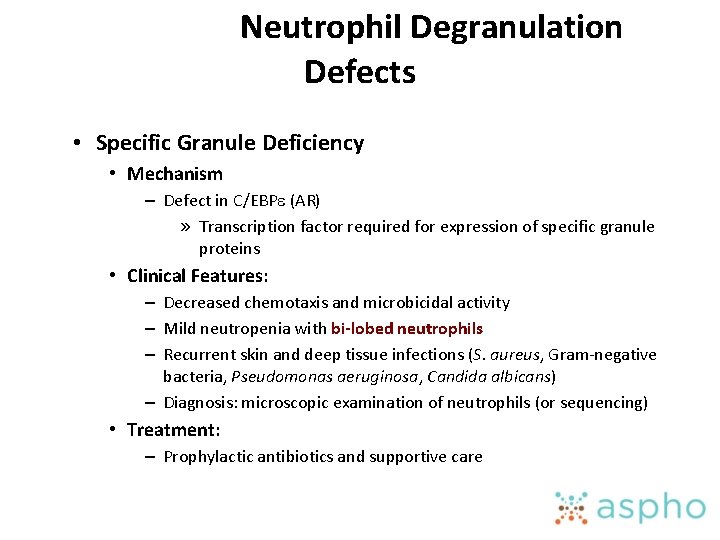
Neutrophil Degranulation Defects • Specific Granule Deficiency • Mechanism – Defect in C/EBPe (AR) » Transcription factor required for expression of specific granule proteins • Clinical Features: – Decreased chemotaxis and microbicidal activity – Mild neutropenia with bi-lobed neutrophils – Recurrent skin and deep tissue infections (S. aureus, Gram-negative bacteria, Pseudomonas aeruginosa, Candida albicans) – Diagnosis: microscopic examination of neutrophils (or sequencing) • Treatment: – Prophylactic antibiotics and supportive care
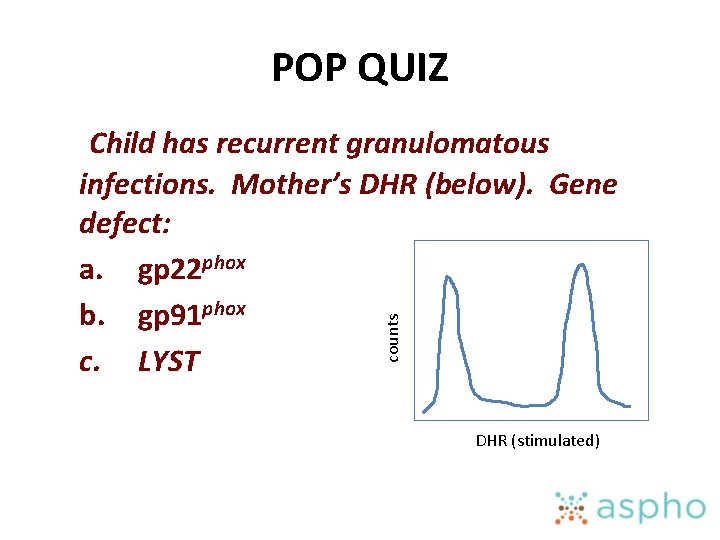
POP QUIZ counts Child has recurrent granulomatous infections. Mother’s DHR (below). Gene defect: a. gp 22 phox b. gp 91 phox c. LYST DHR (stimulated)
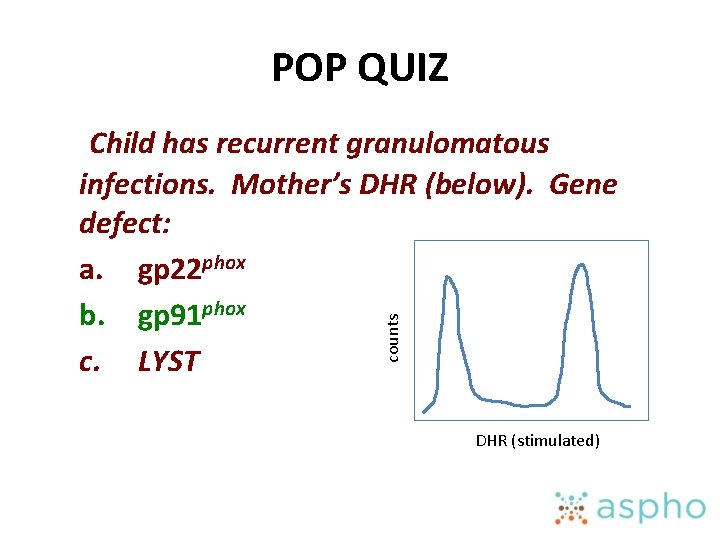
POP QUIZ counts Child has recurrent granulomatous infections. Mother’s DHR (below). Gene defect: a. gp 22 phox b. gp 91 phox c. LYST DHR (stimulated)
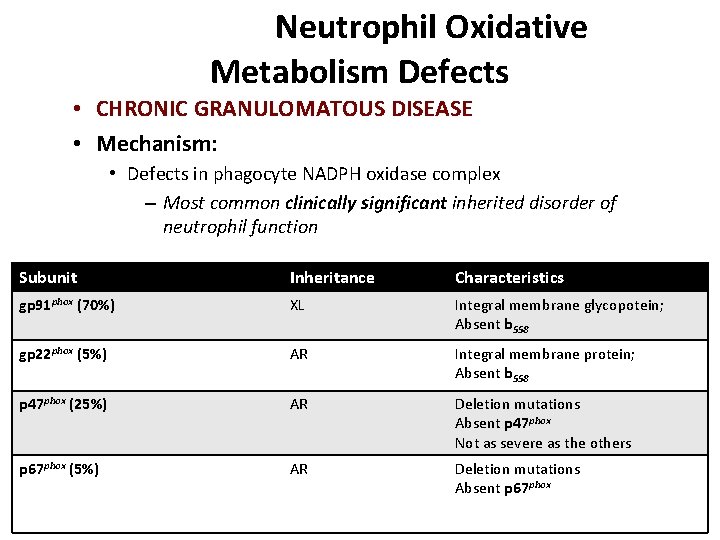
Neutrophil Oxidative Metabolism Defects • CHRONIC GRANULOMATOUS DISEASE • Mechanism: • Defects in phagocyte NADPH oxidase complex – Most common clinically significant inherited disorder of neutrophil function Subunit Inheritance Characteristics gp 91 phox (70%) XL Integral membrane glycopotein; Absent b 558 gp 22 phox (5%) AR Integral membrane protein; Absent b 558 p 47 phox (25%) AR Deletion mutations Absent p 47 phox Not as severe as the others p 67 phox (5%) AR Deletion mutations Absent p 67 phox
CGD = Defective Oxidative Burst O 2 NADPH O 2 - NADP H+ H 2 O 2 + MPO + Cl- cytoplasm phagosome HOCl
Neutrophil Oxidative Metabolism Defects • CHRONIC GRANULOMATOUS DISEASE • Clinical Course: – – Recurrent infections in skin, lung, LN in infancy Liver abscess and osteomyelitis from hematogenous spread S. aureus, Burkholderia cepacia, Serratia marcescens, Aspergillus, Nocardia Chronic inflammatory granulomas » Can cause obstruction of urinary or GI tract • Diagnosis: – Nitroblue tetrazolium » Reduced from yellow to purple by activated neutrophils – Dihydrorhodamine 123 (DHR) » Flow-based – Family history, targeted sequencing or WES • Treatment: – Prophylaxis with sulfa and itraconazole – Prophylactic IFN-g (enhance nonoxidative phagocytsis) – BMT
Neutrophil Oxidative Metabolism Defects • Myeloperoxidase Deficiency • Mechanism – Partial or complete deficiency of myeloperoxidase (MPO), (AR) » Defect in post-translational processing » Inhibits formation of hypochlorous acid • Clinical Features: – Not usually a problem unless the patient has diabetes mellitus – Impaired killing of C. albicans and Aspergillus • Treatment: – Usually none – Antifungals for patients with diabetes mellitus
Neutrophil Defects Miscellaneous Syndrome Gene (Inheritance) Characteristics G 6 PD Deficiency G 6 PD (XL) In addition to hemolytic crises, can develop CGD-like disease Rac 2 GTPase Deficiency Rac 2 GTPase (AD) Symptoms similar to LAD-I -Rac required for chemotaxis -Impaired oxidative burst IRAK 4 Deficiency IRAK 4 (AR) Involved in IL-1 R-induced NFk. B activation -Severe, recurrent infections -Poor inflammatory response -No response to LPS or TLR 6/9 ligands, IL-1 b or IL-18
Part IV: Other Myeloid Dysfunction
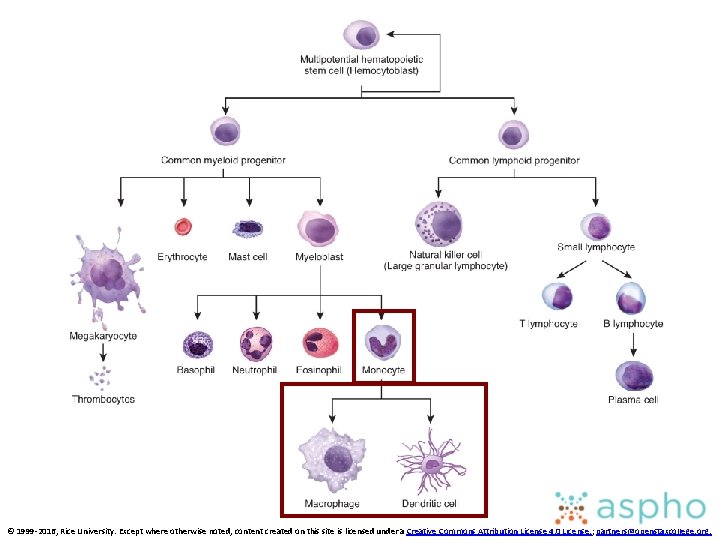
© 1999 -2016, Rice University. Except where otherwise noted, content created on this site is licensed under a Creative Commons Attribution License 4. 0 License. ; partners@openstaxcollege. org.
IMPAIRED MACROPHAGE FUNCTION AND ATYPICAL MYCOBACTERIAL INFECTION • Mechanism • Mutations in: – Interferon g-receptor binding chain (IFNGR 1) (AD, AR) – IL-12 receptor B 1 chain (IL 12 RB 1) (AR) – IL-12 p 40 deficiency (IL 12 B) (AR) • Clinical features: • Defective IFNg-mediated killing by monocytes and macrophages. • Increased incidence of infections with atypical mycobacteria, Salmonella, and Listeria • Treatment: • IFN-g • BMT for severe symptoms
• Mutations in: Hyper-Ig. E Syndrome (Job’s Syndrome) – STAT 3 (AD) – Tyrosine kinase 2 (TYK 2) (AR) – DOCK 8 (AR) • Clinical features: • Defects in JAK-STAT signaling - impaired cytokine responses • Defects in neutrophil chemotaxis, T-cell responses (IL-17), abnormal Ig. E regulation (very high), elevated eosinophil count • Severe skin lesions (eczematous, pruritic), superinfection – Note: Satan covered Job in sore boils. • Sinopulmonary infections, fungal infections of nails and mucosa • Coarse facies, lymphoma risk, neurologic abnormalities, vascular abnormalities, bone fractures, retained primary teeth • Treatment: • Supportive care, antimicrobial prophylaxis • BMT for severe symptoms
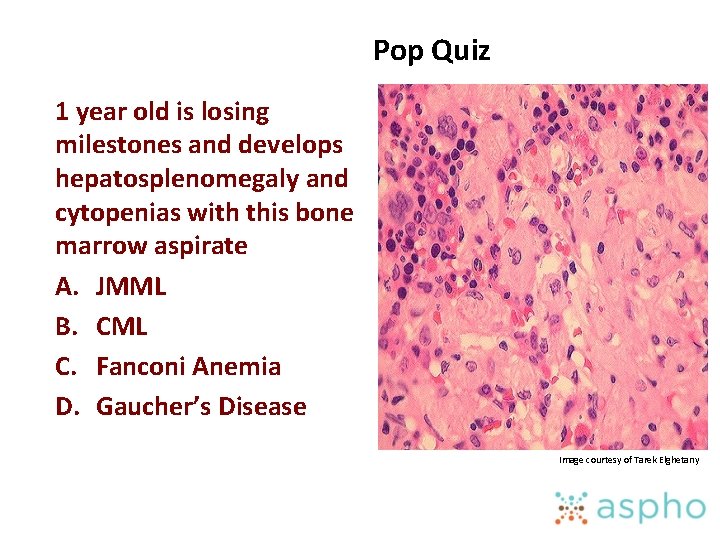
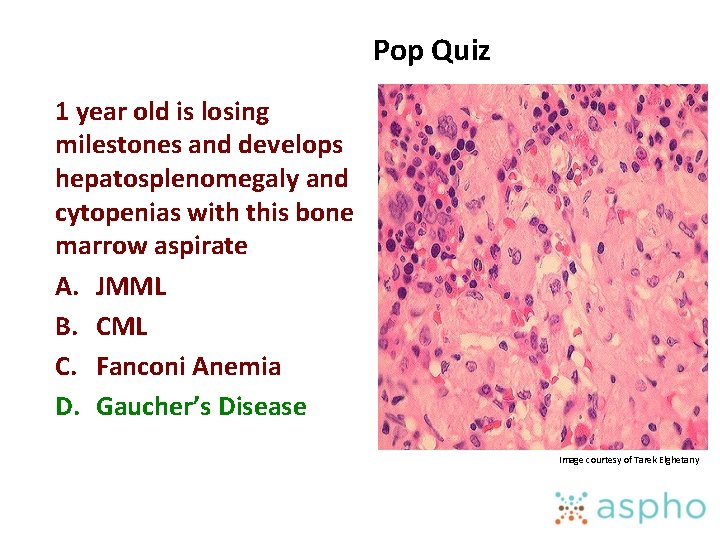
Pop Quiz 1 year old is losing milestones and develops hepatosplenomegaly and cytopenias with this bone marrow aspirate A. JMML B. CML C. Fanconi Anemia D. Gaucher’s Disease Image courtesy of Tarek Elghetany
Pop Quiz 1 year old is losing milestones and develops hepatosplenomegaly and cytopenias with this bone marrow aspirate A. JMML B. CML C. Fanconi Anemia D. Gaucher’s Disease Image courtesy of Tarek Elghetany
Storage Diseases: Gaucher’s Disease • Mechanism – Classic example of storage disease impact on blood cells – Mutation in glucocerebroside (GBA) (AR) • Clinical features: • Accumulation of glucocerebroside from senescent blood cells in monocytes and macrophages • High incidence in Ashkenazi Jews • Cytopenias, hepatosplenomegaly, bone abnormalities, pulmonary involvement (Type I without CNS involvement) • Diagnosis: Gaucher cells (crumpled paper bag) in bone marrow or liver biopsy, absent or decreased enzyme activity, genetic mutation analysis • Treatment: • Enzyme replacement • BMT for severe symptoms (gene therapy? )
Too Many Myeloid Cells • Neutrophilic leukocytosis (ANC>7700) • Infection, stress, smoking pregnancy, exercise, burn, glucocorticoids • Myeloproliferative disorders (e. g. CML) • Monocytic leukocytosis (Absolute monocyte count > 800) • Acute bacterial infection, tuberculosis • Primary EBV infection • Acute and chronic monocytic leukemia • Eosinophilic leukocytosis (Absolute eosinophil count >500) • Chronic leukemia, solid tumors, infection with parasites, allergic reactions • Basophilic leukocytosis (Absolute basophil count >500) • Myelopoliferative neoplasms, other myeloid malignancies, allergic or inflammatory reactions (hypersensitivity, ulcerative colitis, rheumatoid arthritis), endocrinophathy (hypothyroid), parasitic infections, TB
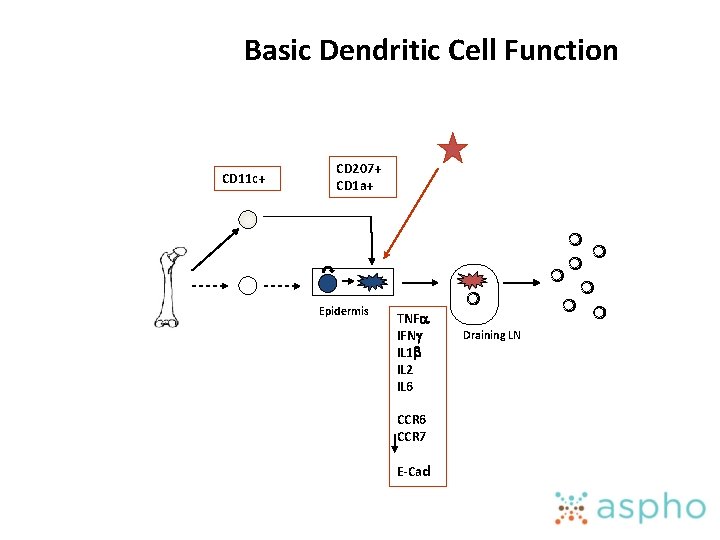
Basic Dendritic Cell Function CD 11 c+ CD 207+ CD 1 a+ Epidermis TNFa IFNg IL 1 b IL 2 IL 6 CCR 7 E-Cad Draining LN
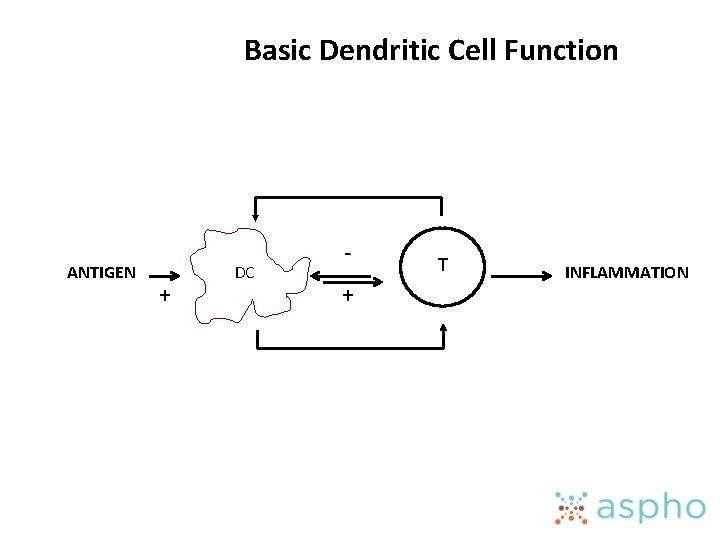
Basic Dendritic Cell Function ANTIGEN + DC + T INFLAMMATION
Too Many Myeloid Cells • Myeloproliferative and Histiocytic Disorders • Covered in other presentation
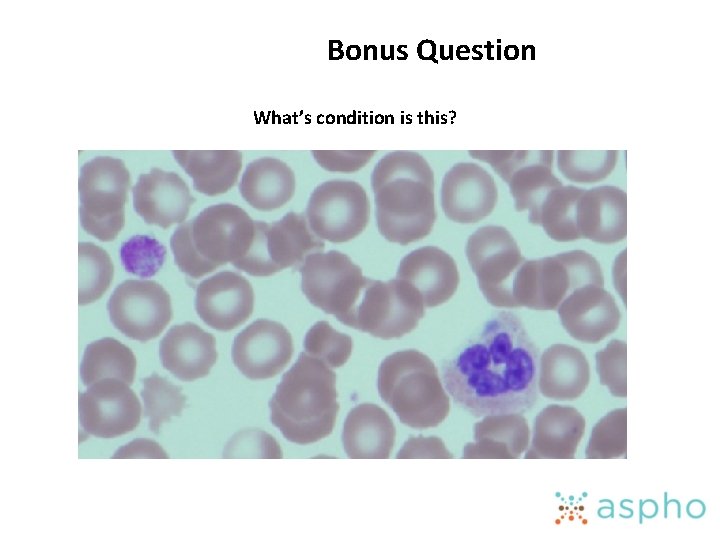
Bonus Question What’s condition is this?
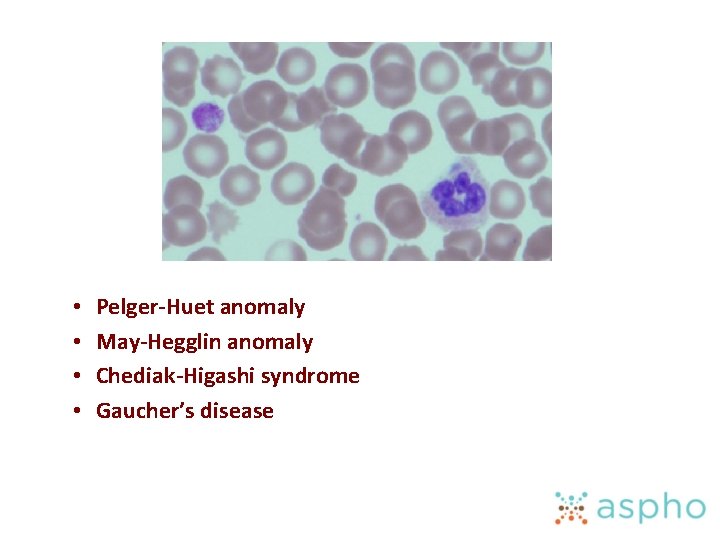
• • Pelger-Huet anomaly May-Hegglin anomaly Chediak-Higashi syndrome Gaucher’s disease
• • Pelger-Huet anomaly May-Hegglin anomaly Chediak-Higashi syndrome Gaucher’s disease
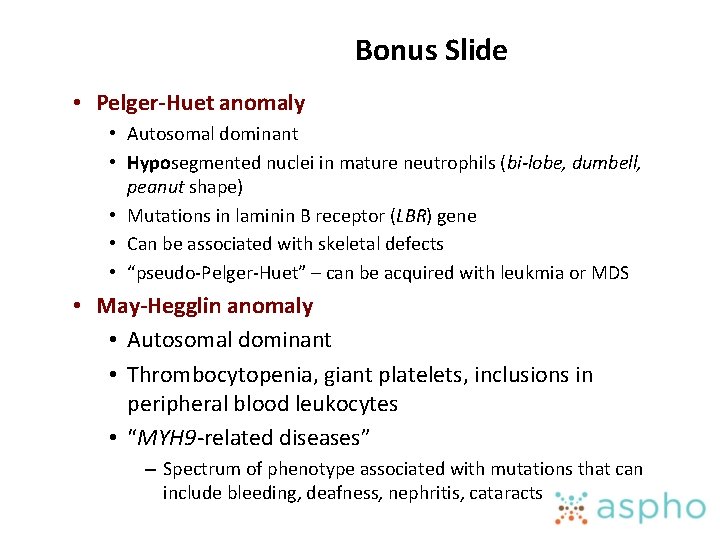
Bonus Slide • Pelger-Huet anomaly • Autosomal dominant • Hyposegmented nuclei in mature neutrophils (bi-lobe, dumbell, peanut shape) • Mutations in laminin B receptor (LBR) gene • Can be associated with skeletal defects • “pseudo-Pelger-Huet” – can be acquired with leukmia or MDS • May-Hegglin anomaly • Autosomal dominant • Thrombocytopenia, giant platelets, inclusions in peripheral blood leukocytes • “MYH 9 -related diseases” – Spectrum of phenotype associated with mutations that can include bleeding, deafness, nephritis, cataracts
Homework Slide Images of: • Neutrophil maturation • Chediak-Higashi • Secretory granule deficiency • Pelger-Huet anomaly • May-Hegglin anomaly • Gaucher cells
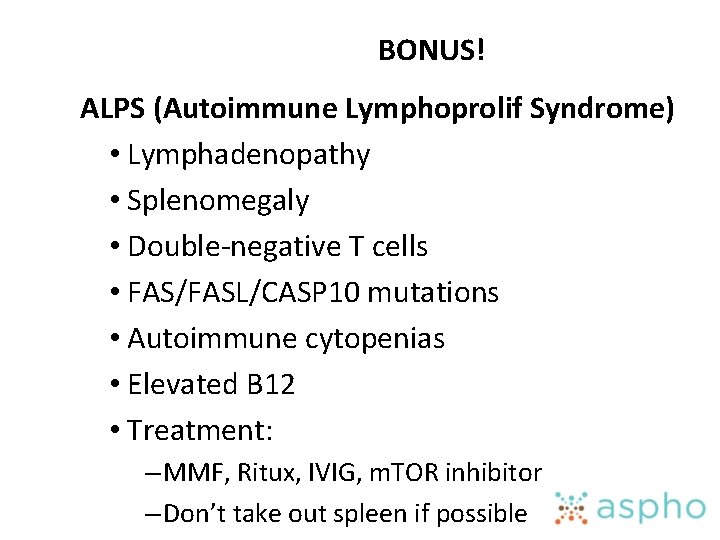
BONUS! ALPS (Autoimmune Lymphoprolif Syndrome) • Lymphadenopathy • Splenomegaly • Double-negative T cells • FAS/FASL/CASP 10 mutations • Autoimmune cytopenias • Elevated B 12 • Treatment: – MMF, Ritux, IVIG, m. TOR inhibitor – Don’t take out spleen if possible
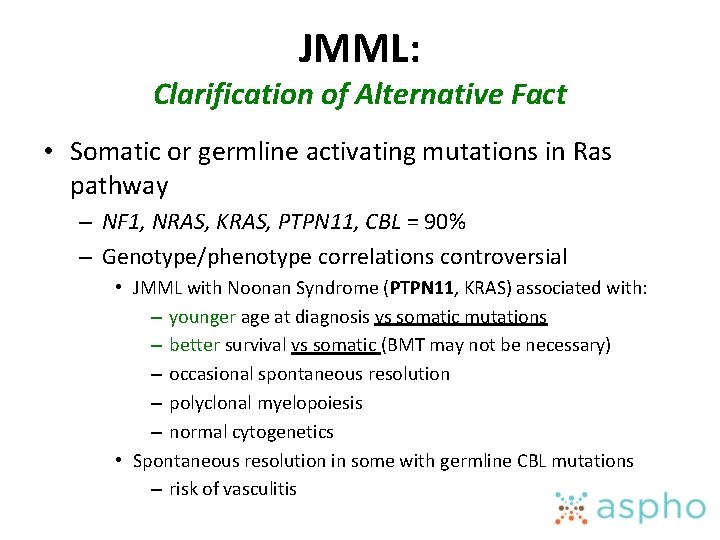
JMML: Clarification of Alternative Fact • Somatic or germline activating mutations in Ras pathway – NF 1, NRAS, KRAS, PTPN 11, CBL = 90% – Genotype/phenotype correlations controversial • JMML with Noonan Syndrome (PTPN 11, KRAS) associated with: – younger age at diagnosis vs somatic mutations – better survival vs somatic (BMT may not be necessary) – occasional spontaneous resolution – polyclonal myelopoiesis – normal cytogenetics • Spontaneous resolution in some with germline CBL mutations – risk of vasculitis
QUESTIONS? GOOD LUCK!! ceallen@txch. org