
The Atom All particles have charge Neutral charges

- Slides: 26
The Atom
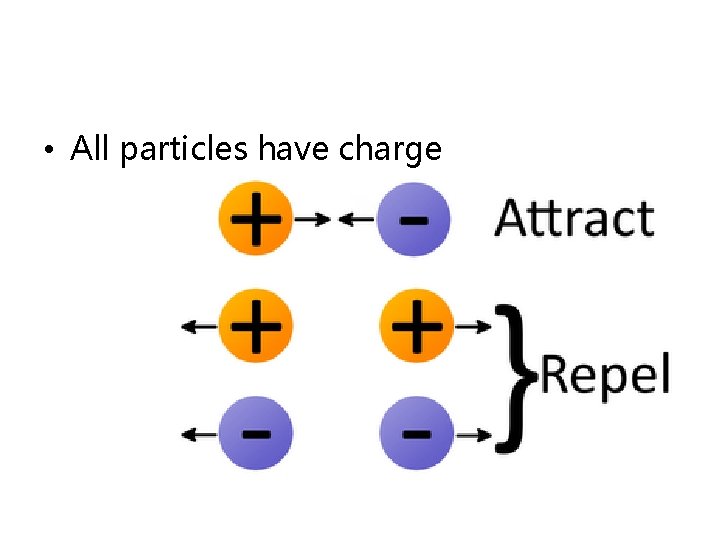
• All particles have charge
• Neutral charges are neither attracted nor repelled
The concept of charge has allowed us to make lots of discoveries about the atom
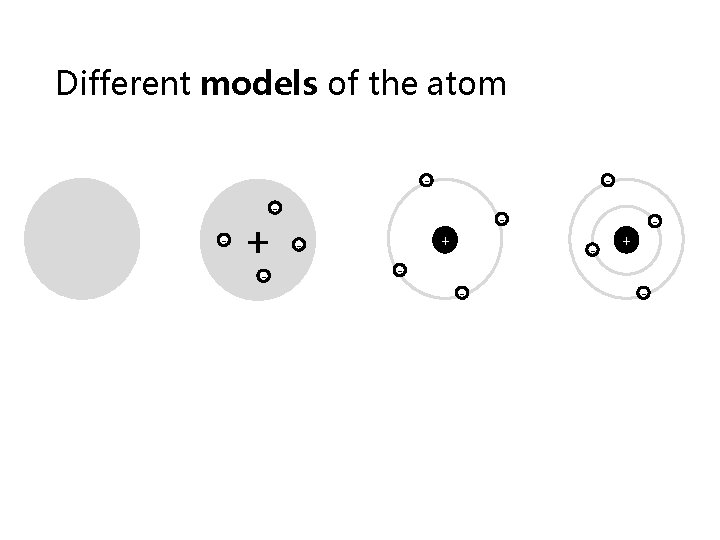
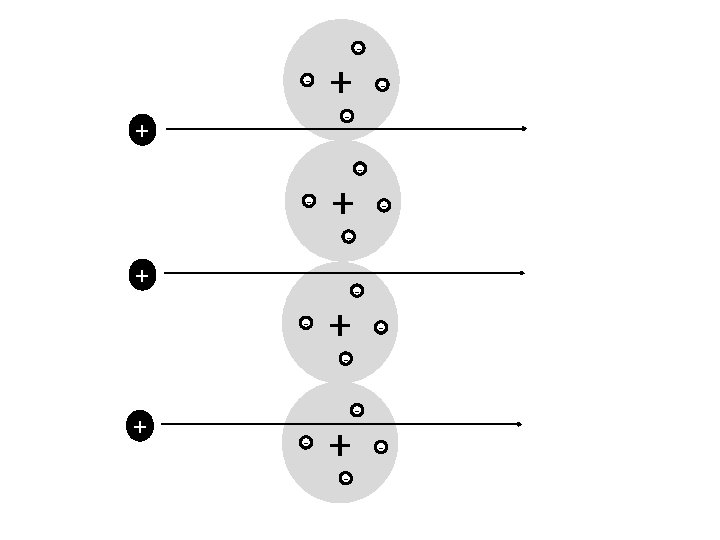
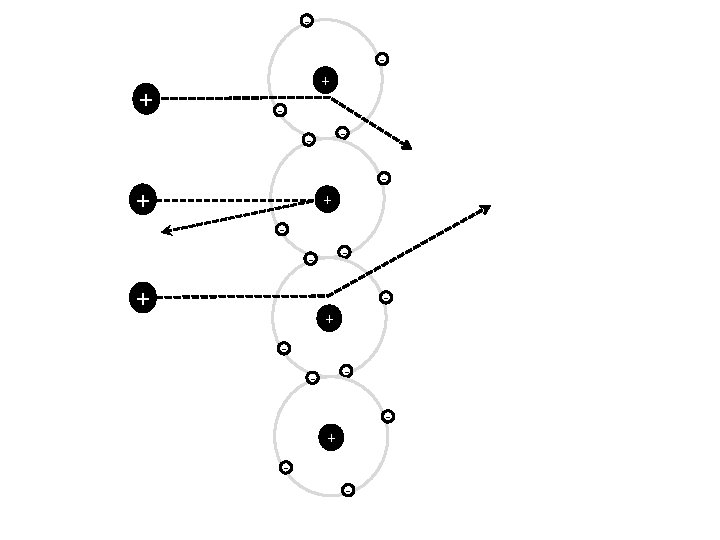
Different models of the atom - + - - - - + -
• Complete questions 1 -5 on page 1
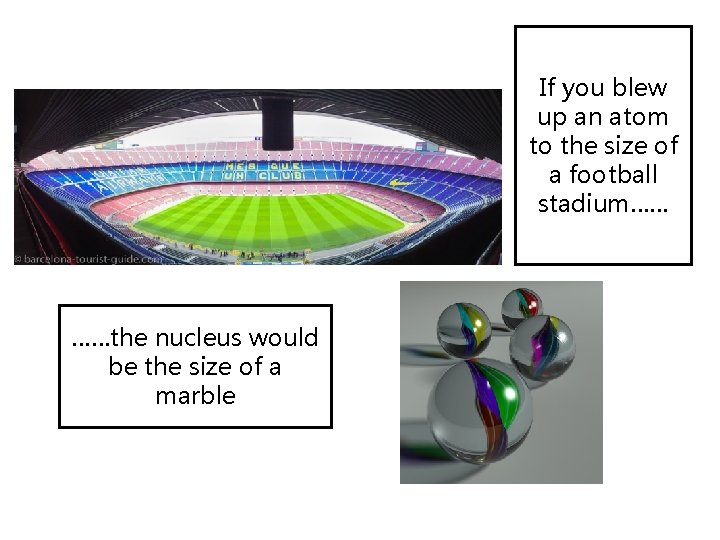
If you blew up an atom to the size of a football stadium…… ……the nucleus would be the size of a marble
• Read page 2 silently and answer the questions
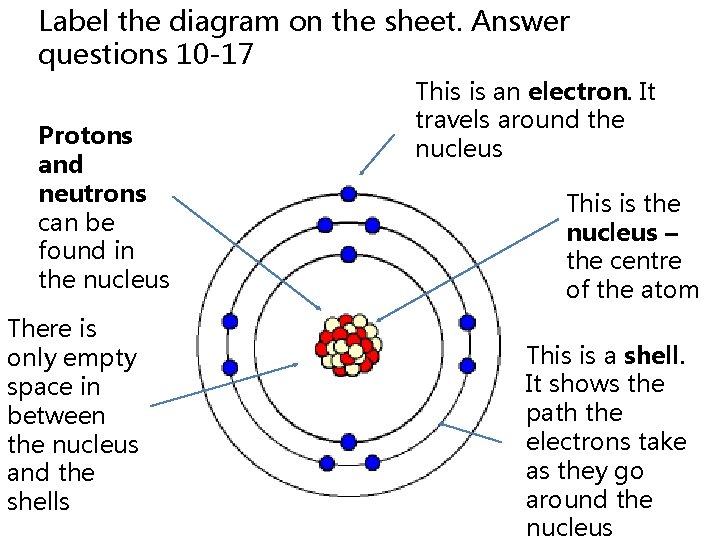
Label the diagram on the sheet. Answer questions 10 -17 Protons and neutrons can be found in the nucleus There is only empty space in between the nucleus and the shells This is an electron. It travels around the nucleus This is the nucleus – the centre of the atom This is a shell. It shows the path the electrons take as they go around the nucleus
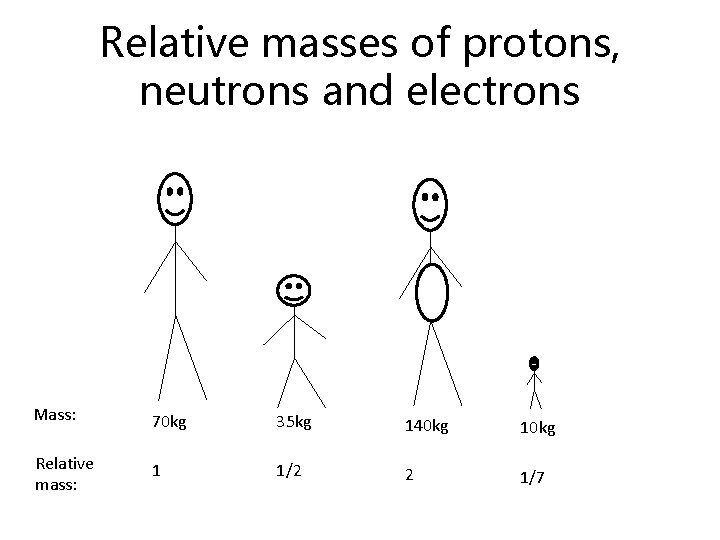
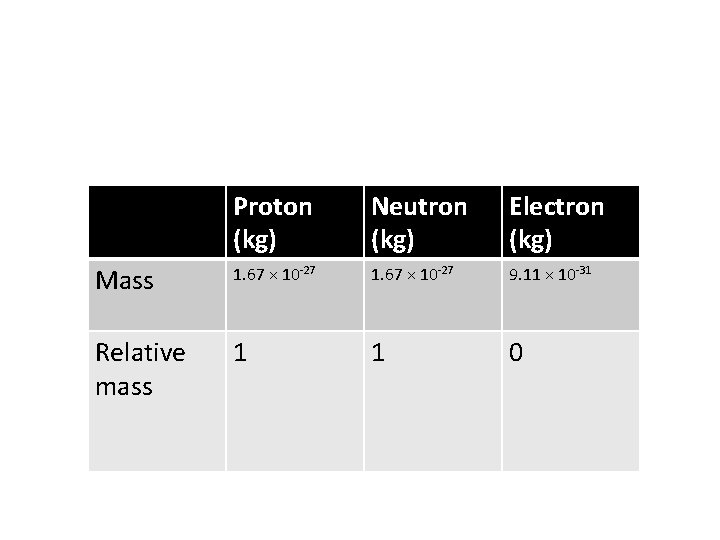
Relative masses of protons, neutrons and electrons Mass: 70 kg 35 kg 140 kg 10 kg Relative mass: 1 1/2 2 1/7
Proton (kg) Neutron (kg) Electron (kg) Mass 1. 67 × 10 -27 9. 11 × 10 -31 Relative mass 1 1 0
• Answer questions 18 -24
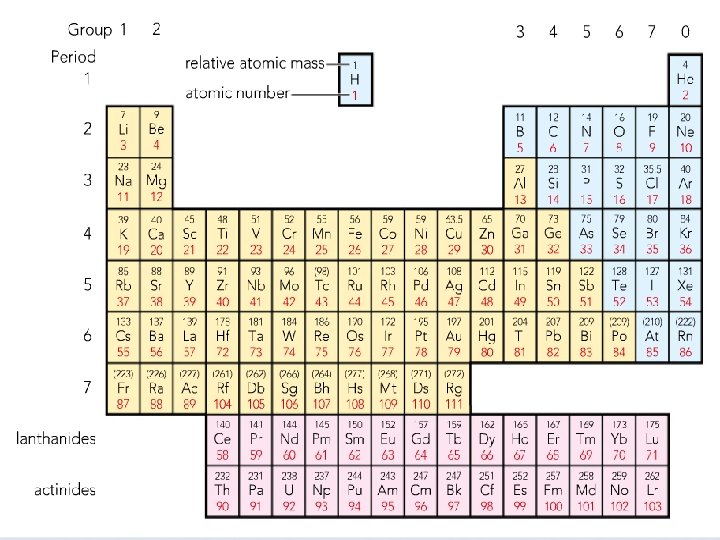
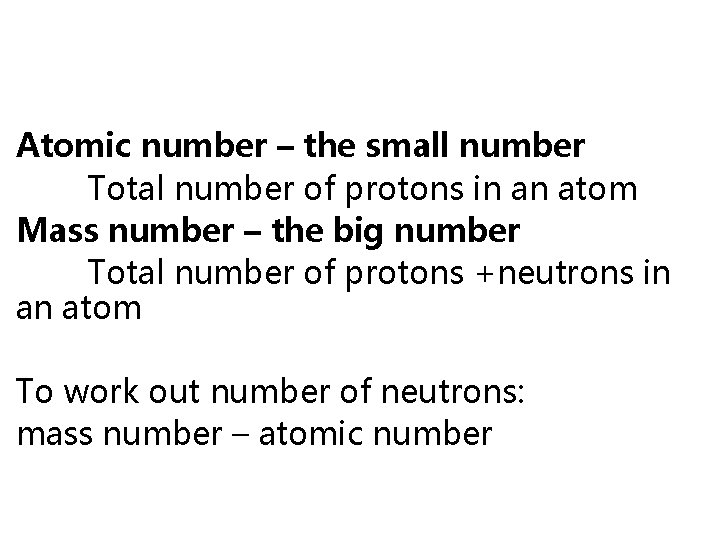
Atomic number – the small number Total number of protons in an atom Mass number – the big number Total number of protons +neutrons in an atom To work out number of neutrons: mass number – atomic number
• • Eg 1: Helium Eg 2: Lithium Eg 3: Chromium (Cr) Read page 4 and answer questions 2527
Isotopes
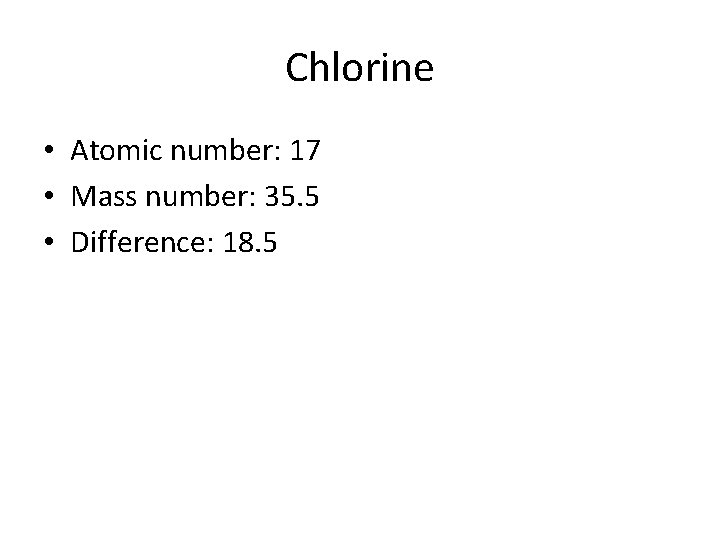
Chlorine • Atomic number: 17 • Mass number: 35. 5 • Difference: 18. 5
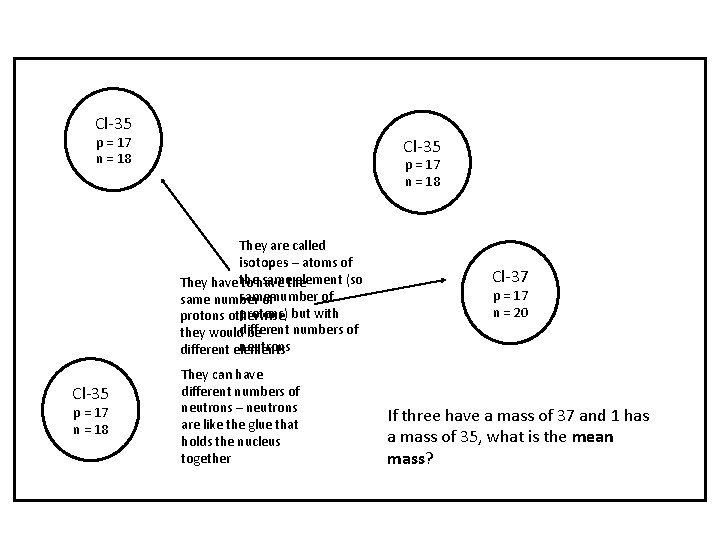
Cl-35 p = 17 n = 18 They are called isotopes – atoms of samethe element (so They have the to have same number of protons) but with protons otherwise numbers of they woulddifferent be neutrons different elements Cl-35 p = 17 n = 18 They can have different numbers of neutrons – neutrons are like the glue that holds the nucleus together Cl-37 p = 17 n = 20 If three have a mass of 37 and 1 has a mass of 35, what is the mean mass?
• Read the worked examples and do questions 28 -32
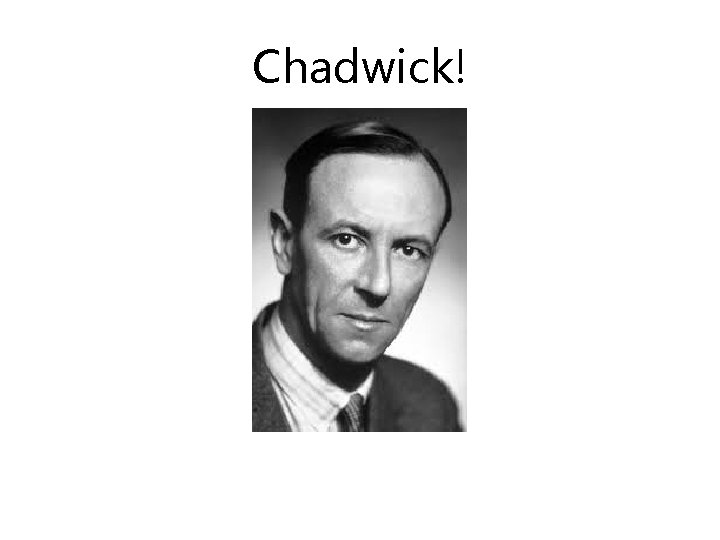
Chadwick!
• Chadwick used an experiment to discover the neutron • This allowed scientists to explain the existence of isotopes • As isotopes have same number of protons but different number of neutrons
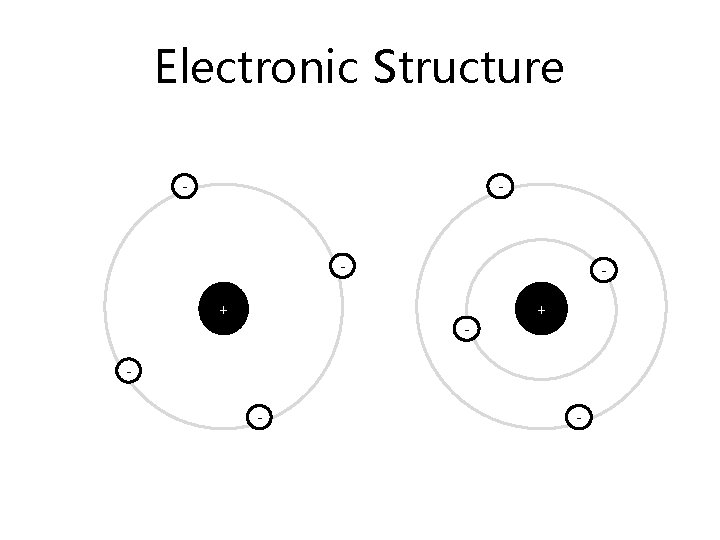
Electronic Structure – electrons determine how an atom reacts. There are the same number of electrons as protons in an atom This means the charges balance
Electronic Structure - - + - -
• • Examples: Lithium Neon Potassium