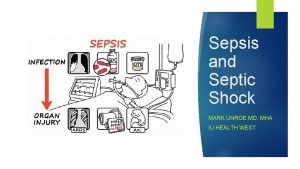
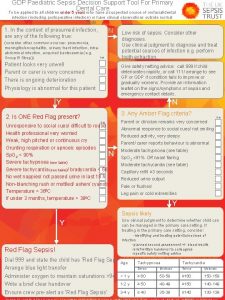
Sepsis and Septic Shock MARK UNROE MD MHA



- Slides: 56
Sepsis and Septic Shock MARK UNROE MD, MHA IU HEALTH WEST
Define Sepsis and Septic Shock Compare new vs. previous definitions Objectives Review updated Surviving Sepsis guidelines Discuss choice of fluids for resuscitation CMS Guidelines (SEP-1) Emerging Therapies
$20 billion in hospital costs in 2011 5. 2% of US Healthcare expenditures Sepsis Increasing incidence • Aging population with more comorbidities • Increased recognition Survivors frequently have long term physical, psychological and cognitive disability
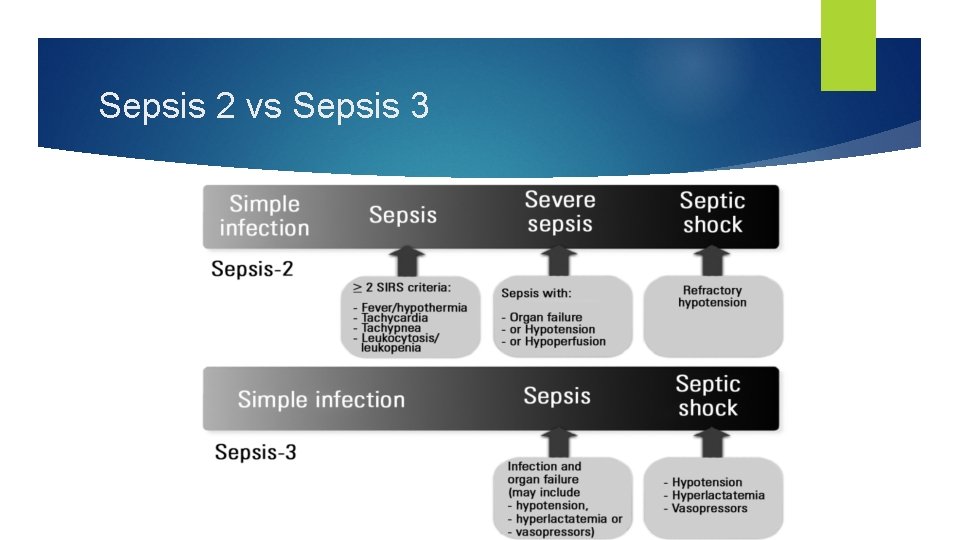
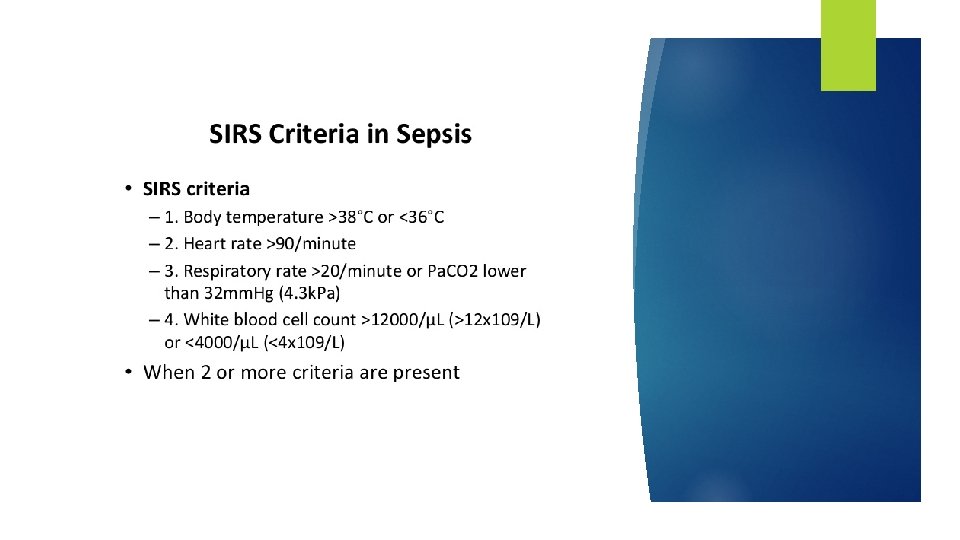
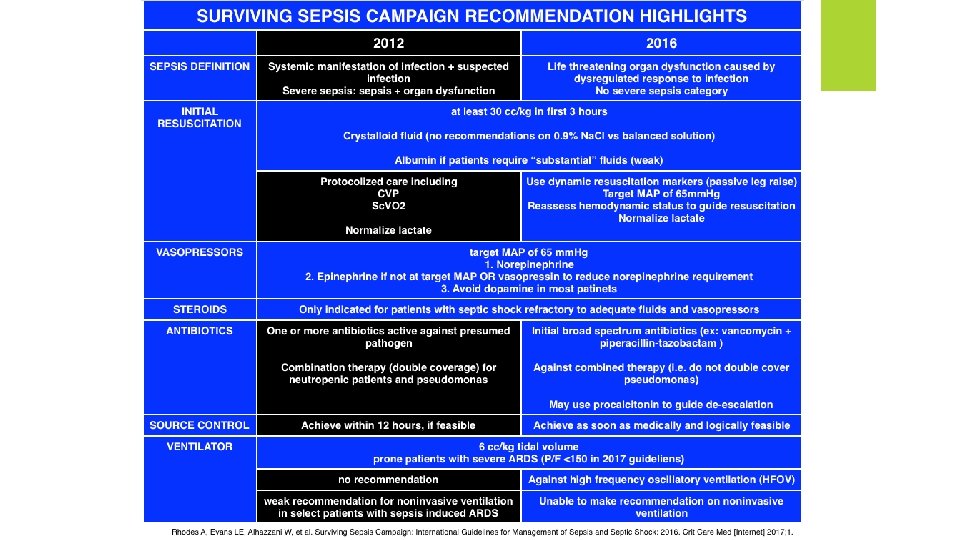
Sepsis 1 -2 Definitions Sepsis: The presence (probable or documented) of infection together with systemic manifestations of infection Severe Sepsis: Sepsis plus sepsis-induced organ dysfunction or tissue hypoperfusion Septic Shock: Sepsis-induced hypotension persisting despite adequate fluid resuscitation Sepsis-induced hypoperfusion is defined as infection-induced hypotension, elevated lactate, or oliguria
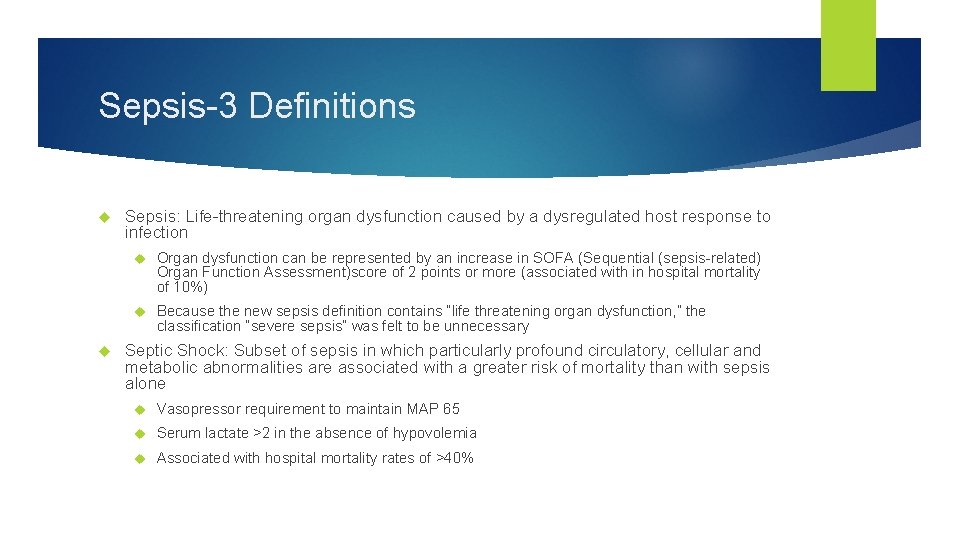
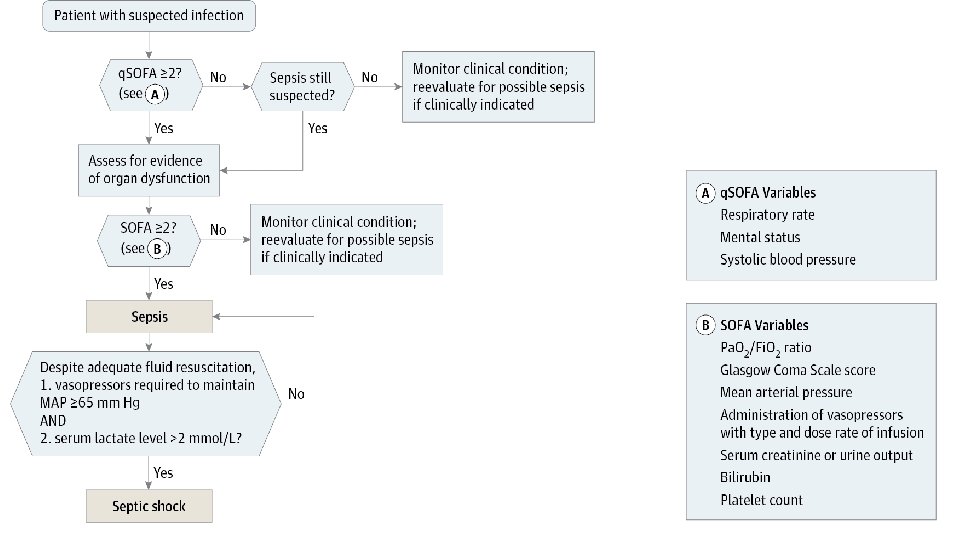
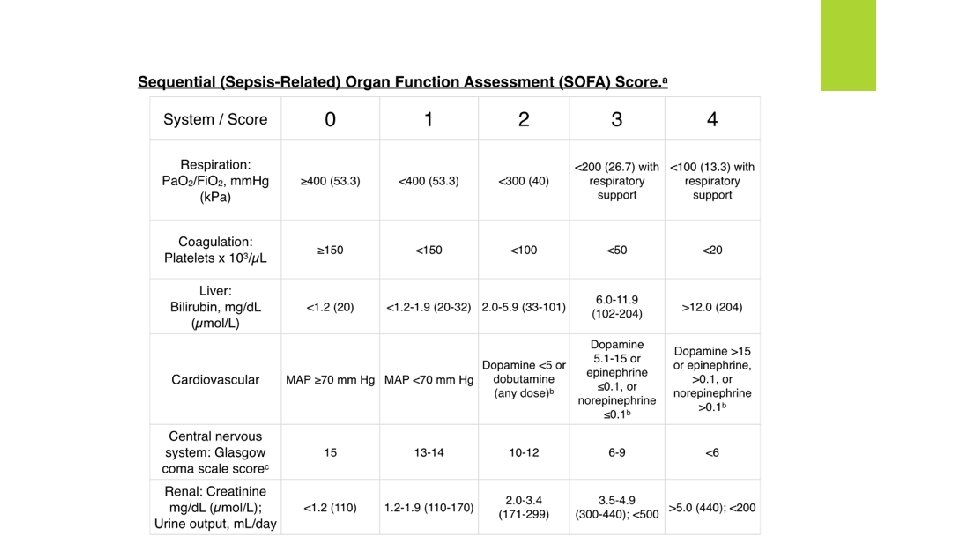
Sepsis-3 Definitions Sepsis: Life-threatening organ dysfunction caused by a dysregulated host response to infection Organ dysfunction can be represented by an increase in SOFA (Sequential (sepsis-related) Organ Function Assessment)score of 2 points or more (associated with in hospital mortality of 10%) Because the new sepsis definition contains “life threatening organ dysfunction, ” the classification “severe sepsis” was felt to be unnecessary Septic Shock: Subset of sepsis in which particularly profound circulatory, cellular and metabolic abnormalities are associated with a greater risk of mortality than with sepsis alone Vasopressor requirement to maintain MAP 65 Serum lactate >2 in the absence of hypovolemia Associated with hospital mortality rates of >40%
Sepsis 2 vs Sepsis 3
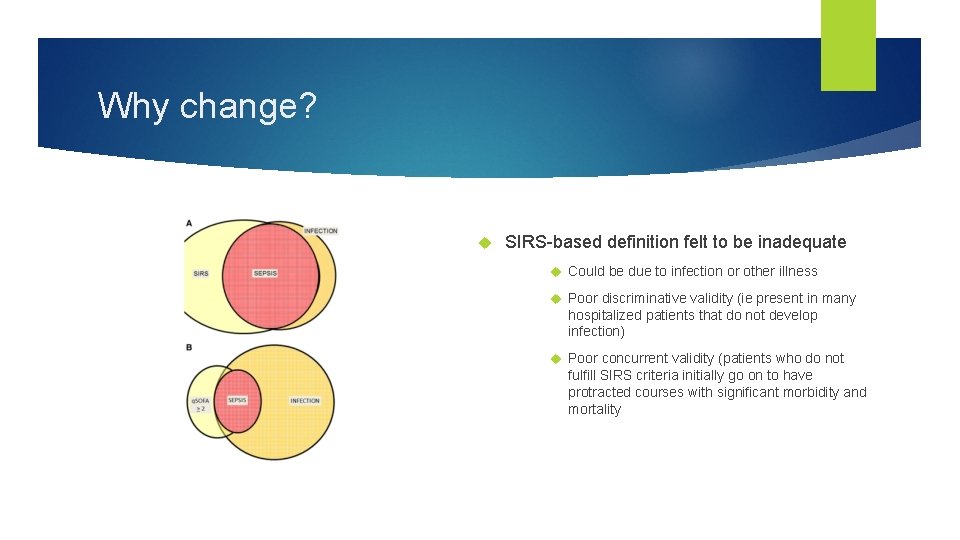
Why change? SIRS-based definition felt to be inadequate Could be due to infection or other illness Poor discriminative validity (ie present in many hospitalized patients that do not develop infection) Poor concurrent validity (patients who do not fulfill SIRS criteria initially go on to have protracted courses with significant morbidity and mortality
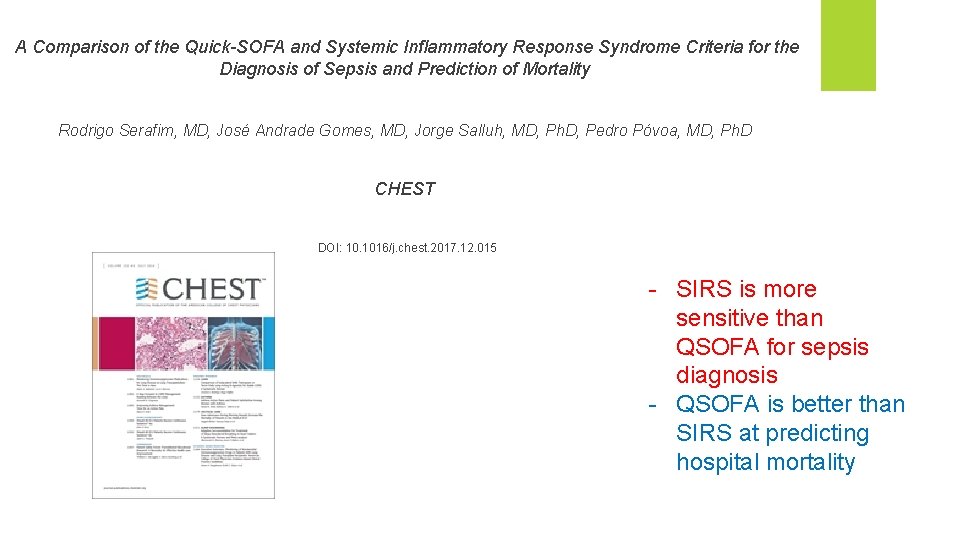
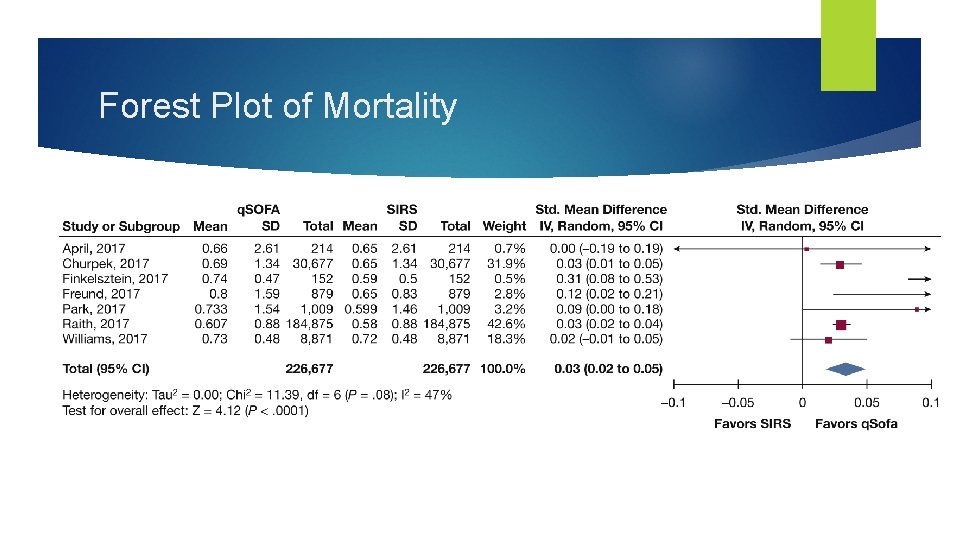
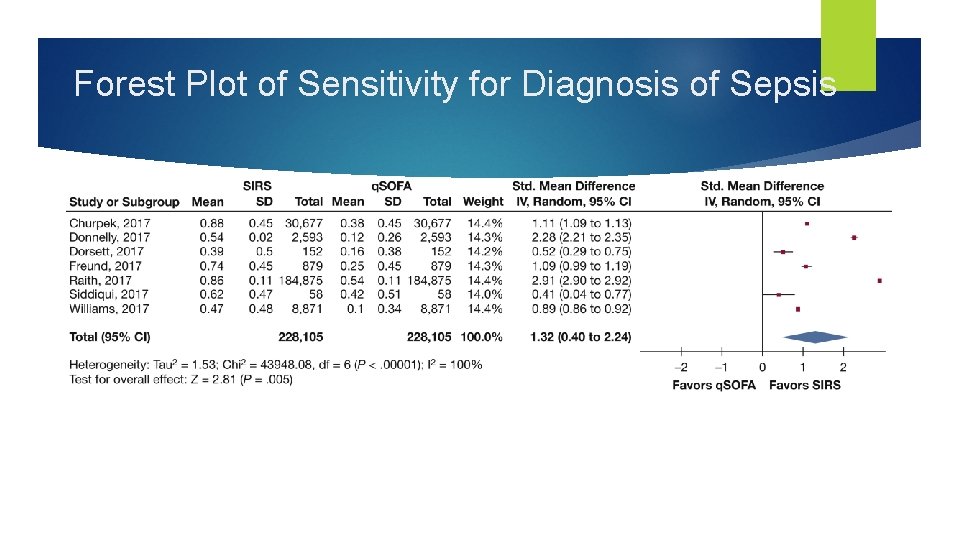
A Comparison of the Quick-SOFA and Systemic Inflammatory Response Syndrome Criteria for the Diagnosis of Sepsis and Prediction of Mortality Rodrigo Serafim, MD, José Andrade Gomes, MD, Jorge Salluh, MD, Ph. D, Pedro Póvoa, MD, Ph. D CHEST DOI: 10. 1016/j. chest. 2017. 12. 015 - SIRS is more sensitive than QSOFA for sepsis diagnosis - QSOFA is better than SIRS at predicting hospital mortality
Forest Plot of Mortality
Forest Plot of Sensitivity for Diagnosis of Sepsis
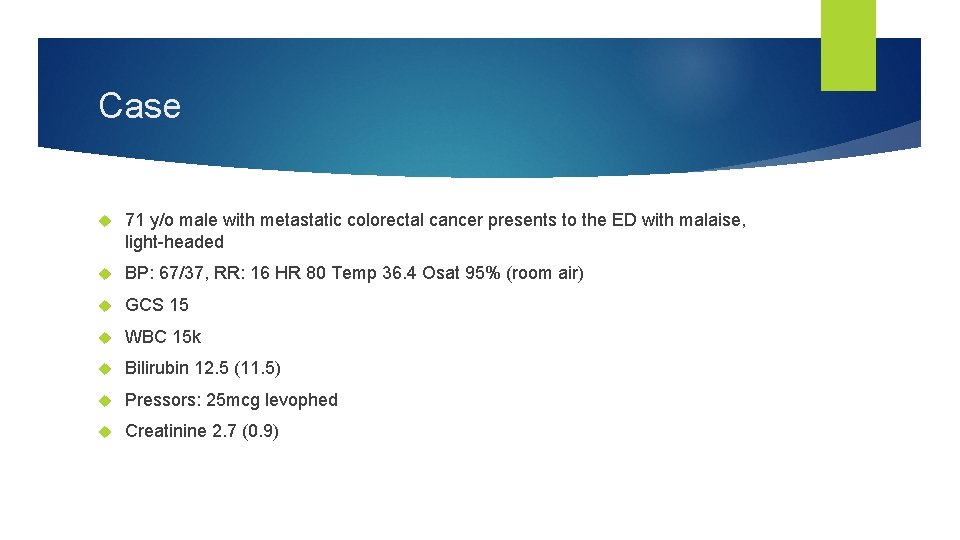
Case 71 y/o male with metastatic colorectal cancer presents to the ED with malaise, light-headed BP: 67/37, RR: 16 HR 80 Temp 36. 4 Osat 95% (room air) GCS 15 WBC 15 k Bilirubin 12. 5 (11. 5) Pressors: 25 mcg levophed Creatinine 2. 7 (0. 9)
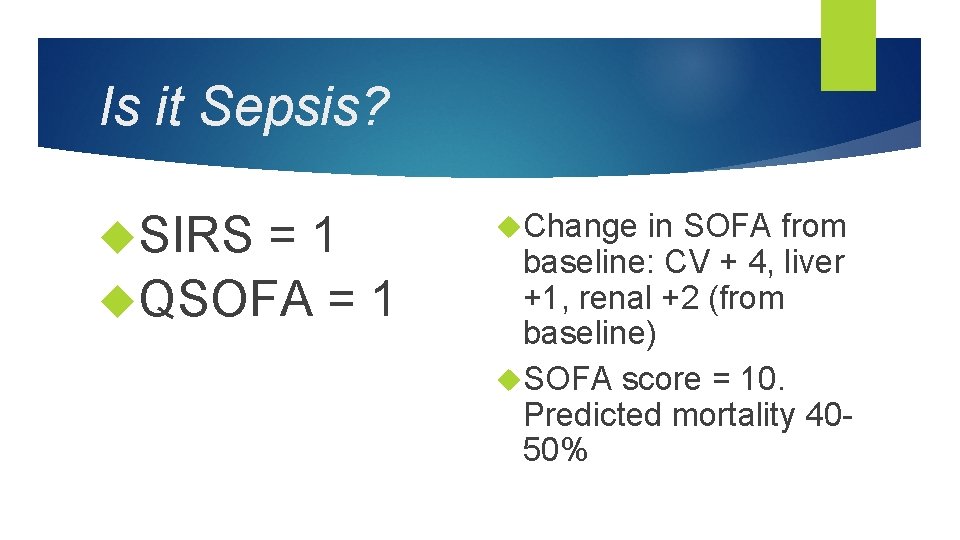
Is it Sepsis? SIRS = 1 QSOFA = 1 Change in SOFA from baseline: CV + 4, liver +1, renal +2 (from baseline) SOFA score = 10. Predicted mortality 4050%
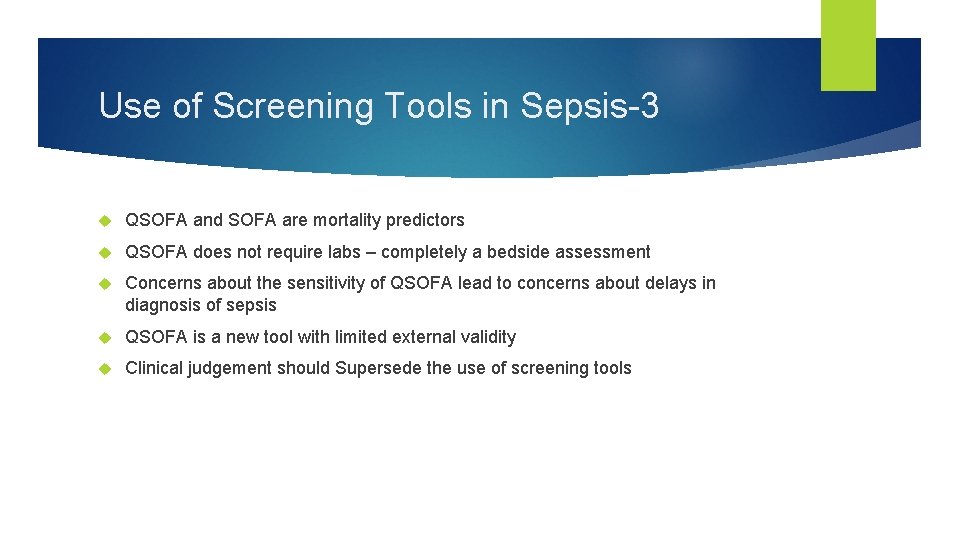
Use of Screening Tools in Sepsis-3 QSOFA and SOFA are mortality predictors QSOFA does not require labs – completely a bedside assessment Concerns about the sensitivity of QSOFA lead to concerns about delays in diagnosis of sepsis QSOFA is a new tool with limited external validity Clinical judgement should Supersede the use of screening tools
Source Control Recommend that a specific anatomic diagnosis of infection requiring emergent source control be identified or excluded as rapidly as possible in patients with sepsis or septic shock, and that any required source control intervention be implemented as soon as medically and logistically practical after the diagnosis is made. (Best Practice Statement).
Antibiotics We recommend that administration of IV antimicrobials be initiated as soon as possible after recognition and within 1 h for both sepsis and septic shock. (strong recommendation, moderate quality of evidence). We recommend empiric broad-spectrum therapy with one or more antimicrobials to cover all likely pathogens. (strong recommendation, moderate quality of evidence).
Initial Resuscitation Recommend that in the resuscitation from sepsis-induced hypoperfusion, at least 30 ml/kg of intravenous crystalloid fluid be given within the first 3 hours. (Strong recommendation; low quality of evidence) Recommend that following initial fluid resuscitation, additional fluids be guided by frequent reassessment of hemodynamic status. (Best Practice Statement)
Fluid Therapy Recommend crystalloids as the fluid of choice for initial resuscitation and subsequent intravascular volume replacement in patients with sepsis and septic shock (Strong recommendation, moderate quality of evidence). Suggest using albumin in addition to crystalloids when patients require substantial amounts of crystalloids (weak recommendation, low quality of evidence).
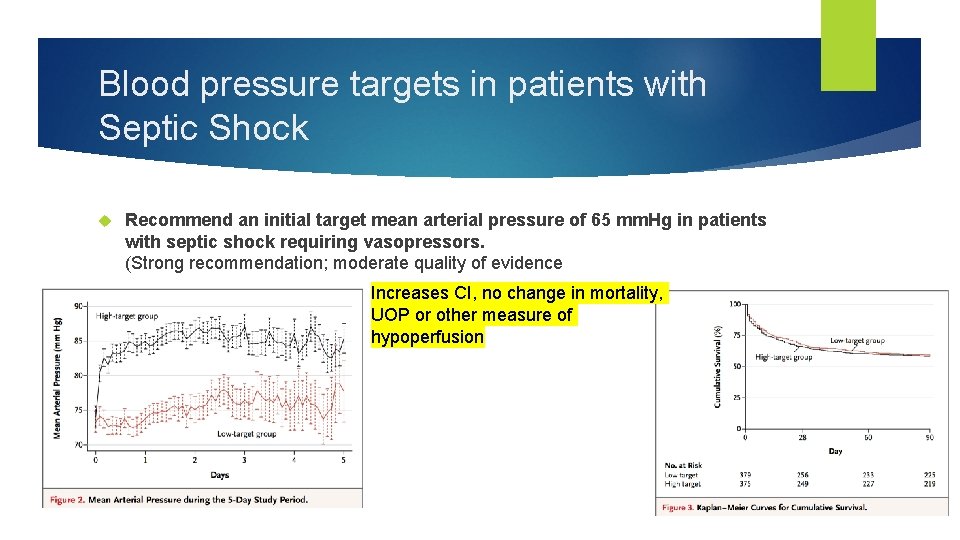
Blood pressure targets in patients with Septic Shock Recommend an initial target mean arterial pressure of 65 mm. Hg in patients with septic shock requiring vasopressors. (Strong recommendation; moderate quality of evidence Increases CI, no change in mortality, UOP or other measure of hypoperfusion
Vasoactive Agents Recommend norepinephrine as the first choice vasopressor (strong recommendation, moderate quality of evidence). Suggest adding either vasopressin (up to 0. 03 U/min) or epinephrine to norepinephrine with the intent of raising MAP to target, or adding vasopressin (up to 0. 03 U/min) to decrease norepinephrine dosage. (weak recommendation, low quality of evidence)
Persistent or Refractory Shock Recommend further hemodynamic assessment (such as assessing cardiac function) to determine the type of shock if the clinical examination does not lead to a clear diagnosis. (Best Practice Statement) Suggest that dynamic over static variables be used to predict fluid responsiveness, where available. (Weak recommendation; low quality of evidence)
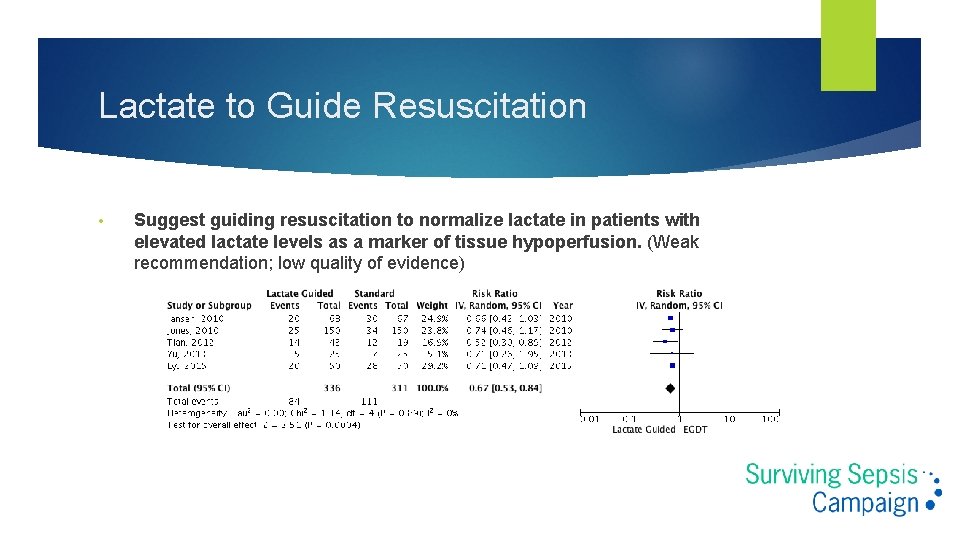
Lactate to Guide Resuscitation • Suggest guiding resuscitation to normalize lactate in patients with elevated lactate levels as a marker of tissue hypoperfusion. (Weak recommendation; low quality of evidence)
Summary of Initial Resuscitation Start resuscitation early with source control, intravenous fluids and antibiotics. Frequent assessment of the patients’ volume status is crucial throughout the resuscitation period. Guide resuscitation to normalize lactate in patients with elevated lactate levels as a marker of tissue hypoperfusion.
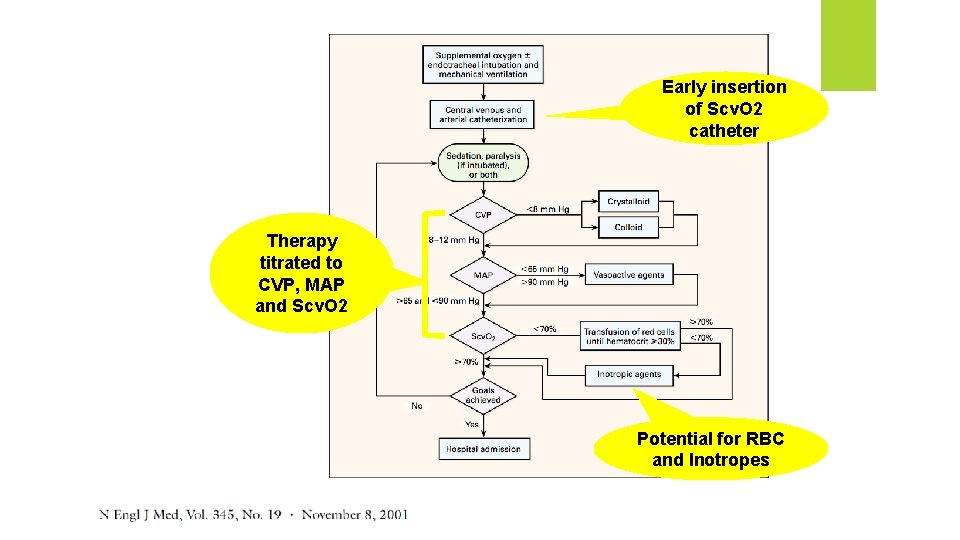
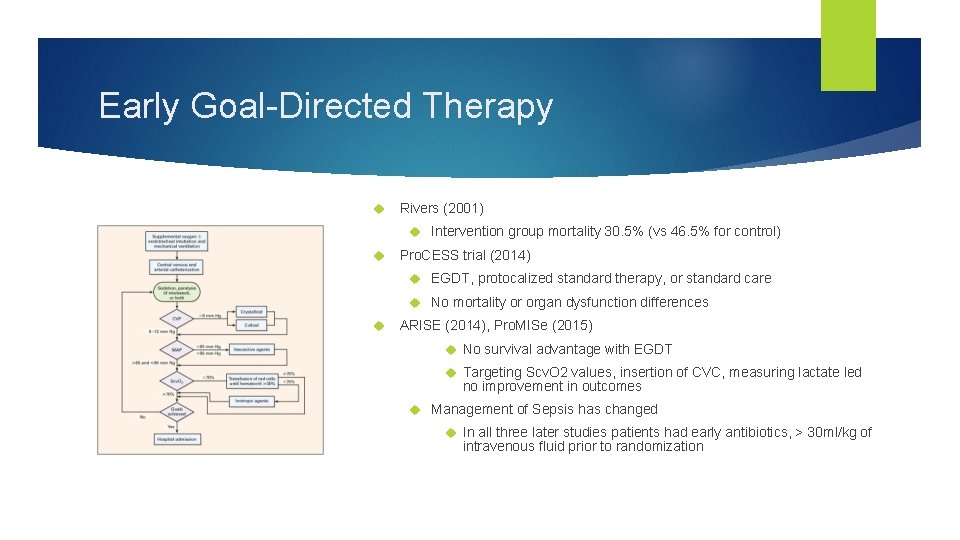
Early insertion of Scv. O 2 catheter Therapy titrated to CVP, MAP and Scv. O 2 Potential for RBC and Inotropes
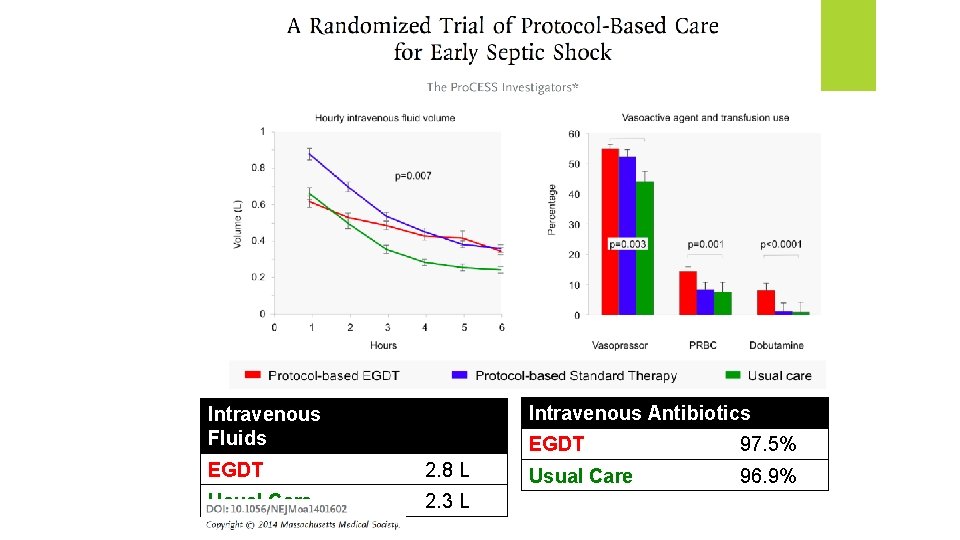
Intravenous Antibiotics Intravenous Fluids EGDT 2. 8 L Usual Care 2. 3 L EGDT 97. 5% Usual Care 96. 9%
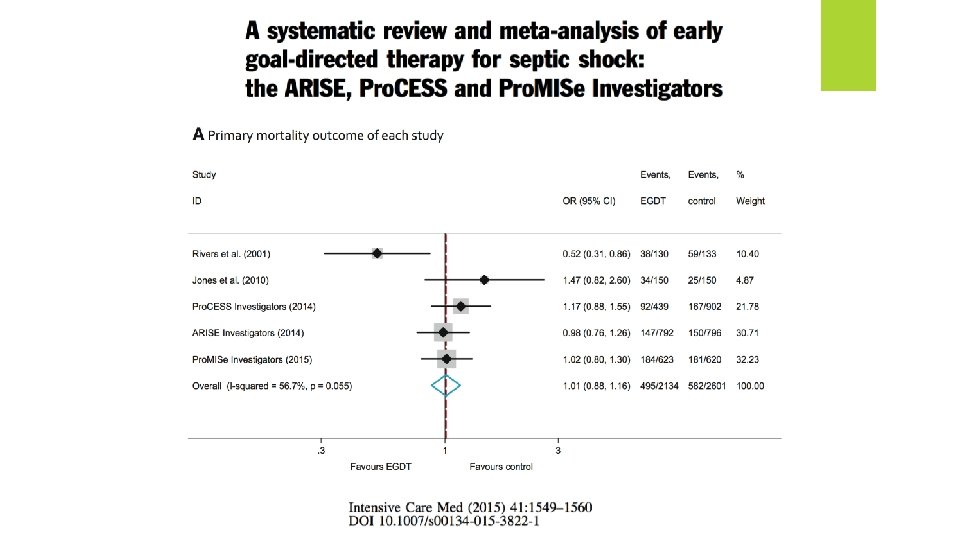
Early Goal-Directed Therapy Rivers (2001) Intervention group mortality 30. 5% (vs 46. 5% for control) Pro. CESS trial (2014) EGDT, protocalized standard therapy, or standard care No mortality or organ dysfunction differences ARISE (2014), Pro. MISe (2015) No survival advantage with EGDT Targeting Scv. O 2 values, insertion of CVC, measuring lactate led no improvement in outcomes Management of Sepsis has changed In all three later studies patients had early antibiotics, > 30 ml/kg of intravenous fluid prior to randomization
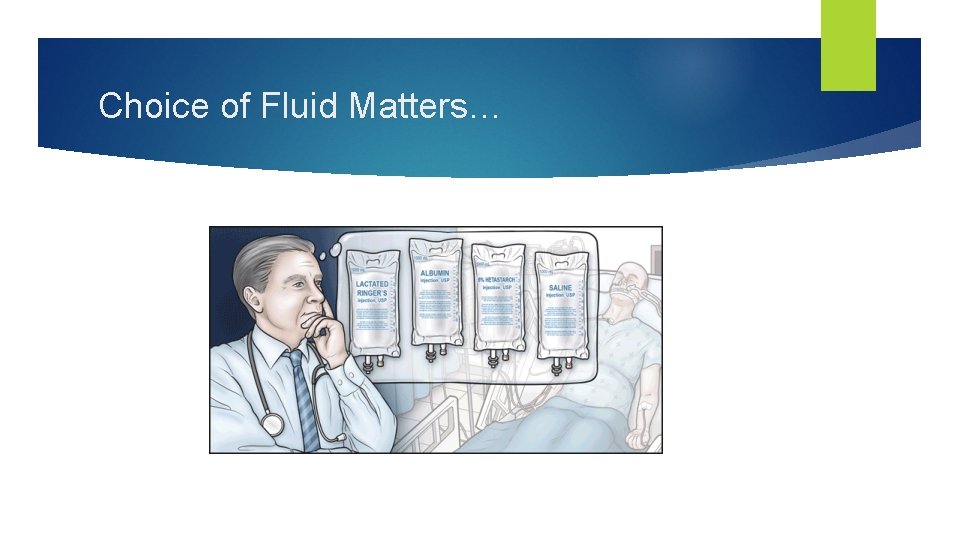
Choice of Fluid Matters…
Colloids Avoid use of Hydroxyethyl starch (Hetastarch, Hextand, Hespan) solutions in ICU patients, including sepsis Associated with increased risk of mortality and need for renal replacement therapy Albumin solutions useful in certain patient populations Possible mortality benefit compared to Normal saline No demonstrated survival benefit compared to balanced solutions 60+ times more expensive than lactated Ringers
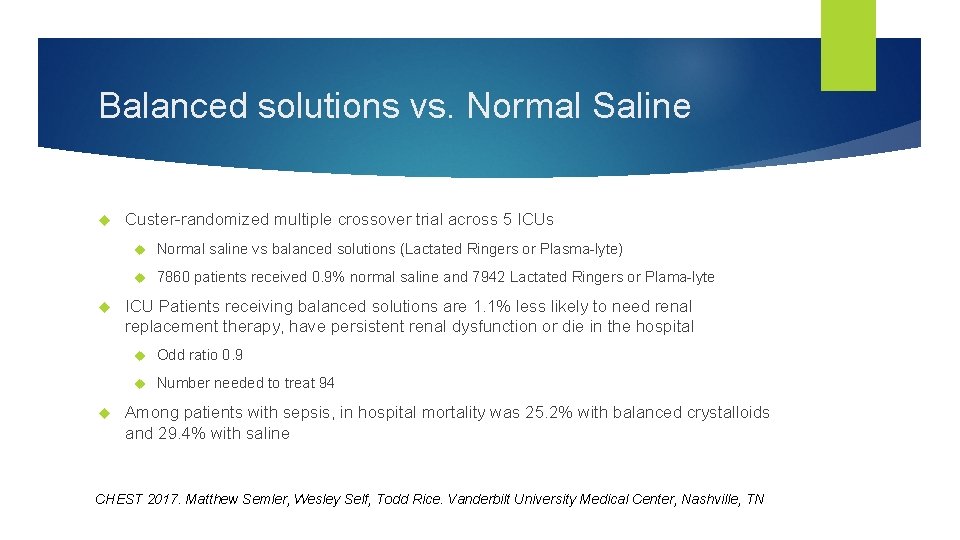
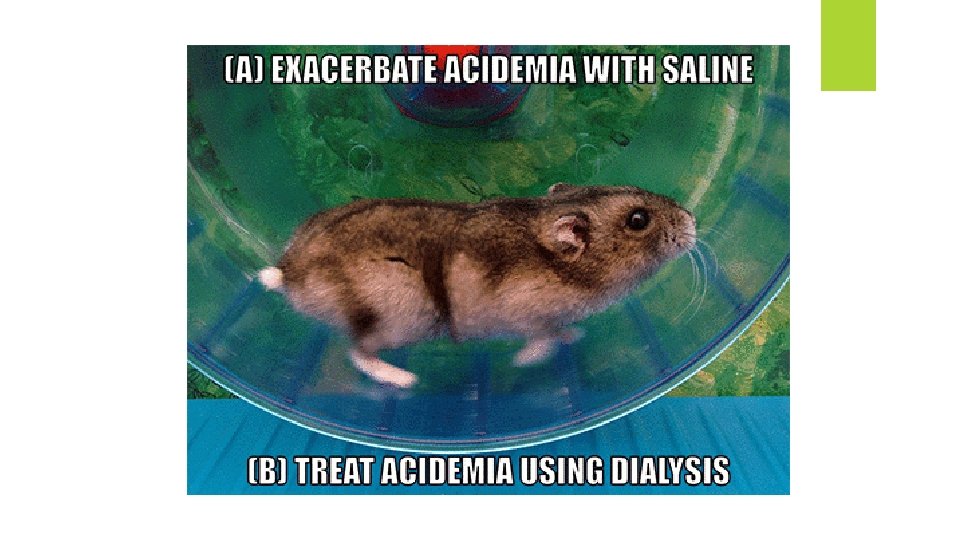
Balanced solutions vs. Normal Saline Custer-randomized multiple crossover trial across 5 ICUs Normal saline vs balanced solutions (Lactated Ringers or Plasma-lyte) 7860 patients received 0. 9% normal saline and 7942 Lactated Ringers or Plama-lyte ICU Patients receiving balanced solutions are 1. 1% less likely to need renal replacement therapy, have persistent renal dysfunction or die in the hospital Odd ratio 0. 9 Number needed to treat 94 Among patients with sepsis, in hospital mortality was 25. 2% with balanced crystalloids and 29. 4% with saline CHEST 2017. Matthew Semler, Wesley Self, Todd Rice. Vanderbilt University Medical Center, Nashville, TN
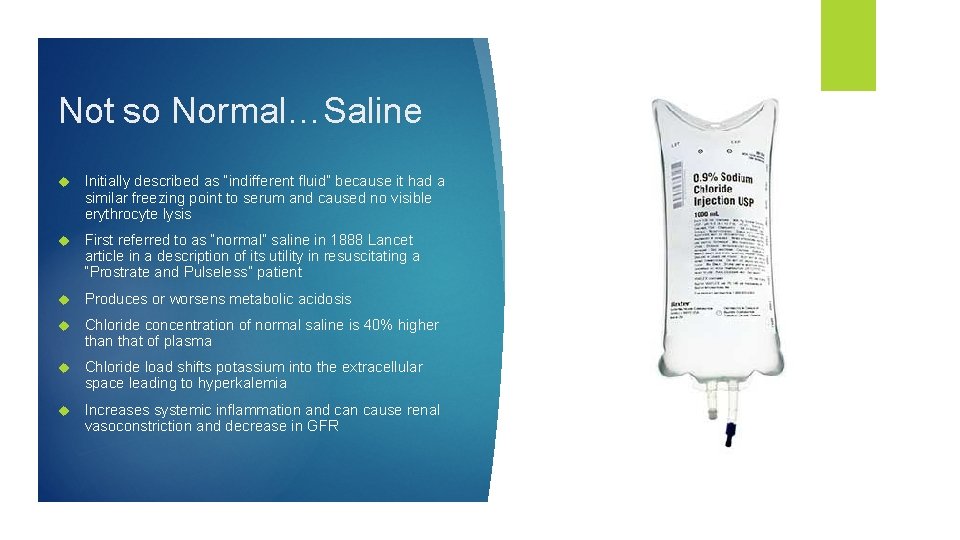
Not so Normal…Saline Initially described as “indifferent fluid” because it had a similar freezing point to serum and caused no visible erythrocyte lysis First referred to as “normal” saline in 1888 Lancet article in a description of its utility in resuscitating a “Prostrate and Pulseless” patient Produces or worsens metabolic acidosis Chloride concentration of normal saline is 40% higher than that of plasma Chloride load shifts potassium into the extracellular space leading to hyperkalemia Increases systemic inflammation and can cause renal vasoconstriction and decrease in GFR
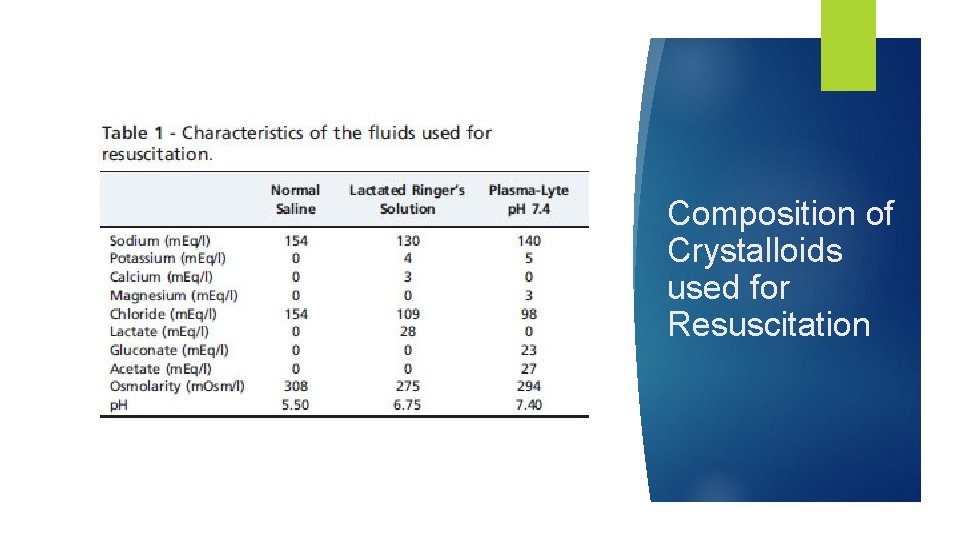
Composition of Crystalloids used for Resuscitation
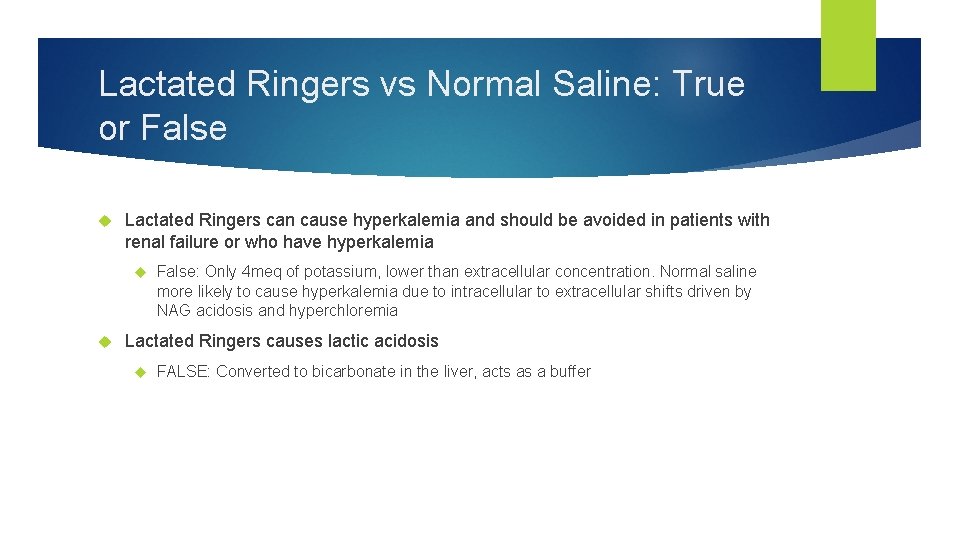
Lactated Ringers vs Normal Saline: True or False Lactated Ringers can cause hyperkalemia and should be avoided in patients with renal failure or who have hyperkalemia False: Only 4 meq of potassium, lower than extracellular concentration. Normal saline more likely to cause hyperkalemia due to intracellular to extracellular shifts driven by NAG acidosis and hyperchloremia Lactated Ringers causes lactic acidosis FALSE: Converted to bicarbonate in the liver, acts as a buffer
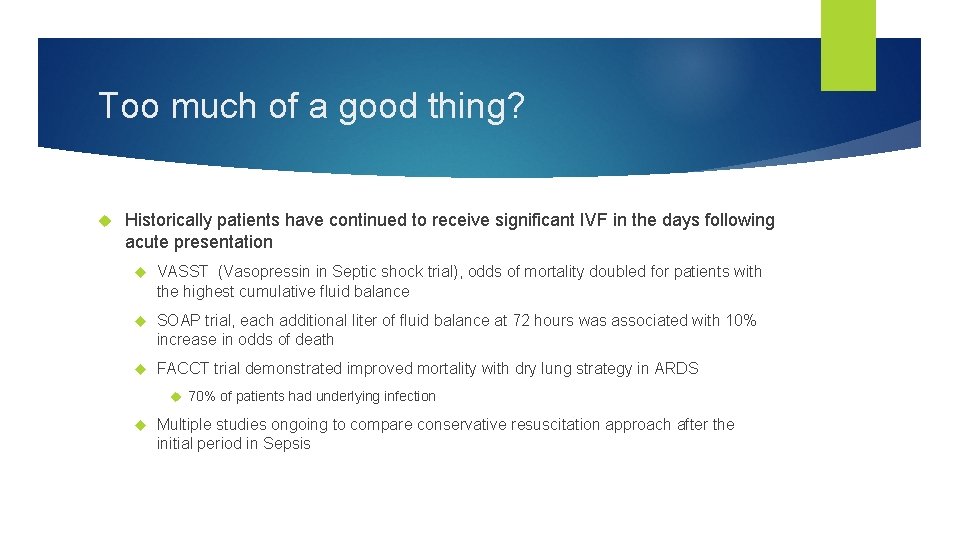
Too much of a good thing? Historically patients have continued to receive significant IVF in the days following acute presentation VASST (Vasopressin in Septic shock trial), odds of mortality doubled for patients with the highest cumulative fluid balance SOAP trial, each additional liter of fluid balance at 72 hours was associated with 10% increase in odds of death FACCT trial demonstrated improved mortality with dry lung strategy in ARDS 70% of patients had underlying infection Multiple studies ongoing to compare conservative resuscitation approach after the initial period in Sepsis
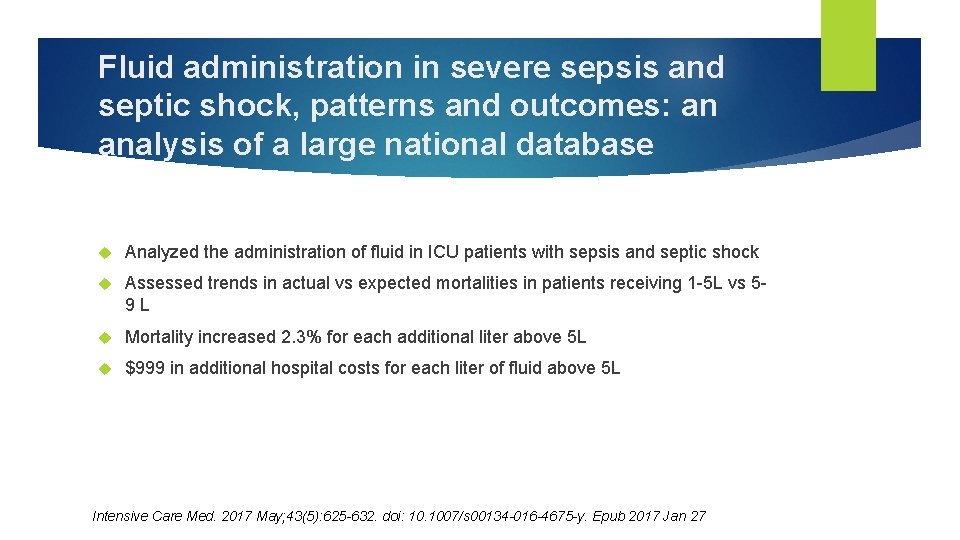
Fluid administration in severe sepsis and septic shock, patterns and outcomes: an analysis of a large national database Analyzed the administration of fluid in ICU patients with sepsis and septic shock Assessed trends in actual vs expected mortalities in patients receiving 1 -5 L vs 59 L Mortality increased 2. 3% for each additional liter above 5 L $999 in additional hospital costs for each liter of fluid above 5 L Intensive Care Med. 2017 May; 43(5): 625 -632. doi: 10. 1007/s 00134 -016 -4675 -y. Epub 2017 Jan 27
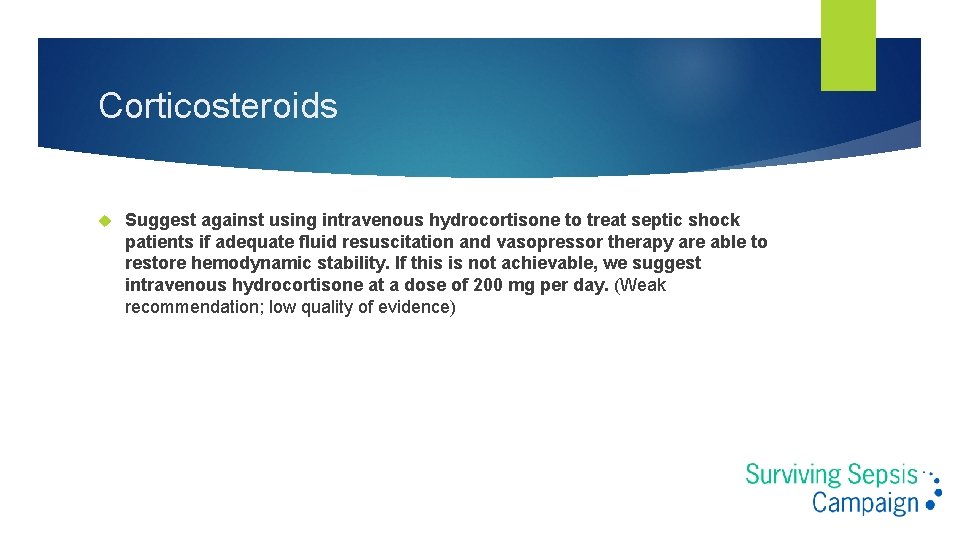
Corticosteroids Suggest against using intravenous hydrocortisone to treat septic shock patients if adequate fluid resuscitation and vasopressor therapy are able to restore hemodynamic stability. If this is not achievable, we suggest intravenous hydrocortisone at a dose of 200 mg per day. (Weak recommendation; low quality of evidence)
Antibiotic Selection Empiric combination therapy (using at least two antibiotics of different antimicrobial classes) aimed at the most likely bacterial pathogen(s) for the initial management of septic shock. (Weak recommendation; low quality of evidence) Combination therapy should not be routinely used for on-going treatment of most other serious infections, including bacteremia and sepsis without shock. (Weak recommendation; low quality of evidence). Avoid combination therapy for the routine treatment of neutropenic sepsis/bacteremia. (Strong recommendation; moderate quality of evidence).
Antimicrobial Stewardship Empiric antimicrobial therapy be narrowed once pathogen identification and sensitivities are established and/or adequate clinical improvement is noted. (BPS) § Antimicrobial treatment duration of 7 -10 days is adequate for most serious infections associated with sepsis and septic shock. § (Weak recommendation; low quality of evidence) Daily assessment for de-escalation of antimicrobial therapy in patients with sepsis and septic shock. (BPS) § Measurement of procalcitonin levels can be used to support shortening the duration of antimicrobial therapy in sepsis patients. (Weak recommendation; low quality of evidence) §
Glucose Control Recommend a protocolized approach with serial monitoring Treat when 2 consecutive glucose readings >180 Glucose target should be 180 (not 110) Caution with POC glucose testing – may not accurately estimate plasma/arterial glucose values
Renal Replacement Therapy Avoid the use ofrenal replacement therapy in patients with sepsis and acute kidney injury for increase in creatinine or oliguria without other definitive indications for dialysis. (Weak recommendation; low quality of evidence)
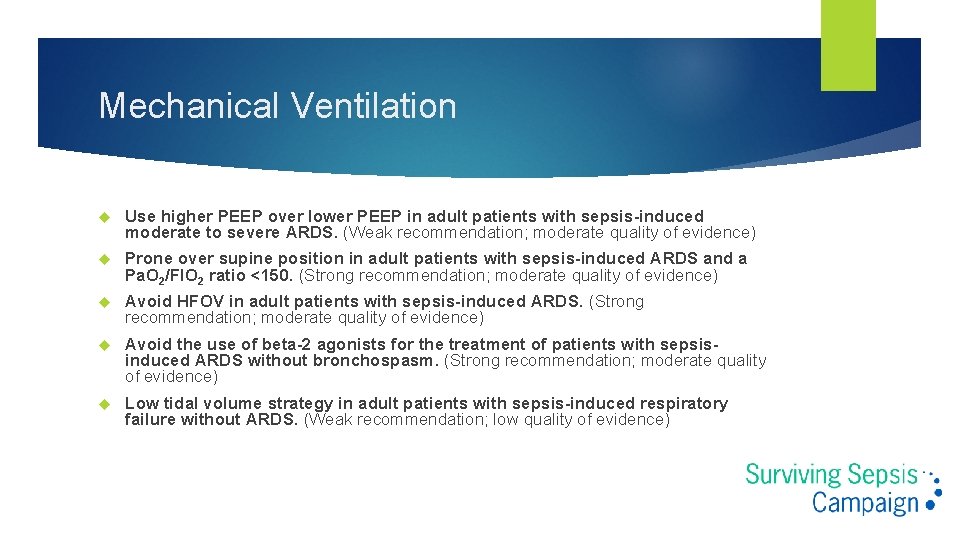
Mechanical Ventilation Use higher PEEP over lower PEEP in adult patients with sepsis-induced moderate to severe ARDS. (Weak recommendation; moderate quality of evidence) Prone over supine position in adult patients with sepsis-induced ARDS and a Pa. O 2/FIO 2 ratio <150. (Strong recommendation; moderate quality of evidence) Avoid HFOV in adult patients with sepsis-induced ARDS. (Strong recommendation; moderate quality of evidence) Avoid the use of beta-2 agonists for the treatment of patients with sepsis- induced ARDS without bronchospasm. (Strong recommendation; moderate quality of evidence) Low tidal volume strategy in adult patients with sepsis-induced respiratory failure without ARDS. (Weak recommendation; low quality of evidence)
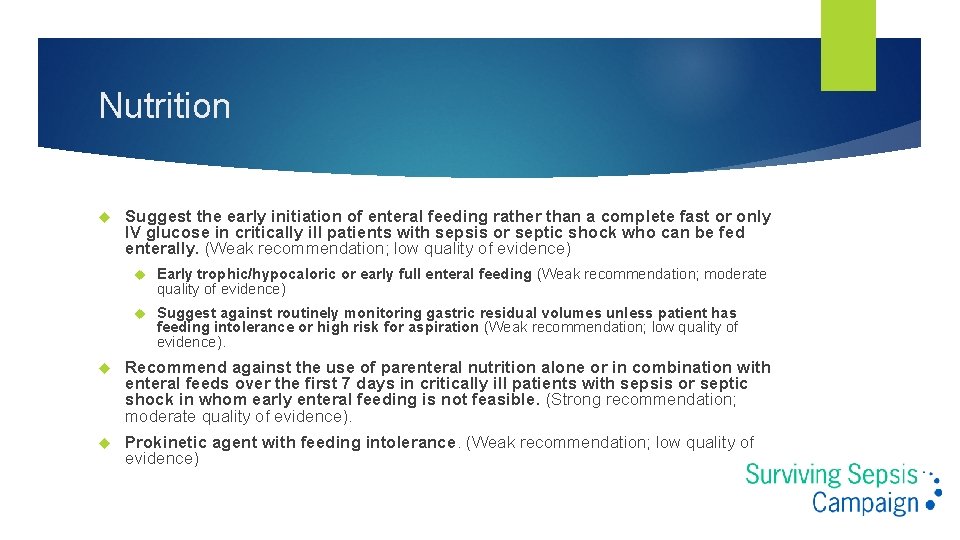
Nutrition Suggest the early initiation of enteral feeding rather than a complete fast or only IV glucose in critically ill patients with sepsis or septic shock who can be fed enterally. (Weak recommendation; low quality of evidence) Early trophic/hypocaloric or early full enteral feeding (Weak recommendation; moderate quality of evidence) Suggest against routinely monitoring gastric residual volumes unless patient has feeding intolerance or high risk for aspiration (Weak recommendation; low quality of evidence). Recommend against the use of parenteral nutrition alone or in combination with enteral feeds over the first 7 days in critically ill patients with sepsis or septic shock in whom early enteral feeding is not feasible. (Strong recommendation; moderate quality of evidence). Prokinetic agent with feeding intolerance. (Weak recommendation; low quality of evidence)
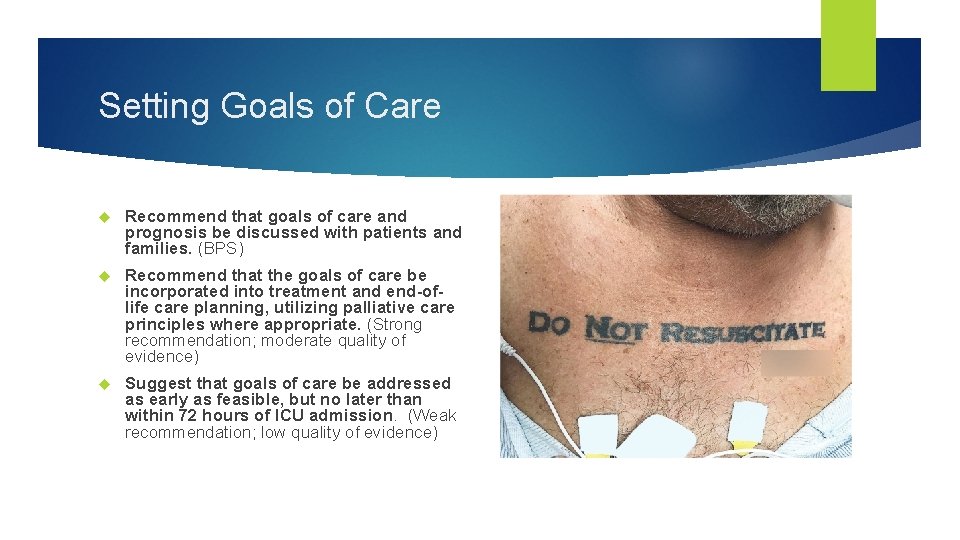
Setting Goals of Care Recommend that goals of care and prognosis be discussed with patients and families. (BPS) Recommend that the goals of care be incorporated into treatment and end-oflife care planning, utilizing palliative care principles where appropriate. (Strong recommendation; moderate quality of evidence) Suggest that goals of care be addressed as early as feasible, but no later than within 72 hours of ICU admission. (Weak recommendation; low quality of evidence)
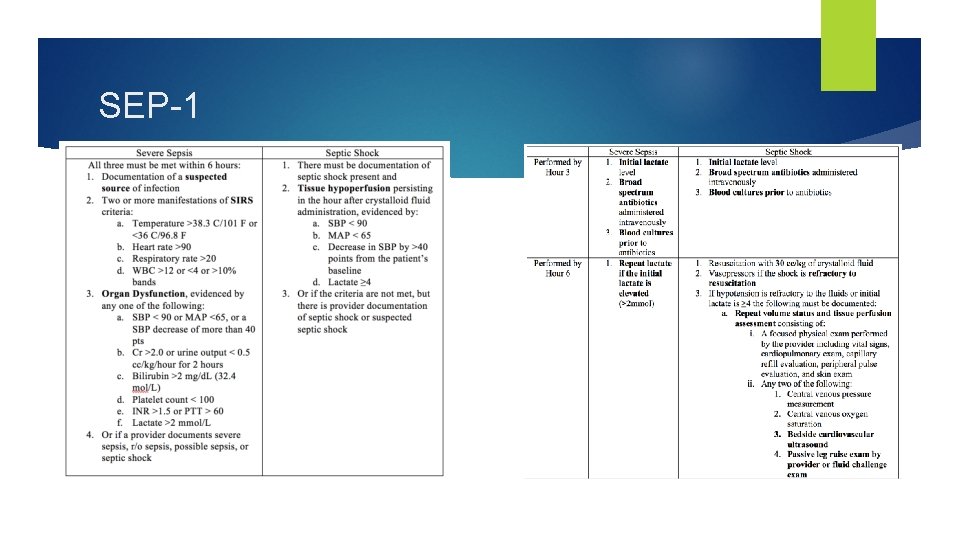
SEP-1
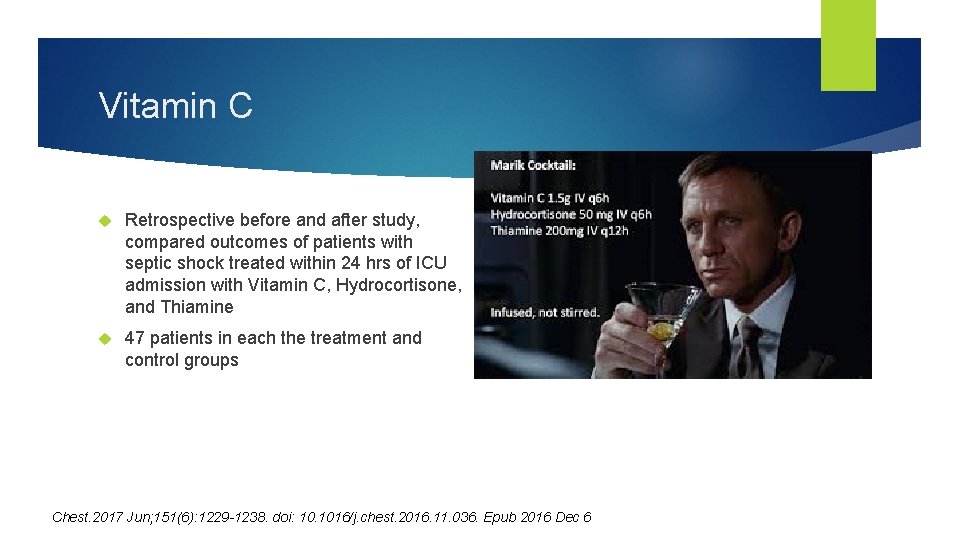
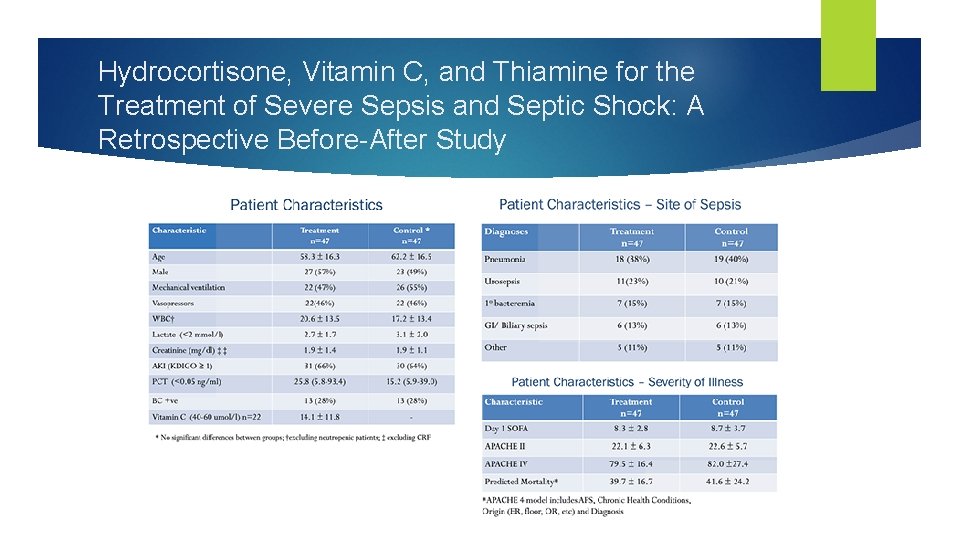
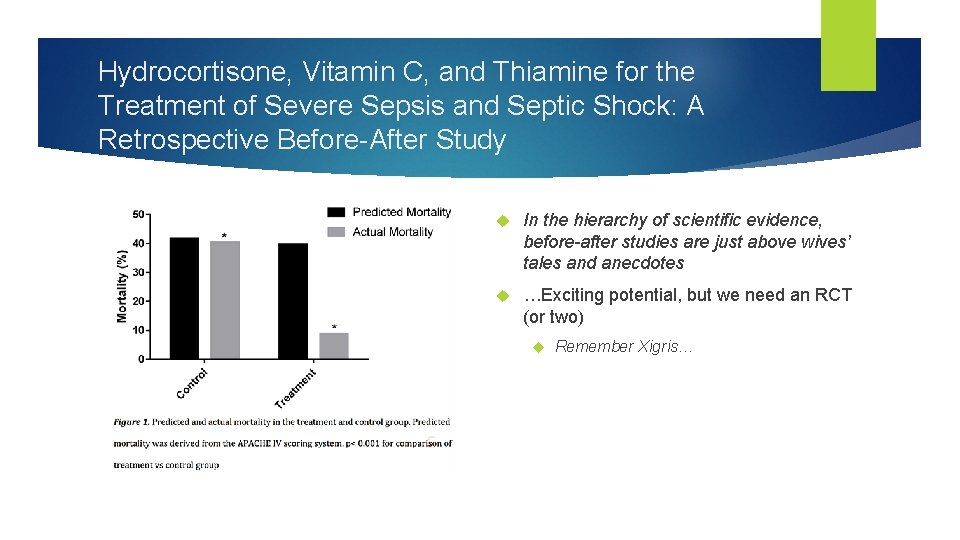
Vitamin C Retrospective before and after study, compared outcomes of patients with septic shock treated within 24 hrs of ICU admission with Vitamin C, Hydrocortisone, and Thiamine 47 patients in each the treatment and control groups Chest. 2017 Jun; 151(6): 1229 -1238. doi: 10. 1016/j. chest. 2016. 11. 036. Epub 2016 Dec 6
Hydrocortisone, Vitamin C, and Thiamine for the Treatment of Severe Sepsis and Septic Shock: A Retrospective Before-After Study
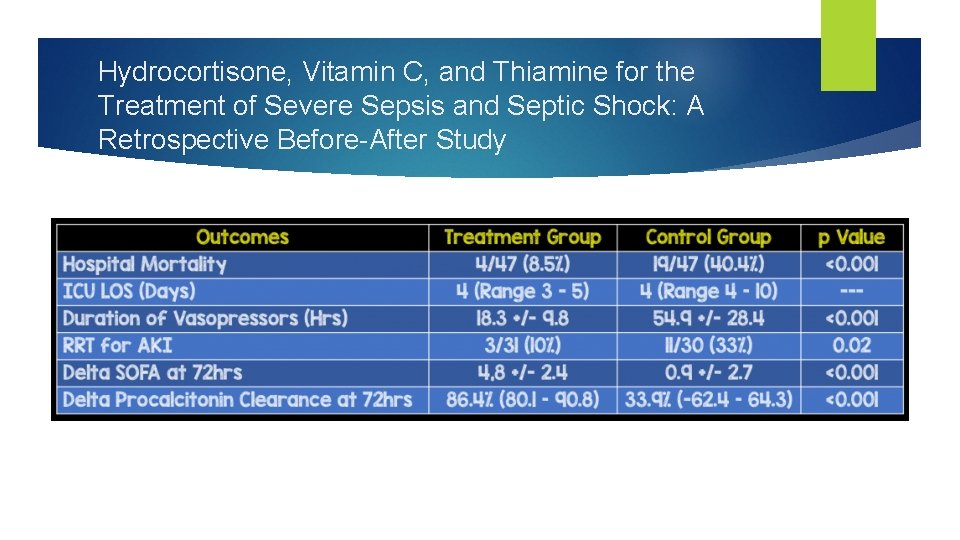
Hydrocortisone, Vitamin C, and Thiamine for the Treatment of Severe Sepsis and Septic Shock: A Retrospective Before-After Study
Hydrocortisone, Vitamin C, and Thiamine for the Treatment of Severe Sepsis and Septic Shock: A Retrospective Before-After Study In the hierarchy of scientific evidence, before-after studies are just above wives’ tales and anecdotes …Exciting potential, but we need an RCT (or two) Remember Xigris…
Questions?
Thank you!