RESPIRATORY INFECTIONS1 UPPER RESPIRATORY INFECTIONS Prof Dr Reha






- Slides: 55
RESPIRATORY INFECTIONS-1 (UPPER RESPIRATORY INFECTIONS) Prof. Dr. Reha Cengizlier 2014
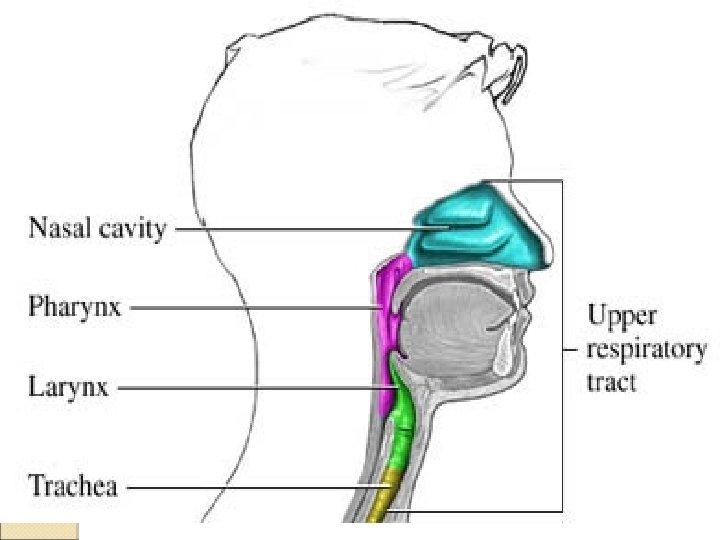
AMAÇ: Öğrencinin üst solunum yolu enfeksiyonlarını tanıyabilmesi Etkenlerini, semptomlarını, risk faktörlerini belirleyebilmesi Korunma yollarını ve tedavi ilkelerini öğrenmesi
HEDEF: Üst solunum yolunu oluşturan bölümleri söyleyebilmeli Bakteriyel-viral enfeksiyon ayırıcı tanısını yapabilmeli Acil durumları saptayabilmeli Ayaktan veya hastanede yatarak tedavi ayrımını yapabilmeli Klinik bulguları bilmeli
COLDS or NASOPHARINGITIS Most frequently occuring ilness in childhood (3 -8 /yr) Frequently during the fall and winter Enviromental factors : passive exposure to smoke, low income, crowding
COLDS or NASOPHARINGITIS Etiology: more than 200 viruses Rhinovirus (1/3 of cases) Parainfluenza (1 -4) RSV Coronavirus Incubation period : 2 -5 days
COLDS or NASOPHARINGITIS Transmission: droplets large particle (short distance) COUGH/ SNEEZE Small particle aerosols (longer distance) Direct physical contact (secretions, contamined hands etc. . . )
COLDS or NASOPHARINGITIS Pathophysiology: Virus invades the epithelial cells inflammatory mediators are released altering vascular permeability edema, nasal stuffiness Stimulation of cholinergic nerves mucus production rhinorrhea Cellular damage sore throat Injury to cilia impair clearance of nasal secretions
COLDS or NASOPHARINGITIS Clinical manifestations: Nasal irritation, scratchy throat sore throat Myalgia, headache, decreased appetite Low grade fever Nasal discharge becomes thicken and purulent 2 nd-3 rd day
COLDS or NASOPHARINGITIS Clinical manifestations: (continue) Systemic symptoms subside in 5 -7 days Rhinitis and cough may persist for another week Same infants may have mild diarrhea Complications: A. O. M, Sinusitis, pneumonia
COLDS or NASOPHARINGITIS Treatment : Directed toward a specific symptoms causing discomfort : acetaminophen (10/15 mg/kg/dose), ibuprofen (10 mg/kg/dose) Nonpharmacologic treatment: Good hydration, saline nose drops, water vaporizer, elevation head, parents ceasing smoking
COLDS or NASOPHARINGITIS Unnecessary treatment: ◦ Antihistamines+Expectorans: No effect ◦ Decongestants ◦ Cough supresants : side effects ◦ Antibiotics do not shorten the duration of cold symptoms and do not reduce the risk of complication
Ineffective Treatments Vitamin C, guaifenesin, and inhalation of warm, humidified air have all been found to be no more effective than placebo for the symptomatic treatment of colds Zinc, given as oral route. The function of the rhinovirus 3 C protease, an essential enzyme for rhinovirus replication, is inhibited by zinc, but there has been no evidence of an antiviral effect of zinc in vivo Echinacea is a popular herbal treatment for the common cold
SINUSITIS Maxillary and ethmoid sinuses are anatomically present at the birth Maxillary sinuses are not pneumatized until 4 yr of age Frontal sinuses begin the develop by age 1 Frontal and sphenoid sinuses, are not usually seen radiographically until 5 -6 years
SINUSITIS Factors impair normal mucociliary transport SINUSITIS Causative agents (same as AOM) : S. pneumoniae M. Catarrhalis H. İnfluenzae hemolitic streptococcus S. Aureus Anaerobs
SINUSITIS Predisposing conditions: allergic rhinitis, and cigarette smoke exposure immune deficiencies cystic fibrosis ciliary dysfunction abnormalities of phagocyte function gastroesophageal reflux anatomic defects (e. g. , cleft palate) nasal polyps nasal foreign bodies (including nasogastric tubes)
SINUSITIS Clinical manifestations : Headache, facial pain, tenderness, facial edema Cough; occuring day time and frequently worse at bedtime Nasal discharge (clear, purulent) Malodorness breath Mucopurulent material draining
SINUSITIS Clinical manifestations : (continue) palpation of bone overlying sinuses pain Facial, frontal pressure Fever If symptoms of URI persist without improvement for more than 10 days acute sinusites should be considered
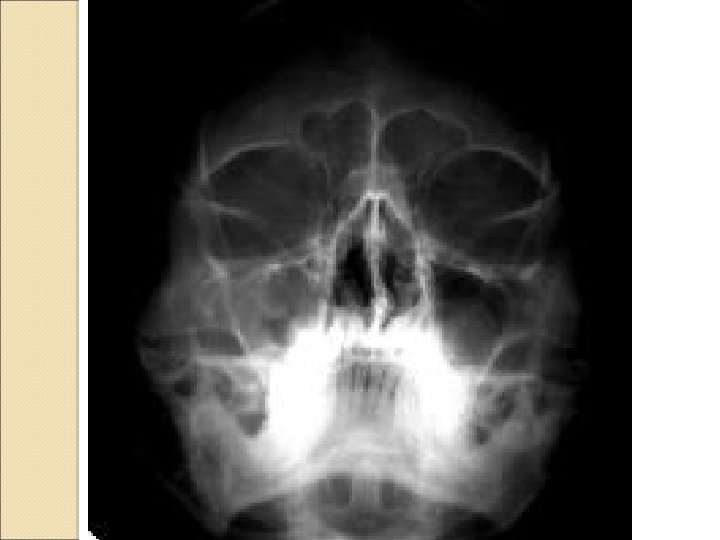
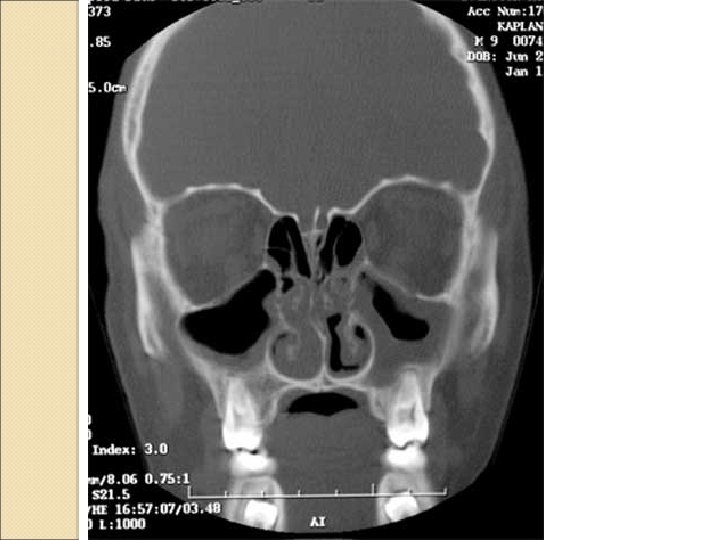
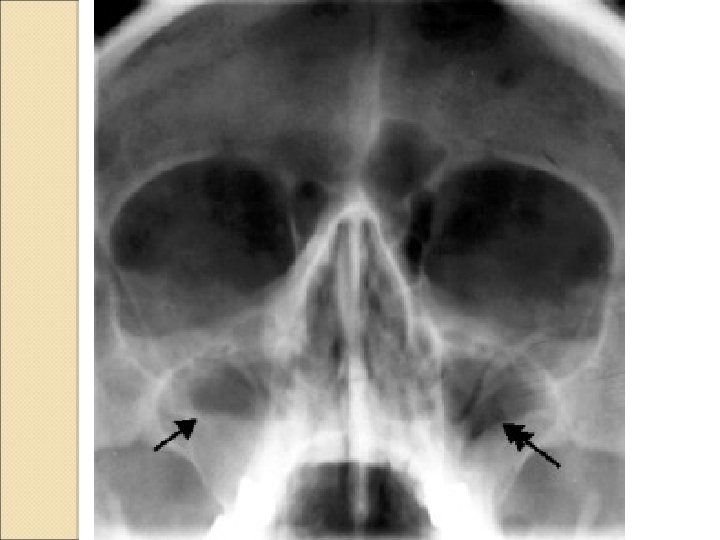
SINUSITIS Diagnosis: Sinus radiology- air-fluid levels, sinus opasification, mucosal thickening CT Sinonasal endoscopy: non-invasive USG: For maxillary and frontal sinuses Sinus aspiration : reliable method of obtaining bacterial culture (should be reserved for life threating conditions; immuncomprimised patients unresponsive to therapy)
SINUSITIS Treatment: Antibiotic: should last 7 days after symptoms resolutions (14 -21 days) ◦ Amoxicillin+clavulanate ◦ Macrolide ◦ Second and third generation cephalosporins Decongestants : some symptomatic relief Antihistamines: not helpful Nasal irrigation of saline solution
SINUSITIS
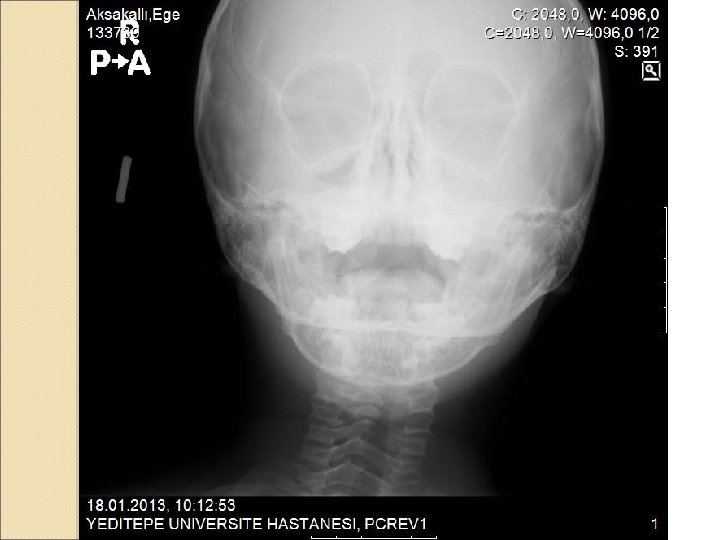
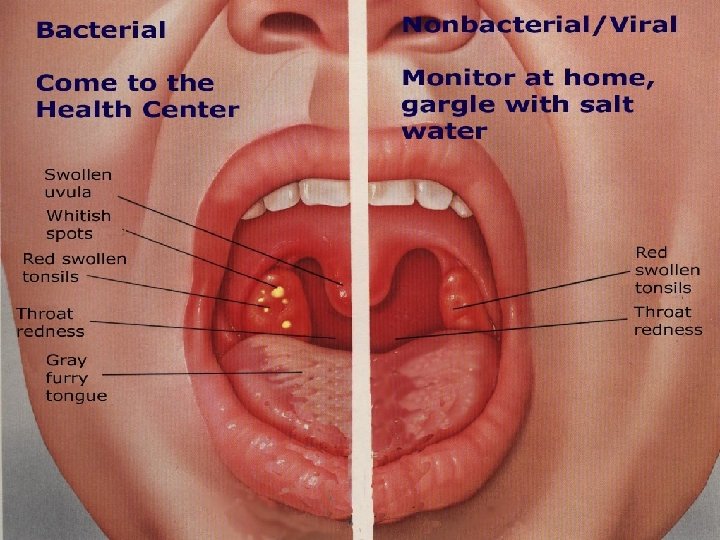
ACUTE PHARYNGITIS Uncommon in children less than 1 yr of age Peak at 4 -7 year Generally caused by : ◦ Viruses ◦ Bacteria (15%) ◦ Mycoplasma
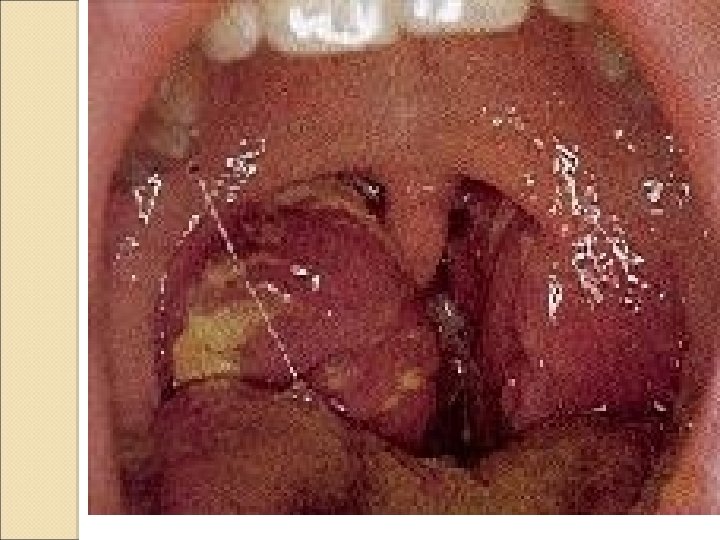
ACUTE PHARYNGITIS Clinical manifestations: Viral pharyngitis: fever, malaise, anorexia, moderate throat pain, conjuctivitis, rhinitis, cough, coryza Exudation may appear on lymphoid follicles of the palate and tonsils Cervical lymph nodes are often enlarged / tender Entire illness doesn’t persist more than 5 days
ACUTE PHARYNGITIS Streptococcal pharyngitis: 2 -15 yr Headache, abdominal pain, vomiting Fever (40 ºC) Sore throat Tonsiller enlargement Anterior tender cervical LAP Diffuse redness of tonsils with petechial mottling of the soft palate 2 yr : coryza, postnasal discharge, variable fever, tender cervical lymphadenitis
ACUTE PHARYNGITIS Diagnosis: detection of Streptococal Ags. Throat culture Rapid
Complications: 1) Supurative complications: AOM Retropharyngeal, peri-tonsillar abscess Sinusitis Meningitis (rare) 2) Non-supurative complications: ARF AGN
ACUTE PHARYNGITIS Treatment: Penicillin Amoxicillin Cephalosporins Macrolide Dexamethasone for 3 days can decrease the sore throat
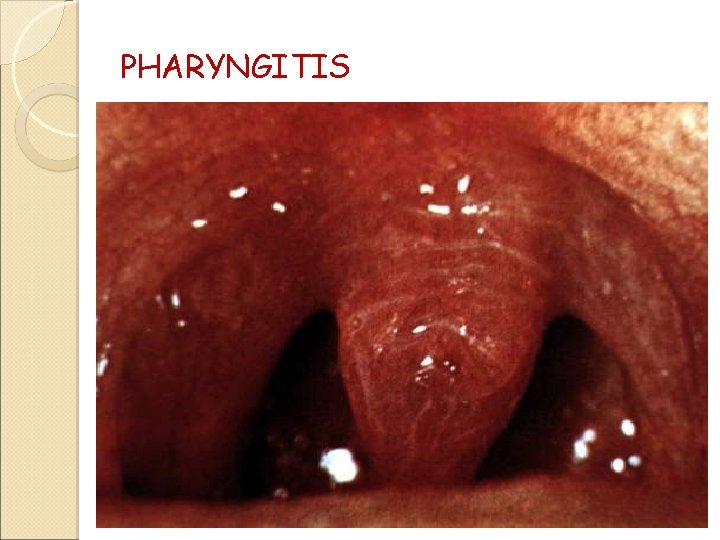
PHARYNGITIS
ACUTE INFECTIONS of the LARYNX and TRACHEA Croup Epiglottitis Laryngitis Laryngotracheobronchitis Spasmodic laryngitis Bacterial tracheitis
INFECTIOUS CROUP The term croup refers to a heterogeneous group of mainly acute and infectious processes that are characterized by a barklike or brassy cough and may be associated with hoarseness, inspiratory stridor, and respiratory distress
INFECTIOUS CROUP Croup usually affects to some degree the larynx, trachea, and bronchi When the involvement of the larynx is sufficient to produce symptoms, they dominate the clinical picture over the tracheal and bronchial signs
INFECTIOUS CROUP Parainfluenza Adenovirus (3/4 cases) RSV Influenza Measles H. influenza type B
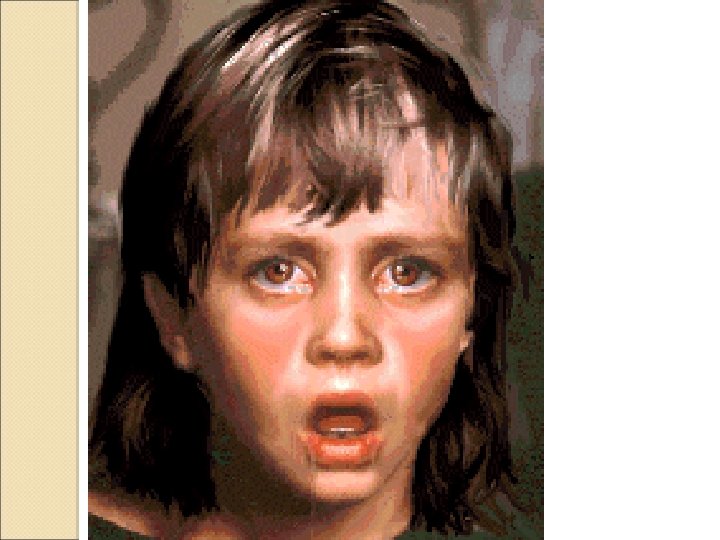
INFECTIOUS CROUP Clinical manifestations: Mild cough with intermittant respiratory stridor Nasal flaring, suprasternal, infrasternal, intercostal retractions Air hunger, restlessness, sit-up in bed, hold upright Cyanotic, pale child manipulation of the pharynx cardiorespiratory arrest
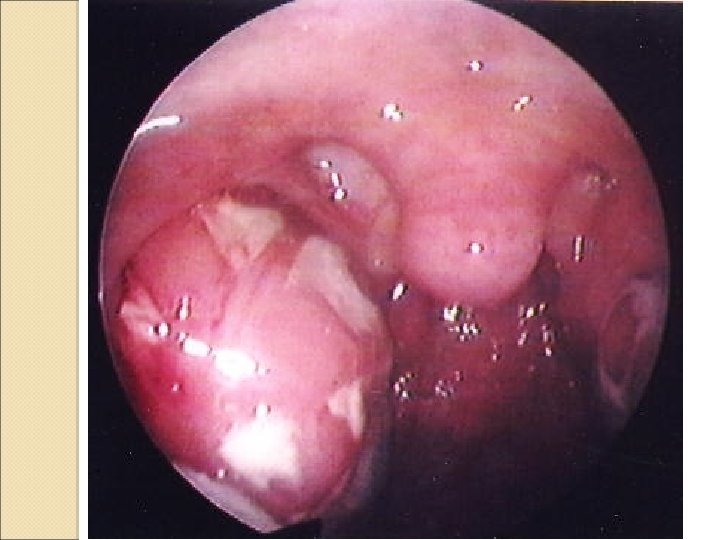
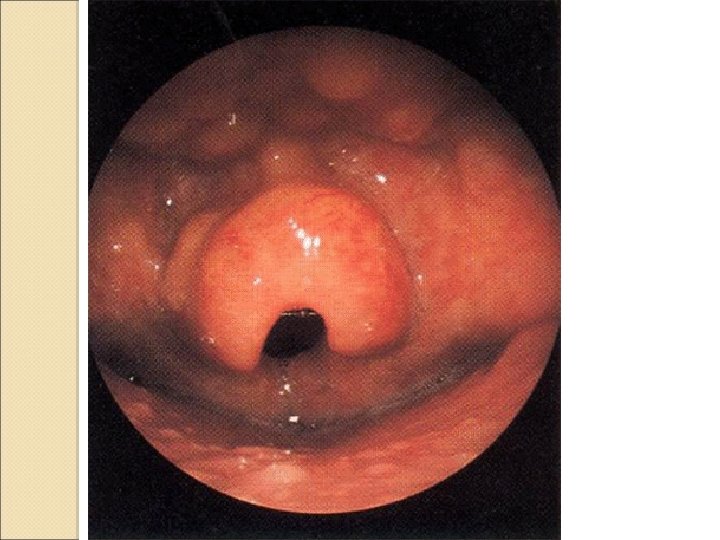
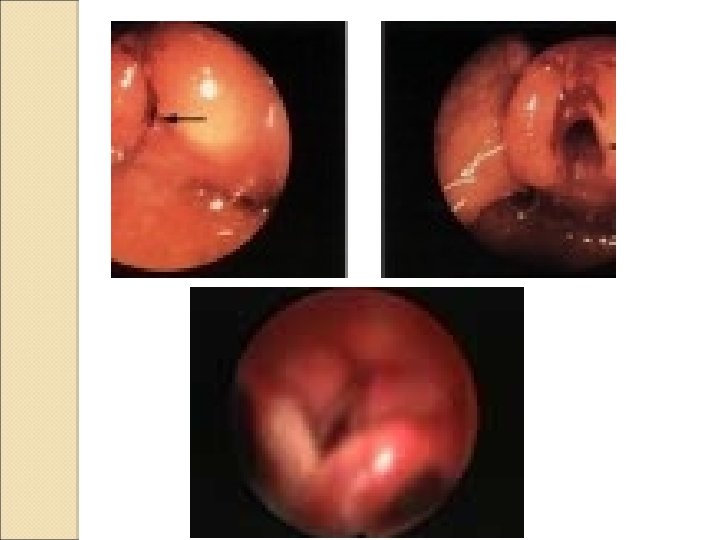
ACUTE EPIGLOTITIS 2 -7 yr (peak 3. 5 yr) Dramatic, potentially lethal condition Fever, sore throat, dyspnea, rapidly progresive respiratory obstruction Neck may be hyperextended Flaring alae nasi, inspiratory retractions Shiny cherry red epiglotitis by direct examination
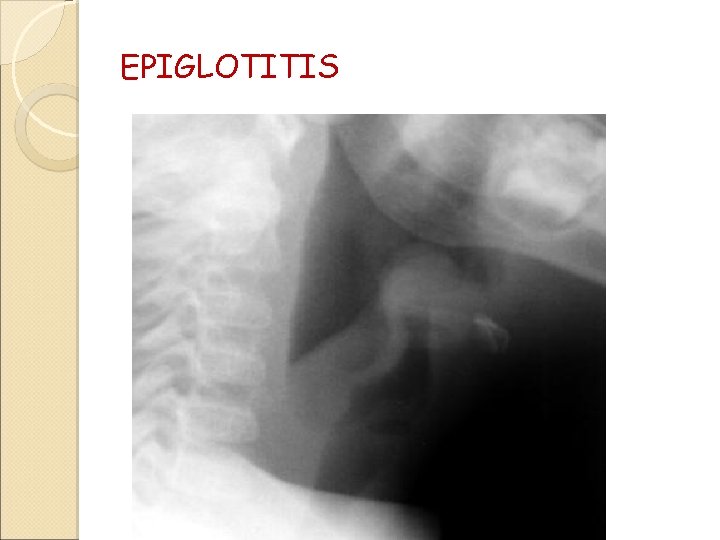
ACUTE EPIGLOTITIS Blood gas samples should be obtained Lateral roentgenogram of the nasopharynx Intubation may be required Patients should be followed for 2 -3 days- monitorizing Parenteral AB: ceftriaxone , ampicillin+ chloramphenicol
EPIGLOTITIS
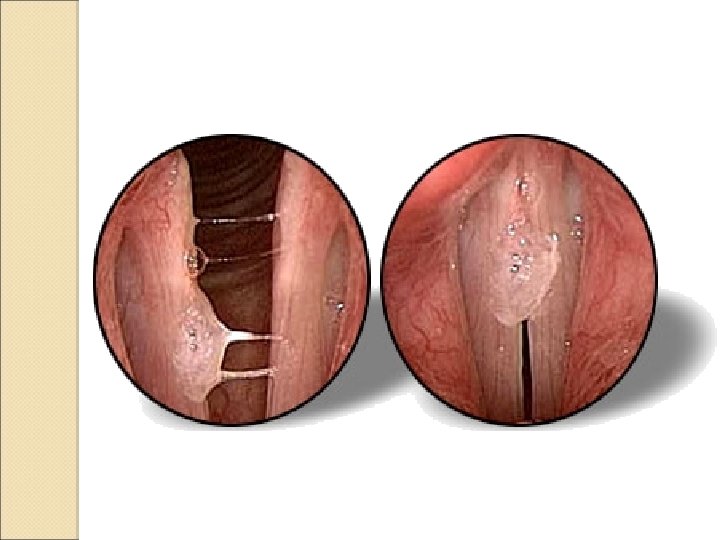
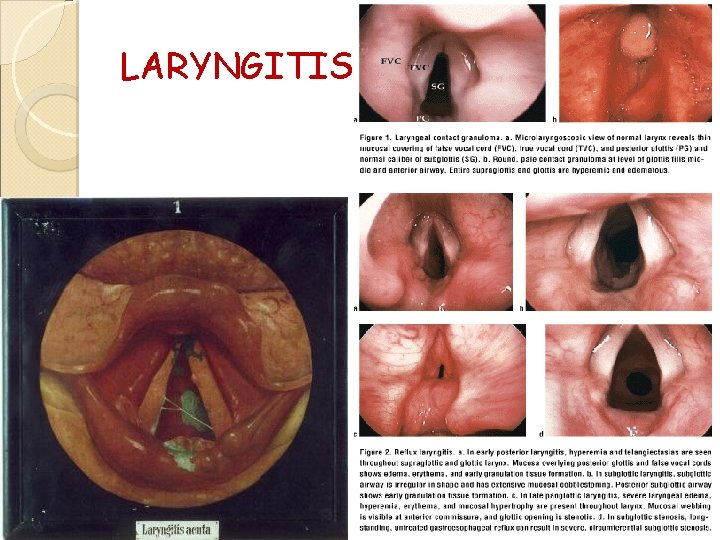
ACUTE INFECTIOUS LARYNGITIS Viruses URI (onset) hoarseness, inspiratory stridor, retractions, dyspnea, restlesness, air hunger, fatigue Inflammatory edema of the vocal cords and subglottic tissue; may be demonstrated laryngoscopically Subglottic tissue; Principal site of obstruction
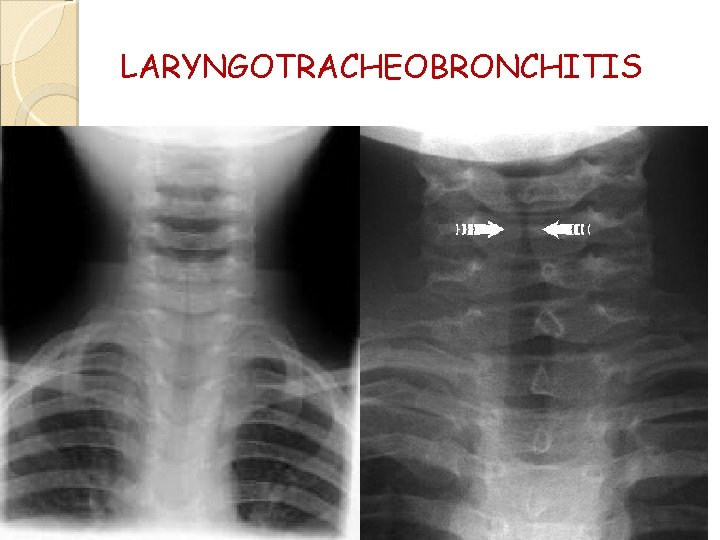
ACUTE LARYNGOTRACHEOBRONCHITIS Viruses Most patients have URI for several days Temperature high Bilateral diminished sounds, ronchi, scattered rales Symptoms worse at night Rhinitis, conjunctivitis Reccurrences frequent 3 -6 yrs of age
LARYNGOTRACHEOBRONCHITIS
ACUTE SPASMODIC LARYNGITIS 1 -3 yr of age Similar to acute laryngotracheobronchitis Viral in most cases Allergic and psychologic factors are important Occurs in the evening or night Sudden onset Diminished within several hours
ACUTE SPASMODIC LARYNGITIS Treatment: use of steam from a hot shower, hot steam from a vaporizer, cold steam from a nebulizer; terminates laryngeal spasm Cold air Hospitalized child; monitoring, parenteral fluid, O 2 Racemic epinephrin by aeresol, rarely tracheostomy / endotracheal intubation Use of CST; controversial no adverse effect Acute laryngeal swelling on allergic hosts: epinephrine SC, CST
LARYNGITIS
BACTERIAL TRACHEITIS S. aureus (most common), parainfluenza type 1, M. catarhalis, H. influenza May be a bacterial complication of a viral disease Cough, high fever Intubation/tracheostomy may be necessary Appropriate antimicrobial therapy