Reducing Length of Stay The Guildford Experience Iain


- Slides: 51
Reducing Length of Stay The Guildford Experience Iain Jourdan Consultant surgeon and Senior Tutor Minimal Access Therapy Training Unit
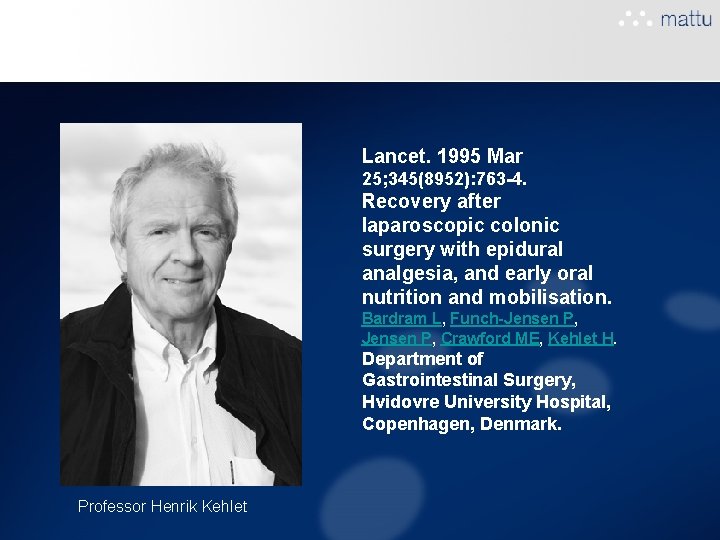
Lancet. 1995 Mar 25; 345(8952): 763 -4. Recovery after laparoscopic colonic surgery with epidural analgesia, and early oral nutrition and mobilisation. Bardram L, Funch-Jensen P, Crawford ME, Kehlet H. Department of Gastrointestinal Surgery, Hvidovre University Hospital, Copenhagen, Denmark. Professor Henrik Kehlet
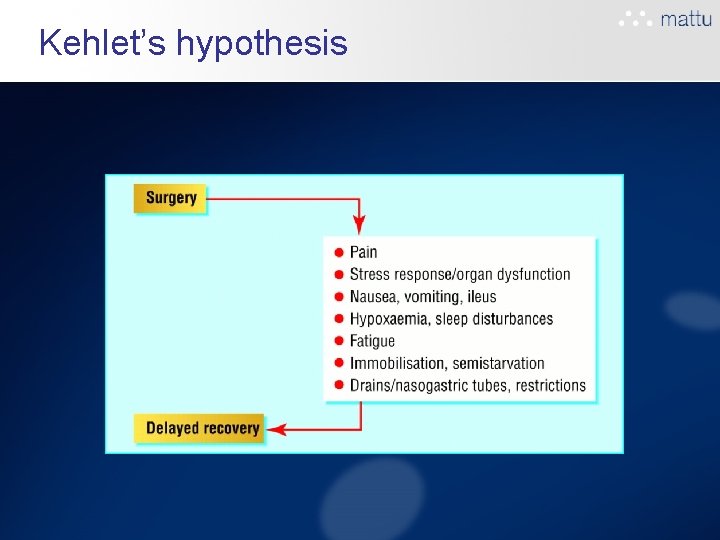
Kehlet’s hypothesis
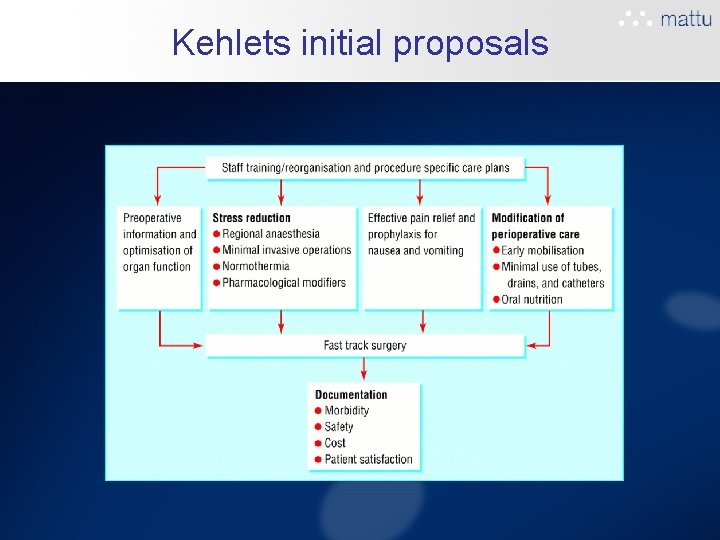
Kehlets initial proposals
RSCH home to MATTU
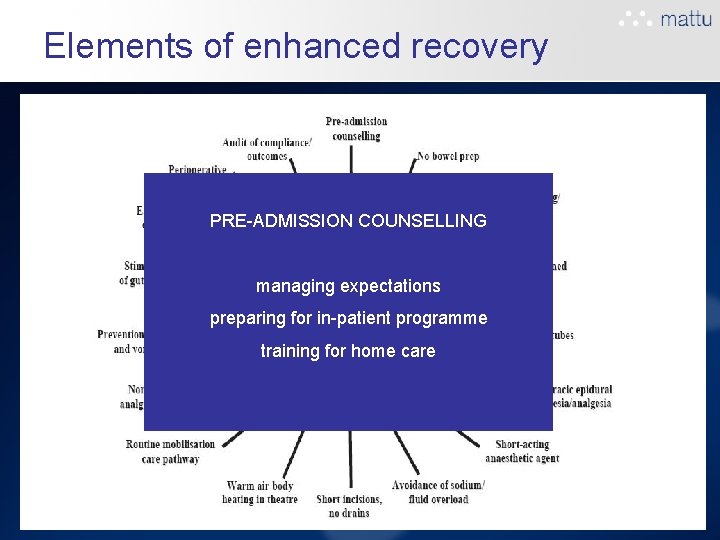
Elements of enhanced recovery PRE-ADMISSION COUNSELLING managing expectations preparing for in-patient programme training for home care
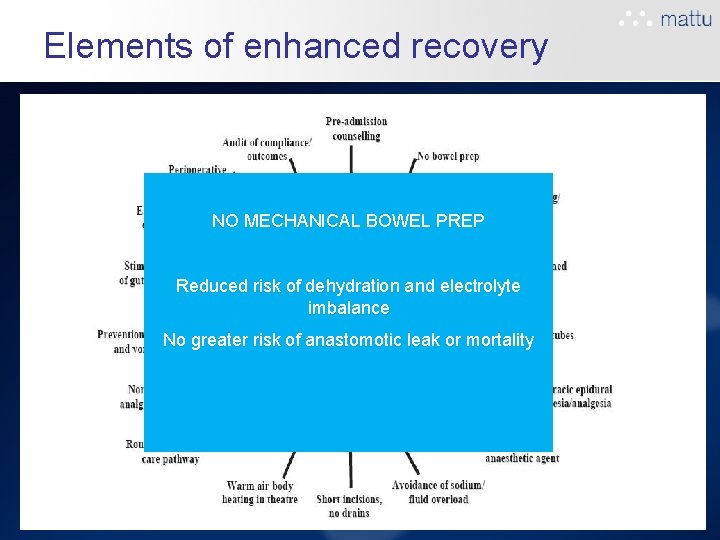
Elements of enhanced recovery NO MECHANICAL BOWEL PREP Reduced risk of dehydration and electrolyte imbalance No greater risk of anastomotic leak or mortality
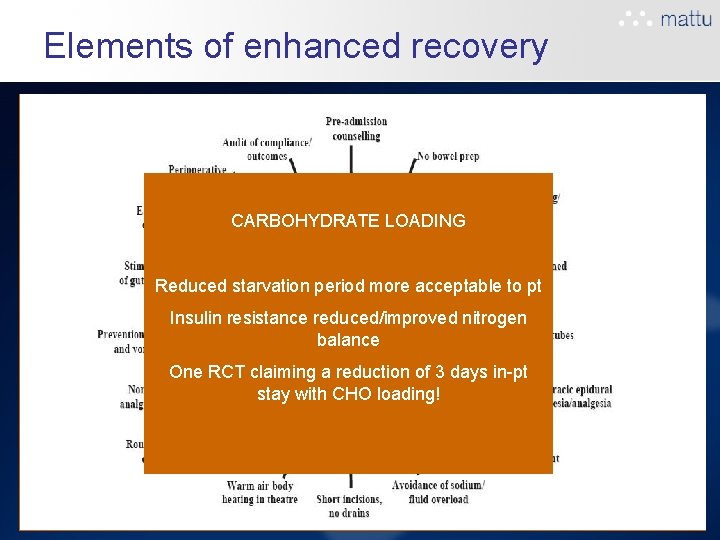
Elements of enhanced recovery CARBOHYDRATE LOADING Reduced starvation period more acceptable to pt Insulin resistance reduced/improved nitrogen balance One RCT claiming a reduction of 3 days in-pt stay with CHO loading!
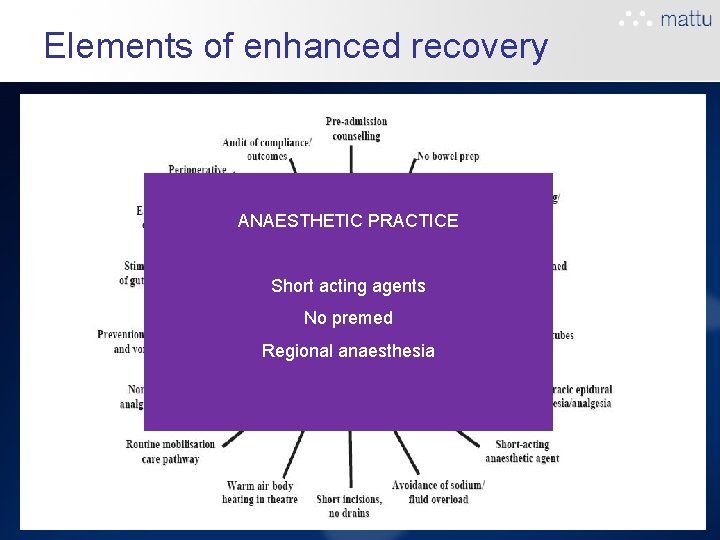
Elements of enhanced recovery ANAESTHETIC PRACTICE Short acting agents No premed Regional anaesthesia
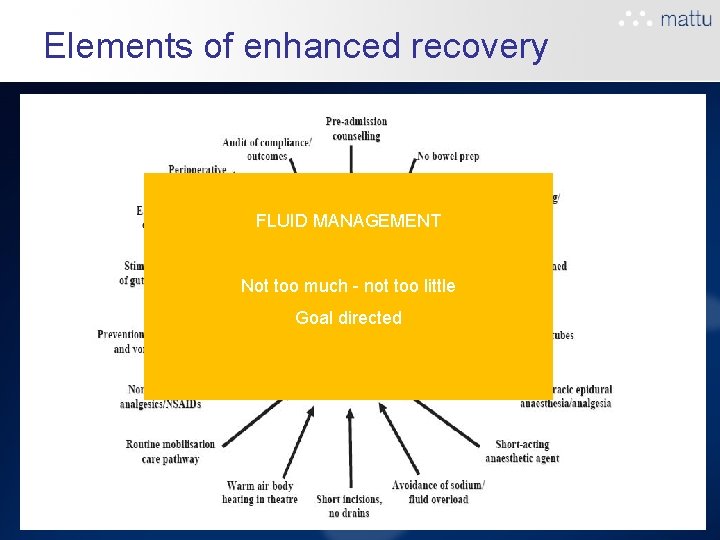
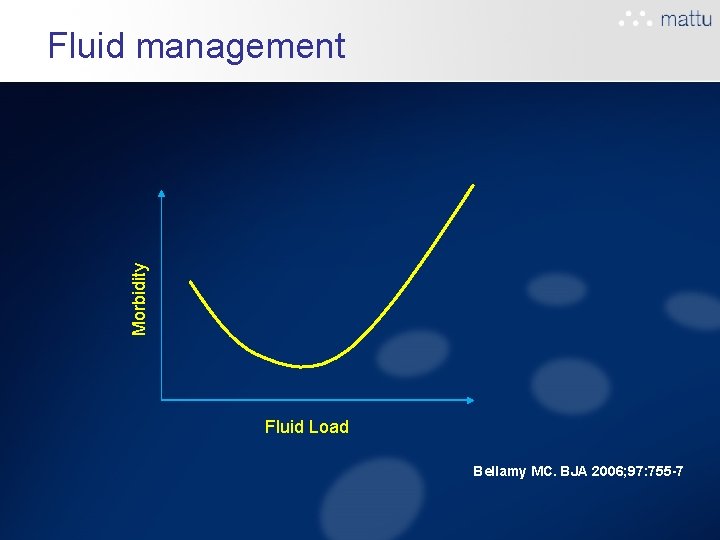
Elements of enhanced recovery FLUID MANAGEMENT Not too much - not too little Goal directed
Morbidity Fluid management Fluid Load Bellamy MC. BJA 2006; 97: 755 -7
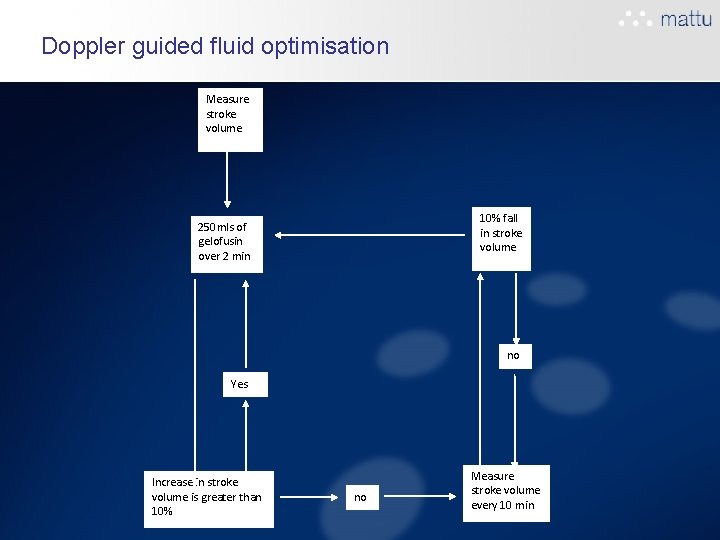
Doppler guided fluid optimisation Measure stroke volume 10% fall in stroke volume 250 mls of gelofusin over 2 min no Yes Increase in stroke volume is greater than 10% no Measure stroke volume every 10 min
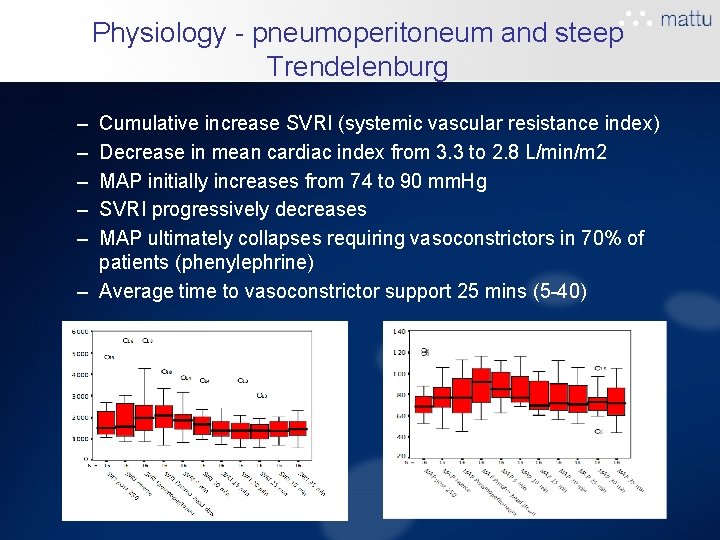
Physiology - pneumoperitoneum and steep Trendelenburg – – – Cumulative increase SVRI (systemic vascular resistance index) Decrease in mean cardiac index from 3. 3 to 2. 8 L/min/m 2 MAP initially increases from 74 to 90 mm. Hg SVRI progressively decreases MAP ultimately collapses requiring vasoconstrictors in 70% of patients (phenylephrine) – Average time to vasoconstrictor support 25 mins (5 -40)
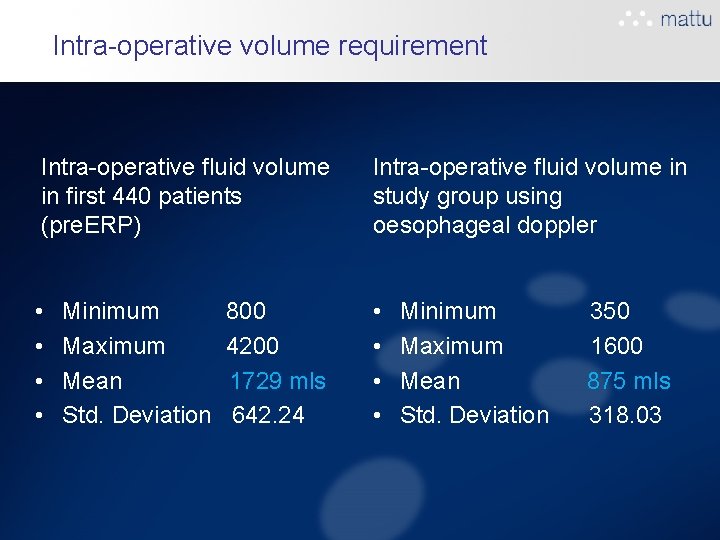
Intra-operative volume requirement Intra-operative fluid volume in first 440 patients (pre. ERP) Intra-operative fluid volume in study group using oesophageal doppler • • Minimum Maximum Mean Std. Deviation 800 4200 1729 mls 642. 24 Minimum Maximum Mean Std. Deviation 350 1600 875 mls 318. 03
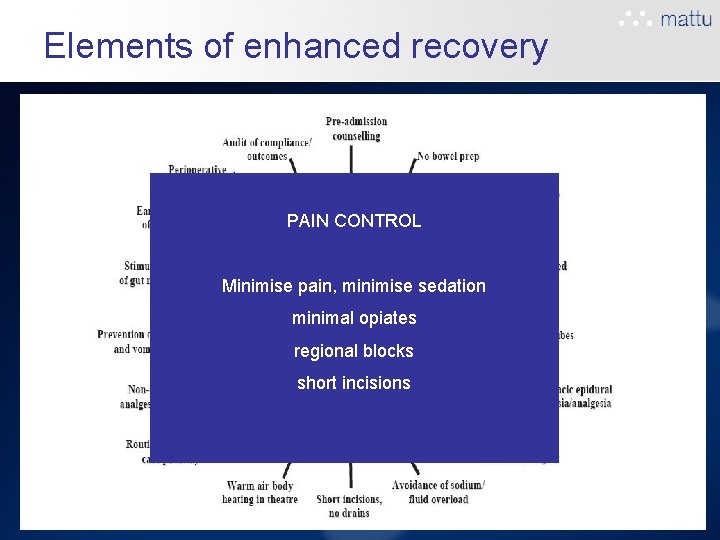
Elements of enhanced recovery PAIN CONTROL Minimise pain, minimise sedation minimal opiates regional blocks short incisions
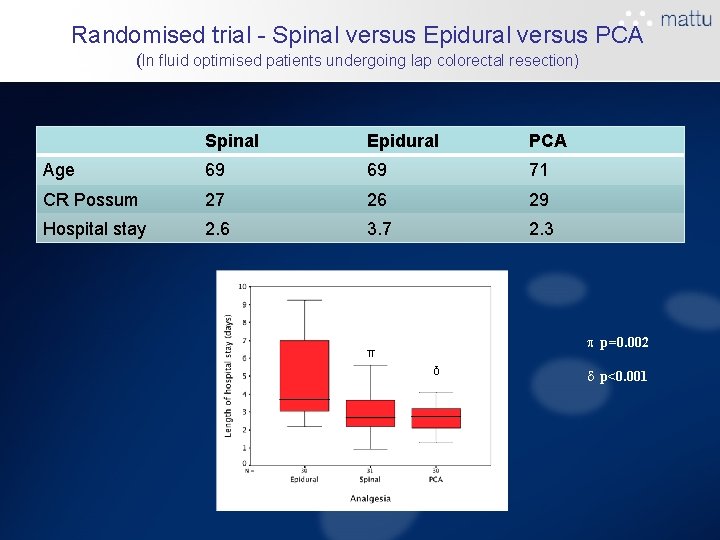
Randomised trial - Spinal versus Epidural versus PCA (In fluid optimised patients undergoing lap colorectal resection) Spinal Epidural PCA Age 69 69 71 CR Possum 27 26 29 Hospital stay 2. 6 3. 7 2. 3 p=0. 002 π δ p<0. 001
Advantages of spinal anaesthesia • Higher insertion rate, lower complication rate • Does not suffer from unilaterality, falling out, kinked • • tubing Far less labour intensive Wears off, patients not limited the following morning
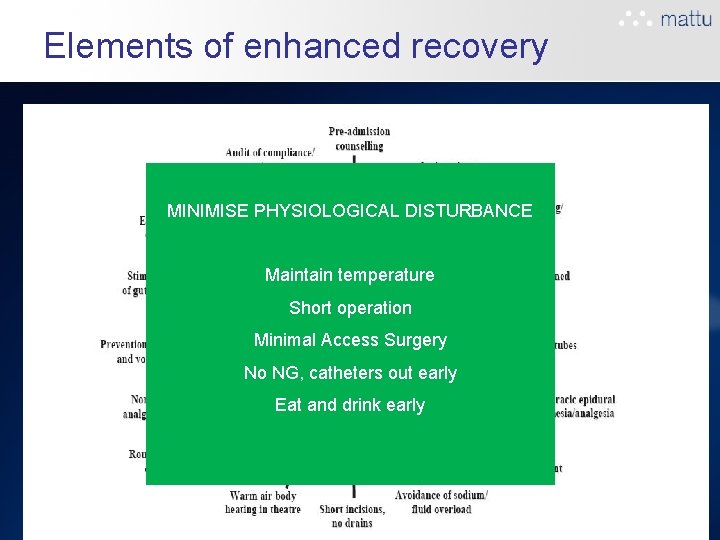
Elements of enhanced recovery MINIMISE PHYSIOLOGICAL DISTURBANCE Maintain temperature Short operation Minimal Access Surgery No NG, catheters out early Eat and drink early
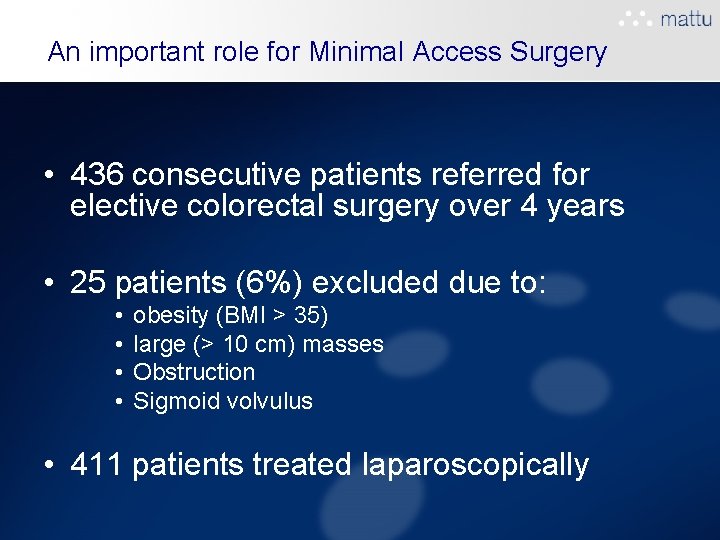
An important role for Minimal Access Surgery • 436 consecutive patients referred for elective colorectal surgery over 4 years • 25 patients (6%) excluded due to: • • obesity (BMI > 35) large (> 10 cm) masses Obstruction Sigmoid volvulus • 411 patients treated laparoscopically
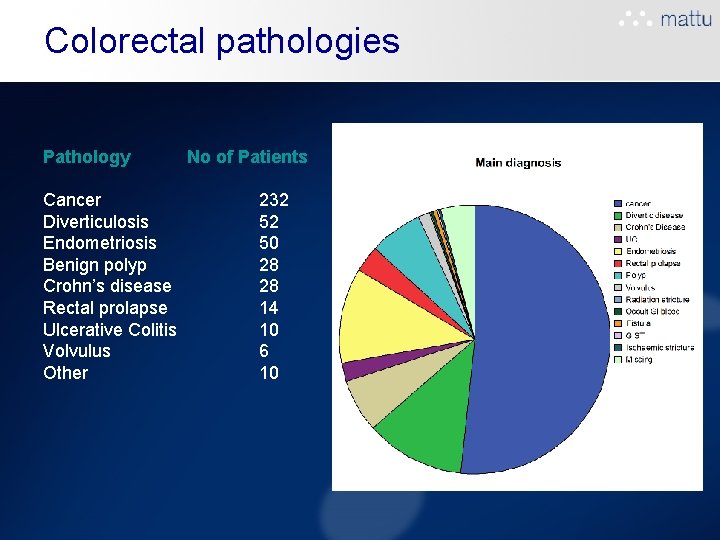
Colorectal pathologies Pathology Cancer Diverticulosis Endometriosis Benign polyp Crohn’s disease Rectal prolapse Ulcerative Colitis Volvulus Other No of Patients 232 52 50 28 28 14 10 6 10
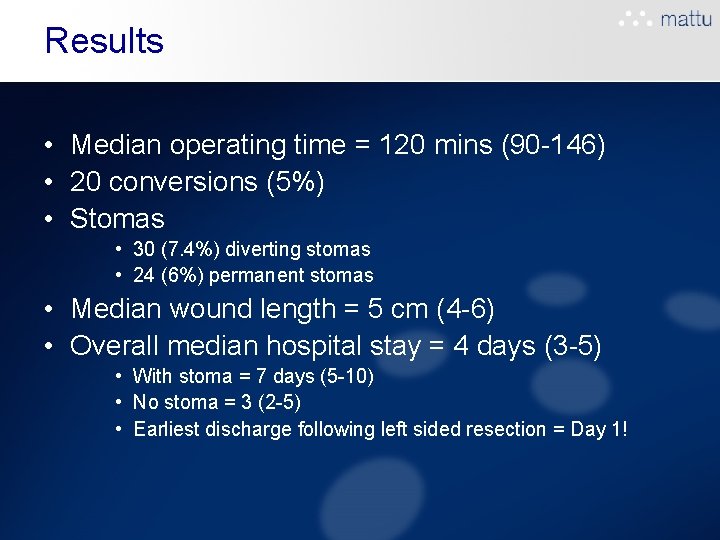
Results • Median operating time = 120 mins (90 -146) • 20 conversions (5%) • Stomas • 30 (7. 4%) diverting stomas • 24 (6%) permanent stomas • Median wound length = 5 cm (4 -6) • Overall median hospital stay = 4 days (3 -5) • With stoma = 7 days (5 -10) • No stoma = 3 (2 -5) • Earliest discharge following left sided resection = Day 1!
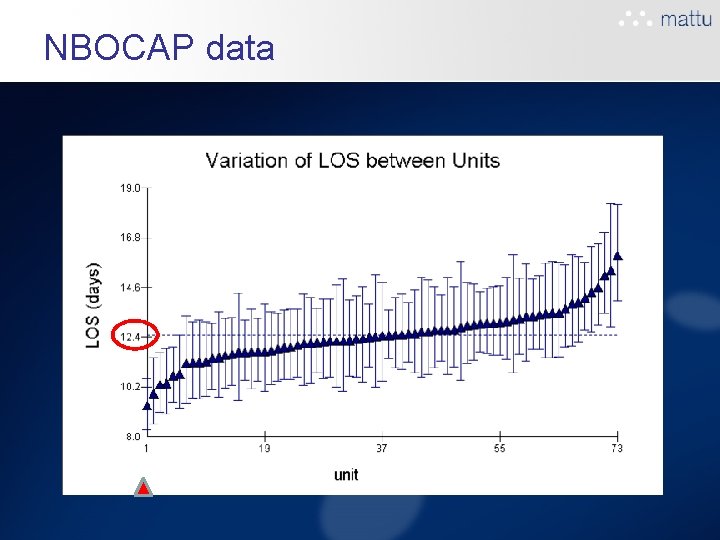
NBOCAP data
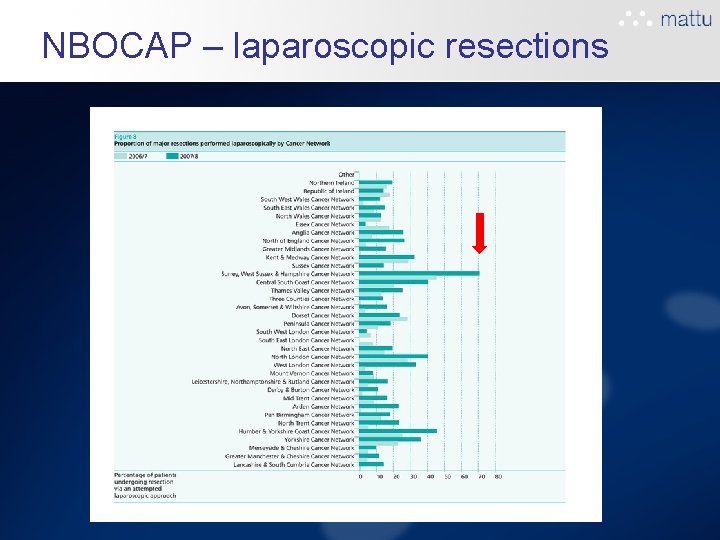
NBOCAP – laparoscopic resections
The Challenge A safe 23 hr hospital stay for colorectal resection
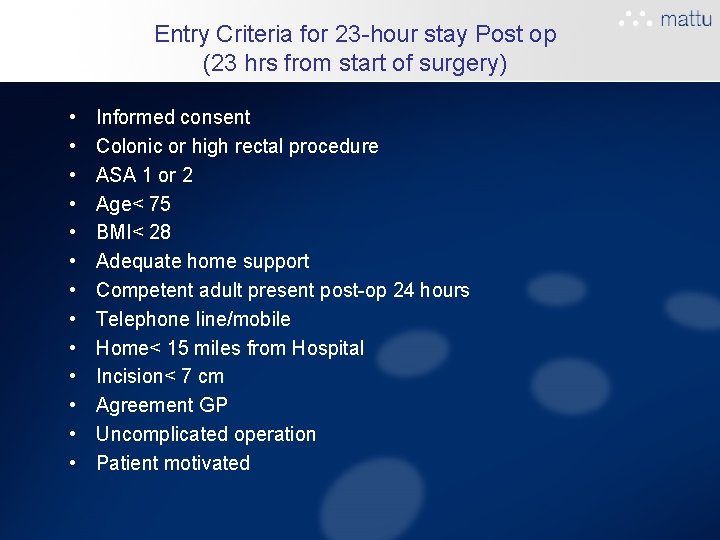
Entry Criteria for 23 -hour stay Post op (23 hrs from start of surgery) • • • • Informed consent Colonic or high rectal procedure ASA 1 or 2 Age< 75 BMI< 28 Adequate home support Competent adult present post-op 24 hours Telephone line/mobile Home< 15 miles from Hospital Incision< 7 cm Agreement GP Uncomplicated operation Patient motivated
Patient management • • No bowel prep No prolonged starvation Preload No opiates
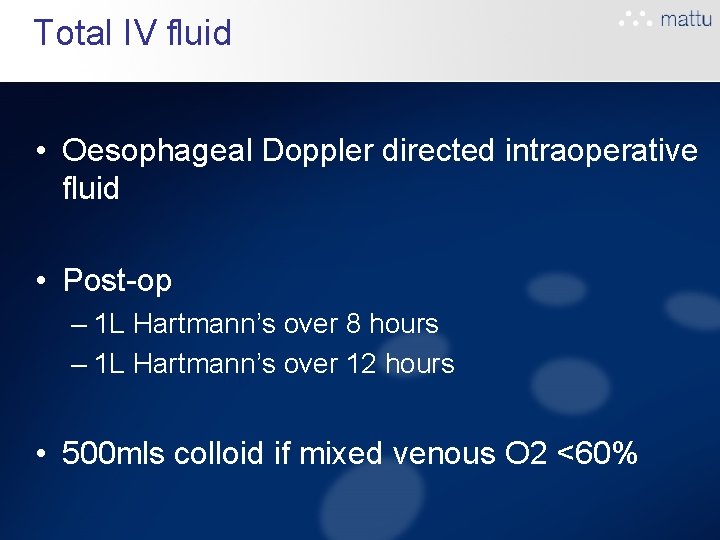
Total IV fluid • Oesophageal Doppler directed intraoperative fluid • Post-op – 1 L Hartmann’s over 8 hours – 1 L Hartmann’s over 12 hours • 500 mls colloid if mixed venous O 2 <60%
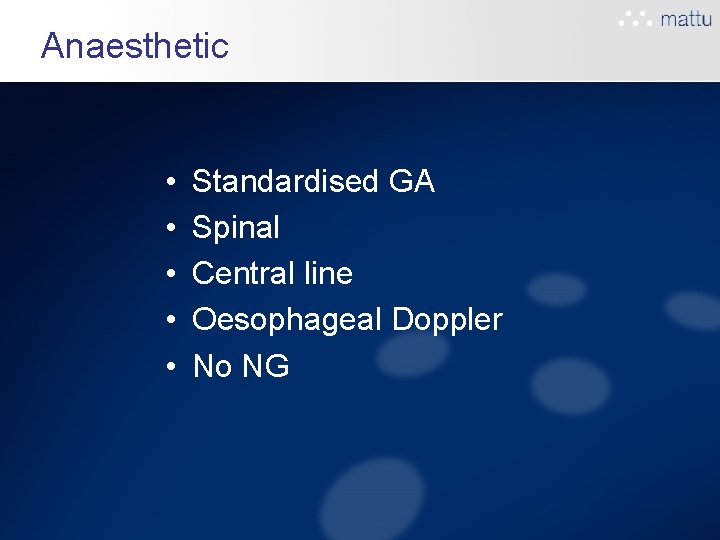
Anaesthetic • • • Standardised GA Spinal Central line Oesophageal Doppler No NG
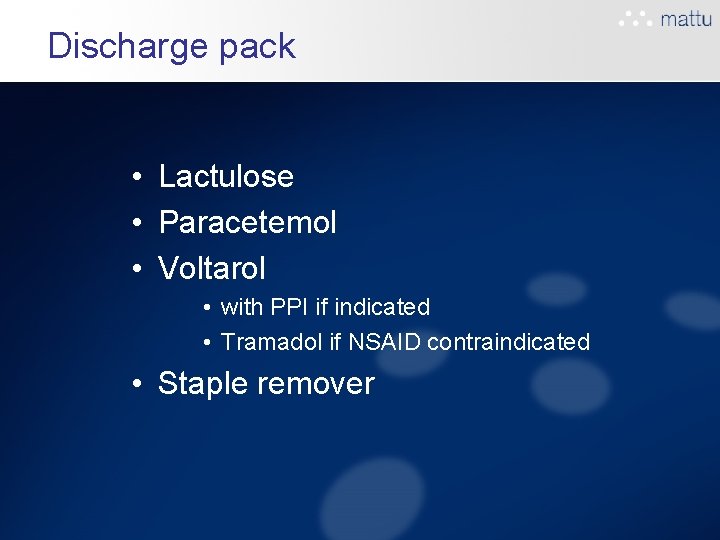
Discharge pack • Lactulose • Paracetemol • Voltarol • with PPI if indicated • Tramadol if NSAID contraindicated • Staple remover
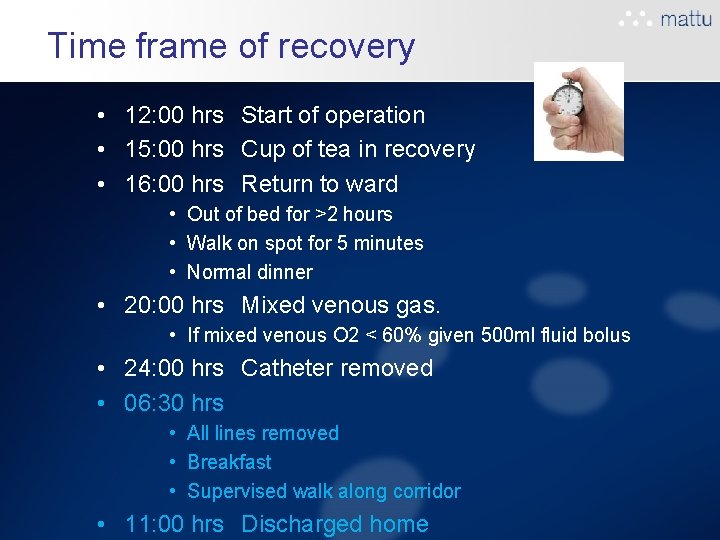
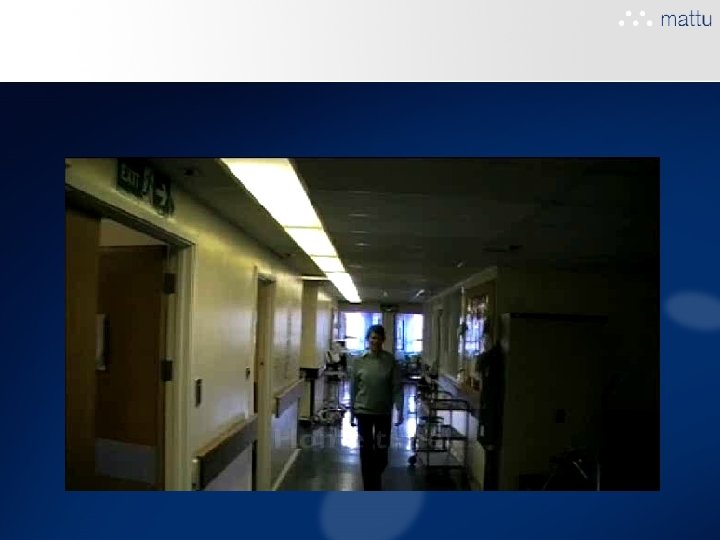
Time frame of recovery • 12: 00 hrs Start of operation • 15: 00 hrs Cup of tea in recovery • 16: 00 hrs Return to ward • Out of bed for >2 hours • Walk on spot for 5 minutes • Normal dinner • 20: 00 hrs Mixed venous gas. • If mixed venous O 2 < 60% given 500 ml fluid bolus • 24: 00 hrs Catheter removed • 06: 30 hrs • All lines removed • Breakfast • Supervised walk along corridor • 11: 00 hrs Discharged home
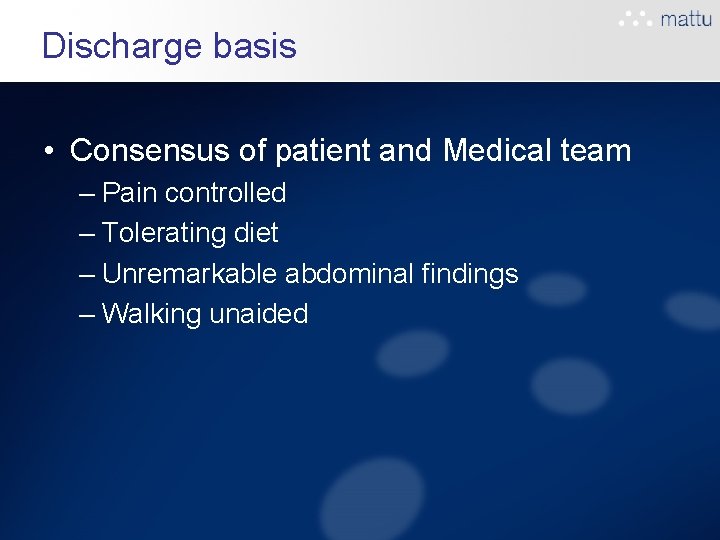
Discharge basis • Consensus of patient and Medical team – Pain controlled – Tolerating diet – Unremarkable abdominal findings – Walking unaided
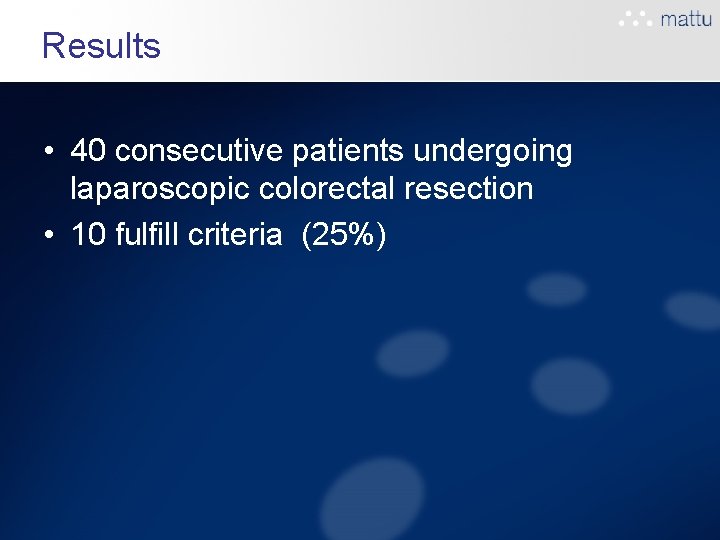
Results • 40 consecutive patients undergoing laparoscopic colorectal resection • 10 fulfill criteria (25%)
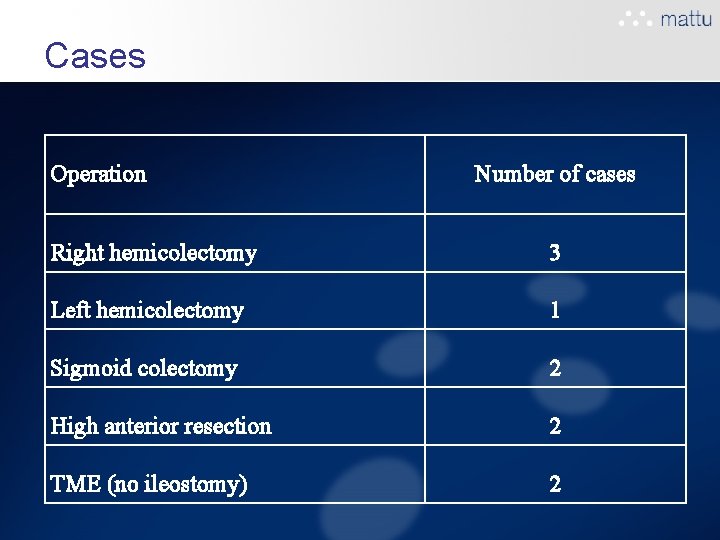
Cases Operation Number of cases Right hemicolectomy 3 Left hemicolectomy 1 Sigmoid colectomy 2 High anterior resection 2 TME (no ileostomy) 2
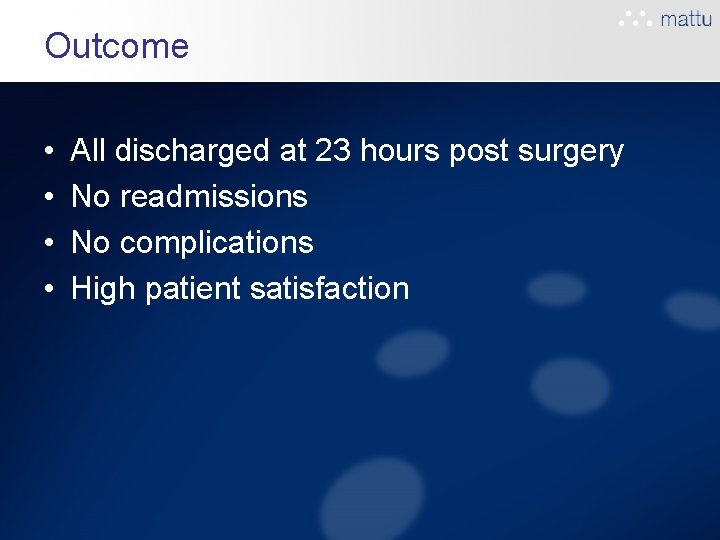
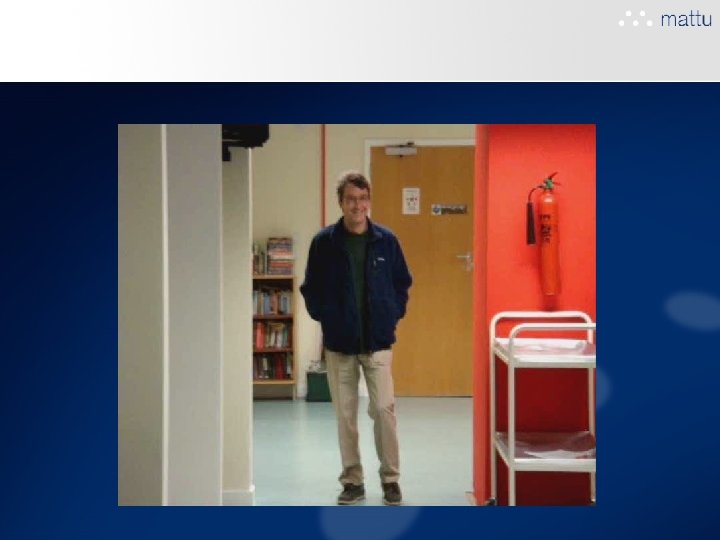
Outcome • • All discharged at 23 hours post surgery No readmissions No complications High patient satisfaction
Why bother ? • Economics – Reduce costs – Increase income • Patient safety • Hospital acquired infection directly related to – Time spent in hospital – Prolonged catheterisation (IV / urinary / ng) – Patient debility • DVT and chest infection related to – Immobility – Fluid overload – Analgesia • Patient satisfaction
Conclusion • Acheivable • Accurate regime at every point • Oesophageal doppler is very helpful with lower fluid volumes being administered • Most appropriate post-operative analgesia appears to be spinal
THE FUTURE
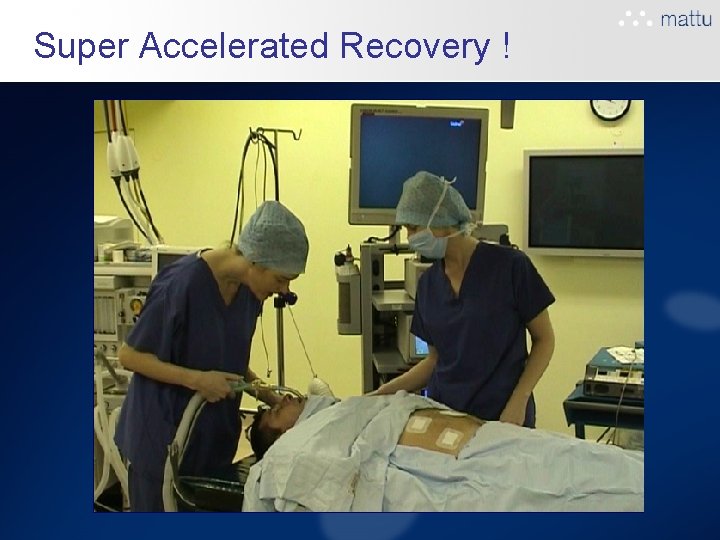
Super Accelerated Recovery !
THANK YOU
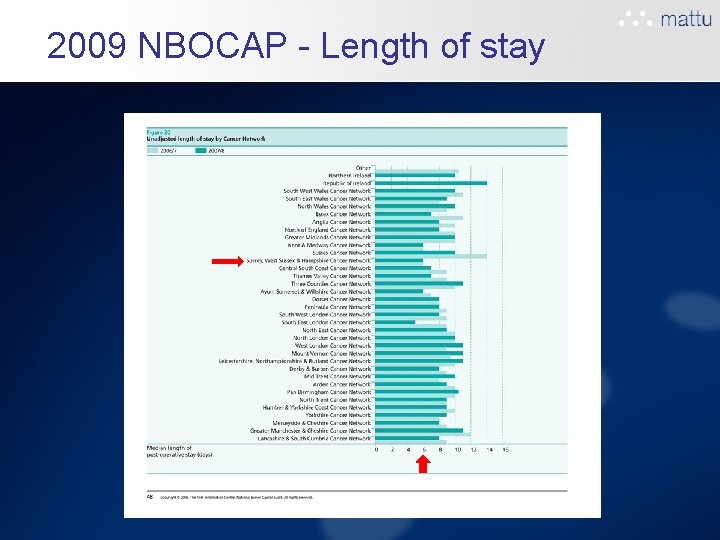
2009 NBOCAP - Length of stay
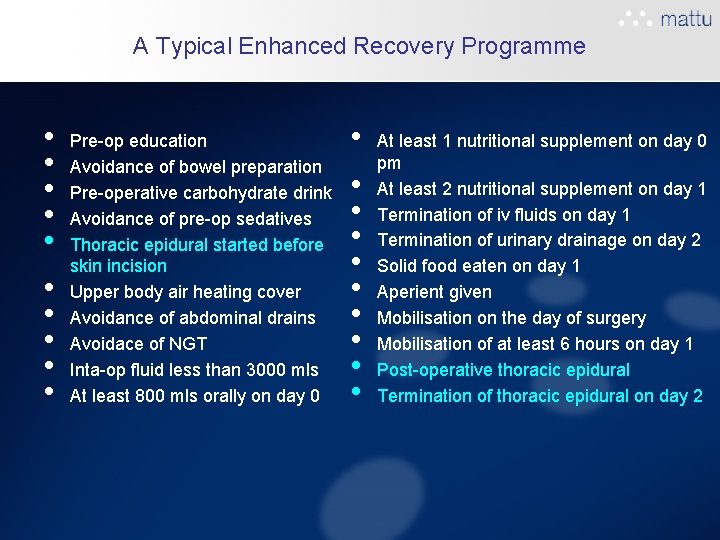
A Typical Enhanced Recovery Programme • • • Pre-op education Avoidance of bowel preparation Pre-operative carbohydrate drink Avoidance of pre-op sedatives Thoracic epidural started before skin incision Upper body air heating cover Avoidance of abdominal drains Avoidace of NGT Inta-op fluid less than 3000 mls At least 800 mls orally on day 0 • • • At least 1 nutritional supplement on day 0 pm At least 2 nutritional supplement on day 1 Termination of iv fluids on day 1 Termination of urinary drainage on day 2 Solid food eaten on day 1 Aperient given Mobilisation on the day of surgery Mobilisation of at least 6 hours on day 1 Post-operative thoracic epidural Termination of thoracic epidural on day 2
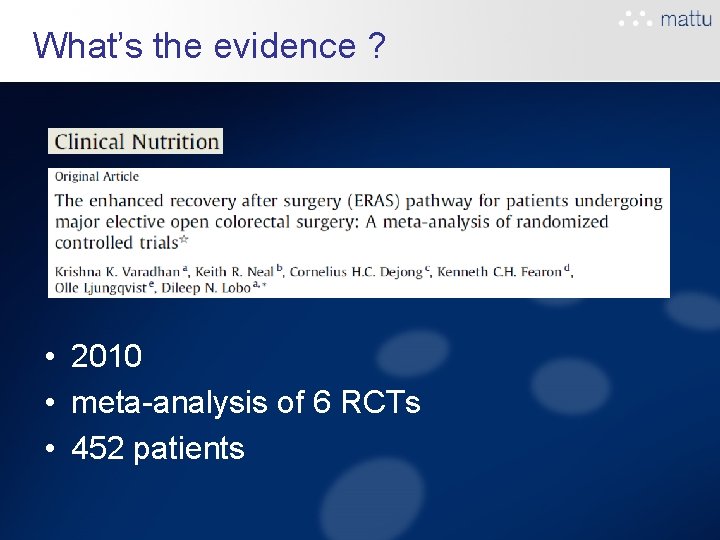
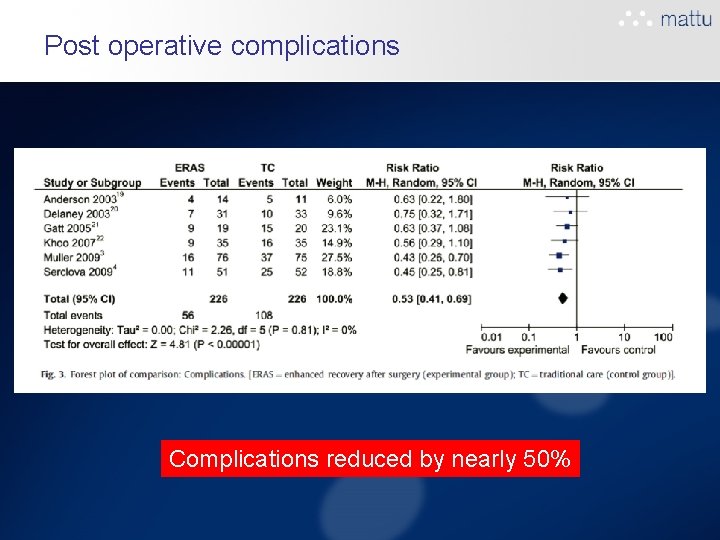
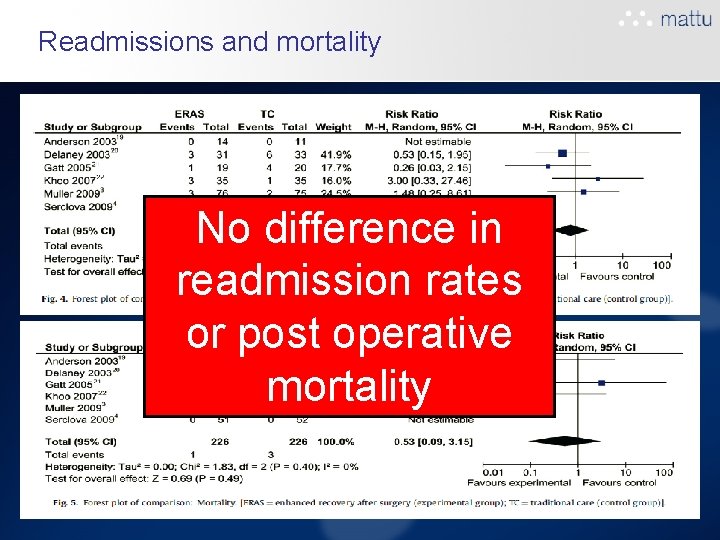
What’s the evidence ? • 2010 • meta-analysis of 6 RCTs • 452 patients
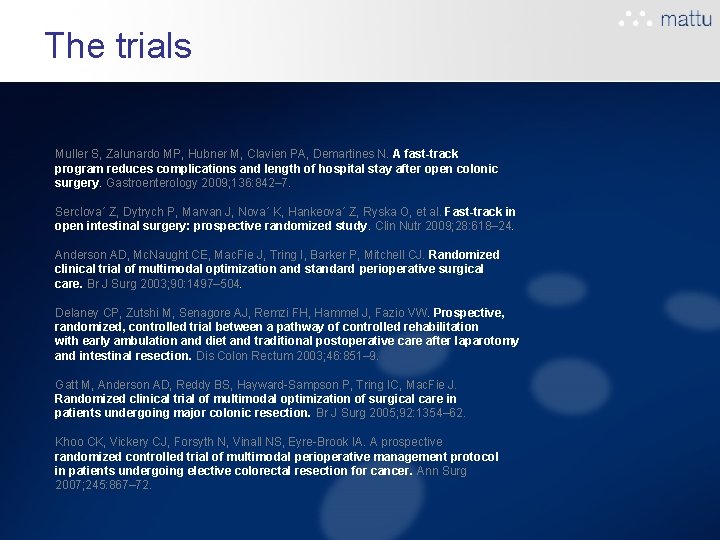
The trials Muller S, Zalunardo MP, Hubner M, Clavien PA, Demartines N. A fast-track program reduces complications and length of hospital stay after open colonic surgery. Gastroenterology 2009; 136: 842– 7. Serclova´ Z, Dytrych P, Marvan J, Nova´ K, Hankeova´ Z, Ryska O, et al. Fast-track in open intestinal surgery: prospective randomized study. Clin Nutr 2009; 28: 618– 24. Anderson AD, Mc. Naught CE, Mac. Fie J, Tring I, Barker P, Mitchell CJ. Randomized clinical trial of multimodal optimization and standard perioperative surgical care. Br J Surg 2003; 90: 1497– 504. Delaney CP, Zutshi M, Senagore AJ, Remzi FH, Hammel J, Fazio VW. Prospective, randomized, controlled trial between a pathway of controlled rehabilitation with early ambulation and diet and traditional postoperative care after laparotomy and intestinal resection. Dis Colon Rectum 2003; 46: 851– 9. Gatt M, Anderson AD, Reddy BS, Hayward-Sampson P, Tring IC, Mac. Fie J. Randomized clinical trial of multimodal optimization of surgical care in patients undergoing major colonic resection. Br J Surg 2005; 92: 1354– 62. Khoo CK, Vickery CJ, Forsyth N, Vinall NS, Eyre-Brook IA. A prospective randomized controlled trial of multimodal perioperative management protocol in patients undergoing elective colorectal resection for cancer. Ann Surg 2007; 245: 867– 72.
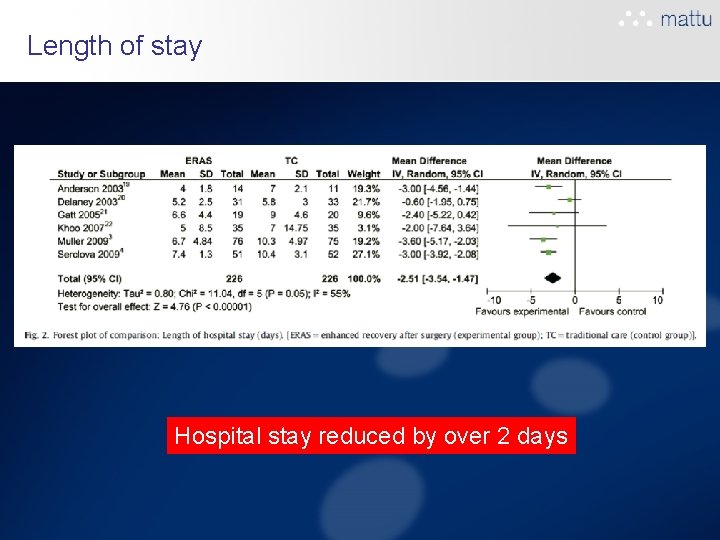
Length of stay Hospital stay reduced by over 2 days
Post operative complications Complications reduced by nearly 50%
Readmissions and mortality No difference in readmission rates or post operative mortality
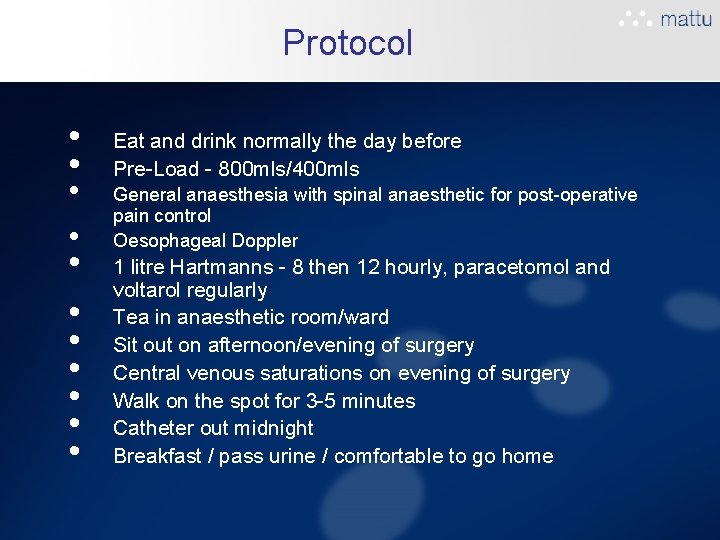
Protocol • • • Eat and drink normally the day before Pre-Load - 800 mls/400 mls General anaesthesia with spinal anaesthetic for post-operative pain control Oesophageal Doppler 1 litre Hartmanns - 8 then 12 hourly, paracetomol and voltarol regularly Tea in anaesthetic room/ward Sit out on afternoon/evening of surgery Central venous saturations on evening of surgery Walk on the spot for 3 -5 minutes Catheter out midnight Breakfast / pass urine / comfortable to go home