Parenting and social development Daniel Messinger Ph D
- Slides: 46
Parenting and social development Daniel Messinger, Ph. D.
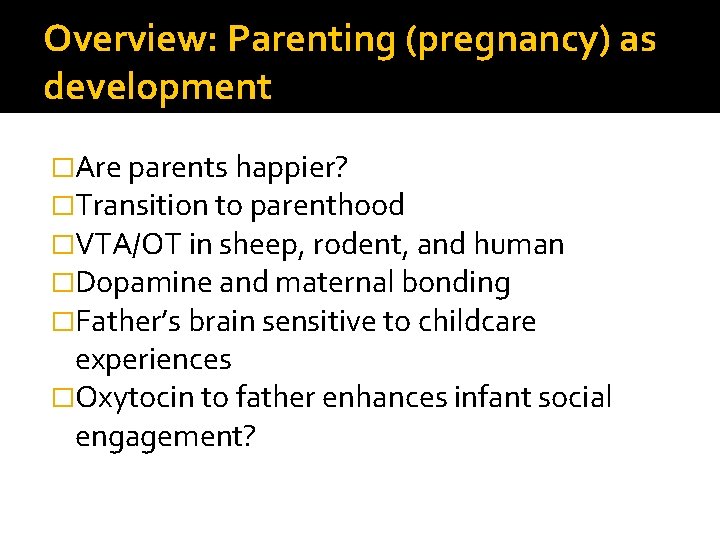
Overview: Parenting (pregnancy) as development �Are parents happier? �Transition to parenthood �VTA/OT in sheep, rodent, and human �Dopamine and maternal bonding �Father’s brain sensitive to childcare experiences �Oxytocin to father enhances infant social engagement?
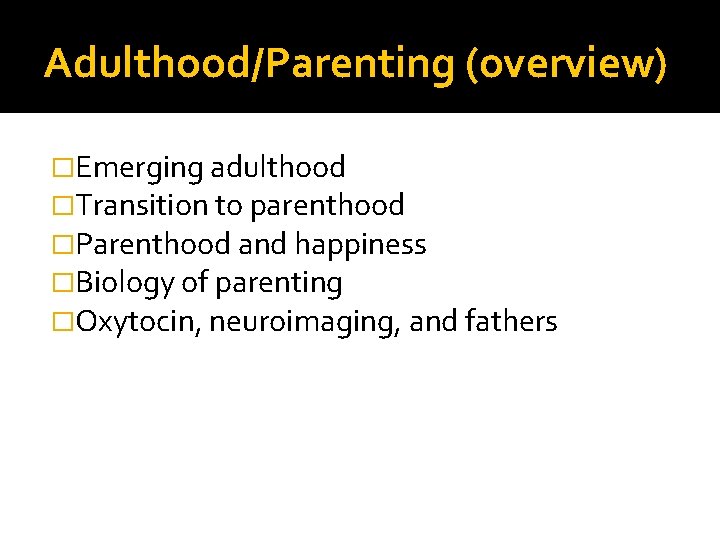
Adulthood/Parenting (overview) �Emerging adulthood �Transition to parenthood �Parenthood and happiness �Biology of parenting �Oxytocin, neuroimaging, and fathers
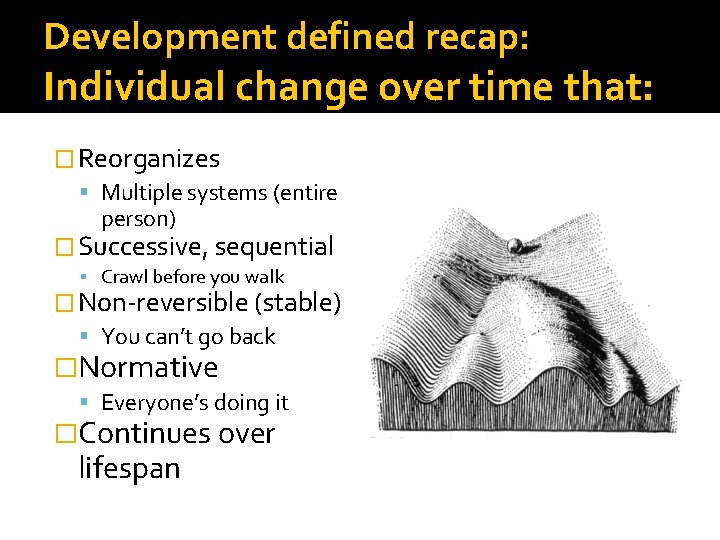
Development defined recap: Individual change over time that: � Reorganizes Multiple systems (entire person) � Successive, sequential Crawl before you walk � Non-reversible (stable) You can’t go back �Normative Everyone’s doing it �Continues over lifespan
Is parenting a developmental transition? For females? For males?
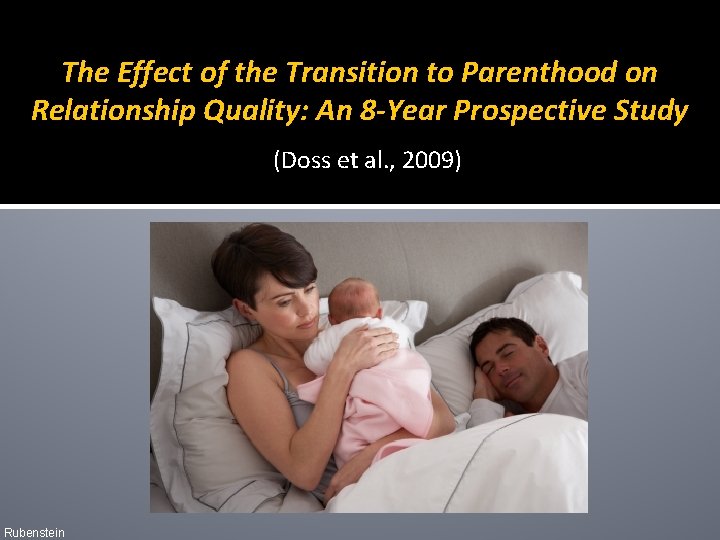
The Effect of the Transition to Parenthood on Relationship Quality: An 8 -Year Prospective Study (Doss et al. , 2009) Rubenstein
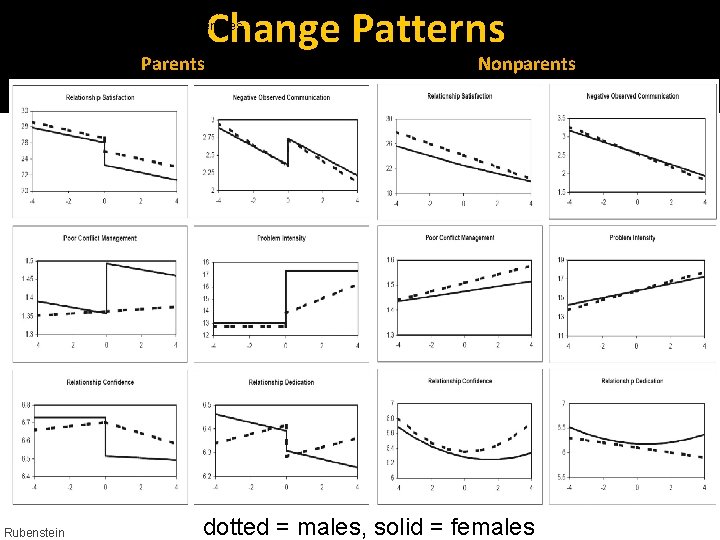
Change Patterns Parents: dotted = fathers, solid = mothers Nonparents: dotted = males, solid = females Parents Rubenstein Nonparents dotted = males, solid = females
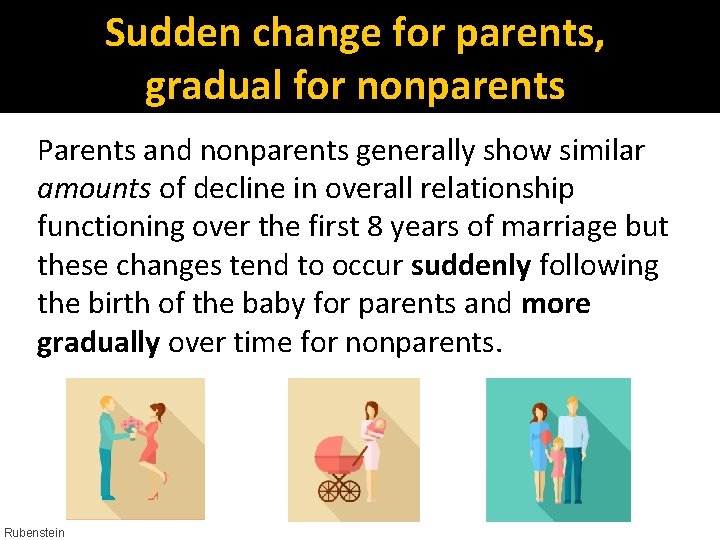
Sudden change for parents, gradual for nonparents Parents and nonparents generally show similar amounts of decline in overall relationship functioning over the first 8 years of marriage but these changes tend to occur suddenly following the birth of the baby for parents and more gradually over time for nonparents. Rubenstein
Danzi
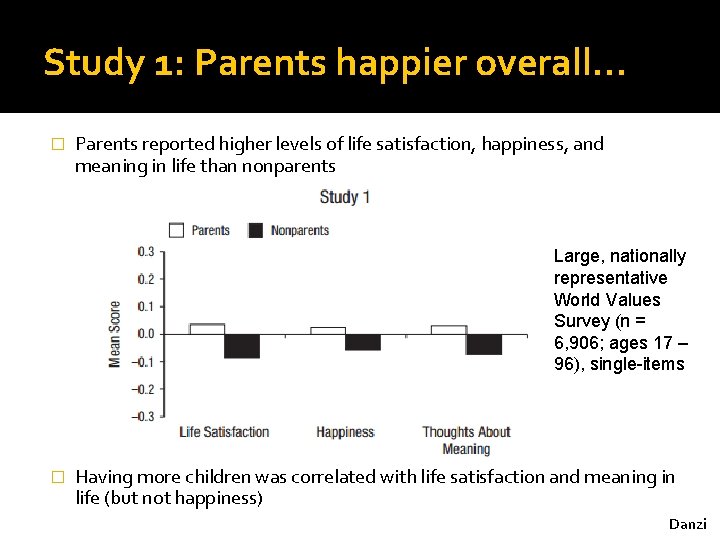
Study 1: Parents happier overall… � Parents reported higher levels of life satisfaction, happiness, and meaning in life than nonparents Large, nationally representative World Values Survey (n = 6, 906; ages 17 – 96), single-items � Having more children was correlated with life satisfaction and meaning in life (but not happiness) Danzi
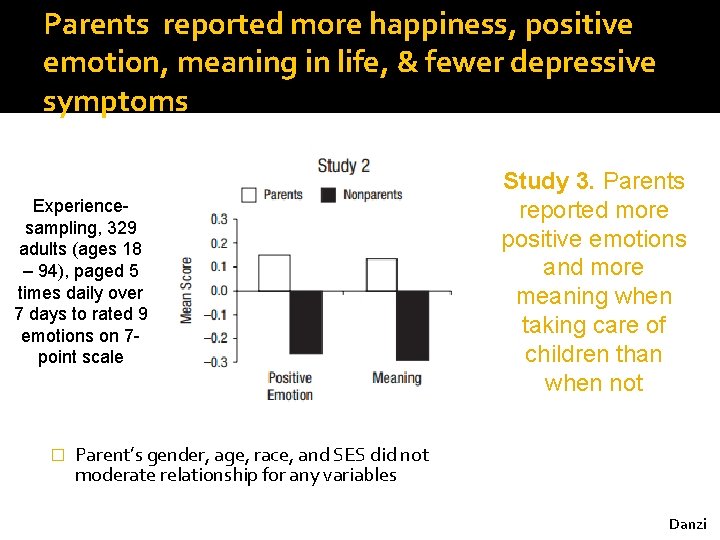
Parents reported more happiness, positive emotion, meaning in life, & fewer depressive symptoms Experiencesampling, 329 adults (ages 18 – 94), paged 5 times daily over 7 days to rated 9 emotions on 7 point scale � Study 3. Parents reported more positive emotions and more meaning when taking care of children than when not Parent’s gender, age, race, and SES did not moderate relationship for any variables Danzi
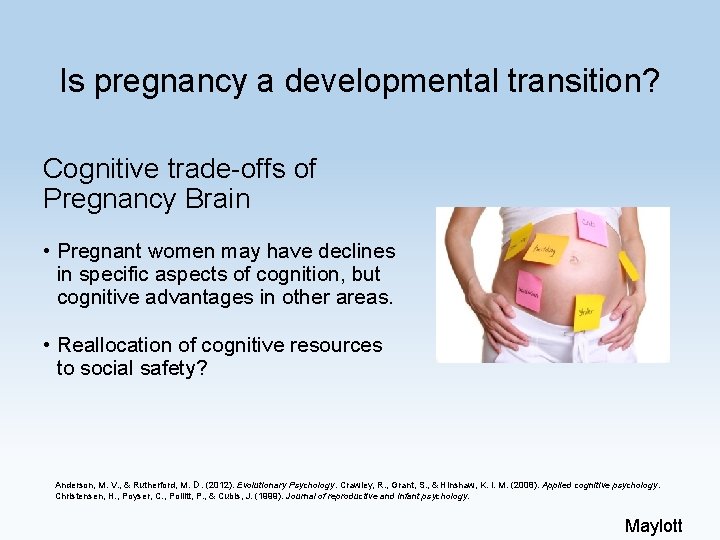
Is pregnancy a developmental transition? Cognitive trade-offs of Pregnancy Brain • Pregnant women may have declines in specific aspects of cognition, but cognitive advantages in other areas. • Reallocation of cognitive resources to social safety? Anderson, M. V. , & Rutherford, M. D. (2012). Evolutionary Psychology. Crawley, R. , Grant, S. , & Hinshaw, K. I. M. (2008). Applied cognitive psychology. Christensen, H. , Poyser, C. , Pollitt, P. , & Cubis, J. (1999). Journal of reproductive and infant psychology. Maylott
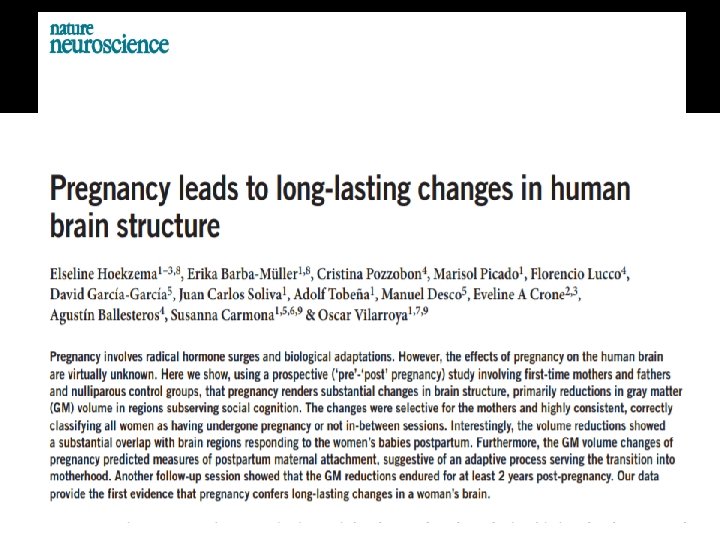
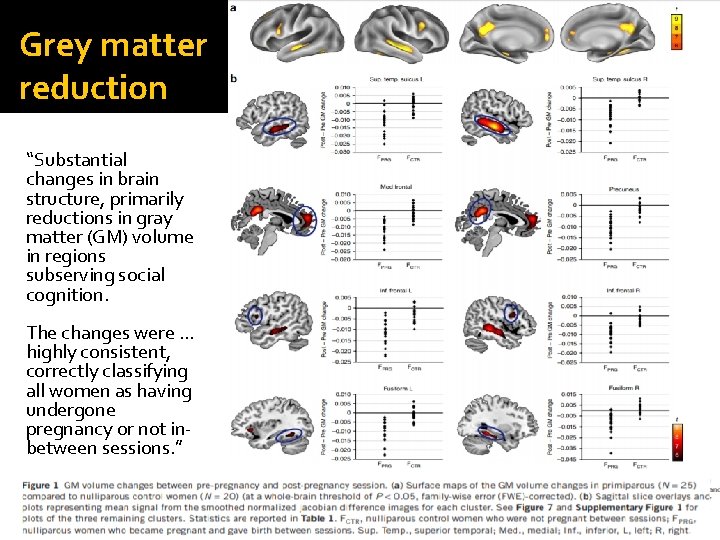
Grey matter reduction “Substantial changes in brain structure, primarily reductions in gray matter (GM) volume in regions subserving social cognition. The changes were … highly consistent, correctly classifying all women as having undergone pregnancy or not inbetween sessions. ”
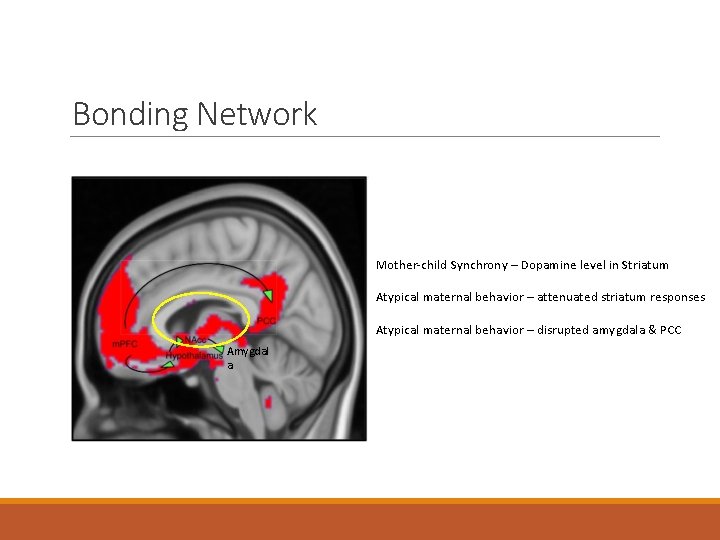
Dopamine in the medial amygdala network mediates human bonding ATZIL ET AL. (2017)
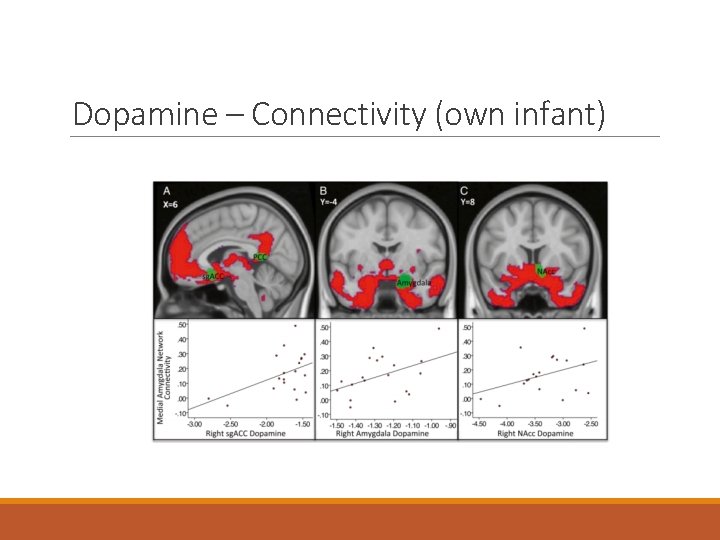
Bonding Network Mother-child Synchrony – Dopamine level in Striatum Atypical maternal behavior – attenuated striatum responses Atypical maternal behavior – disrupted amygdala & PCC Amygdal a
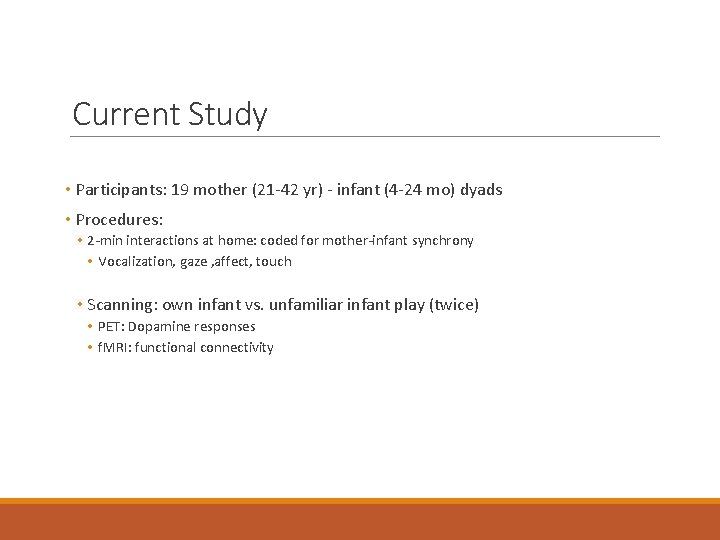
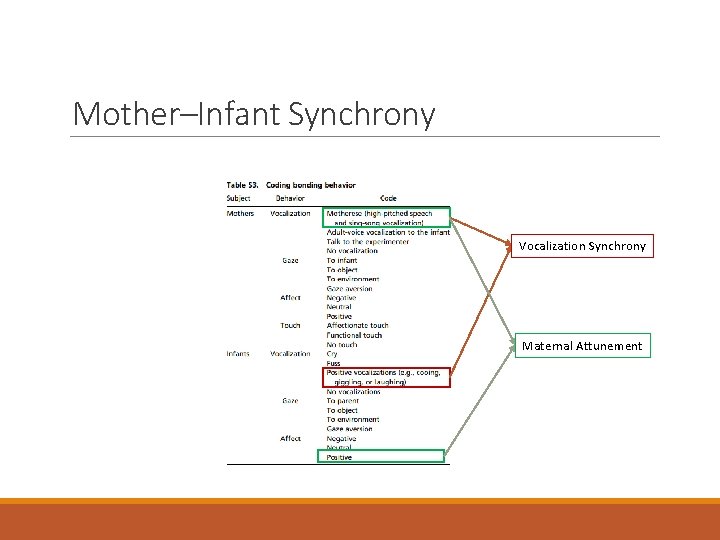
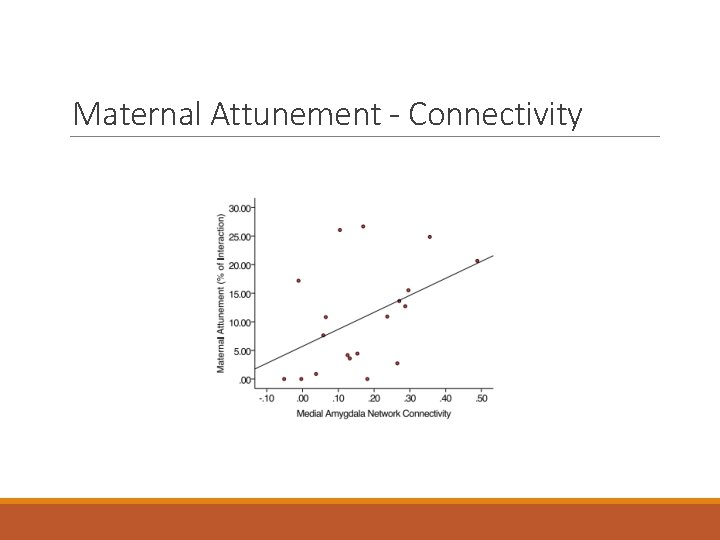
Current Study • Participants: 19 mother (21 -42 yr) - infant (4 -24 mo) dyads • Procedures: • 2 -min interactions at home: coded for mother-infant synchrony • Vocalization, gaze , affect, touch • Scanning: own infant vs. unfamiliar infant play (twice) • PET: Dopamine responses • f. MRI: functional connectivity
Mother–Infant Synchrony Vocalization Synchrony Maternal Attunement
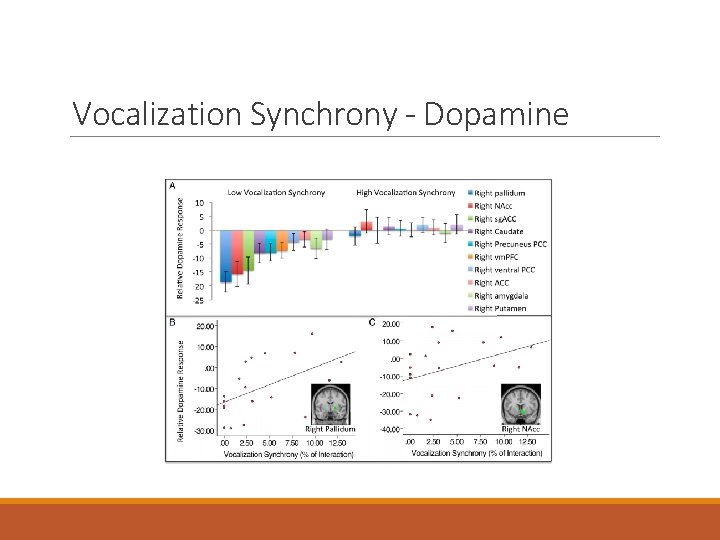
Vocalization Synchrony - Dopamine
Maternal Attunement - Connectivity
Dopamine – Connectivity (own infant)
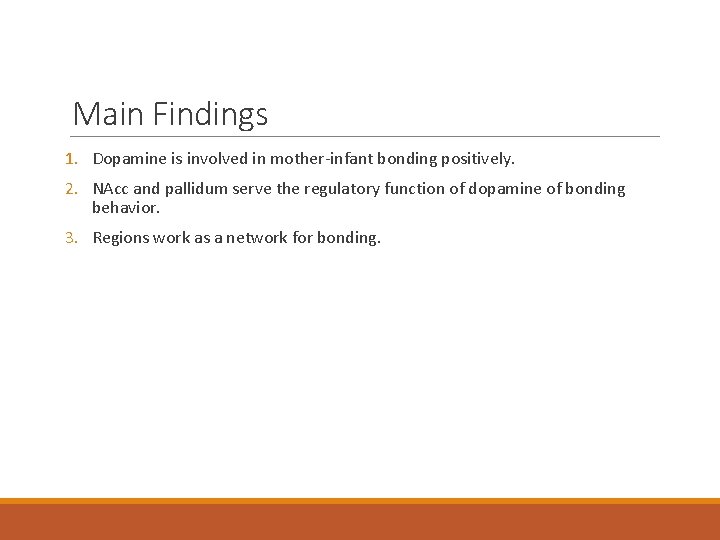
Main Findings 1. Dopamine is involved in mother-infant bonding positively. 2. NAcc and pallidum serve the regulatory function of dopamine of bonding behavior. 3. Regions work as a network for bonding.
Discussion 1. The association between dopamine level and synchrony is not about general social bonding, but an own-infant specificity. Do you think culture will play a role in this finding, for example, in cultures where infants are taken care by others? 2. Do you think environment plays a role in the formation of this mother-infant bonding network? What environmental factors will you expect to have an effect?
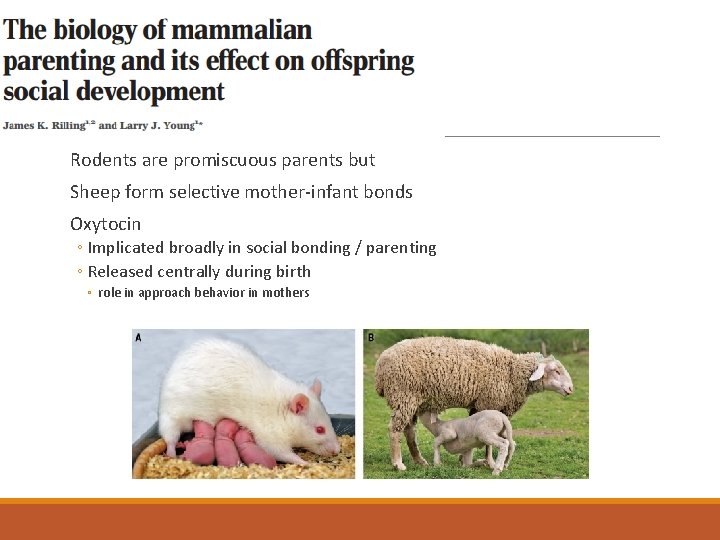
Rodents are promiscuous parents but Sheep form selective mother-infant bonds Oxytocin ◦ Implicated broadly in social bonding / parenting ◦ Released centrally during birth ◦ role in approach behavior in mothers
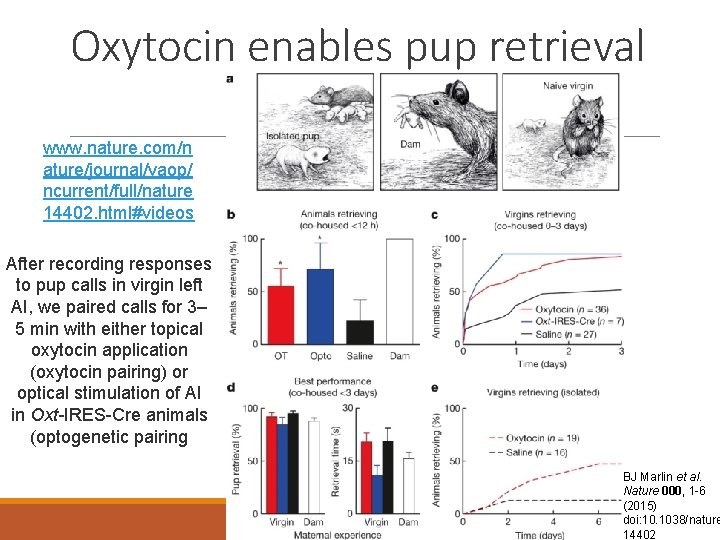
Oxytocin enables pup retrieval www. nature. com/n ature/journal/vaop/ ncurrent/full/nature 14402. html#videos After recording responses to pup calls in virgin left AI, we paired calls for 3– 5 min with either topical oxytocin application (oxytocin pairing) or optical stimulation of AI in Oxt-IRES-Cre animals (optogenetic pairing BJ Marlin et al. Nature 000, 1 -6 (2015) doi: 10. 1038/nature 14402
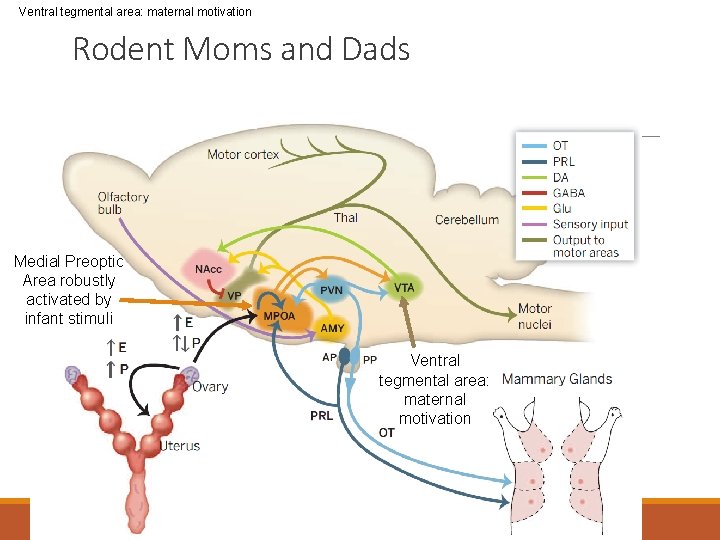
Ventral tegmental area: maternal motivation Rodent Moms and Dads Ventral tegmental area: maternal motivation Medial Preoptic Area robustly activated by infant stimuli Ventral tegmental area: maternal motivation
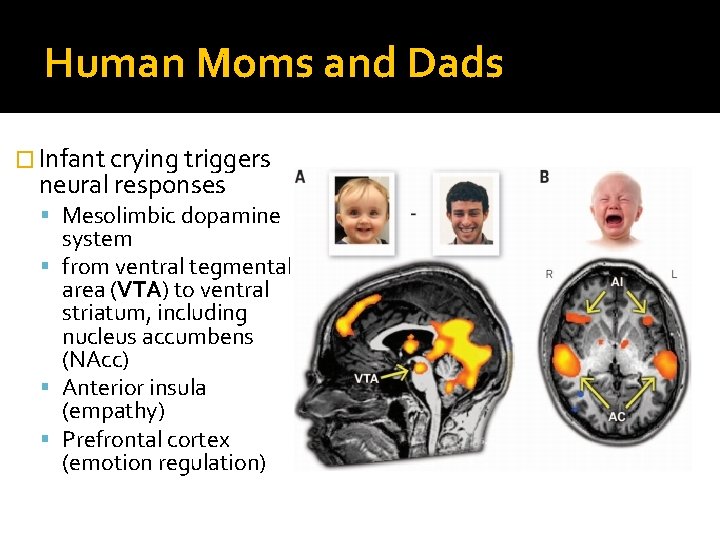
Human Moms and Dads � Infant crying triggers neural responses Mesolimbic dopamine system from ventral tegmental area (VTA) to ventral striatum, including nucleus accumbens (NAcc) Anterior insula (empathy) Prefrontal cortex (emotion regulation)
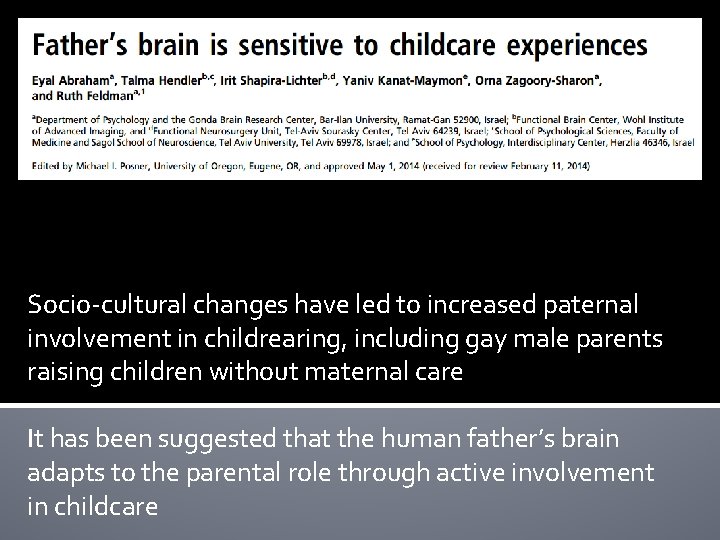
Socio-cultural changes have led to increased paternal involvement in childrearing, including gay male parents raising children without maternal care It has been suggested that the human father’s brain adapts to the parental role through active involvement in childcare
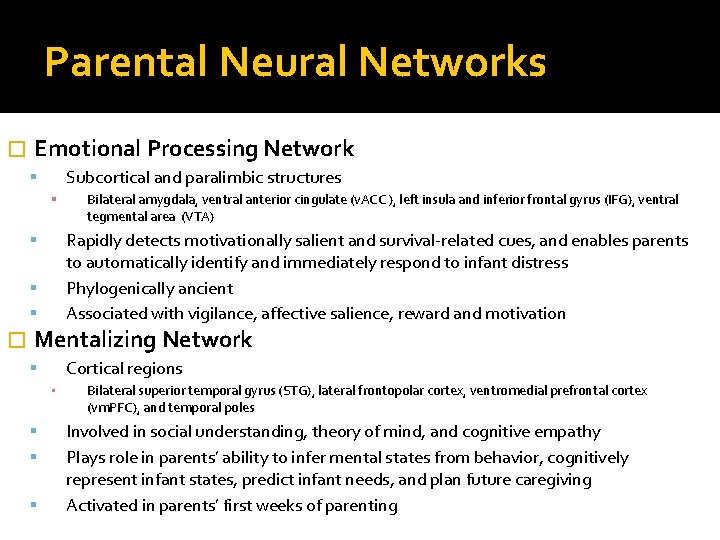
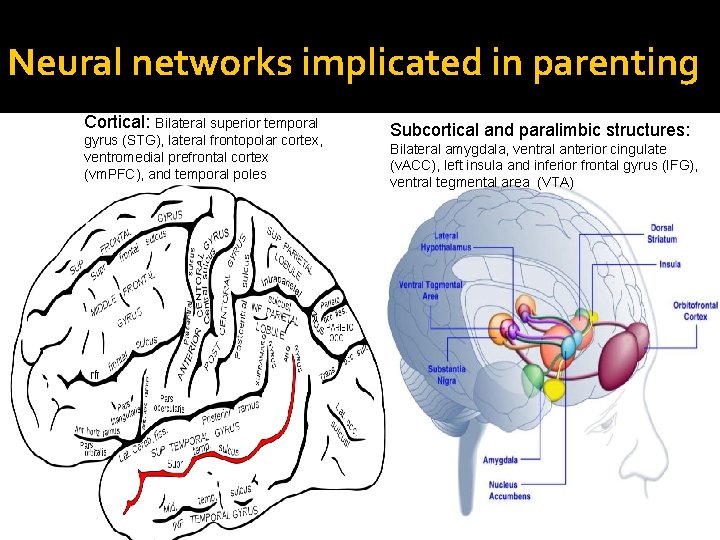
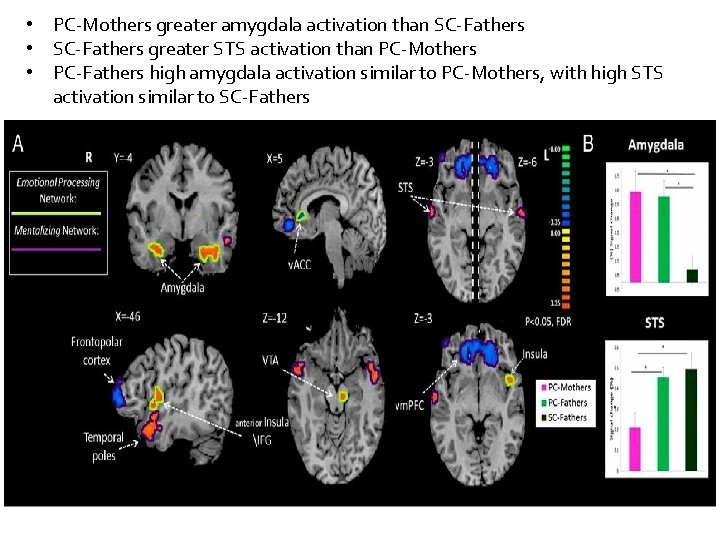
Parental Neural Networks � Emotional Processing Network Subcortical and paralimbic structures Rapidly detects motivationally salient and survival-related cues, and enables parents to automatically identify and immediately respond to infant distress Phylogenically ancient Associated with vigilance, affective salience, reward and motivation � Bilateral amygdala, ventral anterior cingulate (v. ACC ), left insula and inferior frontal gyrus (IFG), ventral tegmental area (VTA) Mentalizing Network Cortical regions ▪ Bilateral superior temporal gyrus (STG), lateral frontopolar cortex, ventromedial prefrontal cortex (vm. PFC), and temporal poles Involved in social understanding, theory of mind, and cognitive empathy Plays role in parents’ ability to infer mental states from behavior, cognitively represent infant states, predict infant needs, and plan future caregiving Activated in parents’ first weeks of parenting
Neural networks implicated in parenting Cortical: Bilateral superior temporal gyrus (STG), lateral frontopolar cortex, ventromedial prefrontal cortex (vm. PFC), and temporal poles Subcortical and paralimbic structures: Bilateral amygdala, ventral anterior cingulate (v. ACC), left insula and inferior frontal gyrus (IFG), ventral tegmental area (VTA)
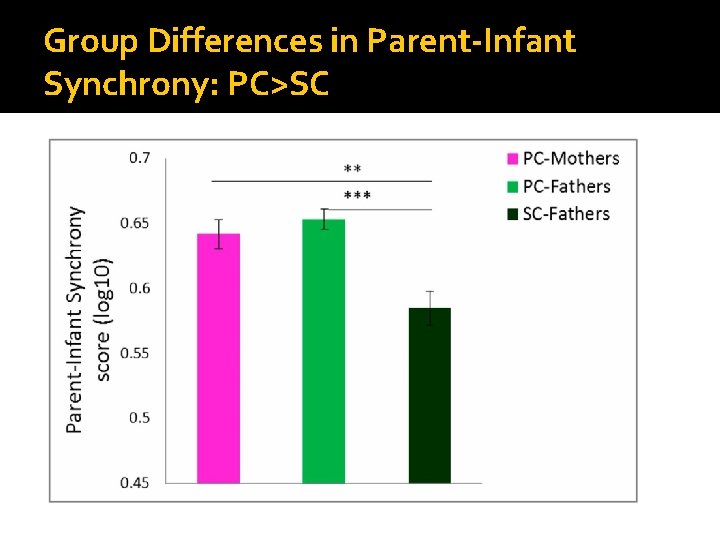
Experimentin nature � Participants: 89 first-time parents 41 heterosexual biological parents ▪ 20 Primary Care (PC) Mothers ▪ 21 Secondary Care (SC) Fathers ▪ 48 Primary Care (PC) homosexual fathers ▪ Child through surrogacy � Researchers visited families at home between 4 -8 pm Videotaped each parent interacting with infant Coded for parent-infant synchrony ▪ Parent’s careful adaptation of caregiving behavior to infants’ social signals ▪ Coding Interactive Behavior (CIB) manual Salivary samples collected for oxytocin measurement � Within a week, parents went in for f. MRI scanning in response to watching video of themselves interacting with their infant
Group Differences in Parent-Infant Synchrony: PC>SC
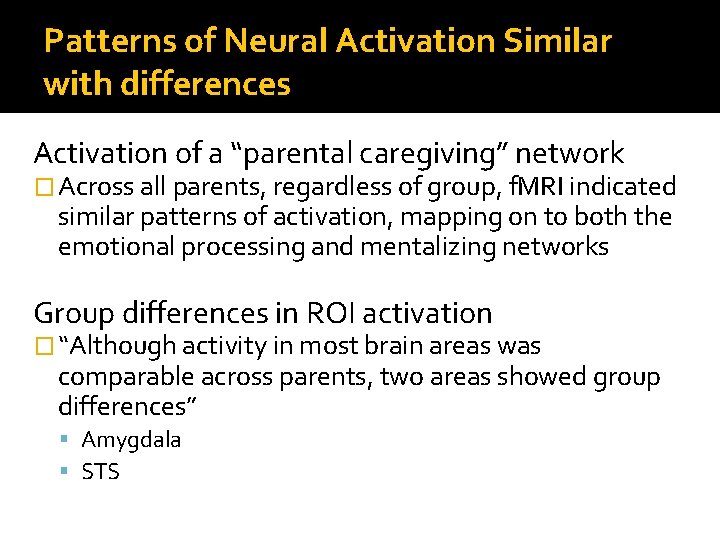
Patterns of Neural Activation Similar with differences Activation of a “parental caregiving” network � Across all parents, regardless of group, f. MRI indicated similar patterns of activation, mapping on to both the emotional processing and mentalizing networks Group differences in ROI activation � “Although activity in most brain areas was comparable across parents, two areas showed group differences” Amygdala STS
• PC-Mothers greater amygdala activation than SC-Fathers • SC-Fathers greater STS activation than PC-Mothers • PC-Fathers high amygdala activation similar to PC-Mothers, with high STS activation similar to SC-Fathers
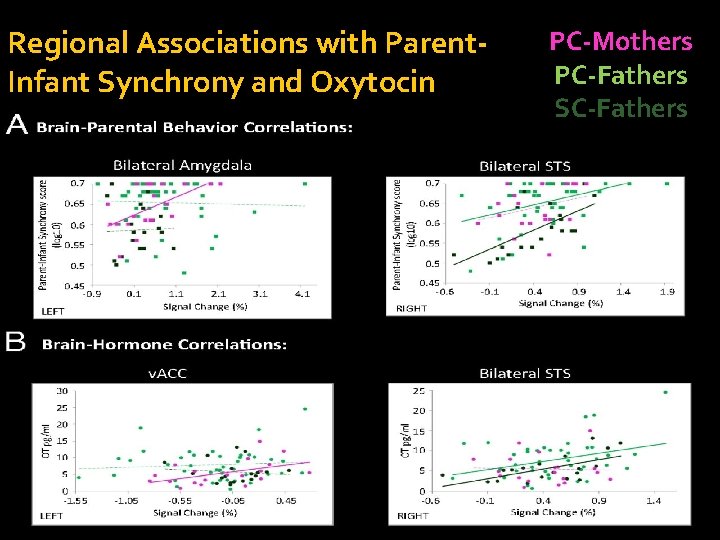
Regional Associations with Parent. Infant Synchrony and Oxytocin PC-Mothers PC-Fathers SC-Fathers
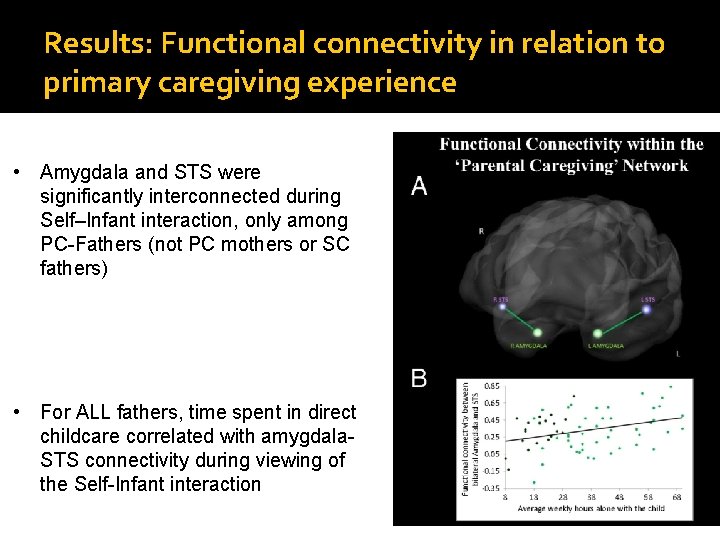
Results: Functional connectivity in relation to primary caregiving experience • Amygdala and STS were significantly interconnected during Self–Infant interaction, only among PC-Fathers (not PC mothers or SC fathers) • For ALL fathers, time spent in direct childcare correlated with amygdala. STS connectivity during viewing of the Self-Infant interaction
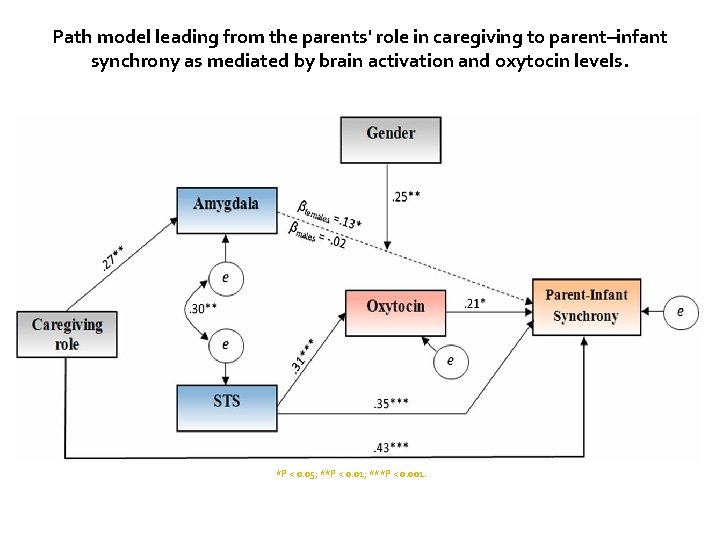
Path model leading from the parents' role in caregiving to parent–infant synchrony as mediated by brain activation and oxytocin levels. *P < 0. 05; **P < 0. 01; ***P < 0. 001.
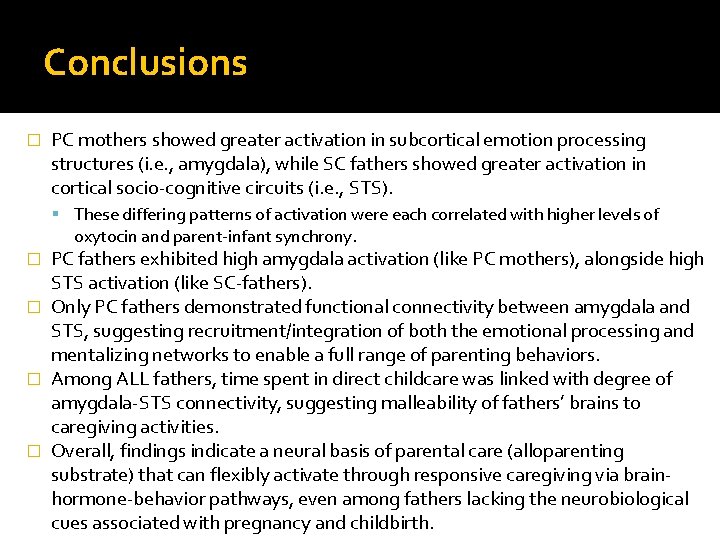
Conclusions � PC mothers showed greater activation in subcortical emotion processing structures (i. e. , amygdala), while SC fathers showed greater activation in cortical socio-cognitive circuits (i. e. , STS). These differing patterns of activation were each correlated with higher levels of oxytocin and parent-infant synchrony. PC fathers exhibited high amygdala activation (like PC mothers), alongside high STS activation (like SC-fathers). � Only PC fathers demonstrated functional connectivity between amygdala and STS, suggesting recruitment/integration of both the emotional processing and mentalizing networks to enable a full range of parenting behaviors. � Among ALL fathers, time spent in direct childcare was linked with degree of amygdala-STS connectivity, suggesting malleability of fathers’ brains to caregiving activities. � Overall, findings indicate a neural basis of parental care (alloparenting substrate) that can flexibly activate through responsive caregiving via brainhormone-behavior pathways, even among fathers lacking the neurobiological cues associated with pregnancy and childbirth. �
PRIORITY COMMUNICATION: Oxytocin administration to parent enhances infant physiological and behavioral readiness for social engagement 2016 O. Weisman, O. Zagoory-Sharon, & R. Feldman From the Department of Psychology & the Gonda Brain Sciences Center, Bar-Ilan University, Ramat-Gan, Israel
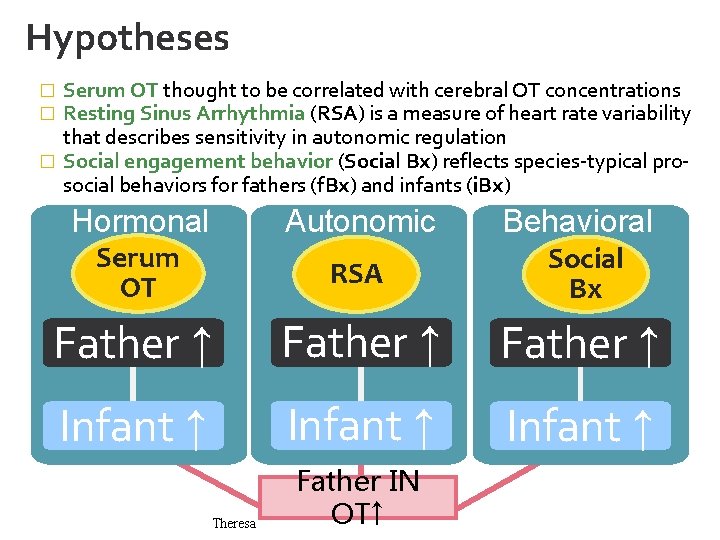
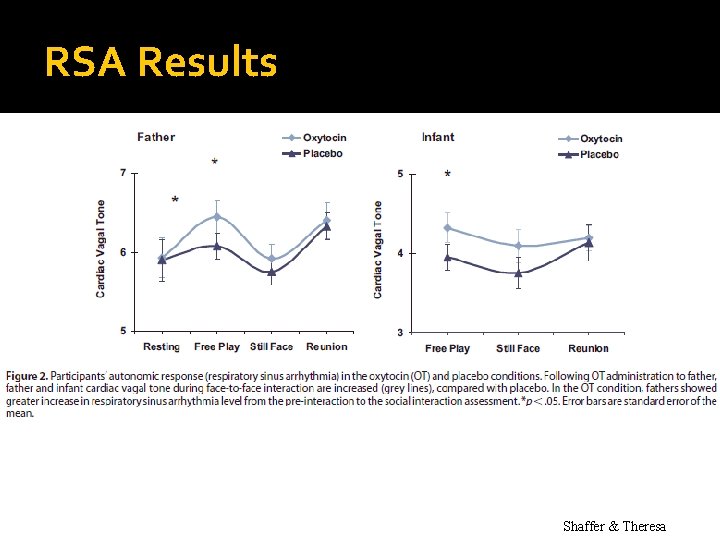
Hypotheses Father IN OT ↑ Serum OT thought to be correlated with cerebral OT concentrations Resting Sinus Arrhythmia (RSA) is a measure of heart rate variability that describes sensitivity in autonomic regulation � Social engagement behavior (Social Bx) reflects species-typical prosocial behaviors for fathers (f. Bx) and infants (i. Bx) � � Hormonal Autonomic Serum OT Behavioral RSA Social Bx Father ↑ Infant ↑ Theresa Father IN OT↑
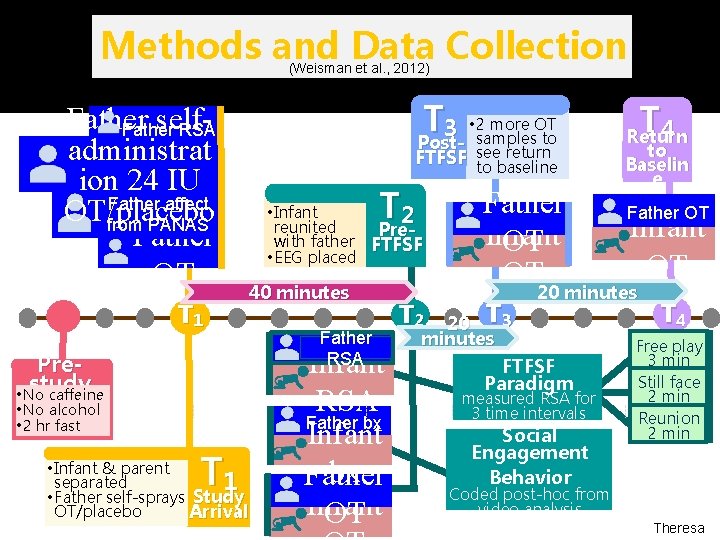
Methods and Data Collection (Weisman et al. , 2012) Father self. Father RSA administrat ion 24 IU Father affect OT/placebo from PANAS Father OT T 1 more OT T 3 • 2 samples to Post- see return FTFSF to baseline T • Infant 2 reunited Prewith father FTFSF • EEG placed 40 minutes Prestudy • No caffeine • No alcohol • 2 hr fast T • Infant & parent separated 1 • Father self-sprays Study OT/placebo Arrival Father RSA Infant RSA Father bx Infant bx Father Infant OT Father OT Infant OT OT 20 minutes OT 20 T 3 minutes T 2 T 4 Return to Baselin e 20 minutes FTFSF Paradigm measured RSA for 3 time intervals Social Engagement Behavior T 4 Free play 3 min Still face 2 min Reunion 2 min Coded post-hoc from video analysis Theresa
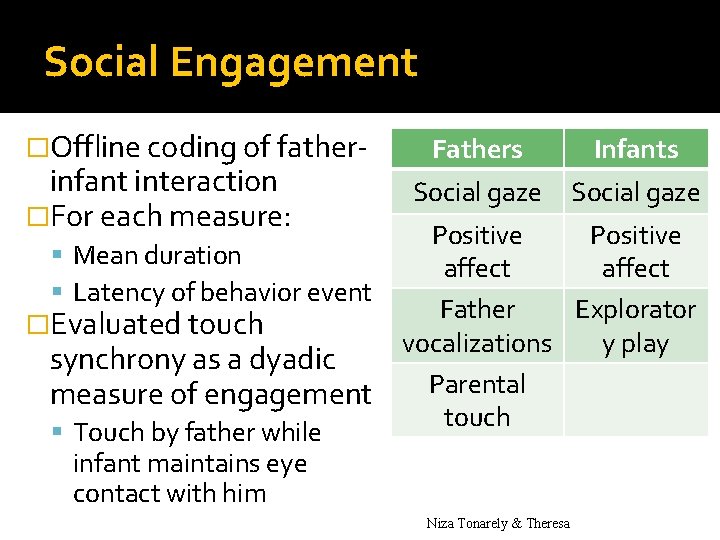
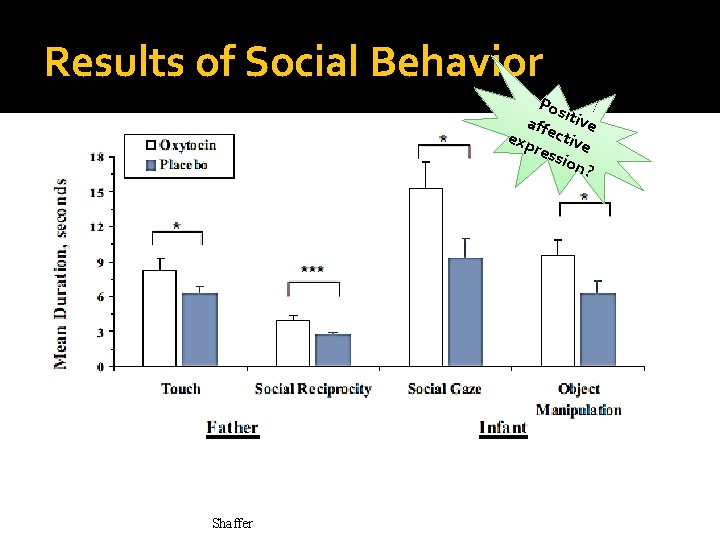
Social Engagement �Offline coding of father- infant interaction �For each measure: Mean duration Latency of behavior event �Evaluated touch synchrony as a dyadic measure of engagement Touch by father while Fathers Infants Social gaze Positive affect Father Explorator vocalizations y play Parental touch infant maintains eye contact with him Niza Tonarely & Theresa
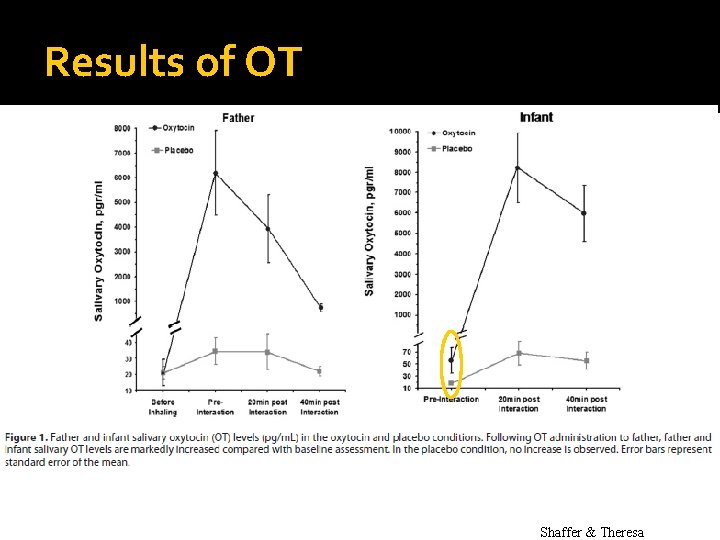
Results of OT Shaffer & Theresa
RSA Results Shaffer & Theresa
Results of Social Behavior Pos affe itive exp ctive res sion ? Shaffer
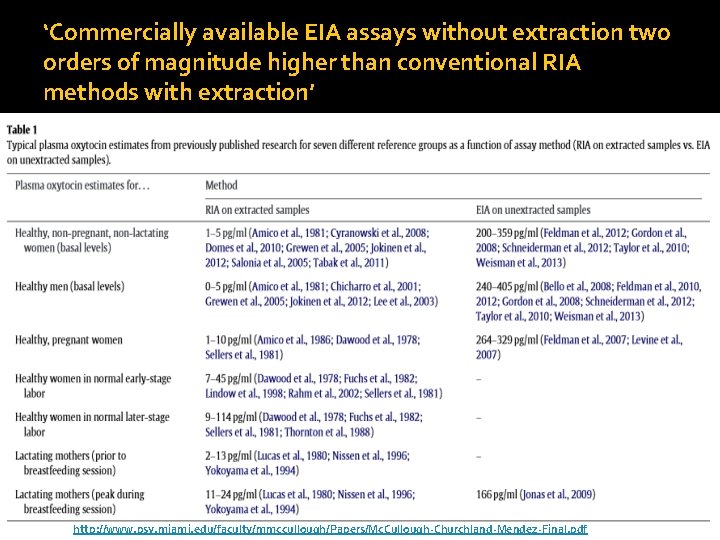
‘Commercially available EIA assays without extraction two orders of magnitude higher than conventional RIA methods with extraction’ http: //www. psy. miami. edu/faculty/mmccullough/Papers/Mc. Cullough-Churchland-Mendez-Final. pdf