Mass Incarceration Ecosystem Mapping Nathan Emmons ClarkFox Family

- Slides: 27
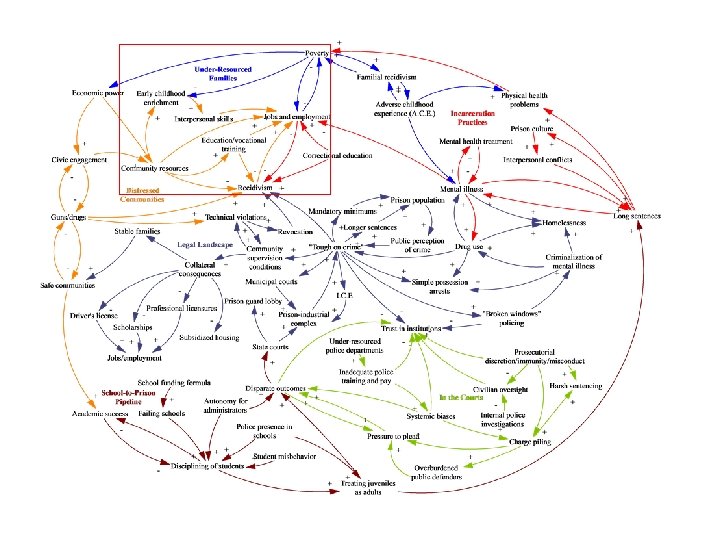
Mass Incarceration Ecosystem Mapping Nathan Emmons Clark-Fox Family Foundation
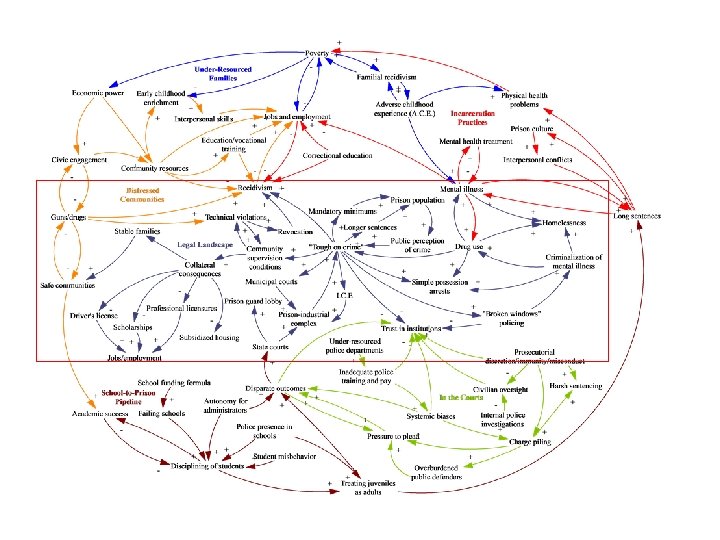
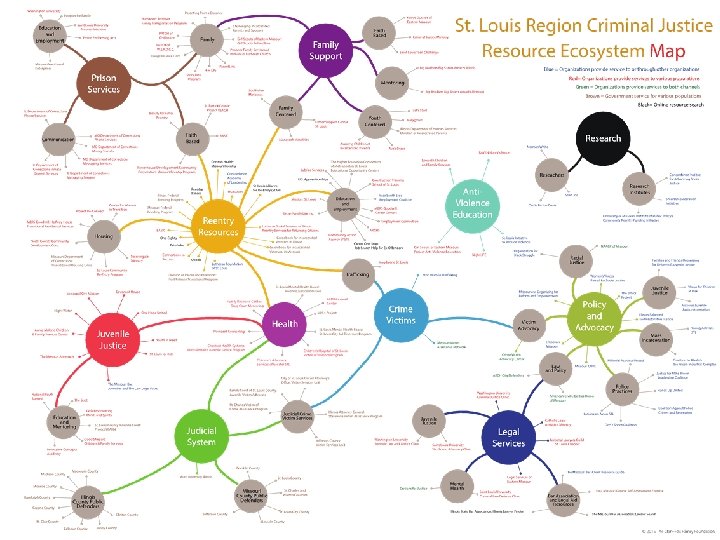
Project Aims • Map the mass incarceration ecosystem. • Reduce the War on Crime’s negative impacts on our country’s future. • Inform community leadership to enable them to advance an effective and humane criminal justice agenda.
Research Methods • Newspapers/journalism – The Marshall Project – Current events as data points • • Academic literature Research reports (Economic Policy Institute) Primary source documents Conversations with experts – Professors, non-profits, justice system employees • Books (The New Jim Crow, Just Mercy, etc. )
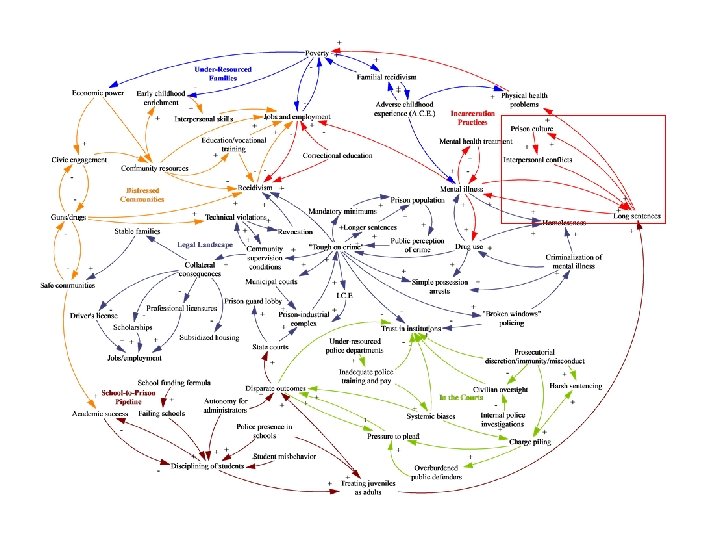
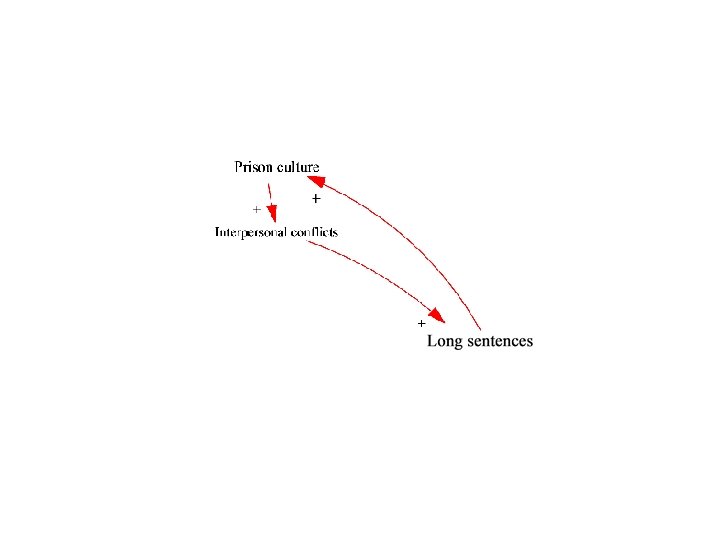
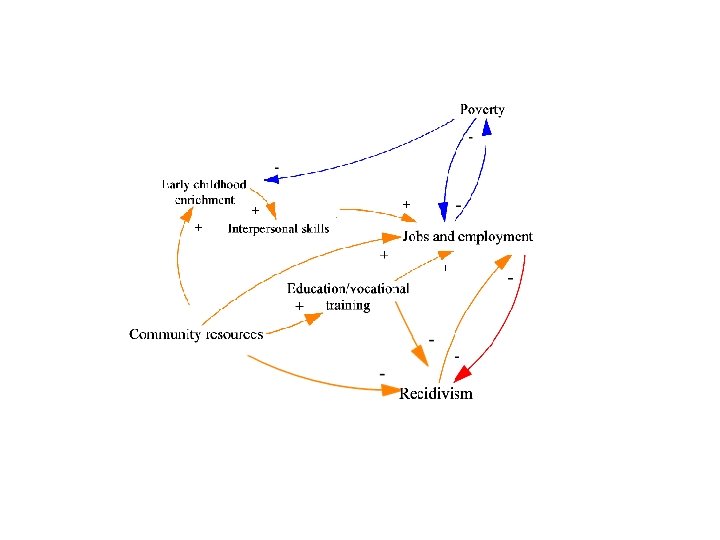
Thoughts • Mass incarceration is a self-perpetuating ecosystem. • It achieves its purposes of retribution and incapacitation, but it does not achieve deterrence and rehabilitation.
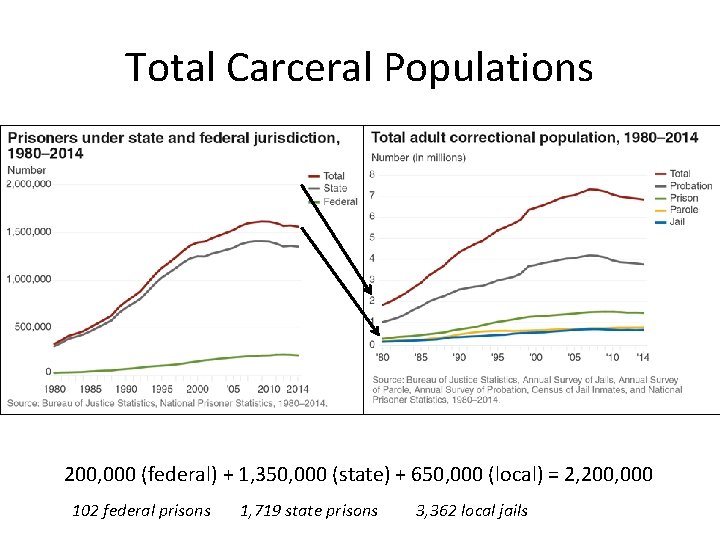
Total Carceral Populations 200, 000 (federal) + 1, 350, 000 (state) + 650, 000 (local) = 2, 200, 000 102 federal prisons 1, 719 state prisons 3, 362 local jails
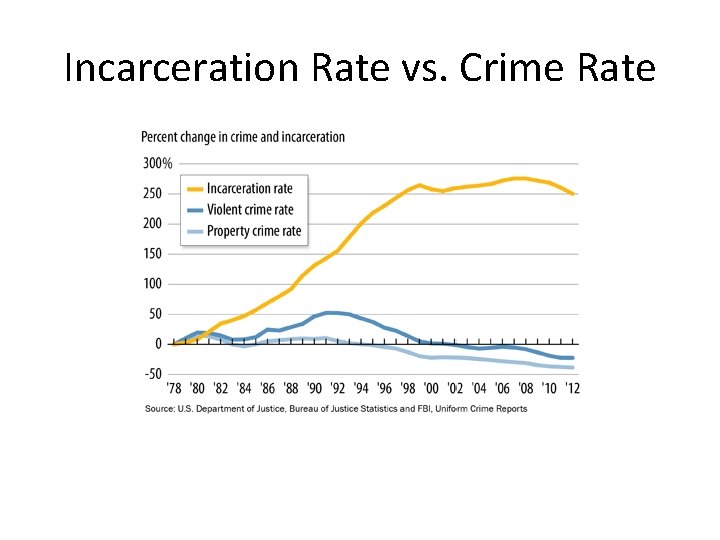
Incarceration Rate vs. Crime Rate
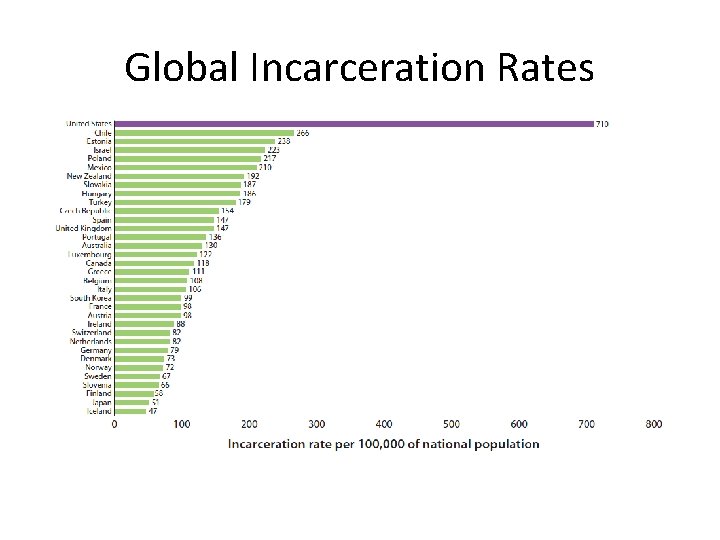
Global Incarceration Rates
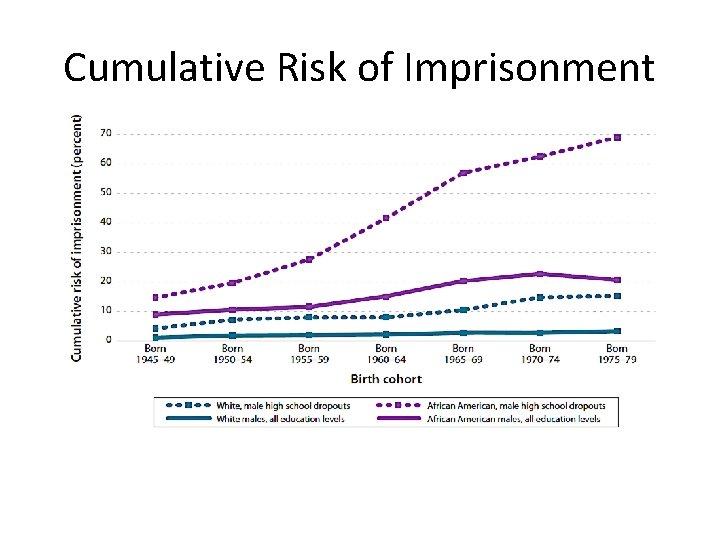
Cumulative Risk of Imprisonment
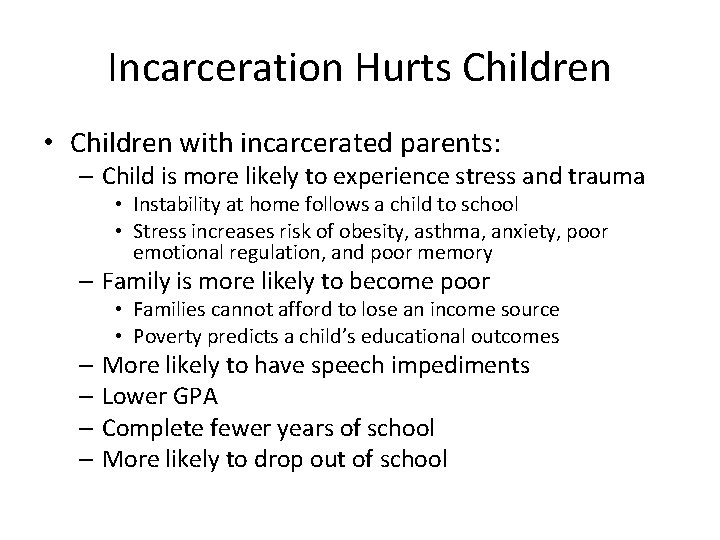
Incarceration Hurts Children • Children with incarcerated parents: – Child is more likely to experience stress and trauma • Instability at home follows a child to school • Stress increases risk of obesity, asthma, anxiety, poor emotional regulation, and poor memory – Family is more likely to become poor • Families cannot afford to lose an income source • Poverty predicts a child’s educational outcomes – More likely to have speech impediments – Lower GPA – Complete fewer years of school – More likely to drop out of school
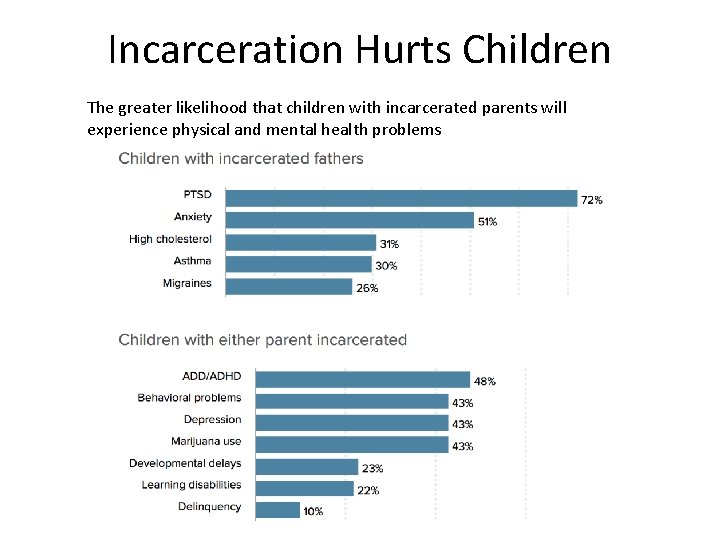
Incarceration Hurts Children The greater likelihood that children with incarcerated parents will experience physical and mental health problems
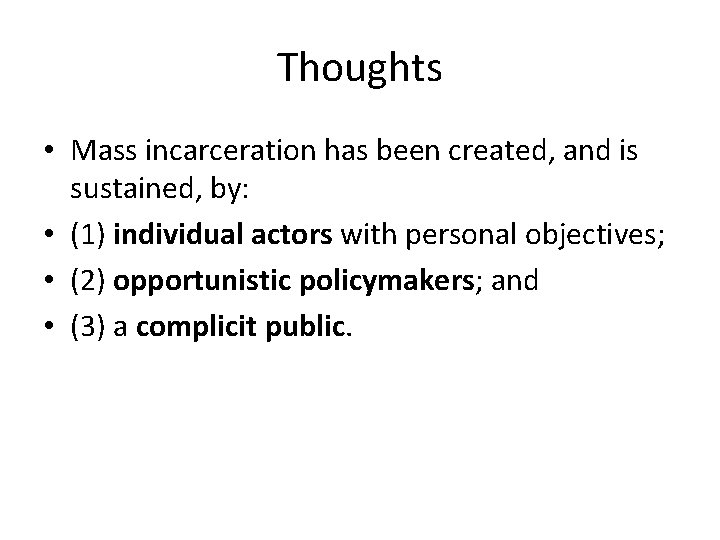
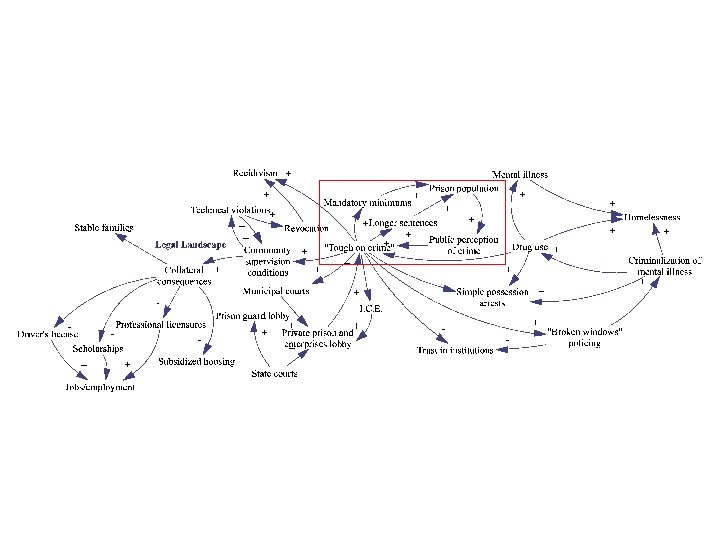
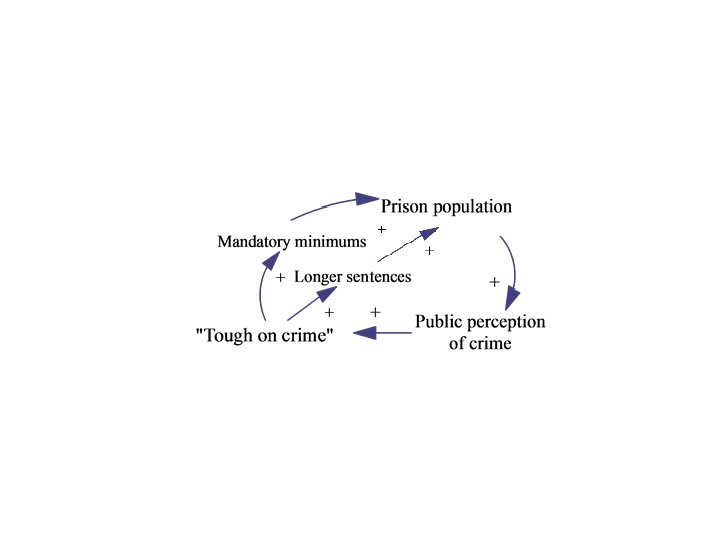
Thoughts • Mass incarceration has been created, and is sustained, by: • (1) individual actors with personal objectives; • (2) opportunistic policymakers; and • (3) a complicit public.
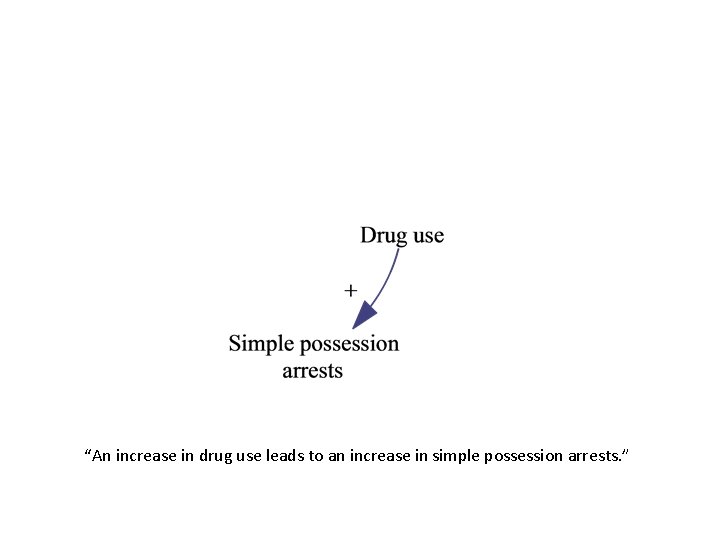
“An increase in drug use leads to an increase in simple possession arrests. ”
Conclusion • • (1) Individual actors with personal objectives; (2) opportunistic policymakers; and (3) a complicit public. Study mass incarceration as an ecosystem.
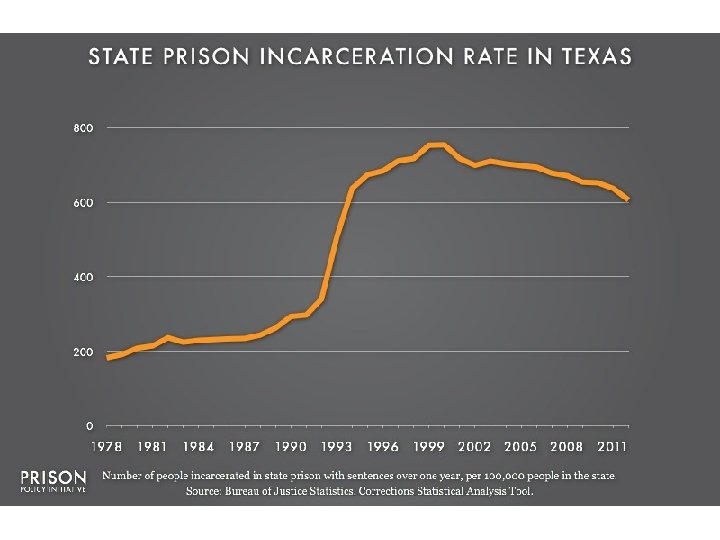
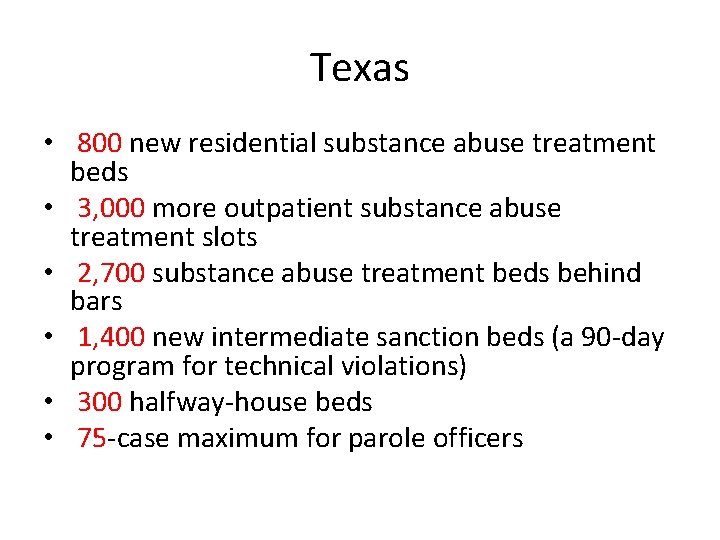
Texas • 800 new residential substance abuse treatment beds • 3, 000 more outpatient substance abuse treatment slots • 2, 700 substance abuse treatment beds behind bars • 1, 400 new intermediate sanction beds (a 90 -day program for technical violations) • 300 halfway-house beds • 75 -case maximum for parole officers
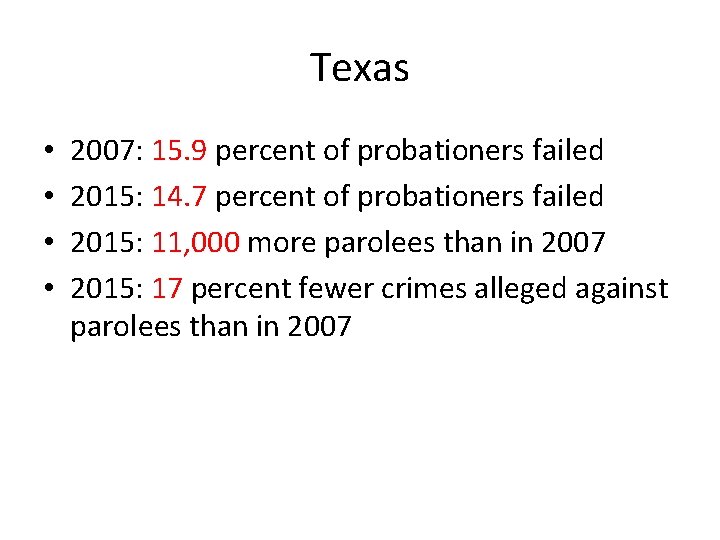
Texas • • 2007: 15. 9 percent of probationers failed 2015: 14. 7 percent of probationers failed 2015: 11, 000 more parolees than in 2007 2015: 17 percent fewer crimes alleged against parolees than in 2007
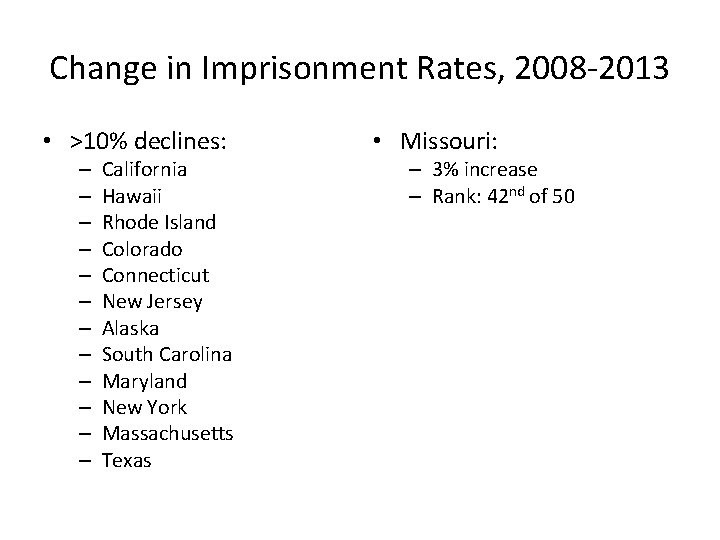
Change in Imprisonment Rates, 2008 -2013 • >10% declines: – – – California Hawaii Rhode Island Colorado Connecticut New Jersey Alaska South Carolina Maryland New York Massachusetts Texas • Missouri: – 3% increase – Rank: 42 nd of 50
Closing Thoughts • The ecosystem will not get better on its own. • We, as the public, are a critical part of the ecosystem. • We can demand a different system.