JUVENILE HALLUX VALGUS Prasad Gourineni MD Head of




- Slides: 45
JUVENILE HALLUX VALGUS Prasad Gourineni, MD Head of Pediatric Orthopaedics, Advocate Christ Hospital, Oak Lawn.
DISCLOSURE • Own G 2 Healthcare that sells calf stretching wedges.
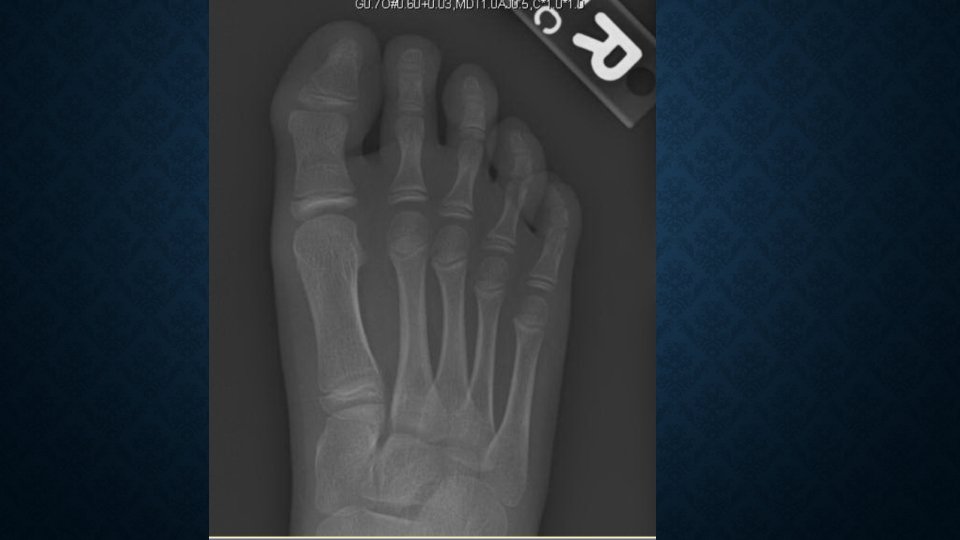
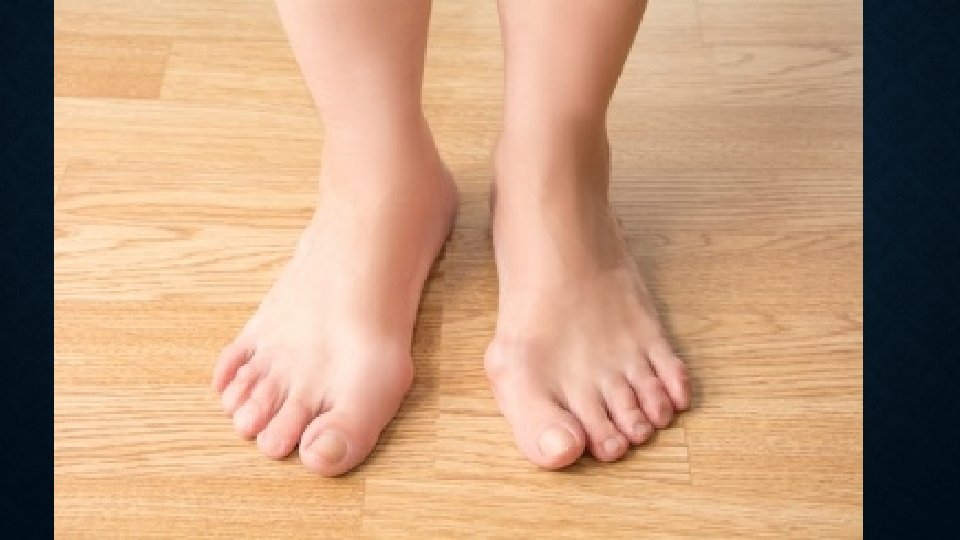
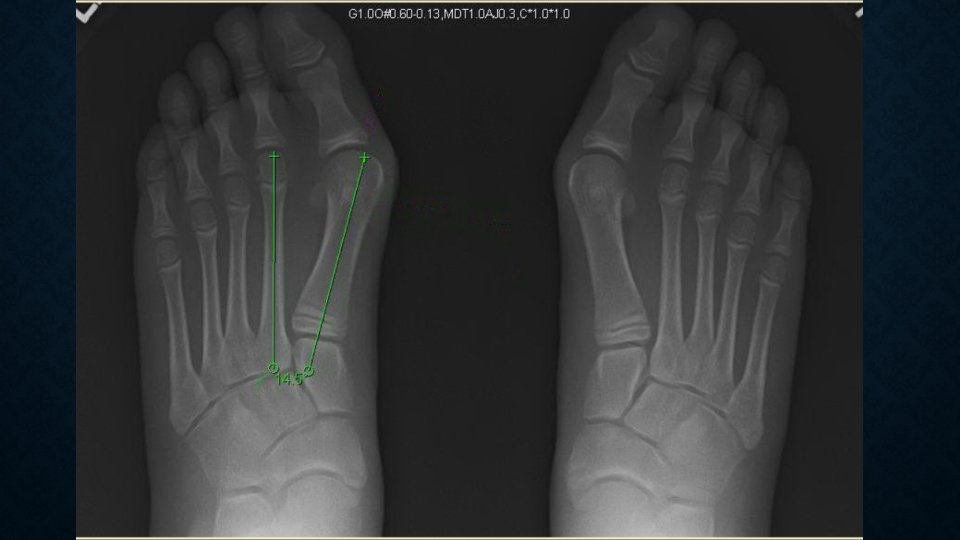
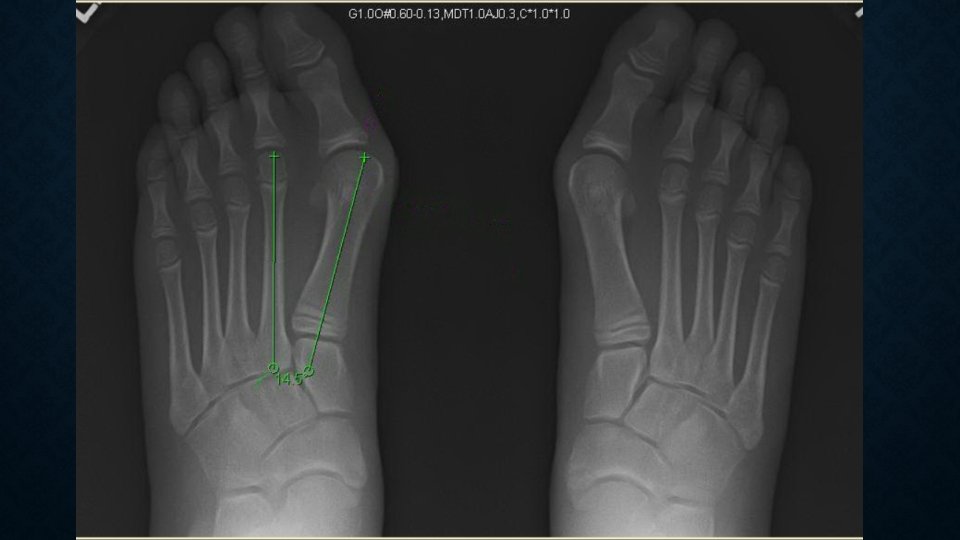
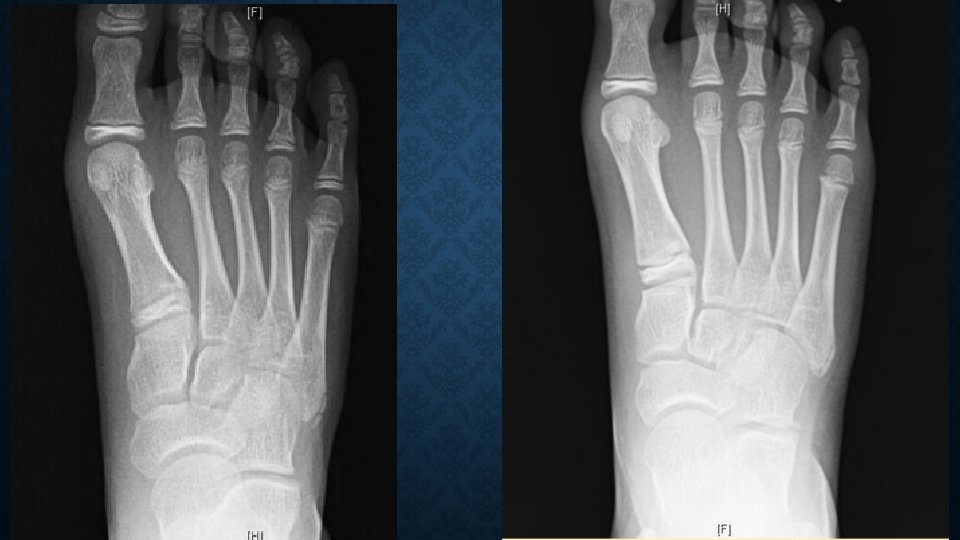
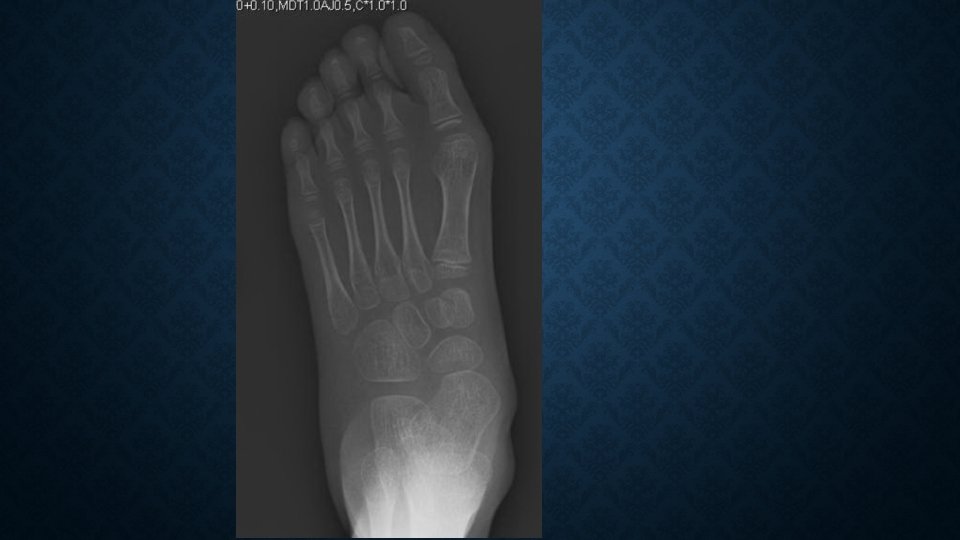
HALLUX VALGUS • Valgus of big toe by more than 15 degrees. • Pediatric Hallux valgus is often bilateral • Infantile – Younger than 2. • Juvenile – 2 -10 years. • Adolescent – More than 10 years
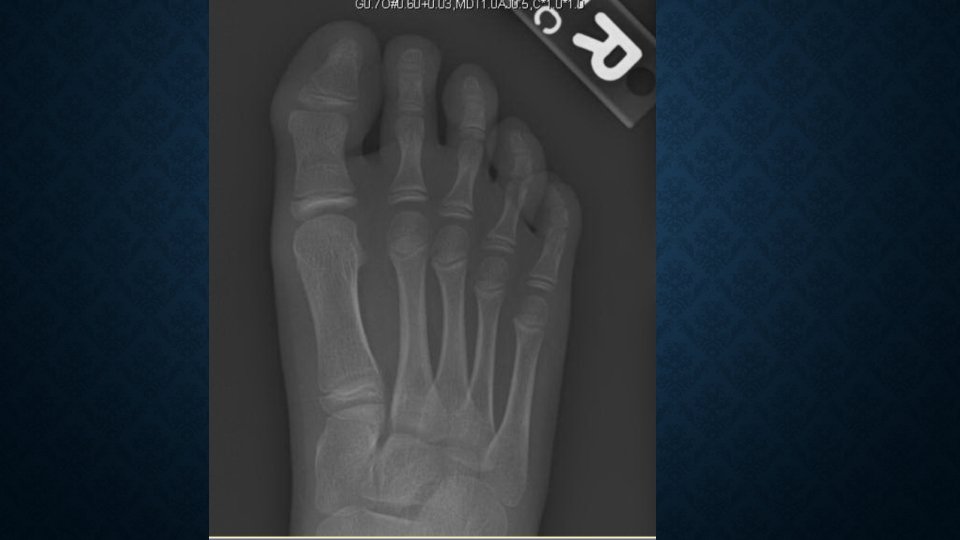
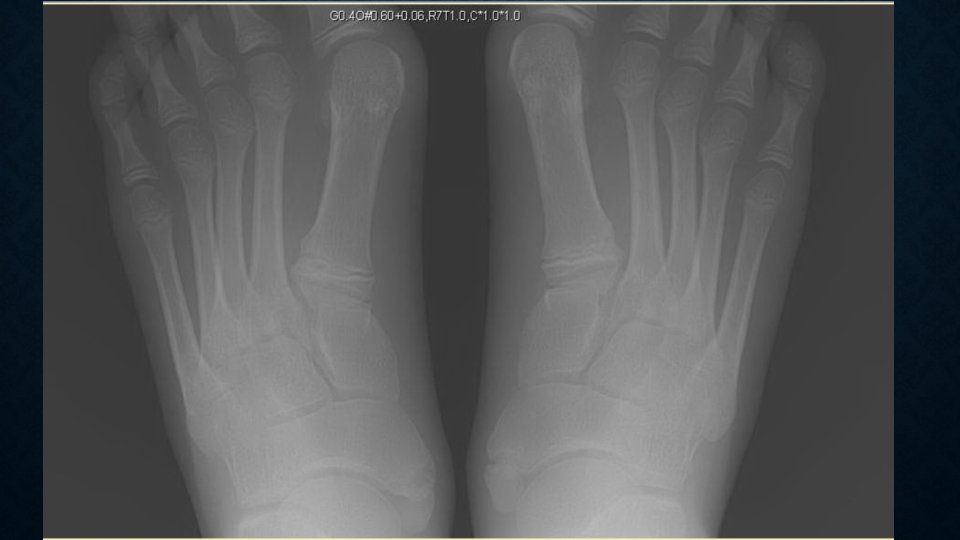
PEDIATRIC ANATOMY • Physis at the proximal end of the first metatarsal and phalanges. • Growth can worsen deformity.
INFANTILE HALLUX VALGUS • Rare. • May be congenital, hereditary, syndromic. • Usually asymptomatic. • Splinting may prevent worsening. • Surgery is almost never indicated. High risk of recurrence.
JUVENILE HALLUX VALGUS • Hereditary – Autosomal dominant. • Syndromic – Down’s, Marfan’s. • Neurological – CP, CMT. • Associated with Flat feet, Calf tightness, Metatarsus adductus, Splayfoot, Skewfoot, Generalized laxity. JRA. • Progresses to adolescent and adult deformity.
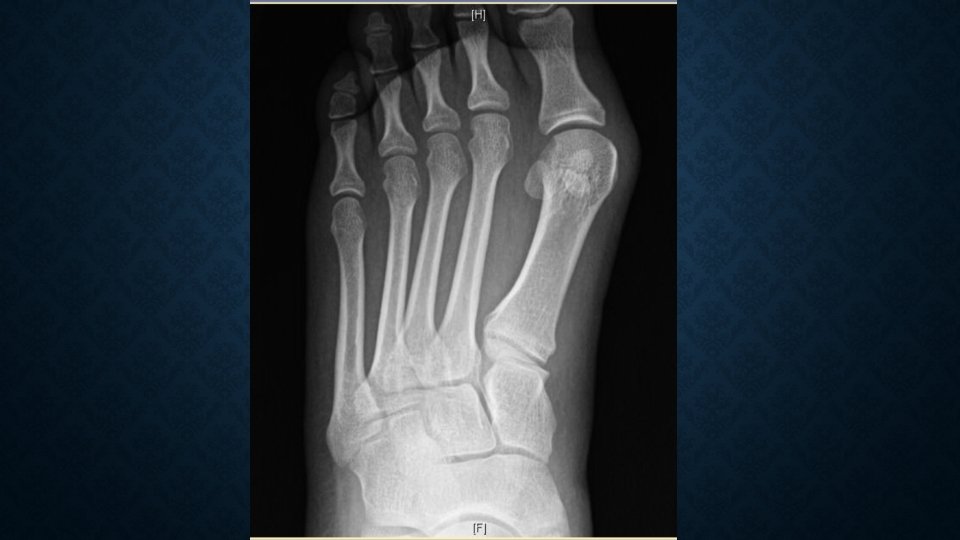
PATHOANATOMY • Medial prominence of the first metatarsal head – bunion. Redness, shoe fit issues. • Flat foot, pronation of first ray, Lateral subluxation of the sesamoids. • Plantarly displaced abductor erodes the cartilage.
SOFT TISSUE DEFORMITY • Abductor hallucis, FHL, EHL can subluxate and further deform the bunion. • Medial laxity, Lateral tightness – incongruity. • Achilles contracture.
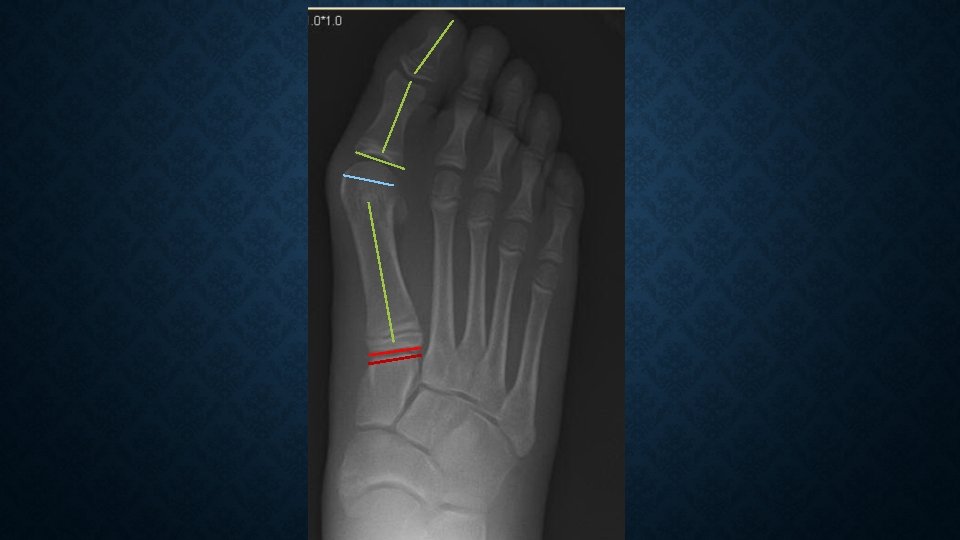
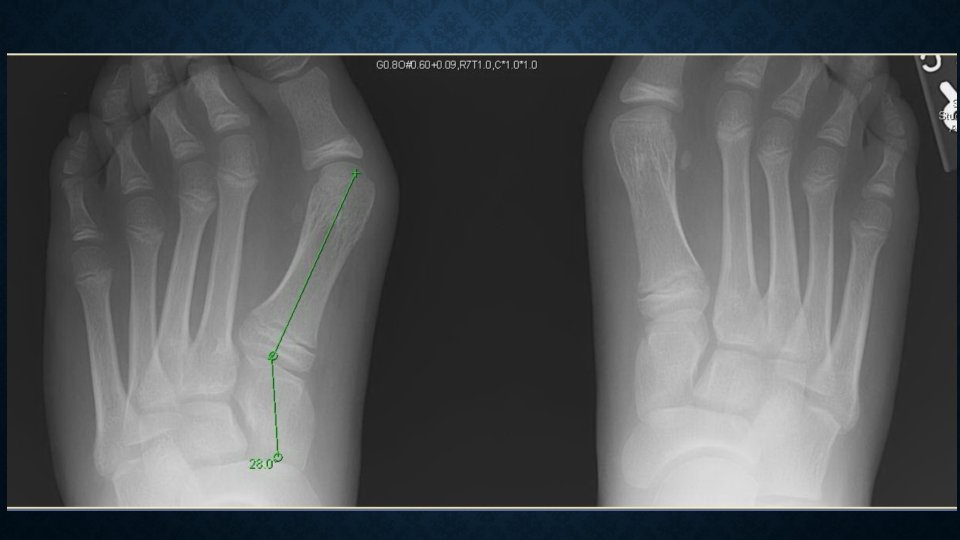
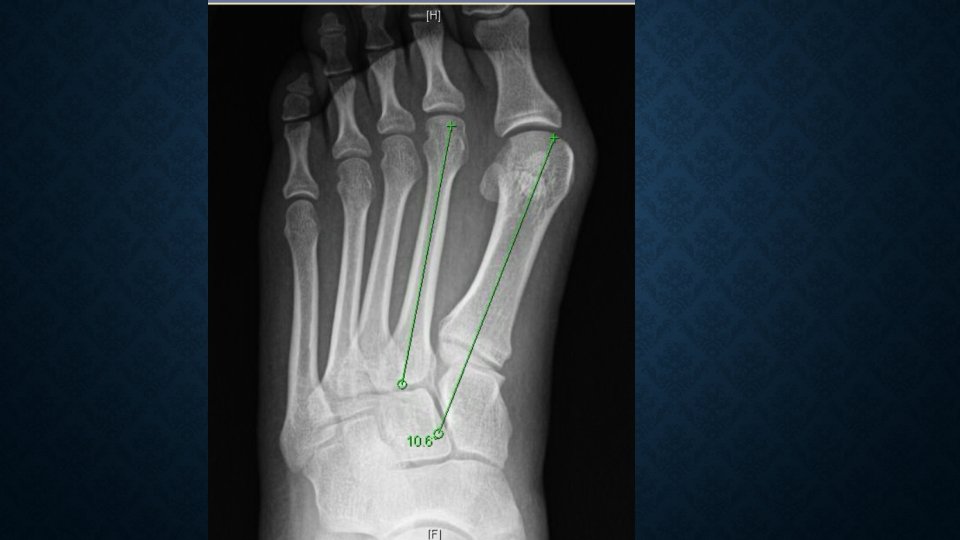
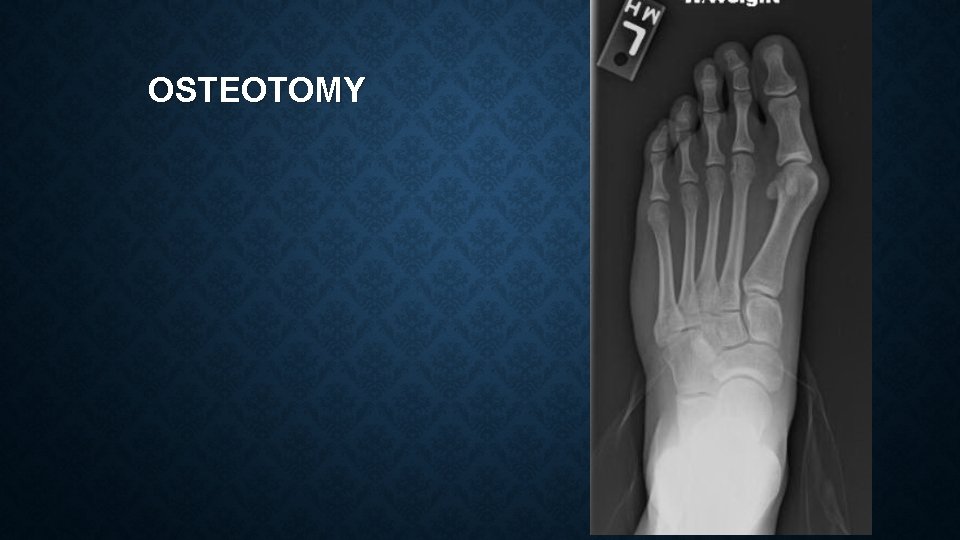
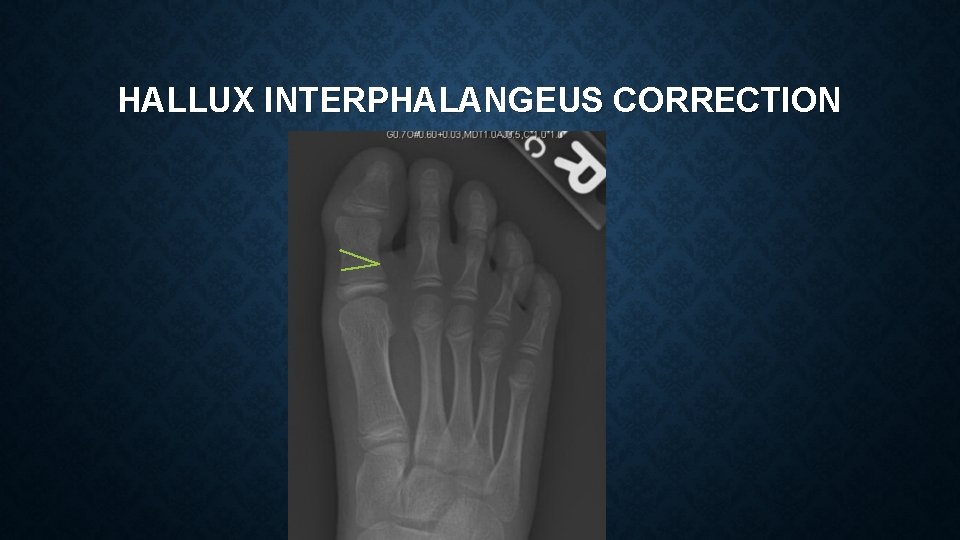
BONY DEFORMITY • First TMT deformity & Laxity. • Metatarsus primus varus. IMA < 9 degrees. • Distal Metatarsal articular angle. < 10 degrees. • Hallux valgus interphalangeus. > 10 degrees. • Long/short first metatarsal.
CLINICAL EVALUATION • Foot, ankle, and leg mechanics • Laxity of TMT and MTP • Beighton score • Shoe wear pattern
DEFORMITY LOCALIZATION • Almost all primus varus seems to occur in the medial cuneiform.
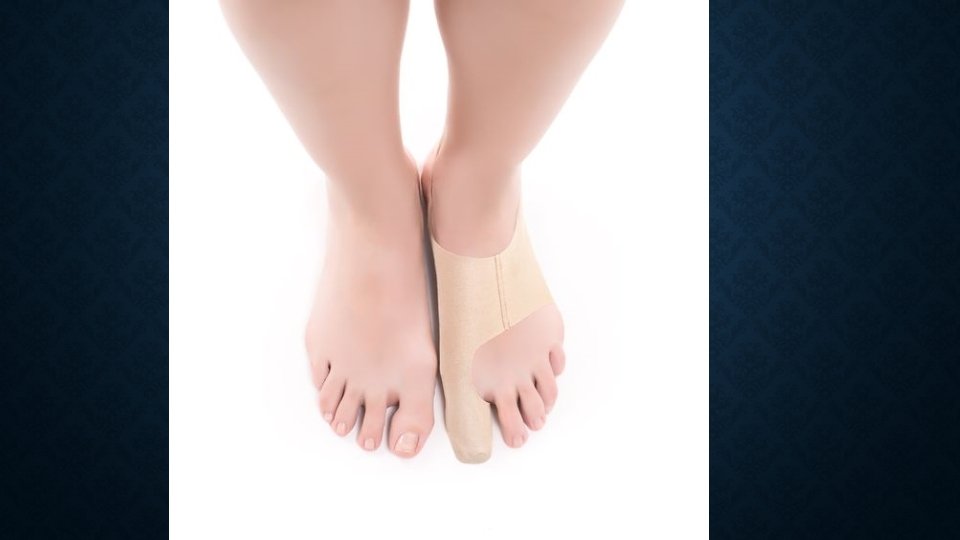
NONOP TREATMENT • Orthotics to decrease heel valgus and support arch height. • Wide, flat shoes. Avoid high heels and tight toe box. • Night splints to stretch the bunion. • Stretching of Achilles, lateral heel, and big toe deformity.
SURGERY • Delay surgery as much as possible. • Simple bunionectomy, and medial capsulorraphy cause high recurrence. • Correct bony deformity and realign soft tissues.
COMPLICATIONS • Growth plate injury from proximal osteotomy. • Recurrence & Over Correction / Hallux Varus. • Other complications are less likely than in adults.
METATARSUS PRIMUS VARUS • Deformity is usually from medial tilt of first TMT joint. • Lateral laxity of TMT joint • Medially tilted first metatarsal physis.
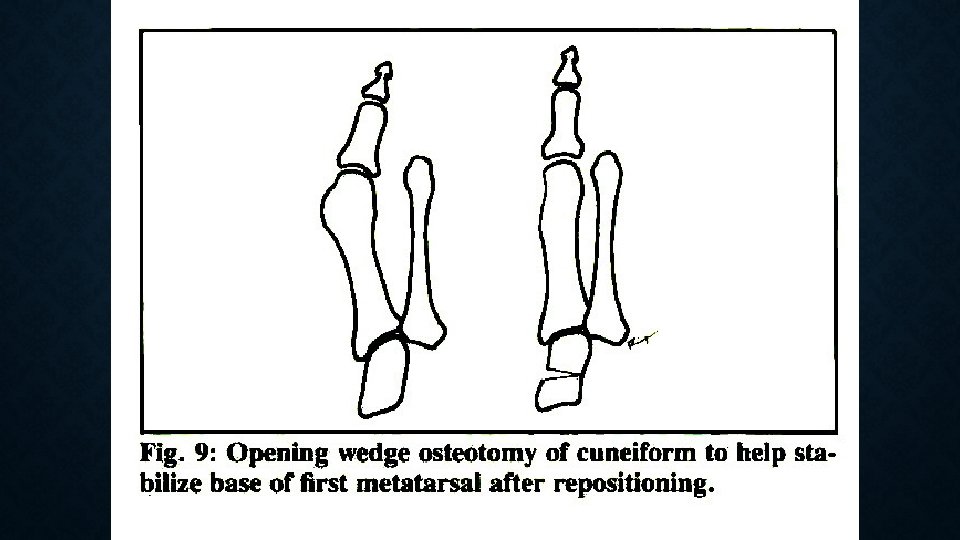
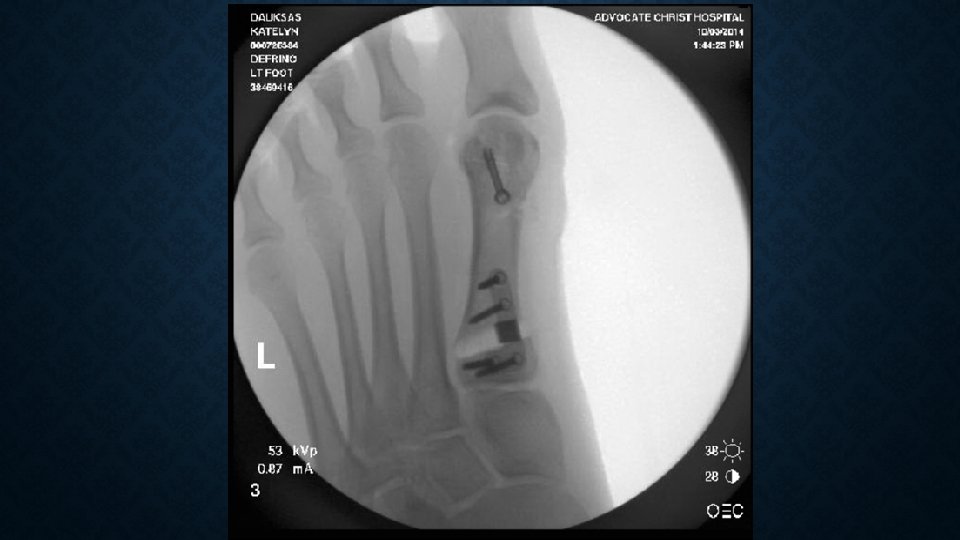
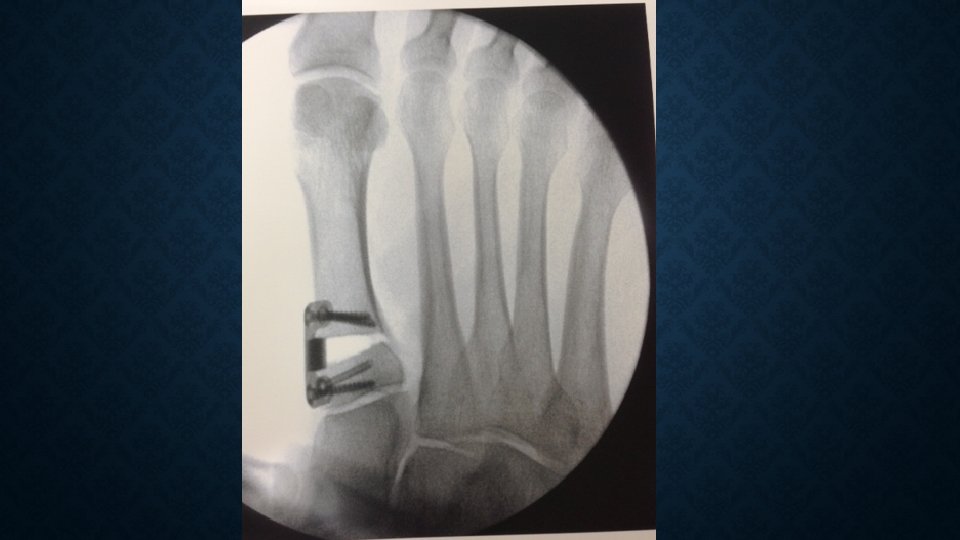
MEDIAL CUNEIFORM OSTEOTOMY • Medial opening wedge osteotomy of the medial cuneiform corrects the TMT joint tilt and IMA, and pushes the first metatarsal distally.
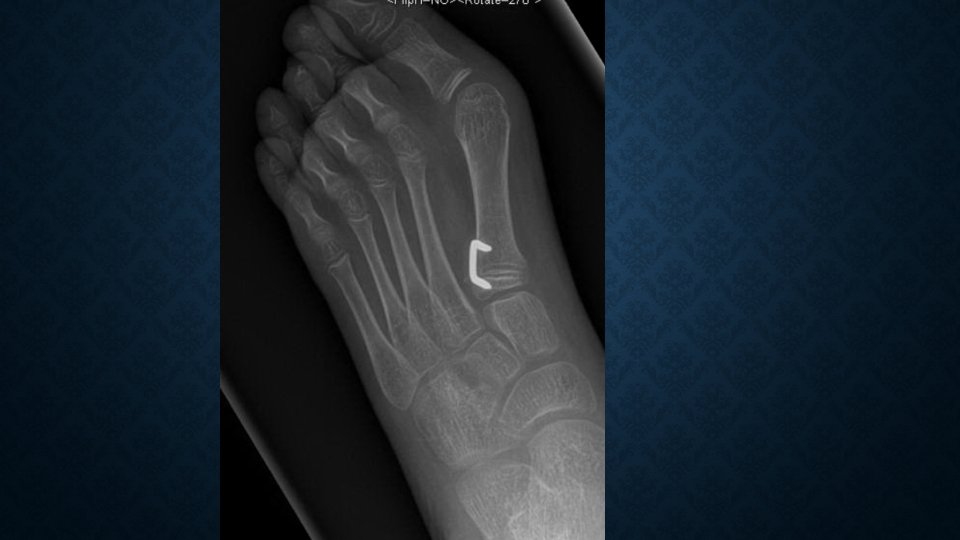
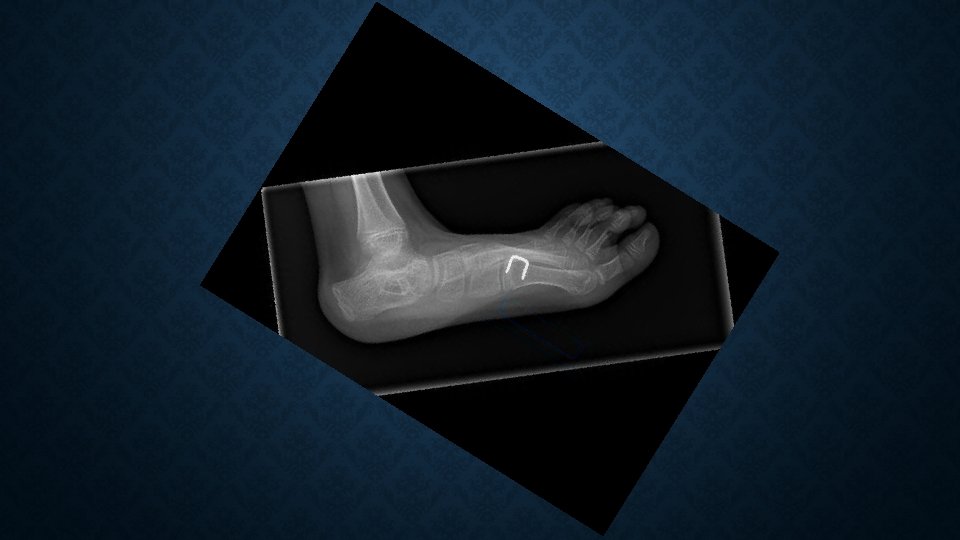
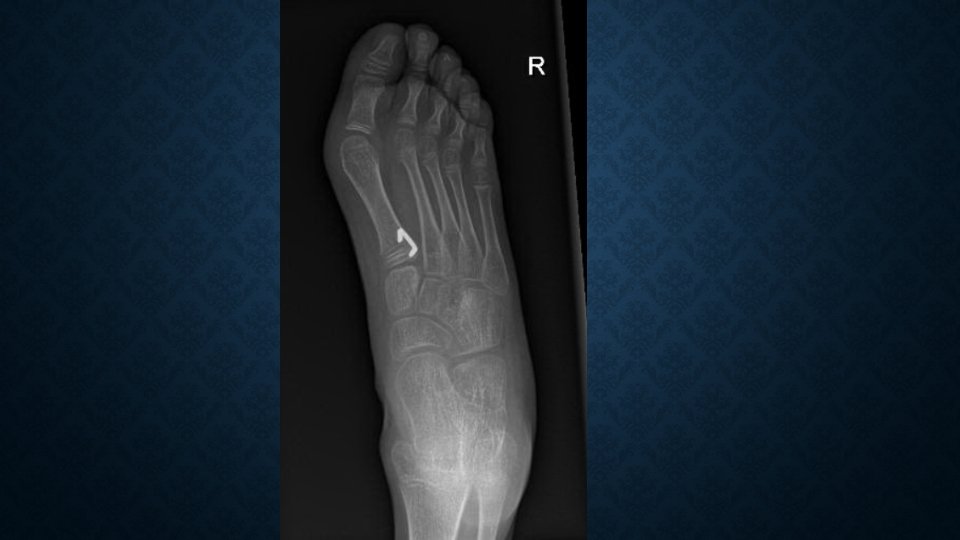
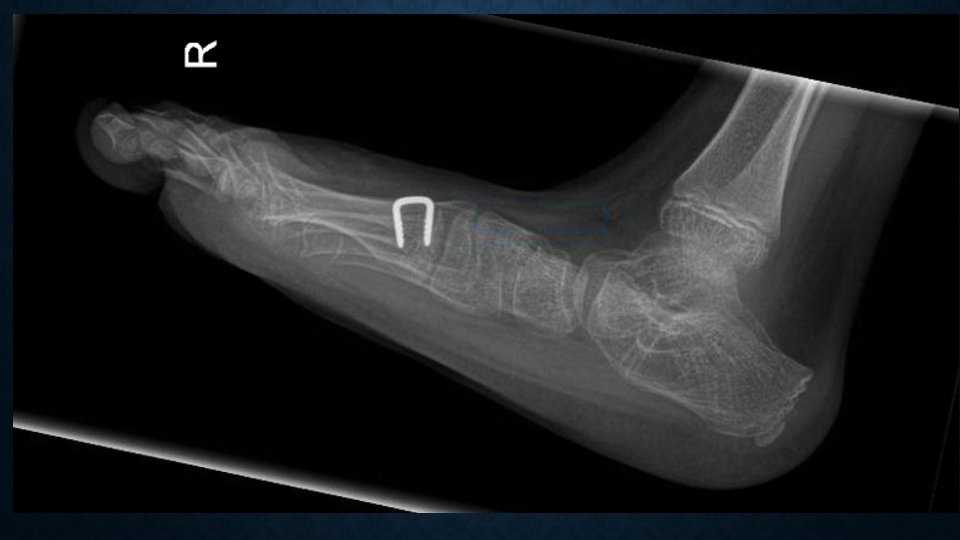
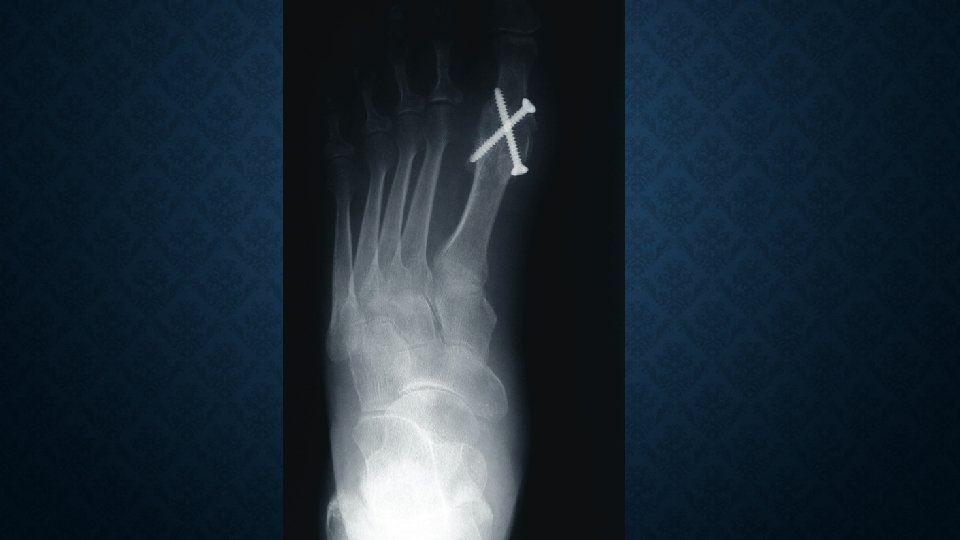
HEMIEPIPHYSIODESIS • Lateral half of first metatarsal. • Medial half of the phalanges.
OSTEOTOMY
HALLUX INTERPHALANGEUS CORRECTION
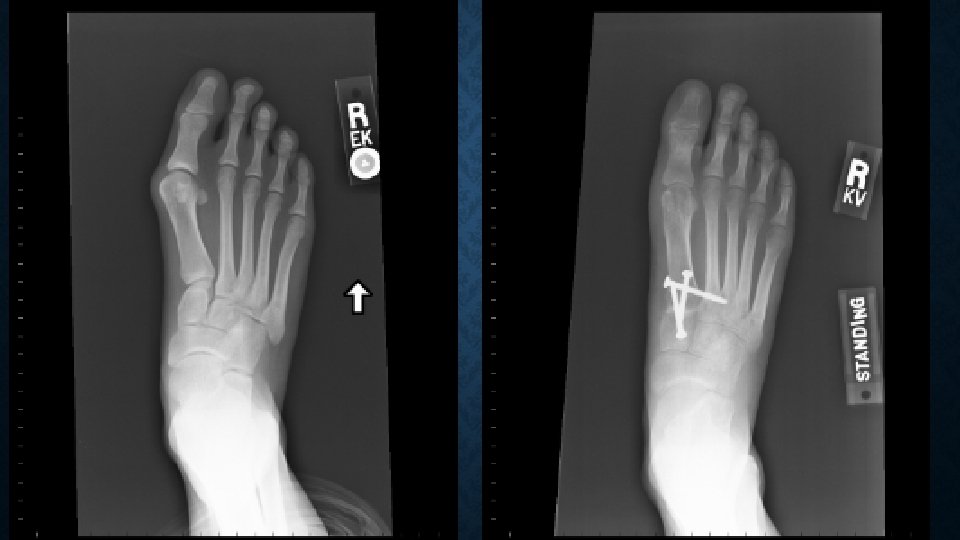
LAPIDUS • Hypermobile 1 st TMT joint
MTP FUSION • Cerebral Palsy • Down’s Syndrome • Ehler Danlos