
SEVERE HYPERTENSION Dr D Dr Annie Prasad Consultant

- Slides: 34
SEVERE HYPERTENSION Dr. D Dr Annie Prasad Consultant Physician
A CASE OF MR A. C
PRESENTATION – ED Ø 38 yo male Ø Presented with 2 month history of fluctuating “throbbing” headache What else do we want to know?
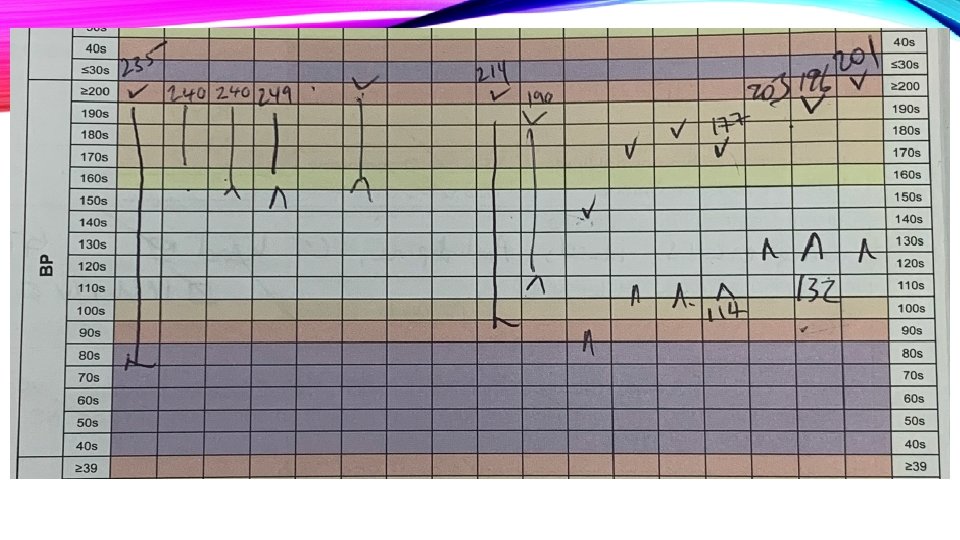
EXAMINATION Inspection: — Appears well — Alert — GCS 15 / 15 Observations: — HR 96/min, regular — BP 249/60 — RR 16/min — O 2 sats 99% RA — Afebrile
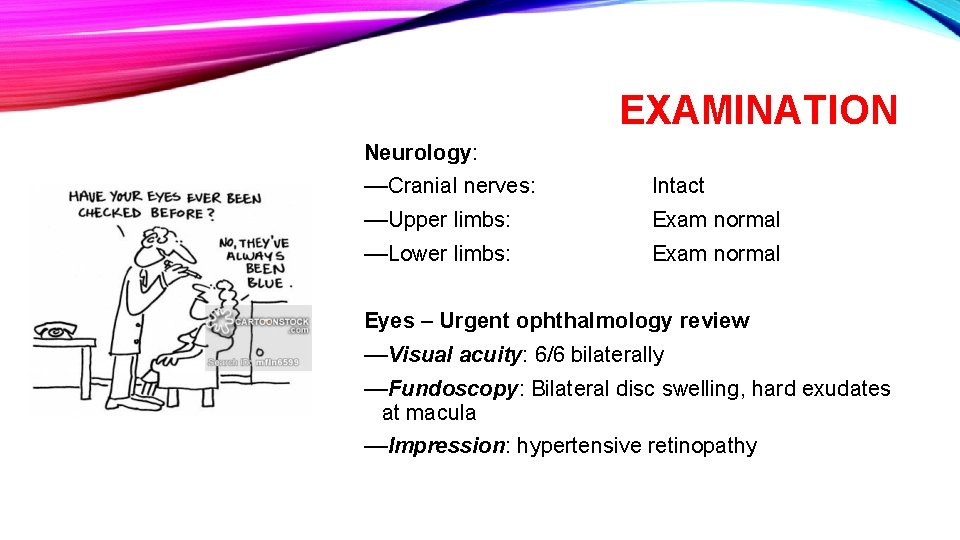
EXAMINATION Neurology: —Cranial nerves: Intact —Upper limbs: Exam normal —Lower limbs: Exam normal Eyes – Urgent ophthalmology review —Visual acuity: 6/6 bilaterally —Fundoscopy: Bilateral disc swelling, hard exudates at macula —Impression: hypertensive retinopathy
INVESTIGATIONS: ED Bedside tests —Urinalysis: p. H 7. 0, protein ++ trace blood products —ECG: T wave inversion V 5, V 6, LVH
INVESTIGATIONS: ED Laboratory tests —FBC: Hb 132 L, WCC 5. 56, Plt 218, MCV 73 L Neuts 3. 62, lymphocytes 1. 19 L —CRP: 2. 9 —UECs: Na 138, K 3. 8, bicarb 31, urea 7. 1 Cr 154 H, e. GFR 49 L —LFTs: NAD —Thyroid: T 4 Free 11, TSH 0. 39 L
INVESTIGATIONS Initial imaging —CT head: NAD
ADMISSION Ø Patient initially admitted to MAU Ø Problem list in MAU —Severe hypertension (SBP > 200 mm. Hg) —Renal impairment (Cr 154 157 169) —Visual changes (Bilateral disc swelling) —ECG changes (TWI, LVH) Ø Same day admission to ICU (5 days) Ø Then Gen Med ward (2 days)
FURTHER IMAGING Renal Doppler USS: —No evidence of renal tract obstruction or renal artery stenosis Cardiac echo: — 1. LV: Normal size with moderate concentric LVH. Normal systolic function, moderate LV diastolic dysfunction — 2. RV: normal size and systolic function — 3. LA: Dilated — 4. Normal valves
ICU management —Antihypertensives administered Initial ED treatment — 10 mg amlodipine —GTN infusion —Aim for SBP < 180 —Amlodipine —Prazocin —Metoprolol —Moxonidine —Valsartan —GTN infusion —Analgesics used —Paracetamol —Buprenorphine —Anti-emetics given —Ondansetron —metoclopramide —Endocrinology review
ON DISCHARGE Medications —Amlodipine 5 mg/Valsartan 80 mg OD —Metoprolol 100 mg BD —Moxonidine 200 mcg OD —Prazosin 4 mg TDS Follow-up: —GP follow-up – check renal function —Endocrinology outpatient clinic
• Case 2 • 43 years old gentleman walks in to surgery , routine blood pressure monitoring shows 180/120 mm hg.
• Case 2. • 65 years old women presents to surgery complaining of headache. • O/E , blood pressure 210/110. • Papilledema++
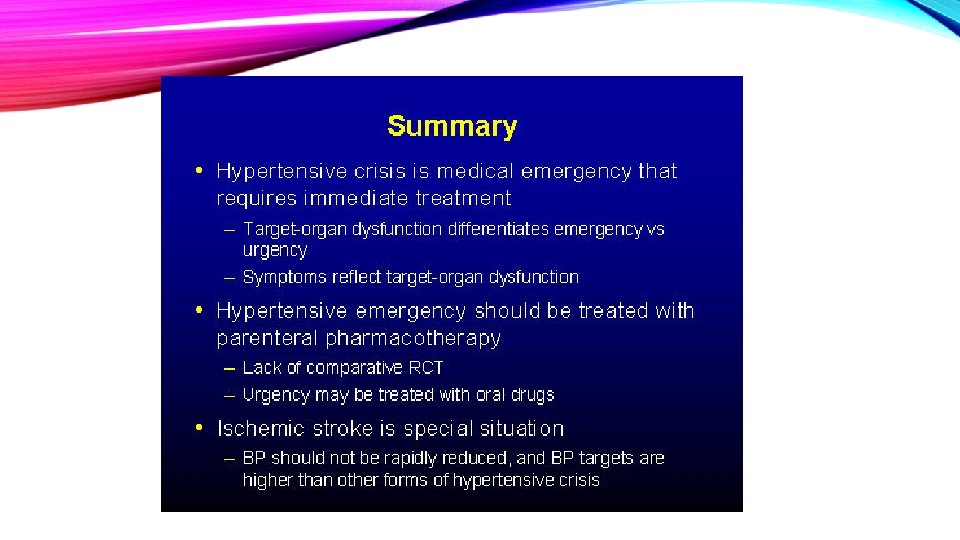
DEFINITION OF SEVERE HYPERTENSION PATIENTS WITH SIGNIFICANTLY ELEVATED BLOOD PRESSURE (SYSTOLIC PRESSURE ≥ 180 AND/OR DIASTOLIC PRESSURE ≥ 120 MMHG). • Hypertensive Urgency. (severe asymptomatic hypertension) • no acute, end-organ injury • Hypertensive Emergency • 1 percent of population of those with hypertension presents with hypertensive emergency. • 90 percent mortality • Hence recognition and treatment critical. • Look for Evidence of end organ damage • Retina • Kidney • Heart • Brain
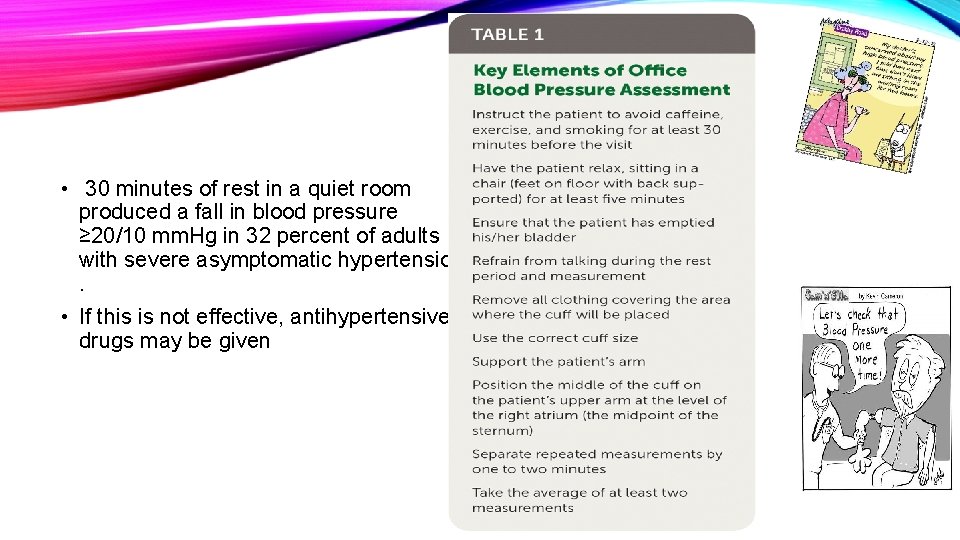
• 30 minutes of rest in a quiet room produced a fall in blood pressure ≥ 20/10 mm. Hg in 32 percent of adults with severe asymptomatic hypertension . • If this is not effective, antihypertensive drugs may be given
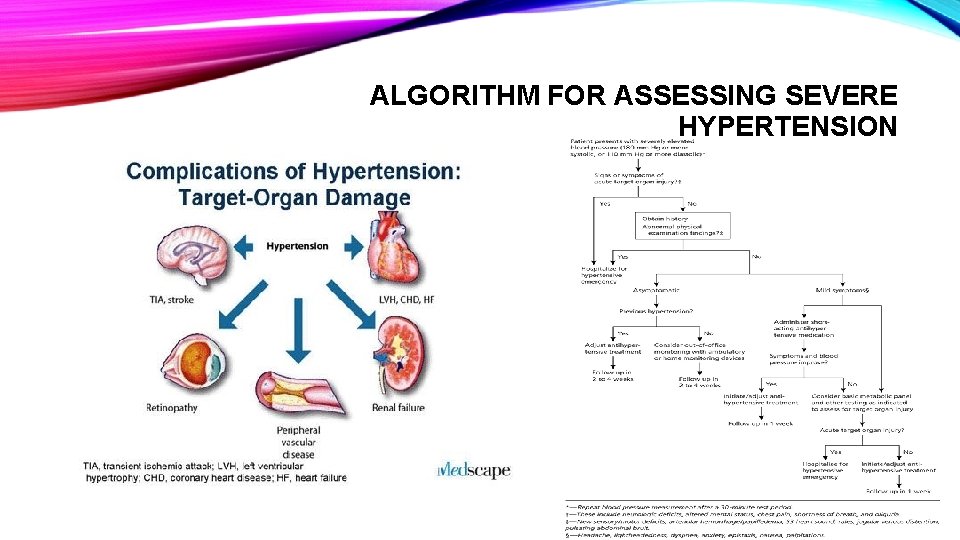
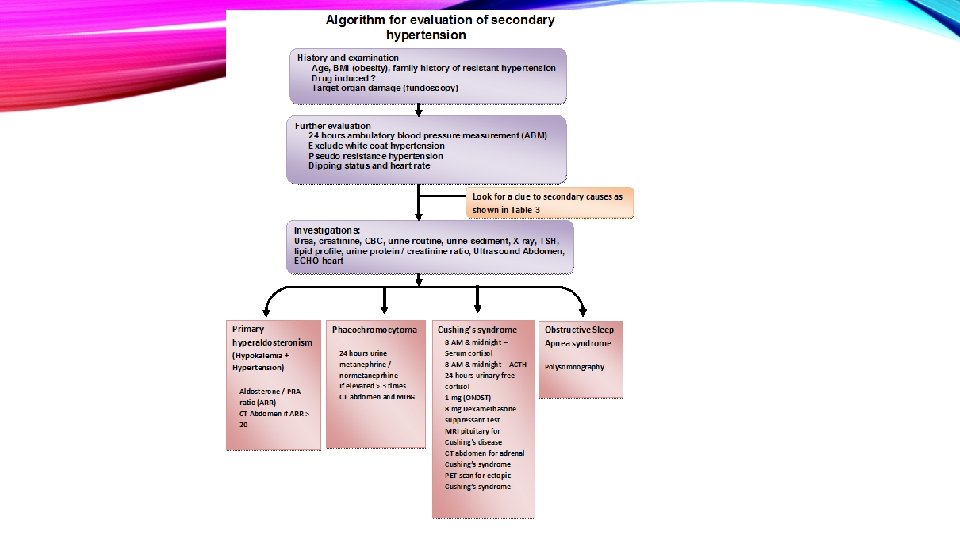
ALGORITHM FOR ASSESSING SEVERE HYPERTENSION
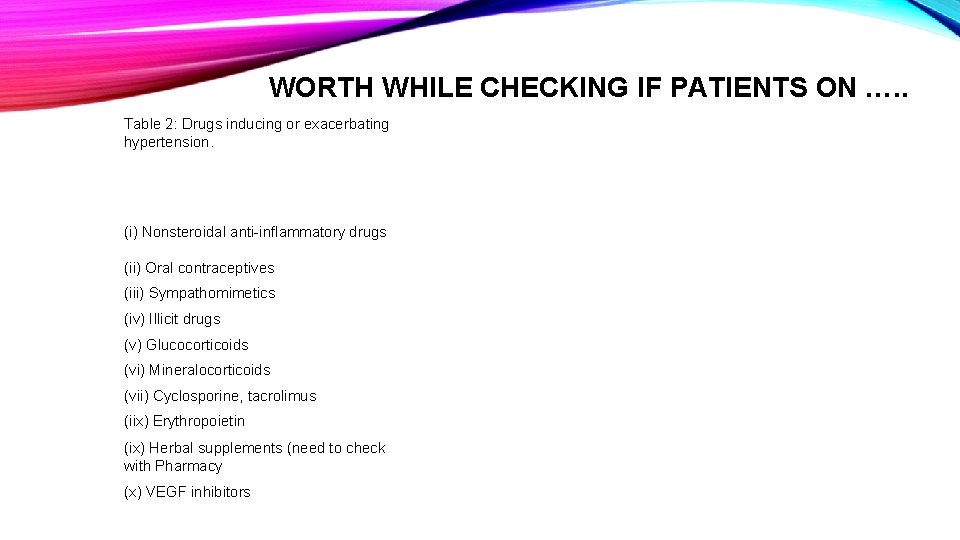
WORTH WHILE CHECKING IF PATIENTS ON …. . Table 2: Drugs inducing or exacerbating hypertension. (i) Nonsteroidal anti-inflammatory drugs (ii) Oral contraceptives (iii) Sympathomimetics (iv) Illicit drugs (v) Glucocorticoids (vi) Mineralocorticoids (vii) Cyclosporine, tacrolimus (iix) Erythropoietin (ix) Herbal supplements (need to check with Pharmacy (x) VEGF inhibitors
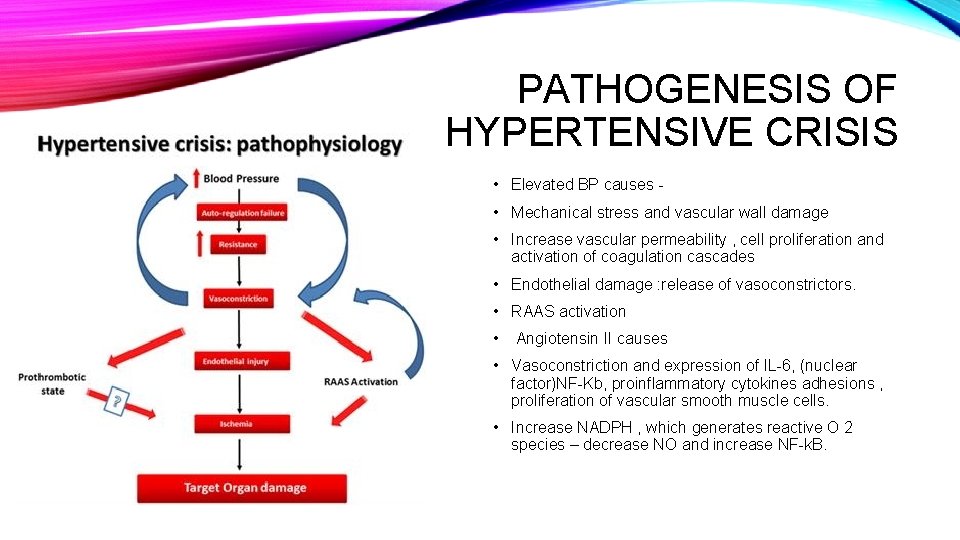
PATHOGENESIS OF HYPERTENSIVE CRISIS • Elevated BP causes • Mechanical stress and vascular wall damage • Increase vascular permeability , cell proliferation and activation of coagulation cascades • Endothelial damage : release of vasoconstrictors. • RAAS activation • Angiotensin II causes • Vasoconstriction and expression of IL-6, (nuclear factor)NF-Kb, proinflammatory cytokines adhesions , proliferation of vascular smooth muscle cells. • Increase NADPH , which generates reactive O 2 species – decrease NO and increase NF-k. B.
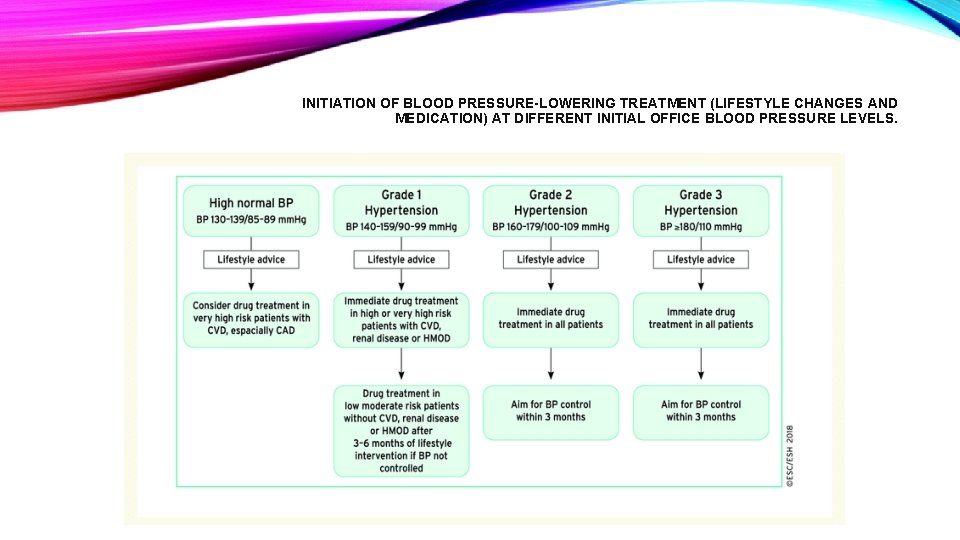
INITIATION OF BLOOD PRESSURE-LOWERING TREATMENT (LIFESTYLE CHANGES AND MEDICATION) AT DIFFERENT INITIAL OFFICE BLOOD PRESSURE LEVELS.
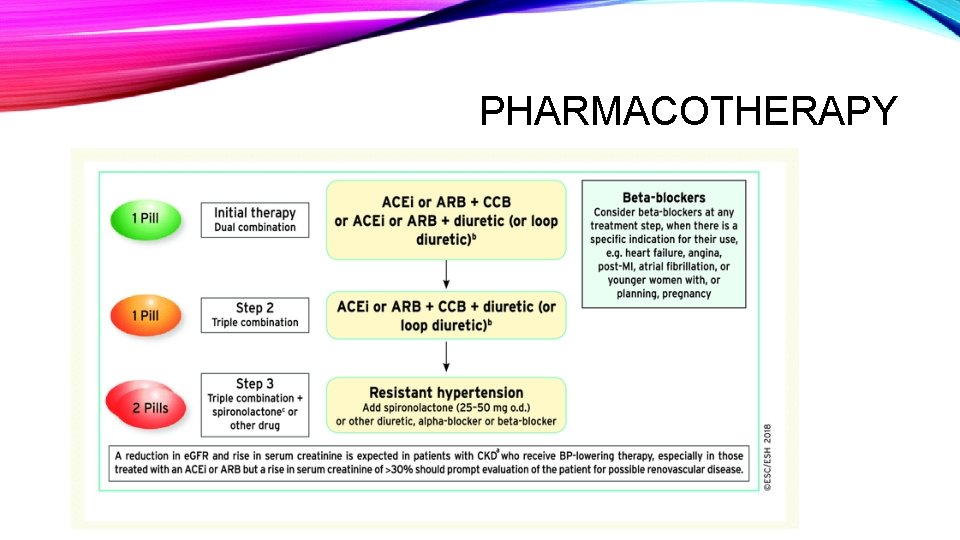
PHARMACOTHERAPY
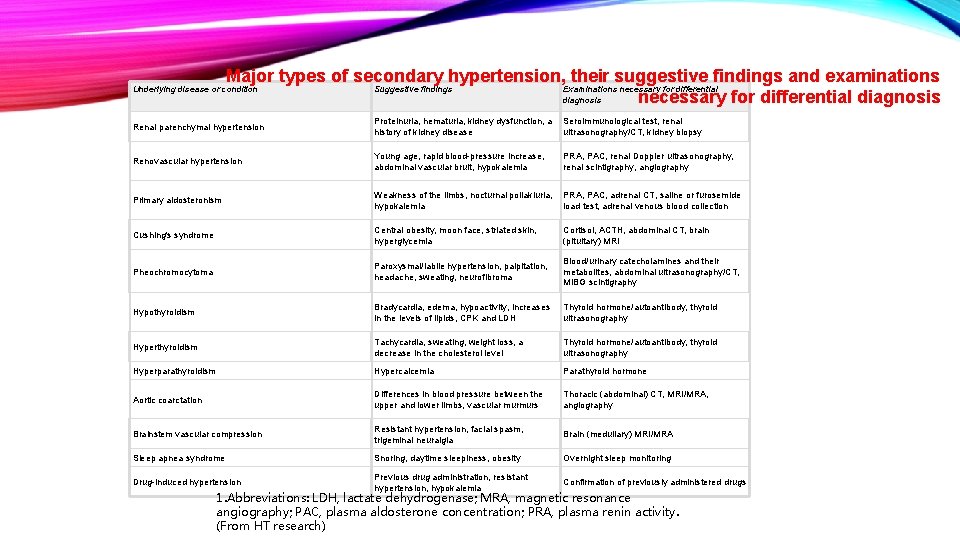
SOME CAUSES OF HYPERTENSION…
Major types of secondary hypertension, their suggestive findings and examinations Suggestive findings Examinations necessary for differential diagnosis Underlying disease or condition Renal parenchymal hypertension Proteinuria, hematuria, kidney dysfunction, a history of kidney disease Seroimmunological test, renal ultrasonography/CT, kidney biopsy Renovascular hypertension Young age, rapid blood-pressure increase, abdominal vascular bruit, hypokalemia PRA, PAC, renal Doppler ultrasonography, renal scintigraphy, angiography Primary aldosteronism Weakness of the limbs, nocturnal pollakiuria, PRA, PAC, adrenal CT, saline or furosemide hypokalemia load test, adrenal venous blood collection Cushing's syndrome Central obesity, moon face, striated skin, hyperglycemia Cortisol, ACTH, abdominal CT, brain (pituitary) MRI Pheochromocytoma Paroxysmal/labile hypertension, palpitation, headache, sweating, neurofibroma Blood/urinary catecholamines and their metabolites, abdominal ultrasonography/CT, MIBG scintigraphy Hypothyroidism Bradycardia, edema, hypoactivity, increases in the levels of lipids, CPK and LDH Thyroid hormone/autoantibody, thyroid ultrasonography Hyperthyroidism Tachycardia, sweating, weight loss, a decrease in the cholesterol level Thyroid hormone/autoantibody, thyroid ultrasonography Hyperparathyroidism Hypercalcemia Parathyroid hormone Aortic coarctation Differences in blood pressure between the upper and lower limbs, vascular murmurs Thoracic (abdominal) CT, MRI/MRA, angiography Brainstem vascular compression Resistant hypertension, facial spasm, trigeminal neuralgia Brain (medullary) MRI/MRA Sleep apnea syndrome Snoring, daytime sleepiness, obesity Overnight sleep monitoring Drug-induced hypertension Previous drug administration, resistant hypertension, hypokalemia Confirmation of previously administered drugs 1. Abbreviations: LDH, lactate dehydrogenase; MRA, magnetic resonance angiography; PAC, plasma aldosterone concentration; PRA, plasma renin activity. (From HT research)
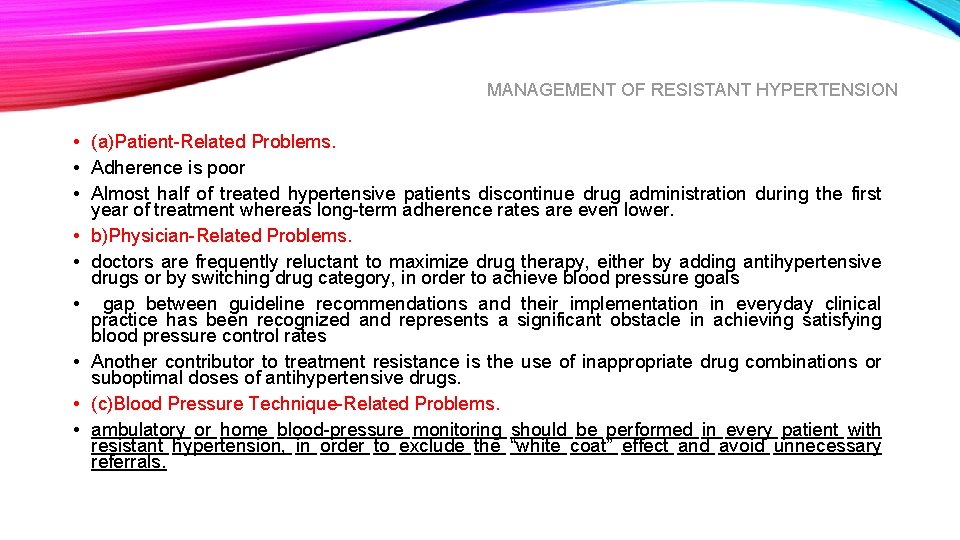
MANAGEMENT OF RESISTANT HYPERTENSION • (a)Patient-Related Problems. • Adherence is poor • Almost half of treated hypertensive patients discontinue drug administration during the first year of treatment whereas long-term adherence rates are even lower. • b)Physician-Related Problems. • doctors are frequently reluctant to maximize drug therapy, either by adding antihypertensive drugs or by switching drug category, in order to achieve blood pressure goals • gap between guideline recommendations and their implementation in everyday clinical practice has been recognized and represents a significant obstacle in achieving satisfying blood pressure control rates • Another contributor to treatment resistance is the use of inappropriate drug combinations or suboptimal doses of antihypertensive drugs. • (c)Blood Pressure Technique-Related Problems. • ambulatory or home blood-pressure monitoring should be performed in every patient with resistant hypertension, in order to exclude the “white coat” effect and avoid unnecessary referrals.
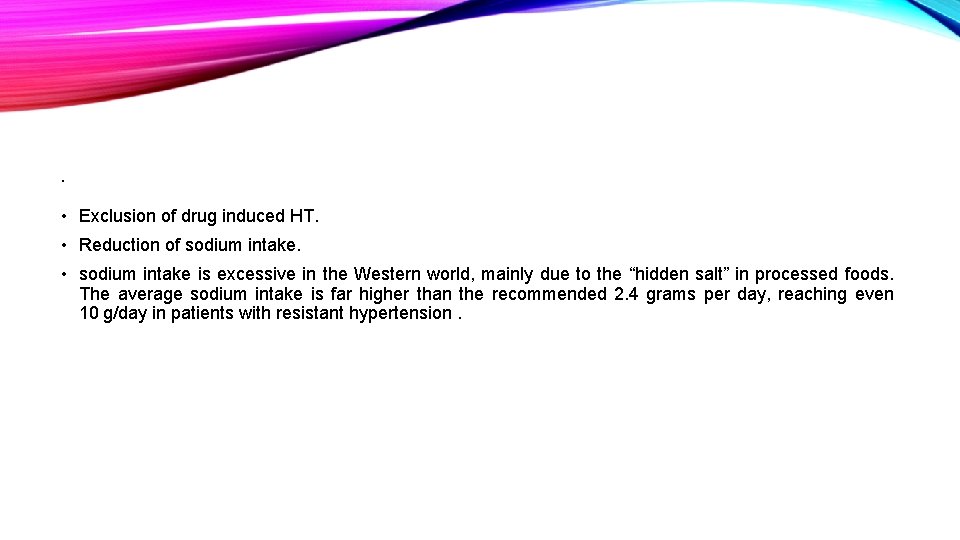
• • Exclusion of drug induced HT. • Reduction of sodium intake. • sodium intake is excessive in the Western world, mainly due to the “hidden salt” in processed foods. The average sodium intake is far higher than the recommended 2. 4 grams per day, reaching even 10 g/day in patients with resistant hypertension.
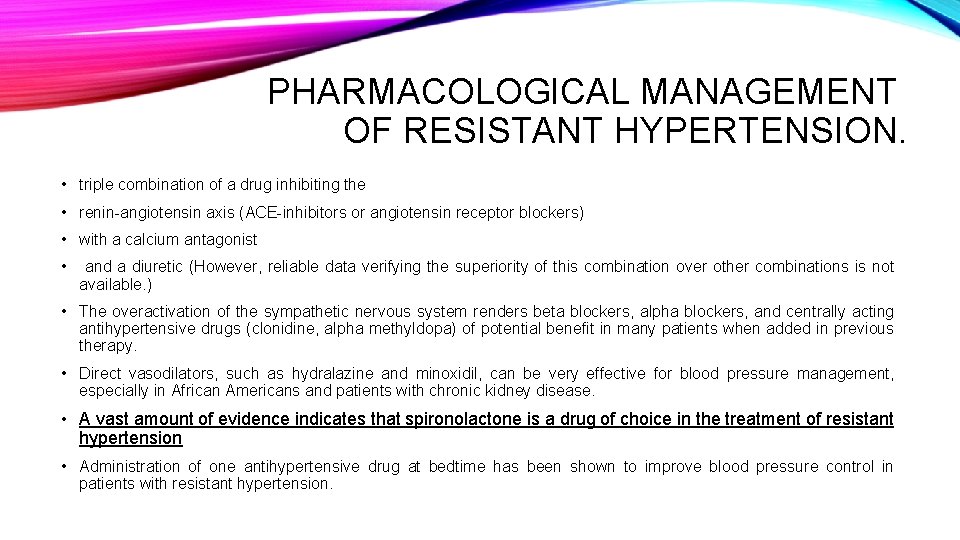
PHARMACOLOGICAL MANAGEMENT OF RESISTANT HYPERTENSION. • triple combination of a drug inhibiting the • renin-angiotensin axis (ACE-inhibitors or angiotensin receptor blockers) • with a calcium antagonist • and a diuretic (However, reliable data verifying the superiority of this combination over other combinations is not available. ) • The overactivation of the sympathetic nervous system renders beta blockers, alpha blockers, and centrally acting antihypertensive drugs (clonidine, alpha methyldopa) of potential benefit in many patients when added in previous therapy. • Direct vasodilators, such as hydralazine and minoxidil, can be very effective for blood pressure management, especially in African Americans and patients with chronic kidney disease. • A vast amount of evidence indicates that spironolactone is a drug of choice in the treatment of resistant hypertension • Administration of one antihypertensive drug at bedtime has been shown to improve blood pressure control in patients with resistant hypertension.
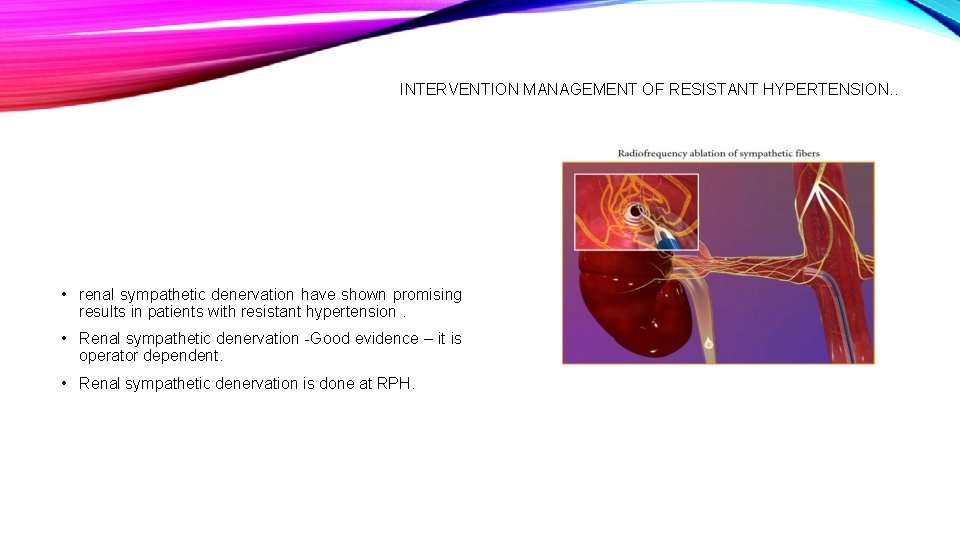
INTERVENTION MANAGEMENT OF RESISTANT HYPERTENSION. . • renal sympathetic denervation have shown promising results in patients with resistant hypertension. • Renal sympathetic denervation -Good evidence – it is operator dependent. • Renal sympathetic denervation is done at RPH.
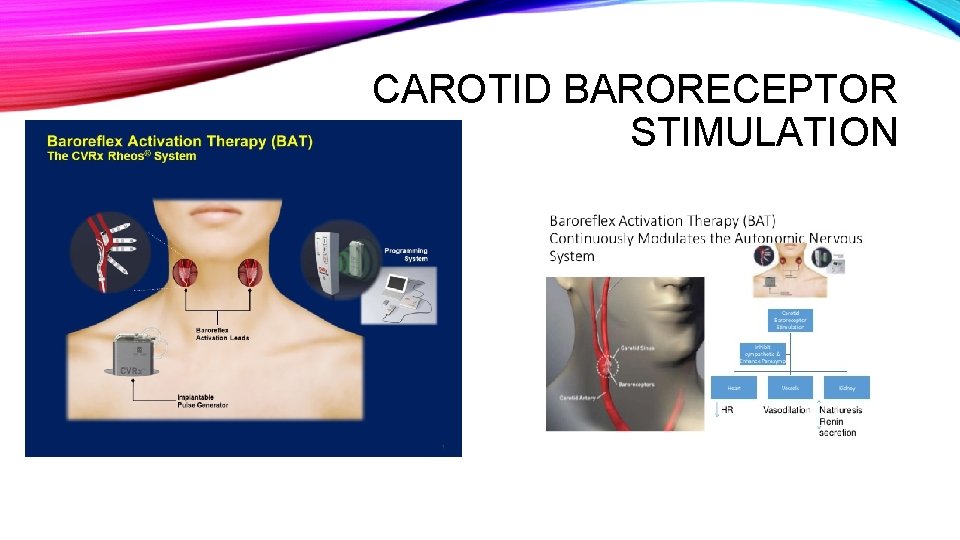
CAROTID BARORECEPTOR STIMULATION
TREATMENT — THE OPTIMAL MANAGEMENT OF PATIENTS WITH SEVERE ASYMPTOMATIC HYPERTENSION IS UNCLEAR. • Data from the Studying the Treatment of Acute Hypertension (STAT) registry indicate that the outpatient management of patients with acute severe hypertension is poor • Overall approach — There are several questions related to the management of patients with severe asymptomatic hypertension: • ●How quickly should the blood pressure be reduced? − • The blood pressure should be reduced over a period of hours to days, although slower reductions may be needed in older adult patients at high risk for cerebral or myocardial ischemia resulting from excessively rapid reduction of blood pressure. . • ●What is the blood pressure target during this time period? − • The blood pressure should usually be lowered to <160/<100 mm. Hg. • Mean arterial pressure should not be lowered by more than 25 to 30 percent over the first two to four hours. • Short-term blood pressure target, during the first several hours, may need to be above 160/100 mm. Hg in patients who present with very high pressures. • This approach has not been well studied and is based mostly upon experience. • In the long-term, the blood pressure should usually be reduced further (eg, <140/<90 mm. Hg or <130/<80 mm. Hg). • ●How should this goal be achieved? − The strategy to lower blood pressure in such patients depends upon whether the blood pressure should be lowered more quickly (period of hours) or less quickly (period of days). In addition, moving patients to a quiet room to rest can lead to a fall in systolic pressure of 10 to 20 mm. Hg or more. • • If the blood pressure needs to be lowered over a period of hours, some clinicians use oral clonidine despite the variable efficacy and known adverse effects of these agents. • Otherwise, many clinicians prefer long-acting drugs and a follow-up primary care office visit in the next one to two days. • In general, the treatment is resumption of antihypertensive therapy (in nonadherent patients), initiation of antihypertensive therapy (if patients are treatment naïve), or the addition of another antihypertensive drug (in patients who are currently treated).