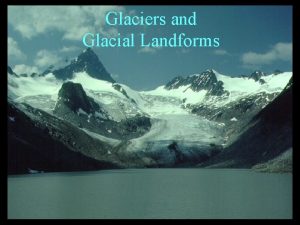
Glaciers and Glacial Mechanics I Glacier Origins and











- Slides: 85
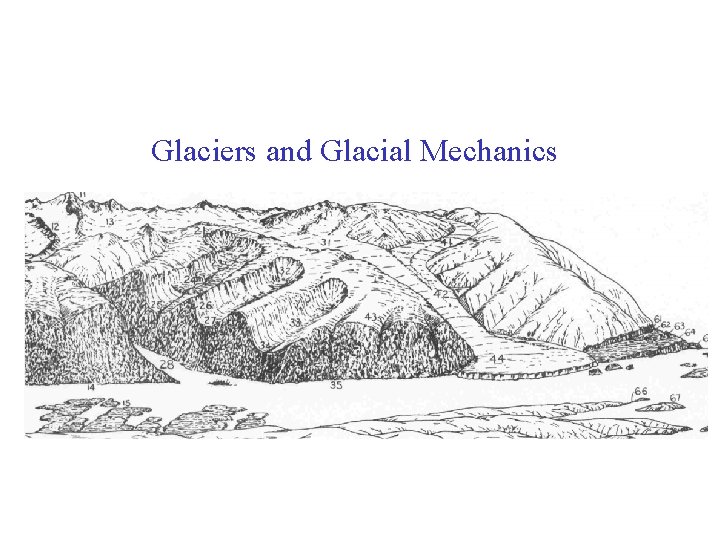
Glaciers and Glacial Mechanics
I. Glacier Origins and Types
I. Glacier Origins and Types A. Glacier (def): a body of moving ice that has been formed on land by compaction and recrystallization of snow.
I. Glacier Origins and Types A. Glacier (def): a body of moving ice that has been formed on land by compaction and recrystallization of snow. B. Critical Requirements
B. Critical Requirements 1. Must be formed from the accumulation and ‘metamorphism’ of snow.
B. Critical Requirements 1. Must be formed from the accumulation and ‘metamorphism’ of snow. 2. Ice must be moving under its own weight.
B. Critical Requirements 1. Must be formed from the accumulation and ‘metamorphism’ of snow. 2. Ice must be moving under its own weight. 3. Must originate on land
B. Critical Requirements 1. Must be formed from the accumulation and ‘metamorphism’ of snow. 2. Ice must be moving under its own weight. 3. Must originate on land 4. Persist from year-to-year
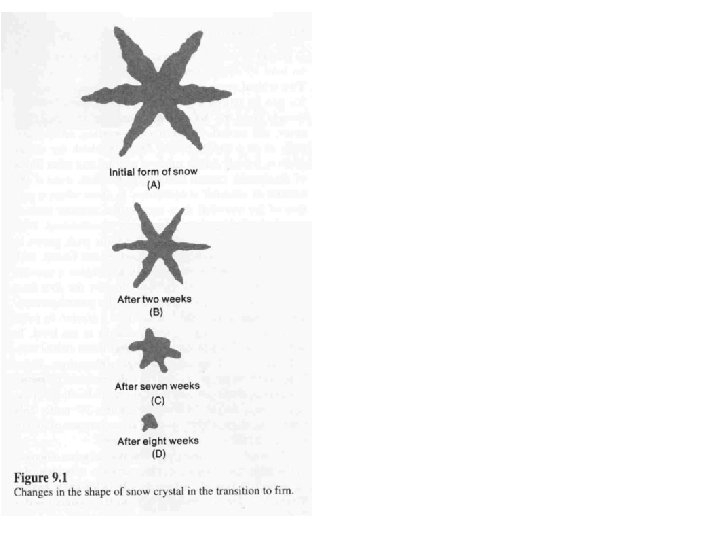
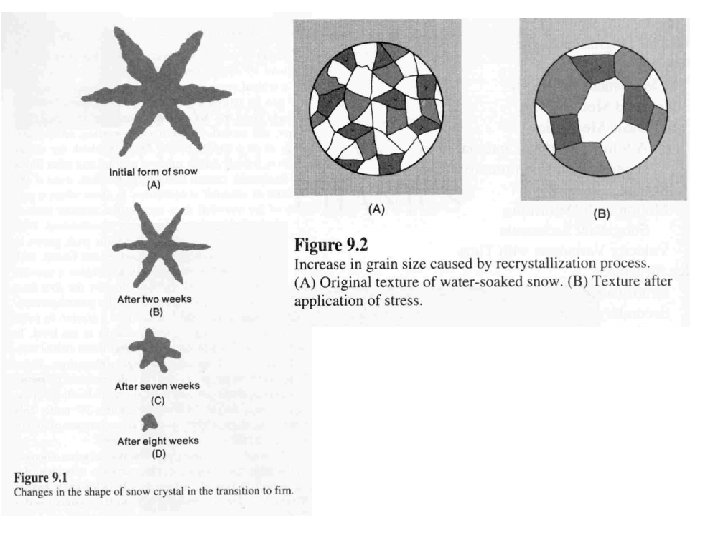
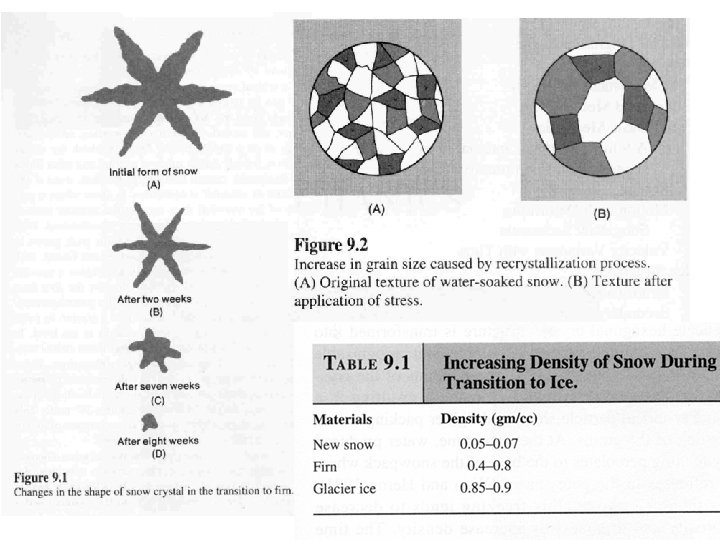
I. Glacier Origins and Types C. The recrystallization of snow
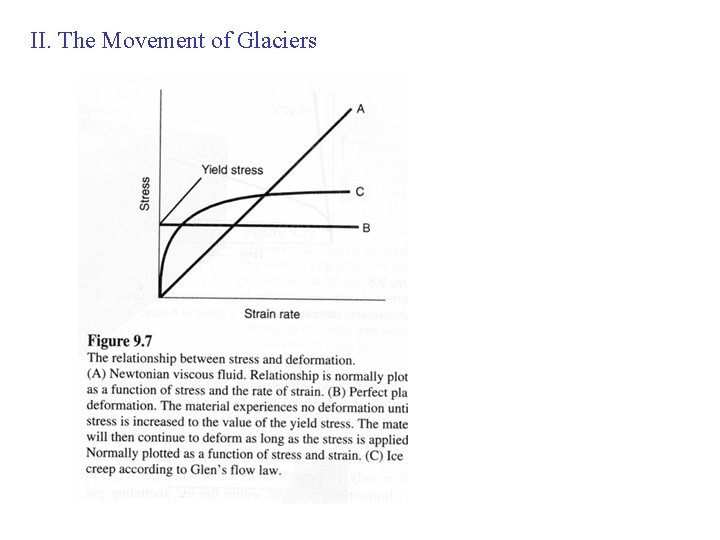
II. The Movement of Glaciers
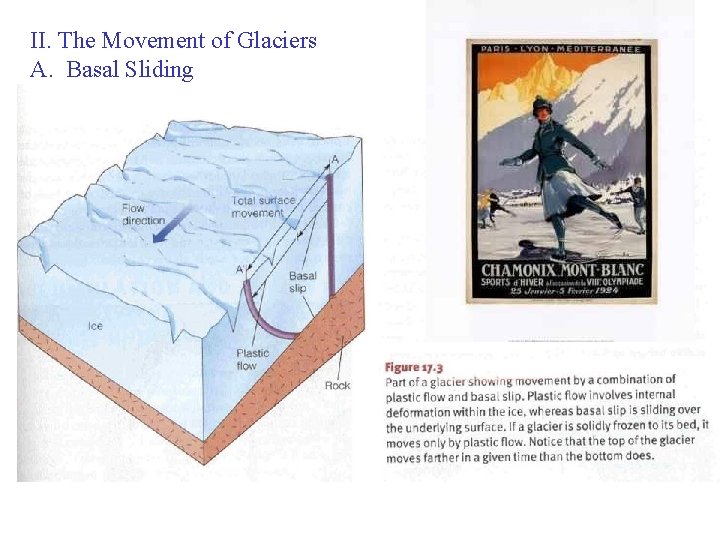
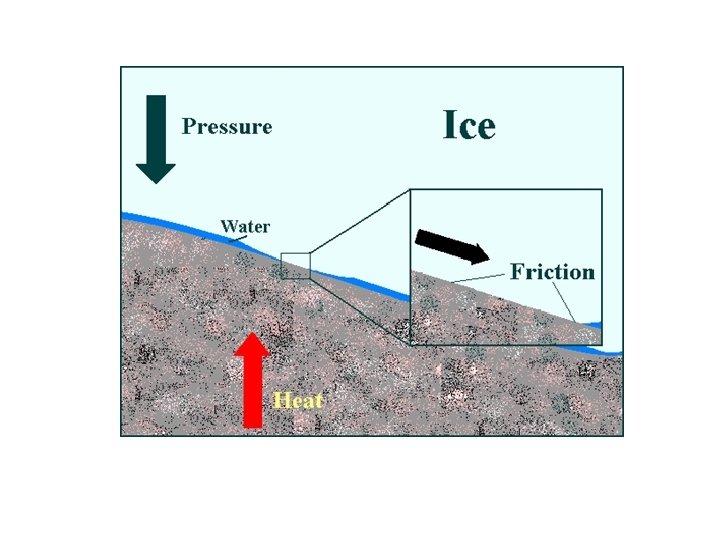
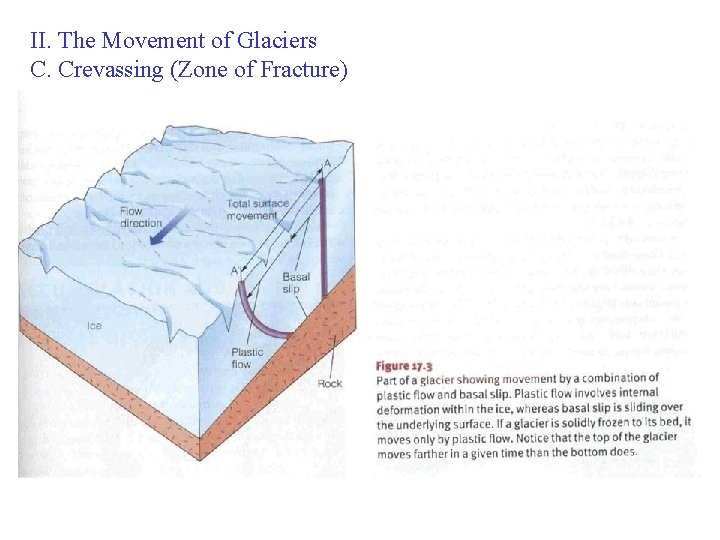
II. The Movement of Glaciers A. Basal Sliding
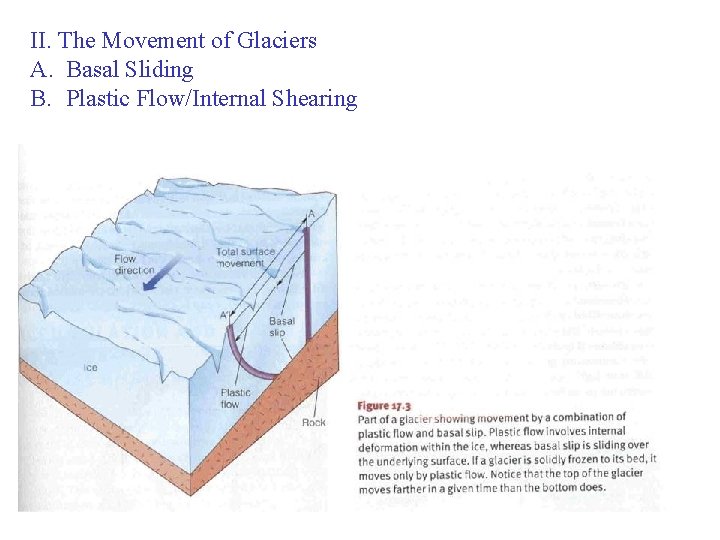
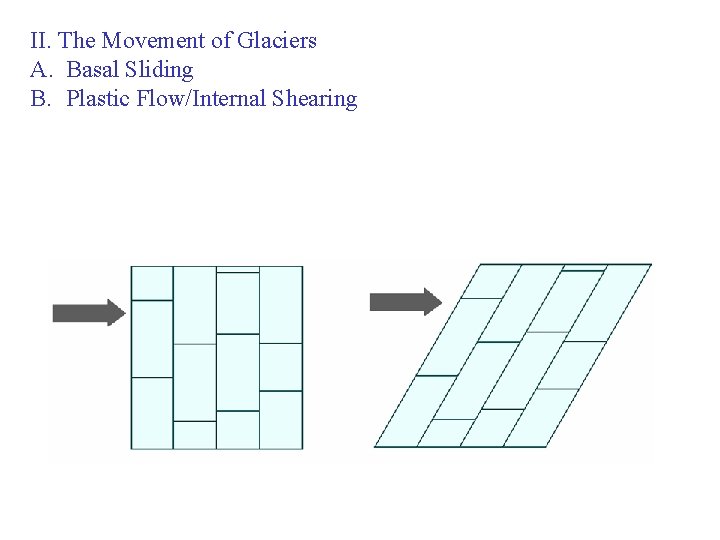
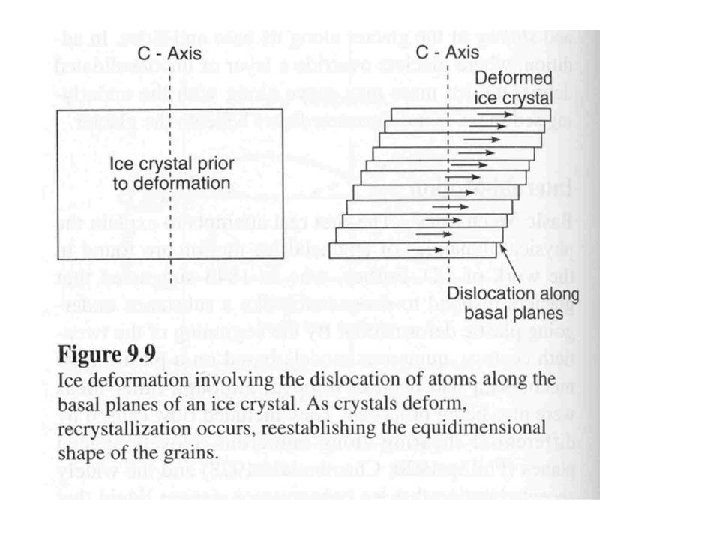
II. The Movement of Glaciers A. Basal Sliding B. Plastic Flow/Internal Shearing C. Internal Shearing
II. The Movement of Glaciers A. Basal Sliding B. Plastic Flow/Internal Shearing
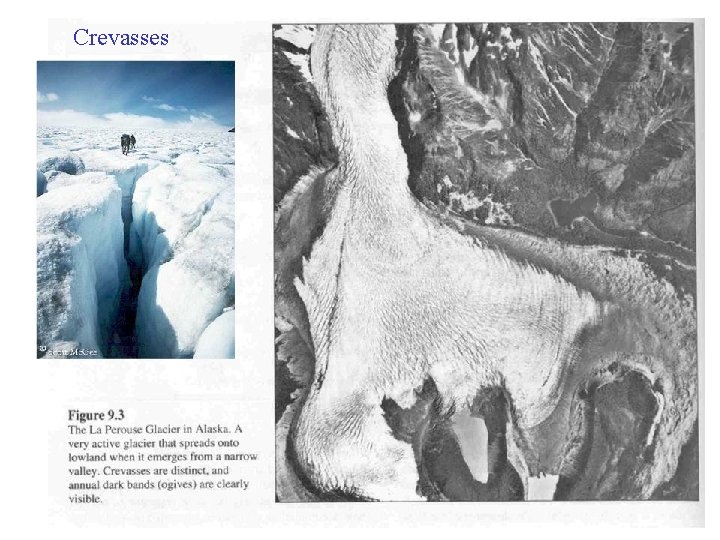
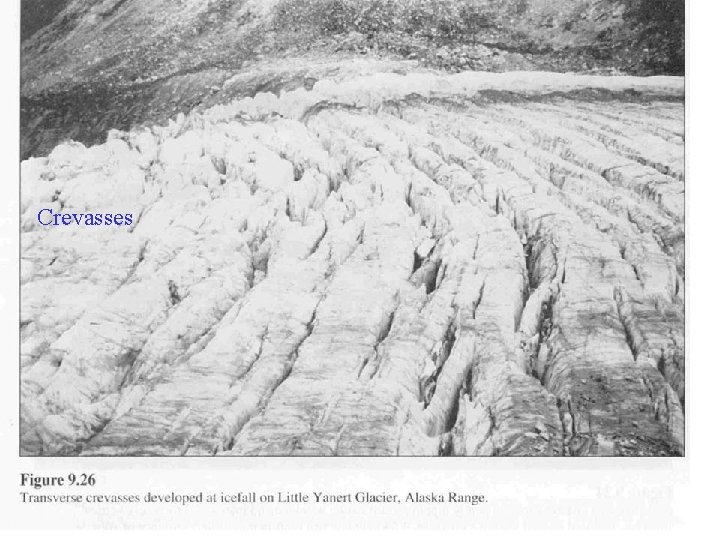
II. The Movement of Glaciers C. Crevassing (Zone of Fracture)
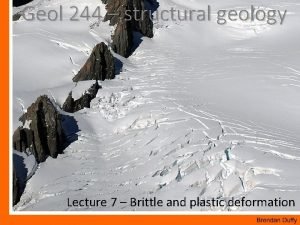
Crevasses
Crevasses
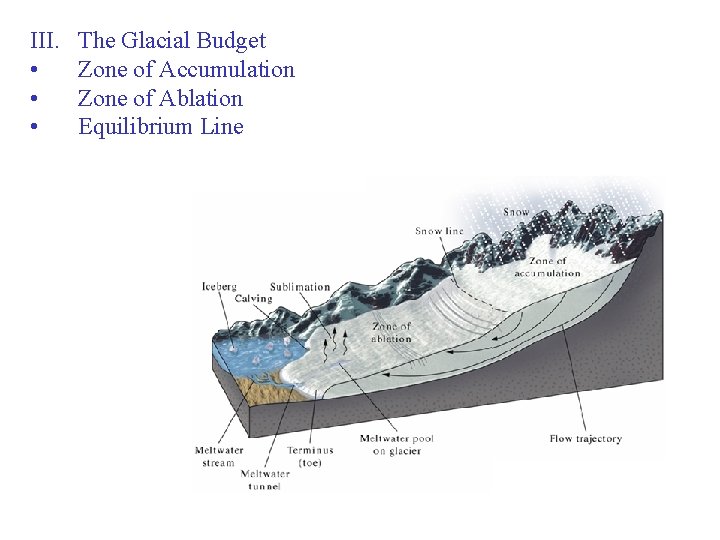
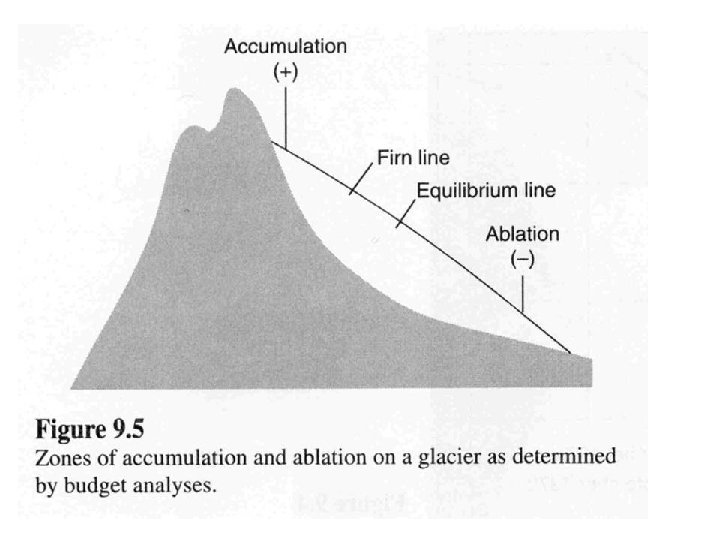
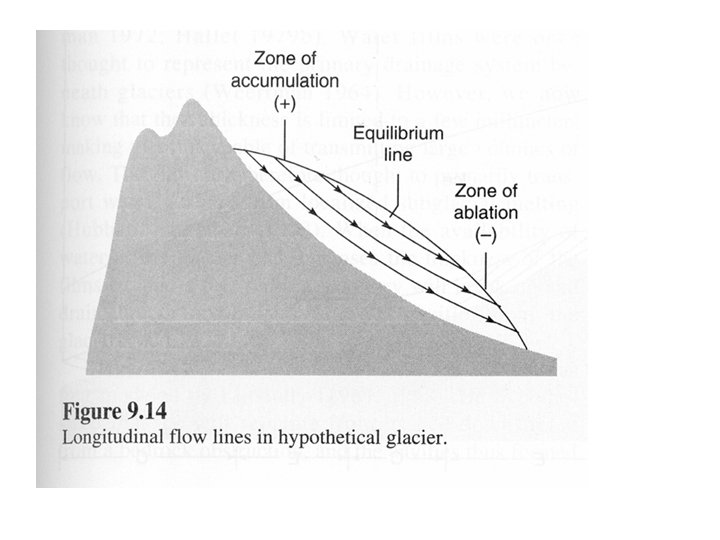
III. • • • The Glacial Budget Zone of Accumulation Zone of Ablation Equilibrium Line
“fastest velocity at equilibrium line”
IV. Classification of Glaciers
IV. Classification of Glaciers A. Descriptive-based B. Process-based
IV. Classification of Glaciers A. Descriptive-based * Cirque Glaciers * Valley Glaciers * Ice Sheets
IV. Classification of Glaciers A. Descriptive-based B. Process-based 1. Dynamic classification scheme * Active * Passive * Dead
IV. Classification of Glaciers A. Descriptive-based B. Process-based 1. Dynamic classification scheme * Active * Passive * Dead 2. Thermal classification scheme * Temperate Glaciers
IV. Classification of Glaciers A. Descriptive-based B. Process-based 1. Dynamic classification scheme * Active * Passive * Dead 2. Thermal classification scheme * Temperate Glaciers * Polar Glaciers --sub polar --high polar
V. Erosional Glacial Landforms
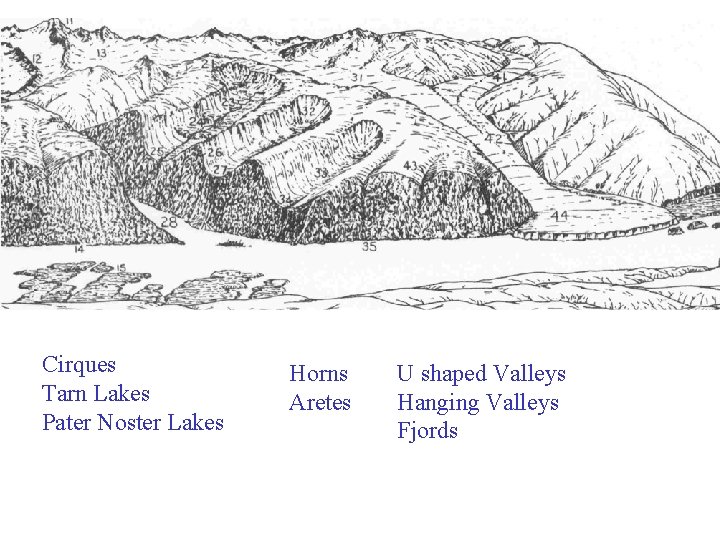
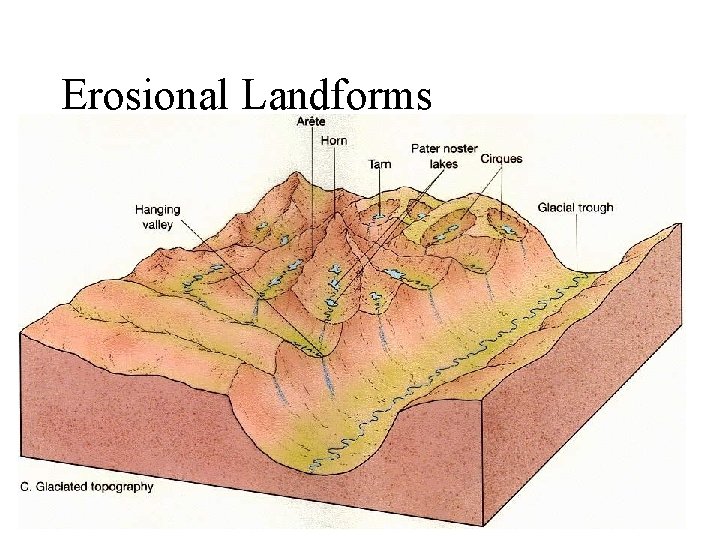
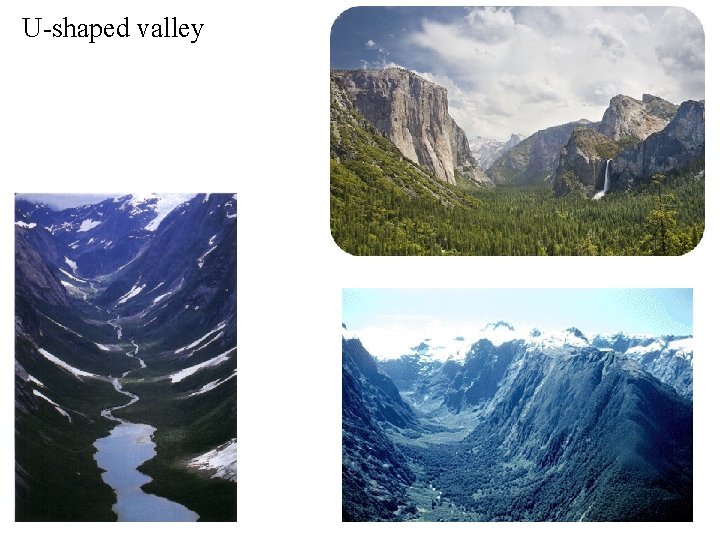
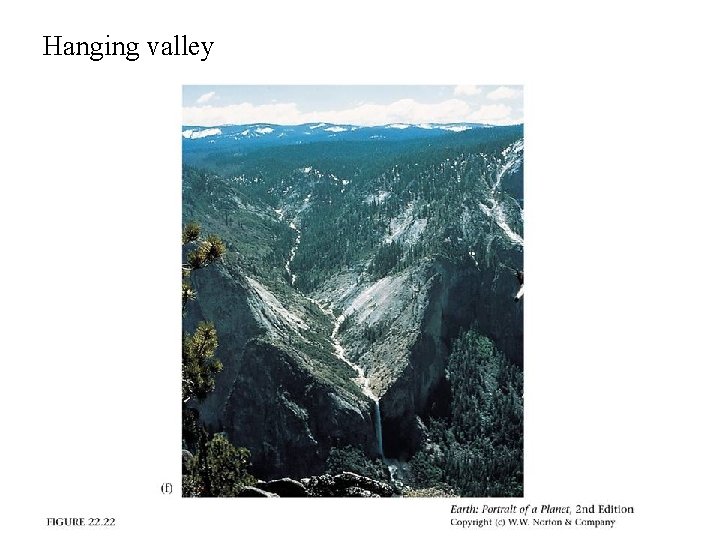
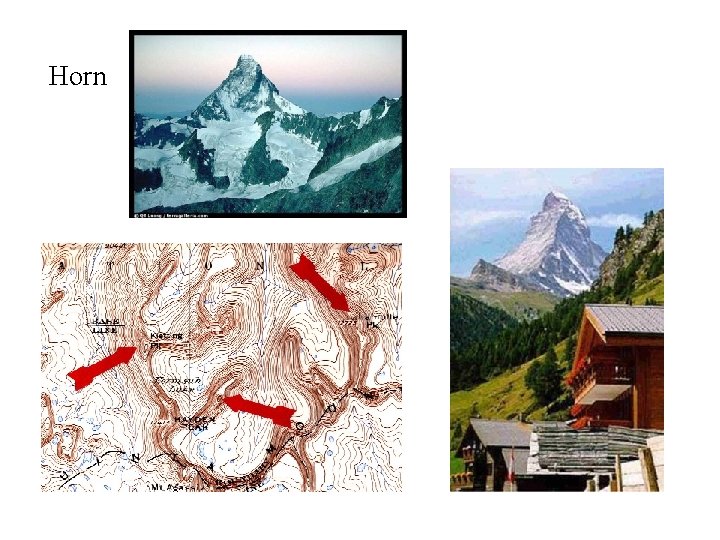
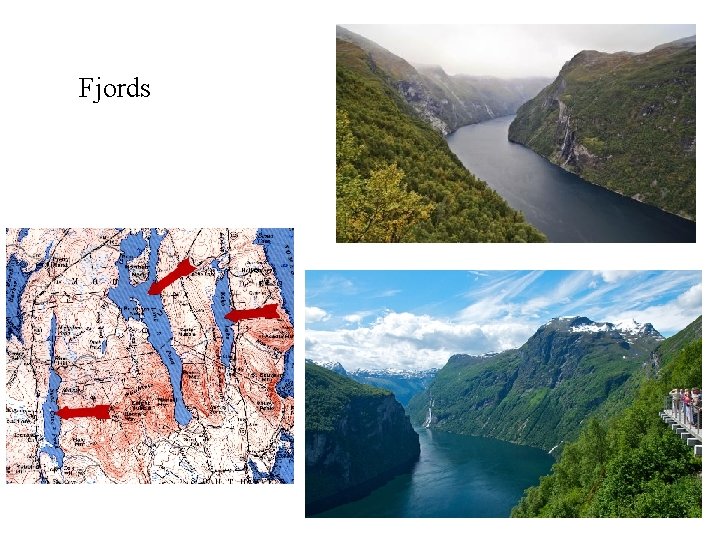
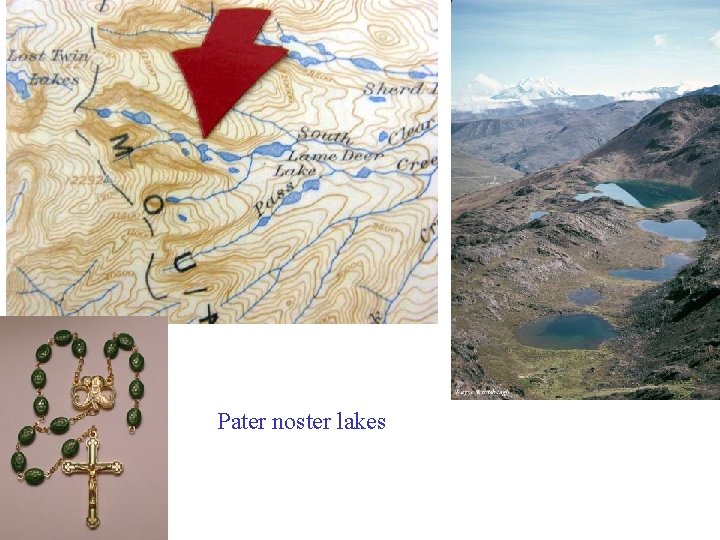
Cirques Tarn Lakes Pater Noster Lakes Horns Aretes U shaped Valleys Hanging Valleys Fjords
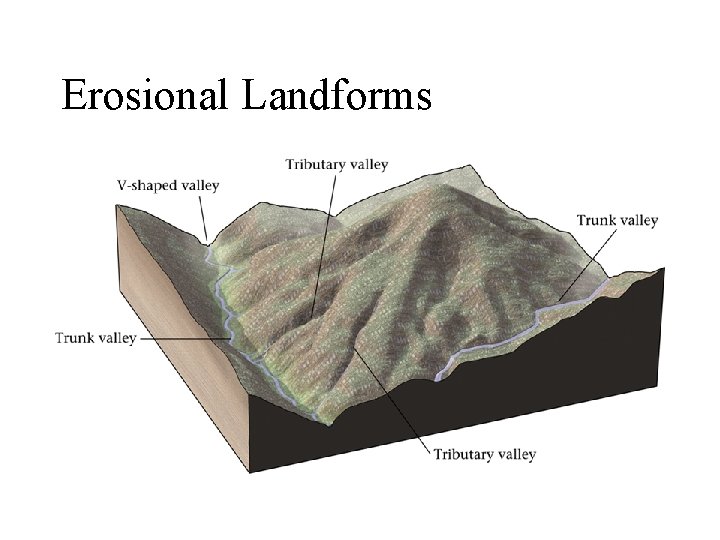
Erosional Landforms
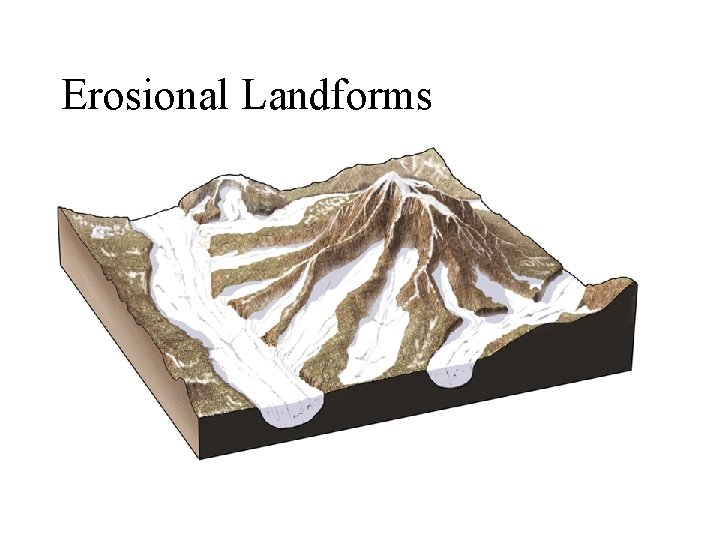
Erosional Landforms
Erosional Landforms
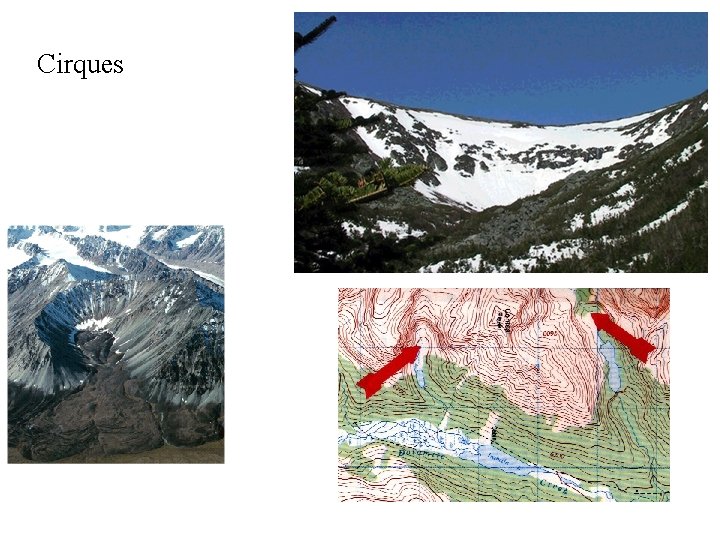
Cirques
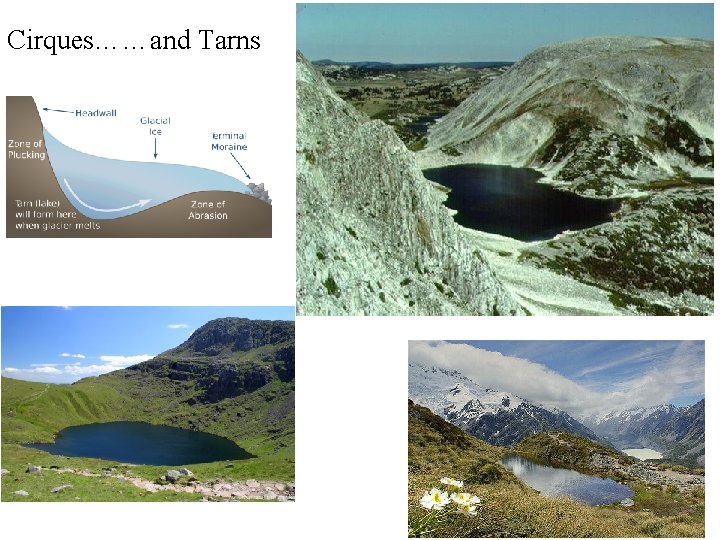
Cirques……and Tarns
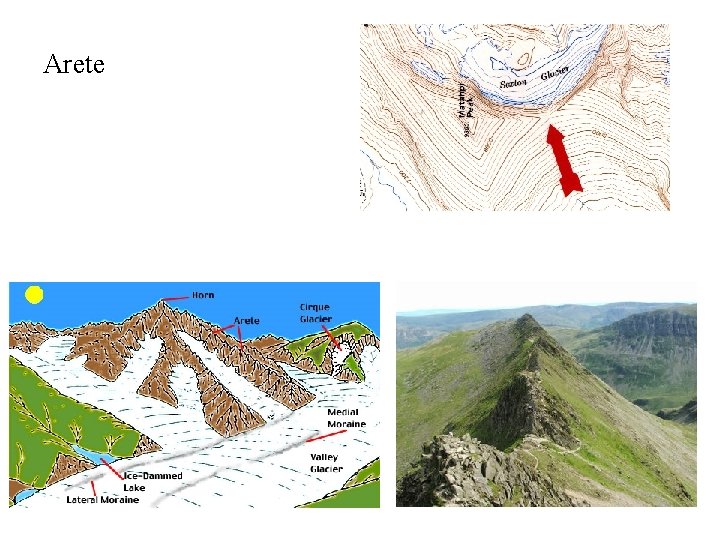
Arete
U-shaped valley
Hanging valley
Hanging valley
Horn
Fjords
Pater noster lakes
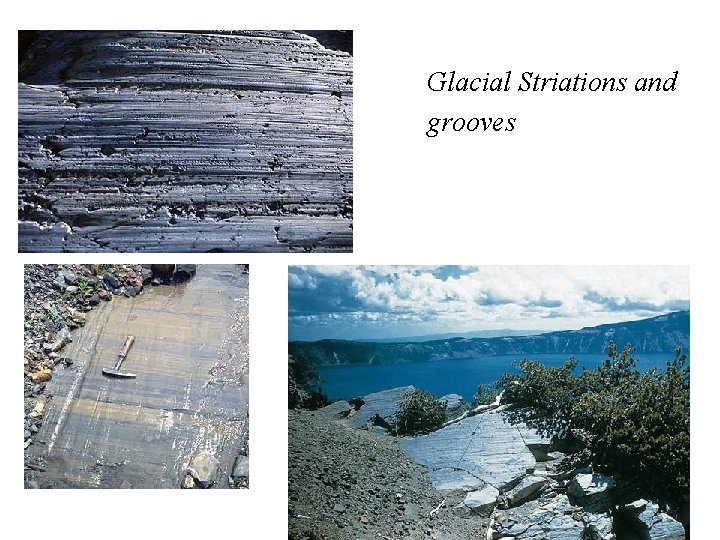
Glacial Erosion Glacial Striations and grooves
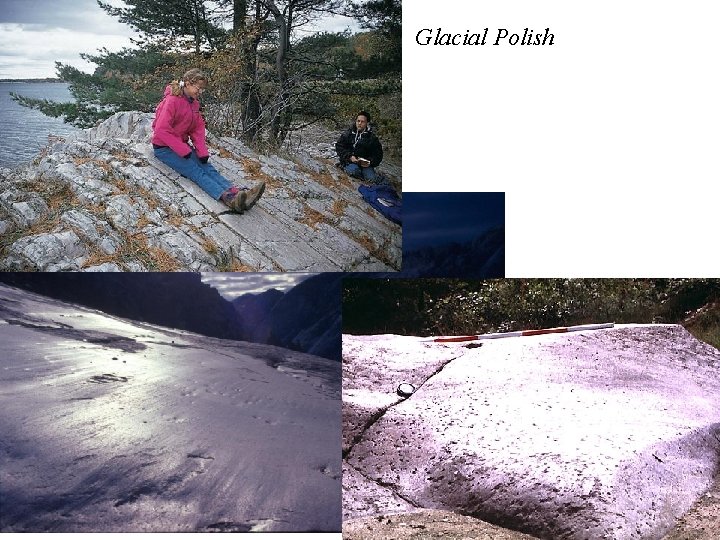
Glacial Polish
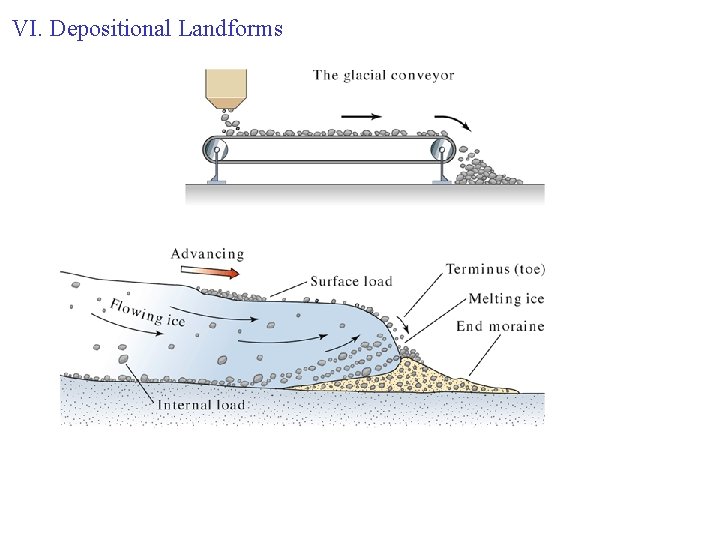
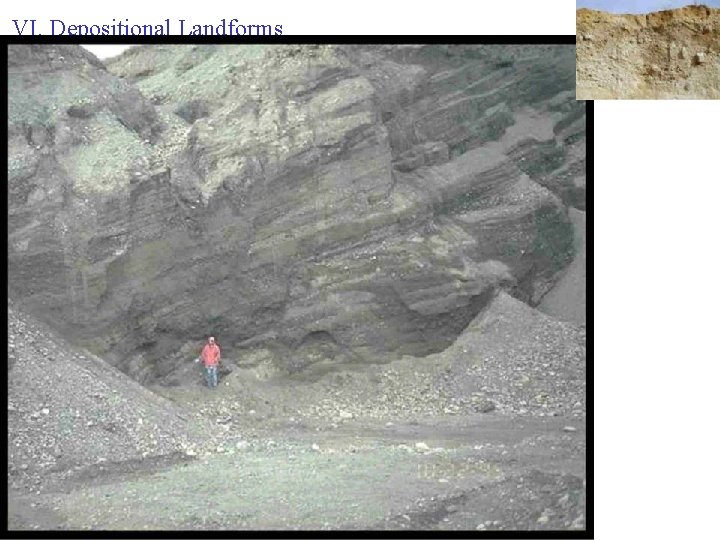
VI. Depositional Landforms
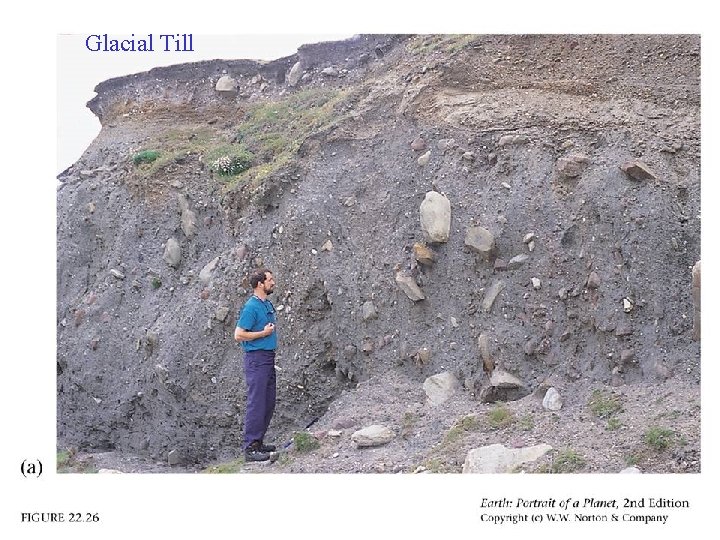
Glacial Till
VI. Depositional Landforms Glacial Till Stratified drift
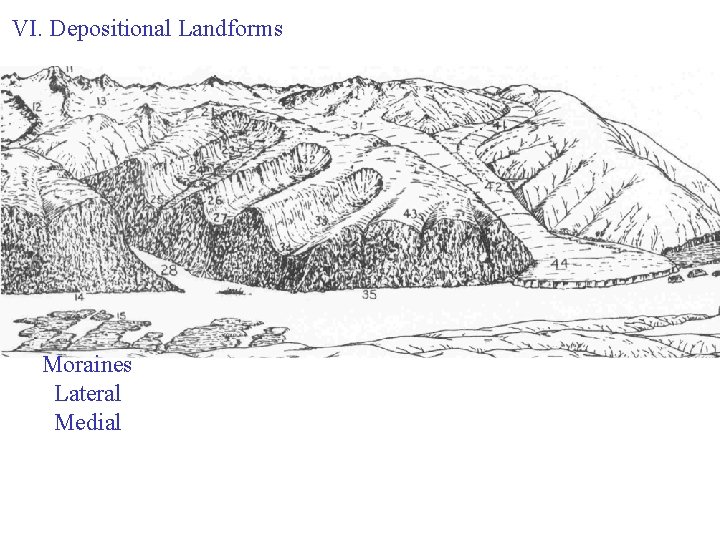
VI. Depositional Landforms Moraines Lateral Medial
Lateral and Medial Moraines
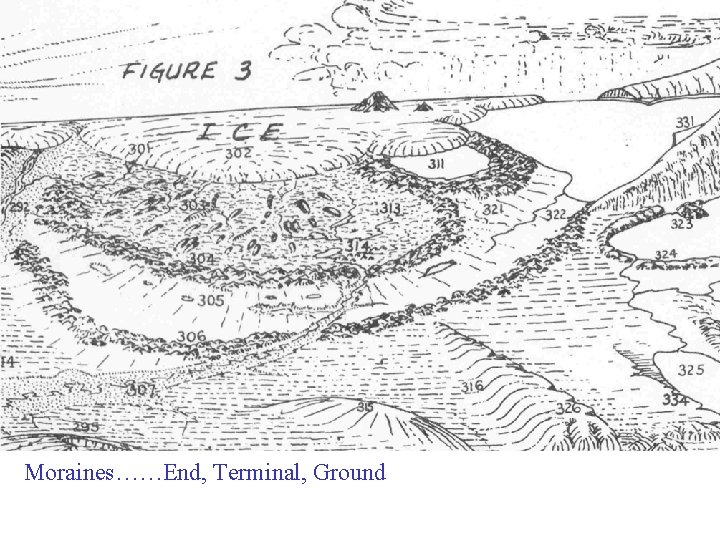
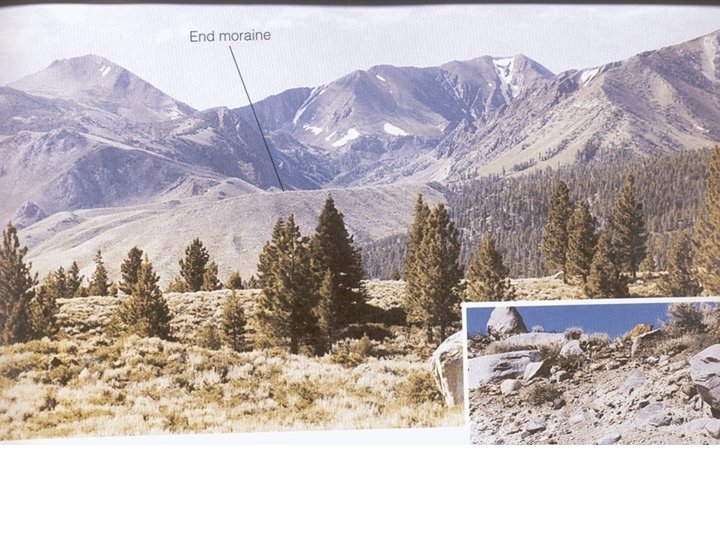
Moraines……End, Terminal, Ground
End Moraine
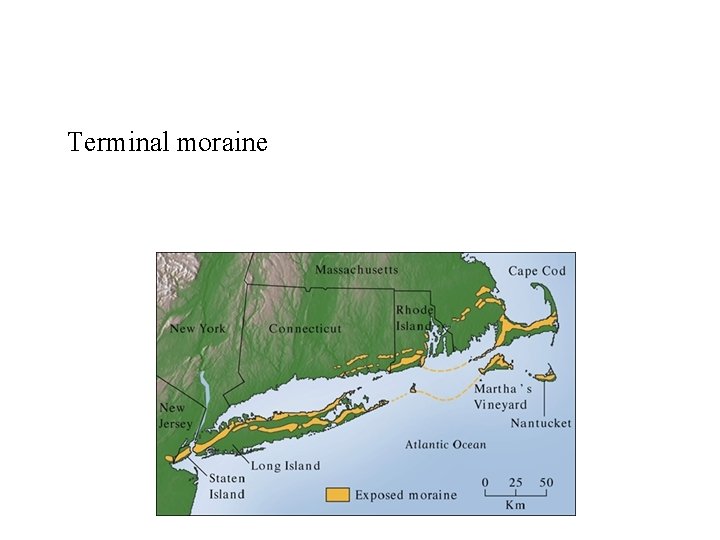
Terminal moraine
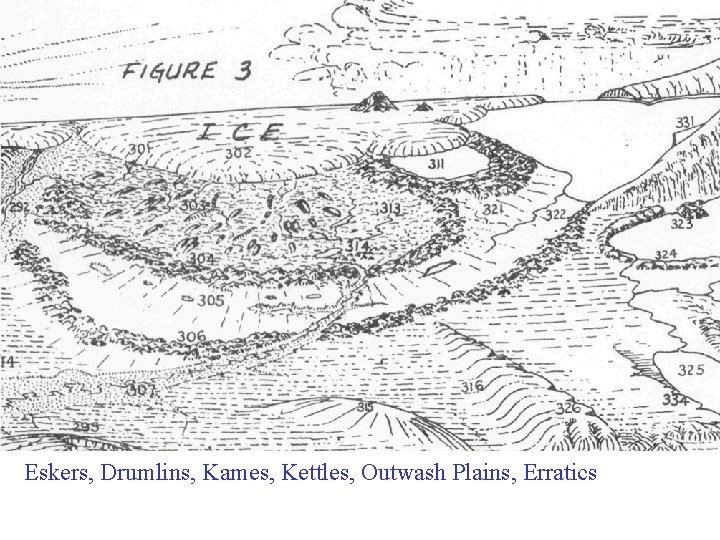
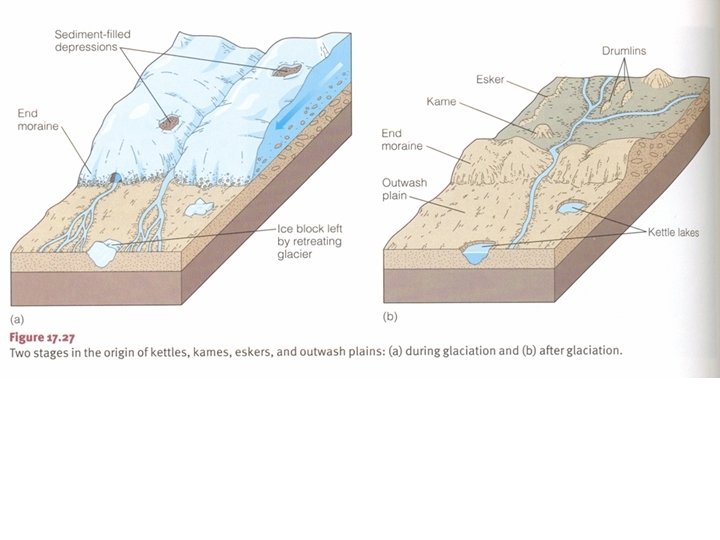
Eskers, Drumlins, Kames, Kettles, Outwash Plains, Erratics
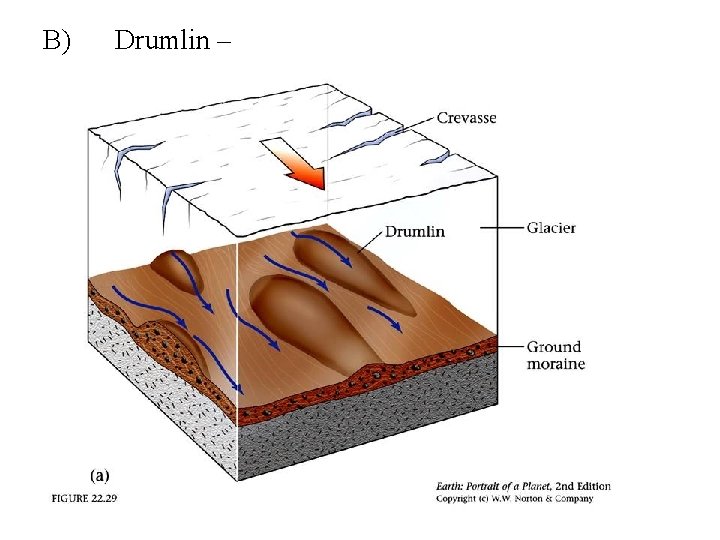
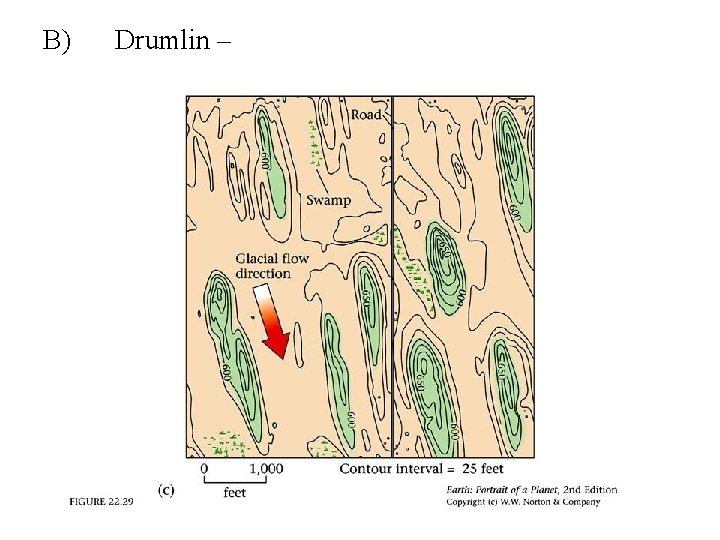
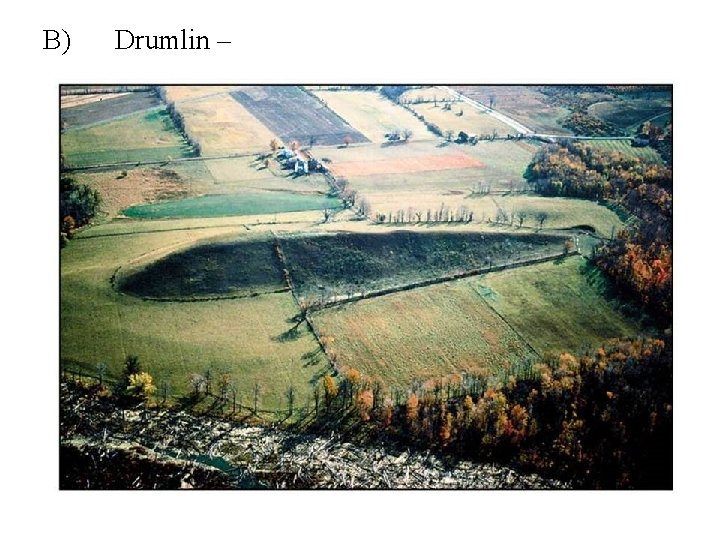
B) Drumlin –
B) Drumlin –
B) Drumlin –
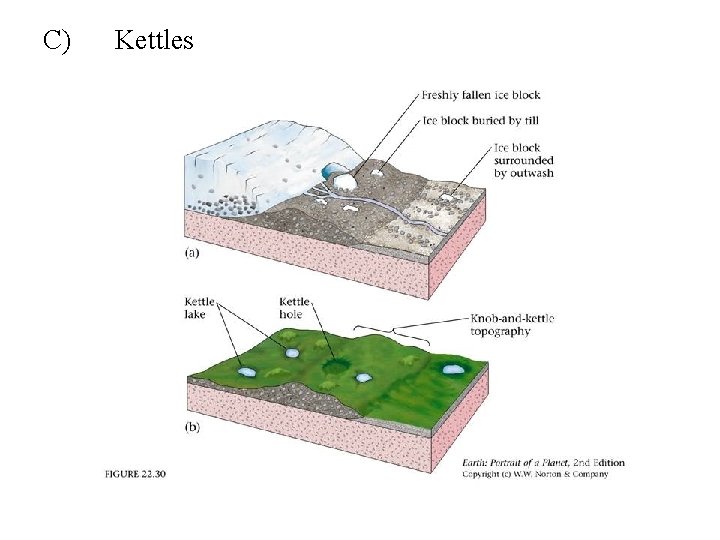
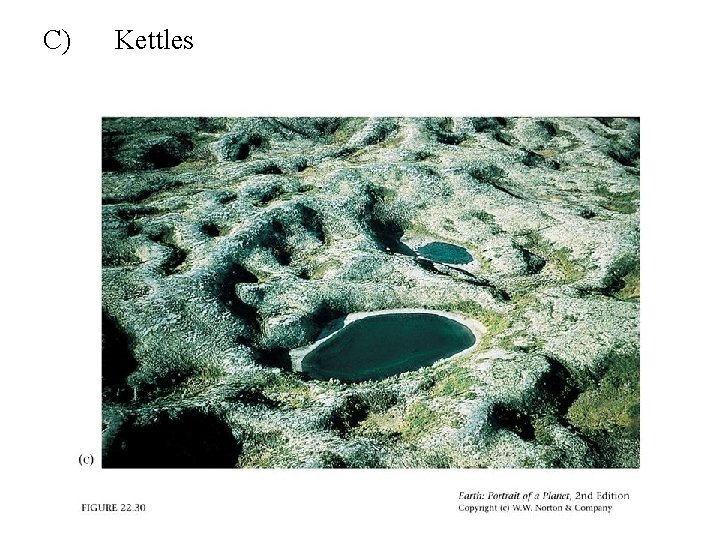
C) Kettles
C) Kettles
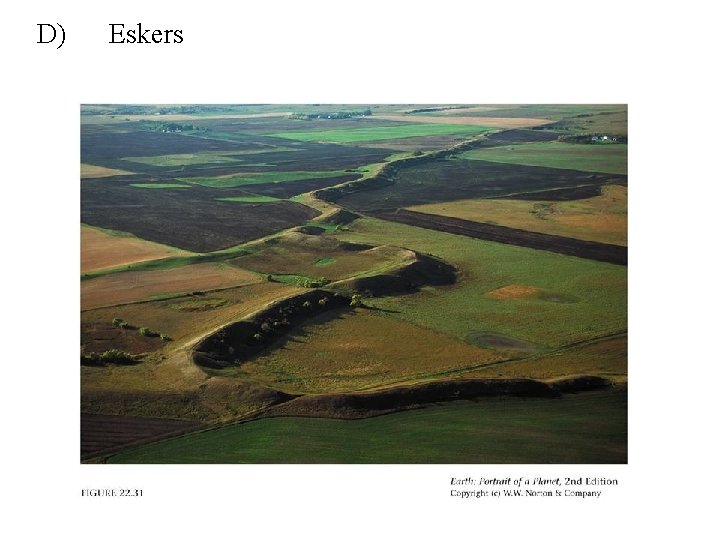
D) Eskers
D) Eskers
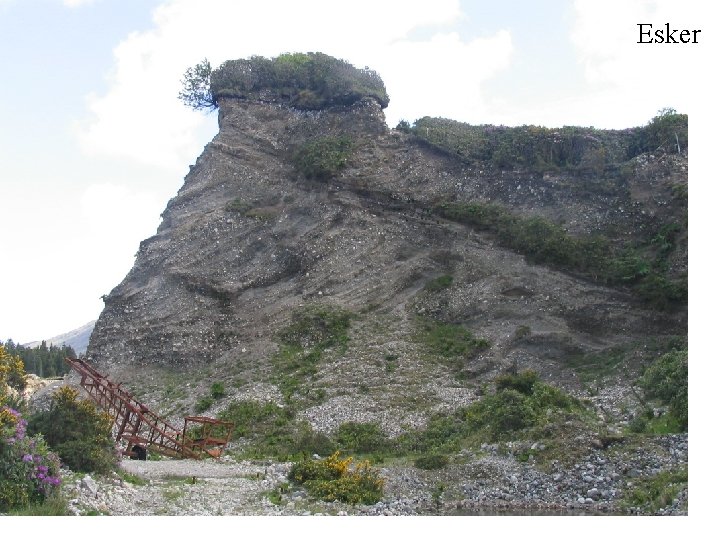
Esker
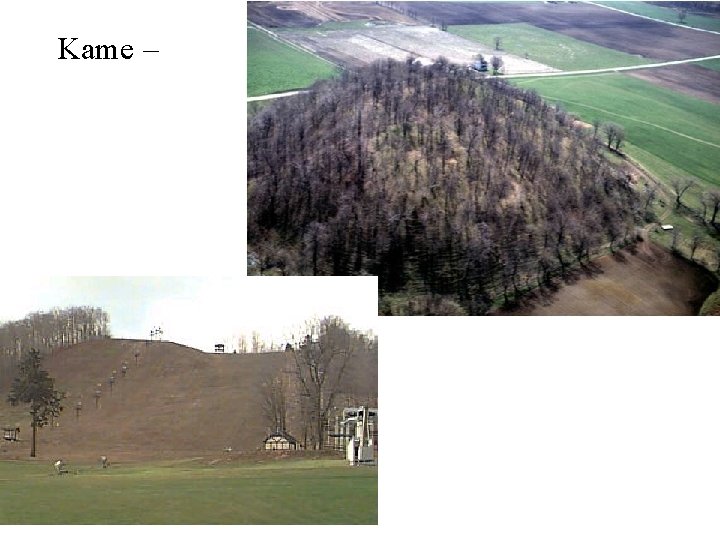
Kame –
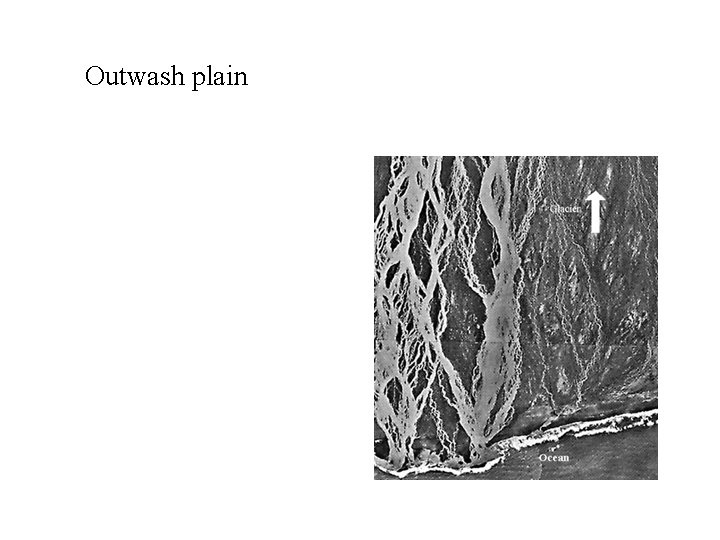
Outwash plain
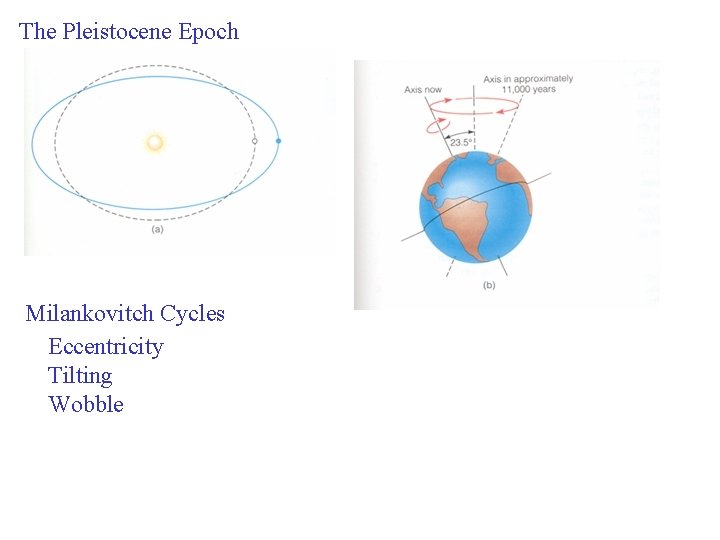
The Pleistocene Epoch Milankovitch Cycles Eccentricity Tilting Wobble
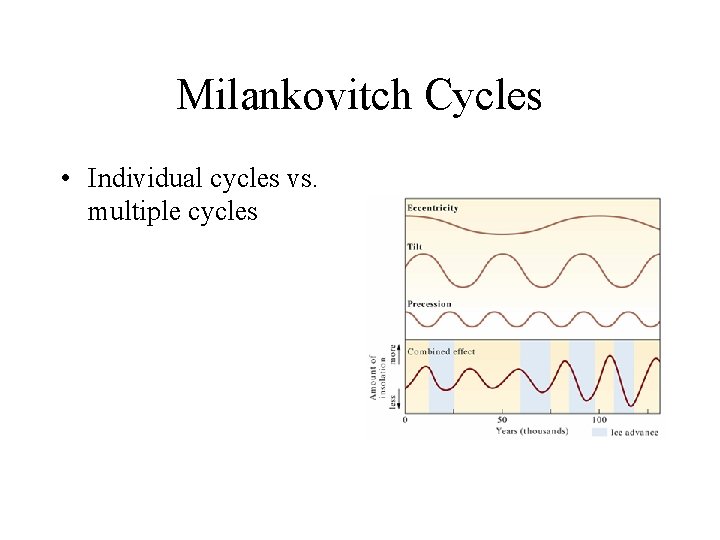
Milankovitch Cycles • Individual cycles vs. multiple cycles
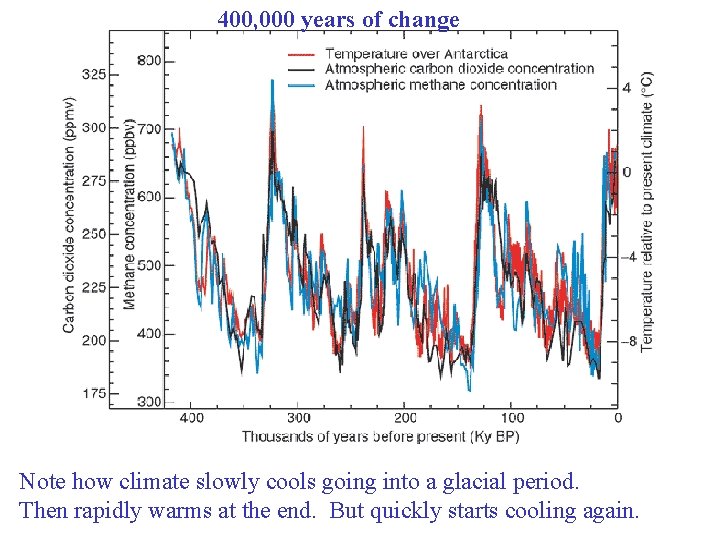
400, 000 years of change Note how climate slowly cools going into a glacial period. Then rapidly warms at the end. But quickly starts cooling again.
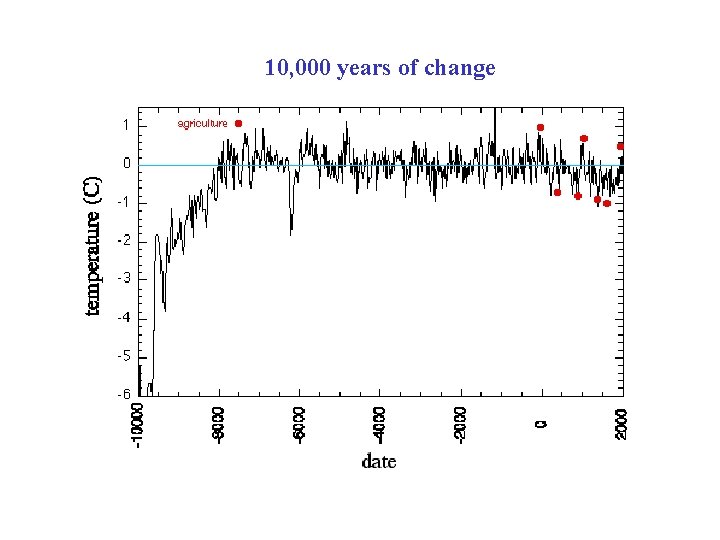
10, 000 years of change
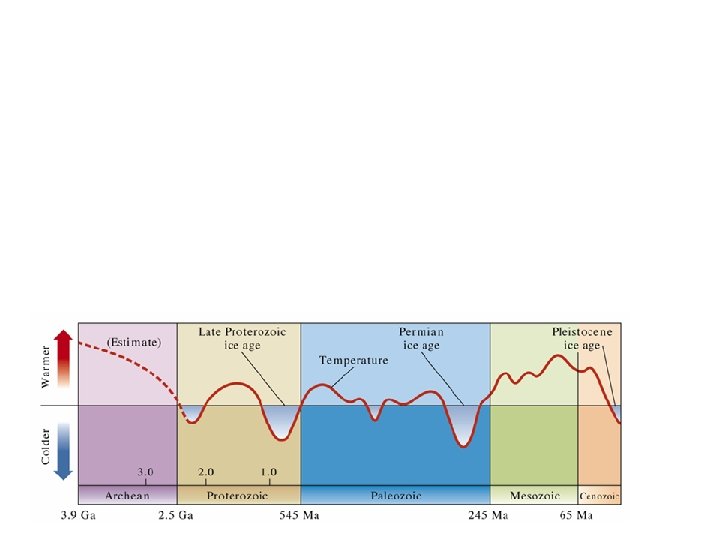
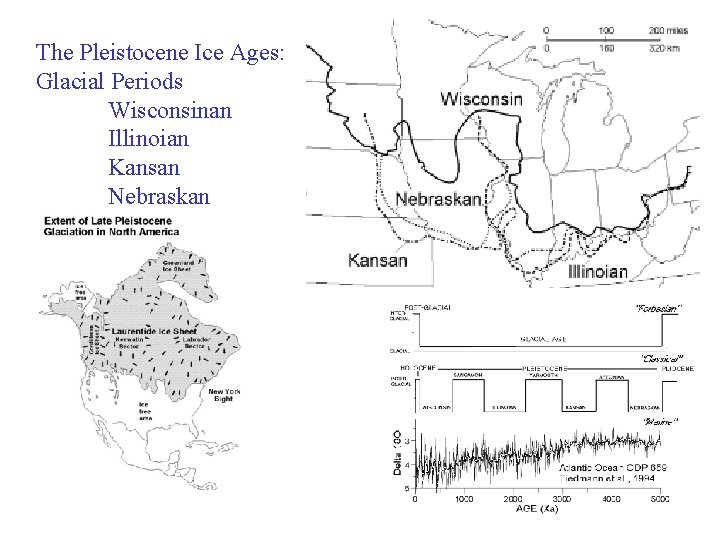
The Pleistocene Ice Ages: Glacial Periods Wisconsinan Illinoian Kansan Nebraskan
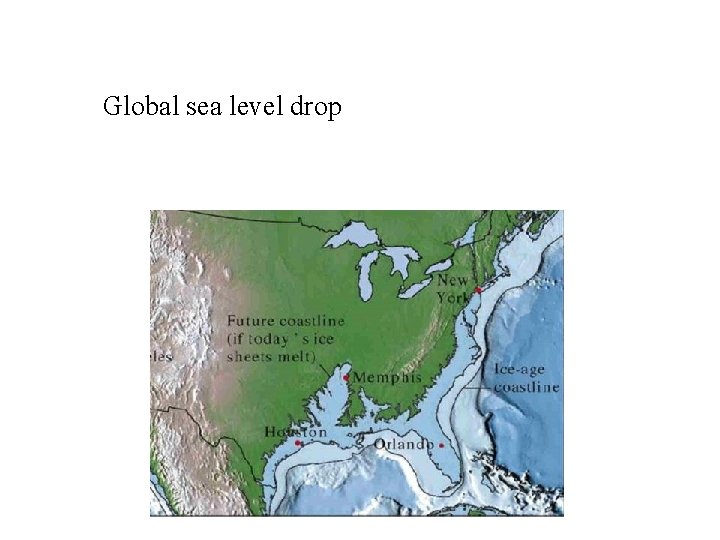
Global sea level drop
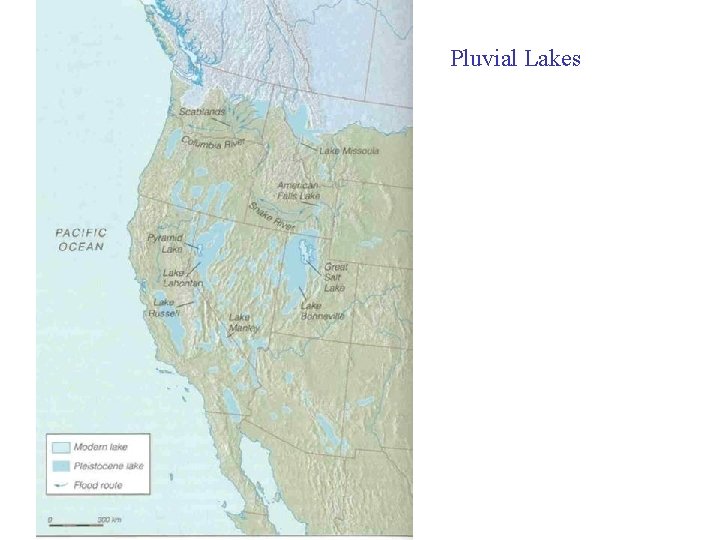
Pluvial Lakes
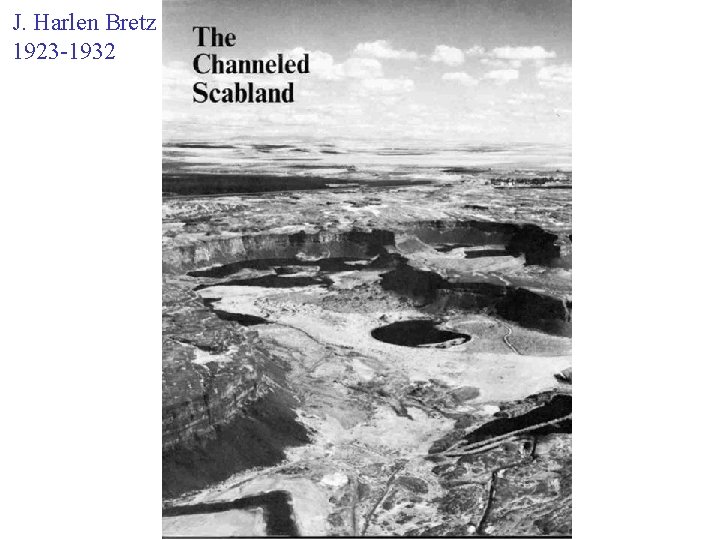
J. Harlen Bretz 1923 -1932