Climate Change Science What we know today and








- Slides: 64
Climate Change Science: What we know today and future impacts Dr. Roberta Johnson University Corporation for Atmospheric Research Education and Outreach
Overview • Why climate change science in the classroom? • Climate versus Weather • Climate Models • Climate Change Observations • IPCC 4 th Assessment Summary for Policy Makers • Future Impacts Annual layers of ice, Quelccaya Ice Cap, Peru Courtesy of Lonnie Thompson
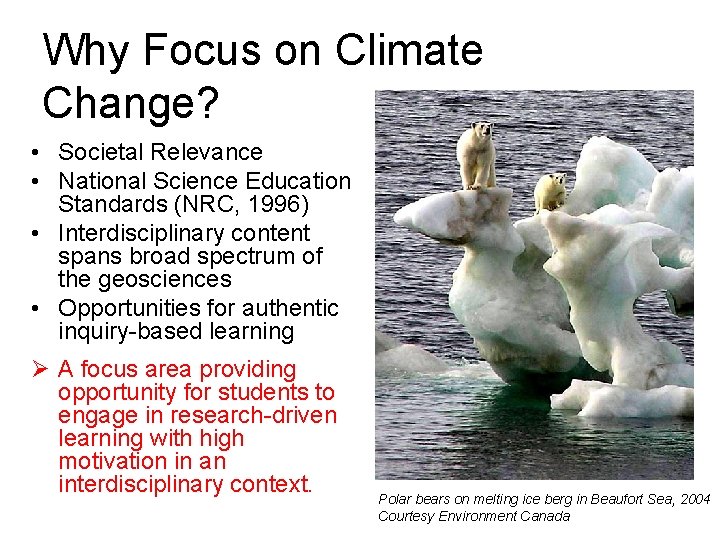
Why Focus on Climate Change? • Societal Relevance • National Science Education Standards (NRC, 1996) • Interdisciplinary content spans broad spectrum of the geosciences • Opportunities for authentic inquiry-based learning Ø A focus area providing opportunity for students to engage in research-driven learning with high motivation in an interdisciplinary context. Polar bears on melting ice berg in Beaufort Sea, 2004 Courtesy Environment Canada
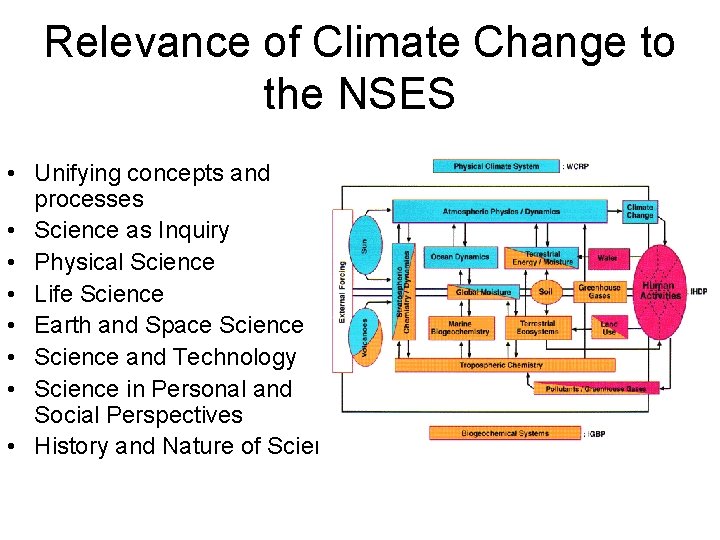
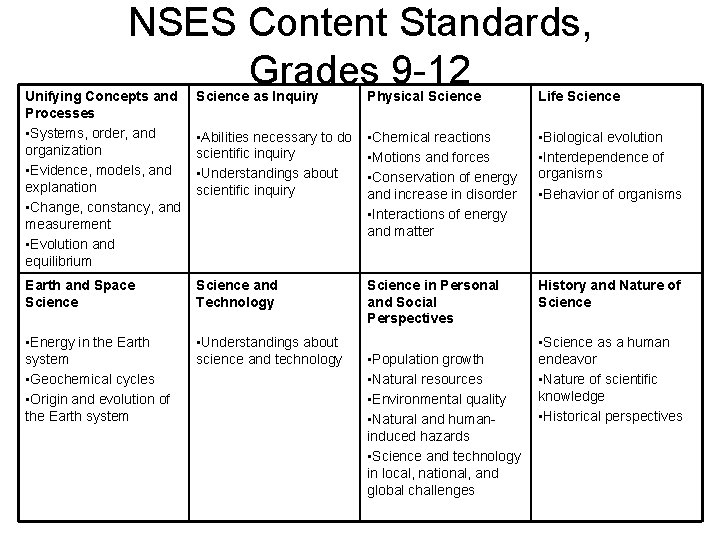
Relevance of Climate Change to the NSES • Unifying concepts and processes • Science as Inquiry • Physical Science • Life Science • Earth and Space Science • Science and Technology • Science in Personal and Social Perspectives • History and Nature of Science
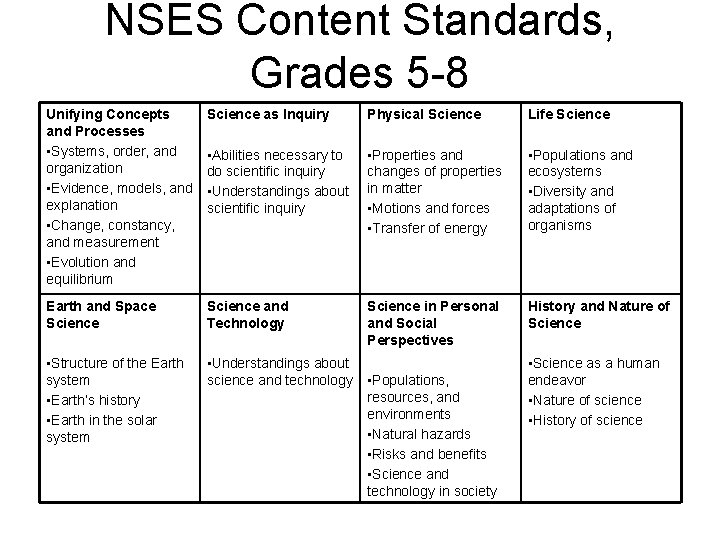
NSES Content Standards, Grades 5 -8 Unifying Concepts and Processes • Systems, order, and organization • Evidence, models, and explanation • Change, constancy, and measurement • Evolution and equilibrium Science as Inquiry Physical Science Life Science • Abilities necessary to do scientific inquiry • Understandings about scientific inquiry • Properties and changes of properties in matter • Motions and forces • Transfer of energy • Populations and ecosystems • Diversity and adaptations of organisms Earth and Space Science and Technology Science in Personal and Social Perspectives History and Nature of Science • Structure of the Earth system • Earth’s history • Earth in the solar system • Understandings about science and technology • Populations, resources, and environments • Natural hazards • Risks and benefits • Science and technology in society • Science as a human endeavor • Nature of science • History of science
NSES Content Standards, Grades 9 -12 Unifying Concepts and Processes • Systems, order, and organization • Evidence, models, and explanation • Change, constancy, and measurement • Evolution and equilibrium Science as Inquiry Physical Science Life Science • Abilities necessary to do scientific inquiry • Understandings about scientific inquiry • Chemical reactions • Motions and forces • Conservation of energy and increase in disorder • Interactions of energy and matter • Biological evolution • Interdependence of organisms • Behavior of organisms Earth and Space Science and Technology Science in Personal and Social Perspectives History and Nature of Science • Energy in the Earth system • Geochemical cycles • Origin and evolution of the Earth system • Understandings about science and technology • Population growth • Natural resources • Environmental quality • Natural and humaninduced hazards • Science and technology in local, national, and global challenges • Science as a human endeavor • Nature of scientific knowledge • Historical perspectives
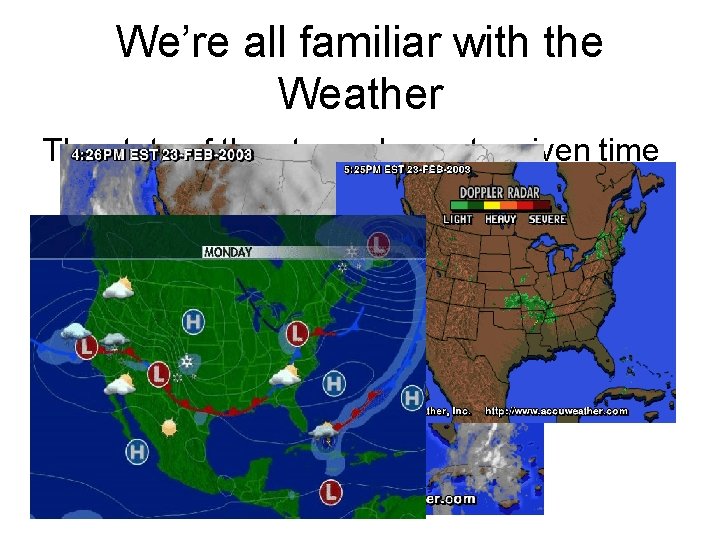
We’re all familiar with the Weather The state of the atmosphere at a given time that includes temperature, precipitation, humidity, pressure, winds.
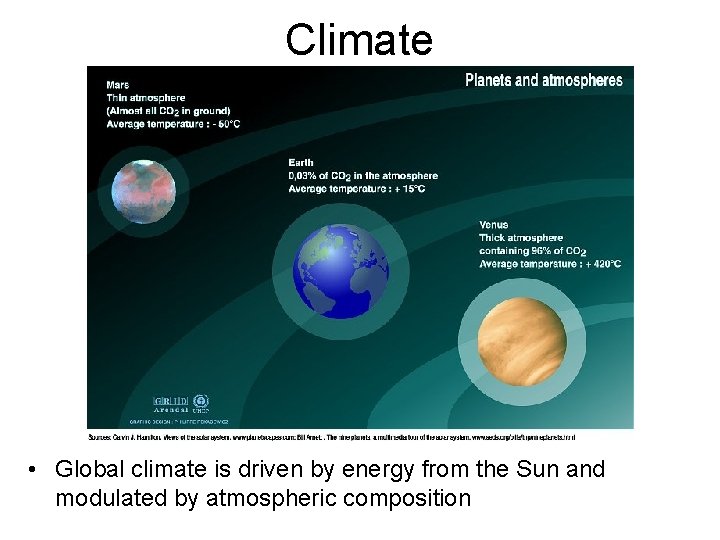
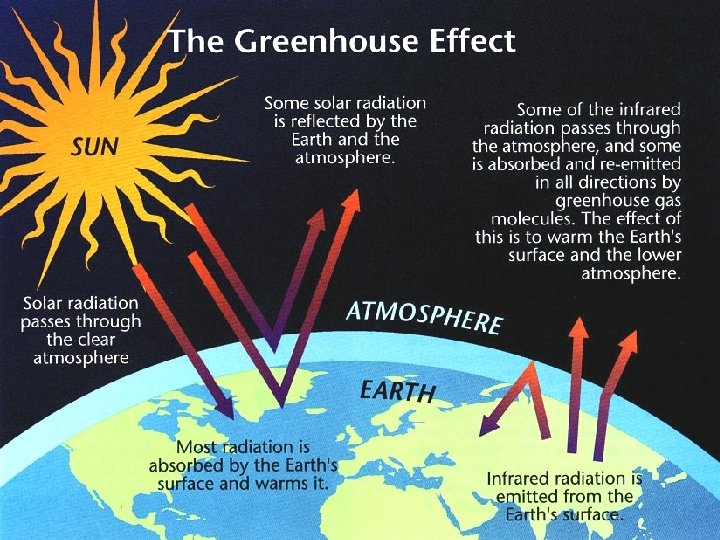
Climate • Global climate is driven by energy from the Sun and modulated by atmospheric composition
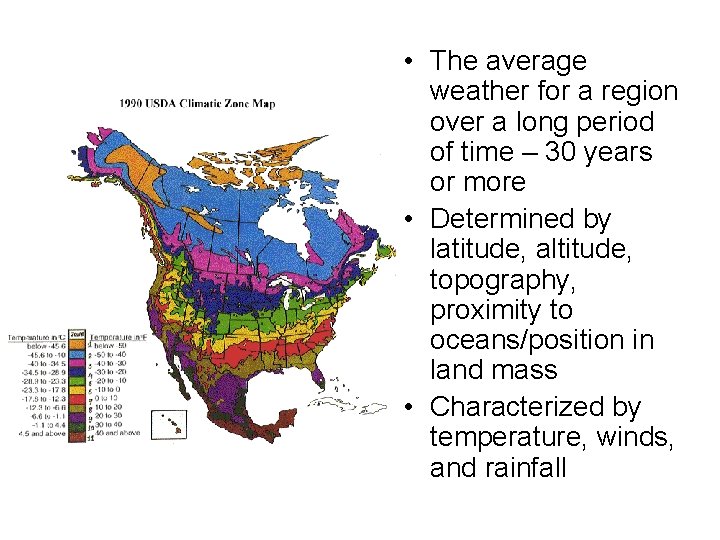
• The average weather for a region over a long period of time – 30 years or more • Determined by latitude, altitude, topography, proximity to oceans/position in land mass • Characterized by temperature, winds, and rainfall
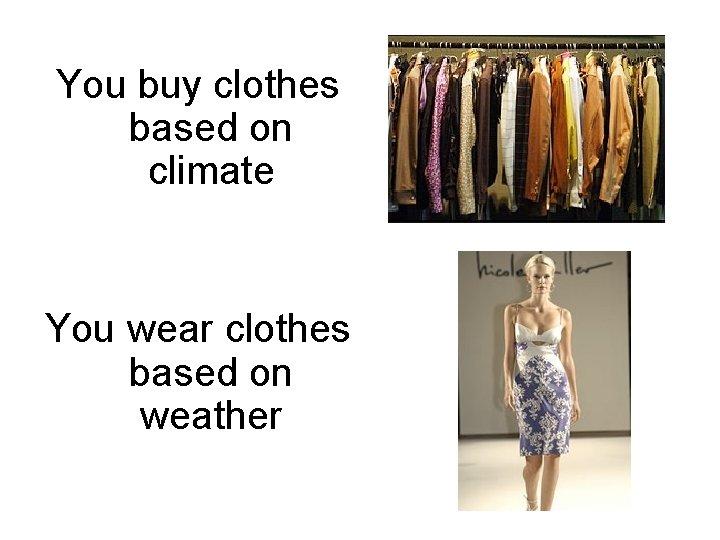
You buy clothes based on climate You wear clothes based on weather
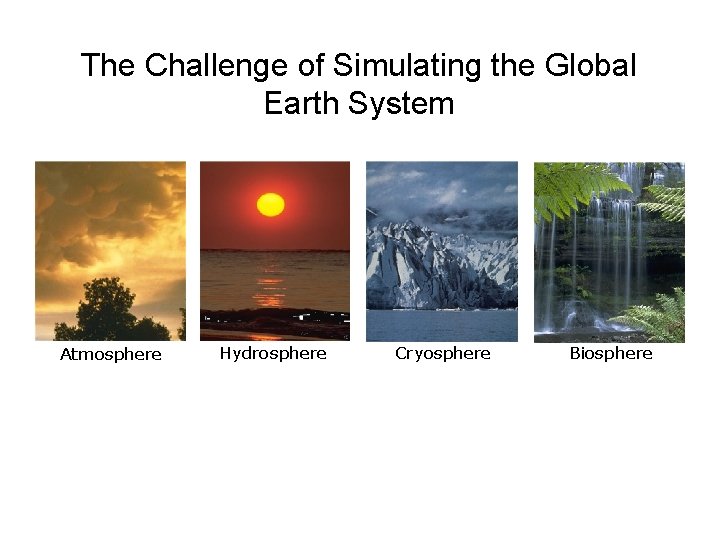
The Challenge of Simulating the Global Earth System Atmosphere Hydrosphere Cryosphere Biosphere
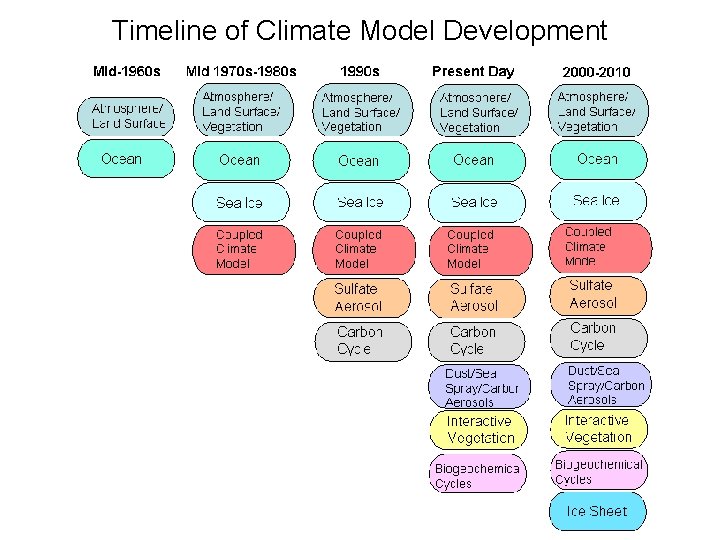
Timeline of Climate Model Development
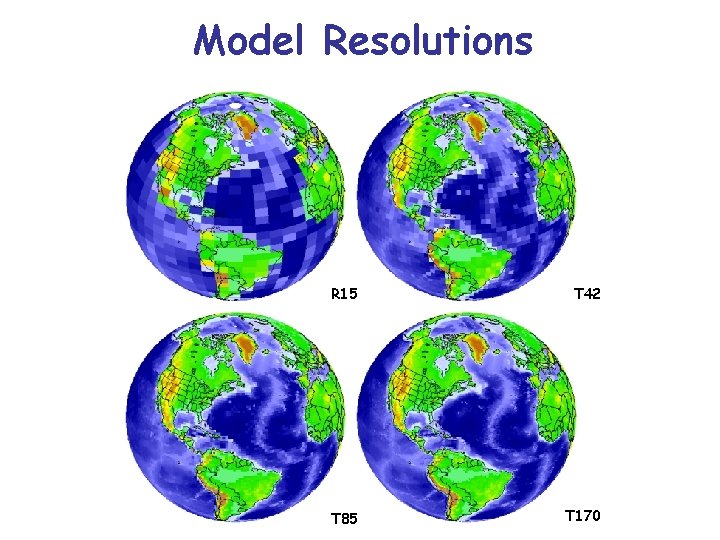
Model Resolutions R 15 T 42 T 85 T 170
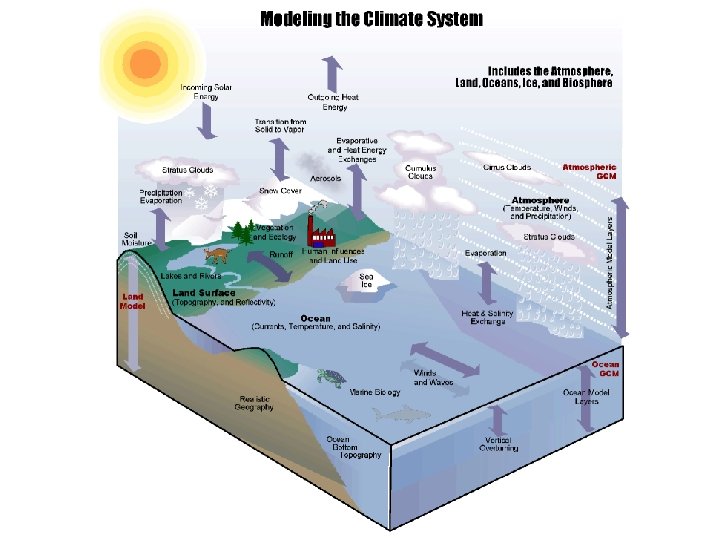
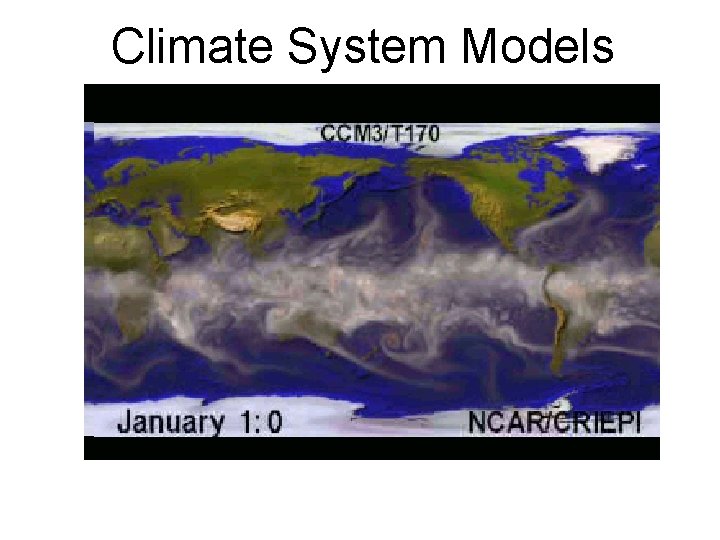
Climate System Models
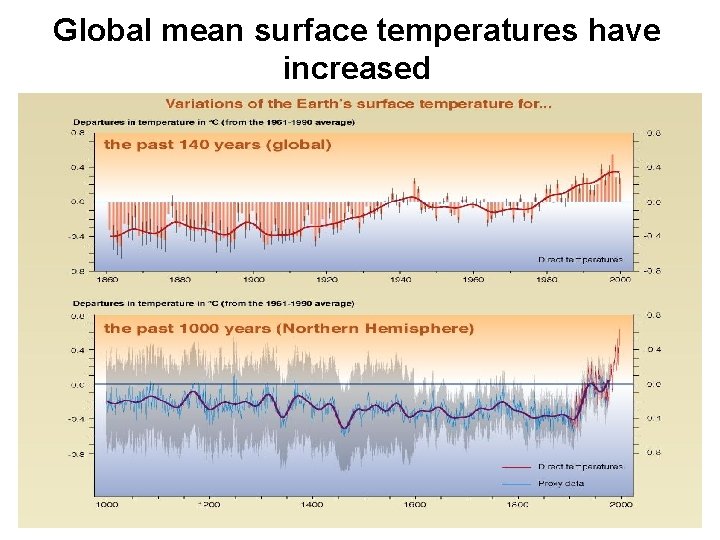
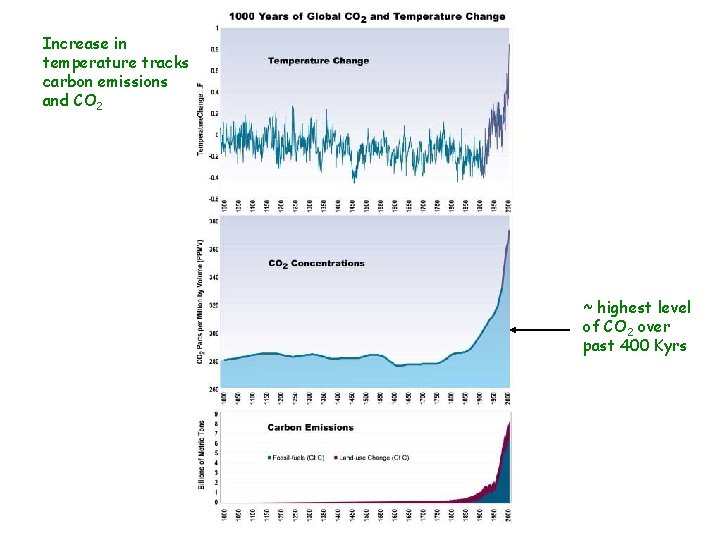
Global mean surface temperatures have increased
Increase in temperature tracks carbon emissions and CO 2 ~ highest level of CO 2 over past 400 Kyrs
A Warming World… NASA
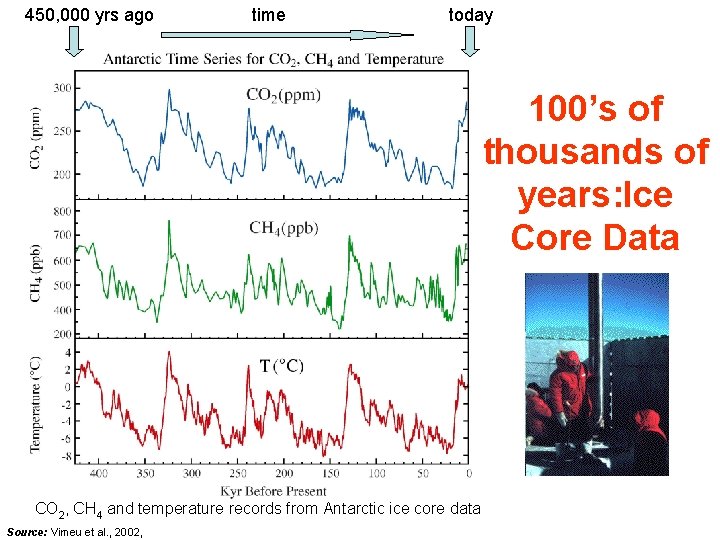
450, 000 yrs ago time today 100’s of thousands of years: Ice Core Data CO 2, CH 4 and temperature records from Antarctic ice core data Source: Vimeu et al. , 2002,
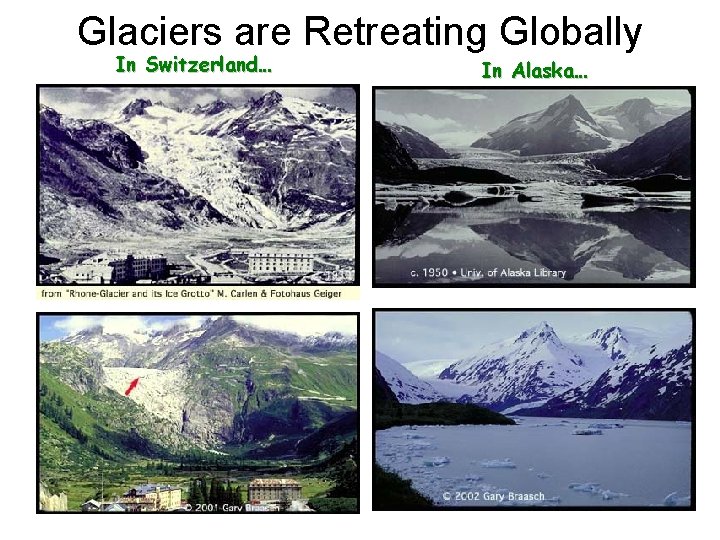
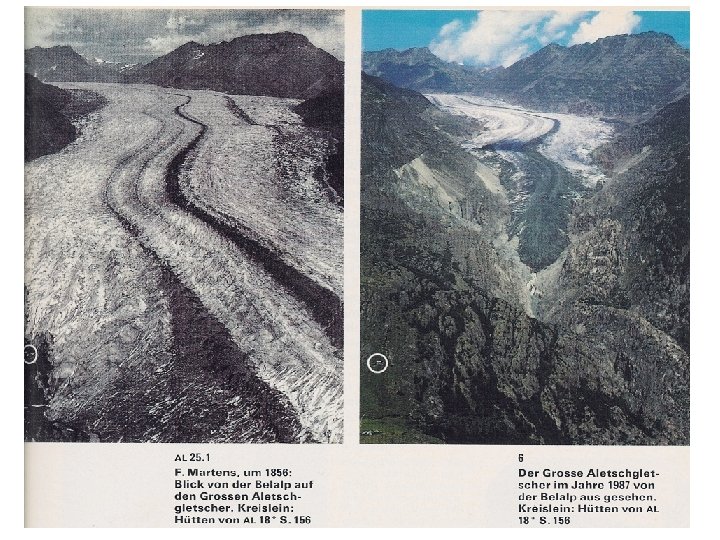
Glaciers are Retreating Globally In Switzerland… In Alaska…
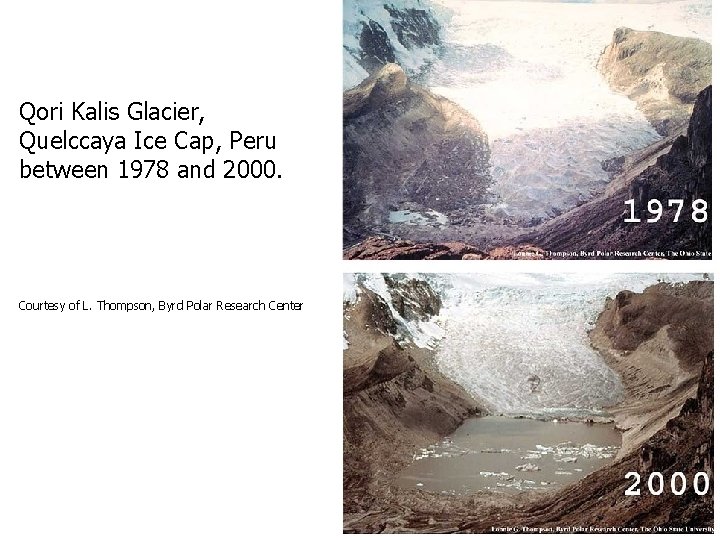
Qori Kalis Glacier, Quelccaya Ice Cap, Peru between 1978 and 2000. Courtesy of L. Thompson, Byrd Polar Research Center
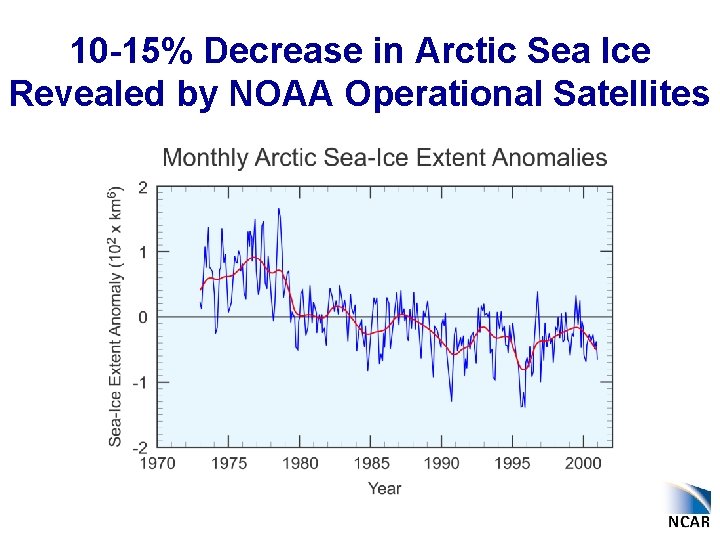
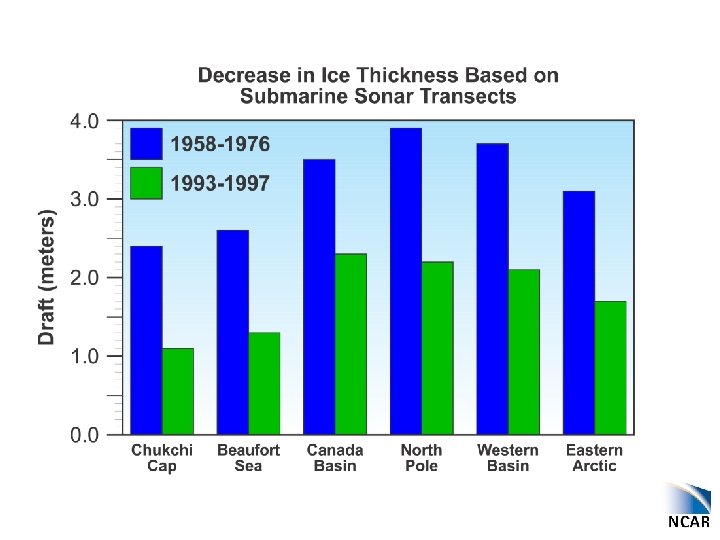
10 -15% Decrease in Arctic Sea Ice Revealed by NOAA Operational Satellites
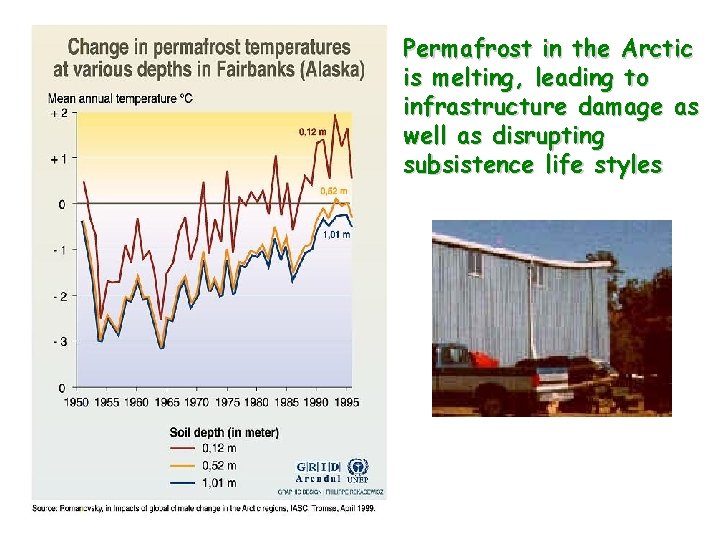
Permafrost in the Arctic is melting, leading to infrastructure damage as well as disrupting subsistence life styles
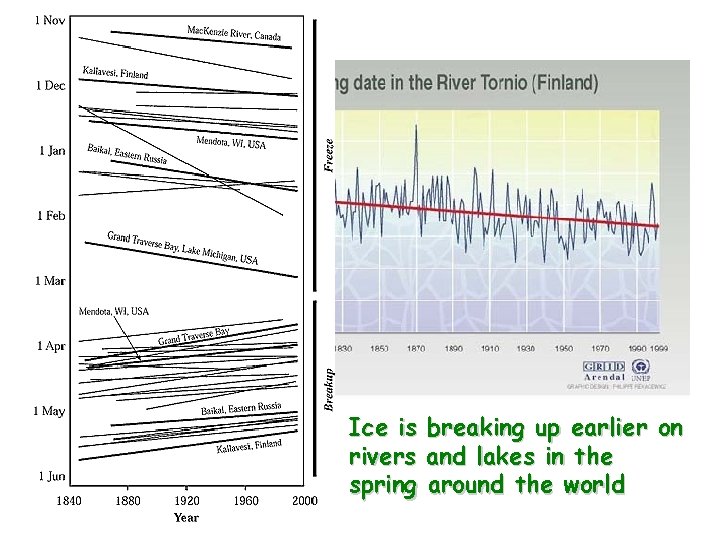
Ice is rivers spring breaking up earlier on and lakes in the around the world
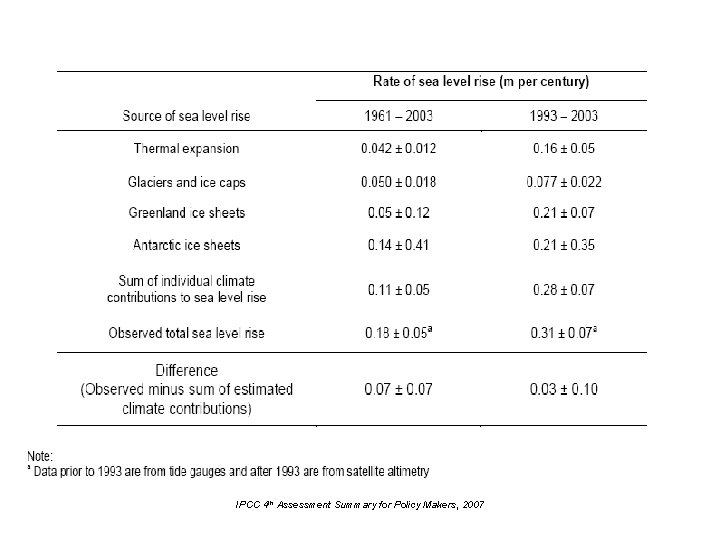
Rise in Global Mean Sea Level
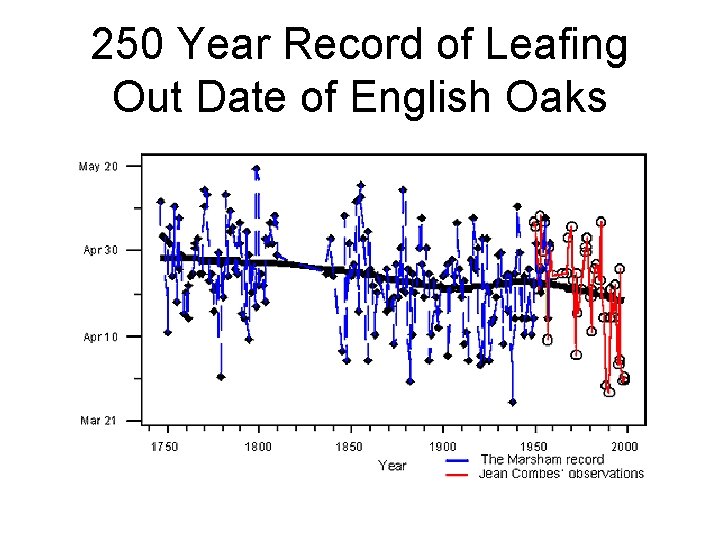
250 Year Record of Leafing Out Date of English Oaks
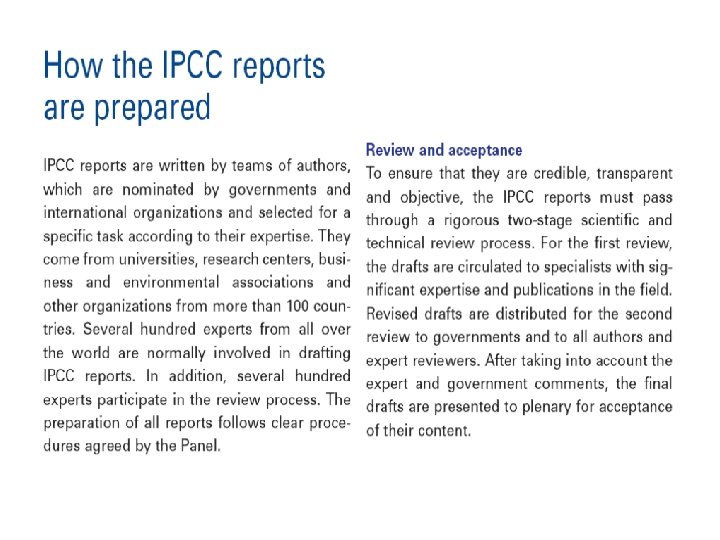
Intergovernmental Panel on Climate Change (IPCC)
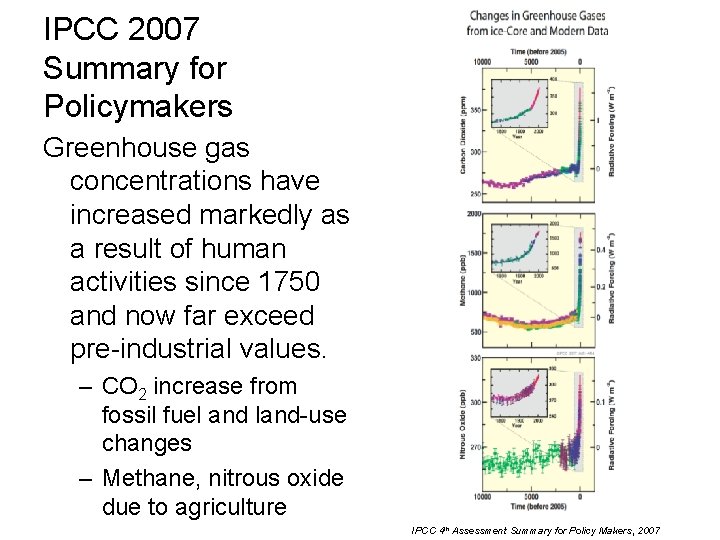
IPCC 2007 Summary for Policymakers Greenhouse gas concentrations have increased markedly as a result of human activities since 1750 and now far exceed pre-industrial values. – CO 2 increase from fossil fuel and land-use changes – Methane, nitrous oxide due to agriculture IPCC 4 th Assessment Summary for Policy Makers, 2007
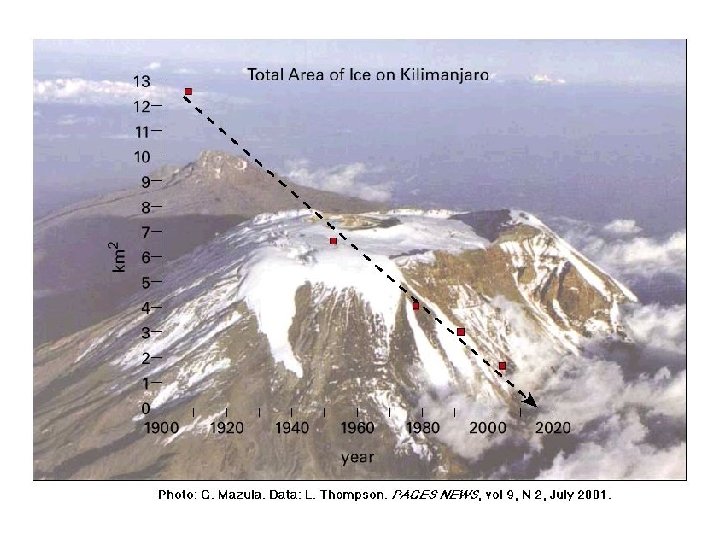
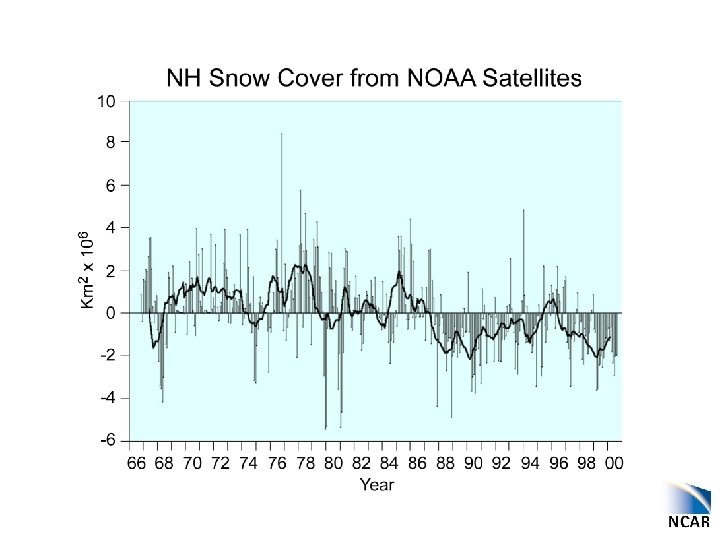
IPCC 2007 Summary for Policymakers Warming of the climate system is unequivocal, evident from observations of – Increases in global average air and ocean temperature – Widespread melting of snow and ice – Rising global mean sea level IPCC 4 th Assessment Summary for Policy Makers, 2007
IPCC 4 th Assessment Summary for Policy Makers, 2007
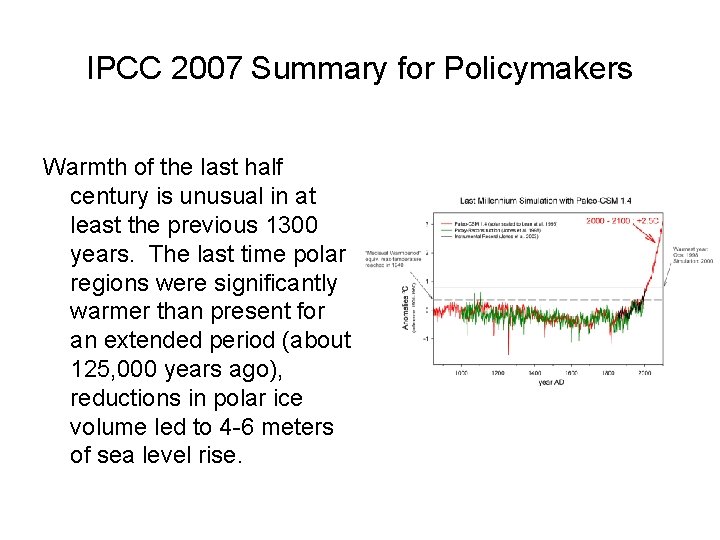
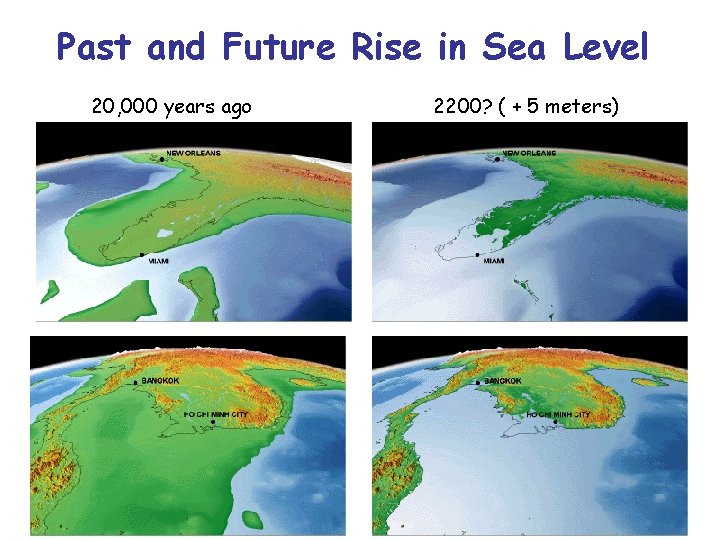
IPCC 2007 Summary for Policymakers Warmth of the last half century is unusual in at least the previous 1300 years. The last time polar regions were significantly warmer than present for an extended period (about 125, 000 years ago), reductions in polar ice volume led to 4 -6 meters of sea level rise.
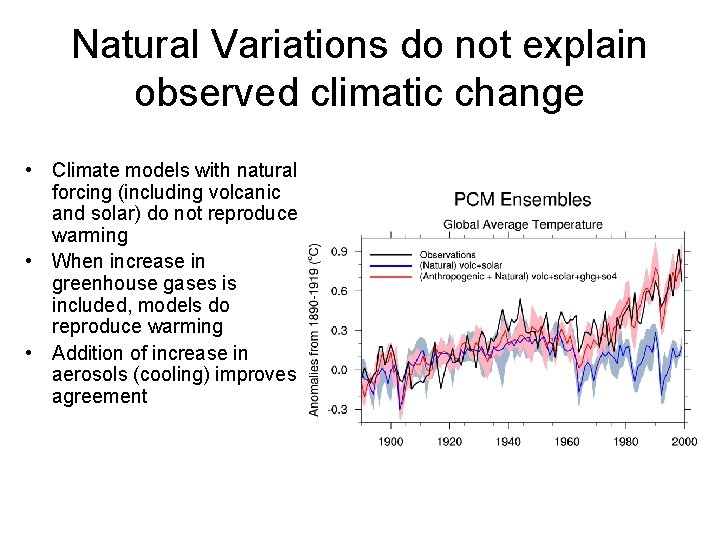
Natural Variations do not explain observed climatic change • Climate models with natural forcing (including volcanic and solar) do not reproduce warming • When increase in greenhouse gases is included, models do reproduce warming • Addition of increase in aerosols (cooling) improves agreement
IPCC 4 th Assessment Summary for Policy Makers, 2007
IPCC 2007 Summary for Policymakers For the next 2 decades a warming of. 2 C/decade is projected. Even if greenhouse gas/aerosol concentrations had been constant at yr 2000, further warming of. 1 C/decade would result due to slow response of the ocean. Continued greenhouse gas emissions at or above current rates will cause further warming and induce many changes in global climate system this century larger than those observed in the last century.
IPCC 4 th Assessment Summary for Policy Makers, 2007
IPCC 4 th Assessment Summary for Policy Makers, 2007
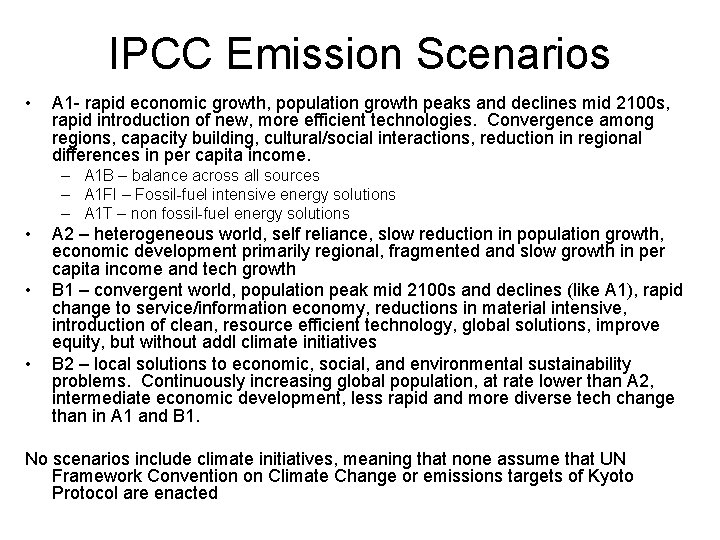
IPCC Emission Scenarios • A 1 - rapid economic growth, population growth peaks and declines mid 2100 s, rapid introduction of new, more efficient technologies. Convergence among regions, capacity building, cultural/social interactions, reduction in regional differences in per capita income. – A 1 B – balance across all sources – A 1 FI – Fossil-fuel intensive energy solutions – A 1 T – non fossil-fuel energy solutions • • • A 2 – heterogeneous world, self reliance, slow reduction in population growth, economic development primarily regional, fragmented and slow growth in per capita income and tech growth B 1 – convergent world, population peak mid 2100 s and declines (like A 1), rapid change to service/information economy, reductions in material intensive, introduction of clean, resource efficient technology, global solutions, improve equity, but without addl climate initiatives B 2 – local solutions to economic, social, and environmental sustainability problems. Continuously increasing global population, at rate lower than A 2, intermediate economic development, less rapid and more diverse tech change than in A 1 and B 1. No scenarios include climate initiatives, meaning that none assume that UN Framework Convention on Climate Change or emissions targets of Kyoto Protocol are enacted
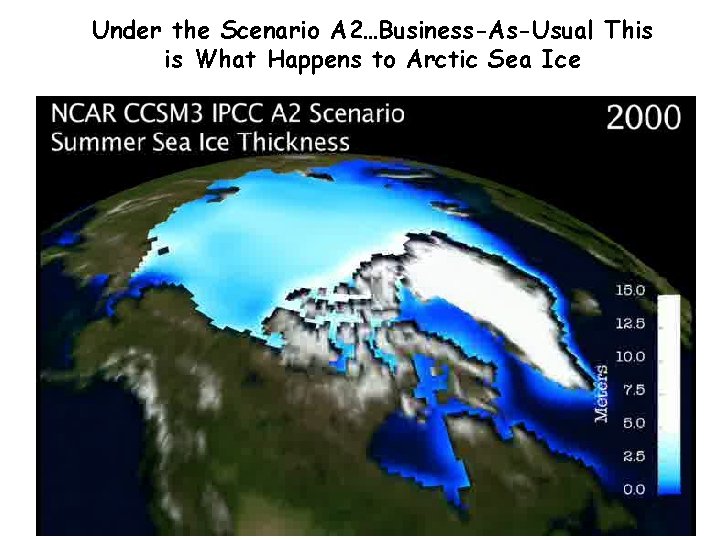
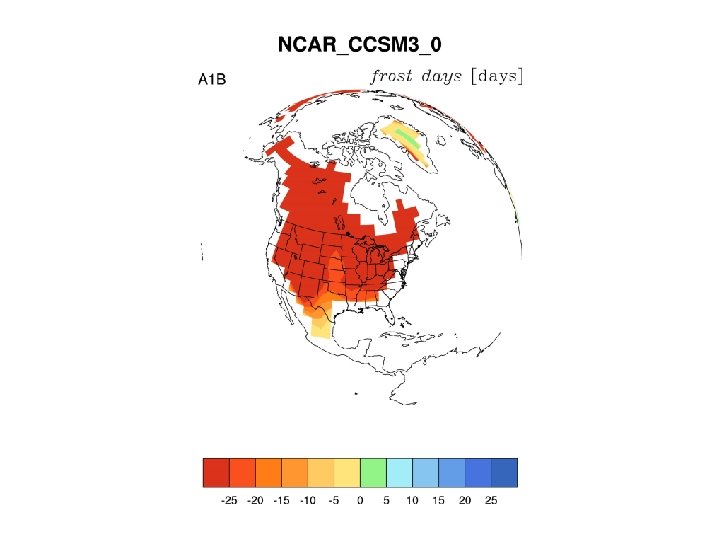
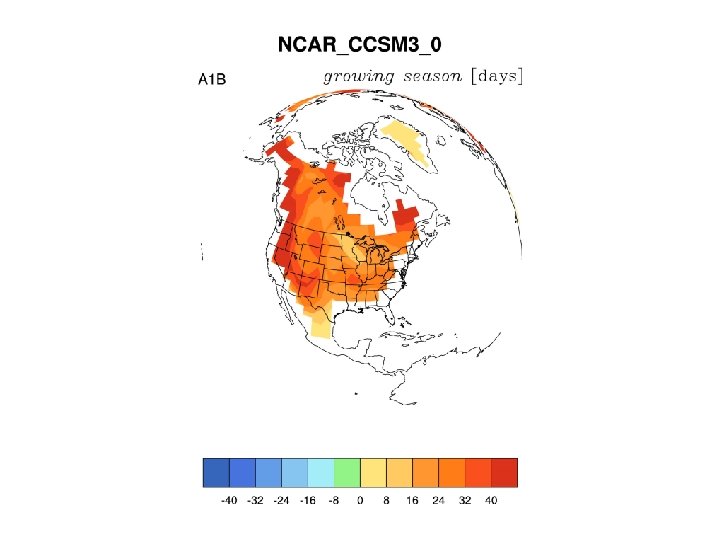
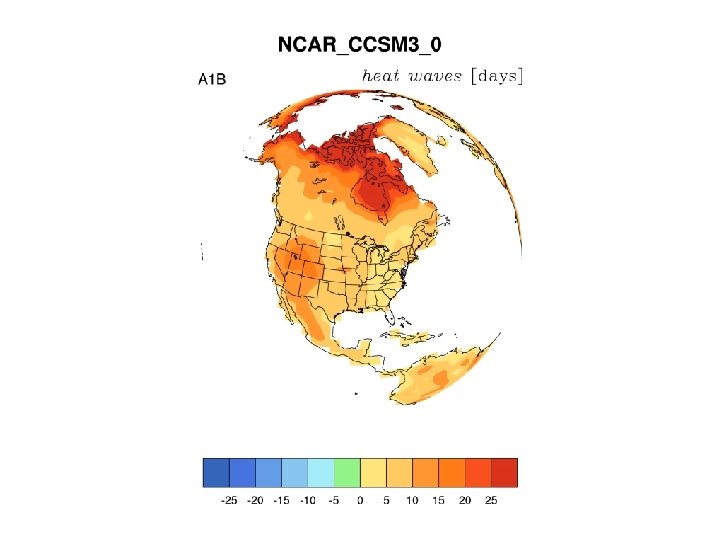
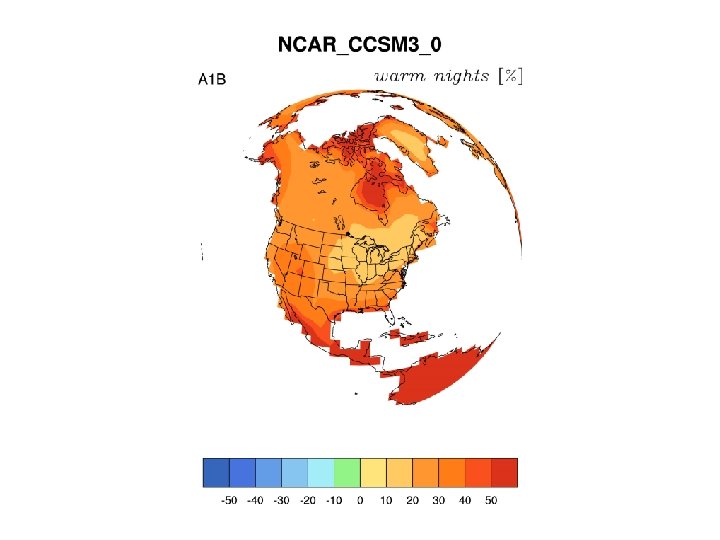
IPCC 2007 Summary for Policymakers Higher confidence in projected patterns of warming and regional-scale features, continuing currently observed trends: – warming greatest over land at most high northern latitudes (least over Southern Ocean and parts of NA ocean) – snow cover will contract – widespread increases in thaw depth over most permafrost regions – sea ice will shrink in both Arctic and Antarctic, in some projections late summer sea ice disappears in the Arctic by latter part of 21 st century – very likely that hot extremes, heat waves, and heavy precipitation events will continue to become more frequent – likely that typhoons and hurricanes will become more intense – extra-tropical storm tracks will move poleward – precipitation at high latitude very likely to increase, while decreases are likely in most subtropical land regions – Very likely that meridional overturning circulation of the Atlantic Ocean will slow down during the 21 st century. Average reduction by 2100 is 25% (0 -50%). Very abrupt transition is very unlikely in 21 st century. Anthropogenic warming and sea level rise will continue for centuries due to the timescales associated with climate processes and feedbacks, even if greenhouse gas concentrations were stabilized
Under the Scenario A 2…Business-As-Usual This is What Happens to Arctic Sea Ice
Past and Future Rise in Sea Level 20, 000 years ago 2200? ( + 5 meters)
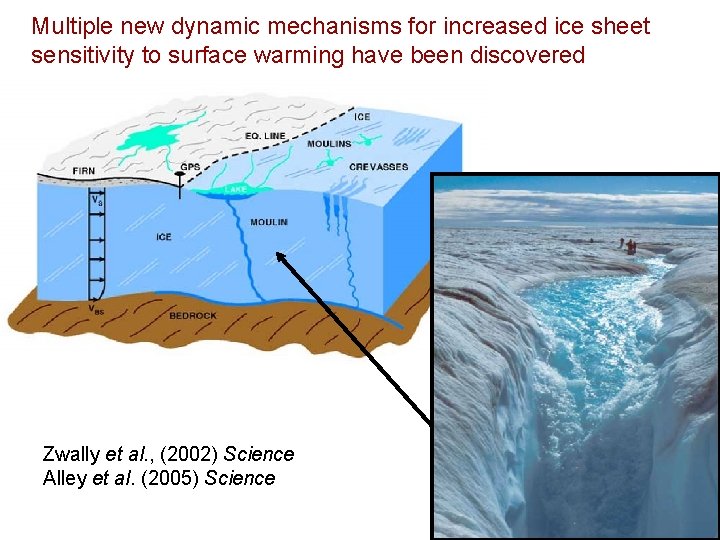
Multiple new dynamic mechanisms for increased ice sheet sensitivity to surface warming have been discovered Zwally et al. , (2002) Science Alley et al. (2005) Science
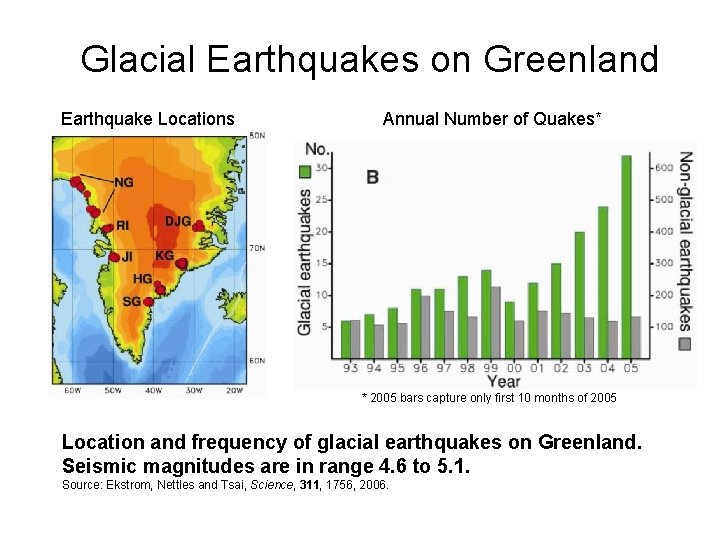
Glacial Earthquakes on Greenland Earthquake Locations Annual Number of Quakes* * 2005 bars capture only first 10 months of 2005 Location and frequency of glacial earthquakes on Greenland. Seismic magnitudes are in range 4. 6 to 5. 1. Source: Ekstrom, Nettles and Tsai, Science, 311, 1756, 2006.
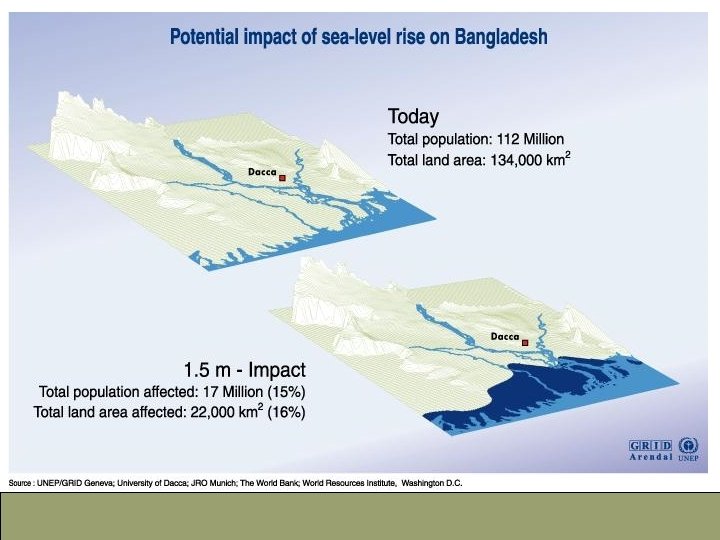
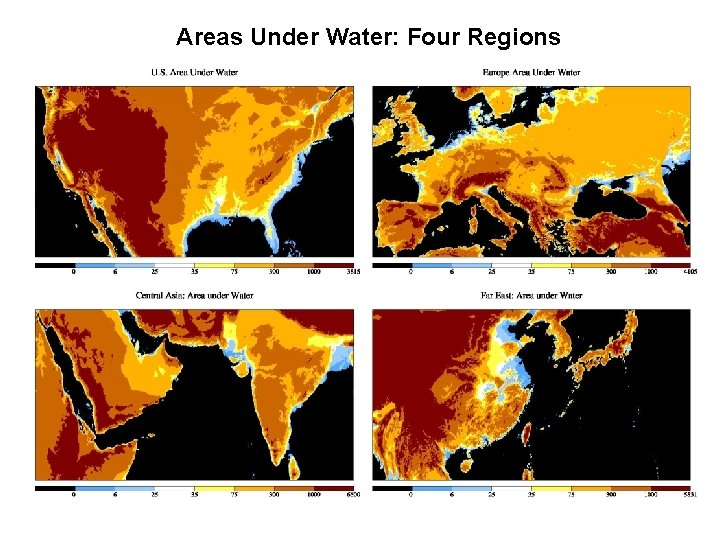
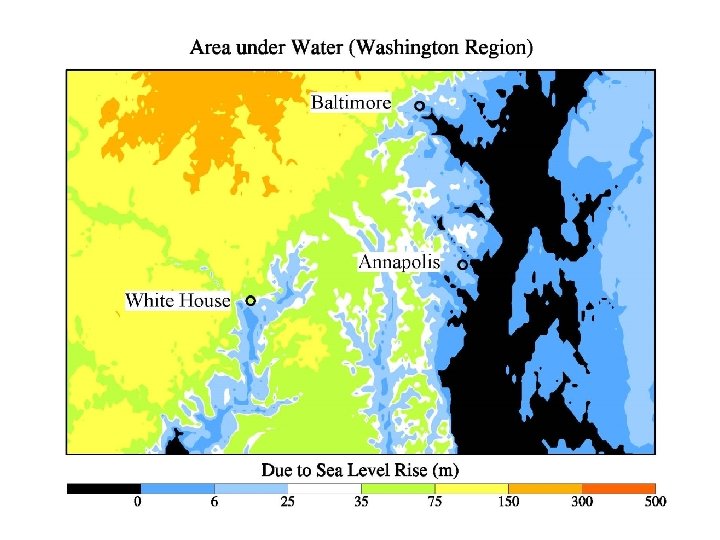
Areas Under Water: Four Regions
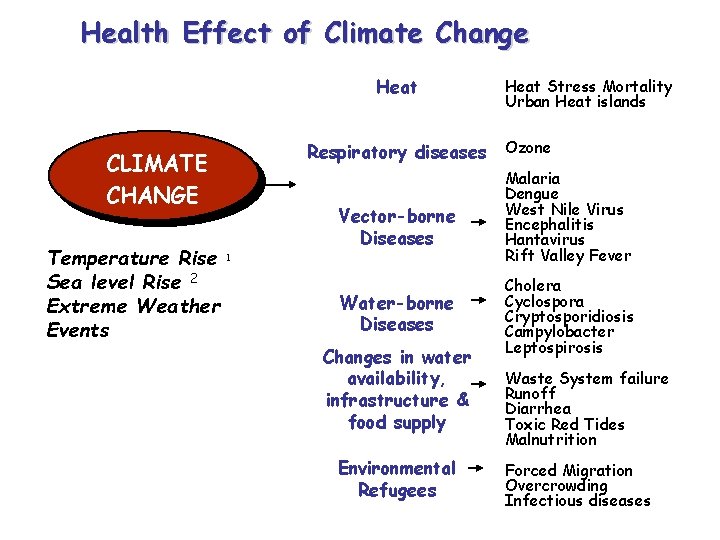
Health Effect of Climate Change Heat CLIMATE CHANGE Temperature Rise 1 Sea level Rise 2 Extreme Weather Events Respiratory diseases Vector-borne Diseases Water-borne Diseases Changes in water availability, infrastructure & food supply Environmental Refugees Heat Stress Mortality Urban Heat islands Ozone Malaria Dengue West Nile Virus Encephalitis Hantavirus Rift Valley Fever Cholera Cyclospora Cryptosporidiosis Campylobacter Leptospirosis Waste System failure Runoff Diarrhea Toxic Red Tides Malnutrition Forced Migration Overcrowding Infectious diseases
Some Great Websites on Climate • • • Intergovernmental Panel on Climate Change (IPCC)http: //www. ipcc. ch/index. html US Global Change Research Program (lots of good stuff)http: //www. usgcrp. gov/usgcrp/default. htm World Health Organization (WHO) http: //www. who. int/peh/climate_and_health. htm US Environmental Protection Agency (EPA) – http: //yosemite. epa. gov/oar/globalwarming. nsf/content/Climate. html National Snow and Ice Data Center (great cryosphere data)- http: //nsidc. org/noaa/ National Center for Atmospheric Research Climate and Global Dynamics http: //www. cgd. ucar. edu/ Climate Hot. Spots Map (AMAZING!)- http: //www. climatehotmap. org/index. html Vital Climate Graphics (Great ppt Graphics)http: //www. grida. no/climate/vital/index. htm World View of Global Warming (photos)http: //www. worldviewofglobalwarming. org/ Exploratorium Global Change Research Explorer http: //www. exploratorium. edu/climate/index. html Global Environmental Change and Our Health http: //www. pbs. org/journeytoplanetearth/johnshopkins/index. html NCAR Education and Outreach Website – www. ncar. ucar. edu/eo
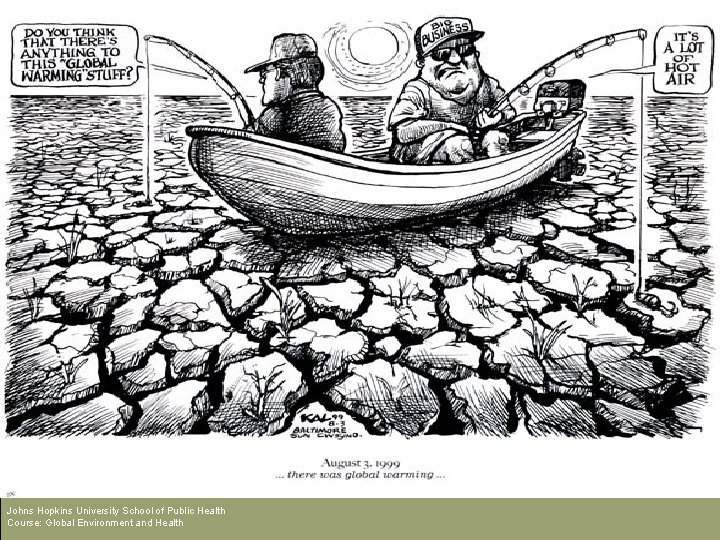
Johns Hopkins University School of Public Health Course: Global Environment and Health
Facts do not cease to exist because they are ignored Aldous Huxley We have a duty to all the world’s people… and especially to the children of the world, to whom the future belongs - UN Millennium Goals
• Extra slides (do not print out beyond this point)
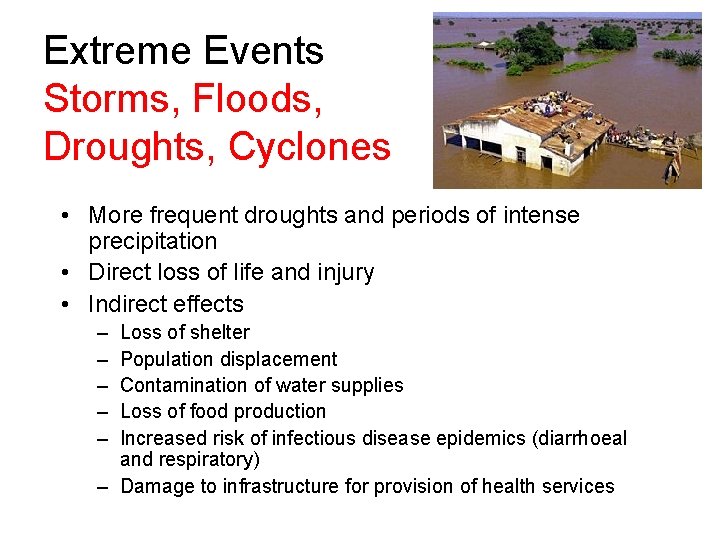
Extreme Events Storms, Floods, Droughts, Cyclones • More frequent droughts and periods of intense precipitation • Direct loss of life and injury • Indirect effects – – – Loss of shelter Population displacement Contamination of water supplies Loss of food production Increased risk of infectious disease epidemics (diarrhoeal and respiratory) – Damage to infrastructure for provision of health services
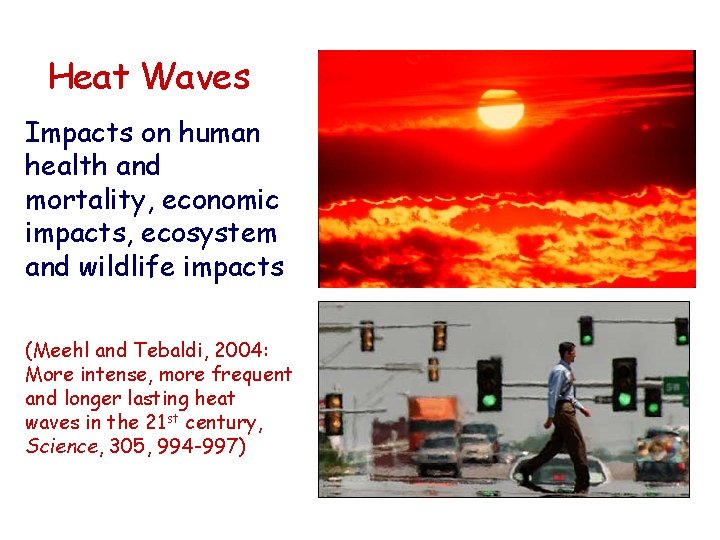
Heat Waves Impacts on human health and mortality, economic impacts, ecosystem and wildlife impacts (Meehl and Tebaldi, 2004: More intense, more frequent and longer lasting heat waves in the 21 st century, Science, 305, 994 -997)