Geography and Environmental Science FUTURE WATER SUPPLY AND
- Slides: 18
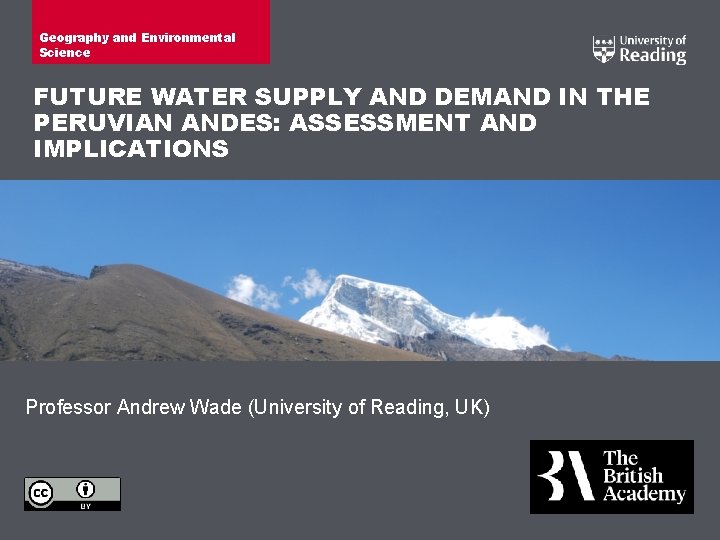
Geography and Environmental Science FUTURE WATER SUPPLY AND DEMAND IN THE PERUVIAN ANDES: ASSESSMENT AND IMPLICATIONS Professor Andrew Wade (University of Reading, UK)
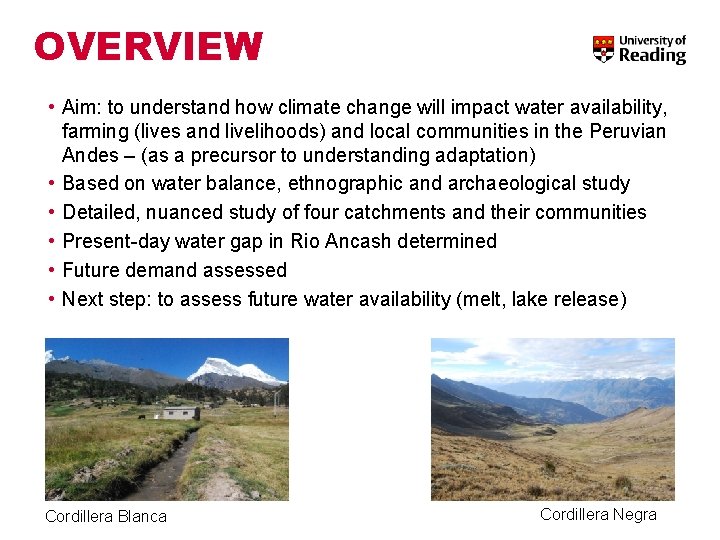
OVERVIEW • Aim: to understand how climate change will impact water availability, farming (lives and livelihoods) and local communities in the Peruvian Andes – (as a precursor to understanding adaptation) • Based on water balance, ethnographic and archaeological study • Detailed, nuanced study of four catchments and their communities • Present-day water gap in Rio Ancash determined • Future demand assessed • Next step: to assess future water availability (melt, lake release) Cordillera Blanca Cordillera Negra
CO-AUTHORS • Dr Harvey Rodda (Hydro-GIS Ltd, UK) • Professor Nick Branch (University of Reading, UK) • Marcos Bruzzone (Water Resource Associates, UK) • Dr Alex Herrera ( Universidad de los Andes - Colombia) • Dr Francisco Araujo-Ferreria (University of Reading, UK) • Dr Frank Meddens (Pre-Construct Archaeology Ltd, UK) • Douglas Walsh (Asociación Andina Cusichaca, Peru) • Dr Kevin Lane (Universidad de Buenos Aires, Argentina)
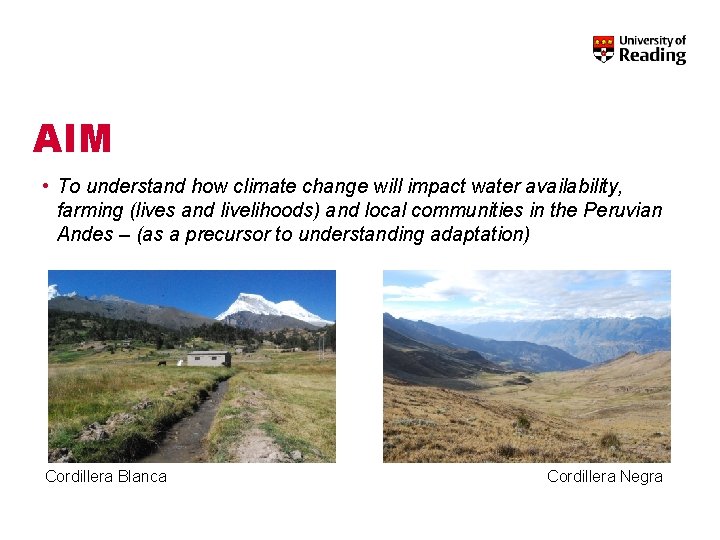
AIM • To understand how climate change will impact water availability, farming (lives and livelihoods) and local communities in the Peruvian Andes – (as a precursor to understanding adaptation) Cordillera Blanca Cordillera Negra
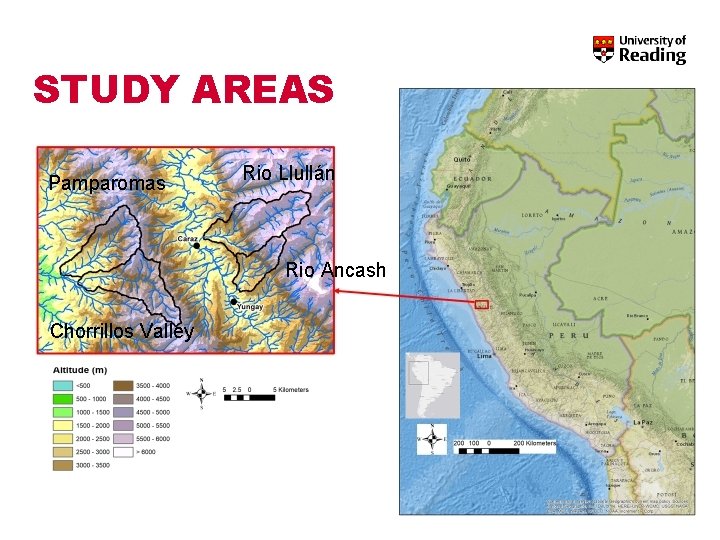
STUDY AREAS Pamparomas Rio Llullán Rio Ancash Chorrillos Valley 5
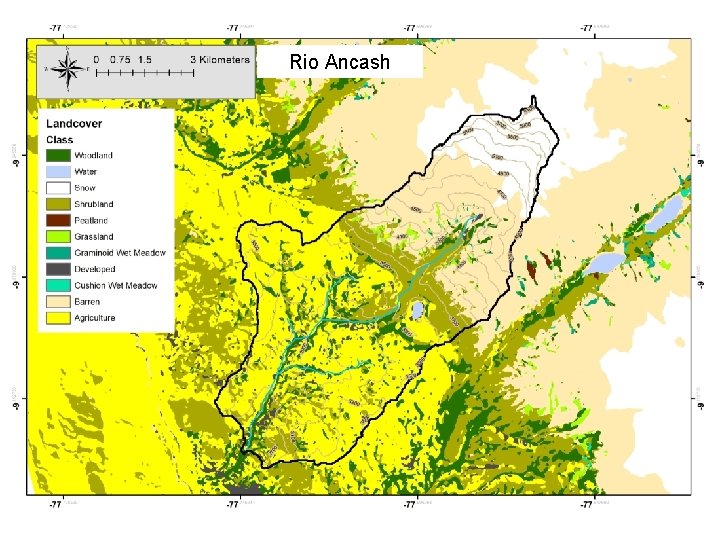
Rio Ancash 6
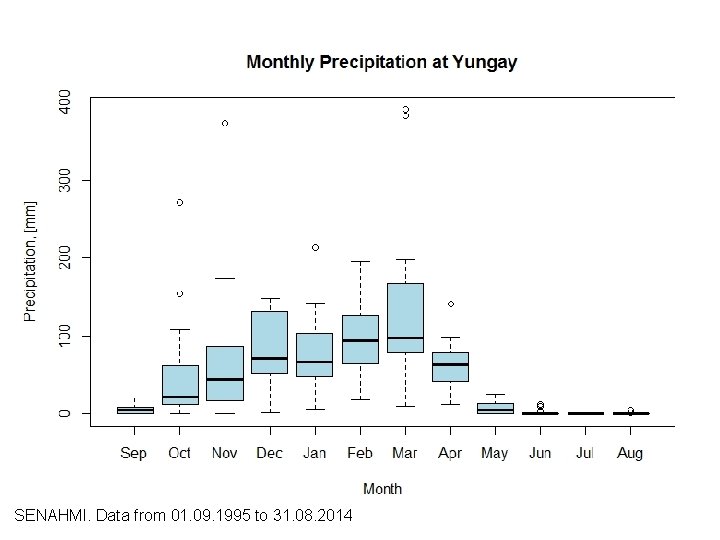
VARIATION IN PRECIPITATION SENAHMI. Data from 01. 09. 1995 to 31. 08. 2014
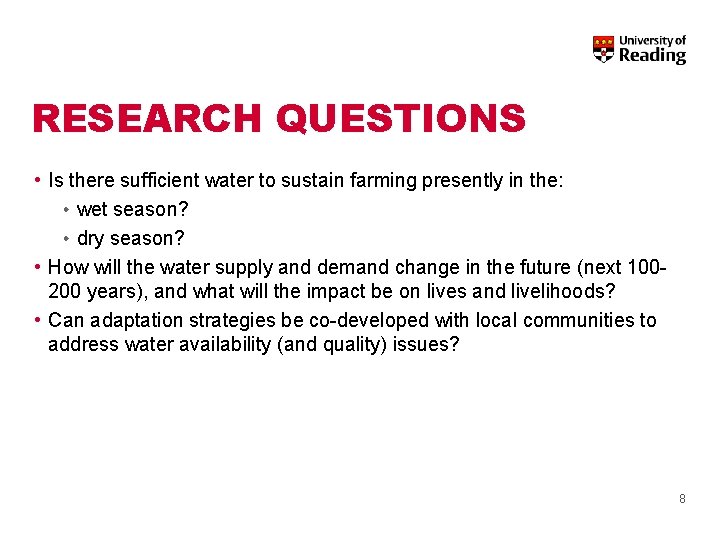
RESEARCH QUESTIONS • Is there sufficient water to sustain farming presently in the: • wet season? • dry season? • How will the water supply and demand change in the future (next 100200 years), and what will the impact be on lives and livelihoods? • Can adaptation strategies be co-developed with local communities to address water availability (and quality) issues? 8
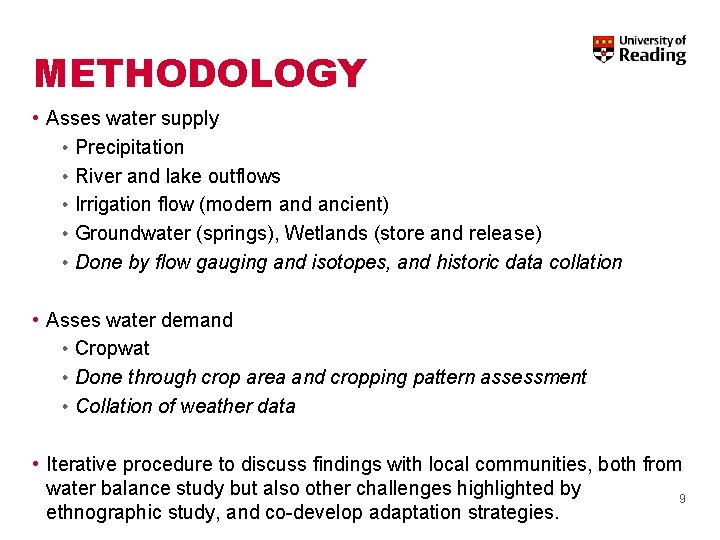
METHODOLOGY • Asses water supply • Precipitation • River and lake outflows • Irrigation flow (modern and ancient) • Groundwater (springs), Wetlands (store and release) • Done by flow gauging and isotopes, and historic data collation • Asses water demand • Cropwat • Done through crop area and cropping pattern assessment • Collation of weather data • Iterative procedure to discuss findings with local communities, both from water balance study but also other challenges highlighted by 9 ethnographic study, and co-develop adaptation strategies.
ASSESSING SUPPLY 10
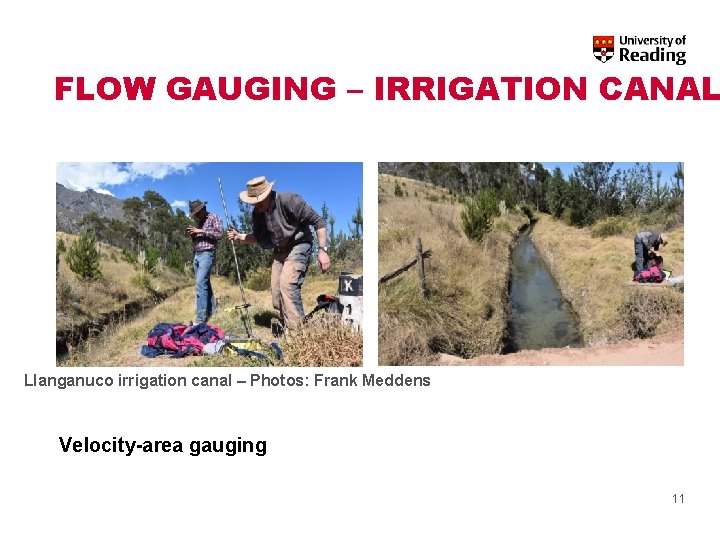
FLOW GAUGING – IRRIGATION CANAL Llanganuco irrigation canal – Photos: Frank Meddens Velocity-area gauging 11
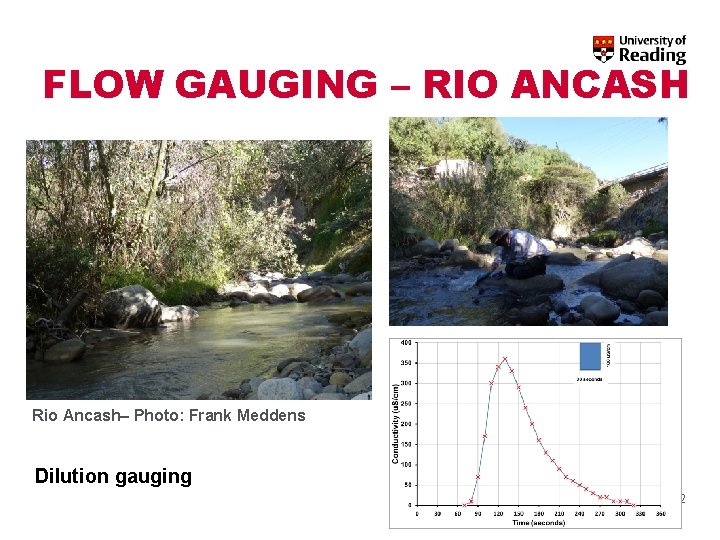
FLOW GAUGING – RIO ANCASH Rio Ancash– Photo: Frank Meddens Dilution gauging 12
ASSESSING DEMAND 13
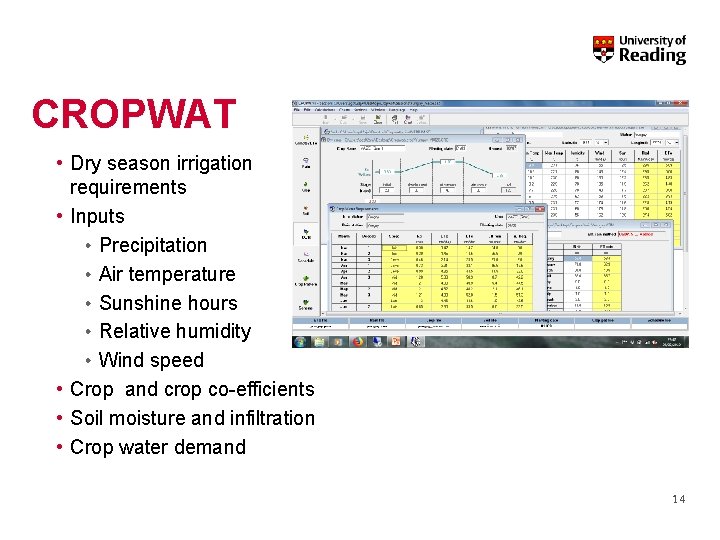
CROPWAT • Dry season irrigation requirements • Inputs • Precipitation • Air temperature • Sunshine hours • Relative humidity • Wind speed • Crop and crop co-efficients • Soil moisture and infiltration • Crop water demand 14
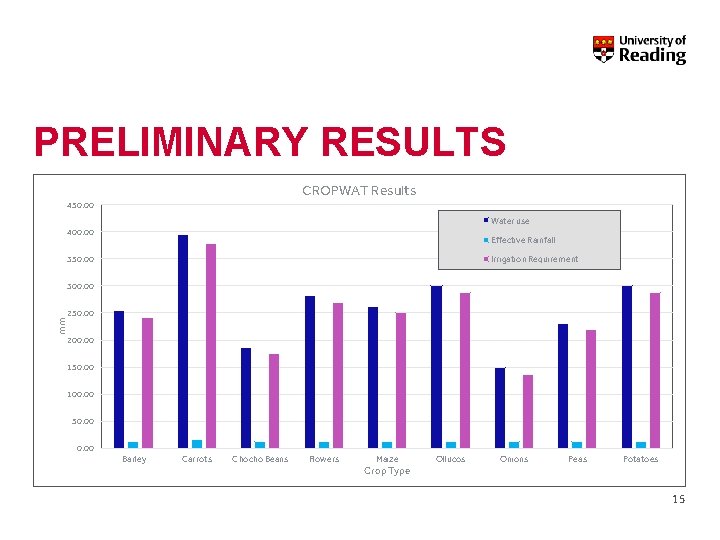
PRELIMINARY RESULTS CROPWAT Results 450. 00 Water use 400. 00 Effective Rainfall 350. 00 Irrigation Requirement mm 300. 00 250. 00 200. 00 150. 00 100. 00 50. 00 Barley Carrots Chocho Beans Flowers Maize Ollucos Onions Peas Potatoes Crop Type 15
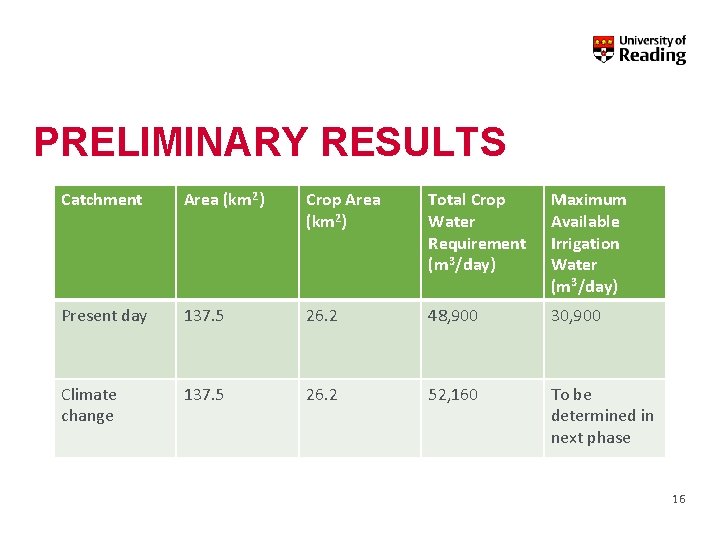
PRELIMINARY RESULTS Catchment Area (km 2) Crop Area (km 2) Total Crop Water Requirement (m 3/day) Maximum Available Irrigation Water (m 3/day) Present day 137. 5 26. 2 48, 900 30, 900 Climate change 137. 5 26. 2 52, 160 To be determined in next phase 16
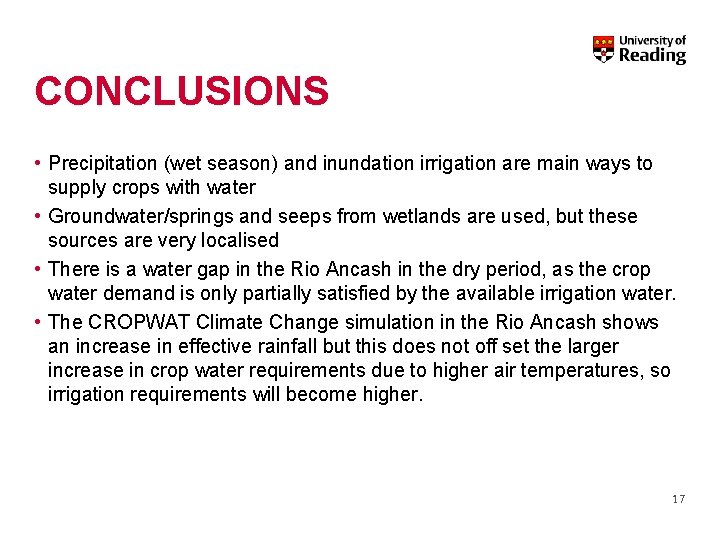
CONCLUSIONS • Precipitation (wet season) and inundation irrigation are main ways to supply crops with water • Groundwater/springs and seeps from wetlands are used, but these sources are very localised • There is a water gap in the Rio Ancash in the dry period, as the crop water demand is only partially satisfied by the available irrigation water. • The CROPWAT Climate Change simulation in the Rio Ancash shows an increase in effective rainfall but this does not off set the larger increase in crop water requirements due to higher air temperatures, so irrigation requirements will become higher. 17
NEXT STEPS • Complete present-day water balance, and that under climate change • Consider different climate change scenarios and climate variability • Merge results with those from ethnography work to nuance understanding of key challenges. • Consider how glacial melt and lake levels will change over time, and the impact on water availability • Explore the water quality data collected • Under a new, follow-on project called CROPP led by Joy Singarayer (Reading) consider climate variability further, impacts on montane biodiversity, and further integrate hydrological and ethnographic research.