Extending Your Reach A Master Class for Faculty
- Slides: 40
Extending Your Reach A Master Class for Faculty and Leaders on Resources, Tools, and Strategies for Supporting Young Children Who Are Culturally, Linguistically, and Ability Diverse and Their Families A Professional Development Series Hosted by Northampton Community College Supported by SCRIPP (Supporting Change and Reform in Inclusive Personnel Preparation) U. S. Department of Education Grant H 325 N 110013
Evidence-based Practices That Support Each Child’s Full Participation Wednesday, May 8, 20137: 00 – 8: 30 PM Camille Catlett Frank Porter Graham Child Development Institute camille. catlett@unc. edu
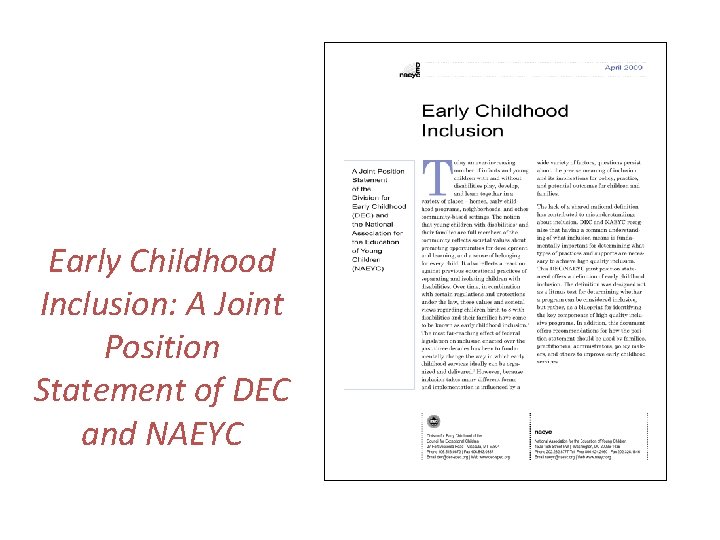
Early Childhood Inclusion: A Joint Position Statement of DEC and NAEYC
Definition Early childhood inclusion embodies the values, policies, and practices that support the right of every infant and young child and his or her family, regardless of ability, to participate in a broad range of activities and contexts as full members of families, communities, and society. The desired results of inclusive experiences for children with and without disabilities and their families include a sense of belonging and membership, positive social relationships and friendships, and development and learning to reach their full potential. The defining features of inclusion that can be used to identify high quality early childhood programs and services are access, participation, and supports.
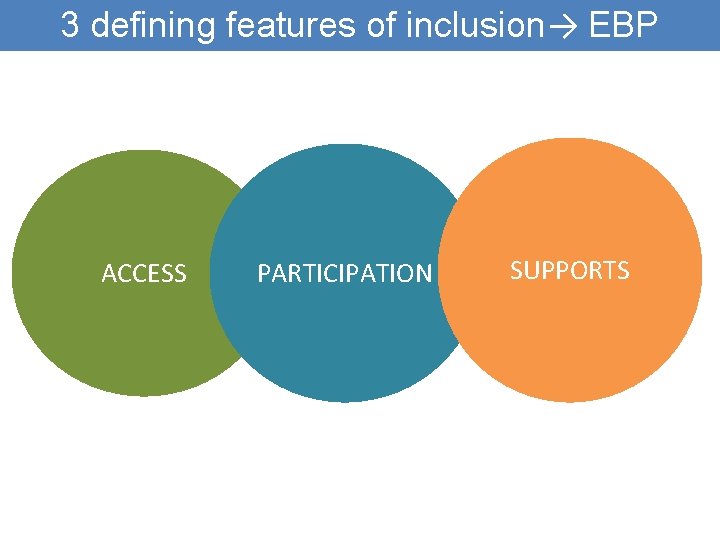
3 defining features of inclusion→ EBP ACCESS PARTICIPATION SUPPORTS
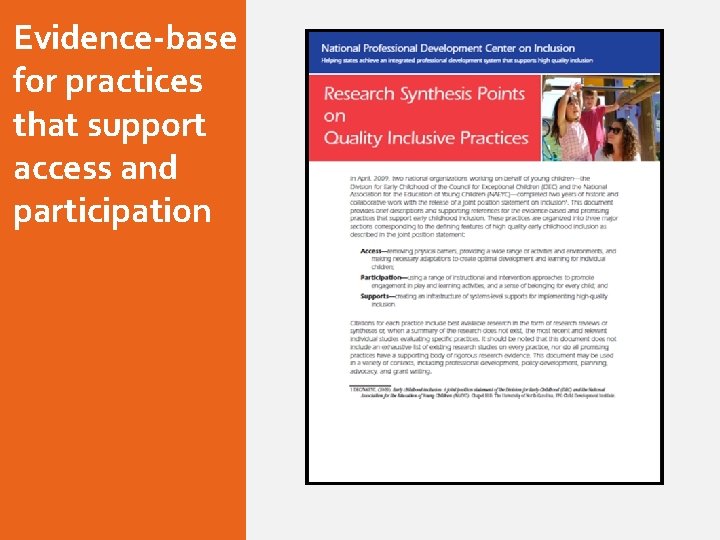
Evidence-base for practices that support access and participation
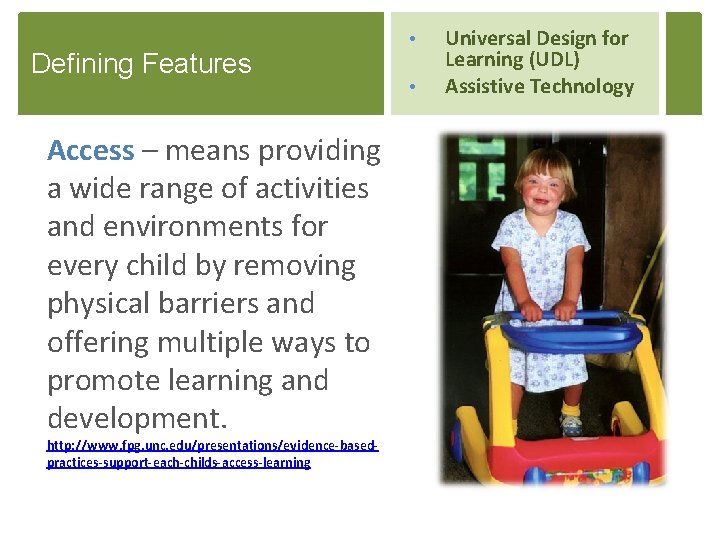
Defining Features Access – means providing a wide range of activities and environments for every child by removing physical barriers and offering multiple ways to promote learning and development. http: //www. fpg. unc. edu/presentations/evidence-basedpractices-support-each-childs-access-learning • • Universal Design for Learning (UDL) Assistive Technology
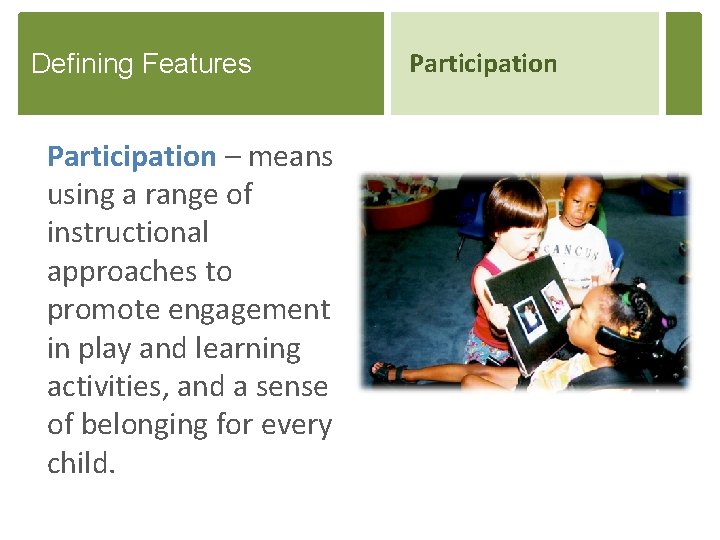
Defining Features Participation – means using a range of instructional approaches to promote engagement in play and learning activities, and a sense of belonging for every child. Participation
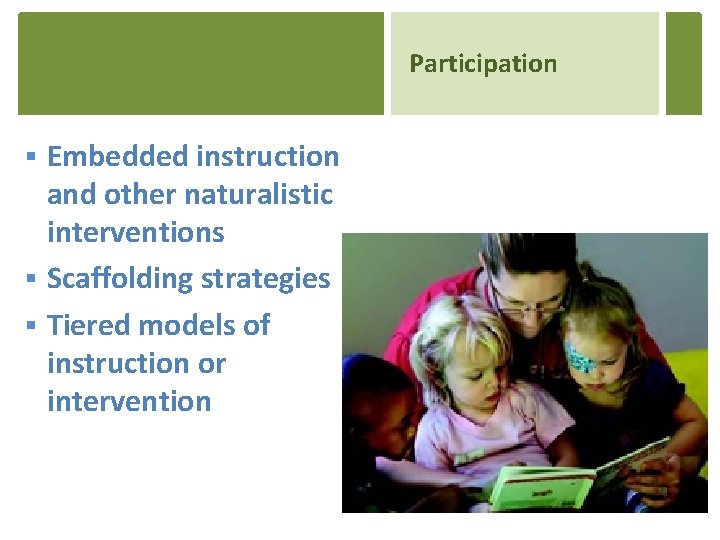
Participation § Embedded instruction and other naturalistic interventions § Scaffolding strategies § Tiered models of instruction or intervention
EBP: Embedded Interventions Embedded interventions are specially designed practices that are used to promote children’s engagement, learning, and independence in everyday activities, routines, and transitions in the classroom, home, and community. Source: CONNECT Module 1: Embedded Interventions
Embedded interventions you’re already using
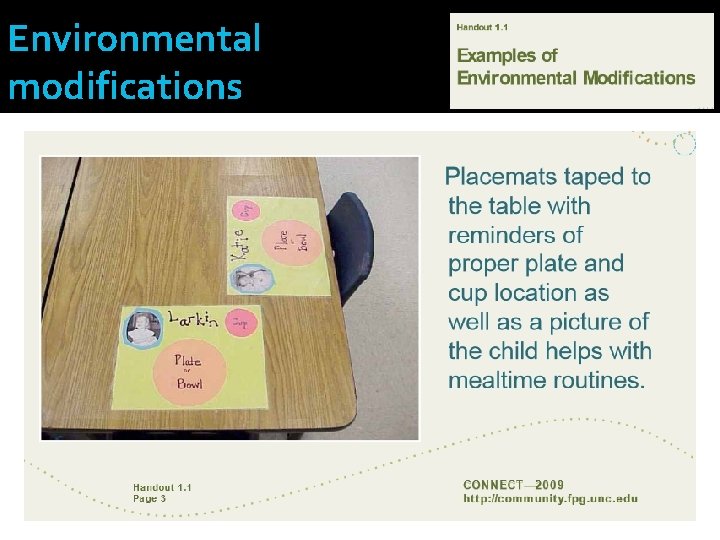
Environmental modifications
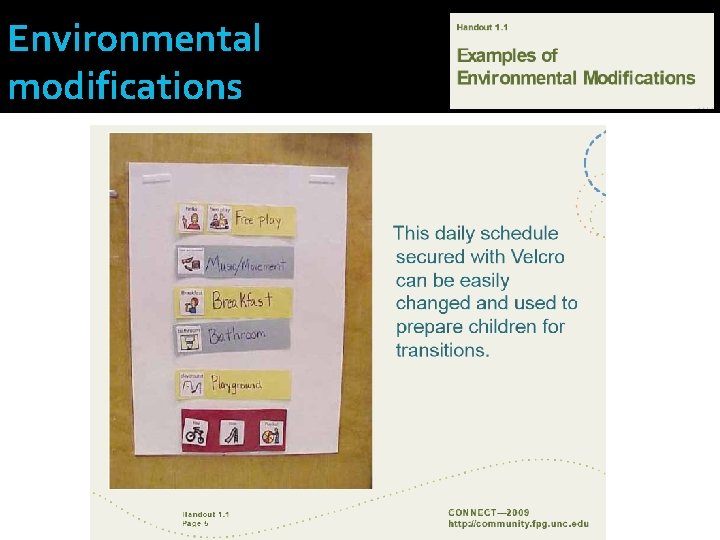
Environmental modifications
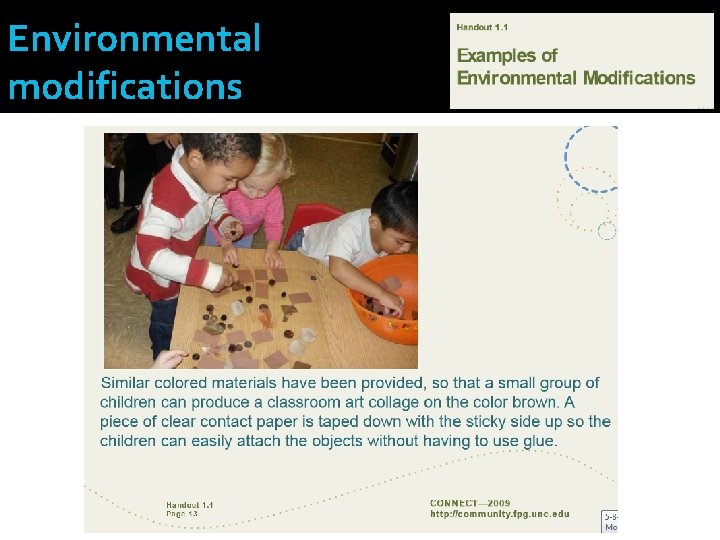
Environmental modifications
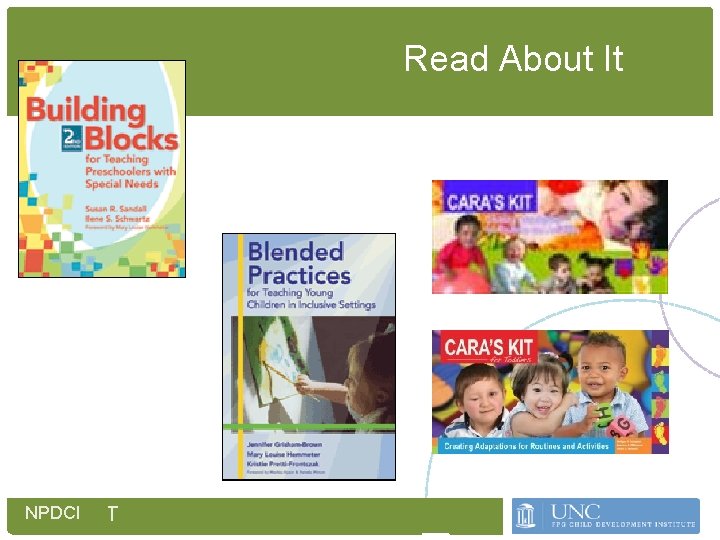
Read About It NPDCI CONNECT
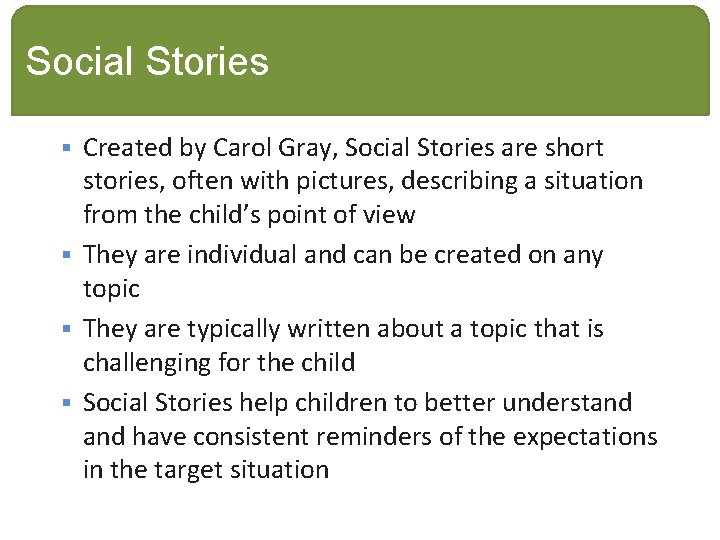
Social Stories § Created by Carol Gray, Social Stories are short stories, often with pictures, describing a situation from the child’s point of view § They are individual and can be created on any topic § They are typically written about a topic that is challenging for the child § Social Stories help children to better understand have consistent reminders of the expectations in the target situation
When would I use a Social Story? § When a child is experiencing challenges with an activity, routine, event or situation at school, home or other environment § When a child is learning a new skill § When a child is unsure about an upcoming event § When a child is having difficulty following expectations
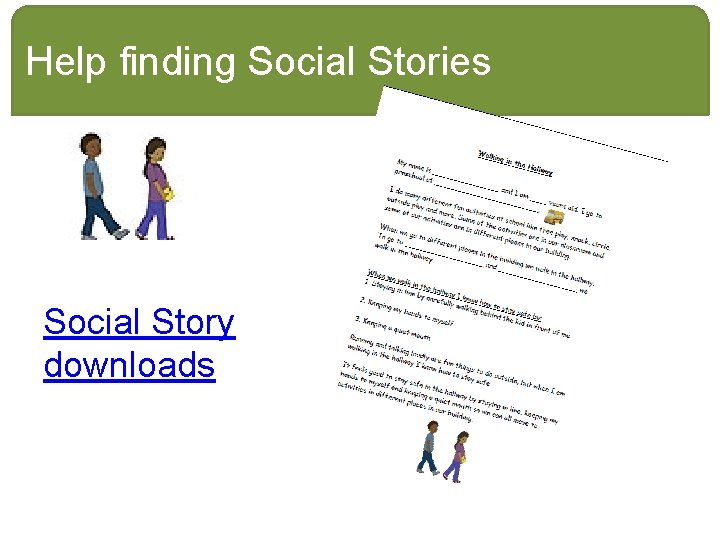
Help finding Social Stories Social Story downloads
Find It Online http: //www. embeddedinstruction. net/ http: //depts. washington. ed u/hscenter/elo http: //csefel. vanderbilt. edu/ CONNECT
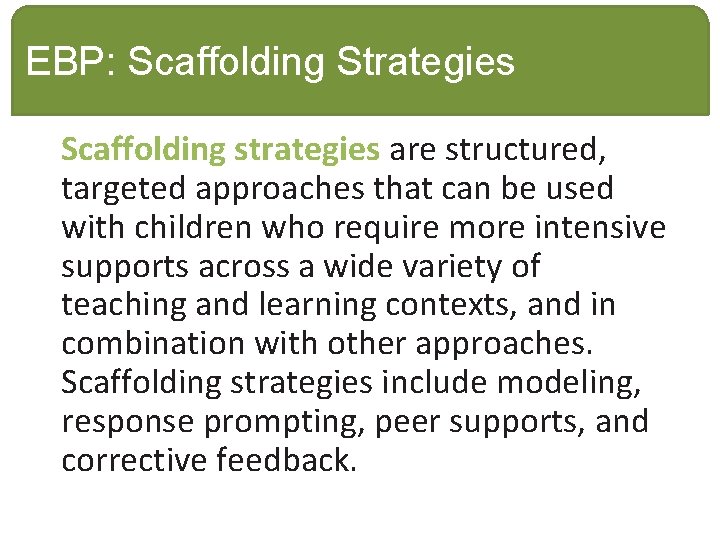
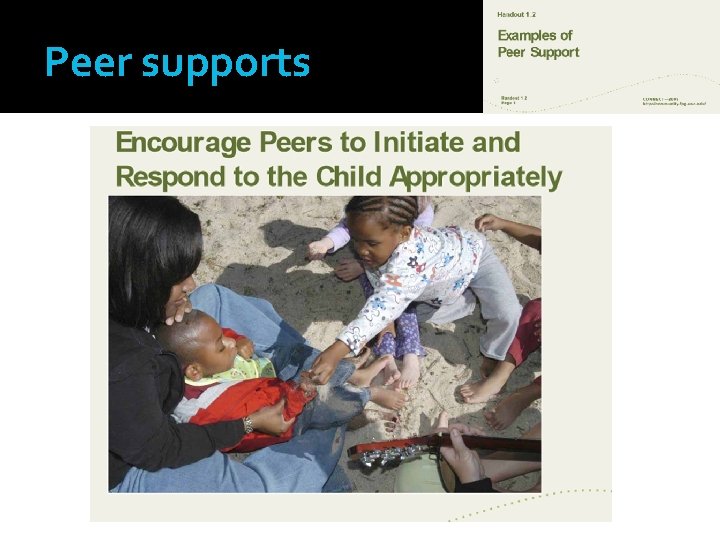
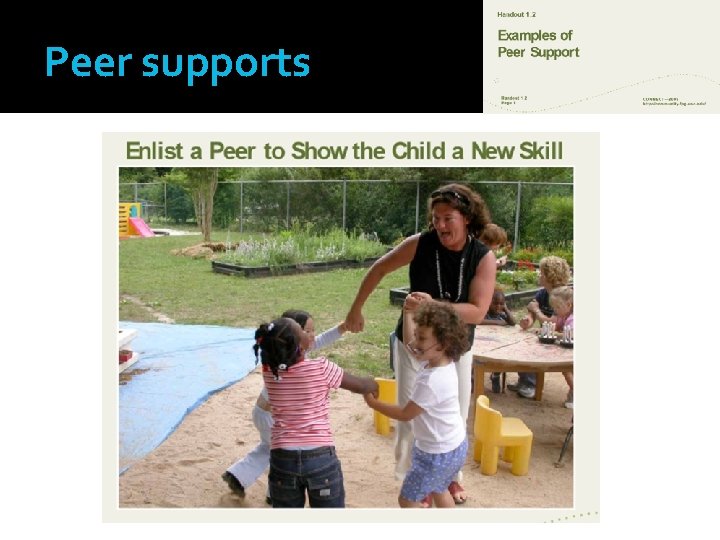
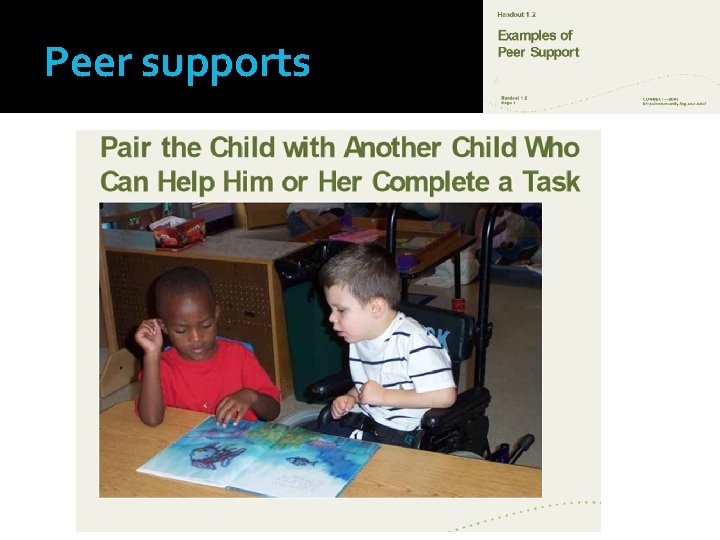
EBP: Scaffolding Strategies Scaffolding strategies are structured, targeted approaches that can be used with children who require more intensive supports across a wide variety of teaching and learning contexts, and in combination with other approaches. Scaffolding strategies include modeling, response prompting, peer supports, and corrective feedback.
Peer supports
Peer supports
Peer supports
EBP: Tiered Models of Instruction Tiered models of instruction offer a framework that can be used in early childhood to help practitioners connect children’s formative assessment results with specific teaching and intervention strategies.
Response to Intervention is a collaborative, multi-tiered approach to identifying and meeting the needs of all children in preschool programs
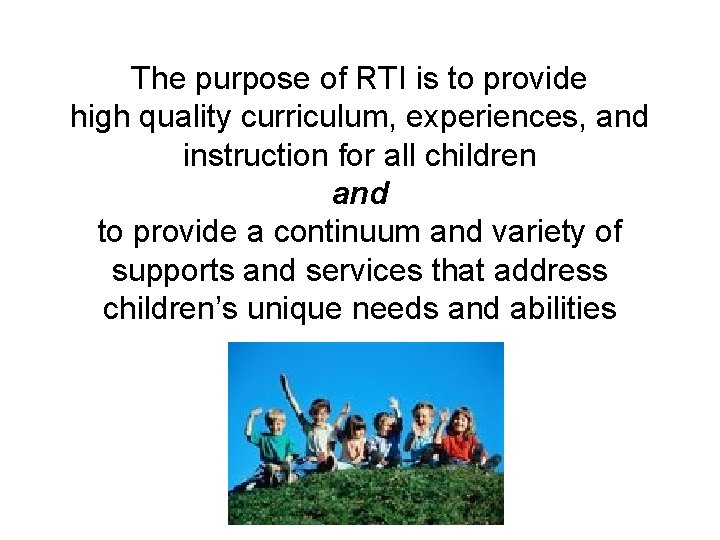
The purpose of RTI is to provide high quality curriculum, experiences, and instruction for all children and to provide a continuum and variety of supports and services that address children’s unique needs and abilities
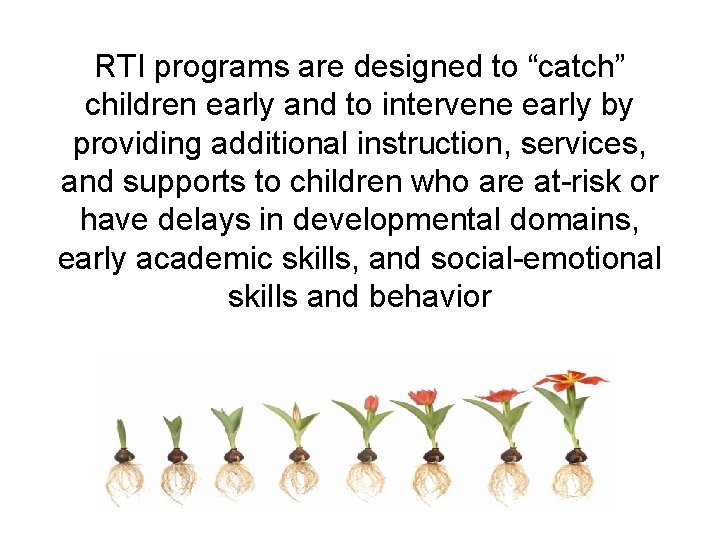
RTI programs are designed to “catch” children early and to intervene early by providing additional instruction, services, and supports to children who are at-risk or have delays in developmental domains, early academic skills, and social-emotional skills and behavior
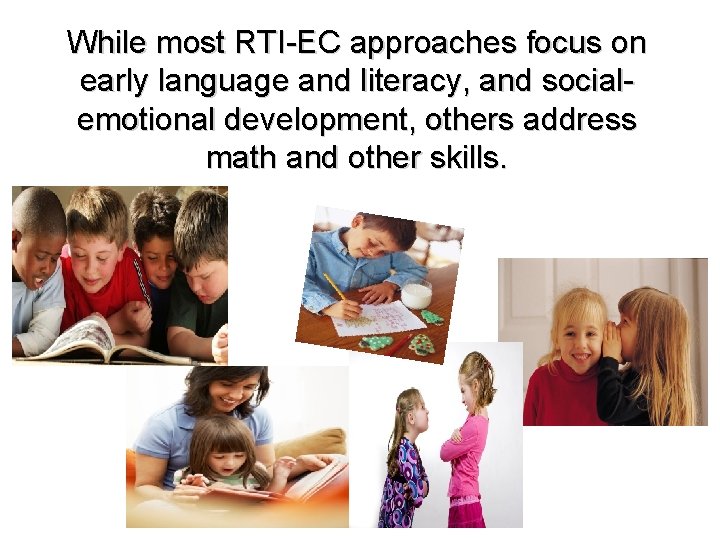
While most RTI-EC approaches focus on early language and literacy, and socialemotional development, others address math and other skills.
RTI builds on positive practices that are fundamental to all high quality early childhood programs ü Responsive and stimulating environments ü Developmentally appropriate, research-based general education curriculum experiences, and instruction ü Intentional planning and teaching ü Scaffolding ü Child goals linked to early learning standards and progress monitoring outcomes
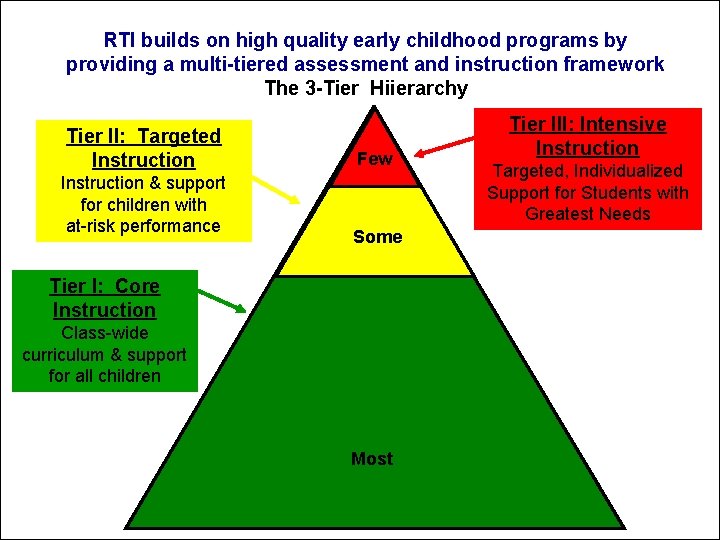
RTI builds on high quality early childhood programs by providing a multi-tiered assessment and instruction framework The 3 -Tier Hiierarchy Tier II: Targeted Instruction & support for children with at-risk performance Few Some Tier I: Core Instruction Class-wide curriculum & support for all children Most Tier III: Intensive Instruction Targeted, Individualized Support for Students with Greatest Needs
Tiers within RTI represent what teachers and other staff provide for children. The tiers are not classifications or labels to describe a child. A child participates in Tier 1, 2, or 3 instruction versus being identified as a tier 2 or 3 child.
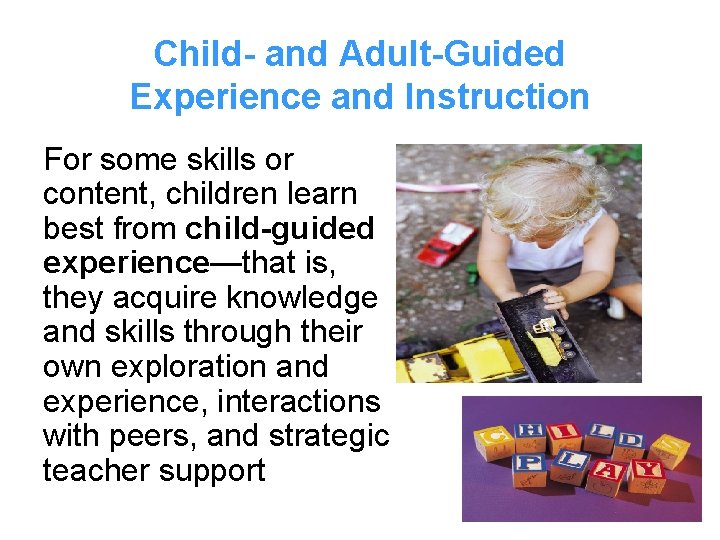
Child- and Adult-Guided Experience and Instruction For some skills or content, children learn best from child-guided experience—that is, they acquire knowledge and skills through their own exploration and experience, interactions with peers, and strategic teacher support
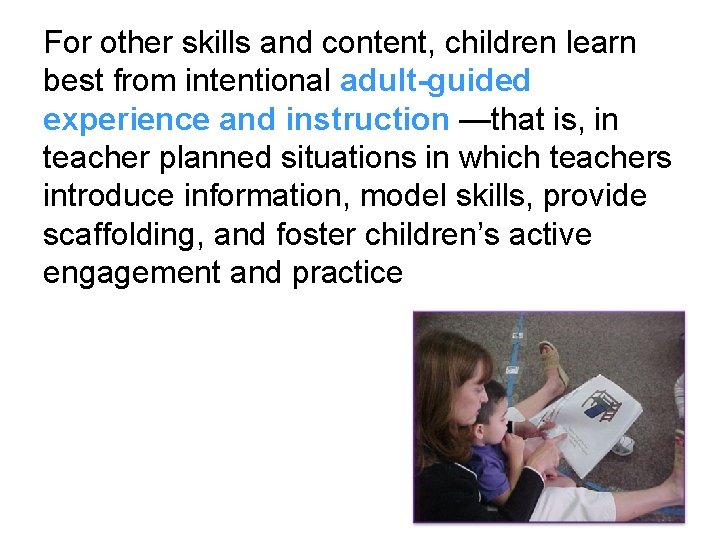
For other skills and content, children learn best from intentional adult-guided experience and instruction —that is, in teacher planned situations in which teachers introduce information, model skills, provide scaffolding, and foster children’s active engagement and practice
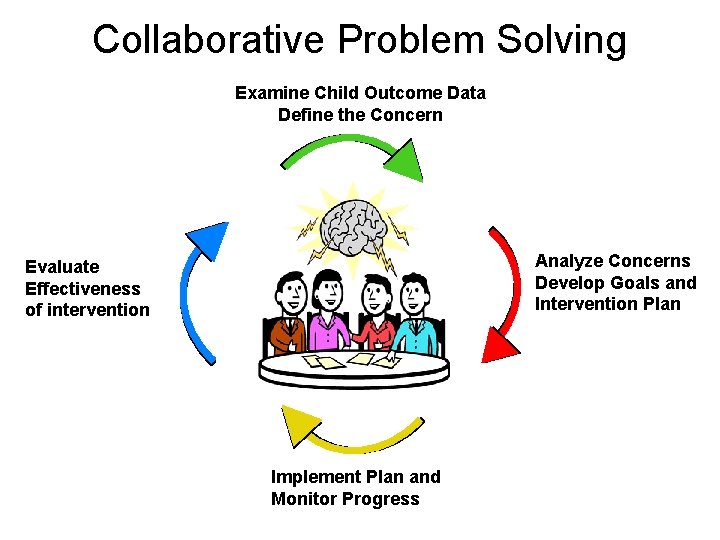
Collaborative Problem Solving Examine Child Outcome Data Define the Concern Analyze Concerns Develop Goals and Intervention Plan Evaluate Effectiveness of intervention Implement Plan and Monitor Progress
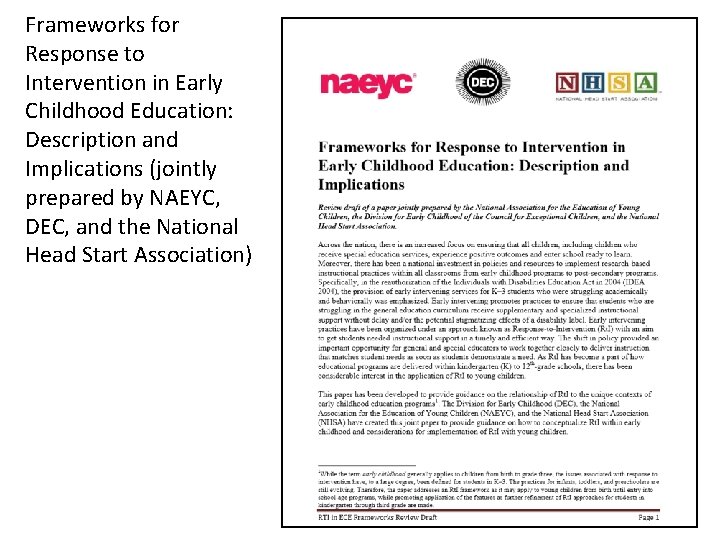
Frameworks for Response to Intervention in Early Childhood Education: Description and Implications (jointly prepared by NAEYC, DEC, and the National Head Start Association)
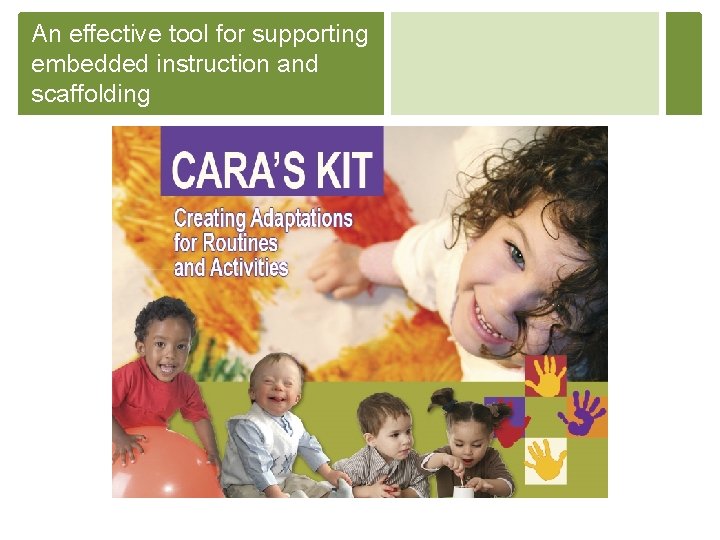
An effective tool for supporting embedded instruction and scaffolding
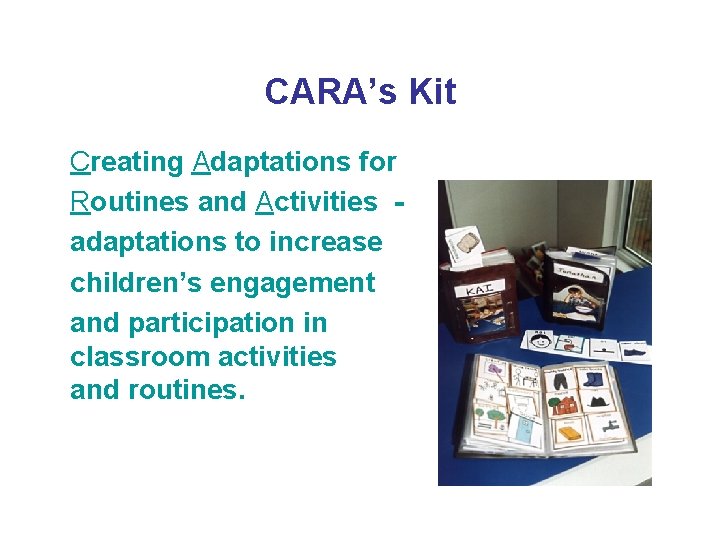
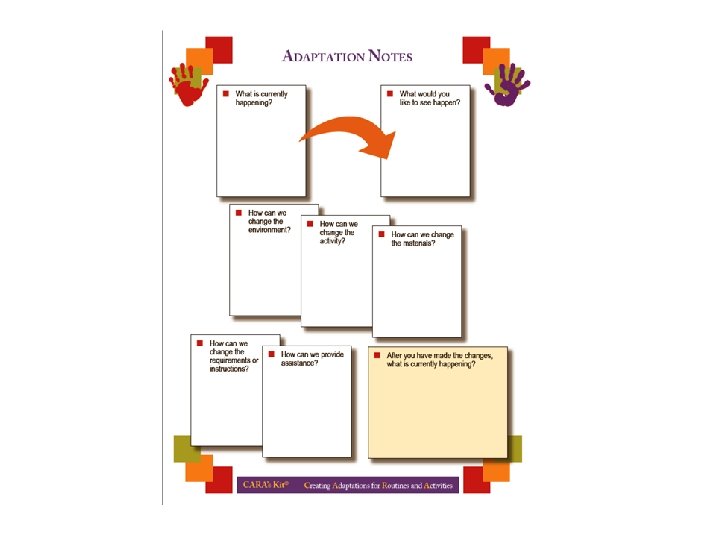
CARA’s Kit • • • Creating Adaptations for Routines and Activities adaptations to increase children’s engagement and participation in classroom activities and routines.
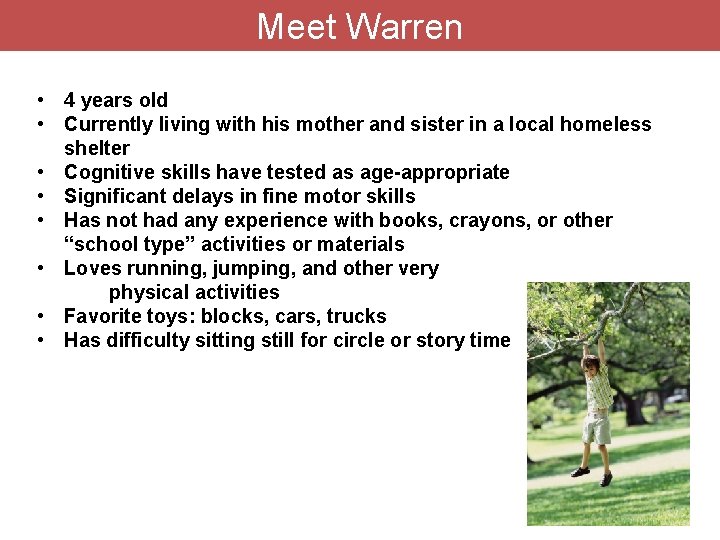
Meet Warren • 4 years old • Currently living with his mother and sister in a local homeless shelter • Cognitive skills have tested as age-appropriate • Significant delays in fine motor skills • Has not had any experience with books, crayons, or other “school type” activities or materials • Loves running, jumping, and other very physical activities • Favorite toys: blocks, cars, trucks • Has difficulty sitting still for circle or story time
Thinking about Warren has a tendency to go to the same area (blocks and cars) during “choice” time. He often tantrums when asked to make a different choice. How might you scaffold his learning to support him in making different choices?