DrugReceptor Interactions Receptor Any functional molecule in a
- Slides: 53
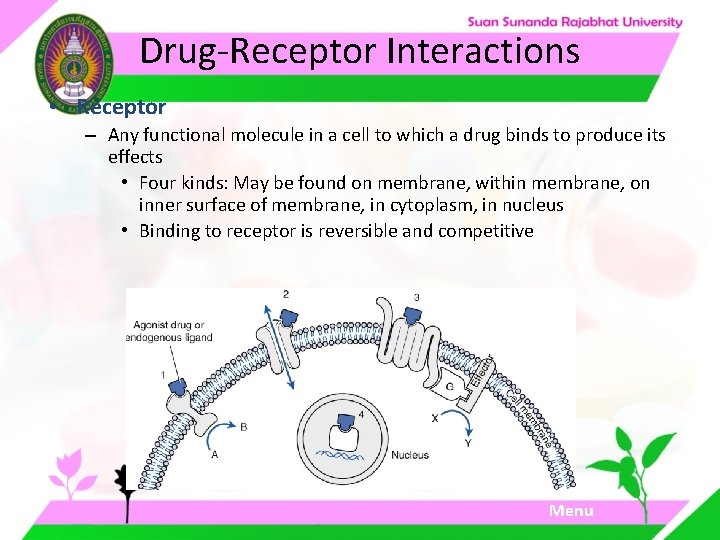
Drug-Receptor Interactions • Receptor – Any functional molecule in a cell to which a drug binds to produce its effects • Four kinds: May be found on membrane, within membrane, on inner surface of membrane, in cytoplasm, in nucleus • Binding to receptor is reversible and competitive Menu
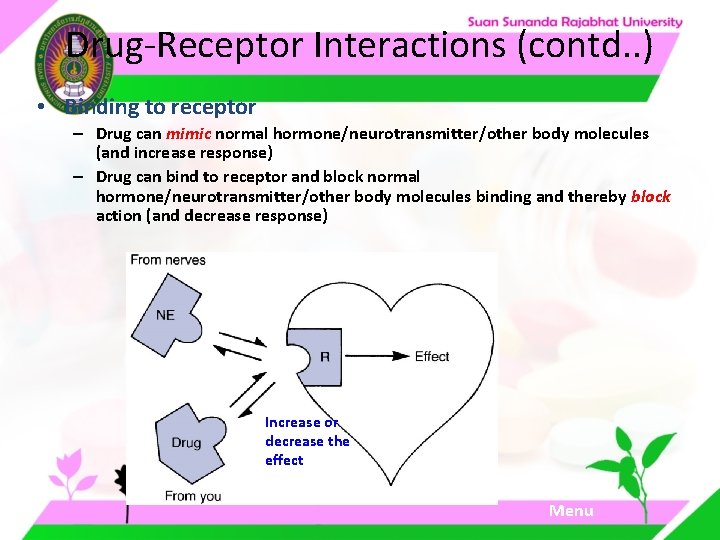
Drug-Receptor Interactions (contd. . ) • Binding to receptor – Drug can mimic normal hormone/neurotransmitter/other body molecules (and increase response) – Drug can bind to receptor and block normal hormone/neurotransmitter/other body molecules binding and thereby block action (and decrease response) Increase or decrease the effect Menu
Drug-Receptor Interactions (contd. . ) • Properties of receptors and drug-receptor interactions • Receptors are normal control molecules of cell • Receptor function is regulated by molecules supplied by the body • Drugs can ONLY mimic or block the action of the body’s own regulatory molecules • Drugs CANNOT give new functions to the cell. Drugs cannot make body (cell) do anything it is not capable of doing • Drugs help body use pre-existing capacities to the best advantage • Can theoretically can be made that can alter the rate of any biological process for which receptors exist. Menu
Drug-Receptor Interactions (contd. . ) • Receptors and selectivity of drug response • In designing drugs it is highly desirable for drug to be selective, and you can use the specificity of receptors to make drugs that are highly specific • Body employs many different kinds of receptors: – Receptors for each neurotransmitter – Receptors for each hormone – Receptors for other molecules – How can a drug interact with one receptor type and not others ?
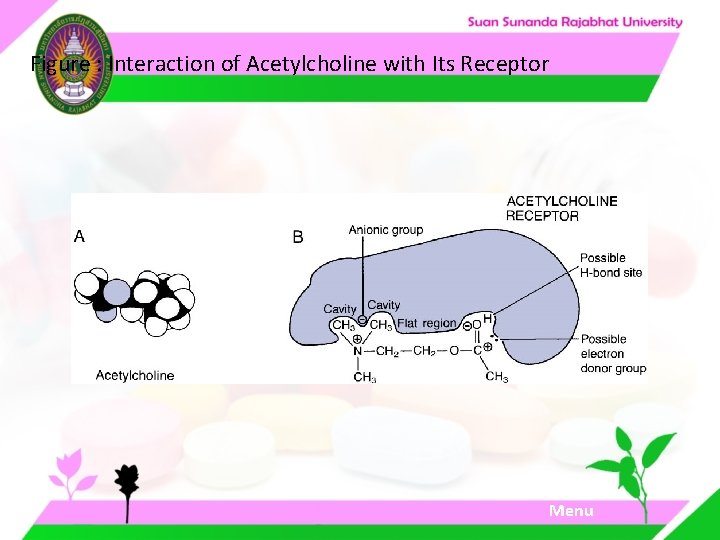
Figure : Interaction of Acetylcholine with Its Receptor Goldstein, Aronow, Sumner, 1974. Menu
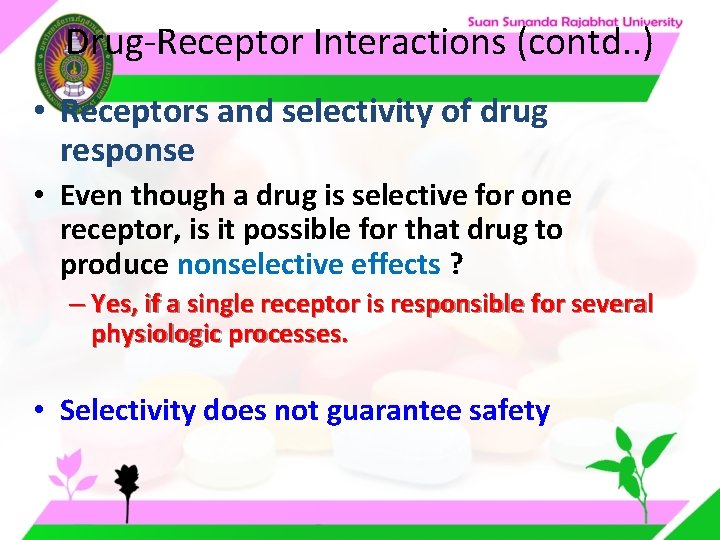
Drug-Receptor Interactions (contd. . ) • Receptors and selectivity of drug response • Even though a drug is selective for one receptor, is it possible for that drug to produce nonselective effects ? – Yes, if a single receptor is responsible for several physiologic processes. • Selectivity does not guarantee safety
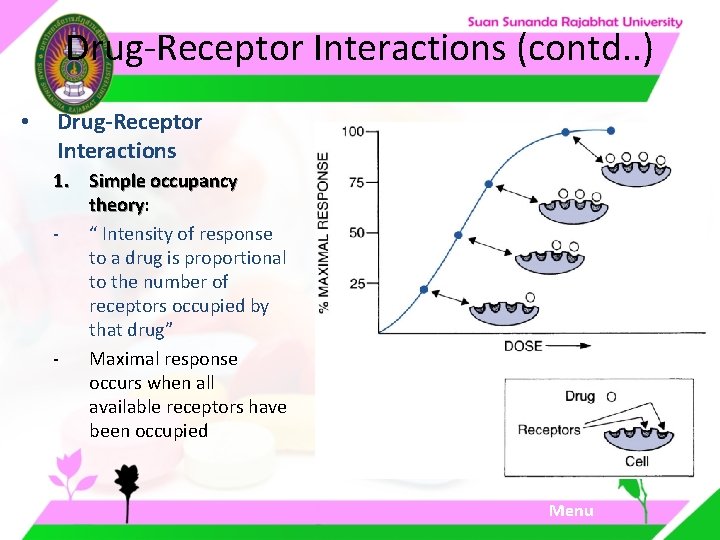
Drug-Receptor Interactions (contd. . ) • Drug-Receptor Interactions 1. Simple occupancy theory: theory - “ Intensity of response to a drug is proportional to the number of receptors occupied by that drug” - Maximal response occurs when all available receptors have been occupied Menu
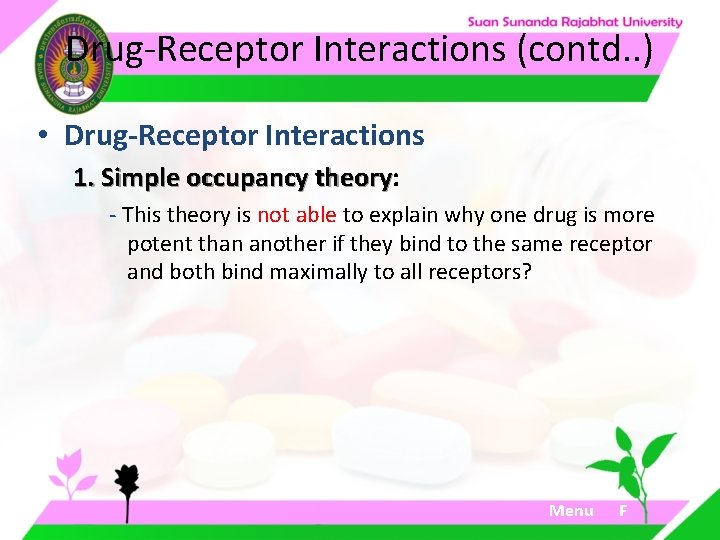
Drug-Receptor Interactions (contd. . ) • Drug-Receptor Interactions 1. Simple occupancy theory: theory - This theory is not able to explain why one drug is more potent than another if they bind to the same receptor and both bind maximally to all receptors? Menu F
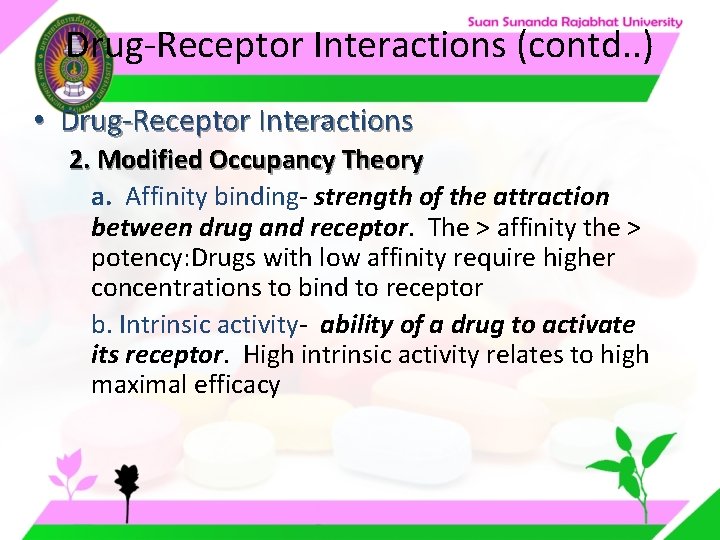
Drug-Receptor Interactions (contd. . ) • Drug-Receptor Interactions 2. Modified Occupancy Theory a. Affinity binding- strength of the attraction between drug and receptor. The > affinity the > potency: Drugs with low affinity require higher concentrations to bind to receptor b. Intrinsic activity- ability of a drug to activate its receptor. High intrinsic activity relates to high maximal efficacy
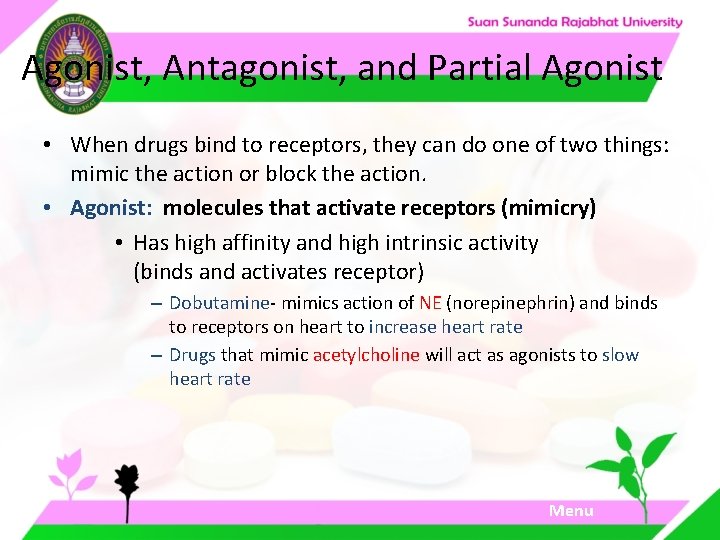
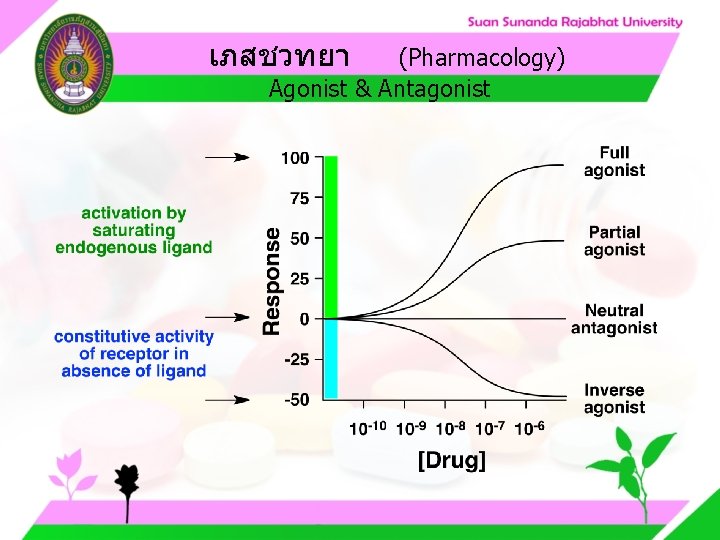
Agonist, Antagonist, and Partial Agonist • When drugs bind to receptors, they can do one of two things: mimic the action or block the action. • Agonist: molecules that activate receptors (mimicry) • Has high affinity and high intrinsic activity (binds and activates receptor) – Dobutamine- mimics action of NE (norepinephrin) and binds to receptors on heart to increase heart rate – Drugs that mimic acetylcholine will act as agonists to slow heart rate Menu
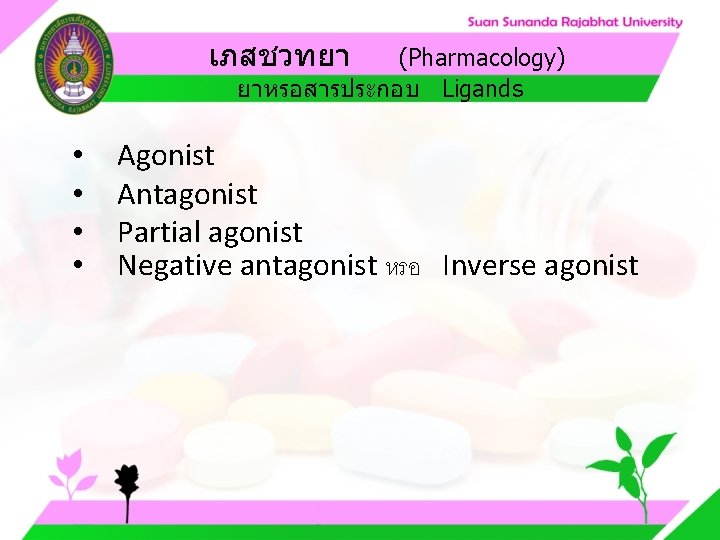
เภสชวทยา (Pharmacology) ยาหรอสารประกอบ Ligands • • Agonist Antagonist Partial agonist Negative antagonist หรอ Inverse agonist
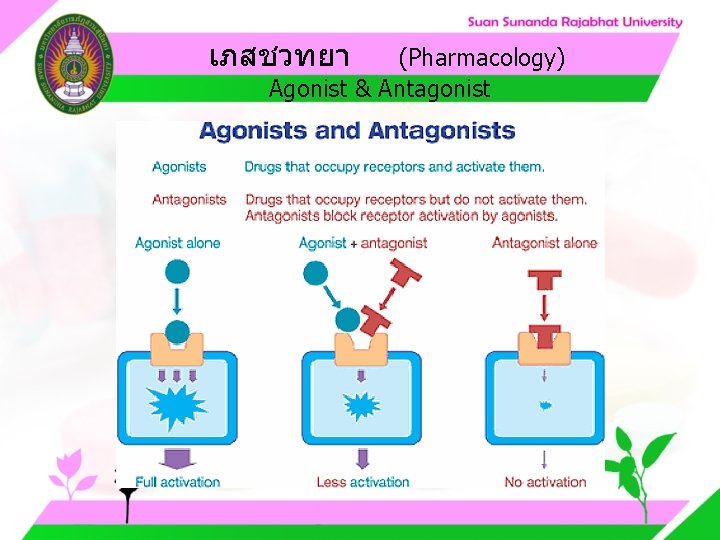
เภสชวทยา (Pharmacology) Agonist & Antagonist
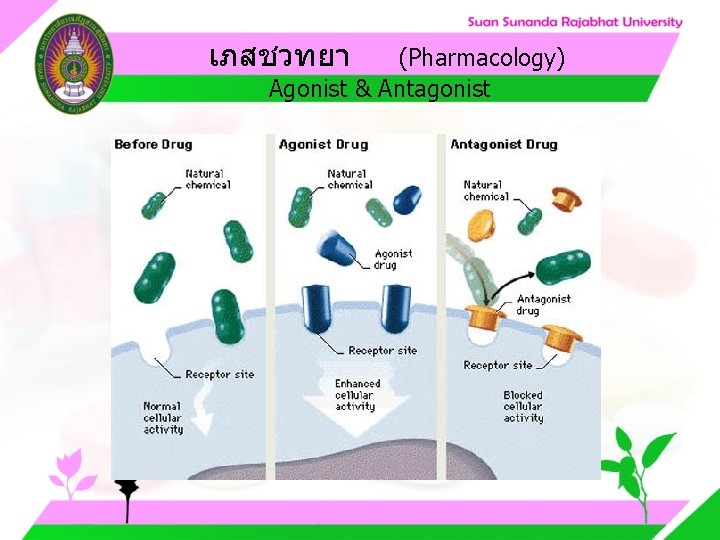
เภสชวทยา (Pharmacology) Agonist & Antagonist
เภสชวทยา (Pharmacology) Agonist & Antagonist
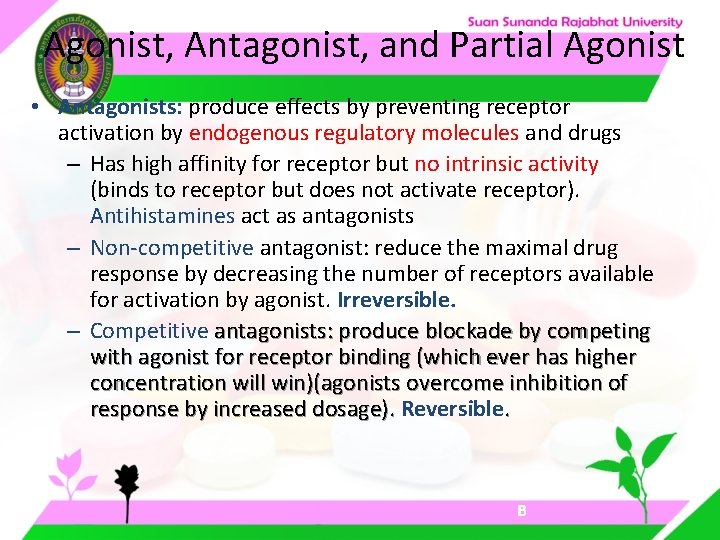
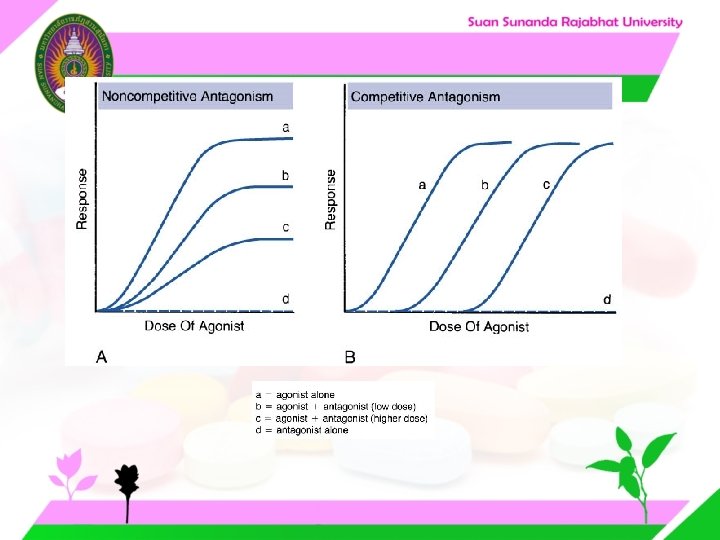
Agonist, Antagonist, and Partial Agonist • Antagonists: produce effects by preventing receptor activation by endogenous regulatory molecules and drugs – Has high affinity for receptor but no intrinsic activity (binds to receptor but does not activate receptor). Antihistamines act as antagonists – Non-competitive antagonist: reduce the maximal drug response by decreasing the number of receptors available for activation by agonist. Irreversible. – Competitive antagonists: produce blockade by competing with agonist for receptor binding (which ever has higher concentration will win)(agonists overcome inhibition of response by increased dosage). Reversible. B
Figure 5 -7: Competitive and Noncompetitive Anatagonists
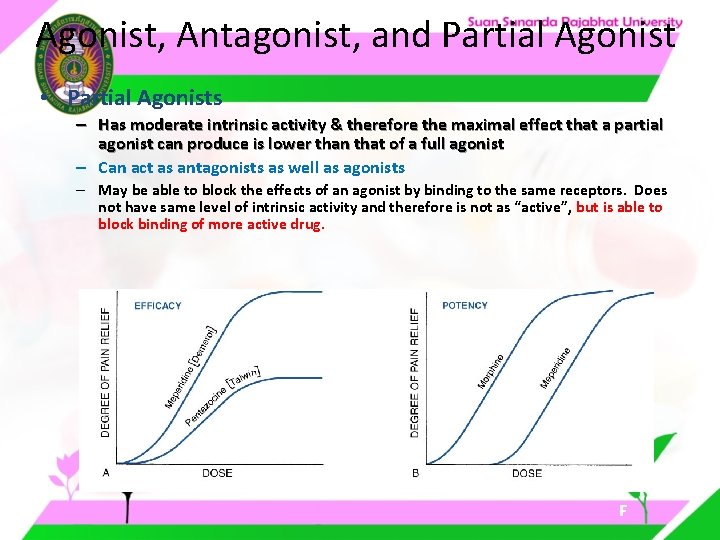
Agonist, Antagonist, and Partial Agonist • Partial Agonists – Has moderate intrinsic activity & therefore the maximal effect that a partial agonist can produce is lower than that of a full agonist – Can act as antagonists as well as agonists – May be able to block the effects of an agonist by binding to the same receptors. Does not have same level of intrinsic activity and therefore is not as “active”, but is able to block binding of more active drug. F
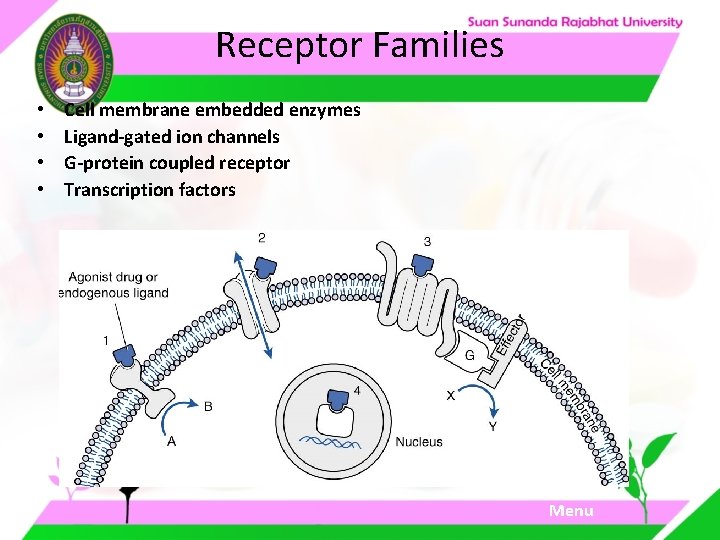
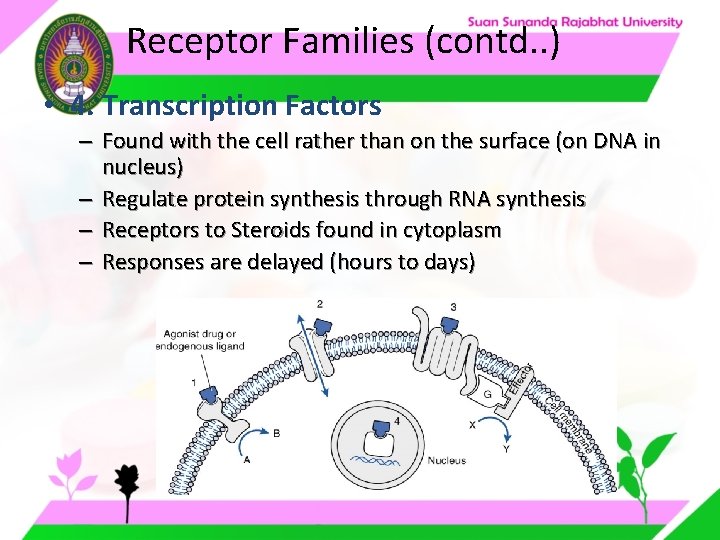
Receptor Families • • Cell membrane embedded enzymes Ligand-gated ion channels G-protein coupled receptor Transcription factors Menu
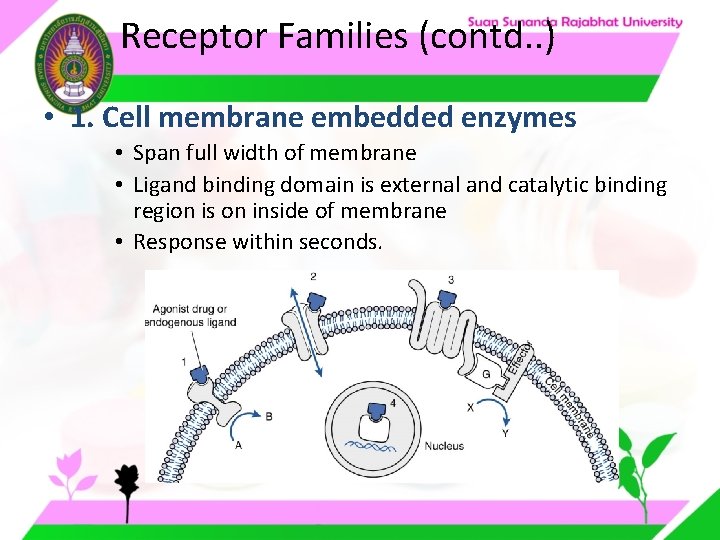
Receptor Families (contd. . ) • 1. Cell membrane embedded enzymes • Span full width of membrane • Ligand binding domain is external and catalytic binding region is on inside of membrane • Response within seconds.
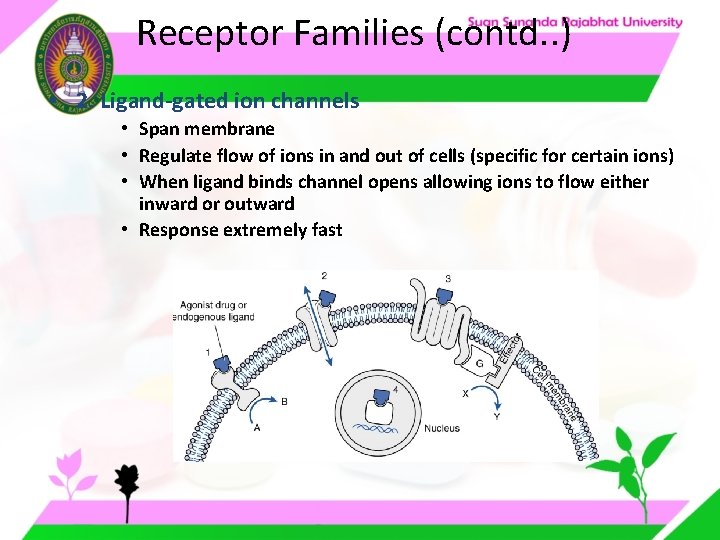
Receptor Families (contd. . ) • 2. Ligand-gated ion channels • Span membrane • Regulate flow of ions in and out of cells (specific for certain ions) • When ligand binds channel opens allowing ions to flow either inward or outward • Response extremely fast
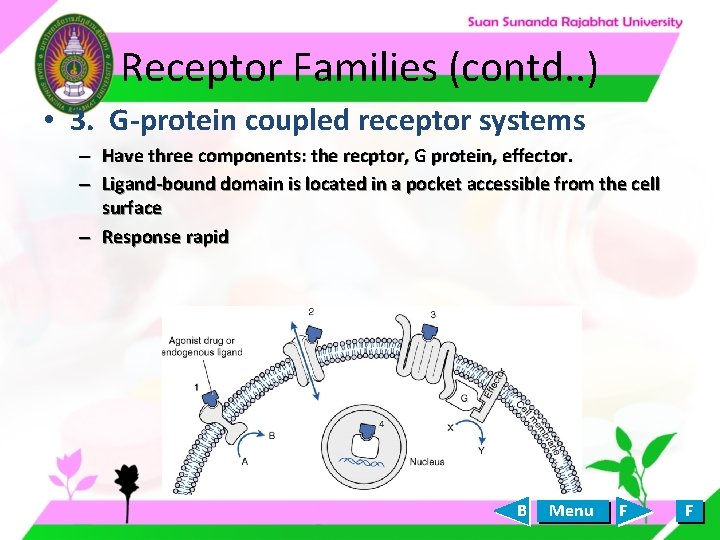
Receptor Families (contd. . ) • 3. G-protein coupled receptor systems – Have three components: the recptor, G protein, effector. – Ligand-bound domain is located in a pocket accessible from the cell surface – Response rapid B Menu F F
Receptor Families (contd. . ) • 4. Transcription Factors – Found with the cell rather than on the surface (on DNA in nucleus) – Regulate protein synthesis through RNA synthesis – Receptors to Steroids found in cytoplasm – Responses are delayed (hours to days)
Some drug interactions do not involve binding to receptors • Some drug interactions do not involve binding to receptors. They act through simple physical or chemical interactions with other small molecules. – Common examples of ‘receptorless drugs”: antacid (reduces gastric acidity by direct chemical interaction with stomach acid); antiseptics (help precipitate bacterial protein); laxatives (acts by retaining water in the intestine lumen through an osmotic effect); chelating agents (prevents toxicity of heavy metal by formin chemical complexes with these, e. g. , Arsenic, mercury) Menu F
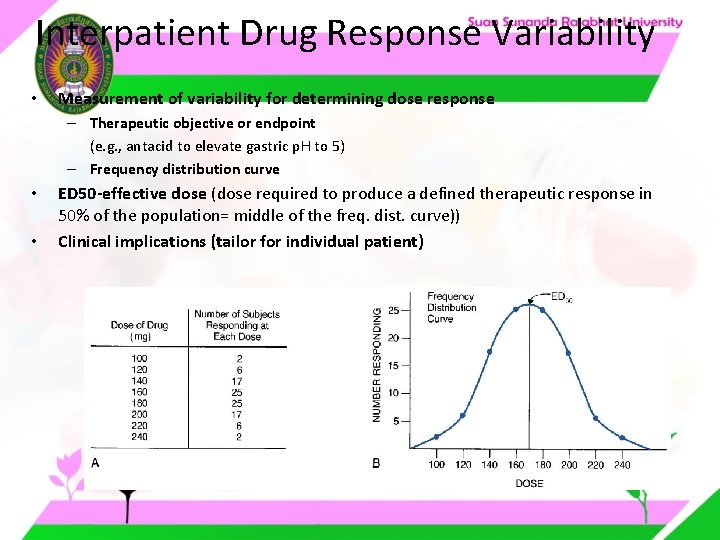
Interpatient Drug Response Variability • Measurement of variability for determining dose response – Therapeutic objective or endpoint (e. g. , antacid to elevate gastric p. H to 5) – Frequency distribution curve • • ED 50 -effective dose (dose required to produce a defined therapeutic response in 50% of the population= middle of the freq. dist. curve)) Clinical implications (tailor for individual patient)
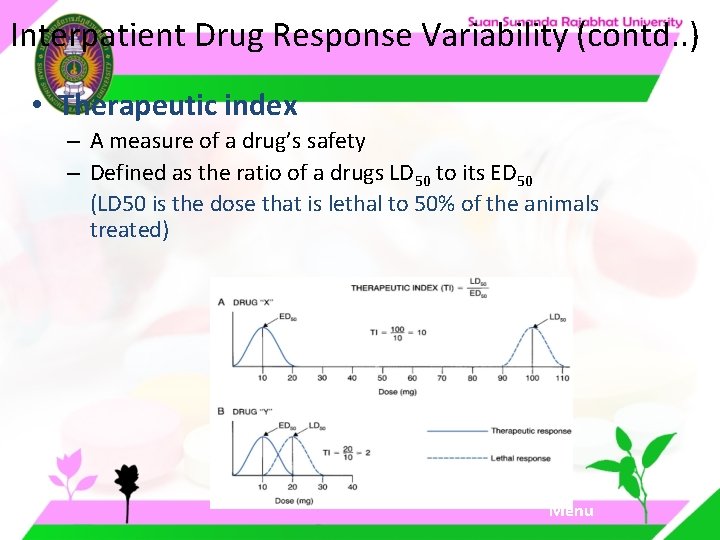
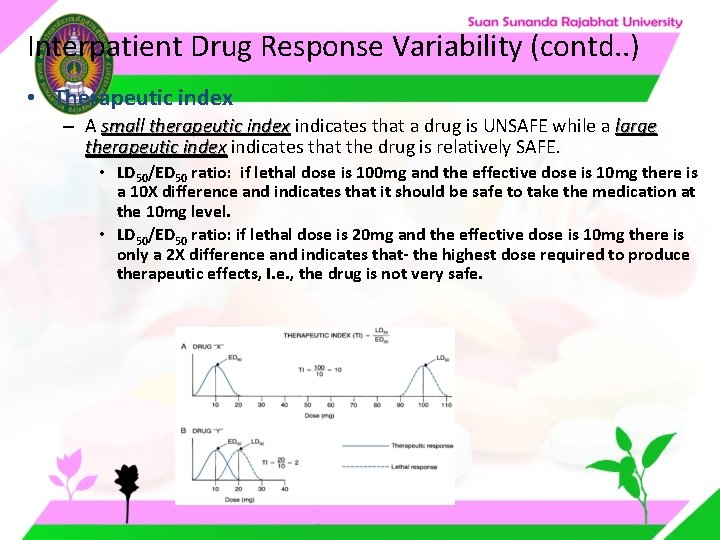
Interpatient Drug Response Variability (contd. . ) • Therapeutic index – A measure of a drug’s safety – Defined as the ratio of a drugs LD 50 to its ED 50 (LD 50 is the dose that is lethal to 50% of the animals treated) Menu
Interpatient Drug Response Variability (contd. . ) • Therapeutic index – A small therapeutic index indicates that a drug is UNSAFE while a large therapeutic index indicates that the drug is relatively SAFE. • LD 50/ED 50 ratio: if lethal dose is 100 mg and the effective dose is 10 mg there is a 10 X difference and indicates that it should be safe to take the medication at the 10 mg level. • LD 50/ED 50 ratio: if lethal dose is 20 mg and the effective dose is 10 mg there is only a 2 X difference and indicates that- the highest dose required to produce therapeutic effects, I. e. , the drug is not very safe.
Key Points • • • Pharmacodynamics is the study of the biochemical and physiological effects of drugs For most drugs, the dose-response relationship is graded (>dose=>response) Maximal efficacy means the biggest effect a drug can produce Potency means dose needed to produce effect Receptors are macromolecules where drugs bind to produce their effects (4 different kinds) Affinity means the strength of attraction between a drug and a receptor Intrinsic index means the ability of a drug to activate receptors Agonists activate receptors Antagonists inactivate receptors Therapeutic index measures drug’s safety (LD 50/ED 50)
Drug-Drug And Drug-Food Interactions
Drug-Drug and Drug-Food Interactions • Occurs whenever a patient take more than one medication – – Includes OTC drugs as well as prescription Intensification of effects one or both drugs Reduction of effects of one or both drugs Production of a new response that neither drug elicits by itself Menu
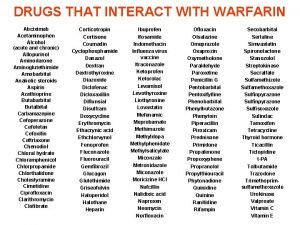
Drug-Drug and Drug-Food Interactions (contd. . ) • Intensification of effects (Potentiative) – Potentiative: one dug may intensify the effect of another by increasing therapeutic (beneficial) or adverse (harmful) effects. • Beneficial : When administered alone, ampicillin undergoes rapid inactivation by bacterial enzymes; when administred with sulbactum, subactum inhibits these enzymes, thereby intensifies ampicilliun’s effects. • Harmful : Warfarin is an anticoagulant. When taken with aspirin (also a coagulant), risk of spontaneous bleeding is significantly increased. Menu
Drug-Drug and Drug-Food Interactions • Reduction of effects (Inhibitory) • Inhibitory effects resulting in: – Reduced therapeutic effect Example: If propranolol (drug for cardiovascular disorder) and terbutaline (drug of asthma for bronchial dilation) are used together, propranolol reduces terbutaline’s effects – Reduced adverse effects Example: Excessive morphine can produce coma and profound respiratory depression; when taken with naloxone (treats morphine disorder), symptoms of toxicity are reversed Menu
Drug-Drug Interactions • Four mechanisms of drug-drug interactions 1. Direct chemical or physical 2. Pharmacokinetic 3. Pharmacodynamic 4. Combined toxicity B
Drug-Drug Interactions (contd. . ) • 1. Direct chemical or physical • Most occur when drugs are in solution in IV • Can form a precipitate • Not all interactions of drugs leave a precipitate: : • NEVER COMBINE TWO OR MORE DURGS IN THE SAME IV CONTAINER, unless it has been proven that there is no adverse reaction B Menu
Drug-Drug Interactions (contd. . ) • 2. Pharmacokinetic Interactions A. Altered absorption- drug interactions affect absorption – Elevation of gastric p. H by antacids prevent proper absorption of drugs from stomach – Laxatives reduce absorption by accelerating passage through intestine – Induction of vomiting decreases ability to absorb – Drugs that reduce regional blood flow decrease absorption Menu
Drug-Drug Interactions (contd. . ) • 2. Pharmacokinetic Interactions (contd. . ) B. Altered Distribution – Competition for protein binding • Binding to plasma albumin • Alteration of plasma p. H C. Altered Metabolism Some drugs decrease or increase other’s metabolism • Catabolism by P 450 (CYP family of liver enzymes used to detoxify drugs, poisons, alcohols etc…. ) D. Altered Renal Excretion • Alteration of filtration, reabsorption and secretion Menu
Drug-Drug Interactions (contd. . ) • 3. Pharmacodynamic Interactions 1. Interactions at the same receptor -Almost always inhibitory. Inhibition occurs when an antagonist drug blocks access of an agonist drug to its receptor 2. Interactions resulting from drugs with similar actions acting at separate sites - Even though 3 drugs have different mechanisms of action and act through different sites, if both drug influence similar physiological response, interactions could be potentiative or inhibitory. • 4. Combined Toxicity -Combined toxic effects of both drugs could be harmful. Menu
Drug-Drug Interactions (contd. . ) • Clinical Significance of Drug-Drug Interactions – Risk of serious drug interactions (increased or decreased intensity of response) is directly proportional to the number of drugs individual is taking • 6 -10 drugs common to take at one time • Drugs with a low therapeutic index (interactions that produce a modest increase in drug levels can result in toxicity; interactions that produce a decrease can result in therapeutic failure). – Minimize potential dangerous interactions by: – Reducing # of drugs taken – Take thorough drug history: find out all drugs and unusual reactions that patient has had and is taking – Monitor early signs of toxicity Menu
Drug-Food Interactions 1. Alters the rate of absorption 2. Inhibits drug metabolism – Grapefruit juice effect 3. Increasing toxicity of a drug – MAO inhibitors
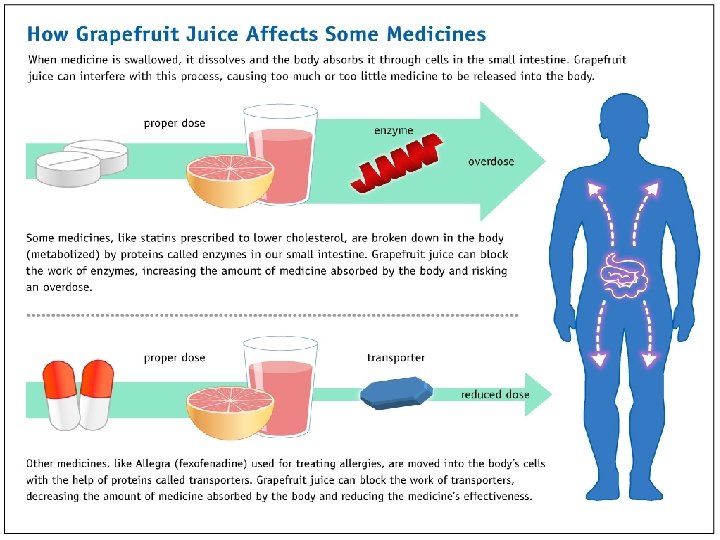
Drug-Food Interactions Inhibits drug metabolism – Grapefruit juice effect
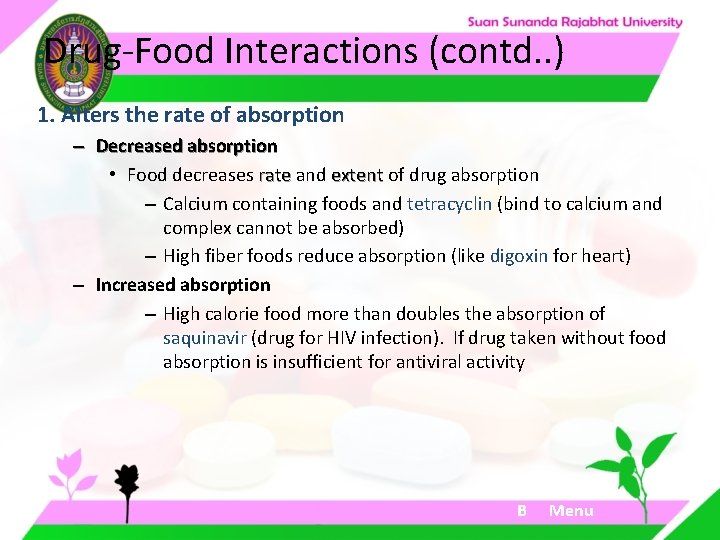
Drug-Food Interactions (contd. . ) 1. Alters the rate of absorption – Decreased absorption • Food decreases rate and extent of drug absorption – Calcium containing foods and tetracyclin (bind to calcium and complex cannot be absorbed) – High fiber foods reduce absorption (like digoxin for heart) – Increased absorption – High calorie food more than doubles the absorption of saquinavir (drug for HIV infection). If drug taken without food absorption is insufficient for antiviral activity B Menu
Drug-Food Interactions (contd. . ) 2. Impact of Food on Drug Metabolism • Grapefruit juice may inhibit metabolism of certain drugs, raise the blood levels (co-administration of grapefruit juice produce a 40% increase in blood levels of felodipine- drug for hypertension), and lead to toxicity levels • Grapefruit juice may inhibits cytochrome P 450 enzymes and decrease metabolism of certain drugs Menu
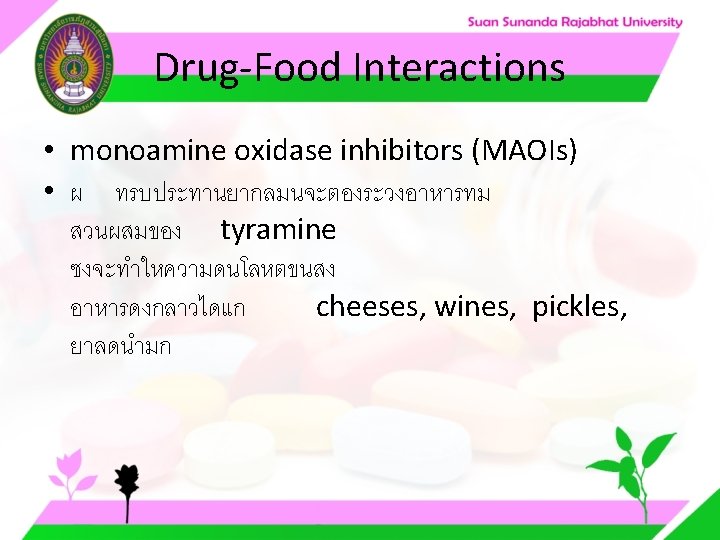
Drug-Food Interactions (contd. . ) 3. Impact of Food on Drug Toxicity – Increase toxicity – Example: MAO inhibitors (monoamine oxidase- antidepressants) react with foods containing tyramine (aged cheeses, yeast extracts, Chianti wine, sausage, pepperoni, etc…) & increase blood pressure to dangerous levels Menu
Drug-Food Interactions (contd. . ) 3. Impact of Food on Drug Toxicity – Decrease action – Example: Foods rich with vitamin –k (broccoli, brussels sprouts, cabbage) can reduce the effects of warfarin (warfarin acts by inhibiting vitamin-k dependant clotting factors; when vitamin-k is more abundant, warfarin is less able to to inhibit the clotting factors, and therapeutic effects are reduced).
Drug-Food Interactions (contd. . ) • Timing of Drug administration and Meals – Drug-food interactions may increase absorption (drug should be taken with food) – Drug-food interactions may decrease absorption (drug should be taken empty stomach) – Drug may cause upset stomach if taken without food • Choose alternative drug? • Increase dose if taken with food? • Take shortly before or after meal? Menu
Key Points II • Drug-food interactions could be beneficial or harmful • Drug-food interactions can result in increased or decreased absorption, distribution, and metabolism • Drugs that are toxic to same organ should not be combined • Grapefruit juice can inhibit intestinal metabolism of certain drugs • Food may increase drug toxicity Menu