
DRUGS THAT INTERACT WITH WARFARIN Abciximab Acetaminophen Alcohol

DRUGS THAT INTERACT WITH WARFARIN Abciximab Acetaminophen Alcohol (acute and chronic) Allopurinol Aminodarone Aminoglutethimide Amobarbital Anabolic steroids Aspirin Azathioprine Butabarbital Butalbital Carbamazepine Cefoperazone Cefotetan Cefoxitin Ceftriaxone Chenodiol Chloral hydrate Chloramphenicol Chlorpropamide Chlorthalidone Cholestyramine Cimetidine Ciprofloxacin Clarithromycin Clofibrate Corticotropin Cortisone Coumadin Cyclophosphamide Danazol Dextran Dextrothyroxine Diazoxide Diclofenac Dicloxaxillin Diflunsial Disulfram Doxycycline Erythromycin Ethacrynic acid Ethchlorvynol Fenoprofen Fluconazole Fluorouracil Gemfibrozil Glucagon Glutethimide Griseofulvin Haloperidol Halothane Heparin Ibuprofen Ifosamide Indomethacin Influenza virus vaccine Itraconazole Ketoprofen Ketorolac Levamisol Levothyroxine Liothyronine Lovastatin Mefenamic Meprobamate Methimazole Methyldopa Methylphenidate Methylsalicylate Miconzale Metronidazole Miconazole Moricizine HCl Nafcillin Nalidixic acid Naproxen Neomycin Norfloxacin Olsalazine Omeprazole Oxaprozin Oxymetholone Paraldehyde Paroxetine Penicillin G Pentobarbital Pentoxifylline Phenobarbital Phenylbutazone Phenytoin Piperacillin Piroxicam Prednisone Primidone Propafenone Propoxyphene Propranolol Propylthiouracil Phytonadione Quinidine Quinine Ranitidine Rifampin Secobarbital Sertaline Simvastatin Spironolactone Stanozolol Streptokinase Sucralfate Sulfamethizole Sulfamethoxazole Sulfinpyrazone Sulfisoxazole Sulindac Tamoxifen Tetracycline Thyroid hormone Ticacillin Ticlopidine t-PA Tolbutamide Trazodone Trimethoprimsulfamethoxazole Urokinase Valproate Vitamin C Vitamin E
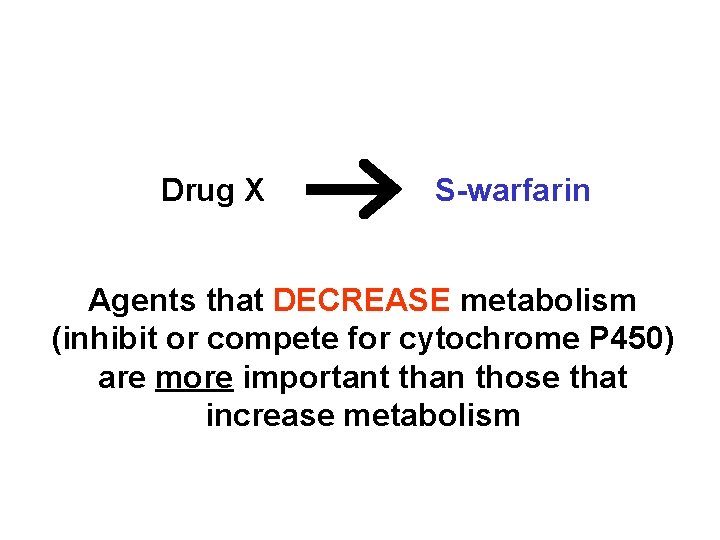
Drug X S-warfarin Agents that DECREASE metabolism (inhibit or compete for cytochrome P 450) are more important than those that increase metabolism
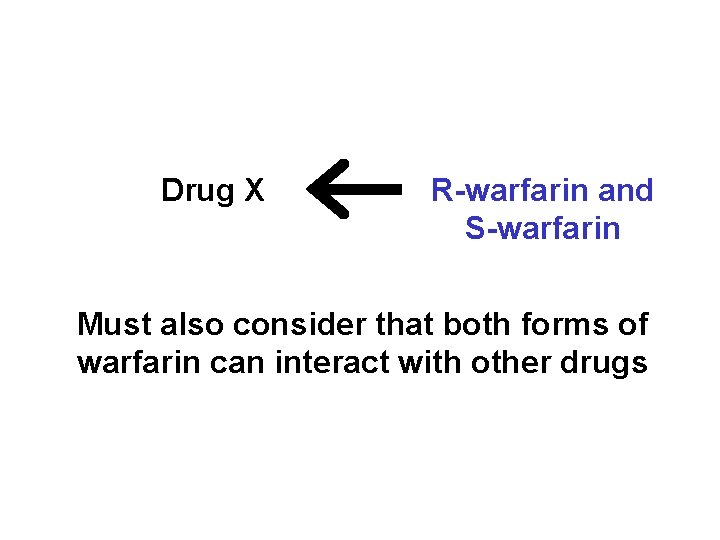
Drug X R-warfarin and S-warfarin Must also consider that both forms of warfarin can interact with other drugs
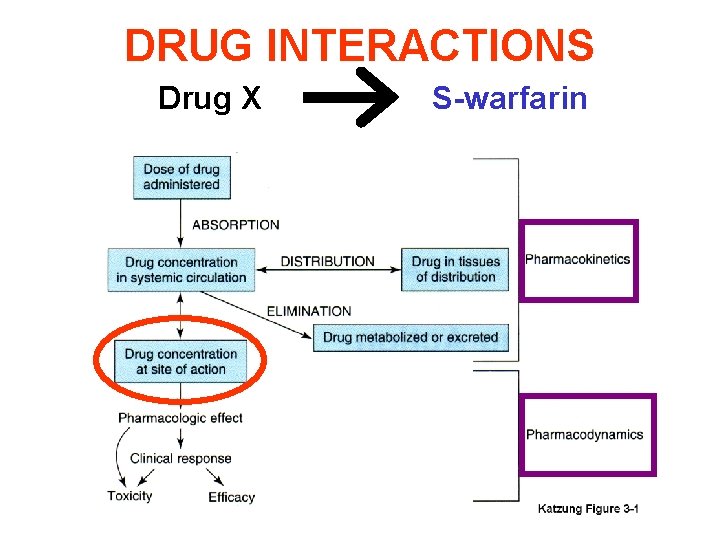
DRUG INTERACTIONS Drug X S-warfarin
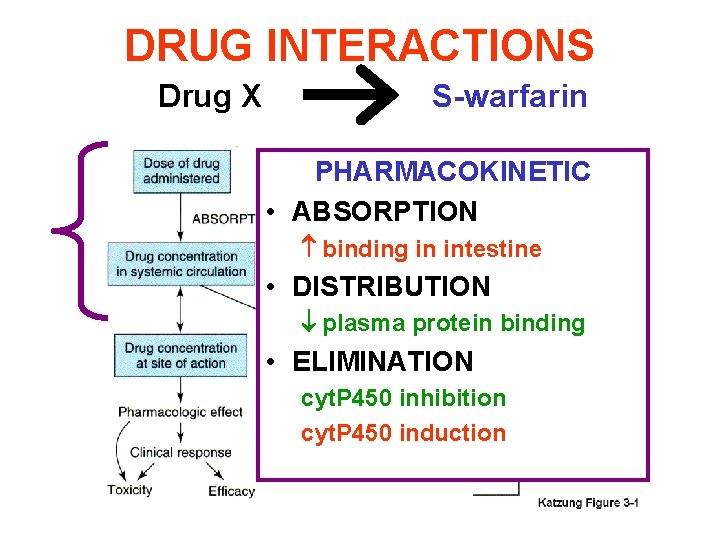
DRUG INTERACTIONS Drug X S-warfarin PHARMACOKINETIC • ABSORPTION binding in intestine • DISTRIBUTION plasma protein binding • ELIMINATION cyt. P 450 inhibition cyt. P 450 induction
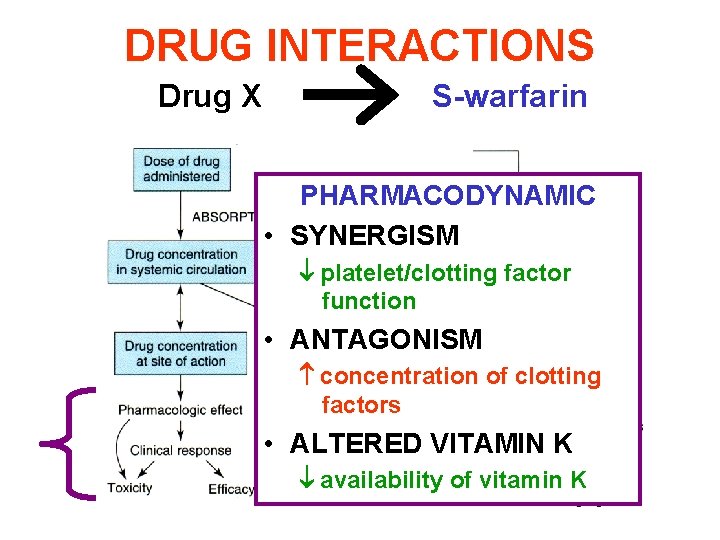
DRUG INTERACTIONS Drug X S-warfarin PHARMACODYNAMIC • SYNERGISM platelet/clotting factor function • ANTAGONISM concentration of clotting factors • ALTERED VITAMIN K availability of vitamin K
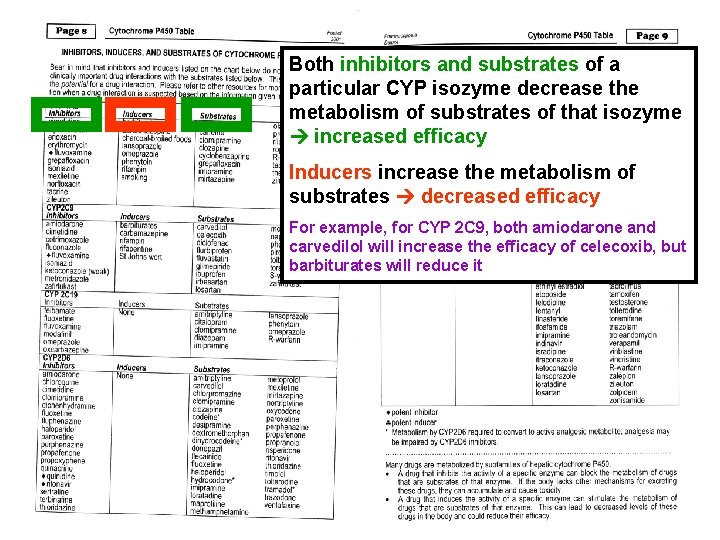
Both inhibitors and substrates of a particular CYP isozyme decrease the metabolism of substrates of that isozyme increased efficacy Inducers increase the metabolism of substrates decreased efficacy For example, for CYP 2 C 9, both amiodarone and carvedilol will increase the efficacy of celecoxib, but barbiturates will reduce it
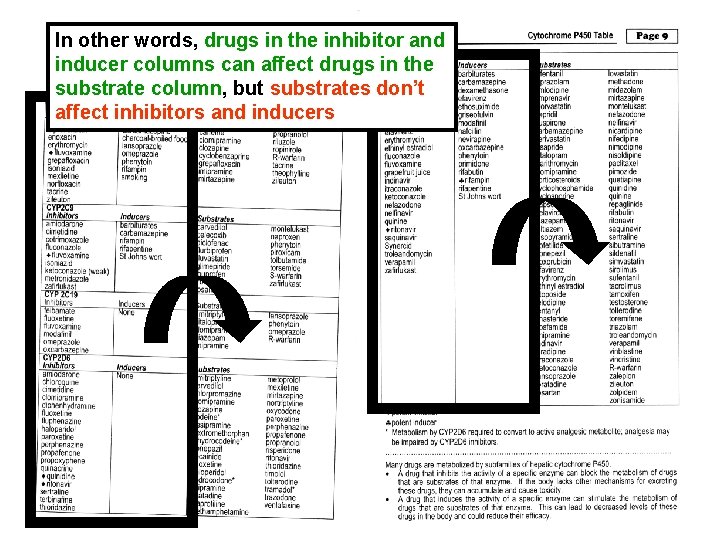
In other words, drugs in the inhibitor and inducer columns can affect drugs in the substrate column, but substrates don’t affect inhibitors and inducers
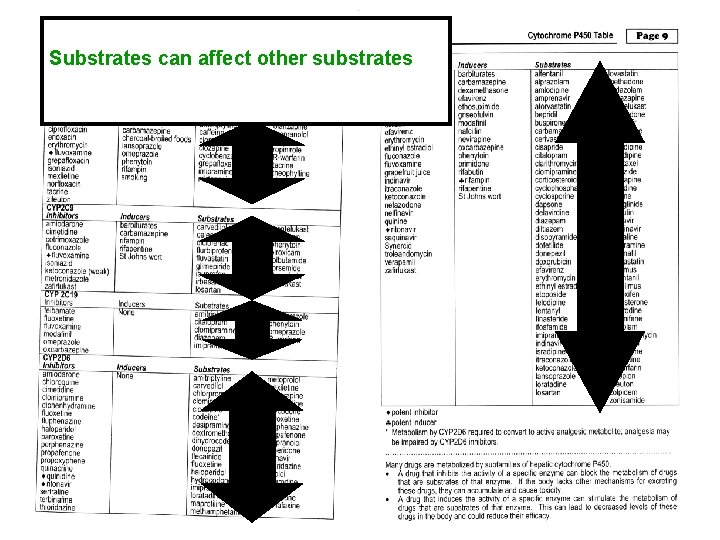
Substrates can affect other substrates
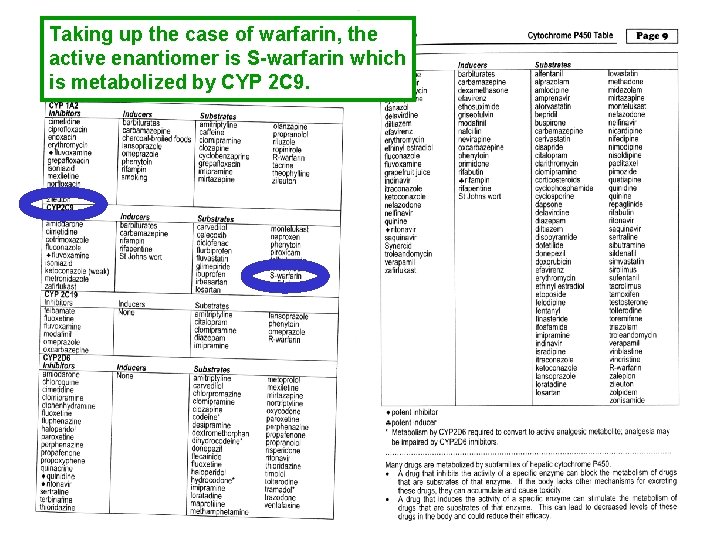
Taking up the case of warfarin, the active enantiomer is S-warfarin which is metabolized by CYP 2 C 9.
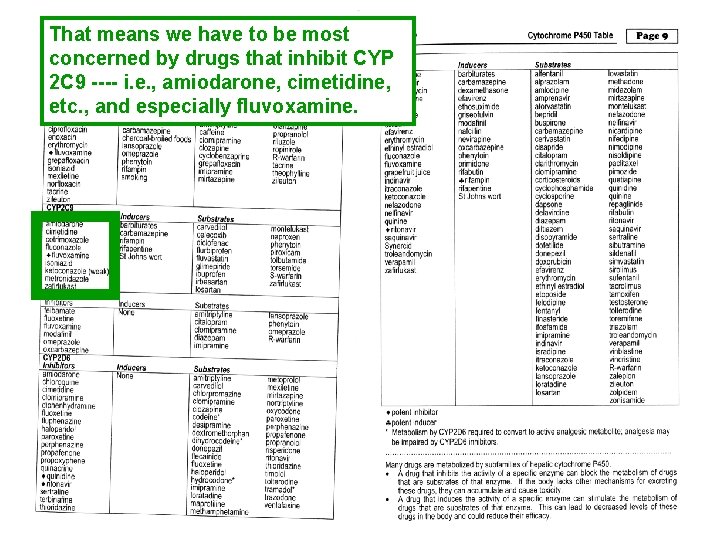
That means we have to be most concerned by drugs that inhibit CYP 2 C 9 ---- i. e. , amiodarone, cimetidine, etc. , and especially fluvoxamine.
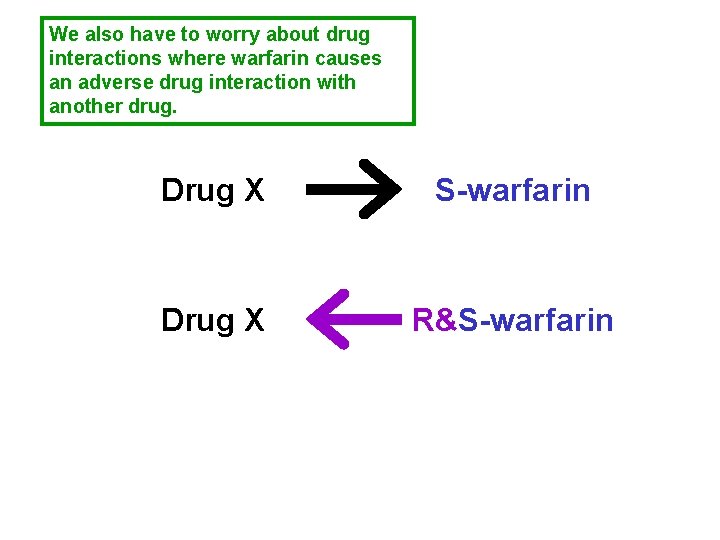
We also have to worry about drug interactions where warfarin causes an adverse drug interaction with another drug. Drug X S-warfarin Drug X R&S-warfarin
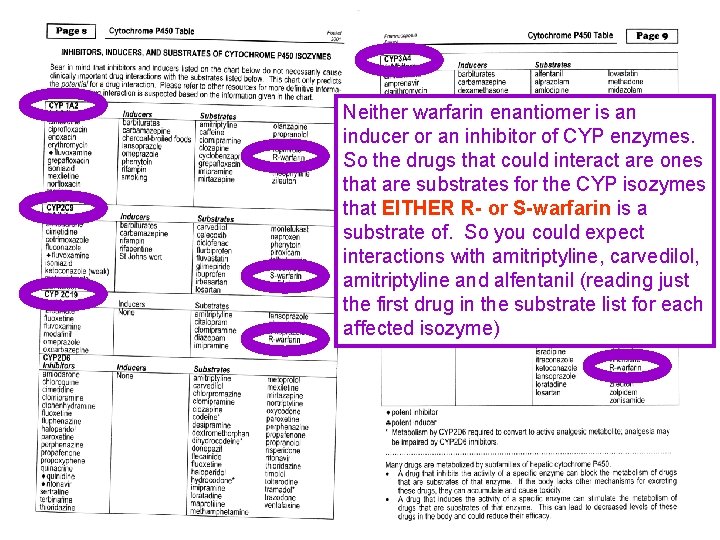
Neither warfarin enantiomer is an inducer or an inhibitor of CYP enzymes. So the drugs that could interact are ones that are substrates for the CYP isozymes that EITHER R- or S-warfarin is a substrate of. So you could expect interactions with amitriptyline, carvedilol, amitriptyline and alfentanil (reading just the first drug in the substrate list for each affected isozyme)
- Slides: 13