Discipleship Pathway Go CCHWRKdpp RESENTATION 120312 11252020 Training
- Slides: 51
Discipleship Pathway Go CCHWRKdpp. RESENTATION 120312 11/25/2020 Training Make Baptize
Why this workshop? We believe that every United Methodist Church should have a clearly defined Discipleship Pathway that can be easily entered, understood, and articulated. Why? Because it is the core of our tradition and our tradition centers around Christ! Go Training Make Baptize
WHY A DISCIPLESHIP PATHWAY? It is part of our Wesleyan heritage Wesley's three rules--do no harm, do good, stay in love with God—-by: a) practicing daily disciplines of reading scripture, prayer, tithing, b) practicing weekly disciplines of worship, keeping the Sabbath, and serving others. Go Training Make Baptize
WHY A DISCIPLESHIP PATHWAY? As a member of the United Methodist Church we vow to ¶ 217. 6 “. . . faithfully participate in it’s ministries by their prayers, their presence, their gifts, their service and their witness; ” (United Methodist Book of Discipline) Go Training Make Baptize
WHY A DISCIPLESHIP PATHWAY? Our purpose is driven by Jesus’ command to. . . go and make disciples of all nations, baptizing them in the name of the Father and of the Son and of the Holy Spirit, and teaching them to obey everything I have commanded you. ” (Matthew 28: 19 -20) Go Training Make Baptize
WHY A DISCIPLESHIP PATHWAY? “The Mission of the United Methodist Church is to make Disciples of Jesus Christ for the transformation of the world. ” Go Training Make Baptize
Defining a Disciple One who embraces and assists in spreading the teachings of another. (Free. Dictionary. com) “A philosophy of ministry that places daily spiritual growth at the core of the ministry. People committed to becoming and reproducing spiritually mature zealots for Christ. ” (page 32 Growing True Disciples) Learner. To be like the teacher. (www. ccel. org) Go Training Make Baptize
Defining a Disciple “Vibrant, fruitful, growing congregations practice Intentional Faith Development. From the first generation of Christians. . . . to faithful members today, the followers of Jesus mature in faith by learning together in community. Churches that practice Intentional Faith Development offer high quality learning experiences that help people understand Scripture, faith, and life in the supportive nurture of caring relationships. ” (page 62 Five Practices of Fruitful Congregations) Go Training Make Baptize
Transformation vs. Information Romans 12: 1 -2 “Therefore, I urge you, brother, in view of God’s mercy, to offer your bodies as living sacrifices, holy and pleasing to God- this is your spiritual act of worship. Do not conform any longer to the pattern of this world, but be transformed by the renewing of your mind. Then you will be able to test and approve what God’s will is – his good, pleasing and perfect will. ”
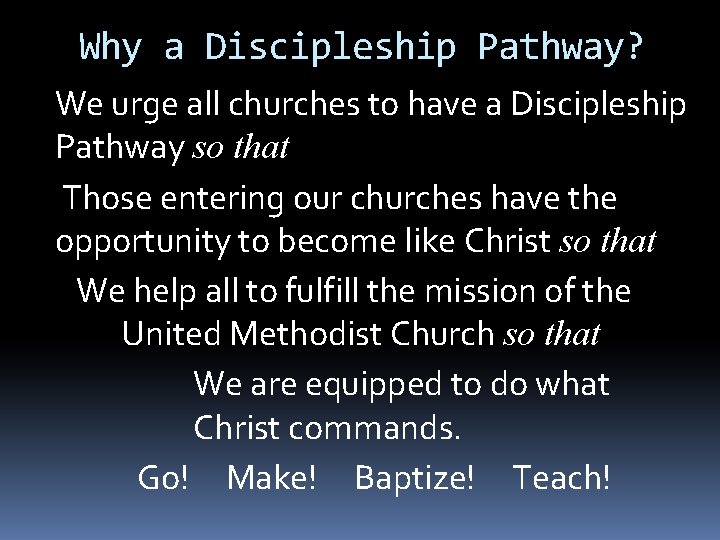
Why a Discipleship Pathway? We urge all churches to have a Discipleship Pathway so that Those entering our churches have the opportunity to become like Christ so that We help all to fulfill the mission of the United Methodist Church so that We are equipped to do what Christ commands. Go! Make! Baptize! Teach!
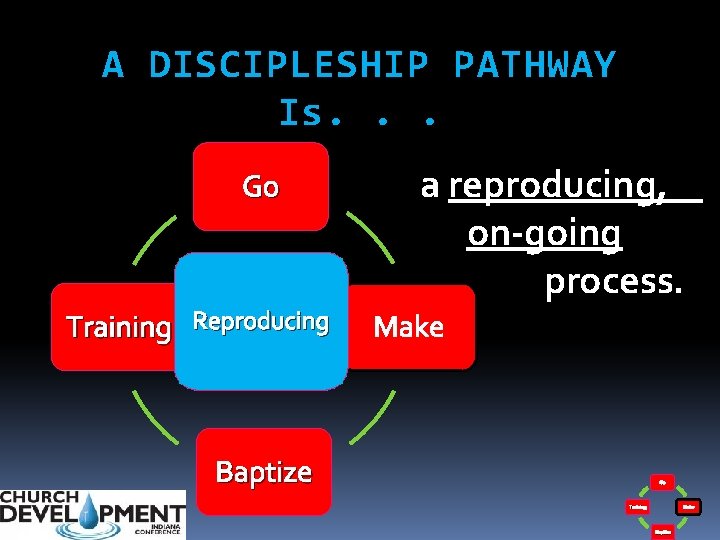
A DISCIPLESHIP PATHWAY Is. . . Go Training Reproducing a reproducing, on-going process. Make Baptize Go Training Make Baptize
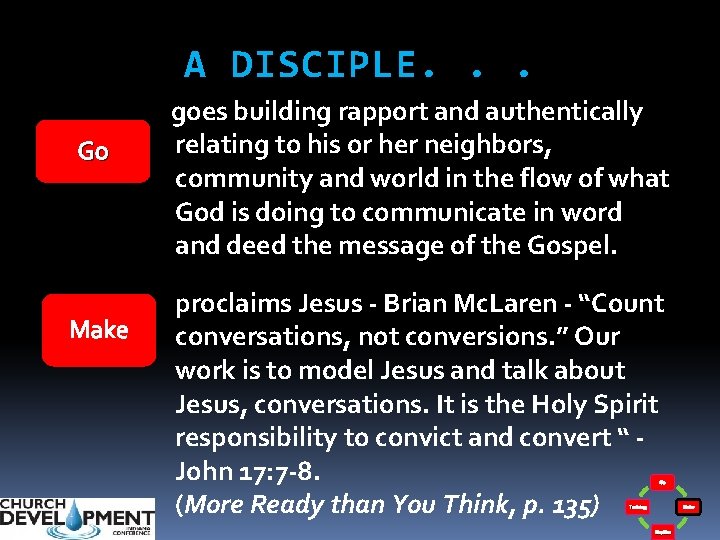
A DISCIPLE. . . Go Make goes building rapport and authentically relating to his or her neighbors, community and world in the flow of what God is doing to communicate in word and deed the message of the Gospel. proclaims Jesus - Brian Mc. Laren - “Count conversations, not conversions. ” Our work is to model Jesus and talk about Jesus, conversations. It is the Holy Spirit responsibility to convict and convert “ John 17: 7 -8. (More Ready than You Think, p. 135) Go Training Baptize Make
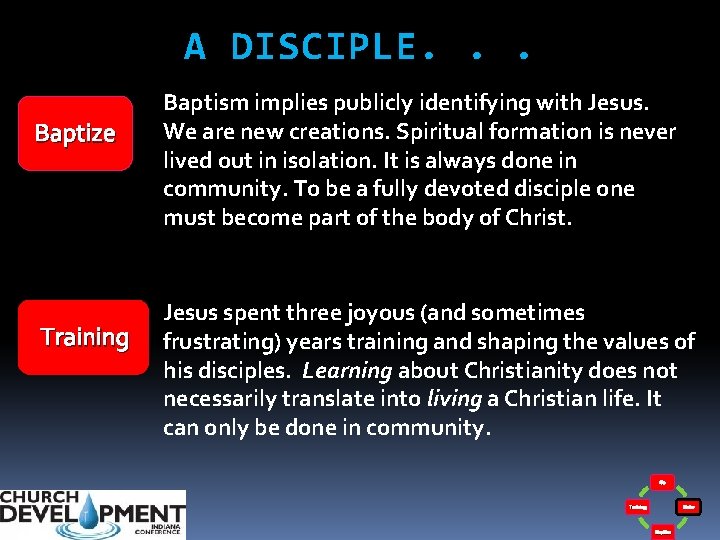
A DISCIPLE. . . Baptize Training Baptism implies publicly identifying with Jesus. We are new creations. Spiritual formation is never lived out in isolation. It is always done in community. To be a fully devoted disciple one must become part of the body of Christ. Jesus spent three joyous (and sometimes frustrating) years training and shaping the values of his disciples. Learning about Christianity does not necessarily translate into living a Christian life. It can only be done in community. Go Training Make Baptize
A DISCIPLSHIP PATHWAY IS. . . “All I have commanded you” includes this very command. Reproducing Compare the Great Commission (Matt. 28: 19 -20) with Acts 2: 36 -47. The end result was a reproducing community of faith with the Lord “adding to their numbers daily. ” (Acts 2: 47). Go Training Make Baptize
THE VALUE OF A DISCIPLESHIP PATHWAY? Thus, the church exists to provide an on-going process for people to connect the Great Commission and the Great Commandment with their personal, daily lives. Great Commandment Great Commission + Great Commitment GREAT CHURCH Go Training Make Baptize
Healthy churches create a “ Pathway”to GROW and MATURE disciples. This pathway is. . . 1. 2. 3. Intentional Systematic and Measurable Go Training Make Baptize
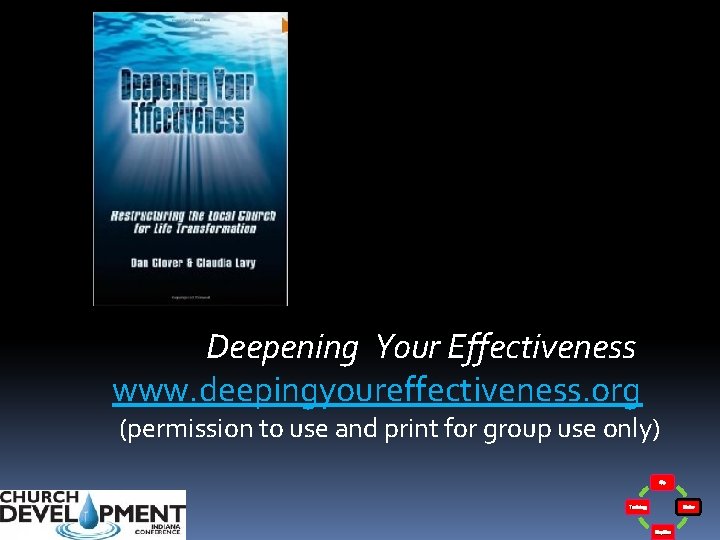
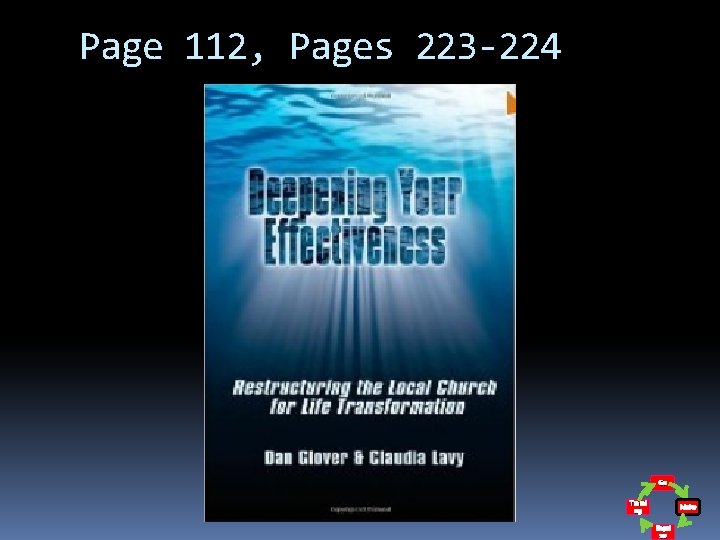
Deepening Your Effectiveness www. deepingyoureffectiveness. org (permission to use and print for group use only) Go Training Make Baptize
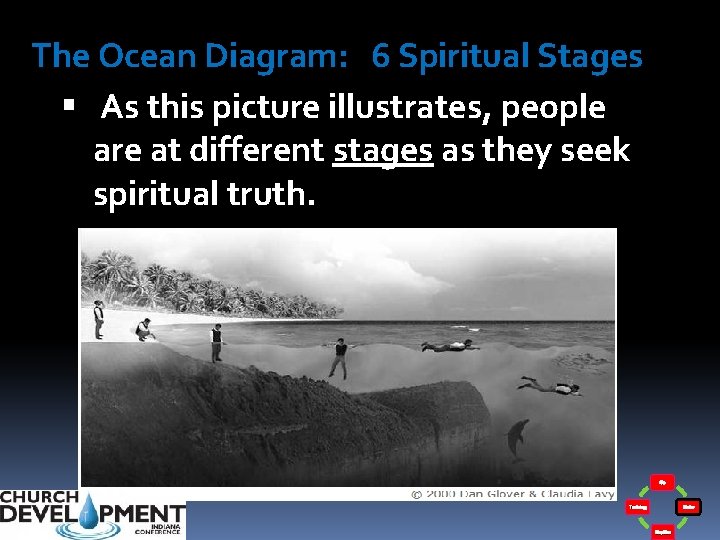
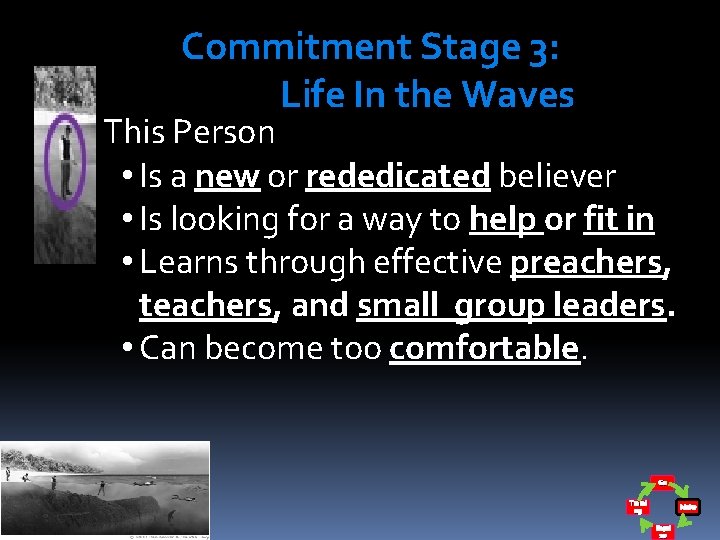
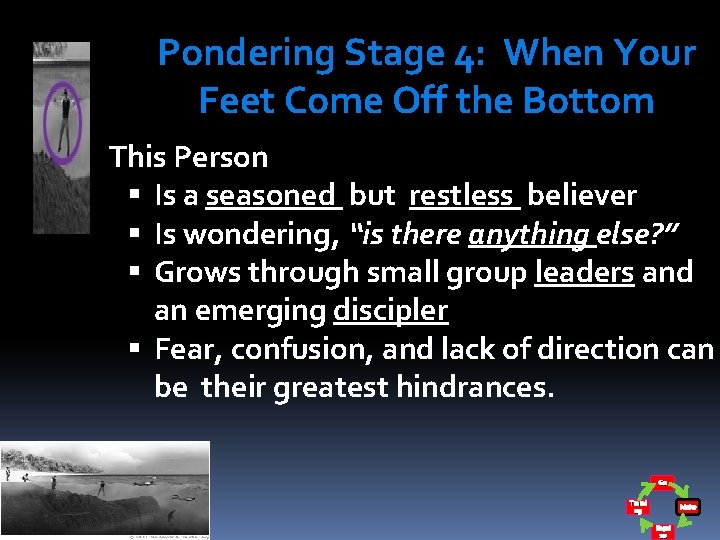
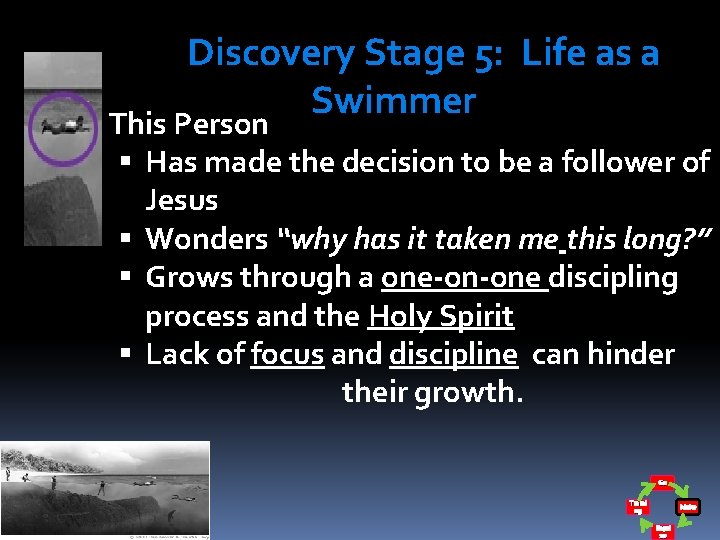
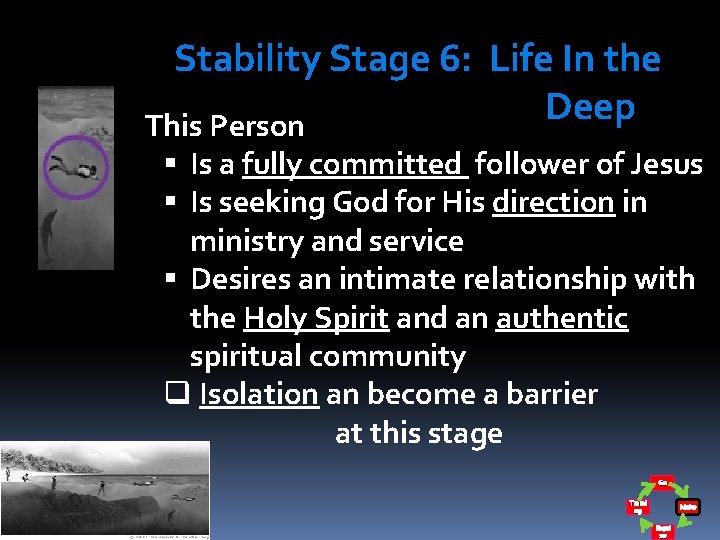
The Ocean Diagram: 6 Spiritual Stages As this picture illustrates, people are at different stages as they seek spiritual truth. Go Training Make Baptize
At each stage of the journey there is a: PRIMARY PERSON: the on the journey PRIMARY QUESTION: the question that resonates in the heart & mind of the traveler. PRIMARY RELATIONSHIP: who has the most influence when it comes to helping the traveler move into the next step. PRIMARY BARRIER: the natural tendencies that guard us from the unknown. PRIMARY MINISTRY: that can have a significant, positive impact on the traveler at each stage Go Training Make Baptize
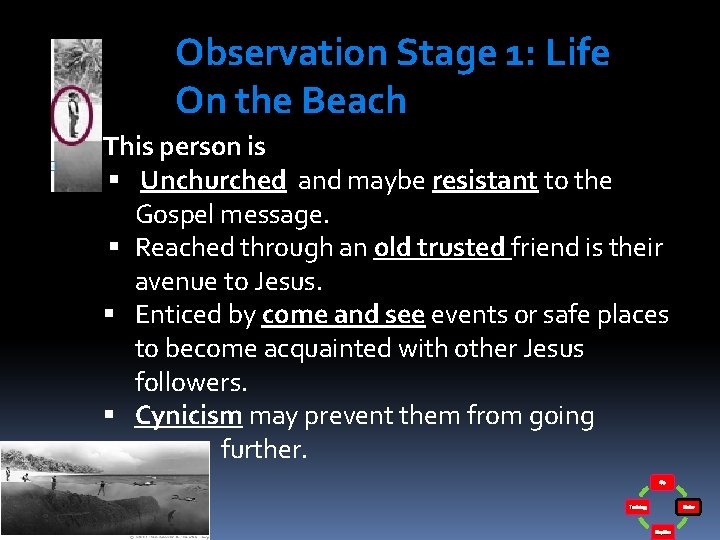
Observation Stage 1: Life On the Beach This person is Unchurched and maybe resistant to the Gospel message. Reached through an old trusted friend is their avenue to Jesus. Enticed by come and see events or safe places to become acquainted with other Jesus followers. Cynicism may prevent them from going further. Go Training Make Baptize
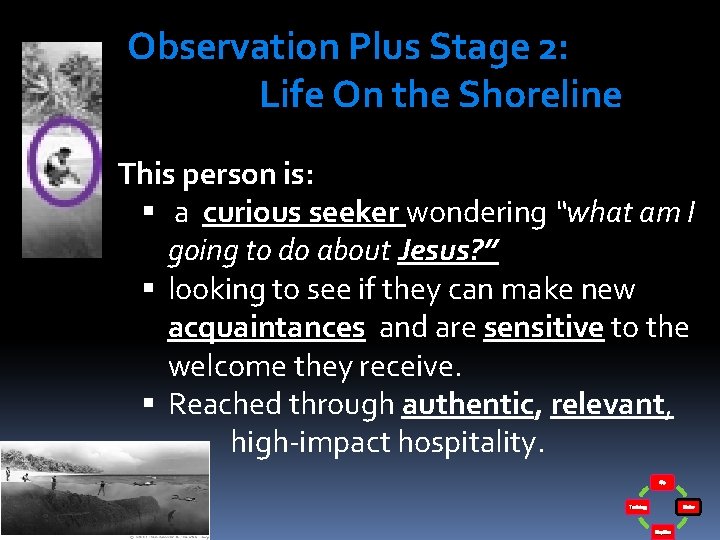
Observation Plus Stage 2: Life On the Shoreline This person is: a curious seeker wondering “what am I going to do about Jesus? ” looking to see if they can make new acquaintances and are sensitive to the welcome they receive. Reached through authentic, relevant, high-impact hospitality. Go Training Make Baptize
Commitment Stage 3: Life In the Waves This Person • Is a new or rededicated believer • Is looking for a way to help or fit in • Learns through effective preachers, teachers, and small group leaders. • Can become too comfortable. Go Traini ng Make Bapti ze
Pondering Stage 4: When Your Feet Come Off the Bottom This Person Is a seasoned but restless believer Is wondering, “is there anything else? ” Grows through small group leaders and an emerging discipler Fear, confusion, and lack of direction can be their greatest hindrances. Go Traini ng Make Bapti ze
Discovery Stage 5: Life as a Swimmer This Person Has made the decision to be a follower of Jesus Wonders “why has it taken me this long? ” Grows through a one-on-one discipling process and the Holy Spirit Lack of focus and discipline can hinder their growth. Go Traini ng Make Bapti ze
Stability Stage 6: Life In the Deep This Person Is a fully committed follower of Jesus Is seeking God for His direction in ministry and service Desires an intimate relationship with the Holy Spirit and an authentic spiritual community q Isolation an become a barrier at this stage Go Traini ng Make Bapti ze
A Discipleship Pathway is NOT JUST • • • A program A curriculum Based on Bible knowledge alone Fellowship in Sunday school classes Having small groups Attending a weekly worship experience Go Traini ng Make Bapti ze
The Next Step: Implementation In order for your church’s pathway to be fruitful it has to be: 1. Intentional 2. S ystematic and 3. Measurable It will also require: 1. A team of dedicated persons 2. The right “gift mix” 3. Time and Energy Go Traini ng Make Bapti ze
A DISCIPLSHIP PATHWAY IS. . . • INTENTIONAL – a well defined process to grow, mature, serve and go to make more disciples. • SYSTEMATIC – has an entry point and defines the next steps. • MEASURABLE – quantitatively and/or qualitatively determines if we are indeed making mature disciples. Go Traini ng Make Bapti ze
Qualities of a Discipleship Pathway based upon the Wesleyan tradition: 1. ) A clearly marked entry point. 2. ) Accountability with other travelers. 3. ) Various legs or stages of the Journey. 4. ) Tools to transition from one leg to another. 5. ) Markers to indicate progress. 6. ) A lifelong pursuit of Holiness. 7. ) A path that is a journey, not a destination. Go Traini ng Make Bapti ze
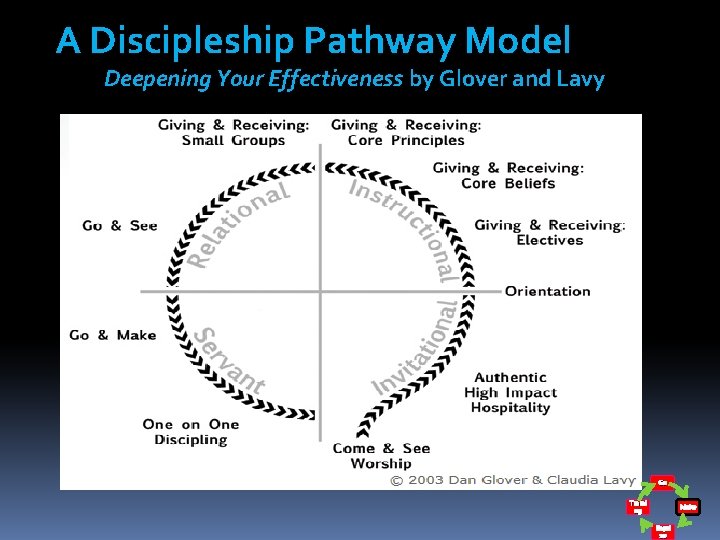
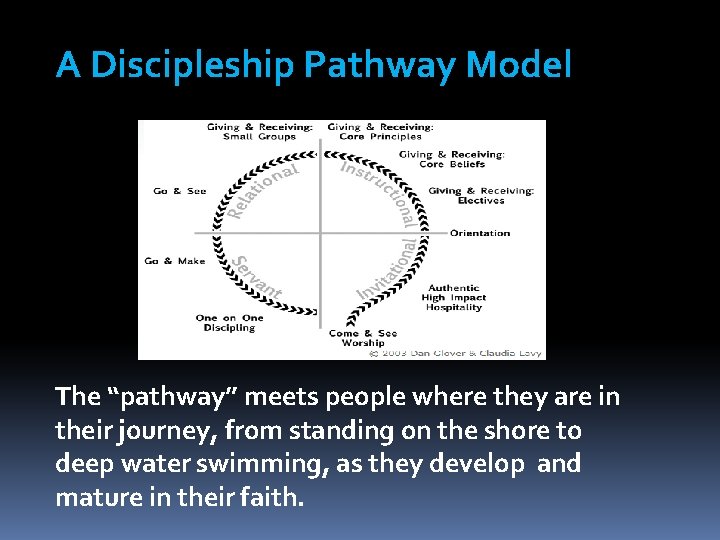
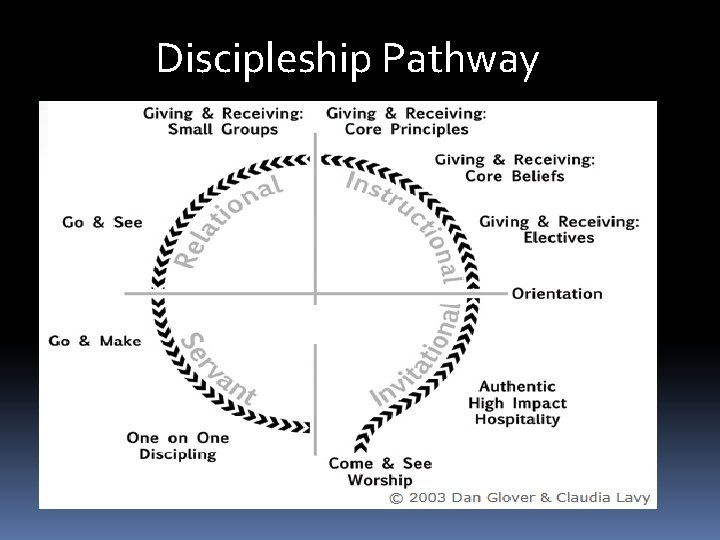
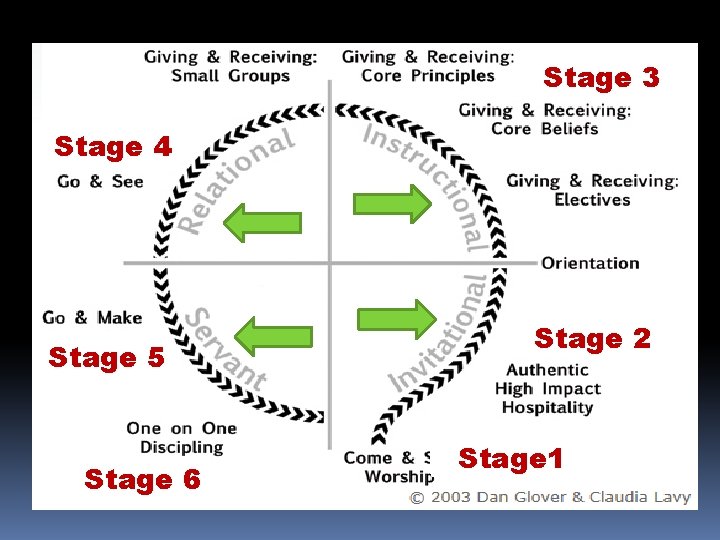
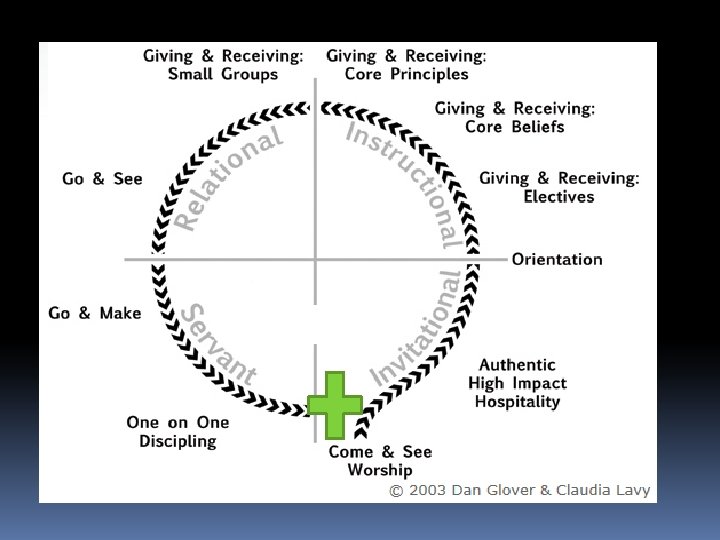
A Discipleship Pathway Model Deepening Your Effectiveness by Glover and Lavy Go Traini ng Make Bapti ze
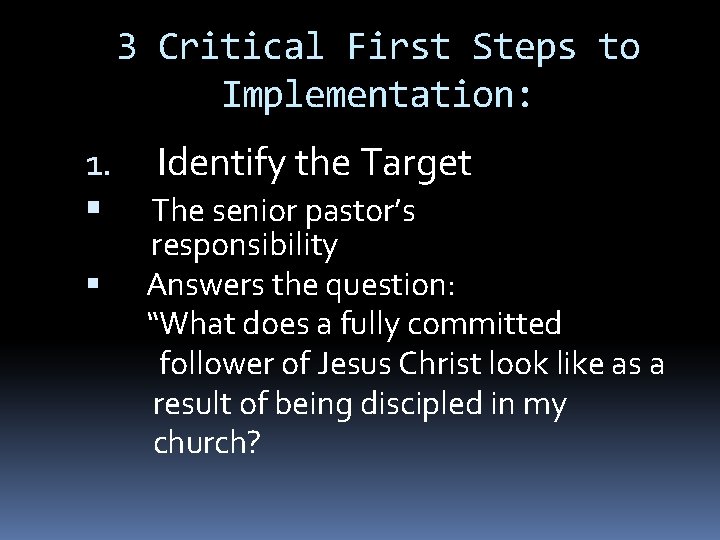
3 Critical First Steps to Implementation: 1. Identify the Target The senior pastor’s responsibility Answers the question: “What does a fully committed follower of Jesus Christ look like as a result of being discipled in my church?
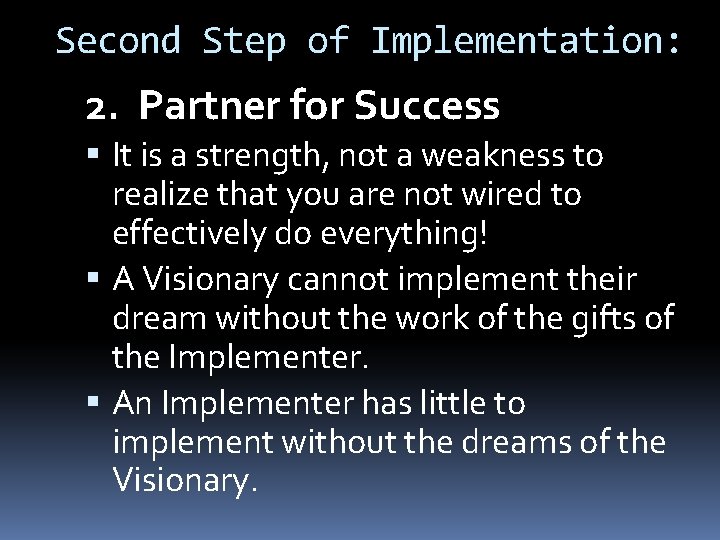
Second Step of Implementation: 2. Partner for Success It is a strength, not a weakness to realize that you are not wired to effectively do everything! A Visionary cannot implement their dream without the work of the gifts of the Implementer. An Implementer has little to implement without the dreams of the Visionary.
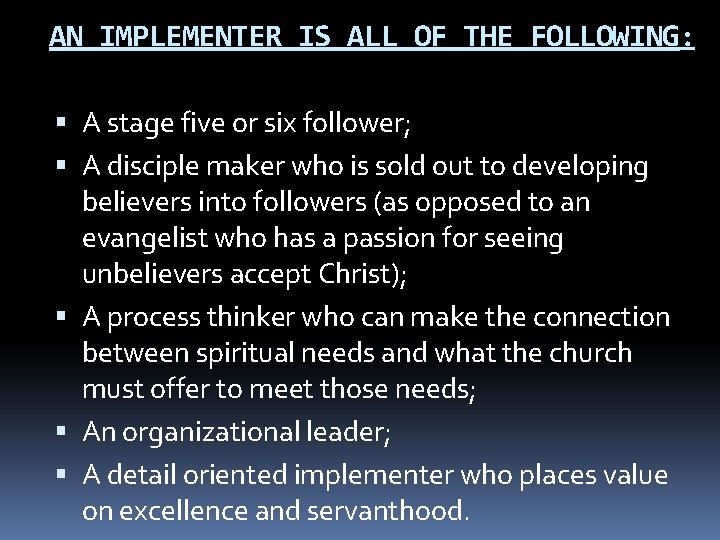
AN IMPLEMENTER IS ALL OF THE FOLLOWING: A stage five or six follower; A disciple maker who is sold out to developing believers into followers (as opposed to an evangelist who has a passion for seeing unbelievers accept Christ); A process thinker who can make the connection between spiritual needs and what the church must offer to meet those needs; An organizational leader; A detail oriented implementer who places value on excellence and servanthood.
Third Step for Implementation: 3. Design the Pathway The goal will be to find a way to communicate how someone who comes into your church will find a ministry that will meet the needs at each stage of spiritual growth and development.
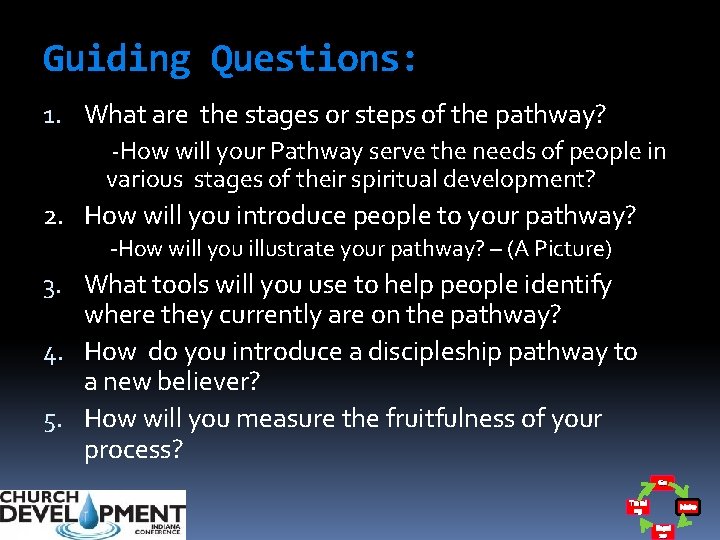
Guiding Questions: 1. What are the stages or steps of the pathway? -How will your Pathway serve the needs of people in various stages of their spiritual development? 2. How will you introduce people to your pathway? -How will you illustrate your pathway? – (A Picture) 3. What tools will you use to help people identify where they currently are on the pathway? 4. How do you introduce a discipleship pathway to a new believer? 5. How will you measure the fruitfulness of your process? Go Traini ng Make Bapti ze
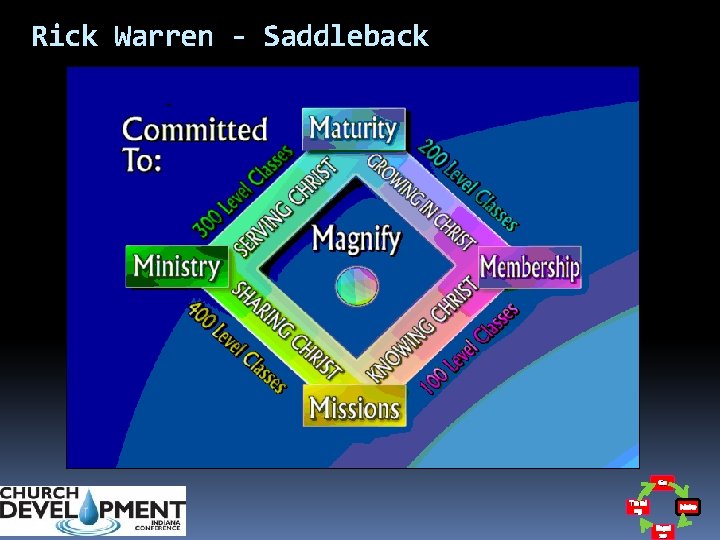
Rick Warren - Saddleback Go Traini ng Make Bapti ze
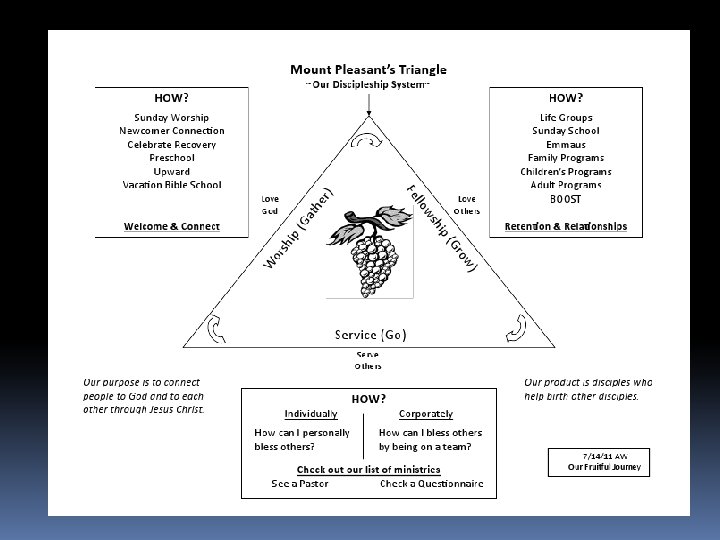
Other Models: Union Chapel UMC – KNOW Jesus as Lord, GROW as a devoted follower of Jesus, and to GO making Jesus known to others. (Know, Grow, & Go) (www. unionchapel. com) Clay Church UMC – We focus on three key aspects of the LIFE Discipleship Path at Clay: CONNECTING to God and Neighbor, GROWING as followers of Jesus Christ, and SHARING our lives with the world. (Connecting, Growing, Sharing) (www. claychurch. com) Go Traini ng Make Bapti
Activity Table Discussion Question: As a person walks your discipleship pathway, what opportunities or experiences do you believe are necessary to ensure they will become mature, devoted followers of Jesus Christ? Go Traini ng Make Bapti ze
A Discipleship Pathway Model The “pathway” meets people where they are in their journey, from standing on the shore to deep water swimming, as they develop and mature in their faith.
Discipleship Pathway
Stage 3 Stage 4 Stage 5 Stage 6 Stage 2 a. Stage 1
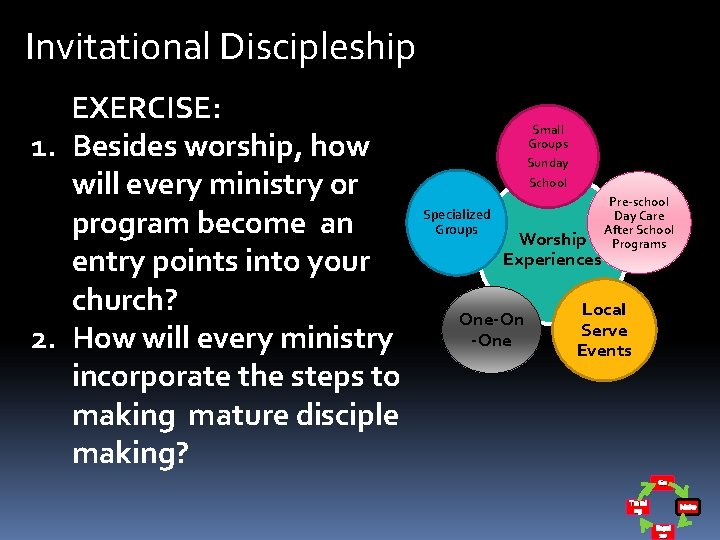
Invitational Discipleship Suggested Reading to prepare for EXERCISE: this workshop 1. Besides worship, how will every ministry or program become an entry points into your church? 2. How will every ministry incorporate the steps to making mature disciple making? Small Groups Sunday School Specialized Groups Worship Experiences One-On -One Pre-school Day Care After School Programs Local Serve Events Go Traini ng Make Bapti ze
Caution: A model cannot stand alone! It is not enough to put together a discipleship path model unless you also attach to it: 1. Objectives; 2. Criteria; and 3. Measurement for each ministry. Go Traini ng Make Bapti ze
Objectives: will help identify the goal of each ministry. Criteria: will provide examples against which each ministry can be compared to insure the purpose of being fulfilled Measurements: will assess the effectiveness of each ministry. Go Traini ng Make Bapti ze
“Best-Practices” of Church Models 1. Pastor is the number one advocate of discipleship pathway in the local church. 2. Membership is granted only when a person has a true understands the covenant of participate in a focused, demanding discipleship process 3. All ministry programs are intimately tied to discipleship outcomes The number of programs is minimized in order to focus the church’s ministry on and through the discipleship process Go Traini ng Make Bapti ze
“Best-Practices” of Church Models 4. All teaching in the church from Sunday morning classes for elementary school children through the worship service and other adult learning venues is substantively coordinated 5. The church mission statement serves as a practical tool for identifying necessary ministry outcomes. The vision is tied to an annually updated series of goals that directly relates to the mission statement and as well as the spiritual state of the congregation. Go Traini ng Make Bapti ze
Getting started: 1. Your pastor will wrestle with the question: “What does a fully committed follower look like as a result of being discipled in my church? ” With that answer, A Target will be Identified. 2. A team will be developed in order to Partner for Success. 3. A Model will be determined and developed. 4. Your coach will be with you every step of the way! Go Traini ng Make Bapti ze
Page 112, Pages 223 -224 Go Traini ng Make Bapti ze
Discipleship Pathway June, 2012 Go Traini ng Make Bapti ze