DENGUE RESEARCH IN INDONESIA Prof dr Pratiwi P


- Slides: 45
DENGUE RESEARCH IN INDONESIA Prof. dr. Pratiwi P Sudarmono, Sp. MK(K), Ph. D dr Herman Kosasih UNIVERSITAS INDONESIA RESEARCH PARTNERSHIP ON INFECTIOUS DISEASE (INA-RESPOND) Jakarta, 30 April 2015
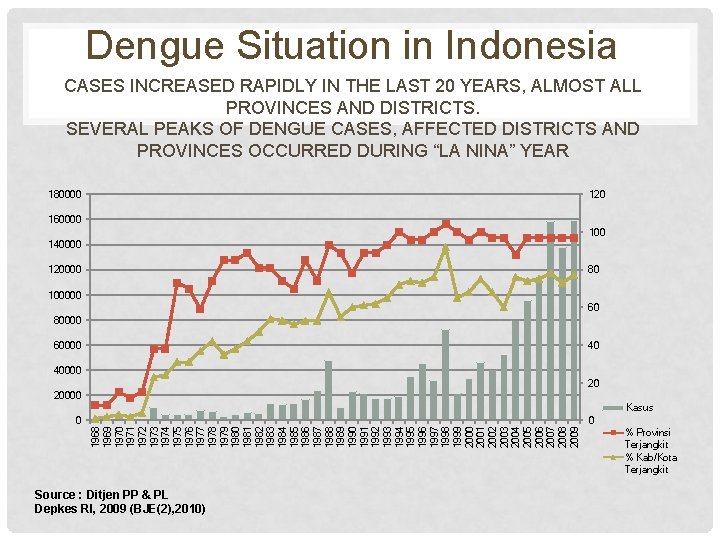
Dengue Situation in Indonesia CASES INCREASED RAPIDLY IN THE LAST 20 YEARS, ALMOST ALL PROVINCES AND DISTRICTS. SEVERAL PEAKS OF DENGUE CASES, AFFECTED DISTRICTS AND PROVINCES OCCURRED DURING “LA NINA” YEAR 180000 120 160000 140000 120000 80 100000 60 80000 60000 40 40000 20 20000 0 1968 1969 1970 1971 1972 1973 1974 1975 1976 1977 1978 1979 1980 1981 1982 1983 1984 1985 1986 1987 1988 1989 1990 1991 1992 1993 1994 1995 1996 1997 1998 1999 2000 2001 2002 2003 2004 2005 2006 2007 2008 2009 Kasus Source : Ditjen PP & PL Depkes RI, 2009 (BJE(2), 2010) 0 % Provinsi Terjangkit % Kab/Kota Terjangkit
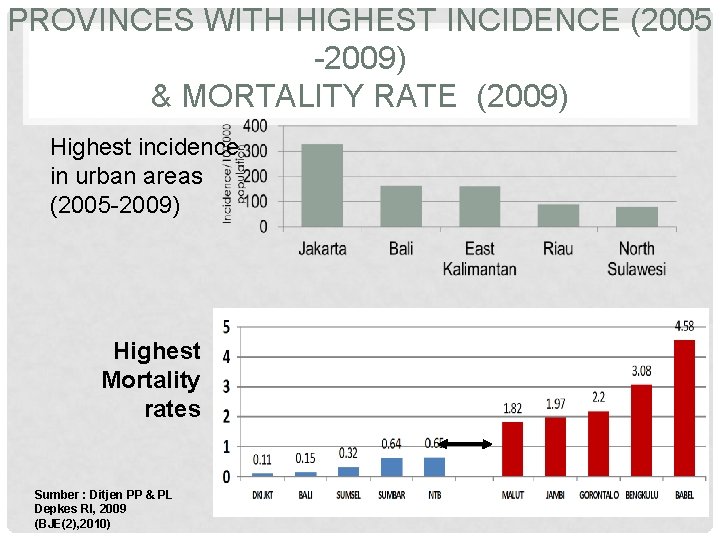
PROVINCES WITH HIGHEST INCIDENCE (2005 -2009) & MORTALITY RATE (2009) Highest incidence in urban areas (2005 -2009) Highest Mortality rates Sumber : Ditjen PP & PL Depkes RI, 2009 (BJE(2), 2010)
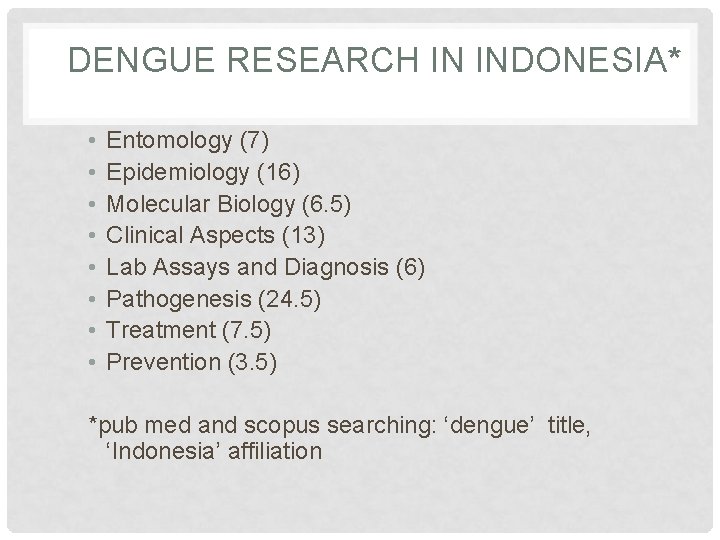
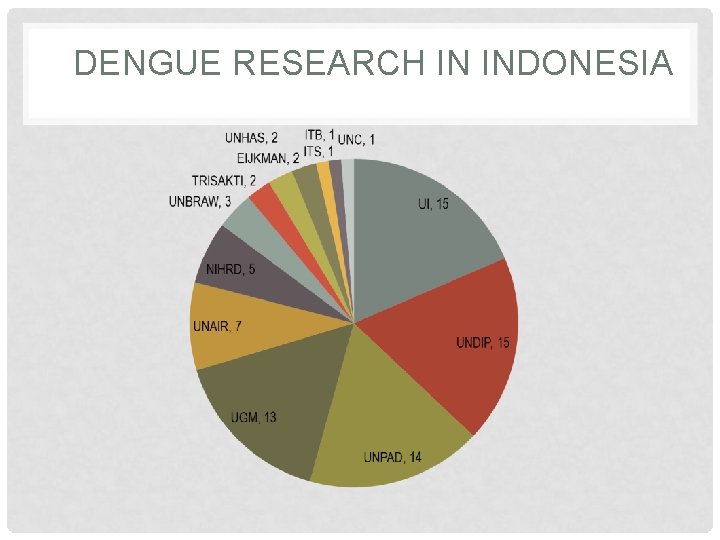
DENGUE RESEARCH IN INDONESIA* • • Entomology (7) Epidemiology (16) Molecular Biology (6. 5) Clinical Aspects (13) Lab Assays and Diagnosis (6) Pathogenesis (24. 5) Treatment (7. 5) Prevention (3. 5) *pub med and scopus searching: ‘dengue’ title, ‘Indonesia’ affiliation
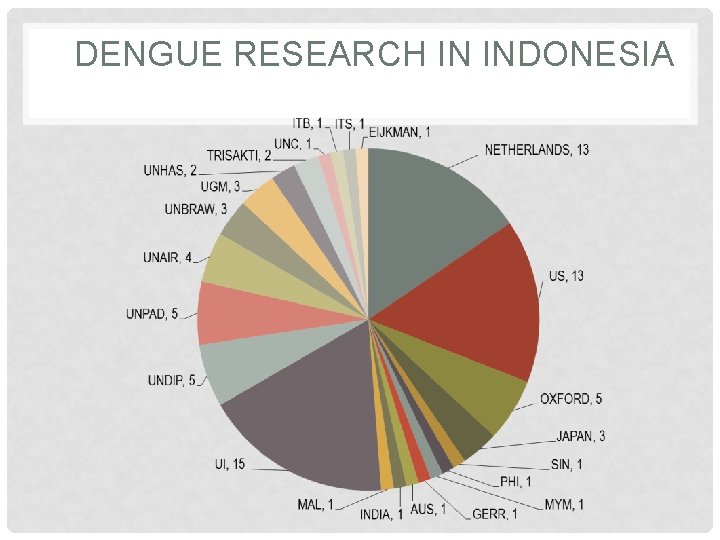
DENGUE RESEARCH IN INDONESIA
DENGUE RESEARCH IN INDONESIA
ENTOMOLOGY
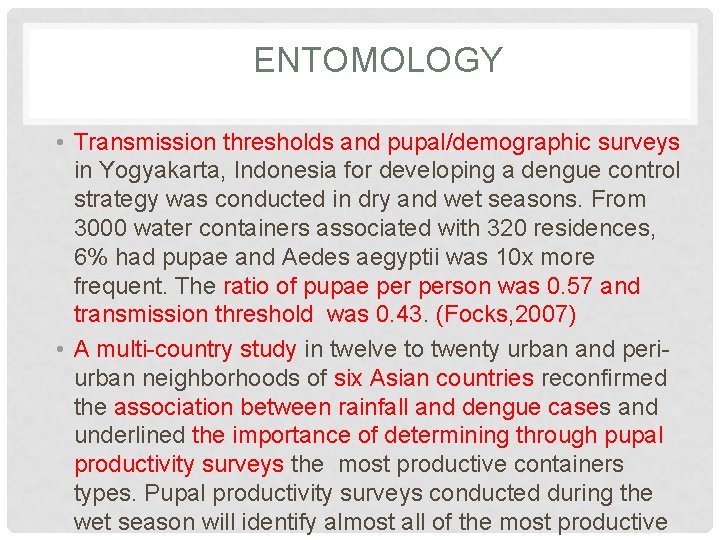
ENTOMOLOGY • Transmission thresholds and pupal/demographic surveys in Yogyakarta, Indonesia for developing a dengue control strategy was conducted in dry and wet seasons. From 3000 water containers associated with 320 residences, 6% had pupae and Aedes aegyptii was 10 x more frequent. The ratio of pupae person was 0. 57 and transmission threshold was 0. 43. (Focks, 2007) • A multi-country study in twelve to twenty urban and periurban neighborhoods of six Asian countries reconfirmed the association between rainfall and dengue cases and underlined the importance of determining through pupal productivity surveys the most productive containers types. Pupal productivity surveys conducted during the wet season will identify almost all of the most productive
EPIDEMIOLOGY
MATHEMATICAL MODELING • Model of dengue transmission when vaccination is applied (Supriatna, 2008) • Model of dengue transmission in vaccinated population and considering immigration and emigration factors (Tasman, 2012) • Model to determine strategies to optimally control dengue transmission (Aldila, 2013)
MATHEMATICAL MODELING • IR DHF are influenced by people's behavior, rainfall and temperature, the highest level in Klojen, Lowokwaru, and Pakis. (Adhisuwignjo, 2012) • The spreading pattern of the Aedes aegypti in East Java have spatially and temporally positive correlation (Astutik, 2011 and 2012) • Two basic reproduction numbers (host-to-vector and hostto-host) are derived to estimate dengue transmission during 2002 -2007 outbreaks in Bandung, Indonesia (Supriatna, 2009)
OUTBREAK INVESTIGATIONS • DHF Epidemic in Merauke, Papua Indonesia in 2001 was mostly in children, 1. 2% CFR and caused by DENV-3. No history of DHF before (Sukri, 2003) • The 2004 outbreak of dengue in Jakarta, Indonesia, was characterised by the circulation of multiple virus serotypes (DENV-3 predominant) and resulted in a relatively high percentage of hospitalised patients with DHF (Suwandono, 2006)
EPIDEMIOLOGY: CLIMATE FACTORS • The apparent associations of entomological and climatic effects (ENSO) that precipitated the epidemic before the influx of reported human cases in Palembang, Indonesia (Bangs, 2006) • Climate factors and recorded dengue cases may be used to predict DHF epidemics (Halide 2008 and 2009) • The influence of climate (optimum: rainfall of 1500 to 3670 mm, temperature of 22 to 27 C, humidity of 82 to 87%), low income per capita and populations below 15 years to the increase of dengue incidences (Salamah, 2012)
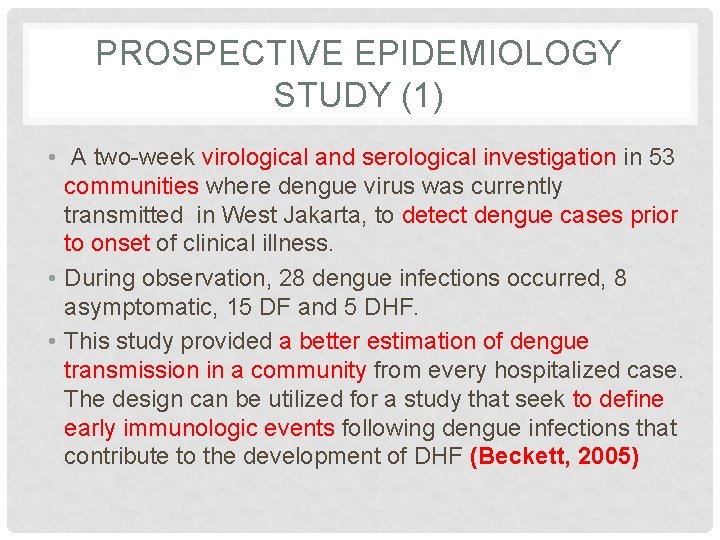
PROSPECTIVE EPIDEMIOLOGY STUDY (1) • A two-week virological and serological investigation in 53 communities where dengue virus was currently transmitted in West Jakarta, to detect dengue cases prior to onset of clinical illness. • During observation, 28 dengue infections occurred, 8 asymptomatic, 15 DF and 5 DHF. • This study provided a better estimation of dengue transmission in a community from every hospitalized case. The design can be utilized for a study that seek to define early immunologic events following dengue infections that contribute to the development of DHF (Beckett, 2005)
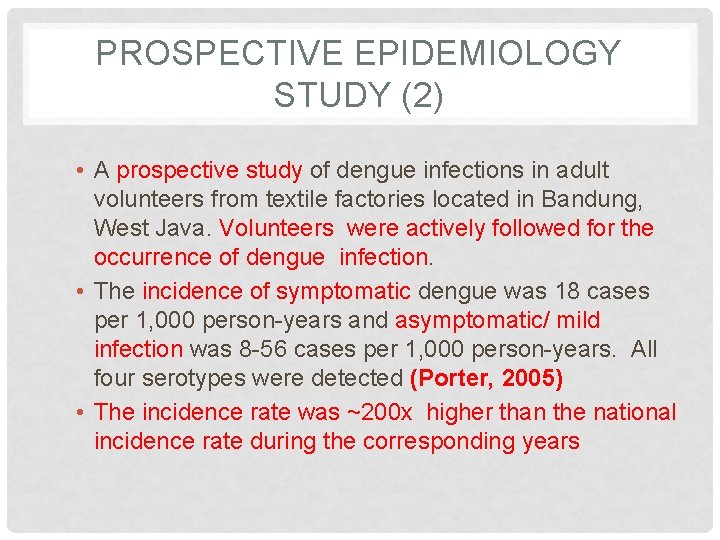
PROSPECTIVE EPIDEMIOLOGY STUDY (2) • A prospective study of dengue infections in adult volunteers from textile factories located in Bandung, West Java. Volunteers were actively followed for the occurrence of dengue infection. • The incidence of symptomatic dengue was 18 cases per 1, 000 person-years and asymptomatic/ mild infection was 8 -56 cases per 1, 000 person-years. All four serotypes were detected (Porter, 2005) • The incidence rate was ~200 x higher than the national incidence rate during the corresponding years
MOLECULAR BIOLOGY
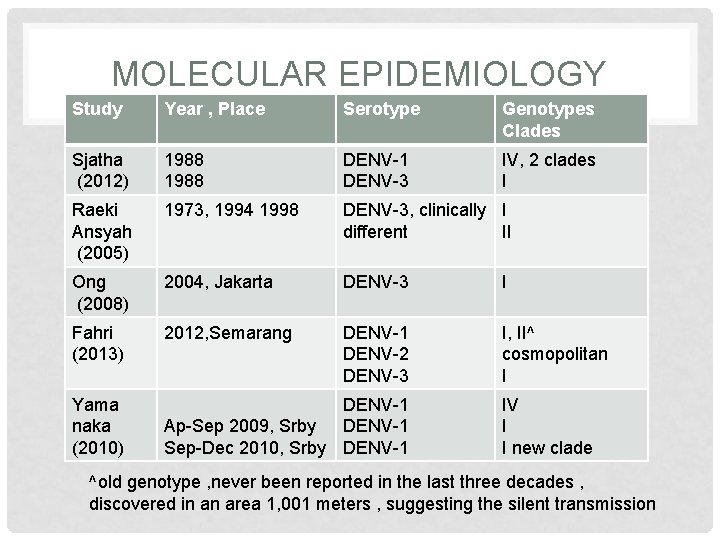
MOLECULAR EPIDEMIOLOGY Study Year , Place Serotype Genotypes Clades Sjatha (2012) 1988 DENV-1 DENV-3 IV, 2 clades I Raeki Ansyah (2005) 1973, 1994 1998 DENV-3, clinically I different II Ong (2008) 2004, Jakarta DENV-3 I Fahri (2013) 2012, Semarang DENV-1 DENV-2 DENV-3 I, II^ cosmopolitan I Yama naka (2010) DENV-1 Ap-Sep 2009, Srby DENV-1 Sep-Dec 2010, Srby DENV-1 IV I I new clade ^old genotype , never been reported in the last three decades , discovered in an area 1, 001 meters , suggesting the silent transmission
CLINICAL MANIFESTATIONS
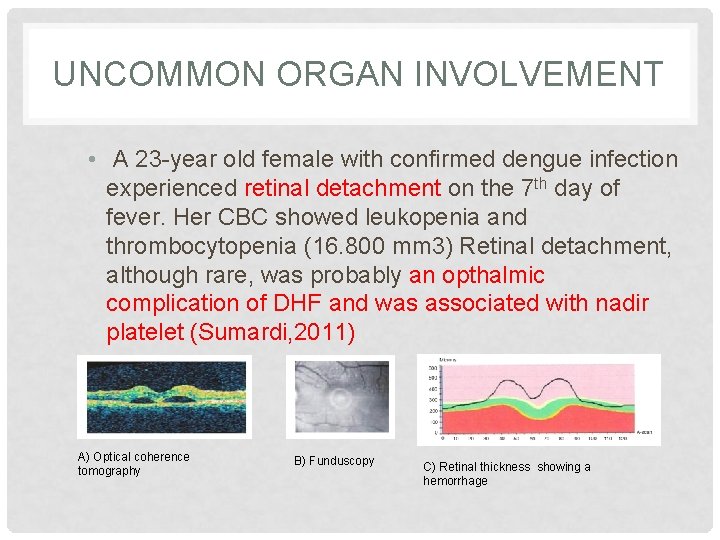
UNCOMMON ORGAN INVOLVEMENT • A 23 -year old female with confirmed dengue infection experienced retinal detachment on the 7 th day of fever. Her CBC showed leukopenia and thrombocytopenia (16. 800 mm 3) Retinal detachment, although rare, was probably an opthalmic complication of DHF and was associated with nadir platelet (Sumardi, 2011) A) Optical coherence tomography B) Funduscopy C) Retinal thickness showing a hemorrhage
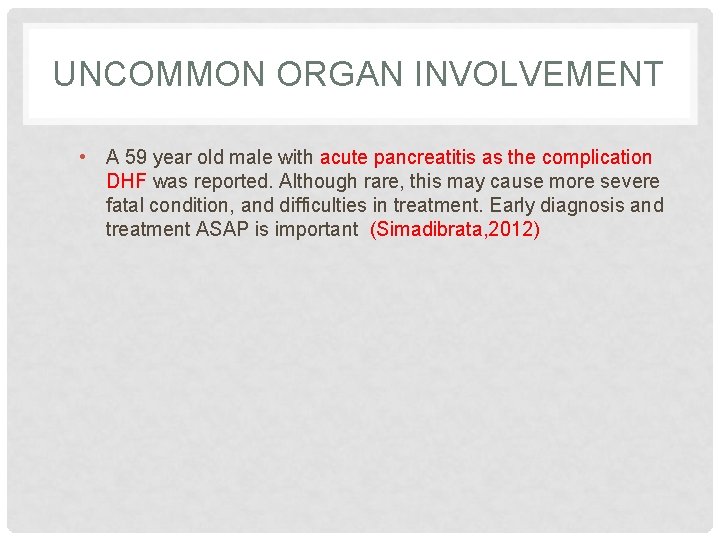
UNCOMMON ORGAN INVOLVEMENT • A 59 year old male with acute pancreatitis as the complication DHF was reported. Although rare, this may cause more severe fatal condition, and difficulties in treatment. Early diagnosis and treatment ASAP is important (Simadibrata, 2012)
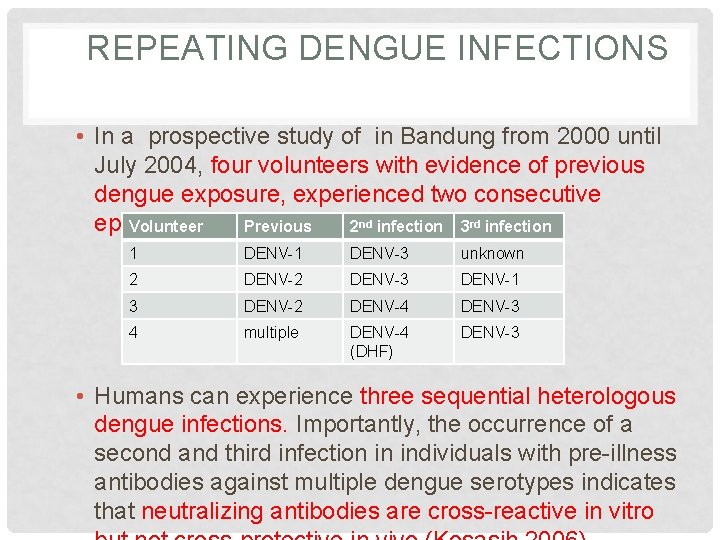
REPEATING DENGUE INFECTIONS • In a prospective study of in Bandung from 2000 until July 2004, four volunteers with evidence of previous dengue exposure, experienced two consecutive episodes Volunteerof dengue Previousinfections. 2 nd infection 3 rd infection 1 DENV-3 unknown 2 DENV-3 DENV-1 3 DENV-2 DENV-4 DENV-3 4 multiple DENV-4 (DHF) DENV-3 • Humans can experience three sequential heterologous dengue infections. Importantly, the occurrence of a second and third infection in individuals with pre-illness antibodies against multiple dengue serotypes indicates that neutralizing antibodies are cross-reactive in vitro
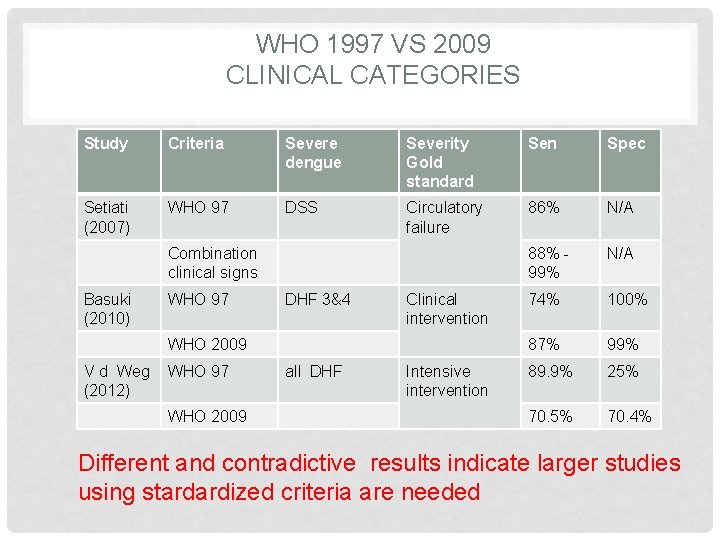
WHO 1997 VS 2009 CLINICAL CATEGORIES Study Criteria Severe dengue Severity Gold standard Sen Spec Setiati (2007) WHO 97 DSS Circulatory failure 86% N/A 88% 99% N/A 74% 100% 87% 99% 89. 9% 25% 70. 4% Combination clinical signs Basuki (2010) WHO 97 DHF 3&4 Clinical intervention WHO 2009 V d Weg (2012) WHO 97 WHO 2009 all DHF Intensive intervention Different and contradictive results indicate larger studies using stardardized criteria are needed
LABORATORY ASSAYS AND DIAGNOSTICS
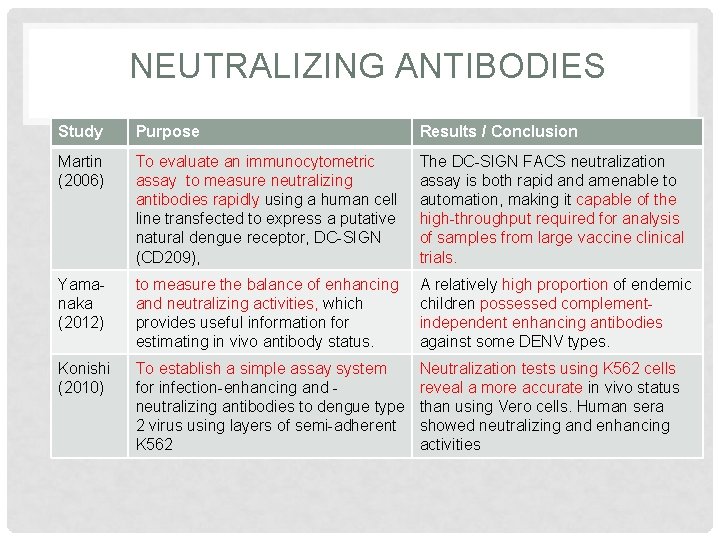
NEUTRALIZING ANTIBODIES Study Purpose Results / Conclusion Martin (2006) To evaluate an immunocytometric assay to measure neutralizing antibodies rapidly using a human cell line transfected to express a putative natural dengue receptor, DC-SIGN (CD 209), The DC-SIGN FACS neutralization assay is both rapid and amenable to automation, making it capable of the high-throughput required for analysis of samples from large vaccine clinical trials. Yamanaka (2012) to measure the balance of enhancing and neutralizing activities, which provides useful information for estimating in vivo antibody status. A relatively high proportion of endemic children possessed complementindependent enhancing antibodies against some DENV types. Konishi (2010) To establish a simple assay system for infection-enhancing and neutralizing antibodies to dengue type 2 virus using layers of semi-adherent K 562 Neutralization tests using K 562 cells reveal a more accurate in vivo status than using Vero cells. Human sera showed neutralizing and enhancing activities
PATHOGENESIS
TREATMENT
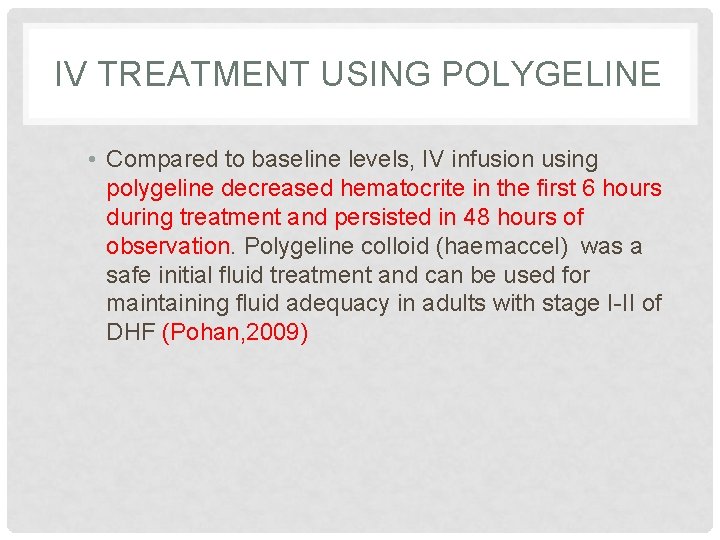
IV TREATMENT USING POLYGELINE • Compared to baseline levels, IV infusion using polygeline decreased hematocrite in the first 6 hours during treatment and persisted in 48 hours of observation. Polygeline colloid (haemaccel) was a safe initial fluid treatment and can be used for maintaining fluid adequacy in adults with stage I-II of DHF (Pohan, 2009)
PLATELET TRANSFUSION • Platelet transfusions: do not reduce the incidence of severe bleeding. Avoiding unnecessary platelet transfusion may reduce hospitalization cost. (Chairulfatah, 2003) • There is currently no evidence to support prophylactic platelet transfusions. A global survey conducted in 20 countries highlights the differences in the use of platelets in dengue and lacks of evidence base. (Whitehorn, 2012)
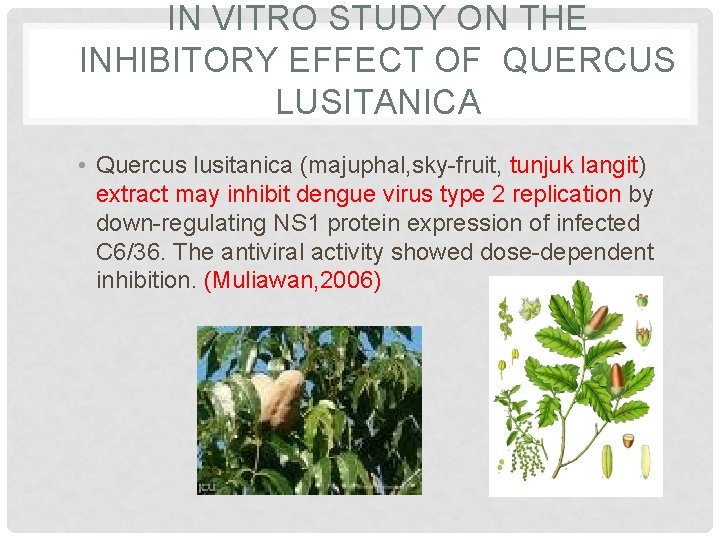
IN VITRO STUDY ON THE INHIBITORY EFFECT OF QUERCUS LUSITANICA • Quercus lusitanica (majuphal, sky-fruit, tunjuk langit) extract may inhibit dengue virus type 2 replication by down-regulating NS 1 protein expression of infected C 6/36. The antiviral activity showed dose-dependent inhibition. (Muliawan, 2006)
PREVENTION
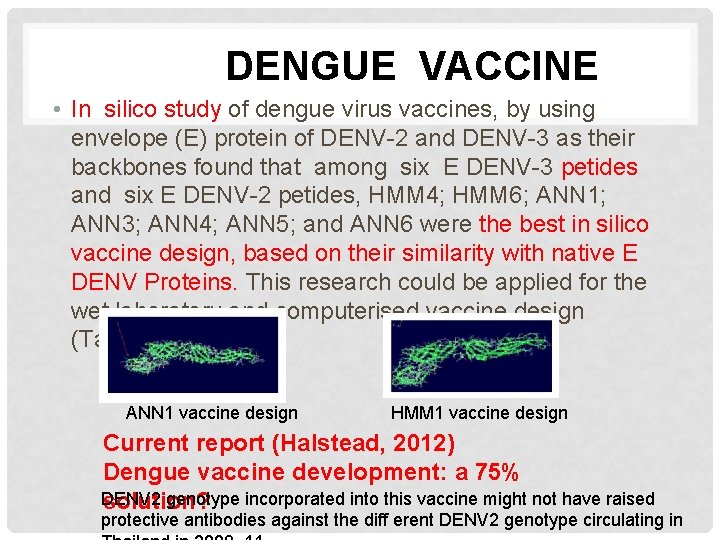
DENGUE VACCINE • In silico study of dengue virus vaccines, by using envelope (E) protein of DENV-2 and DENV-3 as their backbones found that among six E DENV-3 petides and six E DENV-2 petides, HMM 4; HMM 6; ANN 1; ANN 3; ANN 4; ANN 5; and ANN 6 were the best in silico vaccine design, based on their similarity with native E DENV Proteins. This research could be applied for the wet laboratory and computerised vaccine design (Tambunan, 2009). ANN 1 vaccine design HMM 1 vaccine design Current report (Halstead, 2012) Dengue vaccine development: a 75% DENV 2 genotype incorporated into this vaccine might not have raised solution? protective antibodies against the diff erent DENV 2 genotype circulating in
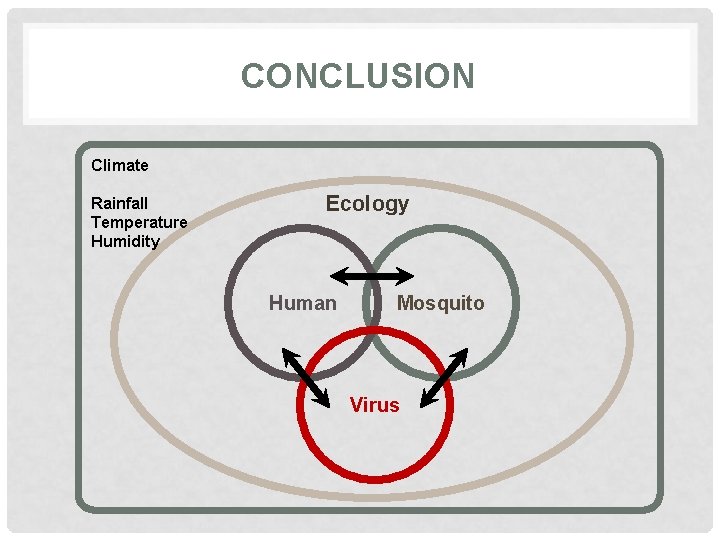
CONCLUSION Climate Rainfall Temperature Humidity Ecology Human Mosquito Virus
CONCLUSION • Dengue research in Indonesia covers all fields, but not well-coordinated dengue consortium is required • Needs to focus on research that may provide significant public health impact • These reports are just parts of dengue research in Indonesia many unpublished • International collaboration is encouraged
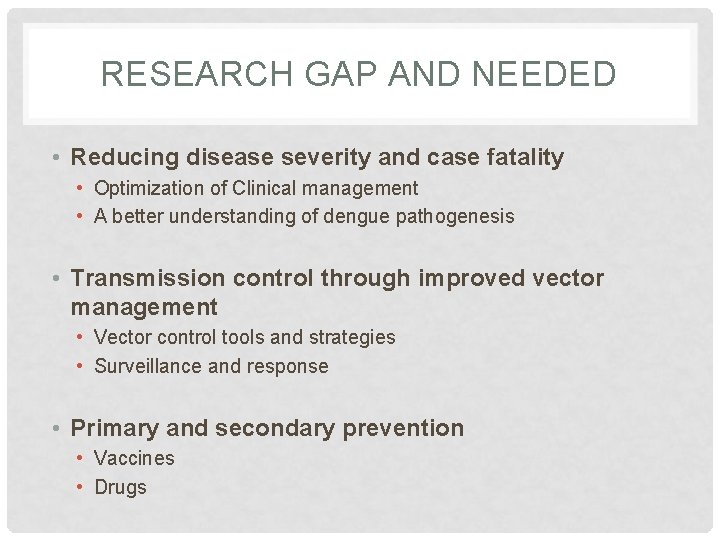
RESEARCH GAP AND NEEDED • Reducing disease severity and case fatality • Optimization of Clinical management • A better understanding of dengue pathogenesis • Transmission control through improved vector management • Vector control tools and strategies • Surveillance and response • Primary and secondary prevention • Vaccines • Drugs
REDUCING DISEASE SEVERITY AND CASE FATALITY • Optimization of clinical management • Guidelines for triage and outpatient care • Validity and accessibility of new diagnostics for dengue • Predictive value of prognostic markers (host/viral early warning signs) • Management of patient in pregnancy or with co-morbidities (DM, hypertension, obesity, CHD, etc)
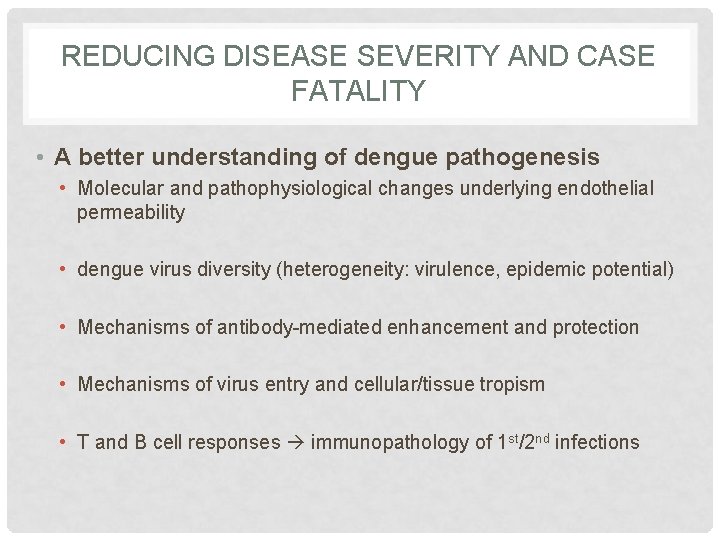
REDUCING DISEASE SEVERITY AND CASE FATALITY • A better understanding of dengue pathogenesis • Molecular and pathophysiological changes underlying endothelial permeability • dengue virus diversity (heterogeneity: virulence, epidemic potential) • Mechanisms of antibody-mediated enhancement and protection • Mechanisms of virus entry and cellular/tissue tropism • T and B cell responses immunopathology of 1 st/2 nd infections
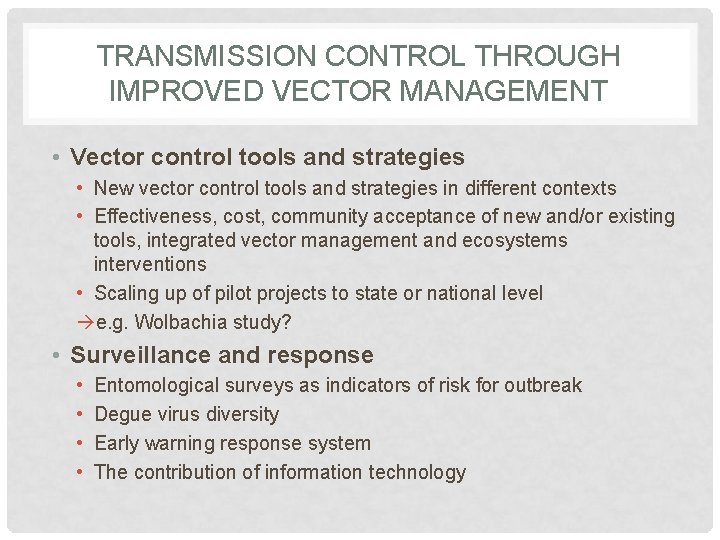
TRANSMISSION CONTROL THROUGH IMPROVED VECTOR MANAGEMENT • Vector control tools and strategies • New vector control tools and strategies in different contexts • Effectiveness, cost, community acceptance of new and/or existing tools, integrated vector management and ecosystems interventions • Scaling up of pilot projects to state or national level e. g. Wolbachia study? • Surveillance and response • • Entomological surveys as indicators of risk for outbreak Degue virus diversity Early warning response system The contribution of information technology
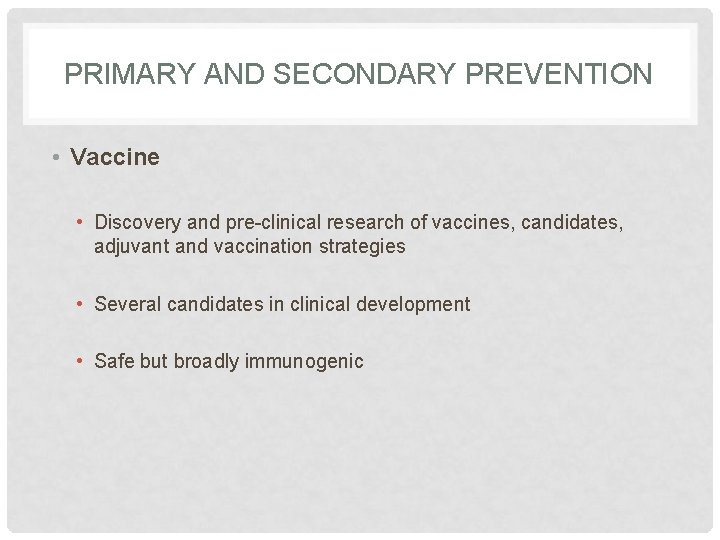
PRIMARY AND SECONDARY PREVENTION • Vaccine • Discovery and pre-clinical research of vaccines, candidates, adjuvant and vaccination strategies • Several candidates in clinical development • Safe but broadly immunogenic
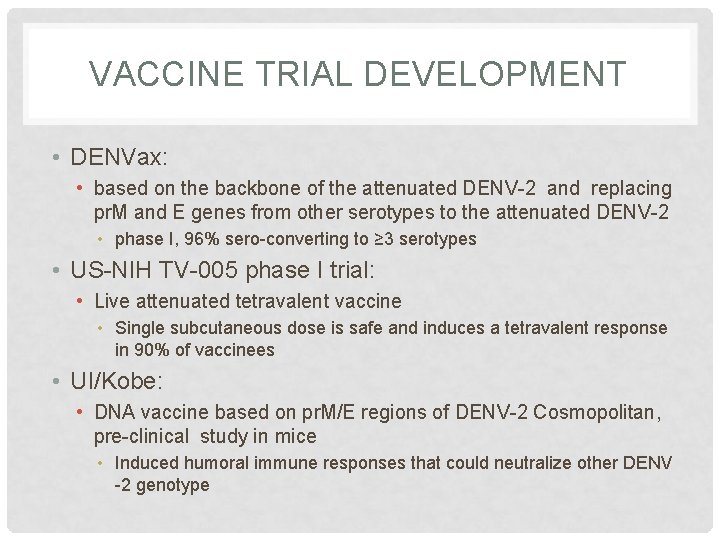
VACCINE TRIAL DEVELOPMENT • DENVax: • based on the backbone of the attenuated DENV-2 and replacing pr. M and E genes from other serotypes to the attenuated DENV-2 • phase I, 96% sero-converting to ≥ 3 serotypes • US-NIH TV-005 phase I trial: • Live attenuated tetravalent vaccine • Single subcutaneous dose is safe and induces a tetravalent response in 90% of vaccinees • UI/Kobe: • DNA vaccine based on pr. M/E regions of DENV-2 Cosmopolitan, pre-clinical study in mice • Induced humoral immune responses that could neutralize other DENV -2 genotype
VACCINE CYD-TDV • Sanofii Pasteur : • In 10, 275 children observed for 25 months: incidence was 1. 8% (treat) and 4. 1% control 56. 5% • To DENV 1, 2, 3, and 4: 50%, 35%, 65%, 72% overall depends on serotype distribution at any given time • The absence of severe disease due to ADE is reassuring, but observation should be continued (Cuba epidemic: 4 -20 y interval) • Efficacy in younger, which have higher incidence of dengue and higher risk for more severe, was lower than older groups (33. 7% vs. 74. 4%) boosts and broadens pre-existing immunity rather than raising protective immunity • Efficacy 56% justify this vaccine for immunization program?
VACCINE CYD-TDV • Questions to study: • Efficacy 56% justify this vaccine for immunization program? • Epidemiological threshold of dengue activity upon which national dengue vaccination are justified and cost effective? • What’s about epidemiological setting with high dominance of serotype 2? • Population: high-risk age groups or groups with highest vaccine efficacy? • With 56% efficacy, continued support for the development of other novel strategies (vaccine, drugs, case management, vector control is needed
PRIMARY AND SECONDARY PREVENTION • Drugs • Anti-dengue drugs may have: • Prophylactic use (e. g. outbreak prevention) • Therapeutic use (prevention of severe disease) • Drug discovery has accelerated due to the knowledge of ‘drugable’ targets in the virus • Further elucidation of: • The structure of viral encoded proteins to aid rational drug • New (including natural) products or existing licensed drugs with good safety profile
DRUG TRIALS • Celgosivir • In mice showed enhanced survival, reduced viremia and robust immune response (Rathore, 2011, Watanabe, 2012) • a phase 1 b, randomised, double-blind, placebo-controlled, proof-ofconcept trial (Low, 2014) • Mean viral log reduction and AUC was greater in celgosivir (n=24) than in placebo (n=26), p=0· 203 and p=0· 973), faster NS 1 clearance underpowered, further clinical trials needed • Adverse events between groups: safe and well-tolerated possible to alter the dosage in future studies
DRUG TRIALS • Balapiravir failed to achieve efficacy (Farrar, 2013) • Randomized, double-blind placebo controlled trial • Adverse event profile in balapiravir (n=32) and placebo (n=32) groups was similar. • Daily viremia and NS 1 evaluation indicated balapiravir did not alter these virological markers, nor did it reduce the fever clearance time. • Possibly explanation of the discrepancy between in vitro and invivo results of balapiravir (Chen, 2014) • Balapiravir lost 125 -fold potency when it was used to treat PBMCs that were pre-infected with DENV should be calculated when estimating the efficacious dose
TERIMA KASIH