Synesthesia The Key to Understanding Language Metaphor and
- Slides: 33
Synesthesia: The Key to Understanding Language, Metaphor and Abstract Thought V. S. Ramachandran Center for Brain and Cognition University of California, San Diego vramacha@ucsd. edu
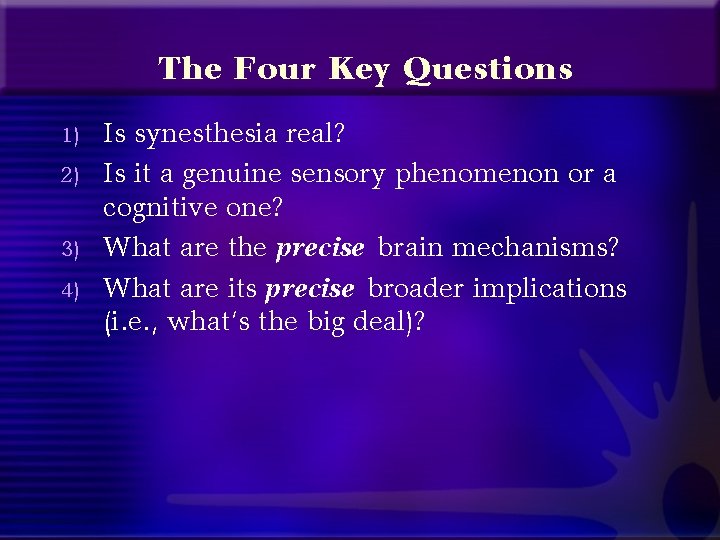
The Four Key Questions 1) 2) 3) 4) Is synesthesia real? Is it a genuine sensory phenomenon or a cognitive one? What are the precise brain mechanisms? What are its precise broader implications (i. e. , what’s the big deal)?
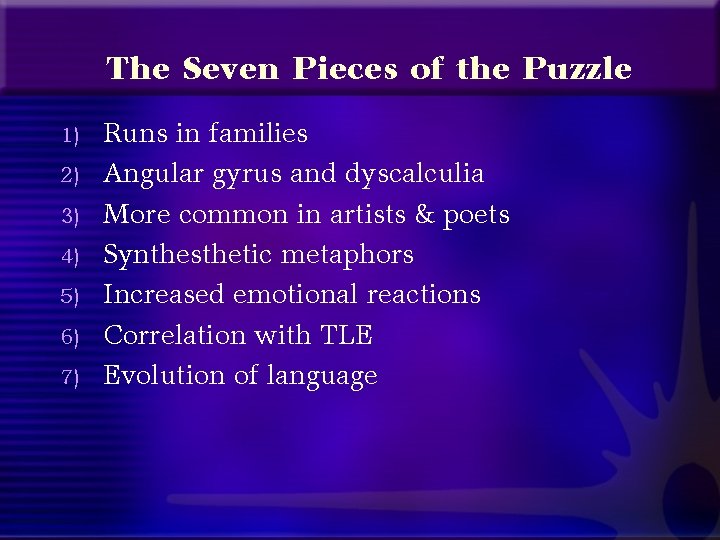
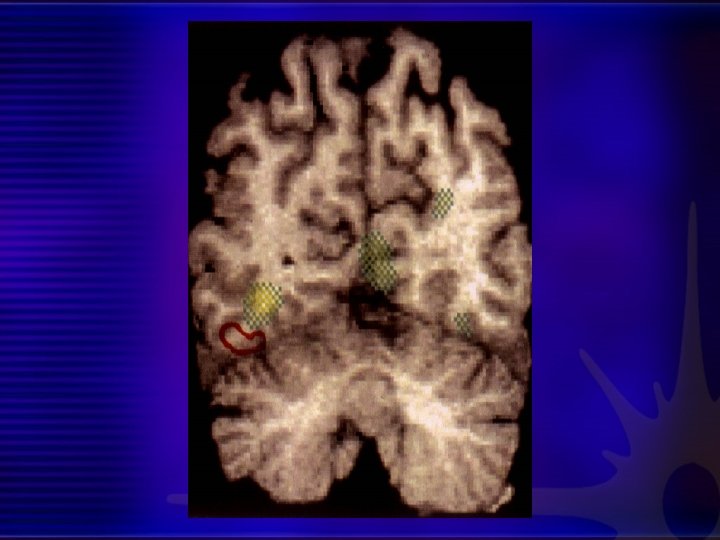
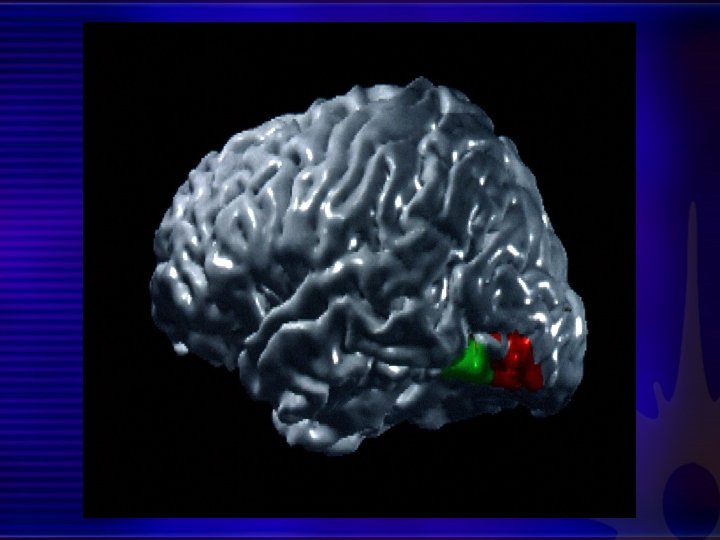
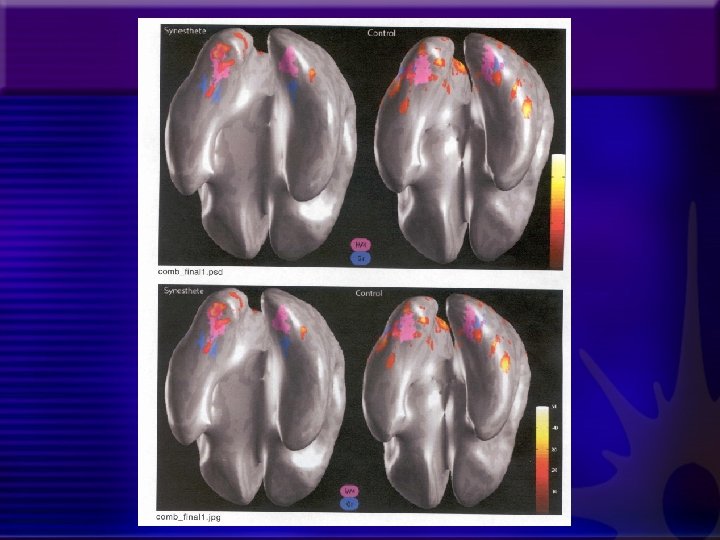
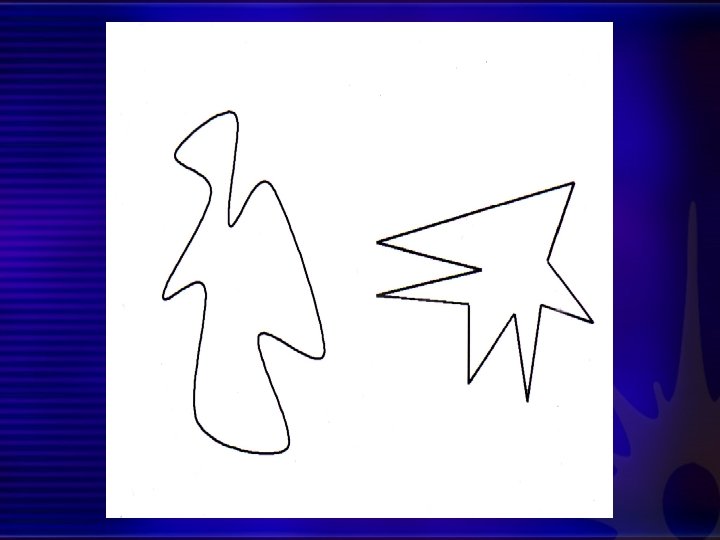
The Seven Pieces of the Puzzle 1) 2) 3) 4) 5) 6) 7) Runs in families Angular gyrus and dyscalculia More common in artists & poets Synthesthetic metaphors Increased emotional reactions Correlation with TLE Evolution of language
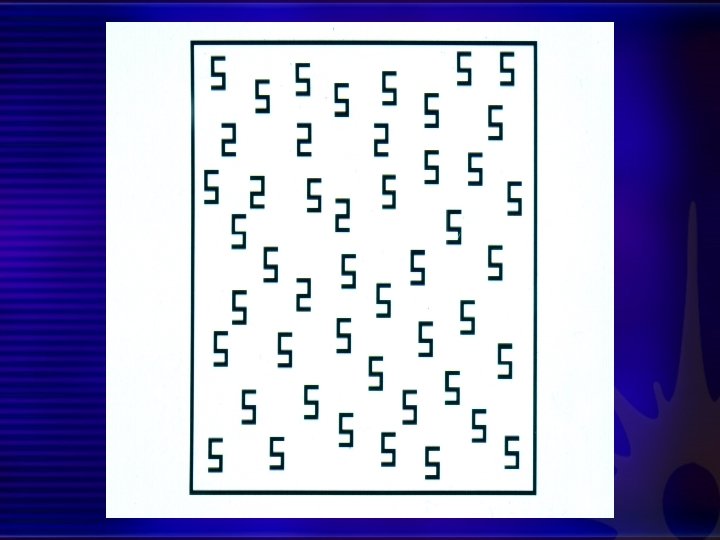
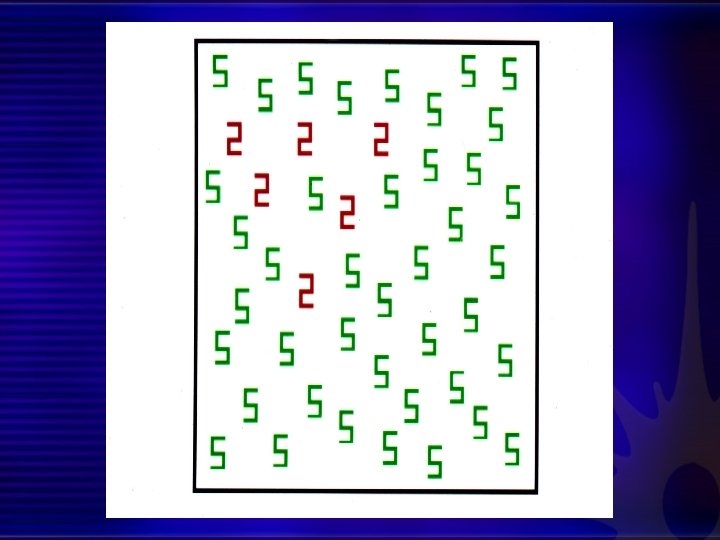
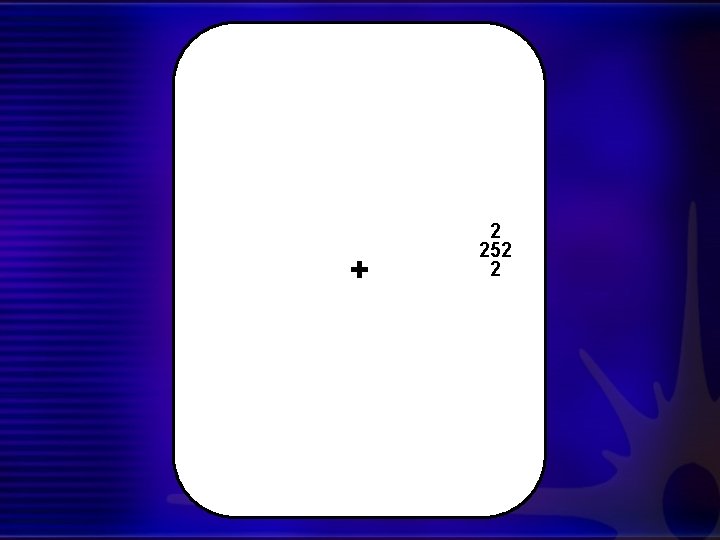
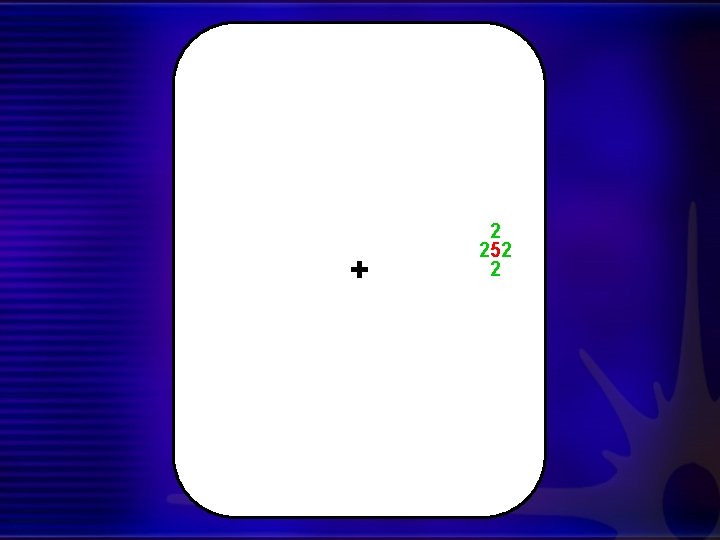
+ 2 252 2
+ 2 252 2
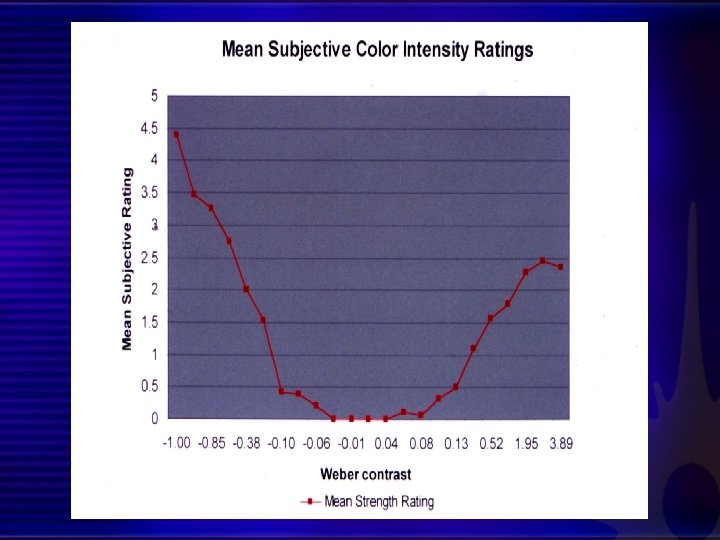
Phenomenology 1) 2) 3) 4) The Martian Color Effect and qualia Patchy colors Letter precedence effect Apparent motion
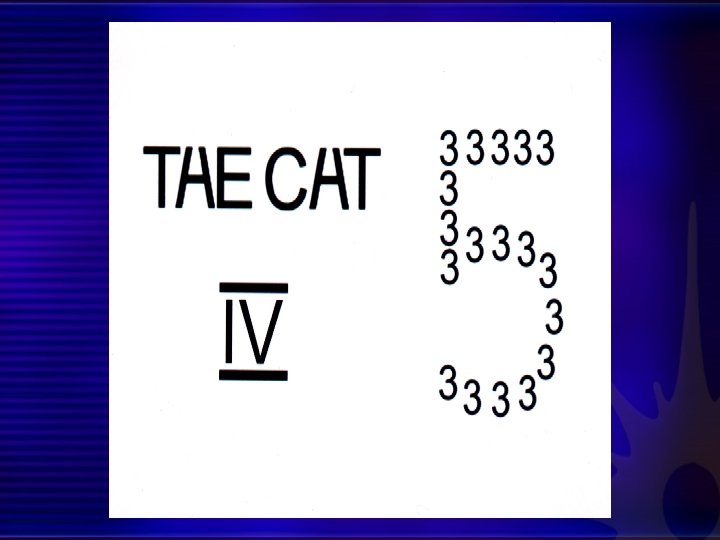
Some Striking Facts! color-blind synesthetes imagining numbers
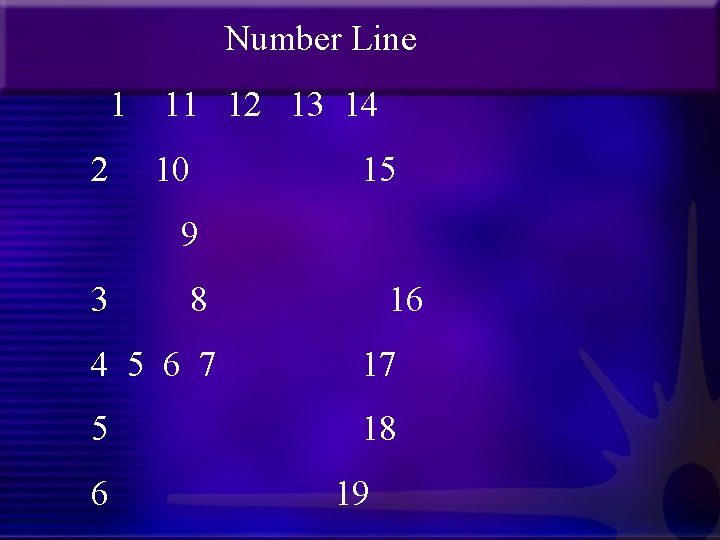
Galton’s Number Lines: real or bogus?
Number Line 1 2 11 12 13 14 10 15 9 3 8 16 4 5 6 7 17 5 18 6 19
SYNESTHESIA 1) genes 2) brain anatomy 3) perceptual psychophysics 4) metaphor, abstract thought, Shakespeare “hierarchical reductionism: NOT bad reductionism”
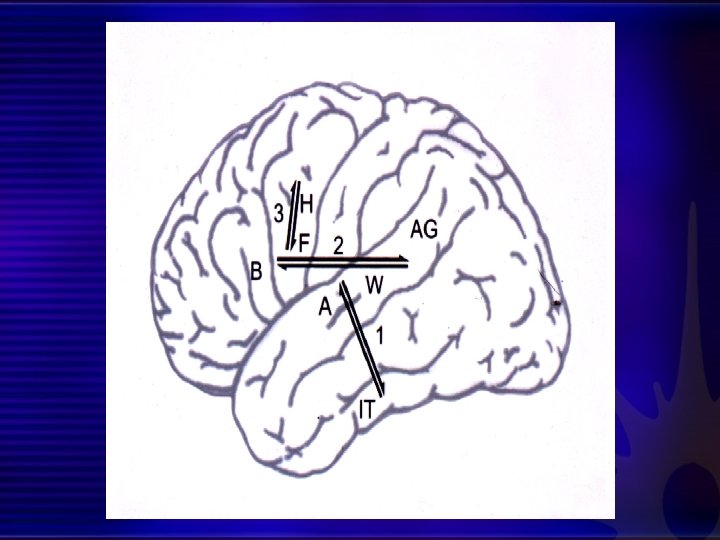
Neural Basis of Abstraction
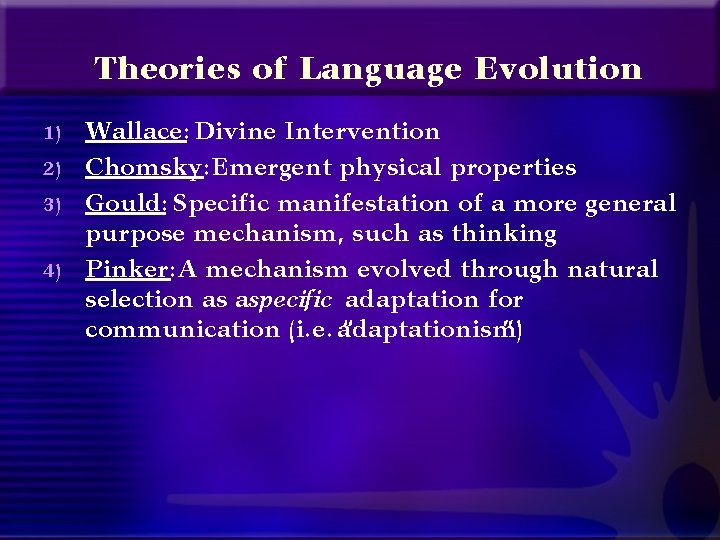
Theories of Language Evolution 1) 2) 3) 4) Wallace: Divine Intervention Chomsky: Emergent physical properties Gould: Specific manifestation of a more general purpose mechanism, such as thinking Pinker: A mechanism evolved through natural selection as aspecific adaptation for communication (i. e. adaptationism “ ”)
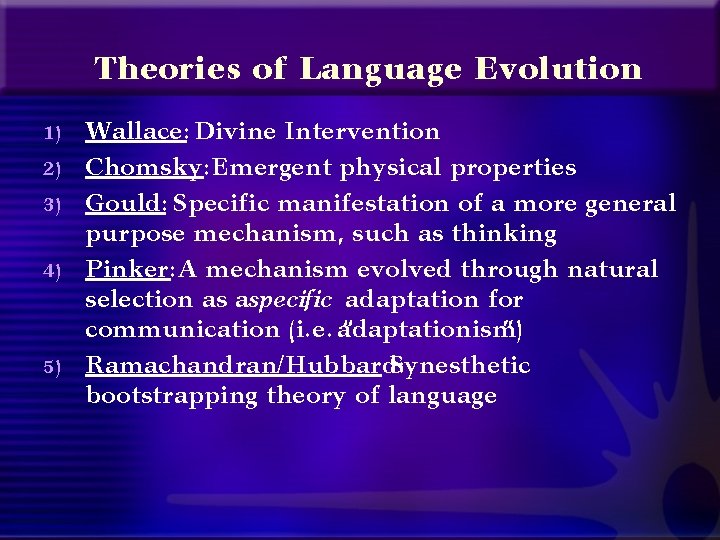
Theories of Language Evolution 1) 2) 3) 4) 5) Wallace: Divine Intervention Chomsky: Emergent physical properties Gould: Specific manifestation of a more general purpose mechanism, such as thinking Pinker: A mechanism evolved through natural selection as aspecific adaptation for communication (i. e. adaptationism “ ”) Ramachandran/Hubbard: Synesthetic bootstrapping theory of language