PERIODONTAL RESPONSE TO EXTERNAL FORCES Dr Mahdi Kadkhodazadeh







- Slides: 33
PERIODONTAL RESPONSE TO EXTERNAL FORCES Dr Mahdi Kadkhodazadeh Assistant Professor, Periodontics Department, Dental School, Shahid Beheshti University of Medical Sciences WWW. Dr Kadkhodazadeh. ir
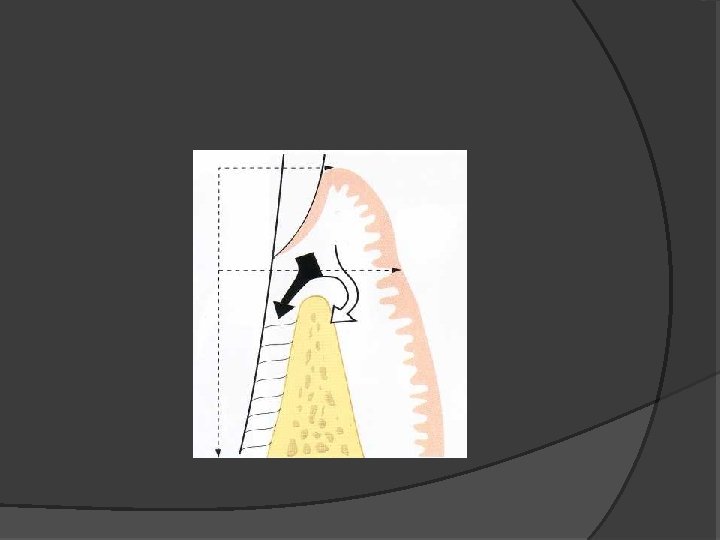
Glickman's concept The periodontal structures can be divided into two zones: 1. the zone of irritation and 2. the zone of co-destruction
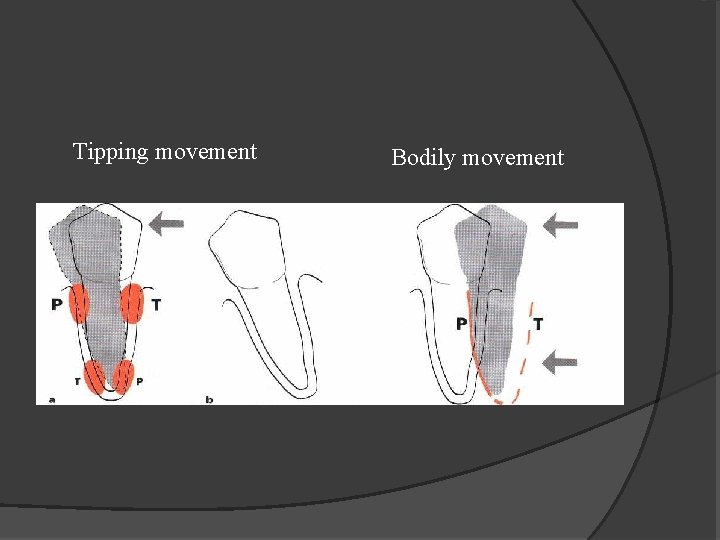
Tipping movement Bodily movement
ADAPTIVE CAPACITY OF THE PERIODONTIUM TO OCCLUSAL FORCES
TRAUMA FROM OCCLUSION when occlusal forces exceed the adaptive capacity of the tissues, tissue injury results. The resultant injury is termed trauma from occlusion. * It is also known as traumatism and occlusal trauma.
Acute and Chronic Trauma Primary and Secondary Trauma from Occlusion
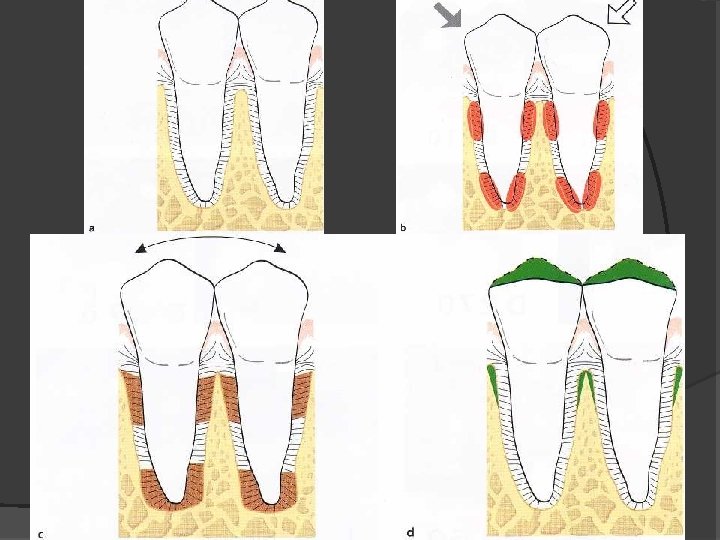
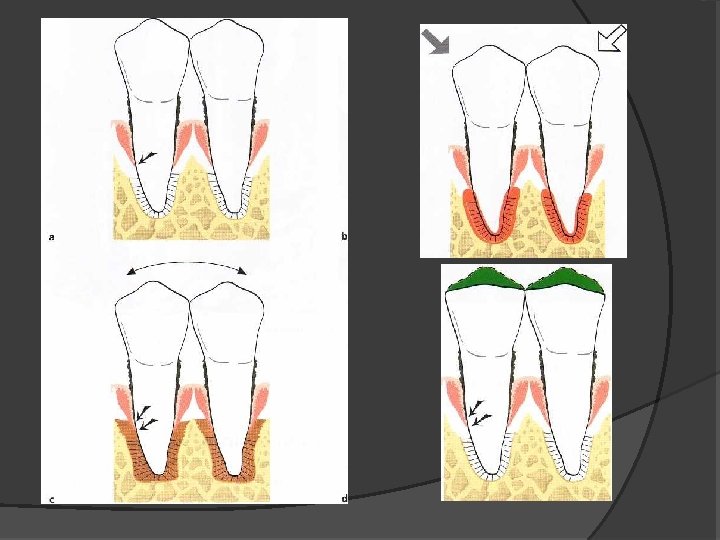
TISSUE RESPONSE TO INCREASED OCCLUSAL FORCES
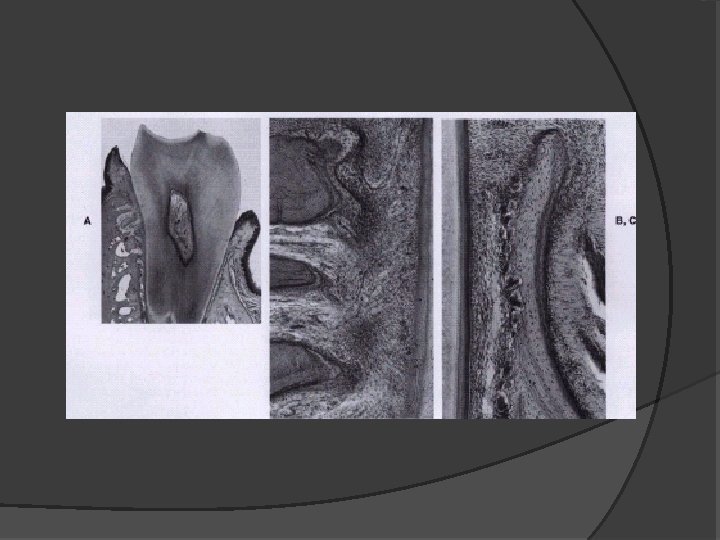
STAGES OF TISSUE RESPONSE
Stage I: Injury
STAGE II: REPAIR
STAGE III: ADAPTIVE REMODELING OF THE PERIODONTIUM.
EFFECTS OF INSUFFICIENT OCCLUSAL FORCE
EFFECTS OF EXCESSIVE OCCLUSAL FORCES ON DENTAL PULP
INFLUENCE OF TRAUMA FROM OCCLUSION ON PROGRESSION OF MARGINAL PERIODONTITIS
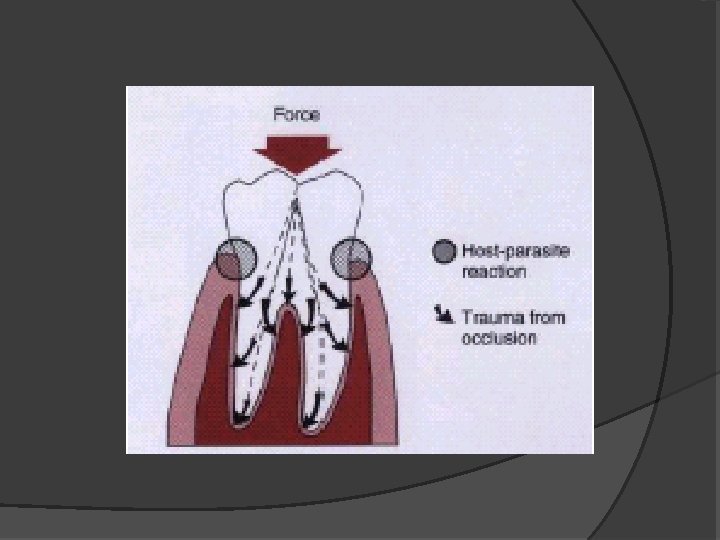
The accumulation of bacterial plaque that initiates gingivitis and results in periodontal pocket formation affects the marginal gingiva, but trauma from occlusion occurs in the supporting tissues and does not affect the gingiva
Trauma from occlusion does not cause pockets or gingivitis
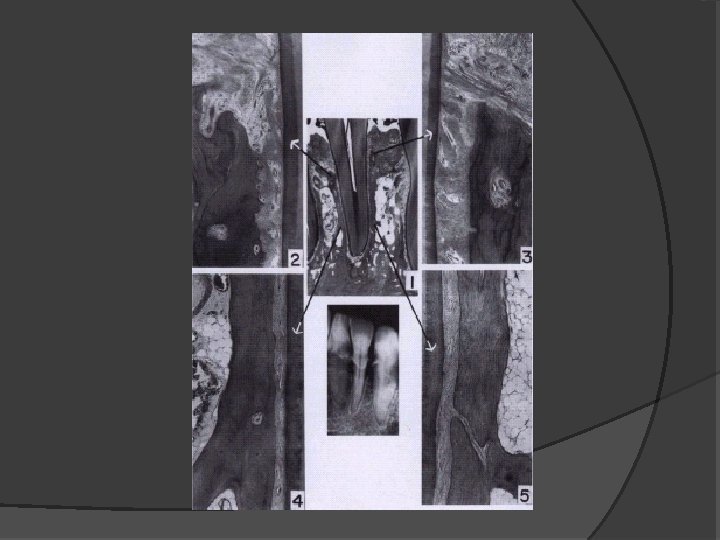
In the absence of inflammation, the response to trauma from occlusion is limited to adaptation to the increased forces. However, in the presence of inflammation, the changes in the shape o f the alveolar crest may be conducive to angular bone loss, and existing pockets may become intrabony.
CLINICAL AND RADIOGRAPHIC SIGNS OF TRAUMA FROM OCCLUSION ALONE
Increased width of the periodontal space 2. A "vertical" rather than "horizontal" destruction of the interdental septum 3. Radiolucence and condensation of the alveolar bone 4. Root resorption 1.