Introduction to Nutraceuticals and Cosmeceuticals Dr Marriam Zaka





- Slides: 94
Introduction to Nutraceuticals and Cosmeceuticals Dr. Marriam Zaka Lecturer Institute of Pharmacy, Faculty of Pharmaceutical and Allied Health Sciences, LCWU, Lahore.
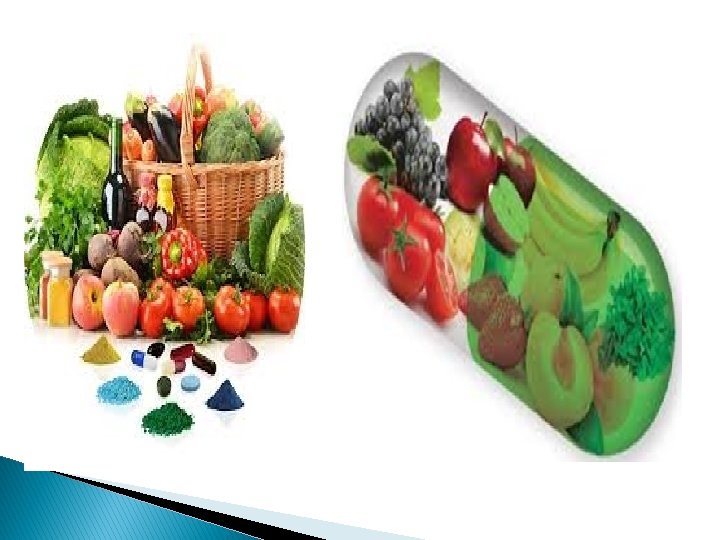
Introduction � Food and drugs from nature plays quite a significant role in public healthcare system throughout the world. � Human inquisitiveness and search for specific constituents of plant, animals, minerals and microbial origin which are beneficial to our overall health have caused coining of terminologies such as functional foods or nutraceuticals.
� The idea of nutraceuticals has evolved from the recognition of the link between diet and health. � Nutraceuticals have caused heated debate because they blurred the traditional dividing lines between food and medicine.
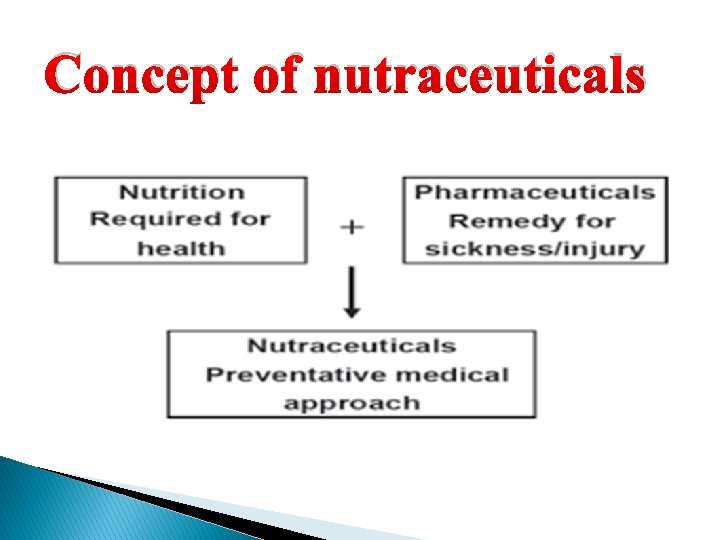
Concept of nutraceuticals
History � The Greek physician Hippocrates, often known as the “Father of medicine”. � The Philosophy behind is: “Focus on Prevention”
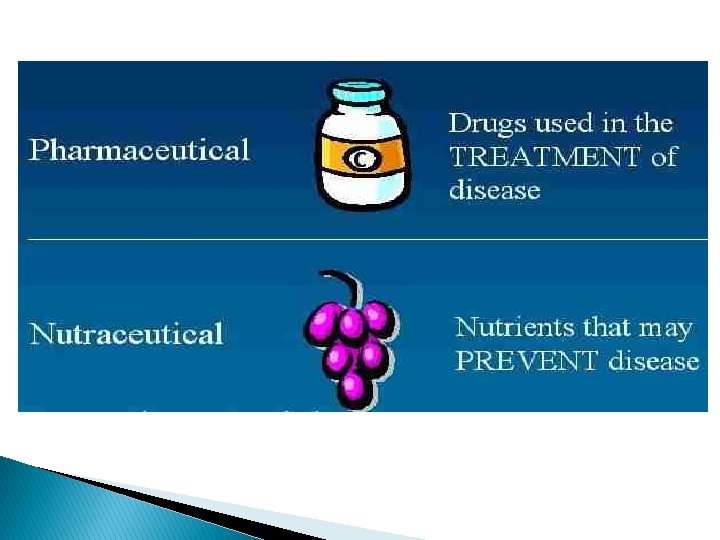
Ø The term Nutraceutical was coined by combining the terms Nutrition and Pharmaceutical in 1989 by Dr. stephen de felice. “Nutraceuticals as any substance that may be considered as food or part of food which in addition to its normal nutritive value provides health benefits including prevention of disease. ”
The American Association of Nutritional Chemists mentions nutraceuticals as the products that has been isolated or purified from food and generally sold in medicinal forms not usually associated with food.
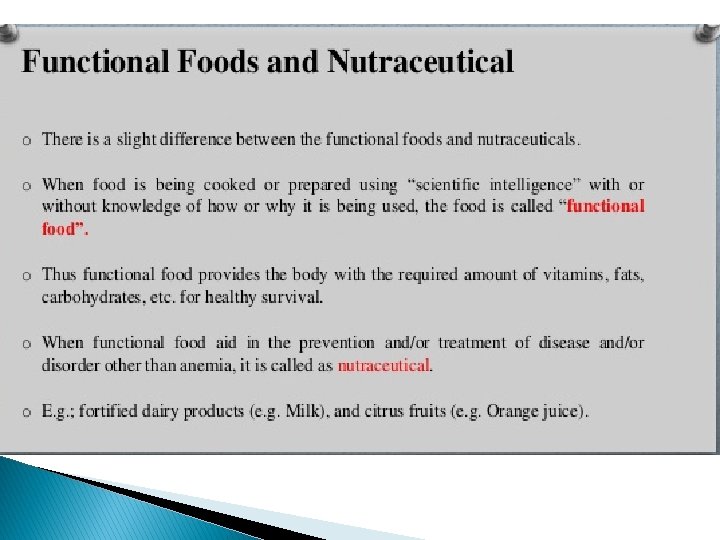
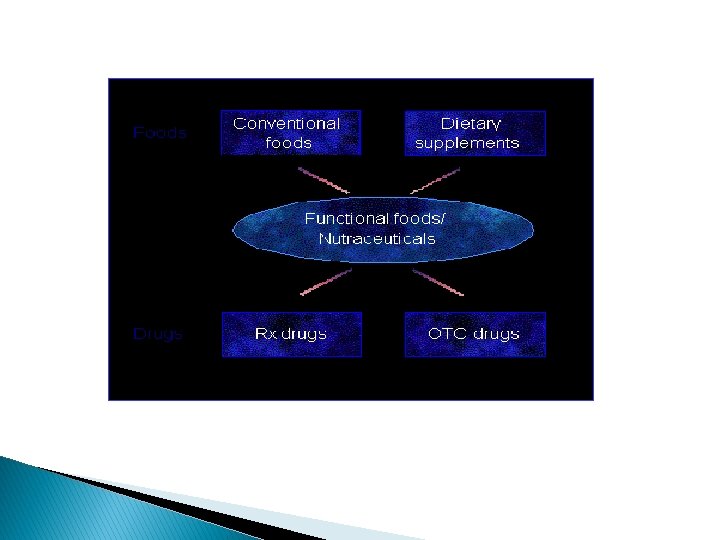
Functional foods/Nutraceuticals � When nutraceuticals are referred to as functional foods, most of the researchers of concerned field agree that they are foods marketed as having specific health effects. � Functional foods are ordinary foods that have components or ingredients incorporated in them to give them a specific medical or physiological benefit other than a purely nutritional effect.
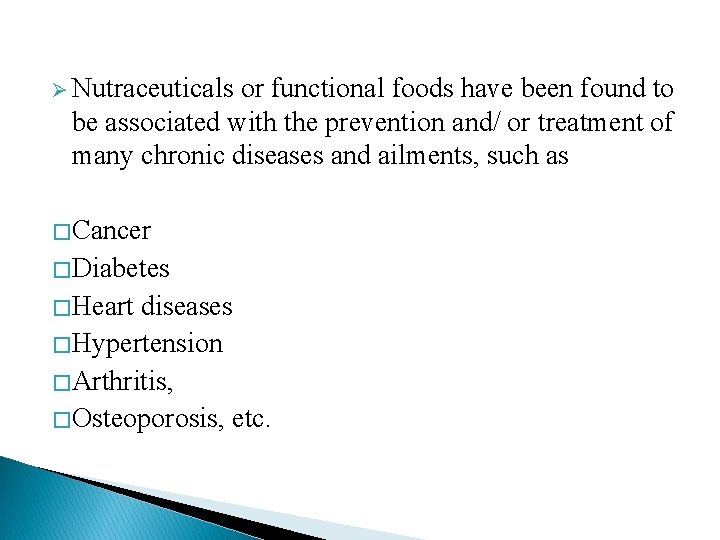
Ø Nutraceuticals or functional foods have been found to be associated with the prevention and/ or treatment of many chronic diseases and ailments, such as � Cancer � Diabetes � Heart diseases � Hypertension � Arthritis, � Osteoporosis, etc.
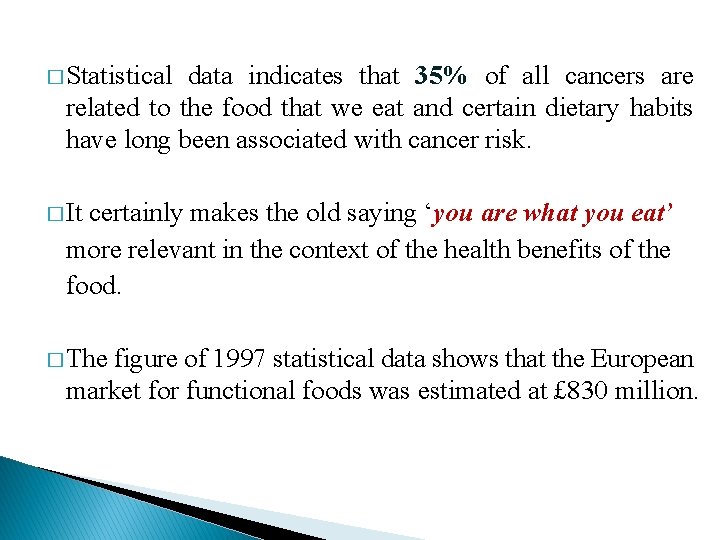
� Statistical data indicates that 35% of all cancers are related to the food that we eat and certain dietary habits have long been associated with cancer risk. � It certainly makes the old saying ‘you are what you eat’ more relevant in the context of the health benefits of the food. � The figure of 1997 statistical data shows that the European market for functional foods was estimated at £ 830 million.
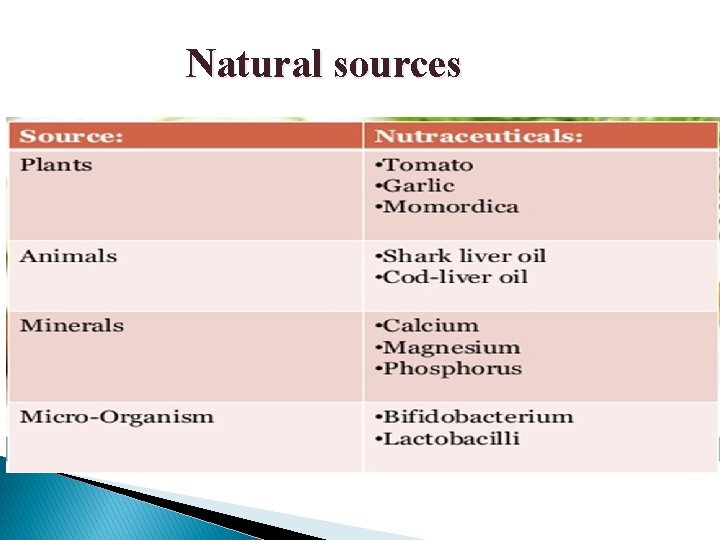
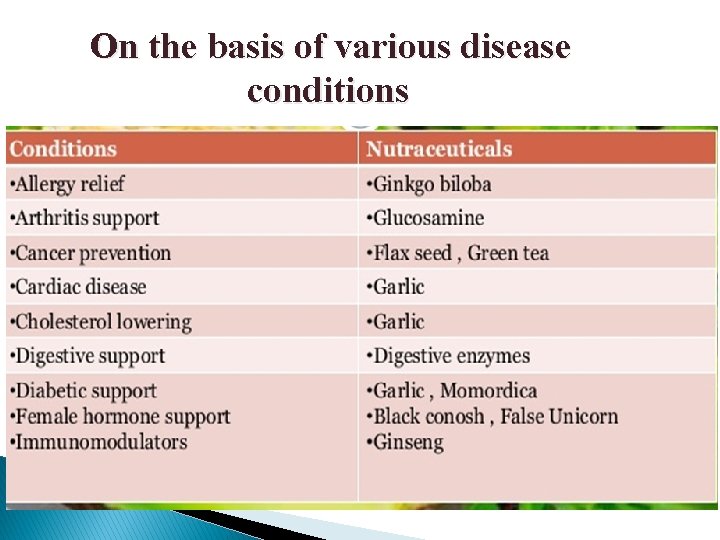
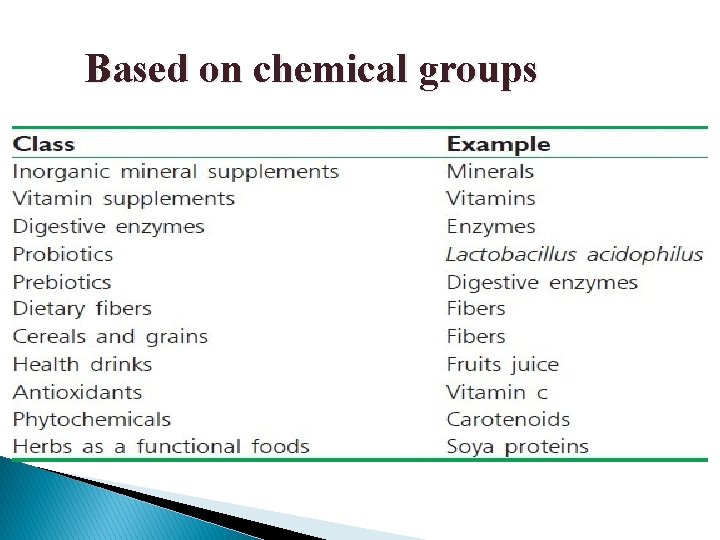
Classification Nutraceuticals or functional foods can be classified on the basis of their § § § Natural sources Pharmacological conditions Chemical groups of the products.
Natural sources
On the basis of various disease conditions
Based on chemical groups
Inorganic Mineral Supplements � Large number of elements control variety of physiological and biochemical functions of human body. � Most of these minerals are provided through the diet but their deficiently in diet may develop variety of health-related problems and diseases.
Calcium � Calcium is an important element in the treatment of bone loss and prevention. � Calcium deficiency is found in 25% of women, even though much higher percentage has osteopenia or osteoporosis. � Prepuberty is the best time to begin supplementing the diet with calcium-rich minerals along with exercise regimen. Sufficient intake of calcium and vitamin D postmenopausally can significantly reduce the risk for fracture.
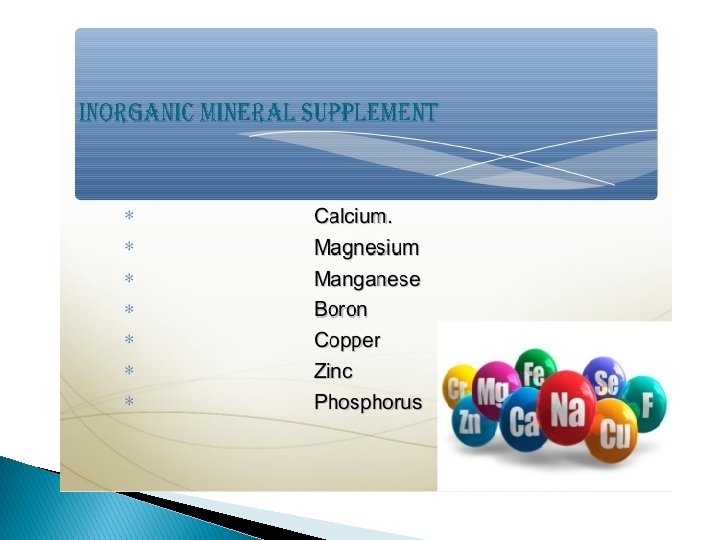
Magnesium � Magnesium is an essential element involved in well over 300 enzymatic processes and critical in the proper use and maintenance of calcium. � Many individuals with calcium deficiency are actually magnesium deficient which prevent proper use of calcium. Manganese is required in several enzymatic reactions and necessary for proper bone and cartilage formation. Boron is reported to be helpful in supporting the calcium and estrogen levels in postmenopausal women.
Copper is an essential element needed by all tissues in the body, it is best absorbed when bound to an amino acid. Zinc is one of the most important trace mineral. Zinc supports the body’s overall antioxidant system by scavenging free radicals. Phosphorous is important in maintaining bone structure and modulating plasma and bone formation. Silicon is concentrated in the active growth areas of the bone. It influences bone formation and calcification.
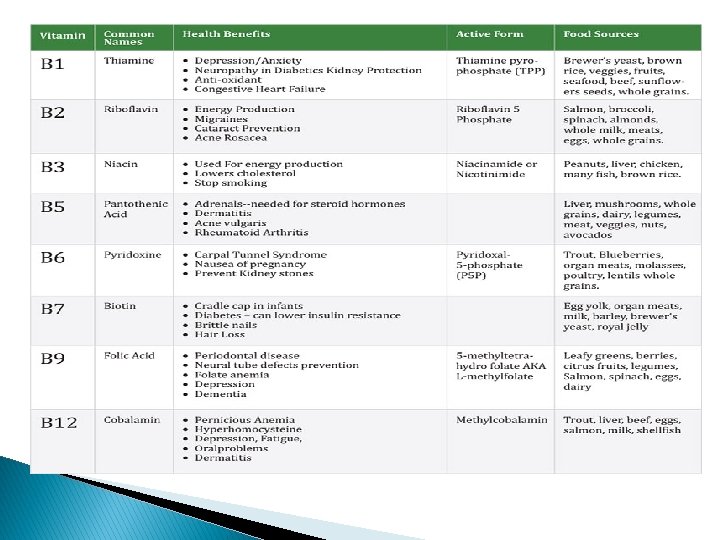
Vitamin Supplement Vitamins are the complex substances of organic origin which in small quantities are necessary for the maintenance of human and animal life. Vitamins B complex: Specific B vitamins are recommended as the daily requirement to combat high levels of homocysteine, a known risk factor for heart diseases. .
� Vitamins B extra is generally recommended to those who use caffeine, alcohol, excessive sugar or oral birth pills in their diet, since B vitamins are water soluble and easily excreted. � Vitamins B 1 or thiamine deficiency is mostly observed in white rice eaters. � Ribofalvin-5 -phosphate is a cofactor for vitamin B 2 which is beneficial in people who lack the enzyme to convert vitamin B 2 because of nutritional factors or disease condition. � Niacinamide deficiency may cause neurological and skin problems. The body can also synthesize niacin from tryptophan.
� Pantothenic acid-A deficiency affect adrenal gland, immune and cardiovascular system. � Vitamin B 6 is crucial for glucose production, hormone modulation and neurotransmitter synthesis. Pyridoxal 5 -phosphate is considered as an active form of vitamin B 6. � Vitamin B 12 deficiency may be observed in vegetarian people as plants have no appreciable vitamins B 12. � Folic acid is a B complex vitamin which contributes to healthy bone formation.
� Biotin produced by several species of intestinal flora prevents yeast from converting to a more pathogenic fungal form. � Among the other vitamins, vitamin C is the body’s main water-soluble antioxidant. It is necessary for proper maintenance of bones.
Digestive Enzymes � Much of the reflux is not caused by too much acid in the stomach but from poor digestion because of too little acid. � As we ages, stomach cells responsible for acid production slow down, this in turn slows the transit time of food in the stomach causing reflux of food from the oesophagus.
Variety of digestive enzymes can be used as digestive aid to help absorb and digest the food material. Pepsin, principal digestive enzymes in gastric juices is a digestive aid for proteins. Pancreatin, an enzyme from pancreas is often found in enzymatic formulation. Pancrilipase helps the body to break down fat in small intestine while amylase helps in improve digestion of carbohydrates and sugars. Betaine HCl is used as a phase I digestive aid for proper digestion.
The plant proteolytic enzyme, papain obtained from Carica pappaya fruits and bromelain derived from stem and fruit of pineapple are used as an aid in digestion and are commonly found in digestive products.
Probiotic � Probiotics (for life) can be described as a live microorganism which when ingested with or without food improves the intestinal microbial balance and consequently the health and functioning of large intestine. � Probiotics or friendly bacteria present in the dairy food are another area of functional foods. � Approximately 95% of all bacteria found in human body are located in colon; some of which are desirable and helpful while others harmful.
� The natural balance between these two groups of microbes plays an important role in the health and functioning of the large intestine. � Probiotics bacteria promote gut health. � Bioyoghurts containing Lactobacillus acidophillus and Bifidobacteria lead the probiotics. � Lactobacillus acidophillus can reduce the incidence of vaginal infections including thrush and bacterial vaginosis. � Lactobacillus imbalance. GG are also used as probiotics to restore the
� Lactohacillus GG may also be helpful in treating antibiotics associated diarrhoea. � Biofidobacteria may help fight wide range of harmful food poisoning bacteria including potentially harmful E. coli and Streptococcus. B thermophilus both found in yoghurt can prevent young children suffering from diarrhoea. � Probiotics may also help reduce certain food allergies. only have a transient effect and regular daily intake is needed to bring about health benefits.
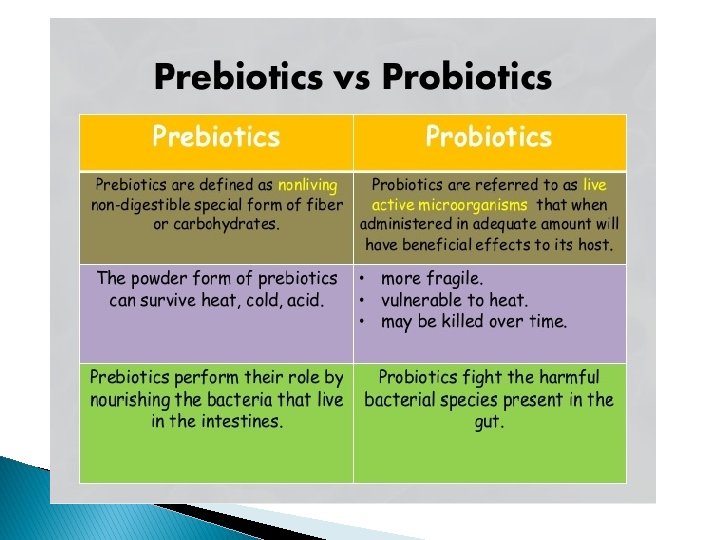
Prebiotics � Prebiotics are the food components that escape digestion by normal human digestive enzymes and safely in intact form reach the colon after passage through the stomach and small intestine, where they selectively promote the growth of probiotics. � Probiotics alone can hardly survive the rigours of digestive enzymes and acids in the upper gut before reaching the colon. � Such difficulties have emphasized the alternative ways of boosting the levels of probiotics in the large intestine by supply of probiotics.
� Inulin as fructosan obtained commercially from Jerusalem artichoke tubers, Helianthus tuberosus, family Compositae or raw chicory is the best known prebiotics. � Fructo-oligosaccharides (FOS) are increasingly used in food supplements and can have long-lasting effect as they encourage the growth of Bifidobacteria already present in the gut. At least, 10 g FOS is needed daily. � Unlike probiotics, prebiotics are easier to formulate into regular foods and therefore offer a better chance of success in restoring natural balance of the colonic micro-flora and enriching the health of the large intestine.
Dietary Fibres � Dietary fibres play critical role in keeping good health in human individuals and animals. � Fibres are those parts of the plant, leaves, stem, fruits and seeds which cannot be digested or absorbed in the body. These fibres are necessary for our body to function properly. � Dietary such as fibres can be divided into two broad categories
1. Water-insoluble fibres absorb water to a certain extent and mainly contribute to bulking of stool, and allow quick passage of wastes through the elementary canal. � The Sources of water insoluble fibres include whole grain cereals, whole wheat products, brown rice, fruits and vegetables with the peels. 2. Water soluble fibres get dissolved in water and form a gel that binds the stool. It slows down the absorption of glucose and reduces blood cholesterol levels. � The sources of water soluble fibres are oats, dried beans, legumes, lentils, fruits and vegetables.
� It has been recommended that about 30– 40 g of dietary fibre should be consumed daily in order to obtain significant health benefits. . . � Processed food can also be formulated to contain significant properties of both soluble and insoluble dietary fibres. � The examples of such marketed processed products include breads, breakfast cereals and high-fibre beverages.
Cereals and Grain � Cereals and grain are largely used throughout the world as the major food material in the form of entire cereals and grains, sprouted cereals and grains and their milled flours. � These products of cereals and grains are rich with normal food nutrients, vitamins, minerals and specific phytochemicals. � Breads of soya flour and linseed provide phytooestrogenic natural substances that mimic the structure of the hormone oestrogen.
� Phytoestrogens have been documented to enhance oestrogen levels when hormonal levels are low to weaken the effects of oestrogen when levels are high. This action may protect against both hot flushes and breast cancer. � Cereals and grains helps in calcium fortification, maintaining healthy heart and a healthy immune system.
Health Drinks � Drinks are the fast-developing area of functional foods. Some of these health drinks are fortified with the antioxidants, vitamins A, C, E and others with herbal extracts. � The fruits and vegetable juices have also been shown to produce the health benefits. � A new range of herb and vitamin-enhanced drinks claims to help overcome problems ranging from PMS to lack of energy.
�A Tropicana fruit juice fortified with calcium provides about 365 mg calcium per 250 ml glass. � Drinks containing caffeine can also be described as functional foods as it vitalizes body and mind, increases physical endurance, improves and increases concentration and reaction speed.
Antioxidants are the nutraceuticals whose deficiency states are associated with variety of dreaded disease conditions, viz. Cardiovascular diseases � Diabetes � Aheumatoid arthritis, � Alzheimer disease and many others. �
� Phytochemicals might exert antioxidant action in vivo or in food by inhibiting generation of reactive oxygen species(ROS) or by directly scavenging free radicals. � Certain compound may act in vivo as antioxidants by raising the levels of endogenous antioxidants defenses by up-regulating expression of the genes encoding superoxide dismutase (SOD), catalase or glutathione peroxidase.
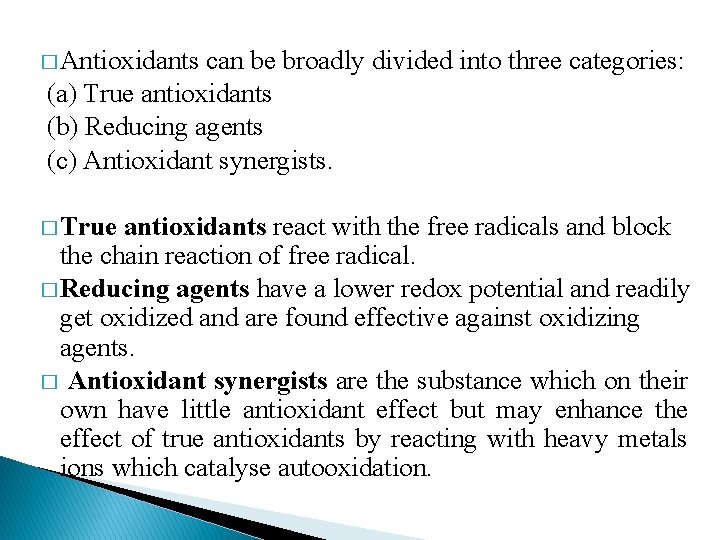
� Antioxidants can be broadly divided into three categories: (a) True antioxidants (b) Reducing agents (c) Antioxidant synergists. � True antioxidants react with the free radicals and block the chain reaction of free radical. � Reducing agents have a lower redox potential and readily get oxidized and are found effective against oxidizing agents. � Antioxidant synergists are the substance which on their own have little antioxidant effect but may enhance the effect of true antioxidants by reacting with heavy metals ions which catalyse autooxidation.
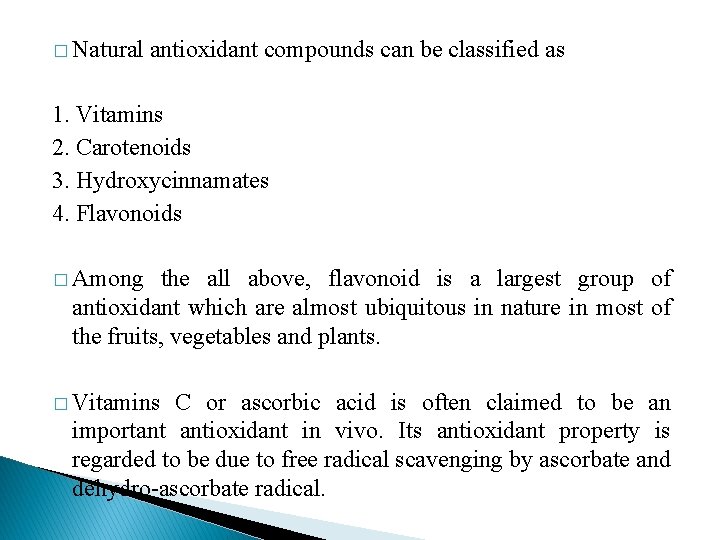
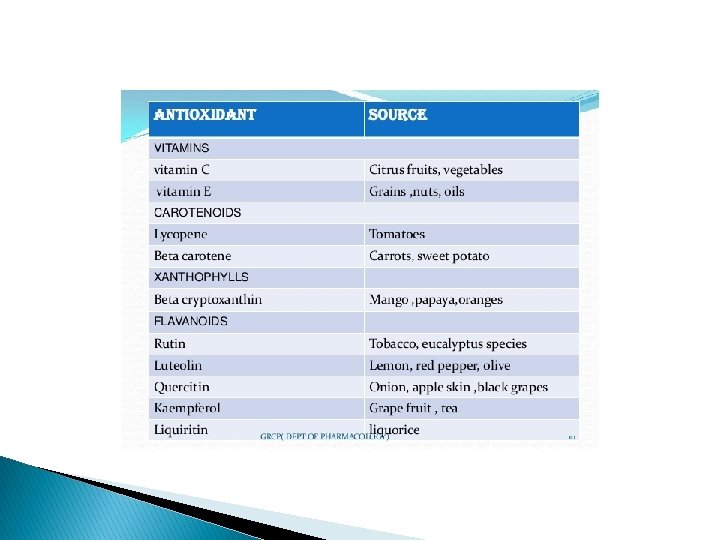
� Natural antioxidant compounds can be classified as 1. Vitamins 2. Carotenoids 3. Hydroxycinnamates 4. Flavonoids � Among the all above, flavonoid is a largest group of antioxidant which are almost ubiquitous in nature in most of the fruits, vegetables and plants. � Vitamins C or ascorbic acid is often claimed to be an important antioxidant in vivo. Its antioxidant property is regarded to be due to free radical scavenging by ascorbate and dehydro-ascorbate radical.
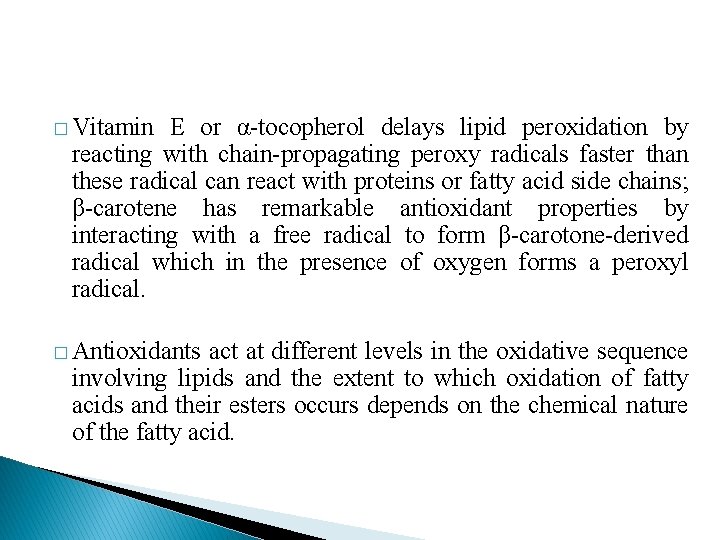
� Vitamin E or α-tocopherol delays lipid peroxidation by reacting with chain-propagating peroxy radicals faster than these radical can react with proteins or fatty acid side chains; β-carotene has remarkable antioxidant properties by interacting with a free radical to form β-carotone-derived radical which in the presence of oxygen forms a peroxyl radical. � Antioxidants act at different levels in the oxidative sequence involving lipids and the extent to which oxidation of fatty acids and their esters occurs depends on the chemical nature of the fatty acid.
Polyunsaturated Fatty Acids � Human body is capable of synthesizing most of the fatty acids it needs except the two major polyunsaturated fatty acids (PUFA) 1. omega-3 -fatty acid 2. omega-6 -fatty acids. � These fatty acids are required to be supplemented from the diet. � These fatty acids have been found to regulate blood pressure, heart rate, blood clotting and immune response.
� Omega-3 -fatty acids have been reported to be important fatty acids in the prevention of heart diseases and also in the treatment of arthritis. � Omegafatty acids are mostly found in cold water fishes, such as tuna, salmon etc. It is also present in dark green leafy vegetables, flaxseed oil and in certain vegetable oils. � The fatty acids such as AA and DMA are essential for the development of the foetus and also during the first six months after birth. � The deficiency of these fatty acids may result in poor development of foetus and may also cause a variety of problems such as premature birth to underweight babies. Breast milk is a very rich source of DHA.
Herbs as Functional Foods �A great attention has nowadays been given to discover the link between dietary nutrients and disease prevention. � Large numbers of herbs which had been in use since unknown time have been shown to play a crucial role in the prevention of disease. � In addition to the macro- and micro-nutrients such as proteins, fats, carbohydrates, vitamins or minerals necessary for normal metabolism—a plant based diet contains numerous nonnutritive phyto-constituents which may also play an important role in health enhancement.
�A brief overview of the role of various herbs in disease prevention, with a focus on bioactive components from § § § flaxseeds Spirulina Ginseng Garlic Green tea citrus fruits Soyabean Tomato Ginkgo biloba Turmeric Black cohosh Fenugreek has been given in this part of the nutraceuticals.
Flax seeds B. O: Part used: Family: Linum usitatissimum Dried ripe seeds Linaceae Canada is the largest producer and exporter of flaxseeds which is about 40% of the world supply. It is also cultivated in the Mediterranean countries, the Middle East, United States, Russia and India.
� It is an abundant source of gamma-linolenic acid (GLA), viscous fibre components and phytochemicals such as lignans and proteins. � The components are of great interest as functional food. � Flaxseed has been recorded as one of the six plant materials as cancer-preventive foods. � Dietary ALA may retard tumor growth and plays an important role in metastatis.
� Dietary fibres of flaxseeds contain about 6% mucilage which has nutritional value. � It appears to play a role in reducing diabetes and coronary heart disease risk, preventing colon and rectal cancer and reduces the incidence of obesity. � Flaxseed extract and purified lignans exhibit antioxidant effect and inhibits the activation of promutagens and procarcinogens.
Ginkgo biloba � Ginkgo biloba, family Ginkgoaceae, known as fossil tree is an important drug used in traditional Chinese medicine since more than 2, 800 years. � Mainly leaves and edible seeds are used as drugs. � The leaves contain dimeric flavones such as bilobelin, ginkgetin, isoginkgetin and flavonols along with their glycosides. � The diterpenoids Ginkgolides A, B, C and bilobalide are also therapeutically active constituents.
� The leaves are recommended as being beneficial to the heart and lungs. � Ginkgolides present in the leaves are able to alleviate the adverse effects of platelet-activating factor in a number of tissues and organs both in animals and in humans. � Inhalation of asthma. of the decoction of leaves is used for the treatment � Ginkgo preparations are beneficial in the treatment of geriatric illness, including impairment of memory. � Standardized concentrated extracts of G. biloba leaves are marketed throughout the world.
Spirulina � Spirulina is a blue green algae obtained from Spindina platensis , family Oscillatoriaceae. � It is a simplest photosynthetic algae which grows in fresh water in planktonic form. � The major producers of the algae are US, China, Thailand, Mexico and India. � Spirulina is a potential source of food containing nutraceuticals. � It contains about 50– 70% of proteins and 5– 6% of lipids. Lipids mostly contain essential fatty acids, such as γlinoleic, linoleic and oleic acid.
� Spirulina is rich in vitamins B contents and also possesses βcarotenes. � Spirulina has been reported to have immunostimulant activities and shows promises for the treatment and management of HIV and other viral infection, such as Herpes, Influenza, Mumps and Measles virus. � It stimulates the activity of spleen, thymus and bone marrow stem cells. � Spirulina also acts as an antioxidant due to the presence of enzyme superoxide dismulase and thereby found helpful in the treatment of atherosclerosis, arthritis, cataract, diabetes and aging process.
Ginseng � Ginseng roots obtained from Panax ginseng or from various other Panax Spp. � Ginseng contains variety of tetracyclic sapogenins such as protopanaxadiol and their glycosides. � It also contains other constituents which include traces of volatile oil, polyacetylenes, sterols, polysaccharides, starch, β -amylase, free sugars, choline, fats and minerals along with vitamins B 1, B 2, B 12, pantothenic acid and biotin.
� Ginseng preparations with multivitamins and trace elements have been shown to modify metabolic and liver function in elderly patients. � It has been shown to reduce blood sugar concentrations in diabetics and non diabetics and has been reported to successfully treat cases of diabetics polyneuropathy, reactive depression, psychogenic impotence and various child psychiatric disorders. � Ginseng products are available in most of the developed countries as food supplements in combination with vitamins and minerals.
Garlic � Garlic consists of the fresh or dried bulbs of Allium sativum, family Liliaceae. � The bulb shows a number of concentric bulblets which has a characteristics strong alliaceous odour and very persistently pungent and acid taste.
� Garlic is used as in the treatment of hyperlipidaemia. � Fresh garlic juice, aged garlic extract or the volatile oil, all lowers cholesterol and plasma lipids, lipid metabolism, and atherogenesis both in vitro and in vivo. � The overall activity of garlic is mainly due to the presence of sulphur compound, such as allin, allicin, ajoene and others.
� Cancers-preventive effect of garlic has been observed in a number of epidemiologic studies with stomach cancers appearing to be the type of neoplasia whose risk is clearly reduced by garlic consumption. � Garlic has been reported to reduce the risk of colon cancer and lung carcinoma. � Consumption of one or more servings of fresh or powdered garlic per week resulted in a 50% lower risk of cancer of the distal colon and a 35% lower risk of cancers anywhere in the colon. � Garlic also shows antihypertensive, hypoglycaemic and antispasmodic activities.
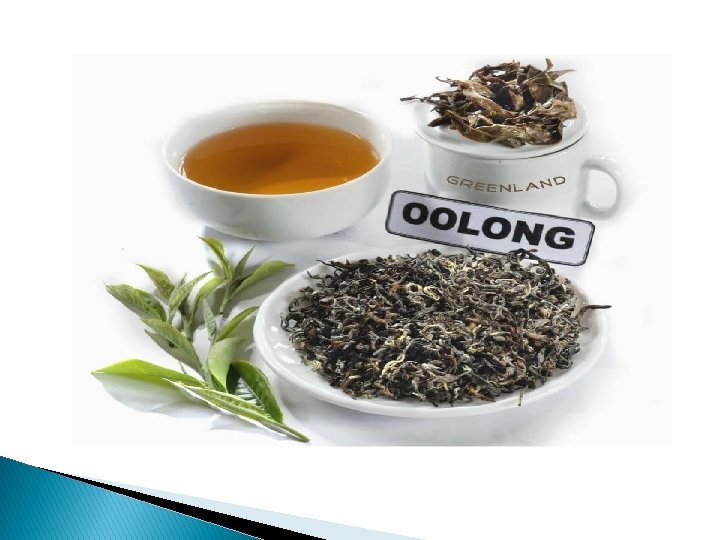
Tea catechins � Tea is second only to water as the most widely consumed beverage in the world. � About two to five million ton of dried tea is annually manufactured out of which about 78% is black tea, the reminder 20% is green tea while a smaller 2% is of oolong tea. � Approximately 30% of the total dry weight of fresh is due to the presence of polyphenols, referred to as catechins.
� The 1. 2. 3. 4. four major green tea catechins are (-) epicatechin (EC) (-) epicatechin-3 -gallate (ECG) (-) epigallocatechin (EGC) (-) epigallocatechin-3 -gallate (EGCG). � Green tea polyphenols have been shown to afford protection against cancers of skin, lung, stomach, oesophagus, duodenum, pancreas, liver breast and colon. � Tea consumption is likely to have preventive effect in reducing cancer risk.
Citrus limonoids � Citrus fruit consumption has been shown to protect against a variety of human cancers. � The citrus fruits such as oranges, lemons, limes and grapefruits are the principal source of important nutrients like vitamins C, folate, fibres and vitamins E, but the other monoterpene compounds known as limonoids are reported to be responsible for the anticancer activity, d-limonene— a predominant monocyclic monoterpene found in essential oil of citrus fruits has been reported to be a cancer-chemopreventive agent.
� This compound has been shown to be effective against both spontaneous and chemically induced rodent mammary tumours. � Two most abundant limonoids of citrus, limonin and normalin have been found to inhibit or prevent chemically induced carcinogenesis. � Limonene has little or no toxicity in humans and has been suggested as a good candidate for human clinical chemoprevention.
Soya products � Soyabean, Glycin max, family Leguminoseae has clearly been a plant food in the spotlight in the 1990 s. � It has been recognized as an excellent source of protein, equivalent to quality to animal protein. � Soya has been extensively investigated for its ability to treat and prevent a variety of chronic diseases including cancer.
� Soyabean meals, concentrates and isolates are used as meat substitute and have many healthful benefits. � Soyabean is also a major source of lecithins which yields liposomes used to formulate stable emulsions and finds major use in food technology. � The primary isoflavones in soya, genistein and daidzein are structurally similar to the estrogenic steroids and have been reported to have estrogenic and antiestrogenic activities.
� South East Asian populations who consume 20– 80 mg of genistein per day are found to have significantly lower incidence of breast and prostate cancer. � Genistein has been reported to be a potent and specific inhibitor of protein tyrosine kinase. � Genistein also inhibits DNA topoisomerase II activity, alters cell cycle specific events, induce apoptosis and inhibits angiogenetic process which is essential for tumour growth.
Momordica charantia � Momordica charantia, family Cucurbitaceae, known in India as karela is used in the form of extracts and health drinks as an antidiabetic agent. � The alcoholic extract of karela pulp demonstrates a significant hypoglycemic activity in various experimental models of diabetes. � Momordica antidiabetics activity could be partly attributed to increased glucose utilization in the liver rather than an insulin secretion effect.
Tomato lycopenes � Lycopene is a carotenoid principle present in lycopersicon, family Solanaceae known throughout the world as tomato. � Clinical studies have indicated that lycopene significantly lowered the risk of prostate cancer. � The candidates that consumed processed tomato products about 10 times per week had less than one-half the risk of developing prostate cancer.
� Lycopene activity is likely to be related to its antioxidant function because lycopene has been reported to be the most efficient quencher of singlet oxygen in biological system. � Lycopene has also been shown to reduce risk of other types of cancers of digestive tract, pancreas, cervix, bladder and skin. Recently, it has been proved that low plasma lycopene levels may be an independent risk factor for lung cancers especially in smokers.
Turmeric curcuminoids � The tuber of Curcuma longa, family Zingiberaceae known as turmeric is used as a spice in the culinary all over the world. � It contains diaryl heptanoid compounds consisting mainly curcumin, desmethoxycurcumin and bisdesmethoxycurcumin. � Curcumin has been shown to protect the experimental animals against decrease in heartbeat rate, blood pressure and biochemical changes. �.
� It also demonstrates significant hepato-protective activity. It is used as condiment, colouring agent, and as a drug in various condition in various traditional systems of medicine. � Recent findings indicate the potential of turmeric as an inhibitors of integrase enzyme of HIV virus
Black cohosh � Black cohosh consists of roots and rhizomes of Cimicifuge racemosa, family Rananculaceae is also known as Black snake root and is listed by the Food and Drug Administration (FDA) as a herb of unlimited safety. � Black cohosh roots and rhizomes contain quinolizidine alkaloid N-methylcytisine, terpenoids like actein, tannins and 15– 20% of cimicifugin.
� Black cohosh is stated to possess antirheumatic, antitussive, sedative. � It has been used for intercostal myalgia, sciatica, whooping cough, dysmenorrhoea and specially for rheumatism and rheumatoid arthritis. � It has shown promises in reducing leutinizing hormone levels which are thought to be responsible for postmenopausal symptoms.
Fenugreek � Fenugreek seeds obtained from Trigonella foenumgraecum, family Leguminosae is an important food material as well as drug. � Fenugreek seeds contain variety of constituents, such as alkaloids, flavonoids, coumarins, proteins and amino acids, steroidal saponins, vitamins and lipids. Gentianine and trigonelline are the major alkaloids.
� Fenugreek is listed by the Council of Europe as a natural source of food flavouring. In United States, fenugreek extracts are permitted in food. � Fenugreek is stated to possess mucilaginous demulcent, laxative, nutritive, expectorant and properties. � Traditionally, it has been used in the treatment of anorexia, dyspepsia, gastritis. � Fenugreek has found to be a potential hypoglycaemic agent. � Fenugreek seeds contain a high proportion of mucilaginous fibre which works as the dietary fibres. � In addition, hypocholesterolaemic documented for fenugreek. action has been
Market scenario of nutraceuticals � In a wider context, there is a growing demand for plant based medicines, health products, pharmaceuticals, food supplements, cosmetics, etc. , in the national and international markets. � Global demand for nutraceuticals ingredients will grow 5. 8% annually through 2010. Best prospects include probiotics, soy additives, lycopene, lutein, sterol based additives, green tea, glucosamine. � China and India will be the fastest growing markets, while the US will remain the largest. This study analyses the 11. 7 billion dollars world nutraceutical industry.
� Nutraceuticals is one huge business opportunity awaiting the Indian pharmaceutical industry in the coming years. � At least a dozen large companies currently produce and market nutraceuticals today.
� According to an industry estimate, the current nutraceuticals market in India is about Rs. 1, 600 crore with an annual growth rate of 25%. � The explosive growth, research and developments, lack of standards, quality assurance and regulation will play a vital role in its success or failure.
� Nutrients, herbals and dietary supplements are major constituents of nutraceuticals which make them instrumental in maintaining health, act against various disease conditions and thus promote the quality of life. � Nutraceuticals are found in a mosaic of products emerging from (a) the food industry, (b) the herbal and dietary supplement market, (c) pharmaceutical industry and (d) the newly merge pharmaceutical/agribusiness/ nutrition conglomerates.
Regulatory Obstacles � In connection with the regulatory aspect, the main hurdle appears to be at the level of quality and claim parameters. � Ayurvedic and Unani medicines are herbo-mineral based. Modern medicine has certain parameters related to drug discovery but these parameters are unreasonable to validate nutraceuticals.
� Moreover, marketability of medicinal plants and their products in the country is today unorganized due to several problems. � Current practices of harvesting are unsustainable and many studies have highlighted depletion of resource base. The guidelines should, therefore, be similar to regulatory requirements for Ayurveda, Siddha, Unani or Homeopathy.
Standard and quality control � The regulatory body should classify the products as purely herbal, which should be endorsed through the PFA act and formulations containing minerals and vitamins through the drug authorities. � All the GMP parameters applicable to ayurvedic manufacturing units should be applicable to herbo-mineral formulations. � The magic remedy act applied to Ayurvedic manufacturers should be followed by nutraceutical manufacturers. � They should be allowed to insert printed material with information to empower the user.
Emerging Scenario � Export opportunities of natural products are tremendous, as the world market is looking towards natural sources for the purposes of therapeutic use as well as nutritional dietary supplements. � The present accumulated knowledge about nutraceuticals represents undoubtedly a great challenge for nutritionists, physicians, food technologists and food chemists.
� Public health authorities consider prevention and treatment with nutraceuticals as a powerful instrument in maintaining health and to act against nutritionally induced acute and chronic diseases, thereby promoting optimal health and quality of life.