
Universit degli Studi di Trieste Dipartimento di Scienze
- Slides: 45
Università degli Studi di Trieste Dipartimento di Scienze della Vita International Master’s Degree in Neuroscience Approach to aging and cellular senescence through bioactive compounds Neuro-molecular targets of nutraceuticals Martina Canova – martina. canova@studenti. units. it Valentina Tiriticco – valentina. tiriticco@studenti. units. it
Summary • Inflamm-aging and Senescence • Nutraceutical • Polyphenols, composts with anti-senescence and anti-inflammatory properties - Curcumin Resveratrol Flavanols Others • Dietary intervention • Future perspectives 30/04/19 Biochemistry of Age-related diseases Neuro -molecular targets of nutraceuticals 2
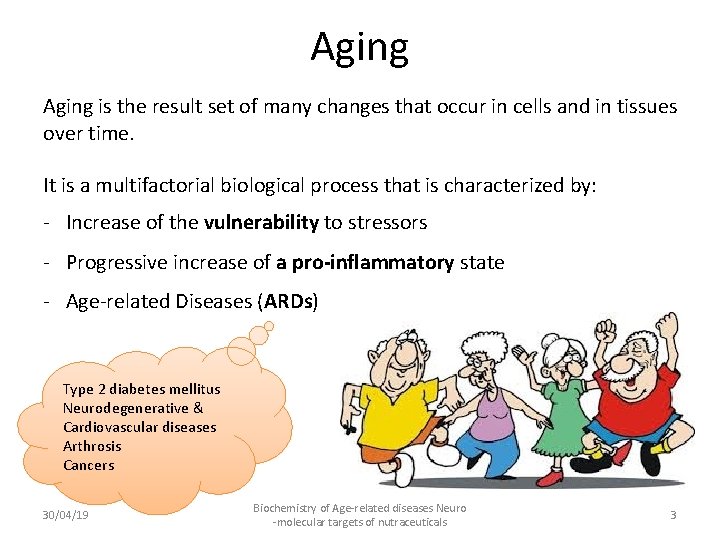
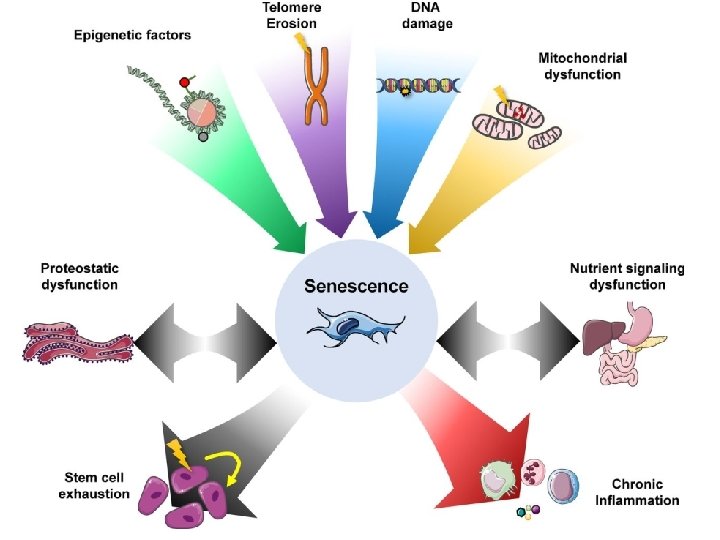
Aging is the result set of many changes that occur in cells and in tissues over time. It is a multifactorial biological process that is characterized by: - Increase of the vulnerability to stressors - Progressive increase of a pro-inflammatory state - Age-related Diseases (ARDs) Type 2 diabetes mellitus Neurodegenerative & Cardiovascular diseases Arthrosis Cancers 30/04/19 Biochemistry of Age-related diseases Neuro -molecular targets of nutraceuticals 3
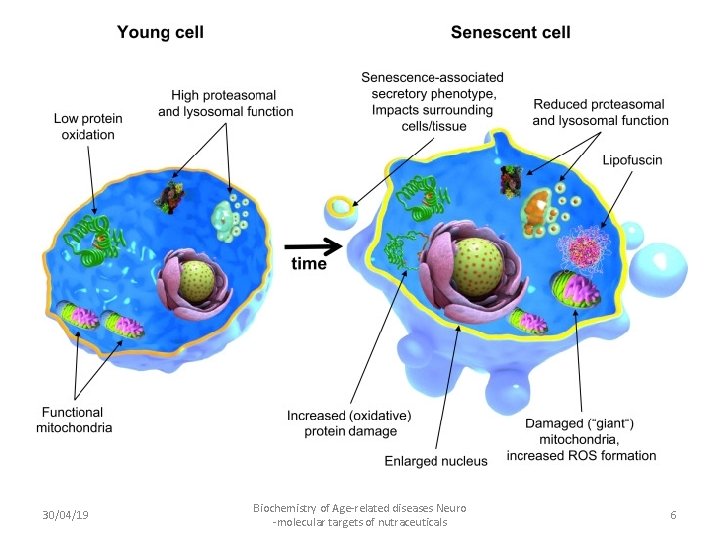
Cellular Senescence Cellular senescence is a process that imposes permanent proliferative arrest on cells in response to various stressors. • It is a cell-autonomous anti-proliferative program reflecting the normal aging process (hallmark of aging) • It also can be induced and plays an important role in restricting the propagation of damaged and defective cells. 30/04/19 Biochemistry of Age-related diseases Neuro -molecular targets of nutraceuticals 4
30/04/19 Biochemistry of Age-related diseases Neuro -molecular targets of nutraceuticals 5
30/04/19 Biochemistry of Age-related diseases Neuro -molecular targets of nutraceuticals 6
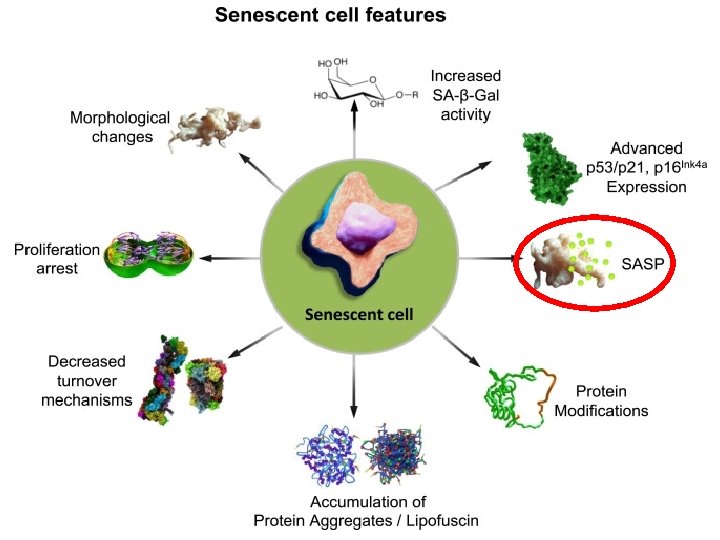
30/04/19 Biochemistry of Age-related diseases Neuro -molecular targets of nutraceuticals 7
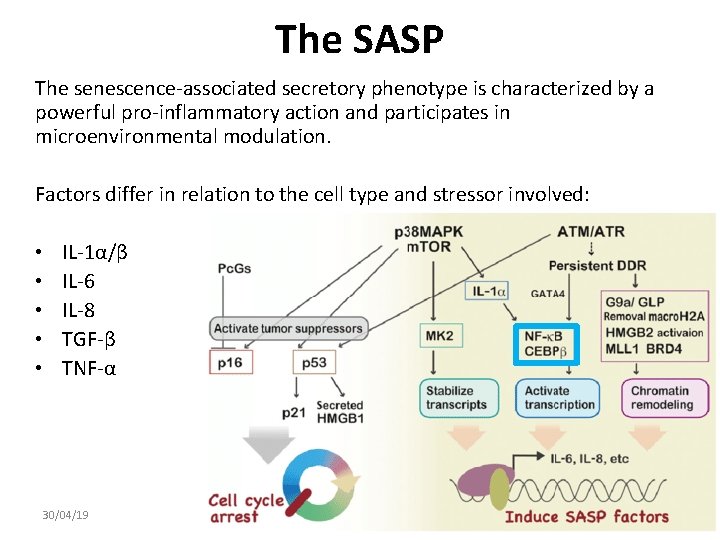
The SASP The senescence-associated secretory phenotype is characterized by a powerful pro-inflammatory action and participates in microenvironmental modulation. Factors differ in relation to the cell type and stressor involved: • • • IL-1α/β IL-6 IL-8 TGF-β TNF-α 30/04/19 Biochemistry of Age-related diseases Neuro -molecular targets of nutraceuticals 8
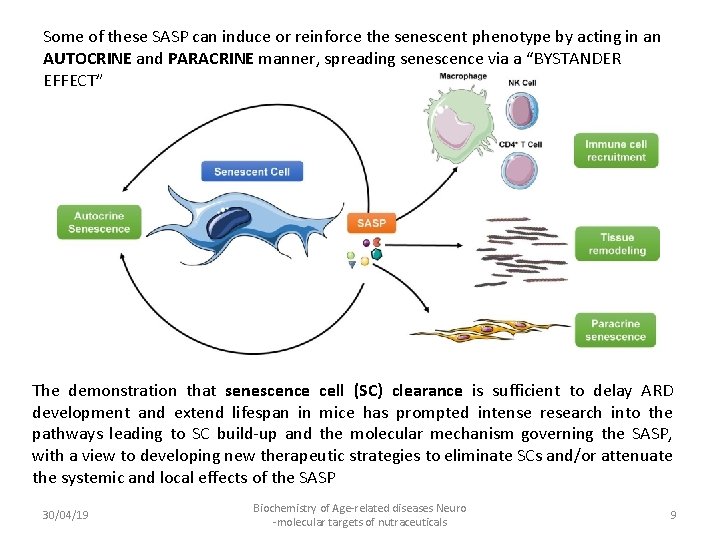
Some of these SASP can induce or reinforce the senescent phenotype by acting in an AUTOCRINE and PARACRINE manner, spreading senescence via a “BYSTANDER EFFECT” The demonstration that senescence cell (SC) clearance is sufficient to delay ARD development and extend lifespan in mice has prompted intense research into the pathways leading to SC build-up and the molecular mechanism governing the SASP, with a view to developing new therapeutic strategies to eliminate SCs and/or attenuate the systemic and local effects of the SASP 30/04/19 Biochemistry of Age-related diseases Neuro -molecular targets of nutraceuticals 9
The goal of promoting healthy aging • 2 mechanisms: - SC clearance senolytic compounds - SASP suppression anti-SASP compounds • 3 types of compounds: - Synthetized - Semi-synthetized - Completely natural 30/04/19 Biochemistry of Age-related diseases Neuro -molecular targets of nutraceuticals 10
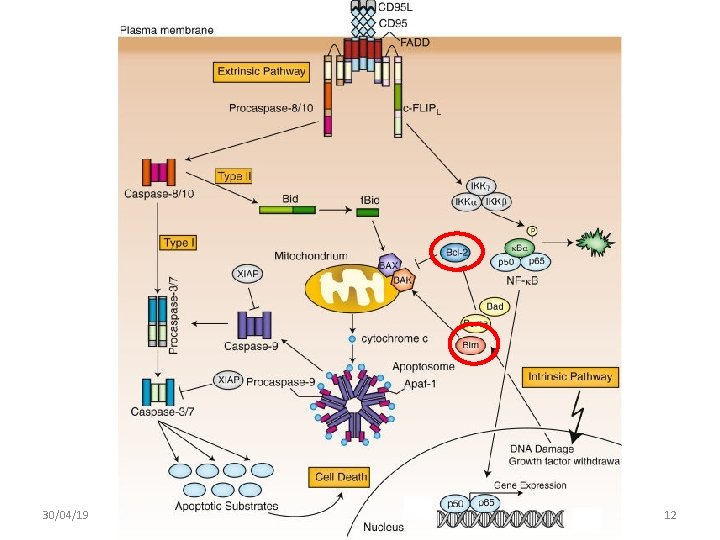
Synthetic compounds • Dasatinib tyr kinase inhibitor • Navitoclax (ABT-263) activator of the mitochondrial apoptotic pathway, inhibiting Bcl family members • Other Bcl inhibitors si. RNA inhibitors targeting Bcl family 30/04/19 Biochemistry of Age-related diseases Neuro -molecular targets of nutraceuticals 11
30/04/19 Biochemistry of Age-related diseases Neuro -molecular targets of nutraceuticals 12
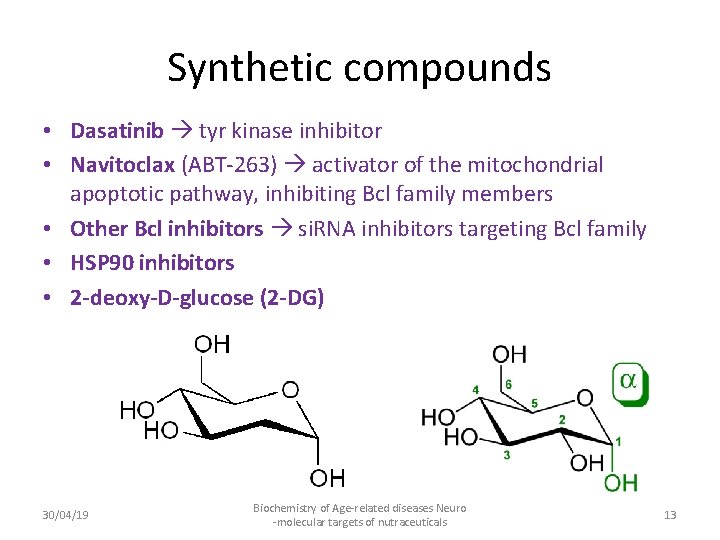
Synthetic compounds • Dasatinib tyr kinase inhibitor • Navitoclax (ABT-263) activator of the mitochondrial apoptotic pathway, inhibiting Bcl family members • Other Bcl inhibitors si. RNA inhibitors targeting Bcl family • HSP 90 inhibitors • 2 -deoxy-D-glucose (2 -DG) 30/04/19 Biochemistry of Age-related diseases Neuro -molecular targets of nutraceuticals 13
Synthetic compounds • Dasatinib tyr kinase inhibitor • Navitoclax (ABT-263) activator of the mitochondrial apoptotic pathway, inhibiting Bcl family members • Other Bcl inhibitors si. RNA inhibitors targeting Bcl family • HSP 90 inhibitors • 2 -deoxy-D-glucose (2 -DG) • Metformin lowering of p 16/p 21, inhibits NF-k. B and m. TOR pathways and activates intracellular AMPK • JAK inhibitors • Aspirin anti-inflammatory activity 30/04/19 Biochemistry of Age-related diseases Neuro -molecular targets of nutraceuticals 14
There are many and severe ADVERSE EFFECTS The use is limited to conditions where they have a favourable benefit/risk ratio. • Dasatinib haematological toxicity, GI and respiratory side effects • Navitoclax (ABT-263) GI effects and thrombocytopenia • Other Bcl inhibitors effects limited to few cell-types • HSP 90 inhibitors poor solubility and high toxicity • 2 -deoxy-D-glucose (2 -DG) • Metformin GI effects and rare but severe lactic acidosis • JAK inhibitors immune system diseases • Aspirin GI side effects 30/04/19 Biochemistry of Age-related diseases Neuro -molecular targets of nutraceuticals 15
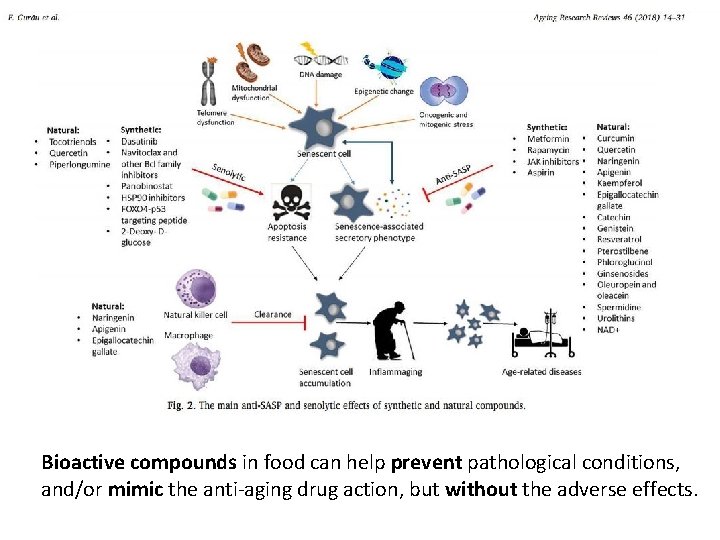
Bioactive compounds in food can help prevent pathological conditions, and/or mimic the anti-aging drug action, but without the adverse effects.
Nutraceutical = Nutrient + pharmaceutical (i) for food of vegetal origin, a nutraceutical is the phytocomplex; and (ii) for food of animal origin, a nutraceutical is the pool of secondary metabolites. Both are concentrated and administered in the proper pharmaceutical form. They are capable of providing beneficial health effects, including the prevention and/or the treatment of a disease. As commonly used in marketing, it has no regulatory definition → it's used for products available on the market without proper assessment of their beneficial health effects. But efficacy, together with safety, is to be considered of utmost importance for nutraceuticals. It is often confused with other terms (also because of the administration of the pharmaceutical form – pills, tablets and capsules).
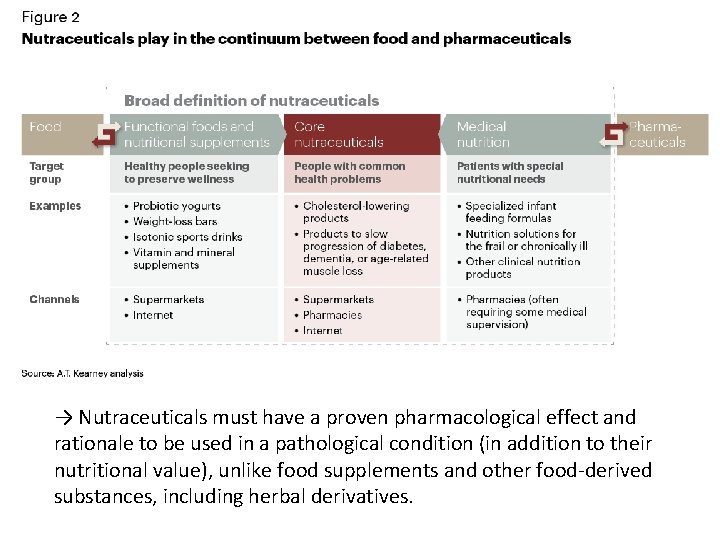
→ Nutraceuticals must have a proven pharmacological effect and rationale to be used in a pathological condition (in addition to their nutritional value), unlike food supplements and other food-derived substances, including herbal derivatives.
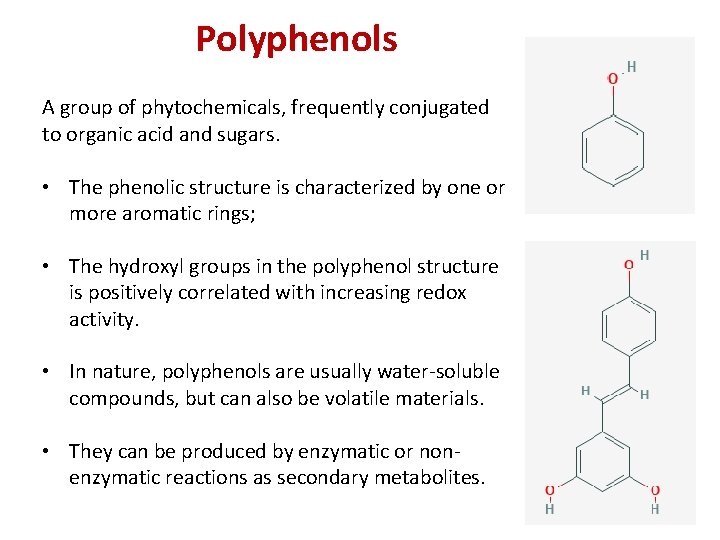
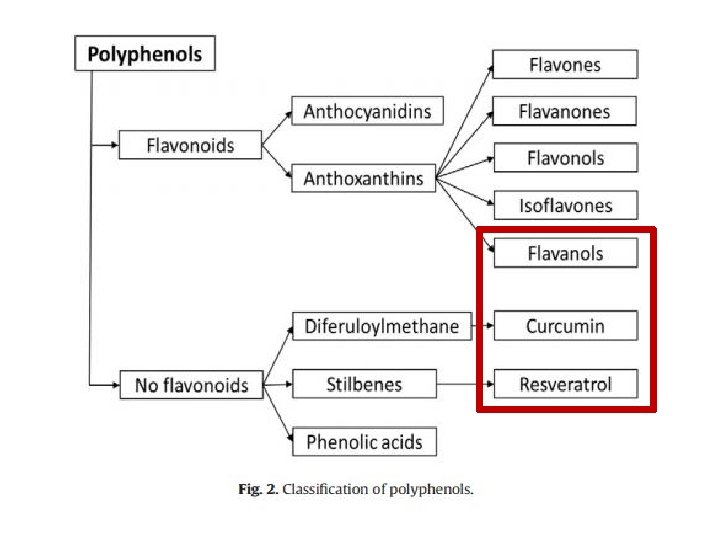
Polyphenols A group of phytochemicals, frequently conjugated to organic acid and sugars. • The phenolic structure is characterized by one or more aromatic rings; • The hydroxyl groups in the polyphenol structure is positively correlated with increasing redox activity. • In nature, polyphenols are usually water-soluble compounds, but can also be volatile materials. • They can be produced by enzymatic or nonenzymatic reactions as secondary metabolites.
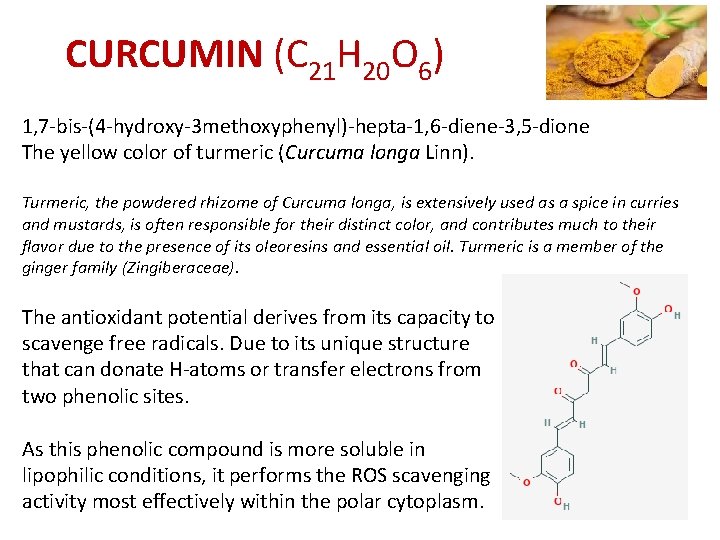
CURCUMIN (C 21 H 20 O 6) 1, 7 -bis-(4 -hydroxy-3 methoxyphenyl)-hepta-1, 6 -diene-3, 5 -dione The yellow color of turmeric (Curcuma longa Linn). Turmeric, the powdered rhizome of Curcuma longa, is extensively used as a spice in curries and mustards, is often responsible for their distinct color, and contributes much to their flavor due to the presence of its oleoresins and essential oil. Turmeric is a member of the ginger family (Zingiberaceae). The antioxidant potential derives from its capacity to scavenge free radicals. Due to its unique structure that can donate H-atoms or transfer electrons from two phenolic sites. As this phenolic compound is more soluble in lipophilic conditions, it performs the ROS scavenging activity most effectively within the polar cytoplasm.
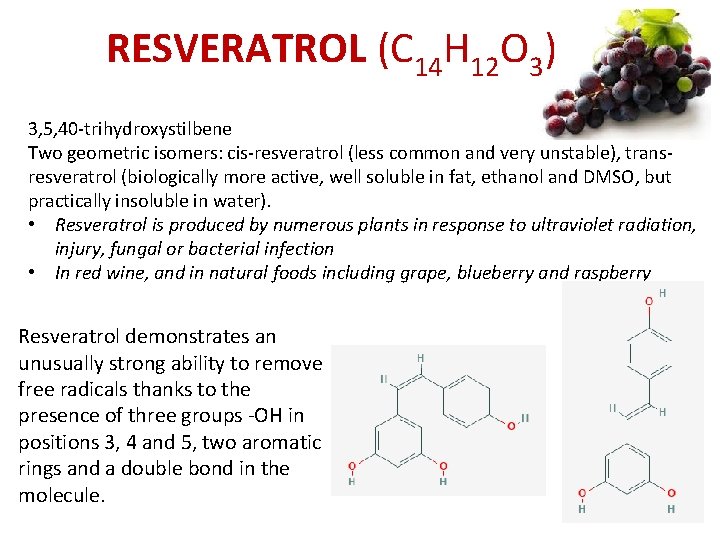
RESVERATROL (C 14 H 12 O 3) 3, 5, 40 -trihydroxystilbene Two geometric isomers: cis-resveratrol (less common and very unstable), transresveratrol (biologically more active, well soluble in fat, ethanol and DMSO, but practically insoluble in water). • Resveratrol is produced by numerous plants in response to ultraviolet radiation, injury, fungal or bacterial infection • In red wine, and in natural foods including grape, blueberry and raspberry Resveratrol demonstrates an unusually strong ability to remove free radicals thanks to the presence of three groups -OH in positions 3, 4 and 5, two aromatic rings and a double bond in the molecule.
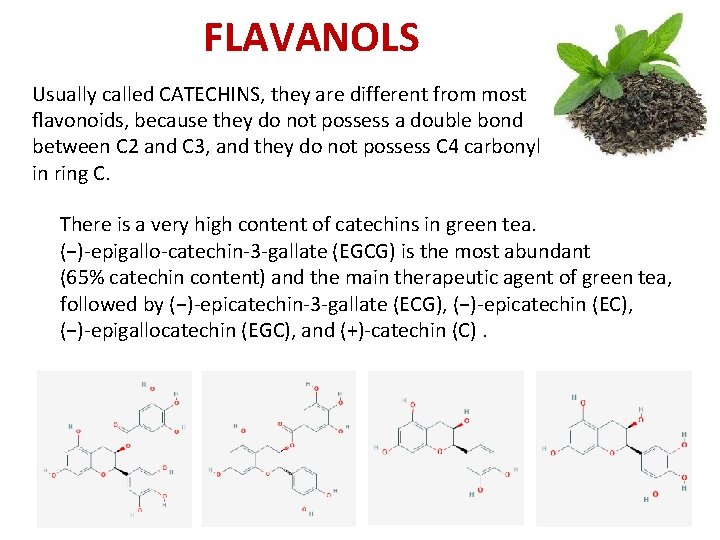
FLAVANOLS Usually called CATECHINS, they are different from most flavonoids, because they do not possess a double bond between C 2 and C 3, and they do not possess C 4 carbonyl in ring C. There is a very high content of catechins in green tea. (−)-epigallo-catechin-3 -gallate (EGCG) is the most abundant (65% catechin content) and the main therapeutic agent of green tea, followed by (−)-epicatechin-3 -gallate (ECG), (−)-epicatechin (EC), (−)-epigallocatechin (EGC), and (+)-catechin (C).
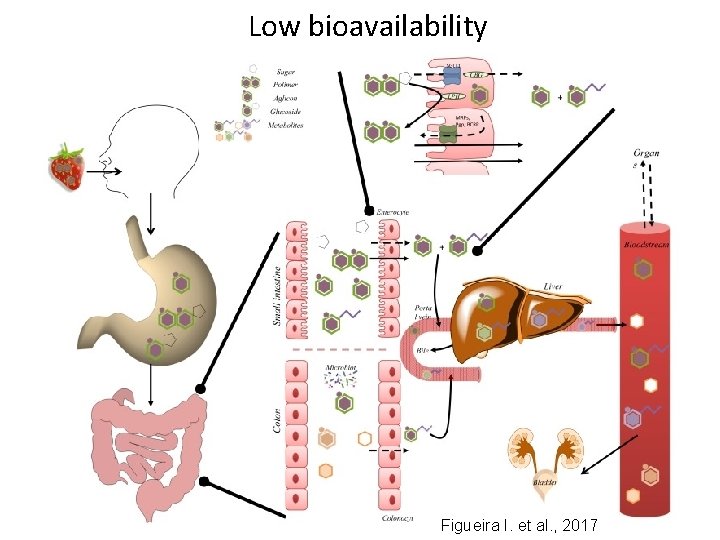
Low bioavailability Figueira I. et al. , 2017
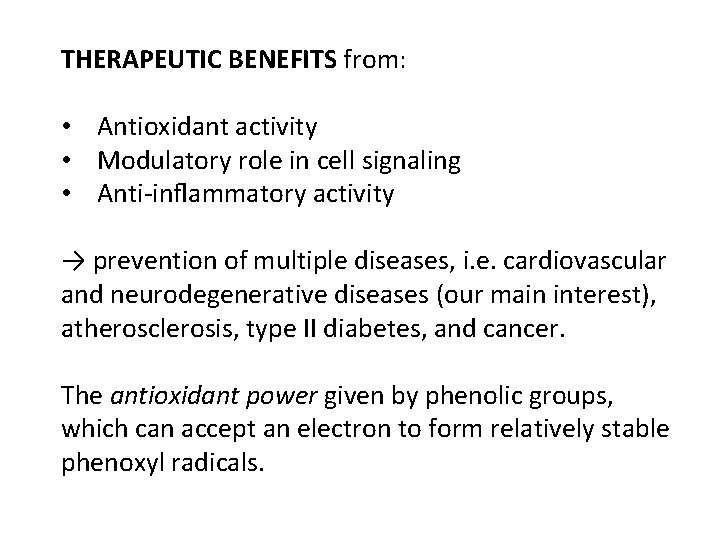
THERAPEUTIC BENEFITS from: • Antioxidant activity • Modulatory role in cell signaling • Anti-inflammatory activity → prevention of multiple diseases, i. e. cardiovascular and neurodegenerative diseases (our main interest), atherosclerosis, type II diabetes, and cancer. The antioxidant power given by phenolic groups, which can accept an electron to form relatively stable phenoxyl radicals.
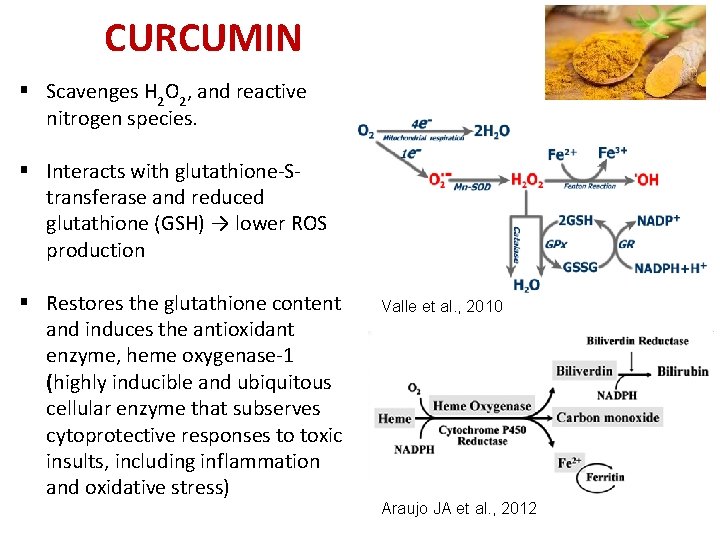
CURCUMIN § Scavenges H 2 O 2, and reactive nitrogen species. § Interacts with glutathione-Stransferase and reduced glutathione (GSH) → lower ROS production § Restores the glutathione content and induces the antioxidant enzyme, heme oxygenase-1 (highly inducible and ubiquitous cellular enzyme that subserves cytoprotective responses to toxic insults, including inflammation and oxidative stress) Valle et al. , 2010 Araujo JA et al. , 2012
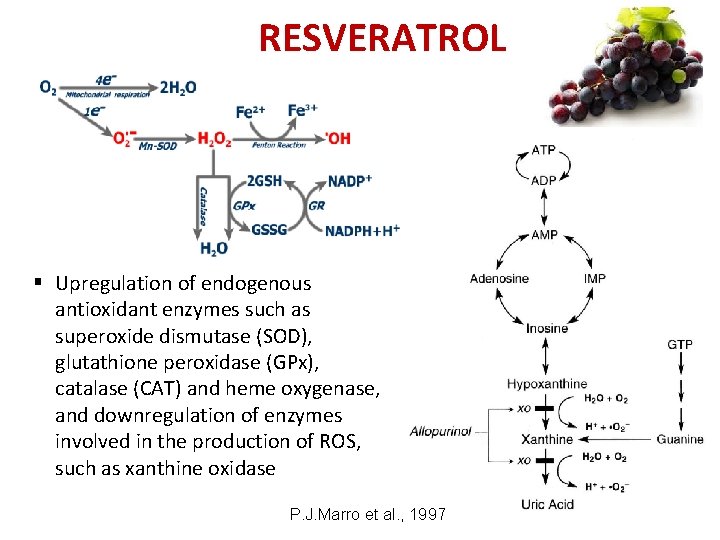
RESVERATROL § Upregulation of endogenous antioxidant enzymes such as superoxide dismutase (SOD), glutathione peroxidase (GPx), catalase (CAT) and heme oxygenase, and downregulation of enzymes involved in the production of ROS, such as xanthine oxidase P. J. Marro et al. , 1997
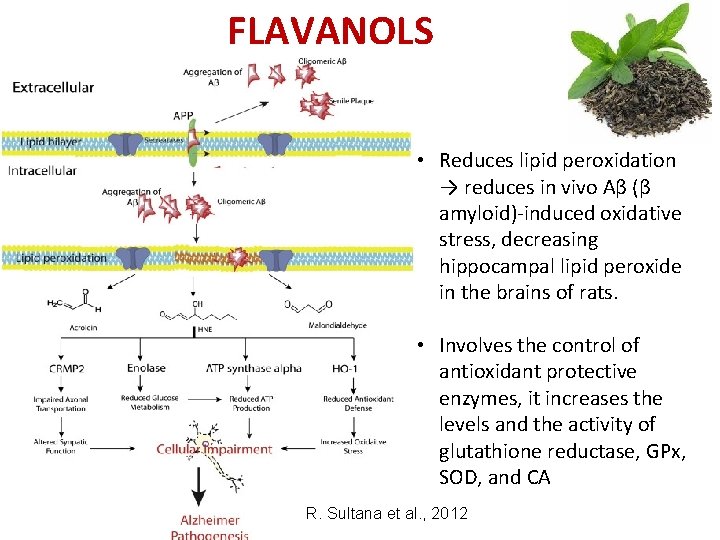
FLAVANOLS (EGCG) • Reduces lipid peroxidation → reduces in vivo Aβ (β amyloid)-induced oxidative stress, decreasing hippocampal lipid peroxide in the brains of rats. • Involves the control of antioxidant protective enzymes, it increases the levels and the activity of glutathione reductase, GPx, SOD, and CA R. Sultana et al. , 2012
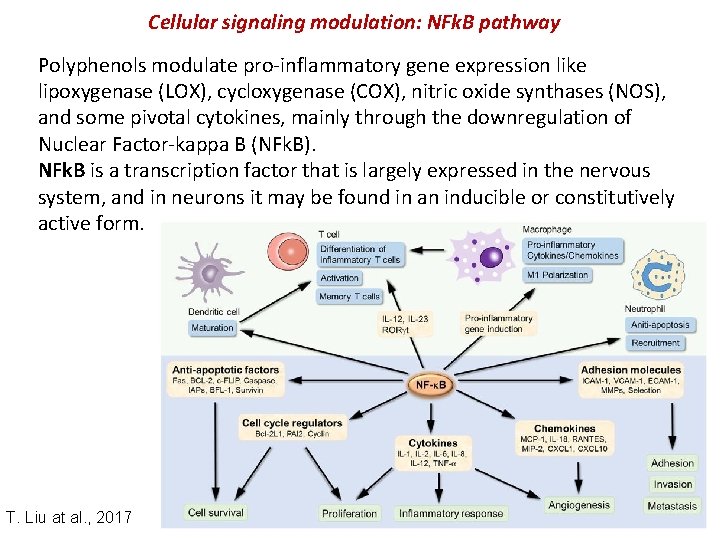
Cellular signaling modulation: NFk. B pathway Polyphenols modulate pro-inflammatory gene expression like lipoxygenase (LOX), cycloxygenase (COX), nitric oxide synthases (NOS), and some pivotal cytokines, mainly through the downregulation of Nuclear Factor-kappa B (NFk. B). NFk. B is a transcription factor that is largely expressed in the nervous system, and in neurons it may be found in an inducible or constitutively active form. T. Liu at al. , 2017
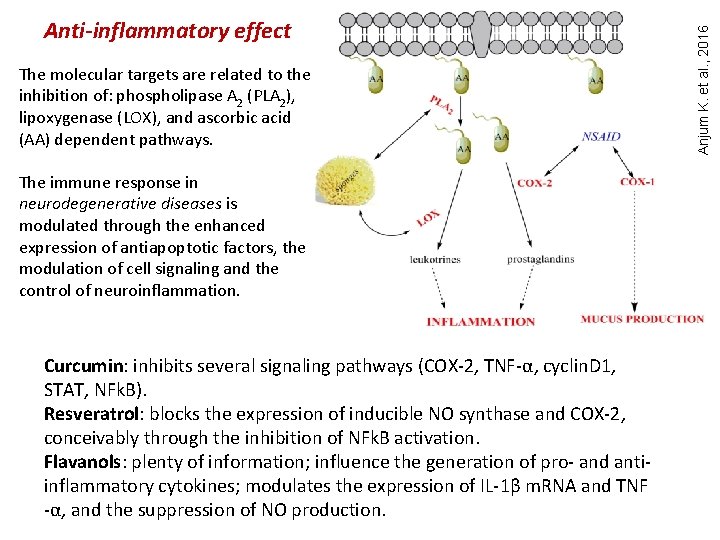
The molecular targets are related to the inhibition of: phospholipase A 2 (PLA 2), lipoxygenase (LOX), and ascorbic acid (AA) dependent pathways. The immune response in neurodegenerative diseases is modulated through the enhanced expression of antiapoptotic factors, the modulation of cell signaling and the control of neuroinflammation. Curcumin: inhibits several signaling pathways (COX-2, TNF-α, cyclin. D 1, STAT, NFk. B). Resveratrol: blocks the expression of inducible NO synthase and COX-2, conceivably through the inhibition of NFk. B activation. Flavanols: plenty of information; influence the generation of pro- and antiinflammatory cytokines; modulates the expression of IL-1β m. RNA and TNF -α, and the suppression of NO production. Anjum K. et al. , 2016 Anti-inflammatory effect
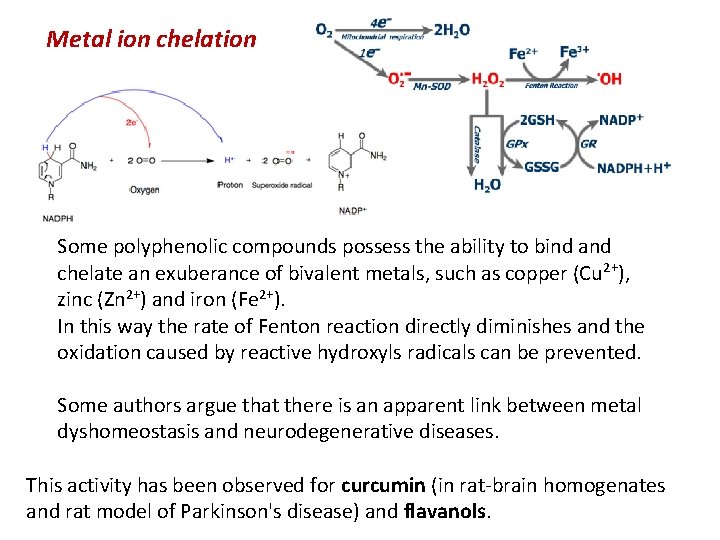
Metal ion chelation Some polyphenolic compounds possess the ability to bind and chelate an exuberance of bivalent metals, such as copper (Cu 2+), zinc (Zn 2+) and iron (Fe 2+). In this way the rate of Fenton reaction directly diminishes and the oxidation caused by reactive hydroxyls radicals can be prevented. Some authors argue that there is an apparent link between metal dyshomeostasis and neurodegenerative diseases. This activity has been observed for curcumin (in rat-brain homogenates and rat model of Parkinson's disease) and flavanols.
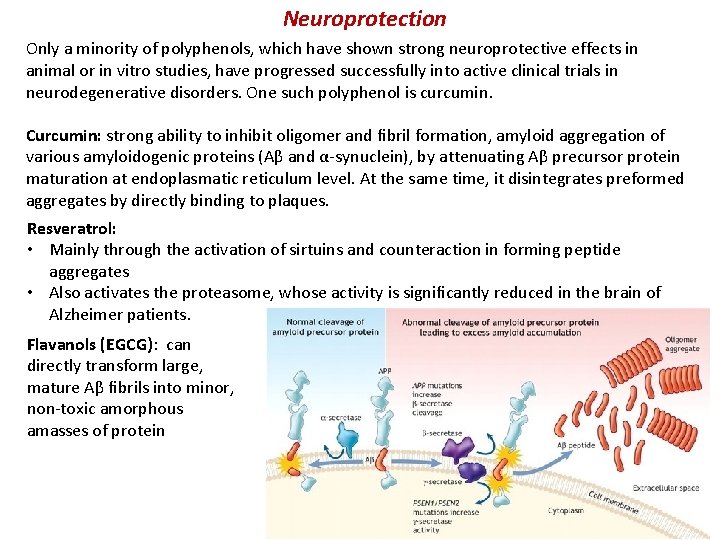
Neuroprotection Only a minority of polyphenols, which have shown strong neuroprotective effects in animal or in vitro studies, have progressed successfully into active clinical trials in neurodegenerative disorders. One such polyphenol is curcumin. Curcumin: strong ability to inhibit oligomer and fibril formation, amyloid aggregation of various amyloidogenic proteins (Aβ and α-synuclein), by attenuating Aβ precursor protein maturation at endoplasmatic reticulum level. At the same time, it disintegrates preformed aggregates by directly binding to plaques. Resveratrol: • Mainly through the activation of sirtuins and counteraction in forming peptide aggregates • Also activates the proteasome, whose activity is significantly reduced in the brain of Alzheimer patients. Flavanols (EGCG): can directly transform large, mature Aβ fibrils into minor, non-toxic amorphous amasses of protein
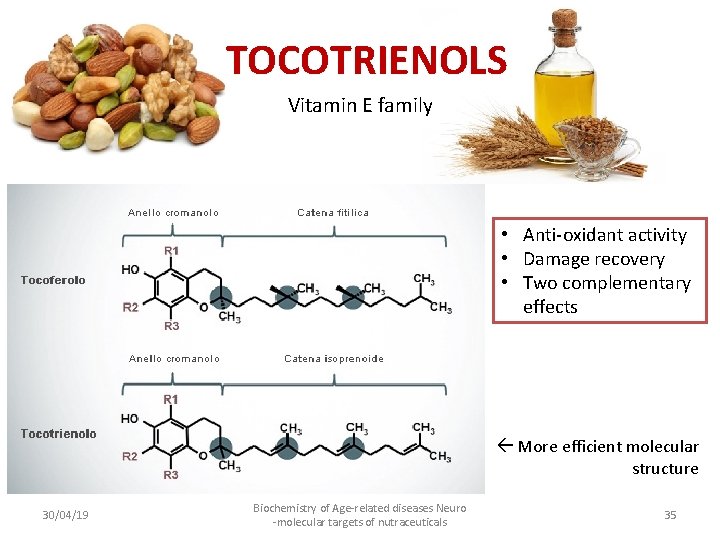
TOCOTRIENOLS Vitamin E family • Anti-oxidant activity • Damage recovery • Two complementary effects More efficient molecular structure 30/04/19 Biochemistry of Age-related diseases Neuro -molecular targets of nutraceuticals 35
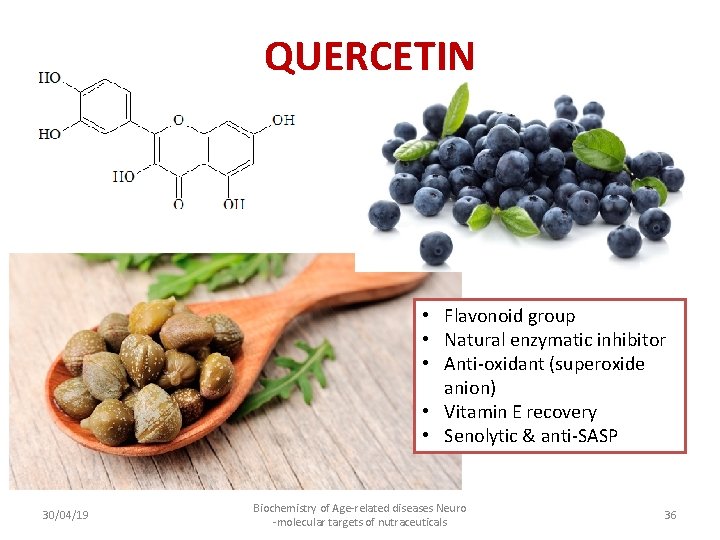
QUERCETIN • Flavonoid group • Natural enzymatic inhibitor • Anti-oxidant (superoxide anion) • Vitamin E recovery • Senolytic & anti-SASP 30/04/19 Biochemistry of Age-related diseases Neuro -molecular targets of nutraceuticals 36
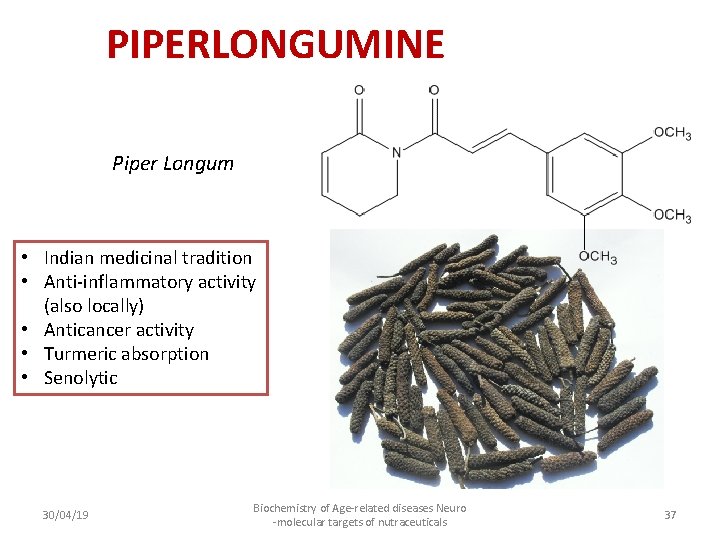
PIPERLONGUMINE Piper Longum • Indian medicinal tradition • Anti-inflammatory activity (also locally) • Anticancer activity • Turmeric absorption • Senolytic 30/04/19 Biochemistry of Age-related diseases Neuro -molecular targets of nutraceuticals 37
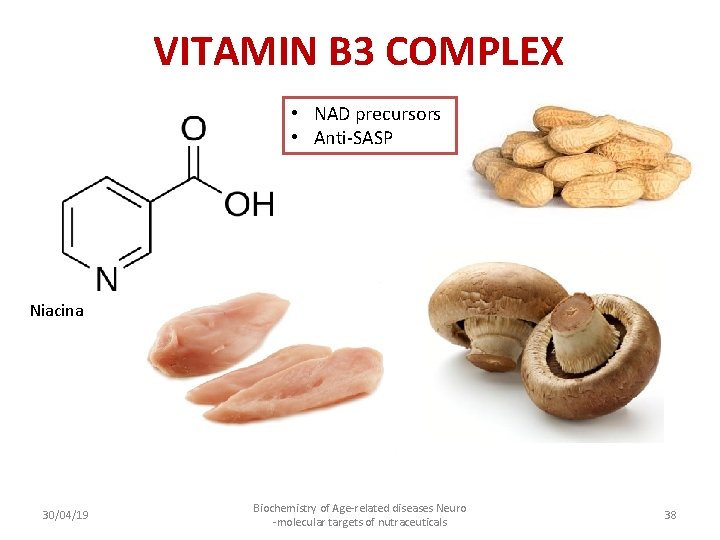
VITAMIN B 3 COMPLEX • NAD precursors • Anti-SASP Niacina 30/04/19 Biochemistry of Age-related diseases Neuro -molecular targets of nutraceuticals 38
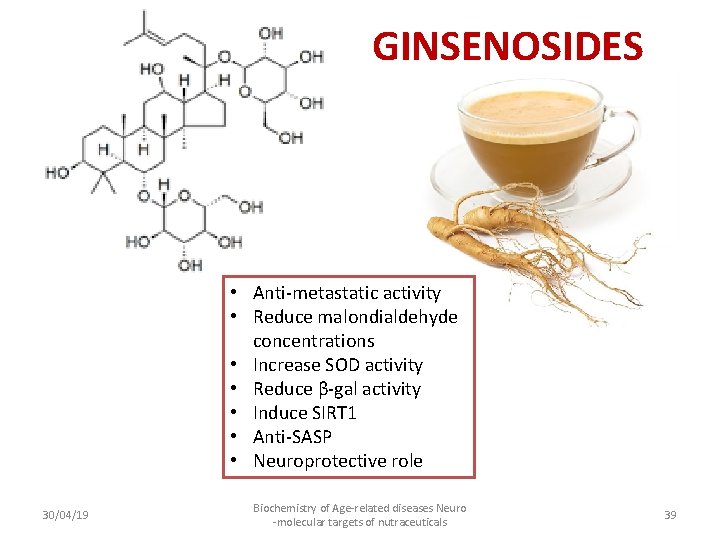
GINSENOSIDES • Anti-metastatic activity • Reduce malondialdehyde concentrations • Increase SOD activity • Reduce β-gal activity • Induce SIRT 1 • Anti-SASP • Neuroprotective role 30/04/19 Biochemistry of Age-related diseases Neuro -molecular targets of nutraceuticals 39
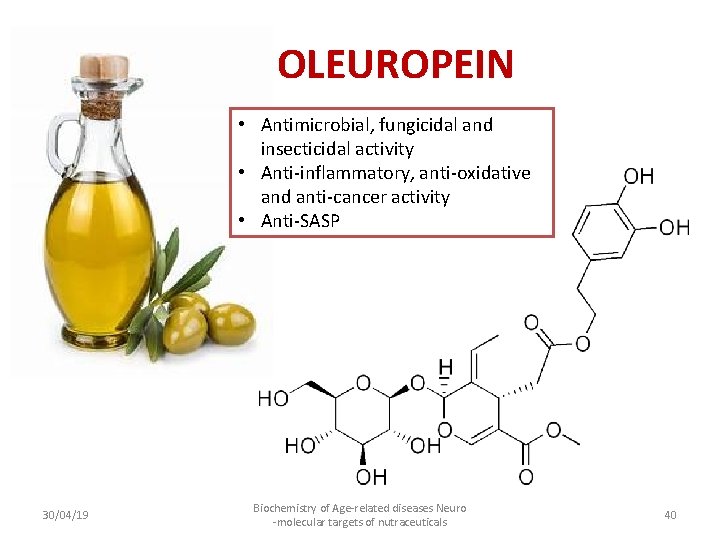
OLEUROPEIN • Antimicrobial, fungicidal and insecticidal activity • Anti-inflammatory, anti-oxidative and anti-cancer activity • Anti-SASP 30/04/19 Biochemistry of Age-related diseases Neuro -molecular targets of nutraceuticals 40
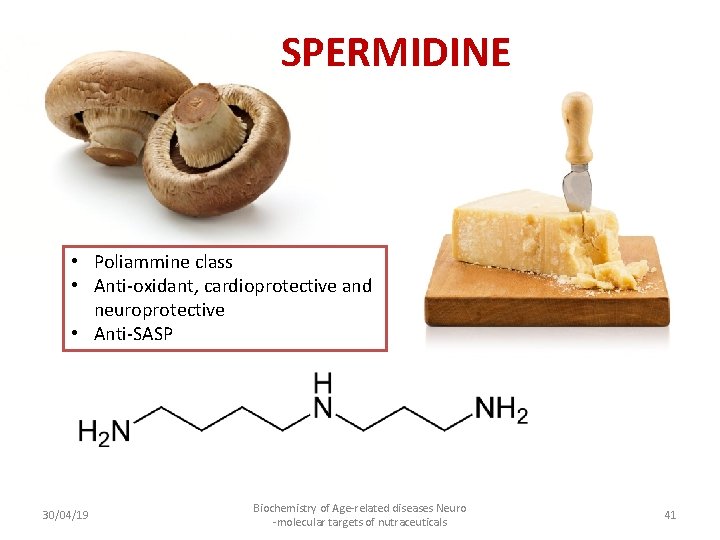
SPERMIDINE • Poliammine class • Anti-oxidant, cardioprotective and neuroprotective • Anti-SASP 30/04/19 Biochemistry of Age-related diseases Neuro -molecular targets of nutraceuticals 41
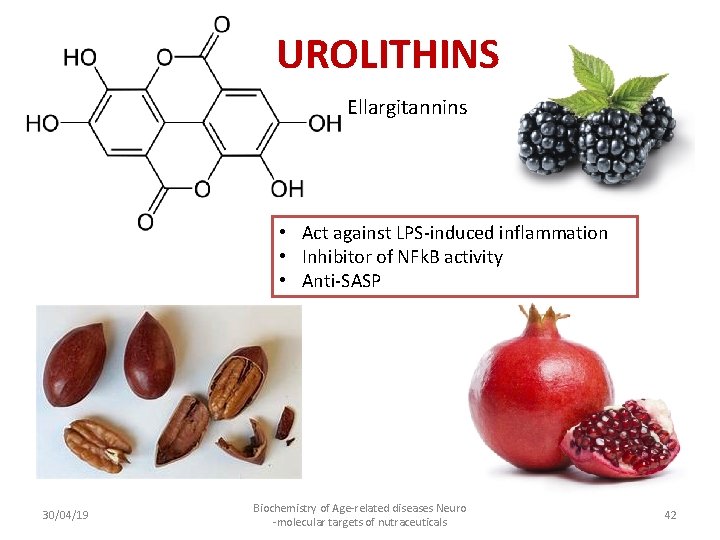
UROLITHINS Ellargitannins • Act against LPS-induced inflammation • Inhibitor of NFk. B activity • Anti-SASP 30/04/19 Biochemistry of Age-related diseases Neuro -molecular targets of nutraceuticals 42
Dietary intervention: the Mediterranean Diet (MD) • Experimental and epidemiological data indicate that dietary habits, exercise, and genetic make-up play a central role in healthy aging. • The Mediterranean diet (MD), which is characterized by a high quota of vegetables, fruits, whole cereals and fish, has proven beneficial effects on human health and prevents a variety of ARDs. • The inclusion of phenol-rich foods in the diet is consistent with the advice to eat 5 or more portions of fruit and vegetables per day (high content of anti-aging bioactive compounds). 30/04/19 Biochemistry of Age-related diseases Neuro -molecular targets of nutraceuticals 43
Future perspectives • Some natural components share the same mechanism of action with conventional medications, and that natural molecules with anti-SASP and/or senolytic activity are naturally available through the diet, for instance the MD. • Although considerable work is still required to explore the toxicity profile and the extent of the benefits provided by natural compounds, there is mounting evidence that nutritional approaches provide new tools to combat ARDs, including cognitive decline. • Human studies and clinical trials are required. More information about absorption, metabolism, how these compounds can pass through the BBB and long-term effect is needed. • New paradigms for testing senolytics and measuring surrogate endpoints of aging should be identified. • An univocal definition of Nutraceuticals is required. 30/04/19 Biochemistry of Age-related diseases Neuro -molecular targets of nutraceuticals 44
BIBLIOGRAFIA • • • Felicia Gurău et al. , Anti-senescence compounds: A potential nutraceutical approach to healthy aging (2018). Antonello Santini et al. , Nutraceuticals: opening the debate for a regulatory framework (2018). Silvia Molino et al. , Polyphenols in dementia: From molecular basis to clinical trials (2016).
BIBLIOGRAFIA Marro PJ et al. , Purine metabolism and inhibition of xanthine oxidase in severely hypoxic neonates going onto extracorporeal membrane oxygenation (1997). Rukhsana Sultana et al. , Lipid peroxidation triggers neurodegeneration: A redox proteomics view into the Alzheimer disease brain (2013). Ting Liu et al. , NF-κB signaling in inflammation (2017). Anjum K et al. , Marine Sponges as a Drug Treasure (2016). Araujo JA, Zhang M, Yin F, Heme oxygenase-1, oxidation, inflammation, and atherosclerosis (2012). Eva Brglez Mojzer et al. , Polyphenols: Extraction Methods, Antioxidative Action, Bioavailability and Anticarcinogenic Effects (2016). Inês Figueira et al. , Polyphenols Beyond Barriers: A Glimpse into the Brain (2017). Valle A. et al, Role of uncoupling proteins in cancer (2010). Bennett G Childs et al. , Cellular senescence in aging and age-related disease: from mechanisms to therapy (2015). Amaia Lujambio, To clear, or not to clear (senescent cells)? That is the question (2016). Annika Höhn et al. , Happily (n)ever after: Aging in the context of oxidative stress, proteostasis loss and cellular senescence (2017).