
Convolution and Deconvolution Convolution means several things IS
![MATLAB %convolution a = [0. 25 0. 5 -0. 25 0. 75]; b =](https://slidetodoc.com/presentation_image_h/0e9131930b70709a9fc2c9880b424cbf/image-20.jpg "MATLAB %convolution a = [0. 25 0. 5 -0. 25 0. 75]; b =")
- Slides: 40
Convolution and Deconvolution
Convolution means several things: • IS multiplication of a polynomial series • IS a mathematical process • IS filtering
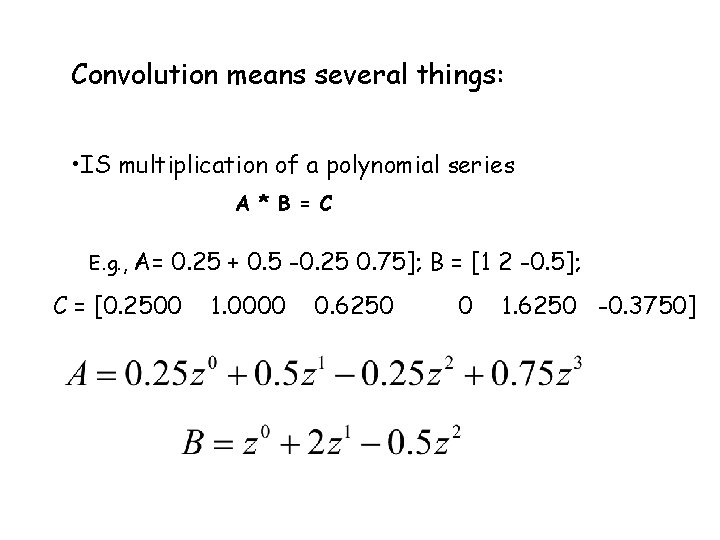
Convolution means several things: • IS multiplication of a polynomial series A * B = C E. g. , A= 0. 25 + 0. 5 -0. 25 0. 75]; B = [1 2 -0. 5]; C = [0. 2500 1. 0000 0. 6250 0 1. 6250 -0. 3750]
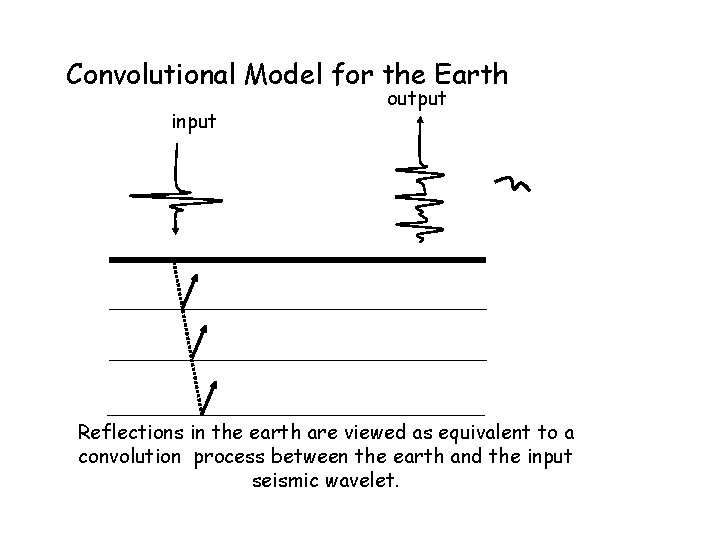
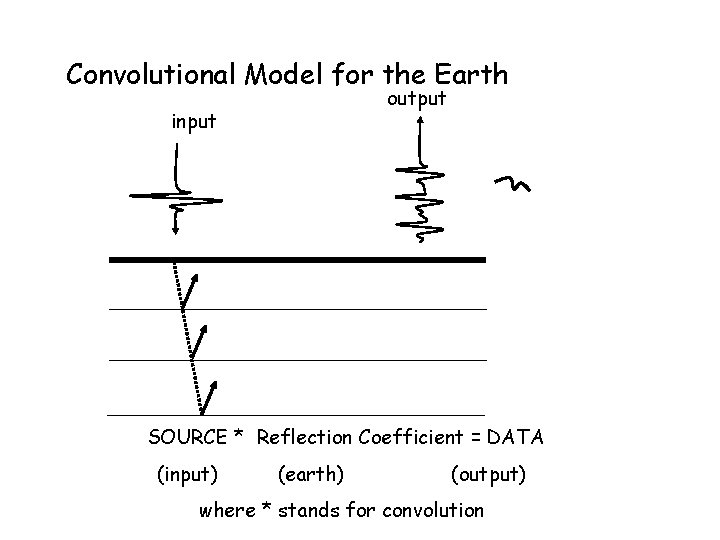
Convolutional Model for the Earth input output Reflections in the earth are viewed as equivalent to a convolution process between the earth and the input seismic wavelet.
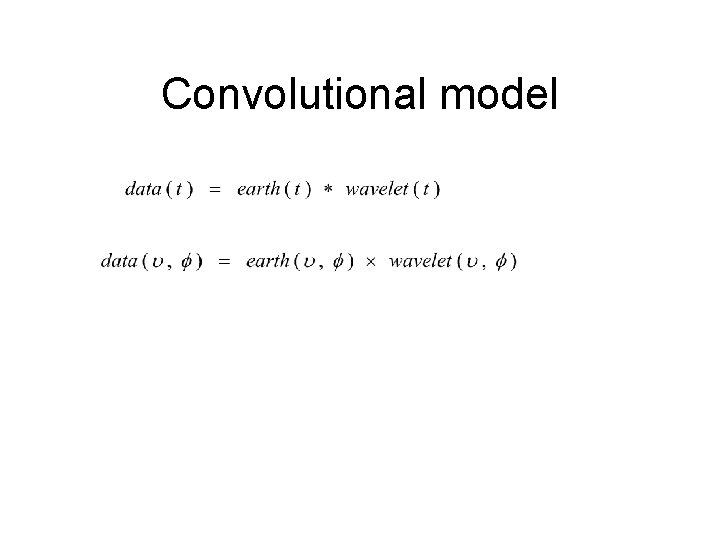
Convolutional Model for the Earth output input SOURCE * Reflection Coefficient = DATA (input) (earth) (output) where * stands for convolution
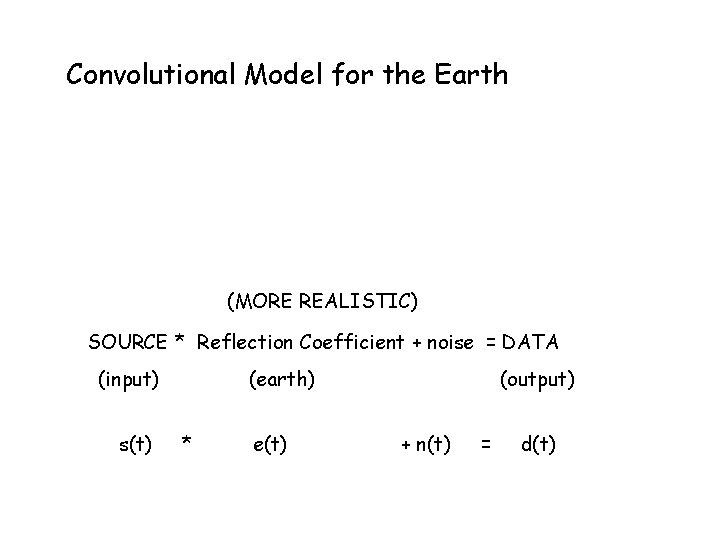
Convolutional Model for the Earth SOURCE * Reflection Coefficient = DATA (input) (earth) (output) where * stands for convolution (MORE REALISTIC) SOURCE * Reflection Coefficient + noise = DATA (input) s(t) (earth) * e(t) (output) + n(t) = d(t)
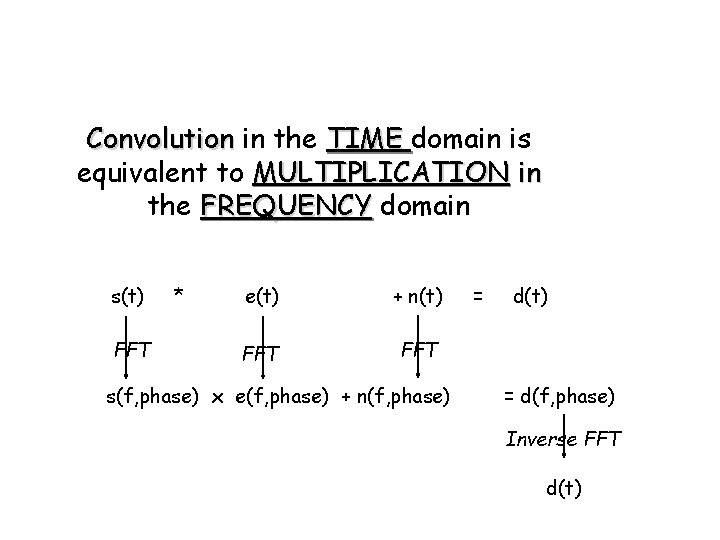
Convolution in the TIME domain is equivalent to MULTIPLICATION in the FREQUENCY domain s(t) FFT * e(t) + n(t) FFT s(f, phase) x e(f, phase) + n(f, phase) = d(t) = d(f, phase) Inverse FFT d(t)
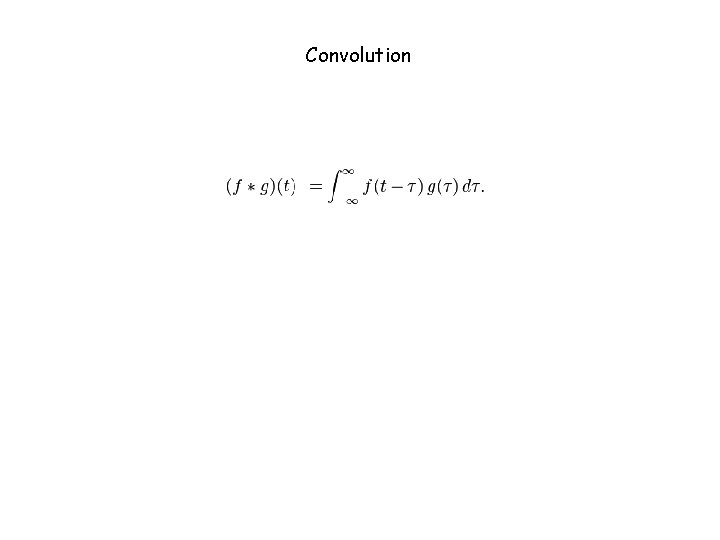
Convolution
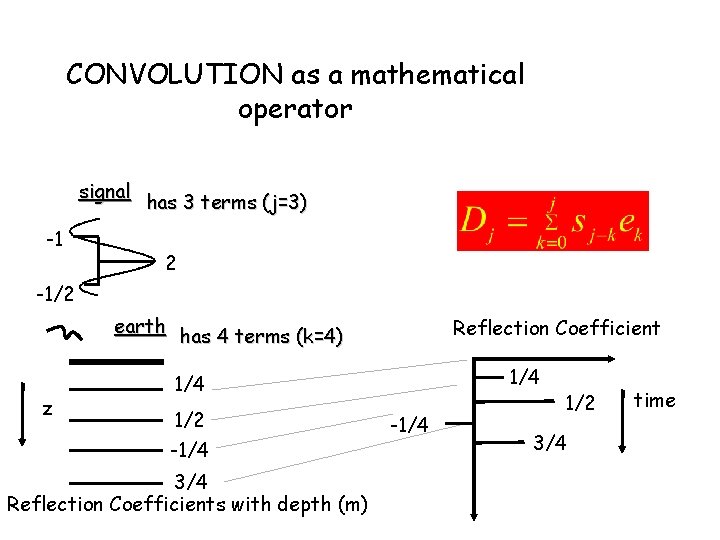
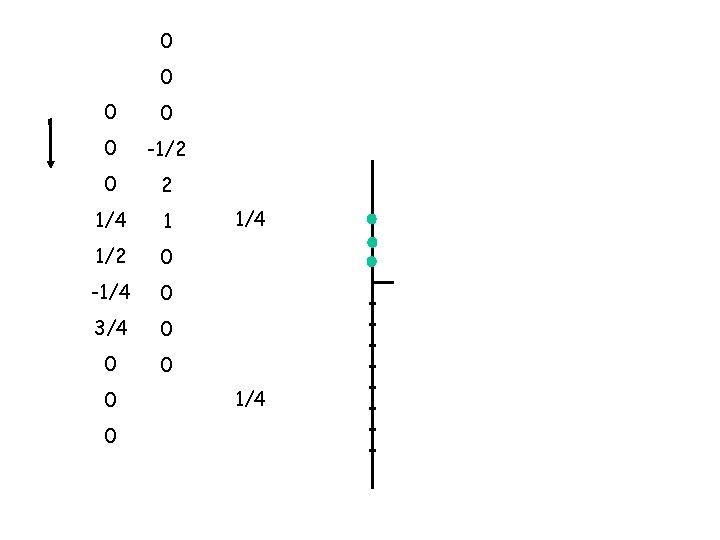
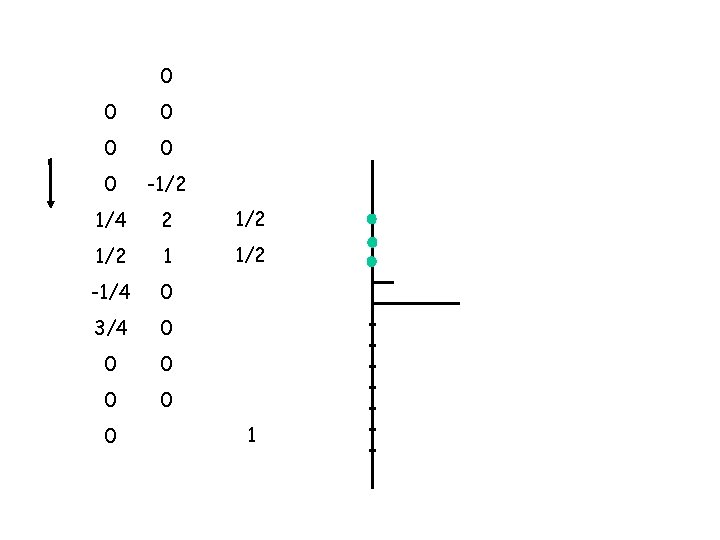
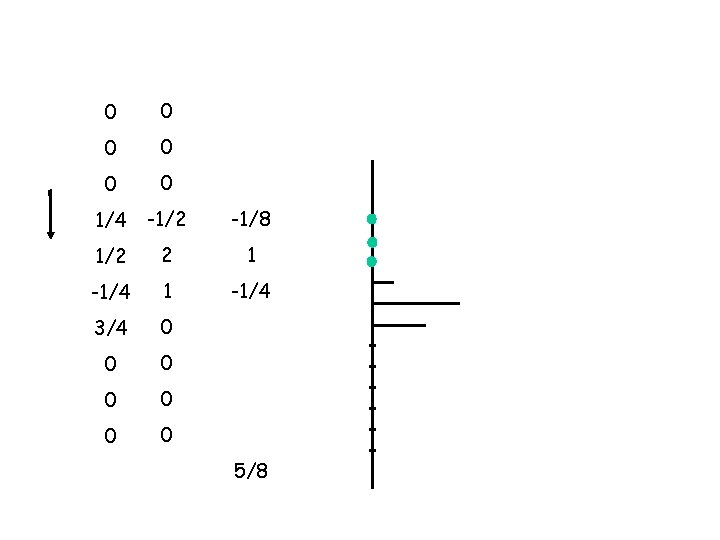
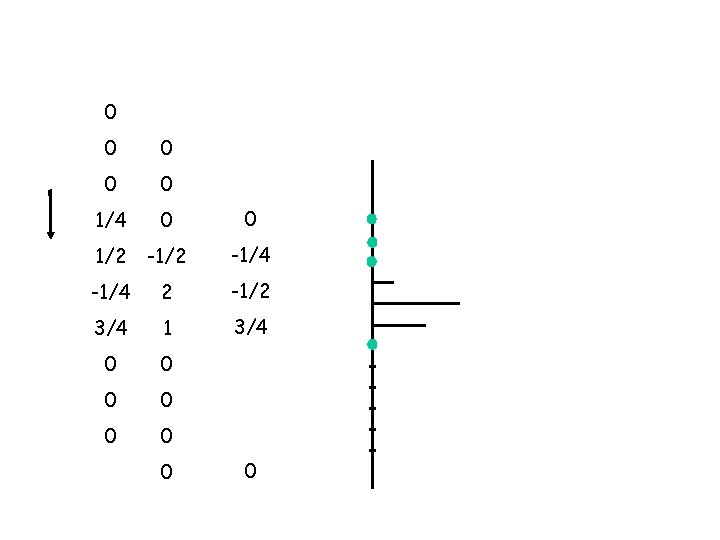
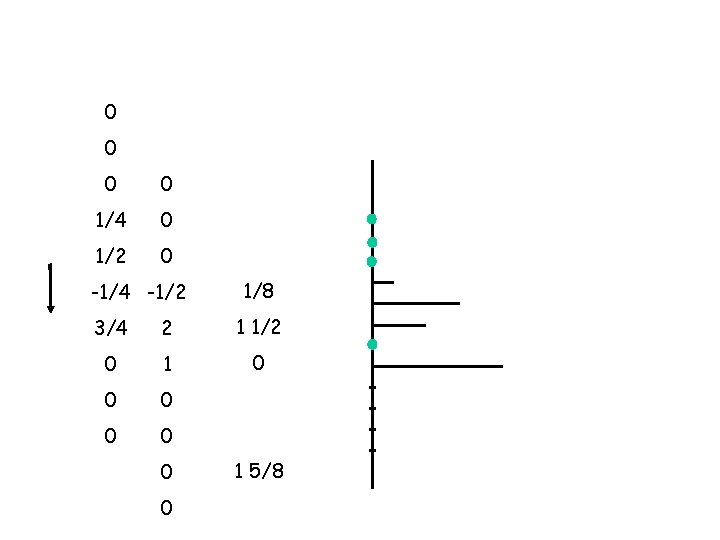
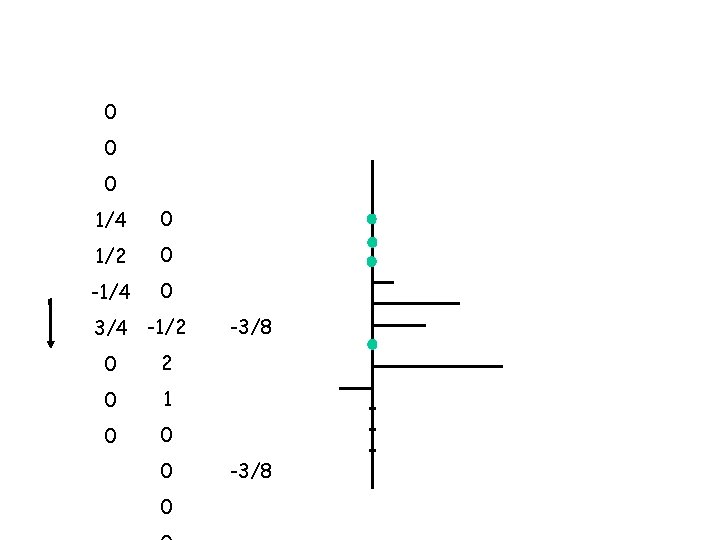
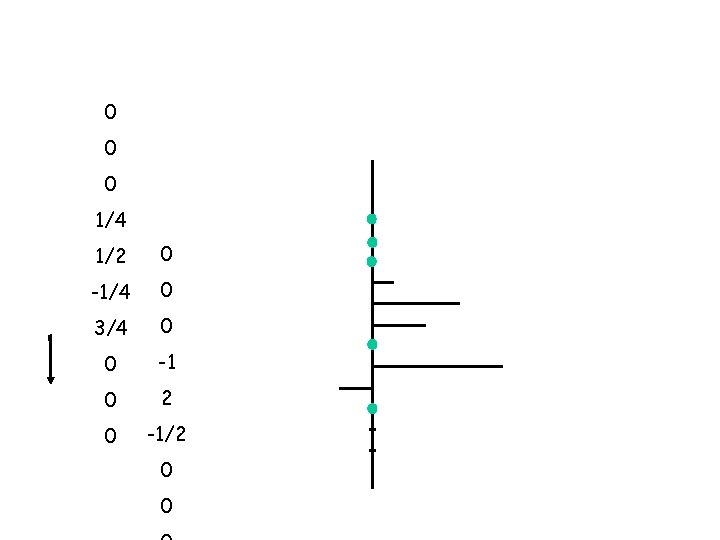
CONVOLUTION as a mathematical operator signal -1 has 3 terms (j=3) 2 -1/2 earth has 4 terms (k=4) z Reflection Coefficient 1/4 1/2 -1/4 3/4 Reflection Coefficients with depth (m) -1/4 1/2 3/4 time
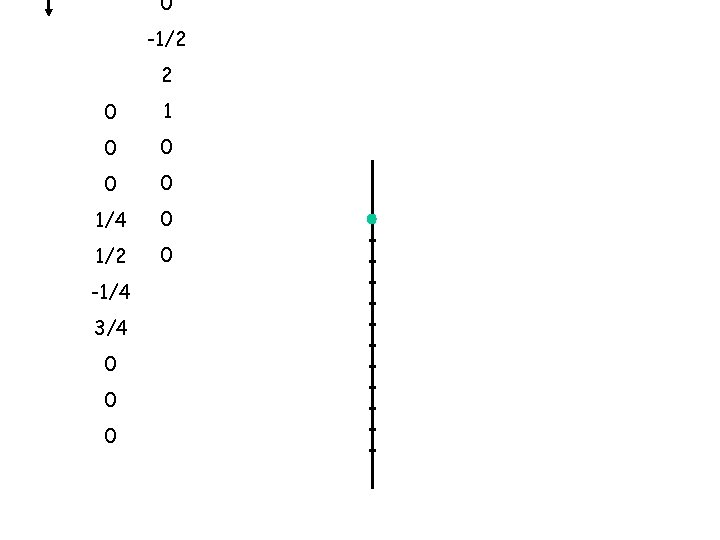
0 -1/2 2 0 x 1 = 0 0 x 0 = 0 1/4 x 0 = 0 1/2 x 0 = 0 -1/4 3/4 0 0 +
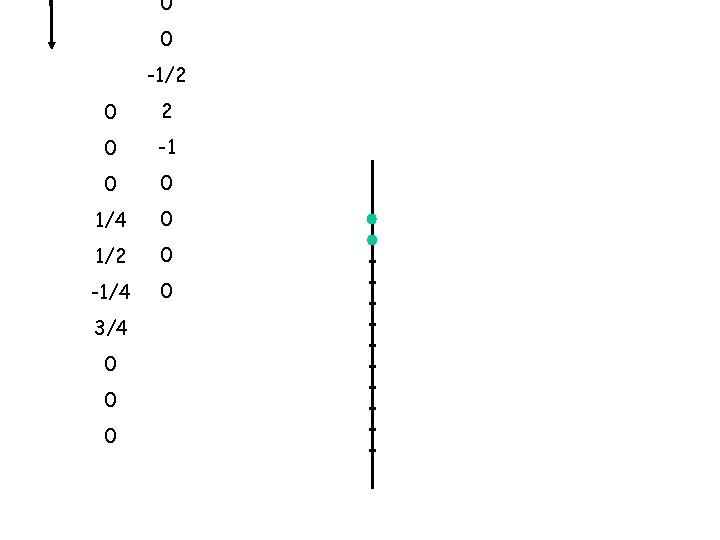
0 0 -1/2 0 x 2 = 0 0 x -1 = 0 0 x 0 = 0 1/4 x 0 = 0 1/2 x 0 = 0 -1/4 3/4 0 0 +
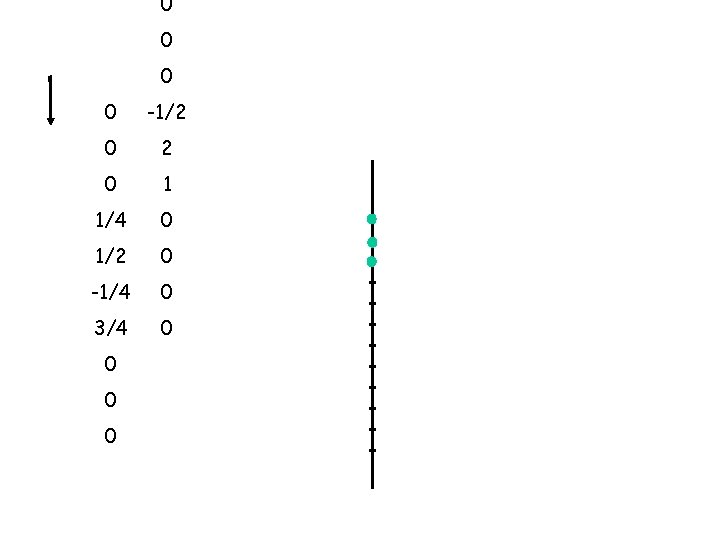
0 0 x -1/2 = 0 0 x 1 = 0 1/4 x 0 = 0 1/2 x 0 = 0 -1/4 x 0 = 0 3/4 x 0 = 0 0 0 +
0 0 = 0 0 x -1/2 = 0 0 x 2 0 0 x 0 = 1/4 x 1 = 1/4 1/2 x 0 = 0 -1/4 x 0 = 0 3/4 x 0 = 0 0 0 1/4 +
0 0 x 0 = 0 0 x -1/2 = 0 1/4 x 2 = 1/2 x 1 = 1/2 -1/4 x 0 = 0 3/4 x 0 = 0 0 1 +
0 x 0 = 0 1/4 x -1/2 = -1/8 1/2 x 2 = 1 -1/4 x 1 = -1/4 3/4 x 0 = 0 0 x 0 = 0 5/8 +
0 x = 0 0 x 0 = 0 1/4 x 0 = 0 1/2 x -1/2 = -1/4 x 2 = -1/2 3/4 x 1 = 3/4 0 x 0 = 0 0 0 +
0 0 0 x 0 = 0 1/4 x 0 = 0 1/2 x 0 = 0 -1/4 x -1/2 = 3/4 x 2 1/8 = 1 1/2 0 x 1 = 0 0 x 0 = 0 0 0 + 1 5/8
0 0 + 0 1/4 x 0 = 0 1/2 x 0 = 0 -1/4 x 0 = 0 3/4 x -1/2 = -3/8 0 x 2 = 0 0 x 1 = 0 0 x 0 = 0 0 0 -3/8
0 0 + 0 1/4 1/2 x 0 = 0 -1/4 x 0 = 0 3/4 x 0 = 0 0 x -1 = 0 0 x 2 = 0 0 x -1/2 = 0 0
MATLAB %convolution a = [0. 25 0. 5 -0. 25 0. 75]; b = [1 2 -0. 5]; c = conv(a, b) d = deconv(c, a) c = 0. 2500 1. 0000 0. 6250 0 1. 6250 -0. 3750 matlab
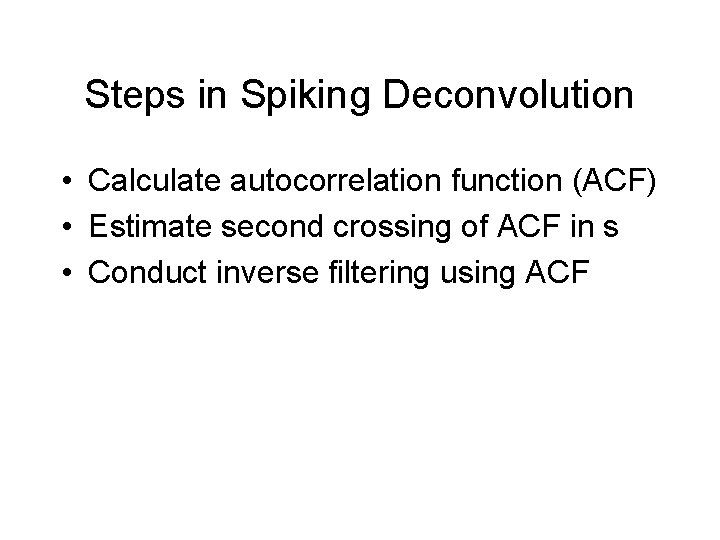
Spiking Deconvolution In order to compress seismic signal in time and whiten the spectrum. Advantages: shows embedded signal in noise Disadvantages: heightens noise
Convolutional model
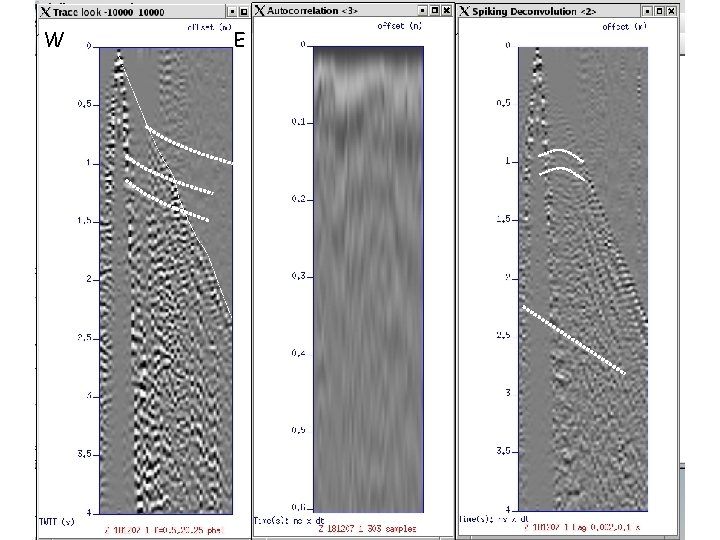
Steps in Spiking Deconvolution • Calculate autocorrelation function (ACF) • Estimate second crossing of ACF in s • Conduct inverse filtering using ACF
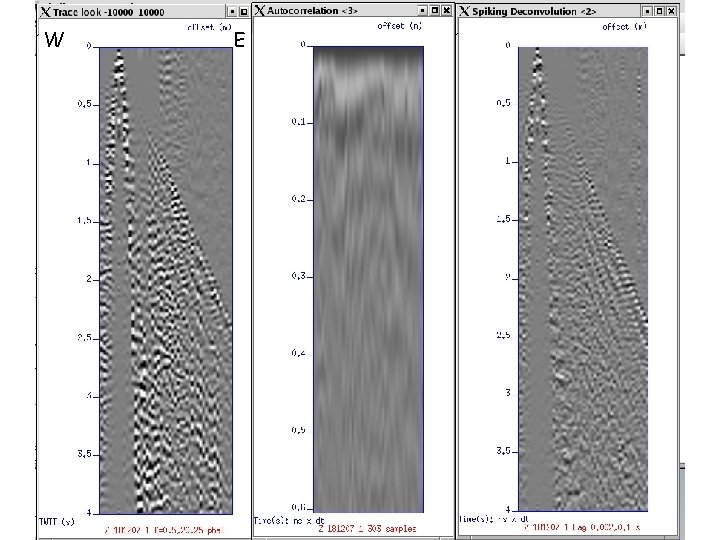
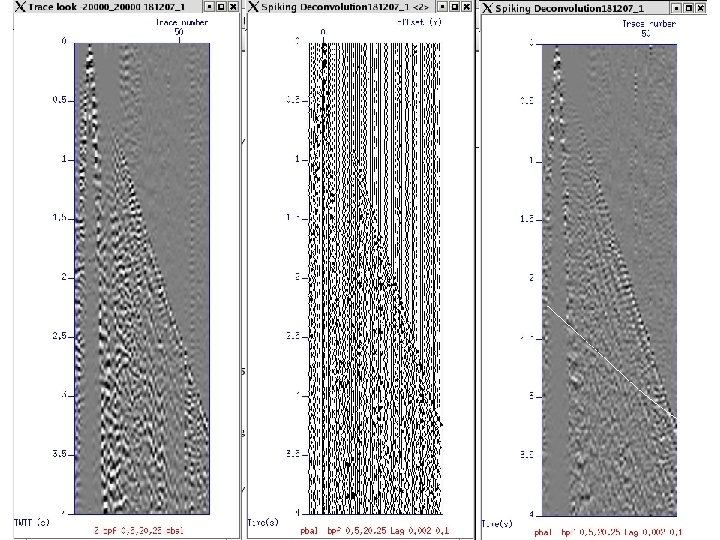
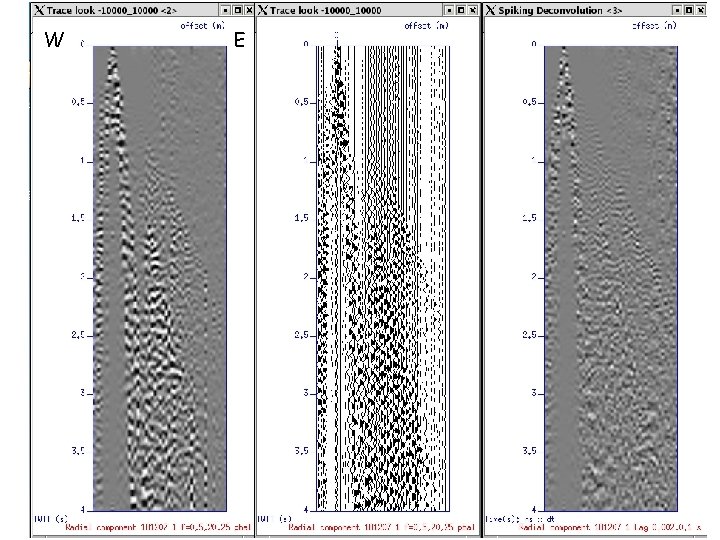
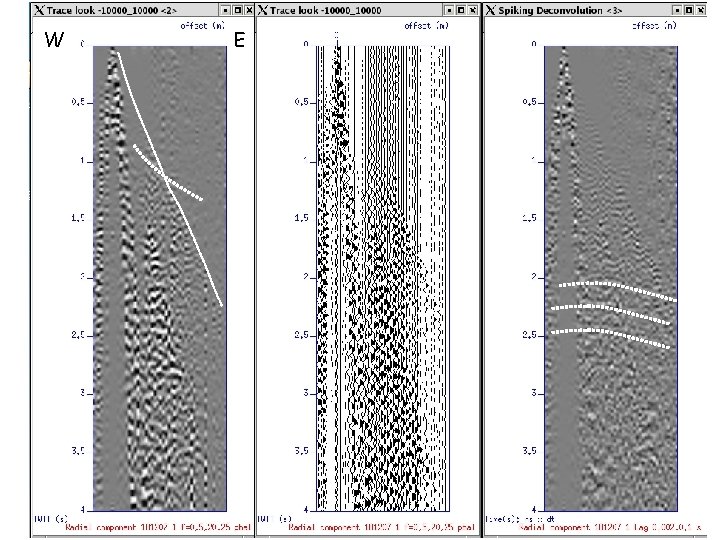
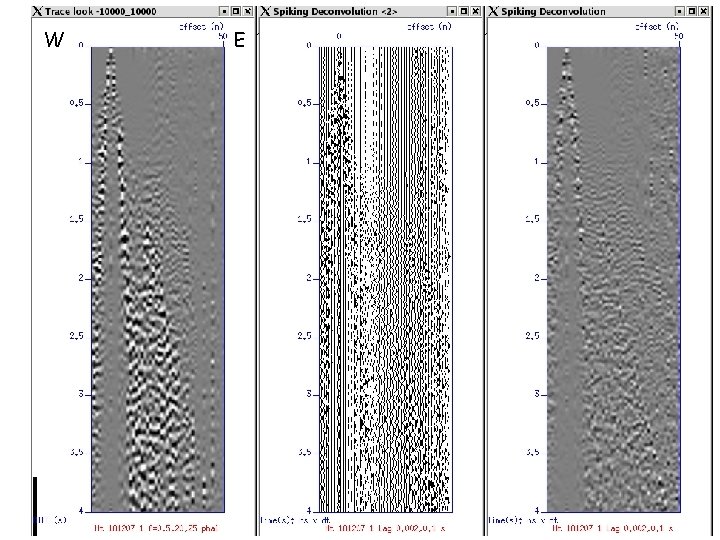
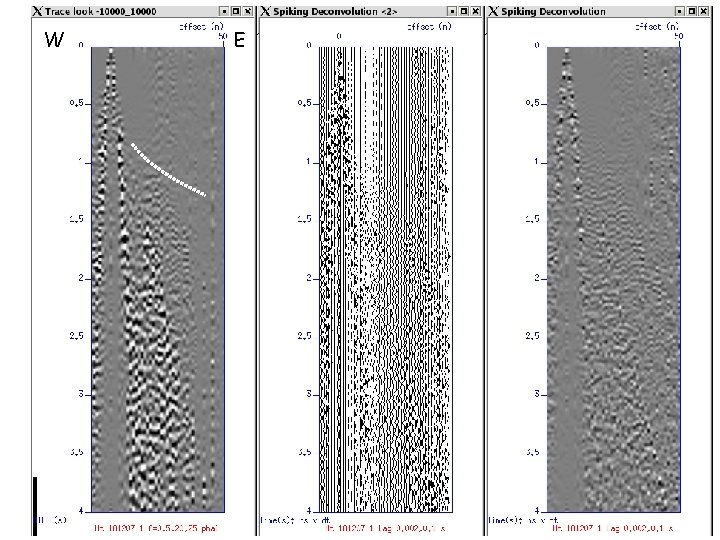
Significant arrivals in SP 2 Calama, Chile (181207_1) • Refractions (mainly) and reflections
W E
W E
W E
W E
W E
W E
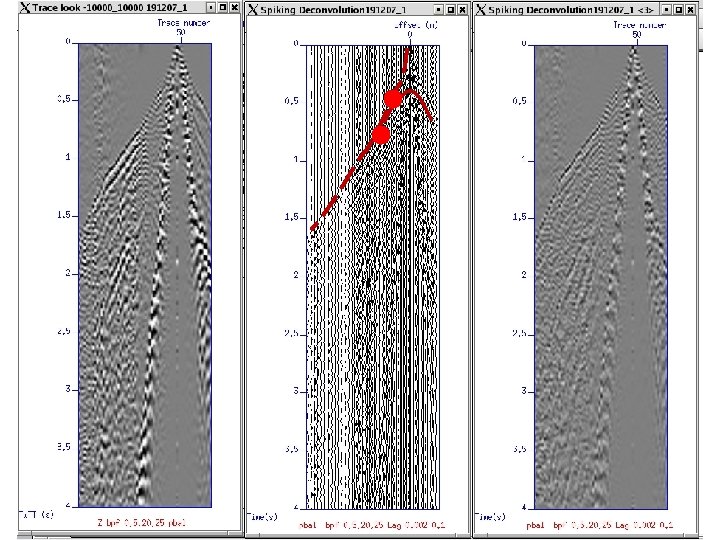
Significant arrivals in SP 5 (191207_1) • Refractions (mainly)
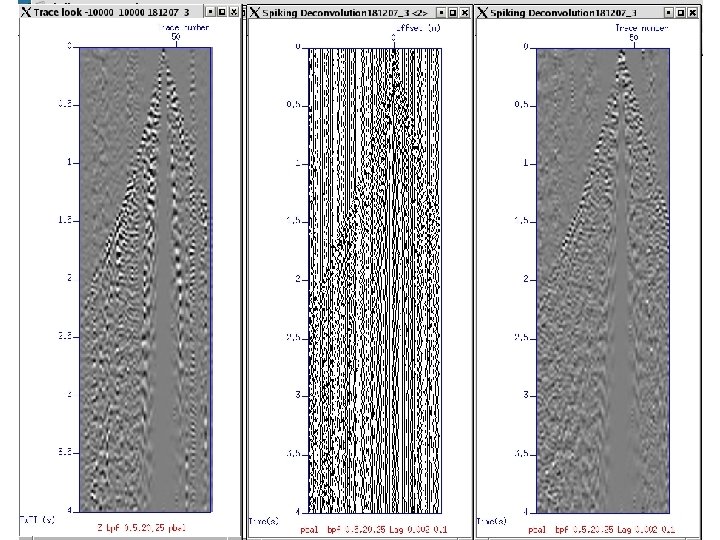
Significant arrivals in SP 6 (181207_3) • Refractions (mainly)
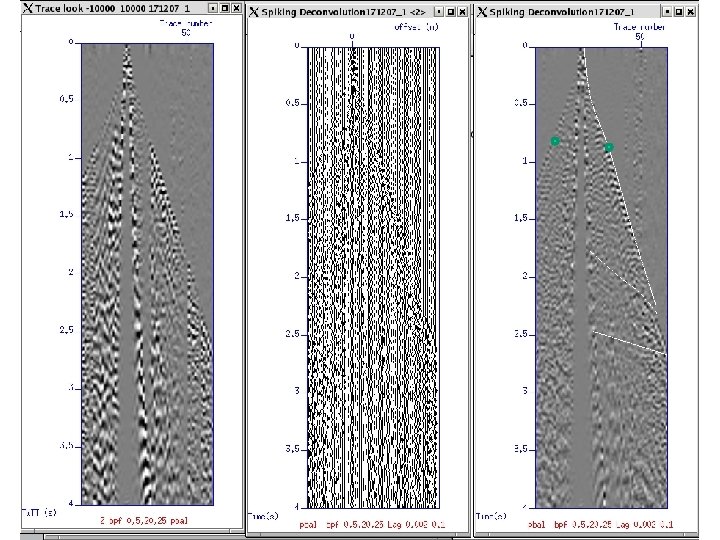
Significant arrivals in SP 4 A (171207_1) • Refractions (mainly)
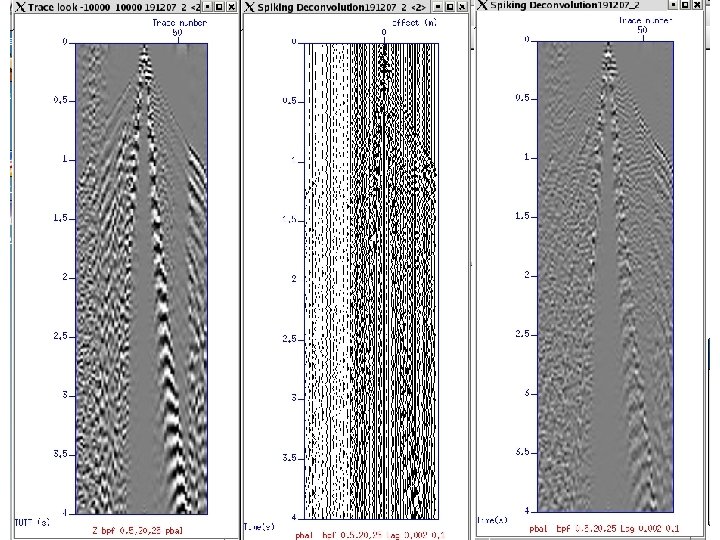
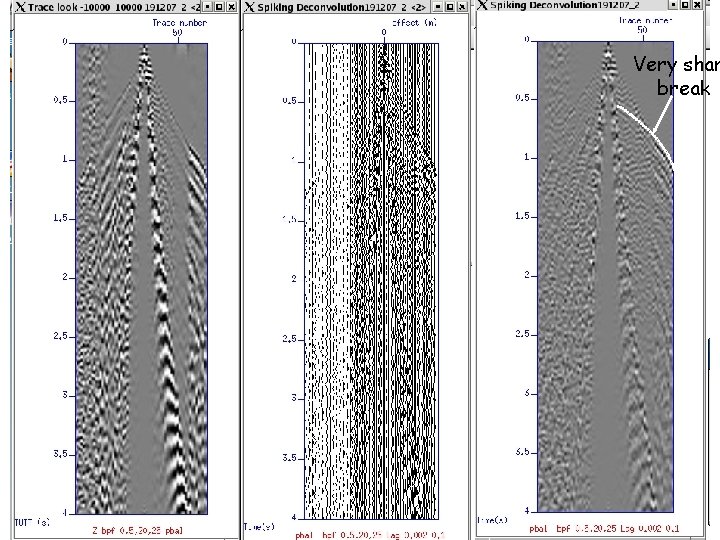
Significant arrivals in SP 4 B (191207_2) • Refractions (mainly)
Very shar break