Advances in PSC Research and Future Directions David



- Slides: 28
Advances in PSC Research and Future Directions David N. Assis, MD Assistant Professor of Medicine Yale University
I have no disclosures relevant to this presentation.
Outline • Major Challenges in PSC • Research Advances to meet those Challenges • Future Directions
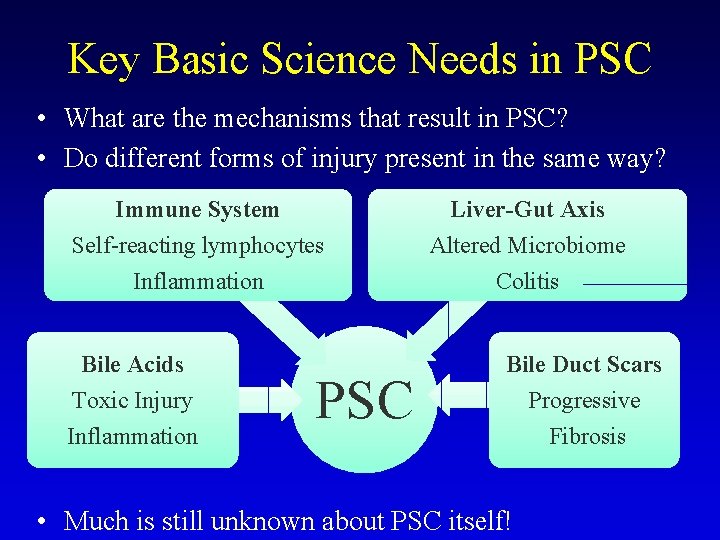
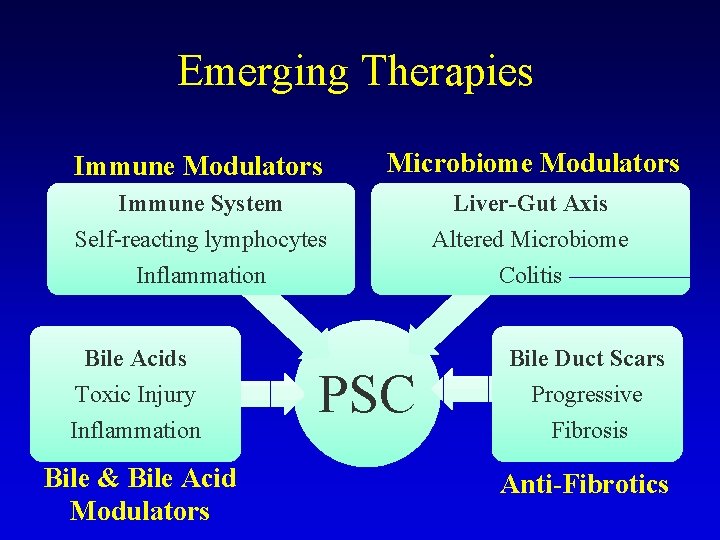
Key Basic Science Needs in PSC • What are the mechanisms that result in PSC? • Do different forms of injury present in the same way? Immune System Liver-Gut Axis Self-reacting lymphocytes Inflammation Altered Microbiome Colitis Bile Acids Toxic Injury Inflammation PSC Bile Duct Scars • Much is still unknown about PSC itself! Progressive Fibrosis
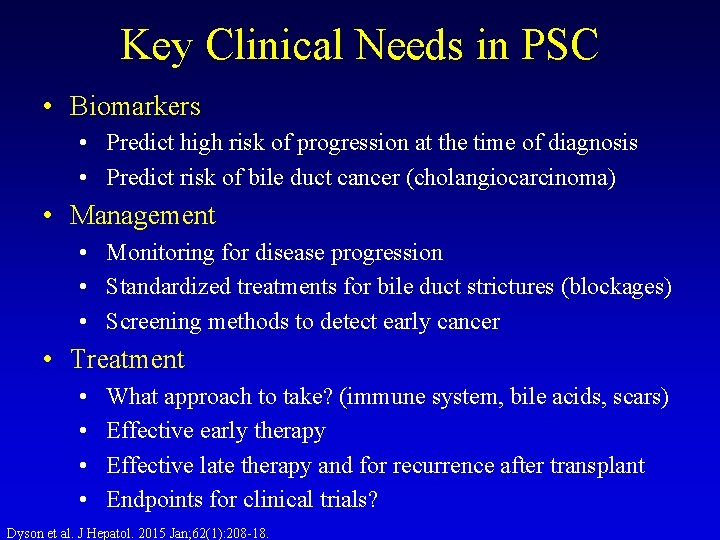
Key Clinical Needs in PSC • Biomarkers • Predict high risk of progression at the time of diagnosis • Predict risk of bile duct cancer (cholangiocarcinoma) • Management • Monitoring for disease progression • Standardized treatments for bile duct strictures (blockages) • Screening methods to detect early cancer • Treatment • • What approach to take? (immune system, bile acids, scars) Effective early therapy Effective late therapy and for recurrence after transplant Endpoints for clinical trials? Dyson et al. J Hepatol. 2015 Jan; 62(1): 208 -18.
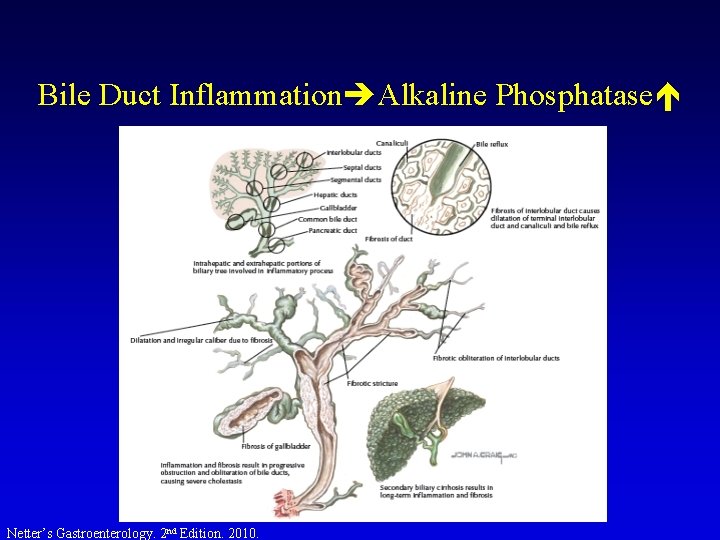
Bile Duct Inflammation Alkaline Phosphatase Netter’s Gastroenterology. 2 nd Edition. 2010.
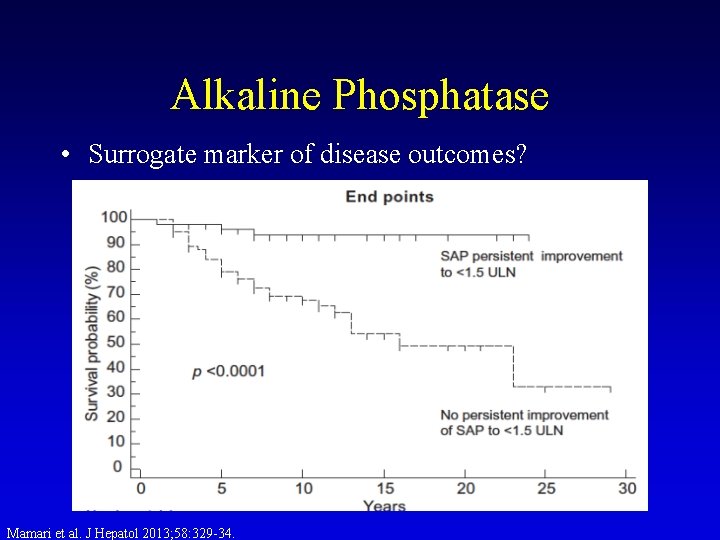
Alkaline Phosphatase • Surrogate marker of disease outcomes? Mamari et al. J Hepatol 2013; 58: 329 -34.
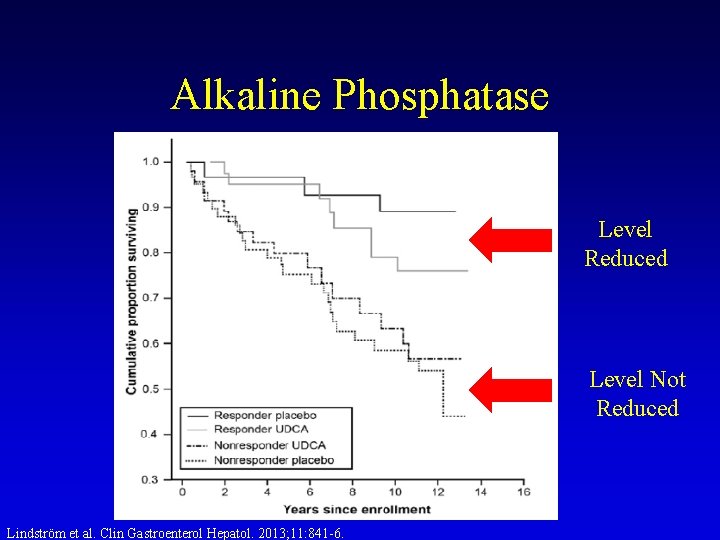
Alkaline Phosphatase Level Reduced Level Not Reduced Lindström et al. Clin Gastroenterol Hepatol. 2013; 11: 841 -6.
Predictors of Progression UK-PSC National Cohort (N=1700) – Data analyzed from 500 patients • Factors associated with increased need for liver transplant: – Elevated Alkaline Phosphatase > 2 x normal at baseline (diagnosis) > 1. 5 x normal 1 year after diagnosis > 2 x normal 2 years after diagnosis • Protective Factors: – Small-duct PSC (no cholangiographic changes) – PSC limited to the liver (no extra-hepatic bile duct changes) Goode et al. EASL 2015 [Abstract #80].
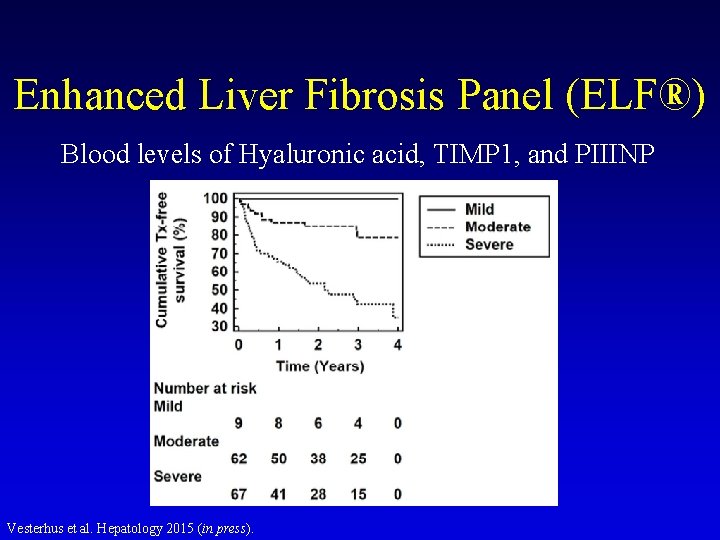
Enhanced Liver Fibrosis Panel (ELF®) Blood levels of Hyaluronic acid, TIMP 1, and PIIINP Vesterhus et al. Hepatology 2015 (in press).
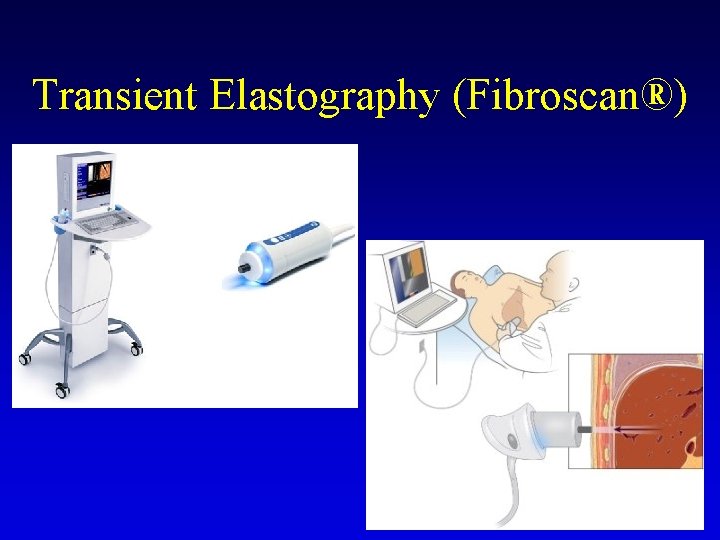
Transient Elastography (Fibroscan®)
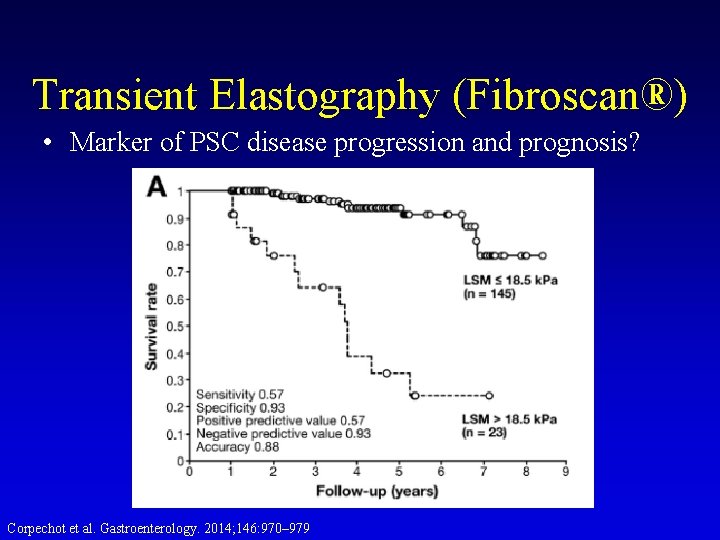
Transient Elastography (Fibroscan®) • Marker of PSC disease progression and prognosis? Corpechot et al. Gastroenterology. 2014; 146: 970– 979
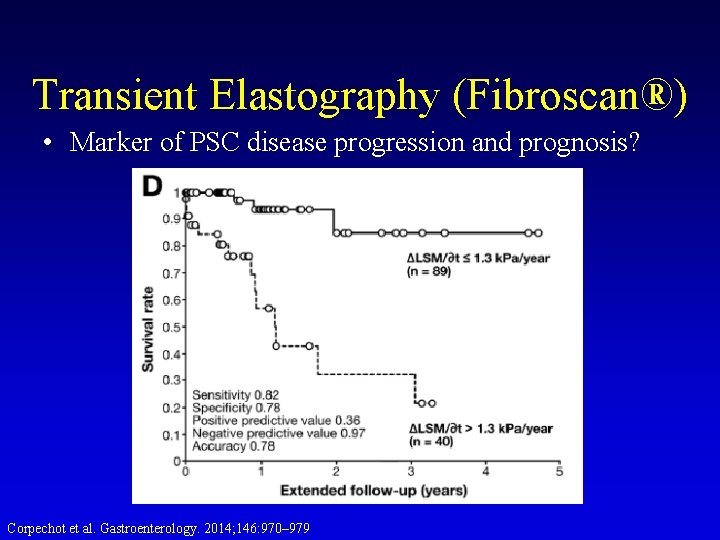
Transient Elastography (Fibroscan®) • Marker of PSC disease progression and prognosis? Corpechot et al. Gastroenterology. 2014; 146: 970– 979
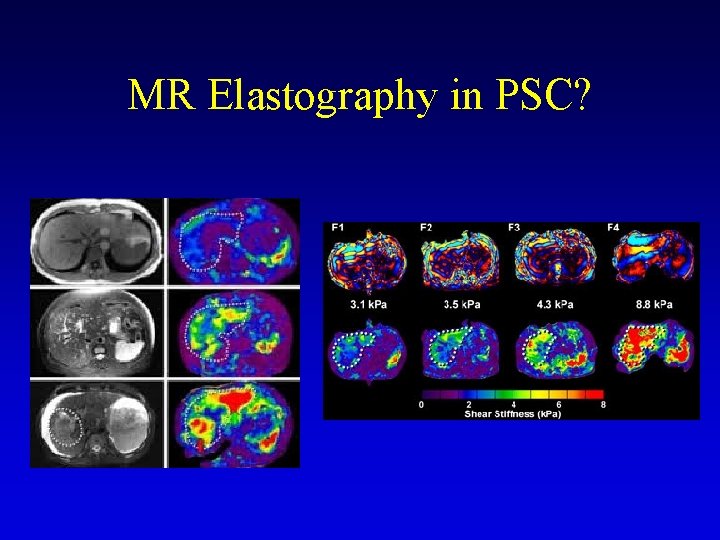
MR Elastography in PSC?
Emerging Therapies Immune Modulators Microbiome Modulators Immune System Liver-Gut Axis Self-reacting lymphocytes Inflammation Altered Microbiome Colitis Bile Acids Toxic Injury Inflammation Bile & Bile Acid Modulators PSC Bile Duct Scars Progressive Fibrosis Anti-Fibrotics
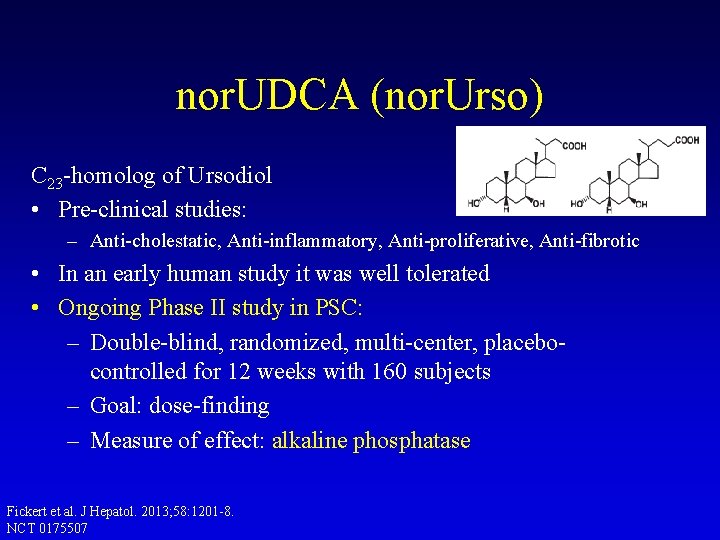
nor. UDCA (nor. Urso) C 23 -homolog of Ursodiol • Pre-clinical studies: – Anti-cholestatic, Anti-inflammatory, Anti-proliferative, Anti-fibrotic • In an early human study it was well tolerated • Ongoing Phase II study in PSC: – Double-blind, randomized, multi-center, placebocontrolled for 12 weeks with 160 subjects – Goal: dose-finding – Measure of effect: alkaline phosphatase Fickert et al. J Hepatol. 2013; 58: 1201 -8. NCT 0175507
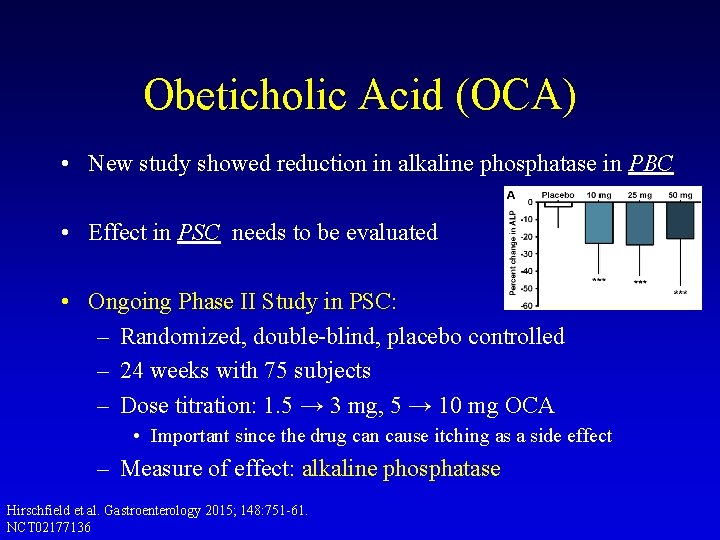
Obeticholic Acid (OCA) • New study showed reduction in alkaline phosphatase in PBC • Effect in PSC needs to be evaluated • Ongoing Phase II Study in PSC: – Randomized, double-blind, placebo controlled – 24 weeks with 75 subjects – Dose titration: 1. 5 → 3 mg, 5 → 10 mg OCA • Important since the drug can cause itching as a side effect – Measure of effect: alkaline phosphatase Hirschfield et al. Gastroenterology 2015; 148: 751 -61. NCT 02177136
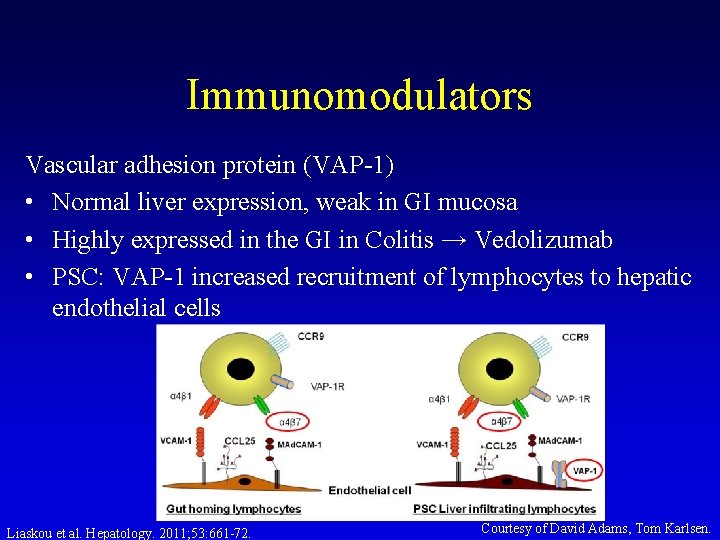
Immunomodulators Vascular adhesion protein (VAP-1) • Normal liver expression, weak in GI mucosa • Highly expressed in the GI in Colitis → Vedolizumab • PSC: VAP-1 increased recruitment of lymphocytes to hepatic endothelial cells Liaskou et al. Hepatology. 2011; 53: 661 -72. Courtesy of David Adams, Tom Karlsen.
Immunomodulators • Vedolizumab – Alpha 4/beta 7 monoclonal antibody that blocks the influx of unwanted lymphocytes to the intestine and binding to adhesion molecules (MADCAM-1) – FDA-approved anti-VAP-1 therapy for Inflammatory Bowel Disease (2014) New Phase 3 study in PSC: – Patients with PSC + Ulcerative Colitis – 2 year study – Measure of effect: alkaline phosphatase, histology
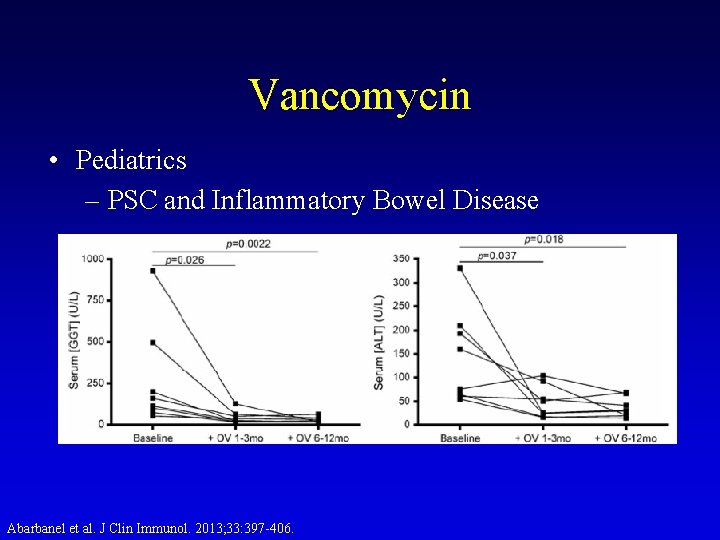
Vancomycin • Pediatrics – PSC and Inflammatory Bowel Disease Abarbanel et al. J Clin Immunol. 2013; 33: 397 -406.
Vancomycin Ongoing Phase 3 study in PSC: – Children and adults – Three months of therapy – 40 subjects – Measure of effect: GGT, ALT, liver biopsy • Salivary and fecal microbiome changes NCT 01802073
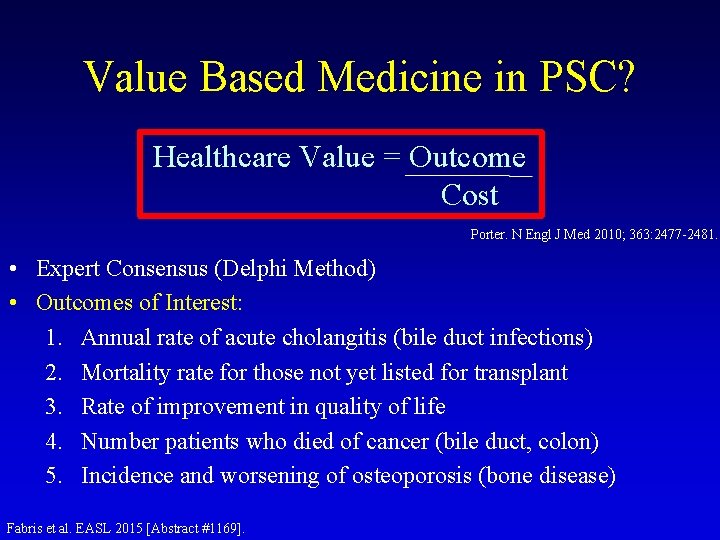
Value Based Medicine in PSC? Healthcare Value = Outcome Cost Porter. N Engl J Med 2010; 363: 2477 -2481. • Expert Consensus (Delphi Method) • Outcomes of Interest: 1. Annual rate of acute cholangitis (bile duct infections) 2. Mortality rate for those not yet listed for transplant 3. Rate of improvement in quality of life 4. Number patients who died of cancer (bile duct, colon) 5. Incidence and worsening of osteoporosis (bone disease) Fabris et al. EASL 2015 [Abstract #1169].
Major New Initiatives in PSC • PSC Partners Patient Registry – Great opportunity for data collection and sharing • International PSC Study Group (IPSCSG) – Cutting edge research collaboration on clinical and basic science • North American Autoimmune Liver Disease Consortium – Prospective data collection on variables of disease – Pending Study on African Americans and Hispanics with PSC • FDA Meeting on Defining Clinical Trial Endpoints – August 27 and 28, 2015
Conclusions (1) • There are critical unmet needs: – Understanding the mechanisms of PSC – Improving clinical care of PSC • We are moving toward optimizing how we measure the status of PSC and predict its future course for patients – Blood tests of inflammation – Blood tests of fibrosis (scars) – Imaging tests
Conclusions (2) • Several potential new therapies are attempting to treat PSC from different aspects based on different mechanisms • Combination therapy may be needed to yield better outcomes • We must remember to define Value in PSC care • Collaborative efforts will help us to get the answers to urgent questions.
Every Wall is a Door. Ralph Waldo Emerson