What is a Lipid Lipids a heterogeneous class

- Slides: 36
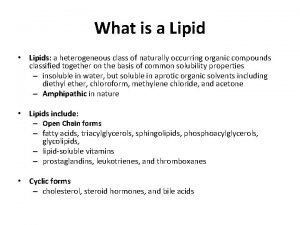
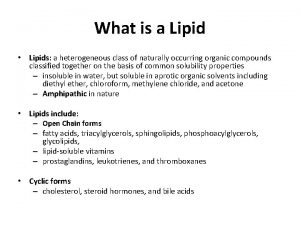
What is a Lipid • Lipids: a heterogeneous class of naturally occurring organic compounds classified together on the basis of common solubility properties – insoluble in water, but soluble in aprotic organic solvents including diethyl ether, chloroform, methylene chloride, and acetone – Amphipathic in nature • Lipids include: – Open Chain forms – fatty acids, triacylglycerols, sphingolipids, phosphoacylglycerols, glycolipids, – lipid-soluble vitamins – prostaglandins, leukotrienes, and thromboxanes • Cyclic forms – cholesterol, steroid hormones, and bile acids
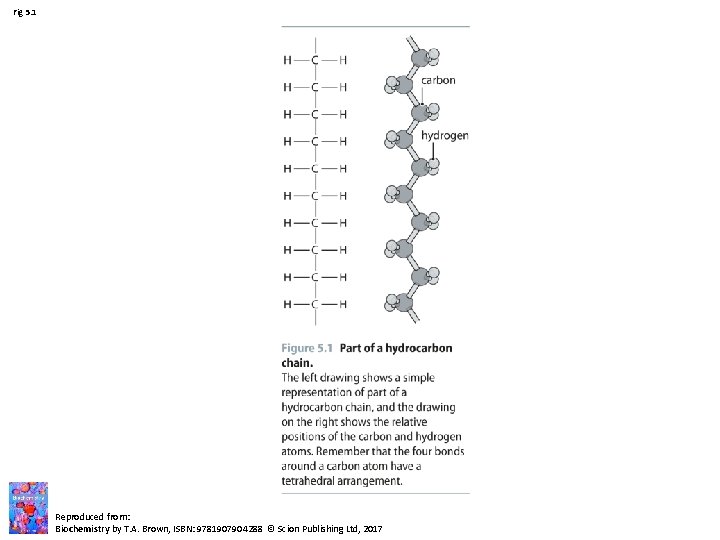
Fig 5. 1 Reproduced from: Biochemistry by T. A. Brown, ISBN: 9781907904288 © Scion Publishing Ltd, 2017
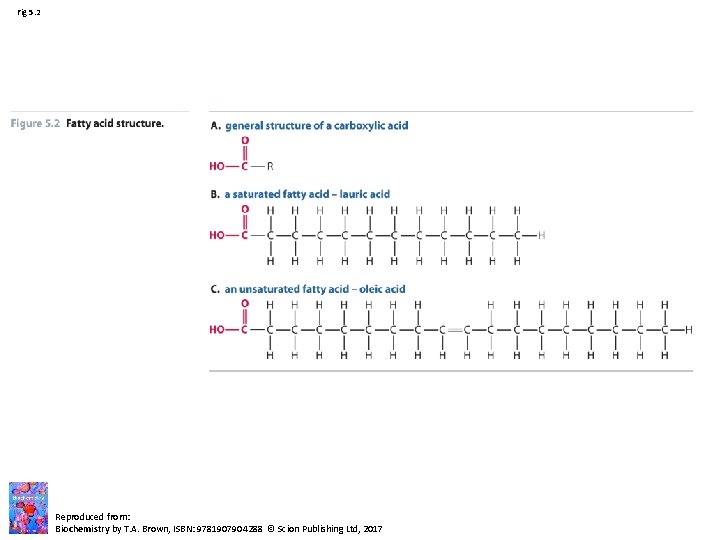
Fig 5. 2 Reproduced from: Biochemistry by T. A. Brown, ISBN: 9781907904288 © Scion Publishing Ltd, 2017
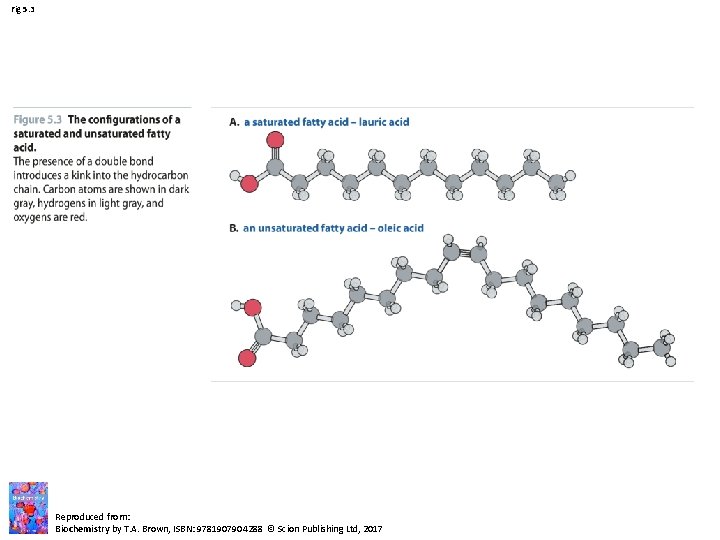
Fig 5. 3 Reproduced from: Biochemistry by T. A. Brown, ISBN: 9781907904288 © Scion Publishing Ltd, 2017
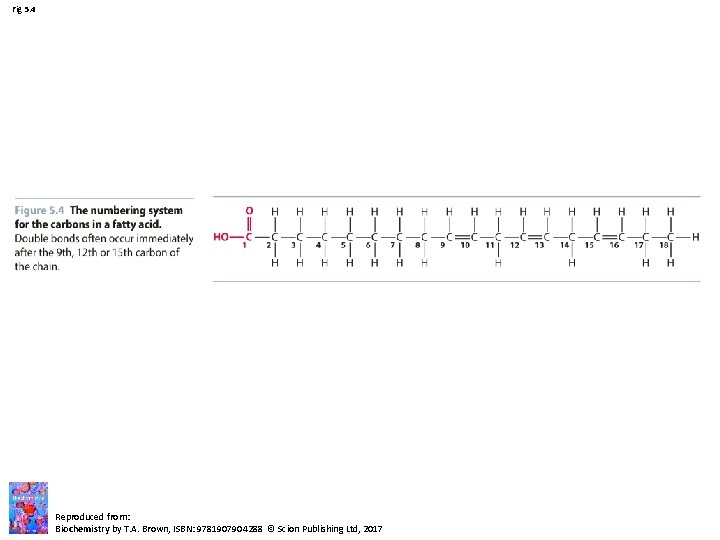
Fig 5. 4 Reproduced from: Biochemistry by T. A. Brown, ISBN: 9781907904288 © Scion Publishing Ltd, 2017
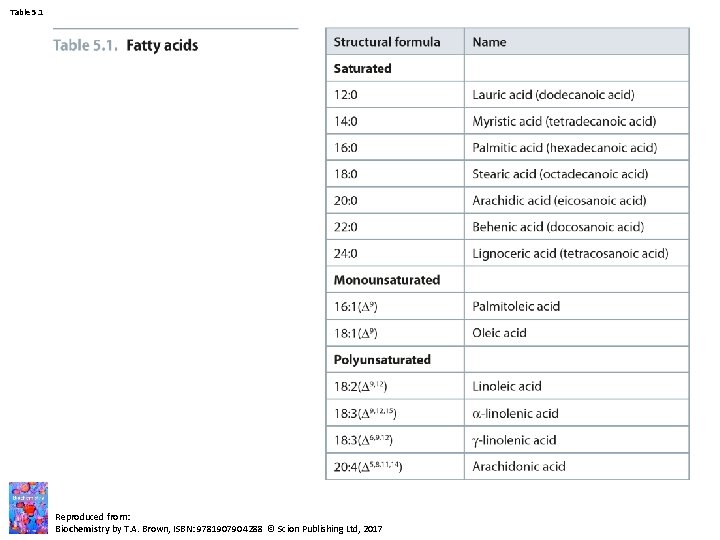
Table 5. 1 Reproduced from: Biochemistry by T. A. Brown, ISBN: 9781907904288 © Scion Publishing Ltd, 2017
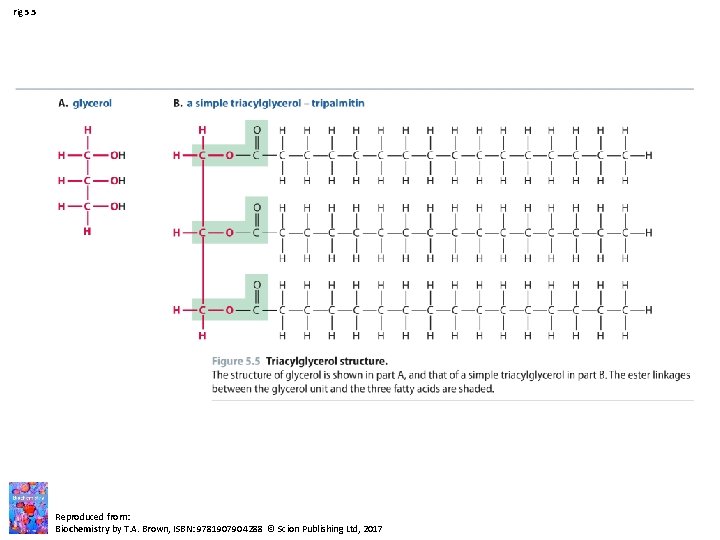
Fig 5. 5 Reproduced from: Biochemistry by T. A. Brown, ISBN: 9781907904288 © Scion Publishing Ltd, 2017
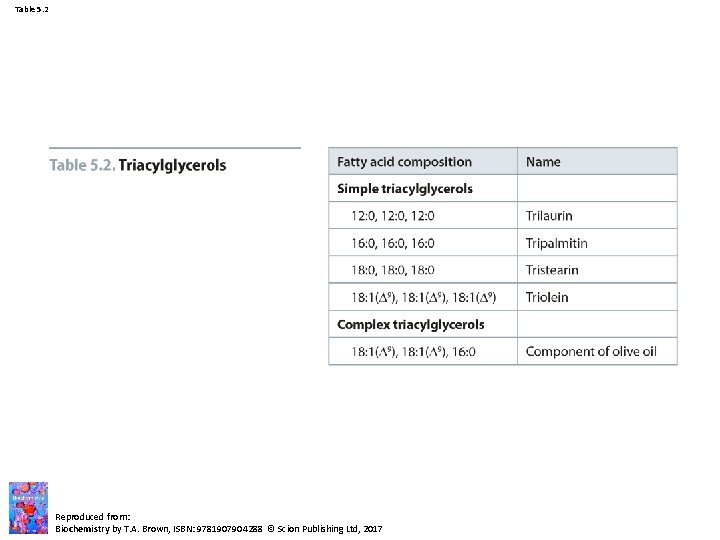
Table 5. 2 Reproduced from: Biochemistry by T. A. Brown, ISBN: 9781907904288 © Scion Publishing Ltd, 2017
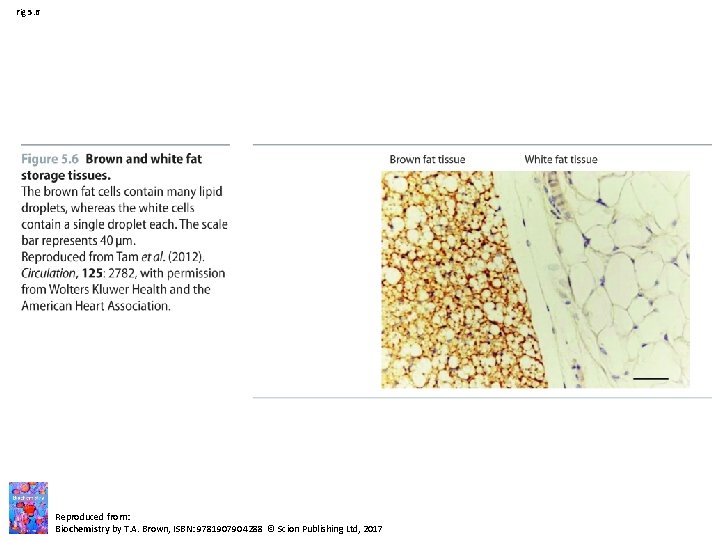
Fig 5. 6 Reproduced from: Biochemistry by T. A. Brown, ISBN: 9781907904288 © Scion Publishing Ltd, 2017
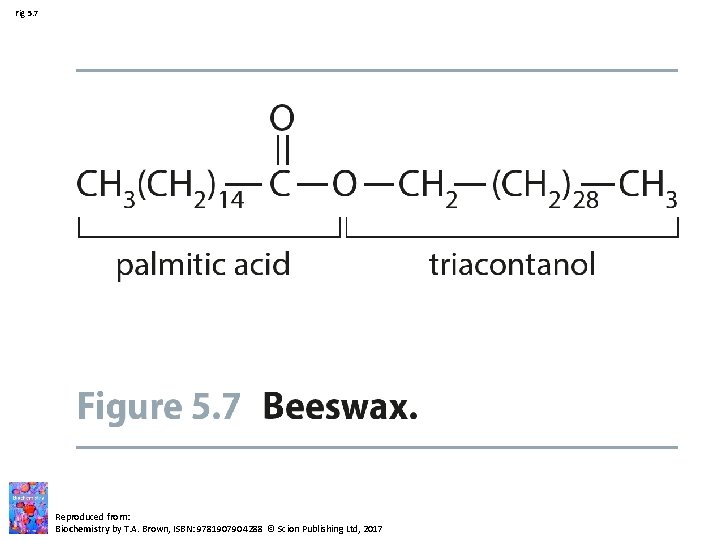
Fig 5. 7 Reproduced from: Biochemistry by T. A. Brown, ISBN: 9781907904288 © Scion Publishing Ltd, 2017
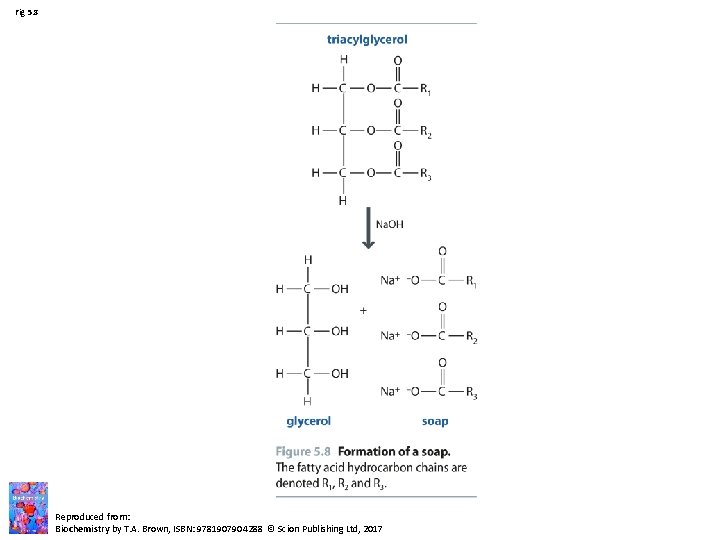
Fig 5. 8 Reproduced from: Biochemistry by T. A. Brown, ISBN: 9781907904288 © Scion Publishing Ltd, 2017
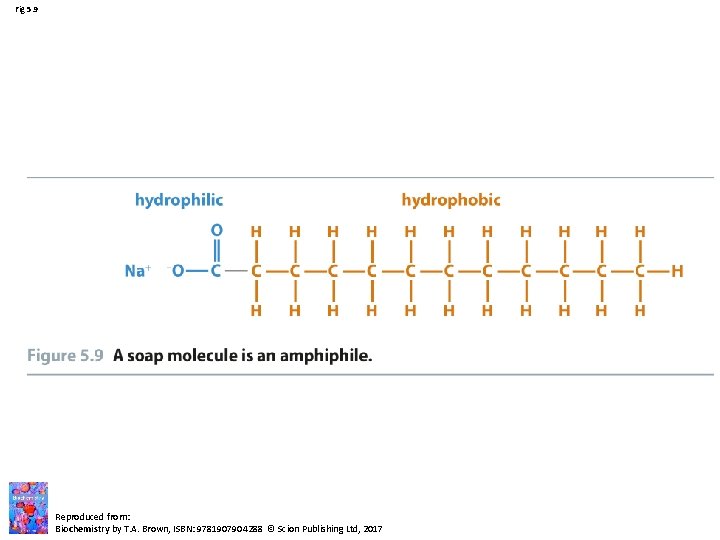
Fig 5. 9 Reproduced from: Biochemistry by T. A. Brown, ISBN: 9781907904288 © Scion Publishing Ltd, 2017
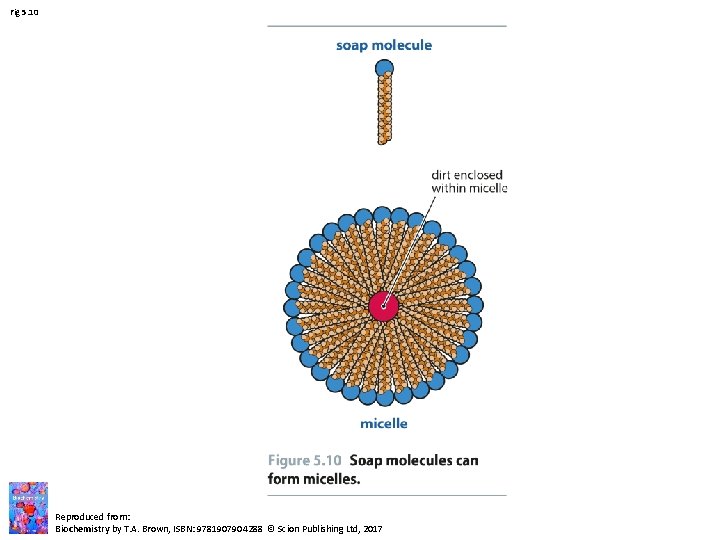
Fig 5. 10 Reproduced from: Biochemistry by T. A. Brown, ISBN: 9781907904288 © Scion Publishing Ltd, 2017
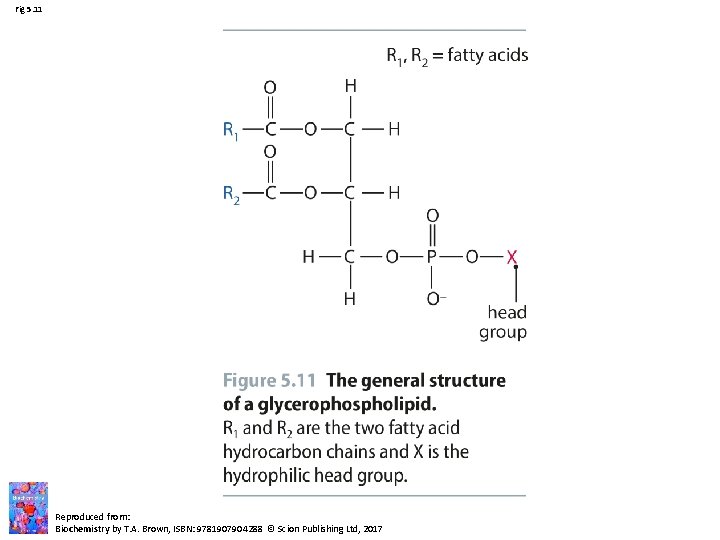
Fig 5. 11 Reproduced from: Biochemistry by T. A. Brown, ISBN: 9781907904288 © Scion Publishing Ltd, 2017
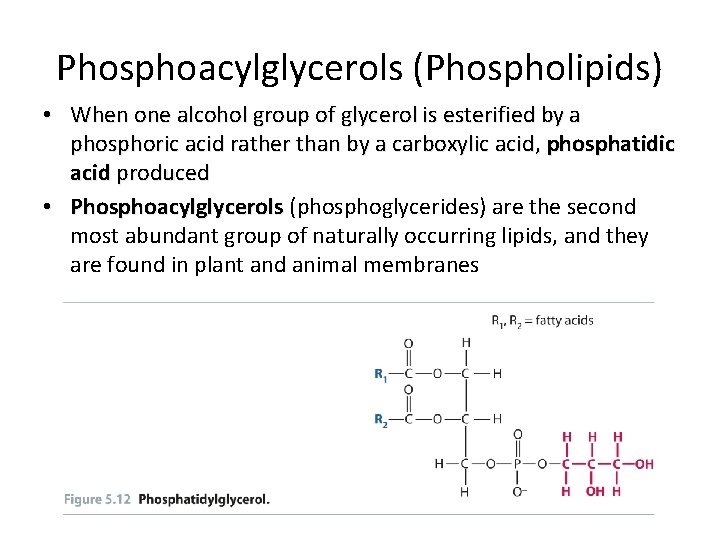
Phosphoacylglycerols (Phospholipids) • When one alcohol group of glycerol is esterified by a phosphoric acid rather than by a carboxylic acid, phosphatidic acid produced • Phosphoacylglycerols (phosphoglycerides) are the second most abundant group of naturally occurring lipids, and they are found in plant and animal membranes
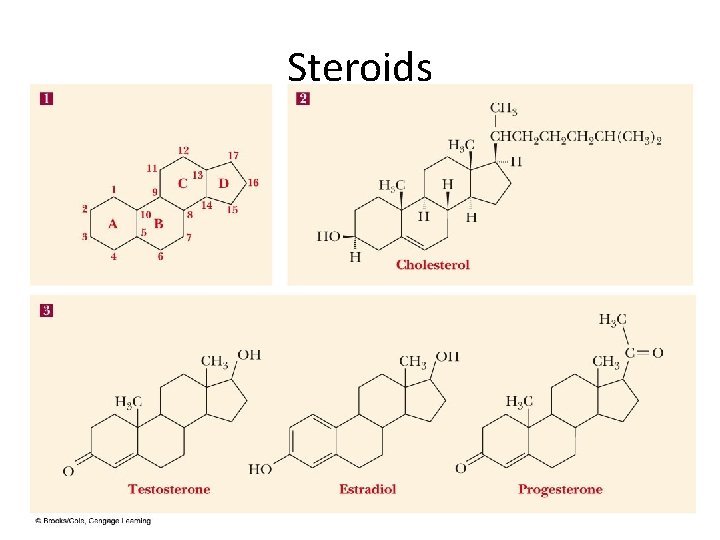
• Steroids: a group of lipids that have fused-ring structure of 3 sixmembered rings, and 1 fivemembered ring. Steroids
Steroids
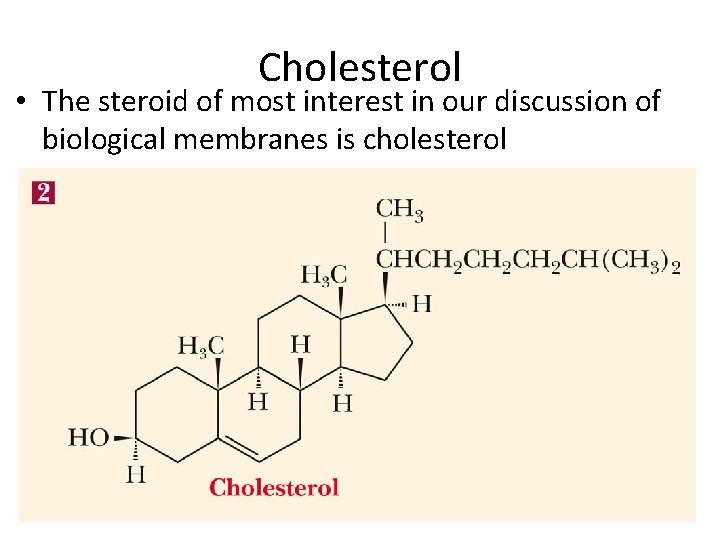
Cholesterol • The steroid of most interest in our discussion of biological membranes is cholesterol
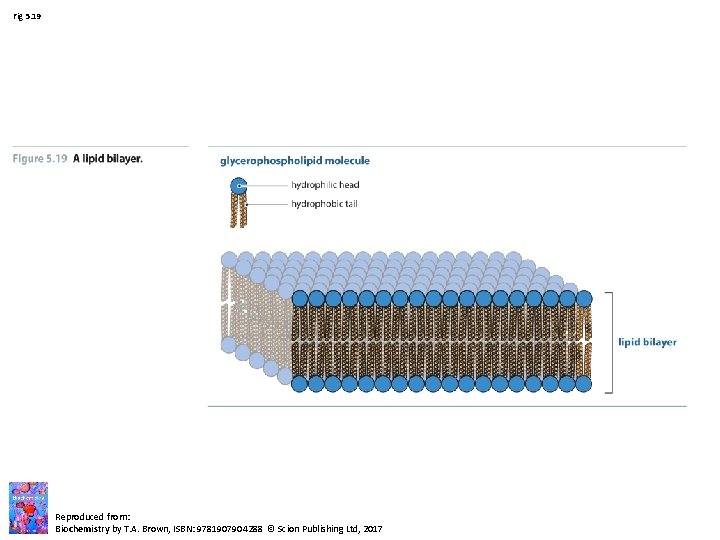
Fig 5. 19 Reproduced from: Biochemistry by T. A. Brown, ISBN: 9781907904288 © Scion Publishing Ltd, 2017
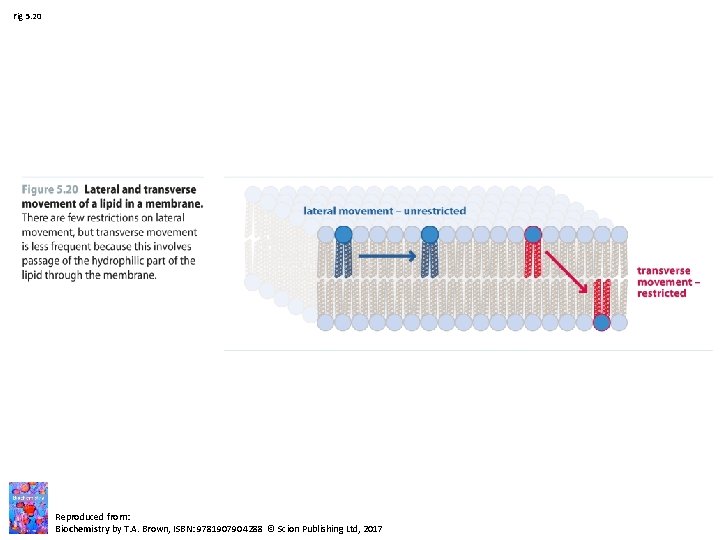
Fig 5. 20 Reproduced from: Biochemistry by T. A. Brown, ISBN: 9781907904288 © Scion Publishing Ltd, 2017
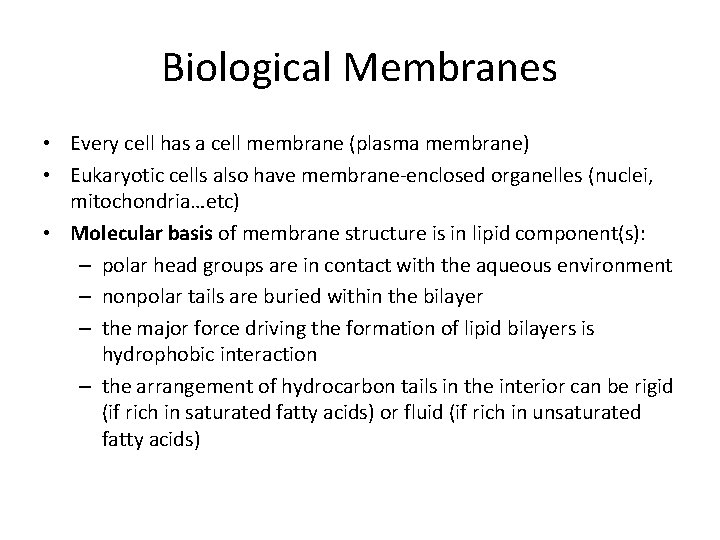
Biological Membranes • Every cell has a cell membrane (plasma membrane) • Eukaryotic cells also have membrane-enclosed organelles (nuclei, mitochondria…etc) • Molecular basis of membrane structure is in lipid component(s): – polar head groups are in contact with the aqueous environment – nonpolar tails are buried within the bilayer – the major force driving the formation of lipid bilayers is hydrophobic interaction – the arrangement of hydrocarbon tails in the interior can be rigid (if rich in saturated fatty acids) or fluid (if rich in unsaturated fatty acids)
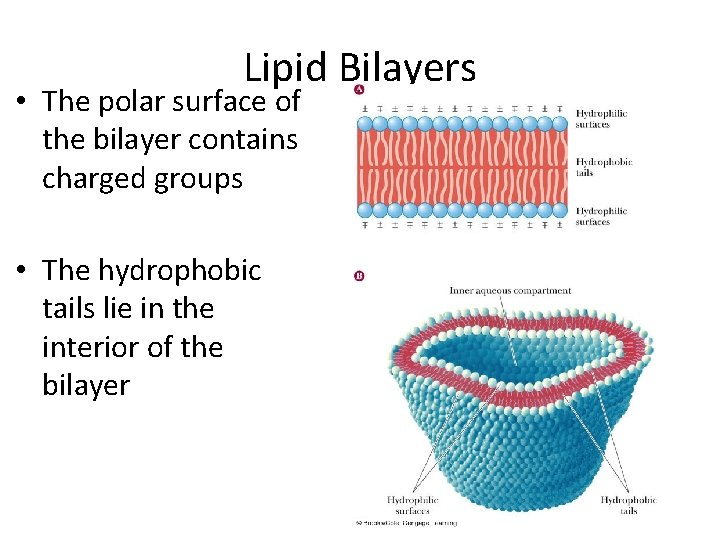
Lipid Bilayers • The polar surface of the bilayer contains charged groups • The hydrophobic tails lie in the interior of the bilayer
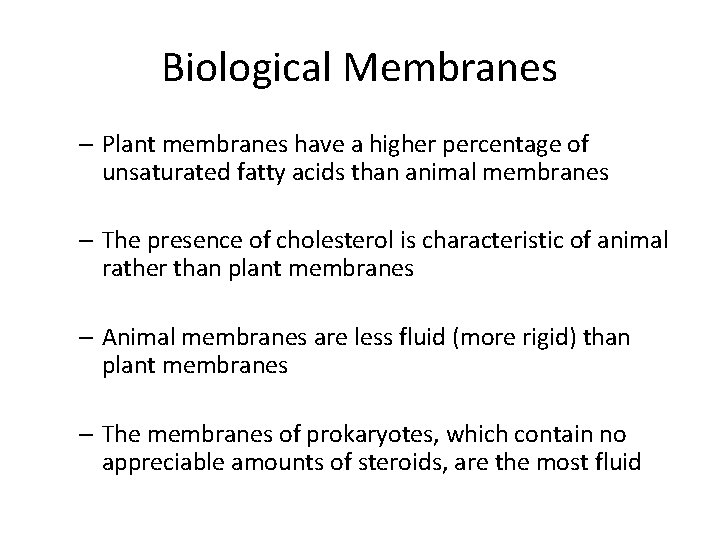
Biological Membranes – Plant membranes have a higher percentage of unsaturated fatty acids than animal membranes – The presence of cholesterol is characteristic of animal rather than plant membranes – Animal membranes are less fluid (more rigid) than plant membranes – The membranes of prokaryotes, which contain no appreciable amounts of steroids, are the most fluid
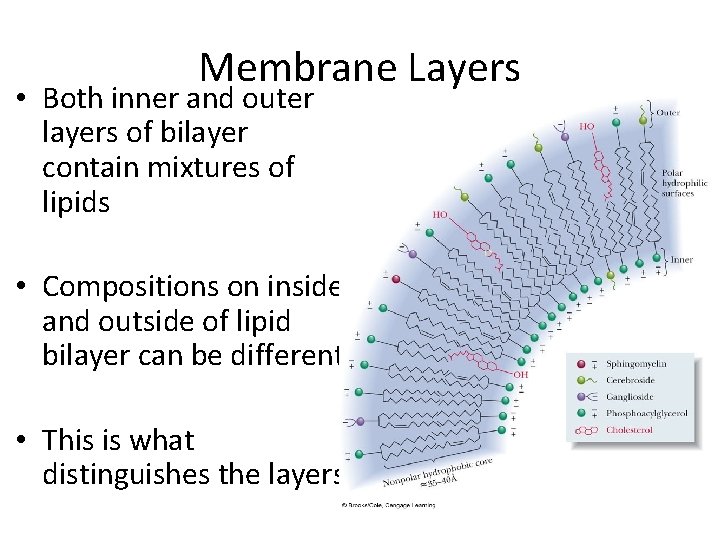
Membrane Layers • Both inner and outer layers of bilayer contain mixtures of lipids • Compositions on inside and outside of lipid bilayer can be different • This is what distinguishes the layers
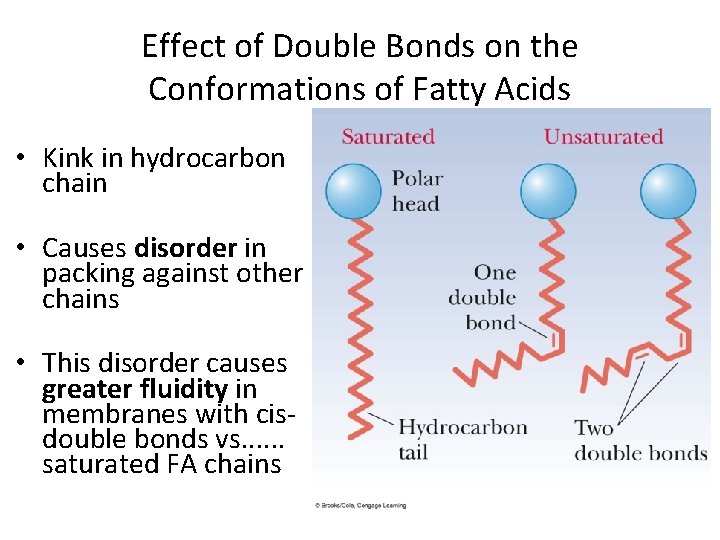
Effect of Double Bonds on the Conformations of Fatty Acids • Kink in hydrocarbon chain • Causes disorder in packing against other chains • This disorder causes greater fluidity in membranes with cisdouble bonds vs. . . saturated FA chains
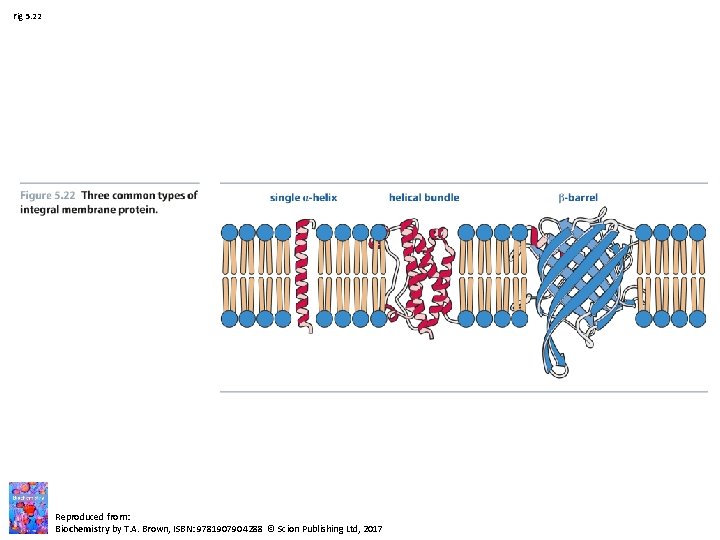
Fig 5. 22 Reproduced from: Biochemistry by T. A. Brown, ISBN: 9781907904288 © Scion Publishing Ltd, 2017
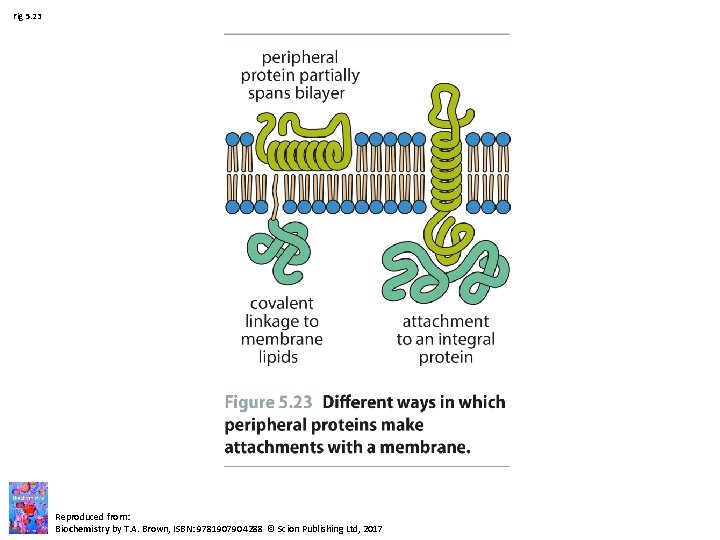
Fig 5. 23 Reproduced from: Biochemistry by T. A. Brown, ISBN: 9781907904288 © Scion Publishing Ltd, 2017
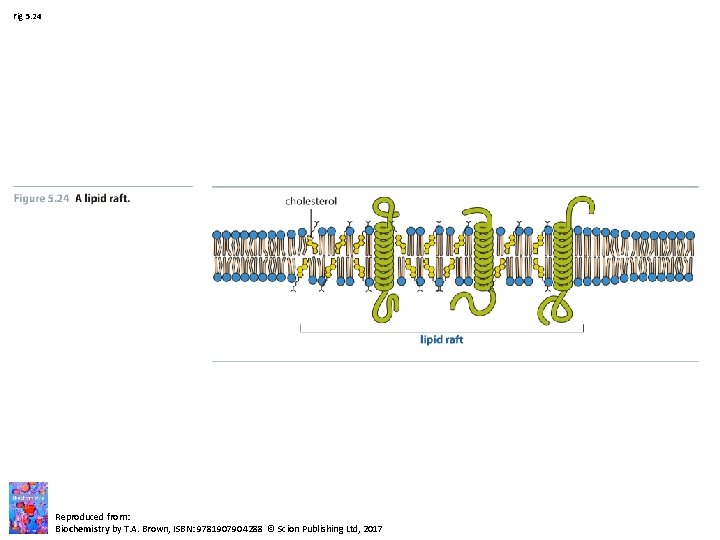
Fig 5. 24 Reproduced from: Biochemistry by T. A. Brown, ISBN: 9781907904288 © Scion Publishing Ltd, 2017
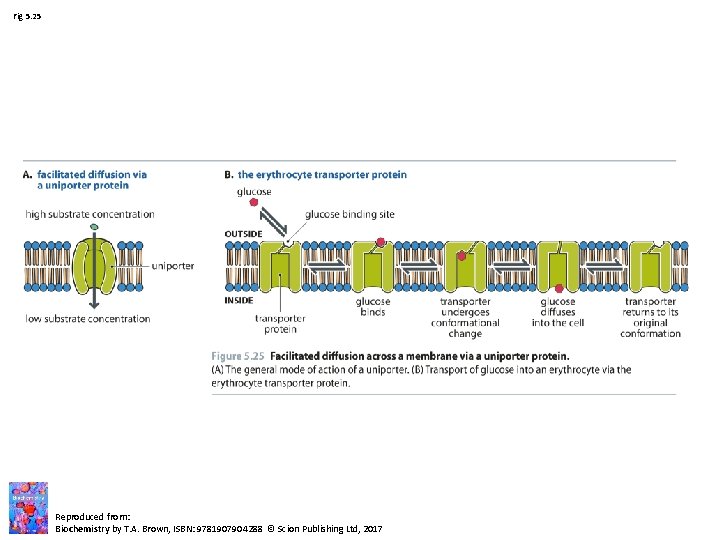
Fig 5. 25 Reproduced from: Biochemistry by T. A. Brown, ISBN: 9781907904288 © Scion Publishing Ltd, 2017
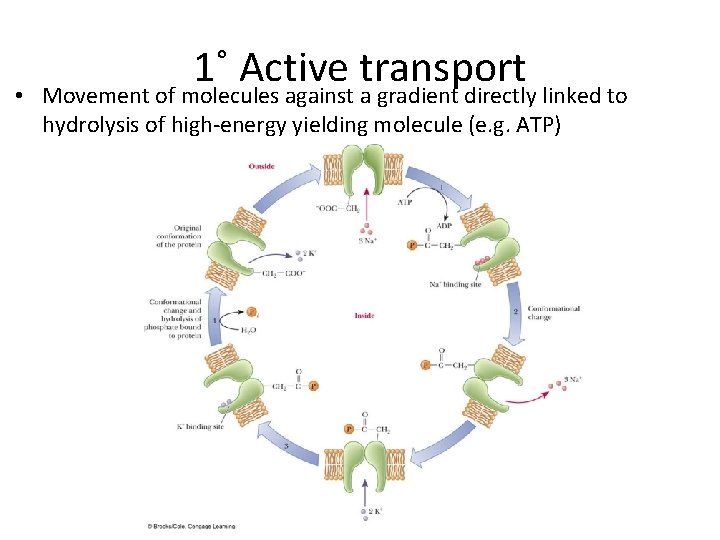
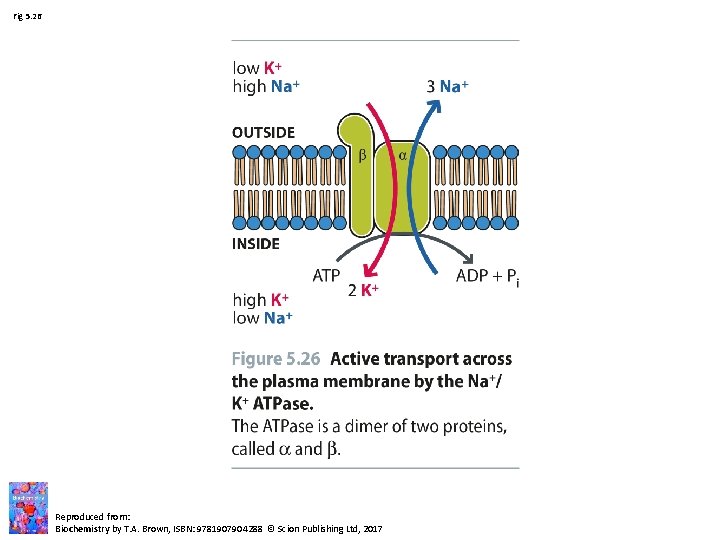
1˚ Active transport • Movement of molecules against a gradient directly linked to hydrolysis of high-energy yielding molecule (e. g. ATP)
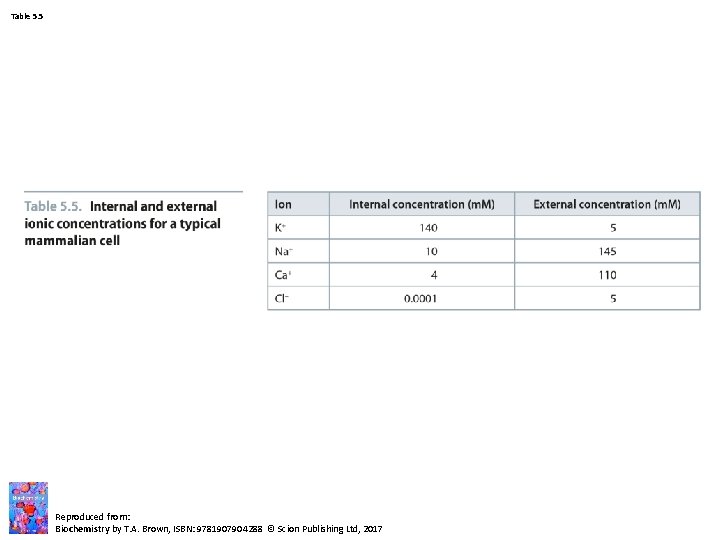
Table 5. 5 Reproduced from: Biochemistry by T. A. Brown, ISBN: 9781907904288 © Scion Publishing Ltd, 2017
Fig 5. 26 Reproduced from: Biochemistry by T. A. Brown, ISBN: 9781907904288 © Scion Publishing Ltd, 2017
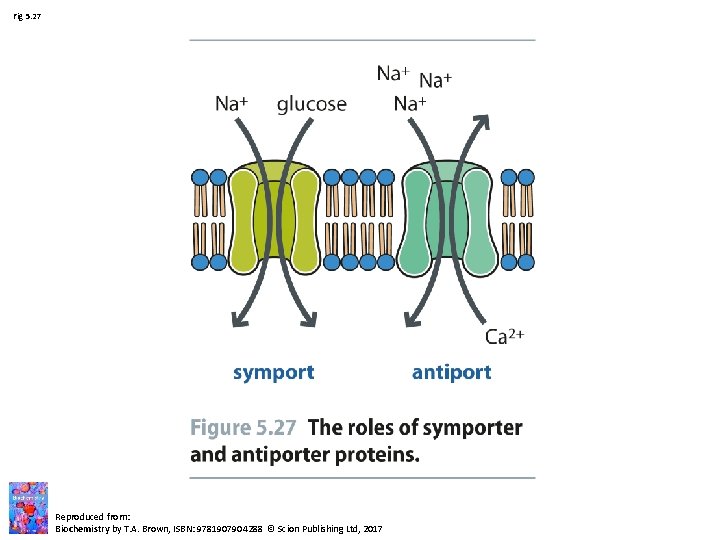
Fig 5. 27 Reproduced from: Biochemistry by T. A. Brown, ISBN: 9781907904288 © Scion Publishing Ltd, 2017
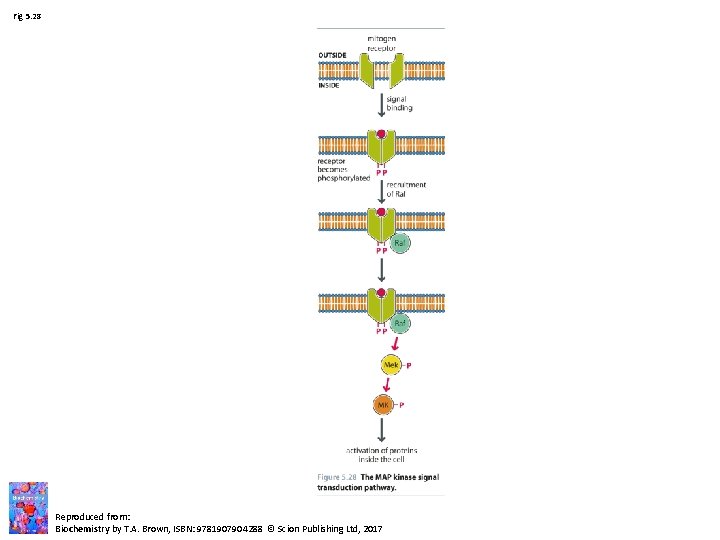
Fig 5. 28 Reproduced from: Biochemistry by T. A. Brown, ISBN: 9781907904288 © Scion Publishing Ltd, 2017
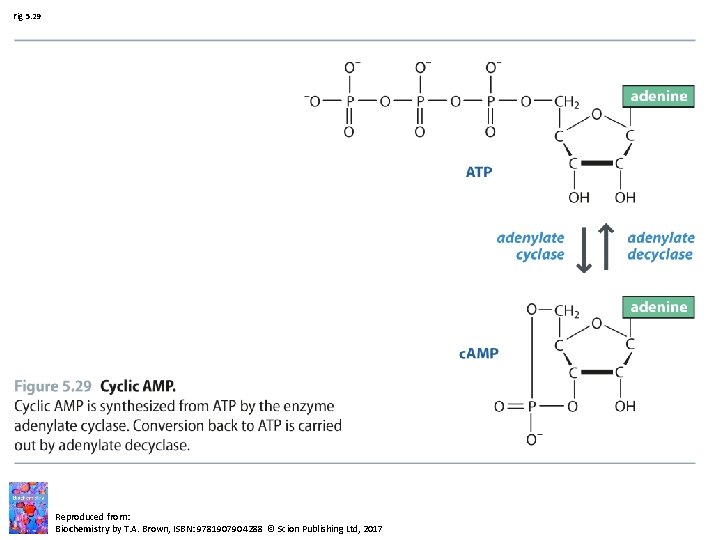
Fig 5. 29 Reproduced from: Biochemistry by T. A. Brown, ISBN: 9781907904288 © Scion Publishing Ltd, 2017
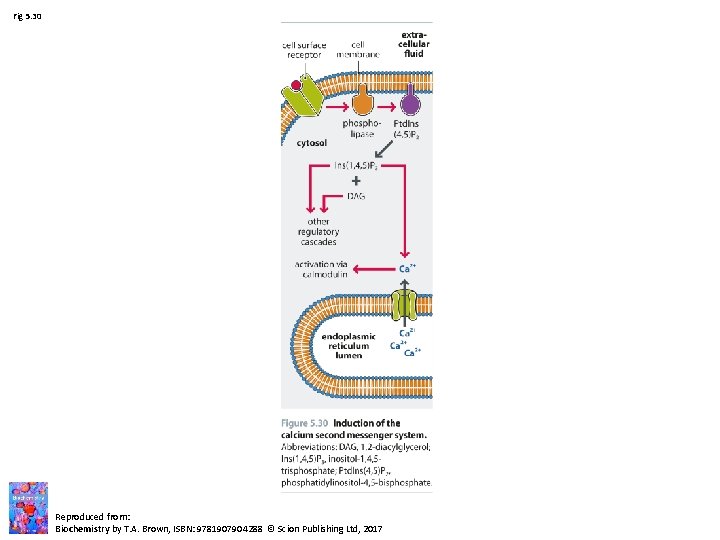
Fig 5. 30 Reproduced from: Biochemistry by T. A. Brown, ISBN: 9781907904288 © Scion Publishing Ltd, 2017