The New York School Dorothea Lange Migrant Mother
- Slides: 64
The New York School
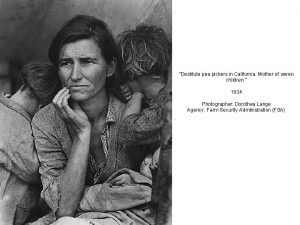
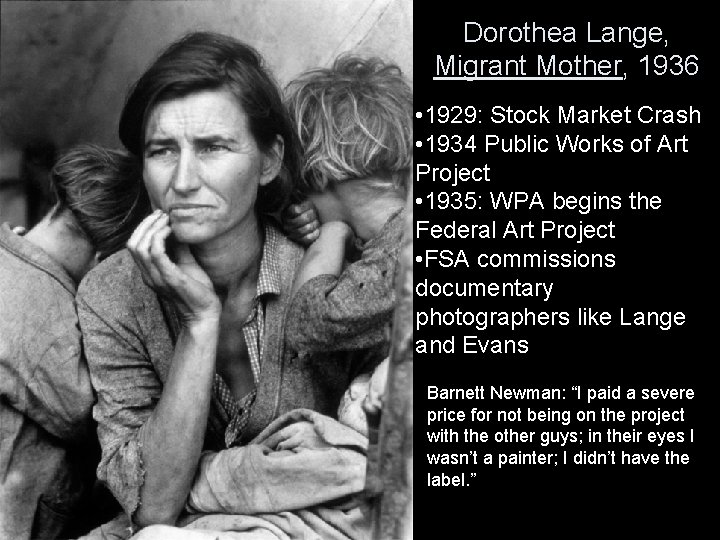
Dorothea Lange, Migrant Mother, 1936 • 1929: Stock Market Crash • 1934 Public Works of Art Project • 1935: WPA begins the Federal Art Project • FSA commissions documentary photographers like Lange and Evans Barnett Newman: “I paid a severe price for not being on the project with the other guys; in their eyes I wasn’t a painter; I didn’t have the label. ”
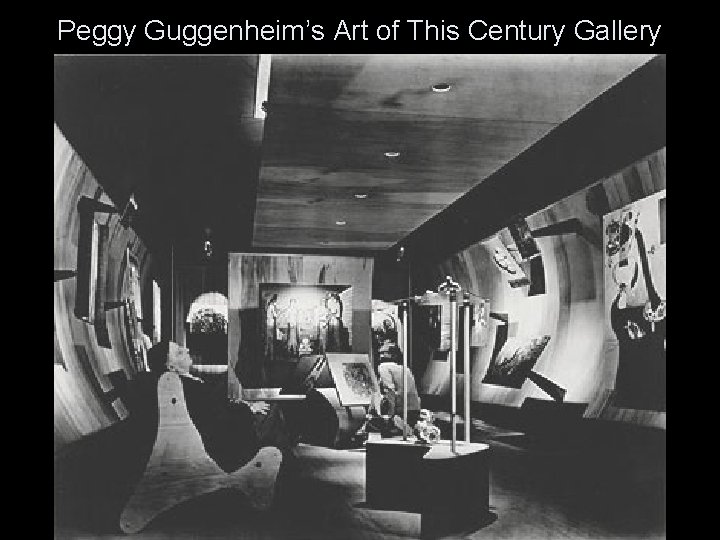
Peggy Guggenheim’s Art of This Century Gallery
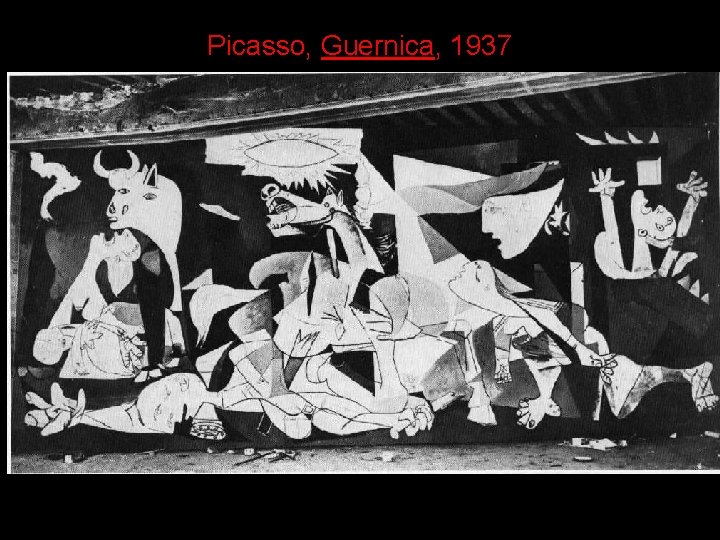
Picasso, Guernica, 1937
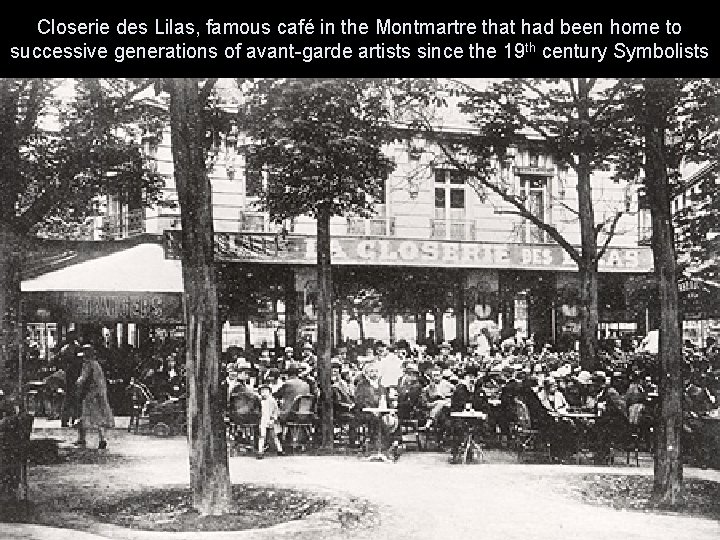
Closerie des Lilas, famous café in the Montmartre that had been home to successive generations of avant-garde artists since the 19 th century Symbolists
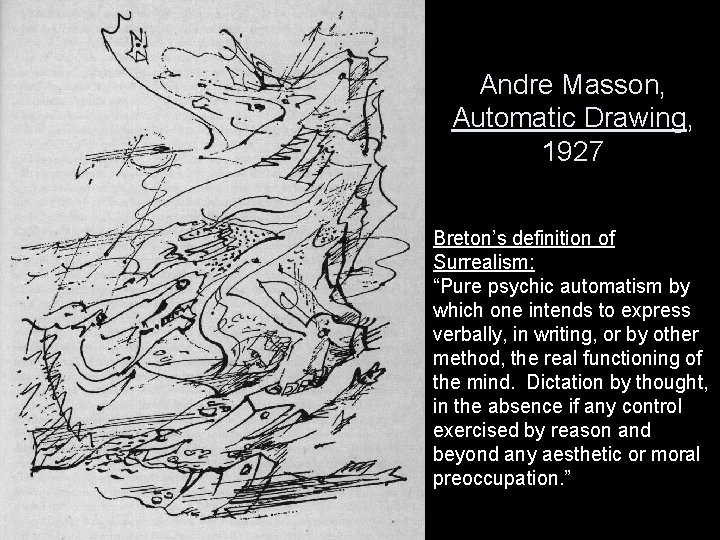
Andre Masson, Automatic Drawing, 1927 Breton’s definition of Surrealism: “Pure psychic automatism by which one intends to express verbally, in writing, or by other method, the real functioning of the mind. Dictation by thought, in the absence if any control exercised by reason and beyond any aesthetic or moral preoccupation. ”
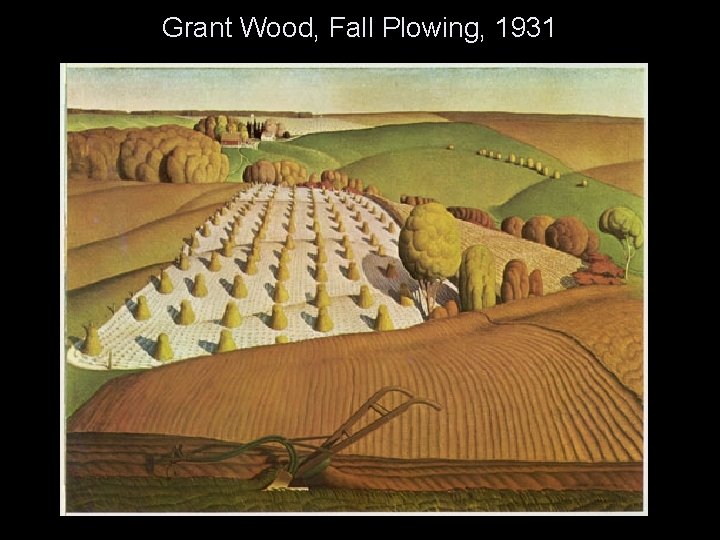
Grant Wood, Fall Plowing, 1931
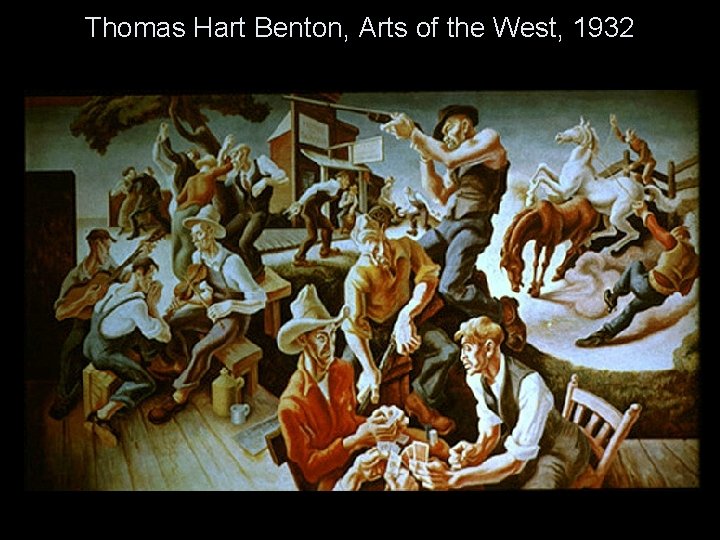
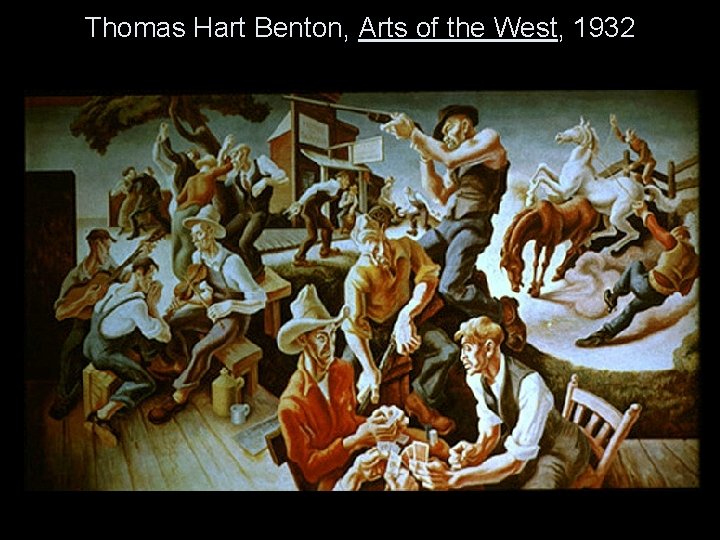
Thomas Hart Benton, Arts of the West, 1932
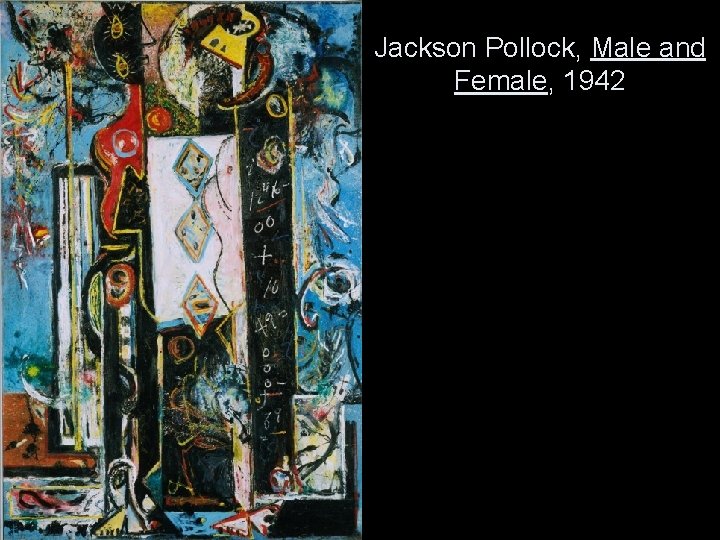
Jackson Pollock, Male and Female, 1942
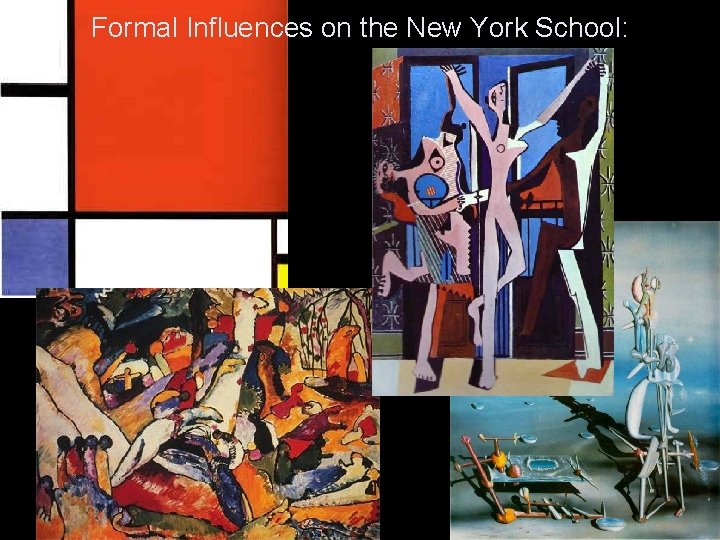
Formal Influences on the New York School:
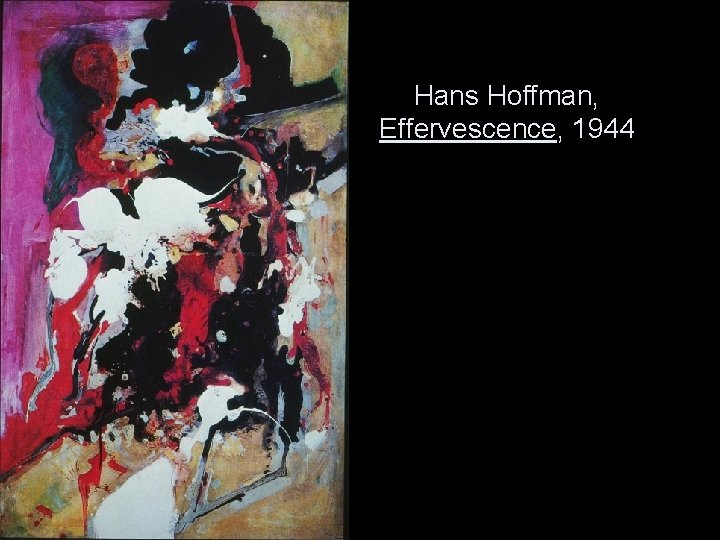
Hans Hoffman, Effervescence, 1944
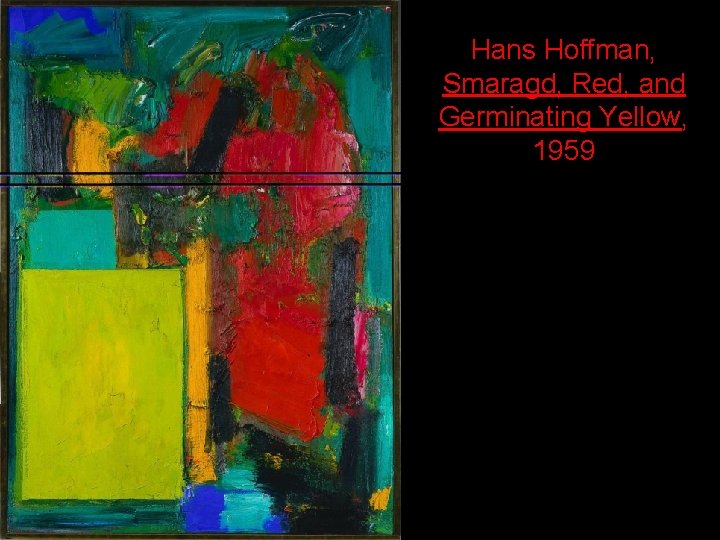
Hans Hoffman, Smaragd, Red, and Germinating Yellow, 1959
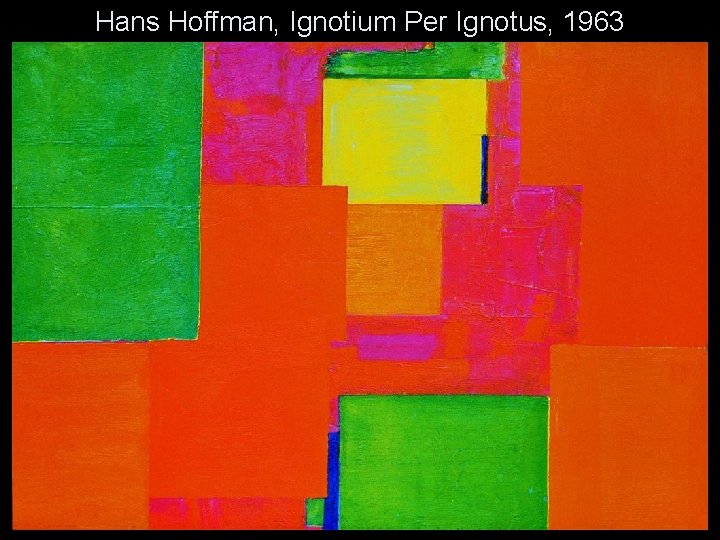
Hans Hoffman, Ignotium Per Ignotus, 1963
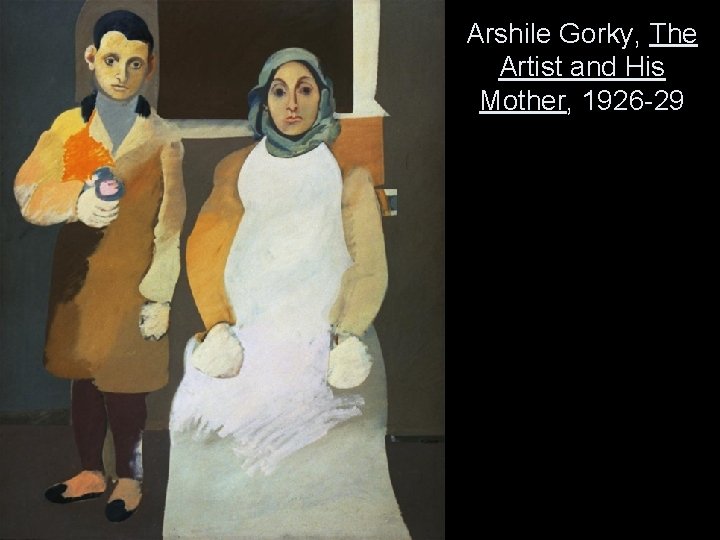
Arshile Gorky, The Artist and His Mother, 1926 -29
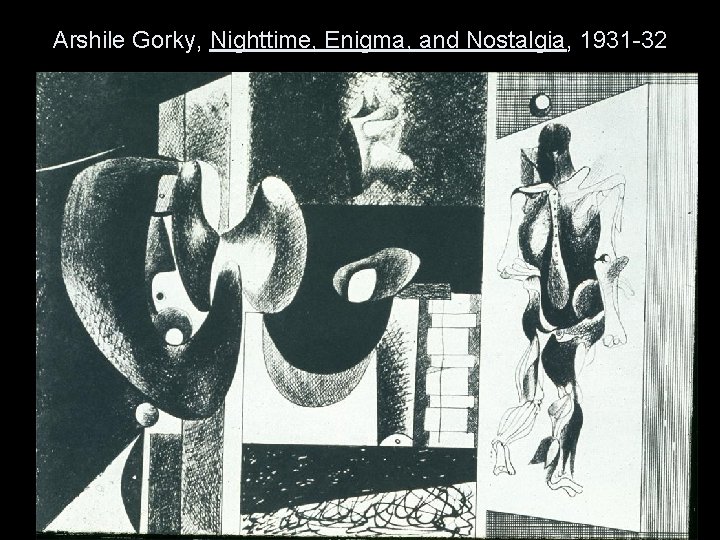
Arshile Gorky, Nighttime, Enigma, and Nostalgia, 1931 -32
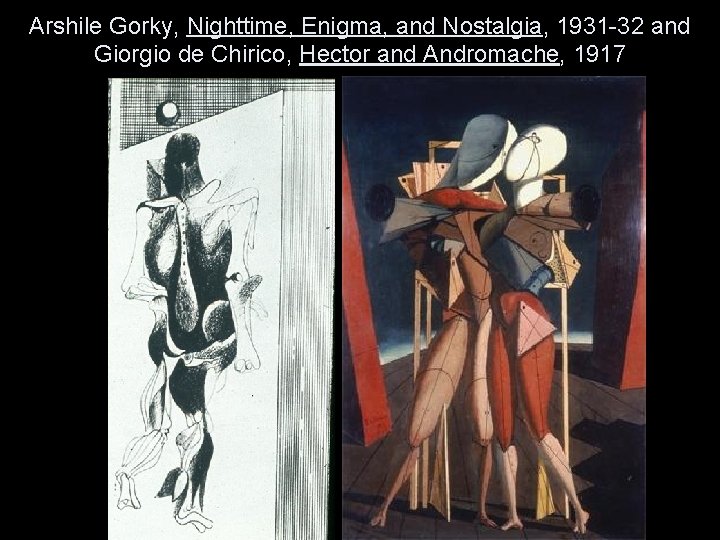
Arshile Gorky, Nighttime, Enigma, and Nostalgia, 1931 -32 and Giorgio de Chirico, Hector and Andromache, 1917
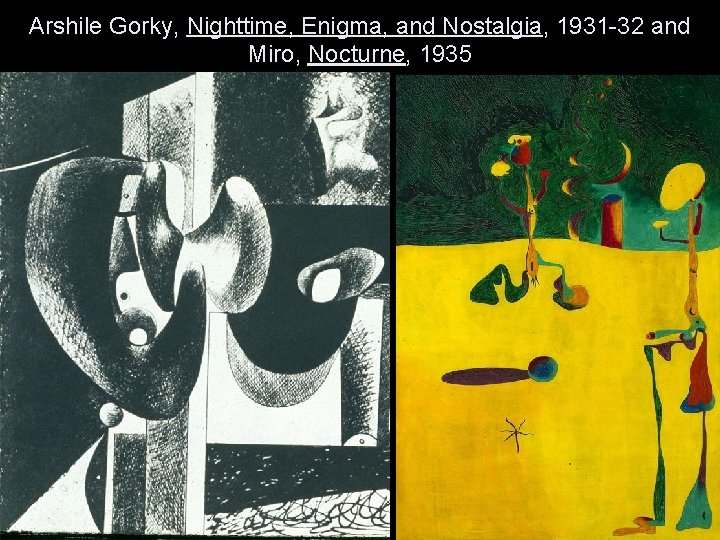
Arshile Gorky, Nighttime, Enigma, and Nostalgia, 1931 -32 and Miro, Nocturne, 1935
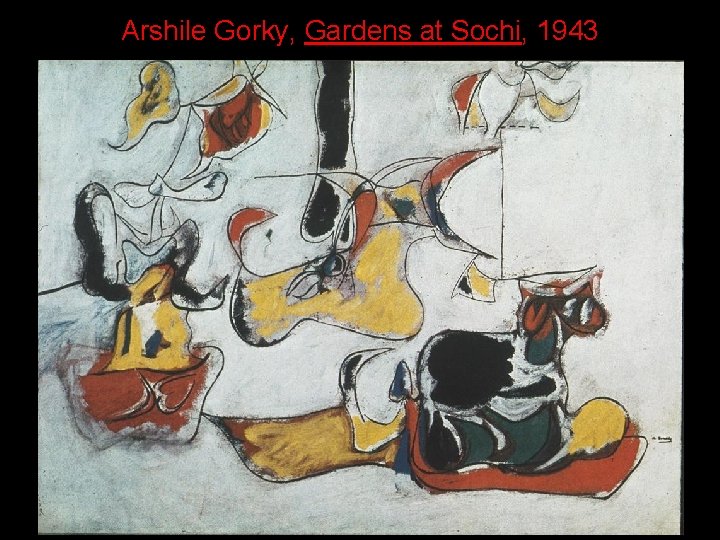
Arshile Gorky, Gardens at Sochi, 1943
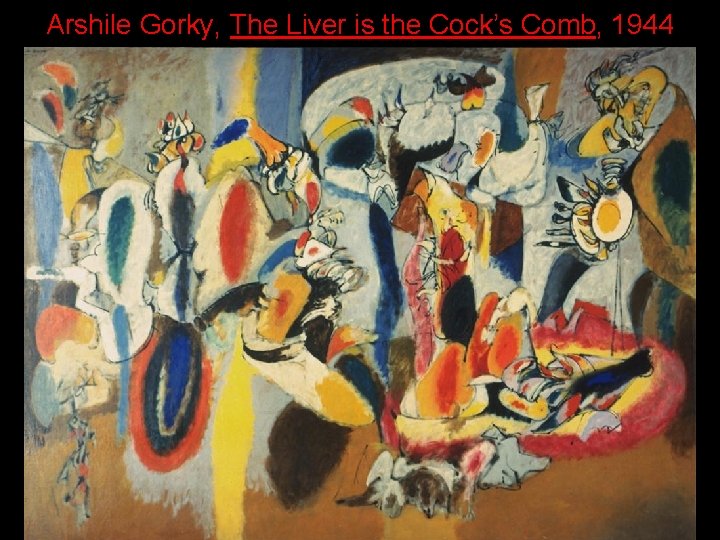
Arshile Gorky, The Liver is the Cock’s Comb, 1944
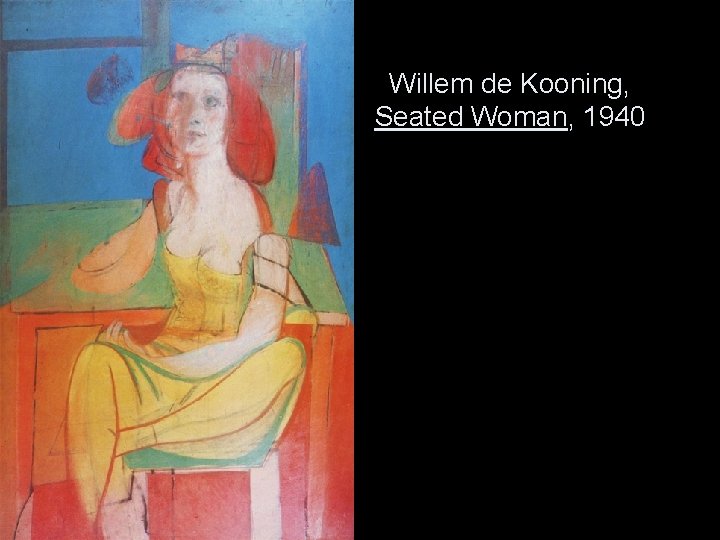
Willem de Kooning, Seated Woman, 1940
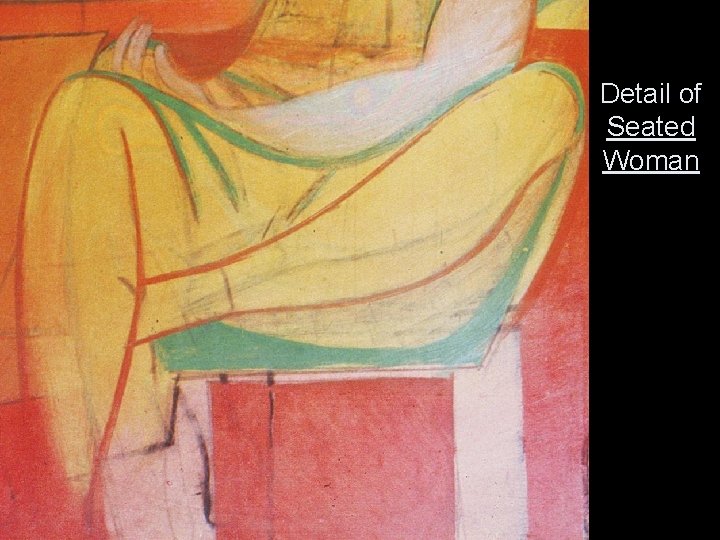
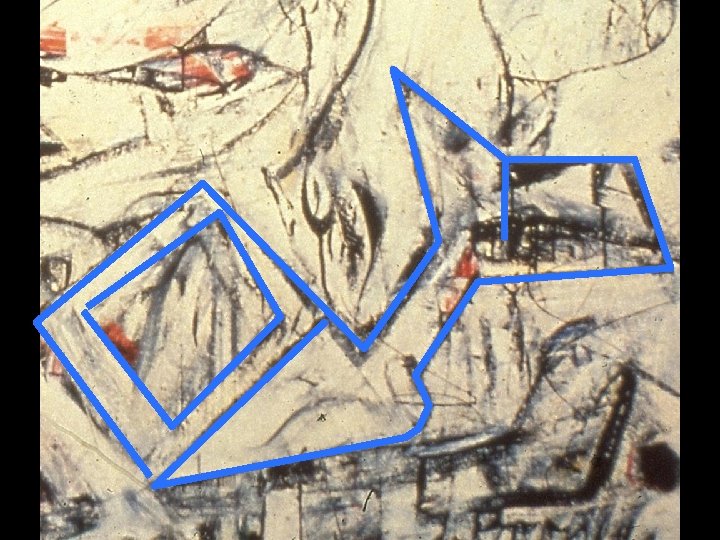
Detail of Seated Woman
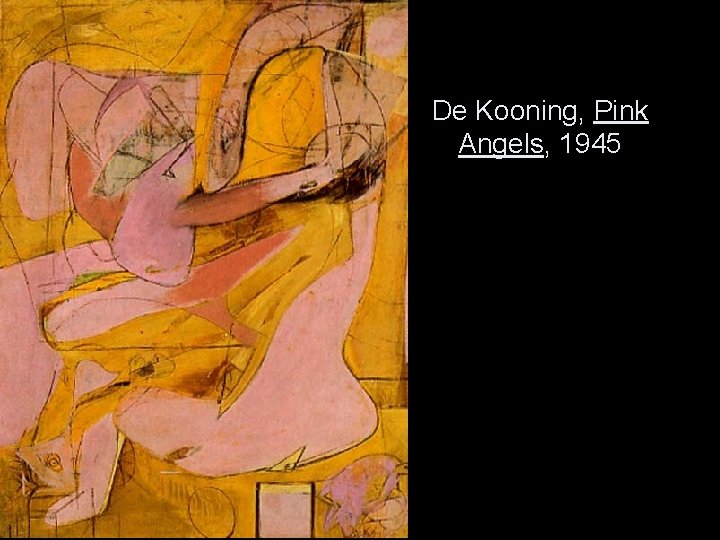
De Kooning, Pink Angels, 1945
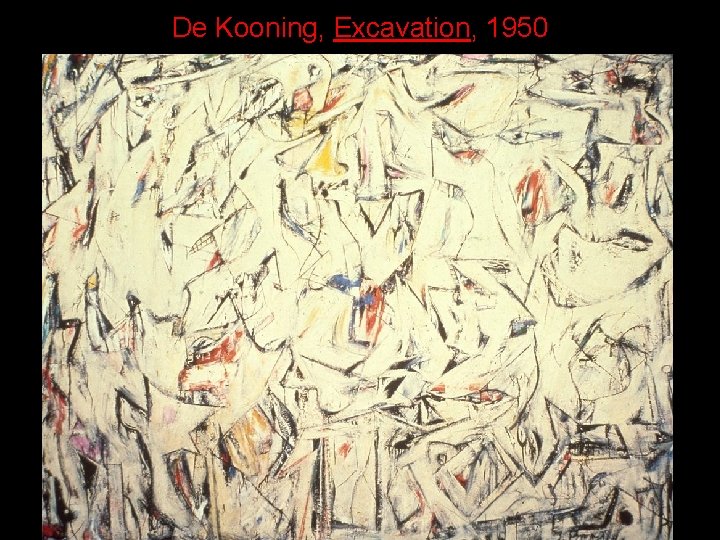
De Kooning, Excavation, 1950
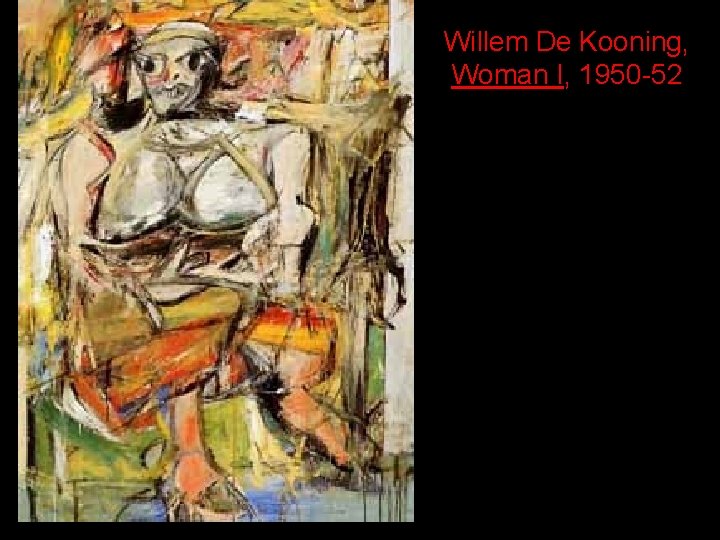
Willem De Kooning, Woman I, 1950 -52
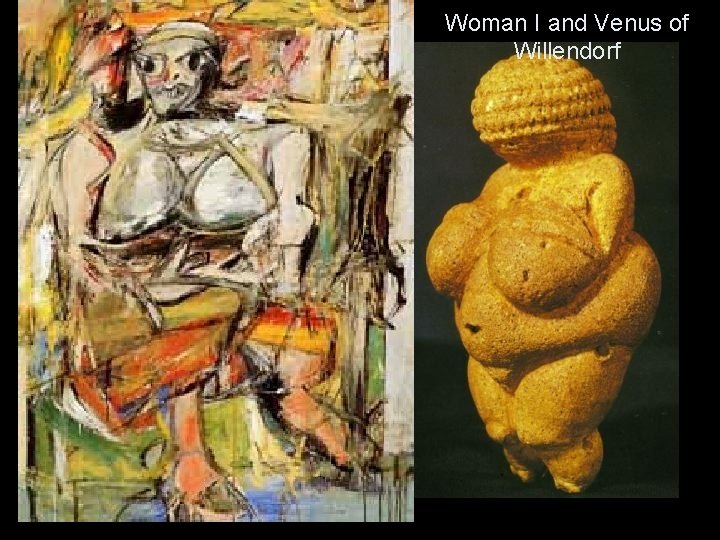
Woman I and Venus of Willendorf
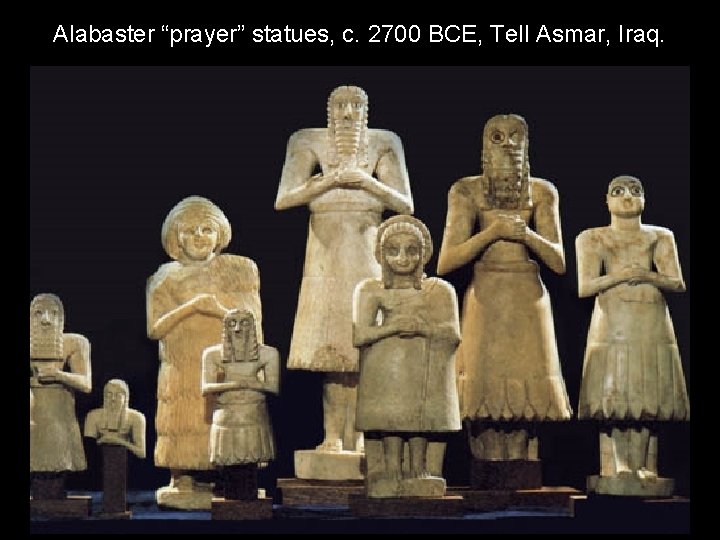
Alabaster “prayer” statues, c. 2700 BCE, Tell Asmar, Iraq.
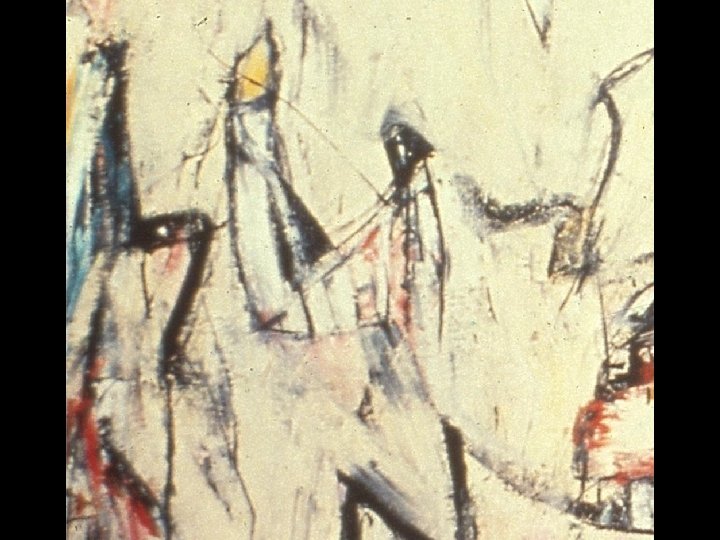
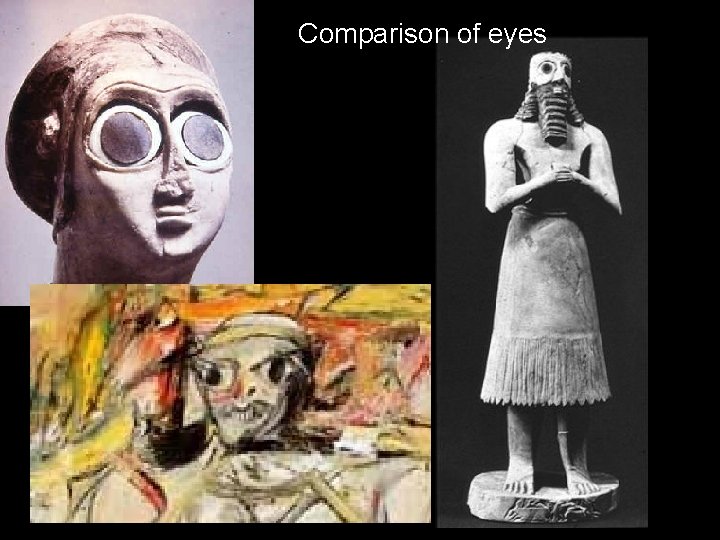
Comparison of eyes
Thomas Hart Benton, Arts of the West, 1932
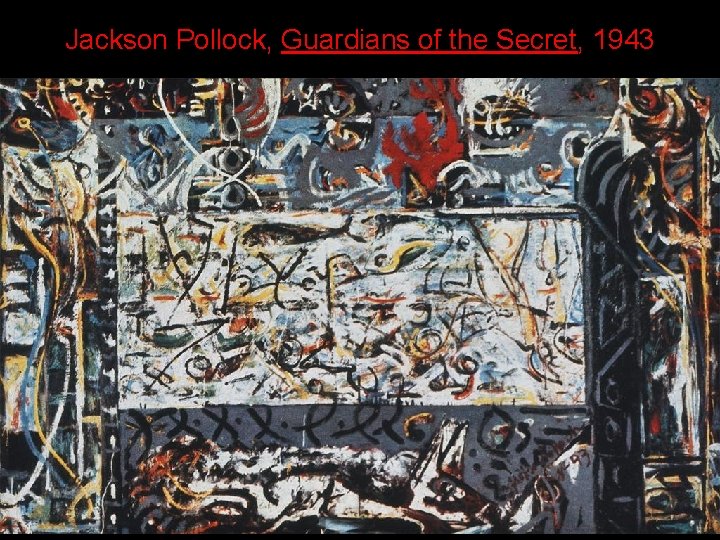
Jackson Pollock, Guardians of the Secret, 1943
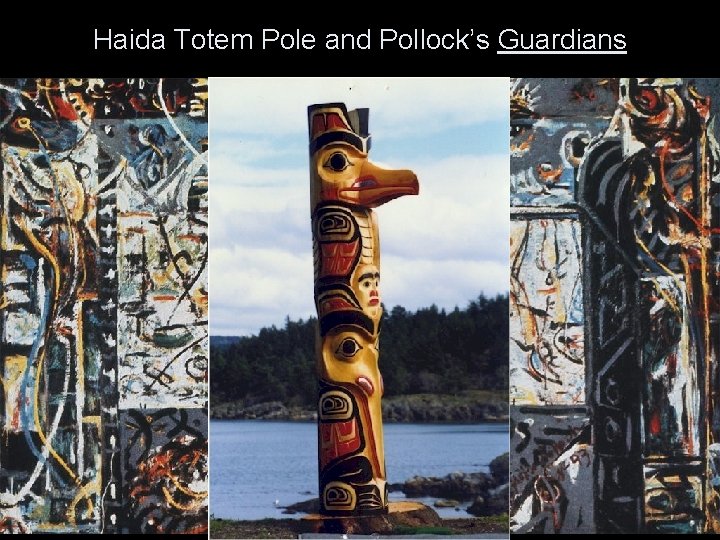
Haida Totem Pole and Pollock’s Guardians
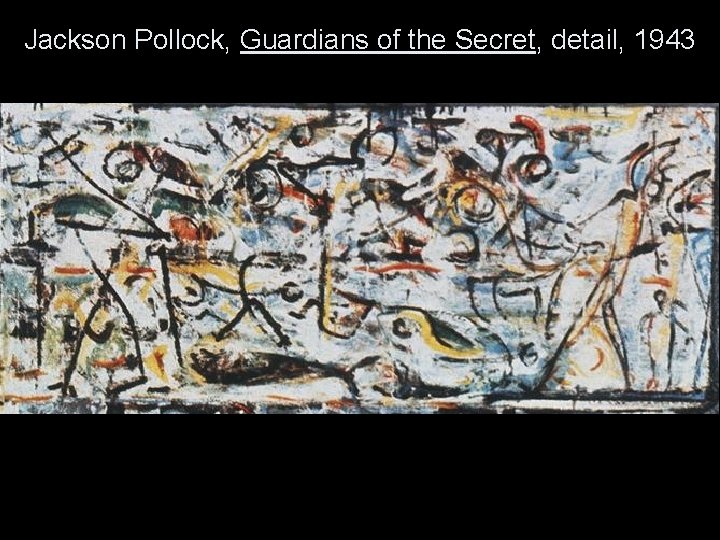
Jackson Pollock, Guardians of the Secret, detail, 1943
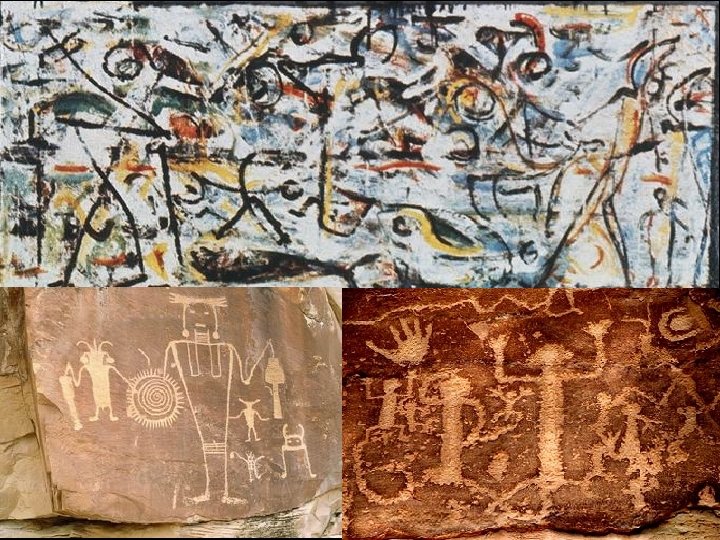
Jackson Pollock, Guardians of the Secret, detail, 1943
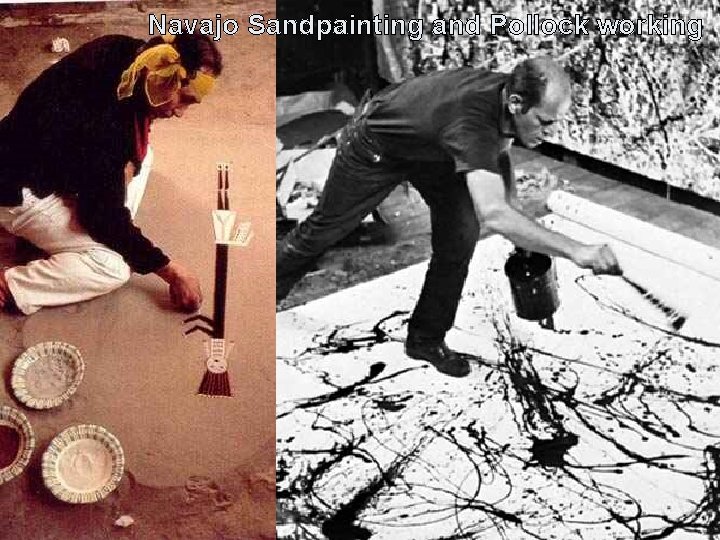
Navajo Sandpainting and Pollock working
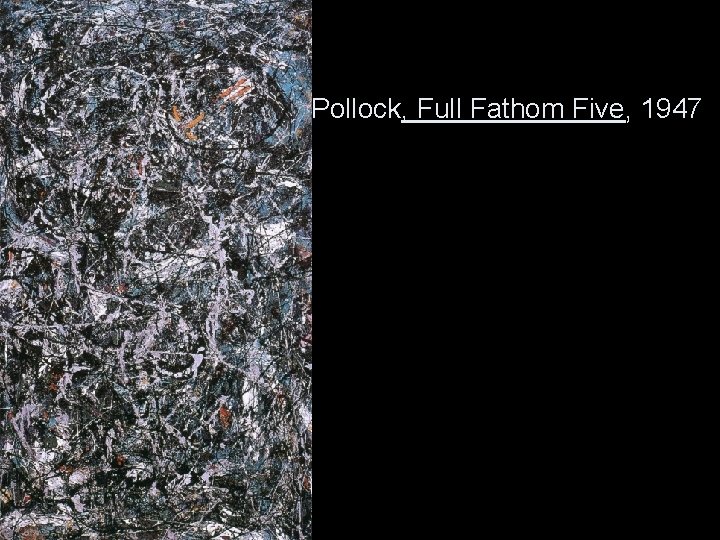
Pollock, Full Fathom Five, 1947
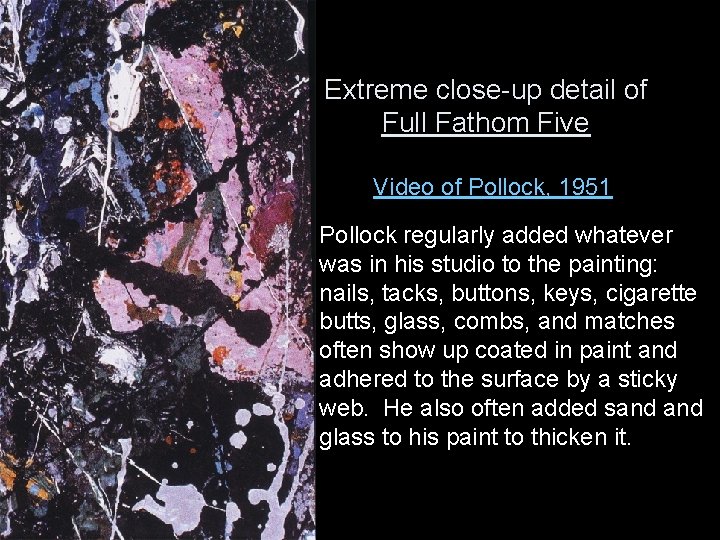
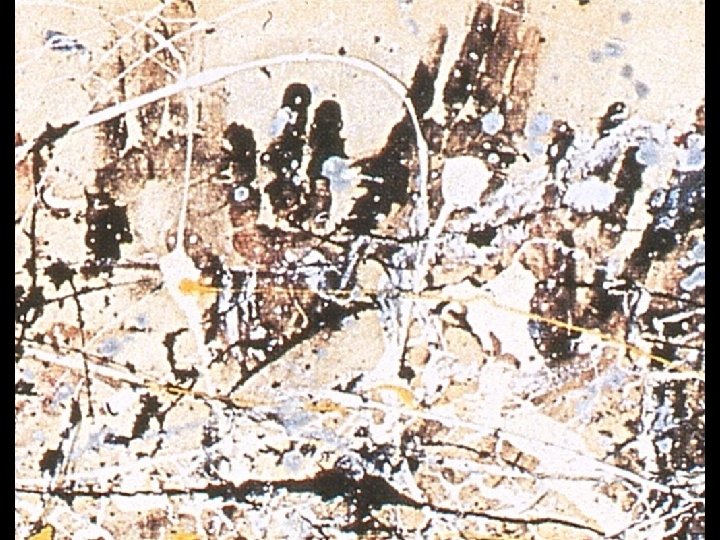
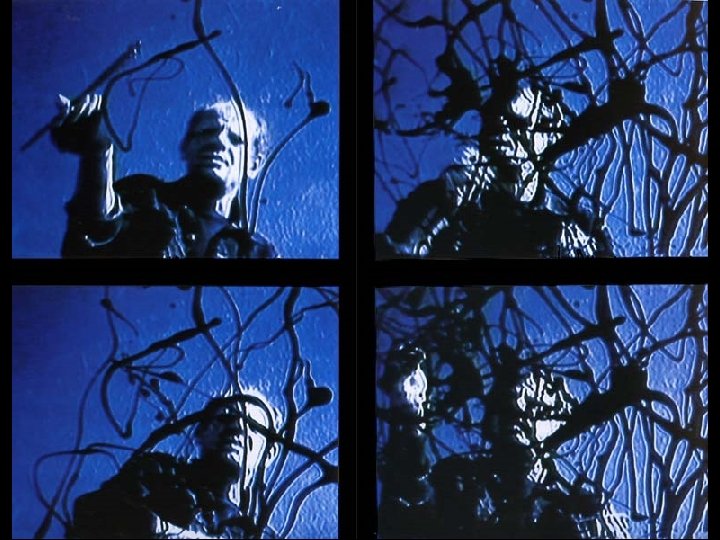
Extreme close-up detail of Full Fathom Five Video of Pollock, 1951 Pollock regularly added whatever was in his studio to the painting: nails, tacks, buttons, keys, cigarette butts, glass, combs, and matches often show up coated in paint and adhered to the surface by a sticky web. He also often added sand glass to his paint to thicken it.
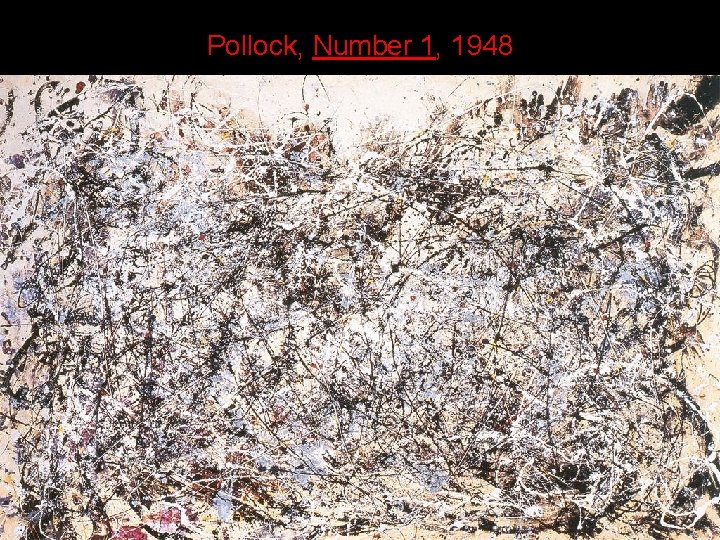
Pollock, Number 1, 1948
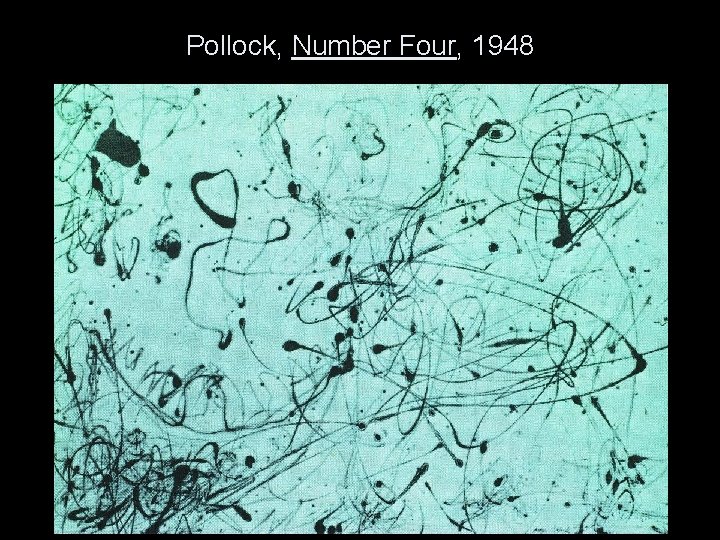
Pollock, Number Four, 1948
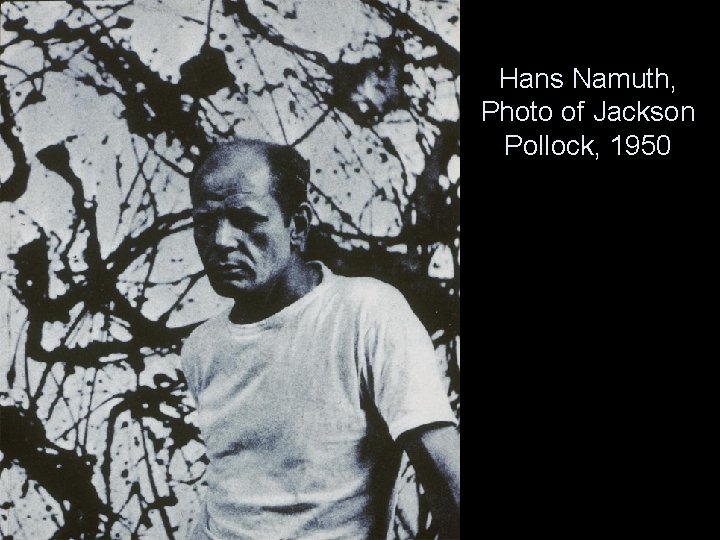
Hans Namuth, Photo of Jackson Pollock, 1950
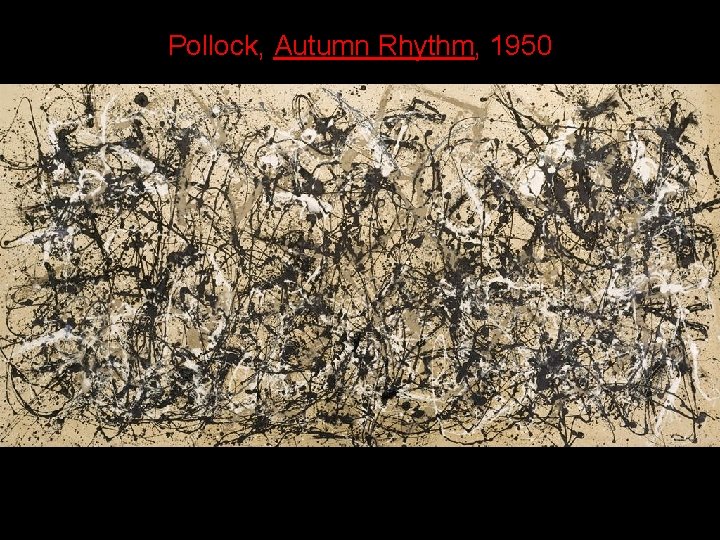
Pollock, Autumn Rhythm, 1950
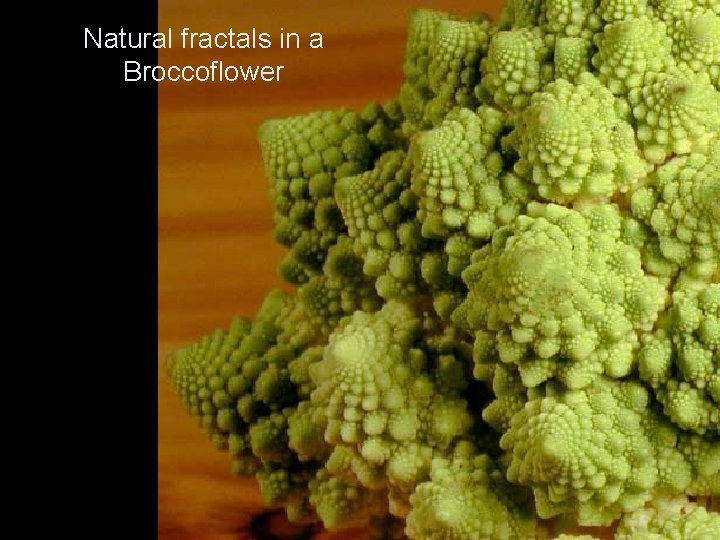
Natural fractals in a Broccoflower
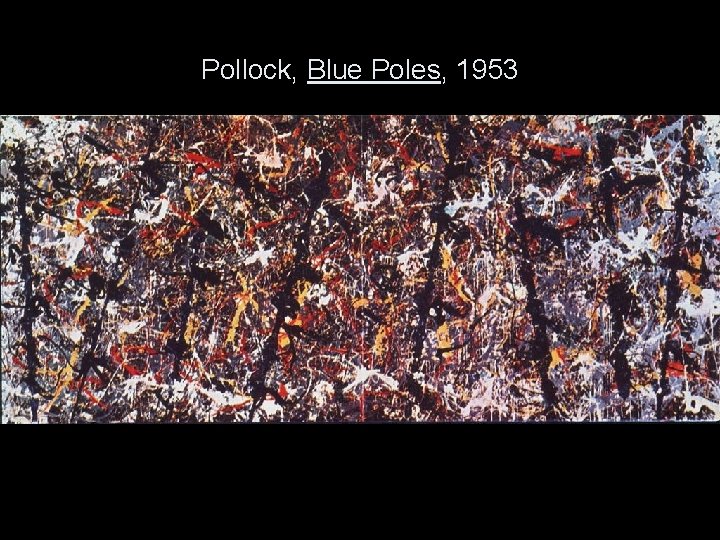
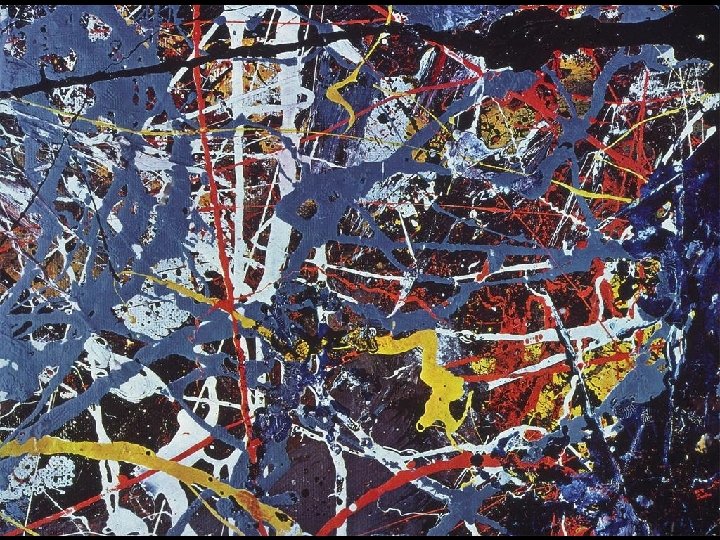
Pollock, Blue Poles, 1953
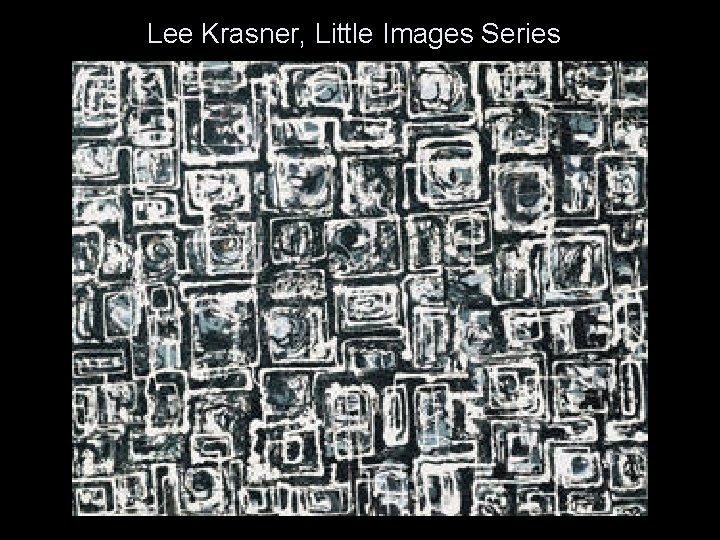
Lee Krasner, Little Images Series
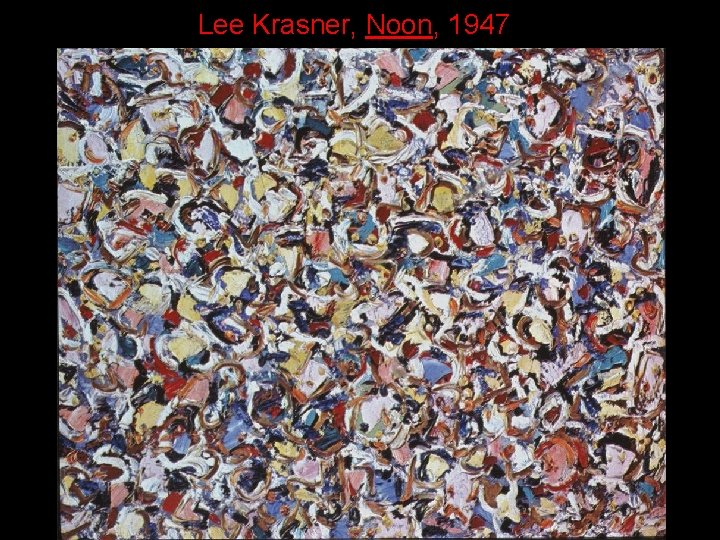
Lee Krasner, Noon, 1947
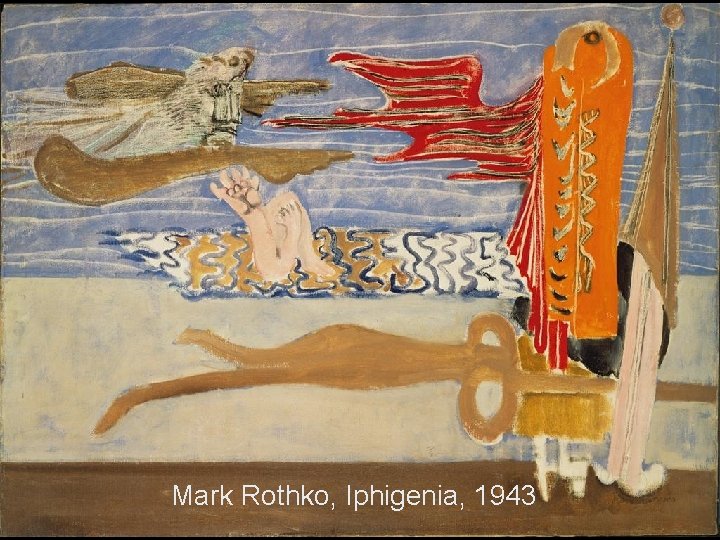
Mark Rothko, Iphigenia, 1943
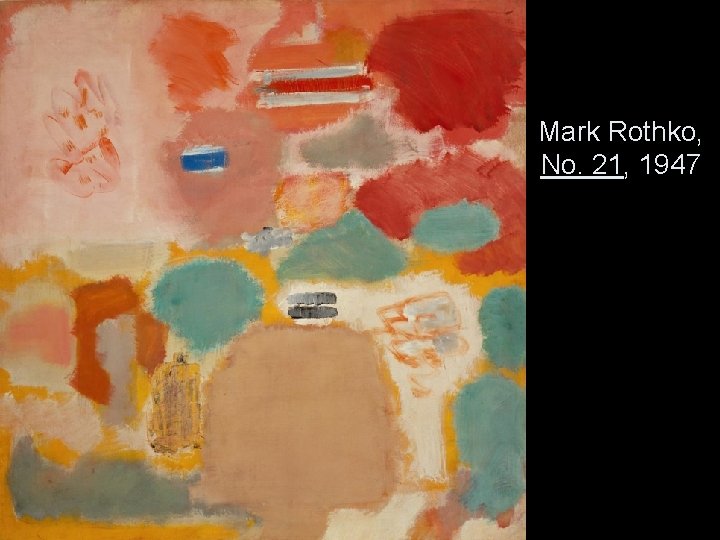
Mark Rothko, No. 21, 1947
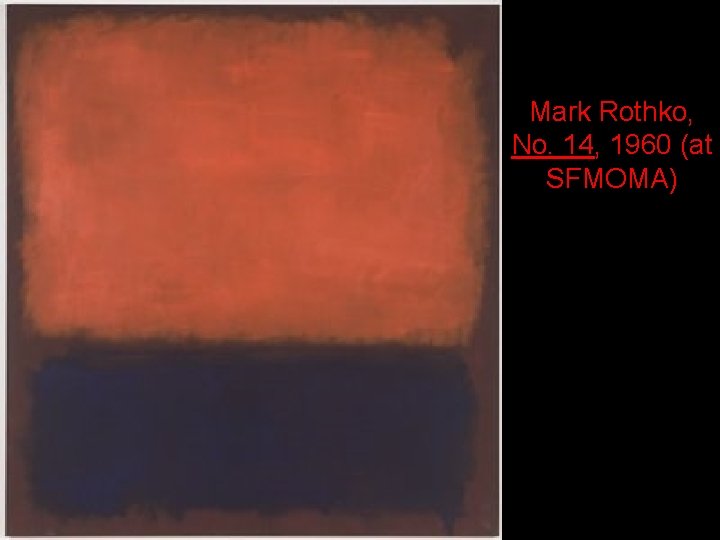
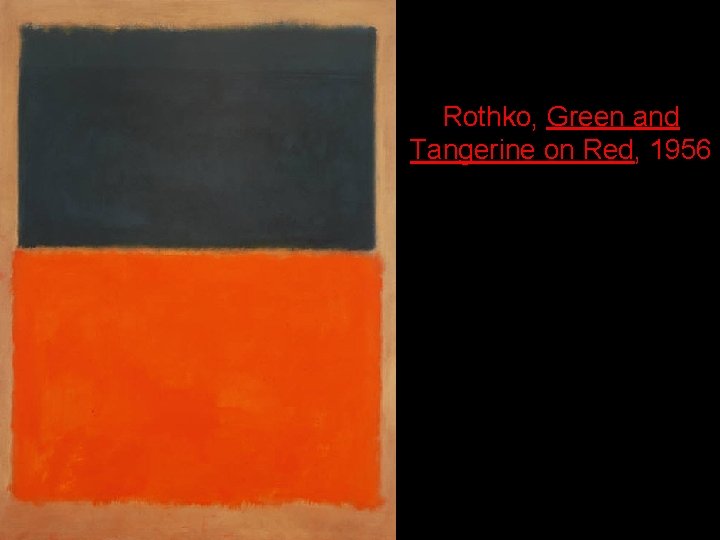
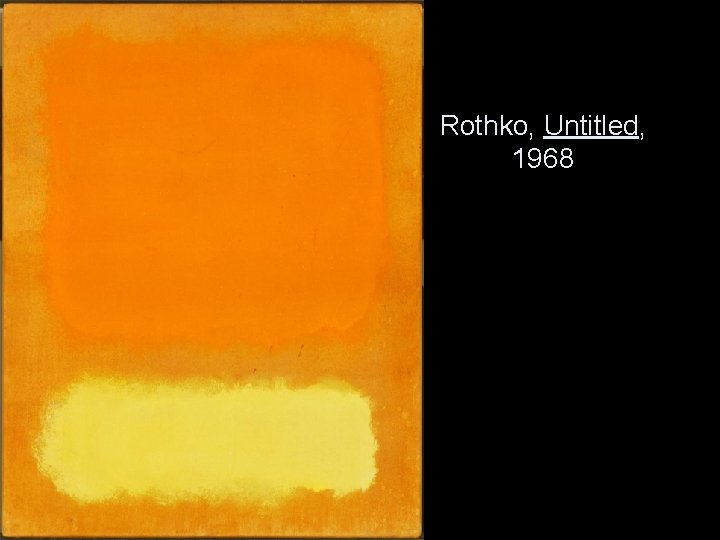
Excerpt from a letter to the New York Times by Rothko: • “We favor the simple expression of the complex thought. We are for the large shape because it has the impact of the unequivocal. We are for flat forms because they destroy illusion and reveal truth. ”
Mark Rothko, No. 14, 1960 (at SFMOMA)
Rothko, Green and Tangerine on Red, 1956
Rothko, Untitled, 1968
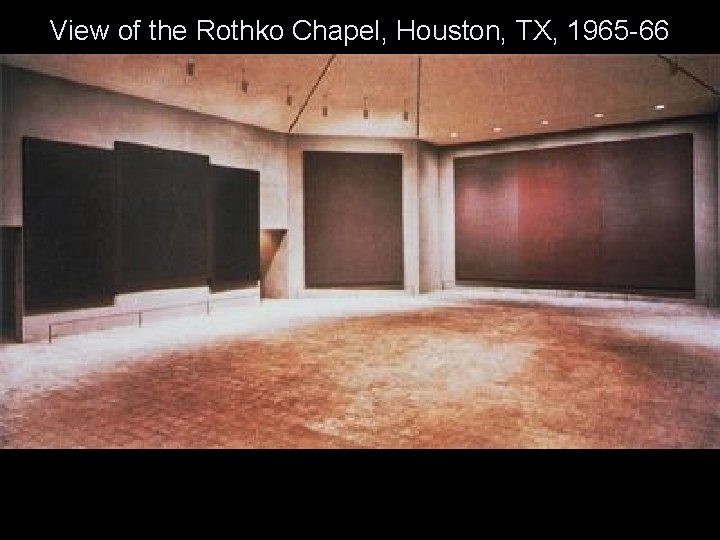
View of the Rothko Chapel, Houston, TX, 1965 -66
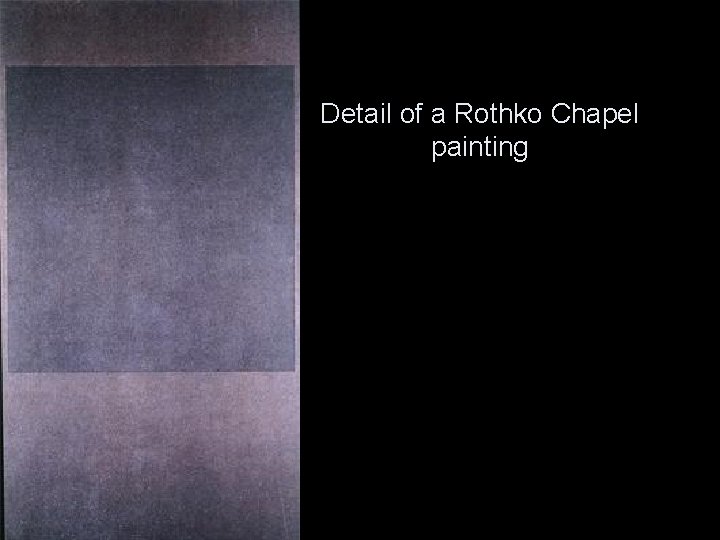
Detail of a Rothko Chapel painting
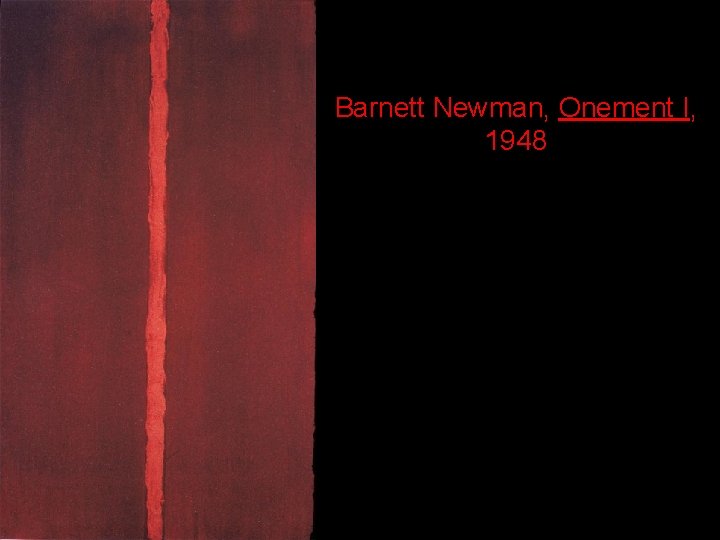
Barnett Newman, Onement I, 1948
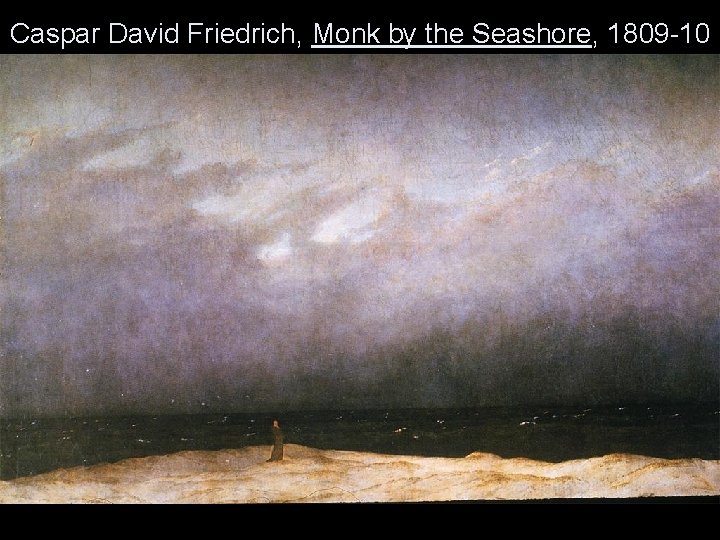
Caspar David Friedrich, Monk by the Seashore, 1809 -10
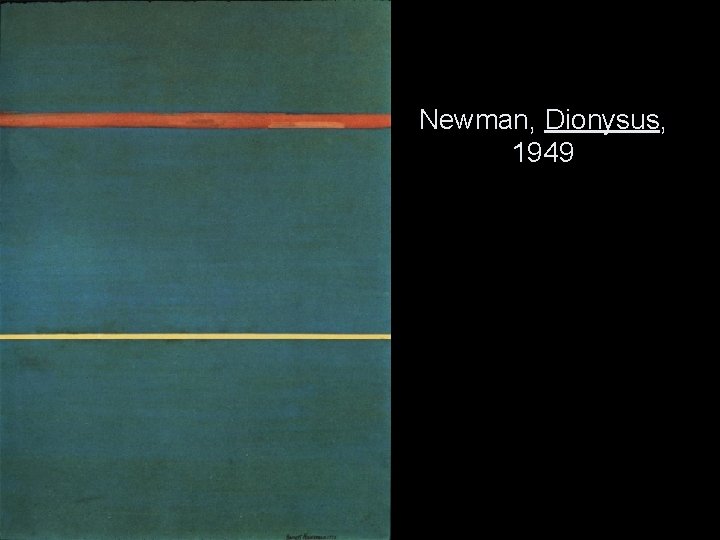
Newman, Dionysus, 1949
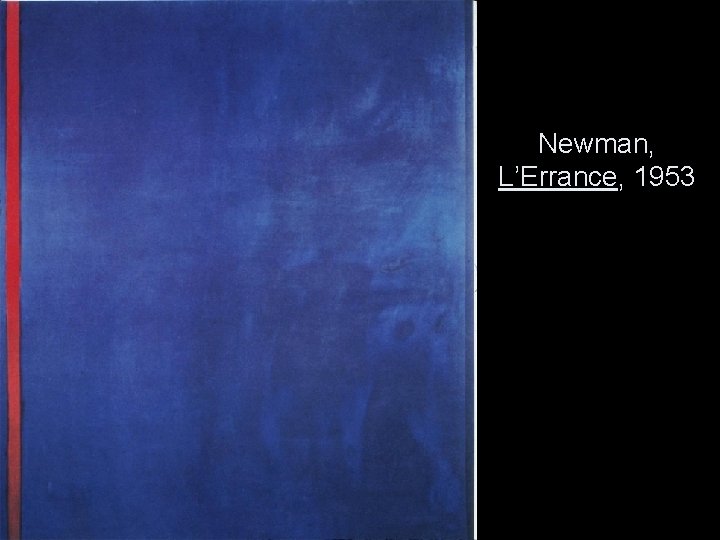
Newman, L’Errance, 1953
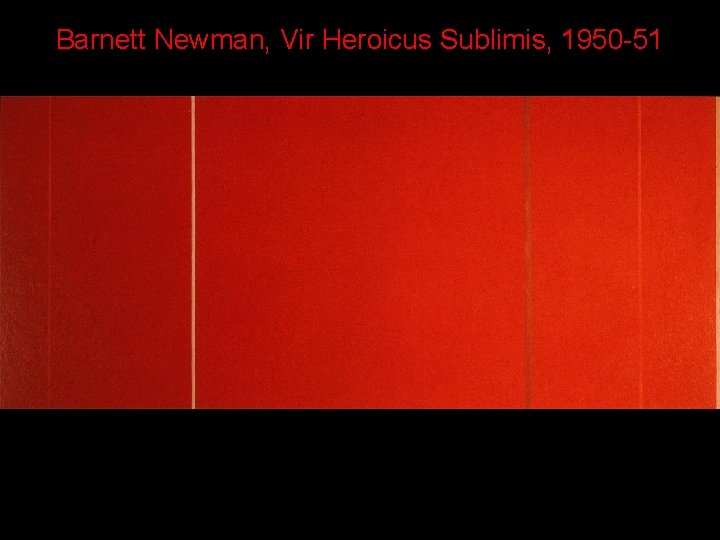
Barnett Newman, Vir Heroicus Sublimis, 1950 -51
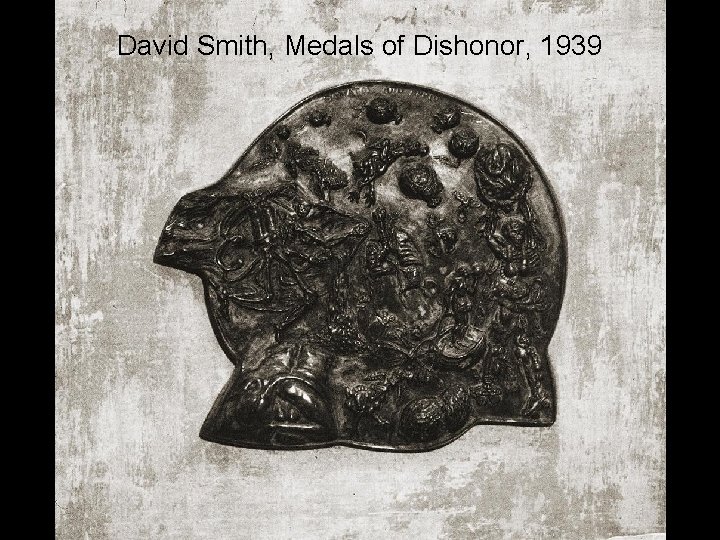
David Smith, Medals of Dishonor, 1939
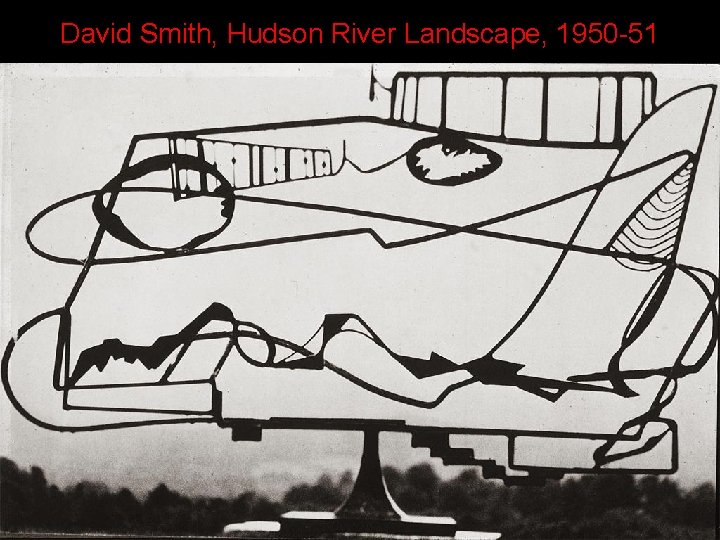
David Smith, Hudson River Landscape, 1950 -51